Alternative Version, Cover Versions, Peel Sessions, Sampled

Orderly Cue

New Order‘s Power Corruption & Lies has just had the luxuruious, deluxe treatment. Not for any anniversary reasons it seems, but it follows swiftly on the heels of the similar treatment afforded to its predecesor, Movement. Movement is a landmark album for New Order in some ways, not least the band’s decision to continue making music in the aftermath of Ian Curtis’s death, but Power, Corruption & Lies, as you know already, is the album where New Order is truly born.

Gone are the self-conscious carbon copy Curtis vocals and mannerisms. (Almost) nowhere to be heard are the rattling, richocheting Hannett-affected steam-powered drums. The high up the frets bass is, crucially, still there, more to the fore even; post-punk liquid mercury, fluid and meandering, creating that signature New Order sound without anyone being aware at the time.

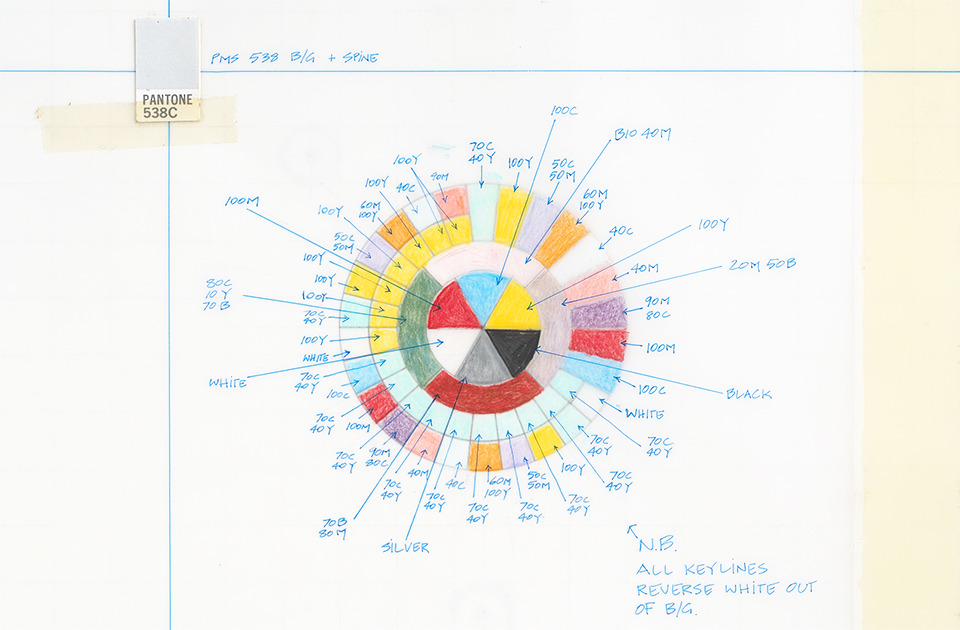
Where the synth lines on Movement were occasional and minimal, on Power, Corruption & Lies they’re elegant and glacial, polishing New Order’s confident new sound with a reflective sheen. From the flowers on the cover – the juxtaposition of old and new worlds, explained sleeve designer Peter Saville – and its code-cracking tracklisting on the back, via the grapple and struggle with new technology to Bernard finding his own shaky voice, everything about Power, Corruption & Lies screams fresh new start.

The soul of the band’s adventurous new sound can be found at the end of the 1st side.

New Order586

Peter Saville’s original sketched idea for the back sleeve

586 is, to begin with, a bit of a strange track. Those rattling, richocheting drums make a brief appearance at the start before a squelchy, squiggly keyboard line assumes the role of lead. Freeforming for a good couple of minutes, and just as you think it might be running out of ideas, a familiar ghostly synth line introduces itself, curling in like a cold, grey fog off the Manchester Ship Canal. Back in 1983 (or ’93 or ’03 or even right now,) New Order obsessives listening for the first time would have pricked their ears in a Proustian rush of recognition.

Coupled with the clattering sequenced electro and rapid-fire snare that follows immediately afterwards, 586 reveals itself to be Baby Blue Monday. It’s got it all going on – the tempo, the four to the floor dancefloor beat, the breakdown in the middle…but mostly, it’s in the propulsive, forward-thinking rhythm and pulsing, sequenced synths. Blue Monday was the stand alone single, released before the album, but 586 was clearly conceived at the same knee-trembling session behind the mixing desk. 

Peter Saville’s guide to cracking the tracklisting code

It’s significantly different in other ways though. Bernard’s voice is in a higher register, falsetto occassionally, and nothing like the bottom of the boots Curtisish vocal on Blue Monday. There’s an energy of its own to it and a high synthy melody that repeats throughout, giving way to warm and fuzzy synths before the gears begin to grind to a halt and the whole track sloooooows doooown to a juddering stop, bringing both itself and side 1 of the album to a definite close.

586 began life in May 1982 when Tony Wilson asked New Order for “20 minutes of pap.” The original version was put onto video and played when the Haçienda opened its doors for the first time. A shorter version was redone for the band’s Peel Session a month later.

New Order586 (Peel Session)

With backwards sections and helicoptering synths, bendy bass and a rhythm track made up of heavily treated sleigh bells and jangling percussion, it isn’t the “20 minutes of pap” that their label boss asked for, but it’s very much a lyric in search of a better tune. That tune duly turned up a year later, half of it soundtracking the album version, the other half lending itself to the greatest 12″ single of all time.

New Order/Ennio Morricone bassline

Talking of which – where would Blue Monday be without that twanging, Spaghetti Western bassline? Stolen twang for twang from Ennio Morricone’s soundtrack for For A Few Dollars More, it became Peter Hook’s signature sound on New Order’s signature record, and a sound that’s still very much likely to prick the ears of people of a certain age forever.

Cover Versions, Hard-to-find

I Want You To Want Me 2

Marvin Gaye‘s I Want You is a supreme slice of mid 70s soul. Taking its feel from one of its creator’s finest moments, you could be forgiven for assuming that What’s Going On‘s Mercy Mercy Me had slinked its way off the grooves of its parent album three years earlier, floated patiently in the ether while Marvin busied himself with rustling up another masterpiece, then alighted on the wax, a groove with no peaks or troughs and no real verses or choruses, but a slow and steady earworm of a track.

It’s heavy on Blaxploitation-era vibes – congas, elongated sweeping strings, tingaling percussion, parping brass, stinging guitar – and home to one of the singer’s greatest-ever vocal performances. What’s Going On (the album and its title track) – and to a lesser extent the follow-up Let’s Get It On – take some beating, and I Want You (the album and its title track) have been unfairly marginalised on the sidelines as a result. Indeed, you could make a decent claim for I Want You being the perfect third in a luscious, exquisite trilogy of soul. But that’s for some other writer who’s better qualified than I.

Marvin GayeI Want You

Marvin’s vocal on I Want You‘s title track is terrific. Double, triple, quadruple-tracked in places, he sings to himself, with himself and above and beyond himself. It’s there in the way he pre-empts the string motif at the start, it’s there in the high falsettoed call and response sections throughout and it’s most certainly there in the suggestive come hither moan that is emitted from somewhere below his belt line. Listen to the track 3/4/5/half a dozen times and I guarantee you’ll spot something you missed the last time around. It’s an astonishing performance.

Carried by a melody gifted from the Gods of Song, Marvin recasts himself as Nat King Cole for the right-on generation, a caramel-smooth crooner with perfect pitch and enunciation, the voice floating above and between his crack band of Motown sessioneers. When you want some of that badass, sidewalk struttin’ guitar on your record, who you gonna call? Ray Parker Jnr, of course.

You’d have to assume that Marvin had no bother when it came to the ladies. (Exhibit A, above, m’lud). Let’s Get It On was his previous call to arms, I Want You the next. I want you, he says, more a statement of fact than as a yearning for a partner that’s unattainable. No-one was ever out of Marvin Gaye’s league, right?, so when the Big M states that he wants you, he’s letting you know – out of gentlemanly manners – that tonight, you’re the chosen one.

Madonna though. You’d have to assume that she has no bother in this department either. If she wants you, she’ll most likely get you, yet she tackles I Want You with all the uncertainty of a lovestruck teenager at the back of chemistry who wastes her day away drawing hearts around the name of the school stud that common consensus makes clear she has no chance with.

Madonna/Massive Attack I Want You

Slow and steady, powered by signature dark beats and a static crackle of tension, Madonna’s six and a half minute take on I Want You is the best approximation of being painfully, agonisingly in love with someone you’ll never be with that you’re ever likely to hear. Its treacle-thick ambience – stop-the-world, wooly and insular – captures perfectly that feeling of being lost in a place that you and only you understands. It’s an engrossing listen, the vocal drawn-out almost to the point of desperation. Madonna. Desperate. Let that sink in. It might be a cover version, but as far as great Madonna tracks go, I Want You is fantastic.

Much of the reverence should be reserved for Massive Attack’s sophisto instrumentation and Nellee Hooper’s on-the-nose production. They get Madonna to do the Marvin thing of singing the string line before it comes in. They get her, like Marvin, to sing to herself, with herself and above and beyond herself; a whisper here, a straight ahead measured vocal there, an immersive performance throughout. They even go for the tingaling percussion, synthetic rather than pitched and last heard on their own Unfinished Sympathy, and the strings too have seemingly slid straight off of that particular cracker and kept up the good work on the Marvin cover.

Slo-mo and cinematic, the Madonna/Massive Attack take on I Want You is sublime.

Get This!, Gone but not forgotten

It’s A Topper

The whole of The Clash‘s Sandinista! might be almost too much to take for the first 40 years of listening, but one day you’ll wake up and it’ll all make perfect sense. It’s an exhaustive listen, a triple album that cliché would have you believe would be better off trimmed to a double, but it’s great precisely because it’s so sprawling and genre-hopping: dub reggae, punk rock, soul, rockabilly, whacked-out proto hip-hop, stadium-sized riffage, Clashified covers of Mose Allison, the Equals and The Clash themselves (how meta, the hipsters might say today)…. you name it, Sandinista! has it all.

Side 1 of 6 sets the entire stall out, spinning wildly through the perennially groovy Magnificent Seven and the take-it-to-church Supremes stomp of Hitsville U.K. via Junco Partner‘s head-nodding roots reggae before alighting on Ivan Meets G.I. Joe.

Ivan… comes at you like a rush of hot dusty, musty air from out of the westbound tunnel at Ladbroke Grove underground station, a clattering, echoing, rattling racket that arrives suddenly, hangs about for a prime-time 3 minutes then rushes off again, a blown-up trail of what the fuck was that? left in its wake. Four songs in and The Clash have merged more ideas and genres than most bands would dare to tackle in a lifetime.

The ClashIvan Meets G.I. Joe

A fantastically-arranged track and surely a blueprint for the future Rock The Casbah, Ivan Meets G.I. Joe is a Cold War dance-off that predates Frankie’s Two Tribes by a good three and a half years. Where Frankie revelled in the fight, The Clash suggest the two superpowers might be better off hitting the dancefloor than one another. The entire track is smothered in added bleeps and whooshes, Howitzer explosions and rapid-fire machine gun fire. It’s certainly dance music Jim, just not as we know it.

Joe Strummer may have written the vast majority of the words, but it’s the drummer that this track really belongs to. Arranged by Topper Headon, he incorporates pounding piano, a juddering brass section and a tight-but-loose disco drum beat that showcases his talents. In concert, the track afforded Topper his Ringo moment, the spotlight leaving the other three to jump about in the shadows for the duration. Y’can say what y’like about Topper, but you won’t hear many bad words about Ivan Meets G.I. Joe.

Forever principled, The Clash eschewed individual songwriting credits on Sandinista! Lower royalty payments would allow them to sell the album at a fan-friendly price and despite pressure from those at CBS, they were adamant that the entirety of the album they’d presented would be the album that was released. Turning money into rebellion (!) they gave up all royalties on the first 200,000 copies sold, enabling the six sided album to be sold for not much more than the price of a standard LP. Can you imagine any act suggesting this nowadays?! (Can you imagine (m)any acts selling 200,000 albums nowadays?)

Alternative Version, Get This!

Uneasy Listening

When Jerry Dammers slipped off his loafers and eased The Specials into the exotica-tinged territory that constituted the More Specials album, it may have smoothed the edges from their punkish, knock-kneed ska, but their socially-aware ethos and political stance was as razor sharp as ever. You might go as far as arguing that, essential as that first Specials album undeniably is, the second album More Specials is exactly that – more special.

It’s there in the arrangements and choice of instrumentation. The icerink ska of Do Nothing, the mariachi march and doom-laden backing vocals of Stereotype, the mile high fabulousness of International Jet Set; every track a jerky off-beat work of art, presented in 2 Tone monochrome but coming at you in full-on technicolour. While most bands of the era were reinventing guitar music or pioneering synth-based pop, The Specials now lifted their influences from the lounge music of the past and re-presented it as the in sound from way out. It’s no coincidence that not long after, The Beat raided their dads’ old Andy Williams records for inspiration before crashing the charts with their take on Can’t Get Used To Losing You.

The Bodysnatchers’ Roda Dakar was a guest vocalist on More Specials. Known for just the one hit – a 100mph take on Dandy Livingstone’s People Do Rocksteady – The Bodysnatchers were already splintering into the Belle Stars by the time Dakar had taken up Dammers’ offer of joining The Specials on stage for occasional backing vocals.

An interesting band in the 2 Tone story, The Bodysnatchers had just one original track of their own, yet despite 2 Tone’s inclusive, anything goes stance, they were discouraged from releasing it. Putting her theatre background to good use, Rhoda had riffed a spontaneous freeform lyric – a true story – over the top of a Bodysnatchers groove during rehearsal and unwittingly gave birth to one of the most contentious records of the era.

Pulling no punches, The Boiler told the story of Dhakar’s friend who’d been raped. 2 Tone’s parent label Chrysalis took one look at the lyrics and baulked, leaving The Bodysnatchers’ version at the very back of the vault marked ‘unreleased‘.

Jerry Dammers though recognised the track’s importance and, during those More Specials sessions, set about recording the perfect backing track for Dakar’s story.

The SpecialsTheme From The Boiler

Continuing in the vein of More Specials, Theme From The Boiler is similarly tinged with exotic mystery. In a time signature that Dave Brubeck may have had trouble with, it grooves along on a bed of John Barry beat guitar, muted trumpets and a loudly-programmed Linn drum machine. As the track progresses, a hollow vibraphone weaves its way in and out of the murk, the muted trumpets giving way to skronking background free jazz as the guitar revs its way into full-on Duane Eddy. Not yer average backing track by any means.

When the vocal was added, the track took a terrifying, nightmarish turn into the depths of despair.

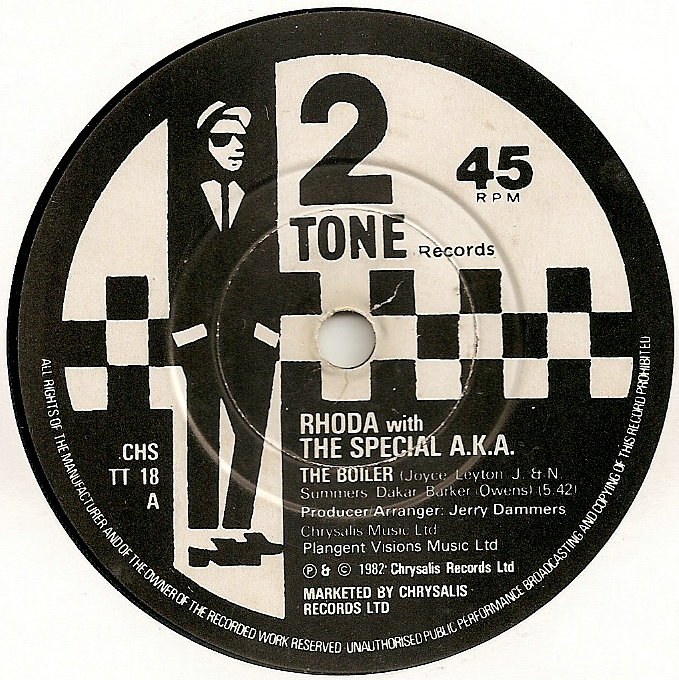
Rhoda with The Special AKA featuring Nicky SummersThe Boiler

Despite very limited airplay – it vanished from most playlists after the first week – The Boiler managed to chart, thanks to an ever-growing demographic of 2 Tone devotees who’d buy everything on the label as soon as it was released. It remains one of the strangest and most unsettling records you will ever hear.

I first heard The Boiler between Rat Race and Gangsters on an old 2 Tone compilation taped from my pal, and as a 12 year old with a healthy obsession for the fast dance-based excitement of Madness and The Specials and The Beat, it was the last thing I expected to hear.

It’s the most shocking record I own. When it boils down to it, most ‘shocking’ records are really just swear-filled schoolboy gigglers. That’s you, Bodies. And you too, Relax. The Boiler deals in actual human pain, as shocking as a sudden slap across the face but a thousand times worse.

The opening line  – I went out shopping last Saturday – is fairly disarming and you quickly settle in for the listen, unaware of where the record is going until it’s too late. Possibly the first record to address the subject of rape, it was raw and brutal and left this pre-teen listener feeling decidedly uneasy. Forty years later, it still does. Those screams as it ends….

It is the only record,” said Dammers solemnly, “that was ever made quite deliberately to be listened to once and once only.”


Get This!, Gone but not forgotten

Lookin’ At You, Kid

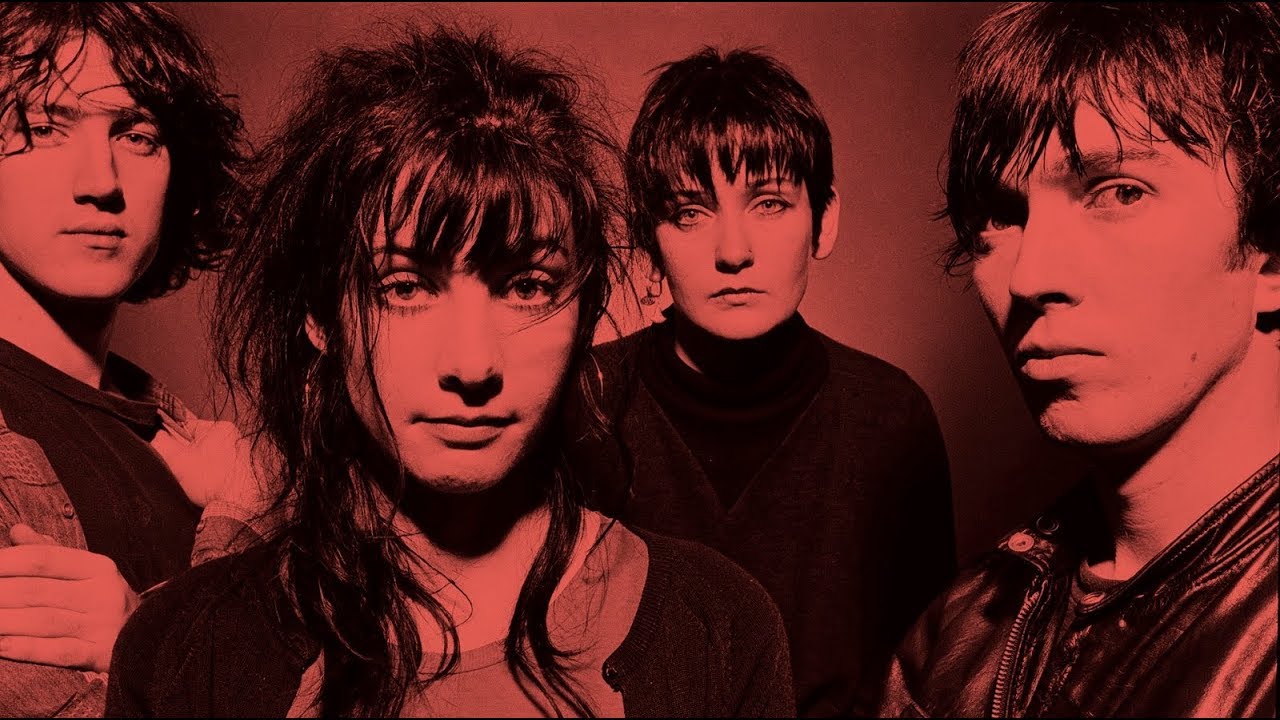
There’s nary a wasted line on The PretendersKid. Lean and low-fat yet packed full of melody and mood, it still sounds out-of-the-box fresh 41 years later. Riding along on a breeze of glistening, chiming, ringing guitars, it’s a heady amalgam of countryish punky jangle and street-sussed Chrissie Hynde sass. Listen as you read, won’t you?
The PretendersKid

It’s the guitar riff that makes it, of course, James Honeyman-Scott taking his guitar for a twangin’ walk up and down the frets; bending, sliding, hammering on and pulling off one of new wave’s greatest guitar lines.

He takes a back seat during the singing, happy to answer Chrissie’s softly crooned, conversational vocals with lovely thick tremeloed chords between the gaps. First chance he gets though, and he’s back to a reprise of that riff. After the second verse there’s a crashing, tumbling middle eight before the whole band sets him up for the solo. And what a solo!

In just a dozen seconds, Honeyman-Scott fires off the perfect musical interlude. He’s further up the frets now, not too high – certainly not as high as those other uncultured guitar stranglers and string manglers who aim for the 15th fret and leap off from there – and his guitar rattles and rolls with a Mr Sheen-like Byrdsian jangle, all slurry pull-offs and bending 3rd strings, before finishing off on an audacious and perfectly executed pinging harmonic.

With little time to catch breath we’re back into the breakdown where the band drops out save for some thumping toms and accompanying bass. A high in the mix jud-jud-juddering Townshendesque acoustic chord signifies we’re on the run home. The jangle is free-form now, the band loosening their collective collar and undoing the top button of their super-tight jeans, relaxing into the multi-layered silvery mercurial brew they’ve created out of thin air as Chrissie reprises the chorus and Honeyman-Scott plays another sublime variation of the solo.

The engineer or producer or whoever it was who thought it was a good idea to fade him/them out needs their stoopid head examined, they really do. Three minutes of post-punk new wave pop joy undoubtedly deserved to stretch its skinny legs for a good half minute more, even if that meant taking it, like Chrissie’s fringe, to just about beyond the considered optimum length. I doubt anyone would’ve complained.

Flashy without being arrogant, the guitar playing on Kid is something that, given equal measures of practice and patience, any dedicated guitar player could work their way up to replicating. Just ask that other king o’ the six string, Johnny Marr…


Get This!

Bric-a-Brac From The Knick-Knack Rack

I don’t know what was more surprising – the fact that a couple of nights ago I caught myself flat-footedly pounding the streets around my house in a close approximation of what the dog walkers who gave me a wide Covid-mindful berth might’ve called ‘jogging’, or the fact that, mid gasp, John Cooper Clarke‘s Post-War Glamour Girl popped up at random to help soundtrack my wheezy inward journey. Even though I was in sight of my house when the track started, I was sufficiently slow paced that I was able to play it two and a half times before I finally made it to the drive. I stood, catching my breath, sweat pooling out around my neck and upper chest, wondering just what good I’d done myself, as I let it finish for a third time.

Post-War Glamour Girl

Expresso bongo snaps of rome
In the latin quarter of the ideal home
Fucks all day and sleeps alone
Just a tiger rug and a telephone
Says a post war glamour girl’s never alone.

In the seventh heaven on the thirteenth floor
Sweethearts’ counterparts kiss
Limbo dancers under the door
Where human dynamos piss
Adults only over her pubes
Debutantes they give her dubes
Beatniks visit with saxophones
And the way she eats her Toblerone
Says a post war glamour girl is never alone.

Mau mau lovers come and go
Dreamboats leave her behind
A baby-doll to go man go
On the slopes of the adult mind
A murder mystery walk-on part
A dead body or a gangland tart
Near the knuckle close to home
Criminal connections you can’t condone
A non-doctor’s anonymous drone
Says a post war glamour girl’s never alone.

The section of the populace
They call the clientele
The moguls of metropolis
Defenestrate themselves
In the clothes of a rabbit
You develop a twitch
One of the little sisters of the rich
Amorous cameras clamour and click
Her rosary beads are really bones
Rebel rebel they bug your phone
The post war glamour girl’s never alone.

Yes there’s always a method actor hanging about
There goes Mr Tic-Tac out of the back
With some bric-a-brac from the knick-knack rack
The dumb waiter reminds you of home
(And the nice boy from Sierra Seone)
The action painter’s got up and gone
Nevertheless it’s never been known
For a post war glamour girl ever to be
What you would call
Irrevocably – alone.


It’s a terrific track, a dazzling poem full of measured metre and alliterative imagery, delivered in Clarke’s scattergun Salfordian drawl, shooting from the lip and painting an aural picture of a life less salubrious.

The words – perfect in their own right – are given the chance to shine thanks to the slinky funk bass that bubbles it along like a moonlighting Blockheads in a cocktail bar. The music, played by producer Martin Hannett and Be Bop Deluxe’s Bill Nelson, is great. There’s a keyboard line stolen from an old Studio One record (the title of which will escape me until 5 minutes after I press ‘publish’) and there’s a textured Talking Heads art-punk guitar line that surfs the wave then dives under the surface, driving the whole thing to its groovy conclusion. If you’re new to the track, prepare to be dazzled…

John Cooper ClarkePost-War Glamour Girl

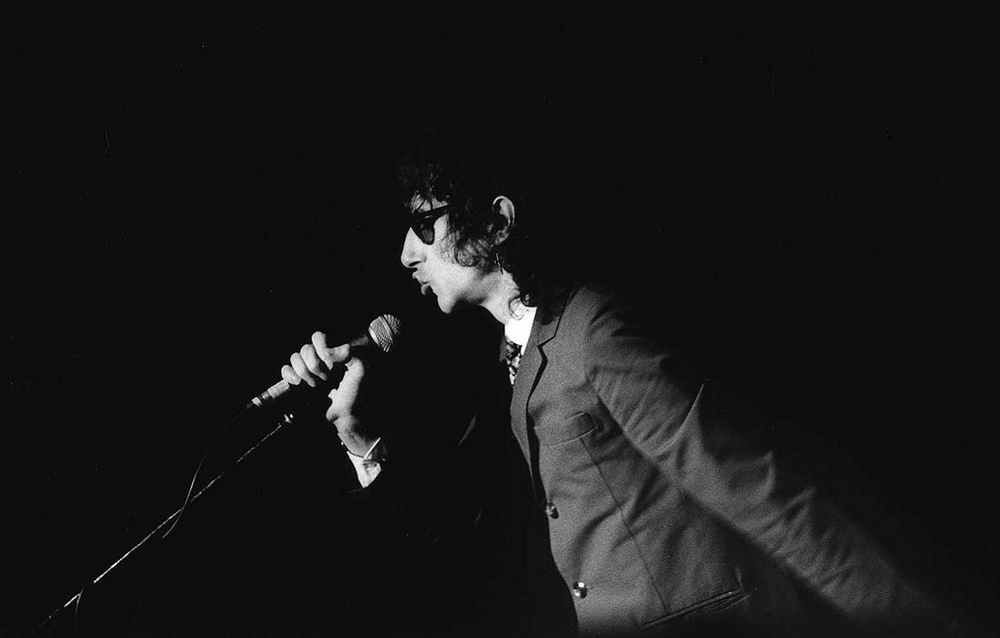
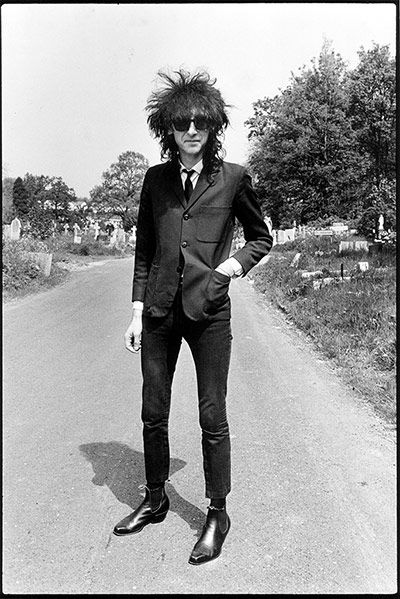
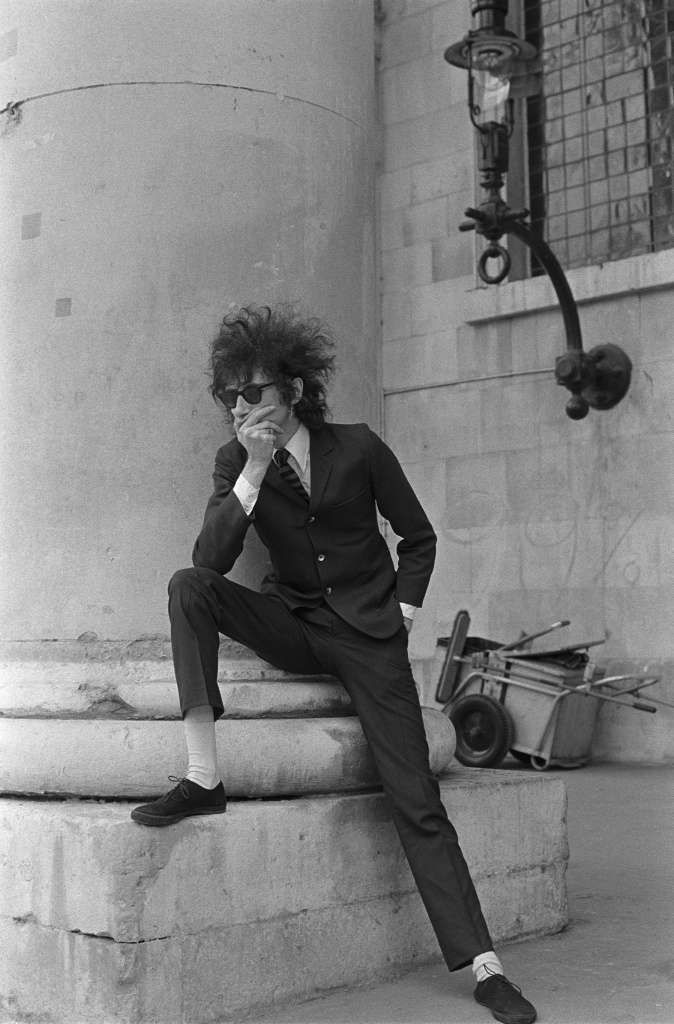
JCC came to prominence via the same fertile Manchester punk scene that spewed forth following the Sex Pistols famous Lesser Free Trade Hall show. Instantly recognisable, his image was reflected in his poetry: sharp, cutting and stylish yet rough around the edges, scuffed with asphalt, powered by cheap speed and nicotine, Dylan ’66 drawn in blotchy ink by Ralph Steadman.

Believing – quite rightly, as it turned out – that he could make a living from poetry after seeing Pam Ayres perform on TV, he was the go-to guy for mould-breaking punk and post-punk acts who wanted a different sort of support act.

Fans of Joy Division, Buzzcocks, New Order, The Fall, even Duran Duran’s audience caught JCC in full flight; fag in hand, his battered notebook held out at squinting distance in front of him, all jutting elbows and chiselled chin, Beatle boots on legs rake-thin, a clad-in-black anglepoise lamp, scribbled words through writer’s cramp, with a bird’s nest hairdo, scruffy, entwined, keeping warm his fertile mind, the dark glasses allowing no-one in yet letting all the aura seep out. A true one-of-a-kind. For more on JCC, you could do worse than pay a visit to his Desert Island Discs.

JCC supported The Fall in Irvine in 2004. Did I go? ‘Course not. I have a terrible habit of missing all the interesting gigs in my home town. I did see The Bootleg Beatles though. Totally different songs, but if you’d been able to squint through a spare pair of Clarke’s dark Raybans, I’m sure they’d have looked quite similar.

New! Now!

Paul Well-ooh-arr

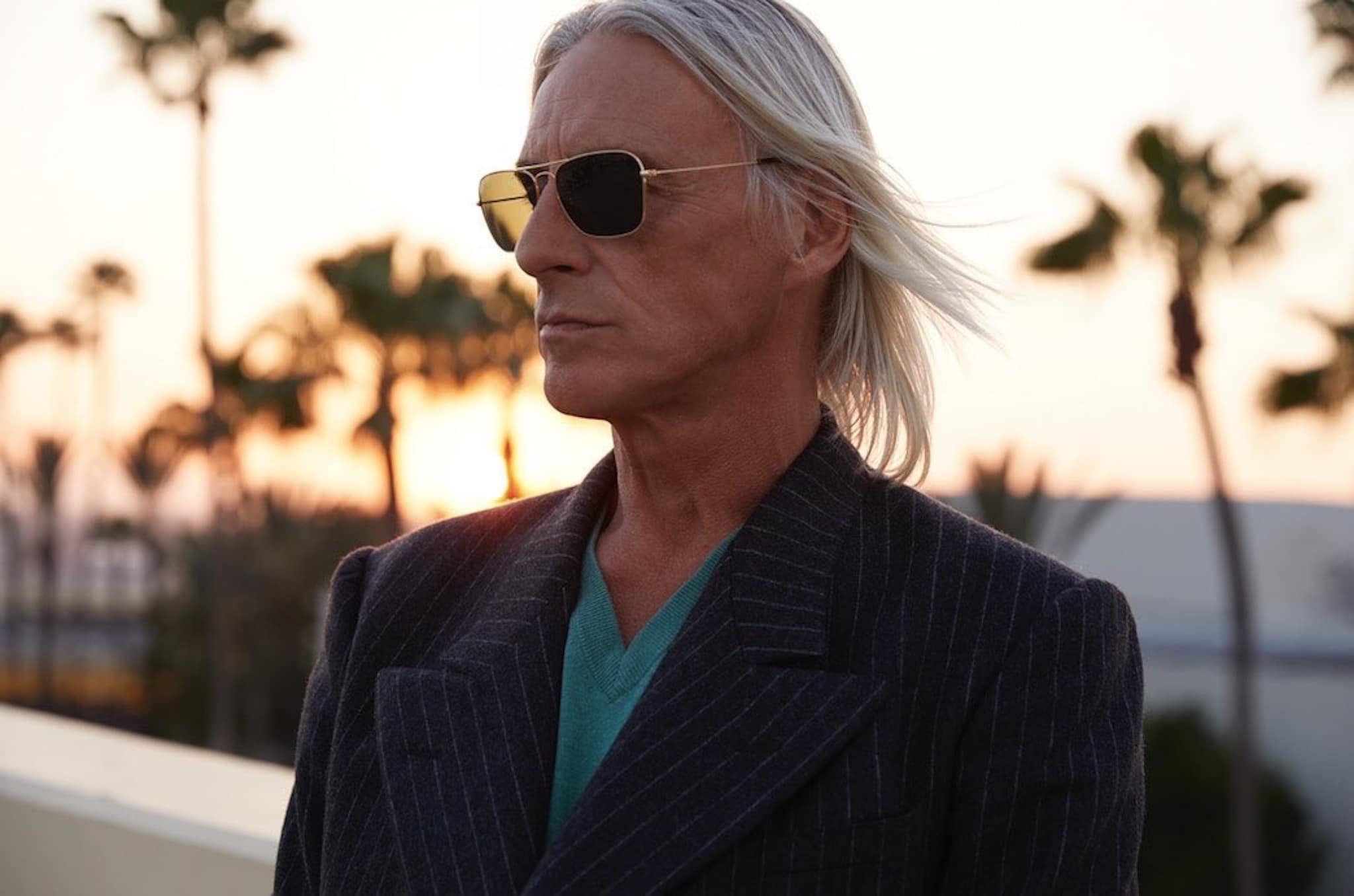
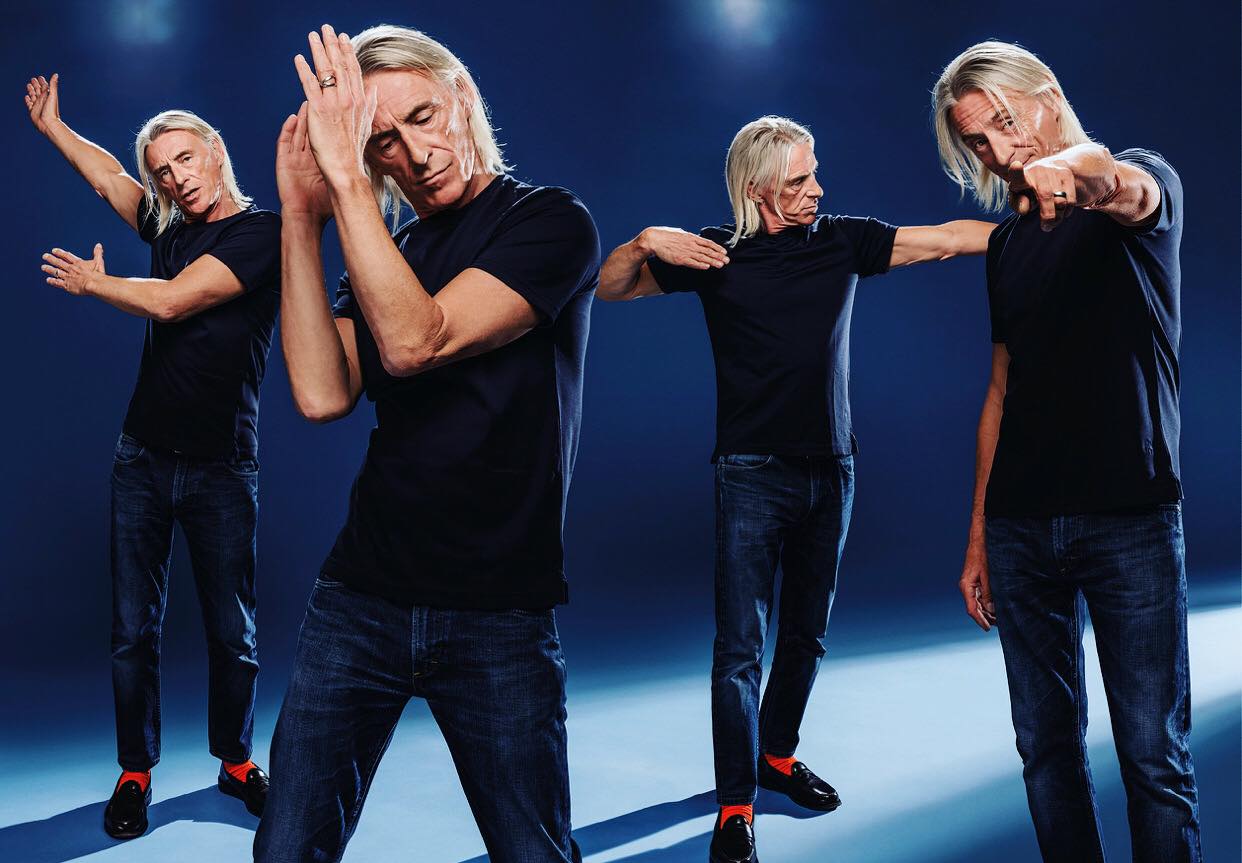
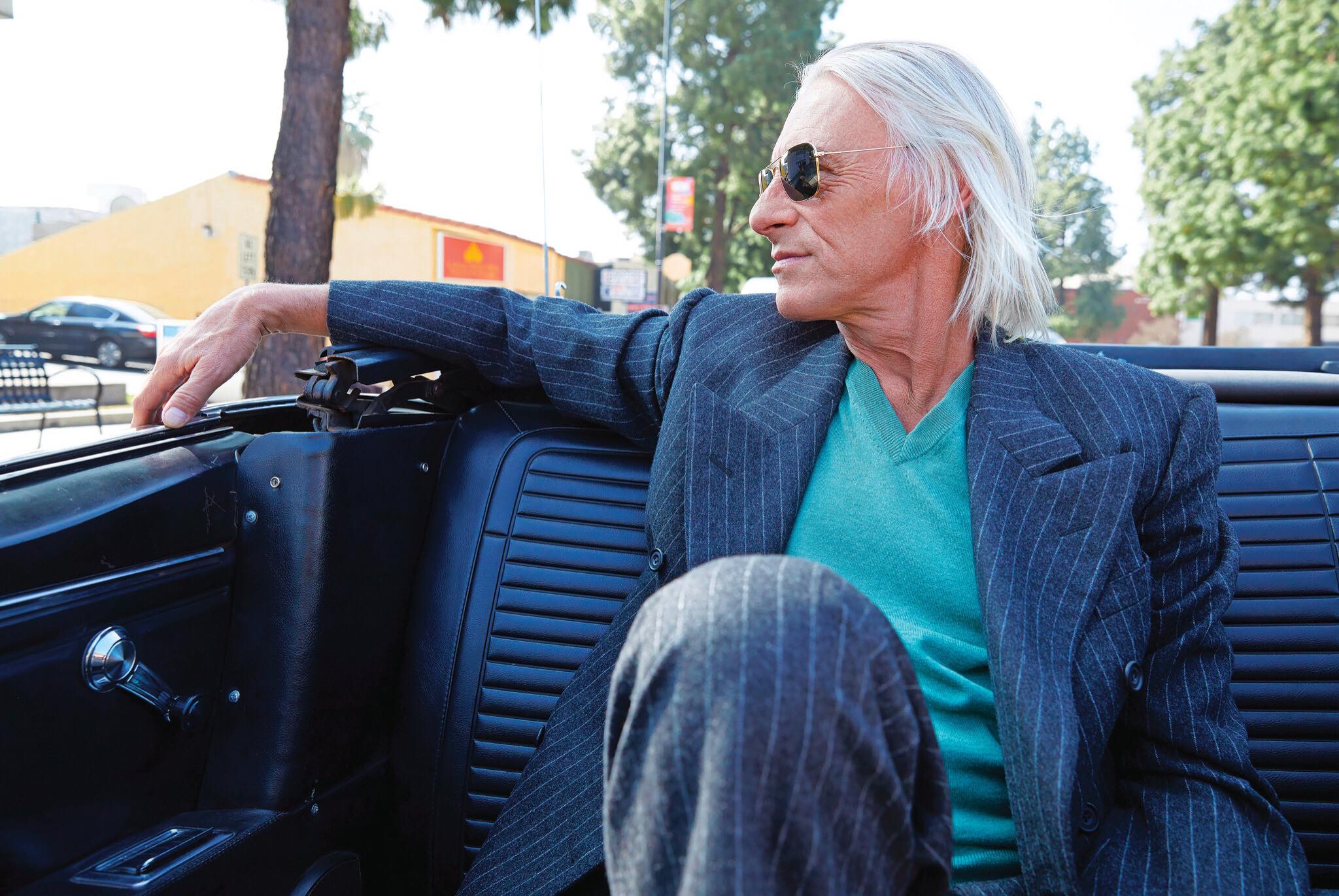
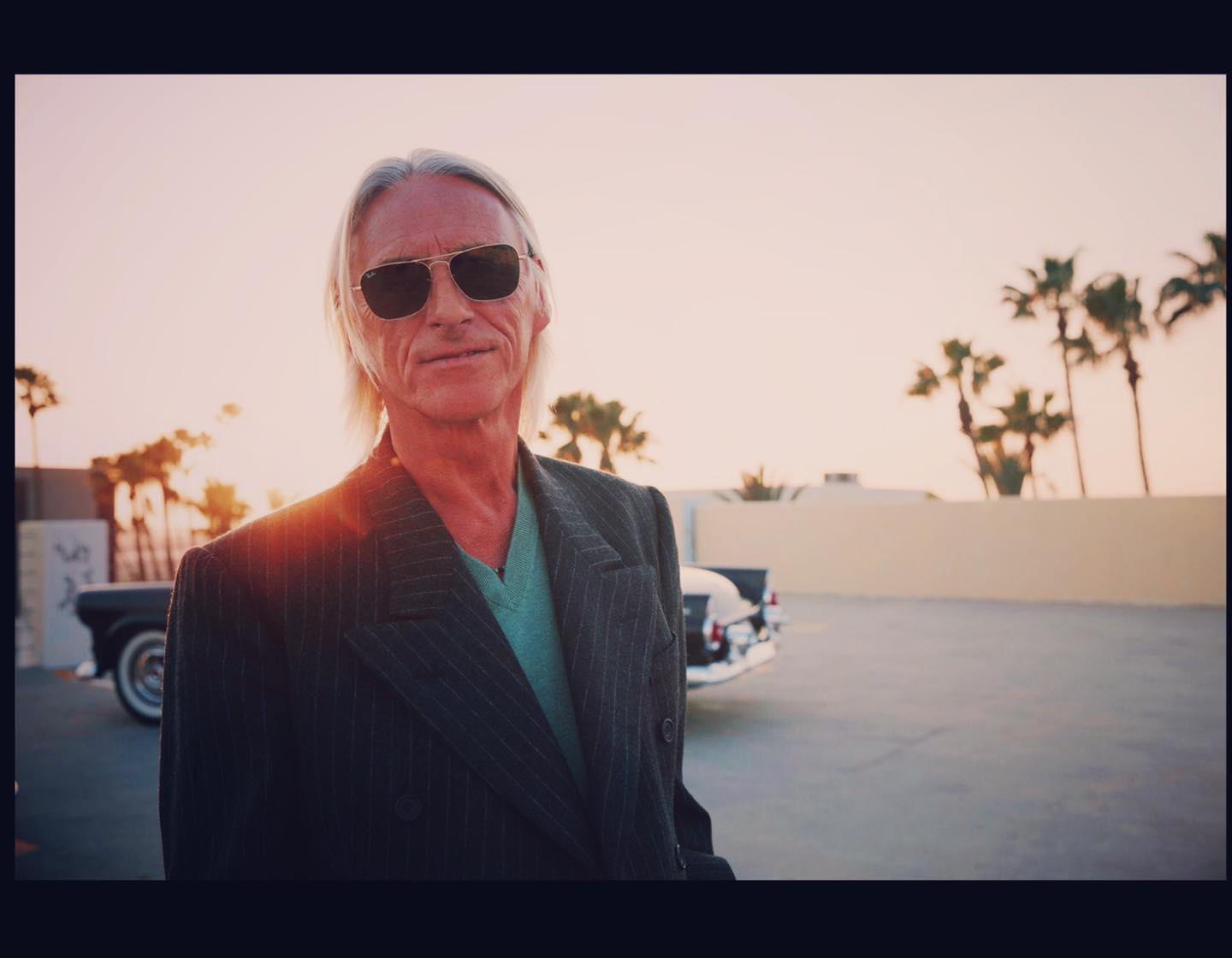
An extended period of working from home has allowed me to indulge in the wee pile of new releases I’ve never quite got around to giving my time to. Paul Weller‘s On Sunset is this week’s Home Office Record of the Week. It’s mainly terrific – the emphasis on mainly – a well-produced collection of tracks that finds Weller continuing to stretch and reach further than a man of his vintage should ever need to. He could easily be sitting back in his Chesterfield, admiring the reflection of his grown-out feathercut in the satisfying glow of his numerous gold discs, Patrick Cox-ed feet up and taking it easy, but no, he’s gone all out to create an album that’s soulful, full of substance and sonically brave.

The opener Mirror Ball is kinda the album in minature.

Paul WellerMirror Ball

A seven and a half minute epic, it starts understated – Disney-by-way-of-Mercury-Rev – before, curtains thrown open, it bursts into 21st century sunshine soul, taking in Beatleish mellotron, Isley Brothers guitar, Curtis Mayfield strings and rinky dink Philly riffing.

It’s essentially his Starlite single from a few years back, filtered through a late Summer heat haze and laid out on a bed of scorching white Californian sand. No bad thing at all, especially when it shimmers towards its grandiose end on a bed of overlapping vocals, random radio bursts and the funky squelch of Dre G-Funk keyboard lines. As far as album openers go this year, I can’t see it being bettered.

The album continues in similarly grab-all manner, Weller’s autumnal voice wrapping itself around Faces Hammond, honeyed Stax horn blasts, pastoral folk, a nod and a wink to Slade’s Coz I Luv You, and Gil Evans wandering piano lines. It’s easy to play spot the reference, wrapped up and re-positioned somewhere north of the Style Council and just to the left of those first couple of solo albums, glistening in state-of-the-art production and flying with confidence. Weller wears his influences proudly on his sleeve but makes them into his own thing. Always has done, always will do.

As it continues to spin, On Sunset builds itself up to be quite the classic…until the runt of the litter makes its appearance.

A right clunker and no mistake, Ploughman pops up near the end and it’s unintentionally hilarious.

Paul WellerPloughman

Channeling his inner Wurzel, Weller eschews the tailor-made pinstripe suit and cashmere sweater for a boiler suit and flat cap, ditches the classic open-top for a John Deere and climbs aboard. He flicks his 20th Benson & Hedges of the day to the side, jams a sheaf of wheat between his teeth in replacement and, with balls of steel, begins to sing in a full-on zider drinkin’ West Country accent about ploughing his earth and living a menial but honest living. The subject matter is fine. The musicianship  – even the flown-in Inspiral Carpets demo that masquerades as a hook line – is fine. The delivery though is unintentionally hilarious.

Who at the record company let this pass muster? Are the folk around Weller too scared to point out when his quality dips? With a career such as his, you are of course excused the odd faux pass – whole albums in some instances, but Ploughman finds our hero aimlessly ploughing a ridiculous furrow all of his own, less Modfather and more Modfarmer. What were you thinking Paul Weller? This aberration just knocked a potential 10/10 album down to a 9.

(That opening track though…. that’s a cracker.)

Weller this evening. Tractor not pictured.

Gone but not forgotten

Listen Without Prejudice

When George Michael died suddenly on Christmas Day 2016, the broadcaster Andy Kershaw made a bit of a twit of himself on social media, decrying the reaction to George’s death as somehow trivial. He was only a pop singer, seemed to be the underlying theme, he wasn’t a ‘real’ musician worthy of such deity and deference. Now, I quite like Kershaw. He’s certainly not had his troubles to seek – no need to go there in this article – but he’s an engaging fella with a good story to tell. He has a Gumpish knack of popping up in all the right places at all the right times; when Mandela makes his first public appearance as a free man after the best part of three decades in jail, a blagging Kershaw is the first western journalist to shake his hand. He was there in Rwanda, reporting on the genocide as rivers full of human bones lay stagnant at his feet. He broadcast wide-eyed and winging it as Live Aid was beamed into every other home on the planet, his boyish enthusiasm a decent substitute for having no idea at all what he was doing.

He wrote a book about it all – No Off Switch – that rattles along at the same breathless pace he normally reserves for cueing up the latest Bhundu Boys release, copious tales of office-sharing with John Peel and working with/for the Rolling Stones and so on and so forth between the meatier chapters for added measure, and I not only promoted one of his one-man shows in support of the book, I went for a pint afterwards where we sat enthusing about Neil Young and the John Peel show  – y’know, proper music – and the beaches of the west of Scotland whilst his dog Buster farted quietly in the corner. But the online kicking he received following his George Michael comments was just about enough to see him scuttling back to anonymity once again. He says what he thinks, does Kershaw, but that Boxing Day in 2016 he was overwhelmingly told he was talking nonsense.

George Michael was fabulous. A proper pop star. I know that, you know that, we all know that. And when a popstar from your youth dies, a wee bit of you dies along with them. George looked great, he carried mystique and he could sing like no one else. The fact that he was also the nation’s best-known dope-smoking gay cruiser made him tabloid fodder, but the table-turning he did when he released Outside was exactly the sort of two fingers to the press that the public didn’t know it wanted until George did it. The outing may well have signalled the begining of a long painful decline, not artistically, but mentally, that would see George pay the ultimate price, but that’s speculation for someone else in another article.

Post death, stories occasionally pop up between the cracks that shine a spotlight on his philanthropy – donating annual six figure sums to NHS nurses, paying off student debt, handing total strangers money for IVF treatment, anonymously ringing up TV studios to reach out financially to people who’ve aired their money problems live on daytime TV.

Turns out he was a bit of a good guy.

And it seems he always was. Giving Andrew Ridgley half the writing credit and future royalties to Careless Whisper was a very generous gift, a healthy pension – £10 million and rising – at a time when Wham! had barely made a record and were more concerned with Top of the Pops than pension pots. The story goes that the song was written by George long before Wham!’s first album, but was deemed far too mature for their debut so was held over until album number 2. At the time of writing, neither George nor Andrew could have predicted quite how stellar their band would become in the next few months. By a lucky stroke of equity, George Michael set Andrew Ridgley up for life before they’d had so much as sniff of success.

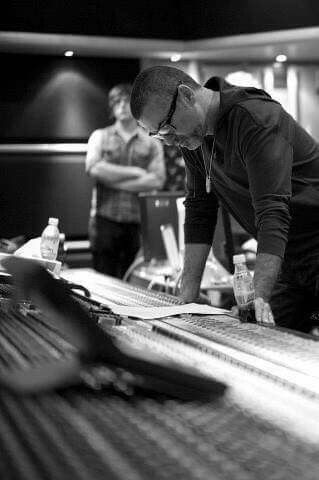
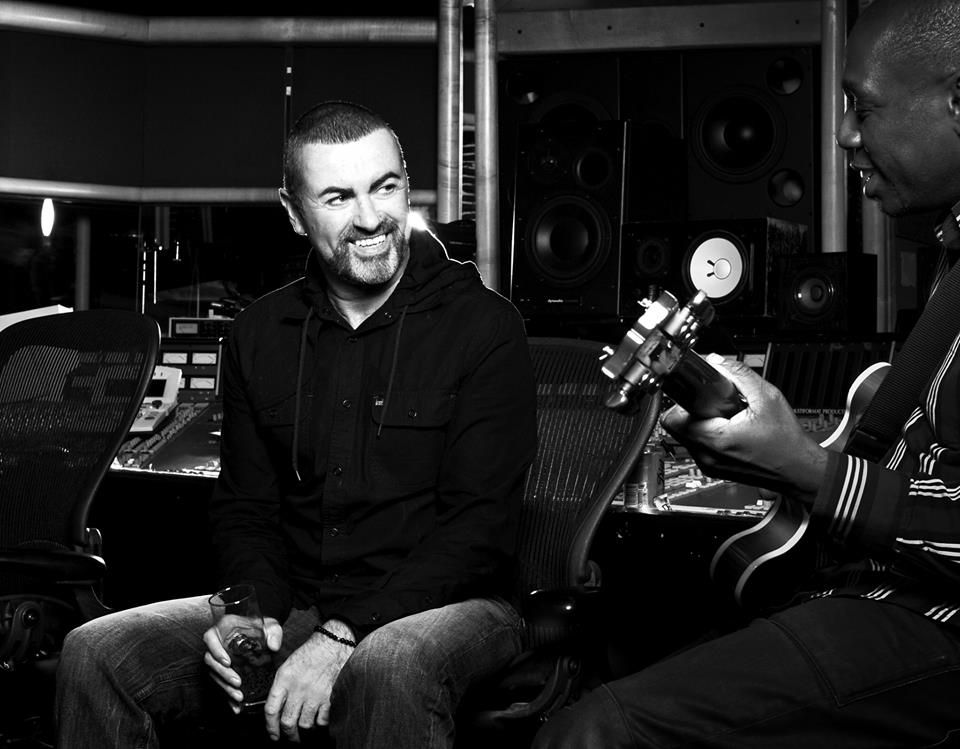
George Michael was also a massive music fan. Equally at home listening to Mogwai as he was to Massive Attack, he didn’t just listen to music, he listened to music, picking it apart, analysing the arrangements, working out why certain sounds and tones and counter melodies had the effect they had on him. He loved the sonic texture of Joy Division’s Unknown Pleasures. He drowned himself in Rufus Wainwright’s back catalogue. Amongst others, he highlighted Pet Shop Boys, Kanye West and Nirvana on his 2007 Desert Island Discs episode. He was influenced, it appears, by all manner of disparate sources.

When Wham inevitably imploded and the solo career came calling, George was keen to keep a tight control of his music. Not for Michael the reliance on a team of sessioneers working half a dozen different sessions a week. Get those guys in, he reckoned, and you begin to sound like everyone else who’s using the same musicians. Instead, George did one of two things; he learned how to play the part himself or he dictated how it should sound to the musicans he trusted to play it. Thus, every part on every record is ‘played’ by George Michael, scholar of music, analyser of arrangment, conduit of heart-stirring emotion.

The pinnacle is Listen Without Prejudice Vol 1‘s Cowboys & Angels.

George MichaelCowboys & Angels

His voice – controlled yet aching – rises and falls with all the dynamics that you’ve come to expect from one of the greats, telling the true tale of an unrequited love triangle – girl fancies George, George fancies an unattainable guy, no-one gets what they want. It’s the ones who resist that we most want to kiss, wouldn’t you say? George aims for the heart and hits the bullseye.

A masterclass in sophisticated arrangement, it’s just about the most adult thing in the George Michael back catalogue. It’s light, airy, spacious, a headswim of music swirling inside a snowdome, George bang in the middle with the sophisto jazz waltz skirling around him like confetti blown in on a breeze of Lalo Schiffrin and Nelson Riddle. Those richocheting rimshots and lightly dusted ride cymbals, that neo-classical piano line and the creeping strings, the meandering sax solo, that none-more-Marvin Gaye bassline…. every note crafted by George and played exactly as he demanded. It remains, of course, the only George Michael single not to grace the top 40.

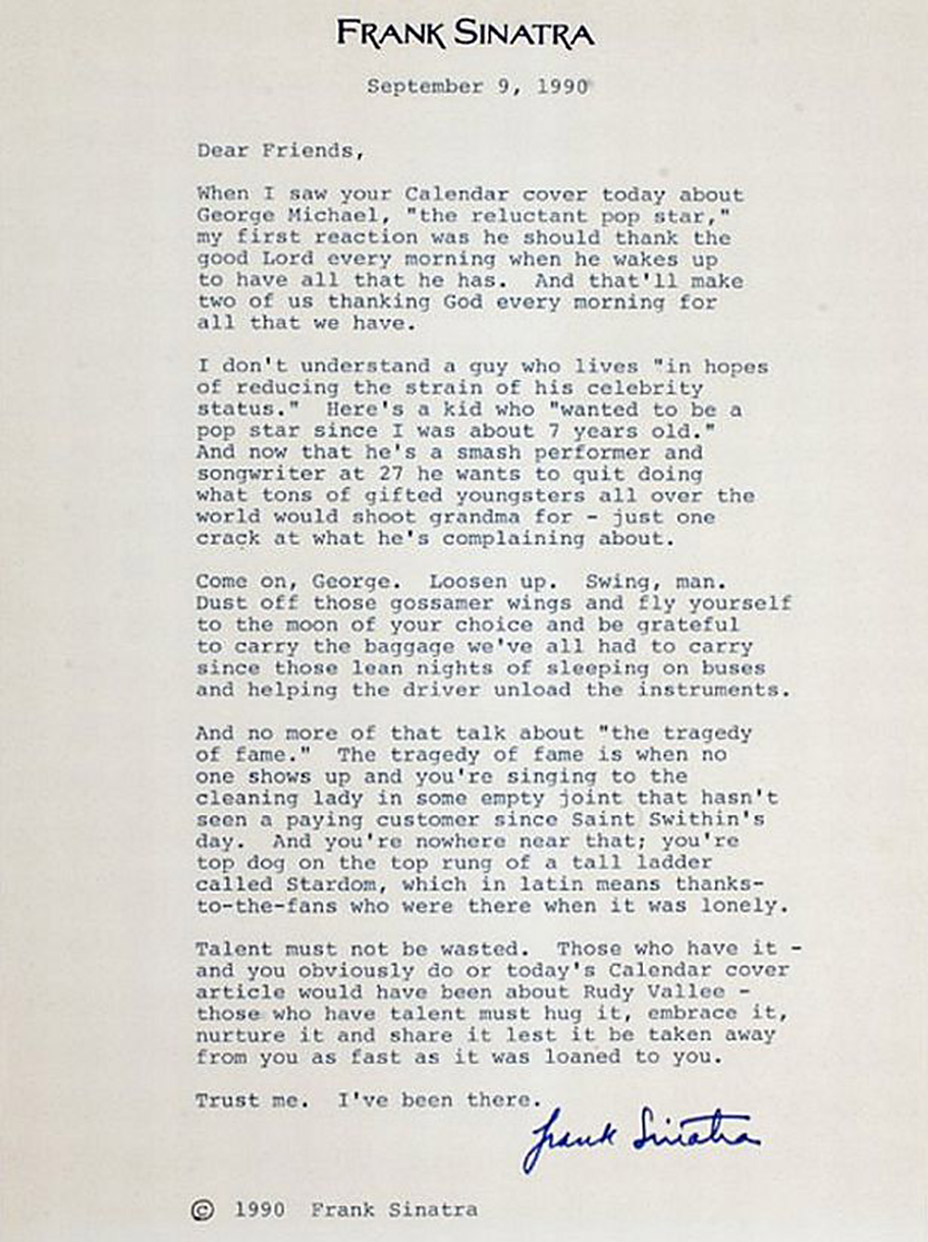
At the risk of sounding pretentious, George Michael was a bona fide auteur. An artist, a proper musician. Cowboys & Angels is the one to play to cloth-eared twonks like Kershaw who didn’t consider him such. It swings, man. It seems he even took ol’ Blue Eyes’ advice on the matter.


Alternative Version, Gone but not forgotten, Live!, Peel Sessions

Eye Opening

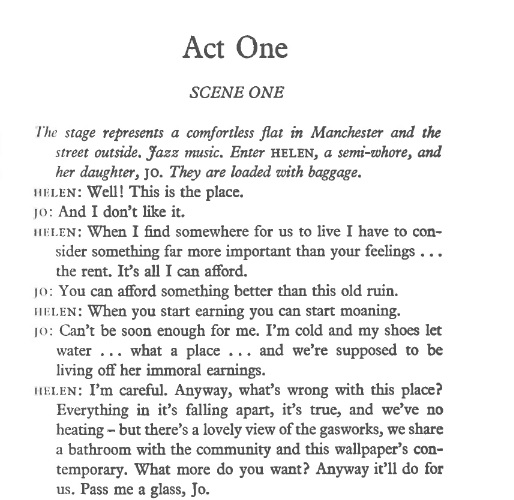
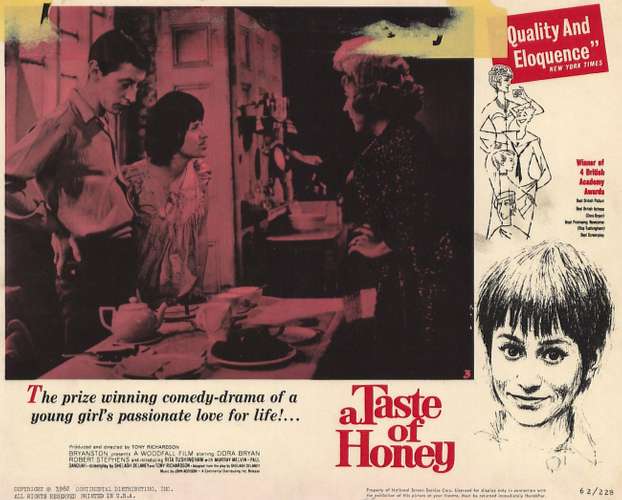
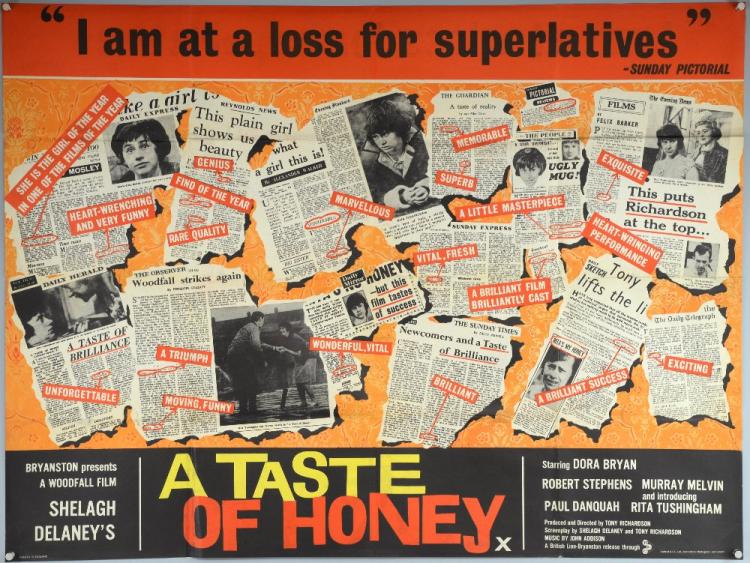
A Taste Of Honey was written by playwright Shelagh Delaney when she was just 19. Set in Salford in the mid 50s, it tells the story of a 17 year-old girl, Jo, and her mum, Helen – ‘a semi-whore‘ – who leaves her daughter to go and live with a younger, richer man. Jo begins a short-lived relationship with a black sailor. She gets pregnant but he is sent to sea, oblivious to the situation he has created. The girl takes in a lodger to help pay the way. The lodger, a gay man, cares for her and looks after her – “you’re just like a big sister to me!”  – and promises to be there for her at the birth of the child, until Helen storms back into Jo’s life and he is forced to take a step back.

As openers go, it doesn’t get much more scene-setting than that. The whole play is a brilliantly-written kitchen sink drama that zings along with unpretentious Northern honesty and questions class, single-parenthood, ethnicity, misogyny and sexuality. Choosing not to sweep the irregularities and complexities of life under the carpet, but to highlight that such things are in fact normal, I can only imagine that for the times it was fairly groundbreaking.

Born in Salford in the 50s, Morrissey was naturally drawn to the writings of Shelagh Delaney.

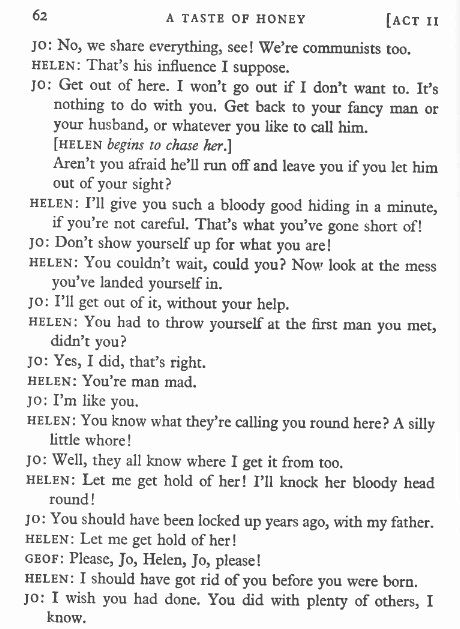
You told me not to trust men calling themselves Smith,’ says Jo to Helen at one point in A Taste Of Honey, and, like a flying bullet, the words leap of the page.

Seed planted firmly under the quiff, when the time came to name their band, the singer presented the group with the perfect, Delaney-influenced moniker. In an era of forward-thinking acts with multisyllabic names and the latest in musical equipment, The Smiths had defiantly set out their stall.

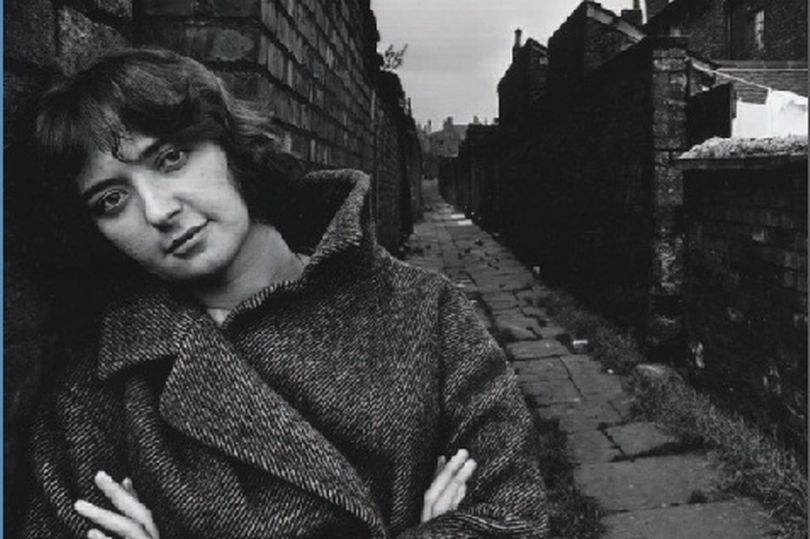
Morrissey would use Delaney’s image on a couple of Smiths sleeves – that’s her on the Louder Than Bombs compilation and the cover of the Girlfriend In A Coma single – and in reshaped form in the title of Sheila Take A Bow – and in the early days, the moping magpie wasn’t shy of stealing a line or two (or more) to help flesh out the narrative in his songs.

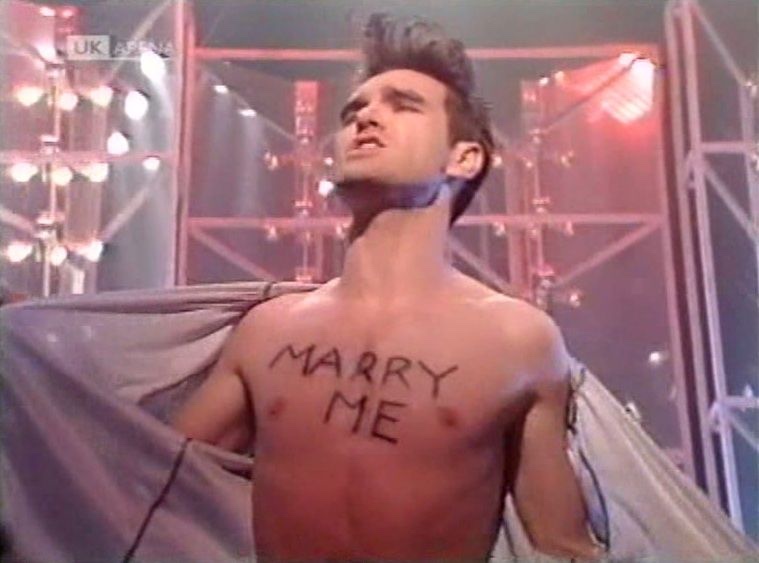
Reel Around The Fountain‘s “I dreamt about you last night and I fell out of bed twice,” for example is taken straight from A Taste Of Honey. And the phrase ‘Marry Me!‘ – scrawled on Morrissey’s skinny torso and revealed in heart crushing fashion midway through a Top Of The Pops performance for William It Was Really Nothing is a recurring phrase in the play.

Then there are key lines such as ‘six months is a long time,’ ‘I’ll probably never see you again,’ ‘I’m not happy and I’m not sad‘ and ‘the dream has gone but the baby’s real‘ – the line around which he based the entire plot for The Smiths’ This Night Has Opened My Eyes.

A Taste Of Honey, it’s fair to say, provided a rich seam of lyrical plunder for Steven Patrick.

The SmithsThis Night Has Opened My Eyes (Peel Session, Sept 83)

In a river the colour of lead‘, it goes, again a straight steal from A Taste Of Honey, ‘immerse the baby’s head.’ (also a reference to a line near the end of the play.) Hot on the heels of the Suffer Little Children/Moors Murderers scandal, this line caused many a management bristle when it was first heard. ‘Wrap her up in a News of The World, dump her on a doorstep, girl.’

The song is basically A Taste of Honey set to the perfect musical acccompaniment; downbeat, introspective, black and white in epoch yet technicolour in ambition. It features a prime slice of brooding, counter-melody Andy Rourke bass. Johnny’s dual lead and rhythm guitar playing is soulful and considered, mercurial and slinky yet choppy and jazzy, a zillion miles away from what most other 20-year old guitar players with a Stooges fascination might conjure up. It’s a great example of the early Smiths in action.

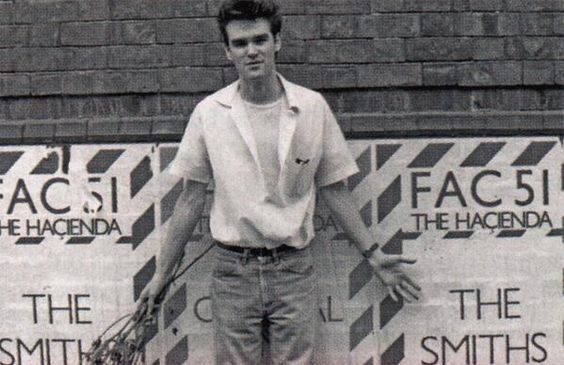
The SmithsThis Night Has Opened My Eyes (Hacienda, 24.11.83)

This Night Has Opened My Eyes is a bit of a mongrel within The Smiths small but perfect, imperial catalogue. An early staple of live shows, its melancholic and delicate undertones were considered a bit too fragile for the debut album. It was first magnetised to tape at the band’s second Peel Session in September 1983, just a month or two after the aborted Troy Tate sessions that largely failed in capturing The Smiths electrifying live sound.

A year later, just as the group was recording another version with John Porter, the Peel Session version appeared on Hatful Of Hollow. It remains the only recorded version of the track to be officially released.

Quickly dropped from live shows as setlists changed to keep up with the rapid, prodigious writing talents of the prinicpal Smiths, This Night Has Opened My Eyes wasn’t played live again until, serendipitously, at The Smiths final show in 1986 – “There was a sense of resolve and closure,” relates Johnny Marr, “which is why we played that song that night. I remember when we made the decision to do ‘This Night Has Opened My Eyes’ feeling a strong sense of awareness of our own history.

The SmithsThis Night Has Opened My Eyes (Brixton, 12.12.86)

Had they been happy with the John Porter-produced version – faster, sparkling with effervescence and slighty jauntier than the Peel Session take from the year previously (although that may just be pitch issues with the bootleg tape from whence this version was borne), it remains to be seen where This Night Has Opened My Eyes would’ve fitted into The Smiths discography.

The SmithsThis Night Has Opened My Eyes (John Porter, June 1984)

Certainly, it wouldn’t have been out of place on the debut album at all, but the next 12 months were ridiculously productive. With classic singles being frisbeed out on an almost bi-monthly basis, by the time of Meat Is Murder, Morrissey and Marr had proven themselves to be in a unique world of their own.

Perhaps, like so many of the best Smiths tracks, it would’ve been the ideal stand alone single. Maybe released between the feral and stinging What Difference Does It Make and the stellar Heaven Knows I’m Miserable Now, a soulful interlude amongst a peerless run of releases.

It remains though a curio that has aged well through lack of over-familiarity. Whatever, I wonder, became of the young, handsome, literate, funny, unique, quirky, lovable and worshipped Morrissey? The dream has gone but the baby’s real, you might say.

Get This!, Live!

Tinnitus

The neighbours to my kitchen side have been slowly building an extension for the past couple of months. The battering and hammering and shouting and swearing usually begins at eight in the morning and lasts until mid afternoon, earlier if there’s rain or other such setbacks. “Did you just drill through that fuckin’ thing?!?” I heard accusingly one day as I hung the washing out. There was a muttered, muffled reply followed by a “You fuckin’ idiot!” and a good two or three days of silence and inactivity. I don’t know quite know where the drill was bound for, but it seems the boy did indeed drill through the fuckin’ thing.

Back on track, the racket continues. Amongst the blaring Commercial FM – adverts every five minutes punctuated by out of tune builders singing to Ed Sheeran – my garden has been filled with the sound of summer – brain crushing nail guns, all compressed air and heart-stopping rat-a-tats, bandsaws that grind their hellish grind right to the very back of your fillings, unidentifiable dull thuds – perhaps the boy receiving his punishment for the misplaced drilling, and an ever-permanent coating of red brick dust that blows only in our direction the minute a brick requires cutting. It’s quite the sound and sight.

A day or two ago it was building to a perfect, swirling crescendo, bandsaw and bawling builders and the bang bang bang of the nail gun all trying to outdo one another. A hellish cacophony of noise. And it hit me – I’ve heard this before. That jarring, pummelling racket, disconcerting and never-ending, uneasy listening that the ears have trouble adjusting to…..it’s My Bloody Valentine! Specifically You Made Me Realise. Ha! You made me realise indeed.

My Bloody Valentine – You Made Me Realise

Good luck recreating that unique MBV sound…

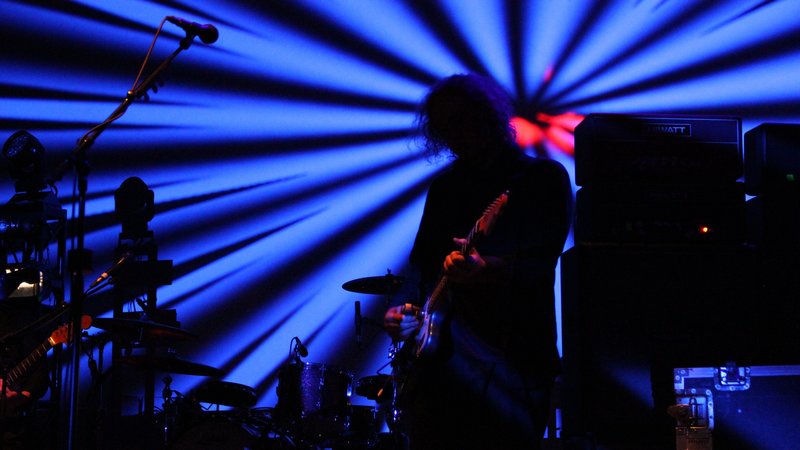
MBV’s gig in the Barrowlands (1992?) is the reason I suffer tinnitus. It’s whining away in the background right now, a permanent reminder of why you should consider ear defenders if you’re a regular gig goer. They’re just not very cool though, eh? Midway through You Made Me Realise, after the machine-gunning snares and off-kilter harmonies and the lurching open-tuned riff, right when the bass and guitars and drums lock into that chuga chuga swirling groove, Kevin Shields stomped on the pedal marked ‘Aural Sickness‘, hid himself behind his lank fringe and for a good while, maybe 6 or 7 full minutes, let rip an ear-splitting shriek of howling white noise, band and bass and drums and everything playing as one.

Like a Panzer attack, it reverberated from the front of the stage, crept over the tops of heads and into the lugs and set up camp, pulsing and refracting and phasing and flanging until the sub frequencies began playing tricks. My eyes hurt! People actually left and I was at most 15 seconds away from throwing up when Shields peeked out from behind the fringe and nodded the others back into more tuneful action. Close call. I know lots of folk love this sort of thing, but man! It was just too loud.

Kevin Shields, My Bloody Valentine.

There’s a good article currently doing the rounds where The Sopranos’ Michael Imperioli talks about his favourite music. You can hear his Sopranos’ character voice – Chris-tuh-fuh – leaping off the page as you read about his love of Chuck Berry and the New York Dolls and doo-wop. A great article, he talks about other bands and artists that you might not expect him to like…including, quite unbelievably, My Bloody Valentine.

Imperioli mentions leaving a Dinosaur Jr gig early, the support act MBV having drained him of all emotion ahead of the headliners. Drained of emotion maybe, or just feeling plain sick. I wonder if he suffers from tinnitus too?

* for the record, I love My Bloody Valentine, especially You Made Me Realise.