Cover Versions, Sampled

Mock Turtles

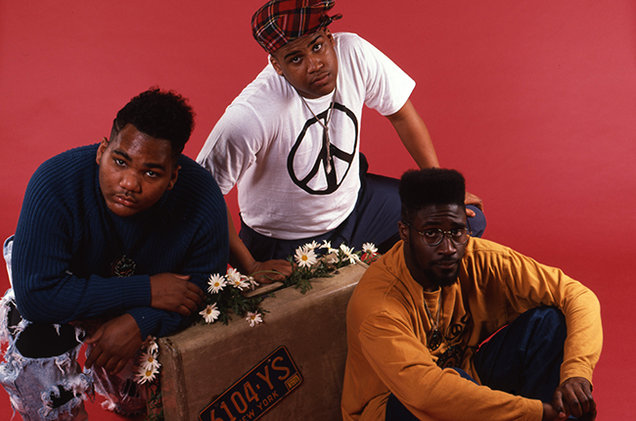
Incredibly, there are still people who obliviously walk this earth who’ve never heard the skewed majesty of De La Soul‘s debut album ‘3 Feet High And Rising‘. I was enthusing about its esoteric eclecticism to a DJ pal last night when he confessed he’d never actually heard it. What?!?! Maybe it’s an age thing – when De La Soul first broke he was a right old bastard at the tail end of his 20s, deaf from a decade and more of gigging, with a set of creaky knees and a mind unable to process any new sounds that strayed too far from the cosy ‘n comfortable traditional guitar/bass/drums set-up. “Rap with a silent C” was his presumption. He preferred Bryan Adams. It was his loss.

de-la-u2

But….but….you’d love it!” I told him. “It’s the ‘Sergeant Peppers’ of the eighties! They sample loads of stuff – aye, there’s James Brown grunts and drum beats and Blue Note jazz riffs and Parliament and Funkadelic horn parts and all that normal stuff, but they have no regard for hip-hop rules. They liberally pinch Steely Dan guitar riffs, vocal ad-libs from TV chat show hosts, Johnny Cash vocal refrains, The Monkees, Michael Jackson – (‘I wanna raack with you!’) – Liberace, Hall & Oates, the Steve Miller Band, Bo Diddley, The Average White Band…. you name them , they’re probably on there.” They probably are.

de-la-soul

Produced when sampling was still something of an unknown entity in recording law, De La Soul somehow managed to get away with releasing an album totally jigsawed together from the random parts of other, wildly varied records. It’s something of a psychedelic mongrel of a record, flower-power hip-hop, a gazillion light years away from the shouty, sweary undercurrent of violence thrown out by the guns ‘n poses posses. Not that there’s anything wrong with them – It Takes A Nation Of Millions To Hold Us Back is a terrifying document of mid 80s black America and I can imagine a whole generation of parents shouting at teenagers to ‘Turn that rubbish down!‘, but as a white man from the West of Scotland, I cannae really relate to the politics of it all. Give me my hip-hop gift-wrapped in a giant daisy any day of the week.

I love spotting the samples on ‘3 Feet High…’ and as my musical knowledge has grown in direct proportion to the size of my record collection, each play of it brings another familiar fleeting riff to the fore. I’d always liked the lopsided drunk string sweep, clipped guitar and keyboard stab that runs through the whole of Transmitting Live From Mars. Along with the strings, there’s some crackly breakbeats and a French language tape instructing us to ‘écoutez et répétez‘. Arch and knowing, it wouldn’t sound out of place on St Etienne‘s Foxbase Alpha.

De La SoulTransmitting Live From Mars

I had no idea what that string part was until almost a decade later, when the Lightning Seeds put out their version of The Turtles‘ ‘You Showed Me‘. A constant refrain, the strings were clearly the same strings that De La Soul built their track around. Cleverly, De La Soul slowed The Turtles single down from 45 to 33 rpm. This gave the sample that superb slurry drunk effect.

The Lightning SeedsYou Showed Me

You Showed Me was written in 1964 by Gene Clark and Roger McGuinn. It was recorded by The Byrds, considered for inclusion on their Mr Tambourine Man album and ultimately shelved before finding favour with The Turtles. It’s an epoch-defining, West Coast hippy-dippy saccharine-sweet love song.

The TurtlesYou Showed Me

turtles

The original Byrds’ version, fact fans, was recorded at a much higher tempo, but when the Turtles’ producer first played them the track, he did so on a broken harmonium. In order to explain the chord changes, he played it at a much slower pace and before they knew it, The Turtles’ collective lightbulbs glowed brightly and they had a hit on their hands.

That string part also makes an appearance on U2‘s ‘Pop‘ album. An extremely hit and miss affair (with more misses than hits) ‘Pop‘ has the distinction of being the lowest-selling U2 album of the modern era (just the million in the States and two million in Europe!) although you could argue that by giving albums away for free on iTunes, U2 have trumped themselves since.

u2-pop-2

Pop‘ is a strange album. Not quite the freeform experimentalism of the Zooropa era nor the songs-with-sheen of All That You Can’t Leave Behind, it was made under the direction of Nellee Hooper, Howie B and Steve Osborne, producers more at home with a faceless dance act than a post-modern, mock-ironic rock band with an opinionated numpty out front. Due to a bad back, drummer Larry Mullen was out of action for much of the recording, so the band began experimenting with loops and samples.

The Playboy Mansion was one of the more cohesive moments on the album. A role-call of pop culture – If Coke Is A Mystery, Michael Jackson History…etc – it’s carried along on a pitter patter of processed beats, heavily synthesized Edge guitar….and that ubiquitous Turtles’ sample. It’s a cracker…

U2The Playboy Mansion

But what about the sample? Surely, in this day and age, the relevant musicians are given credit and maybe even cold hard cash for their efforts half a century ago? Well, De La Soul lost a court case a few years back over this very sample. The writers were awarded an undisclosed amount of money in back-dated royalties. The writers of course being McGuinn and Clark. But the string part – the signature riff, if you like – was played by someone else, an anonymous member of the Wrecking Crew very probably, working for a flat Musicians’ Union fee of $25 per day, as was the standard in those days. Pop music wasn’t meant to last. They took the money and ran. Whoever played that sweeping string part must surely be regretting that nowadays.

Gone but not forgotten, Hard-to-find, Sampled

Big Brown Bag

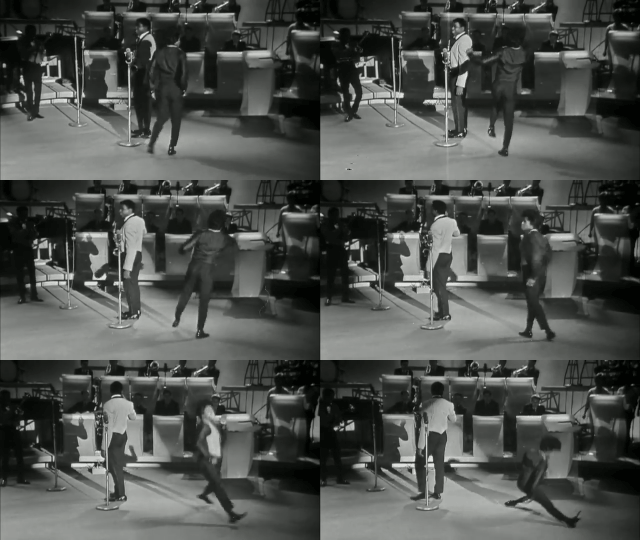
The mid 60s was an extremely fertile period for James Brown. By then he’d moved away from the tear-soaked, down-on-his-knees gospel/soul that defined much of his early career. Relatively straightforward 12 bar song structures were replaced instead by jerky, jagged one-chord grooves. Brass stabs emphasised the first beat – “On the one!” as he’d instruct his musicians, and the tracks would tick along with well-timed metronomic precision. No-one knew it at the time, but the Godfather of Soul was inventing funk.


To be in James’ band then must’ve been terrifically exciting, yet extremely stressful. Here you were, creating this new form of dance music, all the while unable to enjoy playing for playing’s sake, lest you miss the beat and risk a fine from the boss. James Brown records are littered with phlegmily barked instructions; “Horns! (Bap! Bap!) Maceo! (Toot! Toot!) Pee-ann-er! (rinky dink dink dink) – every musician hitting his part with laser precision. Miss the beat and you’d find your pay packet a wee bit lighter come the end of the week.

When you strip the records down into their component parts, they’re extremely simple affairs. Take 1965’s Papa’s Got A Brand New Bag. Individually, there’s fairly little going on; a rickety-tick drum beat played by Melvin (brother of Maceo) Parker, a repetitive, a see-sawing, octave-hopping bass line, a simple horn section, blasting ‘on the one’, a chicken scratching guitar, stuck forever on a Major 9th chord (I think it’s Db, though the released recording was sped up half a tone to make it faster and more energetic, so this, muso minds, would in effect make it an E major 9th) and James’ gravel-throated lyric about an old guy who’s discovered he likes the new dance all the kids are doing.

brown-gif

James Brown’s Star Time box set – one of THE essential additions to any serious music collection features the complete, unedited take of Papa’s Got A Brand New Bag. When the track was originally released as a single, it was edited so that ‘Part 1’ became the a-side, and the extended funk workout that followed was renamed ‘Part 2’ and featured on the b-side.

James BrownPapa’s Got A Brand New Bag (Parts 1, 2 and 3)

The box set includes James Brown’s declaration that, “This is a hit!” before a note is even played, and for the next 7 or so minutes, the band follows their leader with an unnerving mechanical rhythm. The whole recording sounds tight and taut, lean and mean, stripped of unnecessary excess and flab. It fair packs a punch.

A favourite dancefloor filler in this part of the world, it can make my pal Greg move in ways a white man from the west of Scotland has no real right to. Soul of a black man, feet of a rhythmically-challenged Glaswegian. Right on.


You know this already, of course, but James Brown’s influence goes far and wide. Early 80s DIY punk/funk collective Pigbag named their signature instrumental Papa’s Got A Brand New Pigbag in clear homage. An instantly catchy 8 note riff, it failed to chart initially.

PigbagPapa’s Got A Brand New Pigbag


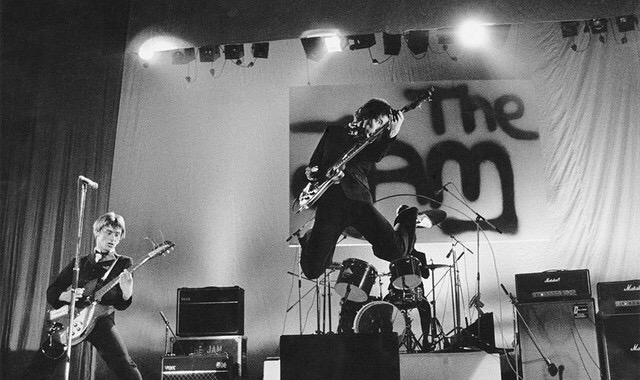
Nowadays, Papa’s Got A Brand New Pigbag is ubiquitous with over-zealous, celebratory football chants and montage soundtrackers who think they’re still making yoof programmes for the TV, thanks in no small part to Paul Oakenfold’s ‘monsta!’ souped-up makeover around 20 years ago, but Pigbag’s original version took 2 or 3 goes before it went chart-bound. The Jam, in particular their keen-eared, sticky-fingered bass player Bruce Foxton, must’ve been blushing slightly when it eventually started gaining airplay.

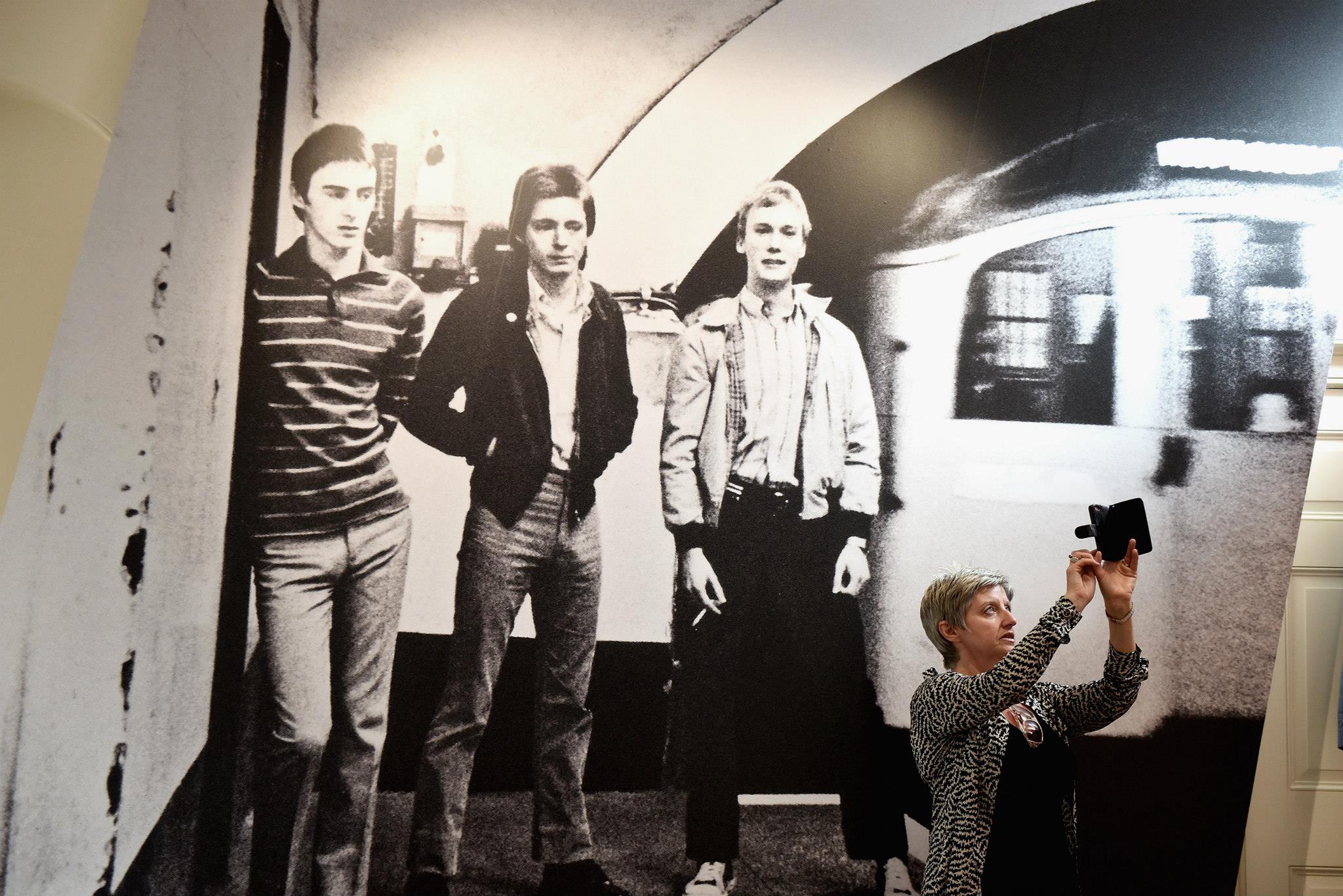
jam-selfie

By this time their own Precious, out as a double a-side with A Town Called Malice was starting to get played on the radio and you couldn’t help but notice the (cough) similarity between the two tunes.

The JamPrecious (12″ version)

The Jam even went as far as naming their posthumous live album Dig The New Breed, a line from the James Brown tune that kicks off this post. Which just goes to show, what goes around comes around.


Double Nugget, Hard-to-find, Sampled

Soul Brothers

Siblings in soul is, as Tom Jones might say, not that unusual. The Isley Brothers weren’t so-called for nothing, ditto the Family Stone, with Sly fronting a band including his brother Freddie and sister Rose.

Erma and Aretha Franklin both developed singing careers from a church background. Their father was a travelling preacher, a pop star in his own right who’d go from town to town raising hell with his fire and brimstone sermons before his daughters raised the roof with their pure gospel. Big sister Erma would go on to have a hit with ‘Take A Little Piece Of My Heart‘, but it was Aretha who went on to far greater success. You may have heard of her.

Then you had the Jackson Sisters and, no relations, a whole hairy-headed handful of brothers in the Jackson 5, who had expired long before Michael would climb the charts all over again, duetting with little sister Janet.

There are loads more, of course, but to acknowledge them all would turn this article into a listathon, and who wants that?

One of the more interesting musical family rivalries was that of the Butler brothers. Big brother Jerry was a songwriter chiefly, but a decent crooner in his own right. Like many of his ilk, he found his voice via gospel and actually ended up being the lead vocalist in the Curtis-free first line-up of The Impressions. Mayfield certainly made the bigger, er, impression, as Jerry and his voice were soon dispatched to make way for Curtis and his distinct vocals.

jerry butler

Most of Jerry Butler’s tracks never get out of 2nd gear; shiny-suited and highly pompadoured mid-paced mushy love songs that were expertly delivered, easy on the ear  and admired by many. To me, he’s a bit too wallpaper, ie, he’s there, but kinda in the background and unnoticed. This track from 1968’s ‘The Ice Man Cometh‘ LP though is a stone-cold classic.

Jerry ButlerNever Gonna Give You Up

Wee brother Billy on the other hand favoured up-tempo soul stompers. In an act of how-to-piss-off-your-brother-pettiness, his early material was produced by Curtis Mayfield. Loud, in your face, driving brass-led blasters were his speciality.

billy butler

In the mid 60s, Billy had a hit with ‘The Right Track‘, a dazzling slice of Temptations-inspired northern soul. You can take any meaning you fancy from the lyrics – ‘I’m gonna keep on steppin’, never lookin’ back, I believe I’m on the right track‘ could be the rallying cry of a manifesto-wielding civil rights supporter, but it could also be the rallying cry of the weekend mod and his pals, pilled-up and looking for a good night out. Take yer pick.

The Right Track‘ has it all; clipped guitar, blasting horns, a piano riff absolutely ripe for sampling and, with Billy outta the traps like a talcum-covered whippet, all over and done with in under 2 and a half explosive minutes.

Who disnae like this, eh?

Billy ButlerThe Right Track

northern soul dancers wigan casino 1975

Cover Versions, Sampled

Toots Sweet

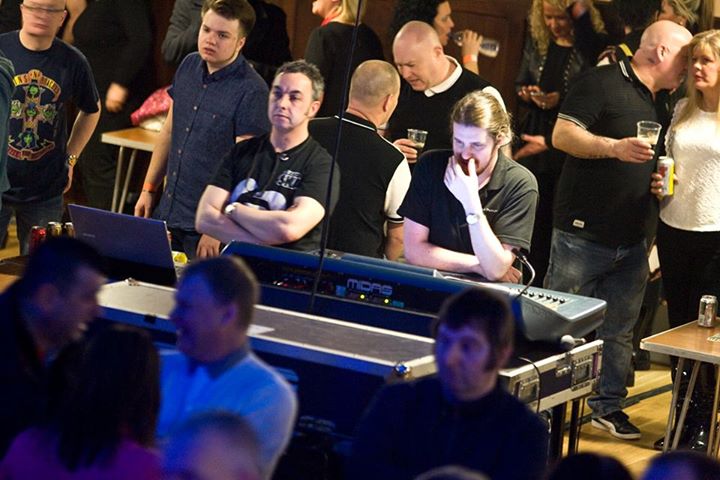
Last Saturday night I found myself in the unlikely position of DJing at a ska night for 500+ of the best-dressed gig goers in the country. Troon Town Hall was the venue, a town more in swing with the “Fore!” on the golf course than the “1 and 2 and 3 and 4” ryhthm of rocksteady, but Seaside Ska 2 as it was billed, following last years successful inaugural event, was terrific.

seaside ska

I’d love to tell you I was spinning vintage Trojan and Blue Beat 7″s all night, but in truth I was spinning the wheels of steel on my laptop, filling in between 4 of the best ska acts around by drawing on my decent collection of ska and reggae CDs that I’ve built up over the years. Soul Jazz‘s The Dynamite Series (100% Dynamite, 200% Dynamite etc) are a great resource for such a night and despite the lack of authentic snap, crackle and pop, my ska collection seemed to do the trick.

 ska djWhat to play for the Skins, the Rude Boys and the Guns ‘n Roses fan?

Many of the records were greeted with beery cries of recognition, groups of lads tunelessly bellowing out the brass line to all manner of Prince Buster, Byron Lee and Skatalites tracks. The highlight for me was between twin ska stalwarts The Amphetameanies and Esperanza’s sets when I played this;

Toots & The Maytals54-46 Is My Number

A quick pan across the room saw every head bobbing along to the rhythm. Desert ‘n Doc-booted feet tapped in time. One old skin in Ben Sherman and braces punched the air in barely concealed delight before losing himself in his own wee private version of the Moonstomp. Two Perry-clad rude girls girls with sweat-soaked sidies stuck fast to their cheekbones mirrored one another’s moves. Eveywhere else, people lost their inhibitions and cut loose. Being the person responsible for playing the tune, and by default the person responsible for creating this mass dance craze, it was quite the buzz. Almost enough to make me fling both my arms in the air with giddy abandon and holler “Superstar DJ!!!” Almost. But not quite.

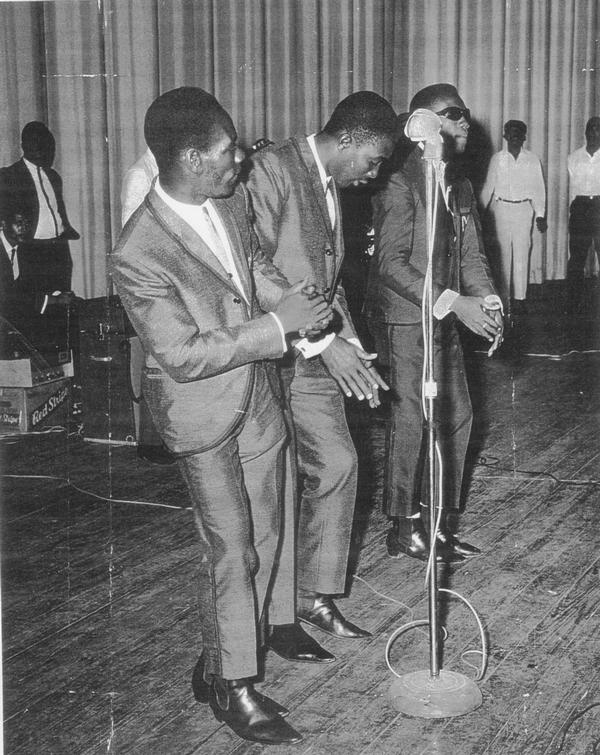
toots maytals

54-46 Is My Number is a primo slice of late 60s rocksteady. Written about the time Toots Hibbert was caught in a sting operation and jailed for marijuana possession, it rolls along, infectious and catchy, like a Jamican Otis Redding. There’s the regular throat-clearing declaration, “Give it to me one time!” There’s that fantastic clipped guitar. And there’s a keyboard line that snakes in and out it like mercury. I can’t imagine anyone not liking this record.

toots 54 46

Bonus Tracks

Here‘s Toots & The Maytals skankin’ take on Louie Louie. Every bit as good as you’d expect.

And here‘s the Rebel MC with Street Tuff, a track that steals the bass line from 54-46, revs it up to 100mph and loops it ad infinitum, to now dated effect. “Is he a Yankee? No, I’ma Lundun-ah.”

toots yeah

Alternative Version, Cover Versions, demo, Double Nugget, Dylanish, Get This!, Gone but not forgotten, Hard-to-find, Kraut-y, Most downloaded tracks, Sampled, Six Of The Best

We Are 9

Somehow, some way, Plain Or Pan has turned 9. Or, to be more accurate, is just about to turn 9. But at this time of year, when you can never be entirely sure if it’s Sunday morning or Thursday night and inspiration goes out the window along with routine and work ethic, it’s tradition that I fill the gap between Christmas and Hogmany with a potted ‘Best Of‘ the year compilation, so I’ve always made this period in time the unofficial birthday for the blog.

i am nine

Not that anyone but myself should care really; blogs come and go with alarming regularity and I’ve steadfastly refused to move with the times (no new acts here, no cutting edge hep cats who’ll be tomorrow’s chip paper, just tried ‘n tested old stuff that you may or may not have heard before – Outdated Music For Outdated People, as the tagline goes.) But it’s something of a personal achievement that I continue to fire my wee articles of trivia and metaphorical mirth out into the ether, and even more remarkable that people from all corners of the globe take the time out to visit the blog and read them. From the bottom of my heart, I thank you, one and all.

Since starting Plain Or Pan in January 2007, the articles have become less frequent but more wordy – I may have fired out a million alliterative paragraphs in the first year, whereas nowadays I have less time to write stuff and when I do, it takes me three times as long to write it. To use an analogy, I used to be The Ramones, (1! 2! 3! 4! Go!) but I’ve gradually turned into Radiohead; (Hmmm, ehmm, scratch my arse…) Without intending it, there are longer gaps between ‘albums’ and I’ve become more serious about my ‘art’. Maybe it’s time to get back to writing the short, sharp stuff again. Maybe I’ll find the time. Probably I won’t.

The past 9 years have allowed me the chance to interview people who I never would’ve got close to without the flimsy excuse that I was writing a blog that attracted in excess of 1000 visitors a day (at one time it was, but I suspect Google’s analytics may well have been a bit iffy.) Nowadays, it’s nowhere near that, but I still enthusiastically trot out the same old line when trying to land a big name to feature. Through Plain Or Pan I’ve met (physically, electronically or both) all manner of interesting musical and literary favourites; Sandie Shaw, Johnny Marr, Ian Rankin, Gerry Love, the odd Super Furry Animal. Quite amazing when I stop to think about it. You should see the list of those who’ve said they’ll contribute then haven’t. I won’t name them, but there are one or two who would’ve made great Six Of the Best articles. I’m not Mojo, though, so what can I expect?

pop9

A quick trawl through my own analytics spat out the Top 24 downloaded/played tracks on the blog this year, two for each month:

  1. Michael MarraGreen Grow the Rashes
  2. Wallace CollectionDaydream
  3. Jacqueline TaiebSept Heures du Matin
  4. The TemptationsMessage From A Black Man
  5. New OrderTrue Faith
  6. Bobby ParkerWatch Your Step
  7. Jim FordI’m Gonna Make Her Love Me
  8. DorisYou Never Come Closer
  9. Ela OrleansDead Floor
  10. Mac De MarcoOde To Viceroy
  11. Teenage FanclubGod Knows It’s True
  12. Iggy PopNightclubbing
  13. George HarrisonWah Wah
  14. MagazineThank You Falletinme Be Mice Elf Again
  15. Future Sound Of LondonPapua New Guinea
  16. Bob DylanSad Eyed Lady Of the Lowlands (mono version)
  17. Richard BerryLouie Louie
  18. REMRadio Free Europe (HibTone version)
  19. The CribsWe Share The Same Skies
  20. Johnny MarrThe Messenger
  21. McAlmont & ButlerSpeed
  22. Talking HeadsI Zimbra (12″ version)
  23. Style CouncilSpeak Like A Child
  24. Darlene LoveJohnny (Please Come Home)

And there you have it – the regular mix of covers, curios and forgotten influential classics, the perfect potted version of what Plain Or Pan is all about. A good producer would’ve made the tracklist flow a bit better. I just took it as I came to them; two from January followed by two from February followed by two from etc etc blah blah blah. You can download it from here.

See you in the new year. First up, Rufus Wainwright. Cheers!


Alternative Version, Cover Versions, Get This!, Hard-to-find, Sampled

The Steal Council

There were a few Whistle Test repeats on BBC4 last week, one of which jumped out at me. Nick Lowe was leading Brinsley Schwarz through a great, soulful version of Surrender To The Rhythm, a track from their 1972 ‘Nervous On The Road’ LP. I’d never knowingly heard Brinsley Schwarz before and I was getting into the song’s groove when it hit me: That wee occasional keyboard riff! The phrasing in Nick Lowe’s delivery! I’ve heard this song before!

Placed in time somewhere post glam and pre punk, Brinsley Schawrz were part of the pub-rock movement, a gritty, back-to-basics scene where ‘real’ musicians were more concerned with the make-up of their songs than the make-up on their face. Keen and earnest, the scene nonetheless spawned Kilburn & The High Roads, who would morph into the Blockheads, the 101ers (who featured a pre-Joe Strummer John Mellor on guitar) and Dr Feelgood, a major influence on the young, impressionable Paul Weller (to this day, Weller still plays From The Floorboards Up without a plectrum, choosing instead to adopt the open-handed Wilko strum whenever he plays it live).

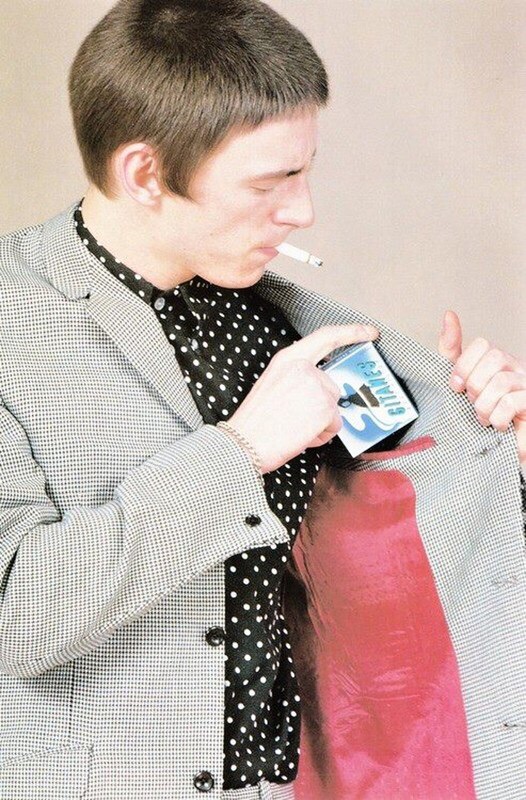
Weller, as it turns out, is more brazen about stealing things than you maybe realise. He has form – not only a strumming pattern from Wilko Johnson but also a career-long vocal delivery cribbed from Steve Marriott, a haircut half-inched from everyone from Worzel Gummidge to Muriel Gray and, more blatantly than any of this, the riff for Changingman that he heartilyappropriated from ELO’s 10538 Overture, something I’ve pointed out before. But long before the heady days of Brit Awards and Stanley Road etc, he was borrowing the mood, the feel and sometimes the chords and melody from more obscure tracks and passing them off as his own work.

style council

Time has been kinder to the much maligned Style Council than the dissenters might have thought back in the day (C’mon! This might cause a row down in Slough, but some of those tracks are ace – pretentious, aye! Ludicrous, aye! But ace – check out Weller’s recent tour for unarguable proof!) They were a deliberate move away from the Jam’s laddism; cricket jumpers, cycling gear, blokes with arms draped around one another, Weller at the back, pastel sweater hanging off his shoulders like a C&A catalogue model. All reference points lay somewhere between Dusty In Memphis, Curtis in Chicago and tongue firmly in cheek, and you either got it or you harked back to a time when Eton Rifles was the only thing that mattered.

Their debut single Speak Like A Child (in itself the title of a Herbie Hancock LP on Blue Note) is to this day a high point in The Style Council’s back catalogue, even if (as if turns out) you really have heard it before. With its breathy vocal delivery and airy Hammond lead, it isn’t entirely a million miles away from Brinsley’s Surrender To The Rhythm. Contrast and compare:

Brinsley SchwarzSurrender To The Rhythm

The Style CouncilSpeak Like A Child


Not content with pilfering blatantly from the past for his more soulful numbers, Weller went on the rampage through the more obscure parts of sunshine pop, alighting at Harper & Rowe’s 1967 bossanova boogaloo The Dweller and stealing the best bits for Have You Ever Had It Blue? This track was a highlight of the recent tour, the band kicking out the jams to play their blue notes under blue lighting, an inward-looking circle of nodding, noodling jazz-heads, but how many of the appreciative audience knew they were in effect listening to a carefully restructured cover version?

I’ve always loved The Style Council’s track, with its Gil Evans-arranged trumpet motif, the non-rock time signature and wordless Dee C Lee doo-be-doo backing vocals. As a 16 year-old, I thought Weller was a bit of a genius for having ‘written’ something so finger clickingly jazz. Great tune ‘n all that, Paul, but really, how did you manage to get away with it?

Harper & RoweThe Dweller

The Style CouncilHave You Ever Had It Blue?

*Bonus Track!

Here‘s The Style Council‘s With Everything To Lose, essentially the first version of the above track. No brass, different words, carefree flute etc etc


Alternative Version, Get This!, Hard-to-find, Sampled

Anti Dance Music / Intae Dance Music

Back at the start of the 90s I was anti ‘dance’ music. It almost goes without saying that I liked Chic, Sly Stone, James Brown…all that kinda stuff, and I was fond of doing my rhythmically-challenged thang to In Yer Face and Voodoo Ray when no-one was watching. But on the whole, dance music, the one real alternative to indie music and chart music, the one true genre of music guaranteed to annoy parents and anyone over the age of 25 did nothing for me. Which is somewhat ironic given I was neither a parent nor a quarter centurion.

rave

Thump thump thump thump thump. Soulless and repetitive, it was a four-to-the-floor car crash with all the sex appeal of a just-landed trout from the River Irvine. Given the option, I much preferred repeat-playing the b-side of the latest Chapterhouse or 5.30 single than give in to anything of a dance bent. Quite a ridiculous choice in hindsight. But in those days, if you wanted to stay out late, it was dance music that inevitably soundtracked your night. To go home early and potentially miss out on whatever I might be missing out on, I tended to stick it out, tolerating rather than enjoying the tunes.

And then I heard this.

FSOL-PapuaNewGuinea-UK-12-Label-A

The Future Sound Of LondonPapua New Guinea

What a fantastic record! It was Future Sound Of London’s debut single and, as it turned out, one they would never better.

Here‘s a shortened version, taken from a Hacienda compilation that I like to stick on now and again while I’m cycling.

Papua New Guinea is that rare thing – an electronic dance record that’s synthetic yet soulful. It’s not just Lisa Gerrard’s skyscraping vocals (sampled from Dead Can Dance‘s ‘Dawn Of The Iconoclast‘, with thos oo-ah-oh vocals coming lock, stock and barrel from a dance track called ‘Shelter‘ by the mysterious Circuit) that go straight to the heart and it’s not just the staccato bass (sampled from Meat Beat Manifesto’s Radio Babylon, much to their displeasure) that goes straight to the feet, it’s the whole thing; the clattering breakbeat drums, the wee keyboard pings and dings, the swooshes and whooshes and the way it all drops out before revving into gear again, lead always by the ubiquitous bass and vocals.

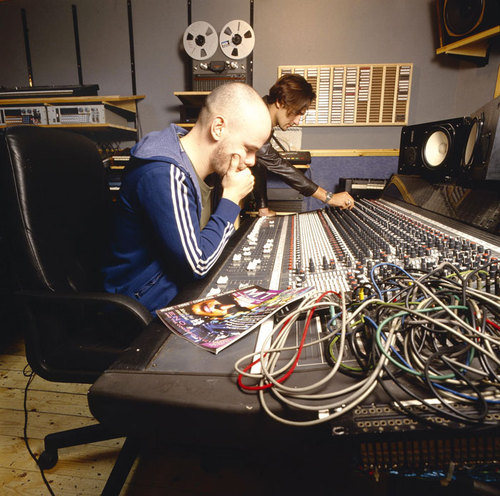
Papua New Guinea was put together by a couple of stereotypical studio boffins (the bald one and the ponytailed one) that most folk would fail to recognise as the creators of one of the best records ever.

fsol

Everything about this record is perfect. Even Lee Mavers, the bowl-cut skiffle king of 1989 rates it as one of his most favourite records. And I bet he never cared much for what constituted ‘dance’ music much either.

Here are those constituent drum parts, sampled from Fuzzy HaskinsThe Fuzz And Da Boog and Bobby Byrd‘s Hot Pants and stuck together with invisible ambient breakbeat glue:

Fuzzy Haskins The Fuzz And Da Boog


Bobby ByrdHot Pants

A truly groundbreaking record, like most of its contemporaries it came in a multitude of re-releases and remixes. In fact, by the end of 2013, Papua New Guinea had been re-pressed and re-released over 30 times. Maybe you could download those tracks above and have a go at doing it yourself, though you’ll be hard pushed to better the original.

*Bonus Track!

Here‘s a longer, more ambient version, illegally remixed and released by Ozgur Ozkan.

Get This!, Hard-to-find, Sampled

Dorissey

Question: What is this record? Is it groovy jazz funk, a long-forgotten off-cut from a Blaxploitation soundtrack that never was? Is it late 60s wig-out psychedelic rock/pop, a remnant of the days when guitar solos were almost as expansive as the lead singer’s flares? Is it fuzz guitar-led, musique concrète strangeness that coulda come straight outta 1972 West Germany?

Answer: It’s all of the above!

The record in question is You Never Come Closer by Doris, from her Did You Give the World Some Love Today Baby album, released with no fanfare to total indifference in 1970.

doris

Doris Svensson was an insignificant Swedish pop singer in the 60s. Along the way she teamed up with respected Scandinavian big band composer Berndt Egerbladh and, from Aberdeen, a Scottish cellist/jazz guitarist/lyricist called Francis Cowan who’d found himself playing on cruise ships where he met his Swedish wife.

This mis-matched trio of musicians put together Did You Give the World Some Love Today Baby, an eclectic soup of funk, rock, jazz and cutting edge electronica. It’s a staggering listen, uncomfortable in places, yet totally pop. Forward thinking retro-revivalists such as Portishead, St Etienne and Massive Attack likely own original first pressings – some of the tunes are a sampler’s delight, packed full of weird strings, breakbeats and fruggable fuzz bass. You can buy reissued CDs of the album from all the usual places. It’s definitely worth further investigation.

candie payne


You Never Come Closer reminds me an awful lot of the long-forgotten post-millennium tracks produced for Candie Payne by Edgar Jones and Simon Dine. Edgar has his fingers in many a musical pie; from the r ‘n b stomp of The Stairs via the be bop-isms of his Soothing Music For Cool Cats album, to playing on stage with Lee Mavers and Johnny Marr – a real non-stop, hard-working musician.

Simon Dine, in his guise as Noonday Underground has taken the weirdest, wonkiest bits of 60s pop music and sampled and looped them into something terrific. His production is all over the last 3 Paul Weller LPs – those electronic rushes and synthesised strings are all his doing. You knew that already though, aye?

Candie PayneI Wish I Could Have Loved You More

Candie PayneAll I Need To Hear

Anyway, my guess is that both Edgar Jones and Simon Dine also have first pressings of Did You Give the World Some Love Today Baby. The feel of that album more than permeates the work they did with Candie Payne. Nothing wrong with that, of course.

Cover Versions, Gone but not forgotten, Hard-to-find, Kraut-y, Sampled

Good Felas

What a shitty few weeks. The previous post below will fill you in if you’re an infrequent visitor. Thanks for taking the time to leave your comments. I read them all, even if I couldn’t face replying. Truly, thanks.

Anyway, what better way to get back on track than by digging out some slick Nigerian Afrobeat from 1977?

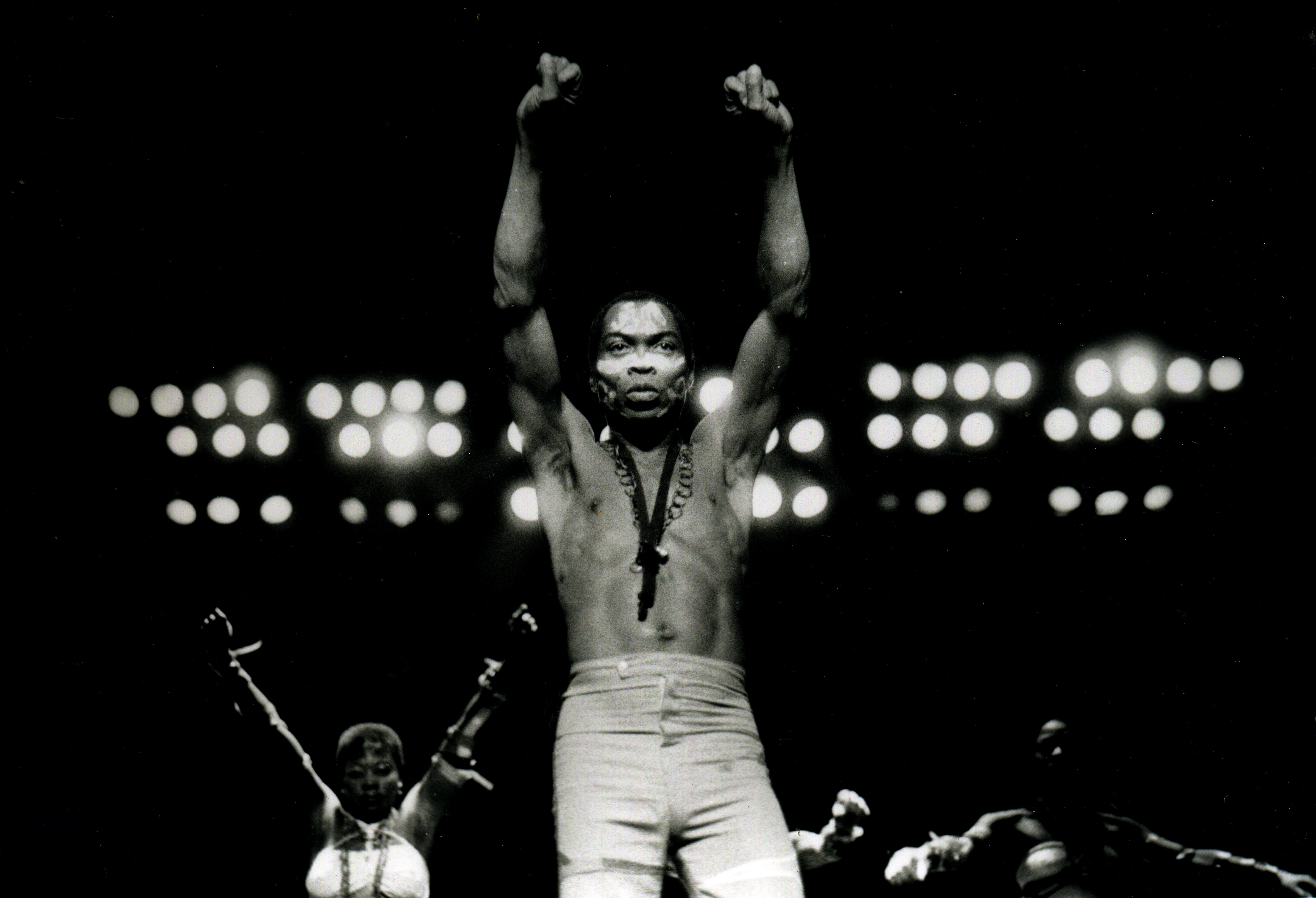
fela kuti

Fela Kuti is a real musicians’ musician. A multi-instrumentalist, equally at home on sax, keys, trumpet, drums….you name it, between 1960 and his death in 1997 he was responsible for around 60 LP releases. Perhaps only The Fall would appear to be able to top that. Much like The Fall, many of his albums are live affairs. A few are also dubious-looking compilations of indeterminate origin. Amongst the regular studio recordings, there are whole LPs of collaborations with other musicians (‘Stratavarious‘ with Ginger Baker, ‘Music Of Many Colours‘ with Roy Ayers.)  All Fela’s albums are tight and taut, superbly played and full of meandering grooves underneath the politicised lyrics.

In the 70s, Fela changed his middle name. Ransome, he said, was a slave name.  And Fela was nobody’s slave. He was a folk singer. The Nigerian equivalent of Woody Guthrie, singing the songs of the ordinary man.  He took to singing in his own unique pidgin English as a way of ensuring Africans throughout the continent would understand his message – they all spoke in their own native tongue, but they also all understood basic English. He sang of the barbaric Nigerian Government and had a smash hit (‘Zombie‘) on the back of it. This resulted in him barely surviving with his life after a severe beating from government flunkies whilst his studio was burned to the ground. More than just a fly in the ointment, Fela galvanised his fellow countrymen into action, a real anti-establishment hero.

fela kuti 2

Fela’s music is terrific. There’s a real discipline to the playing. Much of it is simple and  repetitive. The musicians could easily break out and rattle off a little lick or two, and sometimes they do. His brass section in particular (sometimes just Fela) are fond of the odd up-the-garden-path solo. But mostly to Fela, the rhythm is King. It’s a bit like Can at their grooviest – hypnotic, shamanistic, designed to subconsciously affect the limbs. Feet will tap. Hips will sway. Heads will bob. Before you know it you’ll be on your feet and wondering how you got there.

1977’s Sorrow, Tears and Blood LP is typical of his work at the time. The title track formed the entire first side, a relentless guitar ‘n sax-led tour de force, all polyrhythms and funk bass, lightly toasted with electric piano.

Fela KutiSorrow, Tears And Blood

Atop the non-stop one chord groove is a lyric worthy of Joe Strummer at his authority-baiting best;

Everybody run….Police they come….Army they come….confusion everywhere…..someone nearly died….Police don’t go away….Army don’t disappear….them leave sorrow, tears and blood….

Fela’s work is absolutely ripe for sampling and reinterpretation. Mr Mendel has done this excellent remix of Sorrow, Tears And Blood:

Fela KutiSorrow, Tears And Blood (Mr Mendel mix)

fe la soul

….and a couple of years ago, someone came up with the brilliant concept of Fe La Soul, where they took the Daisy Agers raps and placed them on top of Fela’s funkiest fills. There are whole albums of the stuff if you look in all the right places. Here‘s one of my favourites;

Fe La SoulItsoweezee

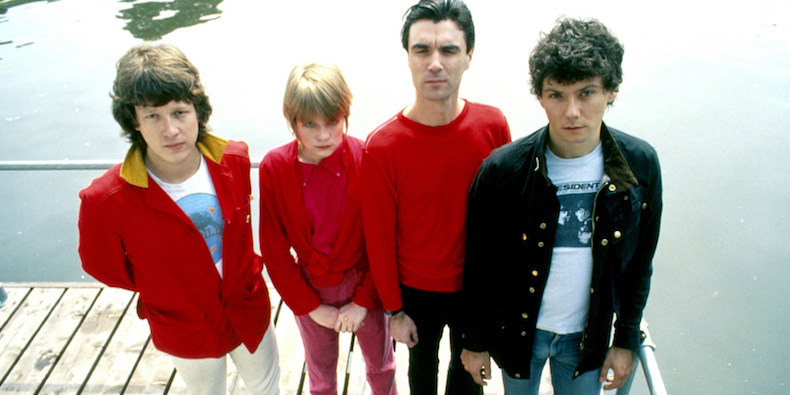
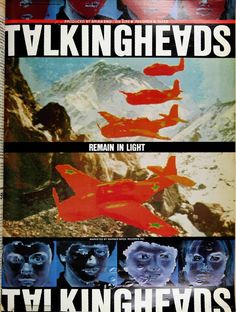
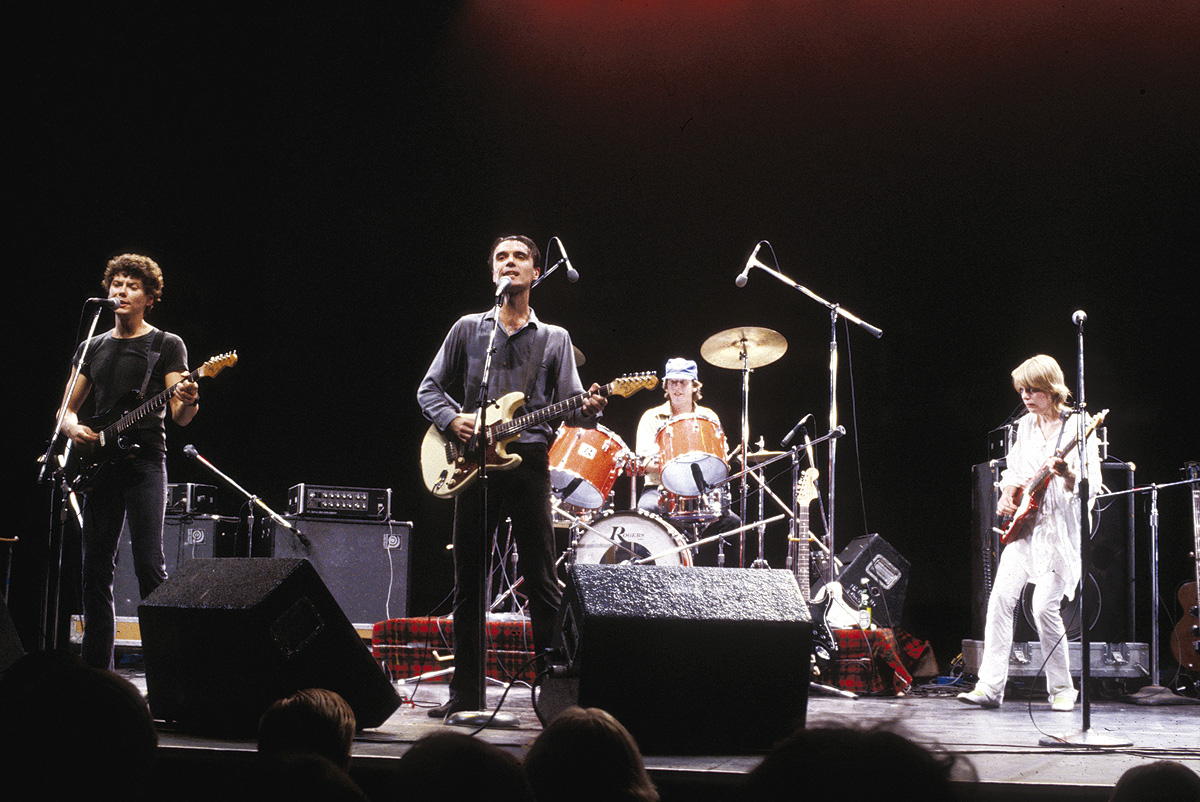
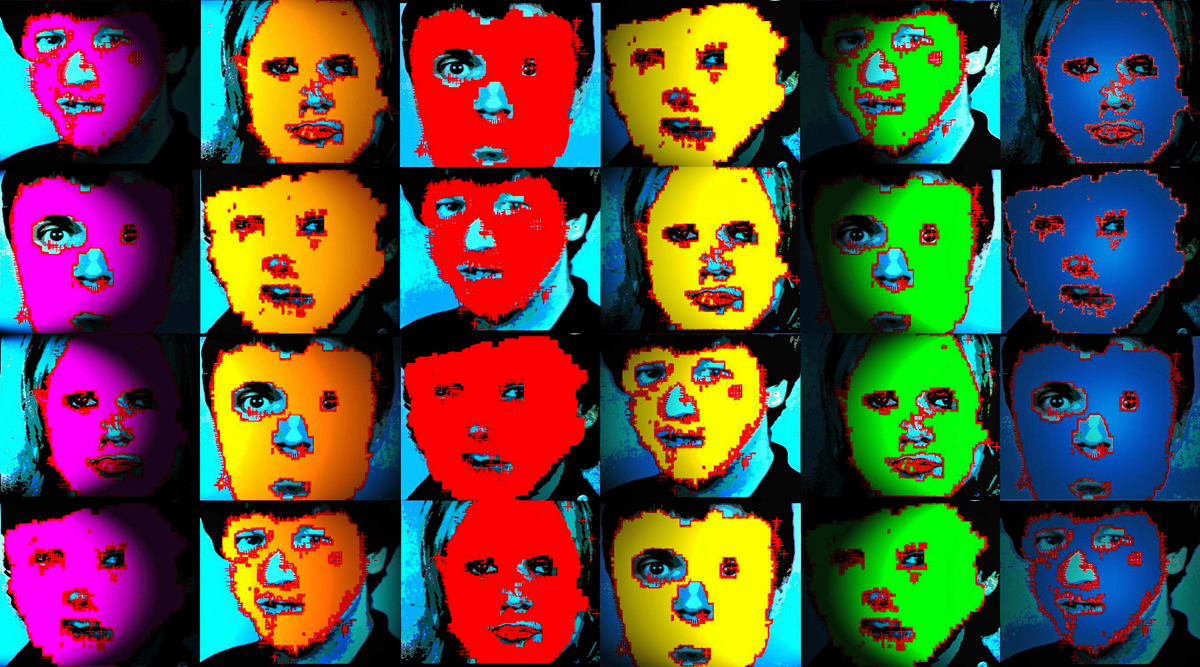
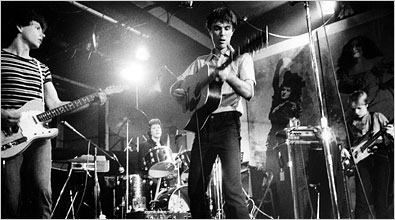
….and no doubt inspired by the relentless, driving grooves of Fela, during the sessions for 1980’s Remain In Light, Talking Heads recorded Fela’s Riff, a terrific piece of instrumental New York, new wave funk. I really need to do a Talking Heads feature at some point…

t heads

Cover Versions, Get This!, Gone but not forgotten, Sampled

Step Brothers

In the latest Mojo, the one with the big piece on Physical Graffiti, Jimmy Page throws away a comment about The Beatles stealing an old r’n’b riff and fashioning it into their own I Feel Fine. Pots ‘n kettles, Jimmy! Pots ‘n kettles!

What Jimmy omitted to reveal is how the same riff more than informed Led Zep’s own Moby Dick.

bobby parker

The track in question is Bobby Parker‘s smokin’ hot 1961 r’nb stomper, Watch Your Step;

Bobby Parker’s story is the classic struggling musician versus the world tale of rip-offs, bad management and lack of recognition. Mention his name ’round these parts and folk like my father-in-law will wax lyrical about the Rangers and Everton player with the same name. The Bobby Parker we’re concerned with earned his chops tackling the music business and playing alongside Bo Diddley, Sam Cooke and Jackie Wilson. He toured extensively, sharing stages with rock ‘n roll’s founding fathers – Chuck Berry, Little Richard and Buddy Holly to name but a few. We’re all well aware of those names, but Bobby Parker? He remains niche, known only by contemporary musicians and musos, waiting to be discovered and elevated to his rightful place amongst the greats. An early b-side of his, You Got What It Takes, was recorded by Marv Johnson as one of the first singles for Motown, but upon release, to Parker’s dismay his name had been wiped from the credits and replaced, not for the last time, by that of the ever-canny Berry Gordy.

Stung by this, (“What was I to do? Fight Motown?!?“) Bobby Parker wrote what has since become his signature tune, Watch Your Step. Unlike the movers and shakers over at Hitsville USA, Parker was quick to acknowledge his references – the 12 bar blues, the similar riff and structure of Ray Charles’ What’d I Say;

and also to Dizzy Gillespie’s Manteca, a skronking, relentlessly driving riff-laden jazz instrumental;

When asked about this a few years ago, he was admirable in his honesty.

I started playing Gillespie’s riff on my guitar and decided to make a blues out of it. What came out was ‘Watch Your Step.’

john lennon ukelele

Also admirably honest was John Lennon.

“‘Watch Your Step’ is one of my favourite records. The Beatles have used the lick in various forms.”

Most noticeably, as Jimmy Page was quick to point out, Watch Your Step‘s taut, snappy riff and structure lends itself quite well to I Feel Fine.

I was flattered,” said Parker later on. “I thought it was a cool idea. But I still had, in the back of my mind, the idea that I should have gotten a little more recognition for that.”

Sound familiar?

Listen closely and you’ll hear little flashes of what could be Day Tripper too;

led zep

The big baddies in the whole thing though are Led Zeppelin. For the record, I love Led Zeppelin. For the rocking, the rolling and the riff-riff-riffing there was no-one better, but they have nowhere to hide when it comes to this sort of thing. They’re certainly no strangers to the rape and pillage of the blues. Jimmy brazenly ‘borrows’ little riffs, indeed whole songs from blues’ back catalogue. I’ve written about this before, but much of the Zep’s entire recorded career was based on long-forgotten blues standards, arriving fully formed but twisted and turned into fantastically sounding ear-crunching slabs of heavy blooze rock. But nicked all the same. If they’d been more honest in their sticky fingerdness they might have been given more leeway, but it’s the deception and the credits to Page/Plant that rankle. Anyway, there are entire books and websites dedicated to uncovering such things, but this isn’t one of them.

When Jimmy was pointing out the similarities between Watch Your Step and I Feel Fine, he might, after all these years, have admitted to basing his own riff for Moby Dick on Bobby Parker’s single.

But he didn’t. Perhaps the pangs of guilt were such that at the start of the 70s Parker was offered a paltry $2000 to record a demo for the nascent Swan Song label, but nothing came to pass of this. If Jimmy truly felt guilty, he’d have given Parker a credit on Moby Dick.

Not for the first time, Jimmy got away with it. And not for the first time, Parker missed out on the credit.

Trivial post-script!

Have you ever heard the dogs barking during the fade out of I Feel Fine? The smart money is on Paul doing the yelping, but you never know…

You can hear tons of this sort of stuff over at What Goes On – The Beatles Anomalies List. It’s great!