Cover Versions, Hard-to-find

Chasin’ Donovan

“Danavan! Danavan! Who is this Danavan?!?”

Bob Dylan, in 1965’s ‘Don’t Look Back‘ is met by the name of Donovan everywhere he goes – “He’s the new you!” everyone tells him, and with Donovan dressed head to toe in scuffed suede and cord and occassionally sporting a jaunty Lennon cap atop his outgrown Beatlesish mop while singing songs of multiple verse, they have a point. When an unconvinced but curious Bob, surrounded by a stellar gang of hangers-on hanging on to his every word and savage put down finally crosses paths with Donovan in a hotel room and asks him to play one of his songs, he sneers that it sounds a bit like ‘Mr Tambourine Man’. Ouch! Bob complaining about plagiarism is a bit like a petty thief complaining about being pick-pocketed.

donovan

Donovan, if you didn’t already know, is the Forrest Gump of 60’s popular music. His CV makes him out to be just about the most influential musician who ever walked the planet, blazing a trail of originality while pointing the major players of the day in the right direction before receiving musical favours of thanks somewhere down the line. ‘They couldn’t do without me’ might well be Donovan’s epitaph. ‘They can thank me later‘. He has an incredibly big shout for himself.

Just as Forrest was the inspiration for the Elvis pelvis hip-shake, just as Forrest witnessed first-hand the front line in Vietnam, just as Forrest shook hands with JFK and influenced the cultural climate of the times, Donovan was responsible, amongst other things, for (deep breath….) gifting the ‘sky of blue and sea of green‘ line in ‘Yellow Submarine‘ to Paul McCartney, turning John Lennon on to a new style of fingerpicking, from which came Dear Prudence, Happiness Is A Warm Gun and a handful of others, holding George Harrison’s hand on his first tentative steps on the sitar and aligning the stars that would lead to Led Zeppelin’s formation. Without Donovan, none of that would’ve happened, y’know. He was the first musician to release a ‘psychedelic’ record (‘Sunshine Superman’), the first musician to be on the receiving end of a drugs bust and the first musician to realise the value of talking yourself up. Hang on to your ego, as one of the era’s true geniuses once said.
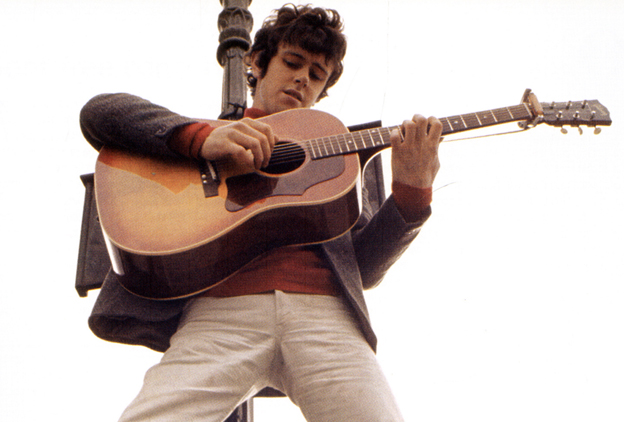
donovan-2

When music started getting heavier, Donovan was there at the front, claiming a leading role. As Cream, The Yardbirds and the Jimi Hendrix Experience kicked in the jams, he recruited half of the future Led Zeppelin (Page and Jones) along with experienced sessioneer Clem Cattini on drums and cut the folk/psych epoch-defining Hurdy Gurdy Man.

Donovan – Hurdy Gurdy Man

It’s an astonishing record. Taking it’s cue from The Small Faces ‘Green Circles’, it’s a riot of descending basslines, wobbly vocals and strung out, wigged-out electric guitars. In true understated Donovan fashion, he claimed that a) he wrote it for Jimi Hendrix and when Jimi didn’t want it, Donovan asked him to play on his version instead but b) once producer Mickie Most had heard the version Donovan had cut, told Donovan to keep it as it was and release it for himself. Not only that, but c) the last verse written by George Harrison (payback for those sitar lessons, no doubt) was dropped in favour of the uncredited Jimmy Page’s fantastic divebombing solo to keep the record under the crucial 3 minute mark. With the record’s success, claims the humble Don, Led Zeppelin were born.

This slideshow requires JavaScript.

Quite the magnet for talent, was our Donovan. In his 60’s heyday, he hung about/latched onto Brian Jones, The Beatles, Jimi Hendrix, Dylan and anyone who might appear cutting edge. What’s not so well-known is that a few short years later, he’d be in the front row at the Lesser Free Trade Hall offering fashion tips as The Sex Pistols broke year zero, he’d be the first to don a bandana and a yellow smiley and drop one (geezer) to Altern 8 (who’s ‘Evapor 8’ he ghost-wrote) and give The Stone Roses the idea to sample a James Brown drum loop before playing, uncredited (strangely, for him) the distinctive wockawockawocka lead guitar part on ‘Fool’s Gold‘.

“Danavan! Danavan! Who is this Danavan?!?” The most influential man who ever walked on Planet Pop, obviously.
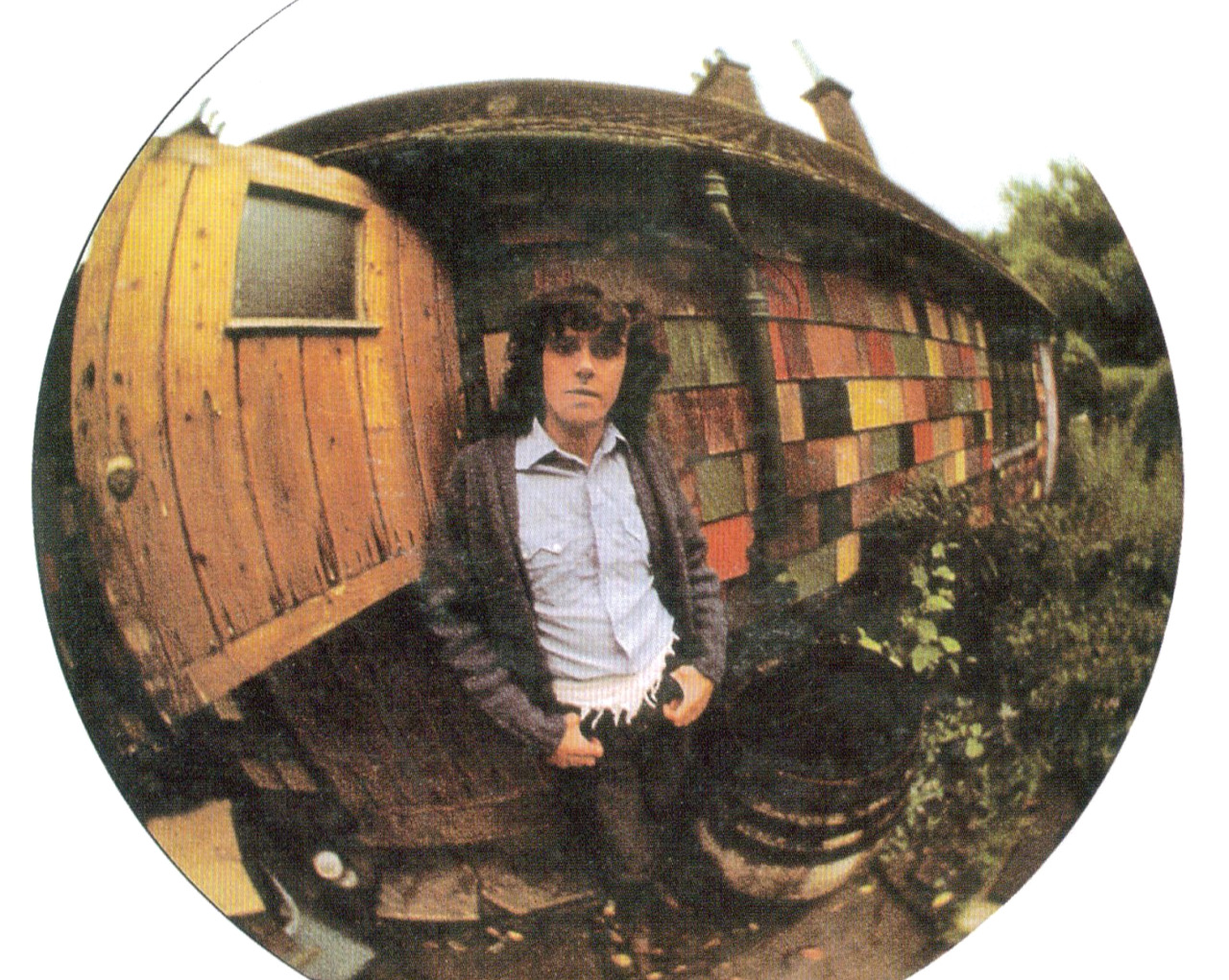
donovan-fisheye


Alternative Version, Cover Versions, demo, Gone but not forgotten, Hard-to-find

By George!

George Harrison, the youngest Beatle, bullied by John and Paul into 2nd tier status in the band, was essentially the runt of the litter yet wrote some of their most enduring songs. When writing sessions were underway ahead of a new Beatles’ recording, poor George had to bide his time while the other two writers hogged the limelight with their latest offerings. Only after they had been given careful consideration would George be allowed to show off what he’d been working on. In any other band, he’d have been the principal writer and held in higher esteem, but in The Beatles he was lucky to get more than one of his tracks onto each album.

 george_harrison_1968

By 1968’s ‘White Album’, George had a handful of future classics under his belt. Writing sessions in Rishikesh in northern India proved particularly fruitful. The Beatles plus associated wives/girlfriends along with a raggle-taggle mismatch of musicians and actors (Donovan, Mike Love, Mia Farrow and her sister ‘Dear’ Prudence) gathered at the feet of the Maharishi to find out the ways of tanscendental mediatation.

1968

The trip was not without incident;  Ringo visited a doctor due to a reaction to the inoculation he’d taken before going, John complained that the food was lousy (Paul and Jane Asher loved it) and the Maharishi, as peace-loving and spiritual as he may have been, turned out to be a randy old man, intent on bedding as many of the female guests as he could.

George was particularly taken with meditation, leading John to quip, “The way George is going, he’ll be flying a magic carpet by the time he’s forty!”

Against this backdrop, John, Paul and George wrote many songs that would appear on the new Beatles’ album at the end of the year. Donovan turned John onto a new style of fingerpicking that he’d picked up from the folk clubs and Lennon put it to good use on Dear Prudence. George might’ve been equally inspired, as the descending bass run that characterises Dear Prudence makes it into a couple of his own songs on the White Album.

beatles-india-68

While My Guitar Gently Weeps began life as a downbeat campfire singalong; folk in a minor key, with the ubiquitous descending bass line offest by an uplifting bridge. It’s understated and simple, nothing like the album version.

George Harrison – While My Guitar Gently Weeps (demo)

George had to wait an agonising 8 weeks from the start of the album sessions before being given the chance to showcase it. Quite how he kept his mouth shut as John ran through days and days of tape loops creating the arty (but tuneless, let’s be clear) Revolution 9 while Paul completed dozens of takes of the reggae-lite Ob-La-Di, Ob-La-Da and even Ringo had his moment in the spotlight with his honky tonkin’ Don’t Pass Me By is very impressive, but when given his moment (“I always had to do about ten of Paul and John’s before they’d give me the break,”) he rose to the occassion.

george-h-abbey-road-68

The demo of While My Guitar Gently Weeps was used as the blueprint and added to with layer upon layer of guitar and vocals through the use of an 8-track recording machine (the first Beatles’ track to do so) until it was the super-heavy version that appears on the album. An uncredited Eric Clapton was asked by George to play guitar on it. George had been bemoaning the fact that he’d spent hours aimlessly trying to recreate a weeping sound for the track and asked his pal instead to play the solo, which he did with majestic, understated aplomb.

The Beatles – While My Guitar Gently Weeps

It’s a perenial favourite, never bettered than when Prince put the other ‘stars’  – heavyweights Tom Petty, Jeff Lynne, Steve Winwood – firmly in their place with his outrageously brilliant cameo at the 2004 Rock ‘N Roll Hall Of Fame. Two questions, the first rhetorical. How overjoyed does Dhani Harrison look when the wee man steps up and takes the song to a whole new level?

Secondly, what happens to Prince’s guitar at the end? Watch….

Cover Versions, Get This!

Staton The Bleedin’ Obvious, Mate!

  candi-staton-2

For folk of a certain age, Candi Staton is best-known for the horn-driven, string-swept ‘Young Hearts Run Free‘, the disco track that burned up the charts in the boiling hot summer of 1976. It’s such a golden oldie standard these days that it’s easy to forget just how brilliant it is.

Candi Staton – Young Hearts Run Free

For folk of a different certain age though, she will be best known (maybe even only known) for ‘You Got The Love‘. A track initially released 10 years after her only other hit single, it finally came to prominence 5 years later when The Source transformed the original version into a slowed-down, hands-in-the-air rave generation anthem. With its sparse bassline and E-friendly lyric, it captured the mood of the times perfectly.

The Source feat. Candi Staton – You Got The Love

What many folk might not realise is that Candi Staton is as far removed from the notion of one (or two) hit wonder as is possible. Starting out in the mid 50s as a gospel singer (of course – where else can you develop a voice as powerful, as raw, as sky-scrapingly soulful as hers?) she did the rounds of the secular circuit, regularly crossing paths with a young Aretha Franklin and her preacher dad as they likewise found the feet and voices that would stand them in such good stead in the future.

candi-staton-fame-studios

Growing out of the gospel scene, she signed to Fame Studios in Alabama’s Muscle Shoals and re-branded herself as a Southern Soul belter, a big-voiced, big-haired ‘story’ singer. Her versions of Stand By Your Man and In The Ghetto were nominated for Grammys.

Candi Staton – In the Ghetto

Backed by a countryish, harmonica-led clip-clopping rhythm and see-sawing strings, the production places great emphasis on her voice; rich and soulful, skirting across the top of the original with comfortable ease. Just a thought, but had Brian Wilson visited the wide open vistas of the south instead of playing in his sandpit, he might’ve made records like this.

Fast becoming the go-to act for A&R men who you fancied taking a standard (Nights On Broadway, Suspicious Minds) and turning it into a soulified smash hit single, Candi’s albums at the time were criminally neglected, yet they’re packed full of terrific, rarely-heard Southern Soul smashes; story songs that build and peak and turn you inside out with guilt and pain, yet can keep you dancing all night long.

I’m Just A Prisoner (Of Your Good Lovin’) is classic Candi. The Staples-esque trembling, wobbly guitar intro and loose Fender Rhodes groove, underpinned by an impressive fret-hopping bass guitar allows her vocals to fly.  It’s a cracker…

Candi Staton – I’m Just A Prisoner (Of Your Good Lovin’)

There’s real grit in her voice, the kind of grit that surely only comes from being a God-fearin’, six-times married Southern woman. Perhaps she took the words of her own Another Man’s Woman, Another Woman’s Man a little too literally, given that it’s a classic cheatin’ song, a waltz-time tale of infidelity and indiscretion sung from the heart.

Candi Staton – Another Man’s Woman, Another Woman’s Man

And here’s The Thanks I Get For Lovin’ You, another loose ‘n funky track that calls to mind Aretha in her late 60s peak. A confession song in the same lyrical vein as the one above, you’d think she’d have learned her lesson by now.

Candi Staton – The Thanks I Get For Lovin’ You

A few years ago, Damon Albarn’s Honest Jon’s Records released a brilliant Candi compilation that gathered together much of the best material from this era. Heartache and heartbreak just never sounded so good. I would tell you to buy the album, but as mock Cockney Damon Albarn might say, that’d be Staton the bleedin’ obvious mate. Bad puns aside, you really should investigate it.


Cover Versions, Get This!, Hard-to-find

What’s So Amazing? What Keeps Us Stargazing?

The perennially-evergreen Teenage Fanclub are currently burning up small venues the length and breadth of the country in a short tour to promote their new album ‘Here‘ which will be, eh, here this coming Friday. The reviews are rave-like in their generosity for the band, perhaps as much an indicator of how much Teenage Fanclub still mean to folk after all these years as much as the gigs are great. Certainly the set-lists have been mouthwatering; a cherry picking of all the best parts of their 26 year history with select new tracks sandwiched in-between where they fit best.

tfc-2016

I used to take great pride in telling folk I’d seen Teenage Fanclub live at least once (and often half a dozen times) a year since 1990 (true, by the way), but since Norman decamped to Canada a few years ago, appearances have been more sporadic. Still, I have a ticket for the big homecoming show at the Barrowlands in December, which, after reading the reviews from Edinburgh last night, I’m impatiently excited about. Like most folk nowadays I’ve had a few listens to the new stuff via an illicit download, something I was keen not to do, preferring to wait for the LP to drop through my door (or more likely a Post office postcard telling me my parcel was at the depot as I’d been out when they delivered) but a link was practically thrust into my hand and, well, what’re you gonna do? It’s terrific stuff, of course, perhaps even ‘Album Of The Year‘ material, but I’m in self-imposed listening exile, waiting until I can stick the record on at full bung in the living room. Only then will I decide on my favourite tracks.

trashcans-kzap

Another band who could easily slip into that ‘Album Of The Year‘ list are the Trashcan Sinatras, but, if you’ve been a regular on here, you’ll be well aware of that by now. The Trashcans and Teenage Fanclub are for me inextricably linked; both from the west of Scotland, of similar age to myself, purveyors of melody-led songs (Songs! Remember them?), long innings with a relaxed approach to releasing new material and both on the edge of cultdom. TFC may be slightly more well-known and, dare I say it, cooler – well, as cool as 5 guys who look like the school prom band made up of moonlighting musicians from the Geography Department can look – but the Trashcans, with their melancholy-tinged pocket symphonies never let me down.

frank-reader-tcs

A few Christmases ago, they made available a free download of The Rainbow Connection, a song that first appeared in 1979 in The Muppets Movie, sung by Kermit the Frog. If you don’t know the Trashcans, this is a very Trashcans thing to do. The song itself is lushly orchestrated, offset by Kermit’s comical croak and creaky front porch banjo.

The original version may have been Oscar-nominated, but the Trashcans make it soar. There’s not much to it really, just a close-miked, crooning Frank accompanied by a couple of guitars, one rich acoustic and one electric, seemingly still playing those bluesy bends that made such a great thing of the band’s Syd Barrett tribute ‘Oranges & Apples’. There’s some synthesised orchestration for good measure and a girl’s voice appears now and again in the chorus in perfect harmony. By the end, the whole things swings and waltzes like a soft shoe shuffle as the ‘oooh-oohs’ fade into the distance.  It’s perfect.

Trashcan Sinatras – The Rainbow Connection

It’s a track that wouldn’t be out of place on current LP ‘Wild Pendulum‘. With it’s rich sonic decoration and loose themes of celestial dreaming it could sit right there at the end of Side 1, the perfect closer for a perfect side of music. Wish they’d thought of that…

I doubt the band would have a problem with you having your own version of their track, so feel free to download it here.

Now go and buy Wild Pendulum from here or here or here. Go! Go! Go!

willie-nelson

Everybody’s favourite pot-smokin’ pig-tailed-sportin’ outlaw cowboy Willie Nelson opened his 2001 Rainbow Connection album with unique arrangement of the title track. Opening with birdsong, mountain streams, a clip-clopping rhythm and a down-home harmonica ‘n sax duet, it’s great. Not Trashcans’ great, but close enough.

Willie Nelson – The Rainbow Connection

*Bonus Track!

Here’s that Muppets version…

The Muppets – The Rainbow Connection

kermit


Alternative Version, Cover Versions, Get This!, Hard-to-find

The Great British Take-Off

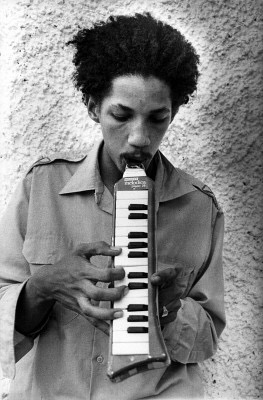
Augustus Pablo is perhaps to the melodica what Les Paul was to the electric guitar. Until Augustus, reggae was all about the boom of the bass and the pistol crack of the snare. Pablo took his melodica and made it central to the dub reggae records he played on, fighting for ear space amongst the booms and the pistol cracks, the bringer of other-worldly melody in an already expansive soundscape. Dub reggae is proper long-form music. It’s widescreen, epic and simply massive to listen to. But you knew that already.


When Augustus Pablo teamed up with dub pioneer King Tubby, the results were dynamite. Their ‘King Tubby Meets Rockers Uptown’ takes the easy flowing lovers’ rock of Jacob Miller‘s ‘Baby I Love You So‘…..

Jacob Miller – Baby I Love You So

…..and sends it into outer space with a heady treatment of clatters, bangs, melodi-ka-ka-ka-echos and all manner of sonic enhancements…..

Augustus Pablo/King Tubby – King Tubby Meets Rockers Uptown

It‘s a very influential record. If you know your musical onions, you’ll spot traces of the production in all manner of records, from Massive Attack and St Etienne to New Order and Primal Scream. Would New Order’s ‘In A Lonely Place’ be the record it was if Martin Hannett hadn’t turned to his inner King Tubby for inspiration; Other-worldly? Yep. Claustrophobic and menacing? Yep. Liberal sprinklings of melodica? Yep, yep and yep. It’s dub, man! A rainy, grey, 80s Mancunian, British take on dub, but dub nonetheless.

New Order – In A Lonely Place


Primal Scream currently have a very good (and very limited) 12″ on release featuring a dark ‘n dubby remixed take on their own 100% Or Nothing which stretches towards the 10 minute mark, cramming in as many booms, bleeps, skank-filled echoing guitars and, yes, melodica as possible. Somewhere between New Order’s In A Lonely Place and King Tubby’s dub-in-a-cave production, with half-inched vocal refrains from Funkadelic’s One Nation Under A Groove, it’s very good. Echo Dek part II, even. Forever with his finger on the pulse of what’s hot and what’s not, Adam over at the ever-wonderful Bagging Area featured it last week.

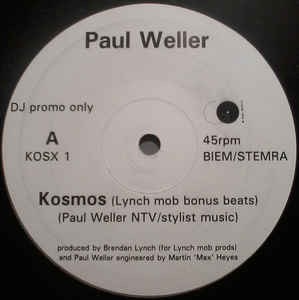
In the early-mid 90s, Paul Weller was fond of adding tripped-out, elongated versions of the a-side or even his lesser-known album tracks to his singles. Remixed and re-tweaked almost exclusively by Brendan Lynch, they could usually be relied upon to be the best thing on the single. The Lynch Mob version of debut album track Kosmos is fantastic. Clearly influenced by King Tubby, Lee Perry and all those other progressive-thinking sonic architects, it’s waaaay out there. We have lift off!, to borrow the sample at the start.

Paul Weller – Kosmos (Lynch Mob Bonus Beats version)

I’ve probably mentioned this before, but it’s best listened to whilst you drive on the M8 on a hazy summer’s evening, just as the sun is setting and an aeroplane is taking off from Glasgow Airport, vapour trails shimmering in the mid-July heat, a stroke of luck that befell me once after dropping folk off at the airport.

le-mod-ica

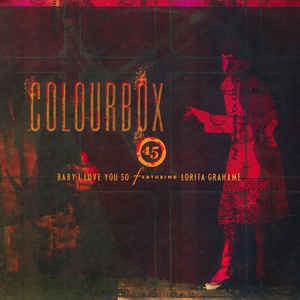
Anyway, back to Baby I Love You So. Back in 1986, when alternative acts were trying to keep up with the rockist jangle of The Smiths or creating their own heavy, heavy monster sound of goth, 4AD act Colourbox released a very good version.

Colourbox – Baby I Love You So

Replacing the melodica with electric guitars may have ‘indied’ it up a bit, but it loses none of its heavy dub or pulsing groove as a result. It’s a genuinely faithful version, replete with sonic wizardry and skanking galore. It’s also a tricky one to track down online, but here‘s the 7″ version, above, and the extended 12″ version below.

Colourbox – Baby I Love You So (12″ version)


Alternative Version, Cover Versions

Maker’s Marc

Like most of you who visit here (my demographic stats tell no lies), I was the perfect age for 80’s pop. At the time I kinda took it for granted that the charts would always be filled with million-selling hit singles with shelf lives longer than the queue for a fake ‘Frankie Says…’ t-shirt at Saltcoats Market.

I spent the decade convincing myself that the era was rubbish for music – with the odd obvious exception, a million-selling single was no guarantee that it was any good. Living in the 80s just wasn’t fair.  My parents watched wide-eyed as the 60s unfolded right in front of them (unbelievably, much of it unfolded while they were in a pub stubbornly listening to or playing folk music. Yeah, yeah, yeah), and cool folk from school with groovy uncles or elder brothers and sisters had a gateway into the eclecticism of the 70s, but what did I have that was exclusively mine? Spandau Ballet? Amazulu? The Art Company? Living in the eye of the norm, it was all bland rubbish really, but when you cast a misty-eyed look backwards nowadays, it’s plain to see the 80’s might not have been half as bad as we convinced ourselves they were. Granted, the music soundtracked a depressing time in which to be a teenager; Thatcher’s self-prophesising comment that ‘there’s no such thing as society anymore’ was splitting the country into haves and have nots, and with mass unemployment, little prospect for school leavers and inner city unrest (thankfully, this never made it to the mean streets of Irvine) for the millions of have nots, it was truly a shite time to be alive. But the circumstances led to some of the greatest ever music – ‘our’ generation’s music; The Specials, The Smiths, you know them all….

soft cell 2

Soft Cell‘s 1981 take on Tainted Love remains just one reminder of how decent the 80s actually were for music. At the time, Tainted Love was nothing more than a non-political catchy single, something that Bruno Brookes played between Swords Of A Thousand Men and Kim Wilde’s Cambodia, something that Steve Wright played before Mr Angry, something that Kid Jensen played immediately after the latest Teardrop Explodes session. You might want to cross-reference artists and release dates here, but I’m sure you catch my drift. Tainted Love was everywhere. Minimalist electro-lite and bouncy, with mysterious gassy hisses every now and again, it was infectious and catchy and even now as I type, it was clearly instantly memorable. Did I as an 11 year old spot the mild whiff of submissive, dangerous, homo-erotic je ne sais quoi emanating from Marc Almond. Of course not! Marc Almond was a pop star. It was his job to dress funny, jaunty leather joy-boy cap or not. Just ask Adam Ant, a man who’s make-up-caked face plastered my bedroom wall, much to my dad’s unease. I doubt he’d ever heard those Marc Almond stomach-pumping rumours, given the enthusiasm by which he cheerily battered the dashboard of our Ford Cortina – “Sometimes I feel I’ve got to (thump thump!!) run away!” – whenever Tainted Love parped it’s way out of the tinny AM radio.

Here‘s the super-extended 12″ version, where Tainted Love breaks down into the band’s skeletal yet soulful take on The Supremes’ Where Did Our Love Go?

Soft Cell – Tainted Love (12″ version)

soft cell

I suspect I wasn’t alone in thinking Soft Cell’s version of Tainted Love was the original. It would be a few years later before I discovered the truth (mid 60’s brass-led stirring soul stomper, Gloria Jones, Marc Bolan, etc etc) and when I did, wow!, a whole new world opened up for me. Why couldn’t my mum and dad have been listening to this instead of Hamish Imlach in 1964? Eh? EH?!?

gloria jones

Gloria Jones – Tainted Love

Here‘s Inspiral Carpets‘ version. Unfairly relegated to 2nd Division Madchester also-rans, early Inspirals were a riot of bowl cuts, bass players called Bungle and badly-rhymed beat-driven garage punk. Easily identifiable by Clint Boon’s skirling Farfisa, many of those early tunes still endure to this day, in my house at least. A proper Plain Or Pan piece must surely be in the offing (I was supposed to be interviewing Tom Hingley recently, but that’s a whole story in itself), but until then, here’s their menacing attempt on Tainted Love, recorded to celebrate 40 years of the NME, a mag (free nowadays) that’s somehow in its 64th year. That’s a pension and a gold watch in old money is it not?

Inspiral Carpets – Tainted Love

inspirals

Cover Versions, Gone but not forgotten, Hard-to-find

You Scratch My Back Catalogue, I’ll Scratch Yours

In the early 90s, there was no finer sight in music than when the three frontmen from Teenage Fanclub stepped up to the mic as one and filled the room with honey-coated harmonies that surfed across the top of their ramshackle fuzz. Lest we forget, in the year that saw both REM’s Out Of Time and Nirvana’s Nevermind released and racking up gazillions of sales, Teenage Fanclub’s Bandwagonesque sat proudly at the top of Spin Magazine’s ‘Albums Of The Year‘ list. And rightly so. Bandwagonesque is classic Fanclub; a welding together of God-sent melodies with a clanging calamity of sweet-sounding guitars. To achieve the overdriven sound that defines much of the album, the band had the amps turned up as loud as they would go, put behind a closed cupboard door and close mic’d up. The effect is a cobweb-dusting thing of beauty, but you knew that already.

tfc 90s

On account of their ability to conjure a slightly wobbly three-part harmony out of thin air, fans of the band renamed them The Bellshill Beach Boys. Lazy writers at the time were less generous, waxing lyrical about the band’s obvious debt to the three Bs – The Beatles, The Byrds and Big Star.

This was the first time I (and I suspect many others) had ever encountered the names ‘Big Star‘ or ‘Alex Chilton‘ and the hastily re-released #1 Record/Radio City twofer that followed on the heels of Bandwagonesque confirmed that Teenage Fanclub had indeed tipped their hat in the particular direction of their 70s idols. Other bands are guilty as charged when it comes to blatant sticky-fingered plagiarism, but Teenage Fanclub were clever enough not to steal whole songs, lock, stock and barrel from Big Star. The overall mood though of Bandwagonesque, from the mid-paced strumming and guitar sound to the uplifting melancholy that sticks itself to many of the tracks (The Concept is essentially a sad song, but it’s sky-scrapingly magnificent. Likewise, December and Guiding Star) is very Big Star. Nowt wrong with that of course.

bandwagonesque reviewPatronising idiot.

Bandwagonesque remains an early high point in a discography embarrassingly rich in high points. Will the new album ‘Here‘, released in just over a month, have the same impact? Going on the strength of the lead single I’m In Love, with its trademark harmonies, fancy chords and Thin Lizzy-ish guitar solo, the early indications are good, but let’s remember that Bandwagonesque was released a quarter of a century ago. That Teenage Fanclub are still releasing records to an always-appreciative audience is fine in its own right.

Alex Chilton and Teenage Fanclub would play a few shows together. They also released a limited single via the NME, where Alex was backed by TFC on one side, and TFC were backed by Alex (kinda) on the other. At some point or other, (I’d like to imagine it was during the sessions for the NME single, though we’ll maybe never really know), Alex and TFC ran through a gloriously ragged live take of Bandwagonesque‘s Alcoholiday.

alex chilton bwAlex Chilton – Alcoholiday

The track is credited purely to Chilton, but if you listen carefully between the clanging chords and underneath Alex’s world-weary, 30-a-day Marlboro-coated voice, you’ll be able to make out Norman Blake’s ooing and aahing backing vocals. It’s a beautiful thing. Perhaps even more beautiful than the original….

Teenage Fanclub – Alcoholiday

tfc and alex c

Teenage Fanclub have also dipped more than a toe into the extensive Chilton back catalogue. An early US-only single from around the time of Bandwagonesque saw them zip through a brilliant version of Free Again, replete with a kazoo solo, a key change and seemingly, the kitchen sink.

Teenage Fanclub – Free Again

Free Again is a post Box Tops Chilton three chord boogie that would first see the light of day on 1977’s The Singer Not The Song EP, from a period in time when no-one seemingly gave a damn about Alex. Given the shambolic mess that made up the EP, this was also a period in Chilton’s life when he seemingly didn’t give a damn about folk either, but that’s another article for another day.

Alex Chilton – Free Again

tfc  badges


Cover Versions, Dylanish, Gone but not forgotten

Van Hailin’

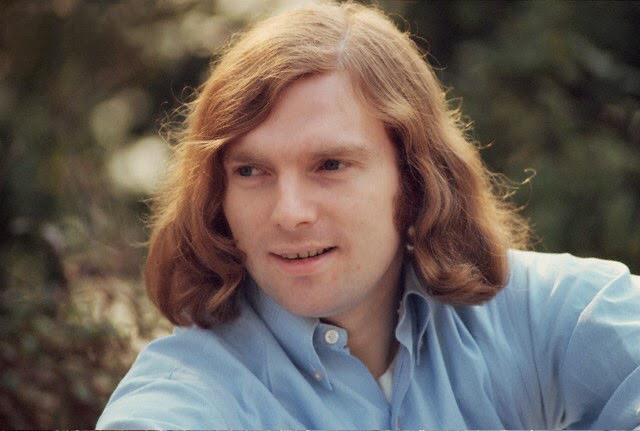
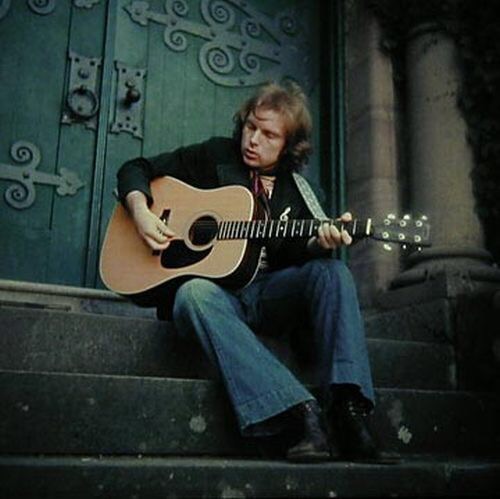
Van Morrison‘s Astral Weeks is a critics’ wet dream of an album, consistently frothed over and placed at the upper reaches of ‘Best Albums Ever’ lists. It’s a particular kind of album; a heady mix of rock, folk, jazz, and soul which doesn’t always hit the mark for me, but, when it does, bullseye!


The critics considered The Way Young Lovers Do to be the stand-out track, but, they reasoned, for all the wrong reasons.

Reviewing Astral Weeks, self-styled barometer of hip opinion Clinton Heylin said it “sticks out like Spumante at a champagne buffet.”

Pffffft! What does he know? Compared to the brevity and substance of the majority of the tracks, The Way Young Lovers Do is light and airy. It features a lyric that you don’t need a degree in English and/or codebreaking to decipher. It is, ‘serious’ music fans, a 3 minute pop song. For me, The Way Young Lovers Do is the stand-out track, but for all the right reasons.


It skitters along on a weird time signature of jazzy triplets played on a lightly brushed drum kit that’s doing it’s best to keep up with a frantically scrubbed acoustic guitar. The musicians on the track, all time-served jazzheads, were delighted to find they’d be given free reign to play as they fancied. The stand-up double bass player can’t quite believe his luck. He’s all over the track like a free-form be-bop rash.

Not one to labour over the small details in the studio, Van sketched out the track on his acoustic guitar and encouraged the others to fall in behind him. Going against the grain of late 60s studio work, Van didn’t prepare chord charts or musical scores. Instead, the whole thing was kept together with head nods, subtle glances and the unspoken telepathy that happens between seasoned pros. What was recorded for posterity is essentially the first run-through of the track.

Van Morrison – The Way Young Lovers Do 

And what a track!

Van scats and scooby-dos like a hard-boppin’, finger-poppin’ Celtic Louis Armstrong, wailin’ those words with a phrasing and maturity that belies his 23 years. Stabs of brass more usually found on a primo slice of Stax soul puncture the ambience like an accusing finger in the face of a non-believer. “Whaddayamean you’ve never bin in love, ell, yoo, vee…..”

A vibraphone shimmers like one of those self-same young lover’s hearts, while the strings (overdubbed later) swoon and sweep as the melody rises. This is pure joy abandon, as good as it gets, really.

On this track alone, Van really is The Man.

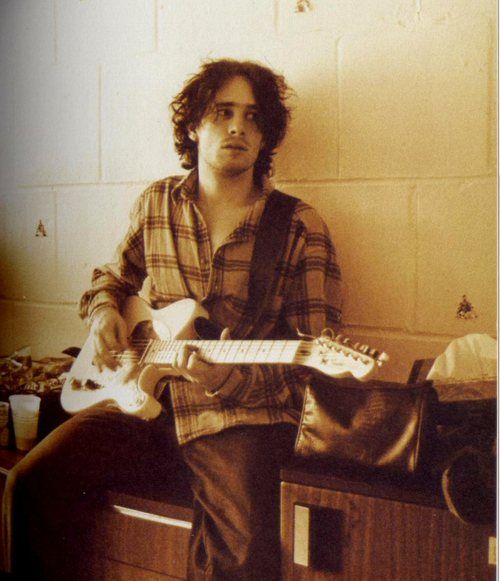
jeff buckley tele

Contrast Van’s original with Jeff Buckley‘s extended, improvised take. Borne out of the cafe culture that fashioned his sound, Jeff’s version is just him with his beautifully-toned Telecaster playing through a Fender Twin Reverb amp, a combination of delicate, ringing picking, muted riffing and high intensity. A staple of his live shows, he never seemed to play it or sing it quite the same way twice. Jeff’s version often exceeded the 10 minute mark, with some versions approaching Zeppelin-esque proportions. Here’s an incredible version from the Bataclan in Paris taken from the European release of the same name. Intense, moody, stratospheric. You might even say it’s funky.

Jeff Buckley – The Way Young Lovers Do (Live from the Bataclan)

starsailor

And then we have Starsailor. Currently residing alongside Toploader and Embrace in the Rewind section of Poundland, here was a band that pinned their flimsy influences to their poorly-tailored sleeves. Naming the band after an obscure Tim Buckley album, they took his vocal leaps and phrasings, welded them to the guitar stylings of the boy Jeff and had the sheer cheek to do their own version of The Way Young Lovers Do with all the grace (no pun intended), all the soul, all the nuance and style stripped from it. It’s a well-produced version, just not very good.

Starsailor – The Way Young Lovers Do

Cover Versions, Gone but not forgotten

Goode and Bad

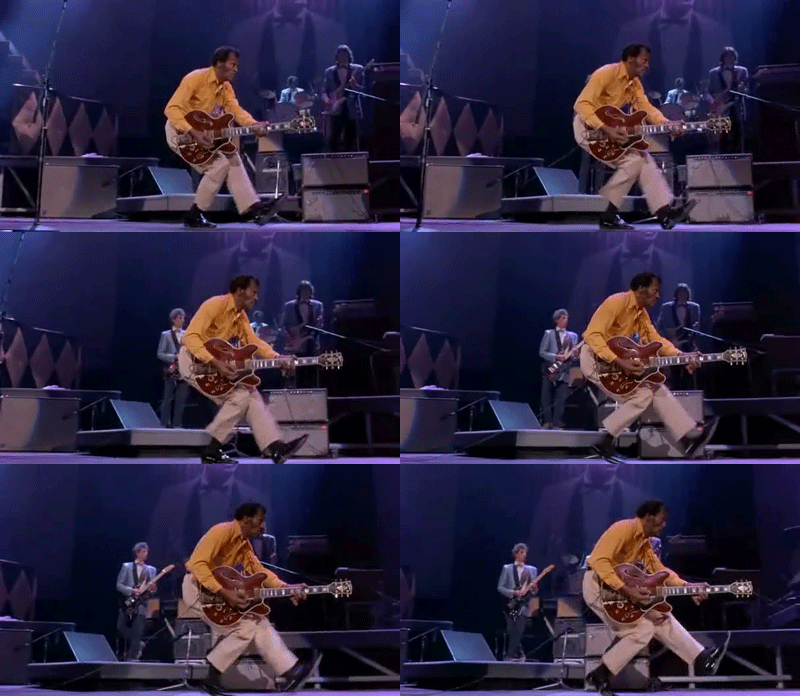
The blues had a baby and they called it rock ‘n roll. Standing expectantly with the forceps may have been Ike Turner, and on hand with the hot water and towels was Little Richard, but there, straight outta the womb came a duck walkin’, smart talkin’ Chuck Berry, sly grin on the side of his mouth and holding a cherry red Gibson with a hand span as wide as the Mississippi.

chuckwalk

He sang of motorvatin’ in shark-finned Cadillacs, of Coolerators and TV dinners, of a life so technicolour and otherworldly and sci-fi that he couldn’t fail to capture the imagination of anyone with half a feel for the beat. It’s no wonder that future legends like Keith Richards and Eric Clapton embraced him so keenly. Young Keith was still playing with rats on Blitzed-out bomb sites in a post-War Britain living in severely austere times, and here was Chuck, singing quite literally about the promised land.

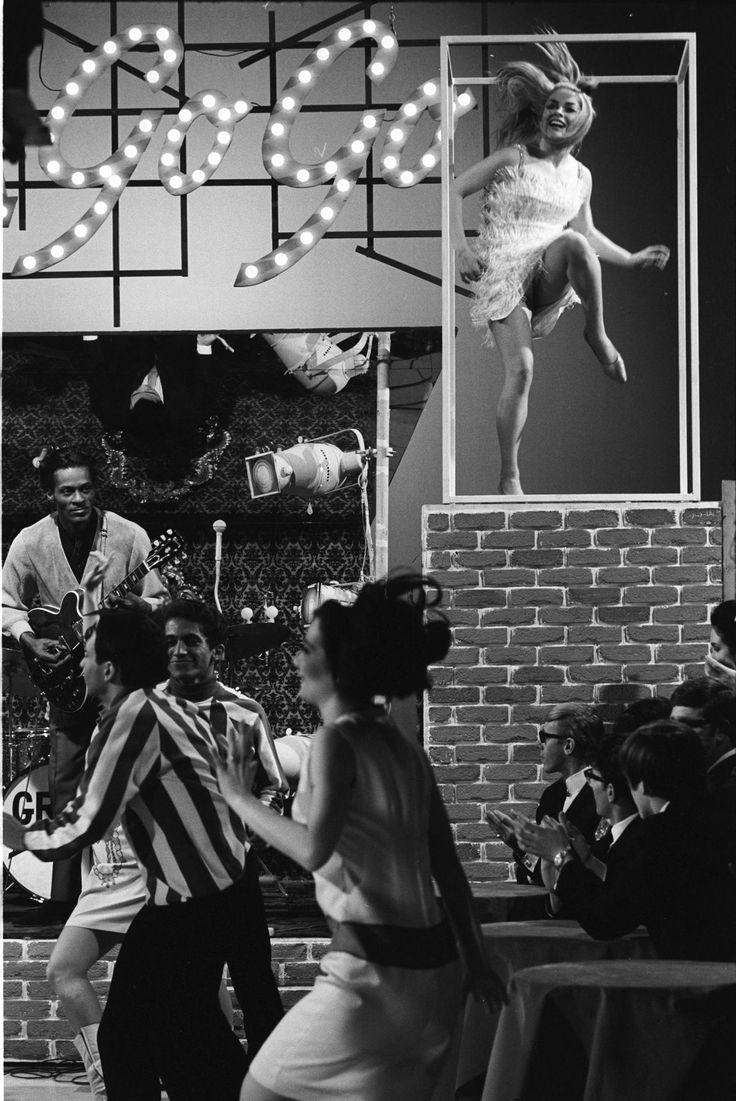
chuck berry gogo

Chuck Berry – Bye Bye Johnny

I’ve always loved Chuck’s Bye Bye Johnny, a follow-up in sorts to Johnny B. Goode, a story song where the protagonist leaves home in search of fame and fortune. First time I heard it though was on Status Quo’s epic triple box set ‘From the Makers Of‘. For years I assumed it was a denim-clad Quo original. With it’s 3 chord chugga-chugga boogie and heads down, no-nonsense approach it could well have been a mid 70’s Quo classic.

Status Quo – Bye Bye Johnny

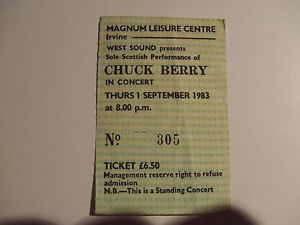
Back in the early 80s, (September ’83), around the time I’d have been headbanging myself into stupidity with a tennis racquet and Status Quo blaring in the background,  Chuck and a pick-up band played my hometown of Irvine. I never went. Why? Because I was a daft wee boy who was in denial about music from the past. If my parents liked it, I didn’t. It was as simple as that.

chuck irvineFound on t’internet

The promoter of the concert, Willie Freckleton, booked all the bands that came through the town, from Chuck and The Clash to Oasis and Bjork. In later years he told me the story of how Chuck wouldn’t play until he’d been given his fee in a brown paper bag stuffed with good ol’ fashioned American dollars. For a man who’d been ripped off from the moment he’d picked up a guitar, this was probably a smart move, albeit a little cold. After the main set, where Chuck had of course wowed the audience with his 3 minute symphonies and wide-legged stage antics, he left to frenzied applause.

“That was great, Chuck!” cheered Willie to his idol from the side of the stage. “Are you going back on? Give the audience a wee bit more, eh?”

“Sho thing, man,” drawled Chuck, hand out-stretched. “Fo’ anotha’ thousan’ dolla’s…”

The Irvine audience never got an encore.

chuck berry

Chuck Berry – Sweet Little Rock ‘n Roller

You can’t write a piece about him without pointing out the fact that Chuck Berry is, by all accounts, an appalling human being.

Not just for the money-in-the-bag story (that’s so routine in Chuck’s world now, it’s almost as much a signature move as the Johnny B. Goode riff) or the dubious lyrics that reference young girls and carnal acts dressed up in all manner of metaphors.

There is the 3 year jail sentence for transporting a 14 year-old across State lines for ‘prostitution’ and immoral purposes’. You can’t dress that up in metaphor, Chuck. Or maybe you did?

More recently, there is the story of him having a hidden camera in the female toilets in his restaurant. Charges were only dropped after he agreed to pay financial compensation to the 200+ victims who came forward.

Flawed genius? Perhaps. Or just not a nice man.

chuck mug

Broadcaster Andy Kershaw does a really terrific stand-up routine, based around his autobiography ‘No Off Switch‘ – it’s a brilliant read, and part of his show is based around his distaste for Berry as a person alongside the unbridled joy of listening to Promised Land.

“If you want to travel across America, don’t do Route 66. That’s the accepted route, but believe me, unless you’re into farming and grain containment, you won’t find a more boring road in the whole of America. If you want to find out about the real America; the grit, the dirt, the soul of the country, take Uncle Chuck’s advice and follow the lyrics of Promised Land.”

Kershaw then impressively reels off the lyrics. Breathless poetry about a land that captured the imaginations of all those post-War wannabe guitar players. It’s a beautiful thing….

Chuck Berry – Promised Land

I’ve always had a soft spot for the late 70’s Elvis version.

Listen closely and you can hear his lard ass a-wobblin’ out the seams of that ridiculous white jump suit as he breathlessly tries to keep up with the rest of the band. Heck, you can practically see the sweat flying over the top of the gold aviators as The King staves off the heart attack for a few more weeks. Essential listening, of course.

Elvis Presley – Promised Land


Alternative Version, Cover Versions, Live!

Alf Ramsey’s Revenge

‘You Just Haven’t Earned It Yet, Baby’ is the sound of The Smiths at their chiming, ha-ha-ho-ho-hollering, twin guitar attack peak. Written, as the band usually did, quickly and as part of a triptych that also included ‘London’ and ‘Half A Person’, it was considered as the follow-up single to ‘Ask’ before being passed over at the last minute in favour of ‘Shoplifters Of the World Unite’, a move regarded as travesty by many Smiths devotees at the time.

The ‘Shoplifters…’ single included both ‘London’ and ‘Half A Person’, the tracks on the b-side connected through the subject matter of moving to London, with the former a noisy glam racket that sticks two fingers up to those who are too spineless to leave and make something of themselves, and the latter a brilliantly put-together melancholic rumination of how just a move can go so wrong – “I went to London and I booked myself in at the YWCA…” The noisy and the melodic, the tragi-comedy of The Smiths on the same record.

  smiths morrissey marr rough trade store room Marr & Morrissey, Rough Trade stockroom, 1983

But the best of the three tracks written in that early October session, ‘You Just Haven’t Earned It Yet, Baby’ was left alone on the shelf marked ‘Great Smiths Tracks That Would’ve Made Great Smiths Singles’. The band had high quality control values – theirs is a perfectly-formed 4 studio album and 17 single discography, untarnished by stop-gap filler material or substandard releases; the perfect group. Not that there’s anything wrong with ‘Shoplifters…’ – I’m particularly partial to Johnny’s open-wah rockist guitar solo – but better single material than ‘You Just Haven’t Earned It Yet, Baby’? Nah. They got that one wrong, I think. Even if, as it turns out, Johnny thinks ‘Shoplifters…’ is the better song.

The Smiths – You Just Haven’t Earned It Yet, Baby (The World Won’t Listen mix)

Keen eagle-eared Smiths enthusiasts at sadly-departed Smiths treasure trove Smiths Recycled spotted that the mix on The World Won’t Listen ran a touch too fast, so with the aid of modern technology and whatnot re-pitched the track at the speed it would’ve been playing at when The Smiths recorded it. clever fellas, those guys. Spot the difference…

The Smiths – You Just Haven’t Earned It Yet, Baby (The World Won’t Listen mix – Repitched Version)

The track eventually saw the light of day on ‘The World Won’t Listen’ compilation, the catch-all, semi follow-up to ‘Hatful Of Hollow’ that gathered together all the odds ‘n sods ‘n ‘As ‘n Bs from the 2nd half of The Smiths career. It also appeared in slightly different form (if you turn up the EQ on your Morrissey-endorsed NHS hearing aid, subtle nuances in the mixing can be heard, if you’re that way inclined) on the American compilation ‘Louder Than Bombs’.

The Smiths – You Just Haven’t Earned It Yet, Baby (Louder Than Bombs mix)

Those same Smiths enthusiasts at Smiths Recycled also corrected the pitch on this too…

The Smiths – You Just Haven’t Earned It Yet, Baby (Louder Than Bombs mix – Repitched Version)

smiths gannon 86

The song itself was borne out of in-band fighting and the politics that would eventually lead to Johnny leaving the band. Booked for 5 days in London’s Mayfair Studios, Morrissey was keen for the band to work with upcoming wunderkid producer Stephen Street. Johnny preferred the tried and tested John Porter and in the end a compromise of sorts was agreed – Street would work the first day and Porter would do the other four. To add complication to the mix, 5th Smith Craig Gannon, who’d accompanied the band on their recent US tour but had never really been fully accepted into the group , was only just hanging on to his status in The Smiths by the finest hair on his bequiffed head. History shows that the Porter sessions would be the last time Gannon would work with the band.

Johnny’s tune is a classic Marr composition, tumbling in on a breath of fresh air, packed full of double and triple-tracked guitars as clear and ringing as Edinburgh Crystal, chiming, capo’d and open-stringed arpeggios and stinging counter-melodies, wrapped up and driven by a trampolining bass line and a stomping, Glitter band thud of drums in the chorus. That Johnny still plays it live in concert to this day, something The Smiths themselves never did, is testament to the longevity and beauty of the song.

The title and lyrical refrain is attributed to Rough Trade supremo Geoff Travis who uttered the words at Morrissey after the singer asked him why he wouldn’t treat The Smiths with the importance that their status deserved.  Morrissey had a point – The Smiths almost single-handedly allowed Rough Trade to flourish as a label. All money made from the band went back into other artists, many of whom would never have had a record deal and subsequent success without Rough Trade’s money – the money that came directly from the healthy sales of Smiths’ product. Morrissey was clearly still feeling aggrieved a few months later when he recycled the title as a lyric in ‘Paint A Vulgar Picture’, The Smiths’ scathing deconstruction of the music business. It’s possible that, after hearing ‘You Just Haven’t Earned It Yet, Baby’, and stung by its lyrical content, Travis overruled the band’s decision to release it as a single.

“Obviously Geoff was staunchly against it,” said Morrissey, in highly dramatic fashion when quoted in Simon Goddard’s essential ‘Songs That Saved Your Life’. “Because he thought it was a personal letter addressed to him.“

A couple of years later, Marr would play on Kirtsy MacColl’s faithful remake of ‘You Just Haven’t Earned It Yet, Baby’, the original’s multi-tracked guitars replaced by a choir of Kirsties; airy, whispering, cooing and making it something of her own.

Kirsty MacColl – You Just Haven’t Earned It Yet, Baby

It’s all slightly plodding, truth be told, a stodgy, sticky pudding compared to the floating on air joie de vivre that carries the original. That’s by far the best version, of course.