Over two million visitors since Jan 07. The material on Plain Or Pan has been downloaded, digested and discussed by every knowing hipster throughout Europe, North America, South America, Australia, Asia and Africa - truly Plain Or Pan-Global! One and a half million thanks to each and every one of you!
In the early days of Plain Or Pan I penned under the nom de plume of Phil Spector. I suppose it was a combination of being embarrassed to put my real name to anything that might read like a 3 year old’s best efforts and the fact that I didn’t really want anyone to know I had a sideline in writing about old music that kept me from using my own actual name. Things came to the fore when my daft pseudonym cost me the chance of an interview with Nancy Sinatra. “Why on earth would I want Phil Spector to interview me?” she growled, not quite getting the fact that it wasn’t yer actual Phil Spector who’d been in touch. “He was a strange, strange, man and I want nothing to do with him.” At the time, Nancy had been working with a still-hip Morrissey, and I was hoping to base our interview around the recordings they’d been making. Alas, it never happened.
Shortly afterwards I was contacted by someone who wanted me to interview Sandie Shaw. By coincidence, another iconic singer with connections to Morrissey, this was too good an opportunity to pass up. There and then I dropped the pretence and proudly added my own name to the by-line in every article I’d written here. The subsequent interview and article with Sandie (where she name-dropped Morrissey, Debbie Harry and Siouxsie Sioux within the first 5 minutes) became the first piece of paid writing work I’d ever done.
Anyway, back to Nancy S. I’ve had her Greatest Hits rotating recently, a scratchy, crackly 11-track best of that I picked up for 50p (!) in a wee junk shop just off of Glasgow’s Byres Road. Much of it is kitsch nonsense, the sort of stuff that, had she not been the daughter of an icon, may well never had been afforded the attention it got.
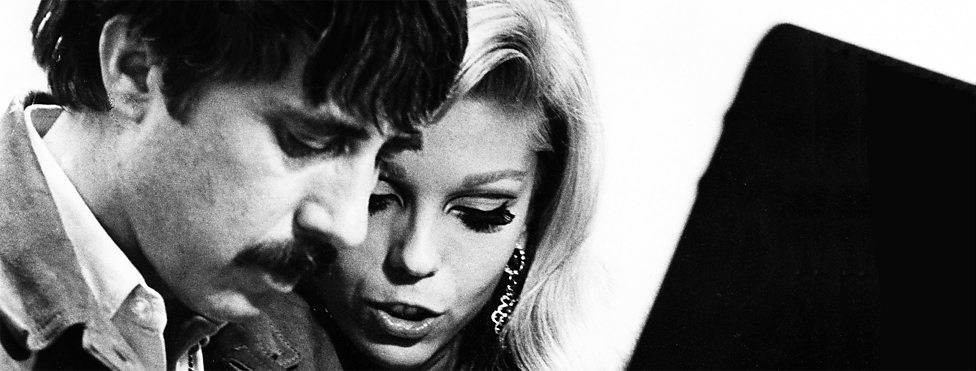
The material she recorded with Lee Hazlewood though is fantastic, a heady combination of female/male, light/shade, sweet/sour on record. Sinatra’s voice is cutesy-cute, all light and airy melodies blown in from Hit Factory central. Hazlewood rumbles in like a gothic cowboy, with a voice deeper than a well and twice as dark. Together, they make the sound of milk chocolate and dark chocolate on vinyl.
Some Velvet Morning is the one for me.
Nancy Sinatra & Lee Hazlewood – Some Velvet Morning
Druggy, fuggy and full of sexual innuendo, it’s a psychedelic pop masterpiece, miles away from the light and airy country pop that defines many of their duets.
Hazlewood takes the lead, gliding in on a bed of Barry-esque strings with a baritone that could rattle the lids on the coffins of the dead. He gives way to Nancy, fluttering in like a waltz-time muse. “Sing like a 14 year old who fucks truck drivers,” he instructed, with the blessing of ol’ blue eyes himself. Can you imagine anyone getting away with that nowadays?!?
The whole thing see-saws back and forth, a call-and-response danse macabre. Had it popped up soundtracking The Wickerman or a crucial scene in a Tarantino movie you wouldn’t have been surprised. Quentin T. may yet find a use for it in the future, I feel. Musically, the record is very rich. With instrumentation by the famed Wrecking Crew, it’s lush yet louche, wonky and weird and wonderful.
The other high point of their collaborations is Summer Wine, a track that has all the makings of a great lost Bond theme. There’s the innocent female vocal, parping brass and a not-so-subtle nod to all things Bond with the addition of John Barry’s ubiquitous 5 note signature theme midway through.
Nancy Sinatra & Lee Hazlewood – Summer Wine
The Lee/Nancy thing was done to great effect by Mark Lanegan and Isobel Campbell a few years ago. A post in the near future for sure….
As a bonus for now, here’s Lee’s version of Nancy’s signature theme. It’s a cracker.
Lee Hazlewood – These Boots Are Made For Walking
And here’s Let Me Kiss You, Nancy’s take on the Morrissey track that led them to find one another, the song I never got to ask her about. Hey ho. Morrissey has quite rightly come in for a lot of stick in recent times, and whether he still holds a place in your heart or not, you can’t deny that his performance in the background of this record is vintage Stephen.
Aretha Franklin was one of the greats. Her releases on Atlantic Records, that sensational run of mid-late 60s albums defined her. But you knew that already.
Her performance on this is my favourite 3 minutes of Aretha.
Aretha Franklin – Don’t Play That Song
The Muscle Shoals backing band grooves mightily, knowing instinctively when to come in, when to drop out, when to step back and allow the vocal to take centre stage.
The spaces between the notes might supply the requisite funk, but it’s Aretha’s inclusion that turns it up a notch or two.
It’s her phrasing. Man! Ain’t no-one can sing like Aretha. On those “You lied!” call and response parts, her voice soars, just that little bit higher than the brass, just that little bit freer than the backing singers, just that little bit more majestically than anyone else.
If it’s scratchy, scuffed at the knees post-punk with a groove yer after, all roads lead to the twin metropoli of Manchester and New York.
A Certain Ratio are something of an enigma. They’ve been around long enough to have witnessed every important youth movement since punk and have steadfastly ploughed their own furrow, grooving somewhere between the hands-in-pockets introspection of Joy Division and the hands-in-the air exhibitionism of the Hacienda and the rave culture it gave birth to, while sometimes dressed like wonky extras in It Ain’t Half Hot Mum. They’ve seen off grunge, grime and good old Britpop as well as the entire careers of The Smiths, New Order (the real New Order that is) and just about every influential band these isles have produced.
Revered by all manner of bands whose funk DNA pops up in the least likely of places, from Talking Heads and Happy Mondays to Red Hot Chili Peppers, ACR have the dubious fortune of being incredibly influential yet incredibly unheard of. It’s just the way they like it. They have the freedom to bypass trends, to surf across the wave of whatever zeitgeist is hip that week and get on with the job of making records for themselves.
Du The Du from 1979’s The Graveyard And The Ballroom album is the perfect jumping off/jumping in point.
ACR– Du The Du
It fairly rattles along on a barbed wire bed of steam-powered, clattering industrial funk, with powerhouse drummer Donald Johnson somehow making his kit the lead instrument. Lo-fi guitars that wouldn’t sound out of place on a Josef K record do their chicken-scratch thang, an Asda-priced Nile Rodgers played by cosmopolitan Mancunians. The vocals, all pent-up anxiety could be Ian Curtis on Lemsip. There’s even an elastic band bassline midway through which threatens, but never quite gets to Level 42 on the muso-meter. I defy you not to wiggle at least a finger to it.
Du The Du also happens to be the track by which LCD Soundsytem’s James Murphy measures (measured?) his own funkiness. If the New York band’s latest track seems weak by comparison, it’s binned forever until something more in keeping with ACR’s wonky, jerky funk turns up. Du the right thing indeed.
Talking of New York…
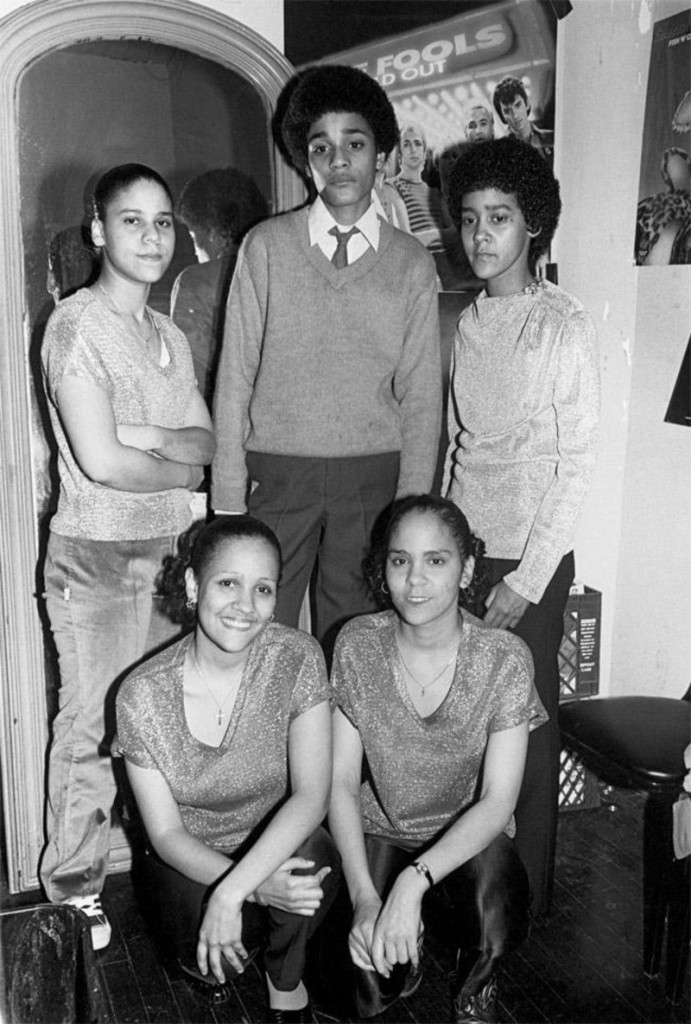
Such a melting pot of cultures and styles is always going to be responsible for inspiring exciting new trends and movements.ESGwas formed by the three Scroggins sisters from the Bronx. Given a variety of instruments by a mum keen to keep them on the right side of wrong, the group took equal inspiration from their Motown favourites and the nascent New York hip hop scene. The result, in a way, was neither. As with ACR, much of their stuff is sparse, cold and music for the feet rather than the head.
A show in Manhattan’s Hurrah club brought ESG to the attention of Factory’s Tony Wilson, himself no stranger to an ACR record (he’d go on to release 5 of their albums on Factory). Wilson brought ESG to Manchester where they recorded with Martin Hannett, fresh, believe it or not, from manning the desk as ACR recorded Du The Du. There’s serendipity right there for you. Or plain old musical incest.
ESGwouldn’t go on to sell all that many records, but in the intervening years they’ve been a clear influence on bands such as Luscious Jackson and Warpaint. They’ve also found themselves heavily sampled by acts looking for something beyond the usual James Brown riff; Beastie Boys, Tricky, even TLC have found gold within their basslines and rippling drums, leading to a late-era ESG releasing the telling Sample Credits Don’t Pay Our Bills EP.
1982’s Dance To The Beat Of Moody from their EP of the same name is where you should start though:
ESG – Dance To The Beat Of Moody
As fresh as a hot pretzel on Avenue Of The Americas, it’s great, innit? You wouldn’t be in the least surprised if it were to pop up on BBC 6 Music next week, rotated heavily on the a-list as the hottest new thing. It’s only 36 years young. Original vinyl is almost impossible to track down though and, even of you’re lucky enough to uncover a 1983 press of Come Away With ESG, you’ll need a small bank loan to pay for it. Thankfully, the wonderful Soul Jazzdo a good run in re-presses.
Six Of The Best is a semi-regular feature that pokes, prods and persuades your favourite bands, bards and barometers of hip opinion to tell us six of the best tracks they’ve ever heard. The tracks could be mainstream million-sellers or they could be obfuscatingly obscure, it doesn’t matter. The only criteria set is that, aye, they must be Six of the Best. Think of it like a mini, groovier version of Desert Island Discs…
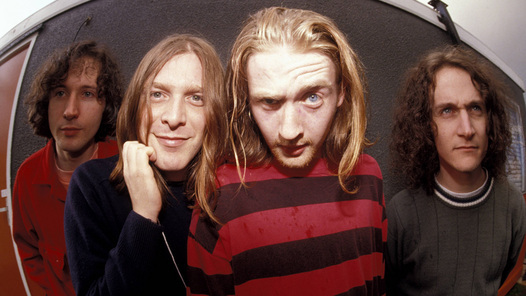
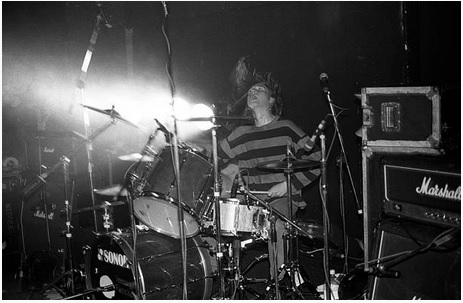
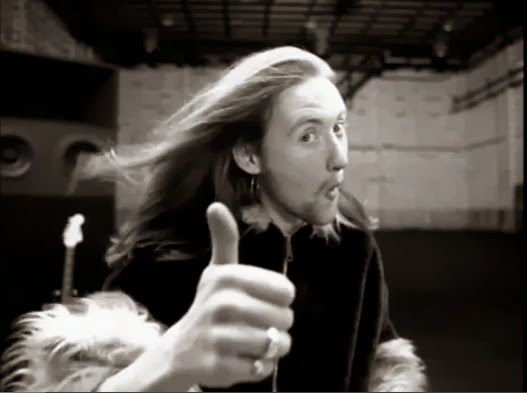
Brendan O’Hare is best-known as being one of the three drummers who’ve wielded the sticks and pounded the beat in Teenage Fanclub. Between 1989 and 1994, Brendan’s tight but loose scattergunning Moonisms helped define the early Teenage Fanclub sound; loud, melodic and always just half a beat from falling apart. Fanclub shows at the time were a riot of hair and feedback, false starts and between-song random gibberish. I first caught them live when they supported the Soup Dragons at the old Mayfair in Glasgow in July 1990, a mind-melting 28 years ago. That night they were all the things above and more and I was so taken with them I went out the next day and tracked down a copy of Everything Flows, their recently-released debut 7″.
In the subsequent quarter century and more, I’ve been first in the queue whenever there’s a new TFC release and I can count on the one hand how many times I’ve missed a hometown Fanclub show, mainly pre-internet and back in the day when you really had to have an ear to the ground.
I was fairly miffed, let me tell you, to find out one day that Teenage Fanclub and Alex Chilton had set up at the 13th Note the night before for a wee show.
Likewise when a work colleague told me he thought he’d have seen me “last night at the Fannies’ show in the Mitchell Library. They played loads of Beach Boys tunes and stuff.”
Or the night when I was mid-way through the Thursday wheezefest that was 5-a-sides and someone asked why I wasn’t at the Edwyn Collins with Teenage Fanclub gig in Mono that was happening right there and then. There was a lot of Falling, but not much Laughing, let me tell you. That was at the height of the TFC message board too. How I missed that, I’ll never know.
Other than that, I think I’ve been at them all, from King Tuts in Elvis costumes to the Pixies support where the stage collapsed after their set and the show was abandoned, to the rootin’ tootin’ Grand Ole Opry – perhaps the finest show I’ve seen them play, the 3 nights at Oran Mor where they aired much of their stellar back catalogue, the umpteen ABC and Barrowlands shows and everything in-between and since.
I used to be dead proud of my unblemished record of having seen the band perform live at least once a year, until Norman’s relocation to Canada and the inevitable gaps in the touring schedule that came as a result. Having said that, I reckon I must’ve seen TFC over 50 times. They’re second only to the mighty Trashcan Sinatras on the old gigometer, and in November I’ll be creeping ever closer to the TCS by adding another 3 notches to that mighty fine tally mark.
Anyway, back to Brendan.
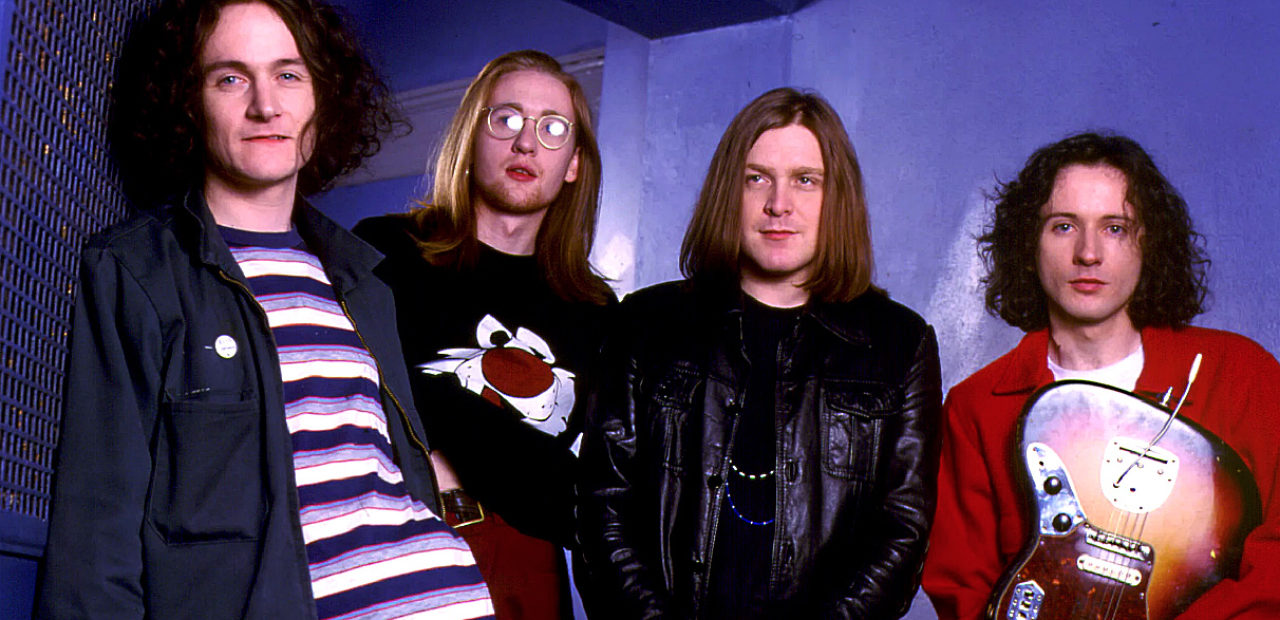
Brendan joined Teenage Fanclub when they formed from the dead ends of The Boy Hairdressers, a band that featured the songwriting talents of Norman Blake and Raymond McGinley. With the addition of Gerry Love on bass, the 4-piece went quickly to the recording studio armed with a handful of Boy Hairdressers’ songs and a headful of giddy ideas. A Catholic Education was the result; an album that provided a decent introduction to Teenage Fanclub. There were noisy tracks – Heavy Metal, irreverant tracks – Everybody’s Fool, loose approximations of melody, fighting for top billing with the surface noise and coming off second best – Too Involved, Every Picture I Paint, Critical Mass and one bona fide meandering classic, that debut single Everything Flows.
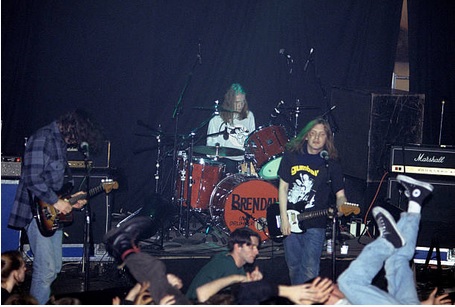
On the album, Brendan shared drumming duties with former/future drummer Francis MacDonald but by the next single, the magnificent noise pop of God Knows It’s True, Brendan had made that shoogly drumming stool his own. Just as a wee dog feels the need to pee up a tree trunk to mark his spot, he even stuck his name on the bass drum where most normal bands displayed their logo. Teenage Fanclub are no normal band though. When second album proper Bandwagonesque appeared, three of the principal members were writing material.
Released 16 months or so after A Catholic Education, Bandwagonesque was a few short months away from, yet light years ahead of, the debut. The harmonies that would soon come to define the band were pushed to the fore. String sections and brass parts helped drag it above and beyond the scuzzy indie rock of its contemporaries. Guitars still fizzed and the drums still hammered like a blacksmith on an anvil, but Bandwagonesque was radio-friendly power-pop in excelsius, finishing the year at the very top of the ‘Best Of The Year’ lists ahead of such also-rans as Nirvana’s Nevermind and REM’s Out Of Time. You knew that already though.
Brendan played on the follow-up, Thirteen, the misunderstood forgotten child of the Fanclub family. By the band’s own admission they went to the studio with half-finished choruses and ideas rather than fully developed songs. Not that you’d know if you listened to it. It lacks a bit of Bandwagonesque‘s sparkling punch and Grand Prix, the album that followed, knocks it for six, but as a standalone album, Thirteen is still miles ahead of most other band’s best work. Any album that contains the swooning Norman 3 or the frantic knee-trembling Radio or the Neil Young-isms of closing track Gene Clark is hardly in the ‘duffer’ category. Following the Thirteen tour, Brendan left the Fanclub due to ubiquitous ‘musical differences’ and was replaced by former Soup Dragon and fellow North Lanarkshire guitar band alumni Paul Quinn.
Brendan would join TFC briefly later on; on the 2006 tour when the band played Bandwagonesque in its entirety for the first time, it was Brendan who was brought in on drums. And at those Oran Mor shows a couple of years later, Brendan nearly knocked me over in his haste to get to the stage to join the band for an impromptu – although how impromptu I’m not exactly sure – run-through of The Ballad Of John & Yoko. I suspect he may also have more than a bit-part to play in the Catholic Education/Thirteen shows later on in the year……
With Teenage Fanclub’s back catalogue due for imminent release and subsequent reappraisal I thought it might be quite good to ask Brendan if he’d like to ‘Sophie’s Choice’ the Teenage Fanclub back catalogue and narrow it down to an impossible 6 of the best. His reply was immediate and positive.
I’d love to do that. A lot. Very lot.
And so, over the course of a week or so, Brendan whittled an outlandish task down to a definitive half-dozen. Fanclub freaks might be a bit surprised…
Hello!
I’m kinda uniquely placed to try and talk my way through this but I’ve not written more than 100 words since I left school. In the 17th century.
I’m mad for the intricacies of the songwriting process. What better way then for me to spend some time than by trying to write about one of my very favourite bands and six of their songs?!
The Teenage Fanclub.
I’ll use letters instead of numbers because there’s no hierarchy to this list.
A
Planets
Some songs are perfectly recorded, the band so synchronised that the subsequent overdubs all nestle into the song like the band played it all live.
I’ve no idea how this was recorded but it feels like you’re hung in a hammock, floating within the song, within the mix. Norman leads us, pied piper-esque, towards the most beautiful big set of pastoral doors, kicking them in to reveal the most uplifting synth solo since ever.
I rarely find myself imagining driving to a song but this song IS driving in Scotland. It really just is.
B
It’s A Bad World
Raymond has a tendency to hide around musical corners and dazzle you as you pass by. I guess I’m saying he’s like a musical flasher, managing to make even the most sensible of timings unusual and quirky. (I’m not sure how the flasher analogy is working on that point.)
This song is so controlled yet so chaotic. The guitar tones allow you to hang on to their arms, either side, whilst the frankly incredible bass playing (and bass sound) plays keepie uppie with your arse. With false ‘Highway to Hell’ moments to boot this one just makes me want to bounce about, happy being a marionette controlled by the maestro’s fingers.
C
Take the Long Way Round
A beautiful Gerry introduction to his world at the beginning of this song. A hypnotic psychedelic twister of a “previously on Gerard Love” recap allowing you to settle in for the trip.
Jangle sunshine pop like it really should be done. I’m not sure that anyone else’s world is quite like Gerry’s. This sounds like a band having some fucking fun. Why wouldn’t you be? I mean you got Gerry singing about some wistful sunshine hippy shit (I’d imagine), slapping you with a cracker of an indie-jangle chorus.
Wooohoo! Sunshine Lanarkshire-styles. 70’s summer skies break into an impromptu acapella in a bus shelter. Harking back to a time when cigarettes didn’t kill you and you’d almost completed your Panini World Cup sticker book.
For me, it’s a holy trinity within one of the greatest albums of all time.
D
Mount Everest
I’m not sure how long this song is. I always play it twice. It somehow manages to fuse a sombre, plodding nature with an upper layer of melodic loose-o-tronic guitar work.
By my calculations this song is either useless or suicidal if used in conjunction with jogging apparatus. As an example of harmony singing, however, it’s second to none.
E
I Don’t Care (“Fuck negative Raymond!”)
There’s something really Euro-Glam about this to me. Metronomic insistence allowing for the usual beautiful Fanclub harmonies to float just above the song enabling a trance-like state to occur wherein journeys, and their afterglow, are explained to you. And you understand. Perhaps only briefly.
I know!!! ALL from Songs From Northern Britain. I really do think it’s one of the greatest albums of all time. Sublime.
F
I Need Direction
For when you need a bit more Gerry sunshine in your life. Bubblegum pop done with the style, fashion and execution of true masters. The chime of the guitar break. The under-shimmer of the Hammond. Holy Tits, Batman, there’s not many musical buttons it doesn’t flatter with its pushing. The apparent effortlessness of the performances on this song are what make it so special for me.
Brendan. x
Wow! Who’s going to argue with that? Former drummer picks 6 tracks, none of which he plays on, 5 of which are on the same album. 1 x Norman, 2 x Raymond, 3 x Gerry. It’s a great list. Feel free to add your own chosen 6 in a comment below.
You should probably visit/revisit Gerry‘s Six Of The Best from 7 years ago. You’ll find that wee beauty here.
Rarer than a sighting of the blood moon in the middle of a thunderstorm, perennial favourites Trashcan Sinatras were out and about for a couple of weeks there. You might’ve been lucky enough to catch them. If you did, you’ll wholeheartedly agree that their performances were the very essence of understated and self-conscious beauty, masterclasses in the art of rich and melodic songwriting that comes giftwrapped in just the right level of scruffy punkish undertones. Invited to support fellow Scots Del Amitri around the UK, the band found themselves playing the sort of venues that, in a right and just world, they’d be headlining themselves. For the Trashcans though, they’ll maybe always be the bridesmaids and never the brides and in a funny, mildy elitist way, that’s just the way myself and their fiercely dedicated family of followers like it. Us diehards were also rewarded with a select offering of headline gigs, some where the Trashcans played as an acoustic three-piece and others where the full augmented line-up turned on, tuned up and rocked out. But more of that later…
I was fortunate to see the band twice in the space of a week. Last Sunday I was invited to see them open for Del Amitri at the Barrowlands. This wasn’t the first time the Trashcans had played here. A short 28 years ago they provided support for Prefab Sprout, a gig most memorable for Frank doing an Iggy on the PA system before we (myself, my pals and select Trashcans) hot-footed it back to Irvine for a night in The Attic. To my regret I didn’t even stay for Prefab Sprout, but when you’re young and daft and your popstar pals want to share tour stories and dance to their own records in their hometown, that’s what you do.
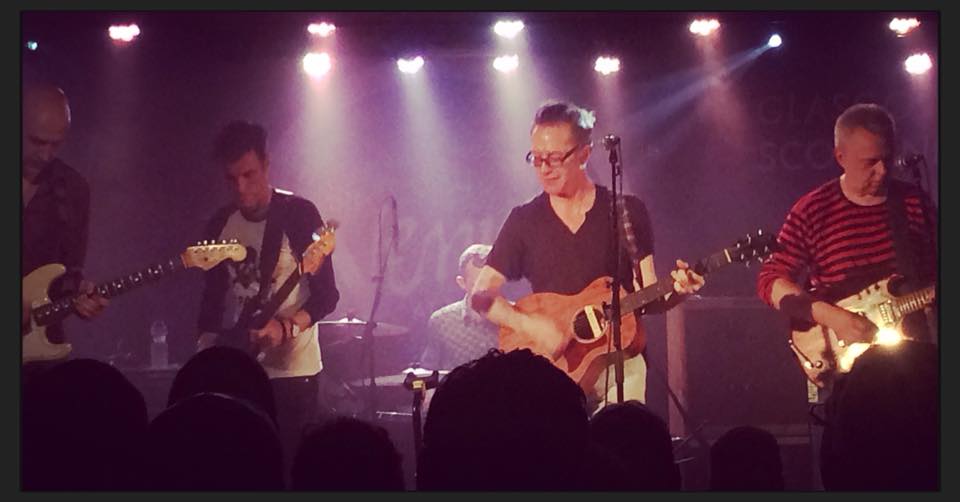
TCS Barrowlands, 29.7.18
For the Dels shows, the Trashcans built a 45 minute set of their greatest shoulda been and coulda been hits; Got Carried Away, All The Dark Horses, Hayfever, Obscurity Knocks. How Can I Apply, Easy Read….it’s an endless list, really. They sounded fantastic. There’s a rich chemistry between them, honed on their recent three-piece zig-zag across America that transfers easily to the six-piece they are at the moment. The playing is spot on and the singing is sublime. Frank’s voice is richer than it ever was. Listen to Cake and at times he sounds almost helium-enhanced by comparison. These days, he’s an effortless crooner, using the dynamics of the microphone to great effect. He’ll step away from it to holler. He’ll lean in to it to whisper. He’ll spit and snarl when he has to then sooth your ears when he wants to. Make no mistake, he’s a soul singer, is our Frank.
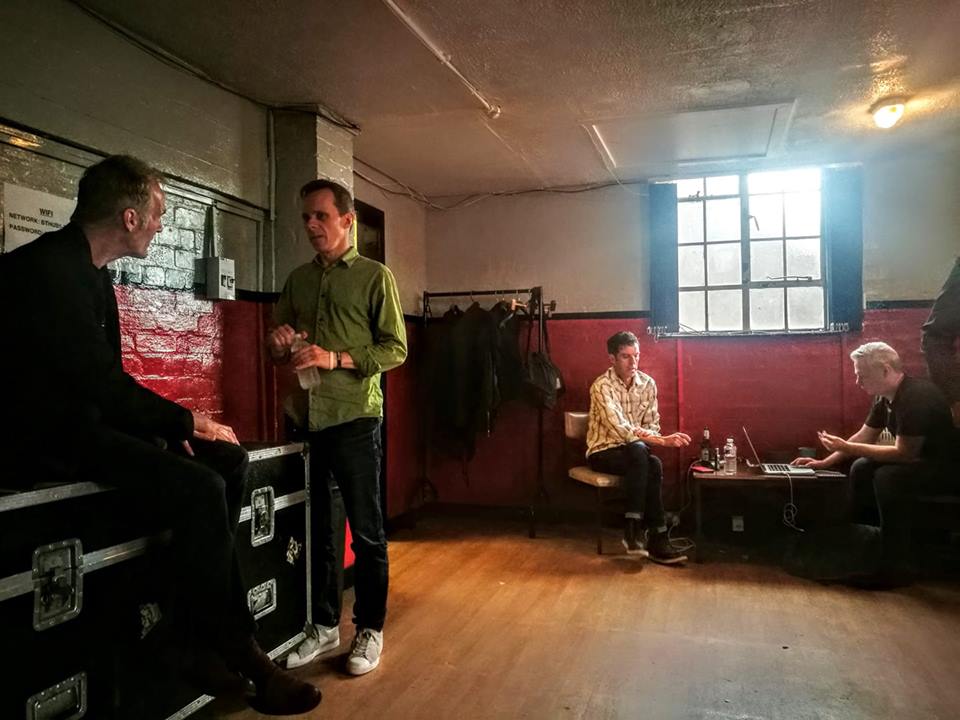
At the Barrowlands the band looked nervous. Most eyes never left the frets and audience participation was sporadic and rehearsed rather than free-flowing and spontaneous. Perhaps it was the not-so-subconscious realisiation of playing in front of home fans that brought about a mild case of the stage frights, I dunno, but the band remained rooted to the spot, with no chance of any Iggyisms at all. It’s not a criticism, it’s just the way I saw it. Perhaps I’m comparing them to Del Amitri, an act who were slicker then the Fonz’s quiff. Bang! Bang! Bang! came the hits, each song starting before the last one had truly fizzed out. The Trashcans shambled on, played a song, looked a wee bit apologetic about it and with a shrug of the shoulders dragged themsleves into the next one. The Ramones could’ve played side 1 of Rocket to Russia in the gaps between the songs. They sounded great ‘n all, and while the Trashcans have never been the slickest of bands – that’s half the appeal, after all – a wee bit of oil in the engine wouldn’t have done any harm. For me, the highlight of the night was realising a lifetime’s ambition by securing a Barrowlands AAA pass for all of 20 minutes. The dressing room was just as I’d imagined….
The Kosmo Vinyl of the TCS, Big Iainy talks Bowie with Stephen.
Davy and John ponder the lack of brown M&Ms.
That Barrowlands show was the Trashcans’ last on the Del Amitri tour, following which the semi-skimmed 3-piece version of the band skipped across to Dublin for an acoustic show before returning to home turf for a trumphant, full fat, headline appearance on the Thursday night. Anticipation was ridiculously high for this one. Rave reviews of their support slot gigs were ubiquitous across all social media platforms. The word was the Trashcans would play a blinder.
And so it (eventually) proved to be.
The venue was rammed. A total sell-out, and with it being a local affair and what not, I suspect the guest list was rather longer than normal, so by the time Michael Marra’s Hermless had ushered the Trashcans on to the homely stage, we were standing sweaty shoulder to shoulder with friends and strangers in a venue designed for far less people.
Most bands like to make a statement of intent with their opening number, a Maiden-type ‘we’re here and we’re in your face’ sonic assault. The Trashcans roll out Got Carried Away and from the off, something isn’t quite right. You can see them looking at one another, checking capo positions as they strive to switch into gear. Someone is apparently very badly out of tune. The song stumbles to a stop and everyone fiddles with guitars, capos, pedal tuners and so on until the culprit is outed as John. He fiddles with the tuners on his guitar. Stomps on his pedal tuner. Fiddles again. “Sorry ’bout this,” he offers meekly. “Gimme an E, Paul.” There’s a joke to be had in there, but despite the heckles and good-natured banter, no-one thinks of it quickly enough. Those gaps in the Barrowlands set now seem miniscule. Indeed, yer Ramones could’ve played an entire show in the time it took to put the tuning gremlins to bed.
Once they’re off, though, the Trashcans proceed to bring the house down. On record, Got Carried Away is enhanced by Norman Blake’s warm harmonies. Live, the Douglas brothers provide a great alternative. It’s a terrific opener, all mid-paced chiming melancholy and gently tumbling toms. “Hey, it doesn’t matter,” it goes. Frank croons. Girls swoon. And the world is alright.
The songs that follow are pretty much the ones that warmed up the Del Amitri audiences. The uplifting All The Dark Horses (played half a key lower, trainspotters), a fluid How Can I Apply, a wonderful Freetime that’s carried along on a melody an early 70’s Brian Wilson would’ve been proud of and a frantically scrubbed run-through of Obscurity Knocks, the chorus spat with a furious venom. All in all, a pretty great opening.
Things then got interesting as the band dug deep into their endlessly rich back catalogue. Songs last heard when Scotland could be bothered to qualify for World Cups popped up, totally unexpected and gratefully received; The Genius I Was, Thruppeny Tears, Bloodrush, Only Tongue Can Tell, January’s Little Joke. All were played with reverance and wide-eyed wonder at the love they received. By now condensation was running down the walls. The band were wilting, melting. All the band that is, with the exception of Davy Hughes. The bass player has always been the coolest Trashcan and standing there stoically against the elements he looked like Mount Rushmore, a faced carved from the offspring of Mick Jones and Keith Richards. “Y’know that way when it’s so hot your trousers start to slip down?” he told me later on….
On this form, the Trashcans would be advised to get straight back on the road and bowl ’em over from Land’s End to John O’Groats and everywhere in-between. The likely reality though is that Frank and Paul will return to their homes in the States and it’ll be a good couple of years before we see them once more, which, again, is frustratingly half the appeal.
Here’s the slightly hippy, slightly trippy The Genius I Was, for no reason other than it’s a cracker.
Trashcan Sinatras – The Genius I Was
And here’s a terrific version of A Coda from an anonymous US Radio session. Years ago at the TCS merch stall I recommended Billy Sloan play it on his Radio Scotland show that weekend and he did.
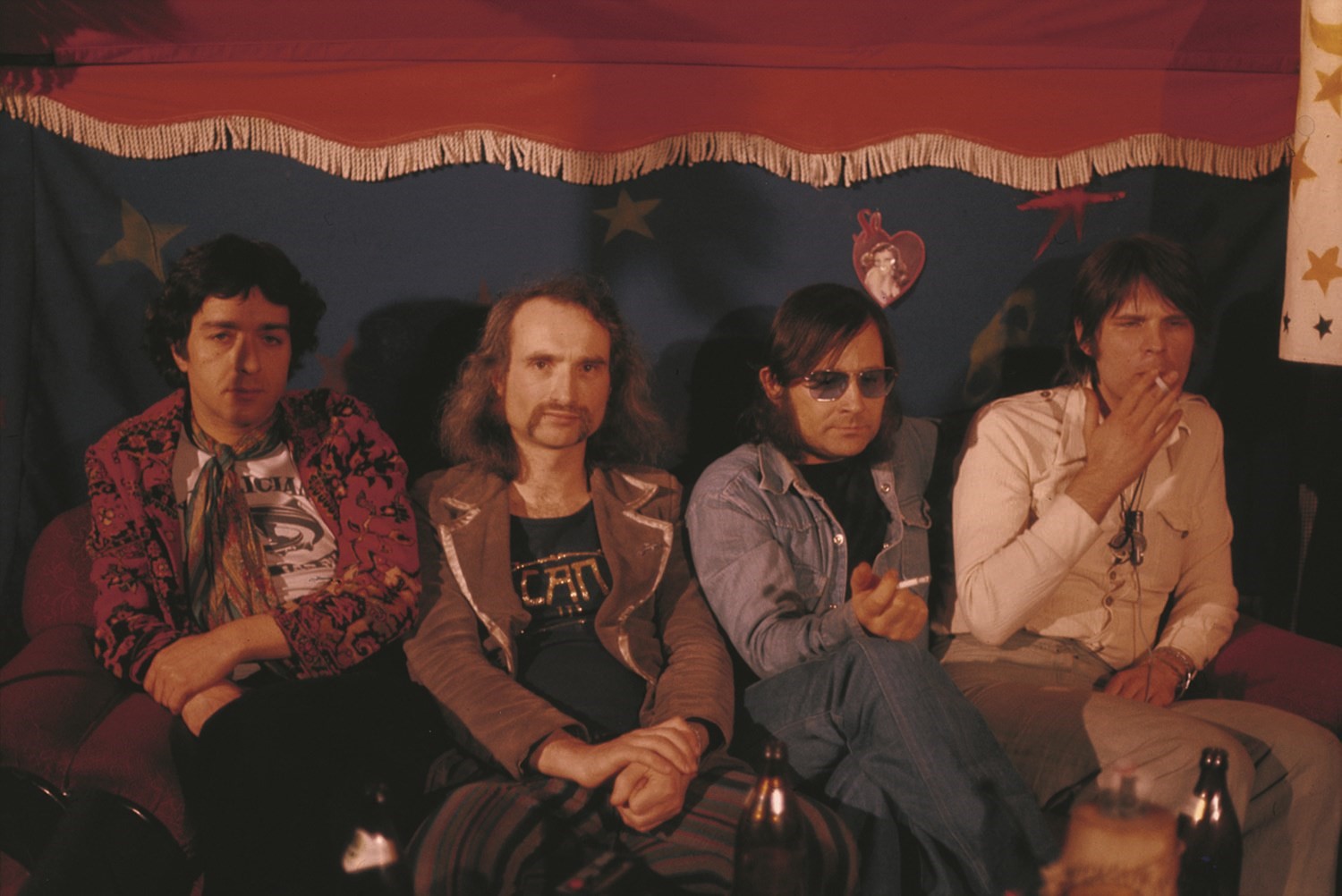
If anyone can do long, meandering self-indulgence, Can can. For a while there it was almost de rigeur for bands to name drop them ahead of a new release. The very mention of the Germans being an influence would appear to somehow validate that band’s own music, which is nonsense, of course. For what it’s worth, I can take them more than I can leave them. When they’re good, they’re great. They soar with a fluidity and ease that’s quite extraordinary; Mother Sky, Halleluhwah, Vitamin C, Dizzy Dizzy, Soup….all feature the classic Can trademarks of skittering drums, repetitiveness, whispered chanting and weird background effects.
The problem for me starts when those background effects creep ever further forward into the foreground of the mix. Sometimes, they can be just a wee bit too out there, just a tad too hippy, just a bass solo short of full-on prog for my delicate palate. I like Can best when they’re fluid and groovy and forever on the verge of danceability…..
….Flow Motion for example.
Can – Flow Motion
It’s classic, groovy, mid 70s Can. Beyond 10 minutes long, the groove slinks slower than a tranquilised slug traversing a large leaf. Indeed, tectonic plates have more go about them than the track. Yet somehow, somewhere around the 4 minute mark it starts to take effect.
Sneaking in on a cod reggae rhythm, Flow Motion is slow motion. It doesn’t really go anywhere, but when it’s finished you’ll realise that’s the whole point. Other bands might’ve used the same aimless wandering as incidental music, the perfect between-track filler on a concept album maybe, or the ideal opener before the wham of the real opening number. Can stick to the tune and streeeeeetch it out.
The whole thing is held together brilliantly by the rhythm section. Holger Czukay’s repetitive bassline is sparse, yet non-stop. Jaki Liebezeit’s propulsive drums skitter underneath, somewhere between a Studio 1 sessioneer and a jazz club veteran. Irmin Schmidt’s keyboards weave in and out, coming in waves before disappearing and reappearing at key points. Michael Karoli has free reign on his heavily wah-wah’d electric guitar, adding texture rather than tune, feedback instead of fretplay. He’s all over it, snaking between his bandmates like an avante garde Hendrix. Even a blind man could join the dots between this and Captain Beefheart’s Clear Spot album before arriving at PiL’s Albatross.
Flow Motion is the last track on the album of the same name. The album opener I Want More was an actual, bona fide chart hit for the band, Top Of The Pops appearance ‘n all.
Can – I Want More
The young Johnny Marr recalls a time being in the back of the family car, driving to Wales for a holiday, listening to I Want More on the radio. When he was writing How Soon Is Now, the sticky fingered Johnny channelled the rhythm and feel of Can’s hit for his own means. I’m sure you knew that already though.
It’s a strange album, is Flow Motion. On release, fans hated the numerous nods to disco and reggae, lamenting the loss of the ambience that made albums such as Tago Mago, Ege Bamyasi and Future Days so special. Listening to it as I type, I’d suggest it’s better than it may have been given credit for. Of course, I was only 6 when it was released, so I come to the album from a different time and place. That last track though……s’a cracker. Everyone agrees on that.
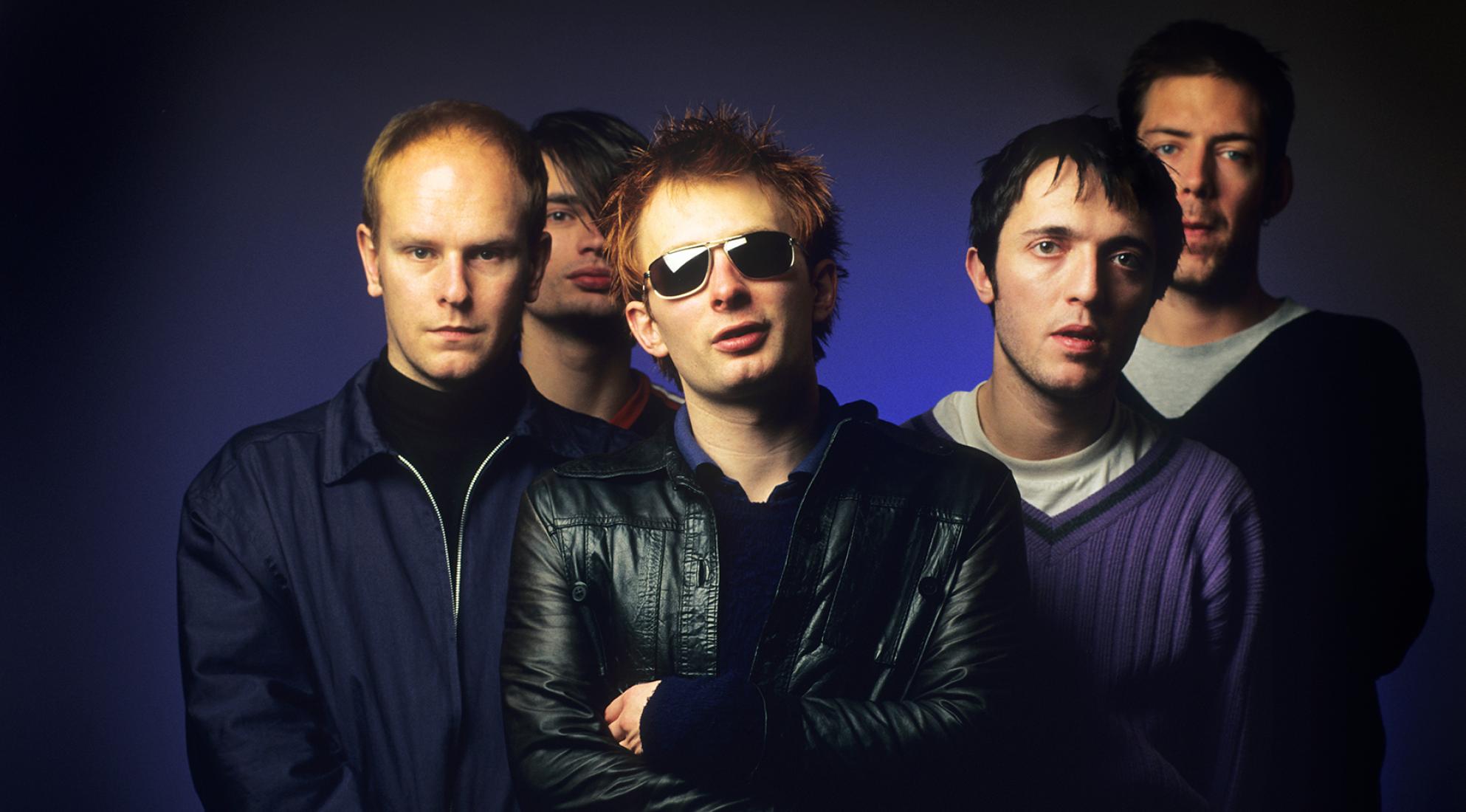
How To Disappear Completely by Radiohead is a sensational track. It creeps up on you like a slow-crawling leak of treacle, oozing sticky melody, slowing down everything in its path. When it gets to you you’ll forget where you were driving to and what you’re going there for, forget what it was you were talking about before it came on. All your attention will be given over to the music; plaintif, shuffling acoustic guitars, a jarring, juddering string section, Barry Bond brass and a bass line that might’ve walked itself straight off the edges of an Astral Weeks session and onto the pages of Radiohead’s most accomplished track to date. That eerie wail that accompanies the end of every few bars makes it come across like a waltzing, minor key How Soon Is Now. It’s that long, that good, that important.
Radiohead – How To Disappear Completely
It must be said – it never hit me just as hard in the first place. Sequenced as the 4th track on 4th album Kid A, I first heard How To Disappear Completely on a play of the pre-release album from behind the counter of Our Price. Actually, I’m not entirely convinced that I heard it then at all. After the first couple of glitchy, twitchy, guitar-free tracks that heralded Radiohead’s brave new world of rhythm over melody, the album was ejected to great fanfare by our most vocal team member – “What the fuck is this shit?” etc etc – and the CD found itself frisbeed to the back of the ‘Now Playing’ pile, never to be played again until I got to take it home on the day of release. From then on it was played, played and played again until the melodies, counter-melodies and subtleties had wormed their way into my head.
It’s a daring album, that’s for sure, Trout Mask Replica for Gen X even. The standout then, as now, was How To Disappear Completely. I suppose that’s because it sounds most like a song in the traditional sense – verse, chorus, refrains, etc – especially following the loud skronking free jazz that compromises most of the preceeding track, The National Anthem. Yet it’s far from traditional. I’d love to know how the song developed from genesis to finished article. I mean, how d’you go about writing a track as rich and complex as this?
That eerie repetitive sound mentioned earlier is played on an ondes Martenot, a primitive electronic instrument that pre-dates the theremin by a couple of decades. Johnny Greenwood turned to it after discovering French composer Olivier Messiaen. The string part was written after Johnny (again) had fallen in love with the music of “Poland’s greatest living composer” Krzysztof Penderecki. It’s a far cry from being influenced by Pixies and Radiohead, that’s for sure. In the hands of a lesser band, How To Disappear Completely would well have become an unlistenable, boring 6 minute dirge. It’s the unlikely influences in the sonic architecture that’s wrapped around the tune that allows the music to expand. It’s flotation tank-paced; mesmeric, woozy and other-worldly. And once Thom Yorke adds his vocals the whole thing soars.
“I’m not here….this isn’t happening….I float down the Liffey….in a little while I’ll be gone…”
You might well look on it as a metaphor for Radiohead’s status at the time of Kid A, with Yorke totally unimpressed by the trappings of stardom, the plethora of Radiohead-lite bands that followed in their wake and suffering from a mental breakdown as a result.
The album sessions were famous for inducing band paranoia. Captain Yorke instructed there’d be no drums on this track, no guitar parts on that one. He’d present completed tracks to the band for their approval where most of the group hadn’t played a note on them. Musicians’ egos are fragile at the best of times, but musicians who’ve just played on two of the defining albums of an era suddenly discovering they won’t feature much on their band’s new record must hurt a wee bit.
Where they did feature, they took their chances. Ed O Brien adds fantastic looped guitar riffs throughout How To Disappear Completely. And Phil Selway on drums makes the whole track sound cavernous. When the band emerge from the depths of that flotation tank, he’s there to carry it off and up into the mountains. Much must be made too of NIgel Godrich’s production. He allows the strings to swell in strange new ways before reigning them in. He gives the go ahead for the brass players to counter the strings in the final flourish. And it’s he who drops them all out at crucial points, giving the whole track the dynamic it deserves.
If you’ve never really listened to How To Disappear Completely, rectify that now. Listen. Really listen! It’ll amaze you.
Mabon Lewis “Teenie” Hodges is possibly not the first name you alight at when thinking about guitar heroes, yet he’s responsible for creating some of the most instantly recognisable riffs in soul music. In an era when all the focus, all the spotlight shone on the name; Isaac Hayes, James Brown, Aretha Franklin, Al Green etc etc, Teenie Hodges played out the groove in the background with a fluid anonimity that should by rights have seen him carved up there on the Mount Rushmore of soul alongside the singers he helped elevate to greatness.
Teenie began playing at the age of 12, when he and his two brothers played in their father’s band. From there, he came to the attention of legendary producer/arranger Willie Mitchell and Teenie and his brothers left life on the road to form the famed Hi Rhythm house band at Hi Records. The band would play on all the label’s releases, creating a sound and an identity that was instantly recognisable. It’s mainly his work with Al Green that he’s known for. Amongst others, Teenie co-wrote Here I Am (Come And Take Me) and Take Me To The River with the Reverend, his soulful, steady rhythm guitar underpinning two head-nodding accepted classics.
Al Green – Here I Am (Come And Take Me)
It’s the subtle flourishes and signature riffs that differentiate Hodges from other players of the era. Perhaps it was Al Green’s lack of ego that allowed his guitarist to express himself, or perhaps Green knew raw talent when he heard it, but either way, Green left plenty of space in his music for Hodges to step to the fore. Listen to any number of Green classics – Let’s Stay Together or I’m Hooked On You or How Can You Mend A Broken Heart? for example -and you’ll spot Hodges gently arpeggiating triplets cascading in the background. His playing on the Bee Ges’ cover is particularly lovely.
Al Green – How Can You Mend A Broken Heart?
Now and again, Hodges would write an all-out classic riff. Let’s Stay Together and L.O.V.E. (Love) benefit from intro riffs that define the very essence of soul music. What’s soul music? someone might ask. Point them in the direction of these tracks and it’ll all become clear.
Al Green – L.O.V.E. (Love)
Hodge was Green’s musical director by the time of the Al Green Is Love LP and his horn arrangements, understated keys and gentle riffs define the album. L.O.V.E. is a cracker. Green rightly takes centre stage, offset by a gently cooing trio of backing singers. The music allows the vocals to be the focal point but if you can look past Green’s heartfelt vocal delivery and focus your attention on the guitar playing you’ll be in awe of an incredible piece of music. I’ve tied many a finger in knots trying to get the notes and chords down pat. That’s the easy part. Hodges’ feel for the music is just terrific. I doubt it’s something I’ll ever quite get to.
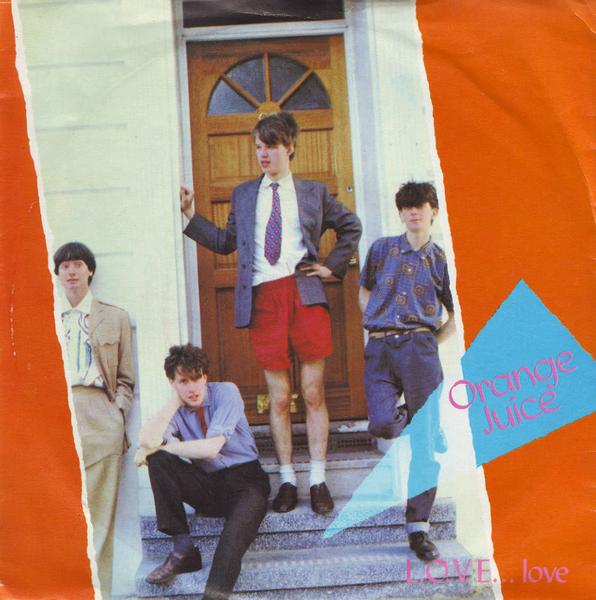
One determined west of Scotland guitar player who had a good stab at it was Edwyn Collins. On Orange Juice’s You Can’t Hide Your Love Forever LP, the band close side 1 with a sincere though slightly ragged run through of it; Hi horn parts, falsetto vocals and a terrific facsimile of Hodge’s original riff. In a post-punk wasteland where angry young men shouted angry thoughts with angry guitars, it was a brave move by Orange Juice. Forever with one eyebrow arched and never far from taking the opportunity to poke fun at machismo, it’s just perfect, even if the record-buying public thought not. Orange Juice’s brave attempt at L.O.V.E. staggered to the giddy position of number 65. There’s no accounting for taste.
Orange Juice – L.O.V.E. (Love)
Fact
Teenie Hodges made the lion’s share of his money throught his co-writing credit for Take Me To The River. It wasn’t the royalties that came via record sales of Green’s original, nor the countless covers (Talking Heads and Annie Lennox amongst them) that balooned his bank balance. That honour goes to Billy Big Bass, the singing fish that plays the track at the press of a button. The ubiquitous toy ornament that was all the rage 15 or so years ago made more money for Hodges than all his other writing credits added together and certainly helped his 3 wives and 8 children to enjoy the lifestyle they were accustomed to before Hodges death in 2014.
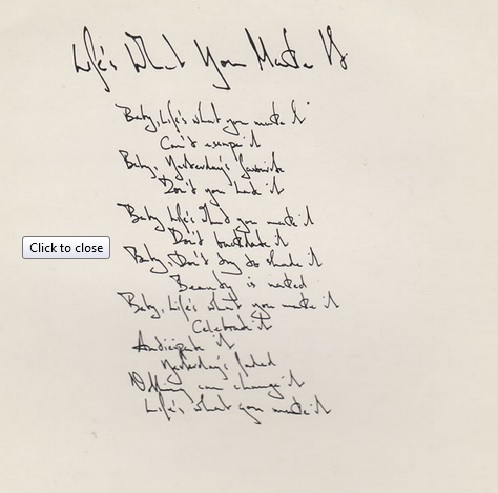
Q. Which defining track began life as a sawn-off take on Kate Bush’s Running Up That Hill as played by Booker T and the MGs, its lyrics a distillation of Tennessee Williams’ A Streetcar Named Desire?
A. You might be surprised to find out that Life’s What You Make It by Talk Talk started out as this very thing.
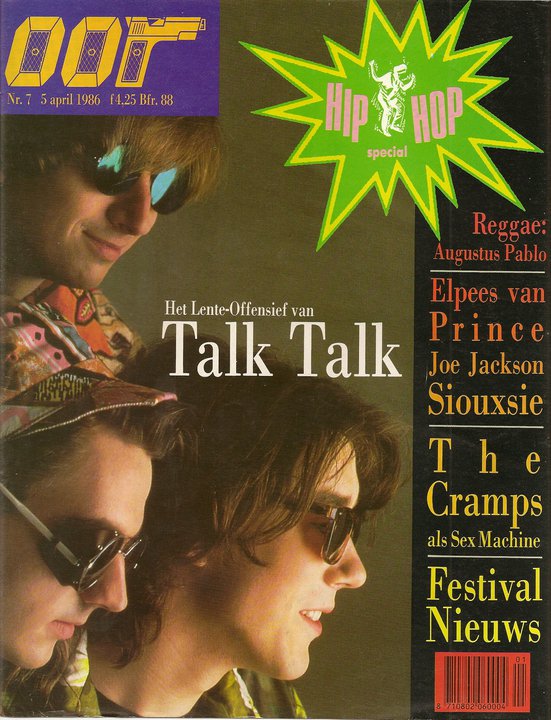
Talk Talk was the name taken by singer Mark Hollis. Eventually a studio project, over nine years the band would go on to produce five masterful albums, promoted by a handful of richly-produced singles; Talk Talk, It’s My Life, Today, Dum Dum Girl, Living In Another World and the synonymous Life’s What You Make It amongst them. If some of those titles seem unfamiliar to you, I guarantee you’d recognise each and every track from 2 seconds in. So entwined with the era that they come from, they’re like audio time machines, capable of whizzing you back to a decade that seems far better musically from 30-odd years in the future than it did back in the day.
Talk Talk have a sound. It’s the sound of the times cleverly sculpted to appear timeless. The chart-bothering pop acts of the day were day-glo and cartoonish, with a shelf life shorter than yesterday’s milk. By comparison, Talk Talk were monochrome, insular and forever ploughing their own furrow, defying time and space. Howard Jones and the likes were using the same sort of studio equipment, but while their records nowadays sound almost quaint by comparison, Talk Talk records still sound box-fresh. Someone hearing Today for the first time could be forgiven for assuming it was recorded actually today and not in fact 36 years ago.
It’s the enduring appeal of Life’s What You Make It that’s kept Talk Talk’s name alongside the likes of the Blue Nile at the forefront of lushly-produced 80s sophisto-pop.
Much of the credit for this goes to Tim Friese-Greene. Friese-Greene joined Mark Hollis for Talk Talk’s second album It’s My Life and by the time of their 3rd, The Colour Of Spring, was an integral part of the band who had by now basically eschewed the life of a touring band for that of studio hermits. Friese-Greene learned his trade by spending time at the desk creating the likes of the forward-looking She Blinded Me With Science for Thomas Dolby. By the time he joined Talk Talk, he was an accomplished producer.
Written at the record company’s behest to ‘make a single’, a slightly irked Mark Hollis and Tim Friese-Greene picked up the gauntlet and set about making a timeless classic.
“I had a drum pattern loosely inspired by Kate Bush’s ‘Running Up That Hill’,” explains Friese-Greene. “And Mark was playing Green Onions over the top of it.”
An inspired jam gave birth to a commercial career high, rolling thunder bass piano wrestling with the slow burning vapour trails of David Rhodes’ guitar riff. Moonlighting from Peter Gabriel’s band, Rhodes turned in a brilliantly-executed riff, trimmed of all excess fat and wrapped in stinging chorus and analogue delay. It’s the hook upon which Hollis hung his entire track, reedy, languid vocal, Erik Satie-inflected jazz piano breakdowns ‘n all, and it’s never been bettered.
Talk Talk – Life’s What You Make It
Bonus Fact!
As unlikely as it seems, Tim Friese-Greene was responsible for the success of Tight Fit’s The Lion Sleeps Tonight. You can snigger, but I bet it helped pay for a state of the art studio and a second home in the Cotswolds.
Six Of The Best is a semi-regular feature that pokes, prods and persuades your favourite bands, bards and barometers of hip opinion to tell us six of the best tracks they’ve ever heard. The tracks could be mainstream million-sellers or they could be obfuscatingly obscure, it doesn’t matter. The only criteria set is that, aye, they must be Six of the Best. Think of it like a mini, groovier version of Desert Island Discs…
Richard Jobson is best-known as the vocalist and focal point of Skids. Between 1977 and 1982, Skids’ flame burned briefly but brightly over 4 abums – including two in one year (beat that, young pretenders!) and a handful of well-loved singles that are as instantly recognisable as Jobson’s lantern jaw and idiosyncratic stage moves. Working For The Yankee Dollar, Masquerade and Into The Valley put the band firmly in the anthemic post-punk bracket, paving the way for yer U2s and Alarms and Manic Street Preachers and the likes.
“We never really got the credit we fully deserved,” remarks Richard. “With each release we evolved, changed and stuck our heads above the parapet. We weren’t cartoonish like the Damned or overly political like The Clash. Our peers over in the west of Scotland were Velvet Underground copyists, art-school cool, but we did our own thing. We never thought of what it was we should be doing. We just did. Skids were never cool, really. I wrote abstract lyrics. Our records came in abstract sleeves. (Debut album) ‘Scared To Dance’ was considered subversive, which is nonsense. ‘Days In Europa’, released in the same year (1979) was actually remixed and reissued with a new sleeve a few months later – years before your Deluxe Versions and remastered reissues were even thought of. We were incredibly hard-working and incredibly self-assured.”
In 1982, founding member William Simpson left Skids, shortly followed by Stuart Adamson, who’d take Skids’ blueprint and use it to great success with Big Country. And that, by and large was seemingly the end of Skids.
Jobson then joined forces with guitar great John McGeoch in the short-lived super group of sorts Armoury Show (half Skids, half Magazine, one album then over and out) before leaving music behind to focus on, amongst other things, modelling, poetry, television presenting and film making. You might’ve seen his 16 Years Of Alcohol, a terrifically intense film with a killer soundtrack. You might even have seen the video for Arab Strap’s Speed-Date. Richard produced that too.
Richard Jobson photographed by Ross Mackenzie, Night Moves, Glasgow, 1st March 1983
“I see my art as everything I do. Whether it’s music or film or writing, it’s all me. I don’t like being pigeonholed.”
A decade or so ago Skids reunited to play in tribute to Stuart Adamson. Sporadic shows followed; a T In The Park appearance here, a hometown gig there, before, “following a proper dust-down” at the tail end of last year, Skids returned with a brand new album. Burning Cities briefly outsold Noel Gallagher before settling comfortably inside the Top 30. On the back of the album, a rejuvenated Jobson and co hit the road and played dozens of shows the length and breadth of the UK. Reviews were generally ecstatic, focusing on the youthfulness of Jobson and his band’s ability to turn the clock back to those heady days when Skids first meant something to people. As the band found out, they clearly still hold a special place in the hearts of people for whom music is everything.
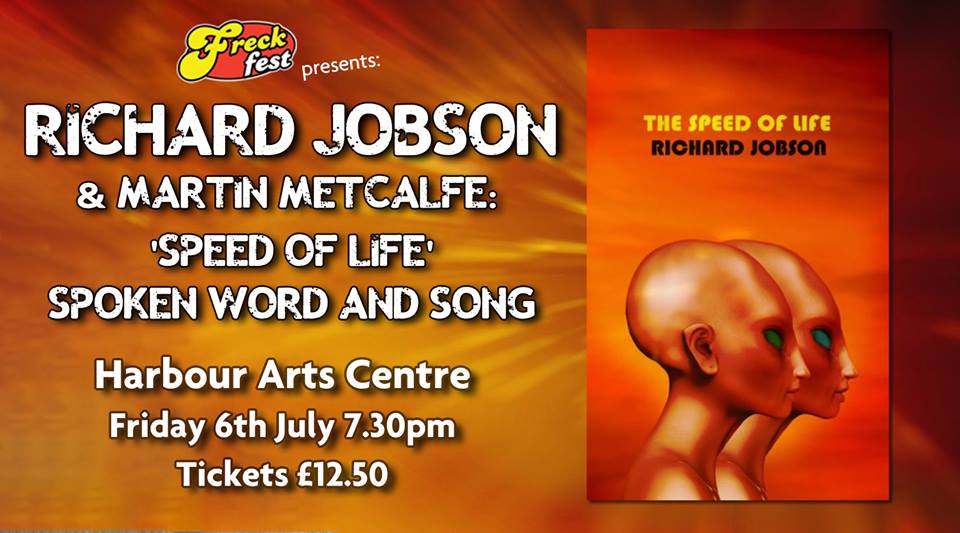
Somewhere along the way, Jobson found the time to write. Echoing the productivity of those early Skids’ days, he’s recently published not one but two books; his autobiography Into The Valley and The Speed Of Life, a story told through the eyes of two aliens who travel to Earth and discover the songs of David Bowie.
“I wanted to write a book about what it’s like to be a fan. What does fandom mean? Essentially, it’s a love affair with the music and the people who make it. You end up having this life-long, long-distance friendship with the person who inspires you. It’s a holistic thing being a fan. The fashion, the music, the lifestyle are all wrapped up in the one package. We all have our own heroes.
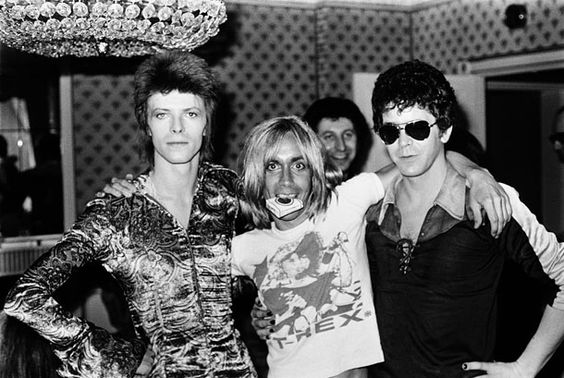
All the artists I admire, Lou and Iggy for example, were my poets. Tom Verlaine and Patti Smith! They wrote lyrics like mini movies. Their songs were metallic, urban, real. David Bowie inspired me to be better, more creative, to read literature, to watch particular movies. He told me not to be afraid of failure. Never be a coward! He taught me never to rest on my laurels, to keep trying to evolve. You’ll see that in my music, my films.
David Bowie instilled in me a work ethic that, sadly, is missing in most bands today. This instantaneous Instagram generation who seek fame over everything else, it’s idiotic. The real work gets in the way of becoming famous. We don’t have any more Bowies coming through. It’s all fake. All of it.”
Which seems as good a time as any to ask Richard to consider his 6 favourite Bowie tracks.
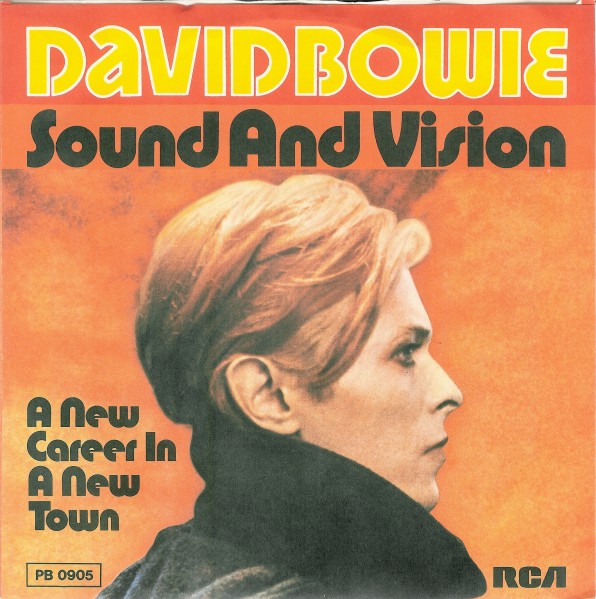
It’s better to be asked cold about these kinda things and not have the time to think about it. This way you’ll get the real answer and not the one I think people will want me to say. Although I dare say if you asked me tomorrow I might pick a totally different six. For now, straight off of my head I’ll say Sound & Vision.
David Bowie – Sound & Vision
It reminds me of where I live. It’s the sound of Bowie reinventing himself, from near-suicidal drug addiction in L.A. to a man reborn in Berlin. It’s such an inspiring song. Who doesn’t love it?!?
David Bowie – Where Are We Now
There’s some really great stuff in Bowie’s later New York period. The albums from this time really need to be given more attention. They’re almost lost in this vast back catalogue of greatness, but they’re all great in their own right. The Next Day might well be one of his very best. From it, Where Are We Now makes me cry every time I hear it. Until then I hadn’t cried that much since I first listened to Leonard Cohen.
David Bowie – Station To Station
Station To Station was the first Bowie album that really made me sit up and listen. There’s a whole new depth of richness on this album that Bowie hadn’t gone for before. The songwriting is fantastic. The opening track, with its train noises and slow, steady, mechanical plod is a brilliant opener.
David Bowie – Quicksand
That run of albums, from Ziggy through Aladdin Sane to Diamond Dogs is brilliant. And growing up with each of them was a very fortuitous thing. How lucky I was to be of the age to appreciate Bowie first-hand! Hunky Dory though is a perfect album. And Quicksand is a perfect track.
David Bowie – The Jean Genie
I like the pop Bowie. Let’s not forget that as well as being a ‘serious’ artist, he wrote these incredible pop songs. The Jean Genie just reminds me so much of having fun as a wee guy, dancing around the living room as it played.
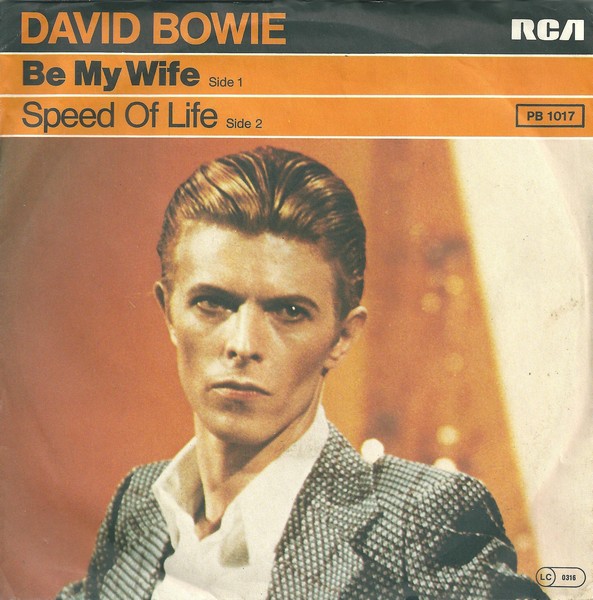
David Bowie – Speed Of Life
I love this track to bits. I enjoy listening to ambient music while I read. Brian Eno, of course, All the German bands. The whole of the second side of Low as you know is ambient, instrumental music. The opener is inspired. It’s the new sound of Bowie, a glimpse into what the other side of the record holds in store, yet it still captures the essence of pop. These cowards today, afraid of trying anything new really should take a leaf from Bowie’s book.
Richard Jobson will play a couple of special east coast/west coast shows in Edinburgh and Irvine to promote The Speed Of Life. He’ll be accompanied by former Goodbye Mr MacKenzie frontman Martin Metcalfe who’ll play “natural sounds and drones……cool, dramatic music” whilst Richard reads extracts from his book. Unbelievably, there are still a handful of tickets left for both shows. You should probably go to at least one of them.
















 Plain Or Pan