Alternative Version, Gone but not forgotten, Hard-to-find, Live!, Sampled

Introducing The Band

A few months ago I posted about the burst of classical music that The Smiths used to signify they were taking the stage. Walk-on music, when used as effectively as The Smiths did it, is an integral part of the live experience. Those in front of the stage have their senses heightened…quicksilver adrenaline courses through the collective mass… eagerness is fit to burst and, as one, they peak when their heroes take the stage. In the article linked above, Mike Joyce talks about the prickling of the hairs on his arms as Sergei Prokofiev’s music reaches its climax and the group emerge from the shadows and onto the stage. Intro music is pure theatre and high drama, powerful in its effect for audience and band alike.

The recent death of Mani had me revisiting the Stone Roses catalogue and reminiscing about the Stone Roses gigs I’d been at. I say gigs, but Stone Roses shows were more of an event than a mere gig. The minute the group began to pick up traction, they eschewed the usual circuit of venues and instead put on ambitious landmark concerts.
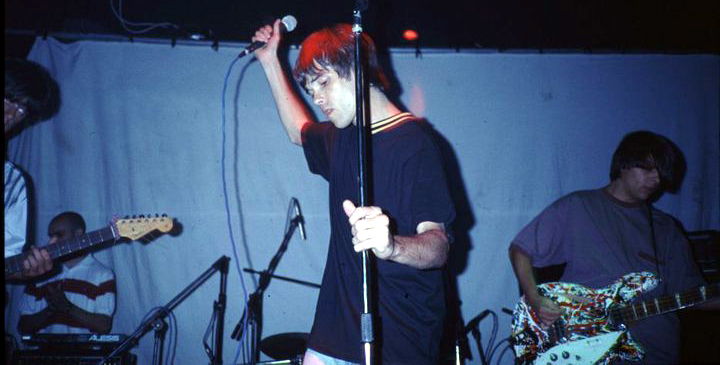
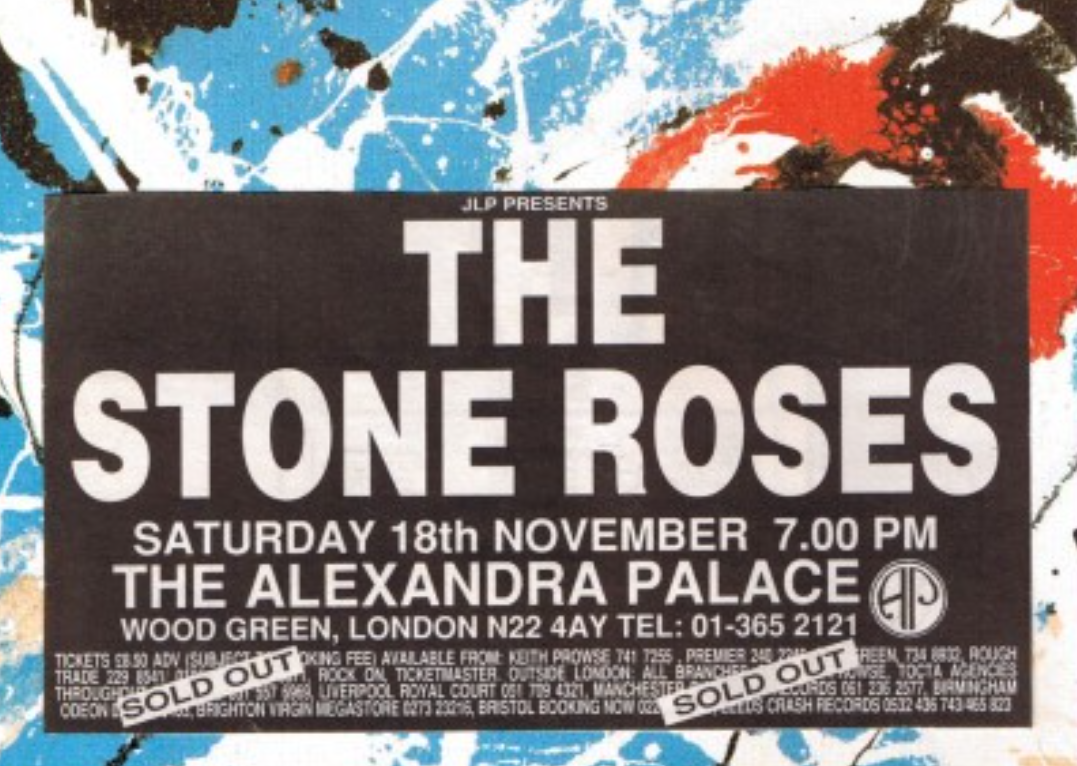
In the space of five rapid months in 1989, Stone Roses went from Glasgow Rooftops (above) – part of the touring circuit for bands of a certain size – to the Blackpool Tower Ballroom to a November show for 7000 rockers and ravers in London’s Alexandra Palace, at the time known as the broadcasting birthplace of the BBC and scene of some of those trippy 24-hour Pink Floyd and Soft Machine ‘happenings’ of the late ’60s, but certainly not the usual venue any bands might think to try and fill. Nowadays of course, any two-bit act with a bit of a following can add a date or two in the airy north London glasshouse, but in 1989 the Stone Roses’ choice of venue was genuinely inspired.
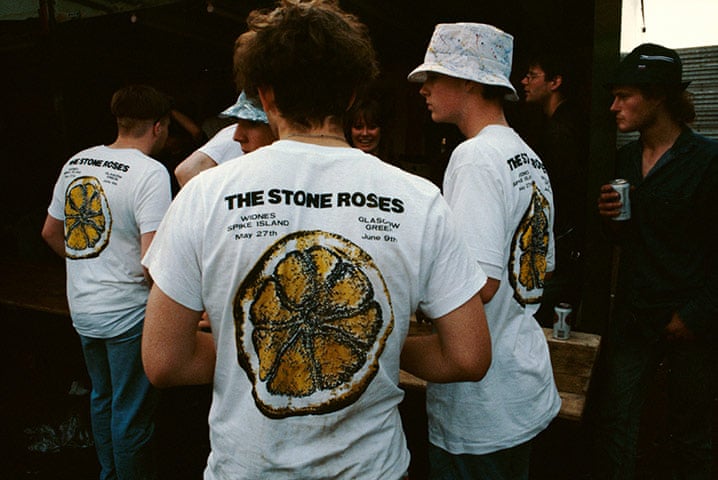
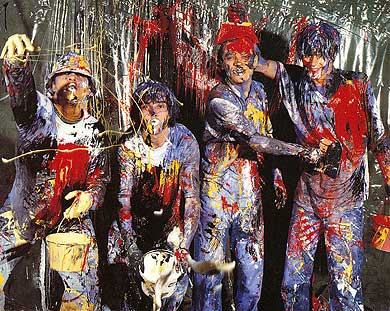
Fast forward another six months and the group would set up stall on Spike Island, a windswept and chemically-polluted estuary of the Mersey. Two months later they’d play their final show (for then, anyway) in a huge tent on Glasgow Green, 10,000 rockers, ravers and by now bucket-hatted bampots witnessing the band at the peak of their powers. The travelling tent idea is also now fairly standard practice for bands of a certain size these days. (Spike Island less so.)

As the band’s popularity grew, they went from the standard idea of support act plus half an hour of playlisted music to an actual rave culture-inspired show, the group just one element of a spectacle that would involve guest DJs dropping crashing house beats and hip hop on the P.A., lasers and strobes on the lighting rig, mass E communion in the audience and generally good vibes all round. These shows were a million miles from watching Gaye Bykers On Acid from a cider-soaked corner of Glasgow Tech or the Wedding Present at the QMU or any other touring guitar band of the era you care to mention. Yes, even you, Primal Scream. In 1989, Bobby was still looking for the key that would start up their particular bandwagon. (It was somewhere down the back of his Guns ‘n Roses leather trousers, I’m led to believe.)

All of those shows mentioned above (I was at three of them) began with I Wanna Be Adored. Since writing the song, or at least since the release of that debut album, has there ever been a Stone Roses show that didn’t start with it? I don’t think so. I Wanna Be Adored is, in its own way, a senses-heightener, a quicksilver surge of electricity, an early peak in a set full of peaks, but in the live arena, it too would come rumbling from out of the corners, fading in as an intro tape heralded the group’s imminent arrival.

Stone Roses intro music:
I’ve spent 35 years convinced that this music was made by the Stone Roses themselves, an abstract piece of art thrown away in the same vein as those backwards experiments they put onto b-sides, played for fun, recorded then used sparingly but appropriately. Certainly, the thunking, woody bassline is pure Mani. The hip-hop beat pure Reni. The sirens a clear extension of John Squire’s clarion call at the start of Elephant Stone.

Hearing this from Ally Pally’s carpeted floor minutes after Sympathy For The Devil is still strong in the memory. Hearing it again in the sweat-raining big top on Glasgow Green, many there unaware that this was not mere incidental rave music but Stone Roses’ call to arms (but we knew, oh yes, we knew, and excitement was immediately at fever pitch) still provokes a conditioned response in 2025.

It wasn’t made by Stone Roses though. Turns out it’s a piece of obscure-ish hip hop from 1987, looped, tweaked and added to by the Stone Roses team. The original – Small Time Hustler by The Dismasters – is immediately recognisable from that Stone Roses intro. Really, all the Stone Roses did was stick a few sirens on top of it…but combine that with Ally Pally’s echoing rave whistles and Glasgow Green’s surge of euphoria and it makes for high drama.

I wonder how many folk knew – truly knew – the source of that Stone Roses intro tape back in 1989?
Get This!

I Could Park A Juggernaut In Your Mouth

When the Stone Roses went from midnight telly to ubiquity in that couple of short months over the summer of 1989, they could do no wrong. By mid-July, they’d gone from underground to overground, the nation’s t-shirts were getting looser and everyone’s trouser legs were getting subtly wider, creeping downwards and outwards in direct proportion to the decaying dead ends of the Smiths quiffs their owners had stubbornly held onto until the next important band came along. And here they were, Bloggsed up and baggy, bandy-legged and cocksure with the tunes to match, an aural golden sunrise and then some.

She Bangs The Drums was released on July 17th and there on side 2 (and also side 1 if you have one of the many mis-pressed copies) was the track that we’d been desperate to find since first hearing it a month beforehand when the group played Rooftops in Glasgow. That setlist that Grant Canyon swiped from the edge of the stage, written, as it turned out, in John Squire’s own elegant hand, had it called ‘Standing’, but on record it was given its Sunday name: Standing Here.

Stone RosesStanding Here

Beea-woo! 

That first guitar bend has you sitting straight up.

Bee-ah-ee-ah-ee-aaaoooww!

When that sixth note cracks and breaks into controlled feedback, the hairs on the back of your hands prickle. Spidey senses tingle. This is gonnae be a good one.

Standing Here is peak Stone Roses. It is at once rockin’ and rhythmic, swirling and psychedelic, a proto blast of Hendrixian histrionics deftly played across six strings yet somehow replete with the wobble-headed shuffle beat and groovy, elasticated, tight-but-loose bassline that quickly came to define the group.

A 7th chord crashes, the snare shuffles and Ian Brown, a singer who’s currently on top of the world, sings about standing on a hilltop and surveying what he sees. What he really sees is the prize; best band in the country by a mile. He’s drifting through the city, he’s swinging through the trees, he’s looking through your window, he’s everywhere…and he really is in the summer of 1989. John Squire freeforms his frazzled blues on top of the sugar-coated groove and we’re properly off and running. By the second verse he’s firing off riffs you can whistle, even 35 years later when the song pops randomly into your head.

By the second verse too, there are lovely, low in the mix ‘woo-ooh‘ backing vocals, not noticed back in the day when I was cranking my own ham-fisted version of the lead guitar track atop the heavenly choir, but a vocal line that emerged one day from the heady stew and presented itself like a gift from above, Stone Roses still surprising all these years later.

I don’t think you think like I do, goes Ian, and the group bounces around him before John leans into a guitar break, bluesy and bendy and just on the right side of rockist for all the purists who worship at the altar of indie. Throughout the track, the group instinctively knows when to drop out, when to allow the vocal to shine, or to highlight a stut-stut-stuttering bass part or yet another supreme guitar hook. And throughout it all, Reni shuffles ambidextrously, the head-down, piston-powered engine of the band, the funkiest drummer of them all, elevating his band above all peers with each successive paradiddle or technicolour cymbal splash. He’s the difference. Every time.

Then the ending. There’s not a Stone Roses bootleg on the planet that can make Ian Brown sound passable as a singer, especially over the quieter, contemplative parts, but on record he’s the consummate angel, God’s choirboy taking us home as the band ebbs and flows its way to a gentle end, waves crashing on the sand as they lullaby us back to a regular, standing heartbeat. John Leckie did an awful lot of the heavy lifting in that studio.

All the best bands have great b-sides. Standing Here might not even be the Stone Roses’ best b-side, but it’s quite the b-side all the same. Put the needle back to the start just one more time, will ye?


Alternative Version, demo, Hard-to-find

Paris In The Spring

In the UK, we meekly accept whatever our masters think is best for us. Rising cost of living? Fair enuff, guv. Can’t heat your house? I’ll just nip down to the local Warm Space, shall I? Dragged out of Europe? That’s democracy, mate. We’ll just need to get on wiv it. The French though – they know the score. Any time they feel hard done by, any time their world appears unjust, boom!, out come the Molotovs. Over a million French citizens took to les rues recently to protest the government’s planned raising of the pension age from 62 to 64. Pffft. Work-shy slacquers. It’s 66 in England, mate. 66! Bobby Moore, Nobby Stiles, Sir Geoffrey ‘Urst. Anyway, where woz I?

Decided without a vote and pushed through by the will of a persistent Macron, it was firmly decided. The workers were suitably enraged. In Paris, fireworks were thrown indiscriminately at hastily drawn police lines. In Bordeaux, the town hall was set ablaze. Tear gas was fired, hundreds were arrested, everyone lost their Gallic cool. The pension age would still be raised, but not without Macron and his ministers knowing exactly what their citizens thought of them. The one plus point to come from the dissenters’ actions was that the city of Paris would not now play host to the first state visit by the new King George, whose aides quickly kyboshed the idea. Parisienne republicans sniffed the air and shrugged with typical je ne sais quoi.

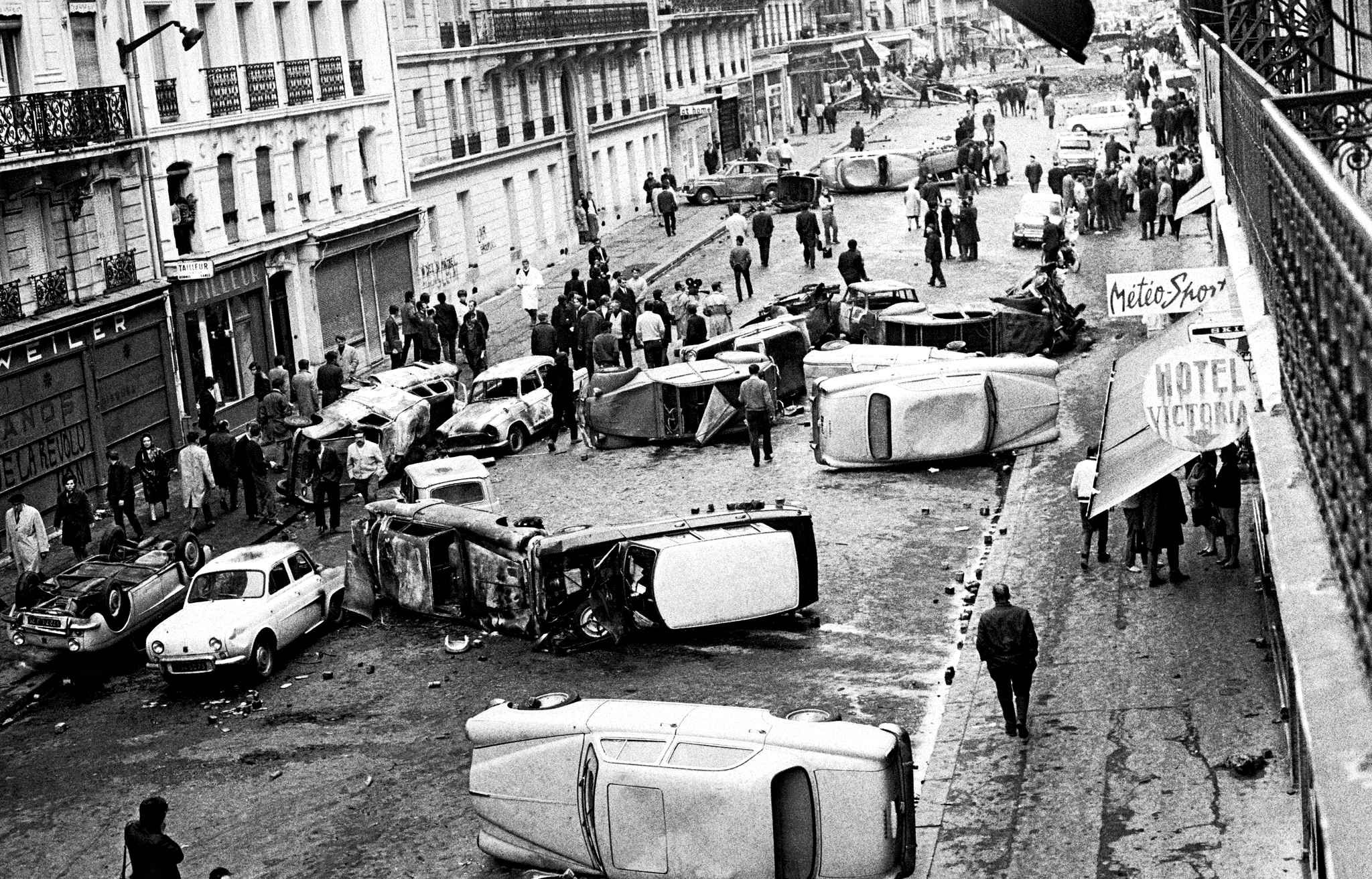
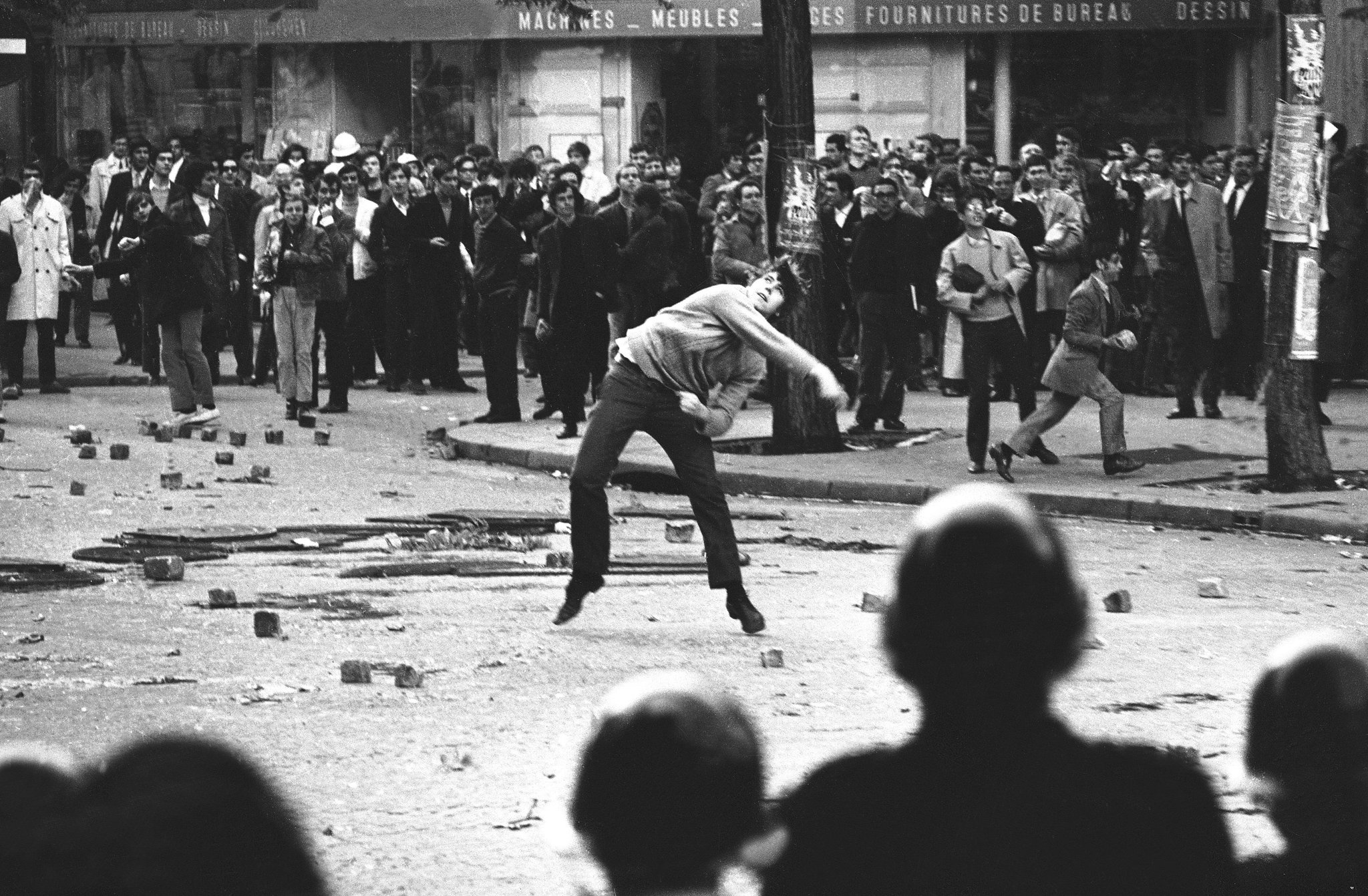
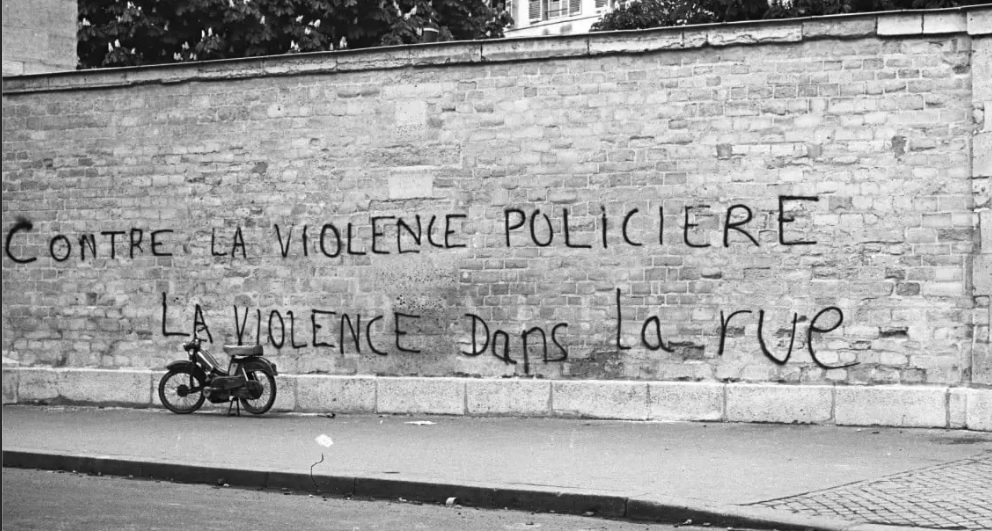
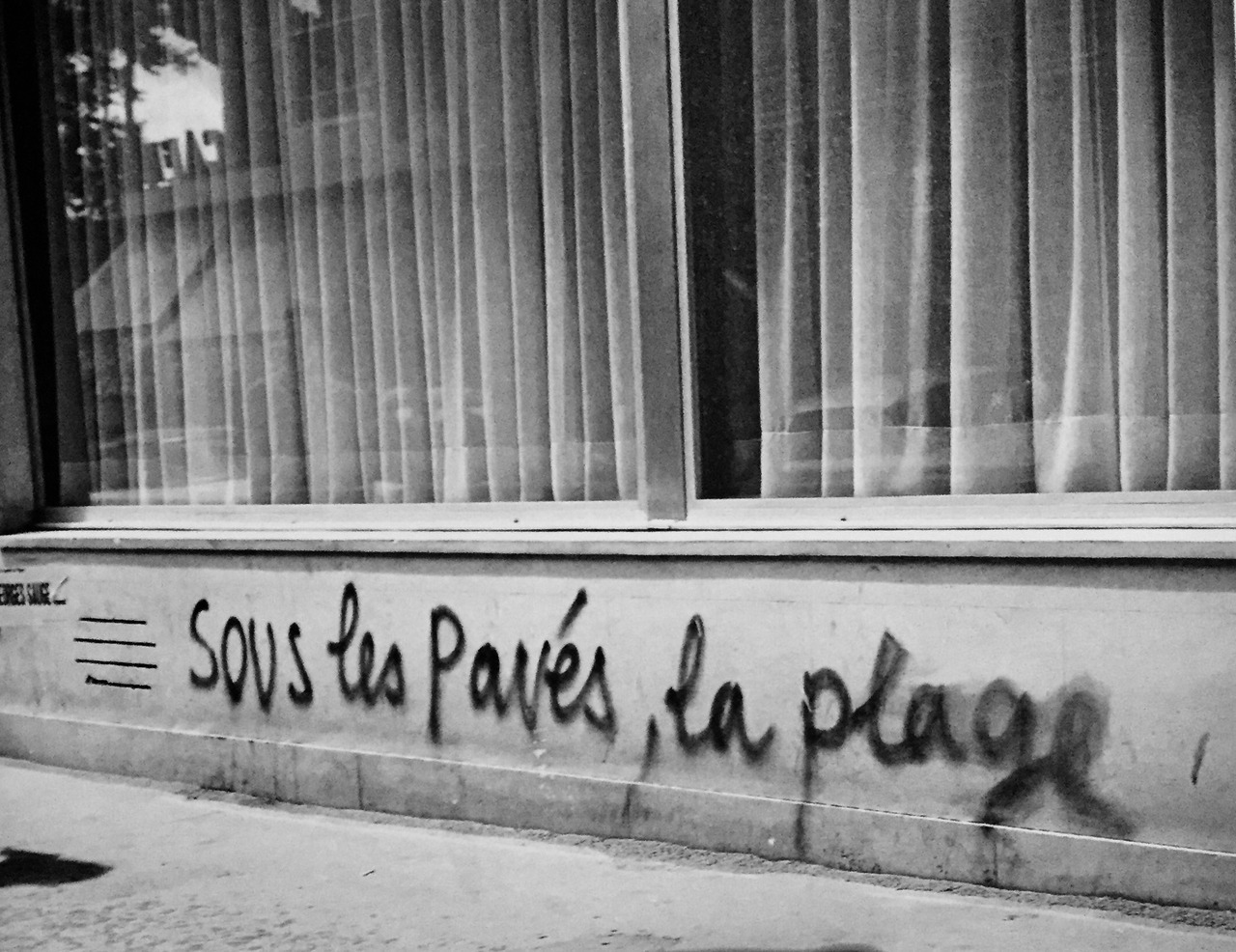
55 years ago, in May 1968, rioting in Paris became so severe there was a real threat of civil war. The city’s student population, liberal and left-leaning by definition, occupied the universities in protest at fellow students’ arrests following an anti Vietnam demonstration. The authorities were quick to react and a heavy-handed police operation resulted in skirmishes, baton-wielding beatings and more mass arrests. The conflict between the Parisienne students and police intensified. Barricades were put up and knocked down. Civil order descended into disorder. Police used batons. Students threw torn-up paving stones and Molotov cocktails. Two nights of stand-off on the Left Bank ended after police set fire to cars and they themselves used Molotovs to disperse crowds.

The trade unions, no fans of President de Gaulle or his policies, were moved to declare sympathy action. At the height of this action, most of France ground to a halt as 11 million French workers (almost a quarter of the working population) went on general strike. Despite talks between both sides, the strikes and the riots continued. The President ran off to Germany, worried that rioters would attack him in Elysee Palace. He would return at the end of the month, bolstered by a notion to dissolve his cabinet and reform his government in a way that would appease the strikers. But anyway…

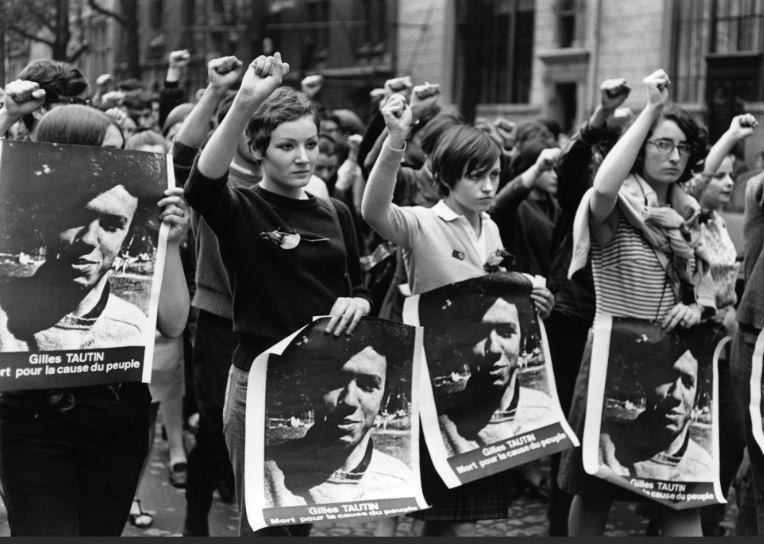
In the early days of the Stone Roses, Ian Brown had hitch-hiked his way around Europe. On his travels, he’d met someone who’d been in Paris in 1968 and this man’s tale became the lyric to Bye Bye Badman. He told the story of how, during the riots, the activists learned to combat the effects of the tear gas being used to control their movements by sucking on lemons.

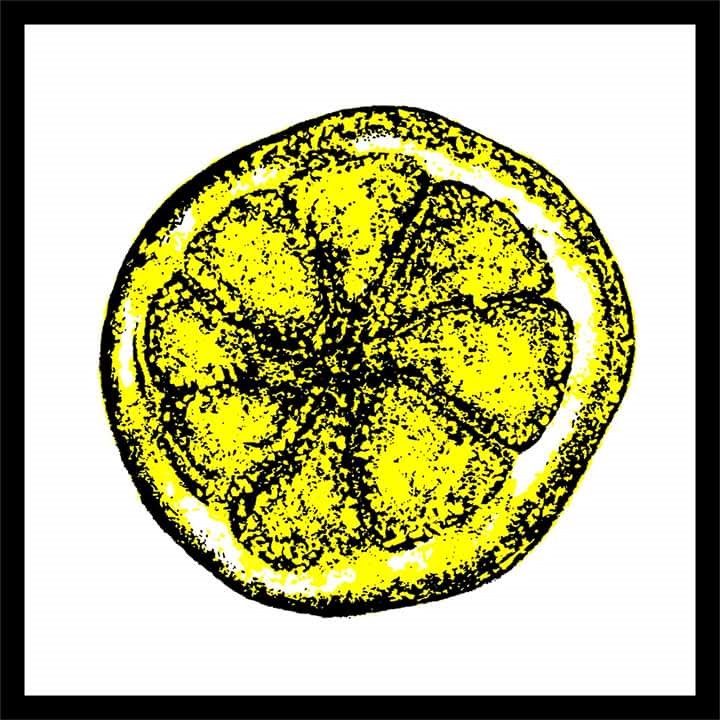
It’s no concidence at all that the artwork on Stone Roses’ debut album cover features an unobtrusive, brush-daubed tricolour and a couple of lemons (albeit added after John Squire had ‘completed’ his painting)… a piece of art he called Bye Bye Badman.

Smoke me, choke the air. In this citrus-sucking sunshine I don’t care.

Here he comes, got no question, got no love

I’m throwing stones at you, I want you black and blue

I’m gonna make you bleed, gonna bring you down to your knees…

It’s all in there.

Stone RosesBye Bye Badman

It’s a tune that belies it’s appearance. Lightweight and breezy, with skiffly, shuffling drums and a rich tapestry of interwoven guitars, it could well have floated off the grooves of a Mamas and Papas or 5th Dimension record.

The guitar runs throughout though, they mark it as something a bit special, a bit unique; the phased and chugging electric backing that allows the sun-dappled acoustic splashes to shimmer, the cleanly picked counter-riffs, the fluid and chattering fret runs at the end that bring to mind Michael Jackson’s Human Nature, all of it underpinned by expansive and expressive bass playing. It’s no real surprise that Stone Roses became the touchstone for enthusiastic amateur guitarists and wannabe hit bands everywhere.

And the melody. It’s sing-song and nursery rhyme-like…until you begin to decode the lyric. The title itself is seemingly a veiled reference to President de Gaulle and, as the song unfurls line by line, it’s apparent that this seemingly insignificant track (song 4, side 1) is in fact a pop art statement of political intent, revolution disguised as art. That it’s done so with lovely doubletracked Ian Brown vocals makes it all the sweeter. In the live arena, Brown can’t sing for toffee. Thank goodness John Leckie had the golden touch when it came to coaxing a tune from his vocal chords.

Here’s the demo that Stone Roses presented to Leckie. As you’ll hear, never underestimate the role of the producer in helping a group to realise their ambitions.

Stone RosesBye Bye Badman demo

I listened to Stone Roses’ debut album the other day and it still causes as many little rushes of uncontainable excitement as it did on first hearing it 34 years ago. Let it sink in that more time has passed since the day I bought it from Walker’s at Irvine Cross than the time between the riots in Paris ’68 and the Stone Roses writing a song about it.

Ian Brown famously pumped an arm aloft and bellowed, “This is ‘ist’ry!” from the Alexandra Palace stage in November 1989. No, Ian,  your band, their album, THIS is history. D’you feel old yet?

Niche Ian Brown reference in this graffiti for all of you trainspotters out there,
Get This!

Addis ababa-ba-ba

That much maligned Stone Roses second album – the grandiosly titled and underrepresentative Second Coming – is a strange beast. Not nearly as terrible as many suggested at the time, it came as a crushing disappointment to those of us who’d been blown away and swept along by the dizzy 60s-inspired sunshine psychedelia of the debut. From it’s lead single in, it was very obvious that this was Stone Roses’ take on Led Zep II. Such was the bombast and bluster and wheezing asthmatic slide guitar pyrotechnics that leapt from the fretboards with Pageian dexterity, they might as well have called that first single Whole Lotta Love Spreads and be done with it. Great tune ‘n all, but we’ve heard it all before, Stone Roses. That was a claim you couldn’t ever throw at the sparkling debut, and that’s why so many of us felt let down. A five year wait for this? C’mon Stone Roses, you’re better than this.

It has its moments. Both Driving South and Begging You are Hendrix filtered through a clattering dance groove, strangulated guitars at the big beat boutique, going nowhere, but thrillingly so for five minutes. Those liquid mercury guitar fills and coke-sprinkled riffs are relentless and tiresome on most of the other tracks though – the kinda stuff you hear played by showy assistants in guitar shops up and down the country. C’mon Stone Roses, you’re better than this.

And they were. Ten Story Love Song is a cracker, Sugar Spun Sister on steroids for those of us seeking a glimpse back to the heady summer of 1989. And the way it segues on the record into Daybreak is the greatest moment on the album.

Daybreak gives you a glimpse into the real Stone Roses, shackled of expectation and pressure, just the four of them grooving along to a fantastically loose-limbed jam. It’s so out of place with the rest of the album that I’m of the impression it was never really intended to be on it at all. A warm-up session perhaps for the ‘proper’ recording to follow, fortuitously captured by a quick-thinking tape op, magnetised forever and slotted early into the album sequence.

Stone RosesDaybreak

What’s great about it is that there’s little in the way of overdub or studio trickery. The four constituent parts are right there in the mix, easily identifiable, each doing their own thing, creating something far greater than the sum of their parts. It’s the rhythm, section that hits you first, isn’t it? It’s the way Reni and Mani drive the track with rat-a-tatting drums and rumbling jungle bass, eyes locked on one another, not even aware of what the other two are up to, working intuitively and cooking up a proper simmering stew that keeps the whole thing moving ever-forwards, speeding up, locking in, driving us to the logical conclusion.

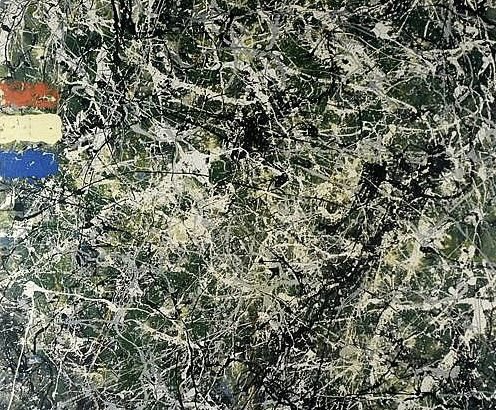
The solid rhythm allows John Squire to throw psychedelic shapes across the top, little splashes of colour as random and just-so as the paint spatters on those Pollock-inspired record covers. His right hand scratches the groove, his left fingers bend the notes, his momentus fringe keeping the whole thing swingin’ majestically. By the time Ian Brown comes up with the lyrics – a plea for peace and equality that’s part random geography lesson, part Rosa Parks infomercial (and a ‘love is the law here‘ line that Squire would nick post-Roses), Daybreak, for better or worse, is as loose and airy, yet tight and locked as anything off of Led Zep II.

Alternative Version, Gone but not forgotten, Hard-to-find, Live!

Fly Moves And Resurrected Grooves

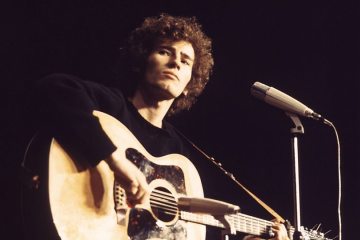
No-one other than the main protagonist himself will know exactly what sounds John Squire was listening to on the day the music for I Am The Resurrection tumbled forth from his fingertips, liquid mercury floating atop a bedrock carved from the groovier elements of prime-time Hendrix, but even the most lenient of high court judges would be hard-pushed not to blurt out “Take him down!” whilst pushing forward a battered copy of Tim Buckley‘s Happy Sad LP as Exhibit A in the case against the Stone Roses’ super-flash riff meister.

Buzzin’ Fly, the second song on side 1 tumbles in on a riff that ‘Roses fans should recognise instantly. Indeed, if, by the 3rd second in, flares don’t start flappin’ in time to lolloping limbs, I’ll eat my well-worn Pollocked bucket hat and give up this blogging lark forever.

Tim Buckley Buzzin’ Fly

It’s the 18 carat gold signature riff to I Am the Resurrection, innit?! The missing link between Van Morrison’s Astral Weeks and Joni Mitchell’s Blue, Tim Buckley’s ethereal 12 string carries the tune whilst Lee Underwood’s mercurial, fluid electric lead meanders happily hither and thither, yet it’s undeniably the riff wot elevated Stone Roses from mere 60s-influenced day trippers to full-on, arrogant true believers (with messiah desires thrown in for good measure).

If you were being particularly scrutinous, you might also point out the similarities between its laid-back, free-spirited guitar interplay and the shuffling backing on Stone Roses’ Bye Bye Badman and Shoot you Down. Indeed, there’s maybe even a case for considering the guitar playing on Buzzin’ Fly to be the very genesis of that entire Stone Roses album. It’s clearly an influence, any cloth-eared fool can hear that.

Back in 1989, I had no idea at all that such a tune could tumble from the fingers of anyone but the expertly-coiffed Squire. Many an hour was spent mangling my fingers into shapes previously uncharted in the forlorn hope that I might replicate even 10 seconds of the heaven-sent instrumental passage that closed Stone Roses’ debut album. From street-suss rock riffing to full-on Starsky & Hutch funk, this was a new kinda guitar hero, from roughly the same area as Johnny Marr too, but a million miles way from his crystalline jangle. Nowadays, muscle memory has enabled me to jam along faithfully to I Am The Resurrection and my ham-fisted attempts might even border on being nearly right, but back then, continual stomping on my cheap fuzz box was the only answer I had when fingers were suddenly required to travel further up the fretboard than ever before.

(Dennis Morris, Glasgow Green)

No such worries for the guitarist in the spotlight, though. Here he is carrying the tune for upwards of 10 groovetastic minutes at the original Glasgow Green show in June 1990, 29 years ago yesterday, as coincidence would have it. With the sweat dripping from the ceiling of the massive circus tent and the anonymous rave music blaring like a beacon to the demented before the band appeared and then the punch full in the face from the wee random ned as I Wanna Be Adored rumbled through its opening gears, I remember it as if it were yesterday.

Stone Roses – Elizabeth My Dear/I Am The Resurrection (live, Glasgow Green, 9th June 1990, bootleg)

Lee Underwood – remember him?! – it would appear, went no further than the 9 albums he recorded as Tim Buckley’s right hand man, but what an important element to Buckley’s sound he turned out to be. Worth investigating, is Buckley Snr.

(Photo by Kevin Cummins/Getty Images)

Worth reinvestigating also is that Stone Roses album.

I remember reading a Gruff Rhys interview where he said that he’d played the works of The Velvet Underground so much in his youth that the music was now embedded in the virtual mp3 player in his brain, just waiting to be called down wherever and whenever it took his fancy.

I daresay the Stone Roses debut is similarly lodged in my cerebellum, but nothing beats getting out the real thing once or twice a year, placing it on the turntable and waiting (im)patiently for the low creeping bass that introduces the band one by one; bass then drums then guitar then vocals – the perfect intro. By the end of side 2, I’ve usually picked up the ol’ Fender and, capo on the 2nd fret (important that – those whippersnapper YouTubers seem to dispose of such essentials) teleported myself back to May ’89 when anything beyond the 5th fret was like a foreign language. It still is, I suppose, but I can speak a wee bit of it nowadays.

Stone RosesI Am The Resurrection

New! Now!

THIS Is The One

Men of a certain age last night/this morning exhaled a collective breath as wide and expansive as a pair of vintage 27″ Joe Bloggs, as the second coming of the third coming of the Stone Roses proved to be ace.

stone roses beautiful

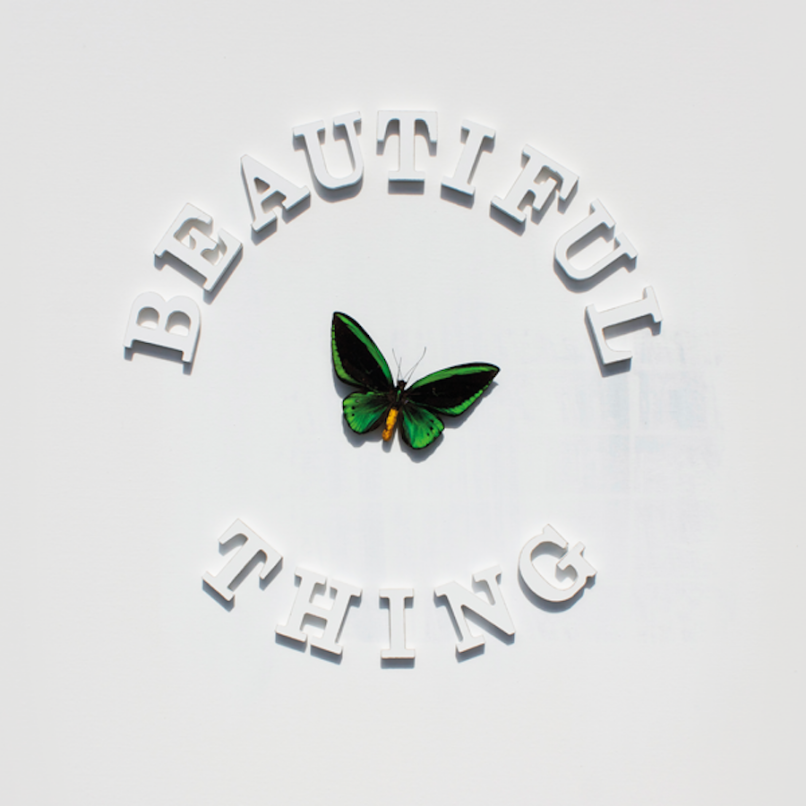
Following the sloppy, ill-advised ‘All For One‘ come-back single a few weeks ago, the new single ‘Beautiful Thing‘ has, mercifully, all the hallmarks of vintage Stone Roses. It grooves in on a Funky Drummer shuffle, a welcome old friend who’s been AWOL for the past two or so decades, coated in backwards vocals and trippy guitar. As the beat kicks in, we’re straight into the vocals; light and airy, Brown riffing about the crucifixion, so-so sooooky vampires and all manner of alliterative mumbo jumbo – “sister musta missed ya, method to my madness, reason to my rhyme…” As it plays, I can see him standing there in the classic apeman pose, shaking a pair of those stick tambourines he’s favoured since the comeback of a couple of years ago. I can also see Reni, head down and bobbing like a nodding dog in the back of a Ford Capri, eyes shut and lips pursed in the knowing pout of someone who knows they’re doing a fine, fine job.

Stone RosesBeautiful Thing

Squire’s guitar is excellent. The tone, the choice of effects, the sugar coating on top is perfect. A track like this requires dollops of full-fat funk and here he is, splashing shades of wah-wah across the top, breaking it down with wee backwards bits reminiscent of those old, classic b-sides and bringing it, kicking and screaming into the present day with a lightning flash guitar solo. At the breakdown there are even those wee reverby, echoey dang dang dangs that made Fools Gold the futurefunk record that it was.  Mani’s bass is still too low in the mix, if y’ask me, but we can’t have it all. Comparing this record to the last one is like comparing a paper aeroplane to a rocket. One flimsy and rubbish, the other up and out there, powerful and rumbly.

stone roses lemon

The whole thing lollops along for 7 sublime minutes. ‘It’s too orangey for crows‘, I’m thinking. ‘It’s just for me and ma dawg...’ (80s reference there, for those of you of that certain age). When you get to the end, you can’t help thinking “Fools Gold mark II, or at least Breaking Into Heaven without the generous dusting of cocaine,” but it’s ripe, absolutely ripe for segueing into yer actual Fools Gold. The wee drum break at the end is just itching to pick up the pace slightly and get into it. What’s the betting this is what they do at the summer gigs?

I like this current Stone Roses tactic of guerilla gigging and event releases and whatnot.  Imagine if they’d shoved Beautiful Thing out unannounced a couple of weeks ago instead of the one that sounds like Shed 7 in a rehearsal room? After its 3rd play at almost 1 o’clock this morning, I’d already played the new one twice as much as that particular clunker. Had I been a couple of shandies to the good, I might even have been tempted to sell my soul for a ticket for one of the enormo-dome shows they’re doing soon. Might have been. At least now I, and many others, have renewed faith that the album will be worth the wait.


New! Now!

Is That It? Really?

2016 has been a shitty year for musical deaths, but it’s also a year that holds much in the way of stellar resurrection. No pun intended.

Trashcan Sinatras begin a US tour tomorrow with Pledgers keen and eager to hear live versions of the excellent, slight change of direction new album they’ve been living with for a couple of weeks. Non-Pledgers have a few more weeks to bide their time before they can hear what all the fuss is about, but believe me, it’s worth the wait.

The ever-reliable Teenage Fanclub have a new LP due for imminent release. With fingers and toes crossed, I expect no less than three-part harmonies and all manner of chiming, fuzzing, clean-clanging vintage guitars.

Radiohead had the Internet and its granny in a big frothy lather last Sunday with their guerilla tactics when their new LP arrived virtually, welcomed with many open arms and followed by much over the top gushing praise. It’s a cracker of an album, maybe even album of the year. Each listen brings new things to the fore; subtleties, soundscapes rather than songs, much of the background electronica reminiscent of Brian Eno’s ‘Bloom‘ app. Seriously. I could listen to it for the next 4 months and still change my mind over which track is my favourite. Today it’s ‘Ful Stop‘. Tomorrow it’ll probably be ‘The Numbers‘. Or ‘Glass Eyes’. Or….

stone roses 2016

But The Stone Roses. Dear oh dear. Hopes were high. Not sky high. They’re the masters of the big letdown after all. I remember, pre internet days, turning gangs of lads away from the Our Price counter on Feb 14th 1992, the intended release date for the big ‘Love Spreads‘ comeback. The single (a magical comeback single, it must be said) finally crept out in November 1994.

Stone RosesAll For One

Stone Roses have only just gone and spectacularly pissed all over their legacy, submerged it totally in golden yellow effluence in fact, with a limp-wristed clunky identikit indie single that in the mid 90s would’ve struggled to find its way onto third place on a Seahorses CD single.

It’s rubbish.

Interestingly, it was premiered on also rubbish Radio 1, last relevant when Brown and co were casually throwing out spacedust-sprinkled pop nuggets with giddy abandon. Squire’s guitars do the clunk click every trip pseudo psychedelic riff. Guitar shop heroics that he should be well away from by now. He’s in his 50s, for crying out loud.  Brown’s lyrics are laughable.  “All for one and one for all. If we all hold hands we’ll make a wall.” Sweet baby Jesus. And Mary, mother of God. This is not the resurrection.

For a band who once glided effortlessly above and beyond pop cool, this is a divebomber of quite catastrophic proportions. Even those folk who’ve been going nuts for it on social media – y’know, the folk who like all kinds of music, ‘Kasabian, Noel G, everything, really,” will surely be feeling a wee bit short changed by now.

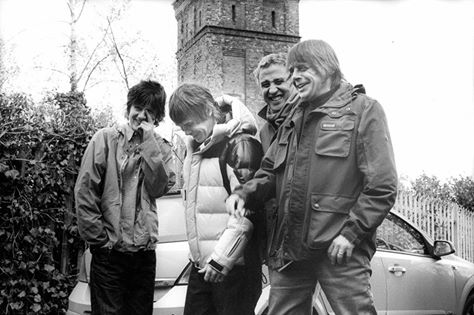
Best thing about the comeback? That the band chose to pose for a photo with my car in the background. My old Astra is far more of a banger than the single. It, my friends, is a total car crash. Biggest musical death of 2016? Aye, Bowie and Prince were shockers. But The Stone Roses have just trumped ’em all.

Get This!, Gone but not forgotten, Hard-to-find

The Mighty Wah

Wahw-wah-wah-wahw-wah-wah-wah-wah-wahw-wahw-wahw-wah!

“Vox’s fabulous new wah-wah pedal opens the door to a variety of great new sounds!”

So says this epoch-defining trade ad from 1967. “Make your guitar grrrrowl! Make it sound like a see-tar! Listen to the funky bass guitar sounds you get!”

wah wah vox 2

Vox Wah-Wah Ad (5 minutes long and worth listening to every minute):

The wah-wah was created by happy accident, when Vox engineers got the circuitry mixed up in a new range of Beatles-inspired amps they were producing. Realising they’d just created an electronic version of the effect jazz trumpeters had pioneered in the 20s by muting their horn with a hat, they seized on the potential and began producing wah-wah pedals.

hendrix wah

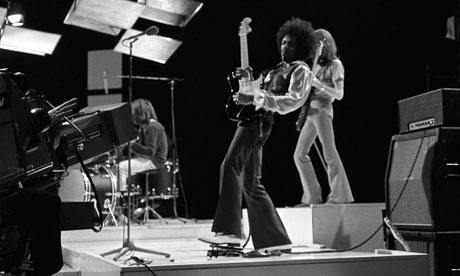
Almost immediately, guitar players saw their appeal. Jimi Hendrix was an early adopter of the effect – Up From the Skies on Axis: Bold As Love was one of the first tracks recorded with a wah-wah, and from then on in, it featured heavily in Jimi’s incendiary output. The Burning Of The Midnight Lamp, All Along The Watchtower, Voodoo Chile (of course) – all featured the screamin’ sound of the wah. There he is above, quite literally rockin’ the wah.

Before long, no self-respecting psychedelic act was without a wah-wah, and the the pedal became an integral part of the sound of the era. As a general rule of thumb, the wider the flares, the wilder the wah. The Electric Prunes even went as far as endorsing the effect.

Electric Prunes Vox Wah Wah Ad

george harrison 1970

George Harrison, newly freed from the shackles of The Beatles and with a sackful of songs he was eager to release under his own name employed Vox’s pedal on the self-explanatory Wah-Wah from 1970’s All Things Must Pass.

George HarrisonWah-Wah

It’s a cracking track, almost throwaway pop, although it maybe buckles a wee bit under the pressure of Phil Spector’s over the top production. Sleigh bells? Aye! 35 backing singers? Of course! More brass than a colliery band? Well, it is being produced by Spector. A multitude of guitar tracks?  Well, it is being played by George Harrison. The main riff is suitably Eastern-influenced, a call and response one chord groove that swaggers like Muhammad Ali in the 15th round. It soars with each key change, guitars free-forming over the top while the original riff underpins the whole thing. George even has the cheek to steal the chorus from that Vox ad at the top there. Listen again to the last 30 seconds. Who noticed?!? Kula Shaker certainly did – George’s track practically gives birth to the daft four-piece, but don’t hold that against him.  Om shanti shanti shanti.

wah wah vox

By the 70s, the wah-wah was being employed to great effect by the soul community. Curtis Mayfield….Sly Stone….The Temptations….they all had wah-heavy records out. Rather than solo, (that would be far too ‘rock’), the players created the distinctive wacka-wacka sound that’s now become the ubiquitous sound of the wah-wah. Y’know, Theme From ‘Shaft’ ‘n all that.

Temptation Dennis Edwards, far left, and cast members party at the Gordy Mansion, April 13, 1970. (Motown Record Corp.)

Here‘s the lesser-known (by Shaft standards at any rate) Psychedelic Shack from The Temptations:

Since then, the wah-wah pedal has featured on all sorts of tracks by all sorts of musicians, from Joni Mitchell and John Martyn to Metallica and The Melvins. It’s reassuring to know that in any given record collection, you’re never more than 30cm from a track featuring a wah-wah.

john squire

Here’s Fools Gold, of course….the full-length version, of course…

Stone RosesFools Gold

fools gold tab


Get This!, Hard-to-find, Live!

I Wanna Be Indoo-oo-ors

Well. This piece is causing all sorts of debate over at Louder Than War. Shoot me down….

Stone Roses, Glasgow Green

Saturday June 15th, 2013

reni 1

The music business is a cruel and shallow money trench, a long plastic hallway where thieves and pimps run free, and good men die like dogs. There’s also a negative side.”

Gonzoid observationalist Hunter S Thomson said this 30 odd years ago. It’s never been more relevant today. The Stone Roses know all about the money trench and the thieves. For any good men and women attending their show at Glasgow Green, they will now, unfortunately, know all about the negative side.

At a gig of this magnitude, you expect all walks of life to be present; the good, the bad and the downright ugly, but this was something else entirely. Brad Pitt was in town a year or so ago filming zombie slopfest World War Z, and as the afternoon turned to evening, the Green resembled a lost cut of the movie. Had Brad been here, he’d have been looking for direction. Or a way out. It was as if every mental health establishment in the West of Scotland had simply shipped every one of its patients up the Clyde and into the park before flinging the key down the nearest, darkest well and doing a runner. Inside, the park was a human cesspit, a giant soup of slurring, slevering stupids in splatted bucket hats, barely able to stand or sit or stagger. It was horrible.

ian brown 1

This isn’t supposed to sound snobbish, but it will invariably be taken that way in any case. So shoot me down. Music fans, the ‘real’ music fans who are regular gig goers and album buyers and live and breathe music like it’s some all-encompassing need for survival will be now be reflecting on a gig where more of the focus was on what was happening around them than what was happening on the big stage in front of them. Music is for all, and you can’t deny anyone’s right to like a band, but why is it The Stone Roses seem to attract the wrong element?

The ones in wee huddles, backs to the stage and openly sniffing and snorting their Class As off of credit cards and keys and whatever else provided a flat surface. Not there for the music, are they?

The ones pilled, powdered and poppered off the planet who, by default, created their own wee exclusive zone amongst the decent people where they could foam at the mouth and loll around, indifferent or oblivious to the sounds coming from the stage. Not there for the music, are they?

The ones tossing cups and bottles containing overpriced beer (and worse) with joyful abandon into the air and onto the crowd in front of them. Throwing pissiles is, I think, the phrase I’m looking for. There were hundreds of these cretins everywhere. Not there for the music, are they?

And the thugs. The 40-something year-old grown-up hooligans in expensive sports wear, pent-up aggression evidently at boiling point, perpetuating the underlying threat of violence if you happen to glance at them the wrong way. Not there for the music, are they?

mani 1

With all this distraction it might’ve been difficult to focus on the stage. Just for the record, The Stone Roses were terrific. But you probably knew that already. I’ve seen them live a handful of times since 1989 and this was easily the most full-on, the most fluid, I’ve ever seen them.

If the sound of the first album is the sound of a band effortlessly gliding their own meandering way across 60s-tinged psychedelic pop, Glasgow Green was the sound of a band dive-bombing their own material with napalm bombs of funk – the muscled-up Second Coming band giving the first album the workout it didn’t even know it needed.

Bobby Gillespie had earlier invited us to Kick Out The Jams, but if anything, the Roses were hell-bent on doing the exact opposite. The 17 song set was packed full of add-ons, cheeky Beatles riffs when Squire thought no-one was looking and enough improvisation required if anyone still doubted this band’s ability to play. I Wanna Be Adored was given a coda akin to Sly Stone going 15 rounds with Jimmy Page.  Standing Here’s Hendrixian hysterics gave way to a beautifully extended and elongated chiming guitar part that ebbed and flowed like the tide on the Firth of the Clyde. Fools Gold, misplaced (to these ears at least) in mid-set was an astonishing exercise in 10? 15? 20? minute motorik, precision funk, its lazy Krautrock groove underpinned by Mani’s outrageously switched-on bass playing and Reni’s octopus-limbed polyrhythms. The best rhythm section around? I think so. Brown’s vocals, so often the brunt of ridicule and mirth sounded fairly decent. In tune, even. Although it could be hard at times to hear him amongst the out of tune voices barking approximations of the right words back at him.

ian reni 1

The gig, the actual musical part of the gig was an absolute triumph. You’ll read lots of testimonies to that over the next few days and weeks as writers trip over superlatives in an attempt to help you fully appreciate it. In fact, I won’t be surprised if/when the Stone Roses let slip that Glasgow Green 2013 really is the best gig they’ve ever played. They simply were that outstanding. It’s just a shame that it was all played out in such shitty conditions.

The Music

Here’s two versions of I Am The Resurrection, one , a faithful to the album version from Rooftops in Glasgow, June 1989 that I recorded myself on my Dad’s wee dictaphone….


The other , below, is from the last time they played Glasgow Green, in the big tent. By this time, the band had stretched it out to almost 11 minutes long. At the weekend, it was even longer. You can read about the first Glasgow Green gig here.

And here’s I Am The Resurrection from Saturday night in all its 12 minutes glory.

(Link removed at the request of video owner)

demo, Hard-to-find, Studio master tapes

Spread ’em!

I’ve been meaning to mention that Stone Roses reissue from a few weeks back. Whatever you think of them, I have to tell you that the remastered album sounds absolutely magic. It’s night and day compared to the weak, tinny excuse of a CD that didn’t even come out when the album was initially released. The new version sounds like a jet plane taking off in your living room. I can only guess what it must sound like through a decent pair of Senheissers after a jazz cigarette. If I had the money I’d have sprung for the complete nuts ‘n bolts b-sides ‘n all release in the John Squire artwork adorned canvas 12″ box. If everything sounds as good as the mastering on the album it’ll be well worth it, and the rest. Until I have the money, bittorrent will be my best friend…

stone roses bw

I’ve written about Love Spreads before (here – you’ll find the demo and the guitar tab) but I feel compelled to write about it again given that mp3s of yer actual studio mastertapes fell into my exciteable wee hands only a couple of hours ago. Aye, that’s right! The studio mastertapes for Love Spreads! Sort of…

Lead guitar

Mani Bassline

Reni drum track

vocals + guitar + piano

I’m sure they’re taken from one of those Guitar Hero-type video games (maybe Rock Band?) but I have 3 seperate tracks and one amalgamated track featuring vocals, guitar and piano (with a bit of bass bleeding through now and again). They sound fantastic. The bassline alone is crying out for some bedroom nerd to remix it into oblivion. In fact, if you had the time to combine the bass parts with the drum track, you’d have yourself the perfect backing track if you fancy a spot of bedroom hip hop.

Squire’s isolated guitar part sounds fairly easy to play, although the ‘track’ I have sounds like 2 guitar tracks added together – one fat sounding dropped D Les Paul doing all the slide parts and a thinner sounding guitar playing all the clipped chords and those top-of-the-scale notes. Find my tab from the other post and jam along. That’s what I’ve been doing this morning instead of the ironing! 

stone roses love spreads vid

Remember to get Audacity for the full Phil Spector four track bedroom production effect! And try not to make a mess in yer Calvins, McMark.

Bonus Track!!!

The long-forgotten live-in-the-studio version of Love Spreads that made it’s only appearance on the original 1995 Help album. No one ever mentions it but this version is immense. Features a nice piano ‘n drums break down not on the single version. Get it!