My parents’ house has two front rooms. The smaller one is currently doubling up as a bedroom/sick ward for my terminally ill father. There’s never a clutter of collected tea cups or half-eaten biscuits as my mum busies herself tidying around us, an always-on-the-go highly strung mother hen, just about keeping it together for the good of her brood. The telly is often on, its volume muted, subtitles jerkily appearing out of sync. Now and again one of my dad’s favourite folk CDs will be playing softly in the background. When left alone, my mum sits beside my dad, maybe singing, always holding his hand.
The larger of the two rooms has always been known as ‘the good room’. We are only really ever in there at Christmas and New Year or maybe for someone’s birthday. It would need to be a special birthday though. Compared to the other front room, where the cream carpet has been turned a grubby shade of grey due to non-stop foot traffic over the past two weeks, this room is indeed ‘the good room’. If the nurse or the doctor or the carers turn up, we tend to decamp to the good room while they do their stuff. A couple of days ago my wife and I sat in silence, half listening to the muffled voices coming from the other room, but mainly being distracted by the tick-tick-ticking of an old clock above the fireplace.
“I hate that clock,” I muttered to my wife. “It reminds me of being bored at my gran’s.” I’d be waiting for the telly to start, 70’s TV being characterised by the epoch-defining girl playing knots and crosses with the clown – a screensaver before they’d coined such a term – listening to the ticking of the clock working against the clickety clack of my gran’s knitting needles and the smackety snap of her substitute for Silk Cut chewing gum, willing time to speed up and for something, anything to happen.
Now I’m desperate to slow time down. Turn it back even.
Tick. Tock. Tick. Tock.
Tick tock.
Outside, traffic flashes past on its way to wherever, busy people leading busy lives. And time goes on.
In the supermarket I meet my dad’s pal, a big, proper man’s man, and we burst into tears at the sight of one another. No one seems to notice.
The Chinese takeaway asks if I want a bag. Well, who wouldn’t want a bag for their piping hot, metal-cartoned food?
The woman in the petrol station asks if I have a Nectar card and do I want cash back and would I like a receipt with that? Tick tock tick tock tick tock tick tock. No thanks.
Driving to my parents’ house I’m stuck behind a literal Sunday driver and I overtake him where I shouldn’t, pushing my old car to the extremes so that I can get to my dad before the nurse does. She has medication in her bag and the big news of the day is that he’s been ‘talking’ to my mum and my sister. ‘Talking’ has been put in inverted commas as he’s more communicating through a series of painful moans and heavy-armed points in the rough direction of his mouth, but still, the prospect of him being awake enough to be aware of who’s in the room is enough to make me press my foot further to the floor. Now I’m the traffic flashing past, a busy person leading a busy life.
Two things have dominated my life the past week or so. Well, one thing has dominated it. The other has irked me to the point of writing about it.
An ex pop star took exception to a couple of things I’d written in a review of his gig. It was a solid 9 out of 10 review too, the sort you’d think most artists would be content with. Not on this occasion. He took to social media, calling me out for wrongly writing his band name in one conjoined word rather than his preferred two. “There’s no such word as Wonderstuff,” pointed out the man who had a hit with ‘Circlesquare‘.
“Sorry ’bout that,” I replied, genuinely embarrassed. My normal stringent self-editing skills had clearly left me when I needed them most.
“And there was no ‘flatness’ to the show either,” he spikily added.
Oh, there was. There was. And the steady flow of people after a quarter of an hour on their second and third visits to the toilet? The bar? Anywhere but an auditorium where the hits that had taken the headliner there in the very first place were being steadfastly ignored will tell you that. In hindsight, I’m rather glad of publishing the now-offending line ‘the gig was on the verge of flatness until…‘ rather than the deleted ‘From the blander stuff to the Wonder Stuff‘ one I’d originally gone with. Imagine if I’d stuck with that little nugget?!?
Naturally, when the big hits were rolled out, the gig went into orbit and the tiny venue was vibrating with joyful noise and giddy abandon. The sooner ex pop stars realise what their audience is there for, the better for everyone.
Not that he apparently cared much for his fans either. “They’re only here to get drunk and hear me play “(big number 1 hit record), so I’ll not be doing that,” we were informed beforehand. And he didn’t. Those’ll be the same fans he gladly sold all manner of product to at his merchandise stall at the end of the night, grinnning from ear to ear whenever another tenner was pressed into his hand and grimacing from here to there when asked for a quick selfie. It’s your money I’m after, baby, and don’t you forget it.
Earlier, he’d grudgingly signed two of my records, barely looking up from the screen of his phone as he did so. Had I not been there in person, I’d have sworn the signatures were written by two different people, perhaps a blind southpaw and an in a rush Chinese man with a broken right hand. Previous encounters with pop stars have led to carefully-worded messages across the cover of a 7″ single. “Keep rockin’ Craig,” instructed a cheery Duglas T Stewart. “D’you really want me to write on this?” asked a concerned Johnny Marr as I presented him with a Sharpie and my ’78 Telecaster. “Good luck brother,” he offered, in his best hand writing.
There were other incidents of note as the night progressed, but as you are perhaps beginning to appreciate, the headliner’s name neatly rhymes with one of those titular unmentionable C words. In the scheme of things though, it’s trivial, so we’ll leave it there for now.
The polar opposite of trivial has been my father’s battle with that other great unmentionable C word.
For four years he’s faced up to it, eyeball to eyeball and it’s only now that the balance of power is swinging unfavourably away from him. Unlike the minor skirmish above though, this is one battle I’m respecting with an online silence. Posts may be less frequent in the coming weeks.
“Wings! The band The Beatles could’ve been!” That’s a line from Alan Partridge. It’s perhaps even his best line. But you knew that already. A-ha.
Between the messy dissolution of The Beatles and the start of the 80s, Paul McCartney kept himself active by touring the world with Wings. Global sellers in their own right, had he only ever created music with Wings, we’d still be talking glowingly about McCartney’s fine musical legacy. As it is, Wings is but a small part in his extensive, sprawling and much undiscovered back catalogue. There’s nuggets in them thar records, just waiting to be unearthed. Many folk know this, but I’d wager that many more don’t.
Even before The Beatles had truly and legally split, McCartney had released his eponymously-titled debut, an interesting collection of snippets and songs recorded at home, some written on the spot, some unwanted leftovers from Beatles’ sessions. Any album that includes Maybe I’m Amazed, Junk and Every Night deserves to be heard.
It would be a mere 9 years – the Wings years – before he’d get around to releasing the titular follow-up, McCartney II. Have you ever heard it? It’s nuts. There’s always some wag at work or in the pub who, when you mention The Beatles will tell you they don’t like them. Bollocks! The Beatles have a song for everyone, whether it’s Yellow Submarine or Revolution 9 or anything inbetween. Such a rich and varied back catalogue reaches out in all directions. But for anyone who tells you they don’t like The Beatles, do two things; 1. Bash them over the head with a heavy frying pan and, 2. After the following history lesson, point them in the direction of McCartney II.
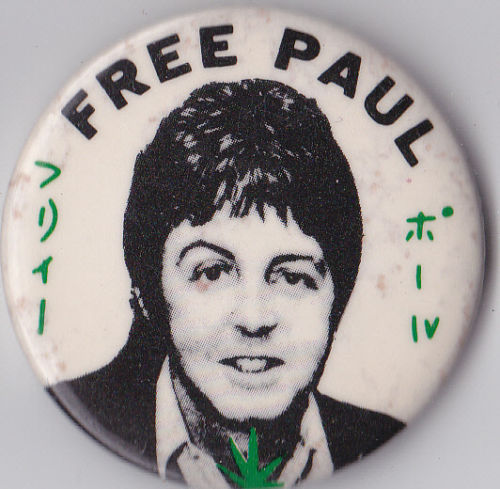
In the run-up to its release, Wings had travelled the world. Well, almost the world. Back in his Beatles days, around their 1966 Budokan dates, McCartney had been caught with marijuana by the Japanese authorities and was immediately banned from the country. The ban stood for over a decade, but the Japanese relented at the tail end of the 70s.
In January 1980, ahead of what would’ve been Wings’ first Japanese tour, McCartney was once again busted for marijuana possession, this time at Tokyo airport and, after 9 days in jail, was ungraciously ejected from the country, an insult and an embarrassment to the Japanese authorities who’d relented on his ban in the first place. Quite what conversations took place ahead of this year’s solo Japanese tour is anyone’s guess, but seemingly Sir Paul McCartney MBE is now as welcome in Tokyo as a delivery of steaks for the sumos in Sapporo.
Where were we?
Oh aye.
In the days following his jail sentence, McCartney found himself back at his farm on the Mull of Kintyre, without a tour, without direction and possibly without a band. So he did what he did best; he dug out his instruments and wrote some songs. Crucially, his usual set up of drums/bass/guitar/keys was augmented by the first phase of samplers and drum machines and McCartney set about creating a new sound.
It’s something of an urban myth these days to suggest that Paul was the ‘soppy, safe’ Beatle and John the ‘edgy, arty’ one. While Lennon was still perfecting his best Dylan sneer on You’ve Got To Hide Your Love Away, McCartney was heading out (there) to Karlheinz Stockhausen performances and dabbling in musique concrète. It’s a theme that carries to this day, with his ambient and dubby Fireman releases filling up the esoteric corners of his back catalogue alongside his Liverpool Oratorio and sundry other classical pieces. But in 1980, when McCartney II hit the shelves, it proved too much for many.
Even an artist as bulletproof, as guaranteed to sell as McCartney found the going tough; proto techno, blues, chart ballads (Waterfalls), abstract snippets of tunes, it’s a good advert for how (cough) creative you can get when you have an ongoing relationship with soft recreational drugs. No doubt during studio playbacks, McCartney listened through a fug of whatever, judgement quite literally clouded, but listening nowadays, it’s a good album. Not a great album, not perhaps an album that even the writer would point you in the direction of, but it’s certainly not as bad as its sales might suggest. In time it’s grown to be something of a cult album.
It opens with Coming Up, a track that, with its wet funk and chattering guitar interplay screams “Talking Heads!!!” so loudly I can’t begin to wonder how David Byrne must’ve felt when he first heard it. Thrilled on the one hand. Dialling a good copyright lawyer with the other, no doubt. To be fair, McCartney freely admitted he was clearly in awe of Talking Heads and David Byrne’s ‘anti-commercialism’ at the time. And, not that it makes it right, but he’s been on the wrong end of dozens, hundreds, thousands of copy-cat records. Gamekeeper turns poacher, and all that.
Paul McCartney – Coming Up
Elsewhere, you’ll find the catch-your-breath, that’s not Paul! Temporary Secretary, all bleeps and bloops and synthetic Kraftwerk rhythms, speeded up vocals spinning ad nauseum.
Paul McCartney – Temporary Secretary
Play it to someone who’s never heard it before and they’ll never believe it’s the same person who plucked Yesterday out of thin air and into homes the world over.
… or the wonky instrumental Frozen Jap (really Paul?!?) with its pseudo Eastern scales and stoned to the bone rudimentary drum machine.
Paul McCartney – Frozen Jap
… or Check My Machine, b-side to the album’s chart hit Waterfalls, with its nagging keyboard riff and Tweety Pie and Sylvester samples. The dull thudding sound you can hear in the background is the sound of the Super Furry Animals and De La Soul fighting it out over the right to sample it first.
Paul McCartney – Check My Machine
McCartney has better albums; Ram, McCartney and Wild Life for starters, much of Wings’ back catalogue (Band On The Run? Of course. Venus & Mars? Very likely) as confirmation, but if it’s truly out-there stuff you’re looking for from the popstar who, on the face of it, never veers far from the middle of the road McCartney II might just knock yer socks off. Play it for the anti-Beatles person in your life and see what they think.
Back in the mid 80s, the coastal town of Irvine, half an hour or so by train from Glasgow, was an incredibly fertile breeding ground of artistic creativity. No one knew this at the time – indeed if you’d suggested as much, there’s a good chance your observations might have been met with a swift kick to the nether regions. Irvine – Irvine no more, as The Proclaimers proclaimed – was, like many provincial towns not supposed to be churning out pop stars, literal thinkers and all-round media fodder. Nicola Sturgeon might’ve grown up in the town at the same time, but she was still finding her feet and perfecting her spins on the Magnum’s ice rink rather than in the debating chambers of Holyrood.
The Trash Can Sinatras were our unlikely star turn; a local band who came together through shared interests on a youth opportunities scheme and ended up with a record contract and pop success permanently within touching distance. All other local bands fell into two camps; those who were pleased for their fellow local band’s success, or those who bitchily moaned that they’d become too big for their boots. Which is nonsense of course. Any of those bands would’ve bitten your hand off for a similar chance. Just ask them.
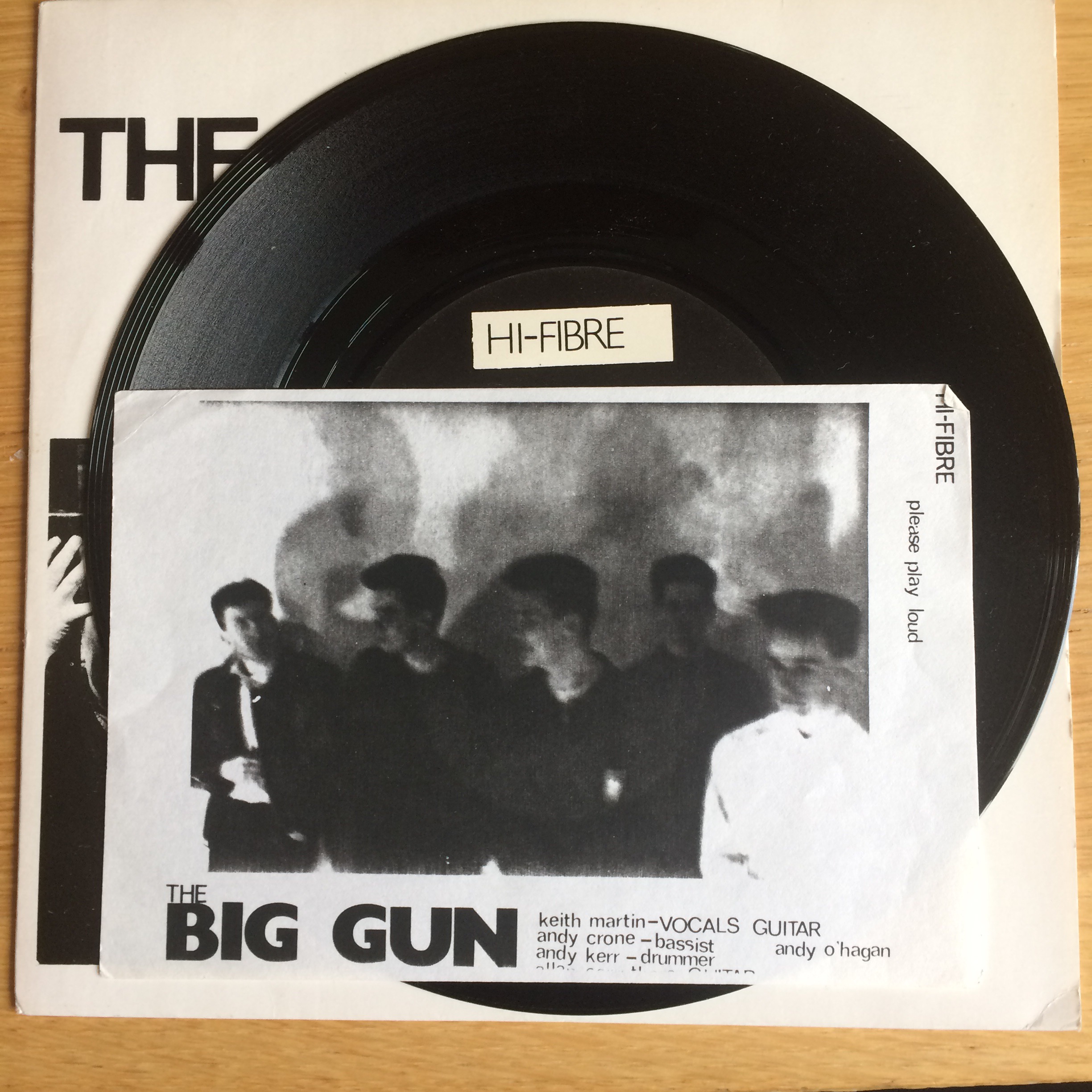
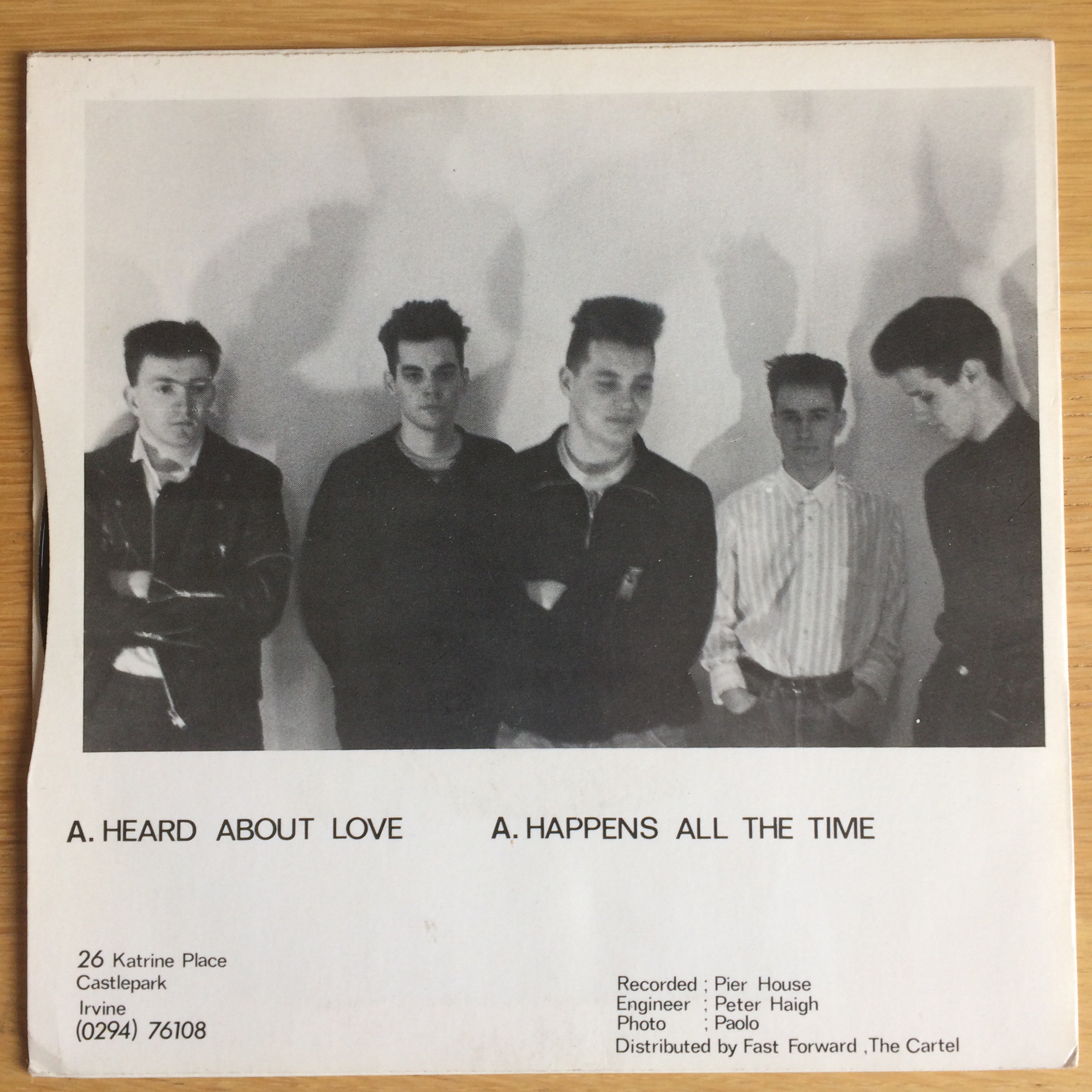
Runners-up to the Trash Cans, and head of the pack of ‘nearly weres’ was The Big Gun. Pre-dating the Trash Cans by a couple of crucial years, they maintained identical Strummer via Edwyn Collins quiffs and played the sort of shambling, Buzzcockian indie pop that was very much of its time. There are still folk in anoraks with Sarah Records badges on the lapels that’ll cry themselves silly over Heard About Love, the band’s DIY 7″ release. Thrillingly, the mighty John Peel played it more than once on his show and briefly, but brightly, The Big Gun’s star shone before fizzing out like the outro on the b-side.
Although The Big Gun never made it, whatever ‘it’ is, a couple of the constituent members/hangers-on went on to make their own mark. Andy O’ Hagan became Andrew O’Hagan, respected author of such excellent reads as The Missing, contributor to all the weighty quality dailies and some-time Editor-In-Chief at the London Review Of Books.
John Niven (not actually of the band but very much a part of their circle) went on to play in 2nd division also-rans The Wishing Stones, wrecking (or “breaking in” as he called it) my pal’s borrowed Tele in the process, before moving to London Records as an A&R man (that Mike Flowers Pop’s version of Wonderwall was all his fault) and finally putting his experiences into print in the far-flung but entertaining Kill Your Friends. Niven continues to write, Irvine Welsh by way of Castlepark rather than Leith, and, along with the weighty library of books that constitutes his polar opposite O’Hagan, is well worth investing some time in.
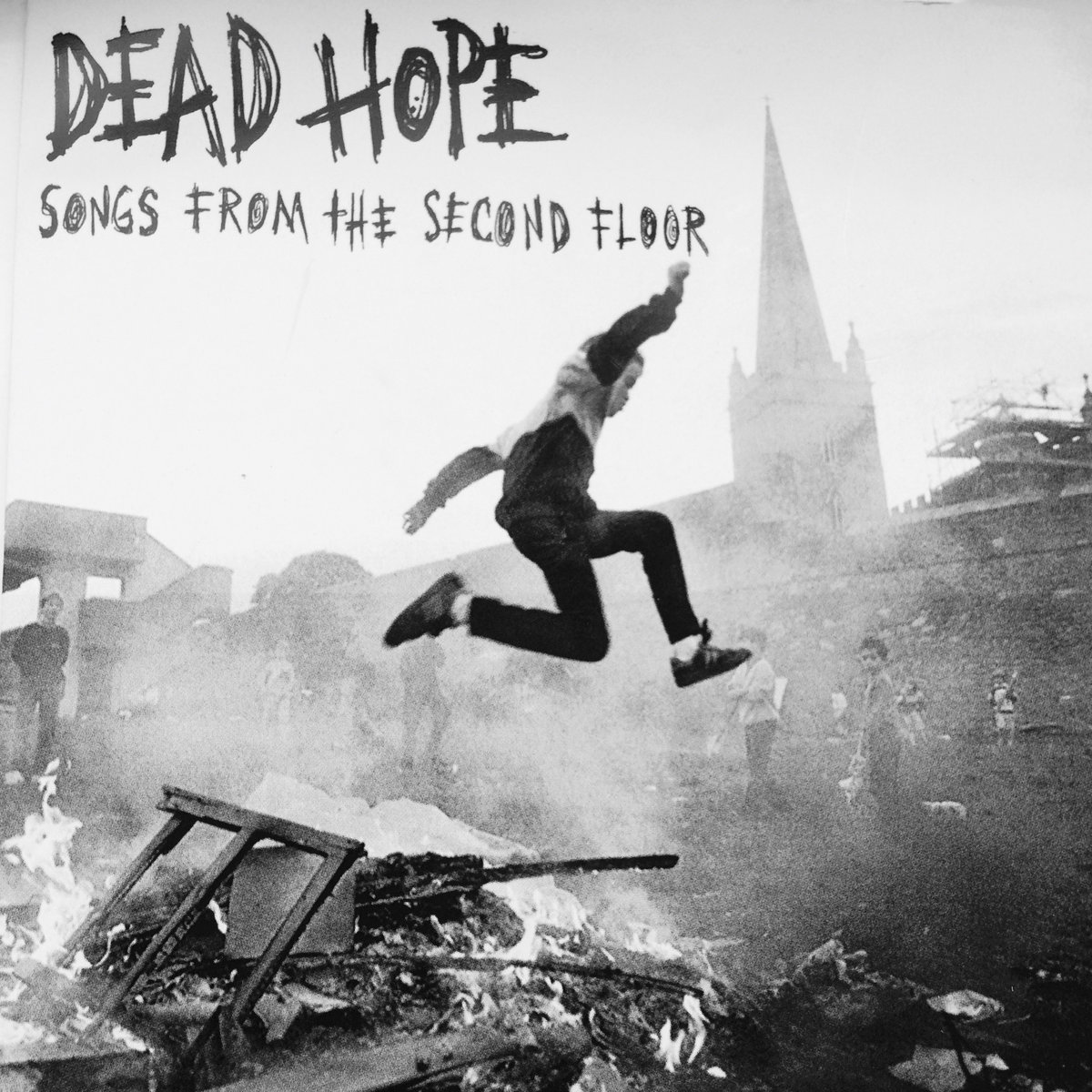
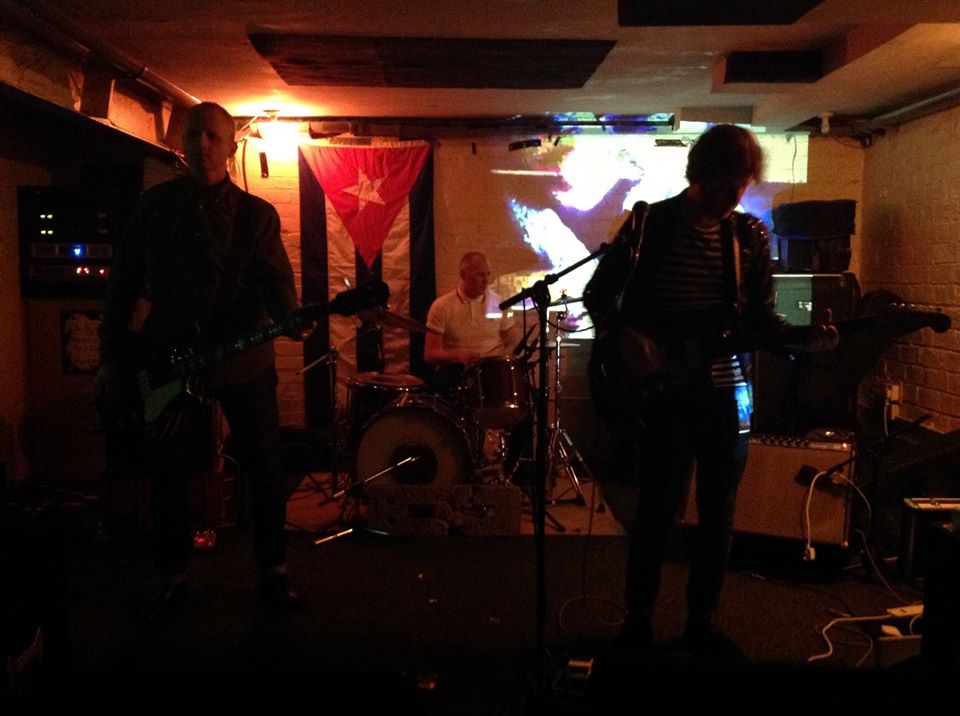
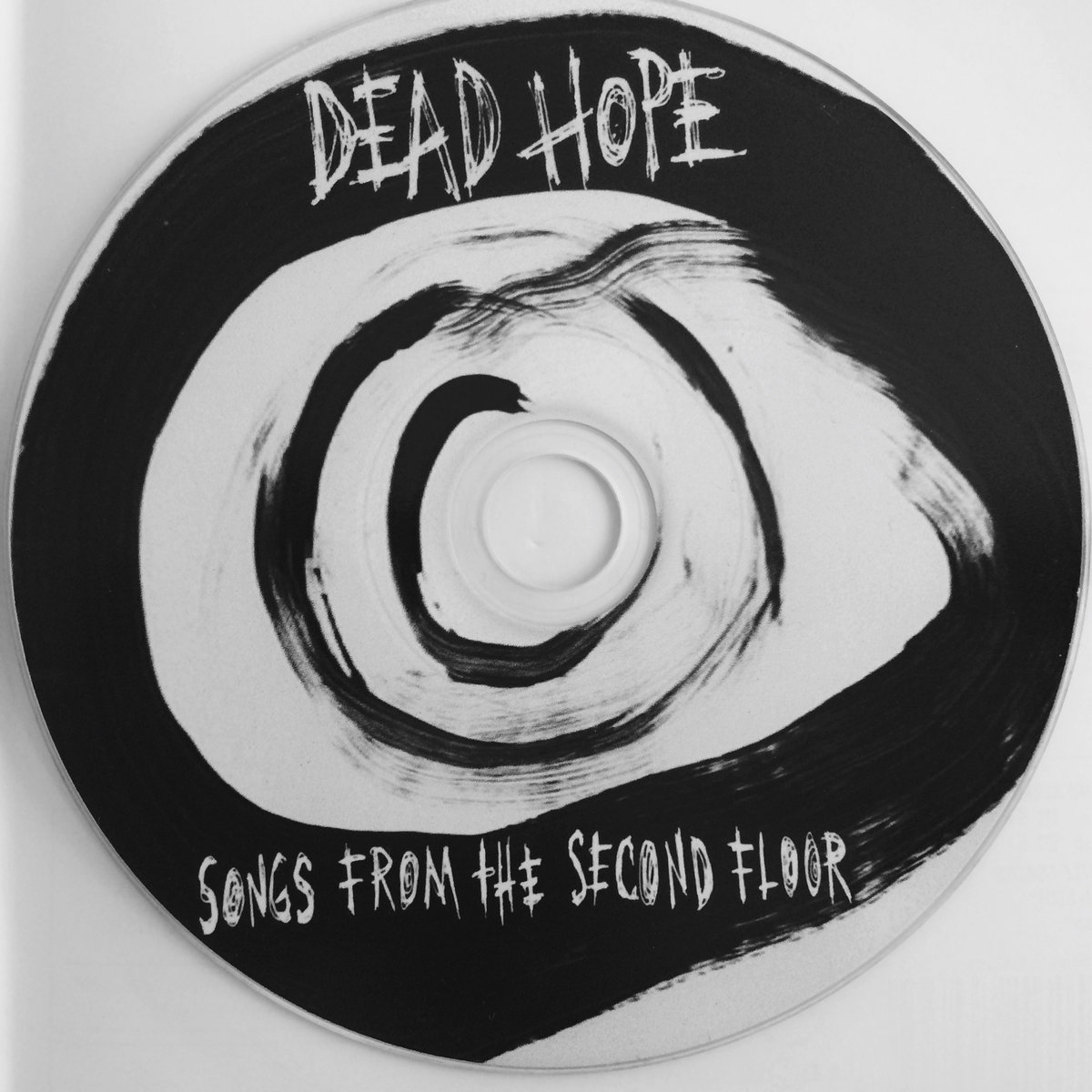
Recently, and out of the blue, 2 ex Big Gunners have recorded and released an album. Dead Hope is the name of the band. Songs From The Second Floor is the name of the album. It features former Big Gun vocalist Keith Martin on drums alongside his longtime partner in musical crime Andy Crone who maintains his position on bass guitar. Vocals and guitar duties fall to Scott McLuskey, someone, given the insular nature of the local band old boys’ network, I suspect I’d recognise if I saw. Although Dead Hope is essentially a Glasgow band, their roots are in Irvine. There’s a thanks on the credits to Basil Pieroni, yet another key constituent of that fertile provincial scene who these days still does his twang thang with the rarely-spotted Butcher Boy.
Dead Hope. A none-more-punk name you’ll be unlikely to encounter this year. It’s No Future for folk who remember the past; a manifesto-driven ideology, an unacceptance of the state of the nation. There are no promo band shots in the traditional sense. The cover art in tandem with the band’s name says it all. To drive the point home, sledgehammer sure, the album title references the obscure Scandinavian film of the same name where the pointlessness and, aye, hopelessness of modern-day life is a constant theme. Coldplay this ain’t.
this is Dead Hope’s debut album, the leaflet inside says. we offer no comparable band names to divert or convince you what may or may not be true.
Dead Hope believe any society that promotes boris johnson to a position beyond that of admin. assistant is truly fucked.
Setting their stall out in such terms, I came to the album with half an idea of how it might sound; angry, for one. And noisy. Gnarly bass. Abrasive guitars. Maybe a bit shouty. Maybe even a bit too shouty for my middle-aged and slightly gluey ears. But no…
It’s shouty yet sloganeering. It’s noisy yet melodic. It’s the breakneck speed of Husker Du by way of a street swaggering Cribs. Metallic sheets of Brillo Pad guitar are followed by choruses that your postman might choose to whistle as he completes his round. Despite that Cribs reference, bits of it sound like Man Made, the trio fronted by young Nile Marr who wilfully eschews anything that might pigeonhole him as his father’s son. There’s also buckets of Sonic Youth squall, bIG fLAME and Pop Group discordance and a mini dubby King Tubby outro towards the end.
All in all, it’s a pretty breathless and thrilling listen. I’d imagine played live it’d be even more vital and visceral. Sat alongside the movers, shakers and young pretenders of our time, it fairly holds its own. In fact, it teaches those young bucks a valuable lesson; bile over style and rage before age. In an era of right wing world politics and whatever horrors that might ultimately bring, we need more bands with the conviction of Dead Hope.
When the Beastie Boys first appeared, a burping and belching frat boy’s idea of fun (and, KIIIICCCKKK IT!, it was fun when you were 15, let’s not kid ourselves), all backwards baseball caps and crotch grabs and stuck-on sneers, you could’ve been forgiven for presuming they’d have 3, 4 hits at most on the back of one album before disappearing with diminishing returns down the very Noo Yoik sewer from whence they’d crawled. But something happened.
MCA, the gravel-throated tall one, better known to his ma an’ pa as Adam Yauch, found inner peace. Through Buddhism he left behind the rapper’s trappings of guns, girls and glorified violence and guided his fellow band mates onto the path of righteous being. The Beastie Boys were always a cartoon version of the staple diet of rap to begin with. They had far more wit and wisdom than your average angry boy from the ‘hood to ever truly mean it. To coin a well-worn cliche, he, MCA became a lover, not a fighter and the band gradually dropped the more base stuff in favour of a sophisticated worldly approach.
The signs were there on Paul’s Boutique, the cut ‘n paste meisterwork that is considered by many to be the Beasties’ greatest moment. On the album’s Year And A Day, MCA reports that, “my body and soul and mind are pure.” By the time of 1992’s Check Your Head (the Beasties’ true greatest moment) MCA had written Something’s Got To Give, a call to unite the world as one.
Beastie Boys – Something’s Got To Give
It’s a real turn-up for anyone who thinks of the Beasties as ‘just’ three white boy rappers. Returning to their hardcore punk roots, to a time when the band played as a band, drums, bass, guitars ‘n all, the trio wanted to show the world there was more to them than sexist raps and songs jigsawed from the best bits of other people’s records. The cover of Something’s Got To Give‘s parent album Check Your Head featured the band sitting at a roadside carefully guarding their instrument cases and band ephemera. “We’re a real band,” they’re saying. “We can play our instruments.” And boy, can they!
Something’s Got To Give is a terrific slab of slow-burning rock/rap. And if that has you breaking out in a Chili Pepper-sized rash of disgust, listen to the playing. It’s echoey, live and loose. Built from a tape of the band jamming live in the studio, there’s so much depth and space and separation between the instruments it could almost be a Lee Perry production. There’s great hi-hat action. There’s some spot-on clavinova from 4th Beastie Money Mark who seems to be living out his mid 70s Stevie Wonder fantasies. And there’s that constantly na-na-na-nagging refrain that runs through it like the Lincoln Tunnel under the Hudson, taking you from beginning to middle to end. Every time I hear it, I hear a subtle new thing; maybe a stray piece of percussion or an Ad Rock adlib, that surely marks Something’s Got To Give down as a great track.
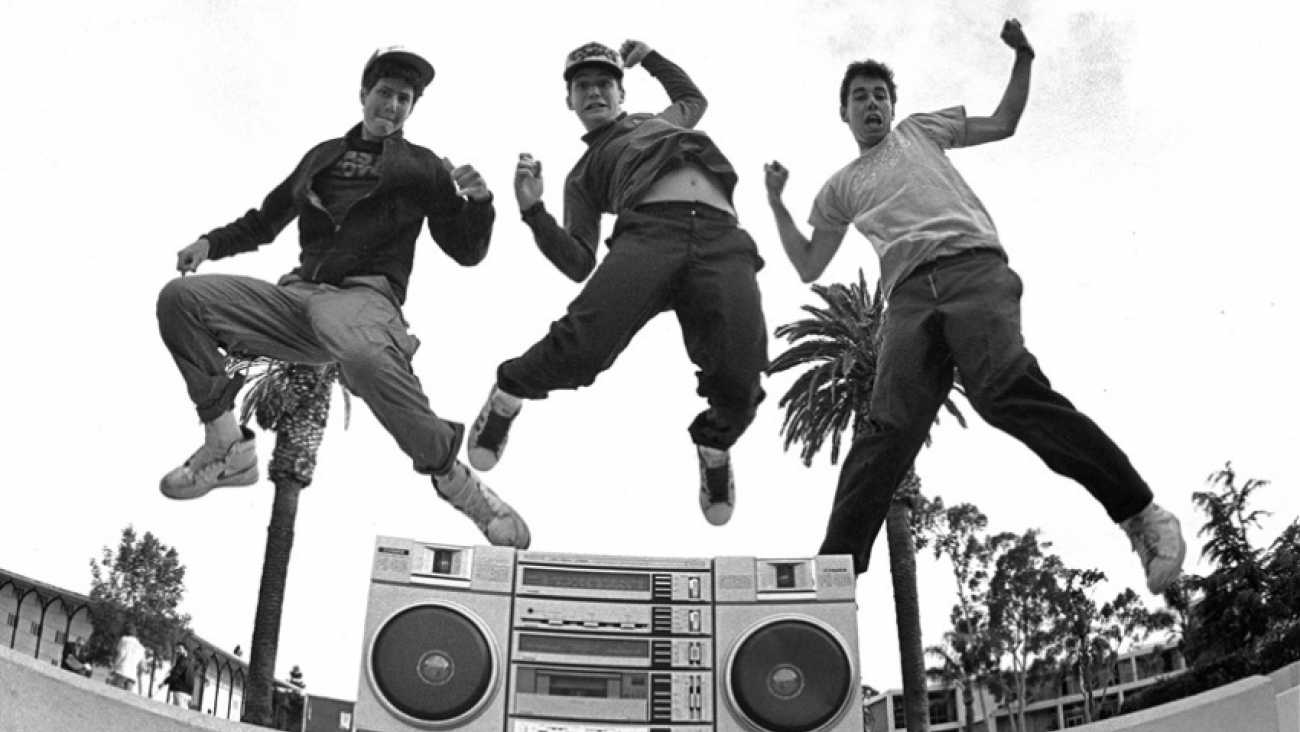
With trigger finger-happy Presidents here and itchy warhead owners there and a growing sense of right wing bully boy tactics over the UK’s stubborn and stupid stance on Europe, we could all do worse than listen to its message. And then jump over a ghetto blaster with giddy abandon, y’all.
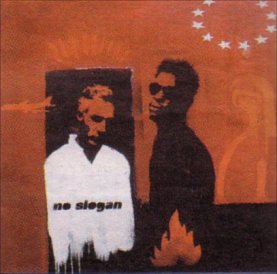
They’re not a ‘group’ in the traditional sense; there’s no lead singer, no egotistical frontperson, no focal point and certainly no lead guitarist, yet despite this, (because of this?) Massive Attack are one of our most important groups.
From Bristol, they’re a multicultural melting pot of accents, ideas and vision. Robert Del Naja, better known as 3D has his roots in Italy’s Naples. Grant ‘Daddy G’ Marshall is a Bristolian, born to West Indian parents. Andrew ‘Mushroom’ Vowles brought his talents as a soundsystem DJ. Tricky, known to his mum as Adrian Thaws, has his own parallel career as as a solo performer. Combine their backgrounds and musical tastes and you have a pigeonholer’s nightmare; they blend elements of hip hop, dub and soul, post-punk, ragga and cinematic score to ceate their own unique music.
Massive Attack – Sly
Sly in name and sly in nature, Sly was created from an uncredited Sly Stone sample (Africa Talks To You, on There’s A Riot Goin’ On). In keeping with Massive Attack’s multicultured and open policy approach to music-making, it features a magical vocal from Nicolette Suwoton, a Scottish-Nigerian living in London. Nicolette sings elsewhere on the Protection album, but, for me, this just shades her other efforts.
Often sample-led, though not in the obvious way, Massive Attack’s music tends to be low on BPM, high on wide open space and spoken word verses and wrapped in rich production. Some of the low-end bass sounds on their first couple of albums are astonishing. By the time of 3rd album Mezzanine, they were sampling Siouxsie Sioux and had added a creeeping sense of impending doom to some of their material. Stick some earphones in and go for a walk with Mezzanine playing. You’ll find yourself in your own movie. Try it with the Velvets and Wire-sampling Risingson (and see if you can spot the less-than-obvious samples)…
Massive Attack – Risingson
Always moving forwards, always seeking new ideas, the key to their success is in no small way due to their choice of vocal collaborators. With no lead singer, they’ve worked with a succession of inspirational vocalists. Soul belter Shara Nelson takes the lead on a few debut album tracks, most memorably on Unfinished Sympathy, their first biggy, the band’s signature tune and arguably their best track. Tracey Thorn adds down-at-the-mouth bedist disco queen vocals to Protection, the title track of their second album. Liz Fraser pops up in Teardrop, an astonishing record that eschews her usual Cocteau Twin’s gibberish for a straightforward native-tongued love song. Love, love is a verb, love is a doing word. I don’t know who wrote that lyric, but it’s perfect; poetic yet straightforward, straightforward yet poetic. For what it’s worth, I’ve read somewhere that it’s Madonna’s favourite record.
For what it’s also worth, here’s my (current) favourite Massive Attack tune. In the spirit of Plain Or Pan it’s a less-than-obvious choice. Euro Zero Zero found itself on the CD single of Teardrop. It’s a remix of Eurochild from the Protection LP and features each member of the group taking a verse each. Tricky nicks some of the lyrics from The Specials’ Blank Expression for his part. It’s terrific.
Massive Attack – Euro Zero Zero
‘Genre’ menas nothing to Massive Attack. If the voice fits, they use it. Look elsewhere throughgout their rich and varied discography and you’ll find the undisputed vocal talents of reggae legend Horace Andy, Elbow’s Guy Garvey, Mazzy Star’s Hope Sandoval, TV On The Radio’s Tunde Adebimpe, Sinead O’Connor, Damon Albarn…..it’s an endless list, really. They’ve also allowed their music to be remixed by Underworld, Paul Oakenfold, Primal Scream, Tim Simenon, Mad Professor, Brian Eno, U.N.K.L.E., Manic Street Preachers and Blur. An embarrassement of riches and a huge ‘fuck you’ to people like me who prefer their music neatly categorised. If your interest in Massive Attack waned after the second or third album, you’re missing out on a whole load of brilliant music. If you’ve kept up with Massive Attack, you will, as the saying goes ’round here, know that already.
This slideshow requires JavaScript.
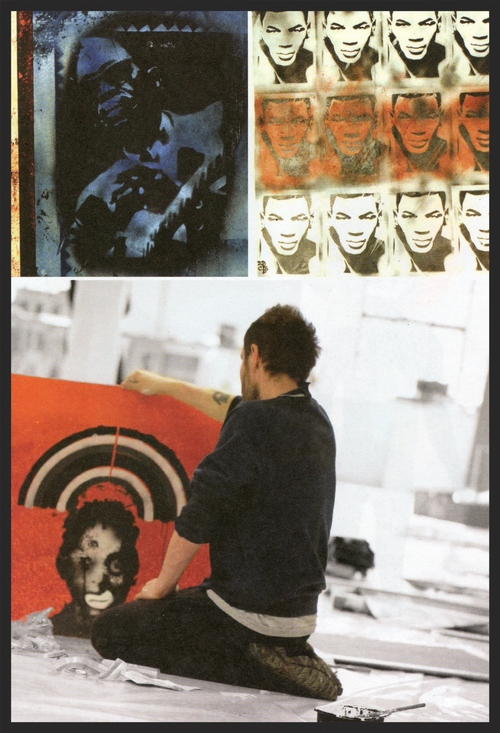
Is 3D really Banksy? There’s plenty of evidence to suggest he may well be. As well as being happy to show off his skills at producing very stylised stencilled art, there’s the theory that a new Banksy pops up wherever Massive Attack are on tour. Only 3D can answer that question. And I kinda hope he never does.
*Bonus Track!
Here‘s the evergreeen, forever-rolling Perfecto remix of the Billy Cobham-sampling Safe From Harm. It’s a cracker.
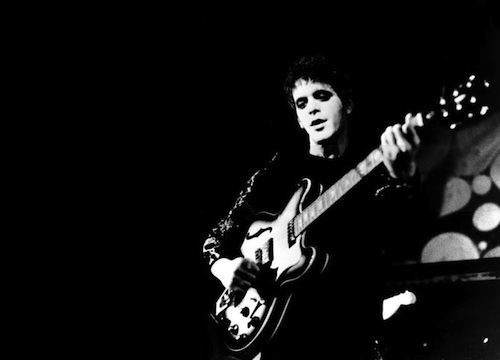
Walk On The Wild Side is perhaps Lou Reed‘s best-known song.
Lou Reed – Walk On The Wild Side
Its languid vocal and lazy shuffle conjurs up images of stifling summer New York heat; sticky tarmac on pavements (or should that be sidewalks?), teenage girls singing with carefree abandon on street corners, a loose-limbed groove that never outstays its welcome. Listen closely though and you’ll hear a tale of the New York underbelly, the New York that was off the beaten track yet a daily experience if you were part of the Warhol ‘Factory’ set; Hustlers hustling. Drugs and dealers. Pimps and prostitutes. Females who were shemales. This is girls who are boys who like boys to be girls long before it was a Britpop soundbite. Not for nothing was its parent album called ‘Transformer‘.
Here’s an early version, with very different lyrics and Lou pointing out the girls’ parts….
The released version is a radically re-written homage to the Factory set; the scenesters and teensters who orbited around Andy Warhol’s Manhattan Studio. There were actually 3 Factories, but that’s another story for another day.
Holly who shaved her legs was Holly Woodlawn, a transgender actress who ran away from home in Florida at the age of 15 and by the act of shaving her legs on the way literally changed from man to woman.
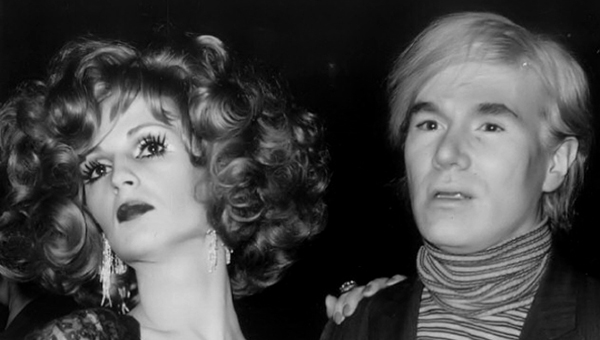
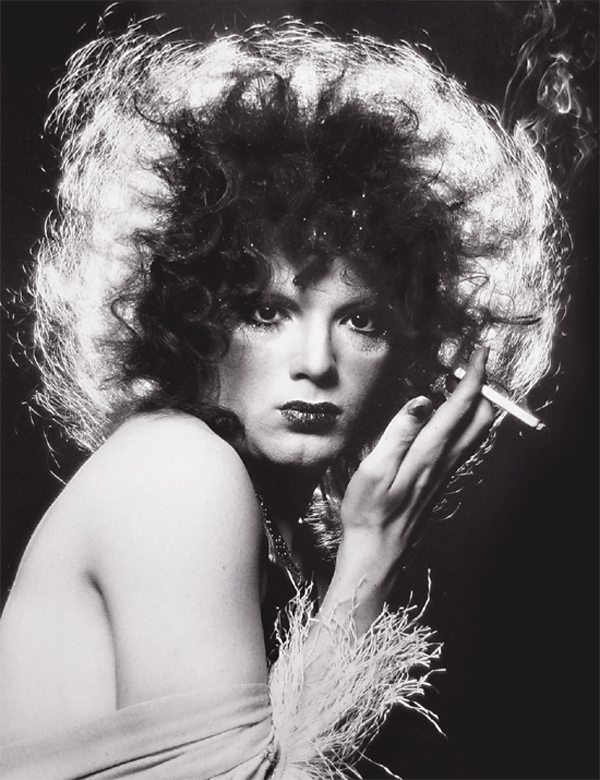
Candy was Candy Darling, also a transgender actress. The subject of the Velvets’ Candy Says, she grew up in Long Island – the island – and was known to perform favours in the back room of Max’s Kansas City, the hipper than hip venue/hangout that was central to the scene. That’s Candy (above) with Andy. It’s her face who’s on the cover of Sheila Take A Bow, The Smiths’ 14th single. But you knew that already.
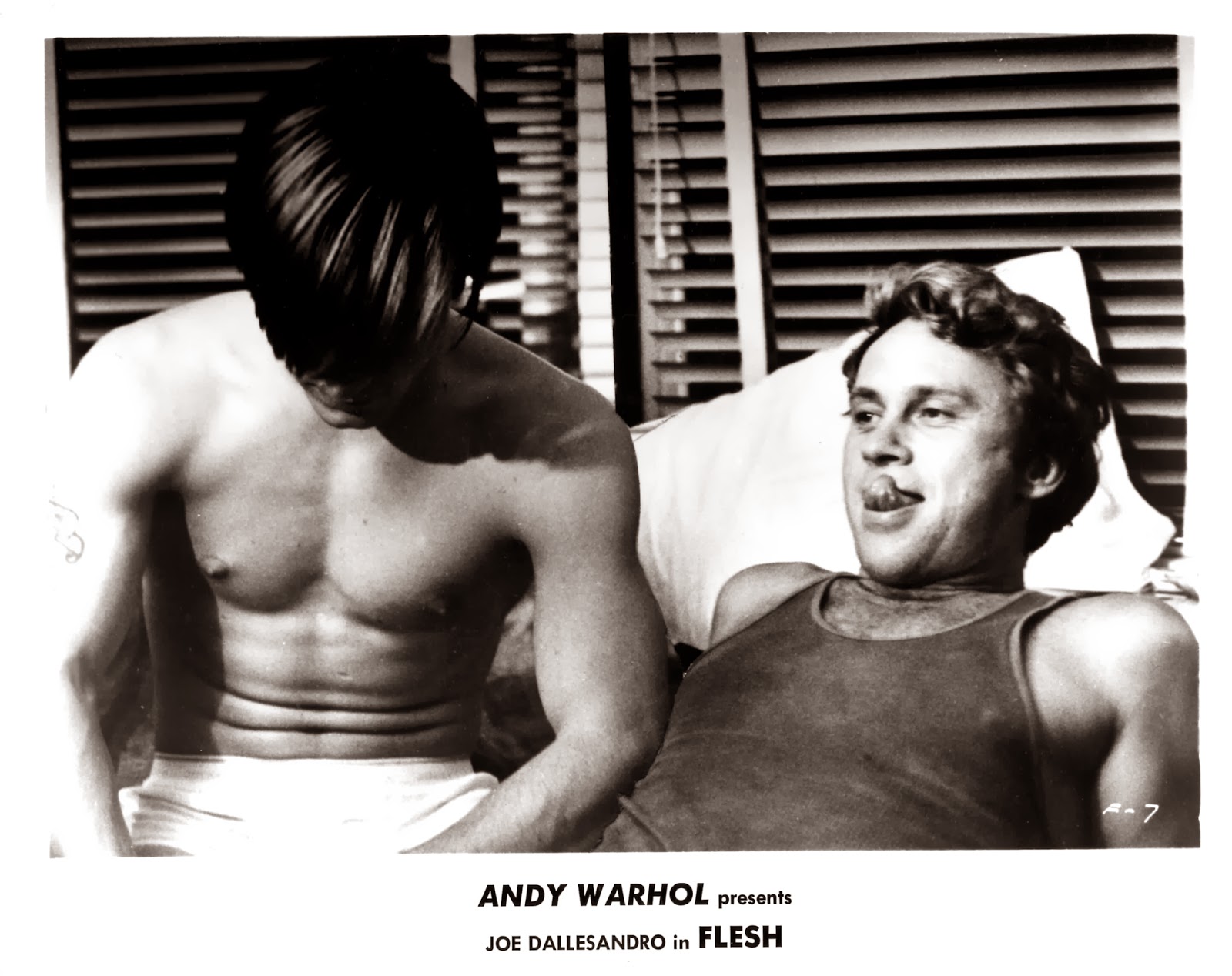
Little Joe was Joe Dallesandro, Warhol actor best known for his role in Flesh, where he played a teenage hustler. Coincidentally, that’s Joe on the cover of The Smiths’ debut album. But you knew that already too.
The Sugar Plum Fairy was another Flesh reference, this time to the name of a drug-dealing character in the film.
Jackie was Jackie Curtis. To say the least, an interesting person, she performed bizarre cabaret dressed sometimes as a woman and sometimes in drag. With overdone glitter, big lipstick, heavily kholed eyes, brightly dyed hair and ripped stockings, Jackie’s combination of trash and glamour was considered the catalyst for the glam rock movement. Certainly, she wouldn’t have looked out of place in the New York Dolls. At one time, Curtis was mooted to play James Dean in a biopic of Dean’s life. This never came to fruition, hence the thought she was James Dean for a day line. So now you know.
Perhaps not surprisingly, such a parade of characters and subject matter fell foul of the US censors. On the released single, they removed the references to the colored girls and giving head and the record peaked inside the Top 20. In the UK, the lyrics remained as Lou had intended and Walk On The Wild Side peaked at number 10. Make of that what you will.
Walk On The Wild Side was put together by Lou alongside co-producers David Bowie and Mick Ronson.
Walk On The Wild Side – hissy outtake with David Bowie on backing vocals
It’s said that Bowie plays guitar on WOTWS, although no credits exist to back this up. Considering at this point in time (August ’72) Bowie was spreading himself between Ziggy tours, Mott The Hoople handouts and Lou Reed production duties, given his propensity to eschew all form of food for music-related activity, it’s not unlikely to suggest he did play on it. It was quite an era for Bowie when you stop to think about it.
One person who definitely did play on WOTWS was seasoned sessioneer Herbie Flowers. Later to find fame in 70s instrumental prog/jazz group Sky, the fly Flowers played two bass lines on the song, thus ensuring himself twice the fee. He played that great defining slinky rubber band bassline and double tracked it with a more traditional Fender bass part, doubling his fee from the industry standard $17 to a more eye-watering $34. Quite how he must feel these days, now that the record is a radio standard and that his part is instantly recognisable, not to mention that the bassline was liberally sampled to form the hook on A Tribe Called Quest’s Can I Kick It? is anyone’s guess, but I bet he wishes he’d gambled on taking the royalties instead of the session fee.
The grand old Magnum Leisure Centre in Irvine is being pulled down as I type. Local politics and whatnot has seen the building fall gradually into disrepair, an eyesore too far gone for a quick cash injection and 60 minute makeover. They’ve opened a spanking new place in the town centre. It’s impressive ‘n all that, but like for like, it doesn’t come close to what the Magnum offered.
A fixture on Irvine beach since 1976, the Magnum played a formative part in most Irvinites’ growing up. Beyond Irvine, it was known as the place where you were bussed on a school trip; to swim, to skate, to watch the latest blockbuster in its plush 300-seater theatre. If you were that awkward age between being too old to stay in on a weekend night but too young for the pub, the Magnum was your saviour. There’s no-one I know who didn’t go there. Even oor ain Nicola Sturgeon mentioned it on her Desert Island Discs, recalling Frosty’s Ice Disco skating sessions with a misty-eyed fondness.
The Magnum had something for everyone. The Scottish Indoor Bowls championships were held there. Every pedigree dog in the country was shown there at some point. Girls and boys danced at regional shows. Gymnasts tumbled and twirled and twisted their way around the main hall. 80s fitness freaks squashed while the half-hearted badmintoned. All manner of variety shows were held there and crucially, all manner of big, proper, touring bands poured through the doors as quickly as they could be accomodated.
Irvine in the 1980s was a popular place for all your favourite bands to play; The Clash, The Jam, Big Country, Thin Lizzy, Chuck Berry, The Smiths, The Wonderstuff, Madness….. the list is endless, thanks in no small part to the efforts of Willie Freckleton, the local Entertainments Officer who offered up what was at the time the largest indoor concert hall in Europe to the promoters and band managers who deigned which towns were important enough to play. Willie offered the hall rent free, which proved to be the clinching factor most of the time. Amazingly, most of the bands would include Glasgow and Irvine as part of the same tour, something that, since the building of the Hydro on Glasgow’s Clydeside is now unthinkable.
The Smiths – Bigmouth Strikes Again (live at the Magnum, Sept 22nd 1985)
I believe this was the first time Bigmouth was played live.
This slideshow requires JavaScript.
There are a multitude of stories connected to the Magnum, from local folk who were so familiar with the warren of corridors and passageways in the changing areas that they could sneak from the ice disco into the UB40 gig without paying, or the young fans who found themselves receiving mohawks from Clash roadie Kosmo Vinyl after they’d played a terrific London Calling-era ‘Greatest Hits’ gig, not that The Clash ‘did’ greatest hits, but you know what I mean.
I remember the day The Jam came to town. Too young for the show (I didn’t even know it was on) I happened to be at the front of my house as scooter after scooter after scooter buzzed past on their way from Glasgow to the Magnum. A multitude of mirrors, parkas and girls riding pillion, it was just about the most impressive thing I’d seen at that point in my life, something only equalled when I saw The Clash in Irvine Mall on the day of their Magnum show. Four alien-looking guys in denim and leather and black shades, surrounded by a scrum of older folk I recognised from the years above at school. “It’s The Fucking Clash!!!” is what I remember hearing, even if I was unaware exactly who The Fucking Clash were at that point in my life.
Spandau Ballet, photo by Ross Mackenzie
Thrillingly, Ross has snapped loads of bands at the Magnum.
Sadly, this is all he could find!
Willie Feckleton once told me a great story about booking Chuck Berry, his idol and the musician he was most thrilled at having landed to play in Irvine. Chuck, a musical giant who was right there alongside Ike Turner at the birth of rock ‘n roll, a man who is responsible for fashioning the DNA of the rock guitar riff was, by all accounts a thoroughly unpleasant human being. In Irvine he wouldn’t play until he’d first been handed his fee (paid in American dollars, of course) in a brown paper bag in the dressing room before going on stage.
“The anonymous support band was also Chuck’s backing group and when Chuck eventually came on he played on about only six songs. He let the other guitarist take most of the solos, looked super-bored throughout and disappeared offstage fairly quickly.”
Coming off after the set Willie approached Chuck enthusiastically. “That was great Chuck! They love you out there! How about an encore?“
“Sure,” drawled Chuck with his hands out. “Fo’ anutha’ five hun’red dollas…“
There was no encore.
It’s stories like those above that live long after the artist has left town and the gig is nothing more than a pre-smartphone blur of exaggerations and half-truths. Did Morrissey really dance with Brian McCourt’s umbrella when The Smiths played? Did Phil Lynott really nip up to George the Barber at the Cross for a quick trim of the ‘fro, mid tour with Thin Lizzy? Who can be certain if they did or didn’t? For cultural and economical terms, it’s a real shame that Irvine no longer has a venue that can be used to entice the big acts of the day to come and play and create memories for our young (and not so young) folk.
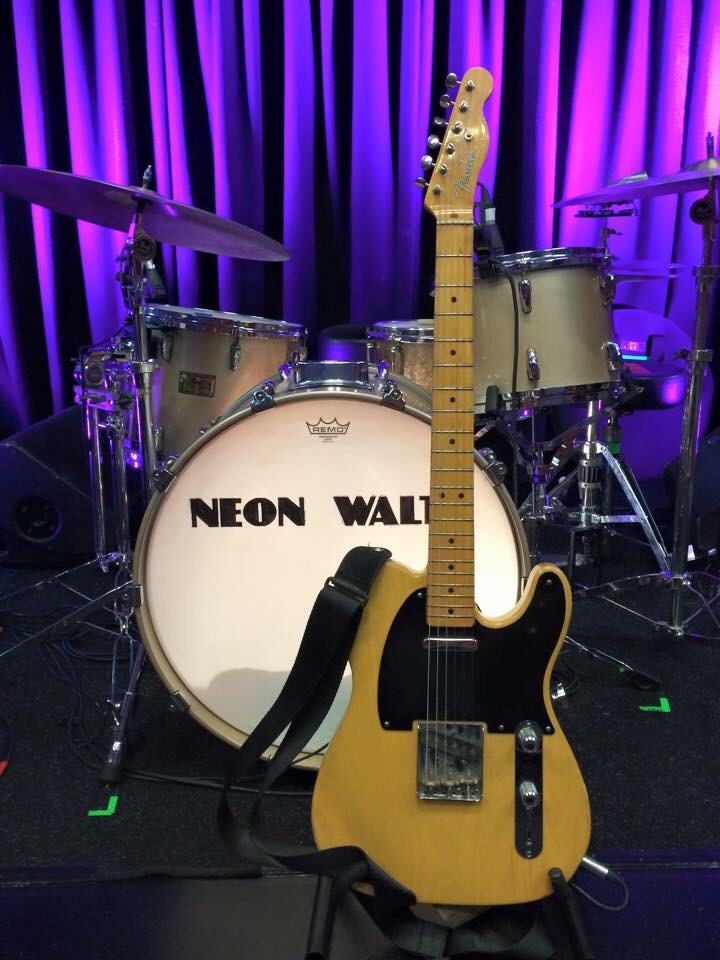
Hailing from Caithness, near John O’ Groats at the very top of Scotland, the furthest outreach on the British Isles, Neon Waltz are as far-removed from any ‘scene’ as possible. The six-piece are an insular unit; self-sufficient, self-reliant and self-absorbed.
The music they make is, if you’re of a certain age, nothing you haven’t heard before, but no less thrilling. In songs such as Dreamers and Heavy Heartless they have that unique way of creating an uplifting melancholy; world-weary vocals carried along by chiming, fizzing guitars and a heavy swell of Hammond organ. You might find comparisons with The Coral, The Charlatans or Teardrop Explodes, bands who know how to brew a heady swirl of guitar and organ that’ll lift you to giddy new heights. Lazy folk might label them ‘indie’. I prefer to call them slightlydelic.
Neon Waltz – Heavy Heartless
As befits a band that is so far off the taste radar of hip opinion as to be almost non-existent, they have the freedom to come and go as they please. Regular zig-zagging across the highways and biways of the UK combined with a hermit-like lifestyle in their rehearsal space in an abandoned croft – Music From Big McPink, if y’like, has helped the band forge a sound that led them to Atlantic Records and a deal with Ignition. And a month from now, two years since first being signed, their debut album will be released. It won’t come with much of a fanfare or blustery media hype, but it will come with the guarantee of a melody-rich debut, a record that may well prove to be the year zero for future bands. You can quote me on that when the time comes.
A recent photo session on the Isle of Stroma, halfway between the very north of Scotland and the southerly tip of the Orkneys proved fruitful. Shooting the photos that will presumably appear on all promotional material for the imminent album release, the band chanced upon the long-since abandoned school house. Amazed to find it was accessible, they entered and found an old harmonium, lying dusty, untouched and exactly as it had been left when last used. More amazingly, keyboard player Liam Whittles was able to extract noise from it; eerie, ghost-like and gossamer thin, the old harmonium wheezed into life. A spontaneous version of Penguin Cafe Orchestra’s ‘Music For A Found Harmonium’ was followed by this beautiful reworking of their own Heavy Heartless. It’s magic; understated, creaky and exactly how a harmonium-enhanced band should sound.
Neon Waltz – Heavy Heartless (Stroma Schoolhouse Session)
Neon Waltz go on tour shortly. Their debut album, ‘Strange Hymns‘ is out at the end of July on Ignition Records. It can be ordered direct from the band here and in all the usual places.
Dance, dance, dance, dance, dance to the Radio(head).
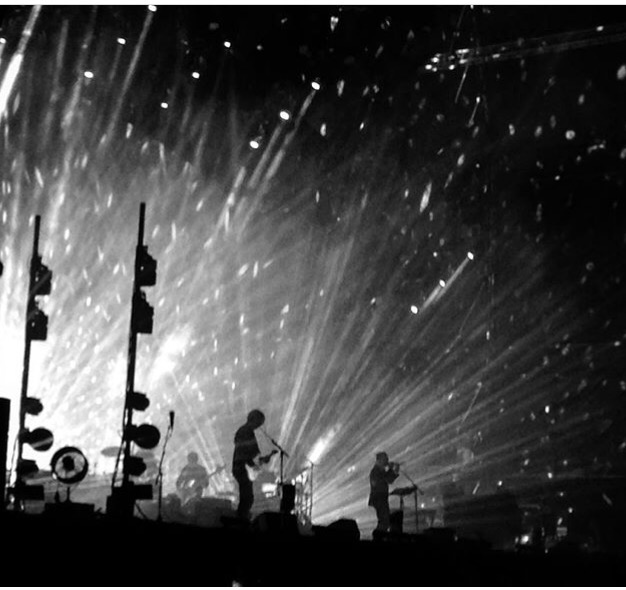
I saw Radiohead for only the 4th time in 24 years on Friday night. Hardly the most regular of touring bands, it was either stand in a field at day 1 of Scotland’s newest festival, TRNSMT, and wait patiently for the only band worth shelling out £60 for, or watch edited highlights on the telly later that night and mutter silently to myself that I should’ve been there. After failing to secure a coveted press pass – lack of credentials, they said – I shelled out the £60 and went. Which was the correct decision, of course.
Their Glastonbury set a couple of weeks previously fairly split my Facebook feed in half. For every friend purring over their set, there were others spitting venom.”They’re tuneless!” “They don’t play the old stuff!” “They’re just like (spit) this generation’s Pink Floyd!“, shouted as if Pink Floyd were/are the anti-christ or something. The reason John Lydon wore an ‘I Hate Pink Floyd’ t-shirt in 1976 was clear – the progressive, noodling dinosaurs were required to be extinct in order for the new musical youth to crash the party and shake things up somewhat. It’s worth reflecting on the fact that Pink Floyd were barely 10 years into a 40+ year career when Johnny first sported his shirt. And it’s worth noting that until today’s musical youth get their arse in gear and produce a musical movement worthy of shaking up the current regime, your super soaraway Radiohead is as good as it gets.
There are a number of unspoken rules when it comes to headlining a festival. A headliner should play to the crowd. Feature a generous helping of all the big hits. Engage with the audience. Maybe pull a nice-looking girl out of the crowd and dance with her. Radiohead find themselves in the enviable position of being able to do whatever they like and still remain numero uno. They are a walking, talking example of that well worn band cliche of we play what we like and if anyone else likes it, it’s a bonus. Lucky for Radiohead, hundreds and thousands and millions of folk love ’em. So they take the festival rule book and bin it. They don’t have big hits to begin with. Crowd-favourites, aye, but no real hits. And don’t for one minute think you’ll be pulled from the crowd and serenaded with Creep. Second-on-the-bill Belle & Sebastian did the honours for them when they pulled half the front row out to dance on-stage during their finale, waved off by a cheery Stuart Murdoch saying, “Thanks for coming up and dancing. You do realise you’ve lost your spot for Radiohead though?!?”
And as for audience engagement, Thom is certainly not going to say much to a crowd who, for all their love of the band, are shoving Palestinian flags in his face wherever he looks. Glasgow and Scotland, currently the oppressed by the UK Government’s policies on Europe, know a political cause when they see one and they aren’t too taken by Yorke’s stance with the Israeli oppressors. Politics aside though, this was a fantastic show.
Bursts of discordant, eerie music punctuated the air for the half hour or so before Radiohead took the stage. Had one of the band left their Polyfauna app running on random through the PA? It sounded like it. When the band arrive, there’s no fanfare. They stroll on, plug in and begin with the sublime double whammy of Let Down and Lucky. Where Let Down soars, Lucky actually sounds like the slow-motion plane crash that’s sung about in the lyrics. It’s a brilliant opener and when, for the first time tonight a posse of black-clad roadies wheel on a console of the sort the BBC Radiophonic Workshop might’ve worked up some futuristic soundcscapes on, expectations are high for something special. Ful Stop careers into action, all wobbling, juddering, claustrophobic paranoia. “This is a foul-tasting medicine,” mutters Yorke and not for the last time tonight, whole sections of the crowd are looking a wee bit lost. These’ll be the same people who were moaning about the ‘hit-free’ Glastonbury set. It’s fantastic of course.
Modern Radiohead swap instruments and whole genres as effortlessly as a magician pulling rabbits out of a hat. Ed’s additional vocals and subtle percussive touches keep the music sounding as real as the recorded versions. Johnny – we’re right in front of him and witness up close his skills on a whole array of instruments – is the one who adds splashes of exotic colour to the sound. He goes for the full Spinal Tapisms of bowing the strings on his guitar during Pyramid Song before switching to a string-based contraption played on the keyboard for the song’s coda. Elsewhere, he wrings seven shades of hell from his trusty Telecaster; white noise, chiming, echoing triplets, thunderous power chords, piercing guitar solos, often all in the same song. He’s all jaggy elbows and fringe, but go Johnny go! He’s terrific.
It’s the rhythm section though that is most impressive. Colin wrestles with his bass guitar for a full two and a half hours, noodling the sort of meandering riffs Holger Czukay might’ve employed during his time with Can. For most of the set an addditional drummer skitters along, perfectly complementing Phil’s polyrhythms. At one point, Johnny joins in for some additional percussion that drives the whole thing along towards jazz. Half the audience are thinking ‘pure Mingus’. The other half, the ones that are moving to the sides (“We’ll come back when they play ‘Creep'” I hear one man say to his partner. I hate to be the bearer of bad news, but…) are thinking ‘pure mingin”. Lotus Flower sounds immense. Thom’s got out his 3 maracas and is shaking them like the anti-Bez – if Bez was all boggle-eyed and limbs akimbo, Thom is a gammy-eyed, hunched up Albert Steptoe in a man-bun – and despite its weird time signature and stop/start clatter, the heads in the audience are bobbing up and down in time to the beat. Everything In It’s Right Place is all cut ‘n paste techno, Johnny sampling Thom’s voice and chopping it up before looping it to eternity via some fancy pants handheld gizmo, the sound skiffling across and out into the ether like some particuarly skilled flat stone skimmer on a west of Scotland beach.
When the guitars come out, the Radiohead juggernaut flies. There There, a brutal 2+2=5, a groovy Bodysnatchers, all examples of why Radiohead are like no other act on the planet. The second half of the set starts with Daydreaming, the set lit up in silvery-white lights. It’s plain and simply breathtaking. Paranoid Android is ridiculously self-indulgent and insular, yet hard rockin’. Not in a Biffy, tops off ‘n tattooes way. Radiohead rock way harder than that particular version of turned up to 11 pop music. They also do subtle. Fake Plastic Trees is understated and fragile before bursting into white noise with the ‘she looks like a ray of sun‘ bit. No Surprises receives a massive cheer right after the ‘Bring down the Government, they don’t speak for us‘ line. And, while we don’t get Creep, we do get a slightly slowed-down Bends, massive power chords ebbing out across the crowd and into the Glasgow night sky. We’re left with Karma Police, Thom and Ed staying back after the rest of the band has gone to conduct the crowd in an acapella rendition of the song’s climax. For a minute there, or two and a half hours to be precise, we lost oursleves.
Debating the setlist in the car on the way home, you could write another 20+ song set of the tracks Radiohead didn’t play. But that’s nit picking. Here’s what they did play:
1) Let Down
2) Lucky
3) Ful Stop
4) 15 Step
5) Myxomatosis
6) There, There
7) All I Need
8) Pyramid Song
9) Everything In Its Right Place
10) Reckoner
11) Bloom
12) Identikit
13) Weird Fishes
14) Idioteque
15) The Numbers
16) Bodysnatchers
17) 2 + 2 = 5
[ENCORE 1] 18) Daydreaming
19) No Surprises
20) Lotus Flower
21) Paranoid Android
22) Fake Plastic Trees
[ENCORE 2]
23) Nude
24) The Bends
25) Karma Police
*A phone catastrophe on Friday night meant I lost not only all my contacts, but also the dozen or so Radiohead pictures I’d taken for inclusion here. The images I’ve used are all borrowed from Twitter, Instagram and various news sources. If you’d prefer me not to use your image please get in touch and I’ll remove it. Also, if you would like a photo credit please get in touch and I’ll amend. Cheers.












 Plain Or Pan