Hard-to-find, Live!, New! Now!

Hart To Heart

It must be a generational thing, but I was surprised and just a touch disappointed at the young folk at the BBC on Wednesday night who upped and left as soon as the last languid notes of Frightened Rabbit‘s world-weary bedroom anthems had faded from the Roddy Hart-fronted Quay Sessions. Two bands with a devoted following and an impressive back catalogue, bundled together on the one radio/TV show was always going to be a good thing, and the scramble for tickets was always going to out-strip demand. I applied (“I applied!“) through the correct channels with no success, but having the right kind of friends helped me gain access to the show. The slut that I am.

They’re a good band, Frightened Rabbit, and in stripped back form – two guitar-playing pianists (or is that two piano-playing guitarists?) backed by a string quartet – they sound very good, on this occassion arguably better than the Trashcan Sinatras, the evening’s other band. A big glass room doesn’t really react well to a full band sonic assault, so sound-wise the Frabbits probably shaded things. But song-wise, there’s just no contest. It’s a shame more of the young folk in their skinny jeans and pointy boots and fuzzy faces didn’t hang about to find out.

Just like the titular Mrs H, the Trashcans make goy-jus music. Witty, literate, chiming pockets of gold wrapped in melancholy, resigned to runner-up status, forever out of step with musical fads and fashions, but stubbornly ploughing a path worth travelling. How did bands like Elbow achieve arena-type success while the Trashcans flapped and floundered around the grimier venues of the world? It’s jist no’ fair, as they say. To quote the esteemed Pete Paphides on Twitter this week – “It continues to mystify me that a band that’s made such magnificent music for so long has eluded any sort of national treasure status.” Wow. The folk that know know. I just wish more folk knew.
img_8715

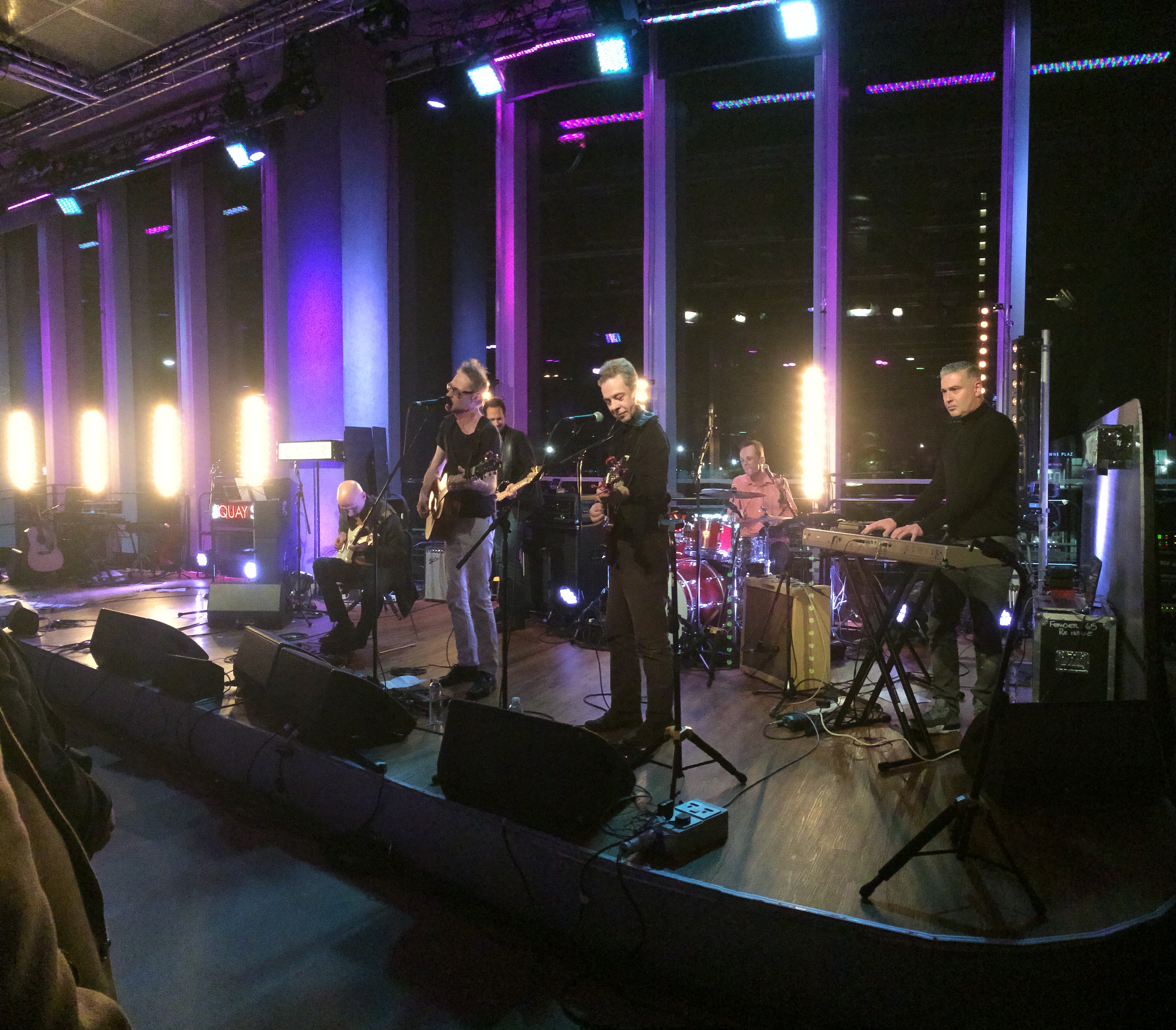
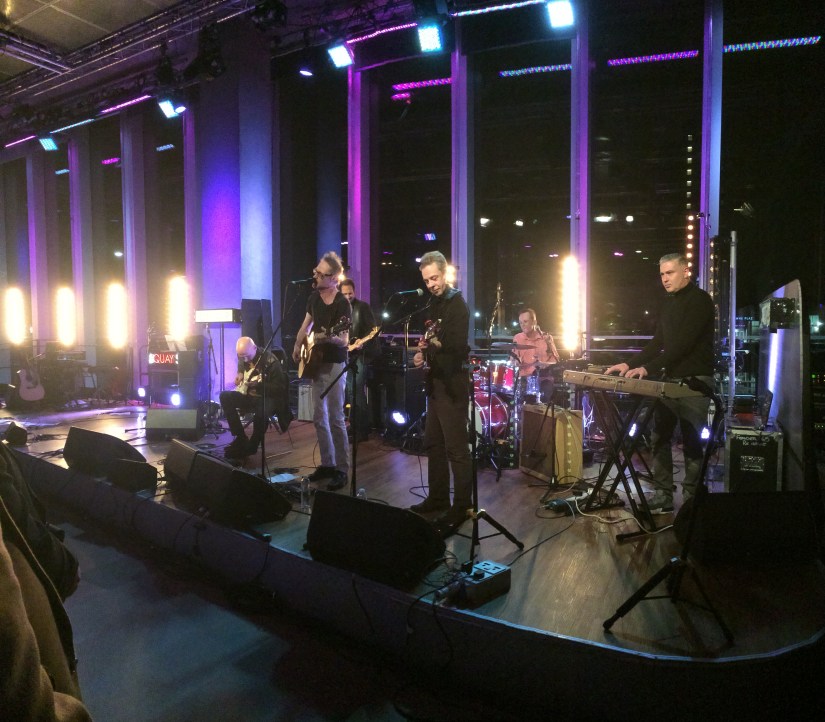
At the Quay Sessions, BBC Scotland’s bite-sized take on Later…with Jools Holland, the bands play in the foyer of BBC Scotland’s Glasgow studios. The window behind features the very best of Glasgow’s skyline; the stick-thin University steeple peeking out from behind the old Clydeside cranes, the Hydro, lit up tonight in greens and purples, the blue-tinted squinty bridge. It’s fantastic, and makes for an impressive backdrop.

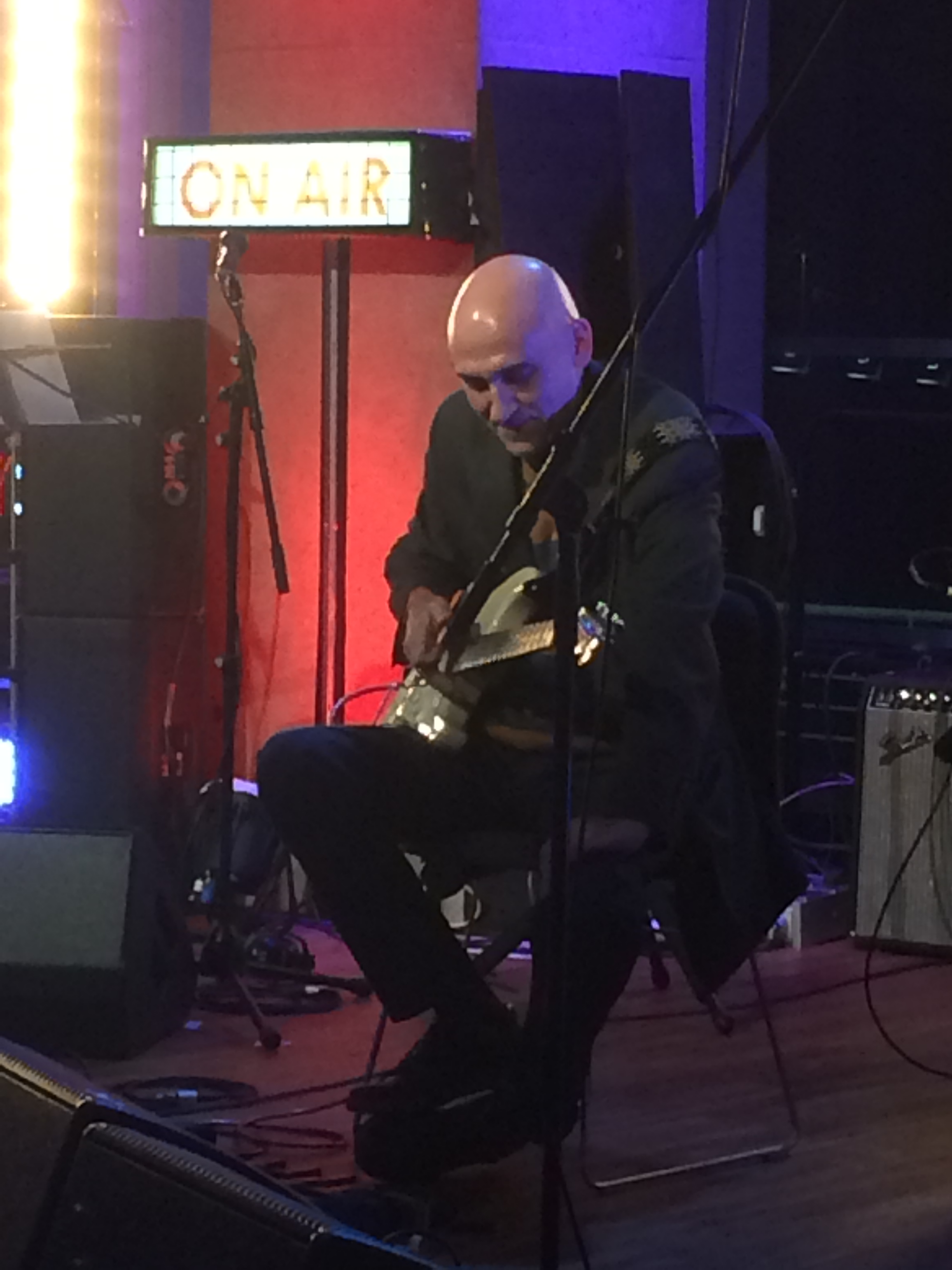
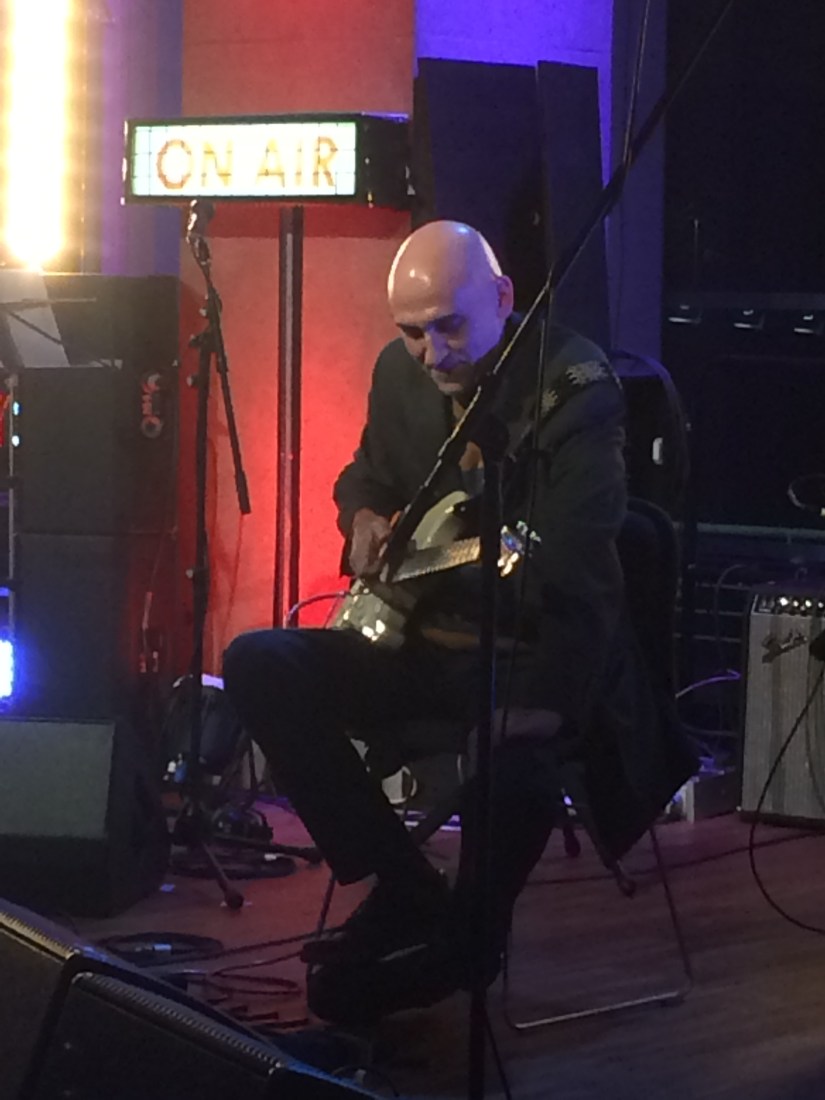
By the time we (we being Mrs POP and myself) have negotiated the queue, we’re offered restricted viewing seats or standing. We wisely choose standing, although I get my knickers in a twist when I realise there are two stages and we’re clearly being sheperded into the right-hand side one, far away from the other side. “I bet this is the Frightened Rabbit stage,” I say, until I scan the stage like some sort of indie Columbo for any clues as to the band who’ll appear there. I spot Paul’s trusty old Tokai Strat and I can relax.
img_8719

The show is recorded ‘live’ for broadcast the next night, but it’s clear from the off that the slickest thing about it is Roddy Hart’s hair. He introduces and re-introduces both bands, we whoop, holler and cheer half a dozen times, he records then re-records the links to be filled between the bands, he stumbles and fluffs his own script….and it’s all done in front of an audience. He’s a good sport, is Roddy.

As for the Trashcans, they were terrific, of course. I had fully expected them to play 3 or 4 songs at most, and all from their latest Wild Pendulum LP, but no! We got a full 50 minute set made up of half a dozen new songs and a whole load of ‘greatest hits’. Beginning with a trio of crackers – Best Days On Earth, Ain’t That Something (lyrics smartly changed to ‘At the Ga-las-gow Theatre!‘) and All The Dark Horses, which as those who know know is just about the best song ever written, the band stopped for a wee chat with Roddy, filling us in on the benefits of crowd funding, writing and recording the new album and what they’ve been doing in the 7 years since they last graced these shores.

img_8718

Hayfever (watch it on the telly and you’ll see the missus and I gurning daftly at the camera after it clatters to a close) kicks off part 2 of the show in fine form. By now the band are in full flow and the hits and future hits keep a-comin’ – Got Carried Away, I’ve Seen Everything, All Night (with additional brass from the real frightened rabbits of the night – 2 self-consciously awkward trumpet players frozen at the sight of the TV cameras, poor lads) and a light and airy Weightlifting to finish.

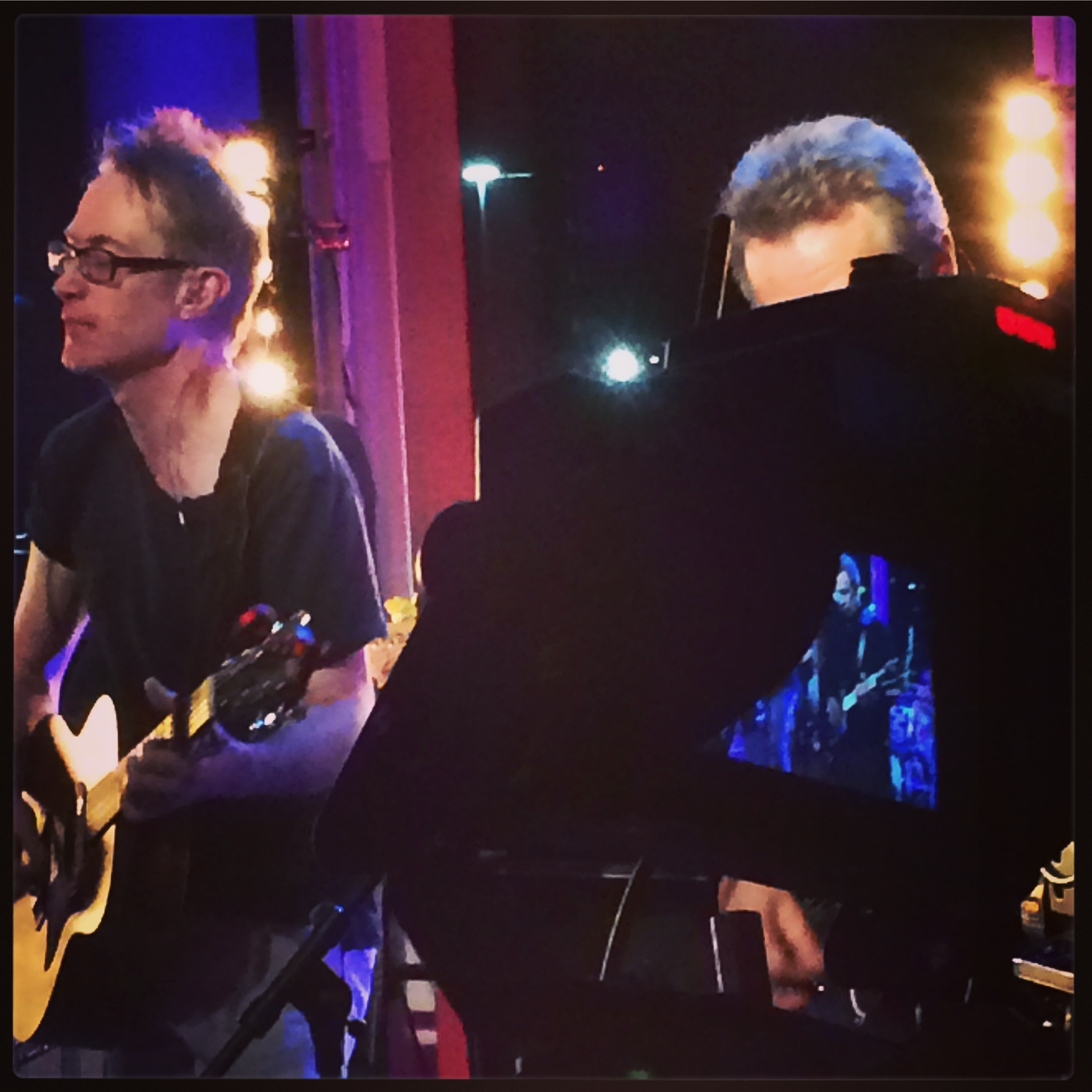
Although we’re right at the front, we are often faced with the BBC camerman’s backside as he swoops up and down and zooms into the photogenic Franks (Reader and Keanu Reeves-lookalike bass player Divanna). We are encouraged by Roddy at the start to video, picture, Tweet and Facebook the show, so at times I find myself watching the gig not only through the screen on my phone but also through the screen on the camerman’s monitor. Watching a gig through a screen through a screen? How very post-modern!
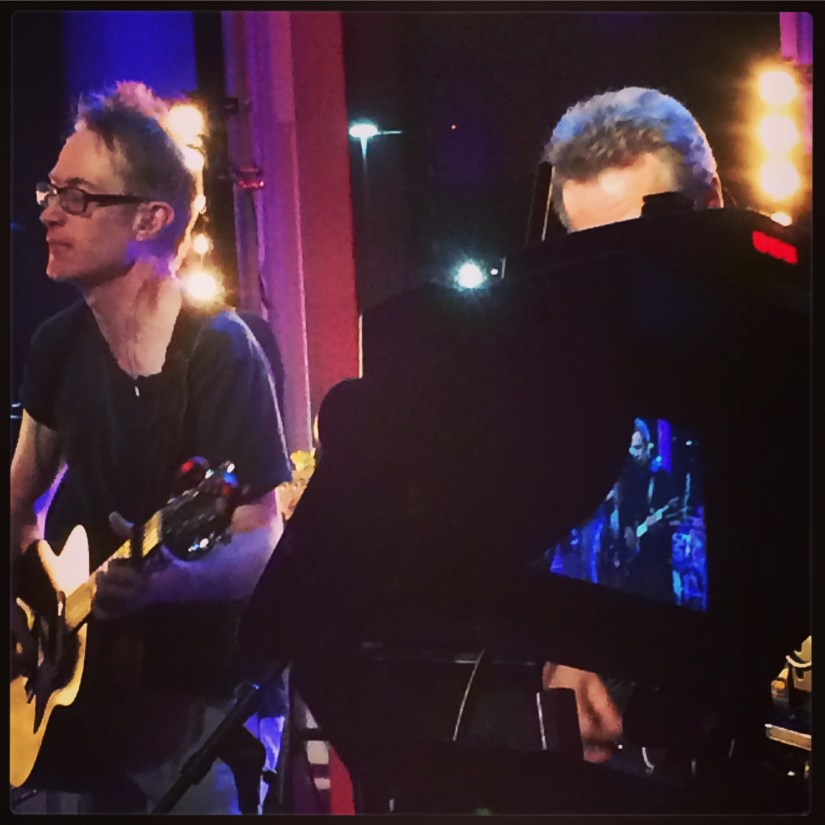
img_8725

As is often the case when they’re in town, the Trashcans are joined by John’s wife, Frank’s sister Eddi. Usually they’d duet on the scrubbed acoustic fug of Send For Henny (from 1993’s I’ve Seen Everything album), but tonight she takes the female lead on What’s Inside The Box, one of Wild Pendulum’s stand-out tracks. It’s a taster for what’s to come at Oran Mor the next night, where they kick off their short 3 date tour.

img_8722

It was a privilege to be in the BBC audience. Despite the gaps in recording and touring, the Trashcans are by far the band I’ve seen more than any other and since the end of the 80s I’ve seen them in all manner of venues and situations but never in this kind of environment. The next night at Oran Mor was more straightforward, but no less thrilling.

A rammed venue and a crowd who knows every song and greets the oldies with Hampden-sized cheers makes for a good gig. The band didn’t disappoint, playing with a ferocity and passion not seen in years. Iffy sound problems marred the first couple of songs but once they sorted themselves out, the show really started to fly. Broadcaster and local Mr Music, Billy Sloan, a long-time champion of the band was ecstatic in his praise afterwards, saying it was the best he’d ever seen them, and while I suspect he probably says this after every time he’s seen them, he might’ve been right.

The setlist was perfect; the correct ratio of old:new and fast:slow. A quick chat with the band later on revealed the difficulties in producing such a setlist. I could write you a brilliant 20-song set lof material the Trashcans didn’t play, but there’s the rub. So many songs, so little time. If you’re off to Dublin today (12th) or London on Monday, you’re in for a great night out.
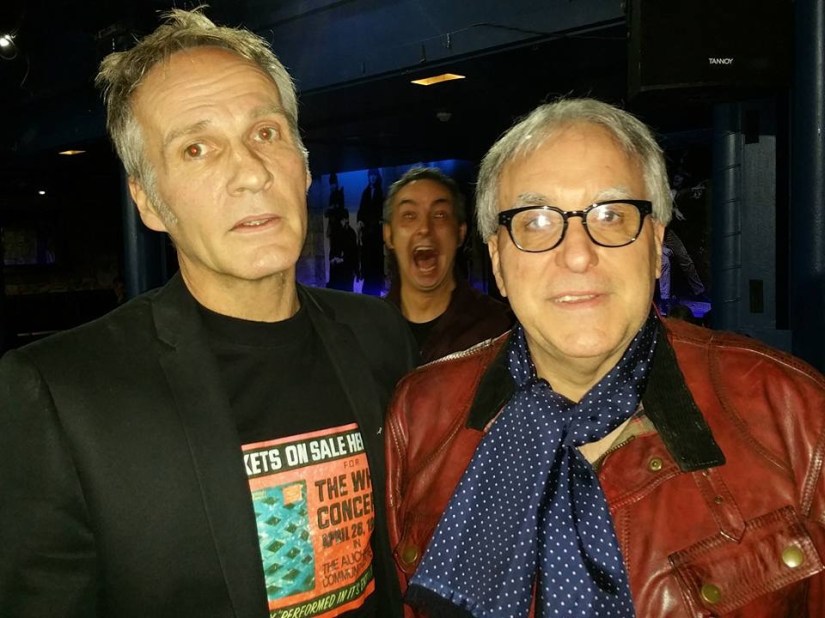
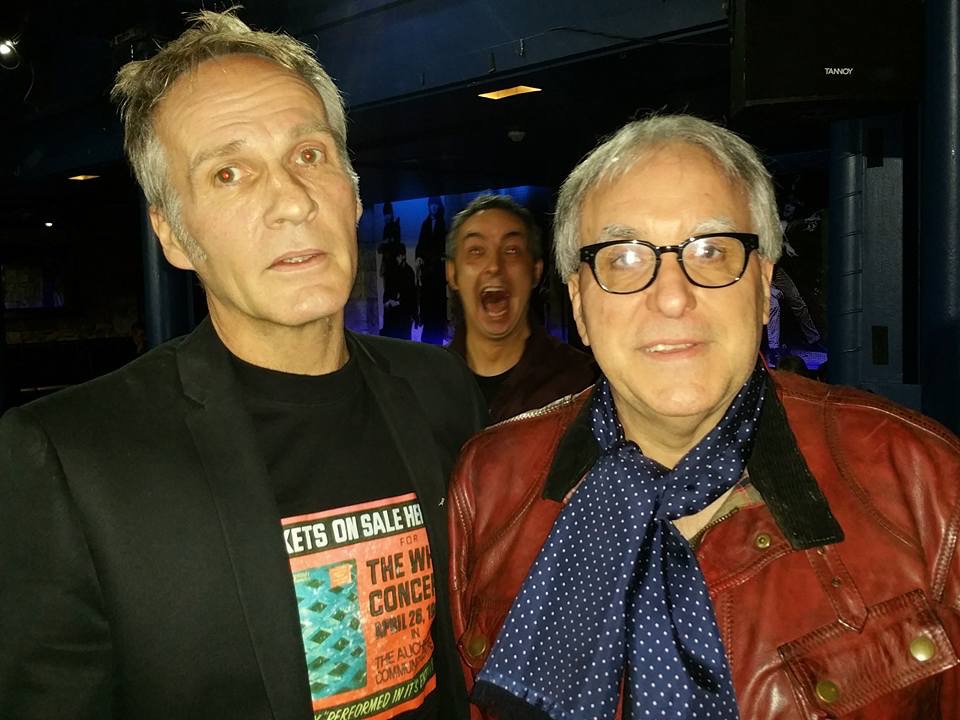
img_8726Big Iainy, TCS’ very own Kosmo Vinyl with Billy Sloan and some random photobomber


Hard-to-find

Hair Today, Gone Tomorrow

C’mon America!

Dump Trump.

Flush him down the toilet like the big wobbly blob of right wing crud that he is.

trump

Here’s Flip Your Wig by Husker Du. Cheap Trump gag, I know.

Husker DuFlip Your Wig

trump-clinton

And here’s Hilary (only one ‘L’ compared to Clinton’s double) from The Fall‘s excellent (last great?) LP, Extricate.

The FallHilary

hillary

Busy week this week, with 2 midweek trips to Glasgow to see those hermits of melodic indie pop Trashcan Sinatras, tomorrow at the BBC Quay Sessions (it’s nice to have friends in high places, tickets being scarcer than a Trashcans’ hit single) and then Thursday night at Oran Mor, which will involve a mad sprint to the West End following parents’ night at work. It’ll be touch and go whether or not we make it on time, even though those self-same friends have promised me a chord won’t be struck until I’m in the building. With the added bonus of sudden and unexpected heavy snow tonight, this could make Oran Mor a far later night than many would like.


Until then, don’t let us down, American friends.


(Back to the normal, rambling, in-depth, musically-focused stuff next week.)


Cover Versions, Hard-to-find

Chasin’ Donovan

Danavan! Danavan! Who is this Danavan?!?”

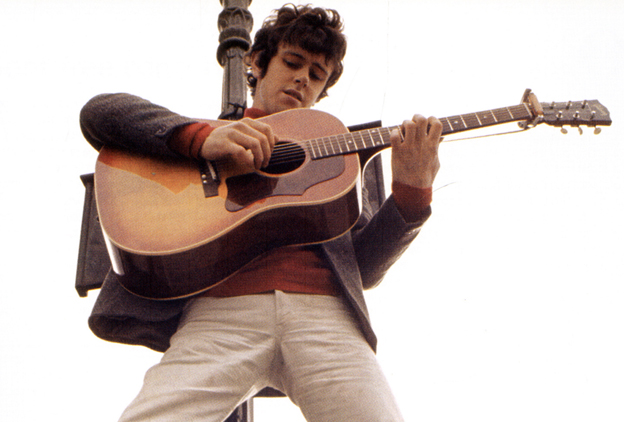
Bob Dylan, in 1965’s ‘Don’t Look Back‘ is met by the name of Donovan everywhere he goes – “He’s the new you!” everyone tells him, and with Donovan dressed head to toe in scuffed suede and cord and occassionally sporting a jaunty Lennon cap atop his outgrown Beatlesish mop while singing songs of multiple verse, they have a point. When an unconvinced but curious Bob, surrounded by a stellar gang of hangers-on hanging on to his every word and savage put down finally crosses paths with Donovan in a hotel room and asks him to play one of his songs, he sneers that it sounds a bit like ‘Mr Tambourine Man’. Ouch! Bob complaining about plagiarism is a bit like a petty thief complaining about being pick-pocketed.

donovan

Donovan, if you didn’t already know, is the Forrest Gump of 60’s popular music. His CV makes him out to be just about the most influential musician who ever walked the planet, blazing a trail of originality while pointing the major players of the day in the right direction before receiving musical favours of thanks somewhere down the line. ‘They couldn’t do without me’ might well be Donovan’s epitaph. ‘They can thank me later‘. He has an incredibly big shout for himself.

Just as Forrest was the inspiration for the Elvis pelvis hip-shake, just as Forrest witnessed first-hand the front line in Vietnam, just as Forrest shook hands with JFK and influenced the cultural climate of the times, Donovan was responsible, amongst other things, for (deep breath….) gifting the ‘sky of blue and sea of green‘ line in ‘Yellow Submarine‘ to Paul McCartney, turning John Lennon on to a new style of fingerpicking, from which came Dear Prudence, Happiness Is A Warm Gun and a handful of others, holding George Harrison’s hand on his first tentative steps on the sitar and aligning the stars that would lead to Led Zeppelin’s formation. Without Donovan, none of that would’ve happened, y’know. He was the first musician to release a ‘psychedelic’ record (‘Sunshine Superman’), the first musician to be on the receiving end of a drugs bust and the first musician to realise the value of talking yourself up. Hang on to your ego, as one of the era’s true geniuses once said.

donovan-2

When music started getting heavier, Donovan was there at the front, claiming a leading role. As Cream, The Yardbirds and the Jimi Hendrix Experience kicked in the jams, he recruited half of the future Led Zeppelin (Page and Jones) along with experienced sessioneer Clem Cattini on drums and cut the folk/psych epoch-defining Hurdy Gurdy Man.

DonovanHurdy Gurdy Man

It’s an astonishing record. Taking it’s cue from The Small Faces ‘Green Circles’, it’s a riot of descending basslines, wobbly vocals and strung out, wigged-out electric guitars. In true understated Donovan fashion, he claimed that a) he wrote it for Jimi Hendrix and when Jimi didn’t want it, Donovan asked him to play on his version instead but b) once producer Mickie Most had heard the version Donovan had cut, told Donovan to keep it as it was and release it for himself. Not only that, but c) the last verse written by George Harrison (payback for those sitar lessons, no doubt) was dropped in favour of the uncredited Jimmy Page’s fantastic divebombing solo to keep the record under the crucial 3 minute mark. With the record’s success, claims the humble Don, Led Zeppelin were born.

This slideshow requires JavaScript.

Quite the magnet for talent, was our Donovan. In his 60’s heyday, he hung about/latched onto Brian Jones, The Beatles, Jimi Hendrix, Dylan and anyone who might appear cutting edge. What’s not so well-known is that a few short years later, he’d be in the front row at the Lesser Free Trade Hall offering fashion tips as The Sex Pistols broke year zero, he’d be the first to don a bandana and a yellow smiley and drop one (geezer) to Altern 8 (who’s ‘Evapor 8’ he ghost-wrote) and give The Stone Roses the idea to sample a James Brown drum loop before playing, uncredited (strangely, for him) the distinctive wockawockawocka lead guitar part on ‘Fool’s Gold‘.

Danavan! Danavan! Who is this Danavan?!?” The most influential man who ever walked on Planet Pop, obviously.

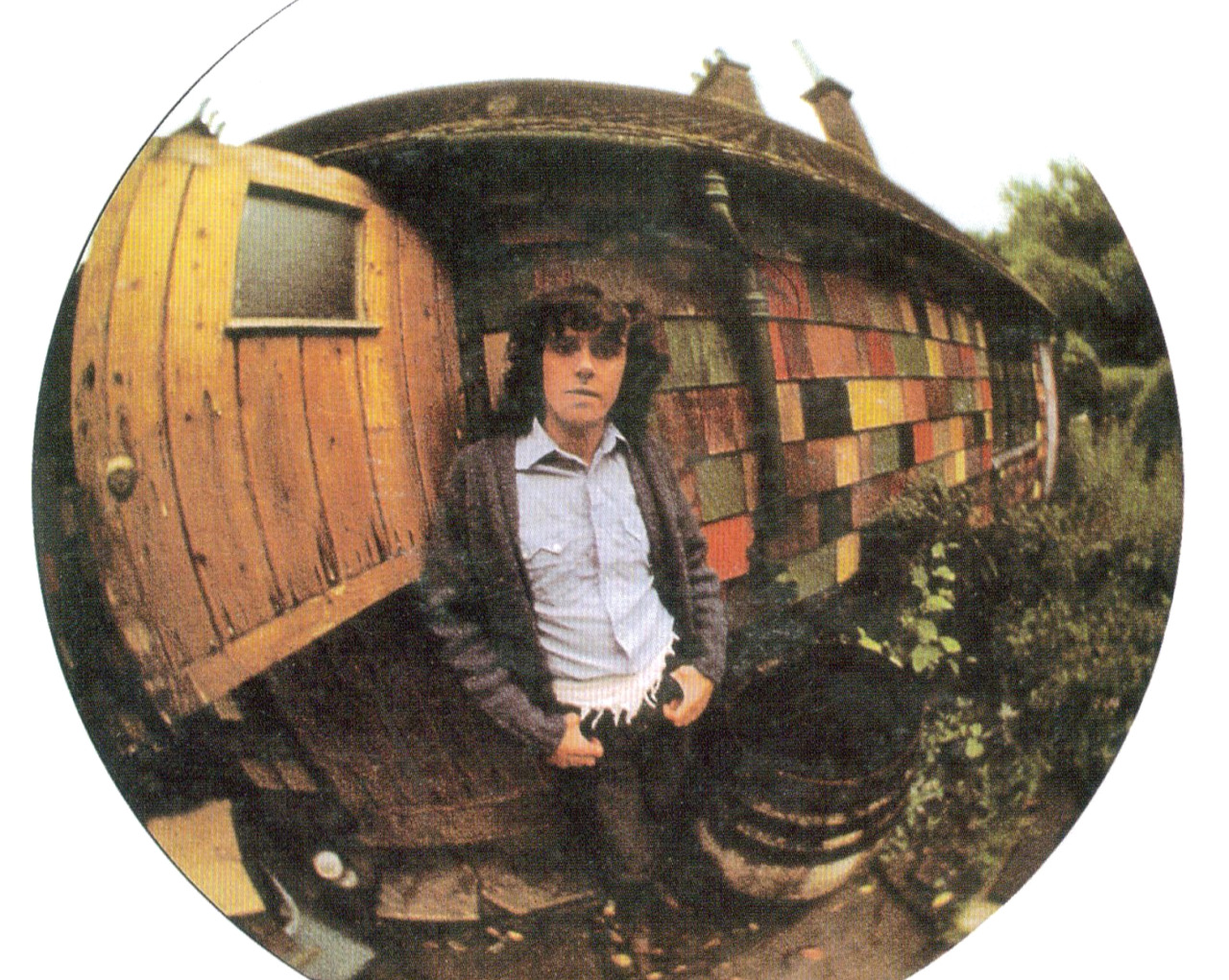
donovan-fisheye


Gone but not forgotten, Hard-to-find, Kraut-y

Keeping It Peel 2016

Keeping It Peel is the brainchild of Webbie, who writes the excellent and informative Football And Music blog. An annual celebration of all things Peel, its purpose is to remind everyone just how crucial John Peel was to enlightening and expanding listening tastes up and down the country; to ‘Educate and Inform‘, as was the motto of his employer.

Be it demo, flexi, 7″, 10″, 12″, EP, LP, 8 track cartridge, wax cylinder or reel to reel field recording, the great man famously listened to everything ever sent his way, and if it was in anyway decent he played it on his show. Sometimes, he played the more obscure records at the correct speed. Sometimes he didn’t. And sometimes, no-one noticed.

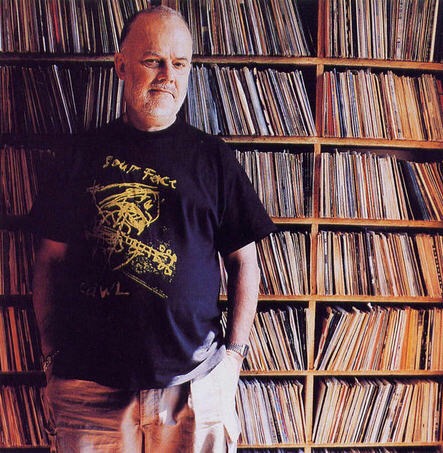
john-peel-bw

John Peel is the reason my musical tastes expanded beyond the left-field avant-garde edginess of Hipsway and Love And Money and the reason why my mum stopped singing her own version of whatever it was I was playing (“Take a ri-ide on the Suga Trayne!”) and started asking me to “turn that racket down” whenever she passed my teenage bedroom door. Pfft! Never Understand, indeed.

Thank you, John.

Not quite a Kennedy moment, but I distinctly remember where I was 12 years ago when I first heard of his death. Midway through a month-long placement in a pre-school nursery as part of my teacher training, it was my wife who told me. Being a student, we ran just the one car and she picked me up that day.

(I’m paraphrasing here)….

Shops…school….I’ll be taking it back….this happened earlier…’Loose Women’….butternut squash soup…school….I’m taking that back too….oh yes – that DJ you like died today. John Peel? Is that his name?

Thump.

It was fairly shocking. Certainly, for a ‘celebrity’ death it hit me far harder than it had any right to. I didn’t know him, yet I did. Nightly I’d have a sweaty finger hanging over the pause button on my tape recorder, with the sole aim of capturing every note of the latest House Of Love or Inspiral Carpets or Wedding Present session, minus any of his speaking. I was good at it too.

Somehow, I wished I had failed slightly in those self-imposed tasks and had managed instead to capture him forever on my crappy 3rd generation C90s. The odd moment survives – “Hey man! The bongos are too loud!” (whispered after The House Of Love premiered The Beatles & The Stones) but in the main I managed to get all of the music and nearly none of the great man.
I like to think if he was still educating and informing us with his 45s at 33 inbetween the Stump tracks and Electro Hippies sessions, Peel would’ve found time to play this:

It’s perfectly Peel.

Obscure.

Current.

Groovy.

Mysterious. Who are/is TVAM?

Influenced by all the right things west of East Germany.

Mancunian. OK, I Googled them. Him, actually.

Hard to find. (You can buy it here).

And ace.

(No they’re not)
Hard-to-find

Random Order

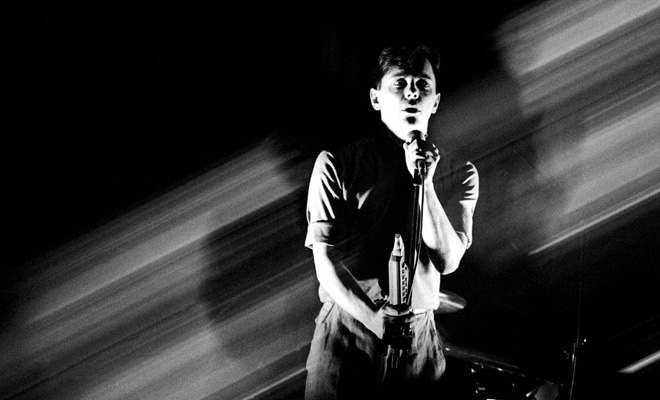
New Order. One of the truly great bands of the last 35 (!) years. That’s undisputed fact, but you know that already. Theirs is a history you’ll be well familiar with; the untimely death of a key member forcing their metamorphosis from the finest industrial grey post-punk act to a technicolour pop explosion, albeit with a heavy hint of the shading of yore.
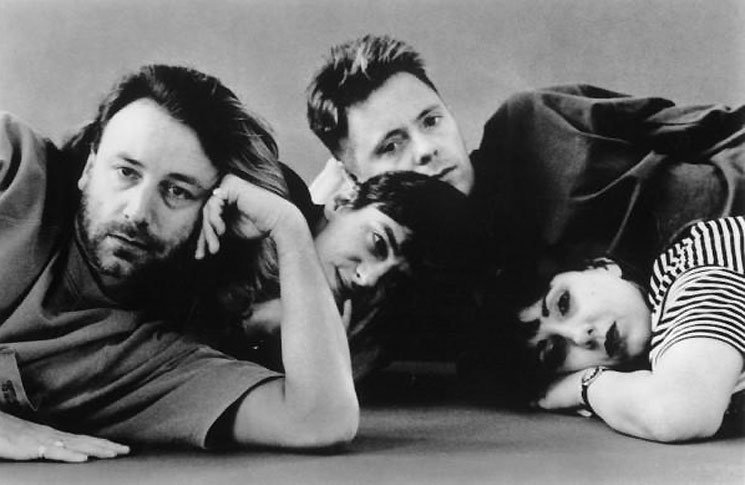
new-order
If you can ignore the sad pantomime of claims and accusations that’s become synonymous with their brand over the past few years, and put up with some of the sub-par material they’ve put their name to in that time – due to the availability of illegal downloads, Waiting For The Siren’s Call was the first New Order album I didn’t buy on the day of release. It was a right clunker before it was even in the shops to buy and it’s still a right clunker now. Their most recent, last year’s Music Complete was a fine return to the heady rush of Technique and a sun-kissed late 80s Ibiza, so, y’know, you take the good with the not so good. Every band who’s been at it for this long are allowed the odd dip in form, are they not? Despite this, I’d wager that New Order are probably one of your favourite bands.
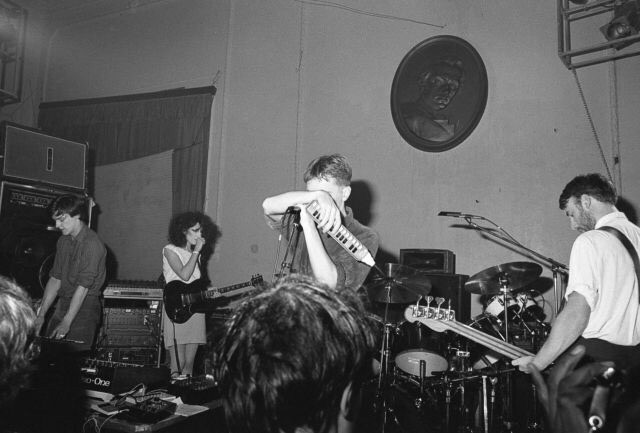
New Order, NYC 1981

Hidden at the back of their sparkling discography is 1981’s second single Procession. It popped up via the lottery of the iPod shuffle on the commute to work the other day, and it’s subsequently become my latest musical obsession. My play counts (I know, I know) currently show I’ve listened to it 14 times since Tuesday. It’s playing as I type and it’s likely to cross the 20 plays threshold before this piece is published. I’m still not fed up of it.

Ask a casual New Order fan to list their favourite tracks and it’s unlikely Procession would be one that makes the list, yet it’s beautiful and otherworldly, strange and obscure, soulful and hypnotic, arty, pretentious and in short, everything that makes New Order so unique.

New OrderProcession

new-order-bernard-81

It‘s the record that sees the band peek through the outer shell of the Joy Divsion cocoon, almost but not quite ready to fly as New Order. Bernard still has the Curtis-apeing vocals (and image – see above), all character-free one liners (in itself character) which he tries his best to sing from somewhere below his knees, but the band soars. Driven by Hook’s instantly-recognisable trademark bassline, it’s awash with synths, electronically-enhanced drums and a wheezing, clattering guitar that verges on the point of being in tune. The magic touch though is Gillian Gilbert’s call-and-response vocals in the ‘chorus’, the sweet yin to Bernard’s morose yang. It works a treat – one of New Order’s finest compositions.

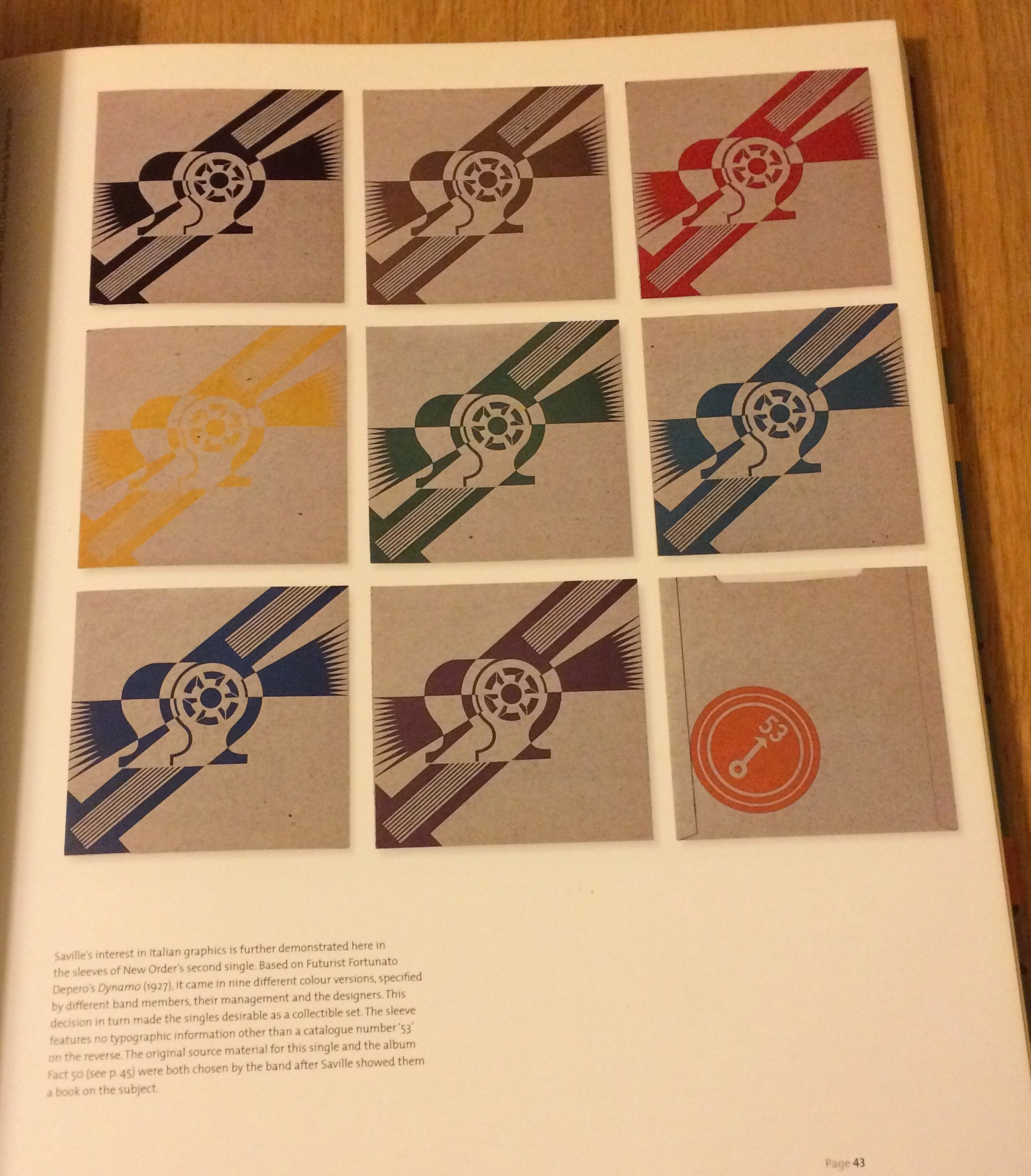
Taken from the excellent Factory Records – Complete Graphic Album

In true band style, Procession never made it onto any New Order album at the time, such was the high standard bands like this set for themselves in those days. Procession was released in a multitude of sleeves (9 differently-coloured ones – collect ’em all, Factory fetishists) featuring some beautiful Italian Futurist artwork on the cover. New Order and Futurism, the perfect partners.


Alternative Version, Cover Versions, demo, Gone but not forgotten, Hard-to-find

By George!

George Harrison, the youngest Beatle, bullied by John and Paul into 2nd tier status in the band, was essentially the runt of the litter yet wrote some of their most enduring songs. When writing sessions were underway ahead of a new Beatles’ recording, poor George had to bide his time while the other two writers hogged the limelight with their latest offerings. Only after they had been given careful consideration would George be allowed to show off what he’d been working on. In any other band, he’d have been the principal writer and held in higher esteem, but in The Beatles he was lucky to get more than one of his tracks onto each album.

 george_harrison_1968

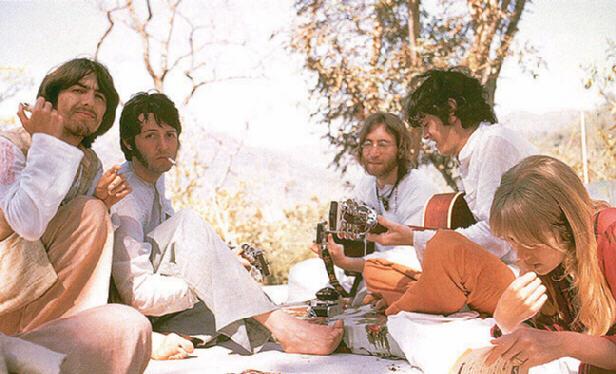
By 1968’s ‘White Album’, George had a handful of future classics under his belt. Writing sessions in Rishikesh in northern India proved particularly fruitful. The Beatles plus associated wives/girlfriends along with a raggle-taggle mismatch of musicians and actors (Donovan, Mike Love, Mia Farrow and her sister ‘Dear’ Prudence) gathered at the feet of the Maharishi to find out the ways of tanscendental mediatation.

1968

The trip was not without incident;  Ringo visited a doctor due to a reaction to the inoculation he’d taken before going, John complained that the food was lousy (Paul and Jane Asher loved it) and the Maharishi, as peace-loving and spiritual as he may have been, turned out to be a randy old man, intent on bedding as many of the female guests as he could.

George was particularly taken with meditation, leading John to quip, “The way George is going, he’ll be flying a magic carpet by the time he’s forty!

Against this backdrop, John, Paul and George wrote many songs that would appear on the new Beatles’ album at the end of the year. Donovan turned John onto a new style of fingerpicking that he’d picked up from the folk clubs and Lennon put it to good use on Dear Prudence. George might’ve been equally inspired, as the descending bass run that characterises Dear Prudence makes it into a couple of his own songs on the White Album.

beatles-india-68

While My Guitar Gently Weeps began life as a downbeat campfire singalong; folk in a minor key, with the ubiquitous descending bass line offest by an uplifting bridge. It’s understated and simple, nothing like the album version.

George HarrisonWhile My Guitar Gently Weeps (demo)

George had to wait an agonising 8 weeks from the start of the album sessions before being given the chance to showcase it. Quite how he kept his mouth shut as John ran through days and days of tape loops creating the arty (but tuneless, let’s be clear) Revolution 9 while Paul completed dozens of takes of the reggae-lite Ob-La-Di, Ob-La-Da and even Ringo had his moment in the spotlight with his honky tonkin’ Don’t Pass Me By is very impressive, but when given his moment (“I always had to do about ten of Paul and John’s before they’d give me the break,”) he rose to the occassion.

george-h-abbey-road-68

The demo of While My Guitar Gently Weeps was used as the blueprint and added to with layer upon layer of guitar and vocals through the use of an 8-track recording machine (the first Beatles’ track to do so) until it was the super-heavy version that appears on the album. An uncredited Eric Clapton was asked by George to play guitar on it. George had been bemoaning the fact that he’d spent hours aimlessly trying to recreate a weeping sound for the track and asked his pal instead to play the solo, which he did with majestic, understated aplomb.

The BeatlesWhile My Guitar Gently Weeps

It’s a perenial favourite, never bettered than when Prince put the other ‘stars’  – heavyweights Tom Petty, Jeff Lynne, Steve Winwood – firmly in their place with his outrageously brilliant cameo at the 2004 Rock ‘N Roll Hall Of Fame. Two questions, the first rhetorical. How overjoyed does Dhani Harrison look when the wee man steps up and takes the song to a whole new level?

Secondly, what happens to Prince’s guitar at the end? Watch….

Gone but not forgotten, Hard-to-find, Sampled

Big Brown Bag

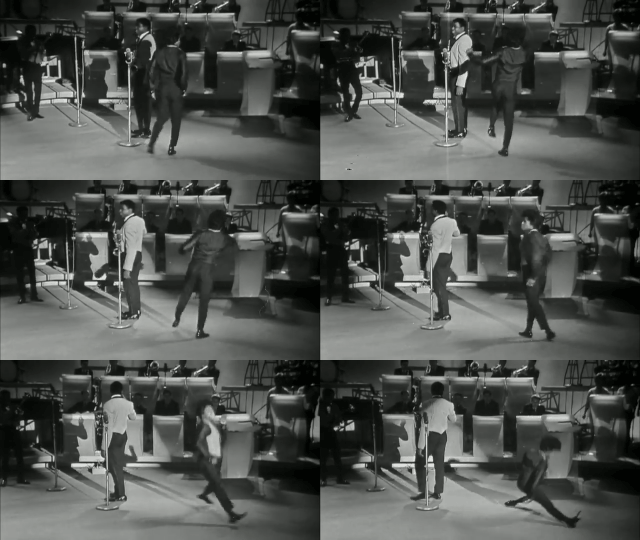
The mid 60s was an extremely fertile period for James Brown. By then he’d moved away from the tear-soaked, down-on-his-knees gospel/soul that defined much of his early career. Relatively straightforward 12 bar song structures were replaced instead by jerky, jagged one-chord grooves. Brass stabs emphasised the first beat – “On the one!” as he’d instruct his musicians, and the tracks would tick along with well-timed metronomic precision. No-one knew it at the time, but the Godfather of Soul was inventing funk.


To be in James’ band then must’ve been terrifically exciting, yet extremely stressful. Here you were, creating this new form of dance music, all the while unable to enjoy playing for playing’s sake, lest you miss the beat and risk a fine from the boss. James Brown records are littered with phlegmily barked instructions; “Horns! (Bap! Bap!) Maceo! (Toot! Toot!) Pee-ann-er! (rinky dink dink dink) – every musician hitting his part with laser precision. Miss the beat and you’d find your pay packet a wee bit lighter come the end of the week.

When you strip the records down into their component parts, they’re extremely simple affairs. Take 1965’s Papa’s Got A Brand New Bag. Individually, there’s fairly little going on; a rickety-tick drum beat played by Melvin (brother of Maceo) Parker, a repetitive, a see-sawing, octave-hopping bass line, a simple horn section, blasting ‘on the one’, a chicken scratching guitar, stuck forever on a Major 9th chord (I think it’s Db, though the released recording was sped up half a tone to make it faster and more energetic, so this, muso minds, would in effect make it an E major 9th) and James’ gravel-throated lyric about an old guy who’s discovered he likes the new dance all the kids are doing.

brown-gif

James Brown’s Star Time box set – one of THE essential additions to any serious music collection features the complete, unedited take of Papa’s Got A Brand New Bag. When the track was originally released as a single, it was edited so that ‘Part 1’ became the a-side, and the extended funk workout that followed was renamed ‘Part 2’ and featured on the b-side.

James BrownPapa’s Got A Brand New Bag (Parts 1, 2 and 3)

The box set includes James Brown’s declaration that, “This is a hit!” before a note is even played, and for the next 7 or so minutes, the band follows their leader with an unnerving mechanical rhythm. The whole recording sounds tight and taut, lean and mean, stripped of unnecessary excess and flab. It fair packs a punch.

A favourite dancefloor filler in this part of the world, it can make my pal Greg move in ways a white man from the west of Scotland has no real right to. Soul of a black man, feet of a rhythmically-challenged Glaswegian. Right on.


You know this already, of course, but James Brown’s influence goes far and wide. Early 80s DIY punk/funk collective Pigbag named their signature instrumental Papa’s Got A Brand New Pigbag in clear homage. An instantly catchy 8 note riff, it failed to chart initially.

PigbagPapa’s Got A Brand New Pigbag


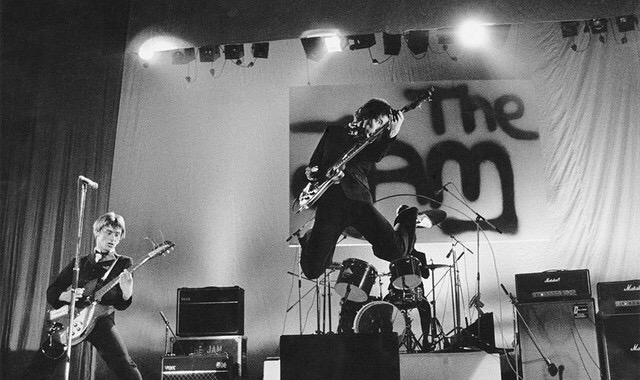
Nowadays, Papa’s Got A Brand New Pigbag is ubiquitous with over-zealous, celebratory football chants and montage soundtrackers who think they’re still making yoof programmes for the TV, thanks in no small part to Paul Oakenfold’s ‘monsta!’ souped-up makeover around 20 years ago, but Pigbag’s original version took 2 or 3 goes before it went chart-bound. The Jam, in particular their keen-eared, sticky-fingered bass player Bruce Foxton, must’ve been blushing slightly when it eventually started gaining airplay.

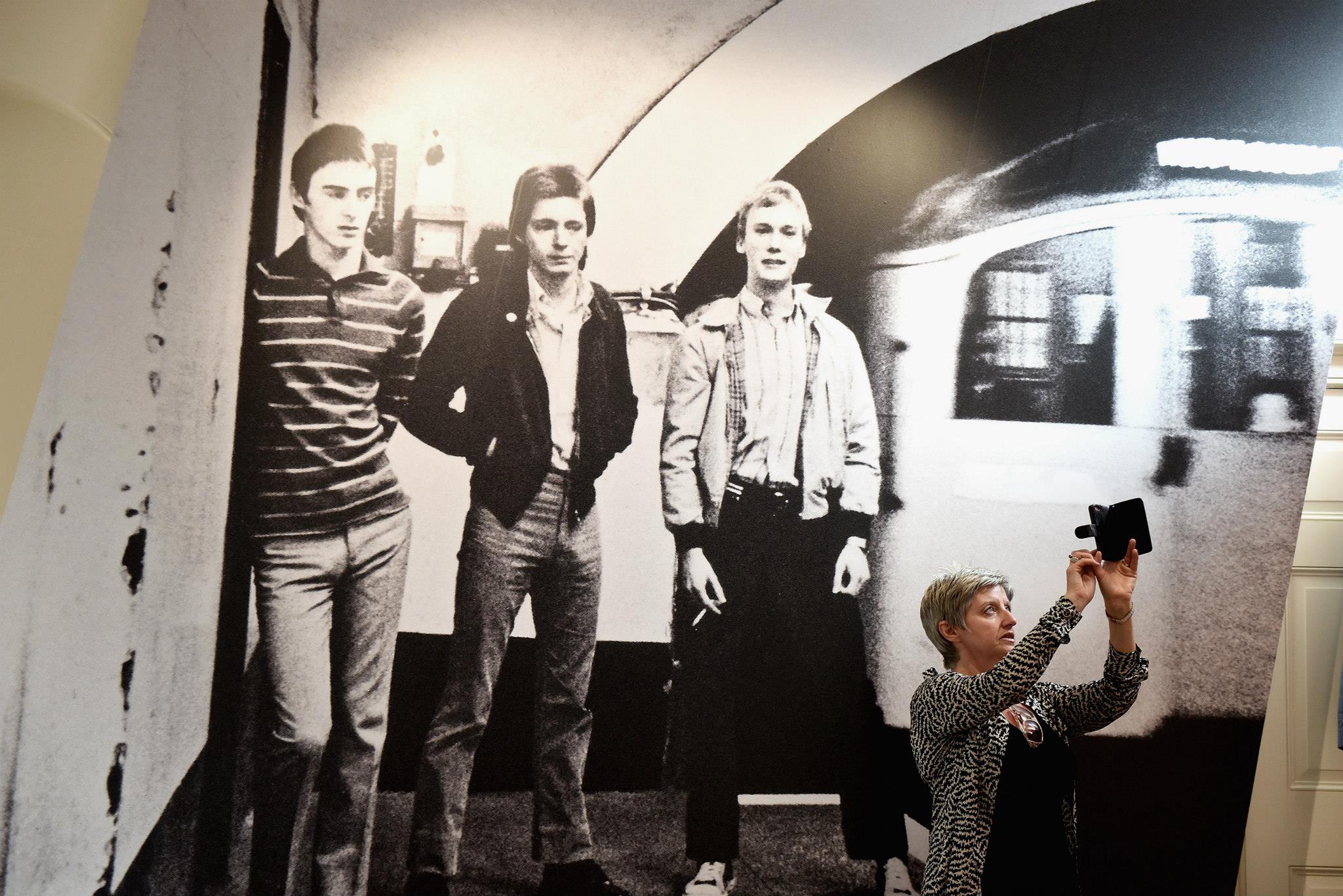
jam-selfie

By this time their own Precious, out as a double a-side with A Town Called Malice was starting to get played on the radio and you couldn’t help but notice the (cough) similarity between the two tunes.

The JamPrecious (12″ version)

The Jam even went as far as naming their posthumous live album Dig The New Breed, a line from the James Brown tune that kicks off this post. Which just goes to show, what goes around comes around.


Cover Versions, Get This!, Hard-to-find

What’s So Amazing? What Keeps Us Stargazing?

The perennially-evergreen Teenage Fanclub are currently burning up small venues the length and breadth of the country in a short tour to promote their new album ‘Here‘ which will be, eh, here this coming Friday. The reviews are rave-like in their generosity for the band, perhaps as much an indicator of how much Teenage Fanclub still mean to folk after all these years as much as the gigs are great. Certainly the set-lists have been mouthwatering; a cherry picking of all the best parts of their 26 year history with select new tracks sandwiched in-between where they fit best.

tfc-2016

I used to take great pride in telling folk I’d seen Teenage Fanclub live at least once (and often half a dozen times) a year since 1990 (true, by the way), but since Norman decamped to Canada a few years ago, appearances have been more sporadic. Still, I have a ticket for the big homecoming show at the Barrowlands in December, which, after reading the reviews from Edinburgh last night, I’m impatiently excited about. Like most folk nowadays I’ve had a few listens to the new stuff via an illicit download, something I was keen not to do, preferring to wait for the LP to drop through my door (or more likely a Post office postcard telling me my parcel was at the depot as I’d been out when they delivered) but a link was practically thrust into my hand and, well, what’re you gonna do? It’s terrific stuff, of course, perhaps even ‘Album Of The Year‘ material, but I’m in self-imposed listening exile, waiting until I can stick the record on at full bung in the living room. Only then will I decide on my favourite tracks.

trashcans-kzap

Another band who could easily slip into that ‘Album Of The Year‘ list are the Trashcan Sinatras, but, if you’ve been a regular on here, you’ll be well aware of that by now. The Trashcans and Teenage Fanclub are for me inextricably linked; both from the west of Scotland, of similar age to myself, purveyors of melody-led songs (Songs! Remember them?), long innings with a relaxed approach to releasing new material and both on the edge of cultdom. TFC may be slightly more well-known and, dare I say it, cooler – well, as cool as 5 guys who look like the school prom band made up of moonlighting musicians from the Geography Department can look – but the Trashcans, with their melancholy-tinged pocket symphonies never let me down.

frank-reader-tcs

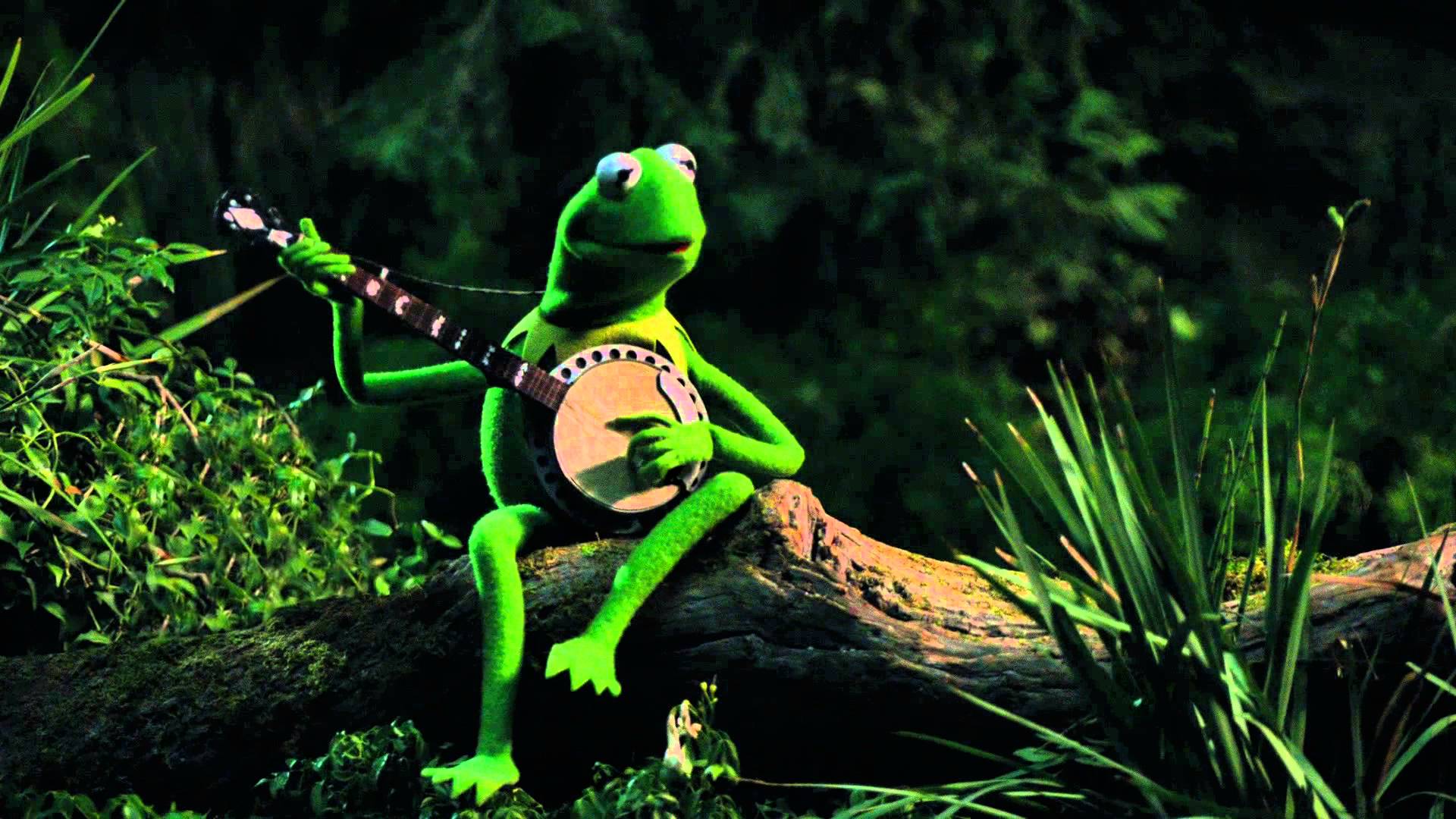
A few Christmases ago, they made available a free download of The Rainbow Connection, a song that first appeared in 1979 in The Muppets Movie, sung by Kermit the Frog. If you don’t know the Trashcans, this is a very Trashcans thing to do. The song itself is lushly orchestrated, offset by Kermit’s comical croak and creaky front porch banjo.

The original version may have been Oscar-nominated, but the Trashcans make it soar. There’s not much to it really, just a close-miked, crooning Frank accompanied by a couple of guitars, one rich acoustic and one electric, seemingly still playing those bluesy bends that made such a great thing of the band’s Syd Barrett tribute ‘Oranges & Apples’. There’s some synthesised orchestration for good measure and a girl’s voice appears now and again in the chorus in perfect harmony. By the end, the whole things swings and waltzes like a soft shoe shuffle as the ‘oooh-oohs’ fade into the distance.  It’s perfect.

Trashcan SinatrasThe Rainbow Connection

It’s a track that wouldn’t be out of place on current LP ‘Wild Pendulum‘. With it’s rich sonic decoration and loose themes of celestial dreaming it could sit right there at the end of Side 1, the perfect closer for a perfect side of music. Wish they’d thought of that…

I doubt the band would have a problem with you having your own version of their track, so feel free to download it here.

Now go and buy Wild Pendulum from here or here or here. Go! Go! Go!

willie-nelson

Everybody’s favourite pot-smokin’ pig-tailed-sportin’ outlaw cowboy Willie Nelson opened his 2001 Rainbow Connection album with unique arrangement of the title track. Opening with birdsong, mountain streams, a clip-clopping rhythm and a down-home harmonica ‘n sax duet, it’s great. Not Trashcans’ great, but close enough.

Willie NelsonThe Rainbow Connection

*Bonus Track!

Here’s that Muppets version…

The MuppetsThe Rainbow Connection

kermit


Alternative Version, Cover Versions, Get This!, Hard-to-find

The Great British Take-Off

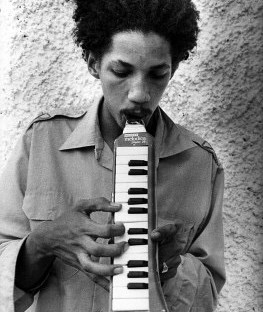
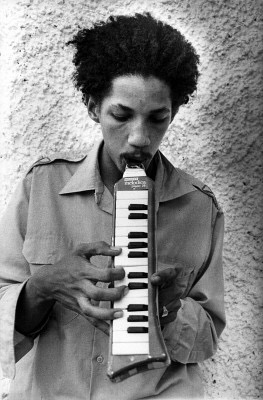
Augustus Pablo is perhaps to the melodica what Les Paul was to the electric guitar. Until Augustus, reggae was all about the boom of the bass and the pistol crack of the snare. Pablo took his melodica and made it central to the dub reggae records he played on, fighting for ear space amongst the booms and the pistol cracks, the bringer of other-worldly melody in an already expansive soundscape. Dub reggae is proper long-form music. It’s widescreen, epic and simply massive to listen to. But you knew that already.


When Augustus Pablo teamed up with dub pioneer King Tubby, the results were dynamite. Their ‘King Tubby Meets Rockers Uptown’ takes the easy flowing lovers’ rock of Jacob Miller‘s ‘Baby I Love You So‘…..

Jacob MillerBaby I Love You So

…..and sends it into outer space with a heady treatment of clatters, bangs, melodi-ka-ka-ka-echos and all manner of sonic enhancements…..

Augustus Pablo/King TubbyKing Tubby Meets Rockers Uptown

It‘s a very influential record. If you know your musical onions, you’ll spot traces of the production in all manner of records, from Massive Attack and St Etienne to New Order and Primal Scream. Would New Order’s ‘In A Lonely Place’ be the record it was if Martin Hannett hadn’t turned to his inner King Tubby for inspiration; Other-worldly? Yep. Claustrophobic and menacing? Yep. Liberal sprinklings of melodica? Yep, yep and yep. It’s dub, man! A rainy, grey, 80s Mancunian, British take on dub, but dub nonetheless.

New Order In A Lonely Place


Primal Scream currently have a very good (and very limited) 12″ on release featuring a dark ‘n dubby remixed take on their own 100% Or Nothing which stretches towards the 10 minute mark, cramming in as many booms, bleeps, skank-filled echoing guitars and, yes, melodica as possible. Somewhere between New Order’s In A Lonely Place and King Tubby’s dub-in-a-cave production, with half-inched vocal refrains from Funkadelic’s One Nation Under A Groove, it’s very good. Echo Dek part II, even. Forever with his finger on the pulse of what’s hot and what’s not, Adam over at the ever-wonderful Bagging Area featured it last week.

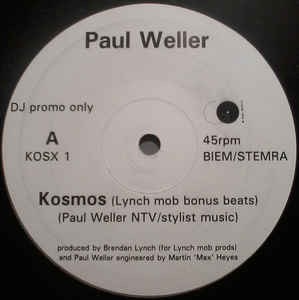
In the early-mid 90s, Paul Weller was fond of adding tripped-out, elongated versions of the a-side or even his lesser-known album tracks to his singles. Remixed and re-tweaked almost exclusively by Brendan Lynch, they could usually be relied upon to be the best thing on the single. The Lynch Mob version of debut album track Kosmos is fantastic. Clearly influenced by King Tubby, Lee Perry and all those other progressive-thinking sonic architects, it’s waaaay out there. We have lift off!, to borrow the sample at the start.

Paul WellerKosmos (Lynch Mob Bonus Beats version)

I’ve probably mentioned this before, but it’s best listened to whilst you drive on the M8 on a hazy summer’s evening, just as the sun is setting and an aeroplane is taking off from Glasgow Airport, vapour trails shimmering in the mid-July heat, a stroke of luck that befell me once after dropping folk off at the airport.

le-mod-ica

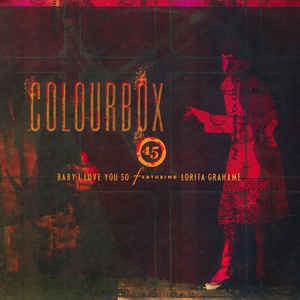
Anyway, back to Baby I Love You So. Back in 1986, when alternative acts were trying to keep up with the rockist jangle of The Smiths or creating their own heavy, heavy monster sound of goth, 4AD act Colourbox released a very good version.

ColourboxBaby I Love You So

Replacing the melodica with electric guitars may have ‘indied’ it up a bit, but it loses none of its heavy dub or pulsing groove as a result. It’s a genuinely faithful version, replete with sonic wizardry and skanking galore. It’s also a tricky one to track down online, but here‘s the 7″ version, above, and the extended 12″ version below.

ColourboxBaby I Love You So (12″ version)


Alternative Version, Hard-to-find

Rimbaud 3

There’s a clip that’s been doing the rounds recently of The Waterboys in session for Chris Evans on Radio 2. They’re tearing their way through a terrific version of Purple Rain, Mike Scott competing for centre stage with an electric violin that thankfully sounds more Hendrix than Nigel Kennedy. If you’ve not seen it you should head off to the usual places forthwith. You can thank me later.


Mike Scott is quite a complex character. From Ayr in south-west Scotland, just down the road from Plain Or Pan Towers, he’s done well to maintain the image of the scruffy-heided beatnik poet hippy who’s the androgynous offspring of Mick Jones and Patti Smith, both in look and musical/poetic vision.


In reality, he’s quite a switched-on guy; arguably more Rambo than Rimbaud. Stories abound that he’s  a sound engineer’s nightmare (“A little less reverb on the snare, thanks, more flange on the subwoofer and can we keep the room temperature to a steady 18 degrees?“) and a promoter’s worst headache (only the very best hotels, with a room as far away as possible in all directions – up and down and either side – from select members of whoever constitute The Waterboys on that particular tour, a strict macrobioticveganwheatfreeglutenfreewhatever diet and a propensity to change the goalposts at the last notice). A perfectionist, then. Or difficult to deal with, you might say.

1985’s This Is The Sea is the real deal though, and any and all of his quirks and imperfections can just about be excused because of it. Full of literal references to the Great God Pan, the healing powers of spiritualism, a kinship with socialism and liberally sprinkled with poetic references alongside the odd Beatles line, it comes bolted onto a steel girders-massive production that Scott himself tagged ‘The Big Sound’. The album is truly epic on a widescreen scale; a heady mix of acoustic and electric guitars, keys, strings and a liberal dollop of Celtic Clarens Clemons-ish saxophone.

waterboys 85

The big hit from the album was of course The Whole Of The Moon, but, essential as The Hit is, there’s far more to the album than that.

Be My Enemy fairly rattles along in double-quick cow punk time, a skifflish, raggle-taffle distant cousin of Dylan’s Maggie’s Farm and most of The Clash’s early back catalogue.

The WaterboysBe My Enemy

Scott is on scorching form, smoothing his ‘rs‘ as he spits as angrily as a posh boy from South Ayrshire can about mainframes shaking, cellars full of snakes and nazis on his telephone. The whole thing kicks like a particularly angry mule and is essential listening. Terrific stuff.

Medicine Bow is a howling storm-warning for some near-future apocalyptic event or other, electric guitars clashing with discordant violins and an out of control piano player.

On the album, it faded to a whisper, but a few years ago a warts ‘n all version of This Is The Sea was released, with the rage in excelsis, full-length version of Medicine Bow included.
The WaterboysMedicine Bow (Full-Length Version)


waterboys studio 85

…and here’s The Pan Within. Over 6 minutes of cosmic folk/rock spiritualism. Come with me on a journey beneath the skin, indeed.

The WaterboysThe Pan Within