I don’t know what was more surprising – the fact that a couple of nights ago I caught myself flat-footedly pounding the streets around my house in a close approximation of what the dog walkers who gave me a wide Covid-mindful berth might’ve called ‘jogging’, or the fact that, mid gasp, John Cooper Clarke‘s Post-War Glamour Girl popped up at random to help soundtrack my wheezy inward journey. Even though I was in sight of my house when the track started, I was sufficiently slow paced that I was able to play it two and a half times before I finally made it to the drive. I stood, catching my breath, sweat pooling out around my neck and upper chest, wondering just what good I’d done myself, as I let it finish for a third time.
Post-War Glamour Girl
Expresso bongo snaps of rome
In the latin quarter of the ideal home
Fucks all day and sleeps alone
Just a tiger rug and a telephone
Says a post war glamour girl’s never alone.
In the seventh heaven on the thirteenth floor
Sweethearts’ counterparts kiss
Limbo dancers under the door
Where human dynamos piss
Adults only over her pubes
Debutantes they give her dubes
Beatniks visit with saxophones
And the way she eats her Toblerone
Says a post war glamour girl is never alone.
Mau mau lovers come and go
Dreamboats leave her behind
A baby-doll to go man go
On the slopes of the adult mind
A murder mystery walk-on part
A dead body or a gangland tart
Near the knuckle close to home
Criminal connections you can’t condone
A non-doctor’s anonymous drone
Says a post war glamour girl’s never alone.
The section of the populace
They call the clientele
The moguls of metropolis
Defenestrate themselves
In the clothes of a rabbit
You develop a twitch
One of the little sisters of the rich
Amorous cameras clamour and click
Her rosary beads are really bones
Rebel rebel they bug your phone
The post war glamour girl’s never alone.
Yes there’s always a method actor hanging about
There goes Mr Tic-Tac out of the back
With some bric-a-brac from the knick-knack rack
The dumb waiter reminds you of home (And the nice boy from Sierra Seone)
The action painter’s got up and gone
Nevertheless it’s never been known
For a post war glamour girl ever to be
What you would call
Irrevocably – alone.
It’s a terrific track, a dazzling poem full of measured metre and alliterative imagery, delivered in Clarke’s scattergun Salfordian drawl, shooting from the lip and painting an aural picture of a life less salubrious.
The words – perfect in their own right – are given the chance to shine thanks to the slinky funk bass that bubbles it along like a moonlighting Blockheads in a cocktail bar. The music, played by producer Martin Hannett and Be Bop Deluxe’s Bill Nelson, is great. There’s a keyboard line stolen from an old Studio One record (the title of which will escape me until 5 minutes after I press ‘publish’) and there’s a textured Talking Heads art-punk guitar line that surfs the wave then dives under the surface, driving the whole thing to its groovy conclusion. If you’re new to the track, prepare to be dazzled…
John Cooper Clarke – Post-War Glamour Girl
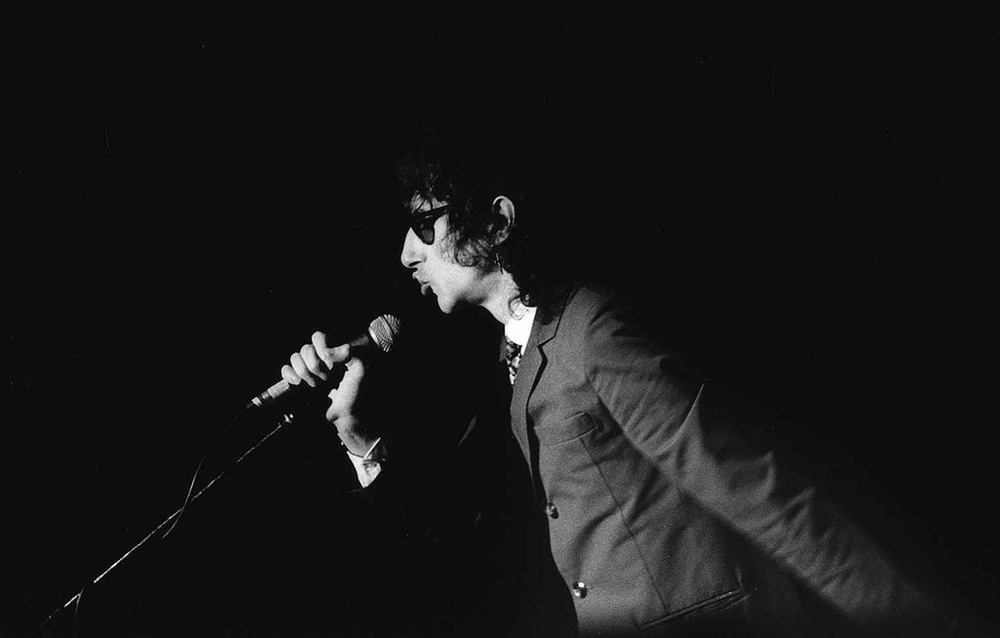
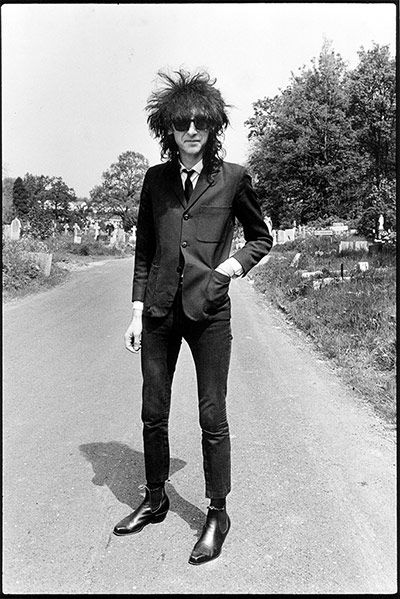
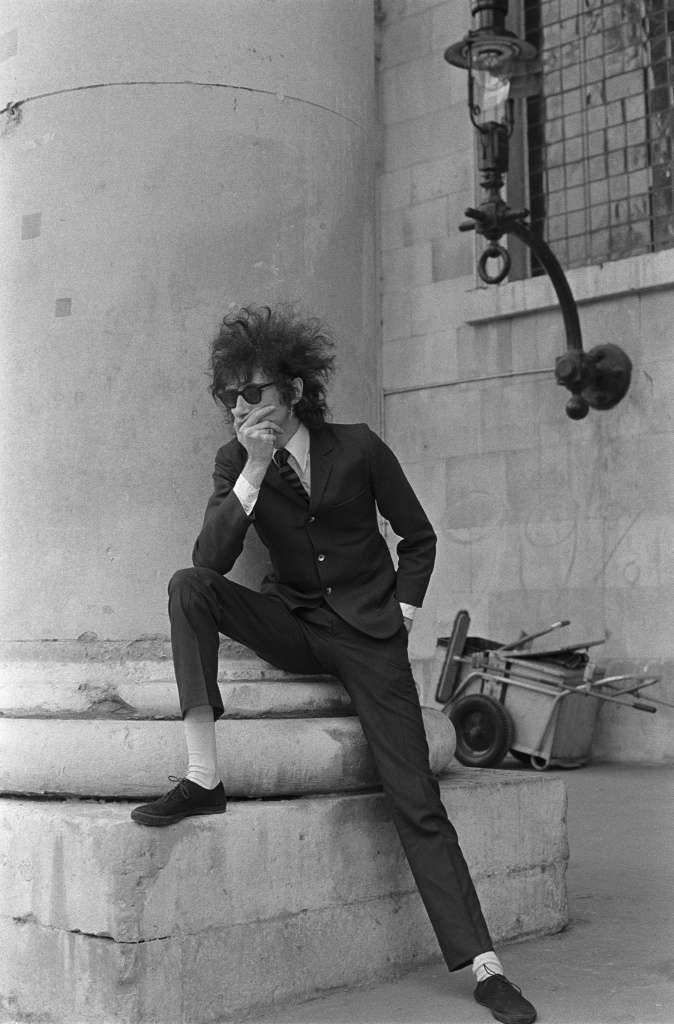
JCC came to prominence via the same fertile Manchester punk scene that spewed forth following the Sex Pistols famous Lesser Free Trade Hall show. Instantly recognisable, his image was reflected in his poetry: sharp, cutting and stylish yet rough around the edges, scuffed with asphalt, powered by cheap speed and nicotine, Dylan ’66 drawn in blotchy ink by Ralph Steadman.
Believing – quite rightly, as it turned out – that he could make a living from poetry after seeing Pam Ayres perform on TV, he was the go-to guy for mould-breaking punk and post-punk acts who wanted a different sort of support act.
Fans of Joy Division, Buzzcocks, New Order, The Fall, even Duran Duran’s audience caught JCC in full flight; fag in hand, his battered notebook held out at squinting distance in front of him, all jutting elbows and chiselled chin, Beatle boots on legs rake-thin, a clad-in-black anglepoise lamp, scribbled words through writer’s cramp, with a bird’s nest hairdo, scruffy, entwined, keeping warm his fertile mind, the dark glasses allowing no-one in yet letting all the aura seep out. A true one-of-a-kind. For more on JCC, you could do worse than pay a visit to his Desert Island Discs.
JCC supported The Fall in Irvine in 2004. Did I go? ‘Course not. I have a terrible habit of missing all the interesting gigs in my home town. I did see The Bootleg Beatles though. Totally different songs, but if you’d been able to squint through a spare pair of Clarke’s dark Raybans, I’m sure they’d have looked quite similar.
The neighbours to my kitchen side have been slowly building an extension for the past couple of months. The battering and hammering and shouting and swearing usually begins at eight in the morning and lasts until mid afternoon, earlier if there’s rain or other such setbacks. “Did you just drill through that fuckin’ thing?!?” I heard accusingly one day as I hung the washing out. There was a muttered, muffled reply followed by a “You fuckin’ idiot!” and a good two or three days of silence and inactivity. I don’t know quite know where the drill was bound for, but it seems the boy did indeed drill through the fuckin’ thing.
Back on track, the racket continues. Amongst the blaring Commercial FM – adverts every five minutes punctuated by out of tune builders singing to Ed Sheeran – my garden has been filled with the sound of summer – brain crushing nail guns, all compressed air and heart-stopping rat-a-tats, bandsaws that grind their hellish grind right to the very back of your fillings, unidentifiable dull thuds – perhaps the boy receiving his punishment for the misplaced drilling, and an ever-permanent coating of red brick dust that blows only in our direction the minute a brick requires cutting. It’s quite the sound and sight.
A day or two ago it was building to a perfect, swirling crescendo, bandsaw and bawling builders and the bang bang bang of the nail gun all trying to outdo one another. A hellish cacophony of noise. And it hit me – I’ve heard this before. That jarring, pummelling racket, disconcerting and never-ending, uneasy listening that the ears have trouble adjusting to…..it’s My Bloody Valentine! Specifically You Made Me Realise. Ha! You made me realise indeed.
My Bloody Valentine – You Made Me Realise
Good luck recreating that unique MBV sound…
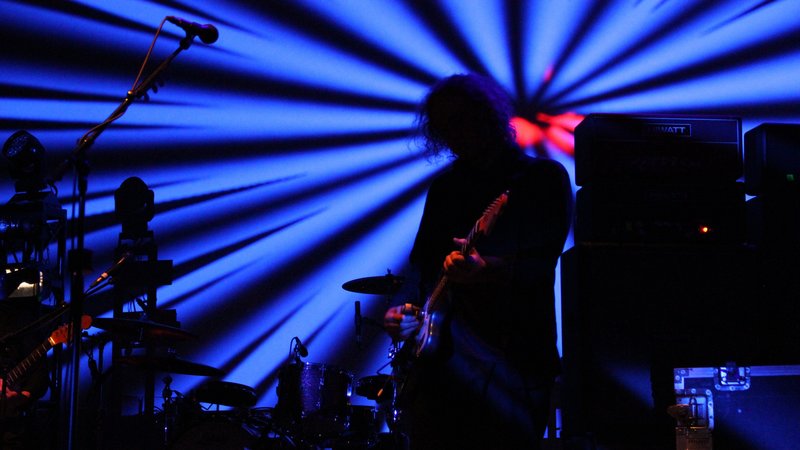
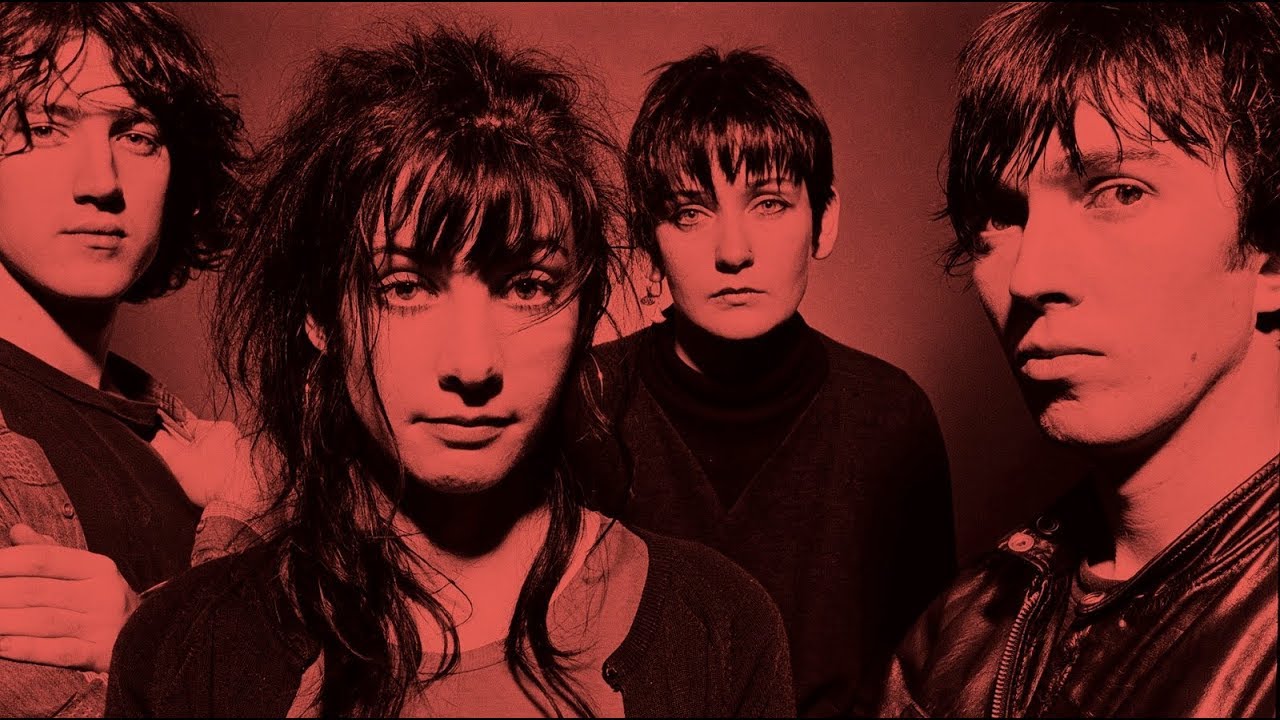
MBV’s gig in the Barrowlands (1992?) is the reason I suffer tinnitus. It’s whining away in the background right now, a permanent reminder of why you should consider ear defenders if you’re a regular gig goer. They’re just not very cool though, eh? Midway through You Made Me Realise, after the machine-gunning snares and off-kilter harmonies and the lurching open-tuned riff, right when the bass and guitars and drums lock into that chuga chuga swirling groove, Kevin Shields stomped on the pedal marked ‘Aural Sickness‘, hid himself behind his lank fringe and for a good while, maybe 6 or 7 full minutes, let rip an ear-splitting shriek of howling white noise, band and bass and drums and everything playing as one.
Like a Panzer attack, it reverberated from the front of the stage, crept over the tops of heads and into the lugs and set up camp, pulsing and refracting and phasing and flanging until the sub frequencies began playing tricks. My eyes hurt! People actually left and I was at most 15 seconds away from throwing up when Shields peeked out from behind the fringe and nodded the others back into more tuneful action. Close call. I know lots of folk love this sort of thing, but man! It was just too loud.
Kevin Shields, My Bloody Valentine.
There’s a good article currently doing the rounds where The Sopranos’ Michael Imperioli talks about his favourite music. You can hear his Sopranos’ character voice – Chris-tuh-fuh – leaping off the page as you read about his love of Chuck Berry and the New York Dolls and doo-wop. A great article, he talks about other bands and artists that you might not expect him to like…including, quite unbelievably, My Bloody Valentine.
Imperioli mentions leaving a Dinosaur Jr gig early, the support act MBV having drained him of all emotion ahead of the headliners. Drained of emotion maybe, or just feeling plain sick. I wonder if he suffers from tinnitus too?
* for the record, I love My Bloody Valentine, especially You Made Me Realise.
That much maligned Stone Roses second album – the grandiosly titled and underrepresentative Second Coming – is a strange beast. Not nearly as terrible as many suggested at the time, it came as a crushing disappointment to those of us who’d been blown away and swept along by the dizzy 60s-inspired sunshine psychedelia of the debut. From it’s lead single in, it was very obvious that this was Stone Roses’ take on Led Zep II. Such was the bombast and bluster and wheezing asthmatic slide guitar pyrotechnics that leapt from the fretboards with Pageian dexterity, they might as well have called that first single Whole Lotta Love Spreads and be done with it. Great tune ‘n all, but we’ve heard it all before, Stone Roses. That was a claim you couldn’t ever throw at the sparkling debut, and that’s why so many of us felt let down. A five year wait for this? C’mon Stone Roses, you’re better than this.
It has its moments. Both Driving South and Begging You are Hendrix filtered through a clattering dance groove, strangulated guitars at the big beat boutique, going nowhere, but thrillingly so for five minutes. Those liquid mercury guitar fills and coke-sprinkled riffs are relentless and tiresome on most of the other tracks though – the kinda stuff you hear played by showy assistants in guitar shops up and down the country. C’mon Stone Roses, you’re better than this.
And they were. Ten Story Love Song is a cracker, Sugar Spun Sister on steroids for those of us seeking a glimpse back to the heady summer of 1989. And the way it segues on the record into Daybreak is the greatest moment on the album.
Daybreak gives you a glimpse into the real Stone Roses, shackled of expectation and pressure, just the four of them grooving along to a fantastically loose-limbed jam. It’s so out of place with the rest of the album that I’m of the impression it was never really intended to be on it at all. A warm-up session perhaps for the ‘proper’ recording to follow, fortuitously captured by a quick-thinking tape op, magnetised forever and slotted early into the album sequence.
Stone Roses – Daybreak
What’s great about it is that there’s little in the way of overdub or studio trickery. The four constituent parts are right there in the mix, easily identifiable, each doing their own thing, creating something far greater than the sum of their parts. It’s the rhythm, section that hits you first, isn’t it? It’s the way Reni and Mani drive the track with rat-a-tatting drums and rumbling jungle bass, eyes locked on one another, not even aware of what the other two are up to, working intuitively and cooking up a proper simmering stew that keeps the whole thing moving ever-forwards, speeding up, locking in, driving us to the logical conclusion.
The solid rhythm allows John Squire to throw psychedelic shapes across the top, little splashes of colour as random and just-so as the paint spatters on those Pollock-inspired record covers. His right hand scratches the groove, his left fingers bend the notes, his momentus fringe keeping the whole thing swingin’ majestically. By the time Ian Brown comes up with the lyrics – a plea for peace and equality that’s part random geography lesson, part Rosa Parks infomercial (and a ‘love is the law here‘ line that Squire would nick post-Roses), Daybreak, for better or worse, is as loose and airy, yet tight and locked as anything off of Led Zep II.
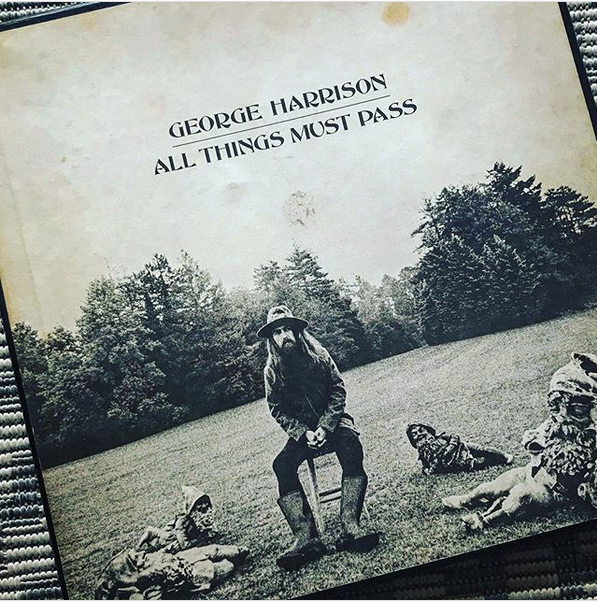
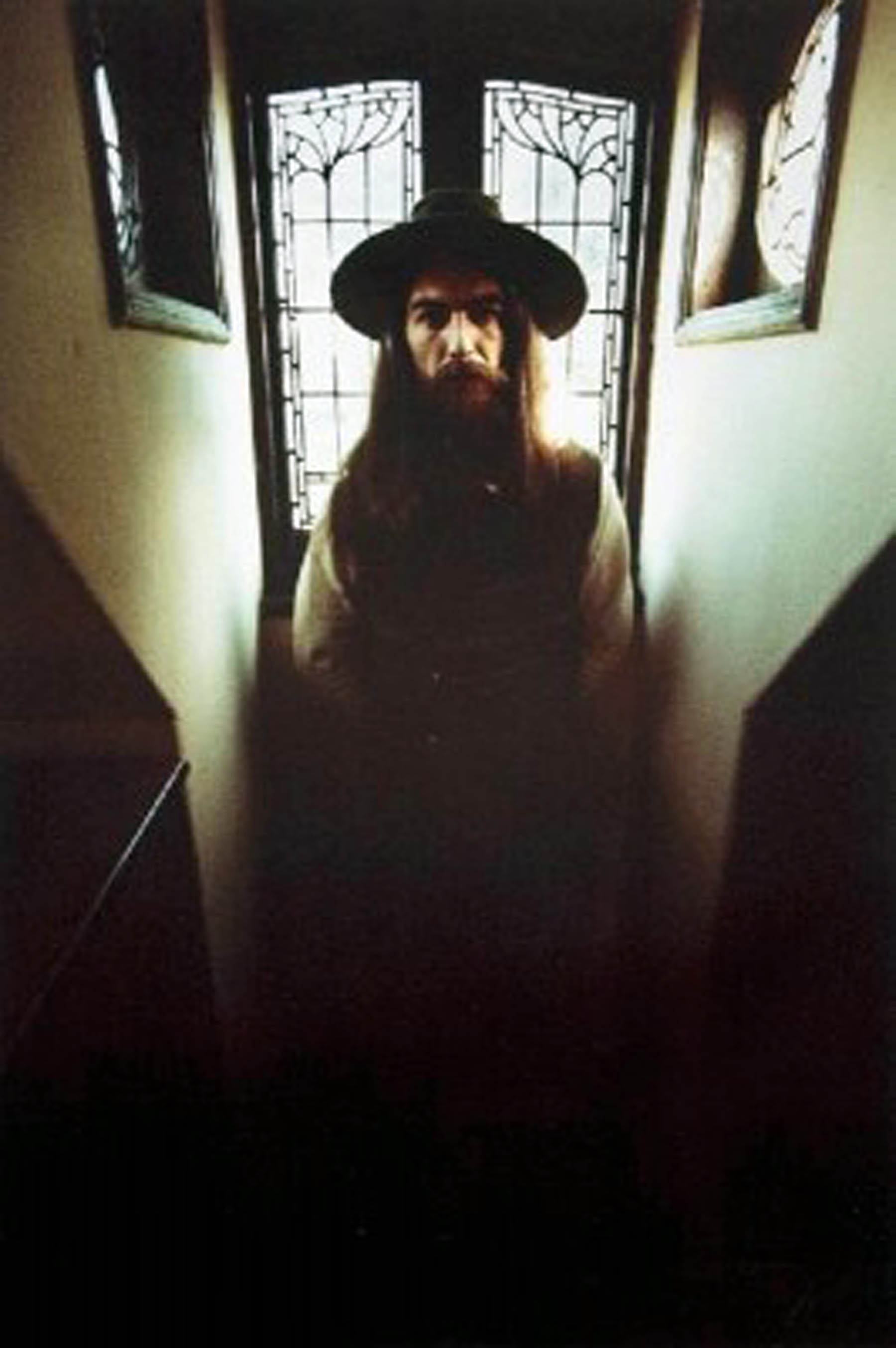
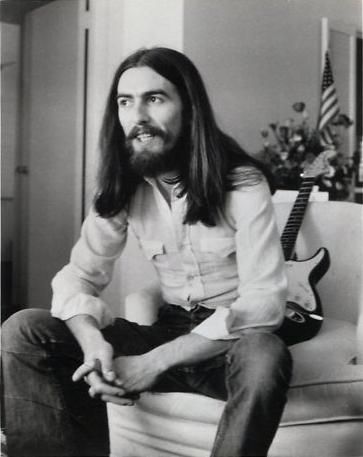
There’s a good argument for suggesting George Harrison‘s All Things Must Pass album is the pick of the solo Beatles’ output. In 1968, post White Album, George spent some time in Woodstock with Bob Dylan. Hearing the Zim’s stories of how The Band wrote; with equity, without hierarchy, everything considered on merit, he realised he was getting short thrift in The Beatles. Both John and Paul failed to give George’s songs the attention they deserved, instead throwing him the odd patronising scrap of encouragement when a space or two needed filled on an album. Discourteous and dismissive, Lennon & McCartney didn’t take George’s stuff nearly seriously enough and the youngest Fab, lacking clout and perhaps confidence, left many great songs in the archives.
In 1970, the floodgates opened. Spread over 6 sides of vinyl, the songs that made up All Things Must Pass showed the world – and his former bandmates – what they’d been missing.
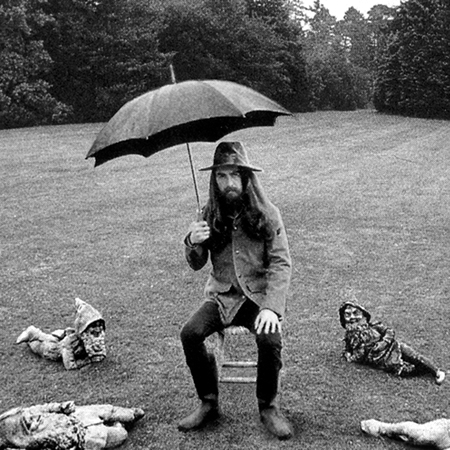
From the title in – The Beatles are finished, get over it, to the cover – a serious George, sitting in the middle of four metaphorically upturned garden gnomes (as similar to one another as The Beatles were at the height of Beatlemania), George throws open the doors to his vaults, brings in some high profile friends and adds life to songs that would’ve graced any late-era Beatles release.
You can practically see the double denim and scratchy beards as the whole things oozes past in a haze of hash and henna. George’s trademark slide guitar is all over it, gently weeping and effortlessly gliding off of the grooves and into that corner of the world that would be known from then on as soft rock.
It’s the opener, I’d Have You Anytime that sets the tone. Co-written with Dylan at that ’68 session, it’s produced by Phil Spector and features Beatles’ friend Klaus Voorman on bass. Guitar and drums are provided by the musicians who would soon become (Derek &) The Dominoes. Ol’ Slow Hand himself plays a tasetful slo-mo guitar part which would be more than a little bit recognisable to Beatles fans. Not content with stealing his pal’s wife, in order to keep I’d Have You Anytime softly rockin’ through the ether, Eric Clapton steals most of George’s solo from Something as well.
George Harrison – I’d Have You Anytime
A decade or so ago I’d Have You Anytime was a feature on one of my in-car CDs. Segued between World Party’s All I Gave and Elliott Smith’s Bottle Up And Explode!, the three tracks, all double tracked harmonies and wistful regret, regularly re-played (again! again!) to the point where I was sick of all of them.
George’s song happened to be playing one time as I was making my way through Crosshouse and past the hospital, back to the Kilmarnock bypass that would take me home. As the road opened up ahead, from one lane to three in preparation for the big roundabout at the Brewer’s Fayre pub, I happened to glance left to the car I was overtaking.
The woman driving it – she was about ages with me, but that’s got nothing to do with the story – was bawling her eyes out. Proper uncontrollable tears, mouth twisted and agape, lips joined by a few lines of stretchy saliva, face red and swollen. It was fairly distresssing.
I wanted to get her attention, ask if she was OK, but her eyes remained crying, her gaze on the car in front and the impending rush hour roundabout. I too had to focus on the traffic around me. Easing forward in first gear, I had a car in front of me, another behind. I was two, maybe three cars from the front of the queue, anticipating where I might be able to join the roundabout. The car on my left nudged forward simultaneously but the driver wouldn’t shift her gaze.
Ping-ponging my attention from right (is that a gap?) to left (is she OK?) I eventually zoomed onto the roundabout. The car to my left stayed. As I made my way round the roundabout, I lost her in my rear view mirror. I’ll never know if she was OK.
Had she been at the hospital and received bad news? Had she been visiting someone who’d died? Had she been dumped? Or sacked from work? I don’t know. I’ll never know. But everytime I’d Have You Anytime comes on, I’m back at the roundabout, watching a woman break down in the car next to me. Funny how music works, isn’t it?
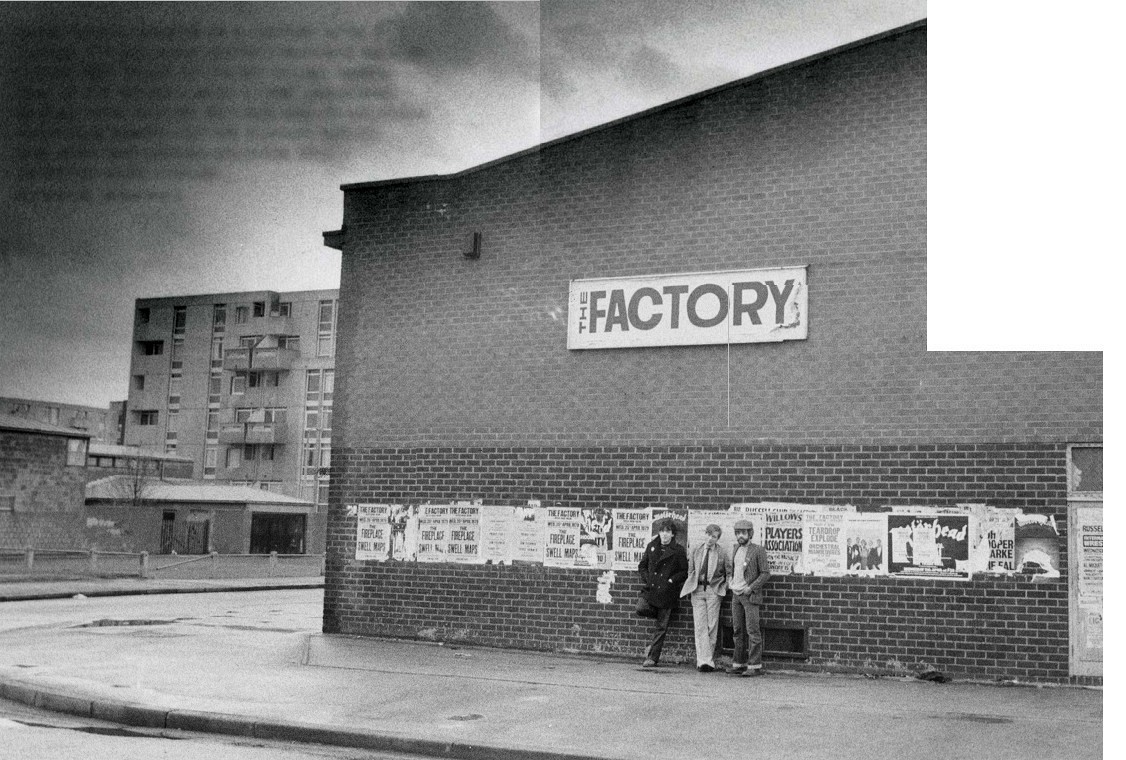
X-O-Dus was a political roots reggae act from Moss Side in Manchester. Formed in the mid 70s they honed their sound, grew in stature and became regulars on the Manchester scene. They shared many stages with the punk acts of the day and by the end of the decade they were playing in the Russell Club in the city’s Hulme area. The Russell Club is significant in British music history as the place where Peter Saville, Tony Wilson and Alan Erasmus ran the first Factory nights. The Factory Club begat Factory Records which begat Joy Division/New Order, ACR, Happy Mondays and a whole host of essential bands and records. But you knew that already.
Tony Wilson was so taken by seeing X-O-Dus and their self-billed ‘rainy city reggae‘ one night at the Russell Club that he offered them a record deal. The record they put out – just the one 12″ single – remained the only reggae release in Factory’s catalogue, but a mighty fine record it is.
X-O-Dus – English Black Boys
It proved to be a frustrating release for the band. Recorded one June day in 1979, Factory, keen to acknowledge the significance of having a UK reggae act, reached out to hot-shot reggae producer Dennis Bovell, stock high from working on The Slits’ debut and Janet Kay’s Silly Games, to oversee the mixing of the record. Happy to get involved, he was less thrilled at the prospect of travelling to Rochdale to work on it and stalled, doing so for the remainder of the year.
In the meantime, Factory launched Electricity, the debut release by Orchestral Manouevres In the Dark and Joy Division’s epochal Unknown Pleasures. The X-O-Dus record became almost forgotten in the process.
Ten months down the line, Bovell eventually got to work, producing the window-rattlling, stop/start roots masterpiece that came to define the band. X-O-Dus though was less than happy with the outcome. Known for their unique sound at live shows – they were as much jazz and avant-garde noise as they were reggae, they didn’t like the pigeonholing, long and winding, dubby coda-oda-oda that came to define the record. I don’t know why – listening 40 years down the line you’d have to say it sounds fantastic!
Further delays occured. As was often the Factory way, designer Peter Saville took four months to produce the sleeve and then, just as they were about to release the record, a London based band with the same Marley-derived name forced the Manchester variant to rethink their moniker. Almost a year after being recorded, English Black Boys was finally given the catalogue number FAC 11 and released on Factory Records. Peel championed it, the music press loved it and the band set out on a tour to capitalise.
The Scottish leg was cringingly billed Reggae For The Jocks, where, mid tour they supported Gary Glitter at Strathclyde University’s Students’ Union. Not the ethos representative of a Factory act, the label chose to leave the tapes for an intended X-O-Dus album on the shelves, busying themselves instead with Joy Divison morphing into New Order. X-O-Dus, as so many of those little-known bands did, would eventually fizzle out.
Highly politicised, English Black Boys is as relevant today as it was when it was written at the height of the National Front. Play it loud until the windows ratlle and your bigoted neighbours tut in disapproval. Then play it again, twice as loud and for thrice as long. It’s a great record.
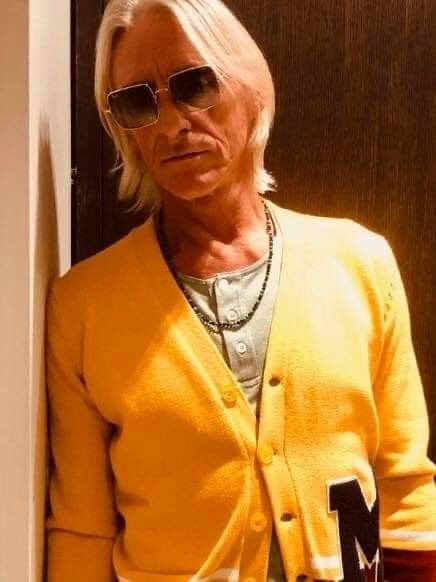
There’s a new Paul Weller album out today. He’s clearly a prolific, unflinching, bloody-minded writer, an English version of someone like Neil Young. You can certainly draw parallels between the length of their hair these days, let alone the length of their careers. Both started out in successful bands, both went solo, both still steadfastly plough their own furrow, their generally considered ‘greatest albums’ far behind them.
It wouldn’t be unfair to suggest that Weller’s output can be grouped into four distinct categories: 1) The Jam, 2) The Style Council, 3) The solo years up until Stanley Road and 4) everything else since. This isn’t intended to be disingenuous. There are plenty of PW fans who will point to The Jam’s progression from angry, besuited punks to the soul-obsessed Beat Surrender that hinted at Weller’s next move, and from that soulful start to their misunderstood house-obsessed finish, The Style Council certainly rode the zeitgeist of musical movements. Plenty too will cite Wake Up The Nation as just as relevant an album as Wild Wood. I’d even agree – and Sonik Kicks too for that matter. But I have to admit to a slackening off in my engagement over the past couple of albums. Partly, that’s been down to the crazy prices he can charge for a deluxe version of the latest album and partly because the lead tracks from those albums kinda passed me by. If I had the money and time to invest in them, I daresay I’d have a different opinion. Maybe I should just steal them online like everybody else and form a considered opinion. The new album – On Sunset– has been trailed with an interesting set of 70s-inspired fonts against bleached-out orange, pink and yellow graphics. It looks like the sort of thing I should investigate, even if his hair these days is part Agnetha from Abba and Brian Connolly from The Sweet.
Weller has always been about moving forward – Start, Dig The New Breed, My Ever Changing Moods, Push It Along – but haud the bus, Paul. Rewind, look over your shoulder, listen again to some of your finest moments. The best bits easily still stand up today. Like Long Hot Summer…
The Style Council – Long Hot Summer
Long Hot Summer has it all. In a lineage that begins with The Young Rascals’ Groovin’ and continues through to Jazzy Jeff’s Summertime, it’s one of the truly great mid-tempo summer tracks. Its awkward shoe-shuffling electronic beat might be difficult to dance to but it’s essential for conjuring up the feel of, well, a long hot summer. It’s the bass synth that carries it. Instantly recognisable – I’ll name that tune in one, Paul! – when he played it quite unexpectedly mid-set at the Hydro a couple of years ago, I was beyond myself with excitement. Fuckin’ Long Hot Summer! I shouted to Fraz. Long Hot Fuckin’ Summer moaned the old punk to his pal on my left at the same time. The placement of the sweary word is important here. Said at the start, it’s generally a positive thing. Placed midway through the sentence, it makes for quite the opposite. So there y’go. Paul Weller, still polarising his audience all these years later.
It’s a great production, Long Hot Summer. Along with that bass line, Weller’s vocal comes across as something that might’ve flown straight off the grooves of What’s Going On. Low and spoken in places, floaty and falsetto in others, it runs the range of what makes soul music soul music. When used to transport the lyrics of loss and longing, well, it makes for quite the thing. There’s a chord structure to match too, right up to the major 7ths in the bridge. Then there are the handclaps, the shiddy-biddy-do-wap-waps and the bubbbling analogue synths. If the Isley Brothers or Chi-Lites made a better record, I’ve yet to hear it. Weller, amazingly, was barely into his 20s when he wrote it.
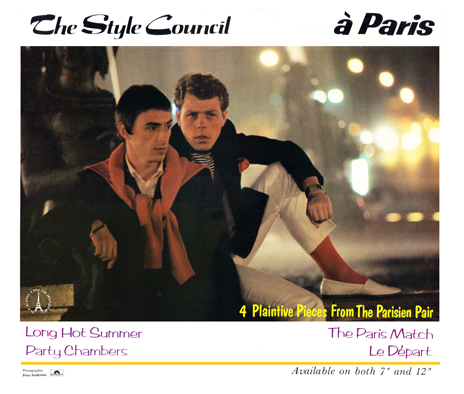
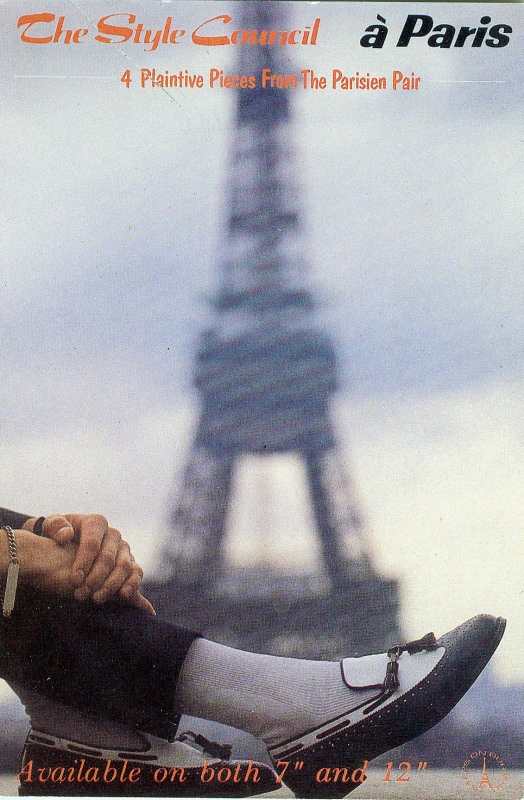
I’ve been playing The Style Council Á Paris EP a lot this week. Long Hot Summer is the lead track and the needle has gone back and forth across the A-Side a zillion times since I first rediscovered it on Monday. That line – the long hot summer just passed me by – is bothering me though. It’s a sign, a clue, a plea from the writer himself that I really should get to his more recent albums. A visit is in order.
The schools break up today, bereft, perhaps, of much of the frantic downhill-without-the-breaks-on rush to cross the ts and dot the is on the paperwork, but also lacking in the uncontained excitement of hundreds of young minds who’ve already switched off and are planning great adventures in the great beyond for the next few weeks. The sound of excitable kids in a playground on the last day of term is one of life’s greatest sounds – up there with John Lydon’s plegmy rrrrrrightttt now, hurrgh hurgh hurgh! snarl at the start of Anarchy In The UK and those honeyed Beatles Yeeeaaaah! harmonies right at the end of She Loves You.
Teachers in Scotland will return a week earlier than normal this year, and (to our dismay and disappointment) to full classes – our government’s way of bowing to public pressure and addressing the lack of traditional schooling in the previous few months. As a working parent I totally get the need for schools to be back operating as ‘normal’ – children getting only two days a week of teaching in an actual school isn’t nearly enough – and we need to allow the country to get back to work, but it all seems more than a bit rushed. For what it’s worth, I reckon schools – the grubbiest Petri dishes of all – are being squashed back way too early and I wouldn’t be surprised in the slightest if by perhaps October, a second wave of Covid has struck, forcing some (all?) schools to adopt the blended learning model that our profession has worked so hard to put in place. Who knows.
But back to the music. Sometimes you’ll hear a tune or even just part of a song that fits the current state of mind. Y’know, you’ll be driving home from work on an early summer’s evening, happy to be finished for the day, visor down and fake Ray-Bans shielding you from the rare Scottish sun, and Brass In Pocket comes on. As your left hand reaches out to turn up the volume, your right elbow automatically places itself on the window sill (Detroit leaning, dontcha know), just about one hand on the wheel, and you lean back and down into your seat just a touch more than you had been, your head bobbing in time to James Honeyman-Scott’s spacious, chiming riff. Serendipitous moments like this are few and far between, so when they occur you tend to remember them.
The better weather brings the cycling – lockdown’s greatest hit – and cycling up and down the west coast always sounds better when soundtracked by Underworld. The multi-layered rhythms encourage that extra 10% of effort that you never knew you had, the band’s propulsive thunk pushing you outwards and back in again. Occassionally in a quiter moment, the sound of a newly-oiled chain whirring through the sprockets will creep in to enhance the mix and again you think, this is alright!
It’s happening right now, as I type. I’m listening to Secretly, a softly looping instrumental by The Elevated Presence.
Secretly – The Elevated Presence
Part Albatross – listen for the whoosh of the gong and the gently thrumming bassline – and part Johnny Marrchestra guitar heaven, Secretly is a lovely textured wash of acoustic and electric guitars, ambient ephemera and pinging, unravelling melodies overlapping and looping into 4 minutes of music that could sit happily between your Durutti Column records and Mogwai’s less-heavier moments.
What you won’t hear as you listen though are the birds outside my window, high in the trees next to the Ayr-Glasgow railway line, warbling and twittering and chattering and whistling as the near-empty 11.05 to Largs rattles past. They say that mankind’s loss with Covid is very much nature’s gain, and with this much going on around me, it’s hard to disagree. All music sounds better with the added ambience of bled-in bird noise. Today it’s The Elevated Presence that’s benefitting.
The Elevated Presence is an on-going side project of sorts from Trashcan Sinatras’ guitarist Paul Livingston. The Trashcans are kinda mainstays around here, their world-weary uplifting melancholia and sparkling tunes never far away, so it’s always great to hear anything from the TCS camp, in any form that may take. The tunes that constitute the catalogue of The Elevated Presence are, I imagine, the ones that don’t quite fit with the Trashcans’ ethos. They’re interesting, introspective, self-indulgent in places….and certainly worth investigating as a result. Listen closely and you’ll hear chord structures, guitar tones and counter melodies that would colour and enhance any Trashcans’ record.
Sunchords – The Elevated Presence
The hazy Sunchords is the perfect example. All ringing arpeggios, slowly spiralling riffs and woozy, wonky whitewashed tremelo, it’s crying out for a heartstring-tugging vocal and tear-soaked crescendo. In its instrumental form it’s filmic, Lynchian even in its quiet assurance, and the most perfect sunbleached music for the songbirds outside my window to harmonise to.
If this is your kinda thing, you could do worse than nip over to The Elevated Presence page on Bandcamp and check out the 5 other tracks that are currently available for next to nothing. Flying Bike‘s Elliott Smith-ish picking that gives way to a frantic Flamenco breakdown, Toska‘s steadily unravelling melody, the atmospheric crackle of The Grasshopper Mouse Howls At The Moon…all contain the DNA that makes Trashcan Sinatras so essential. In their own way, these Elevated Presence tracks are just as required listening.
Happy Mondays‘ Bummed was something of a slow burner. Released in November ’88, it was arguably a full 12 months before its clattering industrial funk had travelled its own lolloping path from the margins to the mainstream. I picked up on it in the great summer of 1989, my pal and I each buying it from the old Fopp at the top of Renfield Street. Keen to have a proper look at our new records on the train on the way home, we opened up our respective bags, slid the inner sleeve from the pink-faced portrait of Shaun Ryder and very, very quickly returned the pouting, pube-free porno nude back inside again. Who expected that?!? It made for a ton of pink-faced nervous laughing and some strange stares that didn’t stop until long after after Paisley. Even still, by Christmas ’89, with Manchester in the area and an epoch-defining Top of the Pops episode featuring both Stone Roses and Happy Mondays in the bag, it was the follow-up – The Madchester EP, with lead track Hallelujah – that finally elevated the Mondays from cult act to the band that your mum knew. Loads of folk worked backwards from there, Bummed was that Christmas’s most asked-for LP and suddenly, Happy Mondays were everywhere.
Slower coaches who were still to get in on the act did so a few months later when Step On was released, its rinky-dink Italo house intro a call to arms for the loose of limb and slack of jaw in every provincial indie disco in the land. An almost thrown-away track – it was originally recorded as part of a tribute album for Elektra, the band’s American label, and their version of an old, forgotten John Kongos’ track came to define everything about the Happy Mondays of the era. Suddenly, they were no longer the preserve of Factory Records disciples and switched-on fans of left of centre non-chart music. You were as likely to hear your postman whistling Step On‘s intro as you were to see your local fruit ‘n veg assistant hold up a honeydew or a galia and gurn the words that will surely one day appear on Shaun Ryder’s tombstone.
By this point, the band was already well into the recording of their next LP. With a third new producer in as many albums, Pills, Thrills & Bellyaches eschewed the shouty funk of John Cale and the dark embryonic haze of Martin Hannett and, using Step On‘s success as a jumping off point, was buffed to a glossy sheen by dance producers Steve Osborne and Paul Oakenfold. A true marker of where the band now was success-wise, the album was written and recorded at Capitol Studios in L.A. The daily mayhem and freakscene that followed and surrounded the band fed into the music and the lyrics; a lack of E meant the band switched their allegiances to opium; half a dozen or more dealers would be at the studio every day; the lead singer got so into it and so out of it that he took to wearing a ski mask – “it’s the only thing keeping my head together,”- his fried eyes and half-masked hooked nose freaking out the locals in the sizzling Californian heat.
To paraphrase a line in an interview Ryder gave in his Black Grape days, Happy Mondays didn’t get into the music business and discover drugs, they discovered drugs and got into the music business. Being big business in L.A. meant access to better pharmaceuticals and freakier people. The Mondays soaked it all up and spat it back out on a record where influences and subject matter as disparate as Donovan, Bruce Forsyth and intrusive airport searches co-existed within the grooves.
‘I’m here to harass you, I want your pills and your grass you,
You don’t look first class you
Let me look up your ass you
I smell dope, I smell dope, I smell dope, I’m smelling dope.’
(Happy Mondays Holiday)
Despite the distractions, Ryder remained totally focussed during the sessions. The band had rented an apartment in one of L.A.’s more notorious neighbourhoods, sharing ammenities with petty criminals, porn stars and, bizarrely, Mick Hucknall. Mondays’ drummer Gaz Whelan played tennis with his fellow corkscrew-haired Mancunian everyday while the others sat around the pool eyeing up their neighbours and feeding the experience back into song. Ryder kept a notebook close by, scribbling lyrics whenever they came to him, writing and re-writing with an unchracteristic determination and drive. He’d take rough cuts home from the studio and work the lyrics into finished songs while the others partied.
The end result was an album that, from the sleeve on in was day-glo and bright, a beacon of off-it’s-head light in a landscape of floppy fringes, Fenders and fuzzboxes. Scratch a little below the surface though and you’ll soon dig up the dark matter. It’s maybe not my favourite Happy Mondays record, but it’s one of the most interesting.
All compass points lead to the big tracks – Step On, the asthmatic wheeze of God’s Cop, Kinky Afro‘s Labelle-lifting confessional, but let’s shine a light on Loose Fit.
Happy Mondays – Loose Fit
The runt of the litter, Loose Fit was the final single from the album, limping its way to number 17 almost a year after the album was released. By this point in time, Happy Mondays’ stock had fallen to an all-time low. They’d been quoted as saying some unforgiveable homophobic rubbish in the NME, they were happy to pose in a jacuzzi with Penthouse girls for The Sun and were in the middle of unleashing unhappy hell on an unsuspecting Jamaican island where they’d decamped to record what would be their final album. To all intents and purposes, their horse (and Ryder) had bolted.
Out of time and context though, Loose Fit has proven itself to be the ace up Shaun Ryder’s Gio-Goi sleeve. Wafting in on a riff that’s as airy and wide as the 25″ flares it celebrates, its mid-paced groove still delivers. Don’t need no skintights in my wardrobe today, fold them all up and put them all away. As far as songs about fashion go, only ‘she wears denim wherever she goes, says she’s gonna get some records by the Status Quo‘ is better. You knew that already though.
Notice that slow exhale of breathe at the beginning as Ryder wakes up from his opiate slumber and stretches himself yawning into the verse; voice whispered, eyes hooded, goofy stoned immaculate. Backed by the ever-present Rowetta, they make for an unlikely double act, yet it works.
Happy Mondays – Loose Fix
It turns out that exhale of breathe was something else entirely. The less than subtly-titled Loose Fix version tells you all you need to know. Light up, lean in, far out. There’s a guitar line that predates Flowered Up’s Weekender by a good year, some processed beats that Gillespie and co would cop for their own experiment in dance a few months later and a production that keeps the whole thing riding the zeitgeist of turn-of-the-decade indie dance.
Grangemouth is a wee industrial town on the eastern side of Scotland, famous for the oil refinery and its belching chimneys and gas flares that rise strangely beautiful and plentiful into the skies above the Firth of Forth. You might spot its post-apocalyptic Mad Maxian skyline as you look for (and miss) the bypass turn-off that takes you to the Kelpies (just us?)
Even in these times of renewable energy and eco awareness, not to mention more accessible further and higher education, the refinery is still the town’s largest employer. The route for many of Grangemouth’s young people is seemingly mapped out from the day they are born: leave school, start work at the refinery, retire, die. If you do these things in that order, you’ve won at life.
It was against this backdrop that Cocteau Twins were born. With a desire to never set foot inside the refinery, their shared love of The Birthday Party, Kate Bush and Siouxsie Sioux saw them land a record deal with 4AD, find favour with John Peel and subsequently burrow deep into the ears of fans of leftfield music the length and breadth of Peel’s reach. You knew that already though.
Against the occasional industrial clatter of drum machines, it was the basslines (Will Heggie initially, Simon Raymonde not long after); bending, bulging, melodic and Hook-ish that carried the music forward.
This rhythm section gave freedom for Robin Guthrie to splash all manner of dazzling, sparkling guitar sounds across the top; crystalline and glass-shattering one minute, fuzzed-out then gossamer-thin the next. Echoing, chiming, phased and flanged, Guthrie took the sonic bravery of The Banshees’ (etc) John McGeoch and developed a style of his own that would help define the Cocteau Twins’ sound. Vocal-free, the tracks alone are very much music to lose yourself in – other-worldly, pretty and lilting, melancholic yet uplifting – the best sort of music.
The Cocteaus’ secret weapon was, undeinably, vocalist and focal point Elizabeth Fraser. When you add her vocals to the heady mix, the tracks take flight as high and far and wide as her vocal chords. She didn’t so much sing as soar, and she did so without the use of words that you might find easily in the pages of a Collin’s Dictionary. Fraser swirled and swooped largely nonsensical gobbledegook and it sounded fantastic.
Occasionally, recognisable words might jump out at you. That ‘burn this whole madhouse down‘ line on Iceblink Luck, for example, is so memorable precisely because it’s one of the few Cocteaus’ lines sung in plain English. Indeed, much of the song appears to be, unusually for them, in the mother tongue. It takes a fair bit of sonic squinting to work them out, right enough.
Cocteau Twins – Iceblink Luck
Most of the time, the vocals are heady and hippy, a mythical strangetalk language all of their own. Sung with an unparalleled style and phrasing, it’s Fraser’s vocals that are the true trademark of the Cocteau Twins.
Now and again, Fraser’s vocals will grace other records, Massive Attack’s Teardrop, for example, or more recently Sam Lee’s Old Wow album. When Felt recorded their Ignite The Seven Cannons album with Robin Guthrie in 1985, it was inevitable that the producer would call for his partner to add her celestial quavers at some point. The recording sessions were fraught with ego and anguish – Felt’s Lawrence, a stickler for detail and band aesthetics was encouraged to sign a contract that would forbid him from being present at the mixing.
Guthrie used the opportunity to Cocteau-fy much of the music with sea-deep reverb and an ambient swirl. He also finalised an 11-track album that the ‘Perfect 10’-loving Lawrence couldn’t cope with. “We’d have been better doing an EP with Guthrie instead,” he moaned to Uncut a few years ago. “A standalone 12″ like Joy Divison’s Atmosphere or Wild Swans’ Revolutionary Spirit.”
Felt – Primitive Painters
The lead single from the album proved be one of Felt’s most enduring tracks. Over time it’s become, like the reference points above (and no doubt to Lawrence’s delight), a classic 12″ single of the era. Featuring a freeform Fraser who’d been handed the lyrics minutes beforehand, Primitive Painters is a waltzing, loping, cyclical groove, chiming with 12 string intent and mooching ennui. It’s not a tune that particularly goes anywhere, until Fraser enters on the chorus. From then on in, the whole thing lifts off spectacularly for a good 6 minutes before crashing triumphantly to a long, slow fade-out.
Playing now, it evokes those days when the Chart Show would show you a run-down of the indie top 10, most of the records playing behind a picture of the record sleeve or a promo shot of the band in lieu of an actual video.
Fast forward a decade and the Cocteau Twins, not quite history, will limp on for one more LP. Fraser and Guthrie have separated and she is now in a relationship with Jeff Buckley, someone else who knows his way around the outer octaves of a vocal chord. Fiercely private people, their relationship proved fairly creative.
Jeff Buckley & Elizabeth Fraser – All Flowers In Time Bend Towards The Sun
It’s a slightly uneasy, voyeuristic listen, this song. Not because it’s difficult to listen to – it’s not – it’s fantastic – but because it’s evidently very personal. A metaphor for their developing relationship maybe, All Flowers In Time Bend Towards The Sun should be listened to through a filter of a conscience. Basically, you’re eavesdropping on a private moment between two people – Fraser’s unselfconscious giggle at the start makes that startlingly clear.
Since the track leaked, she’s said how disappointed she is that it’s out there, unfinished and raw. Yet out there it is, so listen we must. Their duet – a studio off-cut remember – stands up with the best of both artists’ work.
They’d have made beautiful babies, Buckley and Fraser, and this song is the sonic equivalent. Imagine how it might’ve sounded with Buckley’s shining, liquid mercury Telecaster singing across the top of it, Fraser’s vocals double-tracked and harmonising new melodies, a rhythm section with meandering bass, cymbal splashes and restrained bombast. We can only imagine.
The revolution will not be televised solely on ABC and BBC and CBS and CNN via twenty-four hour news channels repeating graphic images Repeating graphic images Repeating graphic images The revolution will be reported by bloggers and vloggers and looters and muggers Twitters, Tweeters, fast-food eaters hashtaggers and carpetbaggers, The good, the bad and the ugly all giving their own perspective on the state of America as, overseen by a bully, a rapist, a racist, a disgrace, it swallows itself whole, a blinkered and bloated, unantidoted nation, where institutionalised hatred of non-whites is at its scraggy, entitled core and the police are given free reign to murder whoever they choose, live on camera.
The revolution will not be finger lickin’ good The revolution will be the real thing Relying on the appliance of science To get you all the news that’s fit to print Because you’re worth it.
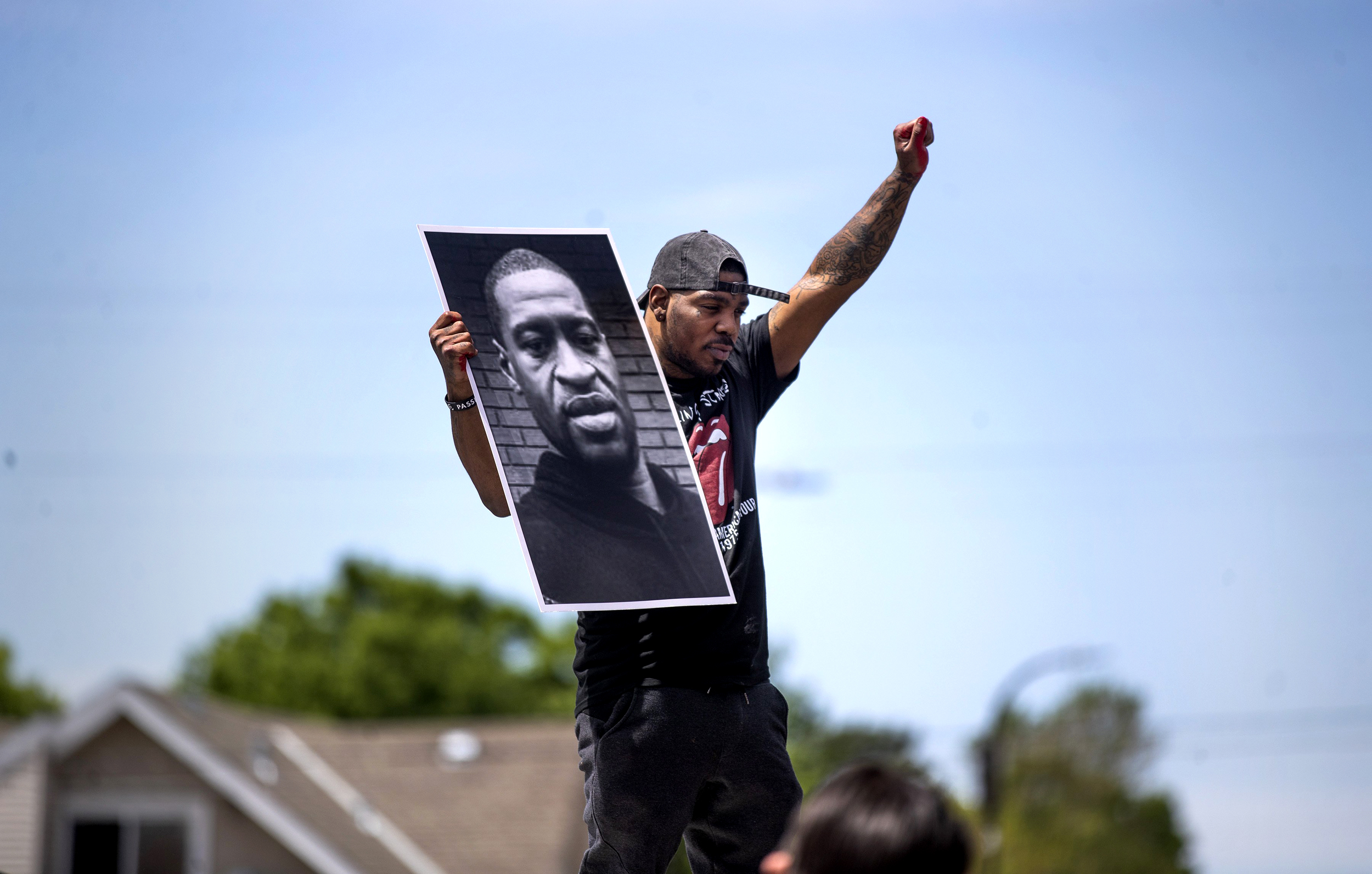
Tony L. Clark holds a photo of George Floyd outside the Cup Food convenience store, Thursday, May 28, 2020, in Minneapolis. Floyd, a handcuffed black man, died Monday in police custody near the convenience story.(Jerry Holt/Star Tribune via AP)
The roots of racism run deep and long, particularly in American history and while there’s a general pretence that we’ve all moved on somewhat, that we’re nowadays more progressive, more liberal and tolerant, it’s not hard to debunk that particular myth. They say you’re never more than 6 feet from a rat, and in the same way, you’re never more than 6 seconds away from finding a racist on Facebook or Twitter. Sometimes it’s out and out Tommy Robinson-style hideousness, sometimes it comes wrapped in that old ‘don’t white lives matter too?’ blanket, but it’s all there. Racists walk among us; the man on the street. The cop in Minneapolis – the Minnea Polis, you might say. Even (especially) the inflammatory Twitterer hiding out in the White House. Society’s cancer that refuses to die.
The George Floyd story is, depressingly, nothing new. The reaction has been seen before too. But not like this. Perhaps it’s the pent up release of a country in lockdown, hiding from one epidemic while another rages at its own door, brought to a head by a President who’ll use the situation to rally around the WASPish right as he clings to a job he’s not fit for doing. I don’t know. I’ll never properly ‘know‘. That matters neither here nor there though – I do know right from wrong. We are not all equal, but we should be. That’s obvious, right?
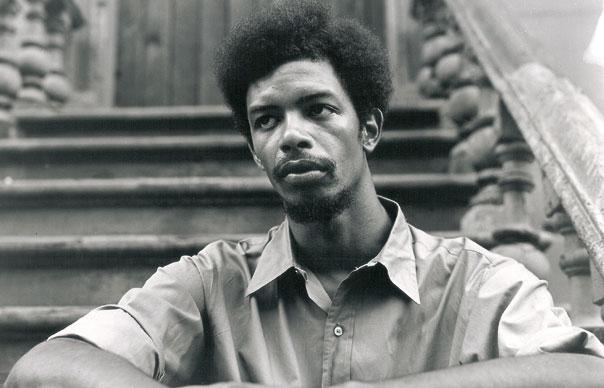
Gil Scott-Heron’s most-famous track, from whence that attempt at politico-prose at the top was inspired was recorded in 1970, just Gil and his firm, quietly assured voice, accompanied by some groovy percussion. The very definition of beat poetry.
Gil Scott-Heron – The Revolution Will Not Be Televised (Small Talk At 125th & Lenox)
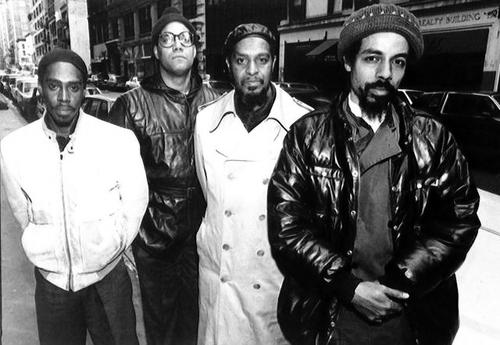
It’s an ‘answer track’ to The Last Poets‘ When The Revolution Comes, street-tough, proto-rap that leaves its cards face-up on the table – “When the revolution comes, guns and rifles will be taking the place of poems and essays.” It was written more than half a century ago, yet seems perfectly prescient for addressing America’s white elephant, so to speak, that refuses to leave the room.
The Last Poets‘ – When The Revolution Comes
A few years after recording his response, Scott-Heron re-recorded The Revolution Will Not Be Televised with added funk and jazz musicians. Its roll-call of cultural reference points and underlying message of activism over pacifism now a relaxed, meandering soundtrack, no less hard hitting but presented in soft-focus polaroid as opposed to stark monochrome. It’s a great soundtrack by which to get political. Agitate, educate, organise.
Gil Scott-Heron – The Revolution Will Not Be Televised