Cover Versions, demo, Stinky

Weller Weller Weller oops

elo 72

10538 Overture was the debut single by the Electric Light Orchestra. It was written by Jeff Lynne and produced by Roy Wood when he was still in The Move, pretentiously given the ‘Overture‘ title and prompted the split of the band. Released in 1972, it was the love child of I Am The Walrus and The Who’s more bombastic moments; a Heinz 57 variety pack of swooshing synths, see-sawing cellos, minor key breakdowns, ELO’s trademark multi-tracked vocals….and a terrifically cod-psychedelic, eastern-tinged descending guitar riff.

10538 Overture

10538 Overture would eventually appear on ELO’s self -titled debut LP, with it’s big, ambitious sound a portent of things to come. In America, the same album was released as ‘No Answer‘, after the man from the US record company phoned the band to get the name of the LP. No one picked up, the under-assistant west coast promo man wrote ‘no answer‘ on his paper, left his desk, and someone picked up his note and ran off to the printers where the sleeve was being assembled. True story, that.

Perhaps drawn in by the backwards Beatlish bits and the windmilling Townshend chords and Moonisms on the drums as 10538 Overture drags itself to a bloated end, Paul Weller‘s magpie-like antennae pricked up. “That descending guitar riff,” he thought. “I’m having that.”…..

Weller demo:

weller 95A shame-faced Paul hides his head

Welding it on to a mid-life crisis of a lyric, Weller gave birth to The Changingman, lead single from the epoch-defining Stanley Road LP. Named after a picture his son had drawn – “Who’s that?” “It’s the changingman, daddy,” the single reached number 7 in the charts, at the time a career best for the solo Paul.

This is where it gets a wee bit muddled. On the LP, the track is credited solely to Weller, but if you consult that last bastion of credibility Wikipedia, you’ll see that Weller shares the writing credits with 3 others – Brendan Lynch, his producer of choice at the time who added the ambient textures and wonky noises (his remixes from this time are terrific) that lift the track above bog standard r’nb fare, a certain R. Wood who we now know all about, and, most interestingly of all, forgotten cult hero and Syd Barrett for the Brit-Pop genearation, Lee Mavers.

The Changingman LP/Single version:

Quite what Mavers’ involvement in the writing of the song was is unclear (if any), although around that time he was in a bit of a sorry state through drugs. It’s been suggested that Paul Weller took one of Lee’s unreleased tunes and built Changingman on top of it. Some of the lyrics (‘the more I see the more I know, the more I know the less I understand‘) are kinda La’s-ish as well. Weller, on Go! Discs, as was Mavers at the time (or was he still, in 1995?), also had Lee open a few shows for him. Maybe he was just trying to help him out, a support slot here, a writing credit there,  but as you’ll know already, Mavers is pretty comfortably well-off thanks to the regular royalties he receives for There She Goes (between £5000-£10000 a month, depending on where you read). Maybe Bo Diddley nut Lee contributed the percussive backbeat that gives the track it’s mid 60s swagger towards the end. Who knows? I need to investigate further…

The Changingman Radio1 Evening Session 8th May, 1995 (Exactly one week before the album release);

rod 90sRod Weller

Around the same time as Weller was releasing Stanley Road, an ill-advised Rod Stewart was assembling a catalogue of contemporary tracks of the day that would make up a covers LP. When I first heard about this album, I immediately thought of it as similar in spirit to Bowie’s Pin Ups LP. Primal Scream’s Rocks. Cigarettes And Alcohol. Skunk Anansie’s Weak. All would be filtered through the Rod voice and into the Mondeos and family saloons of 40-something Britain. There was even space for a (terrific) track by Scottish underachievers Superstar that would make writer Joe McAlinden very wealthy.  At the sessions, Rod tackled The Changingman with all the gusto of a prime time Faces, although the finished version comes across as a highly polished piece of session musician rawk and nothing like the raggedy arsed Faces it could’ve been. Consequently, it never made the final cut.

The Changingman Rod Stewart version;

Never has a singer betrayed his talent quite like Rod.

But that’s for another day.

Cover Versions, demo, Gone but not forgotten, Hard-to-find, Sampled

Massive Attack

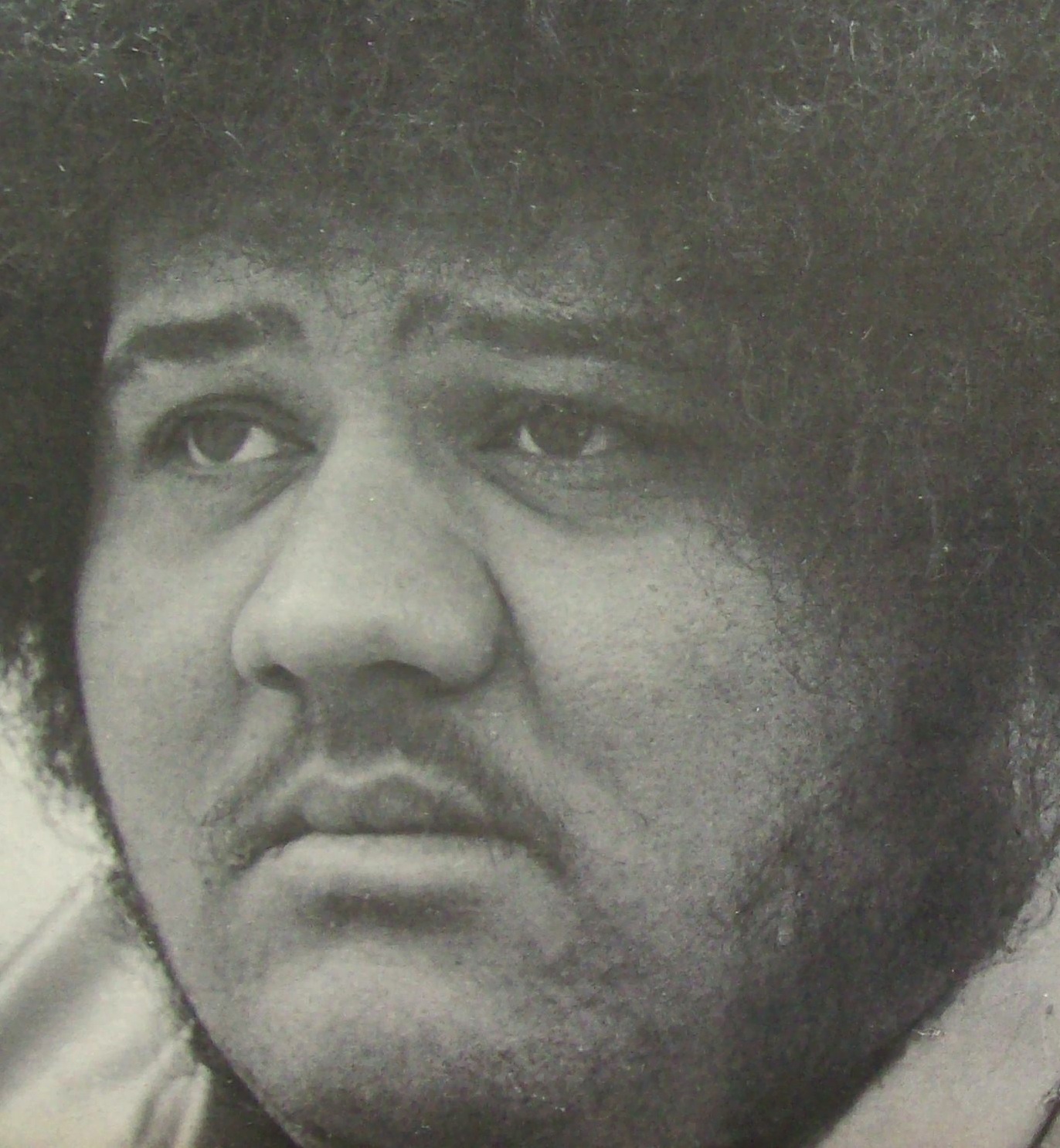
Baby Huey is one of the forgotten stars of 70’s soul, mainly because he died in October 1970 and it wasn’t until much later on, when his music was discovered by the hip-hop community that he gained any sort of acknowledgment.

baby huey lp

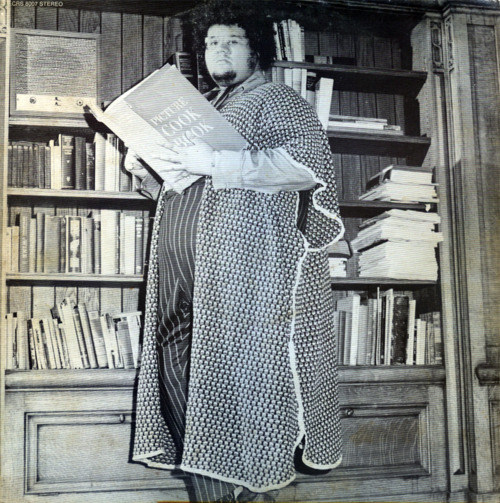
Named after a 1950s cartoon duck, the ironically-monikered Huey was massive in every way – he was massively overweight (between 25 and 28 stones (or 350-400 lbs if you’re that way inclined), he wore his hair in a massive afro,  he had a massive voice and used it to create massive tunes. He was a massive drinker. He even had a massive heroin addiction to go with it all.

baby huey

He came to the attention of Curtis Mayfield and signed to his Curtom label. Mayfield became something of a mentor to him and gave him the songs that would make up the A and B sides of his first single. Mayfield also suggested he get rid of his band The Babysitters, forever stuck in a mid 60s Motown rut. Curtis wanted Huey to expand (no pun intended) his sound towards the more politicised, psychedelicised sound of the times, which, sacked band or otherwise, he achieved. Huey’s tunes are packed full of riffs, refrains and drum breaks galore. Huey liked his music to ebb and flow, bringing the band down so he could throw in a social commentary or two, before letting the band soar in a riot of bass and brass. His songs regularly stretch out beyond the 6 minute mark and (I’d wager) are a sampler’s delight.

baby huey 7

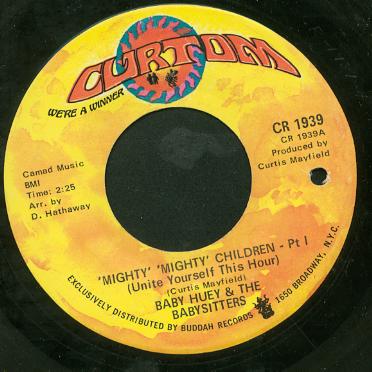
First single Mighty Mighty Children is a one-chord groover, held together by stabbing Blaxploitation brass, wah-wah ripples and pseudo live vocals. Mighty indeed.

Mighty Mighty Children (Part 1)

Here’s Listen To Me, Baby Huey’s 2nd (and final) single release. A stone cold lost classic, it‘s terrific! Beginning with a taught guitar riff and Huey’s big voice careering between balls-out soul belter and Is It Real Or Is It Memorex glass-shattering falsetto, it fairly gets carried along on a tidal wave of trumpets and electric keys, clattering cowbell and ‘Have Mercy Brother!’ soulful paraphrasing. I think you’ll like it;

Listen To Me

On the other hand, Huey’s version of Sam Cooke’s A Change Is Gonna Come is downbeat, treacle-thick and just shy of 10 long minutes. By the end you’ll be praying that a change is indeed gonna come. His wee spoken word part reminds me of James Brown or Isaac Hayes – all social conscience dressed up in occasionally trippy echoed sound effects. Settle in for the ride…

A Change Is Gonna Come

Most of these recording didn’t come out until after Huey was dead. An album, The Baby Huey Story was released to general indifference in 1971 and quickly forgotten about. My tracks come from the 1999 CD reissue that’s probably since been quickly forgotten about. You could do worse than track it down.

baby huey 2

Cover Versions, demo, Get This!, Hard-to-find

Vive le phonq

Imagine the pop landscape in 1967. It wasn’t just the trousers that were starting to get expansive. Everything’s got that slightly psychedelicised and trippy, frazzled edge to it. Itchycoo Park. Heroes and Villains. Penny Lane. Purple Haze. See Emily Play. Even The Temptations and other wide-lapel wearers on the Motown roster were abandoning their sure-fire recipes for success. Psychedelic Shack anyone? A future post for sure. Records became longer, more free-form and stretched out. Less structured, with not so much emphasis on the tried ‘n tested verse/chorus formula. But still pop. That bit’s important. The time was ripe for Sly and the Family Stone.

In 1967, Sly Stone didn’t like his record company. In fact, he didn’t trust them one iota. Sly had a bit of leeway though. He’d just had a top ten smash hit both sides of the Atlantic with Dance To the Music, a tune that did exactly what it says on the tin. So when Clive Davis at CBS asked Sly to follow it up with more of the same, the ever-willful and awkward Sly did just that.

sly keyboard

Sly decided to follow up Dance To The Music with a garage punk/funk version of the exact same track, stripped of all vocals save a tiny spoken word part and the chorus…..which this time was to be be sung entirely in French.

Naturally, he chose to call it Danse à La Musique. Released under the nom de plume of French Fries, it was terrific. The same du-du-du-dumb four-to-the-floor caveman stomping beat and growling fuzz bass drives it along. Street corner jazz scat vocals ping-pong back and forth, trying to be heard above the din of a joyfully fuzzed up, wasp-stuck-inside-your-car guitar track, clearly being played by a guitarist who’s just wired up a fuzzbox for the very first time. There’s precious little brass, replaced instead by a primitive keyboard that plays random Eastern-tinged phrases like a snake charmer on acid. The champion of a tambourine player never once stops throughout. His/her arm must’ve ached like a teenage boy’s with a Meaty, Beaty, Big ‘n Bouncy bargain Box Set for company. The whole thing is over and done with in three freaked-out flare-flapping minutes. I think you’ll like it.


sly kathyBONUS TRACK!

Here‘s a demo of Sly and co turning The KinksYou Really Got Me into a piece of proto Acid Jazz. Not sure if I like this or not, but it’s a curio right up Plain Or Pan’s street. And yours…

Cover Versions, demo, Gone but not forgotten, New! Now!

No Phils

let it be me 78

John Peel went through a phase of playing really old 78s from yesteryear. Ancient ghostly blues by unheard of singers long-since departed, popping and crackling away like one of my Gran’s heart attack-rich fry-ups. From out of nowhere they crept up on you, weird, wonderful and wonky. It might’ve taken you a couple of minutes to realise that there was any music playing at all, such was the understated beauty of it all. But before you knew it, there it was, under your skin and ingrained forever.

As if beamed in from another time and place, the music below has just slipped out into the ether…

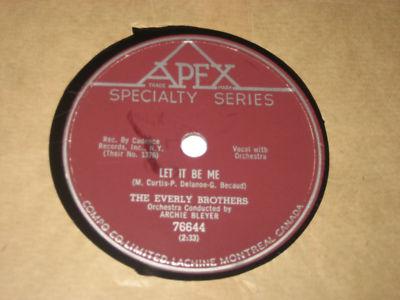
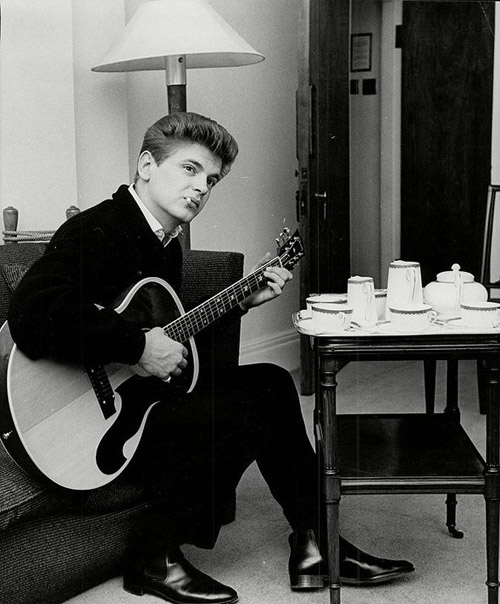
Eddi Reader and wee brother Frank side by side at the piano singing the Everly‘s Let It Be Me with all the fragility of Bambi with a broken leg. It’s as fresh as the new year, yet sounds as if it was committed to shellac a century ago. Just like one of those old Peel 78s. It’s a heartfelt spontaneous tribute to Phil, recorded on iPhone and let loose on the breeze for anyone who happens upon it. I think it’s terrific.

Here’s another version…

The same song sung at the same session, this time the recording is taken from Frank’s iPhone. More Frank than Eddi on this version. And there’s nothing wrong with that. A bedroom Spector somewhere could probably jigsaw the 2 tracks into one. Over to you..

Here‘s the Everly Brothers’ original:

phil everly

Dig out a dram, play all the tracks above back to back with The Smiths’ Asleep and there’s your Friday night in right there.

Cover Versions, Hard-to-find

Slithery People

 northern soul dancer

In 1963, civil rights activist and singing jazzman Oscar Brown Jr wrote and recorded The Snake, a finger clickin’, stand-up bass poppin’ bossa nova, free from unnecessary jazz frill but full of electric piano stabs and fluid electric guitar riffs. It‘s a cracker.

oscar brown jr

Borrowing heavily from one of Aesops’ fables, Brown’s track was a metaphorical parable about trust – a woman is conned by a seemingly in need of help half-frozen snake who by the end of the song has bitten her with poisoned tongue.

“Oh shut up silly woman!” said the reptile with a grin. “You knew darn well I was a snake before you took me in!”

You might know The Snake better as a northern soul belter. Half a decade after the original, Al Wilson took the tune by the scruff of the neck and turned it into something that, by 1975 (No. 41 on the UK charts), would be a talcum-dusted Mecca floor-filling monster.

Propelled by a properly frugging four-to-the-floor soul bassline, brass stabs build and build with each increasingly frenetic key-changing verse, Hal Blaine’s drum fills tumble like acrobats atop oil cans and the kitschest of hissing female vocals (Yesssssss! Come on in!) carry the chorus.

Without a doubt it‘s guaranteed to get me dancing like the rhythmically-challenged Ayrshireman I am.

al wilson

You might be surprised to learn that neither Al Wilson’s version nor the more unknown original were the first versions of The Snake I heard. Nope, it was second division indie also-rans Dodgy who first brought The Snake to my attention in 1994, including it on the b-side of their “double E-sidedMelod-EP.

Sticking with Al Wilson’s as their blueprint, the Dodgy version is a rush. It’s faster, fatter and has added mariachi trumpets in the tripping-over-itself finale. I love it. They’re still going, you know….

dodgy 2013

Alternative Version, Cover Versions, demo, Dylanish, Get This!, Gone but not forgotten, Hard-to-find, Kraut-y, Most downloaded tracks, Six Of The Best, studio outtakes

Lucky Seven

Plain Or Pan began back in January 2007. December 2013 saw the 7th full year of the blog. The end of the year makes me come across all misty eyed and giddy at the thought of this blog being not only still in existence but in rather rude health. At some point recently, the one-and-a-half millionth visitor crossed the threshold to read all about James Brown or Lou Reed or some forgotten Teenage Fanclub b-side. Facebook followers are in abundance, Twitter sends its fair share of readers in this direction and if you read that wee panel on the right, you’ll notice visitors from as far afield as Buenos Aires, Berlin and Ayr. Thank you one and all!

What better way to celebrate 7 years of typos, titbits and factual inaccuracies than with the annual Plain Or Pan Best of the Year CD*.

This slideshow requires JavaScript.

*I’ll provide the tunes. You make the CD.

Our team of stat monkeys works double shifts over the festive period before presenting me with documented proof of the most listened to and downloaded tracks from Plain Or Pan throughout the year and I compile them into a handy CD-length album, complete with artwork, that can be added straight to your iTunes or wherever and onto your iPod to listen to during that new-fangled jogging craze you’ll ditch by February. Alternatively, it could be burnt off to listen to, old-skool style, on a couple of shiny discs in the car.

Tracks included:

PixiesRiver Euphrates (Gigantic ep version)

Victoria Wood14 Again

The SmithsRusholme Ruffians (demo)

James Brown(Hot) I Need To Be Loved

SupergrassCaught By The Fuzz (acoustic)

The CrampsI Wanna Get In Your Pants

The House of LoveDestroy The Heart (demo)

Neil YoungBirds (Mono single version)

Elizabeth Archer & the Equators Feel Like Makin’ Dub

Beak>Mono

Dave EdmundsBorn To Be With You

The CliqueSuperman

Ike TurnerBold Soul Sister

CanI’m So Green

WilcoImpossible Germany

The Mamas and PapasSomebody Groovy

Santo & JohnnySleepwalk

Dee ClarkBaby What You Want Me To Do

The SpecialsToo Much Too Young (LP version)

Barry AdamsonSet The Controls For The Heart Of The Pelvis

NeuHallogallo

MogwaiThe Sun Smells Too Loud

Trash Can SinatrasLittle Things That Keep Us Together

Roxy MusicVirginia Plain (Peel Session)

*** a cracker! ***

Get it here.

pop 7 cover art

Normal service resumed next week. Lookin’ forward to it!

Cover Versions, Gone but not forgotten, Kraut-y

Meddling Kids

Plain Or Pan Health Warning:

Two words. Prog Rock.

Pink Floyd’s Meddle LP was released in 1971, sandwiched between 70’s experimentally textured Atom Heart Mother and 72’s omnipresent, global-shagging Dark Side of the Moon. Sitting between these two LPs, Meddle is more experimental and free-flowing than its conventionally-structured follow-up; There are whoosing wind effects galore, barking dogs (the eponymously titled Seamus, named after recording Steve Marriott’s hound – it’s a howler in every meaning of the word) and one entire side is given over to a self-indulgent ambient collage that, some claim, can be synced in perfect harmony with Kubrick’s 2001: A Space Odyssey (side 2’s Echoes). If techno-hippies The Orb had played guitars instead of sequencers they might’ve come up with an album like Meddle.

pink floyd meddle

It’s not an album I listen to very often – maybe once in the last 10 years, but I do like track 3 – Fearless. An eastern-tinged, six minute-plus electric skiffle blues played in the sort of open tuning that Jimmy Page might have employed during the writing of Led Zeppelin III, it meanders like the Ganges on a hot day.

It starts terrifically, the recurring, nagging riff underpinned by a sample of the Anfield Kop singing You’ll Never Walk Alone, Gilmour in full-on Home Counties posh boy whisper mode. Throughout, strings bend like bluesy elastic bands, electric guitars intermittently chime, harmonics ping, a piano tinkles, Fab Four backing vocals weave in and out of the rich tapestry of sound….but everything always comes back to The Riff. You should listen to it, you’d like it.

The Charlatans certainly did.

charlatans 95

Musicians stealing other musicians’ tunes is nothing new. Pick a month at random from the sidebar on the right there and you’ll find umpteen examples without looking too hard. Right now, you’ll have your own examples bouncing around your head. So we shouldn’t single The Charlatans out for individual attention.

 “Here comes a soul saver on your record player…”

Their track Here Comes A Soul Saver has Fearless written all over it. Or rather, it has Fearless written through it like the words on a stick of Blackpool rock, the Pink Floyd track the scaffolding upon which The Charlatans build their magpied groove.

They’ve done a good job of it too – all 1970s Ian McLagan keys and inspired chord changes, but The Riff continues brazenly throughout. “No-one’ll notice,” they probably thought in 1995, “it’s from the Pink Floyd LP that no-one listens to.”

And they would’ve gotten away with it too, if it wasn’t for this Meddling kid.

pink floyd meddle art


Cover Versions, Get This!, Hard-to-find, studio outtakes

Quiff Richard

little richard 57

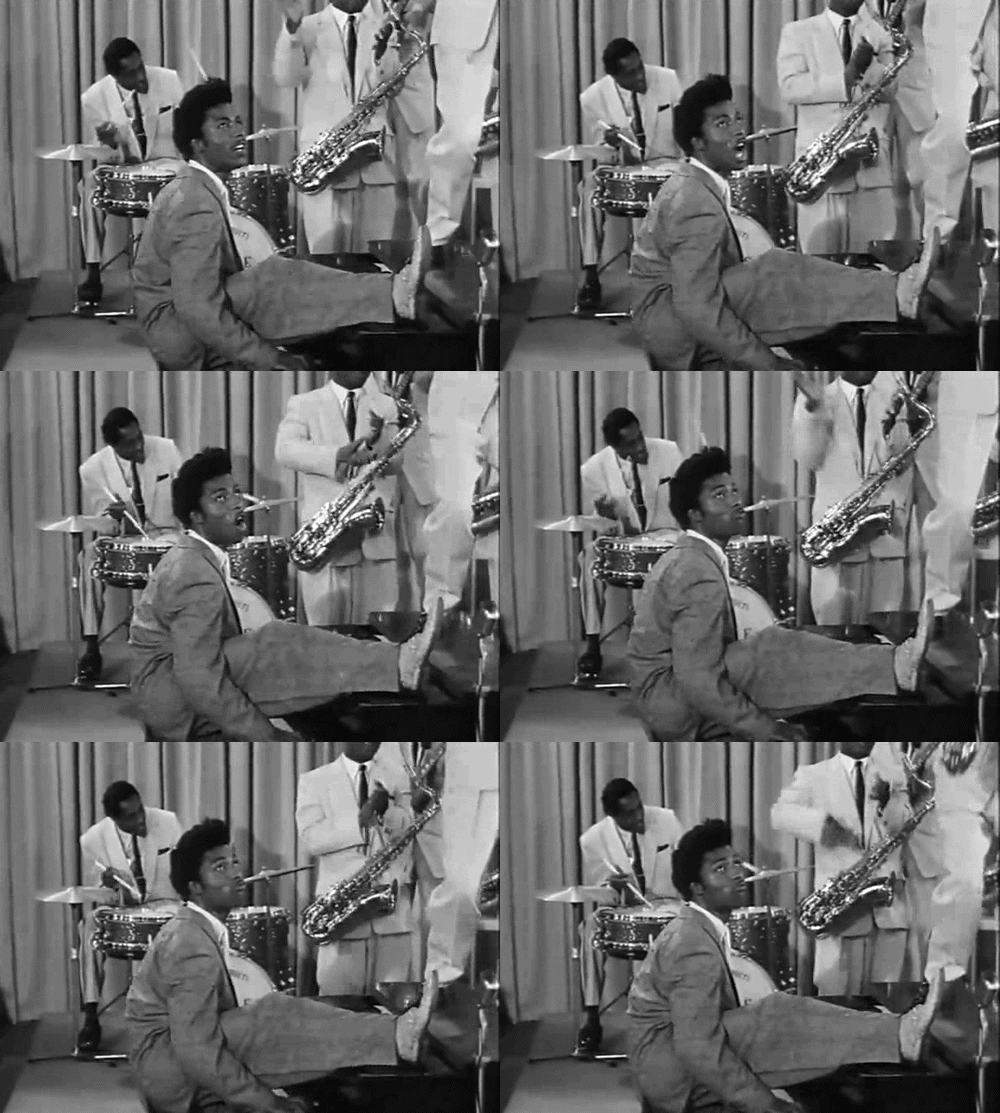
Elvis may have been the King, but Little Richard was certainly the Queen. He’s terrific, isn’t he? The high priest of camp; his pompadoured hair like a Texan oil slick, sticky and stationary above those mad, popping eyes and perfectly plucked brows, the occasional dog-bothering ‘whoooo!’ while his hands pound away on the pianer with all the frenzied dexterity of a teenage boy with unlimited broadband and a lock on his bedroom door. Tee-riffic.

little richard gif

Slippin’ And Slidin’. Tutti Frutti. Lucille. Good Golly Miss Molly. Rip It Up. Long Tall Sally. Every one a throat-ripping, stone cold classic……..the building blocks of rock and roll and all that was to follow. But you knew that already.

Before Elvis, there was nothing‘, said John Lennon, but The Beatles owed Richard Penniman a huge debt or two. McCartney for one modelled his whole voice on Richard’s every single time his group broke free from the shackles of balladry and ruffled their rugs to the delight of the watching world – from the backing vocals on The Beatles’ own version of I Wanna Be Your Man right through to the White Album’s Why Don’t We Do It In The Road, the spirit of Little Richard was never far away.

DICK CLARK, LITTLE RICHARD

Here’s one you might not’ve heard before:

The Most I Can Offer (Just My Heart) is superb. Released on his 3rd album The Fabulous Little Richard by a slightly twitchy record company after he’d indicated a preference  for thumping the bible rather than the thumping boogie woogie of yore, The Most I Can Offer is a mid-paced soul-shaking break-up ballad (of course!), all rasping tenor sax and ding-ding-ding minor 7ths on the keys. It throws me every time. Why? Because it sounds like a duet between a high, quavering falsetto’d voice and a southern souler. Imagine if William Bell had sung with the black cleaner lady who appears from the waist down in every Tom And Jerry cartoon. Except The Most I Can Offer seems to be Richard and Richard alone, his voice alternating between broken-hearted blues mama and a down-on-his-knees tear-soaked gospel bawler. The version I’ve given you is Take 4. Which sounds exactly like takes 1, 2 and 3 and no doubt the master version too. If you have but an ounce of soul you’ll want to play this again and again and again.

??????????????

And here’s another:

Hey Hey Hey Hey, as reprised on the Beatles For Sale LP by those self-same Little Richard fans mentioned earlier. An out-and-out rocker, this features Richard at his most extreme, extravagant and extraordinary, pompadour bouncing while the piano pumps out primal jive ‘n wail. You can almost see the whites of his eyes on this recording.

And if you think the original’s good, you should have a listen to the Jim Jones Revue‘s outstanding needles-in-the-red version;

Proof, if any were needed, that Little Richard is as relevant today for any musician seeking the mother lode of rock ‘n roll.

little richard passport

Cover Versions, Dylanish, Hard-to-find

Boss Tunes

I haven’t ever quite got Bruce Springsteen. I can appreciate the appeal, and I can rattle off a list of his tunes I quite like, but that’s just it – tunes I quite like. There’s nothing there I love. Not even Tenth Avenue Freeze Out. Or Hungry Heart. Or Cadillac Ranch. Or Born To Run. I like ’em. But I don’t love ’em. I don’t feel the need to re-spin them as soon as they’ve faded out in the same way I do with many other musical sacred cows. What’s the difference between Born To Run and most of Meat Loaf’s outpourings over the last 30 years? Very little, if y’ask me. And Meat Loaf is a pantomime figure to be laughed at and poked with a big shitty stick. So why not Bruce?

bruce1984

Bruce’s schtick is all just a wee bit forced, I think. Everything’s done through gritted teeth and clenched fist, his furrowed brow and earnest intentions dressed up in last year’s Levis for maximum ‘man of the people’ effect.  Four hour live shows? Come on! Even if Paul McCartney turned up in my back garden and ask me to accompany him on fat-fingered guitar to play a four hour greatest hits show, that would still be about two hours too long. Possibly. And all that huffing and puffing and biker-booted blue collar bluster – pffft! – even his ballads sound as if they’re wrapped in layers of testosterone, desperate to escape their confines, but bundled up as tightly as his upper arms underneath the sweat-stained cut-off denim shirt. Look at him! He can’t even play that famous Tele of his properly due to the constrictions. That, in part, explains the gritted teeth I suppose.

Here’s the crux though – Bruce writes a good song. I know he does. But his versions just don’t hit the spot the way the cover versions do.

Because The NightBruce version

Written during the Darkness On The Edge Of Town album sessions, he dashed off Because The Night, discarded it almost immediately and gave it to Patti Smith, who was in the studio next door recording what would become the Easter LP. She got herself a writing credit as she changed some of the words and added her own. But you knew that already. Her version is better. In fact, hers is the definitive of the 18 covers (and counting) to date. PJ Harvey certainly thinks so……..she based much of her mid-career on it. But you knew that already too.

patti smith 7

Because The NightPatti version

Along with Gerry Rafferty’s Baker Street, Patti’s Because The Night reminds me of French toast. I have a vivid memory of listening to the ‘Hit Parade’ countdown one sunny Summer night on a wee portable radio in the back garden and hearing both records while my dad made French toast in the kitchen, the sizzle and smell making its way back to me sitting with my back against the roughcast on the garage wall. Patti’s record eventually got to number 5, though I’m too scared to Google the rest of this fact as it’s very likely both records didn’t ever appear in the same chart. Don’t check. Or if you do, don’t tell me if I’m wrong. It’ll ruin what has been a 35+ years memory.

bruce-springsteen- face2 Huff….pufff…wheeze….

Inspired by a lyric in Elvis’ Let’s Play House (“You may have a pink Cadillac but don’t you be nobody’s fool”), Bruce wrote Pink Cadillac as a car-as-sexual-metaphor bluesy gruntalong. Written at the turn of the 80s but kept it in his vaults until 1984, Bruce stuck it on the b-side of Dancing In The Dark.

Pink CadillacBruce version

The year previously, Bette Midler had asked to record it, presumably to add her own high camp gloss to an already suggestive lyric.

I love you for your Pink Cadillac….crushed velvet seats….riding in the back…oozing down the street.”

Pink Cadillac is not a girls’ song‘, vetoed Bruce.

And that was that, until Natalie Cole somehow got the go ahead to record her version and take it all the way to number 5 (just like Patti) in March 1988. Bruce calling it Pink Cadillac was a bit more glamorous and rock ‘n roll sounding than, say, Pink Camel Toe, that’s for sure. But we all know what he was getting at, eh? Nudge, nudge, wink wink and all that. It’s quite spectacular that someone so straight-laced as Natalie ‘daughter of Nat King’ Cole should be allowed to record it. Maybe she thought she was singing about a car.

Pink CadillacNatalie version.

Barring the none-more-80s glossy feel (or, to be more accurate, because of the none-more-80s glossy feel) it could almost be Aretha Franklin as recorded by Prince, couldn’t it?

pink cadillac 7

*Bonus Track!

Ever one for spotting a trend and putting an arty spin on it, here’s David Bowie doing It’s Hard To Be A Saint In The City. Recorded in 1974 in the middle of his white-powdered Young Americans phase, it’s a tune that divides Bowie fans. For what it’s worth, I think it’s a brilliant version. I bet those check-shirted good ol’ boys over the Atlantic hate it though.

Nothing at all like the Brooce original. Poor man’s Dylan, no?

By now, of course, there’ll be people I know, friends even, who are rattling off tut-tut-tut emails to me, pointing out the errors of my ways. Waaaaaghh! Here….have a Bruce face in reply….

bruce face

Cover Versions, Get This!, Hard-to-find

Bad Cover Version/Good Cover Version

There’s a strange bit of serendipity to this post. I’d spent a night last week putting some stuff together for my weekly article and then on his Sunday Service show on 6 Music, Jarvis Cocker played the very track I was planning to write about. In itself, that’s a happy coincidence. But the fact that I’d planned to introduce the record (which has nothing to do with Jarvis) by writing a wee bit about Pulp beforehand was a bit weirder. So, as you read this, imagine the Twilight Zone theme playing away ad infinitum in the background.

If you drew a trajectory charting the popularity of Pulp LPs, there’d be a massive, Everest-sized spike where Different Class appeared and sadly, not much else. Pulp were a proper, fully-formed album band, but save for their brief flirtation with mainstream success, not many (common) people would really know. Indeed, many folk probably consider them a bit of a one-hit wonder. Their last album, 2001’s We Love Life is one of Pulp’s very best. Crashing in at number 6 on the album chart, before crashing straight back out and never to be seen again a mere 3 weeks later, it was a real blink and you’ll miss it album. If you’ve never had the pleasure, you should make some time to acquaint yourself with it.

One track, Bad Cover Version, is a terrifically thought-out ballad that draws parallels between a failing relationship (“a bad cover version of love is not the real thing“) and the 2nd rate dopplegangers we often accept in place of the real deal – Top of the Pops compilation LPs (“the bikini-clad girl on the front who invited you in”), the Stones since the 80s, later episodes of Tom & Jerry when they could talk, the last episodes of Dallas, the TV series of Planet of the Apes, and so on. Amongst the things Jarvis lists is “the second side of ‘Till The Band Comes In’“.

Till The Band Comes In was the much-maligned and undersold 5th LP by Scott Walker (his 6th, if you count his Sings Songs From His TV Series LP). Much like We Love Life, the critics had the artist pegged as ‘past his best’, it too was a bit of a flop and never really got the attention it deserved. The line about the second side of Till The Band Comes In was a joke at Walker’s expense, given that it was he who produced We Love Life for Pulp. Are you still hearing The Twilight Zone music in the background? It’s a circle of life, as one piano player once remarked.

scott walker 70

Scott Phwoar

Back in the day before he was producing other people’s flop records and long before felt the need to create an approximation of melody from bashing hanging lumps of meat, Scott Walker reveled in making orchestral-rich pop songs. Like a baritone-rich Serge Gainsbourg he sang of syphillis, sailors and suicide and was nothing at all like yer average teen heart throb. On Till The Band Comes In, you’ll find Little Things (That Keep Us Together). Almost a companion piece to his own version of Jackie, though with less gallop and more gasp, Little Things finds Scott clinging to the coat tails of a melody as jabbing strings and tumbling toms race one another to the finish line. It’s great.

And as if that’s not thrilling enough, here come the Trashcan Sinatras, back in the days when they were The Trash Can Sinatras, faithfully gatecrashing Walker’s tune with all the ramshackle beauty of a wooden-legged man hurtling haphazardly down a hill and into the neighbour’s hedge while being chased by an angry slevvery dug. Which, metaphorically at least, the Trash Cans were round about then. They fairly clatter into Little Things; the old Roland Jazz Chorus set to maximum wobble in a thrilling rush of knee-trembling, reverb-soaked, John McGeogh-esque post-punk while a breathless Frank hangs on to the vocals for dear life.

My first recollection of the Trash Cans doing this was for a Billy Sloan session on Radio Clyde around ’91 or ’92. Like most of the Trash Can’s unofficial output from those days, I have it on a hissy, taped-off-the-radio C90 somewhere, but the version above is taken from the b-side of 1993’s How Can I Apply single. A lost nugget of a record from an era when every Trash Can’s release was packed-full of top quality songs from an apparently never-ending production line that put every other band to shame. But you knew that already.

tcs 93TCS, Shabby Road, 1993

*Trashcans fact!

Long before John started wearing the famous stripey t-shirt, he was awfy fond of a t-shirt bearing the cover of Scott 1. No pictures exist. Believe me, I’ve looked…