There’s a clip that’s been doing the rounds recently of The Waterboys in session for Chris Evans on Radio 2. They’re tearing their way through a terrific version of Purple Rain, Mike Scott competing for centre stage with an electric violin that thankfully sounds more Hendrix than Nigel Kennedy. If you’ve not seen it you should head off to the usual places forthwith. You can thank me later.
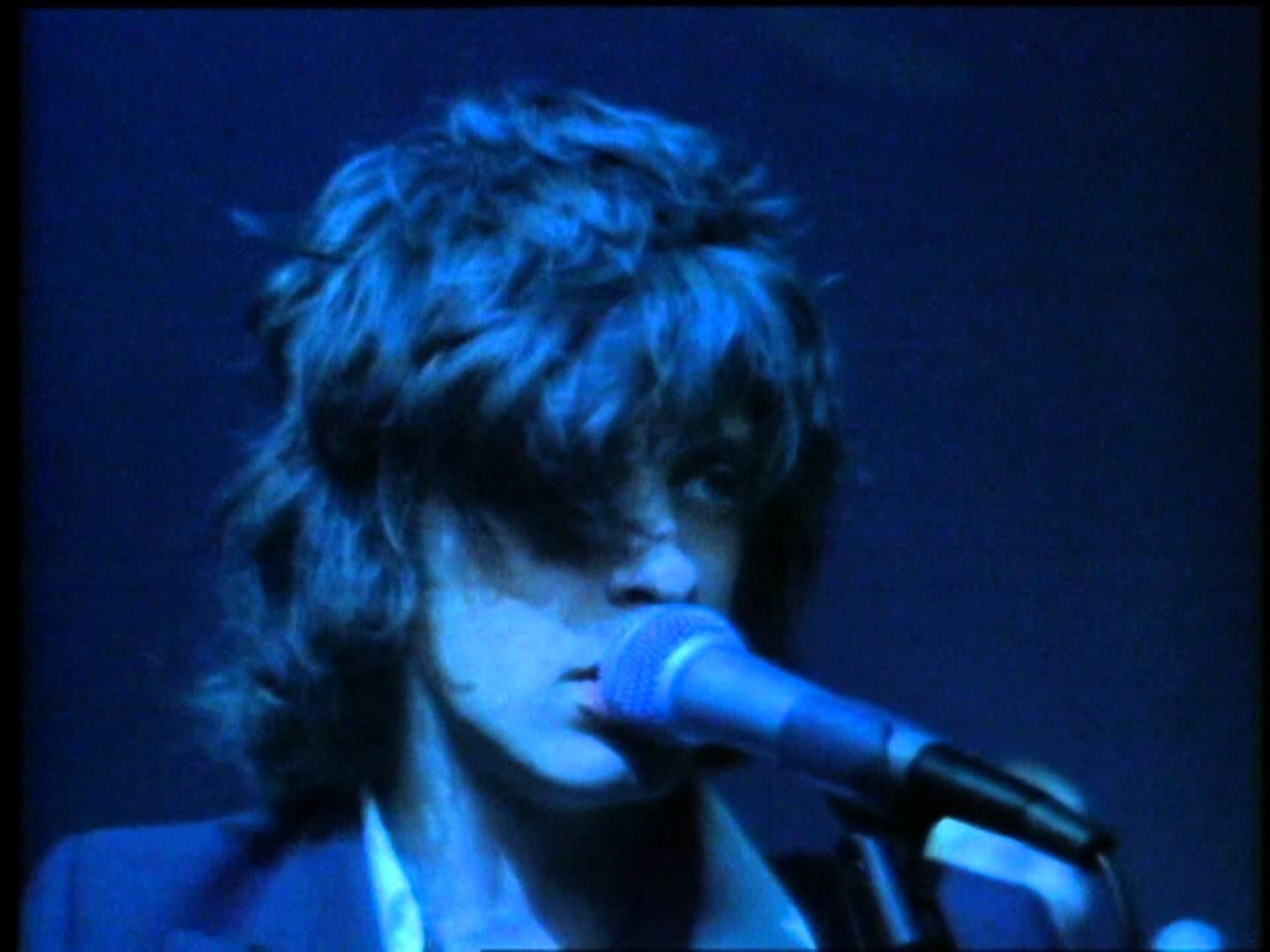
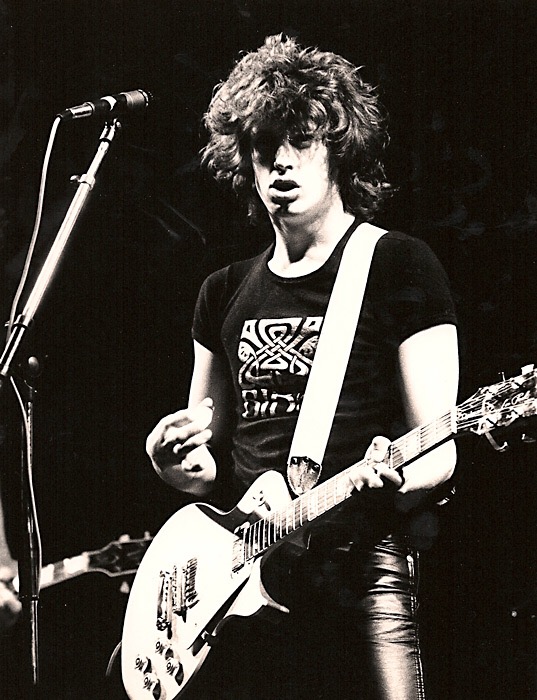
Mike Scott is quite a complex character. From Ayr in south-west Scotland, just down the road from Plain Or Pan Towers, he’s done well to maintain the image of the scruffy-heided beatnik poet hippy who’s the androgynous offspring of Mick Jones and Patti Smith, both in look and musical/poetic vision.
In reality, he’s quite a switched-on guy; arguably more Rambo than Rimbaud. Stories abound that he’s a sound engineer’s nightmare (“A little less reverb on the snare, thanks, more flange on the subwoofer and can we keep the room temperature to a steady 18 degrees?“) and a promoter’s worst headache (only the very best hotels, with a room as far away as possible in all directions – up and down and either side – from select members of whoever constitute The Waterboys on that particular tour, a strict macrobioticveganwheatfreeglutenfreewhatever diet and a propensity to change the goalposts at the last notice). A perfectionist, then. Or difficult to deal with, you might say.
1985’s This Is The Sea is the real deal though, and any and all of his quirks and imperfections can just about be excused because of it. Full of literal references to the Great God Pan, the healing powers of spiritualism, a kinship with socialism and liberally sprinkled with poetic references alongside the odd Beatles line, it comes bolted onto a steel girders-massive production that Scott himself tagged ‘The Big Sound’. The album is truly epic on a widescreen scale; a heady mix of acoustic and electric guitars, keys, strings and a liberal dollop of Celtic Clarens Clemons-ish saxophone.
The big hit from the album was of course The Whole Of The Moon, but, essential as The Hit is, there’s far more to the album than that.
Be My Enemy fairly rattles along in double-quick cow punk time, a skifflish, raggle-taffle distant cousin of Dylan’s Maggie’s Farm and most of The Clash’s early back catalogue.
The Waterboys – Be My Enemy
Scott is on scorching form, smoothing his ‘rs‘ as he spits as angrily as a posh boy from South Ayrshire can about mainframes shaking, cellars full of snakes and nazis on his telephone. The whole thing kicks like a particularly angry mule and is essential listening. Terrific stuff.
Medicine Bow is a howling storm-warning for some near-future apocalyptic event or other, electric guitars clashing with discordant violins and an out of control piano player.
On the album, it faded to a whisper, but a few years ago a warts ‘n all version of This Is The Sea was released, with the rage in excelsis, full-length version of Medicine Bow included. The Waterboys – Medicine Bow (Full-Length Version)
…and here’s The Pan Within. Over 6 minutes of cosmic folk/rock spiritualism. Come with me on a journey beneath the skin, indeed.
‘You Just Haven’t Earned It Yet, Baby’ is the sound of The Smiths at their chiming, ha-ha-ho-ho-hollering, twin guitar attack peak. Written, as the band usually did, quickly and as part of a triptych that also included ‘London’ and ‘Half A Person’, it was considered as the follow-up single to ‘Ask’ before being passed over at the last minute in favour of ‘Shoplifters Of the World Unite’, a move regarded as travesty by many Smiths devotees at the time.
The ‘Shoplifters…’ single included both ‘London’ and ‘Half A Person’, the tracks on the b-side connected through the subject matter of moving to London, with the former a noisy glam racket that sticks two fingers up to those who are too spineless to leave and make something of themselves, and the latter a brilliantly put-together melancholic rumination of how just a move can go so wrong – “I went to London and I booked myself in at the YWCA…” The noisy and the melodic, the tragi-comedy of The Smiths on the same record.
Marr & Morrissey, Rough Trade stockroom, 1983
But the best of the three tracks written in that early October session, ‘You Just Haven’t Earned It Yet, Baby’ was left alone on the shelf marked ‘Great Smiths Tracks That Would’ve Made Great Smiths Singles’. The band had high quality control values – theirs is a perfectly-formed 4 studio album and 17 single discography, untarnished by stop-gap filler material or substandard releases; the perfect group. Not that there’s anything wrong with ‘Shoplifters…’ – I’m particularly partial to Johnny’s open-wah rockist guitar solo – but better single material than ‘You Just Haven’t Earned It Yet, Baby’? Nah. They got that one wrong, I think. Even if, as it turns out, Johnny thinks ‘Shoplifters…’ is the better song.
The Smiths – You Just Haven’t Earned It Yet, Baby (The World Won’t Listen mix)
Keen eagle-eared Smiths enthusiasts at sadly-departed Smiths treasure trove Smiths Recycled spotted that the mix on The World Won’t Listen ran a touch too fast, so with the aid of modern technology and whatnot re-pitched the track at the speed it would’ve been playing at when The Smiths recorded it. clever fellas, those guys. Spot the difference…
The Smiths – You Just Haven’t Earned It Yet, Baby (The World Won’t Listen mix – Repitched Version)
The track eventually saw the light of day on ‘The World Won’t Listen’ compilation, the catch-all, semi follow-up to ‘Hatful Of Hollow’ that gathered together all the odds ‘n sods ‘n ‘As ‘n Bs from the 2nd half of The Smiths career. It also appeared in slightly different form (if you turn up the EQ on your Morrissey-endorsed NHS hearing aid, subtle nuances in the mixing can be heard, if you’re that way inclined) on the American compilation ‘Louder Than Bombs’.
The Smiths – You Just Haven’t Earned It Yet, Baby (Louder Than Bombs mix)
Those same Smiths enthusiasts at Smiths Recycled also corrected the pitch on this too…
The Smiths – You Just Haven’t Earned It Yet, Baby (Louder Than Bombs mix – Repitched Version)
The song itself was borne out of in-band fighting and the politics that would eventually lead to Johnny leaving the band. Booked for 5 days in London’s Mayfair Studios, Morrissey was keen for the band to work with upcoming wunderkid producer Stephen Street. Johnny preferred the tried and tested John Porter and in the end a compromise of sorts was agreed – Street would work the first day and Porter would do the other four. To add complication to the mix, 5th Smith Craig Gannon, who’d accompanied the band on their recent US tour but had never really been fully accepted into the group , was only just hanging on to his status in The Smiths by the finest hair on his bequiffed head. History shows that the Porter sessions would be the last time Gannon would work with the band.
Johnny’s tune is a classic Marr composition, tumbling in on a breath of fresh air, packed full of double and triple-tracked guitars as clear and ringing as Edinburgh Crystal, chiming, capo’d and open-stringed arpeggios and stinging counter-melodies, wrapped up and driven by a trampolining bass line and a stomping, Glitter band thud of drums in the chorus. That Johnny still plays it live in concert to this day, something The Smiths themselves never did, is testament to the longevity and beauty of the song.
The title and lyrical refrain is attributed to Rough Trade supremo Geoff Travis who uttered the words at Morrissey after the singer asked him why he wouldn’t treat The Smiths with the importance that their status deserved. Morrissey had a point – The Smiths almost single-handedly allowed Rough Trade to flourish as a label. All money made from the band went back into other artists, many of whom would never have had a record deal and subsequent success without Rough Trade’s money – the money that came directly from the healthy sales of Smiths’ product. Morrissey was clearly still feeling aggrieved a few months later when he recycled the title as a lyric in ‘Paint A Vulgar Picture’, The Smiths’ scathing deconstruction of the music business. It’s possible that, after hearing ‘You Just Haven’t Earned It Yet, Baby’, and stung by its lyrical content, Travis overruled the band’s decision to release it as a single.
“Obviously Geoff was staunchly against it,” said Morrissey, in highly dramatic fashion when quoted in Simon Goddard’s essential ‘Songs That Saved Your Life’. “Because he thought it was a personal letter addressed to him.“
A couple of years later, Marr would play on Kirtsy MacColl’s faithful remake of ‘You Just Haven’t Earned It Yet, Baby’, the original’s multi-tracked guitars replaced by a choir of Kirsties; airy, whispering, cooing and making it something of her own.
Kirsty MacColl – You Just Haven’t Earned It Yet, Baby
It’s all slightly plodding, truth be told, a stodgy, sticky pudding compared to the floating on air joie de vivre that carries the original. That’s by far the best version, of course.
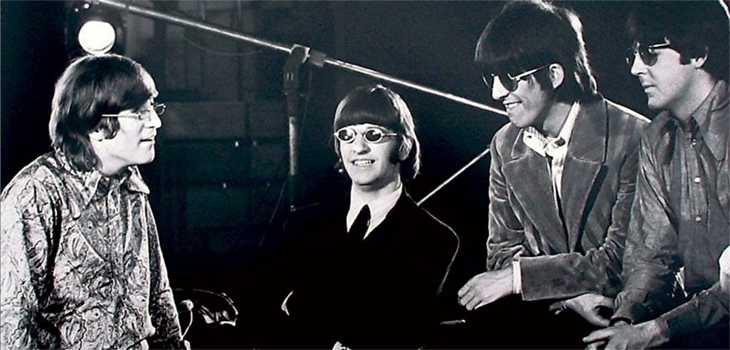
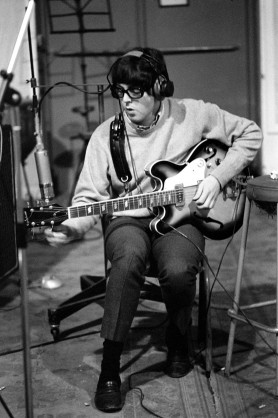
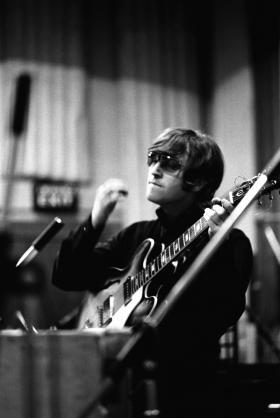
Half a century ago this week, The Beatles were in the studio recording the tracks that would make up their Revolver LP. Amazingly, the first track worked on was Tomorow Never Knows, the cut ‘n paste, experimental, looped track that still sounds futurtistic, frightening and like nothing else in the entire Beatles’ canon. It was only three short and manic years since She Loves You, but it may as well have been three million light years, such is the leap in their vision and outlook. You could be forgiven for assuming that for the session the band reconvened in Abbey Road’s Studio 3 with a handful of solo acoustic tracks just waiting to be Beatlefied. Nothing could be further from the truth.
For Tomorrow Never Knows, the band set up in the studio to jam the main backing track, with Ringo’s compressed and relentless thunk driving the track in tandem with McCartney’s droning bass. Listen with eyes closed and you’ll hear a little organ, a wonky tonk piano in the fade out, a perisitent rattling tambourine and a couple of guitar tracks; the fuzzed out one manipulated to play backwards and the other fed through a Leslie speaker to give it that widescreen swirl that would in time become synonymous with the era.
On top of it all there are sound effects that could well be the calling sound of the Great God Pan himself; Fanfaring trumpet noises. Scraping, sweeping, jarring strings and what sounds like the divebombing seagulls that bother the fish and chip eaters at Largs shorefront. It’s fairly astonishing for 2016. Imagine hearing it for the first time in 1966. Wow!
The Beatles – Tomorrow Never Knows (released mono version)
Making the track involved more than just the four Beatles – George Martin orchestrated the whole affair, ably assisted by Beatles’ engineer Geoff Emerick who’s job involved deadening Ringo’s drum sound by stuffing an old jumper inside the bass drum and shuffling it about until the right sound was achieved. The backing track took just three takes over 2 days to perfect, before Lennon’s vocals were given the requisite attention.
Famously, Lennon’s lyrics came from Timothy Leary’s LSD manifesto, ‘The Psychedelic Experience: A Manual Based On The Tibetan Book Of The Dead‘ and flowed in a stream of epoch-defining consciousness…
“Turn off your mind, relax and float downstream,
It is not dying, it is not dying.
Lay down all thought, surrender to the void, It is shining, it is shining.
That you may see the meaning of within, It is being, it is being.
That love is all and love is everyone, It is knowing, it is knowing.
That ignorance and hate may mourn the dead, It is believing, it is believing.
But listen to the colour of your dream, It is not living, it is not living.
Or play the game ‘Existence’ to the end,
Of the beginning, of the beginning.”
At the mixing desk, after hearing how the guitar track sounded through the Leslie speaker, Lennon insisted his vocals were given the same treatment. “I want to sound as though I’m the Dalai Lama singing from the highest mountain top. And yet I still want to hear the words I’m singing.”
It’s also been said that John wanted the sound of 4000 monks chanting ad infinitum in the background. I’m not certain he achieved either goal, but what was eventually committed to vinyl was brave, bold and big of beat.
Here’s the druggy, fuggy first take:
The Beatles – Tomorrow Never Knows (Take 1)
Keen-eared Beatles spotters will be aware that the first copies of Revolver were sold with the wrong mix of Tomorrow Never Knows included. These records were quickly withdrawn and recalled, although not before a good many had disappeared into the hands of unsuspecting record buyers. Discovering this a few years ago, with shaky hand I checked the matrix number on the run-out groove of my ‘first’ pressing Revolver, bought for £4 in Irvine Indoor Market in the mid 80s when the Beatles were anything but cool. Pah. One digit out. Meaning it wasn’t technically a first issue, and nor was it worth the £20,000 it might have been. I wouldn’t have sold it anyway*.
Back in Abbey Road’s Studio 3, just after half seven that evening when Tomorrow Never Knows had been expertly finished, the band veered back towards the middle of the road to tackle Got To Get You Into My Life, another drug-inspired song and another story for another day.
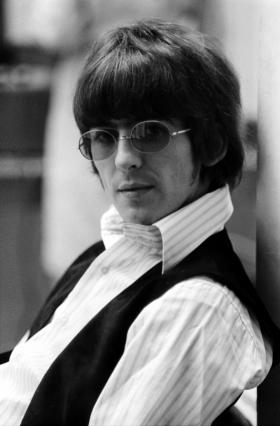
Just out of shot, a young Paul Weller, keen to rip off George’s Taxman and apparently, his entire wardrobe.
Whatever happened to Bond themes? Save the fairly recent Adele effort, Skyfall (which at least attempted to recreate the 60’s heyday of lush orchestration, big vocals and bigger hair), pretty much every Bond theme since A-Ha’s The Living Daylights has been as sexy as yesterday’s Daily Mail.
Radiohead’s recent statement that the Bond franchise people had preferred Sam Smith’s idea of the Spectre theme to their own kinda sums it all up. It’s now lowest common denominator, appeal to the masses stuff, rather than edgy and out there. Perhaps this is a reflection, a metaphor for Bond himself. Once edgy and out there, he’s now lowest common denominator action hero, appealing to the masses with his suits, gadgets and beautiful women, just like yer Farrells, Damons and the rest of them.
Radiohead‘s theme is fantastic. Released for free on Christmas day without fanfare or prior warning, as is the Radiohead way, it’s edgy and paranoid, Thom Yorke’s falsetto surfing over the top of a heavily orchestrated backing track. “I’m lost, I’m a ghost. Dispossesed, taken host,” he wails, right eye no doubt twitching uncontrollably on the off beat.
Radiohead – Spectre
It fades in on a sweep of Bond-ish strings, not quite but almost playing that well-ingrained Barry motif. A piano holds the rhythm as a set of jazz drums straight outta the John Barry 7 skitter around the background. There’s the dramatic part in the middle when the strings soar and stab and jar until its brought back to earth with Yorke’s vocals about ‘bullet holes‘ and ‘mortal souls‘ and so on. Then, just as you’re getting the measure of it, it’s gone in a sudden brass stab and some wind tunnel effects. “The only truth that I can see is when you put your lips to these.” It’s by far the most Bondish of Bond themes in recent years and it was rejected.
Radiohead weren’t the only ones to fall foul of the rejection slip. Tom Jones’ brassy hip-swingin’ theme to Thunderball was chosen over a clip-clopping Johnny Cash effort. Considering the era, the producers got this spot on. Bond. Brass. Swinging London. Or the Man In Black singing roll ’em, roll ’em, roll ’em rockabilly country?
Blondie felt the sting of rejection when they submitted their theme for For Your Eyes Only. Sheena Easton’s at times out of tune and none-more-80s syrupy wallow got the nod ahead of the Noo Yoikers’ twangingly pedestrian (and frankly forgettable) mid-paced clunker. You can find it if you wish on late-era Blondie LP ‘The Hunter‘. Again, you have to say the producers got this spot on. You’re probably singing Sheena Easton’s version to yourself right now. And that’s something I never thought I’d be typing on Plain Or Pan.
By the mid 90s, anyone popular in music seemed to be draped in the Union Jack and aligned to some establishment-friendly updated idea of Swinging London. All manner of bands were discovering trumpets and strings and enhancing their weedy indie with overblown orchestration. I’m fond of some of it – Blur’s To The End, for example, and the opening track to Mansun’s debut album, but much of it was totally irrelevant.
Masters of the era were Pulp and Saint Etienne, both acts steeped in pop culture and history, with subtle nods to the unfashionable corners of the 70s, eyebrows permanently arched. Both submitted tracks for consideration as the theme to Tomorrow Never Dies. Both were rejected. Pulp’s was retitled Tomorrow Never Lies and found its way onto the b-side of the Help The Aged single. It’s not a bad tune, but alongside the stellar catalogue of existing Bond themes, it’s weedy and thin and very mid 90s indie by comparison.
Pulp – Tomorrow Never Lies
Incidentally, Help The Aged‘s parent album This Is Hardcore featured the track Seductive Barry. Either it was a song in celebration of the great arranger’s soundtracking or it was about a brown ‘n beige bri-nylon clad 2 up/2 down boy about town. With Jarvis you never know.
Saint Etienne‘s effort is more in keeping with the idea of a Bond theme; sweeeping orchestration, some wah-wah, breathy vocals, tinkling keyboards. Unfortunately it also suffers from sounding very of its time. A Bond theme should be timeless, peerless and ageless. Saint Etienne’s track most certainly isn’t. In fact, it sounds like something Dubstar might’ve rejected on the grounds of being too flimsy and wishy washy. The track has made just the most fleeting of appearances, being included only on 1999 fan club compilation Built On Sand.
Saint Etienne – Tomorrow Never Dies
The band claim that Bond du jour Pierce Brosnan owns the master tape of the track, saying it’s “seven times better than Sheryl Crow“, who’s song went on to lead the film. Really?!? Pinch of salt, surely. I’d have thought the Bond people could’ve found someone better than Sheryl Crow at the time. David McCalmont perhaps, who certainly knew a thing or two about a Bassey-inflected vocal range.
The one that really did get away though was Amy Winehouse. She was in the middle of lurching from one personal crisis to another and was passed over in favour of Jack White & Alicia Keys, who were chosen to duet the lead for the Quantum Of Solace film. Had Amy got herself together, she’d have been perfect for such a job. Composer David Arnold had worked out a contemporary orchestrated sixties-influenced piece for her and Mark Ronson sat patiently in the producer’s chair, golden touch unused. Amy’s ongoing problems meant that track was never completed.
They should’ve used Amy’s Love Is A Losing Game instead. Richly orchestrated, full of clipped guitar and bathed in pathos and heartbreak, it was the Bond theme wot got away. Amy’s voice is superb throughout.
Amy Winehouse – Love Is A Losing Game
Imagine it playing as those famous images of the silhouetted naked girls float and swim across the silver screen, then ‘see’ the camera pan downwards at the final string flourish to reveal Bond in some far-off desert or window ledge or hotel bedroom, licensed to kill and licensed to thrill. The best of the Bond themes that never were.
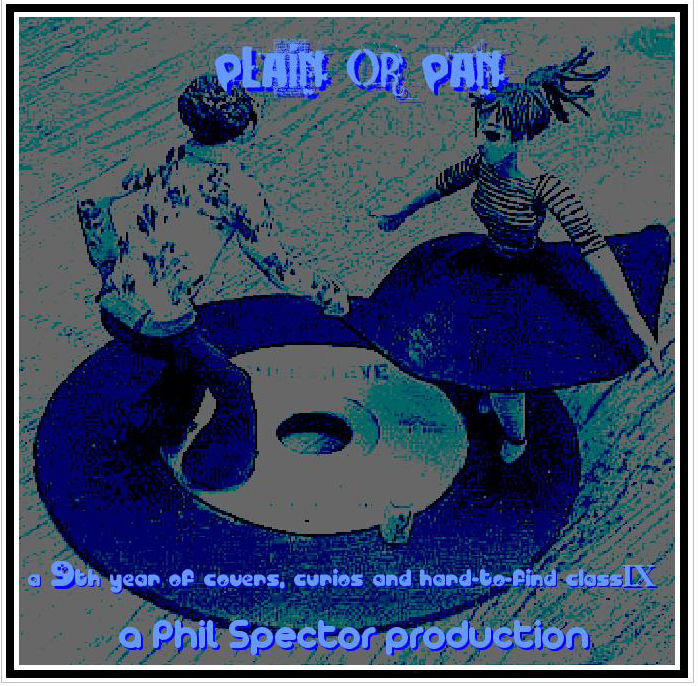
Somehow, some way, Plain Or Pan has turned 9. Or, to be more accurate, is just about to turn 9. But at this time of year, when you can never be entirely sure if it’s Sunday morning or Thursday night and inspiration goes out the window along with routine and work ethic, it’s tradition that I fill the gap between Christmas and Hogmany with a potted ‘Best Of‘ the year compilation, so I’ve always made this period in time the unofficial birthday for the blog.
Not that anyone but myself should care really; blogs come and go with alarming regularity and I’ve steadfastly refused to move with the times (no new acts here, no cutting edge hep cats who’ll be tomorrow’s chip paper, just tried ‘n tested old stuff that you may or may not have heard before – Outdated Music For Outdated People, as the tagline goes.) But it’s something of a personal achievement that I continue to fire my wee articles of trivia and metaphorical mirth out into the ether, and even more remarkable that people from all corners of the globe take the time out to visit the blog and read them. From the bottom of my heart, I thank you, one and all.
Since starting Plain Or Pan in January 2007, the articles have become less frequent but more wordy – I may have fired out a million alliterative paragraphs in the first year, whereas nowadays I have less time to write stuff and when I do, it takes me three times as long to write it. To use an analogy, I used to be The Ramones, (1! 2! 3! 4! Go!) but I’ve gradually turned into Radiohead; (Hmmm, ehmm, scratch my arse…) Without intending it, there are longer gaps between ‘albums’ and I’ve become more serious about my ‘art’. Maybe it’s time to get back to writing the short, sharp stuff again. Maybe I’ll find the time. Probably I won’t.
The past 9 years have allowed me the chance to interview people who I never would’ve got close to without the flimsy excuse that I was writing a blog that attracted in excess of 1000 visitors a day (at one time it was, but I suspect Google’s analytics may well have been a bit iffy.) Nowadays, it’s nowhere near that, but I still enthusiastically trot out the same old line when trying to land a big name to feature. Through Plain Or Pan I’ve met (physically, electronically or both) all manner of interesting musical and literary favourites; Sandie Shaw, Johnny Marr, Ian Rankin, Gerry Love, the odd Super Furry Animal. Quite amazing when I stop to think about it. You should see the list of those who’ve said they’ll contribute then haven’t. I won’t name them, but there are one or two who would’ve made great Six Of the Best articles. I’m not Mojo, though, so what can I expect?
A quick trawl through my own analytics spat out the Top 24 downloaded/played tracks on the blog this year, two for each month:
Michael Marra – Green Grow the Rashes
Wallace Collection – Daydream
Jacqueline Taieb – Sept Heures du Matin
The Temptations – Message From A Black Man
New Order – True Faith
Bobby Parker – Watch Your Step
Jim Ford – I’m Gonna Make Her Love Me
Doris – You Never Come Closer
Ela Orleans – Dead Floor
Mac De Marco – Ode To Viceroy
Teenage Fanclub – God Knows It’s True
Iggy Pop – Nightclubbing
George Harrison – Wah Wah
Magazine –Thank You Falletinme Be Mice Elf Again
Future Sound Of London – Papua New Guinea
Bob Dylan – Sad Eyed Lady Of the Lowlands (mono version)
Richard Berry – Louie Louie
REM – Radio Free Europe (HibTone version)
The Cribs – We Share The Same Skies
Johnny Marr – The Messenger
McAlmont & Butler – Speed
Talking Heads – I Zimbra (12″ version)
Style Council – Speak Like A Child
Darlene Love – Johnny (Please Come Home)
And there you have it – the regular mix of covers, curios and forgotten influential classics, the perfect potted version of what Plain Or Pan is all about. A good producer would’ve made the tracklist flow a bit better. I just took it as I came to them; two from January followed by two from February followed by two from etc etc blah blah blah. You can download it from here.
See you in the new year. First up, Rufus Wainwright. Cheers!
monophonicsound;monophony, the favoured recording method pioneered in the 1960s by Phil Spector.
monolithic
[mon-uh–lith-ik]
Adjective
characterised by massiveness, total uniformity, rigidity, invulnerability, etc.
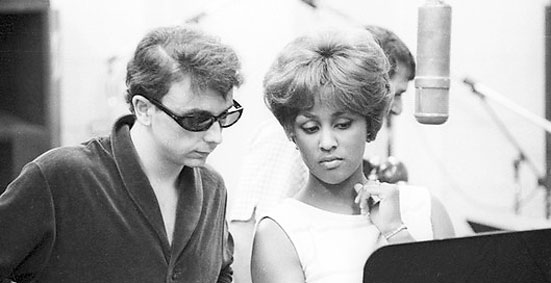
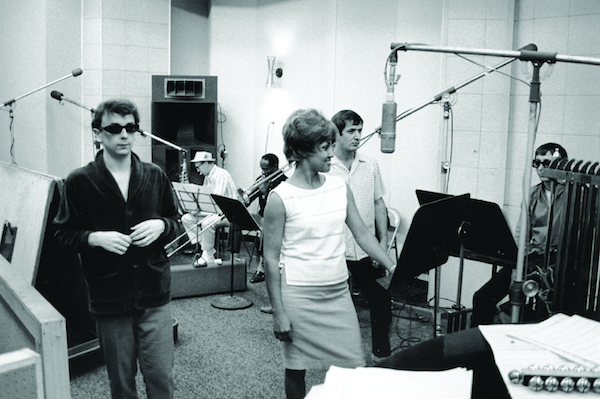
Darlene Love‘s Christmas (Baby Please Come Home) is massiveness incarnate. Invulnerable, invincible and right at the top of the Christmas tree when it comes to the best musical festive fare ever recorded. The only original track to appear on Phil Spector‘s A Christmas Gift For You LP, it’s a thumping major to minor rock ‘n roll tearjerker about lost love. Phil Spector originally put it together with the intention of having his wife Ronnie along with the other Ronettes record it. But after a few false starts and failed takes, he quickly realised she wasn’t singing it with the requisite oomph and instead drafted in Darlene Love.
Ronnie recalls her time in the studio with Specctor:
“Phil worked everybody so hard on the album and the days kind of blurred into each other, thinking about it now. But there was a real Christmas party atmosphere in the studio, even though it was the height of summer, and a lot of great musicians were involved. They weren’t that well-known at the time but so many of them went on to become famous in their own right, like Leon Russell. Sonny Bono and Cher were involved in a lot of the stuff too, so was Glen Campbell. We worked hard, though, some days we’d be in the studio for eight or nine hours just doing one verse of one song.”
Darlene was way down the pecking order with Spector. She’d sang lead on He’s A Rebel for The Crystals and had applied her Noo Yoik drawl to umpteen of Spector’s kitchen sink productions, but Christmas (Baby Please Come Home) was one of the first times she’d been allowed to fly solo and, as you’ll know if you’ve heard the record, she soars gloriously.
The song was released with high hopes ahead of Christmas 1963, but in a bizarre twist of fate found itself released on the very day JFK was assassinated in Dallas. Holiday spirit instantly ruined, the record failed to find airplay amongst the bulletins lamenting the President’s death and was quickly withdrawn from sale. What could’ve been the greatest Christmas number 1 of all time never came to be.
Darlene Love – Christmas (Please Come Home)
Spector loved the finished version. So much in fact, (and no doubt stung by the record’s withdrawal), he felt the record had year-round appeal. Such a brilliant cacophony of sound shouldn’t be kept under lock and key and only let out for one month in twelve, so he asked Jeff Barry and Ellie Greenwich to re-write it as a ‘boyfriend song’. Minus a few sleigh bells but not much else, it still sounds brilliant, yet somehow not quite right. Years of associating it with Christmas makes it a bit of a strange one.
Darlene Love – Johnny (Please Come Home)
This version was hidden away on an obscure b-side and failed to live up to Spector’s wish. Indeed, not a lot of people know it even exists. There you have it.
There were a few Whistle Test repeats on BBC4 last week, one of which jumped out at me. Nick Lowe was leading Brinsley Schwarz through a great, soulful version of Surrender To The Rhythm, a track from their 1972 ‘Nervous On The Road’ LP. I’d never knowingly heard Brinsley Schwarz before and I was getting into the song’s groove when it hit me: That wee occasional keyboard riff! The phrasing in Nick Lowe’s delivery! I’ve heard this song before!
Placed in time somewhere post glam and pre punk, Brinsley Schawrz were part of the pub-rock movement, a gritty, back-to-basics scene where ‘real’ musicians were more concerned with the make-up of their songs than the make-up on their face. Keen and earnest, the scene nonetheless spawned Kilburn & The High Roads, who would morph into the Blockheads, the 101ers (who featured a pre-Joe Strummer John Mellor on guitar) and Dr Feelgood, a major influence on the young, impressionable Paul Weller (to this day, Weller still plays From The Floorboards Up without a plectrum, choosing instead to adopt the open-handed Wilko strum whenever he plays it live).
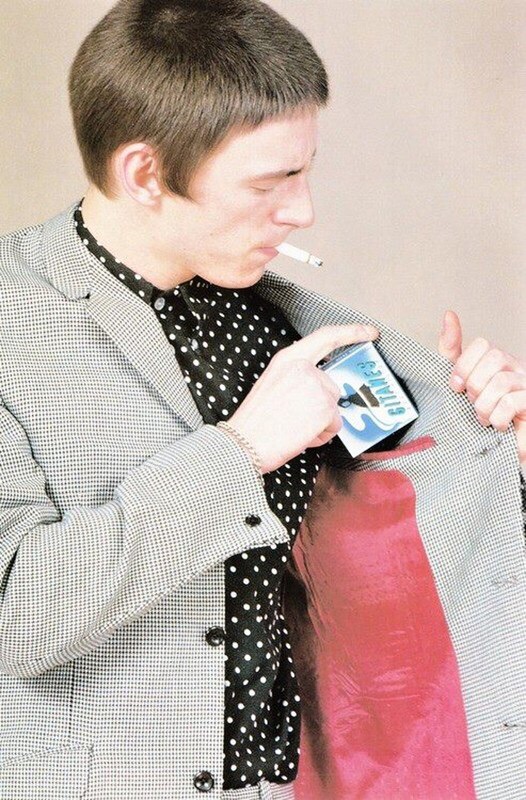
Weller, as it turns out, is more brazen about stealing things than you maybe realise. He has form – not only a strumming pattern from Wilko Johnson but also a career-long vocal delivery cribbed from Steve Marriott, a haircut half-inched from everyone from Worzel Gummidge to Muriel Gray and, more blatantly than any of this, the riff for Changingman that he heartilyappropriated from ELO’s 10538 Overture, something I’ve pointed out before. But long before the heady days of Brit Awards and Stanley Road etc, he was borrowing the mood, the feel and sometimes the chords and melody from more obscure tracks and passing them off as his own work.
Time has been kinder to the much maligned Style Council than the dissenters might have thought back in the day (C’mon! This might cause a row down in Slough, but some of those tracks are ace – pretentious, aye! Ludicrous, aye! But ace – check out Weller’s recent tour for unarguable proof!) They were a deliberate move away from the Jam’s laddism; cricket jumpers, cycling gear, blokes with arms draped around one another, Weller at the back, pastel sweater hanging off his shoulders like a C&A catalogue model. All reference points lay somewhere between Dusty In Memphis, Curtis in Chicago and tongue firmly in cheek, and you either got it or you harked back to a time when Eton Rifles was the only thing that mattered.
Their debut single Speak Like A Child (in itself the title of a Herbie Hancock LP on Blue Note) is to this day a high point in The Style Council’s back catalogue, even if (as if turns out) you really have heard it before. With its breathy vocal delivery and airy Hammond lead, it isn’t entirely a million miles away from Brinsley’s Surrender To The Rhythm. Contrast and compare:
Brinsley Schwarz – Surrender To The Rhythm
The Style Council – Speak Like A Child
Not content with pilfering blatantly from the past for his more soulful numbers, Weller went on the rampage through the more obscure parts of sunshine pop, alighting at Harper & Rowe’s 1967 bossanova boogaloo The Dweller and stealing the best bits for Have You Ever Had It Blue? This track was a highlight of the recent tour, the band kicking out the jams to play their blue notes under blue lighting, an inward-looking circle of nodding, noodling jazz-heads, but how many of the appreciative audience knew they were in effect listening to a carefully restructured cover version?
I’ve always loved The Style Council’s track, with its Gil Evans-arranged trumpet motif, the non-rock time signature and wordless Dee C Lee doo-be-doo backing vocals. As a 16 year-old, I thought Weller was a bit of a genius for having ‘written’ something so finger clickingly jazz. Great tune ‘n all that, Paul, but really, how did you manage to get away with it?
Harper & Rowe – The Dweller
The Style Council – Have You Ever Had It Blue?
*Bonus Track!
Here‘s The Style Council‘s With Everything To Lose, essentially the first version of the above track. No brass, different words, carefree flute etc etc
In ‘No Direction Home’, Martin Scorsese’s Bob Dylan bio-documentary, a twinkling-eyed Bob recounts how he stole essential folk and blues records from a friend. “Just being a musical expeditionary,” is how Bob put it. Clearly, the records had an influence on the young magpie-eyed Zimmerman, and you could argue that they helped shape his first few forays into songwriting. You could even argue that it was a good thing he liberated the vinyl – he might never have written the melody to a song like ‘Girl From the North Country’ or ‘With God On Our Side‘ without them. Someone else’s loss is everyone else’s gain. Think about that for a minute.
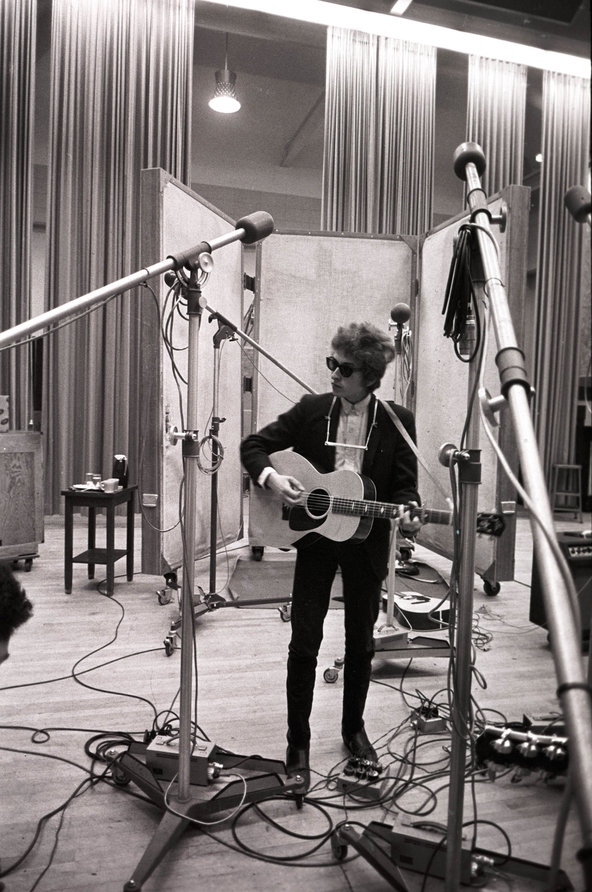
I’ve been living for the past few days with the latest, stupendous collection in the Bob Dylan Bootleg Series. Volume 12 (entitled ‘The Cutting Edge’ – which is exactly what it is) comes in a multitude of wallet-busting formats. Keeping in line with my purchases of the previous 11 collections, I went for the sensible 2CD version. It’ll fit snugly on the shelf next to the rest of them, a glorious potted treasure of some of the very best bits of Bob’s previously unheard work.
When this edition was first announced, there was a collective frothing of the mouth from Bobcats the world over. At the very top of the scale was the Deluxe 18 CD version, containing every note, every mis-placed harmonica parp, every cough, splutter and stumbling intro that Bob and his band had committed to tape in the whole of 1965 and 1966. A whole two years-worth of Bob outtakes from his most golden period – the alchemist at work, the ‘thin, wild, mercury sound’ in creation. A Dylanologists dream. And nightmare. Have you seen the price tag?
“A steal at $600!” remarked my pal in an email. “Which is exactly what I’ll be doing as soon as it makes its way into the darkest corners of the internet!”
And now that those 18 CDs have indeed made themselves very comfortable in a dark Dylan-shaped corner of the world wide web, steal them we did. Someone else’s loss is everyone else’s gain, and all that jazz.
What is there to say about the recordings? That they’re fantastic almost goes without saying. It’s a wonderful glimpse into Bob’s psyche, into his working process in the recording studio. The collection quickly debunks the myth that Bob was a spontaneous worker, that he pulled the songs from the air, assembled his band and recorded them in the time it took to batter through them.
Bob Dylan – Visions Of Johanna (Take 7 Complete)
There are multiple versions of every track. Some replayed as frantically scrubbed skifflish Bo Diddley rockers, some as barrel house blues worthy of a scene in Boardwalk Empire. Many sound like the versions you know and love, half-baked and not quite right but essentially the blueprints for the finished versions. The sequencing of each track takes you on a journey from first sketch to final run through, a trip that’s often wild and wandering, but never less than thrilling. Stinging electric guitars vie for your attention with honey-coated keys and rasping brass, though central to the mix is always Bob’s voice; close-miked in the acoustic ones, bawling like a garage band rocker in the fast ones, all the time (to quote David Bowie) that perfect mix of sand and glue. Anyone who says that Dylan can’t sing is a moron, right?
Bob Dylan – Just Like A Woman (Take 16)
Now and again a favourite track will pop up disguised as a New Orleans funeral dirge or a full-blown electric rocker. It can be good fun playing ‘name that tune‘ or spotting a lyric from one song that finds itself embedded in a different song by the end of the session. And Bob has a wicked way with a title. Whether or not he has the ‘real’ titles in his head or not, he plays merry havoc with the engineer.
“83277 Leopard Skin Pill Box Hat Take 1”
“No! No! This isn’t Leopard Skin Pill Box Hat…this is Black Dog Blues!”
“Oh…I’m sorry…Everyone’s startin’ together. Right on the beat. Black Dog Blues Take 1. I want everybody together from the top and all the way through, because one take is all we need on this, man. It’s there! Ok! We’re rollin’ on one…”
And what follows are umpteen takes of Obviously Five Believers. Obviously.
Dylan’s wild phrasing is all encompassing throughout. He runs through Stuck Inside Of Mobile With The Memphis Blues Again a gazillion times, each time the melody stretching and bending just a little bit further than the previous time, but clinging gamefully to the tune the way a rowing boat might struggle to keep course on a choppy sea. He can make whole verses fit into two lines, and he can make a couple of lines stretch to a whole verse with his eee-long-gay-ted approach. S’beautiful!
Bob Dylan – Stuck Inside Of Mobile With The Memphis Blues Again (Take 1)
The studio chatter is what you pays yer money for. You can be a fly on the wall in New York or Nashville as Bob painstakingly arranges and rearranges lyrics, verses, whole tunes. His band, while handsomely paid, remain extremely patient. During a handful of takes of Tombstone Blues, Bob continually chokes over the same line.
“Aw man!” cries Bob. “I’m sorry!”
“Would it help if you put the lee-rics on a stand, Bob?”
“Naw, it wouldn’t, man!”
And off they go once more, the beat group backing their Messiah jester until he gets what he hears in his head out his mouth and onto tape. It’s all ridiculously essential music. But you knew that already. Here’s a rollickin’ fuzz bass-enhanced run through of Subterranean Homesick Blues, never before available until now.
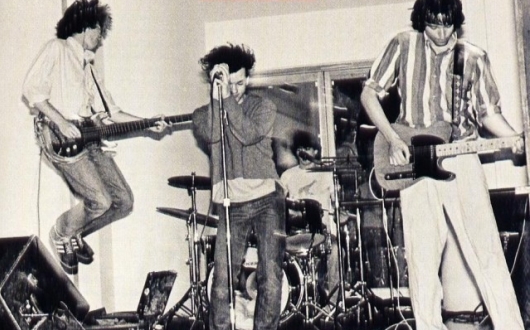
REM‘s output falls into two camps – the hard jangling college rock of the IRS years and the radio-friendly unit shifting Warners years. Fans are often divided over which era constitutes the band’s ‘best era’, which is a bit like arguing over whether tomato soup or tangerines are better. Both are magic, both are different. Me? Despite the dramatic tail-off in quality towards the end of the Warners era, I like ’em both equally.
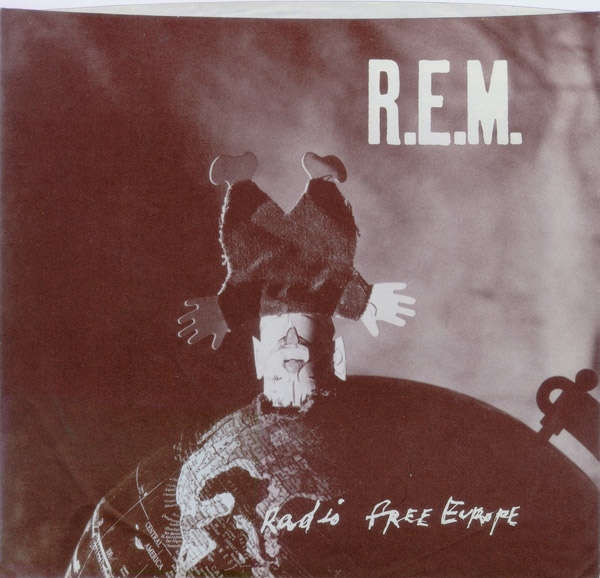
REM were born into the world on the back of Radio Free Europe, first released on their own promotional ‘Cassette Set’, of which only 400 were made. The track was pretty much fully formed from the word go. Counted in on a pistol crack snare and carried in the verses by a tightly coiled spring of a guitar riff, it explodes in a colourful burst of glassy 12 strings and up-the-frets bass.
REM – Radio Free Europe (Cassette Set version)
There’s also an extremely rare ‘Radio Dub’ version which has novelty appeal, interesting for the treated vocals and rudimentary special effects.
REM – Radio Free Europe (Cassette Set‘Radio Dub’)
*credit where it’s due – these tracks came a few years ago via The Power Of Independent Trucking blog. I think at the time they were almost shut down over the inclusion of them, so shhh!
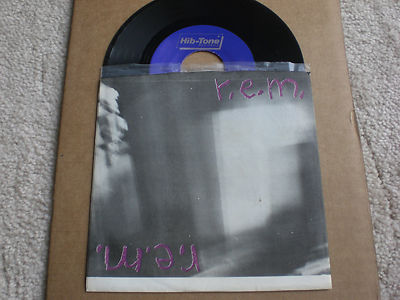
Local label Hib-Tone were suitably impressed by the demo cassette to offer the band a one single deal, and Radio Free Europe was committed to 7″.
REM – Radio Free Europe (Hib-Tone Single)
The band themselves weren’t overly impressed by the finished results, but Radio Free Europe is the perfect defining introduction to the band – great musicianship fighting for earspace with the sandpaper vocals of Michael Stipe. Stipe is clearly a passionate vocalist, but you’d need a degree in WWII code cracking to work out what he’s on about here. Even when you can make out the words and phrases, many of them make little sense.
The silent silver radio’s gonna stay,
Reason it could polish up the grey
Put that! Put that! Put that! In you wha
Badness isn’t country at all
Ray-dee-stay-shu…….
That’s not right, of course (Taking my cue from the chorus, I don’t even think I’ve got the right title for this piece), but that’s what I’m hearing. The first time I heard it, I actually stopped the record after a minute to check I hadn’t a build-up of fluff on my Grundig ‘music centre’ stylus. A quick Google of the lyrics just now (there was none of that in 1989) doesn’t help either. There are many websites offering you their definitive take on the lyrics and, like much of the internet, the information is only as good as the person who put it there. I’m not convinced any of the lyric sites have the words 100%. Just as you most certainly shouldn’t be convinced by my ham fisted attempt above. Not for nothing was REM’s first LP called ‘Murmur‘.
Radio Free Europe and the band was picked up by IRS. Re-recorded and re-released, the track also kicked off side 1 on Murmur.
REM – Radio Free Europe (Murmur version)
It was slower and less murky, perhaps on the instructions of producer Mitch Easter, but Michael’s mumblings were all over the record like the fuzz on a Georgia peach. There’s also an annoying hi-hat ‘tick tick tick’ all the way through the verses that, once heard, can never be dislodged. The best bit is still towards the end when, on one of the final choruses, all instruments bar the beat-keeping drum drop out before returning a second later.
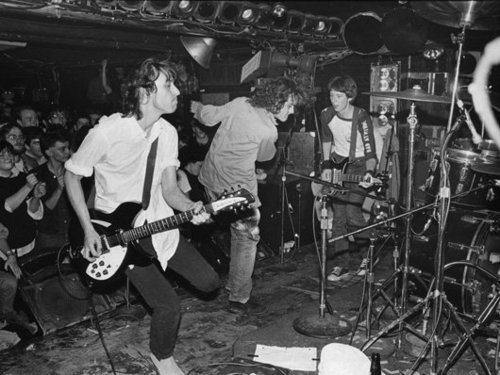
The band played it live less and less as the years grew. In fact, you can probably chart it’s appearance in set lists in direct proportion to the introduction of the mandolin in their sound. It was something of a surprise to this audience (venue unknown) in 1992 when REM played a rare version. No doubt inspired by Nirvana and their ilk who were all the rage at the time, this version is a somewhat muscled up, balls-dropped shitkicker when compared to its original form. It brings to mind the harder sound of future LP Monster. Mike Mills plays like a demon possessed on this. Thankfully Peter Buck hadn’t yet discovered the tremelo pedal that would spoil much of the upcoming LP.
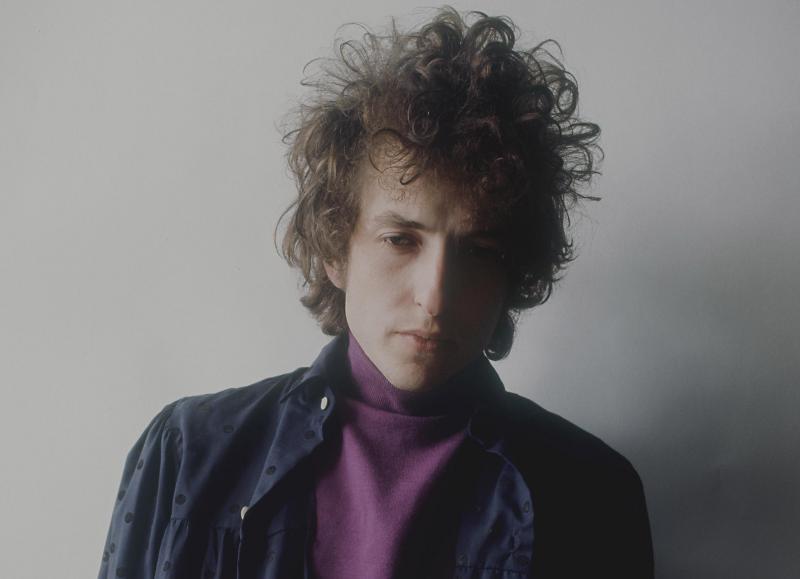
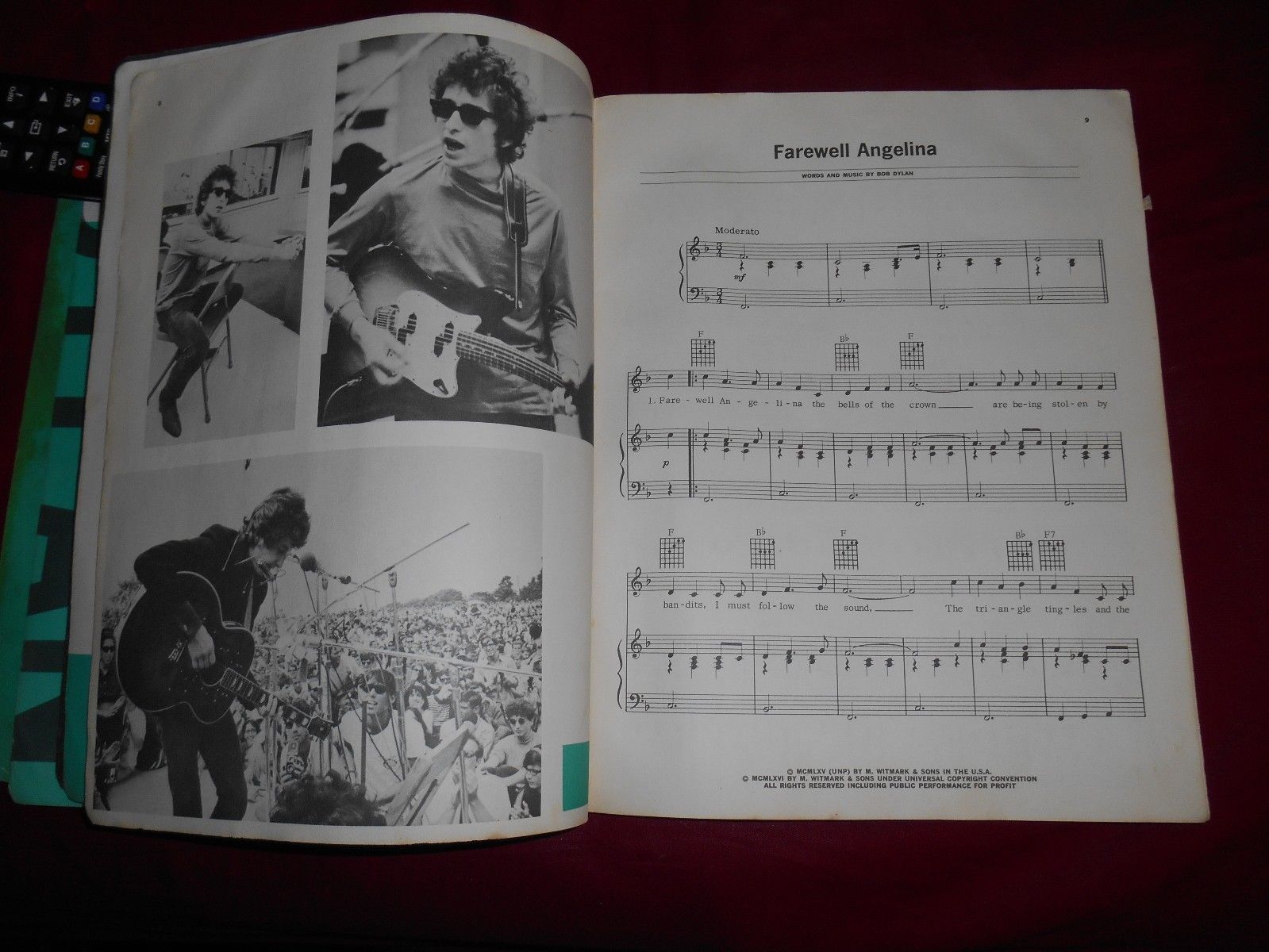
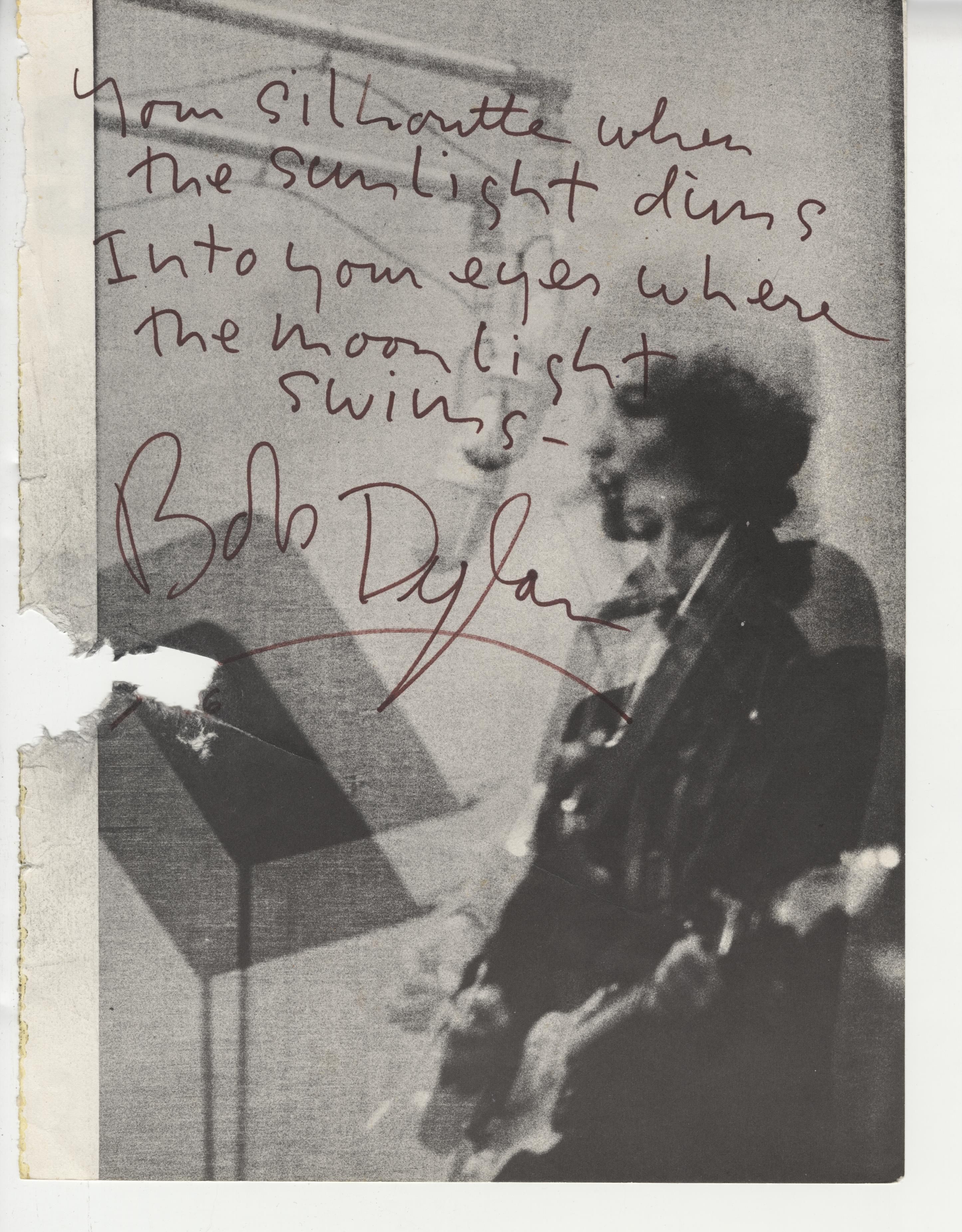
Bob Dylan‘s Sad Eyed Lady Of The Lowlands is one of his very best. And with a canon of songs as rich and impressive as the one that he has casually amassed over the last 50 years, that’s really saying something. Bob Bob Shoobeedoo Wob.
Bob Dylan – Sad Eyed Lady Of The Lowlands (Mono version)
It’s a love song, of course, waltzing in on a breeze of liquid organ, trademark wheezing harmonica and that thin, wild mercury sound that the Zim was eager to perfect around this time. A musical onion, it’s multi-layered, shrouded in mystery and code and jam-packed full of words and phrases I won’t even begin to pretend I understand.
It’s a straightforward paen to Sara Lowndes (Lowndes/Lowlands look quite similar, dontchathink?) who, at the time of writing it was Dylan’s wife of 6 months. If you listen to the self-explanatory ‘Sara‘ on the decade later Desire, Dylan admits that much;
“Stayin’ up for days in the Chelsea Hotel
Writin’ ‘Sad Eyed Lady Of The Lowlands’ for you.”
Even this is coated in very Dylanesque ambiguities and contradictions though.
Some accounts have Bob writing the song in the studio in Nashville while his crack team of expensive sessioneers played cards and twiddled their thumbs in an adjacent room, patiently waiting for their boss to tell them the song was complete and ready to be committed to tape.
Others have insisted that the song arrived fully formed in the Chelsea Hotel and ripe for recording by the time of the Blonde On Blonde sessions.
Gonzoid speed freak Lester Bangs claims to have it on good authority that Dylan wrote the song whilst wired out of his nut on some cocktail of amphetamines or other, but then, he would say that, wouldn’t he?
Two or three half-truths don’t make the whole truth, but I’d wager the real story is an amalgamation of those accounts. What can’t be denied though is that the finished track is sprawling, majestic and epic (it fills the entire 4th side of Blonde On Blonde) and is the result of a one-take recording at 4 in the morning, Dylan’s dawn chorus for the dreamers and the doomed.
Sad Eyed Lady Of the Lowlands has that late night/early morning feel, understated and creeping around on tip toe, as if the band are scared to hit the strings too hard and are playing quietly so as not to disturb the neighbours, with some of the chord changes coming in slightly behind the beat a result of the band listening carefully to Dylan or watching him for their cue to change.
The musicians (including Al Kooper on keys and Charlie McCoy on guitar) didn’t really know what they were in for. They hadn’t actually heard the finished song and so were understandably rather surprised to find the song clocking in at over 11 and a half minutes. With the unspoken telepathy that comes from playing with the very best of musicians, they joined the song on its journey, climaxing when the chorus came in, only to find themselves faced with verse after verse of meandering beat prose and harmonica breaks. By the 6 minute mark most were assuming the song was nearly over, which is why it builds to a crescendo on more than one occasion. Dylan must’ve had a right laugh at their expense.
Bob ‘n Sara, 1966-ish
Postscript
George Harrison was a big fan of Sad Eyed Lady… Its lilting waltz was a defining influence on The Beatles‘ under-apppreciated but eternally groovy I Me Mine……












 Plain Or Pan