Get This!, Gone but not forgotten, Hard-to-find

3-5-0-1-2-5-Go!

If I crane my neck out of the window over my right shoulder where I am currently writing, I can just about see the windmills at Whitelee Wind Farm, a massive 215-turbine development that is capable of powering over a third of a million homes and is very likely the reason these words make it beyond my fingertips and out into the great beyond. The wind farm is situated on Eaglesham Moor, a windswept, sparse and barren moorland that lies on the fringes of East Ayrshire and East Renfrewshire, just to the south of Glasgow. Before the motorway was extended close-by, it was often the route used by commuters who worked in East Kilbride and Motherwell. Using it in winter time was usually fraught with danger; single-lanes, sudden snowfalls, low-lying clouds of darkness. It was an imposing, unwelcoming part of the world.

Almost 80 years ago (May 1941), Rudolph Hess, Hitler’s right hand man and orchestrator of much of the Nazis’ unforgiveable crimes against humanity, crashed his plane into the ground on Eaglesham Moor. Quite what he was doing flying solo over Scotland has never been satisfactorily explained, but common consensus would suggest that he was flying to meet the Duke of Hamilton – a well-connected figure – in an attempt to call an end to the Second World War. When his plane began running low on fuel, he began to bail out first his ammunition and then himself by parachuting before the inevitable happened.  A bang was heard as the explosives ignited, closely followed by the stuttering sound of his plane’s engine as it crashed nose-first into the peaty Scottish soil.

The locals of Eaglesham village, realising it was a German Messerschmitt that had come down, raced to get a closer look. First on-site was a pitchfork-wielding farmer, and it was he who Hess surrendered to. He was taken to the Home Guard in the nearby town of Busby, but it wouldn’t be until the following day, when military personnel began descending on the locality, that the pilot’s identity became apparent. Within a week, Hess was imprisoned in the Tower of London. He was given the Prisoner of War number 31G-350125.
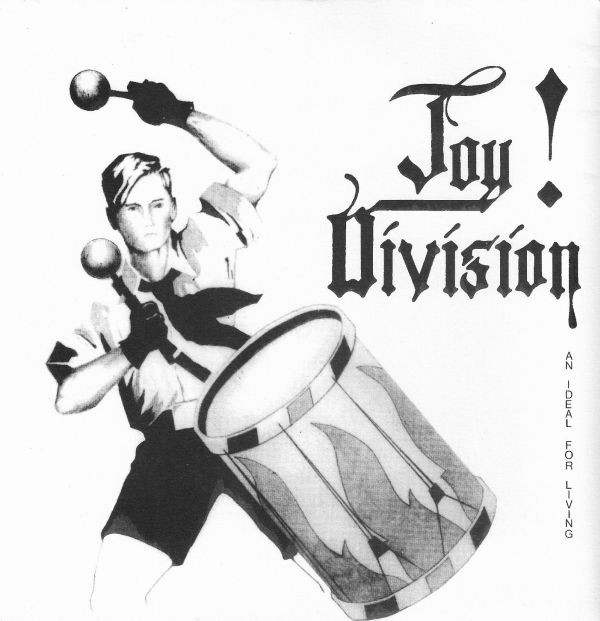
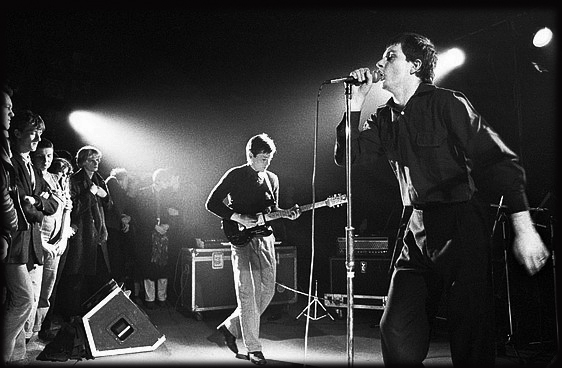
As you of course know, Joy Division‘s debut release, the An Ideal For Living EP featured dubious Nazi imagery. Alongside the band’s iffy name written in Germanic font, the sleeve shows a Hitler Youth drummer boy. Call it misguided, call it punk, but when the time came for the EP to be rereleased, it’s interesting to note that the drummer had been replaced by an arty shot of some scaffolding and the band’s name – still contentious of course – was printed in a much more agreeable font. The accusations of Nazi sympathy didn’t end though.

The opening track Warsaw – the band’s original name, after the city in Poland that the Germans laid siege on at the start of the war – began with a punkish shout of numbers, but not the enthusiastic and standard 1, 2, 3, 4! that countless bands have used to herald their giddy arrival. Warsaw begins with an enthusiastic “3-5-0-1-2-5-Go!“, not quite the number of the beast, but not far from it. Joy Division laid out their statement of intent by counting off with Rudolph Hess’s Prisoner of War number. And for good measure, they repeated the 31G prefix over and over in the chorus.

Joy DivisionWarsaw

Now, the mid ’70s was a time of Warlord and Victor comics, of Commando books and Sven Hassel novels, of best man’s fall in the playground. It was an era when you could ask your grandparents what they had done in the war and they still had the grey matter and compos mentis to tell you. Many cities bore the scars of bombed-out, shell-shocked destruction. Kids played on the rubble where former factories stood. For many in ’70s UK, the memories of the war were clearer and easier to recall than what they’d eaten for yesterday’s breakfast.

That Joy Division had something of an obsession with WWII was not that unusual. In fact, it was pretty normal. To put it into perspective, less time had elapsed between the Second World War ending and Joy Division releasing An Ideal For Living than the time between New Order’s Ceremony and their return-to-form of sorts album, Music Complete. Just let that sink in.

The track that brought Joy Divison to the world is an angry blast of prime punk; insistent, exciting and real, with a great wheezing, descending riff between the choruses and the verses. Even this early on, Stephen Morris’s drums have a slight tang of electronic treatment, rattling and reverberating between Ian Curtis’s punkish shout and Peter Hook’s solid slab of bass, as far removed from his signature sound as you could possibly get.

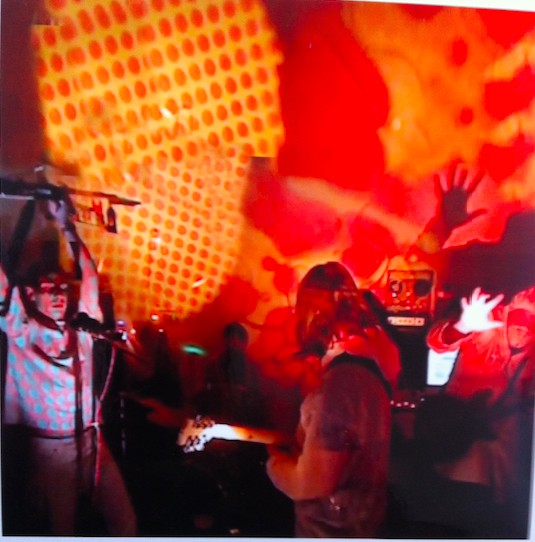
By all accounts, Joy Division were quite the thrill in the live setting, and, as self-producers, they captured just that on Warsaw and the rest of the EP. It’s essential listening and still thrilling even after all these years. You knew that already though.

Hard-to-find

Yes-Man for The NoMen

It’s a payola scandal! A great rock ‘n roll swindle! Under incessant pressure and non-stop pushing of ‘product’, Plain Or Pan has succumbed to the bung and the bribe. With a pocketful of untraceable fivers and the number for a burner phone that I’ve been assured will offer up the earthiest of earthly delights, I bring you The NoMen. They have me in their collective pocket and, to be honest, there are far worse places you could find yourself. Their latest album, A Bad Reputation Is A Good Place To Start might sound like the sort of title The Cramps would’ve given to any number of their 2-minute punkish twangers, but the 20 tracks contained therein sound in equal parts wonky, obtuse, singular and entirely heartfelt and dedicated. I daresay there’s a Lux influence in there somewhere, but there’s so much more besides.

 The NoMen have been around for almost twenty years and remain something of a mystery. Despite radio specials in France, Germany and Canada, they have appeared live only twice, much preferring instead to bunker down in the studio and produce album after album of self-mad, self-made, lo-fi psychedelia. To date they have released at least 8 or 12 or 17 albums. It’s hard to tell, and harder to keep up with. The Pain Of Jazz. If Not Why, Then When? Straight To Dave. Dawn Of The NoMen. Just some of the unique and uncategorisable albums in their back catalogue that might warrant your attention.

Self-proclaimed children of Ed Wood and Joe Meek, their blend of fuzz-soaked, analogue boppery skirts around the same sort of margins as artists as individual and diverse as Psychic TV, Ween and Buffy Sainte Marie.

On the latest LP, a collaboration no less between NoMen and ex Swell Maps’ Phones Sportsman, the tracks that first pricked my ears included the campfire lullaby of HuMan (Evolution In A Nutshell), worth the price of admission for the extended coda alone, and Karma Pyjamas, a track that falls short of two minutes but manages to fuse the day-glo imagination of Super Furry Animals with Robert Kirby’s string arrangements for Nick Drake underneath a sneering vocal that wouldn’t sound out of place in a high camp ’70s horror film.

Elsewhere in this pot pourri of controlled madness, you’ll come across drawling Cope-ish, Mark E Smith-like vocals, subsonic fuzz bass and all manner of jerky, quirky incidental parts.

You’re never far from a Radiophonic Workshop-influenced proto-electro whoosh or a Dalek-voiced Cabaret Voltaireism or a janglin’, reverb-soaked 12 string guitar, and often, you’ll hear all three of these disparate influences before the band has alighted on the first chorus. The NoMen dig anything from the outer musical margins that might have been released between ’65 and ’75; the more obscure, the more discordant, the path less-travelled, all the better. Eno, Ono, you know….

…and their brilliantly bizarre tribute to Floran Schneider has to be seen to be believed.

You should investigate by visiting their Bandcamp page tout de suite. Now, where did I leave that number for the burner phone?`

Get This!, Hard-to-find

Serious Drug Addict

Born out of the blues boom of the early ’60s, the Thames Estuary scene was a fertile breeding ground for the stars of the decade and beyond. Away from the distractions of London city centre, it proved the ideal training ground for the very musicians who’d help make the city swing in the coming months and years; Jagger and Richards were welded at the snake-hips as a result of a shared love of Chess Records. Alexis Korner’s blues nights in the Ealing Jazz Club brought together like-minded afficianados in the shape of Rod Stewart, Eric Clapton and Jimmy Page, and both Clapton and Page would take stints as lead guitarist in The Yardbirds, a role also filled by Jeff Beck. Amongst it all was John Mayall, his Bluesbreakers band a constantly-revolving who’s who of the movers and shakers of ’60s guitar-based music; Jack Bruce, Peter Green, Mick Fleetwood, Mick Taylor… you name them, they likely appeared on stage or on record with John Mayall in one way or other. It was a small scene, they say, but a highly influential one which helped shape the popular music of the day. You knew all that already though.

Fast forward to Lanarkshire in the mid ’80s. A short train ride away from the attraction and distraction of Glasgow city centre, a scene – let’s call it the Bellshill Boom – developed around the singular vision and concept of Duglas Stewart. Born out of a love of post-punk, sunshine pop and anything with a decent haircut (although…check below for conflicting proof), this scene was, in its own way, just as influential as that satellite scene around London 20 or so years previously. Taking their cues and clothes from the Lovin’ Spoonful, Jonathan Richman and the melancholic ache of Burt Bacharach, Stewart’s band BMX Bandits led the way, the real sound of the suburbs, a Bluesbreakers for the Bellshill beat brigade.

Cor!

Like a foppish, pointy-fingered John Mayall, Duglas curated a group of musicians that created a new sound of young Scotland – twee, perhaps, arch, certainly, and totally at odds with the Caledonian bombast currently being force-fed via commercial radio, but with an element of fun running through it like the lettering on a stick of Blackpool rock.

That the individual Bandits were free to come and go, to form other bands, to play on other people’s records only added to the looseness of it all, but every one of those players has, at one point or other, said just how formative being in the BMX Bandits was.

Once a Bandit, always a Bandit, as Duglas has said. He’s watched on, headmaster-like, as his charges have gone on to form (deep breath) Teenage Fanclub, The Soup Dragons, The Pearlfishers, The Vaselines…and all of the side-projects there-of; Hi-Fi Sean, The Primary Five, Future Pilot AKA, Superstar, Green Peppers, Linden etc etc. If Pete Frame were to produce a Rock Family Tree for the Bellshill scene, it’d be longer and more detailed than the Bayeaux Tapestry.

BMX Bandits are the very epitome of cult. As a favour to Alan McGee they took a youthful Oasis on tour with them, a mismatched yin-yang of non-macho and monobrowed mayhem if there ever was one. Kurt Cobain sported their t-shirts and was quoted as saying that if he could be in any other band, it’d be BMX Bandits. Duglas may well be the Scottish equivalent of Daniel Johnston, another of Kurt’s favourites and, like Duglas, a writer of simple, tear-soaked heart-jerkers, unpretentious and innocent.

In some quarters BMX Bandits were considered a kind of joke band, but to those in the know, their songs, in equal parts life-affirming and heart-breaking, are perfect little vignettes of proper Scottish soul, a considered mix of the fragility of sandpit-era Brian Wilson with a wide-eyed wonder at the world around them. Their 1991 album Star Wars is set for reissue on May 4th (obviously) via Last Night From Glasgow. Having received an early copy last week, I’ve been on something of a Bandits binge for the past few days; Come Clean, The Sailor’s Song, later songs like That Summer Feeling and Little Hands. All essential listening. The track though that’s really stopped me in my, er, tracks is Serious Drugs.

BMX BanditsSerious Drugs

Serious Drugs was released as a single in 1993 and appeared on the Life Goes On album. Both single and album failed to bother the charts. Nothing unusual in the world of the BMX Bandits, but in the case of Serious Drugs, it’s Serious Shrugs – the great lost number 1 hit that never was.

Voiced not by Duglas but by Joe McAlinden, Serious Drugs is a fantastic record, the sound perhaps of Teenage Fanclub respectfully tackling My Sweet Lord.

It’s there in that E minor to A major chord change. It’s there in the “ooh-la, ooh-la-la-laCome Up And See Me backing vocals. And it’s definitely there in that super-charged slide guitar part after the first bridge when Joe and Norman come over, just for a moment, all John ‘n Paul. The melding together of McAlinden’s and Blake’s voices is sublime, Joe high and keening, Norman low and honeyed. Serious love, indeed. And that spangled, high in the mix Big Star acoustic guitar…the compressed drums…the frugging bassline… Serious Drugs wears its influences proudly but politely in a way that someone like Noel Gallagher could never grasp.

By the time the saxophone solo has oozed and eased its way to the forefront and is leading the band to their rasping fadeout, you’re already thinking about playing it all again. Serious Drugs is seriously great. I suspect you knew that already too.

Get This!, Hard-to-find, Sampled

Someday We’ll Evaporate Together

One of the high points of lockdown (pts 1 and 2) has been the consumption of new music. I’m a particular fan of Bandcamp Friday, when on the first Friday of the month, Bandcamp waives their usual artist fee and, with no string-pulling middle man, the artists benefit by an extra 15%. If a record costs you twenty quid, the artist gets every penny of your twenty quid; good business for both sides in the transaction.

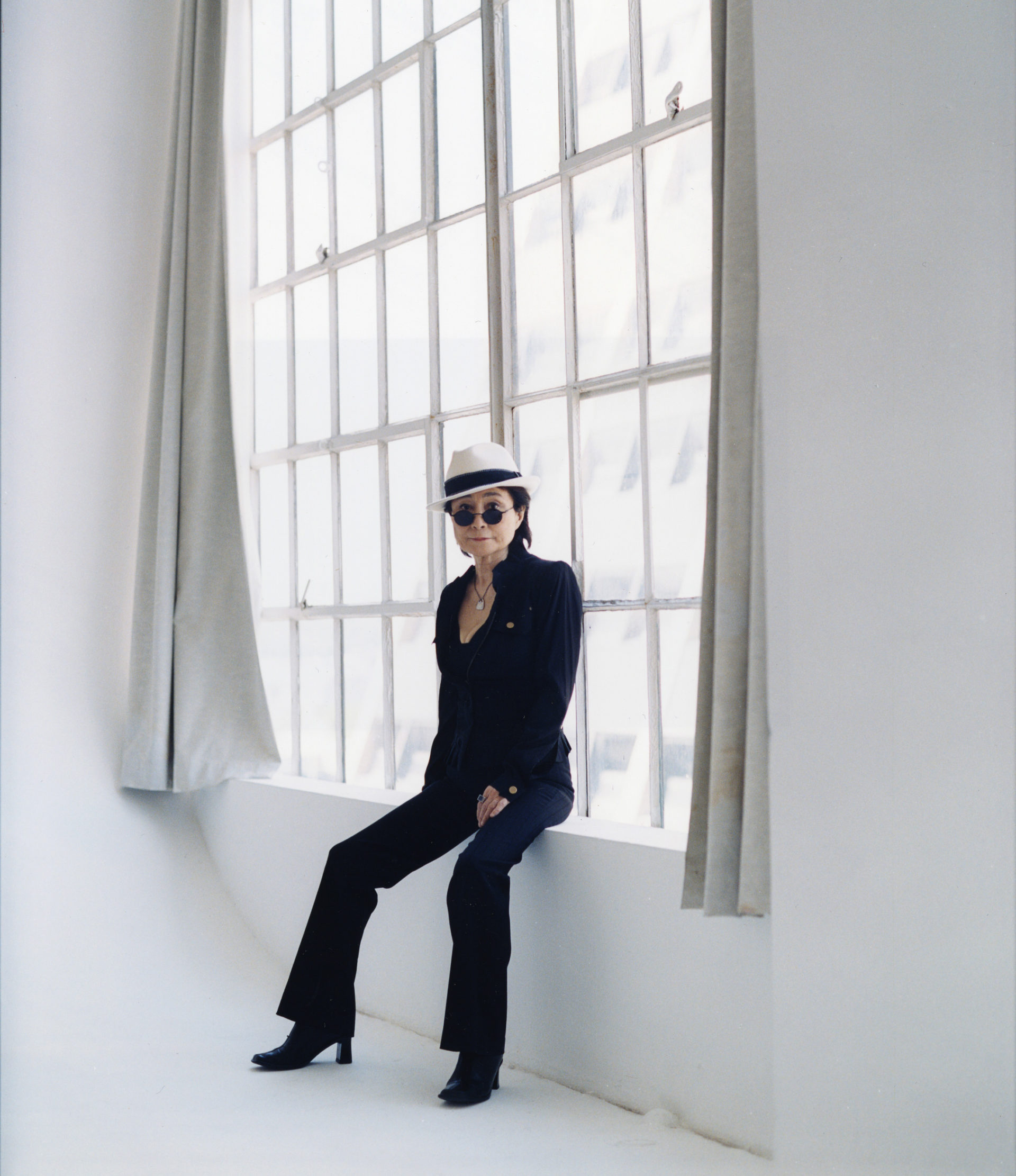
I took a bit of a punt on Hifi Sean‘s ‘Ft.‘ compilation – only half of those twenty notes, as it goes – and I’m glad I did. Hifi Sean is Sean Dickson, one-time vocalist with the Soup Dragons and Ft. is a double album of Sean-produced electronica where a whole gamut of disparate guest vocalists pop up to add their recognisable voices and/or playing to the music. With collaborations involving Crystal Waters, Norman Blake and David McAlmont, an elastic-band bass-popping Bootsy Collins, Alan Vega and Soft Cell’s Dave Ball amongst others, it’s quite the pick ‘n mix. But the standout in what is undoubtedly a bountiful bunch is the Yoko Ono-voiced In Love With Life.

It’s astonishing. Ambient, textured and glossy, it’s a beautiful mesh of Pet Shop Boys’ minor key minimalism and the sort of dragged-out dark beats that Underworld might choose to close an album with.

Yoko OnoIn Love With Life

A good marker for the sort of music Sean has been creating in recent years, it’s as far removed from both his old band and Yoko’s more artistic endeavours as you could possibly get. Synthetic and computerised, sterile yet soulful, it’s a juxtaposition of spoken word against synth washes and echoing snares that triggers some sort of deeply conscientious nostalgia for simpler times and clearer values. Seriously, it does.

Yoko’s vocals are lovely, taking centre stage when they need to before dropping out to let the music wring your heart dry. It’s like an audible yoga trip or something; cleansing and spiritual and, despite the subject matter, life-affirming in many ways.

I hate thinking that our civilisation and the culture that we’ve created in 5000…10,000 years, we’re trying to destroy it.

It saddens me because

I am in really in love with life

and with people

They’re beautiful.


That’s it. That’s the message. We’re destroying everything that’s sacred…and standing back watching as we do so.

Yoko’s words are almost haiku in economy. She writes simplistically yet she says it with a real, undeniable gentle love, an extension of the words she first wrote in Grapefruit in the mid ’60s when she said, ‘Listen to the sound of the earth turning.

I assumed the Yoko vocal to be a sample but part of me would love to believe that Sean and Yoko (Sean and Yoko!) sat down together in some small studio or other and recorded it together, he at the faders while she recited her simple poetry atop the glistening beats. It’s all rather cryptic, though, as Sean told me.

“Myself and Yoko decided we would not reveal how we made this track, as the mystery of it adds to the magic of it all.

All I can say is that it was based on a poem Yoko wrote and we both worked together to make it work with the music. I wrote the track around the concept of the poem, with Yoko deciding where she wanted to place the words.

She loved the finished track and in 2016 featured it as part of the Ono Lennon ‘Give Peace A Chance’ campaign.”

So there y’go.

There’s also a remix/revision (track 7, below) on Ft.’s sister album Excursions. It’s currently a tenner on Bandcamp too, and if you wait until Friday to order, Hifi Sean will receive all of what you pay. You really should buy it.

In Love With Life in both its forms is terrific. Hippy, peace-loving and pleasantly at odds with the mess of the world around us, it’s the Balearic end-of-set closer that never was. I reckon you’ll play it forever.

*You can buy Ft. at Hifi Sean’s Bandcamp page here.

Gone but not forgotten, Hard-to-find

Heavy Shit Goin’ Down

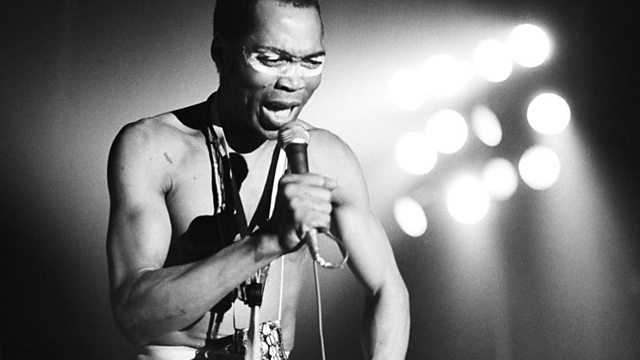
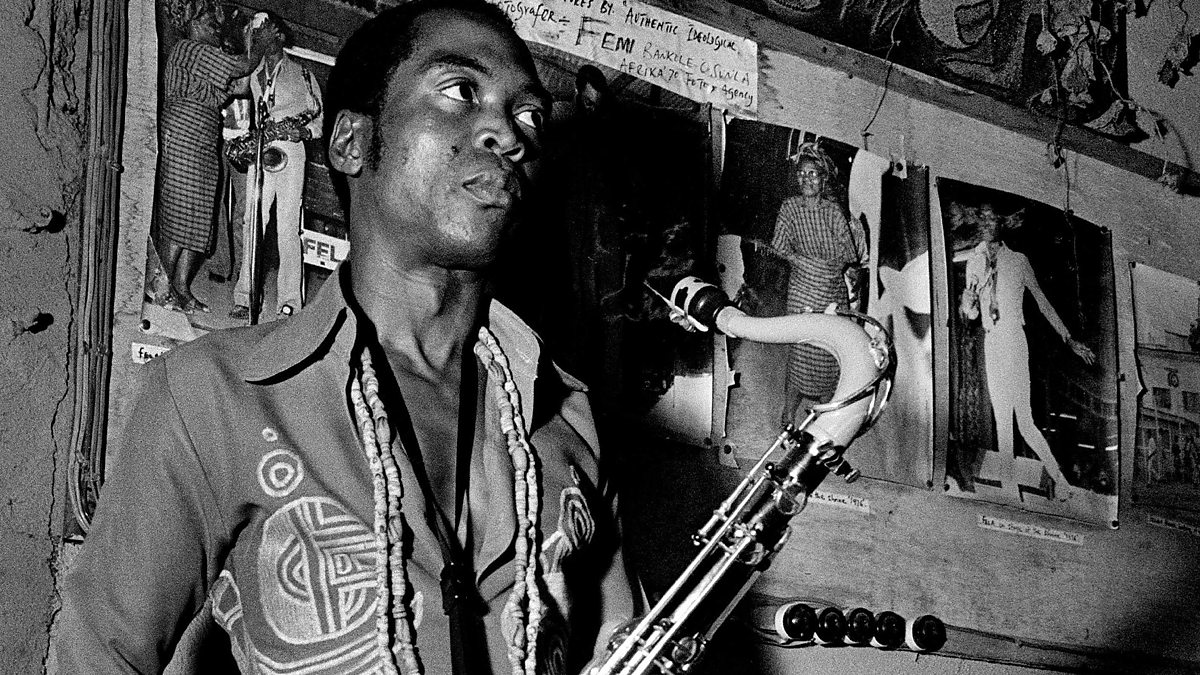
Fela Kuti was, to borrow from That Petrol Emotion, an agitator, an educator, an organiser. A music and sociopolitical trailblazer, he was equal parts multi-instrumentalist and political activist. The founder of Afrobeat, he combined on-the-one funk with rippling, rattling one chord jazz and more often than not included a lyric that savaged the powers in charge; look for 1977’s Sorrow, Tears and Blood, which calls out police brutality as the perfect example.

1975’s Expensive Shit is the story of being framed, set to a groove that falls somewhere between the freeflowing Blue Note jazz of Gil Evans and James Brown’s mid 70s excursions in funk. Wandering, electric piano fights for earspace with chattering, polyrhythmic drums and clickety-clacking off-beat percussion. Underpinned by body popping bass and fanfaring trumpets, Fela’s saxophone noodles across the top with just as much regard for boundaries as its player’s attitude to authority.

Fela KutiExpensive Shit

Just as you begin to think you’re in the middle of a tight-but-loose instrumental – those muted trumpets really know how to elongate their presence – along comes Fela and his backing singers, singing a song, half-Nigerian, half-English, of being set up by the police.

Finding himself in posssesion of a joint that had been planted on him by corrupt police officers, Kuti swallowed it. The police took him into custody, knowing that nature’s way would eventually incriminate their innocent target. Always one step ahead of the authorities though, Fela managed to swap stool samples with a sympathetic inmate and was released without charge.

On 1976’s Zombie, Kuti waged a war on the militaristic Nigerian government of the era. He likened the military to zombies, dead-eyed government stooges, incessantly carrying out sinister orders from above.

Fela KutiZombie

Propelled by a fluid and skittering Tony Allen drum groove and the assembled brass of Africa 70, Kuti’s band, Zombie begins on a fade-in, suggesting the band have been working up the groove for a quite some time before we get to hear it. It’s not until it reaches Kaa the snake levels of hypnotism that Kuti’s call-and-response vocals come in.

Attention! (Zombie!) Double up! (Zombie!) Fall In! (Zombie!) Fall out! (Zombie!) Fall down! (Zombie!) Get ready! (Zombie!)

Nigerians loved it, to the point where they’d mimick the soldiers who lined the streets. “Zombies!” they’d shout, arms straight out ahead and limp at the wrist in mocking pose. So incensed was the government at Kuti, they systematically attacked and destroyed Kalakuta Republic, the studio-based commune he’d set up with his family and band. On the government’s say-so, 1000 soldiers raided the community. They beat Kuti to within an inch of his life, raped the women and threw Kuti’s elderly mother from a first floor window. She would die of her injuries.


As an inflammatory reaction to the charge that he was kidnapping women and keeping them hostage against their will, on the first anniversary of the Kalakuta violence he simultaneously married 27 of the women in his community; dancers, vocalists, musicians. Not long after, he was banned from Ghana after a riot broke out during Zombie. Later that same year at the Berlin Jazz Festival, his band would quit following rumours that he planned to use their fee to fund his presidential campaign. A colourful figure to say the least.

Fela Kuti fought a long fight with authority, calling out injustice, corruption, brutality and downright wrongness at every possible turm. He continued to be a real thorn in the side of those in charge for another 20 years, before his death in 1997. His back catalogue and life story is worth some of your time.

Double Nugget, Get This!, Gone but not forgotten, Hard-to-find

Electric Soup

1966. The decade was in full swing. Skirts grew shorter as hair grew longer. Some team or other won the World Cup. Bands were beginning to realise that there might be a bit of longevity in this fleeting thing called the music business after all. The album was at the point of becoming more important than the single. At the end of the summer The Beatles put out Revolver and played their last live show in front of a paying audience, turning their attentions instead to using studio technology to realise their artistic vision.

The Stones were just warming up though. Barely four years old, they were on a phenomenal run of records. In 1966 alone, they released their fourth album Aftermath and a run of half a dozen singles/EPs, all unique, all still instantly singable 55 years on; As Tears Go By, 19th Nervous Breakdown, Paint It, Black, Mother’s Little Helper, Lady Jane and, the cream of them all, September’s Have You Seen Your Mother, Baby, Standing In The Shadow?

The Rolling StonesHave You Seen Your Mother, Baby, Standing In The Shadow?

Riding in on a snarling lip curl of droning, wah-wahd Brian guitar, Have You Seen Your Mother, Baby, Standing In The Shadow? rattles along for two and a half frantic minutes, a downhill-without-the-brakes-on clash of badly recorded trumpets, thumping, divebombing bass and hard-to-hear percussion, welded for posterity to a rhythmic piano riff, all left hand and boogie woogie blues, and topped-off by one of Jagger’s more throat-ripping vocals, slightly too high a key perhaps, but one that all adds to the urgency.

Have You Seen Your Mother, Baby, Standing In The Shadow? was indeed an urgent record. Needing a new tune to premier on the Ed Sullivan Show, the track was commited to tape almost as soon as Jagger had jabbed the last full stop on his lyric sheet. If you could pick apart its constituent pieces you might be able to spot Bo Diddley maracas and handclaps, Keith’s clipped, staccato guitars fighting for earspace with Brian’s fuzzed-out proto-punk riffage, some rattling, brain-jangling electrics in the breakdown and a brass section that pre-dates the loose ‘n louche Exile On Main Street by a good few years.

There’s an awful lot going on in its electric soup, not least a nod and a wink to the American underground, a Nuggets for the mainstream if you may. Keith Richards hated the final mix. It was muddy, he said. The trumpets sounded raspy and far-off. The track’s original groovy rhythm was buried underneath a blanket of white noise and peripheral faff and yet…and yet…Have You Seen Your Mother, Baby, Standing In The Shadow? may well be the best Stones’ track of ’em all, Keith.

Take note of those Mick ‘n Keith call ‘n response vocals. Richards especially is having a ball. “I’m glad I opened your eye-eye-eye-eyes!” he goes, rhyming eyes with ice and time and fine on every other line, filling the spaces where the band pause for the briefest of respi-ay-ay-ites.

Charlie, always the backbone of the Stones, almost always a half beat behind the others but not on this record, makes the most of these mini-breaks, pausing for a nanosecond before driving the band home to its wonderful, widescreen, barre chorded end. You can practically see the impish Jones smirking from underneath that beautiful outgrown bowl cut, the devil making work for his less-than-idle hands as it plays out in reverbed slo-mo.

The next year would bring Let’s Spend The Night Together, Between The Buttons, drug busts, Ruby Tuesday, court cases, We Love You, Who Breaks A Butterfly On A Wheel?, Their Satanic Majesties Request…. It was quite the time to be a Rolling Stone.

It’s worth highlighting too the record’s b-side, a psychedelic barrelhouse blues number titled Who’s Driving Your Plane?

The Rolling StonesWho’s Driving Your Plane?

In it’s sloppy, midpaced booming fug, all emphasised vocals and eee-long-gated vowels, I can never hear this without imagining a hunched-up Shaun Ryder singing it. It’s all rather great, an underplayed hidden gem(Stone).

Get This!, Hard-to-find, New! Now!

Non-Rock, Non-Roll

One-man/one-woman bands tend to be easy to pigeonhole; talented multi-instrumentalist + laptop x headful of ideas = nattily-produced, hastily-manufactured, self-financed album, a bit scuffed at the knees, perhaps, a bit frayed at the elbows maybe, the rough charm grudgingly accepted as part of the deal. ‘Hey! I’m on my own here! I don’t have a record company behind me, I can’t make money from gigging and I just want to get my songs out there.’ We’ve all heard these musicians, more than ever in the current climate, earnestly bashing out their cottage industry wares into an overcrowded ocean of flotsam and jetsam for whoever happens to pass along at the right time. It’s admirable to the point of lunacy.

I’m not alone in this. Every second post on here since the turn of the year is another chapter in my own ‘book seeks publisher‘ serialisation of an admittedly flawed young adult novel. The irony of my opening statement is not lost on me. Fail we may, sail we must, as a great philosopher once said.

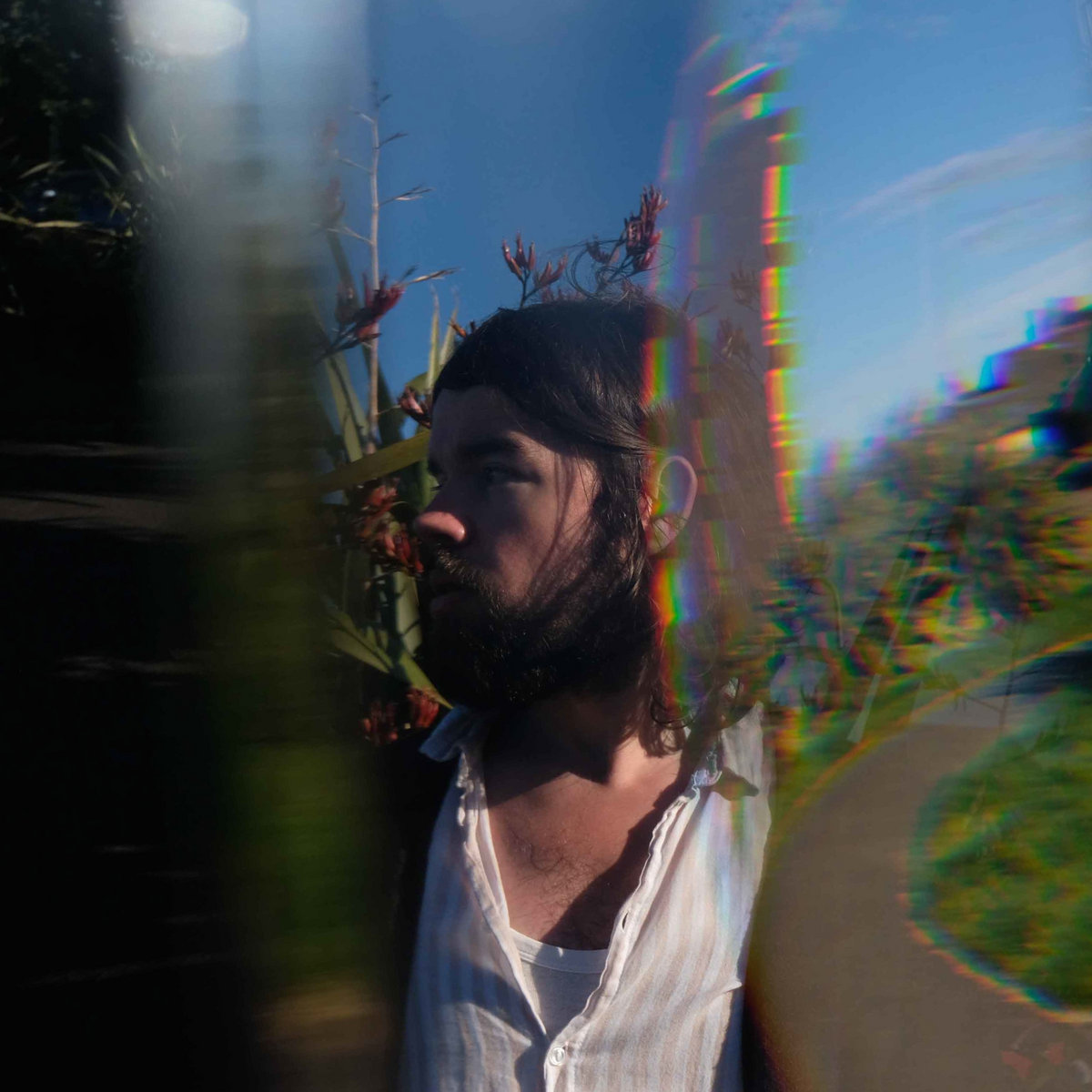
Blowing the preconception of the one man band clean out of the overcrowded water is Andrew Wasylyk. The nom de plume of Andrew Mitchell, sometime Idlewild bass player and guitarist/vocalist in Dundonian four piece The Hazey Janes, Wasylyk is a supremely talented individual. The Hazey Janes’ neat way with a twisted melody and an Americana-tinged acoustic arrangement has found favour in all the right places, yet despite tours with artists as disparate and massive as Wilco and Deacon Blue, the group never quite made the leap to the next level that might have been expected of them, and by them. Not that Andrew seems to mind.

For the past few years, Wasylyk has quietly gone about working on a loose triptych of gorgeous, free-flowing instrumental albums that study the themes of architecture, the Scottish coastline and the light on the land. Unlike anything remotely connected to his two bands above, these albums meander between neo-classicism, library music, sophisto-jazz and the off-kilter filmic soundscapes of David Axelrod. The most recent release, 2020’s Fugitive Light and Themes of Consolation was 6 Music’s Gideon Coe’s album of the year and, had I discovered it at the time of release, would very likely have been one of mine too.

The album was promoted through the second track, Last Sunbeams Of Childhood, an evocative title that is reflected in the pastoral groove within.

Wobbly Fender Rhodes, staccato bass and rippling jazz guitar ease you in on top of a soundbed of far-off playground shouts. Wandering saxophone and honeyed, textured brass add the requiste colour before the breakdown and the low-in-the-mix, wordless, chanting female backing vocals that elevate from somewhere below the surface. Layer upon layer of non-rock upon non-roll, it’s lovely, somewhere between Colin Tully’s Gregory’s Girl soundtrack and the orchestral sections in Curtis Mayfield’s Superfly score.

Save string arrangements from long-term collaborator Pete Harvey, it appears that Andrew Wasylyk has performed everything on the album himself. I mean, wow! Surely not?! This would elevate him immediately to Stevie Wonder levels of prodigiousness. Oboe, harp, flugelhorn (?), drums and percussion swirl around his cascading guitar and multi-layered pianos, adding light and shade, melody and counter-melody to what is a modern day, stone cold classic in its field, with nary a scuffed knee nor frayed elbow in sight.

Really, it’s great. Such was Wasylyk’s and his label’s (Athens of the North) limited expectations, both vinyl and CD are currently out of print, but I’d imagine a repress is very much in the works. Keep your eyes and ears peeled. I know mine are.

Support Andrew Wasylyk via Bandcamp

Hard-to-find

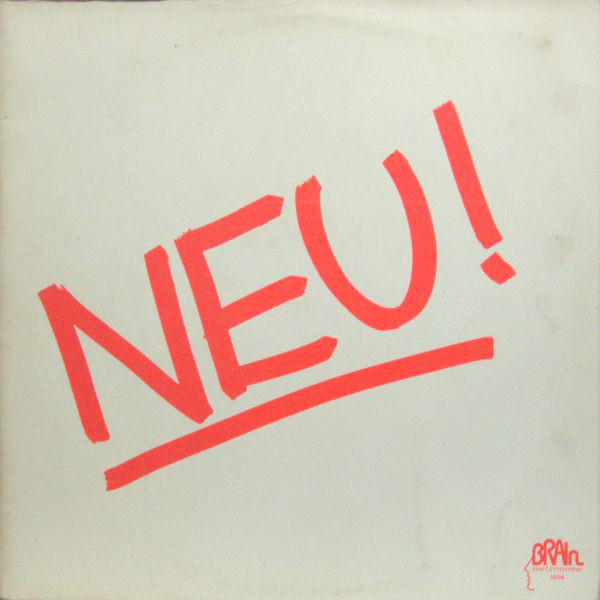
Neu! Beginnings

Negativland, from Neu!’s first, self-titled album is a near ten-minute odyssey of prog-infused Krautrock.

Beginning with the sound of juddering road drills fighting for ear space with electronically-treated voices and crowd effects, it creeps up on you in a rush of linear feedback that gives way to its simple, steam-powered groove. Bringing to mind Bowie’s title track from Station To Station, it’s all repeating bass lines and simple drum patterns; long, straight and endless – proper head music for the cross-legged longhairs and wispy beard-strokers of the world.

Over the course of the track, the rhythm rarely changes. There’s a brief spell in the middle and again towards the end when the rhythm section hits downhill without the brakes on and moves into second and what might even be third gear, but just as things seem like they might be getting out of control, they reign it all in again and bring us back to the groove. It’s not repetition, as self-confessed Neu! fan Mark E Smith might’ve said, it’s discipline.

The melody on top, the colour, is provided by wind-tunnel effect guitars redolent of that whooshing Leckie-produced ambience that colours much of the Stone Roses’ debut album. There are no vocals. Vocals, clearly, are for wimps. Featuring just two members – Michael Rother on guitar and bass and Klaus Dinger on spartan drums – with heads down and minds locked, there was never going to be anything as conventional as a vocalist, at least, not until the closing track on the album, if indeed sporadic, whispered, strangulated mutterings are your idea of vocals. Rother and Dinger had left an early incarnation of Kraftwerk to form Neu! and where their former band would go on to pioneer the use of synths, so too would Neu! push the boundaries of what was possible with guitars.

As Julian Cope says of the band in his essential reference Krautrocksampler,

The sound that replaced the hectic stop/start of the Kraftwerk trio was an ambient bassless White-light Pop-rock mantra that steadied itself directly between the two extremes of Bubblegum music and the extreme German experimental music.

Neu! was the product of two young Master-magicians who had so grabbed hold of the creative ‘moment’ in the studio as to create a true jewel of an LP.’

It’s a record that’s not for everyone, Neu!’s debut, but if you get it, you really get it. Minimal, with clean lines and no clutter, from its day-go logo sleeve in it’s the very antithesis of the bloated, overblown, hobbits and goblins musical landscape of the era. You’ll hear its influence ring true in the records of the aforementioned Bowie as well as the ambient scrapings of PIL – check out Albatross – and the electro-fried stylings of Stereolab.

Negativland and the rest of Neu! (with a side order of Sister Ray) is clearly to art-rock what Black Sabbath (and a side order of Blue Cheer) were to metal – gate-opening, trailblazing and quite unique.

You knew that already though.
Get This!, Hard-to-find

Listing

I’m not one for end of year lists. I used to be. I used to spend hours refining ‘Best of the Year’ compilation CDs for my pals, sticking them snugly inside Christmas cards, eagerly received by the men, sniggered at by the wives. I enjoyed getting theirs in return – the contents equally considered, the sequencing just as agonised over, the sleeve art spat from equally temperamental printers. They functioned as snapshots of the year just gone, a ragbag of coulda been and shoulda been hits, now forgotten album tracks and one-off singles by artists who, for the main, have dropped off the radar.

Until the great PC crash of 2016, I’d spend a good fortnight in the run up to the festive period refining the running order of my Best of the Year double CD. Since the crash – and my steady return to vinyl – and the fact that my PC no longer has a CD drive (what’s all that about?!?) – my list making has stopped. My spidey senses no longer tingle in Springtime when a belter pops up on rotation on 6 Music. “Must add that to the Best Of,” I no longer think to myself. I’ve stopped appropriating the same volume of new stuff from the darker corners of the web too. That’s half the reason the old PC ground to a crashing, spam-filled halt. After deliberation, I buy from Bandcamp or the label or eBay or even Amazon, whenever the Cheap Records notification on my phone highlights something worth owning. And those wee download cards? Half the records I buy don’t come with them anymore. The ones that do lie unused. So my purchasing and playing habits have gradually regressed to the days of my youth. It’s records and that’s about it.

Crucially too, I listen to old stuff, if not exclusively, then certainly for the majority of time. I’m not blessed with a Rough Trade East or a Monorail or even an HMV anywhere near me, certainly not in a year when crossing county lines might land you in the jail. The one record shop anywhere near where I live is owned by an old rocker who stocks Japanese imports of Iron Maiden albums and overpriced Fleetwood Mac reissues. Tequila Sunrise by The Eagles is always playing whenever I enter and I always check in hope that that Small Faces album on display on the wall has perhaps lost a zero on its price tag, but it never has. It’ll still be there come the next Middle Ages. You won’t ever be tempted in there by racks of Waxahatchee and Moses Sumney fighting for shelf space with Taylor Swift and Fleet Foxes. Occassionally, a dip through the crates under the racks will produce a cracker that he places little value in – Scott 2 for £3, an unplayed copy of Sylvester’s You Make Me Feel Mighty Real on 12″ (“Och, here, if you’re taking the XTC album (also £3), you can have the disco shit on me, you’d be doing me a favour etc etc). I’d much rather find something of value in there than splurge upwards of £25 on the latest Perfume Genius record.

With so much old stuff still to rediscover, there’s no time for the new. I read these lists on social media and, honestly, I don’t know half the acts. And the ones I’ve heard of – yer Fionas ‘n Phoebes ‘n Microphones ‘n whathaveyou, I just don’t have the time or money to invest in them. I’m sure – actually, I know – I’m missing out on a whole load of great music. But…but… it’s just that there’s still loads of stuff from the 1970s to uncover. Just as you find little time or inclination to make new friends the older you get, so too do you find less time to get into new music. It seems like a lot of effort to me. It’s not that music’s a young person’s game by any means, but the music that soundtracked the formative years is the music that makes you feel young when be-slippered middle age creeps up on you and slaps you across the top of that salt ‘n pepper hair-do. I don’t care about Porridge Radio, I’m still working my way through This Is Radio Clash and Sandinista, thank you very much.

Having said that, with apologies to the acts I’ll remember and shins I’ll kick as soon as I’ve pressed ‘publish‘, I’ve very much enjoyed releases this year from;

  • Close Lobsters
  • Blue Rose Code
  • Khruangbin
  • Working Men’s Club
  • Laura Marling
  • Fontaines DC
  • Sault
  • Slow Weather

I suppose I could make that my Top 8 of 2020 – ‘in no particular order’ – and I’d fit right in.

Slow WeatherClean Living

The Slow Weather track above is great, a gently spiralling and unfolding slow burner, a sulky Lee ‘n Nancy if picked up by one of those vending machine claws and plonked into the Scottish heartlands.

You’re an optimist,’ they sing in unison. ‘I’m a realist‘. Music box percussion tinkles and the track wanders its way to a treacle-slow coda somewhere between Super Furry Animals and somnambulism. If tectonic plates made, er, rock music, it might sound like this.

This slideshow requires JavaScript.


The truth of the matter though is that I’ve also very much enjoyed rediscovering Loaded by The Velvet Underground, De La Soul’s first half dozen singles on 12″, Elvis Costello’s Get Happy!!, The Specials’ debut, Underworld’s Dubnobasswithmyheadman, I’ve Seen Everything by the Trashcan Sinatras, Another Music In A Different Kitchen by Buzzcocks, Wire’s Pink Flag, The House Of Love’s gnarled and shimmering back catalogue and a million other things I’ll always return to – my real Best of the Year.

The polls would suggest 2020 has been something of a good year for music releases. I’ll probably be able to concur sometime around 2045 – ‘a vintage year‘ – I might even proclaim, should I still be shuffling my shoes to the groove. Not for nothing is the tagline above Outdated Music For Outdated People.  


Get This!, Hard-to-find

Frankie Says…

…when the power of love overcomes the love of power, the world will know peace.

To be fair, Jimi Hendrix said that, and it was far too long to fit on a Frankie t-shirt in any case. It’s a neat quote though, one that easily applies to the rule makers and breakers who are hell bent on prioritising their own agendas over the good of a nation who (didn’t quite) elect them, a boys club bash, an ‘I’m all right Jack’ knees up, where the joke is very much on the ordinary people. What. A. Shower. Frankie Says Revolution!

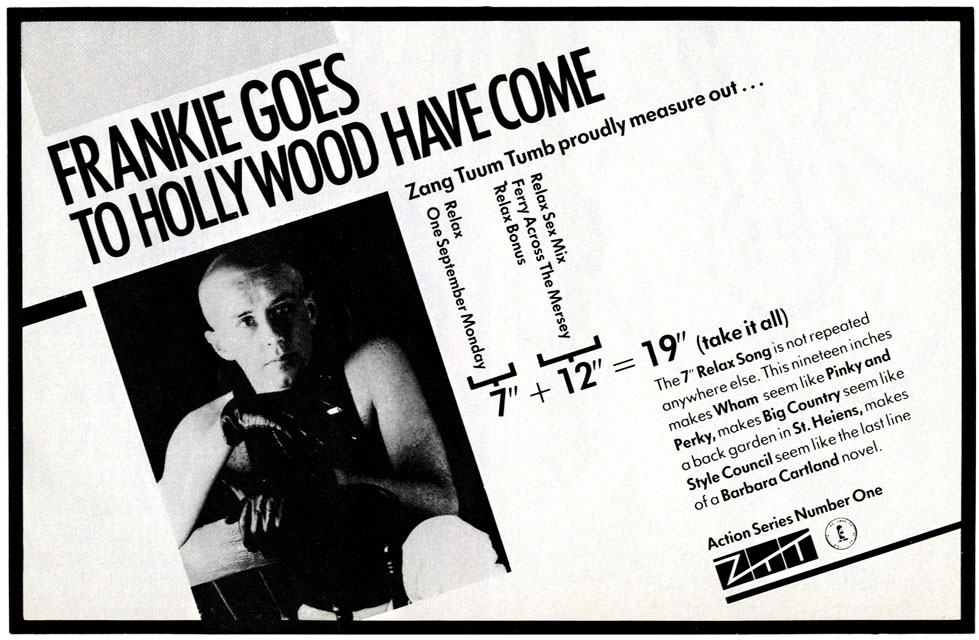
The marketing machine that rumbled behind every Frankie Goes To Hollywood release (and t-shirt) saw to it that each of their first three singles made it to the top of the charts. Coming after The Beatles and Gerry and The Pacemakers, they were the third Merseyside act to achieve three number one singles in a row, but whereas their 60s counterparts got there via non-stop touring and ubiquitous hourly spins on Radios Luxembourg, Caroline and London, Frankie took a different route.

When sales looked like tailing off, they’d release another version; remixed and extended, strung-out and funked up across a variety of formats; 7″, 12″, picture discs, even cassette singles. The CD was just around the corner, otherwise those variations would’ve been spread across even more formats. With each subsequent new variation, the record would maintain its place at the top of the pile.

There are, believe it or not, over 30 pulsing, throbbing Hi NRG mixes of Relax! Arguably, the weekly mixes that were released to keep Relax at number 1 in 1984 weren’t actually required – as soon as it was banned by Radio 1, a goldrush of record buyers ensured it lorded over everyone for yet another week.

I should know – I was one of the millions who bought it after the ban. Frankie weren’t quite our Pistols, but they did generate similar headlines and debate.

Second single Two Tribes followed a similar path. It surfed the zeitgeist of Reagan/Gorbachev’s Cold War cat and mousing, a high octane cocktail of propaganda and paranoia – ‘the air attack warning sounds like…this is the sound.

A barrage of taut, tense guitars, juddering bass and superbly giddy vocals (“Hau hau hau!” went Holly) propelled it straight to number one and one and a half million sales, helped, no doubt by the provocative video showcased on The Tube where two lookalikes played the part of the two world leaders in the wrestling ring. You knew that already though.
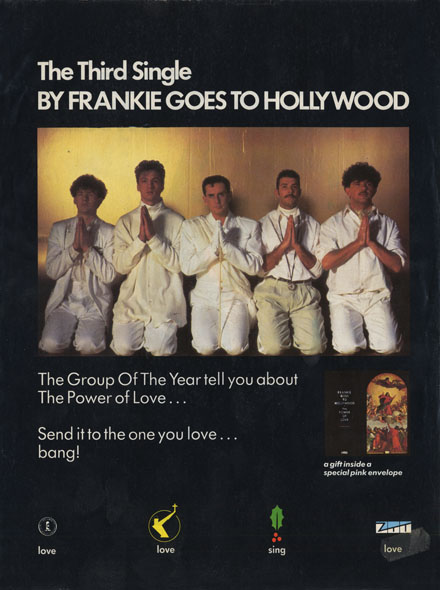
The third single was the surprise package. From a band known for grimy S&M inspired disco and anti-war political baiting, The Power Of Love was a genuine, heartfelt love song. The machinations of the ZTT marketing team – ‘The Group Of The Year‘ – ensured it was released strategically, all eyes focused on capturing the lucrative Christmas Number One slot. The Power Of Love reached the top in its first week of release at the end of November, and continued to outsell all others until Band Aid gatecrashed the party. In the event, 1994’s Christmas top three finished with Band Aid way out in front, with Wham’s Last Christmas at number two and Frankie in third spot. There’s an era-defining top 3 right there.

The Power Of Love has slowly crept up to be one of my favourite Christmas tracks. It’s not overplayed. It’s not omnipresent. It’s not short, sharp nor sugary sentimental. There’s not a sleigh bell or thumping office party beat within earshot, no Phil Spectorisms in arrangement or delivery, no ca-ca-ca-catchy chorus hooks or even a lyric that mentions the ‘C’ word. Simply, the song was accompanied by a video showing the three wise men following the star, and its message of universal peace rings true at this time of year, so a Christmas song it is.

Naturally, it’s the full-length, 12″ picture disc version you need.

Frankie Goes To HollywoodThe Power Of Love (full length version)

It begins with the sound of a Radio Fab! Mike Read soundalike talking over a string-swept instrumental, speaking word for word the DJ’s outrage as he cued Frankie’s debut to be played as part of the chart rundown.

And it at number 35….it’s Frankie Goes to Hollywood with Relax….waaay! I’ve just had a look at the cover…I think it’s obscene!…this record is absolutely obscene!…I’m not gonna play this y’know….no…thank you and goodbye!

Then the nylon acoustic thrums its way in, the sound of the Bunnymen’s Killing Moon played by Love on mogadon. It’s all minors to majors, orchestral sweeps, gently thunderous timpanis and a skyscraping guitar line that sounds like Neil Young as produced by Trevor Horn. A great sea swell of orchestra carries us forward and the brass section – the horns of Gabriel himself – builds and climbs and climbs and builds then drops. And then, out of the blue, we have a half-witted Ronald Reagan, reading a version of the Lord’s prayer. Mad and inspired, whoever came up with that idea. And then…

…piano. That famous tinkle that starts the record you’ll know from the charts. Hooded Claws and vampires. Holly’s vocal, all reverb and echo, accompanied by Spanish guitars and understated piano. “I’m so in love with you, hurts the soul,” and the strings swell once more, carrying the song to its message. “Make love your goal.” Tension and release in just under 10 minutes, a slowly unravelling cinematic widescreen beauty.