I was driving past Glasgow Airport the other day, the runway loaded with planes all set to jet off to weather better than we were presently experiencing. I had a flashback to a few years previously, to a time when I’d dropped my in-laws off there when they were going on holiday. On the way home, just as I had left the airport and was about to join the M8, a strange and beautiful coincidence took place.
The iPod, on shuffle, turned up a terrific Weller remix, just as a 737 raked itself into the sky directly above my head. Its skyscraping rumble, combined with the vapour around the engines and coupled with the low setting west of Scotland sun created a spectacular scene, all haze and shimmer and very reminiscent of the TV pictures I remember when Concorde took its first few flights.
Back then, those images were almost always accompanied by the mellow throb of Albatross, it’s faraway bluesy meander the perfect soundtrack to the aeroplane in flight. Here in the 2st century, what I was looking at was accompanied instead by a dubby, spacey, magnificent clatter, all bleeps and whooshes and laden with all manner of shiny studio effects.
The track in question was the Lynch Mob Bonus Beats remix of Kosmos and it was thrilling. Call it corny or whatever, but it was a perfect moment.
Kosmos (Lynch Mob Bonus Beats)
We have lift off.
Kosmos(SXDUB 2000)
Almost a beatless version to the busy Bonus Beats mix above.
Kosmos(Original album version)
This is a terrific version, the track that brought his first solo LP to a close. D. C. Lee is all over it, competing for space with some tasteful funk guitar.
Those Lynch Mob productions were a staple part of Paul Weller’s releases in the early-mid 90s. And unlike the artist himself, who these days is going for a look akin to Andy Warhol as played by Robert Carlyle, they’ve aged spectacularly well.
I’ve lived with his latest LP, Saturns Pattern (no apostrophe, tsk)since it’s release and to be honest I’m just not really feeling it. To these ears it’s a wee bit flat and one dimensional, trying too hard to be the equal of the last few LPs and spoiled by the odd mockney vocal and what ‘ave ya. In the cold light of day, it’s nowhere near as good as the kaleidoscopic sonic palettes evident on the preceding triptyche.
It has its moments – the angry man squall of White Skies, in itself an Asda priced sanitisation of all his recent best bits, Whole Lotta Love bass lines ‘n all, the chicken scratch Meters-lite Pick It Up and the fuzzy, meandering Phoenix, but while it’s not a bad LP, it’s not one of Weller’s finest. I’m sure, a year or so down the line when he looks back in retrospect, he’ll tell you the same himself.
Console yourself instead with another Lynch Mob-produced spacey remix from 1984.
Eye Of The Storm, b-side of the Peacock Suit single.
‘Aurora Borealis, the icy sky at night, Paddles cut the water in a long and hurried flight, from the white man to the fields of green. And the homeland we’ve never seen.’
What a terrific, scene-setting opening couplet.
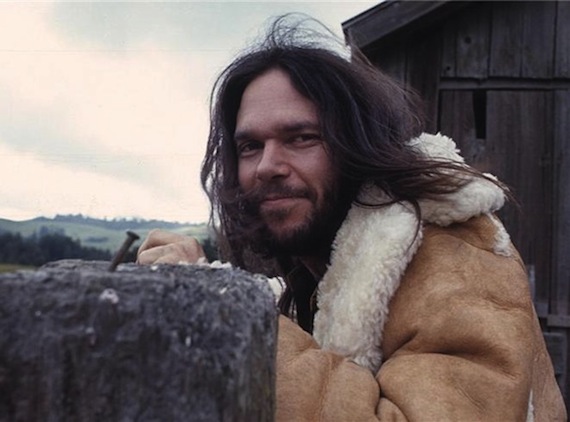
It’s from Neil Young’s Pocahontas, although I expect you probably knew that already.
Pocahontas is, as you might’ve worked out, Neil’s ode to the indigenous Native American Indians and their massacres at the hands of the U.S. cavalry. It’s one of many stellar compositions that clutter the highways and byways of Neil Young’s archives.
Rust Never Sleeps version:
The song has its genesis in the early 70s and has been subject to all manner of tunings, keys and arrangements, from solo ham-fisted piano versions to the drop D acoustic ballad that defines its only official releases to date, on 79’s Rust Never Sleeps and on 1993’s MTV Unplugged LP. I love the 12 string version on the latter release.
MTV Unplugged version:
My favourite version though comes from the unreleased Chrome Dreams album. Chrome Dreams could well have been Neil Young’s most era-defining LP of the 70s, had he decided not to bin it, and many of its tracks. Some of them would end up on future releases – Like A Hurricane on American Stars And Bars, for instance, and Look Out For My Love on Comes A Time, but as a studio album (and sequenced to perfection) Chrome Dreams would’ve been a cracker.
Outtakes of Pocahontas remained tantalisingly out of reach, before the advent of the World Wide Web, when previously mythical bootlegs suddenly became as easily available as ordering oranges online from Tesco. What a wonderful thing!
The version of Pocahontas from ChromeDreams is classic Neil, driven by a winning combination of major and minor chords, hammer ons and pull offs and Young’s trademark clunk-a-thunk fingerpicked rhythm, all topped off with the distinctive high, reedy vocal. “Whiny Neil,” as my wife would say.
I prefer to think of his voice in a similar way to whisky – first time you try it, you don’t particularly like it, but as you age, you come to appreciate the reliable warmth and beauty of it. Either that, or it gives you heartburn, a thumping sore head and a dose of the boaks, I dunno. He’s brilliant, though, ol’ whiny Neil, isn’t he?
I’ve always thought of Neil Young as a bit of an original. The music he plays has so many obvious influences but he’s a true trailblazer in so many ways.
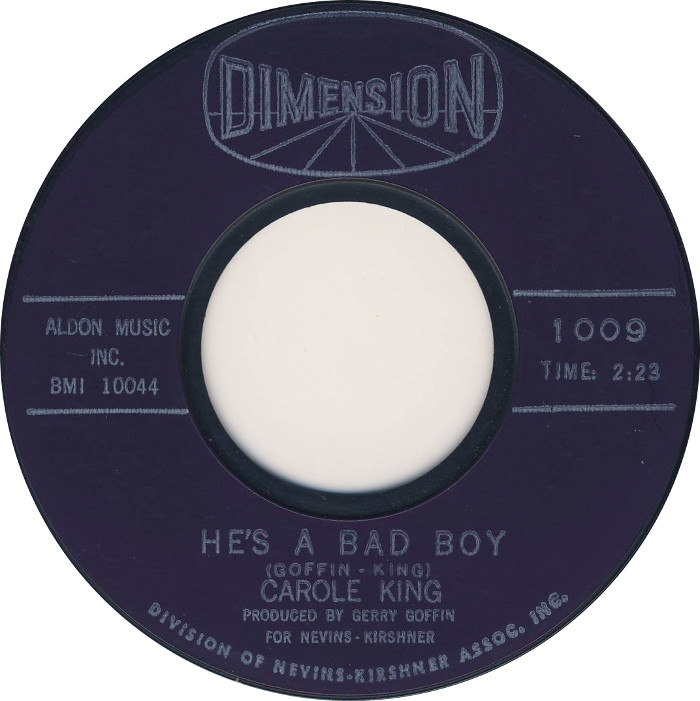
Imagine my surprise then when, a few days ago, the iPod shuffled out Carole King‘s He’s A Bad Boy.
It‘s standard teen girl fare about falling in love with the wrong kinda guy. The melody though….. and the chord pattern….not to mention the wheezing, asthmatic harmonica solo…..it was Pocahontas, reimagined as a plaintive girl group heartbreaker!
Except, it wasn’t. Given that Carole King wrote her song in the Brill Building in 1963, around a decade earlier than Young ‘wrote’ Pocahontas, we’d be more accurate saying that Pocahontas is He’s A Bad Boy reimagined as a folky, political ballad. Neil Young – just like the white man who stole from the Natives – he’s a bad boy indeed.
Iggy Pop‘s Nightclubbing is a fantastic product of its environment. It was written by Iggy and Bowie during a particularly decadent period in time, when they hung with Lou Reed in the off-beaten spots of Berlin and and took all manner of pills, powders and potions just to keep themselves alive and creative. It pulses with a creeping electro throb, a jack-booted mechanical goose-step that never changes tempo, never changes rhythm but always sounds menacing. It’s louche, sleazy and vaguely sinister and to this day is just about my favourite Iggy track.
Iggy Pop – Nightclubbing
It was written after one of their many Berlin benders, when Bowie suggested the ‘We walk like a ghost‘ lyric. The Thin White Duke pounds out the skewed honky tonk blues on the upright piano while Iggy half-sings, half-narrates the tale of an average night out in Berlin for the three of them. You can see them, can’t you, a trio of messed up, pale-faced druggy rockstars stalking the city like a gang of up-to-no-good alleycats seeking their next kick.
‘Nightclubbing, we’re nightclubbing……we’re what’s happening…….we meet people, brand new people….‘
The Specials‘ Nite Klub (the spelling is important) on the other hand is as far removed from Iggy et al as Venus is from Mars. A frantic punky, jerky and ska-based, exotica-tinged knee-trembler round the back of The Ritz, one eye over your shoulder on the lookout for a bouncer or her pals or her actual boyfriend or something, it tells the tale of Friday/Saturday in N.E. Town in late 70s/early 80s provincial Britain.
The Specials – Nite Klub
Most nite klubs in those days were big and cavernous and left-over relics from a bygone age when times were simpler and people had more disposable income. The local Scala or Locarno or Roxy or Palais or whatever had seen better days and bigger crowds as a dancehall and might’ve by now been doubling up as a bingo hall. It may well have been on its way to becoming a cinema. The Specials sing of a club fraught with tension and the notion that at any time soon, you might get your head kicked in, either by a local who doesn’t like the fact that you went to a different school/grew up on a different estate/looked funny at him or by one of the bow tied neanderthal bouncers employed to keep (cough) order in the place.
‘I won’t dance in a club like this,’ bemoans Terry Hall. ‘All the girls are slags and the beer tastes just like piss.’
We’ve all been to those places. Some of the best nights of my life were in them. And some of the worst.
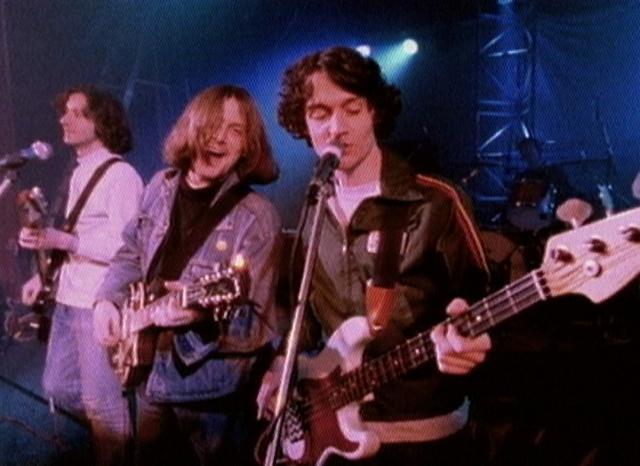
There’s a tiny wee Teenage Fanclub renaissance taking place just now. Last week saw the 20th (the 20th!!!) anniversary of the release of their Grand Prix LP, the album many consider to be unmatched by anything else in the band’s brilliantly rich and epoch-defining (well, in my house at least) catalogue.
And also just last week, the band came together in Manchester to play a stadium show with Foo Fighters, warmed-up for with a 2 hour show the preceding evening in a small venue in Yorkshire. By all accounts the band were at their very best. Even Dave Grohl took time out from international rock star duties to sing their praises to Foo Fighters’ audience.
Me and Teenage Fanclub go waaaaay back. To 1990 to be precise. That summer, I caught them supporting the Soup Dragons in Glasgow’s Garage, bought Everything Flows on 7″ a few days later and set off on a proud run of buying each record on release day and catching the band play live at least once a year every year until 2014, when they had the audacity to play a rare gig at the refurbished bandstand in Kelvingrove Park on the same night I had chosen to book Glenn Tilbrook to play a tiny venue in Irvine. Glenn was good…..but he wasn’t Teenage Fanclub. Not that you could tell, but I’m still irked somewhat that I missed the bandstand gig that night.
When the TFC started out, they were ramshackle to the point of comedy. Their gigs, a right ramalama of long hair and Marshall-stacked riffs, were punctuated by false starts, broken strings and the erratic antics of Brendan on drums. Lurking underneath the friendly shambles though was a set of melody-rich songs doing their best to burst out of the confines of the plaid shirts and band in-jokes.
Teenage Fanclub – God Knows It’s True (single version)
Second single God Knows It’s True is a little lost jewel in an embarrassment of riches. The bridge between the gaffa taped DIY of A Catholic Education and the power pop sheen of Bandwagonesque, God Knows It’s True is rough-’round-the-edges indie rock; guitars-turned-up-to-10 and howling like Neil Young in the eye of a hurricane, with a saccharine-sweet minor key chorus that repeats ad-infinitum to the end. As it’s playing just now I can picture the band on stage in King Tuts, guitars slung low and heads bowed lest the 3 frontmen clatter their heads off of Tuts’ roof.
“God knows it’s true, but I think that the devil knows it too.” CLANG! CLANG! CLANG! CLANG! Der-Der-De-Der De Duh-Duh-Duh-Duh-Duh!
Teenage Fanclub – God Knows It’s True (Peel Session, August 1990)
By the time Bandwagonesque came to be committed to tape, the band were in a rich vein of songwriting form and had taken to recording their valve-driven amps at full volume, mic’d up inside cupboards so as not to blast out any windows within a 20-mile vicinity. But you knew that already.
An interesting metamorphosis has taken place over the course of the band’s career. The hair, once “down my back” has crept slowly upwards. Add an extra member who can enhance the live sound with subtle keys and all manner of instrumentation and stick some necessary yet tasteful spectacles on the faces of half the band and Teenage Fanclub now resemble a quintet of slightly trendy science teachers, the kind of teacher who’d be equally at ease telling you the properties of the most obscure chemical elements in the Breaking Bad titles and be able to point out a major 7th chord on Love’s Forever Changes LP. Then shuffle on and rock out at the end of year school prom.
And as the hair has shortened, so too have the guitar solos. They’re still there, but they’re not at the forefront of everything anymore. The focus these days seems to be on the melody and the power of the backing vocal, and there ain’t nothing wrong with that. There’s no finer sight in live music than when the 3 frontmen step forward as one to harmonise the opening lines of About You. None.
Teenage Fanclub – Sometimes I Don’t Need To Believe In Anything
Sometimes I Don’t Need To Believe In Anything from the aptly-named Shadows LP (where the band have been in the intervening 5 years since its release) sums this up brilliantly. A softly sung vocal from Gerry builds into a brilliantly-layered harmonising ba-ba-ba outro, creating a super soaraway sunshine pop song. Beach Boys by way of Bellshill, if you will.
The next TFC LP is due at some point this year. Whether the guitars have regained their room-filling volume, or whether the vocals are now competing for ear space with flutes and strings, I don’t mind. Nor, I suspect, do the legions of getting-on-a-bit-now men (and women…women like TFC too, y’know) eager for a new slice of Fanclub action. I cannae wait.
Dave knows the score
Useless TFC facts with tenuous links to this writer:
1. Both Gerry and myself are West of Scotland Our Price alumni. Despite numerous training days and the parochial nature of the job, we never knowingly met at the time.
2. Gerry contributed to this rather fine 6 Of the Best many moons ago. I met him quite by chance afterwards when he was DJing in a pub and I thanked him heartily for participating. My Fanclub fanboy conversation was such that he missed the start of the 7″ he’d queued up to play next on the turntable. Jam Master Jay he is not.
Six Of The Best is a semi-regular feature that pokes, prods and persuades your favourite bands, bards and barometers of hip opinion to tell us six of the best tracks they’ve ever heard. The tracks could be mainstream million-sellers or they could be obfuscatingly obscure, it doesn’t matter. The only criteria set is that, aye, they must be Six of the Best. Think of it like a mini, groovier version of Desert Island Discs…
Next Monday (23rd May) finds the hotly-tipped Neon Waltz bringing their spring tour to a close in the intimate settings of Irvine’s Harbour Arts Centre, a brilliant wee venue 20-odd miles south of Glasgow that, when full, holds just over 100 people. The audience surrounds the band on 3 sides and there’s not a bad seat in the house. No-one at the gig will be more excited than myself.
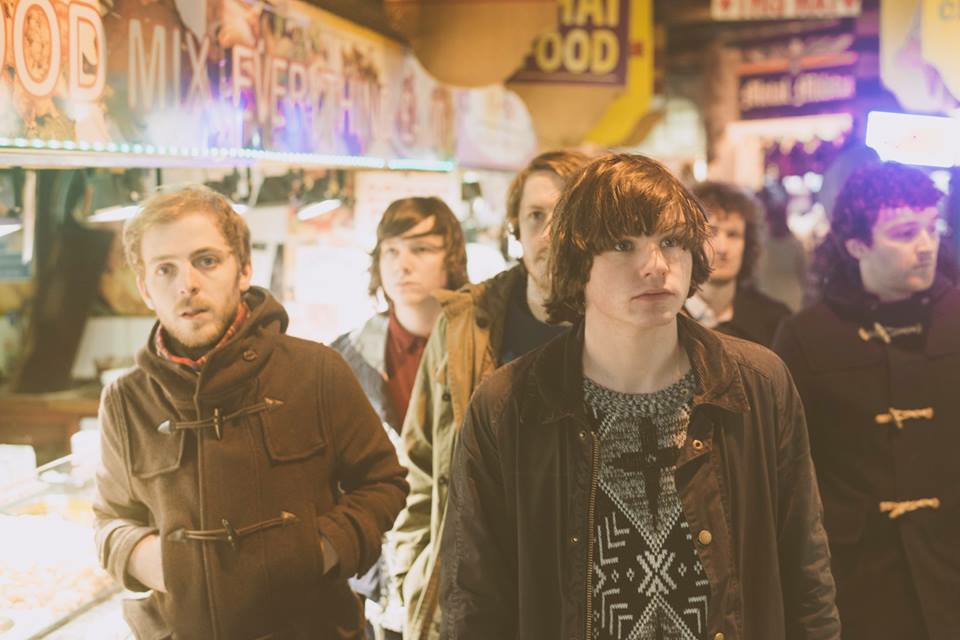
I’ve been following Neon Waltz closely over the past year since first hearing them via the more hip, finger-on-the-pulse blogs. They’ve released a self-financed, extremely limited 7” (the military two-step marching Bare Wood Aisles), signed to Noel Gallagher’s management company (but don’t let that put you off – fans of Oasis might find their tunes pleasantly melodic, and Neon Waltz are fond of a cagoule and a duffel jacket, but they sound nothing like the mono-browed Mancunians) and they’ve recently released a 6 track collection of demos (First Light) after inking a deal with recording giant Atlantic Records, home to Led Zeppelin, Aretha Franklin and most of the greats you can think of. In short, Neon Waltz are going places.
Neon Waltz – Bare Wood Aisles
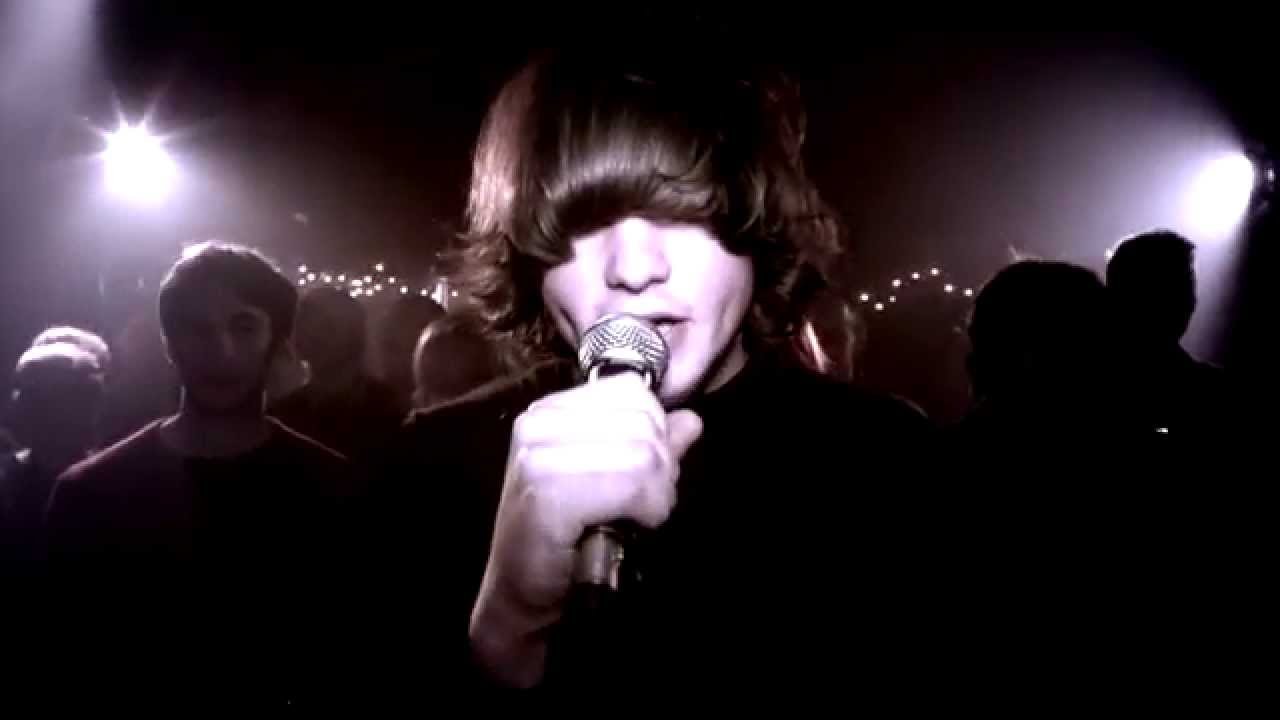
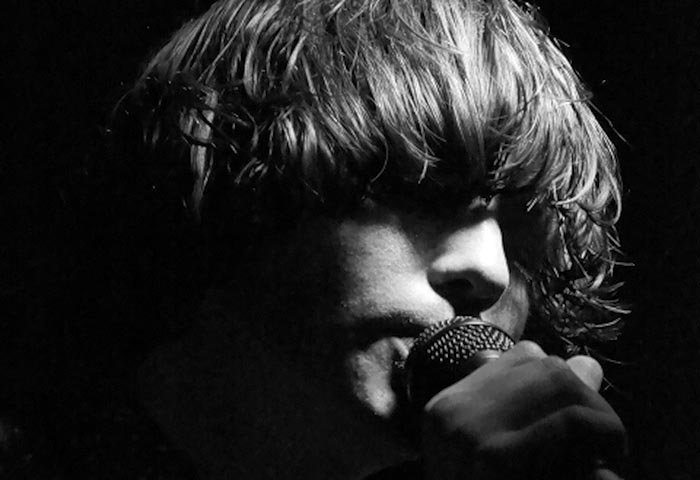
It’s unlikely the band had these sorts of giddy expectations when they began rehearsing a year ago in an old, cold abandoned croft on the outskirts of Caithness. I put this to vocalist Jordan Shearer, owner of the finest bowl-cut fringe in music since Bobby Gillespie in 1990, as we do a quick catch-up over the phone on his day off in Oxford, sandwiched in-between gigs in Amsterdam and Birmingham.
“Coming from where we do, we have to think about things differently to everybody else. We knew we were a good band, but no-one from around our way ever expects to become famous or make it. We were just happy playing music for ourselves…I know how cheesy that sounds, but it’s true. When we found out there were record labels interested in signing us we couldn’t quite believe it.”
That they come from the far north of Scotland, in musical terms the middle of nowhere, has helped Neon Waltz forge a sound that is more than the equal of its influences. Victims to neither fads nor fashions, they’ve quietly gone about honing their own version of the sounds that turn them on. As a six-piece they bring many elements to their music.
“We all love The Band’s The Last Waltz. I think we actually saw the film before we’d heard the LP, but as a group we really loved their rootsy, organic take on things. There’s a definite Band influence, maybe not in our sound, but certainly in how we approach making our music.”
The Band – King Harvest (Has Surely Come)
King Harvest (Has Surely Come) is one we all love. The playing on it is superb. Loose and funky. They were proper musicians, The Band.
I suggest to Jordan they ask Atlantic to get Robbie Robertson to produce the eventual first LP by Neon Waltz. You’ve gotta make the most of your opportunities, I tell him. Watch this space…
We’re all big music fans. Spotify has been a great tool for us in discovering new bands. We all write and contribute to the band. Usually, someone has the bare parts done on an acoustic guitar, basic open chords, then we play it with the band. We all add our own parts, with a bit of tweaking here and there until we’re satisfied with the sound of it. We’ll often go on long, extended jams. Bare Wood Aisles came out of a 20 minute jam.
Neon Waltz take their influences and spin them into terrific, slightly psychedelic, little symphonies. The guitars, sometimes chiming, sometimes fizzing, always to the fore and battling for attention with a drummer fighting a serious Keith Moon infatuation bring to mind all of what’s good in premier league indie rock. The National. Ride. The House Of Love. They’re all in there.
VARIOUS…Mandatory Credit: Photo by Alan Messer / Rex Features ( 371807aj ) CAPTAIN BEEFHEART VARIOUS
I’ll have to pick a track by The Walkmen. They’re one of our favourites. D’you know them? I could pick anything by them…. Let’s go for The Rat. There’s so much energy in it.
The Walkmen – The Rat
We all like vastly different records and bands, but there are lots of things we all agree on. One of them is The Magical World of The Strands. What a genius songwriter Mick Head is. He was in Shack and The Pale Fountains, two bands that never got the attention they maybe deserved.
Mick Head – Something Like You
The Magical World… is his first solo LP. We all love the songwriting and the arrangements. He’s a true one-off. If I was to recommend any of his songs it would be Something Like You.
Another obsession is Mac DeMarco. My latest infatuation is a song of his called Ode To Viceroy. It’s slacker rock, basically, full of beachy surf guitars. Viceroy is an American cigarette brand and this song is a very funny ode to the joys of smoking.
Mac DeMarco – Ode To Viceroy
Our tour manager Big John from Liverpool turned us on toCaptain Beefheart. Mad shit! It’s out there, man! We played the Safe As Milk LP regularly on our first tour. It’s great stuff!
Captain Beefheart & His Magic Band – Sure ‘Nuff ‘N Yes I Do
The one band we all agree on, other than The Band, is The Coral.
The Coral – Skeleton Key
The Coral are brilliant! Simple pop songs, but brilliantly played. They are very clever in how they arrange their songs. Skeleton Key from their first album captures everything that’s good about the band – out there, uncompromising but still pop music.
Zoom right in to the finer details of Neon Waltz and you’ll spot all these influences and no doubt many more. What’s impressive is that they have reassuringly ‘old’ tastes that belie their tender years. That might be a turn off to some, but not for me or many of you who drop by here regularly. The tagline up there isn’t ‘Outdated Music For Outdated People‘ for nothing, y’know.
Listen closely to Neon Waltz and in the woozy vocals and wonky keyboards you’ll hear shades of The Chocolate Watch Band, The Standells and all those terrific Nuggetsy garage bands. A more obvious and mainstream influence might be The Charlatans.
Neon Waltz – Sombre Fayre
Take a track like Veiled Clock. When the instrumentation drops and the vocals soar, you’ll be able to pick out lovely 3-part harmonies informed by Crosby, Stills & Nash. Zoom in closer and you’ll spot the Fleet Foxes arrangements.
Neon Waltz – Veiled Clock
Listen for pleasure though, without over-analysis or a need to compare the new with the old and you’ll hear melody-drenched, hazy, soft-focus tunes that wouldn’t sound out of place playing loudly as the sun sets behind a sea of flags in front of the Pyramid Stage at this year’s Glastonbury. It’s sure to happen for Neon Waltz sometime. Maybe not this year. Or even next. But it’s only a matter of time.
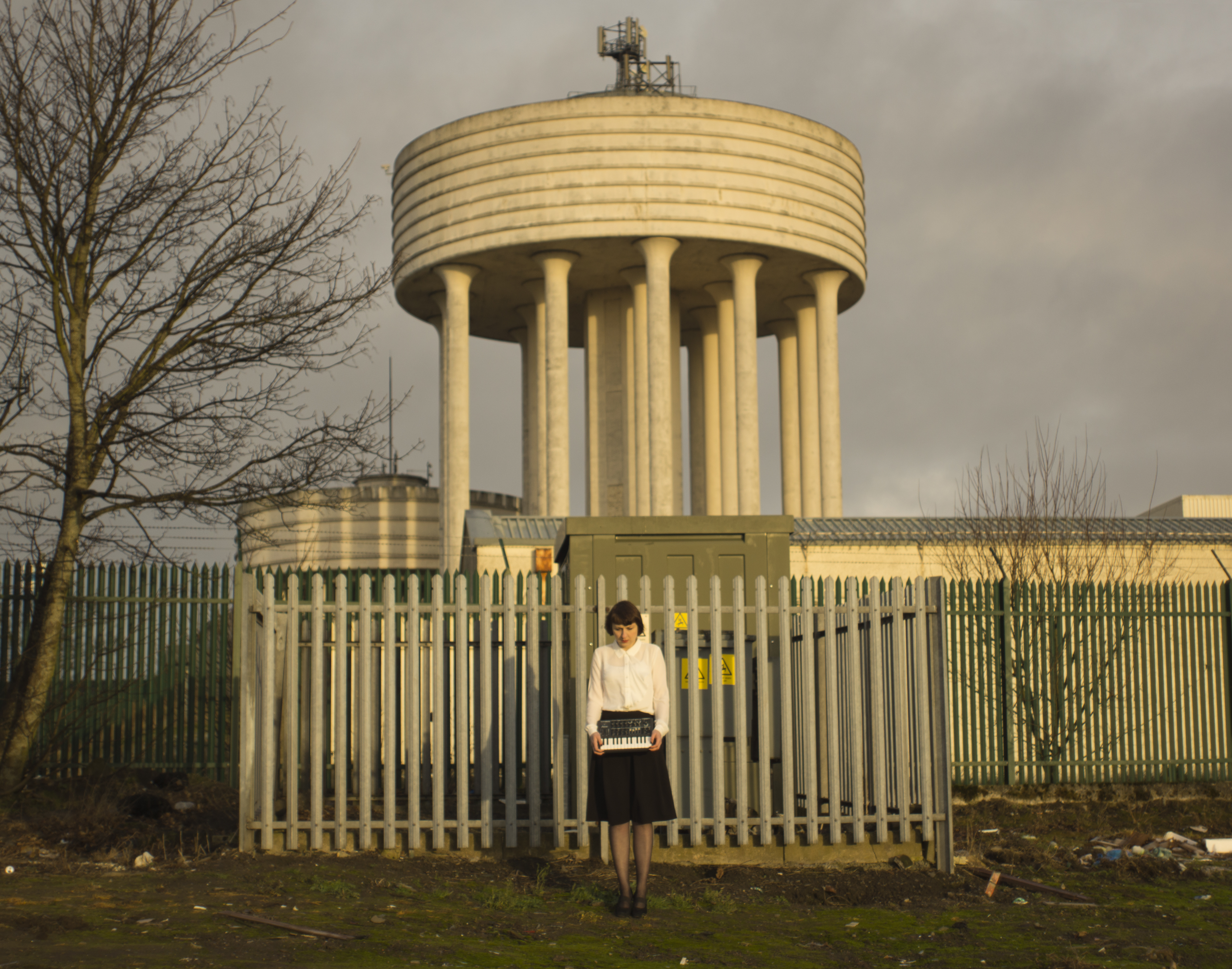
Ela Orleans is a Glasgow-based composer of experimental electronica. She has been releasing music under various guises for ages. She’s recorded scores for theatre productions, written an opera and lived in New York where she recorded avant-garde soundscapes and was on first-name terms with Thurston Moore. She’s just about the coolest figure on the Glasgow music scene right now, with everyone and anyone from Stephen Pastel to Ian Rankin lining up to sing her praises. Her latest offering, Upper Hell, is her 6th LP. She describes her music as ‘movies for ears’, which is just about the perfect summation.
Upper Hell was produced by Howie B, the mastermind behind some of the most popular leftfield albums of the past 20 or so years. Tricky’s Maxinquaye and Bjork’s Homogenic both benefited from his magic touch, wrapped in warm ‘n woozy ambient textures whilst at times still sounding darker than Black Sabbath Vol. 4. Howie is the go-to guy when mainstream acts look to reinvent themselves – U2, Annie Lennox and Everything But The Girl have all called upon his services when looking to take their music on an unexpected turn. Howie ended up working alongside Ela after his sister played him some of her stuff. Ela didn’t have to go to Howie and ask to be produced. He found her.
I need to declare some self-interest at this point. Many years ago, Ela and my sister were friends at Glasgow University, and I’ve kept a close ear to her music ever since. She was once round for Christmas dinner when returning to her native Poland wasn’t an option and we had great fun at her expense as she thought in Polish but swore in English while playing charades or some other daft game no-one plays any other time of the year. I couldn’t have forecast at the time that at some point in the future she’d be sound-tracking my commute to work and my wheezing bike runs around Ayrshire, but this week she’s all I’ve listened to.
Upper Hell is terrific. It’s full of glitchy, twitchy electronica, organic bass lines and cut ‘n paste beats. In fact, it’s exactly the sort of thing Radiohead have been praised and derided in equal measure for – there are no ‘tunes’ in the traditional sense, but you can easily lose yourself in its ebbing and flowing digital soundscapes. There’s even a spoken word track (2nd one in, River Acheron) that, just like OK Computer‘s Fitter, Happier… I kinda know I’m going to skip before too long. If Thom Yorke had been involved in Dark Floor, the opening track, the internet would’ve simultaneously wet itself and melted.
Ela Orleans – Dark Floor
I was playing this last night and Mrs Plain Or Pan popped her head round the door, with a screwed-up look on her face.
“This is Ela!” I said.
“Does it get any better?” asked the missus.
“No, it doesn’t,” I replied, with no hint of irony. “No. It doesn’t.”
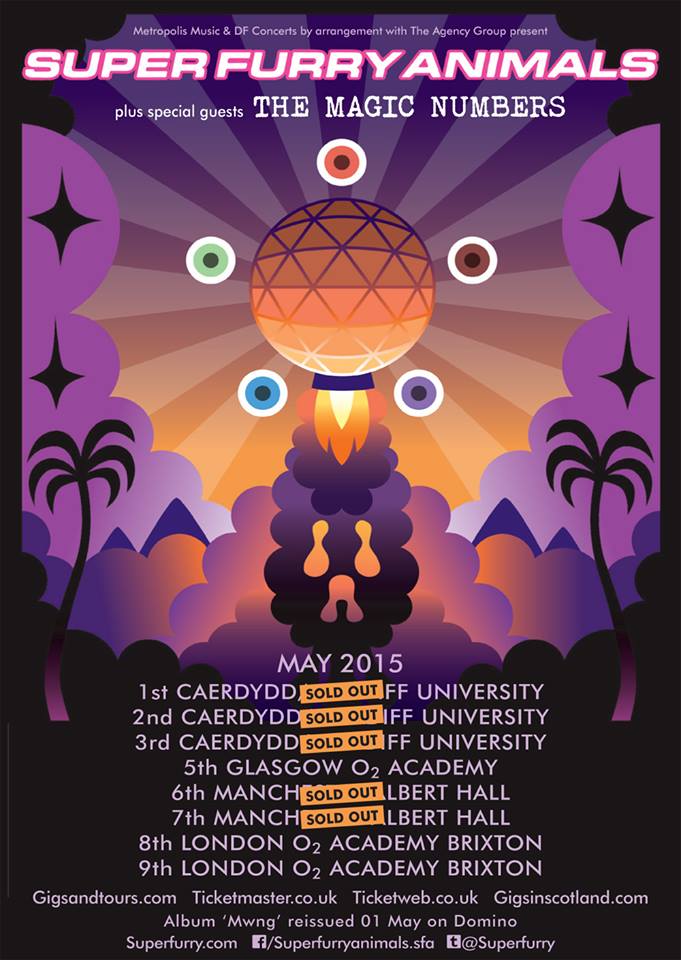
It’s the mid 90s all over again! Chris Evans is back on the telly soon with a one-off TFI Friday. Blur have a new LP out – a bit of a grower, I’ve found, equal parts skewed pop noise and languid, lethargic Damon downers. More excitingly than any of that though is that next week there’ll be Super Furry fever the length and breadth of the country. Or in my house at least, and possibly yours too. Super Furry Animals are back together after 6 long years lost in a wilderness of solo projects, side projects, family issues and a generally lazy, can’t-be-arsed attitude to their group’s music to go out on a tour around the Academies and O2s of the land.
Most bands reform (have the Super Furries ‘reformed’? Who really knows?) and play the various enormodomes and arenas with a set comprising all the big hits and fan favourites. These bands, ever thoughtful to their fans’ requirements, even stick in a couple of new tracks to allow folk to disappear to the bar or the toilet or wherever. Not the Super Furry Animals. The tour is on the back of the reissue of their Mwng LP, an album sung entirely in their mother tongue, an album that somehow made its way to the dizzy heights of Number 11 on yer actual charts. Given the stellar quality of the rest of the band’s back catalogue, this is just about as un-comeback like as possible. Think of a Bizarro-era Wedding Present who reform to play a set of Ukrainians material and you’re half way there.
Due to can’t-get-out-of work commitments I’m going to miss the Glasgow show (just about the only one not yet advertised with a Sold Out! sign), which I’m doubly miffed at now that The Magic Numbers have been added as the support act. Two great bands at what will be one (very) smokin’ gig, in every sense of the word.
As much as Mwng is unintelligible to the average listener outside of native-speaking Wales, (“Don’t sing your songs in Welsh,” instructed Creation boss Alan McGee. “Sing them in English.” “We do,” replied a puzzled Gruff Rhys) it’s still a terrific record – noisy and thrashing one minute, warped and wobbly and lightly dusted in a fuzzy haze the next (often within the first 2 minutes of the same song) and will no-doubt sound out of this world when it makes its way into the live arena. You have to presume that the shows will be two-parters, with the album being the yin to a greatest hits-type yang, but in the world of the SFA who really knows? All I do know is that I’m irked that I can’t go.
On the Mwng LP you’ll find this, Y Teimlad, a slow burning beauty of a track that combines lovely descending guitar figures with Beach Boys harmonies and the odd lightly toasted guitar riff – Super Furry Animals in miniature, if you will.
Super Furry Animals – Y Teimlad
Y Teimlad is a cover of a track by obscure Welsh experimentalists Datblygu. Datblygu were self-sufficient, releasing album after album on cassette only, singing their heavy, pastoral psychedlia in Welsh and receiving the bare minimum of airplay (although this included 5 Peel Sessions) before crashing to a halt in the early 90s. They were clearly a big influence on the next wave of Welsh bands, particularly the Super Furries and Gorky’s Zygotic Mynci. But you knew that already.
Datblygu – Y Teimlad
If you’re off to one of those Super Super Furry shows, make sure you enjoy it for me.
Six Of The Best is a semi-regular feature that pokes, prods and persuades your favourite bands, bards and barometers of hip opinion to tell us six of the best tracks they’ve ever heard. The tracks could be mainstream million-sellers or they could be obfuscatingly obscure, it doesn’t matter. The only criteria set is that, aye, they must be Six of the Best. Think of it like a mini, groovier version of Desert Island Discs…
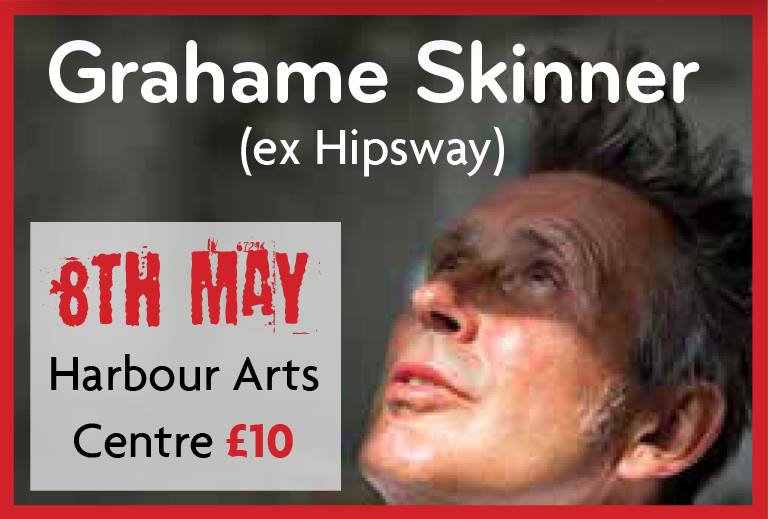
Grahame Skinner is best known for being the provider of the deep, rich baritone vocal atop Hipsway‘s mid-late 80s pop/soul output. I loved them. Most folk of a certain age in the West of Scotland did. Just too young to appreciate Orange Juice, they were the next best thing. The teenyboppers had Haircut 100. We had Hipsway. That’s how it went.
At the time, The Smiths were just about my most favourite thing in the world, and most folk assumed that I had modelled my towering quiff on that of Morrissey’s. Not at all! I was always way more into Marr than Morrissey. My quiff, my pride and joy, was a hybrid quiff – an amalgamation of the best of Love & Money’s James Grant and Skin from Hipsway. It was lush, it was thick and it was Brylcreem’d to within an inch of save-the-whale oil slickness. In fact, Black Mama’s Chip Shop at Irvine Cross used to phone me now and again when they’d hit a busy spell and ran out of stuff to fry their chips in.
In 1986/87 you couldn’t escape the music of Hipsway. It was theee trendiest thing to be seen carrying into the common room at school. Forget your Bunnymen and Smiths and Housemartins and Lloyd and his Commotions – Hipsway was where it was at. The eponymously titled LP blasted out of bars and bedrooms everywhere, and even Alex Aitken’s car. He had somehow passed his test when we were still at school and drove everywhere. We threw away his goth pretensions along with his All About Eve cassettes in one fell swoop when he wasn’t looking and replaced them with Hipsway. “Are you broke? Are you broke?! By the broken years!” we’d sing, annoying the hell out of him.
If you didn’t actually own the LP (although at least half the population must’ve done) you couldn’t escape the music. The Broken Years and Long White Car were played to death on Radio Clyde. They were both misses rather than hits, expensively polished in the top studios by the top producers, but they paved the way. Ask the Lord was the hit that should’ve been, all call-and-response vocals behind a mid-tempo, bass-driven groove.
The Honeythief was the one that hit the target though, it’s economic riff adding just enough Chic to propel it to Number 17 on the actual charts, providing the band with a Top Of The Pops appearance in the process.
If you never listened to Radios Clyde or 1, or watched Top of the Pops, you’d probably still have heard Tinder via an era-defining McEwan’s lager advert that was on constant rotation seemingly for ever. I think it still pops up between the breaks on that STV Glasgow channel that started up recently. Hipsway. You just couldn’t escape them.
Skin is also the teller of the tallest of tales, as a near 30-year wild goose chase at my expense has only just come to an end. I happened to remark that when Hipsway played Ayr Pavilion – the 15th April 1987 (I have the ticket sitting in front of me), he introduced their encore, a cover of the Bee Gee’s Jive Talking, as “the new single,” due for release “any day now”. The next day I hotfooted it to Walker’s at Irvine Cross, only to be told they didn’t have it. They didn’t have it the next day either. Or the day after that. Or the day after that. Or 3 weeks later. Or 6 months later. Or never at all. Since then, with the advent of the internet, I’ve looked in the deepest darkest places in the hope I’ll somehow turn up a copy of Hipsway doing Jive Talking.
“It’s never existed,” Skin tells me. “It never did!”
Pffft. And that’s the enda that.
Grahame was more than happy to chat to Plain Or Pan and give us Six of the Best. He starts with the usual disclaimer of “this isn’t by any means a definitive list, and is in no particular order,” so read ahead knowing that, as with the other 20 previous entries, obvious choices will have been missed. Call it a snap-shot of Grahame’s musical tastes, the music that shaped the music he’s known for making himself.
Johnathan Richman & The Modern Lovers– Roadrunner
“I remember when it came out and how strange it sounded. It evokes the whole idea of driving down a dark road. It has an amazing rhythm that goes on and on for ages. Johnathan Richman really is a terrific songwriter.”
Jim Ford – I’m Gonna Make Her Love Me Till The Cows Come Home
“Jim Ford was best pals with Sly Stone. Sly called him ‘the baddest white man alive’. In my humble opinion, this record is easily one of the best records ever made. It’s amazing. Funky. Soulful. It’s on an album called ‘Country Funk’, which kinda sums it up.”
David Bowie – Life On Mars
“I could’ve picked any of 20 or so David Bowie tracks. I have absolutely no hesitation in calling David Bowie a genius. It’s an over-used phrase, but in Bowie’s case it applies. I can remember hearing this song on the radio from before I was a Bowie fan. It resonates. Something about it stuck with the young me. The first Bowie LP I bought was Ziggy Stardust, and I quickly worked backwards from there. Bowie is the touchstone.”
The Rolling Stones – Jumpin’ Jack Flash
“I love everything the Stones have ever done. I won’t ever get tired of this record. Whenever it comes on I break out the old dad/uncle dancing routine. Who disnae?!?“
Led Zeppelin – Black Dog
“I was 16/17 years old. That really impressionable age when bands matter more than anything. My pal used to tape the John Peel show and we’d listen to it the next day. We were all into punk and new wave, The Stranglers and stuff like that. Led Zeppelin? They were simply NOT ACCEPTABLE! Then I heard Black Dog and it changed the game forever. What. A. Record.“
Orange Juice – Falling & Laughing
“Orange Juice and the Fire Engines were like heroes to us. Local bands that could put out singles. If they could do it, anyone could. We could! I love this record. the music is terrific – a driving bassline, interesting chord changes. it’s adventurous, brilliant songwriting.“
That’s a great selection – very Plain Or Pan, I’m sure you’d agree.
These days, Grahame still writes and records. He puts out records under his own name as well as that of Cowboy Mouth and Witness. You should probably pop over to his website, where he has music for sale.
Away from the brief glare of the spotlight, he also dips his toe into the live arena. In just a couple of weeks he plays the HAC in Irvine, a terrific little theatre that’s recently seen the likes of Glenn Tilbrook, Nik Kershaw and Model Aeroplanes pack the place out. You can buy a ticket here.
Question: What is this record? Is it groovy jazz funk, a long-forgotten off-cut from a Blaxploitation soundtrack that never was? Is it late 60s wig-out psychedelic rock/pop, a remnant of the days when guitar solos were almost as expansive as the lead singer’s flares? Is it fuzz guitar-led, musique concrète strangeness that coulda come straight outta 1972 West Germany?
Answer: It’s all of the above!
The record in question is You Never Come Closer by Doris, from her Did You Give the World Some Love Today Baby album, released with no fanfare to total indifference in 1970.
Doris Svensson was an insignificant Swedish pop singer in the 60s. Along the way she teamed up with respected Scandinavian big band composer Berndt Egerbladh and, from Aberdeen, a Scottish cellist/jazz guitarist/lyricist called Francis Cowan who’d found himself playing on cruise ships where he met his Swedish wife.
This mis-matched trio of musicians put together Did You Give the World Some Love Today Baby, an eclectic soup of funk, rock, jazz and cutting edge electronica. It’s a staggering listen, uncomfortable in places, yet totally pop. Forward thinking retro-revivalists such as Portishead, St Etienne and Massive Attack likely own original first pressings – some of the tunes are a sampler’s delight, packed full of weird strings, breakbeats and fruggable fuzz bass. You can buy reissued CDs of the album from all the usual places. It’s definitely worth further investigation.
You Never Come Closer reminds me an awful lot of the long-forgotten post-millennium tracks produced for Candie Payne by Edgar Jones and Simon Dine. Edgar has his fingers in many a musical pie; from the r ‘n b stomp of The Stairs via the be bop-isms of his Soothing Music For Cool Cats album, to playing on stage with Lee Mavers and Johnny Marr – a real non-stop, hard-working musician.
Simon Dine, in his guise as Noonday Underground has taken the weirdest, wonkiest bits of 60s pop music and sampled and looped them into something terrific. His production is all over the last 3 Paul Weller LPs – those electronic rushes and synthesised strings are all his doing. You knew that already though, aye?
Anyway, my guess is that both Edgar Jones and Simon Dine also have first pressings of Did You Give the World Some Love Today Baby. The feel of that album more than permeates the work they did with Candie Payne. Nothing wrong with that, of course.
What a shitty few weeks. The previous post below will fill you in if you’re an infrequent visitor. Thanks for taking the time to leave your comments. I read them all, even if I couldn’t face replying. Truly, thanks.
Anyway, what better way to get back on track than by digging out some slick Nigerian Afrobeat from 1977?
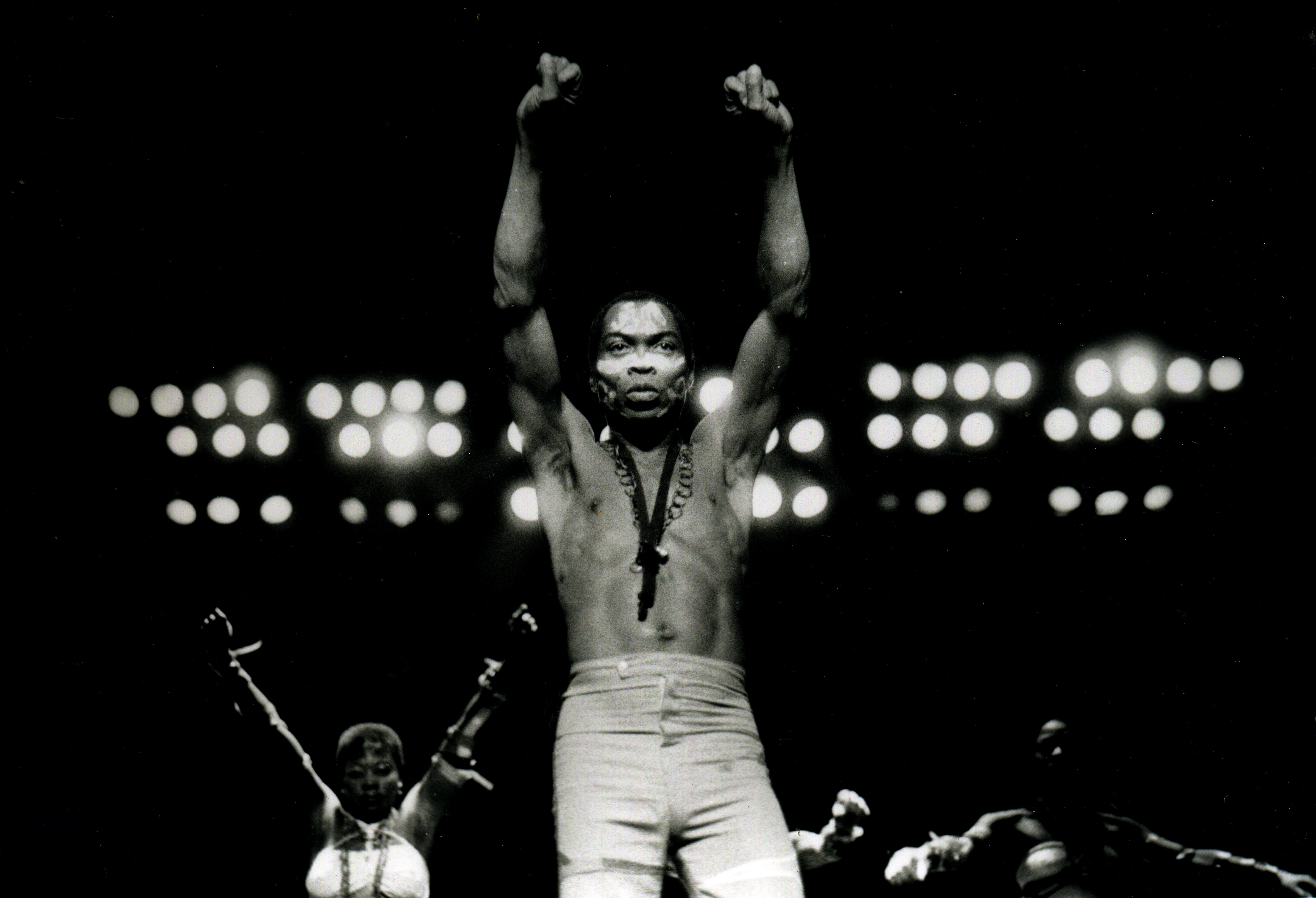
Fela Kuti is a real musicians’ musician. A multi-instrumentalist, equally at home on sax, keys, trumpet, drums….you name it, between 1960 and his death in 1997 he was responsible for around 60 LP releases. Perhaps only The Fall would appear to be able to top that. Much like The Fall, many of his albums are live affairs. A few are also dubious-looking compilations of indeterminate origin. Amongst the regular studio recordings, there are whole LPs of collaborations with other musicians (‘Stratavarious‘ with Ginger Baker, ‘Music Of Many Colours‘ with Roy Ayers.) All Fela’s albums are tight and taut, superbly played and full of meandering grooves underneath the politicised lyrics.
In the 70s, Fela changed his middle name. Ransome, he said, was a slave name. And Fela was nobody’s slave. He was a folk singer. The Nigerian equivalent of Woody Guthrie, singing the songs of the ordinary man. He took to singing in his own unique pidgin English as a way of ensuring Africans throughout the continent would understand his message – they all spoke in their own native tongue, but they also all understood basic English. He sang of the barbaric Nigerian Government and had a smash hit (‘Zombie‘) on the back of it. This resulted in him barely surviving with his life after a severe beating from government flunkies whilst his studio was burned to the ground. More than just a fly in the ointment, Fela galvanised his fellow countrymen into action, a real anti-establishment hero.
Fela’s music is terrific. There’s a real discipline to the playing. Much of it is simple and repetitive. The musicians could easily break out and rattle off a little lick or two, and sometimes they do. His brass section in particular (sometimes just Fela) are fond of the odd up-the-garden-path solo. But mostly to Fela, the rhythm is King. It’s a bit like Can at their grooviest – hypnotic, shamanistic, designed to subconsciously affect the limbs. Feet will tap. Hips will sway. Heads will bob. Before you know it you’ll be on your feet and wondering how you got there.
1977’s Sorrow, Tears and Blood LP is typical of his work at the time. The title track formed the entire first side, a relentless guitar ‘n sax-led tour de force, all polyrhythms and funk bass, lightly toasted with electric piano.
Fela Kuti – Sorrow, Tears And Blood
Atop the non-stop one chord groove is a lyric worthy of Joe Strummer at his authority-baiting best;
Everybody run….Police they come….Army they come….confusion everywhere…..someone nearly died….Police don’t go away….Army don’t disappear….them leave sorrow, tears and blood….
Fela’s work is absolutely ripe for sampling and reinterpretation. Mr Mendel has done this excellent remix of Sorrow, Tears And Blood:
Fela Kuti – Sorrow, Tears And Blood (Mr Mendel mix)
….and a couple of years ago, someone came up with the brilliant concept of Fe La Soul, where they took the Daisy Agers raps and placed them on top of Fela’s funkiest fills. There are whole albums of the stuff if you look in all the right places. Here‘s one of my favourites;
Fe La Soul – Itsoweezee
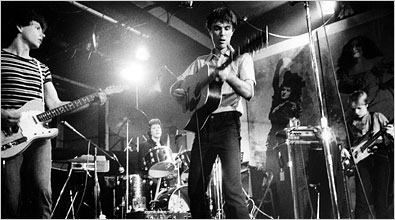
….and no doubt inspired by the relentless, driving grooves of Fela, during the sessions for 1980’s Remain In Light, Talking Heads recorded Fela’s Riff, a terrific piece of instrumental New York, new wave funk. I really need to do a Talking Heads feature at some point…


 Brendan Lynch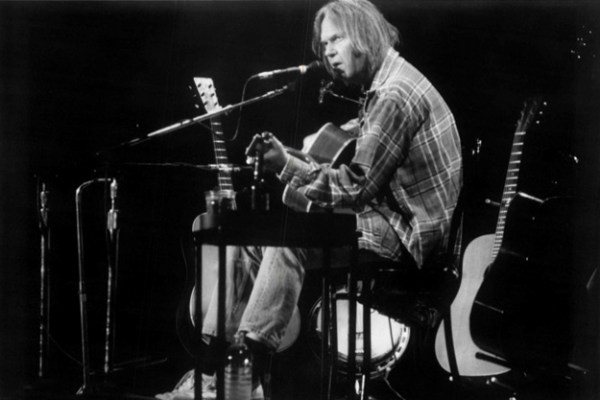



















 Plain Or Pan