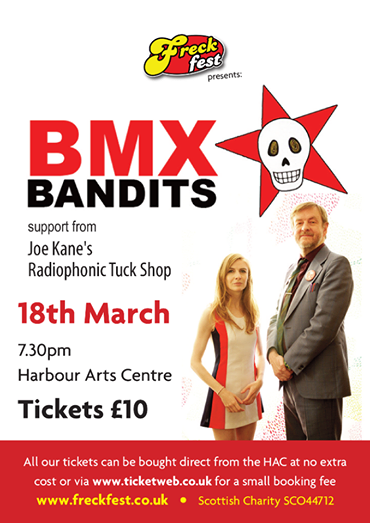
A few weeks ago I was involved in putting on a fantastic gig in the tiny but perfect Harbour Arts Centre in Irvine, half an hour from Glasgow on the west coast of Scotland. The main act for the night was BMX Bandits, an act who last graced my hometown a mere quarter of a century ago at one of our Tennent’s Live-sponsored ‘Rock On The Watter’ events. The beginning of the 90s saw Tennent’s dip a corporate toe into the world of live music and Rock On The Watter, which ran annually from 1990-1994 was, in a way, the precursor to T In The Park. Indeed, if our town fathers had had any ounce of rock and roll in their brittle, backwards-thinking bones, TITP might’ve been staged at Irvine’s Beach Park rather than Strathclyde Park in Hamilton. But that’s another story for another day.
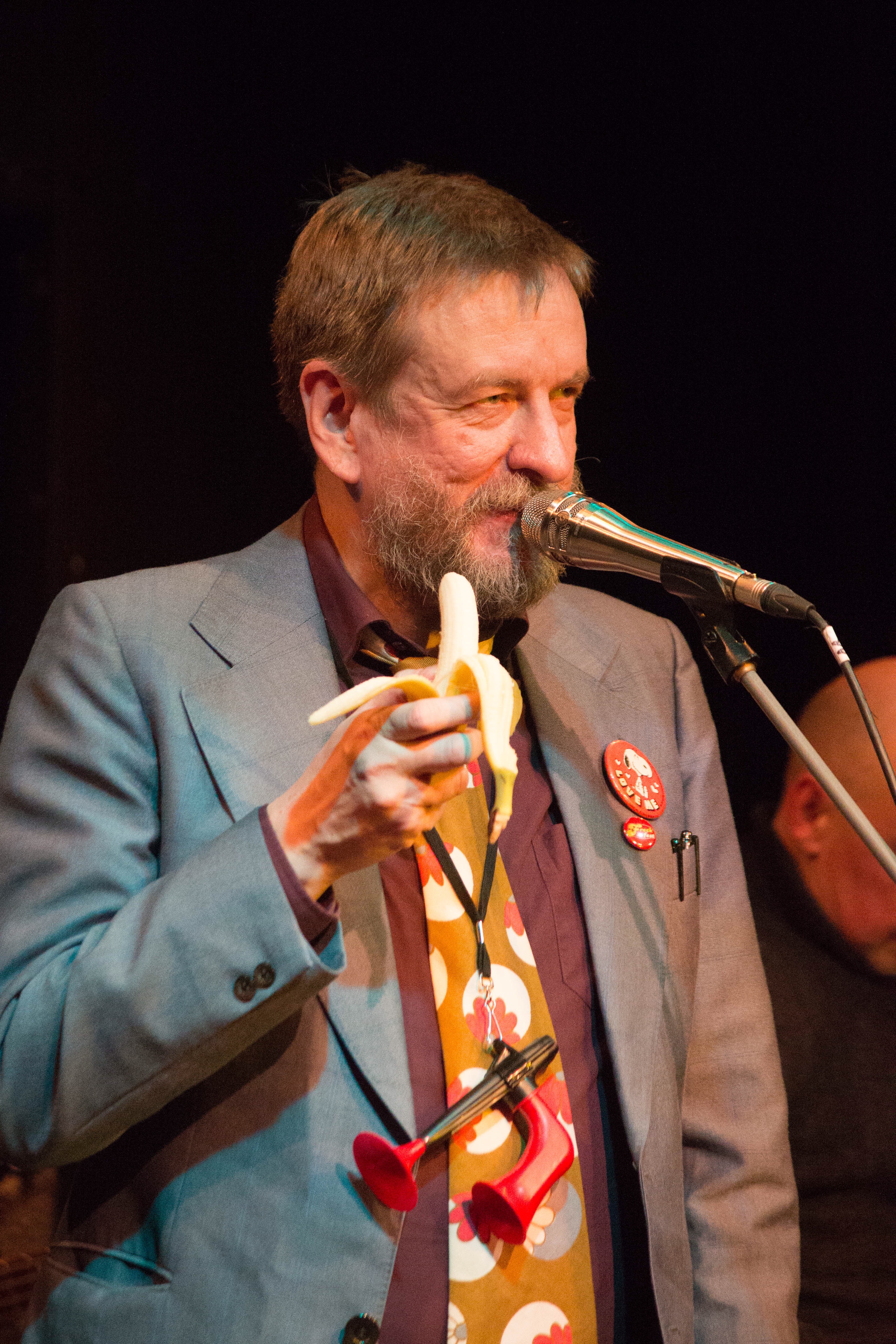
As it transpired, Duglas T Stewart had fond memories of playing in Irvine and took great pleasure in eating a banana during the opening song Cast A Shadow – just as they’d done 25 years previously. The gig would unravel to be something of a classic, with a heady mix of Bandits’ greatest ‘hits’ getting a good airing alongside debut live performances from their very imminent BMX Bandits Forever LP. I’ve since heard a couple of these same tracks played on Marc Riley’s 6 Music show, which I suppose gives the whole gig some extra gravitas. The last band to debut new material in Irvine was young upstarts Oasis, who chose the Beach Park in 1995 as the venue in which to float Don’t Look Back In Anger out into the ether, Noel playing his barely-disguised, ham-fisted version of All The Young Dudes with yer actual George Harrison’s actual plectrum. Again, another story for another day.
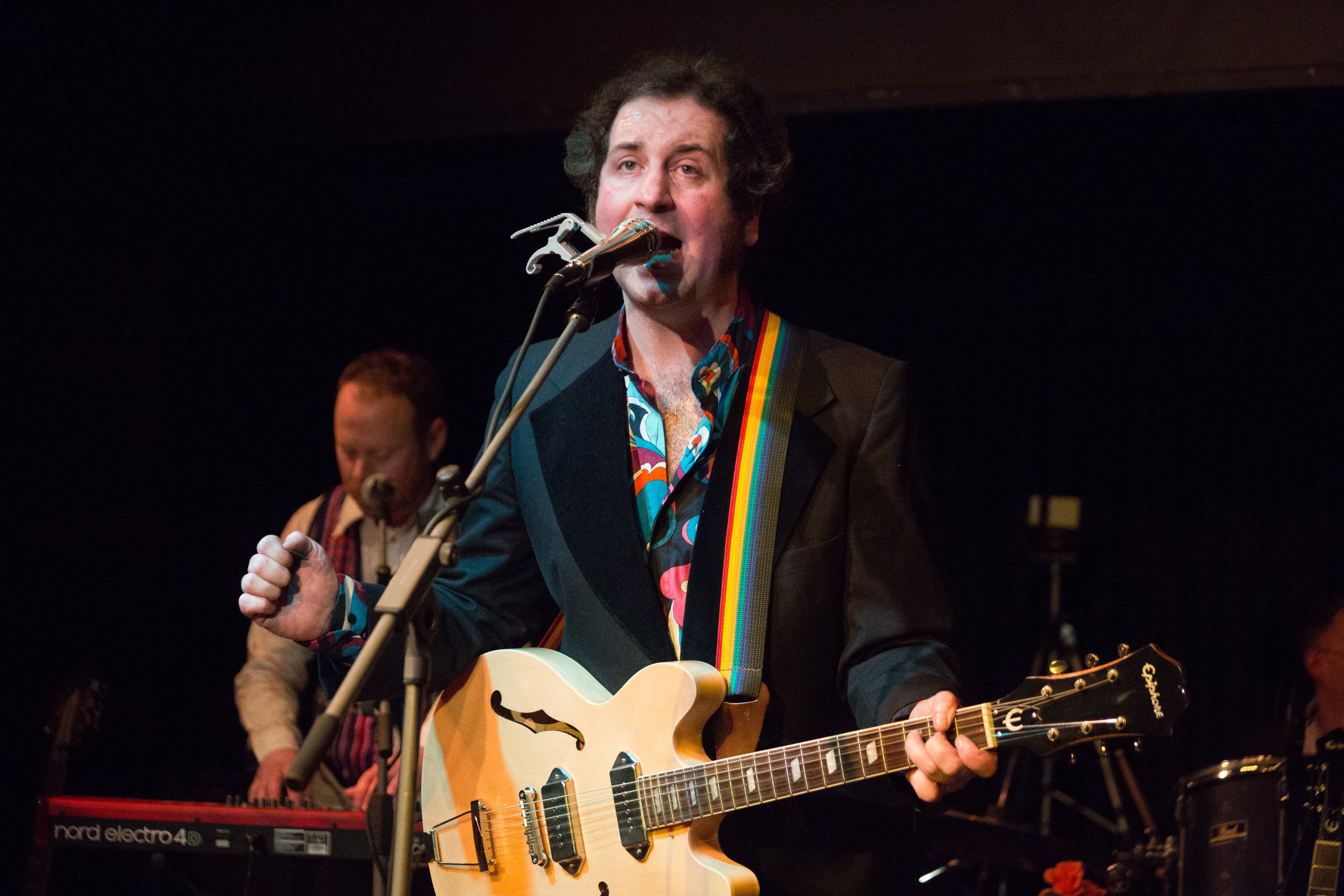
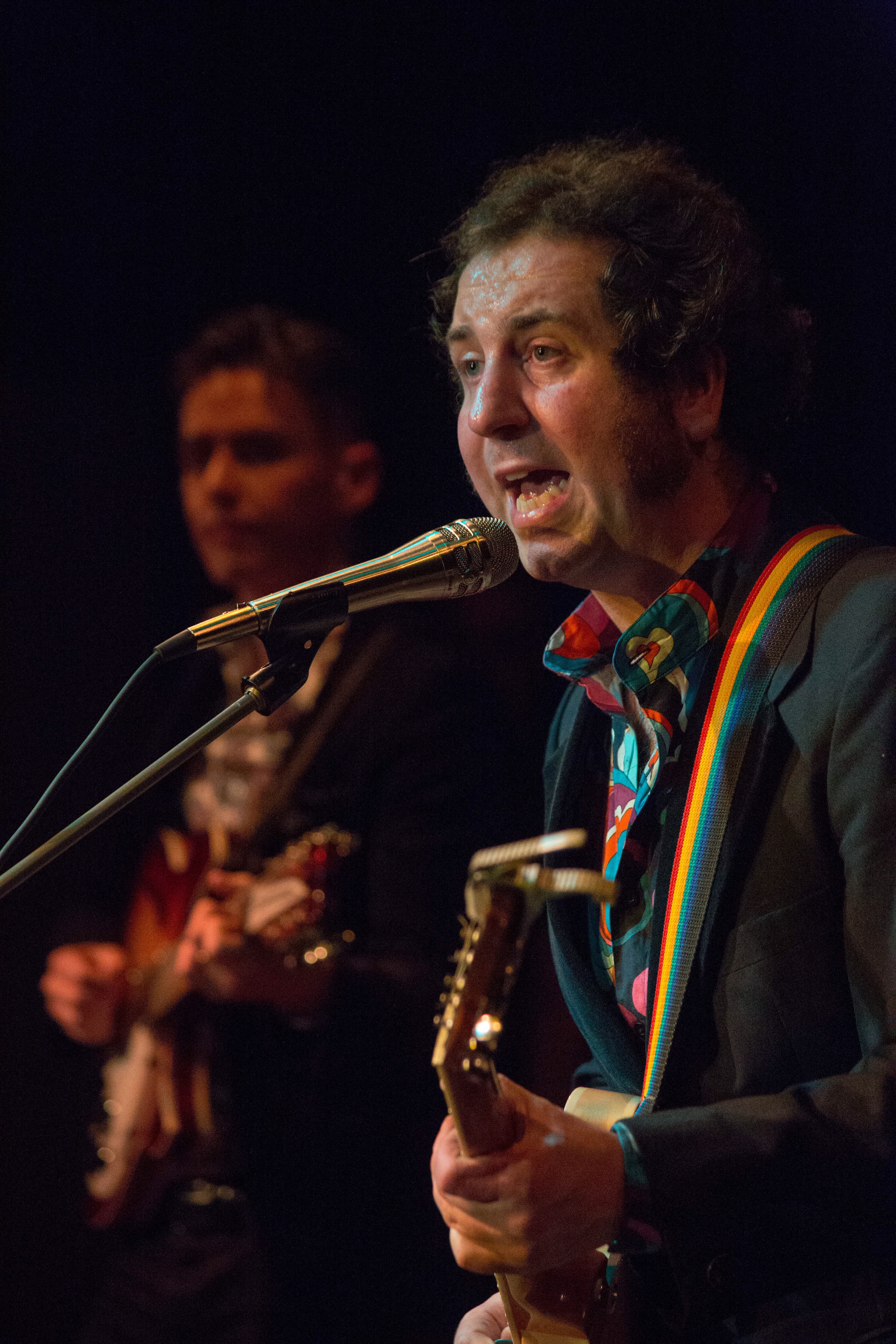
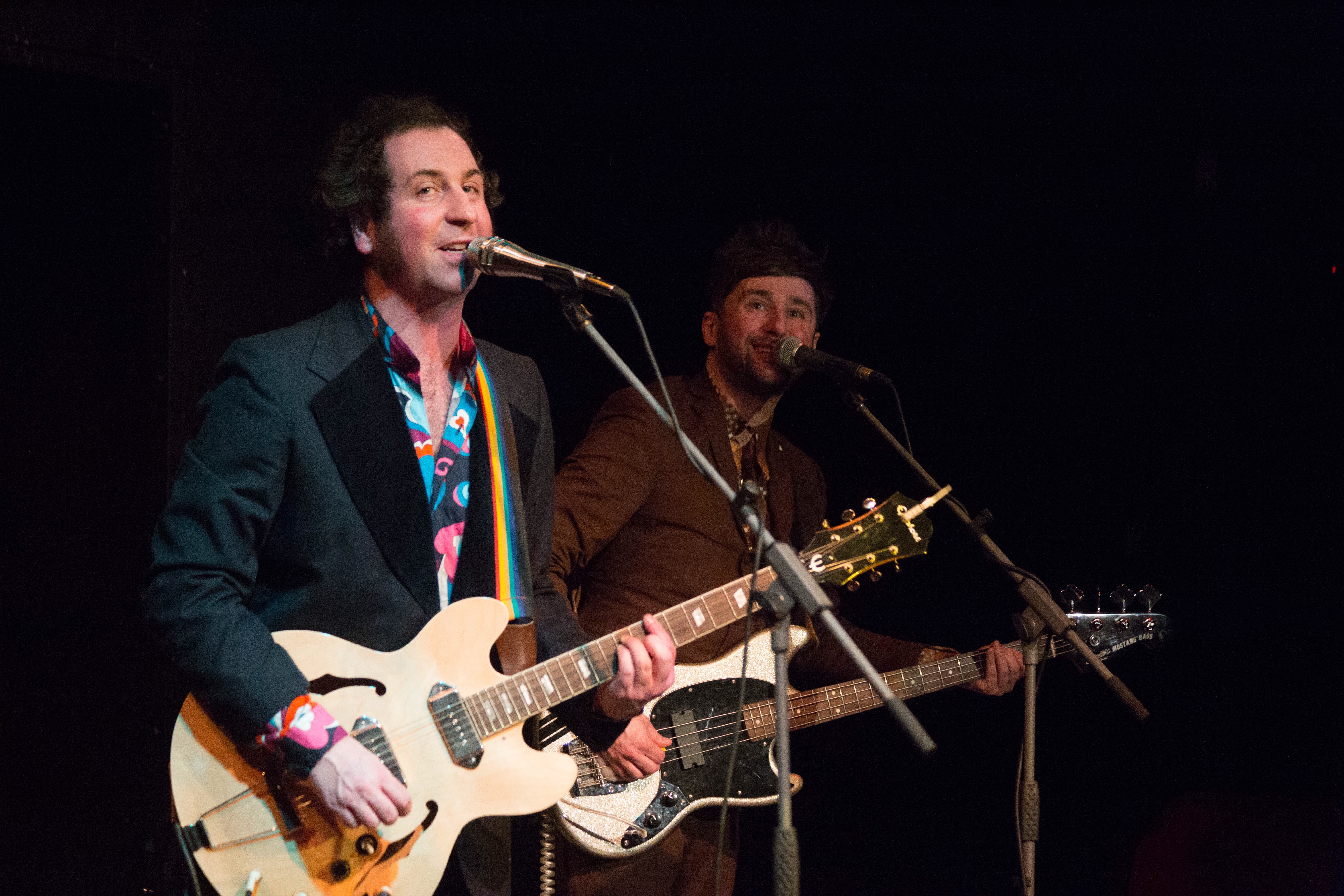
The whole point of this post though was to highlight the undeniable talents of Joe Kane, the artist who provided support to BMX Bandits in the HAC.
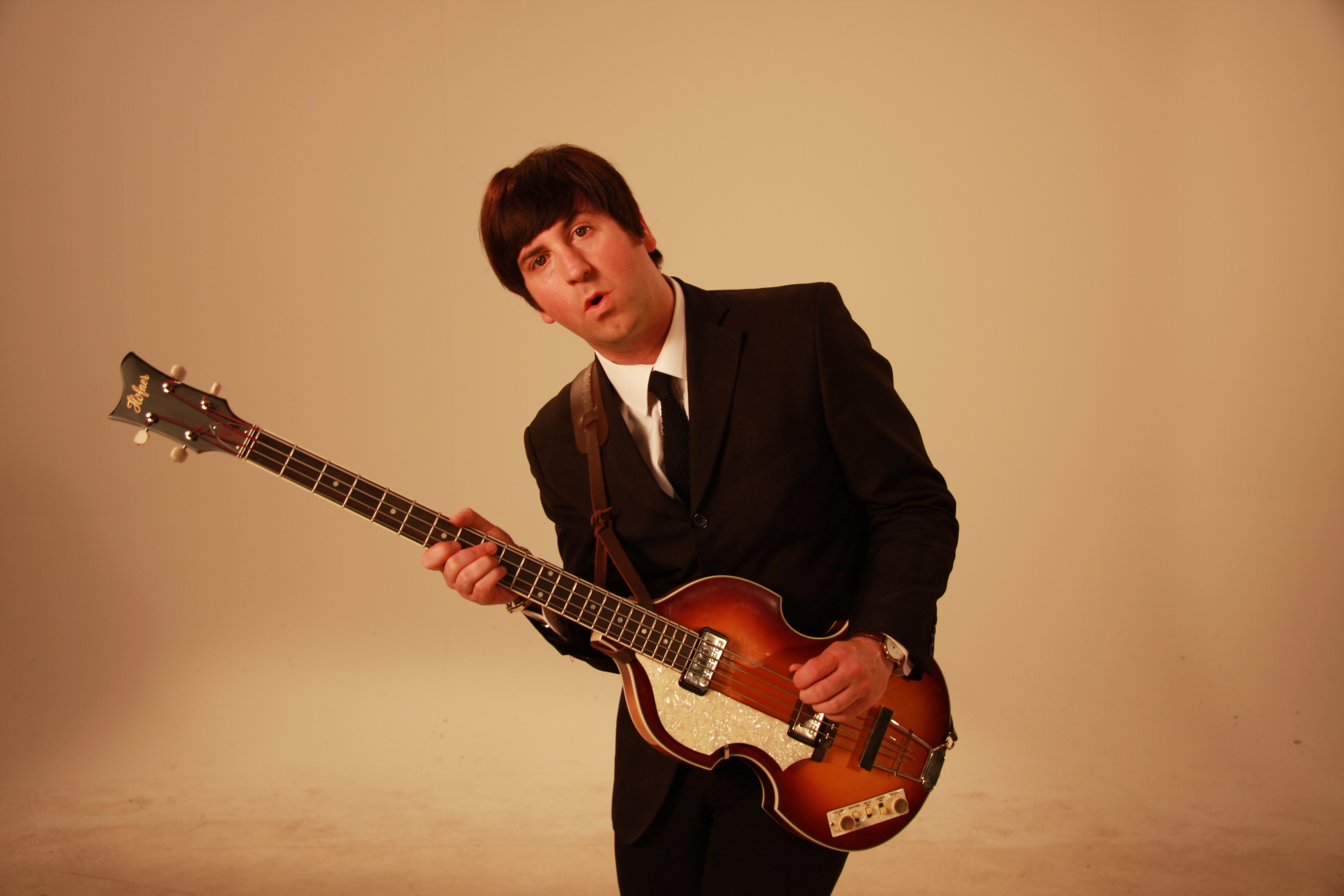
Joe is one of Scotland’s best-kept secrets. He spends most of the year being Paul McCartney in Them Beatles, regarded as one of the most authentic Beatles tributes around. Squint hard enough and he has an undeniable, two thumbs aloft, McCartney look about him. Add a pair of pointy boots, a perma-surprised mouth agape and crucially, a Beatles’ wig, and the look is complete.
For months on end he can be found playing Beatles conventions all over the world. Them Beatles have a trainspotterish approach to authenticity, so going to a show is quite possibly as close as you might get to the real thing. A fantastic array of period guitars – the Hofner bass, George’s Rickenbacker, John’s Let It Be-era Gibson – played through a backline of vintage Vox valve amps, coupled with the studied mannerisms and learned lines of each Beatle – “Rattle yer jewellery,” “Opportunity knocks,” etc etc, all add up to the real deal. Fab, even.
Joe’s ‘hobby job’, if you like, is playing his own music; wonky pop, looney tunes and merry melodies, all swimming in nutty effects with a rich Beatleish undercurrent. It’s a job that’s found him playing sessions on BBC 6 Music, performing alongside the cream of Scotland’s indie elite and co-writing with big hitters (in a parallel universe) such as Norman Blake and the aforementioned Duglas. You may be aware of some of his nom de plumes; The Owsley Sunshine, Dr Cosmo’s Tape Lab, as part of Ette…..
Here’s Joe in his Owsley Sunshine incarnation, clattering along like Supergrass doing Badfinger by way of an XTC Bond theme, all compressed vocals, ringing and lightly toasted guitars, stop/start riffs and a brilliant rhythm section – which may be all his own work. (*Update – it’s not, but Joe is happy for you to think that – not for nothing does he have a track called Don’t Pump My Ego, Baby!
The Owsley Sunshine – Powered By An Electric Shepherd
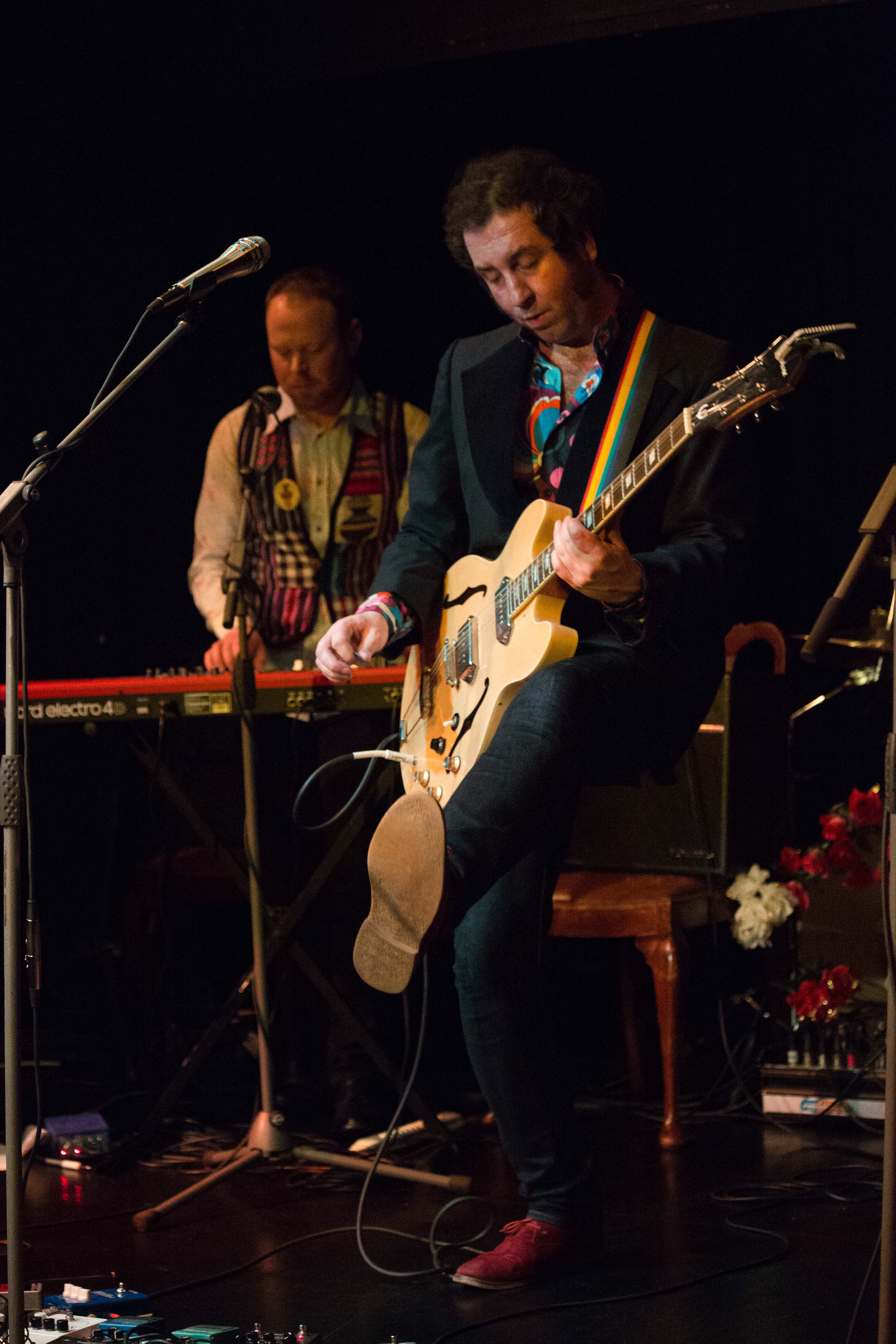
For the Irvine show, his 4-piece Radiophonic Tuck Shop sounded extraordinary; slightly psychedelic and Super Furry super-tuneful. Amazingly, this was their first ever gig. Not for them though the usual sweat of jittering first-night nerves; Joe surrounds himself with tip-top, top-chops musicians, and the Radiophonic Tuck Shop comprised of seasoned pros (I’m sure that was ‘George Harrison’ stage left) that brought out the best in his songs.
Their set of skewed power-pop went down extremely well, the short, sharp blasts of Nuggety pop from Joe’s back catalogue given an urgent, insistent makeover in the live setting. Intentional or not, each song was counted in with a none-more-Macca “1234!” to great applause, which you could be forgiven for thinking was a smart sample from any one of those early 60’s Beatles’ BBC sessions. As first gigs go, it was a brilliantly explosive cherry-popping and an exciting portent of things to come.
Only Joe Kane – As Hard As I Feel
Only Joe Kane – Disnae Time
This coming Saturday (22nd April) will see Joe and his Radiophonic Tuck Shop support Teen Canteen at the launch of their also-endorsed-by-Riley ‘Sirens‘ EP, which is pretty much the perfect double bill if y’ask me. It may well be sold out by now, so if you can’t get to it, keep an eye on the gig listings pages. Joe’s out and about regularly and definitely worth catching. Indeed, the following weekend will see Joe wig out in his Beatles guise, for two shows at Oran Mor, on the 28th and 29th April on Glasgow’s Byres Road. Yeah, yeah, yeah!
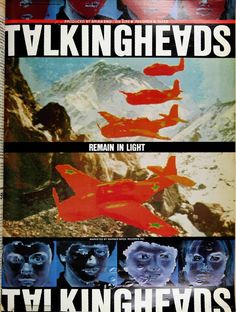
‘You can take The Lexicon Of Love away, but I’m keeping Remain In Light….‘
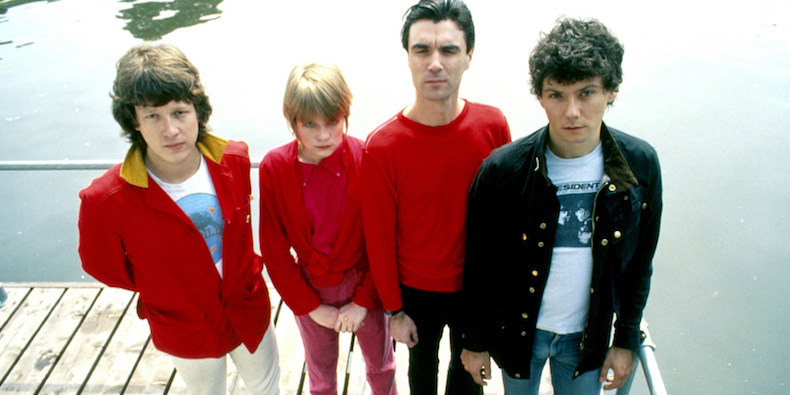
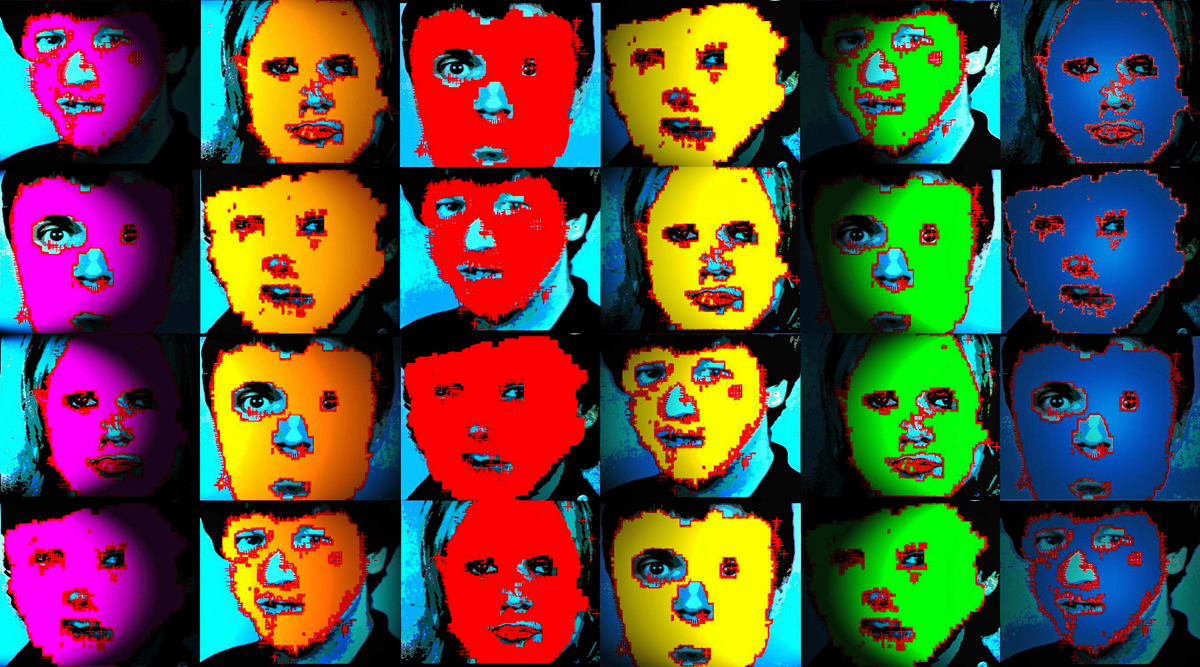
The Mystery Jets, in their (as it would turn out) ironically-titled ‘Greatest Hits‘, knew the score when they were penning their great break-up song. ABC’s album is a masterclass in heaven-sent melodies and hit singles, but stuck in the 80s with slightly more style than substance and a Trevor Horn production to boot. Talking Heads‘ 4th album endures, remains in light even, to this day.
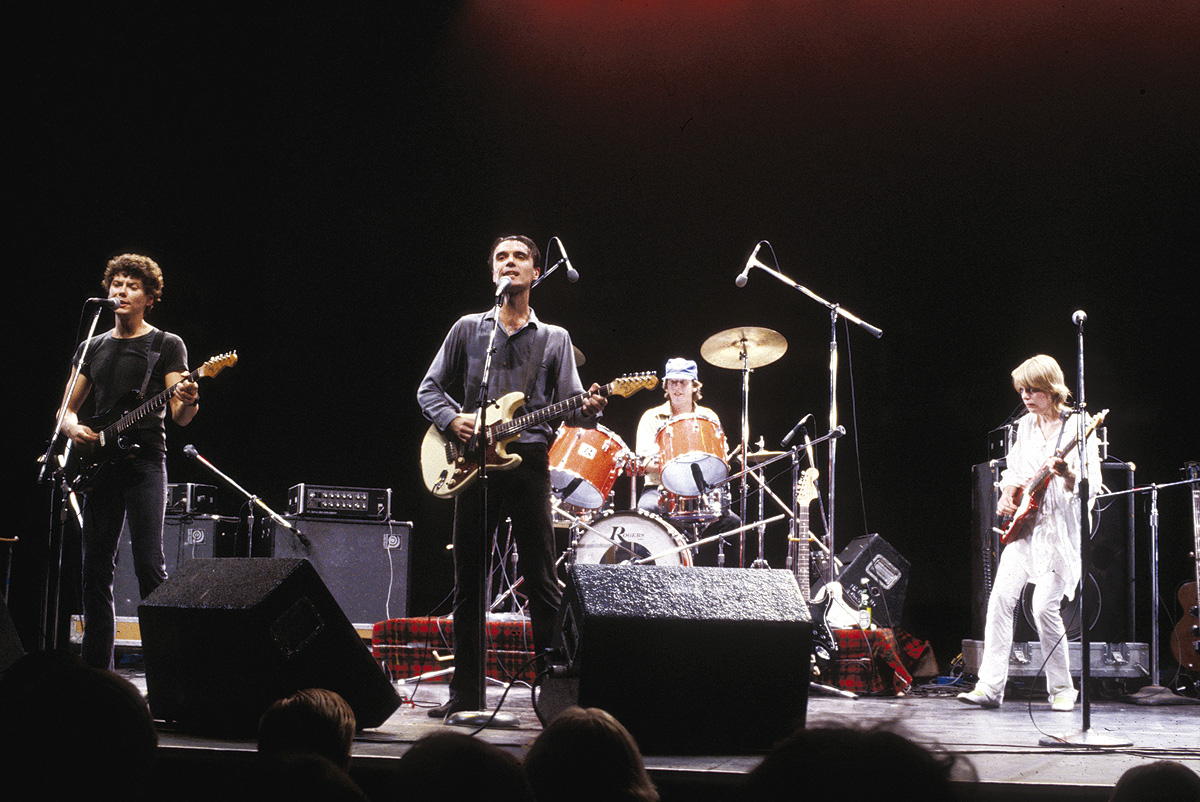
Arty, smarty, punky and funky, Remain In Light benefits from the combined talents of the four ‘Heads, Brian Eno on sonic architectural duties, Bowie foil Adrian Belew on weird ‘n wonky guitar textures and R’n B belter Nona Hendryx on occasional backing vocals. It’s an astonishing album which, as the cliche goes, sounds as relevant and fresh today as it did in October 1980.
Side 1 (Pffffft. Everyone’s a hipster nowadays) begins with the knockout blow of Born Under Punches, a track that starts as if you carelessly dropped the needle near enough, but not quite at the start. Not for Talking Heads a gentle warm-up to ease into the flow. From the off, Frantz and Weymouth, the symbiotic, married rhythm section drive the track with polyrhythms and a body-poppin’ bassline that George Clinton might’ve strived his whole life to perfect. ‘Take a look at these hands!‘ barks David Byrne, before his own call-and-response vocals allow the chorus to ebb and flow. The music though is relentless throughout, a fantastic opener that sets the scene for what follows.
And what follows is more of the same. Crosseyed And Painless maybe even betters the opener. Short, sharp, barking verses and crooned choruses, with the band whippersnap tight and taut. Eno’s contribution is undeniable. The band are on fire, but the extras he adds lifts the whole thing into the stratosphere. Whooshes and effects, possibly heavily-treated guitar, possibly cutting edge keyboard technology are liberally splashed across the top adding colour to the Talking Heads’ stark noo wave punkoid funk. ‘I’m stiiiiiill waiting!‘ points out David Byrne, as he’s doubletracked with himself into oblivion.
Talking Heads – Crosseyed And Painless
Even more incredibly is the 3rd track, side 1 closer The Great Curve. Without ever dropping a beat, Frantz and Weymouth’s incessant funk continues. Thers’s space here for both Nona Hendryx to do one of her skyscraping hollers in the chorus? The verse? The bridge? Who knows?!? and Adrian Belew to get in on the act with a metallic squall of lead guitar that coulda come straight from a Bowie ‘Lodgers‘ session. It’s just as well you’re forced to get up and turn the record over at this point, as to this day, I still need to catch my breath when the side closes.
Side 2, without being glib, is more of the same; one chord grooves, polyrhythmic percussion, effect pedal-heavy guitar and Eno’s golden ambient touch. Houses In Motion, the flop second and final single from the album is the perfect juxtaposition of Sly Stone’s pitter pattering skeletal funk and Talking Heads’ own Slippery People, still 3 years from release, but surely conceived in this very moment?
Talking Heads – Houses In Motion
Seen And Not Seen is an atmospheric spoken word groove, with a backing track that Grace Jones might’ve utilised to her advantage. Second last track Listening Wind is very Can. Or maybe Can is very Talking Heads. Chanting vocals, meandering, textured music….. there’s lots going on here. It’s great late-night headphone music. You should try it. Pour yourself a drink of whatever, maybe supplement it with an extra something of your choice. Then close your eyes and see where it takes you, but remember to get up before final track The Overload kicks in. If the previous track is very Can, then The Overload is very, Very, VERY Bowie. More chanting vocals and more ambient textures, it closes the album with a sense of impending doom. Scary Monsters indeed. Perhaps they should’ve left it off the album. It still scares me half to death whenever I forget to lift the needle before it starts.
The big track on the album is Once In A Lifetime, the number 14-with-a-bullet hit single. It’s omnipresent and, I’d wager, so ingrained in the fabric of most of the readership on here that you can hear it just now as you read. You can call it up from the virtual iPod in your brain and it’ll play for you from start to finish, with no need for you to go and find the actual track. The chorus is playing just now, I bet. Amazing that, isn’t it? But have you ever stopped to truly listen to it? It’s an incredible piece of music.
Talking Heads – Once In A Lifetime
How do you even go about writing a song like that? Did it come from the band riffing on the light ‘n airy grooves of Fela Kuti, whose ‘on the 1’ influenced James Brown? Once In A Lifetime starts ‘on the 1’, but as Eno has since said, each member of the band had a different ‘1’ to follow. That’s what makes the track sound so different. There’s that brilliant opening bass whoomph and bam! we’re on the one and away with it…..
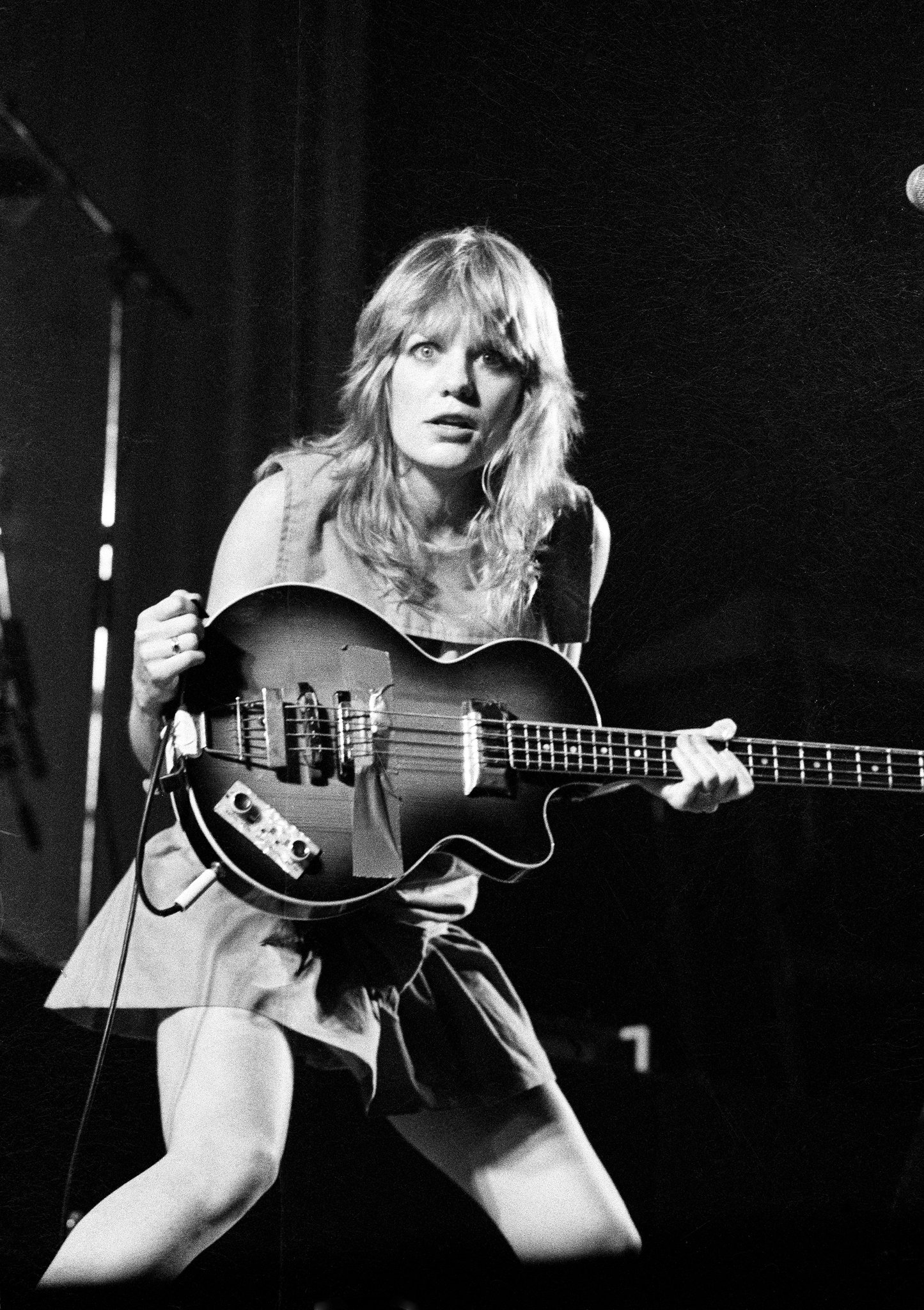
Did Tina Weymouth come to the session with a killer bassline looking for a song? Did Jerry Harrison, swapping guitar for synth, say, “Hey! I’ve got this little synth riff that I kinda stole from the Velvets’ What Goes On – let’s build a song around it!” Did producer Eno pioneer his Oblique Strategies on the track, the four Talking Heads plus guests individually recording overdubs, unaware of what their fellow band mates had played? The answer really is that the song is (even) greater than the sum of its parts.
Want more? Here’s the extended version of Once In A Lifetime.
Talking Heads – Once In A Lifetime (Extended Version)
Random fact. Bassheads‘ 90s rave anthem Is There Anybody Out There? samples the wee tingaling bleeping and blooping keyboard track that weaves it’s way throughout Once InA Lifetime. But you knew that already.
*Bonus Track!
As if to underline that Fela Kuti reference, sounding like a manic Moroccan market in the height of summer, here’s Fela’s Riff, an African-influenced unfinished outtake from the album.
Talking Heads – Fela’s Riff
If you’ve never heard Remain In Light, I suggest you rectify this forthwith. You can thank me later.
Different Drum is a song written by lamb-chopped ‘n bobble-topped Monkee Mike Nesmith in 1965. Although there’s not a Monkees‘ version as such – it appeared only in an episode of The Monkees when Nesmith sang it in faux-Dylan fashion (you can watch it, 16 mins in, here) it’s since grown to become one of his most enduring songs.
It was a hit a couple of years later when a young Linda Ronstadt-fronted Stone Poneys took their none-more ’67 baroque pop version to the higher reaches of the American charts. Bypassing Ronstadt’s usual arrangement of weeping pedal steels and twangin’ Teles, Stone Poneys’ version favours harpsichord, chamber orchestra strings and a rinkle-tinkle saccahrine-sweet music-box approach. It’s OK, but if y’ask me, in the scheme of things it fails to match up to the fantastic version by The Lemonheads.
The Lemonheads‘ version was the one that first brought the song to my attention. Stuck away on the 3rd disc of a Rough Trade anniversary box set, it stood out amongst the Einsturzende Neubatens and Throbbing Gristles for daring to have an actual tune and a memorable melody. What an old fart I am. Always the missing link between Gram Parsons and Kurt Cobain, Evan Dando’s one-take rollicking fuzz-filled romp sounds off the cuff, spontaneous and exactly the kind of thing he might’ve thrown together when the producer uttered the words, “Got anything for the b-side, Evan?”
The Lemonheads – Different Drum
He makes it sound easy, does Evan. A tune that suits his voice, he plays those wee descending guitar runs just like George Harrison used to do in the good old days. It sounds like he and the band are having a whole lot of fun. There’s a bucket of feedback splashed over the middle eight and if you listen closely, a brilliant Thin Lizzy-inspired harmonising twin guitar riff in the outro. A breathless rush of power pop, you can practically see the swish of his Californian sun-bleached fringe between the verses as his transformation into the poster boy for the polite end of the grunge revolution is complete.
And talking of power pop, how about Sussana Hoffs’ and Matthew Sweet’s faithful version? Dedicated scholars of 60s pop and what constitutes A Tune, Sweet and Hoffs (under the moniker of Sid ‘n Susie) find the requisite jangle and harmonies to ensure their verison of Different Drum is one of the best.
Sid ‘n Susie – Different Drum
Maybe it’s the voice, or the fact she plays a mean Rickenbacker, but Susanna Hoffs stirs things in me that I didn’t even know needed particular stirring in the first place. Anyway, you could do worse than find yourself a copy of her ‘Under The Covers‘ project, wherein Matt ‘n Sooz tackle the best of the 60s and 70s with a reverential attention to detail and an almost ‘we’re not worthy’ level of adoration. You can find all 4 albums for the price of a Costa Coffee these days. Reason enough, surely, to treat yourself this Easter.
More interesting , perhaps, and no less thrilling, is the shambling, almost on the verge of being in tune version by The Pastels.
The Pastels – Different Drum
More West End than West Coast (check out those Glasgow Uni-infused softly rrrrrrolled rrrrrs – “we’ll both live life longerrrr” – ), Stephen P lumbers through it like Great Uncle Bulgaria, a duffle-coated messiah for folk who know that the most important things in life are a great record collection and a homegrown, home-cut fringe.
Led by a jangling 12 string and just within a earshot, a highly strung banjo (is it? I think so), it’s almost perfect. Forever on the point of collapse, there are sadly sweeping, weeping strings, cutesy-cute backing vocals and a kids’ Casio keyboard tootling away in the background like some long-forgotten fairground ride. By the time the slide guitar has wheezed its way into the mid-point picture, you’ll convince yourself that this is just about the best cover of Different Drum you’re ever likely to hear. It’s a beauty.
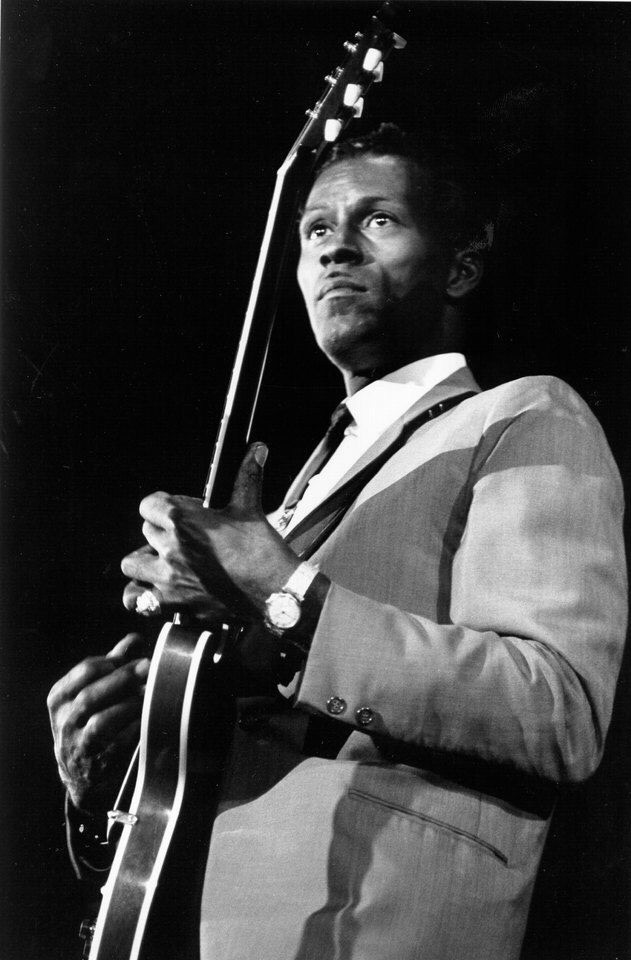
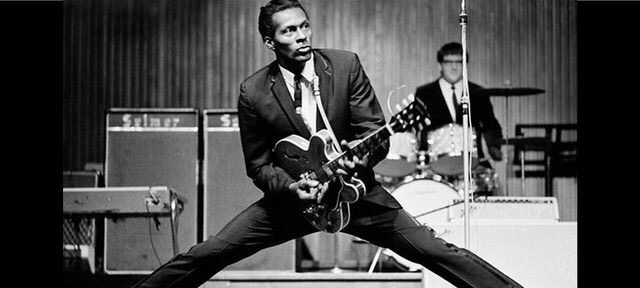
Aw man. When rock ‘n roll came kicking and screaming from the womb, Chuck Berry was right there holding the towels and hot water in one hand and a Gibson electric guitar in the other. He was the mother and the father, the granddaddy of them all, the godfather of guitar-based music.
He was the alchemist of The Riff. He was a true poet of popular culture. He was an influence on everyone who ever mattered. Every. One. Answerable to no one and master of all. Fingers longer than the route to the Promised Land itself, they dug the earth, set the foundations and built the house upon which everything followed.
I was at a gig on Saturday night (BMX Bandits. Simply wonderful) and I’d been talking with support act Joe Kane (Google him – he’s worth a feature of his own on here) about the time Chuck played in Irvine.
“That was great, Chuck!” enthused the promoter as Chuck left the stage after barely half an hour. “Fancy going back on for an encore?”
“Sho’ thing, brother,” drawled Chuck, right arm extended, his famous red 335 still hanging freely from his neck. “…………fo’ nutha five hun’red dollars.”
There was no encore.
Five minutes after our conversation, Joe ran through to tell me he’d just heard Chuck Berry had died. A bizarre coincidence.
“If only we’d known an hour or so ago.. ” he continued, genuinely upset, “That would’ve been the set closer sorted.”
Someone else asked in all seriousness, “Chuck Berry? What did he sing again?” Boggle-eyed, I replied;
He sang about love.
Chuck Berry – Nadine
“As I got on a city bus and found a vacant seat,
I thought I saw my future bride walkin’ up the street
I shouted to the driver, ‘Hey conductor!’ you must
Slow down I think I see her, please let me off the bus
Nadine, honey is that you?”
He sang about life.
Chuck Berry – You Never Can Tell
“They bought a hi-fi phono and boy did they let it blast!
700 little records, all rock and rhythm and jazz.”
He sang about heartbreak.
Chuck Berry – Maybelline
“Maybelline, why can’t you be true?
Oh Maybelline, why can’t you be true?
You’ve just started doin’ the things you used to do.”
He sang of coolerators and automobiles and girls and goodtimes and made America sound fantastic and wonderful and like the far-off land of all your dreams. In a post-war bombed-out and still shell-shocked Britain, it’s not hard to see why Keith Richards, Jimmy Page et al were totally taken with Chuck.
Chuck Berry – Back In The USA
“Oh well, oh well, I feel so good today
We just touched ground on an international runway
Jet propelled back home, from over the seas to the U. S. A.
New York, Los Angeles, oh, how I yearned for you
Detroit, Chicago, Chattanooga, Baton Rouge
Let alone just to be at my home back in ol’ St. Lou
Did I miss the skyscrapers, did I miss the long freeway?
From the coast of California to the shores of the Delaware Bay
You can bet your life I did, till I got back in the U. S. A.”
From mods to rockers, glams to punks, Chuck fuelled ’em all. Marc Bolan would go on to steal the vocal adlib of Little Queenie for Get It On. I suspect you knew that already though.
Chuck Berry – Little Queenie
It’s not just what he sang, it’s how he sung it. And it’s not what he played, it’s how he swung it. The DNA of all rock music starts right here;
Chuck Berry – Johnny B Goode.
By all accounts a most unpleasant human being, remember him instead for the most beautiful and perfect two-string riffing, three-chord swinging, six-string rule-breaking, rule-making music.
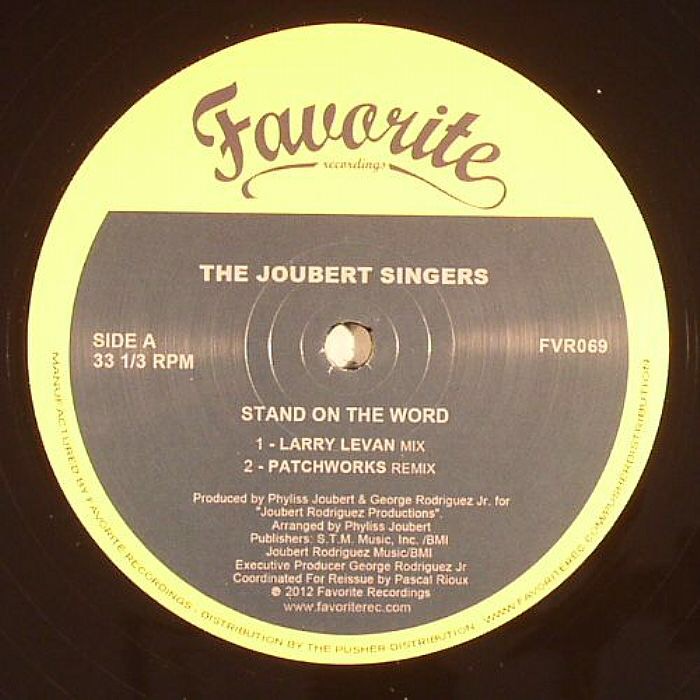
‘Stand On The Word‘ by the Joubert Singers is a joyous, hands in the air, gospel/house hybrid that, 35 years later, has lost none of its holy religious power. It’s the sort of record Primal Scream might’ve had in mind when they created their blissed-out, preacher-heavy version of Come Together on Screamadelica. But, as good as the Scream’s foray into praise-the-Lord, house-heavy gospel soul was, it falls short when stood against the almighty Joubert Singers.
Joubert Singers – Stand On The Word (Larry Levan mix)
Put together in 1982 by the eponymously-named minister of a New York church, the Joubert Singers self-funded and independently released an album of deeply soulful and religious material. So far, so early 60s Aretha.
What happened next though is clouded in mystery, half-fact and taking credit where it might not be due.
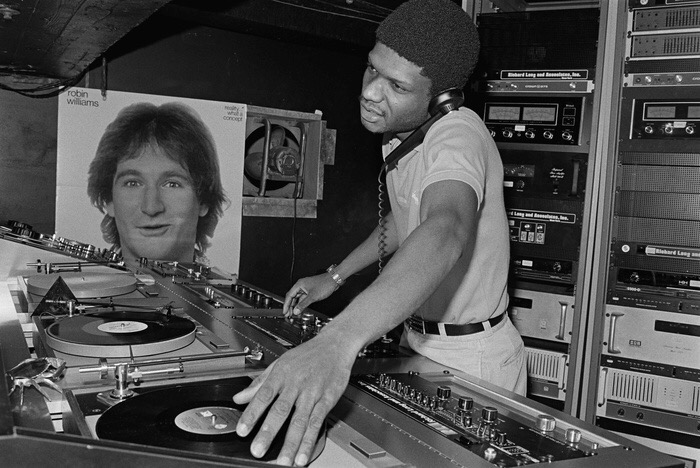
The story – and never let the truth get in the way of a good story – goes that Larry Levan, the revered house DJ, pioneer of triple-track extended mixing and resident DJ at NYC’s Paradise Garage was a member of the church congregation on the day the Joubert Singers raised the roof while recording. His aunt was a singer in the choir and he had gone along to watch/listen as the recording took place.
Once the record was out, legend has it Levan twisted and turned the original into the fantastic rollin’ and tumblin’, happy clappin’, oohin’ and aahin’ descending minor key piano track that appears at the top of this post. It was the perfect record that would from then on and evermore be the final tune in his set, his signature tune even.
That’s the legend.
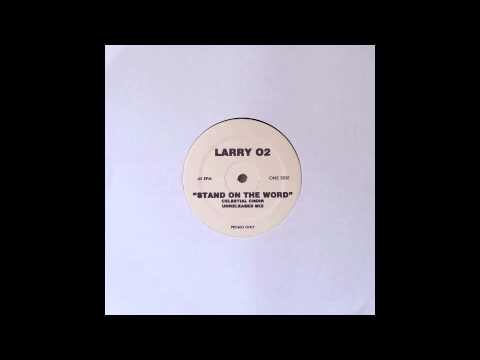
The truth, as far as internet digging and reading between the lines goes is that Levan had sweet nothing to do with the track. But somewhere along the way, a white label bootleg appeared, labelled with Levan’s name and, much like a Weatheral or whoever today, carried a lot of weight on the dance music circuit, which practically guaranteed a hit record.
So, the real remixer hid behind the more famous name while the more famous name took all the credit for creating a record he had very little, or nothing, to do with. If you look on the various volumes of Paradise Garage albums, all 9 of them, it’s very noticeable by its absence. As they say though, never let the truth get in the way of a good story. Whatever that truth may be.
Six Of The Best is a semi-regular feature that pokes, prods and persuades your favourite bands, bards and barometers of hip opinion to tell us six of the best tracks they’ve ever heard. The tracks could be mainstream million-sellers or they could be obfuscatingly obscure, it doesn’t matter. The only criteria set is that, aye, they must be Six of the Best. Think of it like a mini, groovier version of Desert Island Discs…
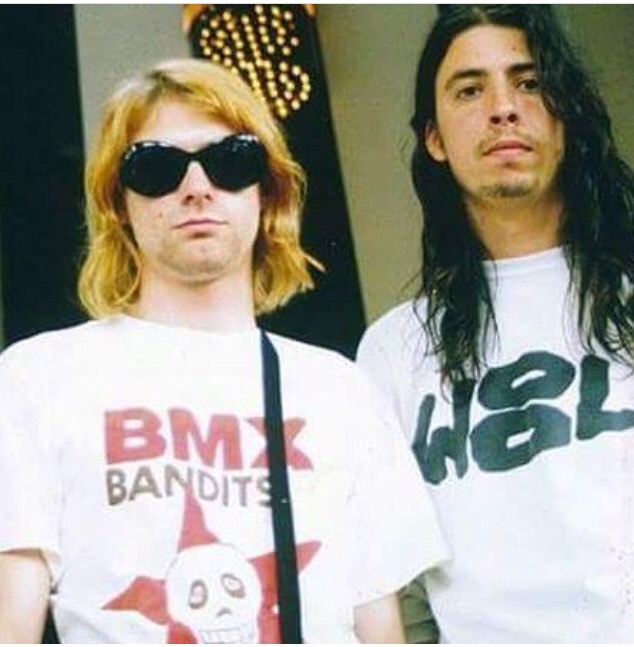
“If I could be in any band,” enthused Nirvana’s Kurt Cobain, “I’d be in BMX Bandits.” Not The Beatles. Not Black Sabbath. Not Led Zeppelin. But BMX Bandits, the cult band from Bellshill in Lanarkshire. This was no small claim. Back in 1992 when Nirvana was omnipresent, Kurt Cobain was in turmoil with himself. Months previously, his band had released Nevermind, the epoch-defining multi-million seller crammed full of Beatles-meets-Sabbath by way of Zeppelin radio-friendly slacker anthems, an album that would in time make Nirvana as definitive as some of those very acts.
With a record company keen to milk the band for all they were worth, Cobain withdrew. Commercialism wasn’t a game he was keen to play. His two fellow band mates, the drummer in particular, were much more comfortable with their sudden and quite unexpected lofty status, but not Kurt. He sought solace in the music he wished he was able to put out; lo-fi, fragile, arty, tinged with pathos and a punk sensibility, but most of all, played and recorded for fun. Fun, it seems, was in inverse proportion to Nirvana’s record sales. It’s not hard to see why the poster boy for 90’s disaffected youth held a flame for BMX Bandits. His favourite band, led by the enigmatic Duglas T Stewart has all those things in spades.
Kurt in his ‘Fat Elvis’ phase
“We’re just one of those bands,” summarises Duglas T Stewart, Bandit-in-chief for 30+ years and curator of one of our most-loved musical collectives, “that’s historically been lucky enough to have had, throughout all the line-up changes, great musicians. Norman Blake….Stu Kidd….Jim McCulloch….Francis MacDonald….Eugene Kelly…. Regardless of who they go off and play with, they’ll always remain a part of this band. Being in BMX Bandits is a bit like a stay at the Hotel California. You can check out, but you can never leave!
Norman ‘left’in 1992, but has contributed to every album since, up until the new one (‘BMX Bandits Forever’, released May 26th). Both he and Eugene have said that the happiest times they’ve had making music was when they were in BMX Bandits. It’s a chance to step out of the limelight for a wee while, take side stage rather than centrestage. I think that’s what maybe appealed to Kurt when he said what he said.”
To celebrate the release of BMX Bandits Forever, Duglas and co-vocalist Chloe Philip will lead their renegade 7-piece band in a couple of rare live outings. They’ll play the small-but-perfect Harbour Arts Centre in Irvine on the 18th March and following the album’s release, they’ll celebrate with a launch gig on May 27th at St Luke’s in Glasgow.
The Irvine date is particularly appealing, given that it’s 25 years since BMX Bandits last played the town. On that occassion, they played atop a flat-bed truck stage outside the famous Ship Inn, coincidentally next door to the HAC.
Back then, Duglas and co. were just one of the many bands who found time to veer left at Glasgow and fit in a date on the Ayrshire coast. In recent years, it’s sadly, frustratingly, been less of a thing.
“I’ve really vivid memories of that Irvine show,” recalls Duglas. “You tend to remember the more unusual shows. Eugenius were on the same bill. Gordon and Eugene were both ex-Bandits, so lots of our pals were there. There was no holding back with the audience. Sometimes at a Glasgow or Edinburgh show, the crowd can be a wee bit too cool for school. But the Irvine audience just went for it.
It was a great time to be BMX Bandits. We’d just released ‘Life Goes On’, our first album for Creation and our stock was high. Alan McGee kept saying, ‘You’re gonnae be a hit! You’ll be in the charts!’ I’ve friends who’ve been lucky enough to have had singles, or in the case of Eugene who had Nirvana covering his songs and Joe (McAlinden) who did very nicely on the back of Rod Stewart recording one of his, friends who’ve made a lot of money from songwriting. I’m genuinely happy for them – we’ve all come from the same musical background, so in a funny way, their success is also my success.
‘Serious Drugs’ was the big BMX Bandits hit that never was. It was melodic, but it was still noisy, with loud guitars to the fore, yet totally non-macho. It flew in the face of what was hip at the time. Paul Weller has said since it’s the best single ever released on Creation and Radio 1 went so far as to A-List it, guaranteeing it so many plays a day. Unfortunately for us, its release coincided with Radio 1’s Anti-Drugs Week. A song called Serious Drugs, even if its message is very anti-drugs, could never be played over the week, so it had kinda flopped before it even had the chance to be a massive hit. Ironically, The Shamen chose to release ‘Ebeneezer Goode’ the very same week, a song that very clearly promotes drug use…..and Radio 1 found nothing wrong with it.
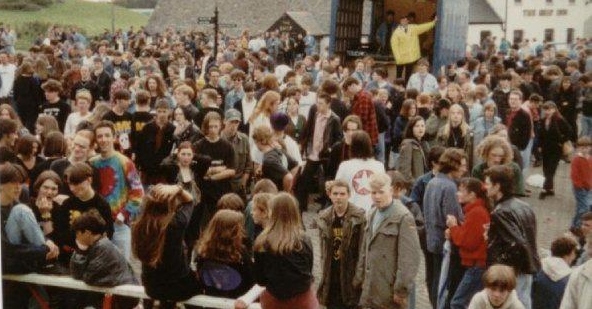
The view from the stage, BMX Bandits live in Irvine, July 1992
That Irvine gig 25 years ago was, if memory serves me correctly, a really great gig. On a patch of land overlooking the harbour, 1000+ folk (the picture above doesn’t do it justice, believe me!) momentarily turned our wee part of the world into the best place on the planet. The Harbour Arts Centre holds just a fraction of that audience, and amazingly, there are still a handful of tickets left for their upcoming show. Will BMX Bandits once again turn our wee part of the world into the best place on the planet? You better believe it!
Ahead of the upcoming shows and album release, Duglas took time out from rehearsing – “We don’t rehearse too much, actually. I tend to find you can over-rehearse and by the day of the show, you’ve lost something. You don’t want it too smooth. It’s better being a wee bit rough around the edges” – to talk about his favourite tracks. When he sent these through to me, they came with the caveat that he’d likely pick a different set of songs next week. “Had you asked me last week, Jonathan Richman would definitely have been in there, but these tracks are the ones that’ve stuck with me for years.”
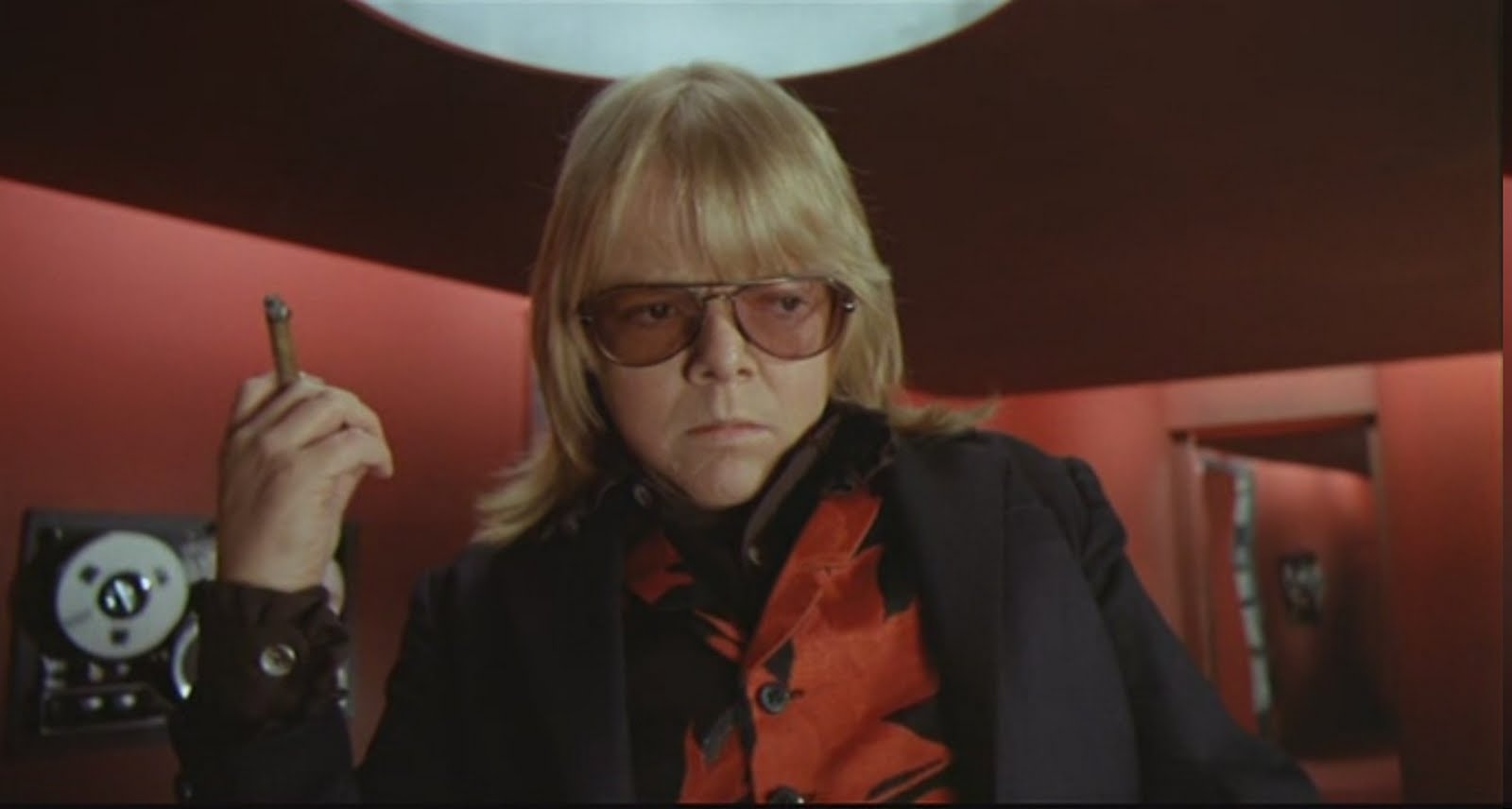
Paul Williams – Someday Man
Paul Williams is incredibly well-known in the States, but in the UK, there’s next to zero knowledge of him. His songs have been a big, big part of my life. He wrote the songs for The Muppets’ Christmas Carol, an album that’s had as much influence on me as any rock album. He wrote ‘We’ve Only Just Begun’ and ‘Rainy Days And Mondays’ for The Carpenters….The Rainbow Connection….the soundtrack to Bugsy Malone. I’ve only ever watched that film I think twice, but I know all the songs. He won an Oscar for ‘Evergreen’, the theme song for ‘A Star Is Born’, sung by Barbra Streisand. He even collaborated on the last Daft Punk album. Everything he’s been involved in has real heart.
Paul Williams – Someday Man
Someday Man is mind-blowing. You might know it from The Monkees’ version, but the original has a real gravitas and depth. It’s got that Wrecking Crew kinda feel. The changes of tempo! The not knowing where it’ll go next! The overall feeling you get when you listen to it is one of poignancy and hope.
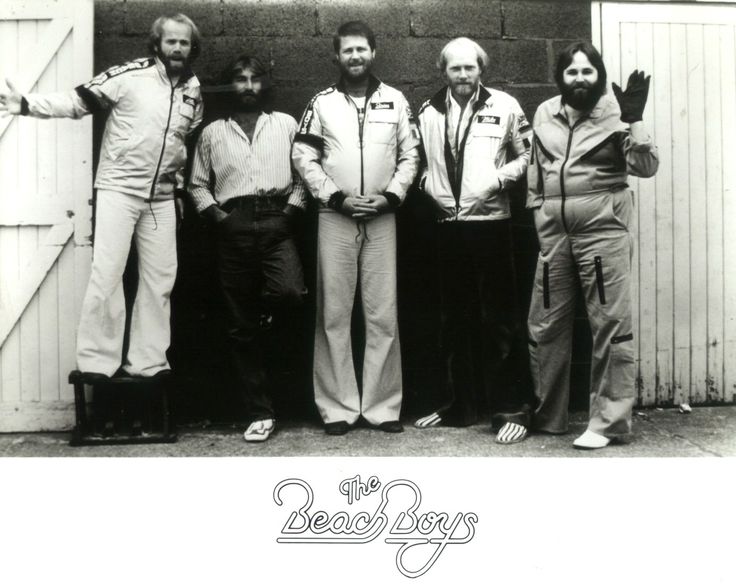
Beach Boys – The Night Was So Young
This is my favourite track from my favourite Beach Boys’ album (1977’s Beach Boys Love You). It’s an album held in high esteem. Alex Chilton said it was his favourite Beach Boys’ album too. And Brian Wilson told me it was his!
Beach Boys – The Night Was So Young
Brian wanted people to feel loved when listening to his music. Music was everything – it was sanctuary. As someone who was incredibly messed up, in the early years by his father, in the later years by bad management, Brian wrote this for himself. It’s a beautiful track. It embraces you. You can sit late at night listening to it, alone, but you’re not totally alone. ‘The Night Was So Young’ comforts you. It’s an aural cuddle.
The Shangri-Las – Give Him A Great Big Kiss
The Shangri Las are my favourite-ever girl group. There’s two distinct sides to them; the celebration songs and the melodramatic heartbreakers. They said more in their songs than film makers with a big budget can do in 2 hours. These songs are movies without pictures, over and done with in 2 and a half minutes.
The Shangri-Las – Give Him A Great Big Kiss
The use of reverb and sound effects, the spoken-word sections, the delivery… it could fall into pastiche, but Mary Weiss makes it real. I love the call-and-response vocals. ‘What colour are his eyes? I dunno – he’s always wearin’ shades.’ The best bit though? ‘Dirty fingernails – Oh what a prize!’ Hahaha! How dreamy! Shangri Las’ records are full of excitement, joy, humour and musical twists. There’s been no-one ever quite like them since.
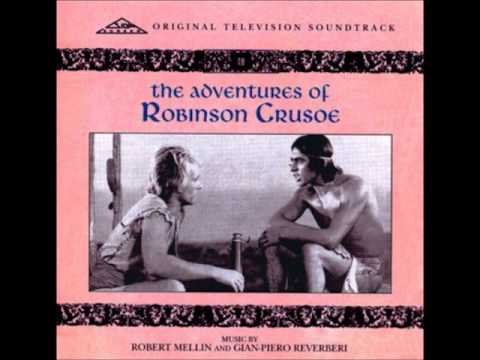
Robert Mellin & Gian-Piero Reverberi – The Adventures Of Robinson Crusoe
This piece of music is responsible for some of my earliest musical memories, of music affecting me deeply. How could sad, beautiful music make me feel good? I’ve spoken to Jarvis Cocker and he’s told me he feels the same way whenever he hears it.
In the early days of primary school, they’d show The Adventures of Robinson Crusoe during the school holidays. As it was a French-language programme, the BBC re-dubbed it and decided to replace the original score/theme tune with Robert Mellin and Gian-Piero Reverberi’s piece – a vast improvement on the original. I can’t remember much of the actual show, but the music, and the emotions it created, has stayed with me. It’s sad and sentimental. It’s uncontrollable. It’s the key to what I’ve always tried to do with my own music.
Bill Wells featuring Lorna Gilfedder – My Family
At less than a year old, this is my most contemporary choice. Bill lives, eats, drinks, breathes and, yes, dreams music. He’s an extraordinary talent. He’s collaborated with a whole host of interesting artists; Yo La Tengo, Future Pilot AKA, Norman Blake…. a whole bunch of people. His Aidan Moffat collaboration was on a completely different level of brilliance. Really terrific.
Bill’s a jazz guy, and not conservative by any means. Despite its appearance as wild and free, jazz is actually quite conservative and lead by certain rules. Bill’s an outsider who went against the grain of jazz. He finds sad beauty in music. He has the saddest chords. Unusual rhythmic ideas. He has a knack of spotting the right people to work with.
If arranged differently, this track could be a massive hit for a contemporary soul diva. As it is, it’s a very understated piece, with the least earnest, not over-emoted in the slightest vocal you’ll hear on a contemporary piece of music. The singing is understated in a Peggy Lee/Frank Sinatra kinda way, and the track is all the better for it. Bill is easily one of the giants in music today.
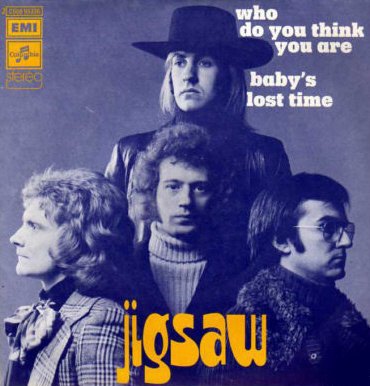
Jigsaw – Who Do You Think You Are
This has been done a couple of times, of course, by Candlewick Green and Saint Etienne, but the original is the best. It’s the kinda song I want to write! It’s like an actual jigsaw puzzle, where all the individual parts come together into one great picture of sound.
When you first hear it, you’re thinking, ‘That’s a great verse!’, ‘That’s a great chorus!’, ‘Woah! That’s NOT the chorus – it’s only the pre-chorus! HERE’S the chorus! Wow! This is terrific!’
It all comes together in a fantastic rush of melodies and counter melodies, call and response vocals, keyboards replicating backing vocals, melody versus melody. Everything fits together beautifully. And look at them! They didn’t want to look like the cool guys, they just wanted to have great music. Not fashionable, but always great. Just like the BMX Bandits.
Great choices, eh? Very Duglas, but perhaps pleasantly surprising at the same time. As I said to Duglas during our conversation, hunting down some of these records is going to cost me a fortune. I’ll be keeping a spare tenner though, for the upcoming show in Irvine. Maybe I’ll see you down the front.
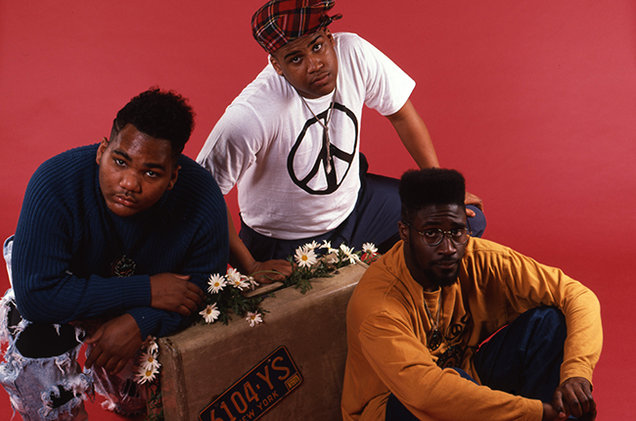
Incredibly, there are still people who obliviously walk this earth who’ve never heard the skewed majesty of De La Soul‘s debut album ‘3 Feet High And Rising‘. I was enthusing about its esoteric eclecticism to a DJ pal last night when he confessed he’d never actually heard it. What?!?! Maybe it’s an age thing – when De La Soul first broke he was a right old bastard at the tail end of his 20s, deaf from a decade and more of gigging, with a set of creaky knees and a mind unable to process any new sounds that strayed too far from the cosy ‘n comfortable traditional guitar/bass/drums set-up. “Rap with a silent C” was his presumption. He preferred Bryan Adams. It was his loss.
“But….but….you’d love it!” I told him. “It’s the ‘Sergeant Peppers’ of the eighties! They sample loads of stuff – aye, there’s James Brown grunts and drum beats and Blue Note jazz riffs and Parliament and Funkadelic horn parts and all that normal stuff, but they have no regard for hip-hop rules. They liberally pinch Steely Dan guitar riffs, vocal ad-libs from TV chat show hosts, Johnny Cash vocal refrains, The Monkees, Michael Jackson – (‘I wanna raack with you!’) – Liberace, Hall & Oates, the Steve Miller Band, Bo Diddley, The Average White Band…. you name them , they’re probably on there.” They probably are.
Produced when sampling was still something of an unknown entity in recording law, De La Soul somehow managed to get away with releasing an album totally jigsawed together from the random parts of other, wildly varied records. It’s something of a psychedelic mongrel of a record, flower-power hip-hop, a gazillion light years away from the shouty, sweary undercurrent of violence thrown out by the guns ‘n poses posses. Not that there’s anything wrong with them – It Takes A Nation Of Millions To Hold Us Back is a terrifying document of mid 80s black America and I can imagine a whole generation of parents shouting at teenagers to ‘Turn that rubbish down!‘, but as a white man from the West of Scotland, I cannae really relate to the politics of it all. Give me my hip-hop gift-wrapped in a giant daisy any day of the week.
I love spotting the samples on ‘3 Feet High…’ and as my musical knowledge has grown in direct proportion to the size of my record collection, each play of it brings another familiar fleeting riff to the fore. I’d always liked the lopsided drunk string sweep, clipped guitar and keyboard stab that runs through the whole of Transmitting Live From Mars. Along with the strings, there’s some crackly breakbeats and a French language tape instructing us to ‘écoutez et répétez‘. Arch and knowing, it wouldn’t sound out of place on St Etienne‘s Foxbase Alpha.
De La Soul – Transmitting Live From Mars
I had no idea what that string part was until almost a decade later, when the Lightning Seeds put out their version of The Turtles‘ ‘You Showed Me‘. A constant refrain, the strings were clearly the same strings that De La Soul built their track around. Cleverly, De La Soul slowed The Turtles single down from 45 to 33 rpm. This gave the sample that superb slurry drunk effect.
The Lightning Seeds – You Showed Me
You Showed Me was written in 1964 by Gene Clark and Roger McGuinn. It was recorded by The Byrds, considered for inclusion on their Mr Tambourine Man album and ultimately shelved before finding favour with The Turtles. It’s an epoch-defining, West Coast hippy-dippy saccharine-sweet love song.
The Turtles – You Showed Me
The original Byrds’ version, fact fans, was recorded at a much higher tempo, but when the Turtles’ producer first played them the track, he did so on a broken harmonium. In order to explain the chord changes, he played it at a much slower pace and before they knew it, The Turtles’ collective lightbulbs glowed brightly and they had a hit on their hands.
That string part also makes an appearance on U2‘s ‘Pop‘ album. An extremely hit and miss affair (with more misses than hits) ‘Pop‘ has the distinction of being the lowest-selling U2 album of the modern era (just the million in the States and two million in Europe!) although you could argue that by giving albums away for free on iTunes, U2 have trumped themselves since.
‘Pop‘ is a strange album. Not quite the freeform experimentalism of the Zooropa era nor the songs-with-sheen of All That You Can’t Leave Behind, it was made under the direction of Nellee Hooper, Howie B and Steve Osborne, producers more at home with a faceless dance act than a post-modern, mock-ironic rock band with an opinionated numpty out front. Due to a bad back, drummer Larry Mullen was out of action for much of the recording, so the band began experimenting with loops and samples.
The Playboy Mansion was one of the more cohesive moments on the album. A role-call of pop culture – If Coke Is A Mystery, Michael Jackson History…etc – it’s carried along on a pitter patter of processed beats, heavily synthesized Edge guitar….and that ubiquitous Turtles’ sample. It’s a cracker…
U2 – The Playboy Mansion
But what about the sample? Surely, in this day and age, the relevant musicians are given credit and maybe even cold hard cash for their efforts half a century ago? Well, De La Soul lost a court case a few years back over this very sample. The writers were awarded an undisclosed amount of money in back-dated royalties. The writers of course being McGuinn and Clark. But the string part – the signature riff, if you like – was played by someone else, an anonymous member of the Wrecking Crew very probably, working for a flat Musicians’ Union fee of $25 per day, as was the standard in those days. Pop music wasn’t meant to last. They took the money and ran. Whoever played that sweeping string part must surely be regretting that nowadays.
Edwin Starr‘s 25 Miles is a four-to-the-floor, solid gold soul belter, just over 3 minutes of pounding Funk Brothers rhythm and blast furnace brass that drives Starr’s phlegmy guttural grunts to the sweaty limits.
Edwin Starr – 25 Miles
Released in 1969 and re-released a couple of times since, it’s gained ‘classic’ status thanks in no small way to the northern soul scene where regular spinning has seen it become a talcum-dusted dancefloor filler.
25 Miles has had its fair share of cover versions. The Jackson 5 cut a version in 1969, all Motown-lite backing, call and response vocals and a fuzz guitar break that the other Edwin (with a ‘Y’) must’ve been subliminally channelling alongside Ernie Isley’s signature sound when he was recording A Girl Like You. The Jacksons’ version stayed in the Motown vaults until the mid 80s before appearing on a rare-ish Michael Jackson compilation, but if I want this blog to remain spinning happily forevermore in hyperspace, I’ll resist the urge to post it here. You can find it on the YouTube, if that’s yer thang.
Cult American band White Denim have a track that’s currently being used to soundtrack the latest Nintendo gaming advert. Ha Ha Ha Ha (Yeah) was the lead single from their latest album, ‘Stiff‘, and if you listen carefully, you’ll spot more than a subtle nod to 25 Miles.
White Denim – Ha Ha Ha Ha (Yeah)
A band that defy pigeonholing, White Denim can be both proggy and punky and Pagey and Planty and sound terrific for it. Amazing musicians, they have a unique way of trimming their tracks of excess until it’s just the bare bones of guitar, bass and drums that are left…..but what a fantastic sound they make. Definitely on the ‘to see’ list, I’ll be keeping a keen eye on any upcoming tour announcements.
But back to 25 Miles.
By far the best version is the 2011 Skamla Motown (aye!) take by the mysterious Tenoshi. I’ve always thought that Tenoshi was an underground hip-to-the-jive Japanese mod/soul DJ, but it wouldn’t surprise me in the slightest if it turned out he/she was none other than someone like Paolo Hewitt or Eddie Piller (Rocksteady Eddie, anyone?), moonlighting in spectacular fashion from their regular day job. My friend and yours, Google, has proven fairly elusive, so who knows?
Tenoshi – 25 Miles
A scuffed-up, spliffed-up skanking take on the Motown original, this 25 Miles has been taken down to Studio 1 and given a rankin’ Rude Boy makeover. It rocks, which, if it’s playing as you read, you’ll just about have worked out for yourself by now. Anoraks will enjoy spotting the great wee nod to Prince Buster/The Specials with the horn motif at the end.
If you’re lucky enough to own a 7″ of this (long-since deleted, it’ll set you back around £40 if it ever comes up for sale) you’ll also be aware of the lightly toasted remake of a Temptations’ classic on the flip side. Papa Was Rolling Stoned indeed. Worth seeking out, I tells ye.
Six Of The Best is a semi-regular feature that pokes, prods and persuades your favourite bands, bards and barometers of hip opinion to tell us six of the best tracks they’ve ever heard. The tracks could be mainstream million-sellers or they could be obfuscatingly obscure, it doesn’t matter. The only criteria set is that, aye, they must be Six of the Best. Think of it like a mini, groovier version of Desert Island Discs…
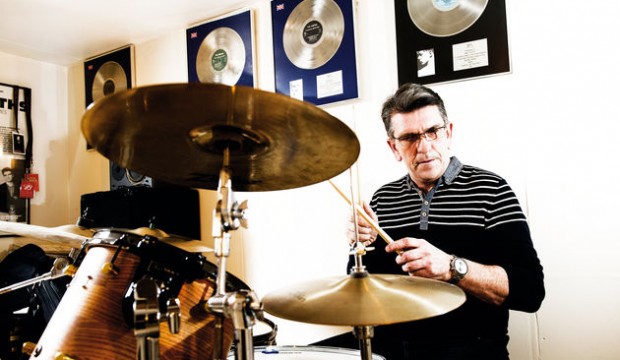
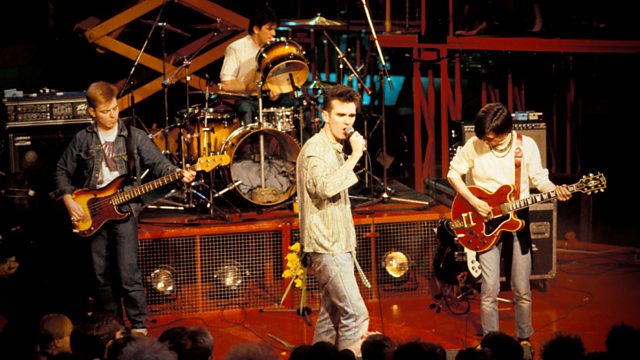
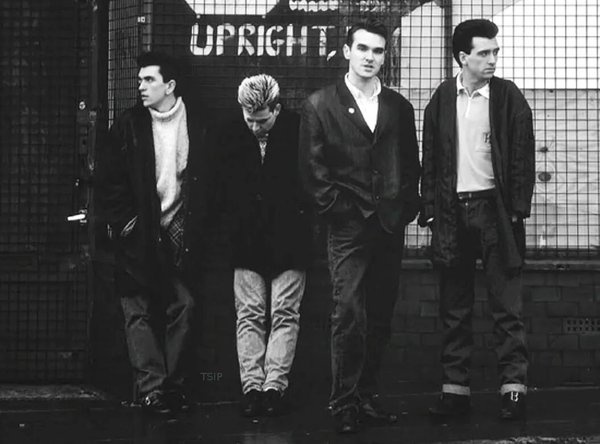
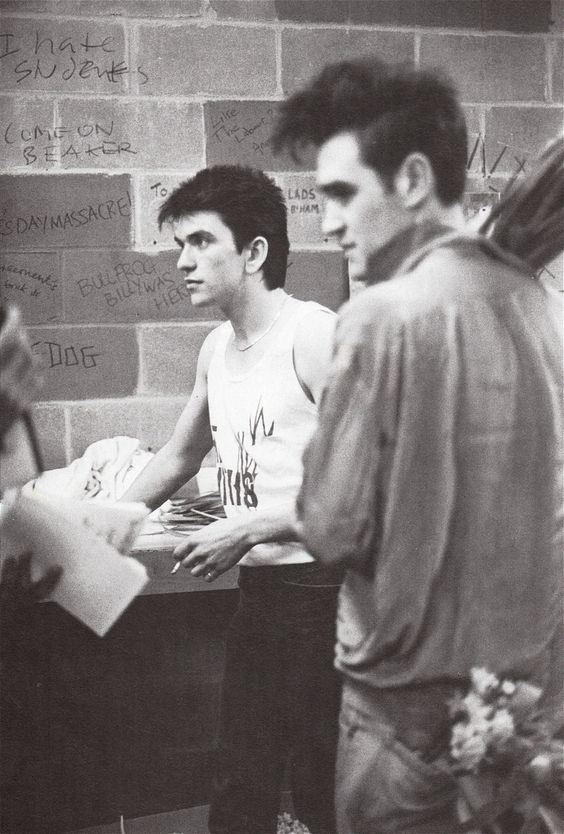
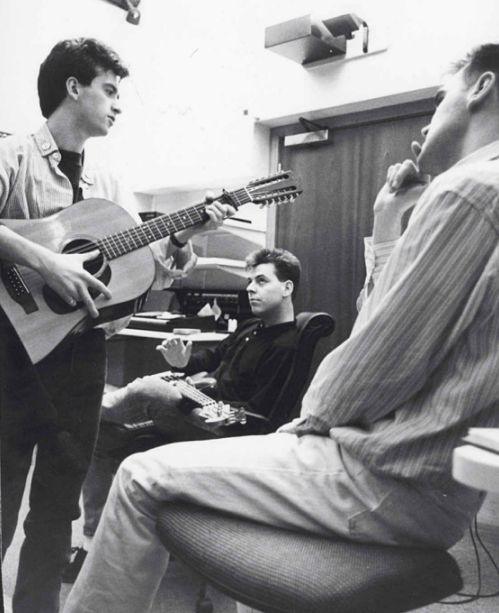
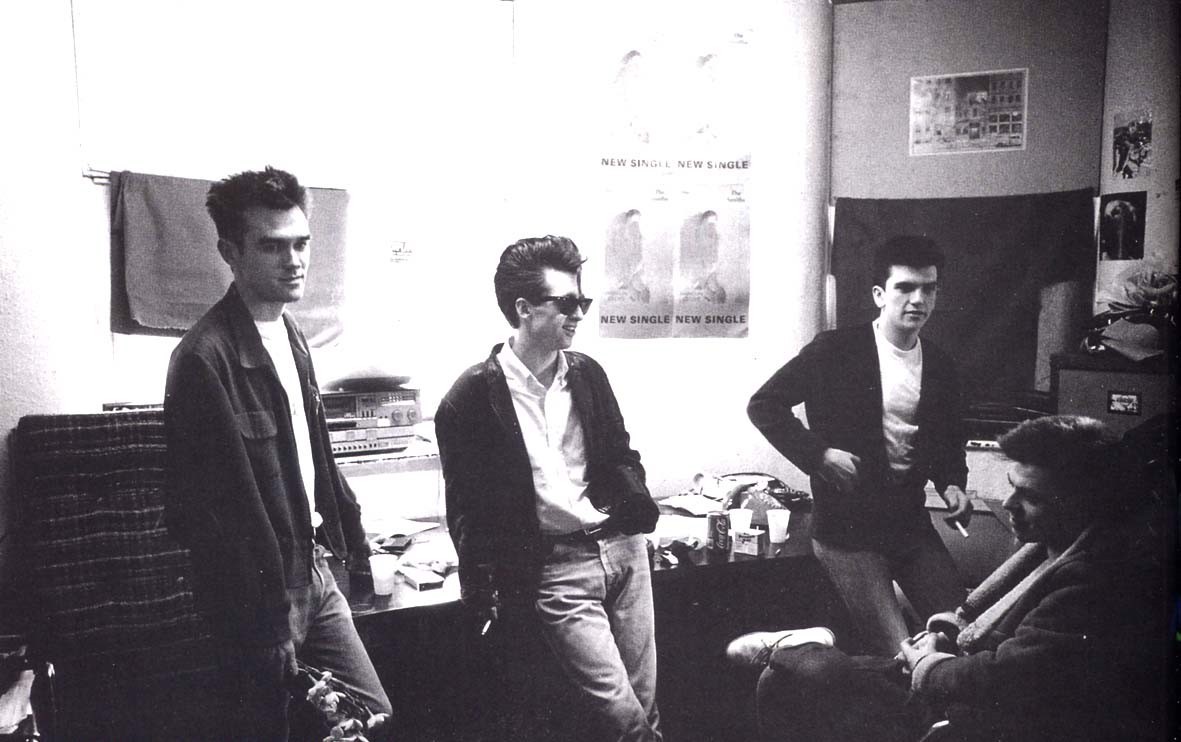
Mike Joyce is best-known for his time as the drummer in The Smiths. In six short years he provided the uncluttered back beat upon which Johnny Marr’s ringing melodies rang and Morrissey’s unique vocals hiccuped and hollered and swooped and swooned. Between 1982 and 1987 he was part of The Only Band That Mattered, helping to produce a perfect discography that, in this house at least, has been pored over, scrutinised and played back-to-front, upside down and inside-out. I know all The Smiths’ stuff to trainspotter levels of obsession. And I’m far from alone.
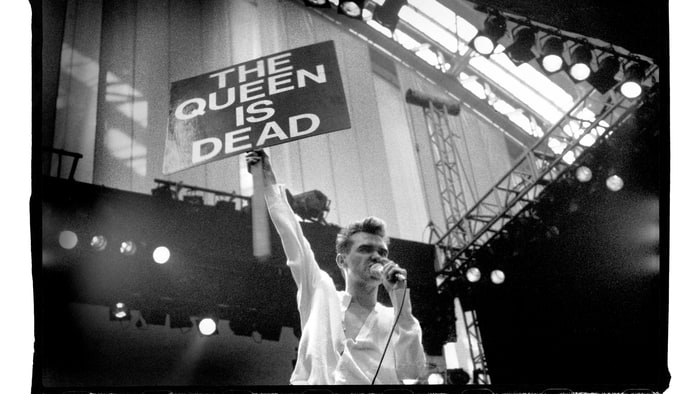
Mike’s old band are possibly even more revered nowadays than they were during that brief spell 30 or so years ago. They burned briefly but brightly, blazing a trail for ‘indie’ music and all that followed in its wake. Other bands may have had bigger chart success, or benefited from being on a major label, or had the suss and swagger to look to the future and plan a long-term career, but by the time The Smiths had bowed out with Strangeways, Here We Come, the musical world as I and many others knew it had changed for ever. That they’re still a ‘thing’, that people still walk around in Smiths t-shirts, that RIGHT NOW you could walk into a supermarket and pick up a copy of The Queen Is Dead is testament to their legacy. They’re still, for a growing gang of disciples, The Only Band That Mattered.
Along with Andy Rourke, Mike created a rhythm section that gave Johnny and Morrissey the space to shine. There’s not one Smiths’ recording where Mike succumbs to any scattergun windmilling Moonisms. He has his moments – there’s the metallic clatter of ‘What She Said’, of course, and there’s a particularly frantic take of ‘London‘ from a Peel Session that can be found online fairly easily, and on the Rank live album, Mike’s drums add a mighty muscle to a band at their peak of live performance. On This Charming Man, Mike and Andy provided a four-to-the-floor Motown backbeat upon which Johnny’s sparkling guitars dazzle, and on some of the early Smiths recordings, Mike’s technical shortcomings are made up for in sheer punk-like enthusiastic energy. Mainly though, Mike’s playing was sympathetic, understated and the perfect framework for his twin foils out front. He was exactly the sort of drummer The Smiths needed. “If Elvis had had Mike Joyce and Andy Rourke in his band,” Johnny Marr once claimed, “he would have been an even bigger name.”
Like all great bands, in the intervening years there’s been a well-publicised and damaging court case, guest appearances on his former singer’s solo material and a smattering of live performance with his old sparring partner on the bass guitar. Since then, Mike’s played, recorded and toured with a fantastic selection of bands and artists; Sinead O’Connor, Buzzcocks, Julian Cope, Public Image Ltd, PP Arnold and Pete Wylie to name but a few. If I stuck my iPod on shuffle there’s a good chance it would throw up a Mike-related track.
Mike’s also carved out a career for himself as a DJ for hire, either as a stand-in on BBC 6 Music whenever a regular presenter goes on holiday, or on his East Village internet radio show, or in his monthly residency in The Drawing Room in the Didsbury area of Manchester. On March 4th, he’ll be spinning the wheels of steel at The Record Factory on Glasgow’s Byres Road as part of a night that features up-and-coming new bands. If you’re local you should probably go.
It is The Smiths though that everyone really wants to know about. Mike knows it too, and it’s clear after just 20 seconds of conversation with him that Mike is the biggest Smiths fan of all. You can see that in many of the promo shots taken at the time – Mike is rarely snapped without wearing some Smiths t-shirt or other. He talks passionately and fondly about the music, referring to everything the band did as ‘we‘ rather than ‘I‘ . He’s no different to any other Smiths obsessive the world over, except for the four words that appear on the back of every single Smiths record. Mike Joyce – The Drums. It’s undeniable. He was the drummer in The Smiths, The Only Band That Mattered.
I asked Mike about his time in The Smiths and we focused on the six tracks he’s most proud of having played on. Potentially, a Sophie’s Choice Six Of The Best, but here we are…
Right. I’ve given this serious thought and, y’know, it’s an absolutely ridiculous task. I have 3 kids….it’s like asking me to pick my favourite one. I just can’t narrow it down to six. Can I have seven instead?
I’m gonna do this in reverse order. Drum roll, please!
At 6, it’s I Don’t Owe You Anything. I remember playing this at one of our really early gigs, 1983 in Dingwalls. It was a sweltering hot summer’s night. As we played it I began to cry. This had never happened before, or since, but something in Johnny’s playing and Morrissey’s singing- it just sounded so beautiful. I remember thinking, ‘Everything’s coming together.’
The Smiths – I Don’t Owe You Anything
Before The Smiths I’d been into punk; The Pistols, Angelic Upstarts, Generation X, early Adam & the Ants, Buzzcocks, of course, so to be playing a song like this or ‘Reel Around The Fountain’ took me right out of my comfort zone. Up until then I had three speeds I played at – fast, faster and fastest, so on this song I learned to really properly play. It was great watching people’s reactions to it. It wasn’t normal for a band like us to play music like this. At gigs, people would clap after songs, sometimes because they were obliged to, or just out of courtesy, but that night in Dingwalls, for the first time people were saying ‘What. The. Fuck. Is. This. ?’
At 5. Death Of A Disco Dancer. The ‘Strangeways’ album was our Sgt Pepper, written in the studio and jam-inspired. When we first played ‘…Disco Dancer’ as a group, it got heavier and heavier. (At this point, not for the last time during our conversation, Mike ‘sings’ the outro down the phone to me.) There was a great spontaneity and communication between us that only comes from playing together. It’s all on ‘Death Of A Disco Dancer’.
The Smiths – Death Of A Disco Dancer
4. I Know It’s Over. It was unusual for Morrissey to show us any lyrics beforehand. When we heard Smiths’ tracks being played back in the studio, we usually heard them just as you would have heard them for the first time. Morrissey’s vocal performance on I Know It’s Over is perfect. An emotional delivery, he really bared his soul on it.
The Smiths – I Know It’s Over
As a lot of singers prefer, the lights were turned off when it came time to record Morrissey’s vocals. When he was finished, Morrissey came back into the control room. “Well, what do you think?” he asked. There were lots of tears, big swallows, “I’ll be alright in a minute!” kinda stuff. Then lots of hugging. We were our own biggest fans. To create a track like this out of thin air, there’s nothing better. Being in that control room when Morrissey laid down his vocal was like, I dunno, being in the control room when Elvis did his vocals. Seriously! It was that big!
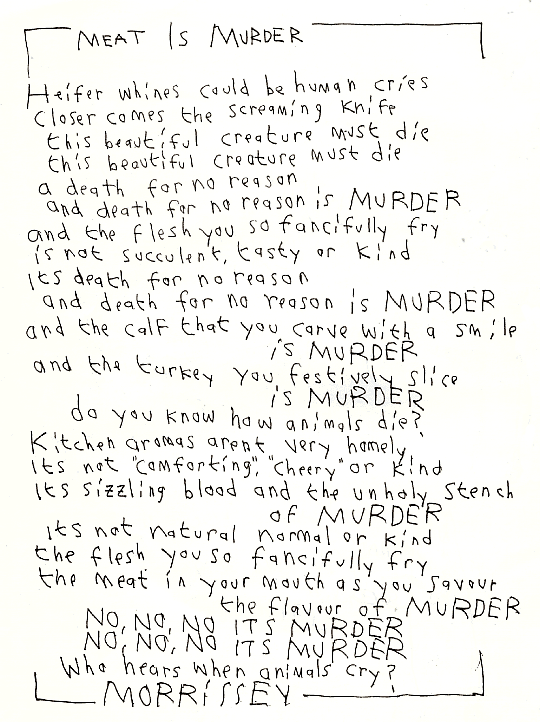
At 3, it has to be Meat Is Murder. As soon as we had recorded this song, I became a vegetarian. Morrissey’s argument was rock solid. I couldn’t even be that bullish to say, ‘…but I like meat.’ The cruelty involved is reason enough. You wouldn’t eat your cat or your dog, so why eat a sheep or a pig? Whatever Morrissey argued, you could only reply with, “You’re right, you’re right.” There was no counteract to it. It should be illegal, there’s just no argument for it.
The Smiths – Meat Is Murder
I really appreciated his conviction with this song. Its emotive. Sincere. Incisive. There’s a moral responsibility for anyone in the public eye to stand up and say it like it is, but it doesn’t happen very often. Meat Is Murder is a sheer political statement. It shaped my life and my kids’ too, who’ve all been brought up vegetarian.
Next up, How Soon Is Now?
(increduously) Because……….?!? Just fucking listen to it!!
The Smiths – How Soon Is Now?
It’s got such a distinct style. I mean, what style even is it? Listen to any band – UB40 or Jamiroquai or Spandau Ballet or Anti Nowhere League or The Exploited. They all have a sound. They rarely vary from it. They might stick a slow one on the album or whatever, but it’s still their sound that you’ll hear.
When we recorded ‘How Soon Is Now?’ we’d had a few spliffs. We took the bulbs out of the lights and replaced them with red ones. It felt like a darkroom. It felt trippy. It felt like it had never been done before. And the song, woah! We stuck it on the B-side. Geoff Travis said to Johnny, “Stop writing A-sides!”
Playing it live gave us such a buzz. It was a big, big track. I knew that nightly, the crowd were getting right off on it.
Right. I have one choice left but I have two tracks that must be included here. First equal is Last Night I Dreamt That Somebody Loved Me. About 8 years ago, we had friends round, Tina and I. We’ve got a CD jukebox in the house and Tina convinced me to put Strangeways… on it. It’s not really the done thing, putting your own music in your jukebox, but anyway, there it was. During dinner the jukebox was playing on random and Last Night… came on. “Is this The Smiths?” asked my friend. We were all listening to it and the atmosphere changed. It was probably the first time I’d actually sat down and listened to it since we’d recorded it. “That’s pretty good!” seemed to be the general concensus.
The Smiths – Last Night I Dreamt That Somebody Loved Me
Johnny really was the Brian Jones of the band, not just because of the haircut, or the fact he had a teardrop guitar in the early days, but because he could pick up anything and get a tune out of it. There was a zither that sat on the windowsill of the studio during the Strangeways… sessions. He picked it up one time and played a tune on it, just like that. (That tune was I Won’t Share You, but you knew that already).
We couldn’t afford real strings on the recording so we used an emulator synth. Watching Johnny play the string parts on it was like watching a genius at work. He didn’t seem to learn it anywhere. The music just appeared. He heard things other people couldn’t hear and put it down. No trial and error. He always got it first time. The layering and production on Last Night… is fantastic. There’s some really odd, wonky piano. It’s all out of time. Johnny broke the rules and created a masterpiece.
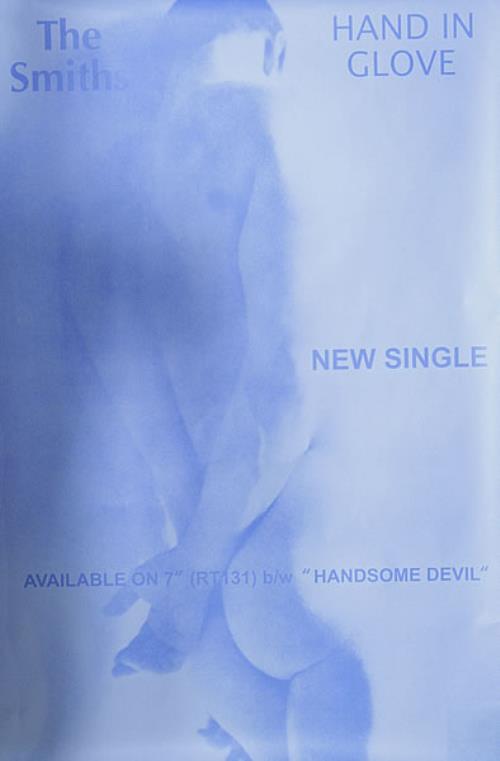
And finally, back to the start. I couldn’t discuss my favourite Smiths tracks without mentioning Hand In Glove. This was where it all began. The life-changer. It’s my favourite Smiths track. Certainly the most powerful. Until we’d recorded we’d never properly heard ourselves. I’d only ever heard us from behind the kit in our rehearsal room; over the top of my drums I’d get a bit of Johnny’s guitar, some of Andy’s bass – I was always locked into Johnny ‘cos Andy played tunes within the tunes – and Morrissey’s vocals. I could hear him most of all, but I had no idea what we really sounded like.
The Smiths – Hand In Glove
When I first heard this back, with the sound balance and the extra guitars, it was truly shocking. I really mean that. I knew we sounded good, but this record was absolutely massive! The importance of it, the effect it had, it was the beginning of everything…..
So there you have it. Mike Joyce’s Six Of The Best. Or should that be Mike’s Magnificent Seven? He’s an engaging chap, is Mike. For someone who rarely does interviews these days – “I’m always being asked to give a quote on the date of some Smiths’ anniversary or other, but really, it’s not me,” he’s full of chat about his time with the band. And for me, from one Smiths fan to another, I’m very grateful.
Of all the bands that followed in the slipstream created by the Sex Pistols’ sonic boom, one of the most interesting is Wire.
Where the Pistols raged with a stomping glam rock fury and The Clash spat socio-political lyrics ten to the dozen, Wire were simpler. There’s no meat on their records, nothing that doesn’t need to be there. They’re packed full of lean, mean, short, sharp shocks. Rhythm and counter-rhythm live easily beside one another. Chunky, concrete block riffs drop in and out to allow vocals, backing vocals and chanted slogans the space to breath. Solos are kept to an absolute bare minimum.
There’s no need for showboating when you’re in Wire. The showboating comes from the fact you’re in Wire to begin with.
No songs outstay their welcome, either. Much of the material on debut album ‘Pink Flag‘ is over before it’s barely begun. ‘Field Day For The Sundays‘ lasts barely half a minute before it’s gone. ‘Three Girl Rhumba‘ pushes the boat out to 1 min 20 seconds. At 2 mins 37 secs, debut single ‘Mannequin‘ is a prog-bothering epic in comparison.
Wire – Mannequin
Wire – Dot Dash
Had I first heard ‘Pink Flag‘ on LP rather than CD, I’d’ve been up and out my chair like Sur Alex chasing a flag-happy linesman to check there was nothing wrong with my record. And, just for the, er, record, no ma’am, there ain’t nothing wrong with the record. It’s a fantastic example of art/punk. Songs start. Then stop. New ones start again. Then stop abruptly. Tracks run into one another, all delivered in accents last heard when Gripper Stebson was terrorising Tucker Jenkins in Grange Hill. “Is this still the same song?” “I dunno!” you’ll answer yourself. By the time you’ve worked it out, the band are onto their next song.
Wire – Pink Flag
Wire – Low Down
‘From A to B, again avoiding C, D and E. Cos E is where you play the bloooooze.’
There’s yer Wire manifesto right there. Two chords and the truth. Discipline. That’s what Low Down is. How many other bands could’ve resisted sticking a one note feedbacking ‘whuuuuuooooo‘ in the middle of it? Not Wire. Instead, they stick a great, echoing chord over it for a few bars. Keen ears will spot that it’s not a million miles away from that big clanging one in the breakdown of Primal Scream’s Loaded. Brutal and minimalist. Over and out.
How many other bands can claim a debut album that boasts 21 songs? By the time reissues were an accepted part and parcel of the music industry, the track listing on ‘Pink Flag‘had multiplied to an eye-watering, ear-saturating 38 tracks, including non-album singles and Peel Sessions.
Famously, Elastica stole great chunks of their most well-known tracks – I Am The Fly and Three Girl Rhumba – which I’ve written about before, here. A quick listen to Wire will make you appreciate where many other 90s and 00s bands were coming from. I’m sure the Holy Bible-era Manics were not unfamiliar with Wire’s uncompromising sound. Franz Ferdinand and The Cribs too. Graham Coxon scuffed the edges of Blur’s most abrasive tracks, not to mention much of his own solo recordings, with steroidal Wire-like riffage. Even the Lord God of Indie Guitar, Johnny Marr, has heard their angular twang and thought, “I’m borrowing some of that.” A quick listen to his more recent solo stuff will qualify that, not so much in sound but in lip curled, Fender-toting, noo wave attitoode.
The anglophile Peter Buck dug Wire so much he persuaded REM to cover Pink Flag‘s Strange on breakthrough album Document. It’s a great version too.
REM – Strange
Contrast and compare…
Wire – Strange
Pink Flag by Wire. Everyone should have this album. It may be forty years old this year, but it’s never too late to get on board.







 Plain Or Pan