Over two million visitors since Jan 07. The material on Plain Or Pan has been downloaded, digested and discussed by every knowing hipster throughout Europe, North America, South America, Australia, Asia and Africa - truly Plain Or Pan-Global! One and a half million thanks to each and every one of you!
Hearts and Celtic go head to head this weekend in last season’s delayed Scottish Cup Final, a game that both teams will want to win but one that neither probably expected to manifest.
Hearts, currently plying their trade in tier two (to coin a contemporary phrase) could do with the win, as could Celtic, for so long the dominant force in Scottish football but now a club where the manager’s jacket hangs on a decidedly shoogly-looking peg. A cup win might go some way to thwart off the vultures (and Green Brigade) who are currently gathering with furrowed brow and thunderous, entitled fury outside Celtic Park. I’m neither Celtic nor Hearts-minded (nor do I have an affiliation to the other hairy arsed Glasgow cheek of Scottish football) so while I won’t lose any sleep over who wins and who loses, I’ll maybe crack a wry smile should a maroon ribbon be tied around the cup come full time.
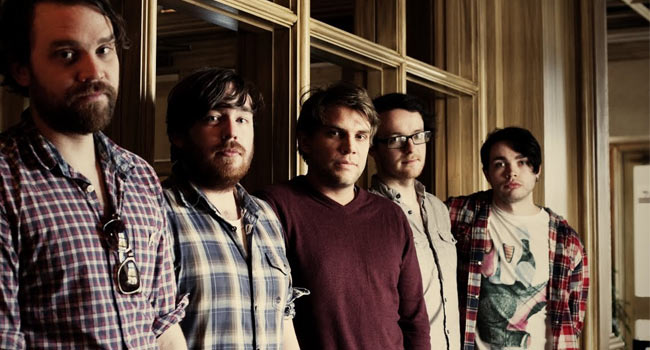
The real winners of Sunday’s final won’t be the happy set of supporters, or a relieved management team, or a grateful chairperson and boardroom. The real winners will be Tiny Changes, the charity formed in the wake of Frightened Rabbit‘s Scott Hutchison’s death a couple of years ago.
Named after a line in the band’s ‘Heads Roll Off’ – “While I’m alive, I’ll make tiny changes to Earth” – the line become something of a mission statement for fans in the days and weeks following the singer’s death.
Frightened Rabbit – Heads Roll Off
Initially launched in the Scottish Borders where the band began, Tiny Changes provides support and early intervention to young minds struggling to cope with life across Scotland.
Clearly, in an age when mental health in young people, and men in particular, can lead to the most drastic of outcomes, it’s a very worthwhile charity.
Scott Hutchsion was a lifelong Jambo, even singing The Hearts Song at the opening of the new main stand at Tynecastle three seasons ago, and the club have honoured him in the most spectacular of ways.
As they did in the semi-final – after first petitioning the reluctant dinosaurs and decision-makers who make up the Scottish Football Association – Hearts have once again teamed up with Bands FC to produce a bespoke run of warm-up shirts that the players will wear ahead of the kick off. Featuring a Frightened Rabbits-inspired club crest against the famous maroon shirt, it’s a unique football/music crossover.
Players’ jerseys from the semi-final were auctioned off after the game and all monies – almost £35,000 – donated to Tiny Changes. Likewise, the same will happen following the final. Some serious money – especially if Hearts run out winners – will be going to a small charity with big intentions. What a brilliant thing to happen.
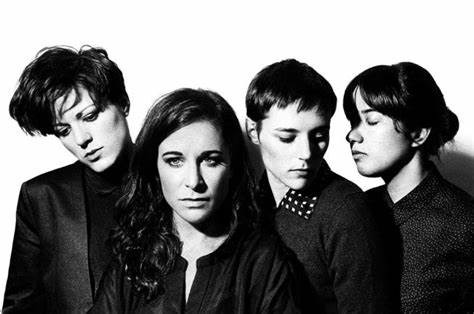
Before lead singer Jehnny Beth stepped out as an acclaimed solo artist and before she was releasing critics’ choice album To Love Is To Live, all polished electro sheen and processed gloss, she was the focal point of Savages, a perfectly-named, uncompromising four piece with a clear affinity for post-punk and tough, muscular guitars.
Savages’ debut single ‘Husbands‘ remains their high watermark. First heard, it made me want to kick in walls…and I’m a lover, not a fighter. Its concrete slab rhythm and the howling ferocity of the guitars set them apart as the most exciting thing since Pixies first surfed their thang in wonky time signatures and broken sweary Spanish.
Savages – Husbands
Watching the clip of it below reminds me of that footage of Joy Division on Something Else; four musicians locked into their own world, aloof slightly, arrogant perhaps, but flying on self-belief and attitude, locked into a groove and hanging on for dear life as they clatter downhill without the brakes on, yet in complete control. They know they’re great and after you’ve watched it, you’ll be in no doubt too.
You can find umpteen performances of Husbands just as intense, just as essential as this across the internet. That the band play it every time as though it may be the final thing they do before the world ends tells you all you need to know. They mean it, man.
The vocals on top are the icing on a particularly scorching cake. Part antagonistic, part orgasmic, Jehnny Beth’s voice comes in ever-increasing waves; shouty one moment, breathy the next and every line full-stopped by a feral, wailing guitar before the band ease off and reign it in, only to ramp it all back up again. It’s a breathless rush, a voice clear and centre while the chaos around her reigns. How could anyone not like this?
“Husbands, husbands, husbands, husbands,” she repeats over and over. She starts only mildly scary but by the end she’s fairly terrifying, the sound of Siouxsie Sioux going 15 rounds with PJ Harvey. I daresay there’s a frisson of political undertone to the record, and why not, but more than that, Husbands is just a really great, loud, fast, dynamic rock song, a Sturm und Drang of scorching electric guitars and crashing ride cymbals.
That Savages look great too – all high cheekbones and glossy, pixie-cut hair, sleek black linear clothing only matched by coal-black, wild-eyed focus -makes the whole thing the perfect package. What a shame they’ll not make more records.
a remarkable person or thing. “the band was a pop phenomenon just for their sales figures alone”
I’m annoyed at myself. I’ve somehow managed to miss the two Sault albums that were released at pivotal points this year. It’s only now, as the movers and shakers and barometers of hip opinion are revealing their favourite albums of 2020, that I’m discovering that a band I found quite by fortune a year ago via a succession of blogs and Bandcamp links (snapping up both albums LIKE THAT) has released another two albums – both doubles! – in 2020.
Sault, it would appear, are a proper phenomenon.
They arrived a year or so ago with no fanfare or front page spreads. They have next to no online presence. No press shots exist. There appears to be no record company at work. Their artwork is sparse, dense and free of information. They are, like the good old days of yore, a proper underground sensation.
That a band can slip under the radar in a world of streaming and playlists and metatags and analytics and appear at the top of the tree above your Bruces and Bobs and Idles and Swifts is both remarkable and admirable. Phenomenal even.
They are, we have worked out, a collective of anonymous musicians, possibly a group of megastars, possibly a collaborative of home studio boffins or a mixture of both, with their music fine-cooked into its heady soulful stew by the hands of ace producer Inflo, the man who steered Michael Kiwanuka’s most-recent album to Mercury success and healthy worldwide sales. Urban Gorillaz, you might say.
Their music is eclectic, taking in straight-ahead, knee-dropping soul, sample-heavy gospel funk and the sparse, skittering sound of New York’s post-punk No Wave scene, that on-the-one bass and chanting sound pioneered expertly by ESG and their sing-song nursery rhyme vocals. In short, it grooves. And, short ‘n sweet, the songs never outstay their welcome. The albums – those first two at least – beg to be played again immediately after the needle has hit the run-off groove on side two.
Sault – Don’t Waste My Time
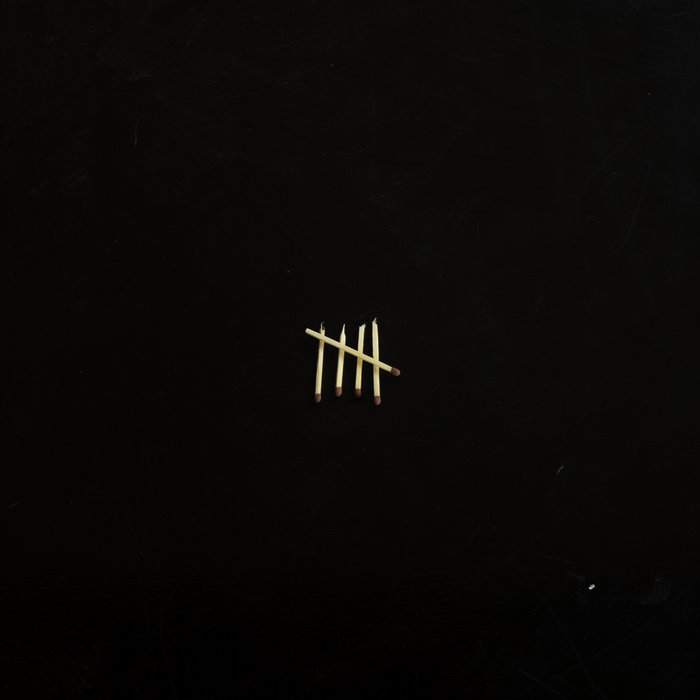
Their first album – teasingly titled ‘5‘ (did this mean there were another 4 releases before it? I looked, believe me) is everything that’s great about the band; expert playing that treads a fine line between an ‘is it real or is it a sample‘ conundrum, interesting/weird synths and ambient noise, insanely catchy and street-sussed, super-confident vocals, sulky as hell one minute, smooth as velvet the next but always irresistible.
Sault – Why Why Why Why Why
Sault – No Bullshit
Their second, ‘7‘ (they’re messing with us now!) popped up a month or so later and continued in the same vein. No drop-off in quality, no less essential, no more clues as to who Sault actually is.
Sault – Smile And Go
To discover that they’ve released another two albums – four sides of guaranteed-to-be wonderful music – is both frustrating and exciting. I should have known about this! I didn’t, though, so there’ll be some good new music to look forward to and there’s nothing better than that, is there?
A quick search led me to an Alexis Petridis review in the Guardian. Even he has been caught slightly off-guard as the review is built around this year’s two releases, both untitled (yet both titled.) How very Sault.
Untitled (Black Is) came first, a record apparently put together in the hours and days that followed the George Floyd murder. The follow-up, Untitled (Rise) crept out just a few weeks ago. It is, for those in the know, the album of 2020.
Jeez. I gotta hear it.
Them.
But, look! Their Bandcamp page is sold out and the eBay scalpers are having a laugh. Yeah, you can play the soundfiles to your heart’s desire – and there’s a superb Kiwanuka-voiced Afrobeat belter amongst them, but we need physical product man! Surely a quick repress is on the cards? Everybody loves you, Sault! Everybody! (You knew that already though).
Years ago I was doing supply in a school where they dedicated a whole Friday afternoon to the learning of new skills; baking, woodworking, knitting, glass staining and so on. The kids loved these afternoons. The dinner ladies helped with the baking, the janny helped with the woodworking and experts from the local community came in to impart their considerable knowledge in the art of growing root vegetables and making stained glass. With each new term, the kids could pick a different skill so that over the course of the school year they got to partake in four activities.
Being the supply teacher, I was right at the bottom of the hierarchical pyramid and I watched, pained, as first the blogging and then the guitar groups were given to two teachers who couldn’t care less. Each subsequent activity was assigned to a nonplussed teacher until, finally the head teacher looked at me with a thin, watery smile and handed me a box of battered, rattling chess sets. “Chess Club!” she confirmed. “I doubt many will pick it, but it’s an option.” She never asked if I played chess, if I understood the rules, if I wanted to be in charge of the chess club. I just was.
I did know how to play chess, as it happened, but it was years since I’d done so. Anyway, I took the chess sets, fumbled together half a dozen complete sets out of the ten or so ancient boxes I’d been saddled with and set about turning my classroom into a (cough) Chess Club.
On the first Friday, seven kids – there’s always an odd number for these things – turned up to see what all the fuss was about. None of the kids I knew. Six of them were curious to see this new teacher in the school – a man! – and the seventh was sent to play chess because he’d already tried to stab someone’s hand with a gardening fork outside. Grrrrreat. First thing I did was draw the blinds to create an ambience that encouraged studied quietness.
After that I Googled an arty monochrome picture of Bobby Fischer eyeing up the board, typed ‘Chess Club‘ on top of it in an interesting font and displayed it on the smart board, a reminder to the players of where exactly they were. Then I rejigged the tables so that the players sat in a square around the sides of the classroom, allowing me to stand in the middle and explain the object of the game and so on, helping the kids as they took their first unsteady steps into the geek world of chess.
As they slowly began to understand the whys and wherefores of the board, I introduced music. Classical stuff sometimes, an Erik Satie piano piece or two, but mostly jazz, mainly John Coltrane or Oscar Peterson but always Miles Davis. Sometimes I’d branch out into the blues, helping some poor cornered soul get out of a chequered funk as John Lee Hooker boomed out at a genteel volume in the corner.
By week three, the ‘Chess Club‘ image of Fischer had been edited to say ‘Chess (and Jazz and Blues) Club‘. By the following week, this had been shortened, in loose homage to CBGBs to ‘Chess AJABs Club‘. No-one complained. None of the school management noticed. I was having fun and so were the kids.
I taught them the one fancy move I knew, learned from my dad when I was 10 or 11, about the same age as them, where you could put your opponent in checkmate in three moves. More fool me, as after that, they all wanted to play white. One time, the garden fork boy got so enraged at being put into checkmate before Miles Davis had parped his way out of his first solo that he tossed the board and all its pieces into the air and stormed off. “There was no need for that, Mr McAllister,” said his victorious opponent in a world-weary voice that suggested she’d seen all of it before.
Over the weeks, the chess kids progressed to a reasonable standard. They played one another, they challenged and beat me, they seemed to enjoy themselves. In fact, when the time came to renew activities at the end of term, half of the kids chose to stay at the chess. And on their return in January, a couple of them told me excitedly that they’d woken up on Christmas day to a new chess set under the tree. One of them even got a ‘Best Of Jazz’ CD too. As it turned out, Chess (and Jazz and Blues) Club was alright.
We’ve binged recently on The Queen’s Gambit, Netflix’s seven-parter that tells the story of a young girl’s rise to Grandmaster level. It’s ace.
Set against a backdrop of 50s and 60s Cold War America, it is, on every level, a triumph. Visually, it’s stunning. From the trippy, imagined chess pieces that emerge from the ceiling each night and play combinations of winning moves that the lead character Beth Harmon commits to memory, to the period-perfect set design, every episode has the appearance of being filmed through a particularly agreeable Instagram filter. The more poetic of us might even suggest that the muted tones and dull pastels of the actors’ clothes that contrast with the glossy shine of hardwood and chrome are metaphors for the opposing sides on the chessboard itself.
The cars – big, American gas guzzlers, all sleek fins and whitewalls, cruise across the background like gliding bishops picking off pawns. The houses, with their mod cons and perfect lawns, bordered by subtly territorial picket fences, are the very symbol of nuclear family success. ‘Stay out,’ they scream silently, ‘or I’ll take you out.’ It’s a world at odds with the lead character – supremely played by Anya Taylor-Joy – yet here she is.
Quincy Jones – Comin’ Home Baby
The hotels where the chess matches are played, especially as the series progresses and the competitions become more exclusive, are grand affairs. Jet-setting across the continents, Harmon and her mother enjoy nothing less than the good life. Expensively-wallpapered corridors and opulently furnished dining areas are accessed via long-winding and never-ending Art Deco staircases.
There’s a terrific scene set in Miami where the swingin’ Quincy Jones track above perfectly soundtracks Harmon movin’ on up to the competition floor, sashaying confidently to another crushing victory against an awkward and embarrassed male player, all the while looking like Jackie Onassis’ cool half-sister.
A horrendous childhood and a less-than-smooth passage into adulthood comes at a cost to our young prodigy. To cope with all that life has thrown at her, Harmon has developed a fondness for tranquilisers and booze. Her numerous breakdowns and spirals into addiction are soundtracked by period-era deep cuts. If she’s not kicking off a three-day bender by dancing like no-one is watching to Shocking Blue’s Venus, she’s discovering pot to the sound of Gabor Szabo.
Gabor Szabo – Somewhere I Belong
The throb and thrum, the slowly spidering guitar line, the creeping paranoia and electric dischord are just the thing to simulate an out of body experience, no?
Or how about Gillian Hills’ 1965 slice of fingersnappin’ French Yé-yé mod-pop?
Gillian Hills – Tut Tut Tut Tut
Druggable yet fruggable, Tut Tut Tut Tut features during another particularly memorable scene, bursting through the stately piano that is woven through the soundbed of each episode, as joyously unexpected as the ever-attacking Harmon choosing to play the Sicilian Defence.
To be perfectly honest, every scene with Taylor-Joy in it is memorable. Usually, a blink of her dark almond eyes is all it takes to hook you in. She plays perfectly the ever-spiralling Harmon with a magnetism that should win her whatever awards are going these days for Netflix dramas.
The Queen’s Gambit is a masterclass in stylish home cinema. As the year creeps to an undignified close, we may well have found the best thing about it. Watch it. Now!
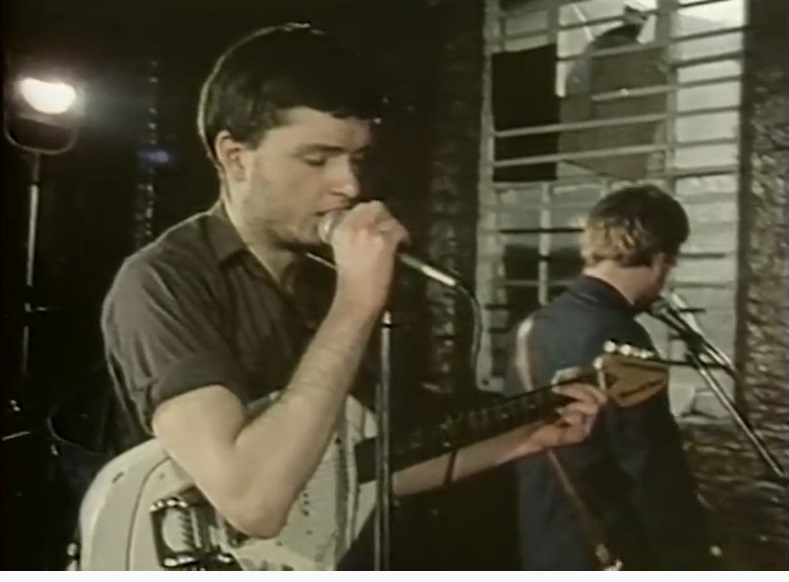
You know that timeless footage of Joy Division in their rehearsal space, when they play Love Will Tear Us Apart; Ian Curtis with the Vox Phantom Teardrop worn almost at his Adam’s apple, Bernard channeling his inner Kraftwerk, Hooky, low-slung and serious and Stephen, tongue out in maximum concentration over his hi-hats? ‘Course you do.
It was filmed in TJ Davidson’s rehearsal rooms, a converted Victorian mill on Little Peter Street, the third point of a triangle that’s formed if you draw lines between the rehearsal space and Salford and Prestwich. Like the mystical, musical ley lines that so hypnotised Bill Drummond just over the Pennines in Liverpool, you might come to the conclusion that there’s something in that cosmic hippy shit after all. Between them, Salford, Prestwich and those rehearsal rooms on Little Peter Street have been responsible for creating some of the best music we will ever hear. But you knew that already.
British singer Ian Curtis and guitarist Bernard Sumner of post punk band, Joy Division, at TJ Davidson’s rehearsal room, Little Peter Street, Manchester, August 19, 1979. photographer: Kevin Cummins
That room didn’t half look cold though. Long, bare floorboards, damp red brick walls and a worryingly bowed ceiling, it looks a less than inspiring place. It’s got a certain feel to it, of that there’s no doubt, but I’d imagine it might take many a band a good wee while to warm up to room temperature and start producing the goods in there. Maybe, now I think about it, that’s why Ian’s hand is permanently frozen in that G chord position while he wears the guitar.
The others gamely play on, heating the blood and warming the heart, despite the subject matter in the song. While a youthful Morris lays down his signature sound with all the mechanical precision of an industrial revolution stamping machine, Hooky’s bass reflects the damp sheen from the walls, a nice metaphor for the icy keyboard lines glistening over the top. Suffering for their art, Joy Division created a piece of music that will still resonate 100 years from now.
A couple of years later, when Joy Division had become New Order, the band found themselves recording a Peel Session. In tribute to their late vocalist, the band chose to play a cover of Keith Hudson‘s Turn The Heater On. While Ian Curtis was said to be a huge fan of the roots reggae track, I like to think that the others perhaps thought back to those freezing days at TJ Davidson’s and, with a nod and a wink, set about recording their own version.
New Order – Turn The Heater On (Peel Session 1st June 1982)
I’d no idea until much later on that the track was a cover version.
It fits that early New Order aesthetic perfectly, coming as it does midway between the glacial thaw of Movement and the spring bloom of Power, Corruption and Lies. Sad, far-away vocals, sparse, polyrhythmic drums and a mesmeric chicka-chicka head-nodding dubby exterior, what’s, as they say, not to like? The icing on the cake is the addition of the mournful melodica, gasping and wheezing the long notes, the saddest traffic jam you’ve ever heard, burrowing its way into your brain before taking up camp long after the track has spun to its conclusion. Is that why they call it an earworm?
As it turns out, if you leave the melodica aside (something Bernard had difficulty doing in 1982), New Order’s version is fairly faithful to the original.
Keith Hudson – Turn The Heater On
Recorded in 1975, Turn The Heater On is classic reggae; clipped guitars, thundering bass and squeaky organ vamps, topped of by a gently soulful vocal. I’ve a feeling too that while New Order might have been requesting that you do indeed turn the heater on, Keith Hudson may have been requesting a blast of heat from a different source. Perhaps not though.
It’s a great track, one I’m grateful to New Order for pointing me in the direction of. Played back to back with New Order’s reverential cover, they make for great late autumn/early winter listening. Turn the heater on, indeed.
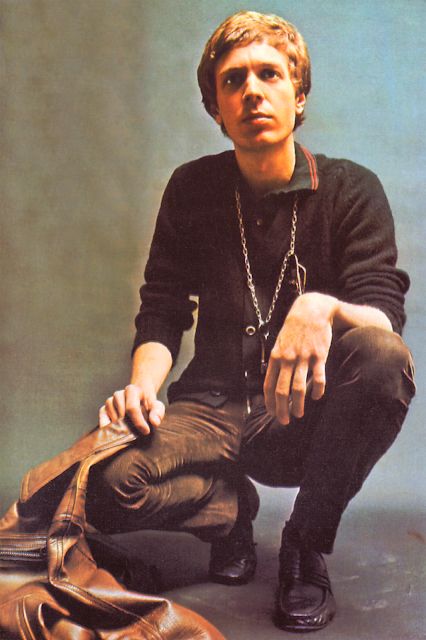
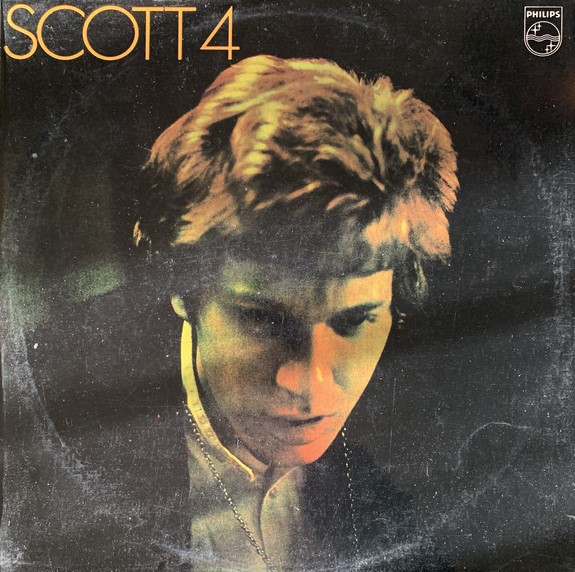
Aw man. Scott 4. A magic album slowly soaked in pathos and regret and towel-dried with inventive orchestration and outlandish arrangements. I’ve played it many a time, my old set of mp3s unearthed at the advent of broadband when the darkest corners of the internet begat a never-ending flow of everything one could ever need and plenty more besides.
I don’t have a copy. It’s easy enough to get of course, but I don’t want any old version, half-speed remastered or otherwise. It’s got to be an original ’69 copy, spinning in cavernous, timeless mono, its silver Philips label reflecting the handsome majesty of its creator on the gatefold sleeve. I keep looking, but those eyewatering prices don’t ever seem to drop. There is though a narrow space for it on the shelf next to those first three eponymous albums and one day it shall rest easy right there.
Scott 4 was the first album of all-original Scott Walker material. It was a commercial flop at the time, blamed partly on the fact Walker insisted it be promoted as a Scott Engel album, but more than likely it sank and was unceremoniously deleted due to the ‘pop’ climate of the time.
One-time teen idols didn’t release flamenco-tinged, brass ‘n string swept torch songs, especially not at the tail end of a decade where guitar solos, in direct proportion to the guitarists’ hair, were becoming longer and more outlandish with each release. As swinging London turned an autumnal burnt umber, Walker’s music was perfect, poignant and peerless, but it ultimately done for him.
Its influence is, naturally, immense. You’ll hear its echoes in the unexpected chord changes and deeper grooves of any Michael Head record. Marc Almond appropriated much of its tragedy, hammed it up and built a career around it. Bowie nicked his baritone. Leonard Cohen pickpocketed the wordy couplets and female harmonies. You could ask any number of your favourite artists and most of them would enthuse well into the wee small hours about the super soaraway Scott 4.
Scott Walker –The Old Man’s Back Again
The Old Man’s Back Again is an extraordinary piece of music. In three and a half minutes, it takes on nylon-stringed acoustic guitars, wordless Gregorian chanting and a lyric about the repressive Czech government and melds it into a brooding piece of immense, orchestral art-funk.
The voice – we’ll get to that in a minute – takes centre stage, but its surrounded by the most disparate of collective parts. It’s the bassline you’ll notice first. An on-the-one groove, all frugging Fender, woody tone and rubbery stretch, it’s rumoured that the player is none other than Engel himself.
A veteran of the pre-Walker Brothers studio session scene, the young Scott proved to be no slouch across four strings and if the playing is indeed him, then he’s just gone up another 20 notches in my estimations. Rattling and rolling alongside the anonymous loose-limbed jazzer on the drums, it very much creates the sort of rhythm that forced Serge Gainsbourg to cock an ear, put down the Gauloises and get to work on what would become his Histoire de Melody Nelson album.
The case for the prosecution of Serge is further strengthened by the addition of a shimmering string section. Likely the work of Philips’ arranger du jour Ivor Raymonde, the strings – freeflowing and wild – give the whole thing a cinematic ambience, a feel that’s enhanced when those uhming and ahing backing vocals come creeping in from somewhere below Walker’s waistline.
Sensational stuff, and bang in the middle is the voice, as golden as its singer’s hair and effortlessly in tune. It’s the phrasing. And the pitch. And the tone. Walker’s range on The Old Man’s Back Again is actually fairly narrow, but the control he has over his singing as he tells a tale that could well have fallen from the page of a Tolstoy short story is quite the thing. Many will try, but on this form, no-one comes close. Or likely ever will. His vocal on Duchess is maybe even better. Go and find it..
Many years ago (31, if y’re asking) I found myself invited to the old BBC Scotland headquarters at Queen Margaret Drive in Glasgow’s leafy west end. I’d spotted an advert in the Herald seeking trainee producers for BBC Radio Scotland and my application, written more in hope than expectation, made its flimsy way through the vetting process and landed on the pile marked ‘interview’. It was quite the thrill to step inside an ancient and famous place of broadcasting history, the doors and signage pointing the way to ‘Arts‘ and ‘Sports‘ and wherever, with the promise and potential of an exciting career lying just beyond.
I was asked to wait in an area of the foyer until my allotted time and so I sunk back into a deep mustard-coloured couch, fidgeted with my tie and took in the surroundings. A TV – large and state of the art for its time, but a clunky box that most teenagers would turn their 4K and flat screened noses up at nowadays – flickered on the wall above a set of lift doors, its sound low, playing whatever was currently showing on BBC Scotland. As I was trying to tame the jumbled thoughts in my head of how I could answer the questions the interviewers might throw my way before they swept their paperwork aside, pumped my arm in warm congratulations and offered me the opportunity of a lifetime, the lift doors swished open.
Out stepped newsreader Jackie Bird, poured into an above the knee dress that was vivid Kilmarnock blue. With a sheaf of papers clutched tightly to her chest, she gave me a wee smile and clacked off down the corridor, her luxurious auburn hair following spellbindingly behind her, and vanished through a door that said ‘Current Affairs‘.
Dizzy with my brush with fame, I tried to grapple with what I’d just seen…and at that very moment, the very same Jackie suddenly appeared beaming radiantly from the telly above the lift doors she had just come from. I watched, hynpotised by the very newsreader I’d actually just seen a couple of minutes beforehand, dad!, suddenly aware that someone was calling my name.
A wee lady met me, tweed skirt and Margaret Thatcher lacquered hair and we went into the interview room. I was still buzzing about Bird. A younger guy was there, wearing one of those cowboy shirt ‘n bootlace tie get ups so beloved of many Glasgow trendies at the time. His collapsed Morrissey quiff and the way he lounged back into his interviewer’s chair gave him an intimidating air of indifference. I didn’t like him and thoughts of my new favourite newsreader immediately vaporised. The wee lady – her name is long-since forgotten – asked me a variety of getting-to-know-you questions, before launching into the Big One.
‘Given the chance, what sort of programmes would you make for radio?‘
I’d thought about this beforehand and so gave a good answer.
“There’s so much great music that’s come from Scotland in recent years – Rattlesnakes, Psychocandy, the Hipsway album, A Walk Across The Rooftops, Raintown – that I’d make a short programme on each album; how it was made and so on, with interviews with the musicians and the people involved in it. I think the listeners would like them.”
She nodded encouragingly, wrote some notes and thanked me for my time.
I didn’t get the job, of course, so you can imagine my ire a year or so ago when BBC Radio Scotland produced a series of classic album shows featuring most of the titles I’d suggested all those years previously. I’d like to say that perhaps my ideas were just too close in time to the albums in question, that hindsight and misty-eyed reverence has proven these albums to be the rightful classics that my 19 year old self knew they were much futher back in history, but, hey ho, there you go.
Elvis Costello had a similar brush with fame.
Sitting with photographer Chalkie Davies, Costello and The Attractions had just played I Don’t Want To Go To Chelsea on Top of the Pops and were in the foyer of Television Centre, waiting for a taxi.
‘Suddenly,’ said Davies, ‘Angela Rippon appeared wearing a green shirt and walked right past us, we sat there with our mouths open in lust and shock. The next thing I know he’s got his little notebook out and is scribbling down lyrics.’
There’s a smart young woman on a light blue screen Who comes into my house every night And she takes all the red, yellow, orange and green And she turns them into black and white
But you tease and you flirt And you shine all the buttons on your green shirt
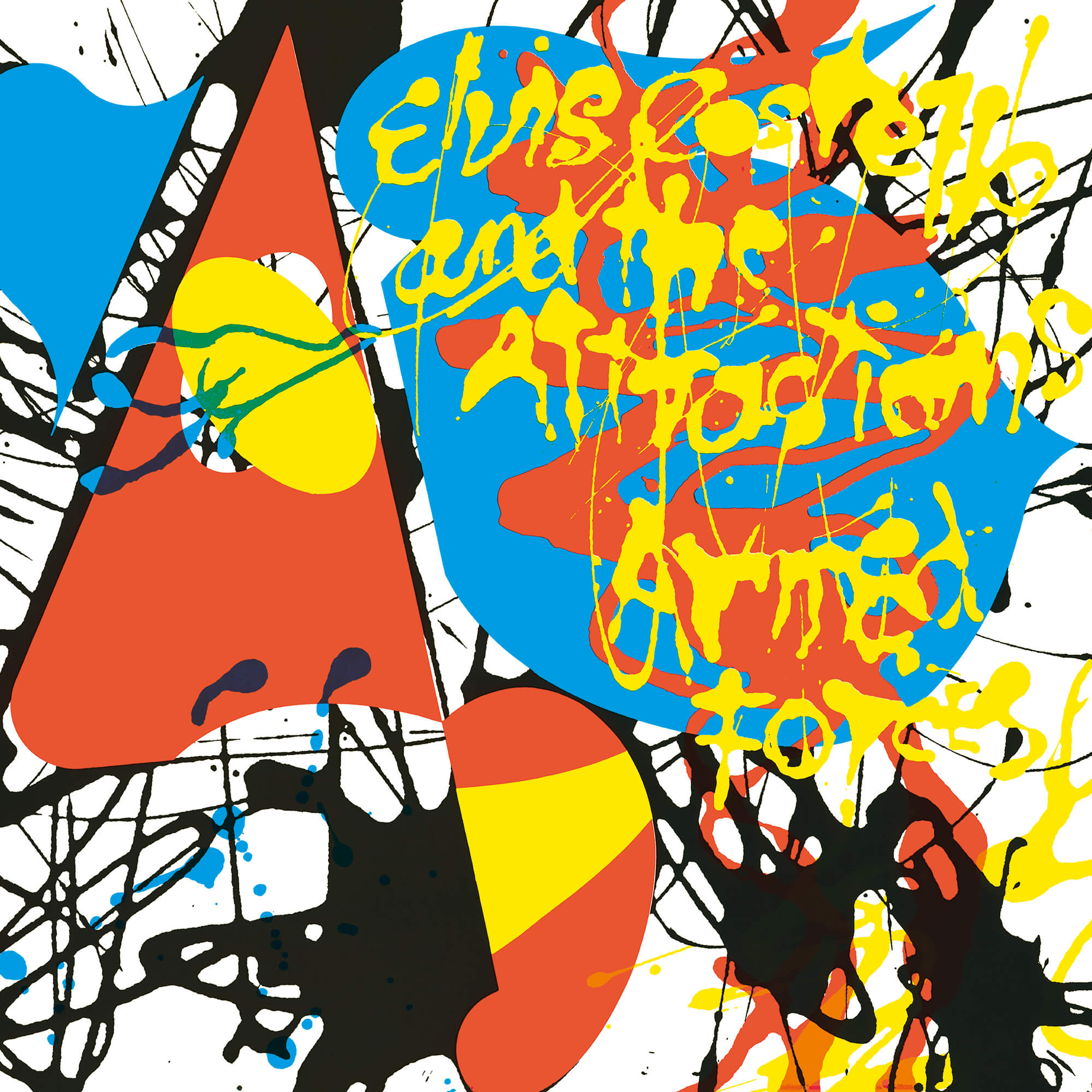
Me? I flunked the interview. Costello? He got a song out of the occasion. His newsreader-inspired lyrics formed the opening verse on Green Shirt, a standout track on Armed Forces, his fourth album and one bulging with greatness.
Elvis Costello – Green Shirt
He packs so much into a track, does Elvis. The way he phrases his words is fantastic, spitting ten to the dozen when there’s really no space left for them to fit into, eee-long-gating the others when there’s less words than music but still the need for both.
Delivered in that distinctive throaty voice that hiccups and slides through the words like egg white running down sandpaper, he reels off a song that’s part Orwellian paranoia, part knock-kneed new wave gloss, filtered through milk bottle-thick Joe 90 Gregory Pecks and rat-a-tat percussion.
Armed Forces is set for one of those triple-figured deluxe box set reissues. Don’t let me stop you if you’re the sort of hardcore fan who needs it all, but if you’re somehow new to the album, get yourself the meat ‘n two veg version instead. From the descending, confessional Accidents Will Happen via Oliver’s Army‘s Dancing Queen piano trills (check them out side by side) to the blatant late era Beatleisms of side 1 closer Party Girl, it’s a magic album. I suspect you knew that already though.
The ghosting season is upon us, the one time of year I truly despise. I hated it as a child. I hated it as a parent when my kids were young enough to participate. I just hate it. The dressing up… the greediness… those creeping Americanisms of going trick or treating for candy around cobweb-frosted front doors and plastic gravestone-enhanced gardens can do one.
Amazingly, brilliantly – God bless ye, Covid – this year there’ll be no drip-nosed grubbers standing at my door in their various states of grotesqueness, reeling off the same combination of tired and/or risque jokes (Q. ‘What’s the difference between the tyres on my dad’s car and a blonde?‘ A. ‘A blonde will go down quicker than my dad’s tyres.’) in return for a handful of Haribo and a “have you told your mum that joke?” telling-off from me. The wee girl who first let slip that horrorshow of a party piece four or five years ago, and every year since, might finally stop telling it for good now.
Anyway.
Reggae.
Bob Marley‘s Mr Brown is one of his earliest recordings, dating back to 1970. It just so happens to be a ghost song, written in response to local legend that told of a duppy/ghost that could be seen hurtling across Jamaica late at night on a three-wheeled coffin. Perched atop the coffin alongside the ghost were three crows, one of which could talk. The talking crow would repeatedly ask for a Mr Brown. If you ever saw this hideous and creepy apparition, the story went, then RUN!, because you didn’t have long left on this earth.
Bob Marley & The (Wailing) Wailers – Mr Brown
The tune itself is a gently lilting three chord skank, played at relaxed pace and featuring some sweet falsetto backing vocals. Guitars and keys lock the rhythm and never deviate, allowing Marley to tell the story of the out of control ghost-driven coffin and the talking crow. Not yer average subject matter, and all the better for it.
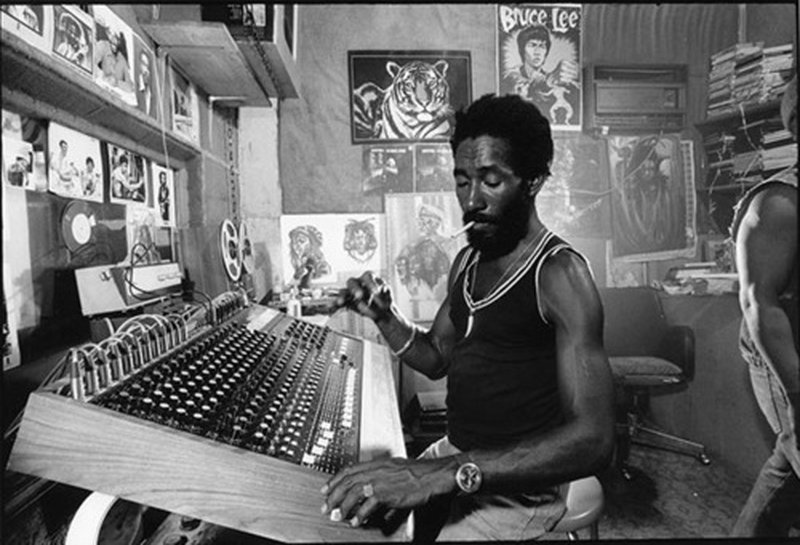
Mr Brown was produced by the ubiquitous Lee Perry. Lee Perry is synonymous with reggae. The more dubified the music, the more prominent his involvement. His blunted, mercurial touch has been applied to literally thousands of records from Jamaica and beyond, fried at the edges and sprinkled with madness but beating with a heart of thunderclapping echoes and cavernous bass.
As I get older, I’ve begun to appreciate his more outré work in much the same way age has allowed me to appreciate a fine malt. Slightly unpalatable at first, you quickly develop a taste and ponder how you could go an evening without it.
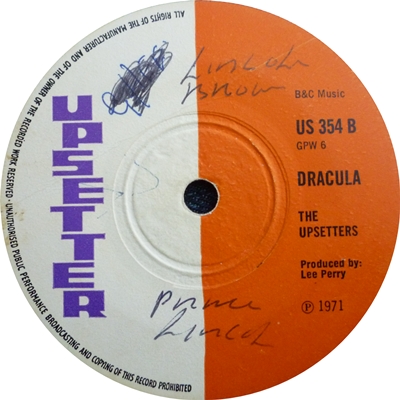
Playing around with the Wailers’ track, Perry removed the vocals, credited the instrumental to The Upsetters and manouevered it onto the flip side of the Wailers’ single. In keeping with the original’s ghostly/horror theme, it was given the title of Dracula.
The Upsetters – Dracula
I don’t for a second think that Bob, Bunny and Peter sat around in rehearsal saying, y’know what….what this tune really needs is a funky, alien vibration every now and again. That ever-present deep electronic shimmer that sounds like the ancient central heating pipes in a school I used to teach in was clearly the madcap work of Lee Perry. Half a century later, it’s that sound that’s become the record’s signature.
Removing Marley’s vocals also allowed Perry the opportunity to incorporate the instrumental version into his soundsystem and toast across the top of it should he fancy doing so. Forever forward-thinking.
Eco-aware long before there was such a thing, Lee Perry not only grew his own herbs, he recycled tunes for his own benefit. In a burst of foresighted creativity, and long before many a future hip-hopper or soundscaper was out of short trousers, Perry actually sampled the vibe from another record entirely and enhanced the Wailers’ and, subsequently, his own tune.
Jackie Mittoo – Peenie Wallie
He’s lowered the pitch, from toe-tapping shuffling ska to head-nodding deep-fried reggae, but you can hear exactly where Perry welded the backing track onto the Wailers’ own easy skanking shuffle, enhancing and filling out what is a fairly straightforward run through by a band still finding their musical feet.
The track’s title – Peenie Wallie – intrigues me. Here in Scotland, if someone is unwell, pale faced, or indeed ghost-faced, we refer to them as peelie wallie. Not a million miles away from the Jackie Mittoo title. I’ve often thought the owner of Studio One might’ve been referring to such a person, albeit in slightly interpolated form. Which of course, would bring us back onto the subject of pale-faced make-up and ghouls and ghosts.
*Bonus Track!
“And for our next track….!”
Bob Marley & The Wailers – Duppy Conqueror
Bob and the Wailers went on to record an ‘answer record’ to Mr Brown, the self-explanatory Duppy Conqueror. Proving that there’s great mileage in reggae, it too used a variation of the same backing track as Mr Brown.
Poke your nose in and you’ll discover that reggae is full of wonderful, recycled tunes. You knew that already though.
Even in those tight leather trousers, he’d been up and down a gazillion stage lighting rigs, flying flags for Irish peace to mid-western Americans who couldn’t care less. He’d pulled embarrassed girls from the front rows of tiered arenas from Tampa to Tokyo for a less-than spontaneous cringing waltz while the rest of the band cut loose around him. He’d grown his hair, pulled the mullet into a pony tail and plonked a ten gallon Diddy hat on top of it, just because he could. In photos, on stage and seemingly everywhere else, he’d started wearing loosely buttoned waistcoats while forgetting to stick a shirt on underneath. Bare-chested and barefaced, he was Bono and he could do whatever the heck he liked.
In the period after the globe-straddling Joshua Tree tour, U2 could have rested a few months…a year…a couple perhaps…retired, even, and no-one would’ve complained. They were omnipresent, their serious, monochromed faces peeking out from below their wide-brimmed thinning-hair hiders with knowing looks that said, “We are Kings and don’t we know it!“
The Joshua Tree was, to date, their peak, at least commercially if not critically. Material from those early chest-beaters Boy and War still featured strongly in their live set. The pinging ambience of the Eno-produced Unforgettable Fire was a chin-strokers’ favourite. But The Joshua Tree and its widescreen grandeur found favour with half the actual planet.
What came next was not a rest or a reboot (that came a year or two later) but Rattle And Hum, a self-indulgent movie ‘n album spectacular that jigsawed together the vibe of the Joshua Tree tour with material written in hotel rooms, soundchecks and studios in the cities where U2 happened to be playing. Although it has less of a stinky whiff about it nowadays, at the time of release Rattle & Hum was given a critical kicking.
“By almost any rock & roll fan’s standards, U2’s Rattle and Humis an awful record,” wrote Tom Carson in The Village Voice.
“This is a mess with a mission,” wrote David Fricke in Rolling Stone. “But a mess nevertheless.”
It wasn’t so much the songs – Desire‘s tubthumping three chords and the truth swirl became the band’s first UK number 1. Album closer All I Want Is You is a classic, whichever way you choose to look at it – yer actual Van Dyke Parks did that beautifully weird and slow-burning string arrangement ferchristsake! And any album that includes Angel Of Harlem (more of which later) can never be considered awful.
Some of it was pretty grim, all the same.
The band appropriated The Beatles’ Helter Skelter, “stealing it back from Charles Manson” as the frontman boldly claims, right before the band limp their way through the blandest of cover versions. If The Beatles’ original was Jaws, all sinister menace and bite, U2’s version is the totally pointless and flacid Jaws 4.
It wasn’t just the songs though, but the way the band presented themselves. With the benefit of hindsight, should you not have noticed at the time, it’s actually hilarious.
“Silver and Gold,” blabbed Bono, “came about after I’d spent an evening singing old blues songs around the piano with Keith Richards and Mick Jagger… I was completely uneducated and I decided after spending a night singing these old timeless delta blues songs, that as I couldn’t contribute one, I’d write one. I went away and wrote it, very quickly.“
“Did ye, aye?” as they might say round here.
“They say in the eighties that rock & roll is dead,” said the singer, before enlisting the help of BB King and his band for the sterile blues-by-numbers run-through of Love Comes To Town. “I don’t think it’s dead, but if it’s dying, it’s because groups like us aren’t taking enough risks.”
“Risky, is it?” as they might say round here.
“I Still Haven’t Found What I’m Looking For,” spouted a portentious Edge, “is actually a gospel song.”
“Is it, aye?” as they might say round here.
To prove the point, U2 rocked up in Harlem, soaked up the vibes in a dusty old church and, to the exquisite sounds of the Edge playing his Strat through his AC30, brought out a gospel choir who proceeded to blow a straining Bono right out of the holy water. Actually, Edge, you might’ve been right about that.
The band, well, mainly Bono – there’s a pattern emerging, eh? – quickly aligned themselves to the totem pole of music; The Beatles and Stones, blues and gospel, and by their very association attempted to weld themselves to the holy lineage. It’s that that got up folks’ noses.
At one point the Memphis-bound band found themselves in Sun Studios with an hour to kill and a killer song to cut. Recording live to tape they aimed to magnetise the magic of the ghosts of Sun Studios past – Elvis ‘n Carl ‘n Jerry Lee and what have ye – and ended up with a rattling, rolling upbeat classic.
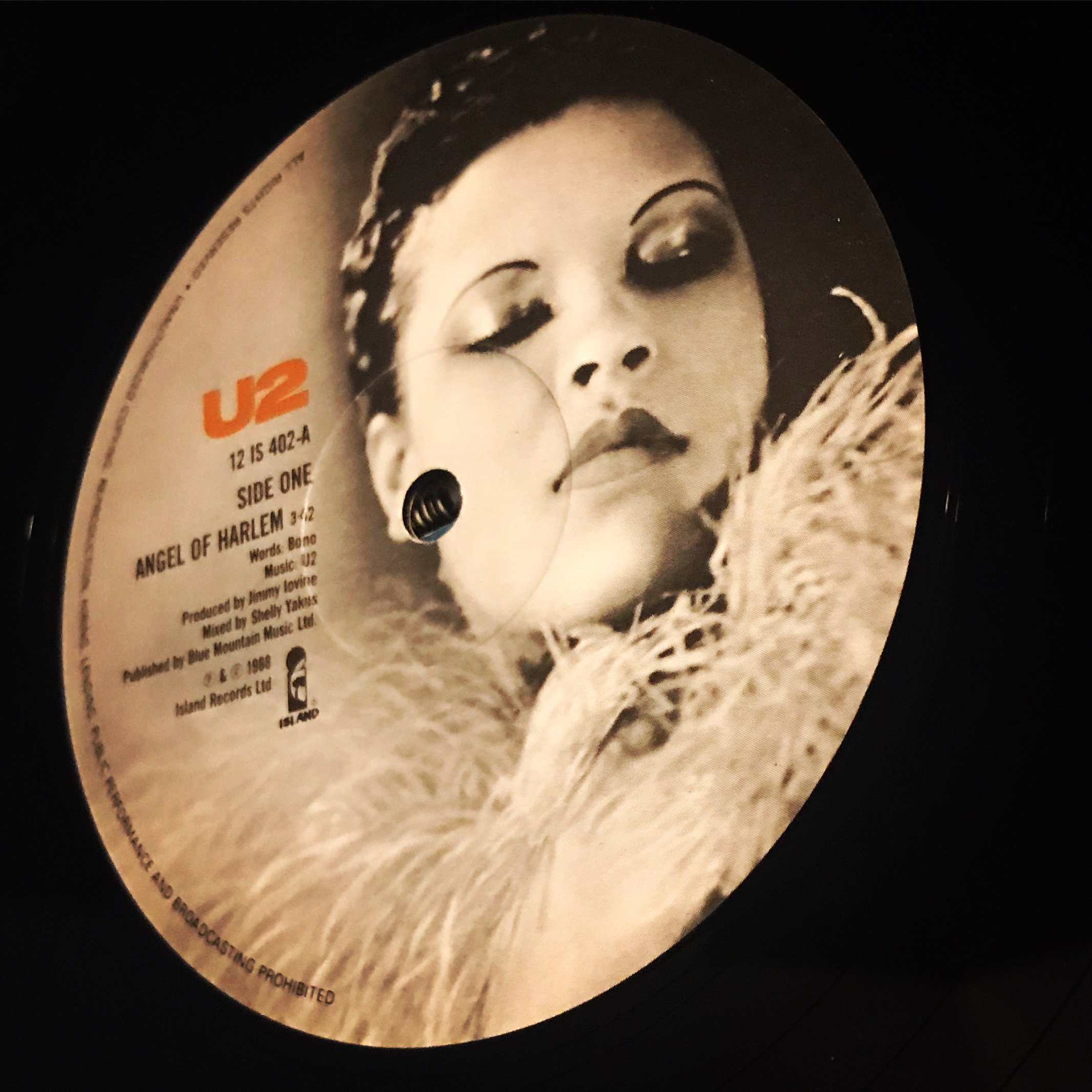
U2 – Angel Of Harlem
Angel Of Harlem starts on a couple of big, syrupy-thick beginners’ guitar chords, with none of the ricocheting ech-ech-echo that defines most of the Edge’s sound, then hits a groove and runs with it.
“It was a cold and wet December day, when we touched the ground at JFK,” tells Bono, welcoming you, the listener, into his world.
“Snow was melting on the ground, on BLS I heard the sound of an angel.” He’s in the taxi – limo, probably – making his way into Manhattan, radio tuned to NYC’s WBLS station. Billie Holiday is singing. It’s a scene setter, that’s for sure
“New York like a Christmas tree, tonight this city belongs to me.” Slightly arrogant, aye, but then, it’s 1988. He’s everywhere, is Bono. The city and all its riches likely does belong to him. We can only imagine.
“Birdland on 53…John Coltrane, Love Supreme…Miles.” Jeez. Not content with The Beatles and the Stones and the blues and gospel conections, he’s now aligning himself with jazz. Here comes Billie Holiday too.
“Lady Day got diamond eyes, she sees the truth behind the lies. Angel.”
Forget the singer, man, the tune’s a cracker. The pistol crack punch of the snare drives it forward, Adam’s bass loose and funky. The Edge takes a back seat for once, allowing the Memphis Horns to shine gloriously in the gaps between the singing. The brass stabs and slurred trombone slides fill it all with a full-fat bluesy funk and when it slips into that stellar descending middle eight, you could be forgiven for thinking the whole thing has just eased itself off the grooves of an old Otis Redding session. It’s perfect.
It’s hard sometimes to see past the singer, I get that, but if you can make it that far, you’re rewarded with occasional bouts of greatness. Angel Of Harlem is one.
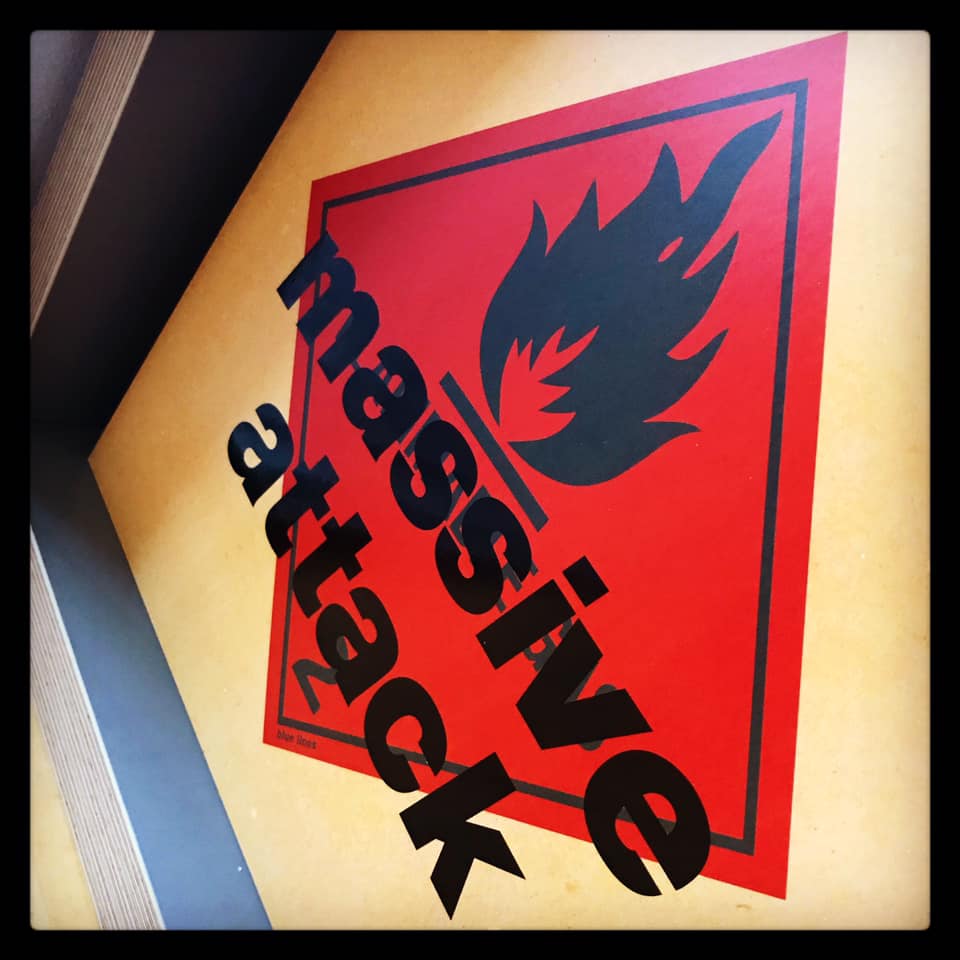
Massive Attack‘s Blue Lines added new textures to electronic dance music. It didn’t go for impersonal repetitiveness or hands in the air euphoria. It didn’t care much for sticking helium-voiced anonymous female vocals atop pounding 130+BPMs. The music sat around a head-nodding 100 beats per minute, occassionally dipping lower and slower into deeper, darker, dubbier moments. Blue Lines, a fantastically original mishmash of dub reggae, string-soaked house, parochial rapping and the choicest of samples opened many an eye and many a mind to the possibilities and endless limitations of sample-based electronic music. It’s a considered classic, and for good reasons.
You’ll know the album inside out, from the perpetually rolling Safe From Harm to the meditative Hymn Of The Big Wheel, via the peerless, timeless Unfinished Sympathy. I thought I knew it back to front until this week. With no distractions – I wasn’t listening on an iPod as I exercised or via the car CD as I commuted to and from work, I was in my favourite chair in the living room, the kids remotely jostling for their share of the bandwidth upstairs – and I stuck it on, sat there and listened. Then I flipped it over and continued. And when side two had finished, I did it all again. And again. New things leapt out at me, in particular a previously unnnoticed sample on the title track, Blue Lines.
Massive Attack – Blue Lines
Tricky totally owns this track, spooling out a freeflowing stream of conscience rap that takes in relationships, paranoia, ethnicity, territorial tribalism – take a walk Billy, don’t be a hero – and existentialism in all its guises.
Built on a base of groovily shuffling drums and keys, all side-of-the-stick rim shots and noodling Fender Rhodes, it’s one of the album’s most downtempo moments. A scratching DJ and stut-stut-stuttering woozy re-set knocks the track briefly out of sync before a familiar guitar riff (James Brown?) brings the slo-mo rhythm back. It’s a sublime soundbed, the tight but loose rhythm and popping bass line making it a headnodder’s delight, no matter how many times you’ve heard it before.
The soundbed is lifted wholly from Tom Scott & the L.A. Express‘s 1974 jazz funk epic Sneakin’ In The Back. Contrast and compare…
Tom Scott & the LA Express –Sneakin’ In The Back
Cheeky sample
You can practically see the wispy blue curl of nicotine from smouldering Lucky Strikes jammed into headstocks, and the handlebar moustaches, white ‘fros and oversized baker boys caps as it plays.
With an expansive sax solo as wide and willfully free as a generously-cut bell bottom, the track would become something of a signature tune for Scott and his 5 bandmates. In the world of sampling and reappropriation, it was only a matter of time before someone such as Massive Attack would bend and shape the tune for their own ends. Or lift it, hook, line and wink (uh-huh) and base a whole new sound around it.
But what of that familiar guitar riff?
It had to be a James Brown riff, surely? Tighter than a pair of hot pants and ceaslesly funky, it had me scouring the tracks on the 4 album Star Time set until I found it.
I couldn’t.
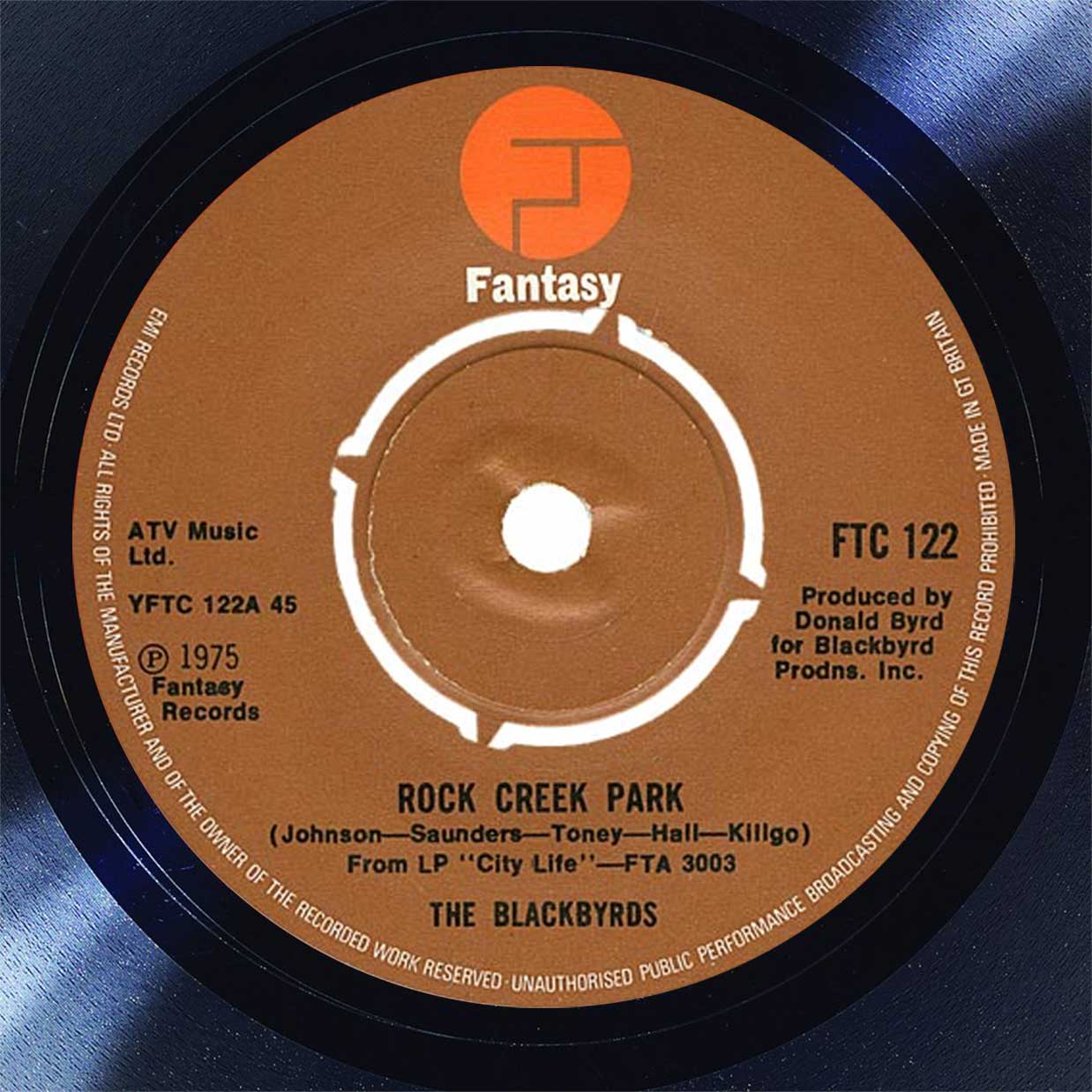
Ashamed of myself, I resorted to Google. And discovered it was a Blackbyrds riff. Of course it was. Massive Attack ground it down to 33rpm – I worked that out myself – a high intensity cardio-vascular workout slowed to the natural pace of resting breath and used to colour the Tom Scott track with some low in the mix additional funk. Like the final ingredient in a bowl of your granny’s soup, it helps take Blue Lines just that wee bit further into the out there.
The Blackbyrds – Rock Creek Park
*Extra Track!
As an interesting aside, that brief and unexpected DJ scratch that Massive Attack employ at the start of their track became part of the fabric of Barry Adamson‘s Spooky-stealing Something Wicked This Way Comes. Poachers turn game keepers ‘n all that. If you’ve never heard it or its parent album, Oedipus Schmoedipus, you could do worse than rectify that right now. Listen out for the sample…





















 Plain Or Pan