
If ever there was a short-lived group with an ego overload as wide as the Mersey, it’d be The Crucial Three. Birthed in Liverpool, the not ironically-named at all trio was the fertile product of Julian Cope, Ian McCulloch and Pete Wylie, students in the city and punk rock foot soldiers with the battle scars from Eric’s and Probe Records to prove it. Destined to meet and create and disband in a whirl of uncontainable ideas, The Crucial Three lasted no longer than six weeks, burnt out on a combined love of New York punk and the inevitability that each group member couldn’t be boxed and compromised within its confines.
In his book Head On – essential reading, if y’didn’t know – Cope is both catty and complimentary towards McCulloch. He’s already been nicknamed Duke after Bowie’s Thin White persona by the time they meet, and the nickname provides Cope with much bitchy ammunition, but St Julian has nothing but praise for McCulloch once he dares to peek beyond the fringe and start to sing. Cope bands about McCulloch’s name in the same breath as Lou ‘n Iggy and he genuinely means it.
Amongst the nonsensical jams and Velvets rip-offs that constituted The Crucial Three’s flimsy ouvre – one song about zits and one about drugs that was a great Cope-y title in need of an actual song (I’m Bloody Sure You’re On Dope), Cope and McCulloch (or ‘Duke McCool‘, as Julian has now christened him after mishearing the shortened McCull) dragged out an actual, bona fide post-punk classic.
Read It In Books surfs along on a cyclical riff very reminiscent of Patti Smith’s Dancing Barefoot, the product of one of the trio’s living room sessions where someone would stumble on a set of chords and the others would fall in and see if something stuck. If you’ve ever played in a shambling and under-rehearsed band, you’ll recognise this scenario immediately. In this instance something did indeed stick. Cope claims McCulloch was playing the chords to The Fall’s Stepping Out (it also has, in the main, two chords and is a bit shouty, but these ears can’t really find the similarity – which is good, I suppose), but by the time the band had reconvened for their next session, McCulloch had a set of lyrics to go with it – including a cheap steal from The Impressions – and before they knew it, The Crucial Three had a song of their own. People get ready, there’s a train a-comin’… and it’s a beauty.
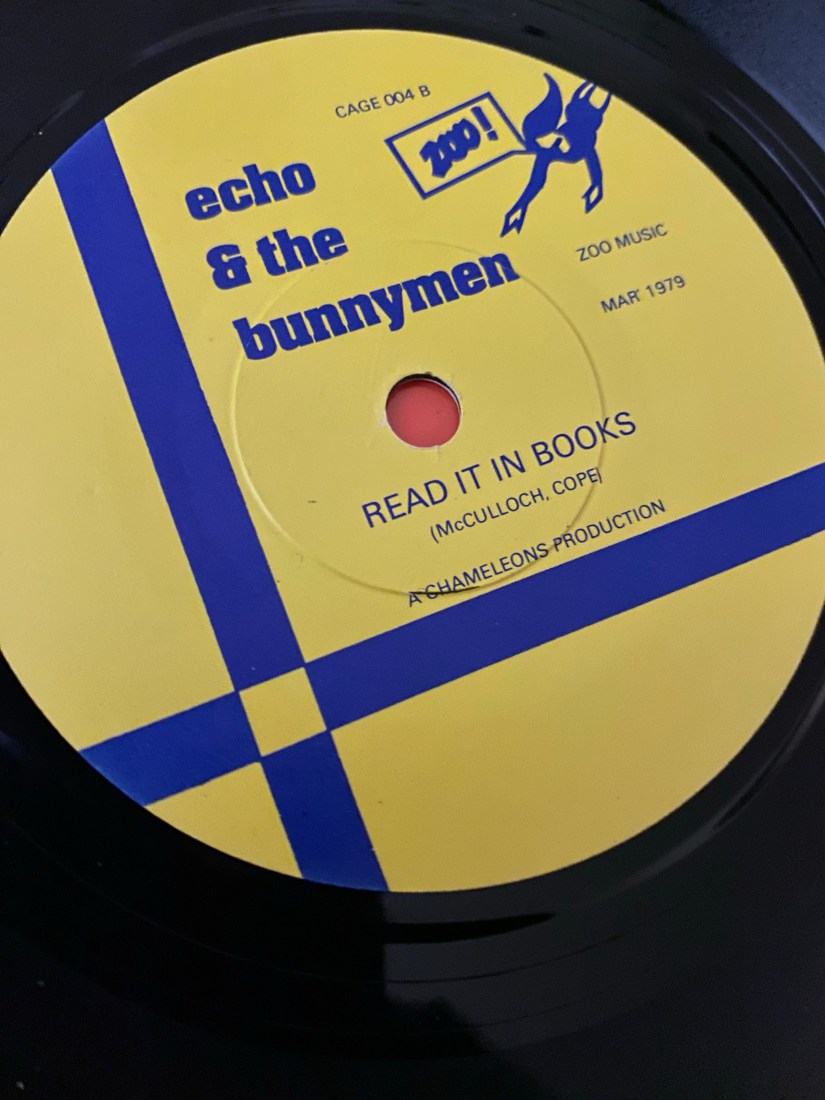
Read It In Books was credited as a Cope/McCulloch co-write, and both artists would go on to record versions with the bands with whom they found success.
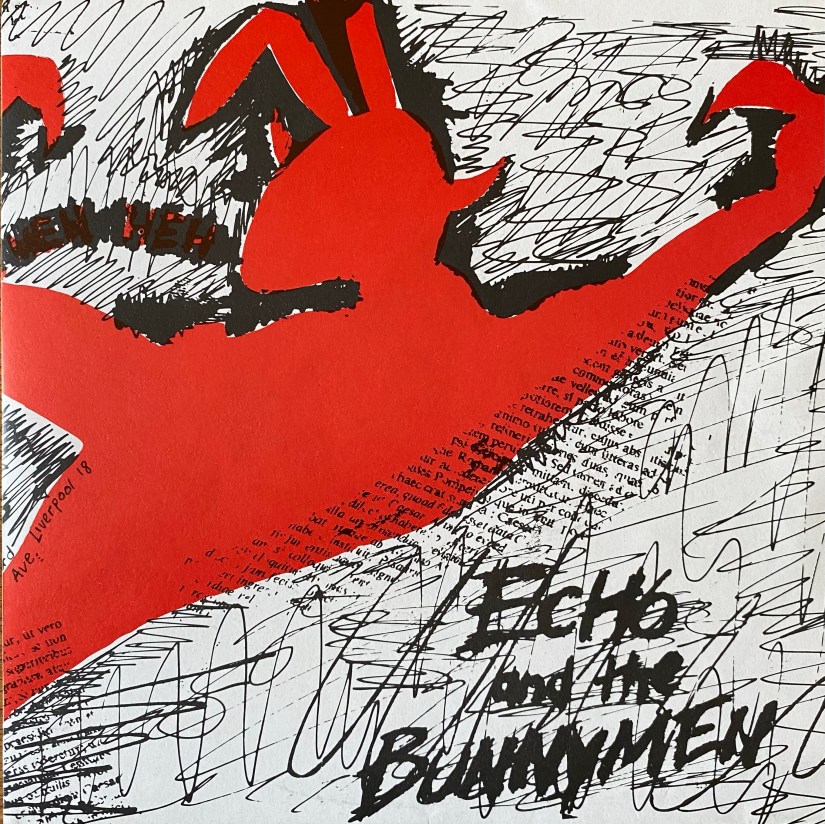
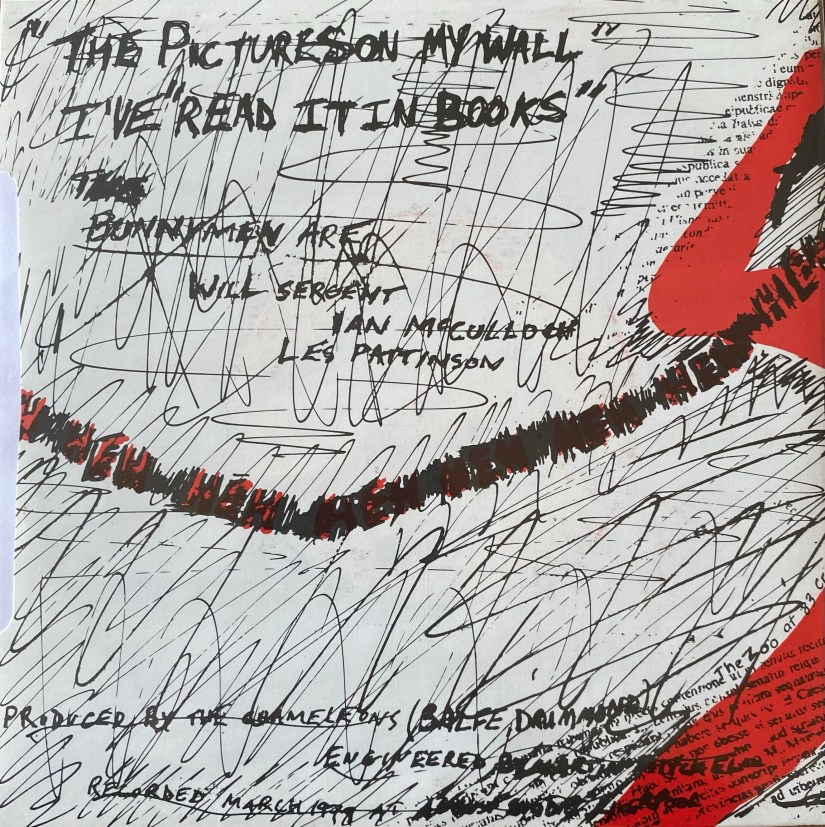
Echo & The Bunnymen‘s version appeared as the b-side to their debut single The Pictures On My Wall (credited to McCulloch, Cope, of course).
Echo & The Bunnymen – Read It In Books
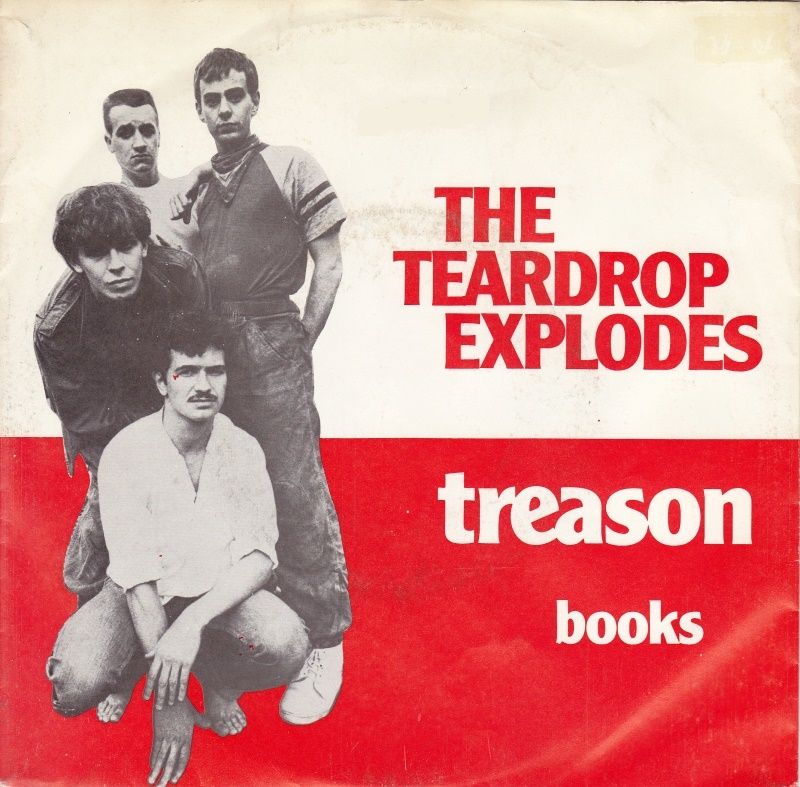
Cope’s Teardrop Explodes would record it for the b-side of their third single Treason.
You don’t need to dig too deep below the surface of the internet to find multiple versions of the song but, for me, the best version of all of them is the Bunnymen’s imperial take that they recorded for the John Peel show in 1979, watery guitar solos, incessant drum machine rhythm, McCulloch’s restrained croon ‘n all. Within a few years their sound would evolve, with skyscraping, effect-rich guitars and a towering symphonic backing adding gravitas and state to the McCulloch vocal, but that early Bunnymen sound – man, I’ll never tire of this.
Echo & The Bunnymen – Read It In Books (Peel Session 15th August 1979)
The Teardrops’ version is fairly similar, acknowledging that both writers created the structure and arrangement. Guitars clang, drums are pummelled, a stabbing organ shimmers in and out like the ghost of Ray Manzarek moonlighting in The Seeds and the whole thing rattles its way to garage band heaven. Add some sleigh bells to its nagging piano background and it could almost be The Stooges’ I Wanna Be Your Dog. Perhaps an obvious, leather-trousered step too far for the Iggy-headed Julian.
Teardrop Explodes – Read It In Books
This one is credited, naturally, to Cope, McCulloch.
The ego had well and truly landed.


 Plain Or Pan