The Beastie Boys might have portrayed themselves as three street-smart, sharp-witted goofballs with expensive tastes in trainers and sports-casual wear, but anyone with half an inkling knows they were much more than that. Behind the facade was a ruthless business empire including a record label, a magazine and their own clothing line, all of which were as undeniably hip as their Brooklyn-based beats. Working alongside the trio (but forever just out of shot) was a handful of trusted associates, pulling the strings, wheeling and dealing, making sure the well-oiled Beastie machine crept forever forwards. Alongside the film makers who captured their good sides on celluloid and the payrolled sneaker pimps who forever kept them in box-fresh trainers were a core of musicians and producers who could be relied upon to enhance the Beastie’s sound in the studio and on the stage. One such entrusted friend was Money Mark.
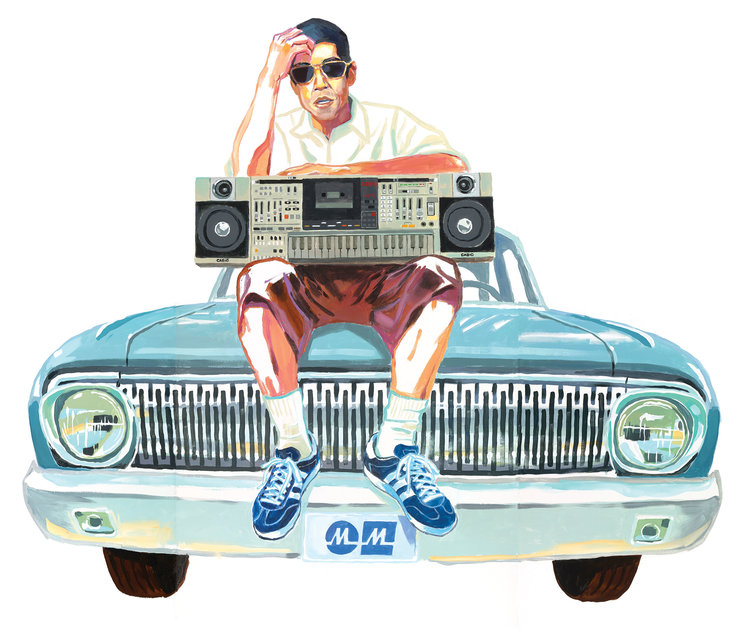
Money Mark was born Mark Ramos Nishita in Detroit to a Japanese-Hawaiian father and Chicano mother. The sounds he continues to coax from his assorted vintage keyboards are as exotic and interesting as his background suggests. He came to the Beastie Boys via producer Mario Caldato Jnr. when the producer asked him if he was able to fix the fence at the studio where the Beastie Boys were recording Paul’s Boutique. Mark was quick to point out that not only could he build fences, he could build recording studios too and, after duly building the Beastie Boys their dream studio, he began helping out with the recordings that followed.
Between 1992 and 2011, Money Mark collaborated on every Beasties’ release. Considered wisdom suggests that Paul’s Boutique is the highest of high points in a flawless discography, but when pushed, I’ll always choose Check Your Head. In no small way that’s due to Money Mark’s Fender Rhodes being allowed to roam all over its 20 tracks without a leash. It’s Mark that drives Sure Shot on Ill Communication, his rudimentary beat box vying for space with the understated keys, trying to reign it all in while the Beasties’ signature Panzer attack vocals spit and snarl from start to finish. It’s Mark who triggers the siren assault on mega-hit Intergalactic, and that’s him again, holding the groove behind the multitude of samples on Triple Trouble from the post 9/11 To The 5 Boroughs. You might not realise it, but Money Mark probably plays on at least 4 out of your top 5 Beastie Boys tracks.
f=”https://plainorpan.com/wp-content/uploads/2018/06/money-mark-by-stephane-kardos.jpg”> Money Mark by Stéphane Kardos[/captAs well as being the Ian Stewart of the Beastie Boys, responsible for much of the general funkiness but stuck stage right, half-hidden behind a bank of speakers, Money Mark makes music in his own name. Push The Button, his second album is a melting pot of stoner grooves, clattering hip hop and gorgeous Fender Rhodes piano. Released in 1998 (shit – that’s 20 years ago!) it’s worth discovering if you’ve never heard it. And if you have, it’s worth a revisit. I bet it’s been a while.
The lead single Hand In Your Head is a mid-paced shuffler that takes its lead from Sly Stone circa There’s A Riot Goin’ On.
Money Mark – Hand In Your Head
Bass on this track is played by Sean Lennon, himself signed to Grand Royal, the Beasties’ label and drums are provide by Russell Simins, another who’s no stranger to a Beastie Boys record. In short, this has all the ingredients of a prime-era Beasties’ track without the gobby, snotty icing on the cake. And while you might enjoy that gobby, snotty icing, you can’t deny the simple mellowness of it all.
The b-side, if CD singles have b-sides, is just as good. Old track Cry is given a Dust Brothers remake, keeping the original’s downbeat groove and descending bassline – sampled from Quincy Jones’ version of Summer In The City, I think.
Money Mark – Cry (Dust Brothers remix)
The scratching and stu-stu-stuttering horn samples are very of their time, but the vocals! Man, it’s Sly all over again. Actually, it’s probably more Shuggie Otis. By the time the keyboard solo meanders in, you could be forgiven for thinking you’d regressed to some Hispanic neighborhood in uptown New York in the summer of 1973, fire hydrants gushing their escaping load out and across the stoops of the brownstones as kids play in slo-mo inside it.
Mark wasn’t always kept in the Beastie Boys’ shadows. At a memorable Barrowlands show during the Ill Communication tour, he waited until the encore – So Whatcha Want if I remember correctly, before launching himself over his bank of keyboards and out into the first couple of rows. He reapeared a minute or so later, trainerless but smiling, helped back onto the stage by MCA and a wee baldy G4 security guy who never even noticed him flying over his head in the first place.
I like my soul to come in both varieties; a Stax-flavoured southern soul tear-jerker, aching with pangs of guilt and regret can fairly set me up for the weekend. You might not need to look too far to find problems of your own, but they ain’t nuthin’ compared to what James Carr is going through on The Dark End Of The Street or Laura Lee on the fantastic Dirty Man.
In contrast, a talc-dusted northern soul belter fairly blows away the cobwebs of a long week at work. Where better to get on the good foot than with this wee cracker:
Joy Lovejoy – In Orbit
In Orbit is that most trainspottery of things – a rare-ish northern soul single that very little is known about. A while spent on Google reveals next to nothing, save a whole load of northern fans speculating and second-guessing the whys and wherefores and identity of the mysterious Miss Lovejoy – cos that’s not her real name, after all.
Originally recorded as a demo at Chess Records, all and any information about the singer and the musicians seems to have been long-lost in the spinning grooves of time. Which, in that terribly elitist northern way, makes the record all the more appealing.
It‘s a terrific record, over and out in less than the magical two and a half minutes. My 7″ copy has more run-off groove than actual groove. Which is really quite something, given that it grooves like a good ‘un. It’s fairly standard northern soul really; a quick parping blast of brass on the intro, a clipped guitar holding the groove on the off-beat, a metronomic pistol-crack snare as regular and reliable as a Swiss watch and a helium-enhanced female vocal, giddy with being in love. Just when you’re getting into it, it’s over and done with. Short and sweet. Just like this post.
When Neil Armstrong and his pals landed on the Moon in the summer of ’69, their landing spot became known as the Tranquility Base. I’d assume this is because it was close to the Moon’s Sea Of Tranquility, although I’m happy to be corrected on that one. Anyway, being the first to experience an out-of-this-world environment of stilled calm and slo-mo movement, I’d imagine it was the very essence of tranquility.
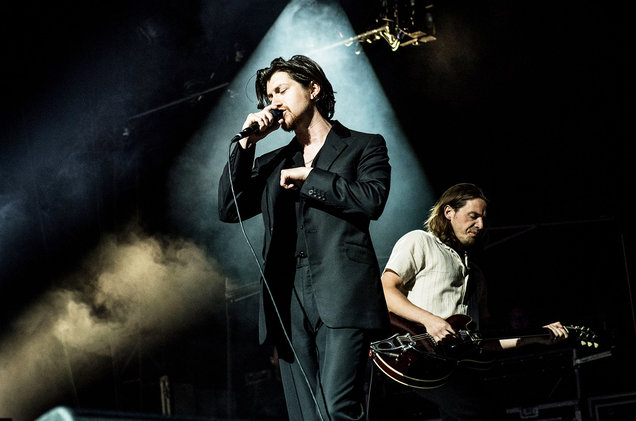
Alex Turner and his Arctic Monkeys pals have just taken one giant leap forward with their new album, in part (I’m assuming again, and happy to be corrected) named after that landing spot on the moon. Tranquility Base Hotel & Casino landed last week and it’s a real departure from previous Arctic Monkeys’ records. I’ve lived with it on the commute to work the past few days and it’s fairly wormed its way into my head.
“I just wanted to be one of The Strokes,” laments Alex on opener Star Treatment.“Now look at the mess you’ve made me make, hitch hiking with a monogramed suitcase, miles away from any half-useful imaginary highway.”
Arctic Monkeys – Star Treatment
He half speaks, half croons in his Yorkshire accent, unaffected (in voice at least) by his current choice to live in California. The sunshine’s clearly doing good for his music. He’s eased the band into ridiculous new trousers – the mark of true popstars, of course, and the mid 70s with liberal sprinklings of Carol Kaye-ish stop/start basslines, Fleetwood Mac-esque falsetto backing vocals and coke-addled Station To Station era Bowie piano. It’s as far removed from I Bet You Look Good On The Dancefloor‘s rattlin’ knee tremble as possible and it’s great.
OK, you’re thinking. That’s the curveball out the way. The band’ll get down to their usual business from now on in, But no! There’s more of the same on the next track. And the next. And the one after that. Fragments of half-known lyrics pop up now and again; the title track mildly pilfers ‘Mother’s got her hair-do to be done‘, from Pet Shop Boys’ Suburbia. Start Treatment‘s drawled, laconic ‘Who you gonna call?‘ is begging for a fuggy ‘Ghostbusters!‘ in response. “Take it easy for a little while,” he suggests, on Four Out Of Five. It’s bugged me all week where he borrowed that particular line from, but it’ll come to me no doubt as soon as this piece is published. Despite the sticky fingered approach here and there, Turner’s lyrics are pretty great.
“So when you gaze at planet Earth from outer space, does it wipe that stupid look off of your face?” he intones on American Sports.
Arctic Monkeys – American Sports
The entire album continues as it starts; mid paced, self assured and self indulgent. Turner’s voice is the real star throughout. He’s the Sheffield crooner, taking his cue from those excellent Last Shadow Puppets records and using it to grease the wheels of a band who’ve worked extremely hard to steer their ship from its expected course.
It’s the sort of collection of tracks that could really tick off the festival audiences in the summer. If Alex and co choose to ignore the terrifically urgent Fake Tales Of San Francisco or the long-haired desert rock outs of Crying Lightning and everything else that followed in its globe-straddling wake, the band are in danger of losing their audience. My teenage daughter is already getting twitchy about their potential choice of set at TRNSMT in a few weeks. Me? At the age of 48 and a half, I’m perilously close to buying my first Arctic Monkeys album. Get with it, kids.
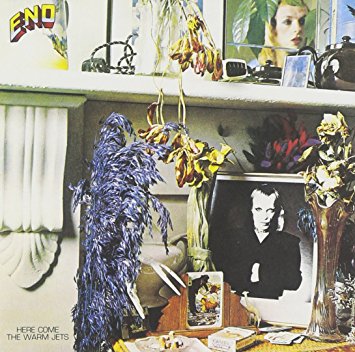
Here Come The Warm Jets by Brian Eno is a cracker. Released at the start of 1974, it plugs the gap between his own short stint as sonic controller in Roxy Music and his future role as Bowie’s sonic architect in Berlin. These days Eno is considered an audio boffin, the adopter of slightly strange and left-of-centre techniques that encourage/demand the musician to push the boundaries of what’s possible. Without Eno there’d be no Remain In Light or Achtung Baby or Shleep; albums that take pop music to new levels via unexpected twists and turns while retaining the undeniable sprinkling of Eno’s magic dust. This is nothing new though – it turns out that Eno has always been an enthusiastic practitioner of unusual production methods.
…Warm Jets continues where Eno left off with Roxy Music. As Ferry and the others pushed for a more chart-friendly, commercial sound, Eno departed to steer his own ship. Calling in a familiar cast of musicians – Robert Fripp, Chris Spedding, Roxy’s Phil Manzanera, John Wetton et al to help him realise the sounds in his head, Eno created an art rock masterpiece.
The musicians were deliberately picked as Eno knew they’d clash, both in personality and style, and it was this clash that would give the album it’s overall feel of unpredictability. Eno happily acknowledged his own musical limitations but found a place for his ‘snake guitar’, ‘simplistic piano’ and ‘electric laryncx’. When he couldn’t achieve the required sounds on his own, he called in the musicians and directed them through body movements and dance.
The song structures on …Warm Jets are still built upon the same nuts and bolts foundations that all guitar-based music is based on; a chord progression, a riff, a complementary bass part etc, but the musicians, Fripp’s guitar on certain tracks in particular, cook up an avant-garde storm. The Frippery on Baby’s On Fire is a few years away but not a million miles from the six string sounds he would coax out of his instrument on Bowie’s Scary Monsters album.
Brian Eno – Baby’s On Fire
Eno once described album opener Needles In The Camel’s Eye as “an instrumental with singing on it.” It fairly glides along, a metallic groove that’s somewhere between the skewed pop of early Velvet Underground and The House Of Love’s Christine.
Brian Eno – Needles In the Camel’s Eye
The title track (and album closer) sounds exactly like My Bloody Valentine; woozy and fuzzy, a fug of drums being played in a room in some far-off corridor, a fade-in of singing that could be one voice or twenty five, it’s impossible to tell. The track also gave birth to the title of the album, with Eno enthusiastically informing the assembled masses, “Here come the warm jets!” ahead of his heavily-treated guitar solo’s appearance. It’s magic, of course.
Brian Eno – Here Come The Warm Jets
Elsewhere, the skewed Phil Spector pop of On Some Faraway Beach rubs shoulders with the more out-there wonky Bo Diddley-isms of Blank Frank. On the timeline of pop, it’s quite extraordinary that songs and albums such as this were being realised and recorded.
To add some perspective, a quick glance at the January 1974 UK singles chart will reveal the big hitters of the day to be Sugar Baby Love by Rubettes, Hey Rock And Roll by Showaddywaddy, Abba’s Waterloo and Remember You’re A Womble. The album charts were no less mainstream, with Elton John, Yes and Perry Como all sharing the top spot in the first few months around Eno’s album release. Some sort of movement was taking shape, with Sparks’ This Town Ain’t Big Enough For The Both Of Us crashing the top ten singles chart, but the pop landscape of the day was generally not ready for Eno’s sonic assault on the senses. Given the benefit of hindsight, it’s easy to spot how much of an influence Here Come The Warm Jets proved to be.
Every generation has their band. And every subsequent generation believes, or indeed knows that their band is the best of all. The unfortunate generation behind mine got Oasis and the good, the bad and the downright ugly of Britpop. The generation behind them, ’round these parts at any rate, were lucky enough to get Frightened Rabbit, a band who inspired an enthusiastically devoted and blindly loyal fanbase on a par with the previous generations who’d grown up with The Beatles or The Clash or The Smiths or the Stone Roses or any of the bands who ever truly mattered.
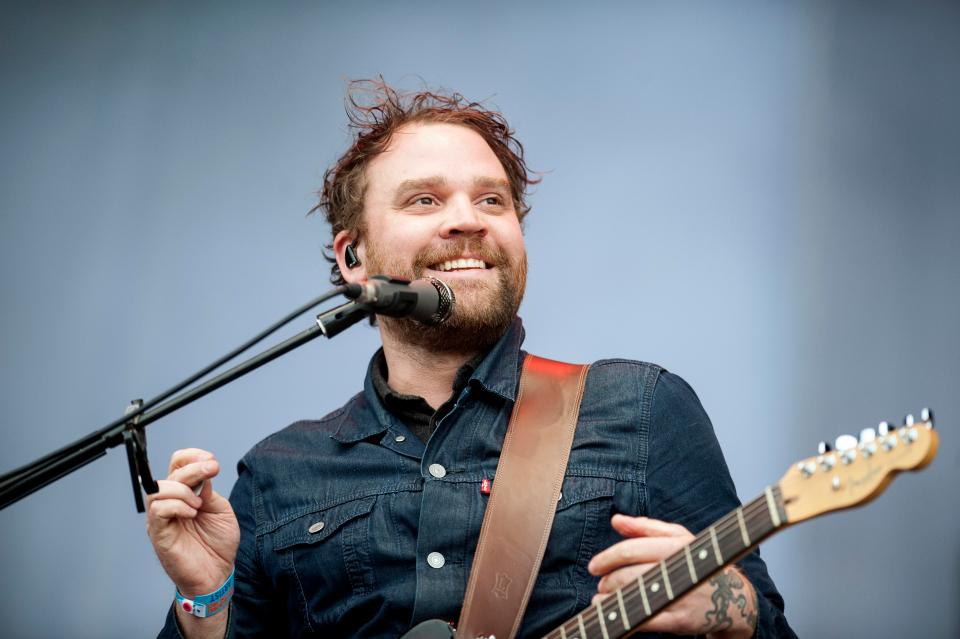
Originally from Selkirk, the ‘Frabbits made their name as a Glasgow band, packing out venues from the Captain’s Rest to King Tuts to T In The Park. I once met someone who’d been such a fervent follower of the band from their early days that he’d been saving money so that when they eventually made it to Tokyo, he’d be in the audience. I’m assuming he made it too. It’s that sort of devotion that sets bands apart and if I had been 10/15/20 years younger, I dare say I might’ve been just as devoted to Frightened Rabbit. As it was, I saw Frightened Rabbit live just the once. We shared mutual friends. And I met their vocalist and focal point Scott Hutchison briefly in hyperspace when I asked him a year or so ago if he fancied bringing his band down to Ayrshire for a gig. “Sure thing,” he said. “Here’s our agent’s number. Let’s sort something out.”
Today a whole generation of music fans are united in grief over the passing of Scott. His Tweets on Tuesday night hinted at the very worst and that was confirmed this afternoon. There continues to be a tremendous outpouring on social media and not one bad word has been said about him. He knew, it seems, how to help others suffering from mental illness, yet he couldn’t help himself. And there lies the terrible tragedy. From the outside looking in, here was a young man who not only was blessed with a fervent following who loved his songs, he also had immense respect from fellow musicians. Who knows what goes on inside the heads of those who need help the most?
Frightened Rabbit with Manchester Orchestra – Architect
With love and respect to Scott’s family, friends and fellow ‘Frabbits. x
There are a million bits in records – not necessarily the whole track – that stick in the brain and when re-heard trigger some sort of euphoric high in the brain. Off the top of my head, the galloping acoustic rush as Johnny Marr leads The Smiths into Bigmouth Strikes Again, The Clash going full pelt on White Riot, the popping bass intro to Sly & The Family Stone’s I Get High On You, the 14th fret D chord that fills every second line in Rip It Up, Liz Fraser’s voice on Song To The Siren, the gear-changing riff on The Breeder’s Cannonball, the stomping goosestep that opens Holidays In The Sun, the wild-eyed storm at the end of The Beatles’ Helter Skelter, the clattering industrial funk that holds Happy Mondays’ Mad Cyril loosely together, the bit in I Am The Resurrection when Mani’s riff kicks in and the whole band head off into an episode of Starsky & Hutch for 5 minutes, Marvin Gaye’s ‘Up early in the morning!’ when the Funk Brothers momentarily drop out on Can I Get A Witness.….That 10 Favourite Albums thing that’s doing the rounds just now on Facebook is good fun ‘n all, but if you were to ask me my 10 favourite bits in music, I reckon I’d be at it, one a day, for months on end. And I’m sure any of you reading this would be similarly challenged.
There’s no doubt though (this week at any rate) that the sound of Nile Rodgers and Bernard Edwards playing together is just about my favourite sound in music. Nile, with his chattering funk guitar, all major 7ths with extra pinky action, found the perfect foil in Bernard (pronounced with the emphasis on the 2nd syllable – it rhymes with ‘hard’ (just like those bass lines he plays)), a seasoned jazz player who ran up, down and across the 4 strings under his fingers with an effortless glide. When the pair of them lock into a groove it’s like an old married couple nattering over the kitchen table, Nile leading the conversation with positive excitement, Bernard uhm-ing and ah-ing in contended agreement.
Listen to their playing on Sister Sledge‘s Thinking Of You.
Sister Sledge – Thinking Of You
Rodgers’ idea for Chic was always that they’d be a hit-making machine writing songs for others as well as themselves. They’d have their own act, Chic, who took their cue from Roxy Music by dressing to the nines and fronting the band with a couple of glamorous females who wouldn’t have looked out of place on a Roxy album sleeve. Chic ran up all manner of hit singles; Le Freak, Everybody Dance, I Want Your Love….. and when Nile and Bernard weren’t guiding them to chart success they were busy helping others fill the gaps in the charts they’d just vacated.
The Chic Organisation played on all manner of records, a disco-era house band akin to the Funk Brothers at Motown or the Wrecking Crew in LA. And the best thing about those Chic Organisation records is that every one of them sounded exactly like Chic themselves.
Take the Sister Sledge record above. It opens with that none-more-recognisable Rodgers’ guitar sound, played high up the frets on the first 3 or 4 strings, simple enough to listen to but devilishly difficult to play with the same bounce as its writer. When Edwards’ bass comes in along with the vocals, the whole thing takes off in airy abandon.
“Everybody, let me tell you ’bout my love,
Brought to you, by an angel up above….”
And away we go. Strings sweep up and down, the bass drops in and out, congas and pitched percussion keep the whole thing groovy and the sisters Sledge sashay on the spot, ice-cool four-part harmonies and backing vocals from beginning to end. The Chic Organisation thought the finished track was just OK and stuck it on a b-side. A b-side! The a-side? That would be Lost In Music.
Thinking Of You finally gained chart success in 1984 when a down on their luck Sister Sledge were releasing records to ever-diminishing returns and some clever soul at the record company pointed out that that old b-side from 5 years ago hadn’t been too bad after all. By this point, Rodgers was working with Bowie and Madonna, his sound forever in demand. Listen to Let’s Dance or Like A Virgin and you’ll hear his clipped guitar all over the records like a happy rash. Not for nothing has he nicknamed his white Strat ‘The Hitmaker’.
Nile of course is everywhere nowadays, front and centre stage, in a forever-touring version of Chic. “No, it’s not the same musicians,” he’ll happily tell you, “but no-one complains when they go to hear a Mozart piano concerto and ol’ Wolfgang fails to turn up.”
A few years ago we (I say ‘we‘ – I’m part of a group who put on local gigs) were looking for a headline act. We had enough money for either Nile Rodgers or The Magic Numbers, but not both. Nile lost out on the vote, which greatly upset me…..and the others when he popped up a few months later owning the stage at Glastonbury, at that very moment reborn. Our Magic Numbers gig a few short weeks later was great, but, y’know, not Nile Rodgers great. Nowadays, believe me, you could probably fund a Magic Numbers World tour for less than the cost of putting on Nile for one night. On stage, Nile plays with a smile as wide and long as the zeros on his royalty cheques. And who can grudge the man! He’s survived a very disfunctional childhood. He’s beaten cancer. And he seems like an all-round decent man. If you haven’t already, you really should read his book.
Bonus Tracks
Paul Weller – Thinking Of You
Taken from his Studio 150 album, clearly a contract-filling album if there ever was one, Weller treats the original with politely-scrubbed acoustic respect but not the required funk.
Sister Sledge – Thinking Of You (Dmitri From Paris remix)
Dmitri From Paris takes Sister Sledge’s original and turns it into a rolling, soulful house cut. Sensibly, he keeps all of Edwards’ and Rodgers’ parts. There is, after all, some music DNA that you just don’t mess with.
Now and again I’ll get a new track sent to me in the hope it’ll be featured here and help raise the profile of the artist. I’ve written about this before, about the Scandinavian black metal and home-made generic EDM tracks and wishy-washy sensitive souls who can have you hankering for the edgy and dangerous appeal of the John Lewis Christmas advert soundtrack before they’ve even reached the first minor 7th chord in the chorus.
Nine times out of ten 99 times out of 100 the tracks I’m sent are so far removed from the sort of material I write about here that to feature them would be selling you short. I’d wager that someone, somewhere will gain enjoyment from some of these tracks, but not you. Trust me.
It was with great delight then that I took virtual delivery of The Saxophones. I’m glad I looked beyond the name because, frankly, The Saxophones is a terrible name for a band. I’ve thought long and hard for the past couple of minutes and I can’t actually think of anything worse. Ned’s Atomic Dustbin, maybe, but then, not only did they have a terrible name, they had terrible tunes too. And that terrible gimmick of featuring two bass guitarists. And terrible hair. And terrible spots.
To (very loosely) paraphrase The Zim, bands with great names make great records some of the time, bands with bad names make bad records some of the time but no bands make great records all of the time. You can debate that all you want, but, so far, despite the awful name they’ve landed themselves with, The Saxophones are that rare act that make great music all of the time.
The track I was sent is the early sound of dusky summer nights. If Chet Baker had joined Fleet Foxes they might’ve made a record as low-key and late-night as Mysteries Revealed. It’s got that choppy, Gibson jazz guitar thing holding down the rhythm. Airy flutes, other-wordly, far-off whistles and pitched percussion weave in and out of the mix. The drummer might’ve been inclined to lay down a gently brushed bossa nova beat rather than choosing to play whenever the mood felt like it but, because of this, there’s plenty of space for the close-miked vocals to breath. It’s all rather nice.
A short time spent on The Saxophones’ Spotify page reveals more tracks, some even better. The 50’s doo-wop, ‘Enchantment Under The Sea’-feel of Just You comes across like Tindersticks soundtracking David Lynch. Remember that band Cults from a few years ago? If they were still making records (actually, maybe they still are!) they might sound like this.
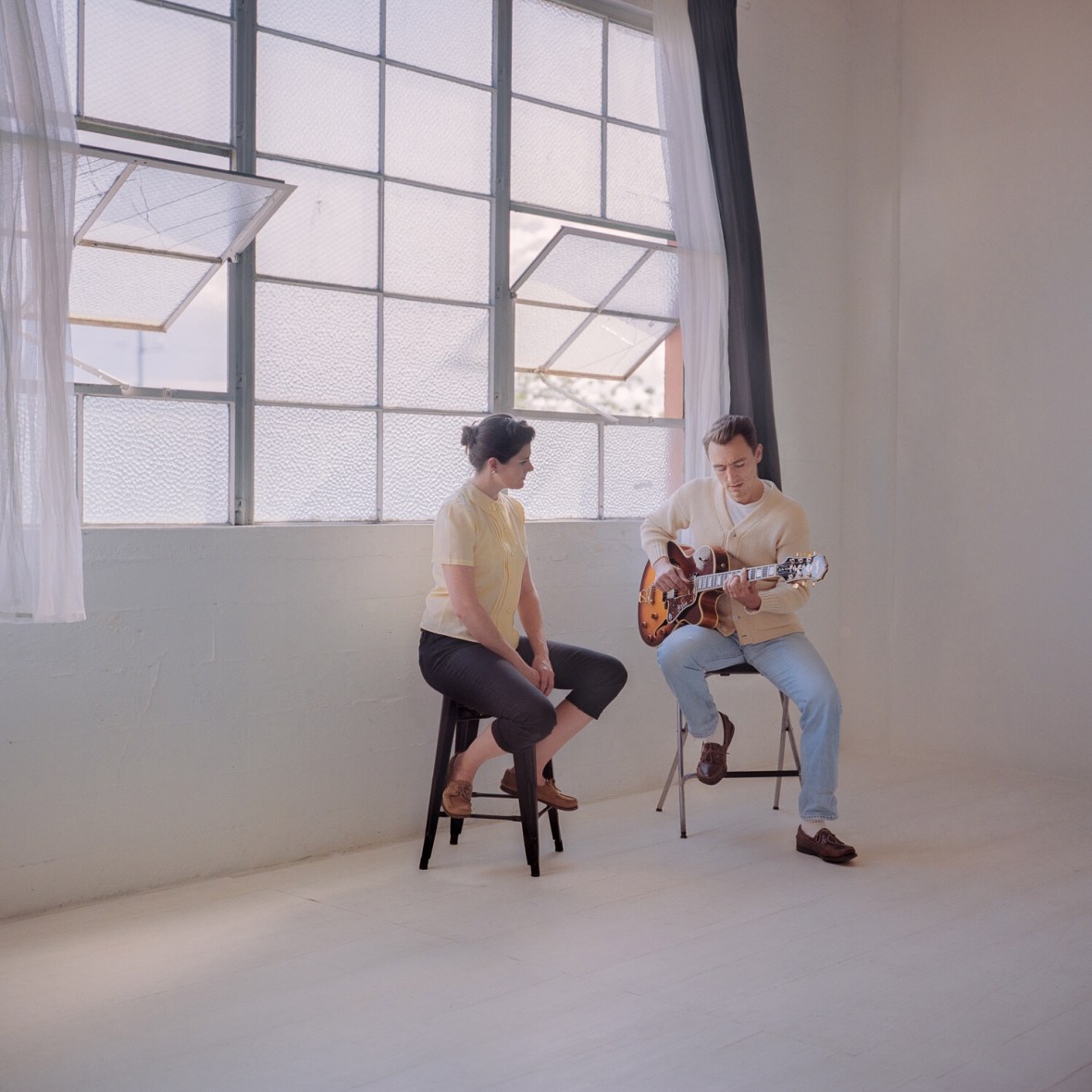
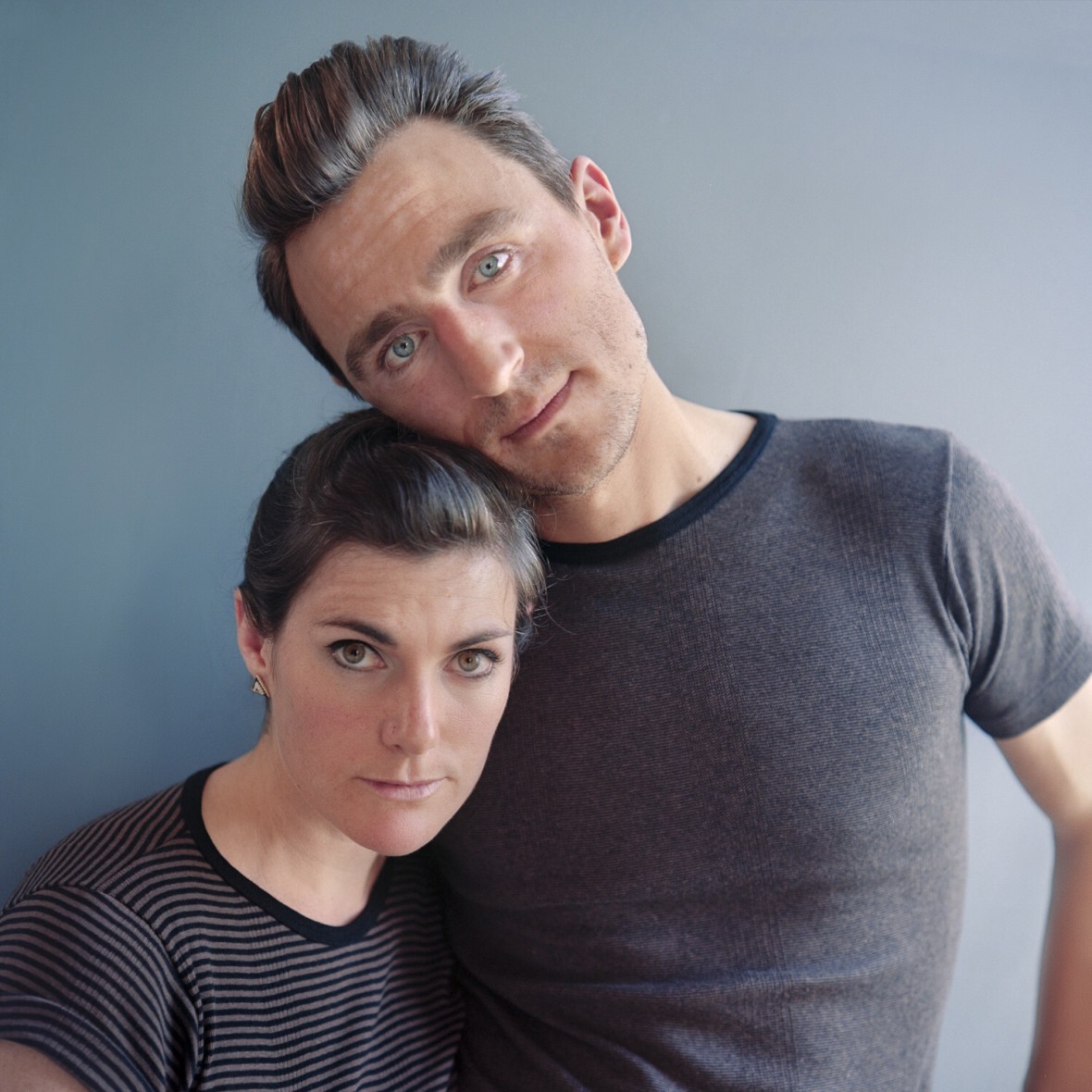
The Saxophones are a husband and wife duo. Alexi Erenkov is the multi-talented tunesmith, contributing guitar, saxophone, flute, synthesizer and vocals to the duo. His missus, Alison Alderdice is, on drums and vocals, the Karen Carpenter of the band. It cannot be overstated though just how understated the drums are on all the tracks I’ve been listening to. Maybe by the time the debut album arrives – around the start of June – it’ll be different, but I hope not. These tracks have a mood and a feel that keep them perfect as they are. Written on a houseboat in San Francisco, with the sounds of West Coast jazz, 50s exotica and outsider folk for company, it may well be one of the albums of the year. Personally, I can’t wait to hear it. And I never, ever thought I’d be saying that about an act so badly named as The Saxophones. Just goes to show you. Look beyond the name, boys and girls. You never know what you might be missing out on.
Those of you living in the beautiful south can catch The Saxophones on May 15th when they play London’s Slaughtered Lamb. A couple of days later (18th) they play The Great Escape in Brighton. The more exotic of you might choose to catch them the following night (19th May) when they play Le Pop-Up du Label in Paris. Bien sur.
Six Of The Best is a semi-regular feature that pokes, prods and persuades your favourite bands, bards and barometers of hip opinion to tell us six of the best tracks they’ve ever heard. The tracks could be mainstream million-sellers or they could be obfuscatingly obscure, it doesn’t matter. The only criteria set is that, aye, they must be Six of the Best. Think of it like a mini, groovier version of Desert Island Discs…
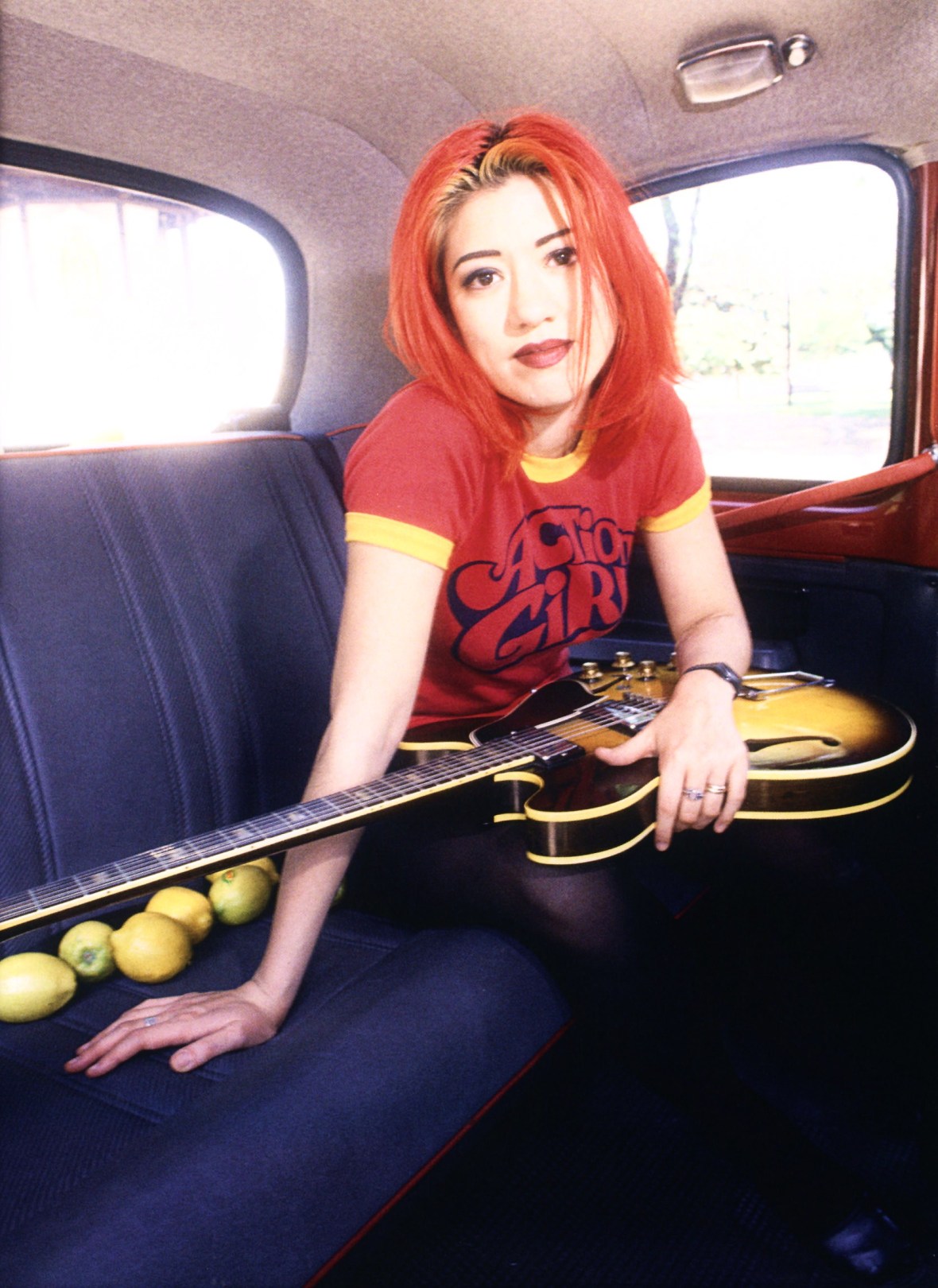
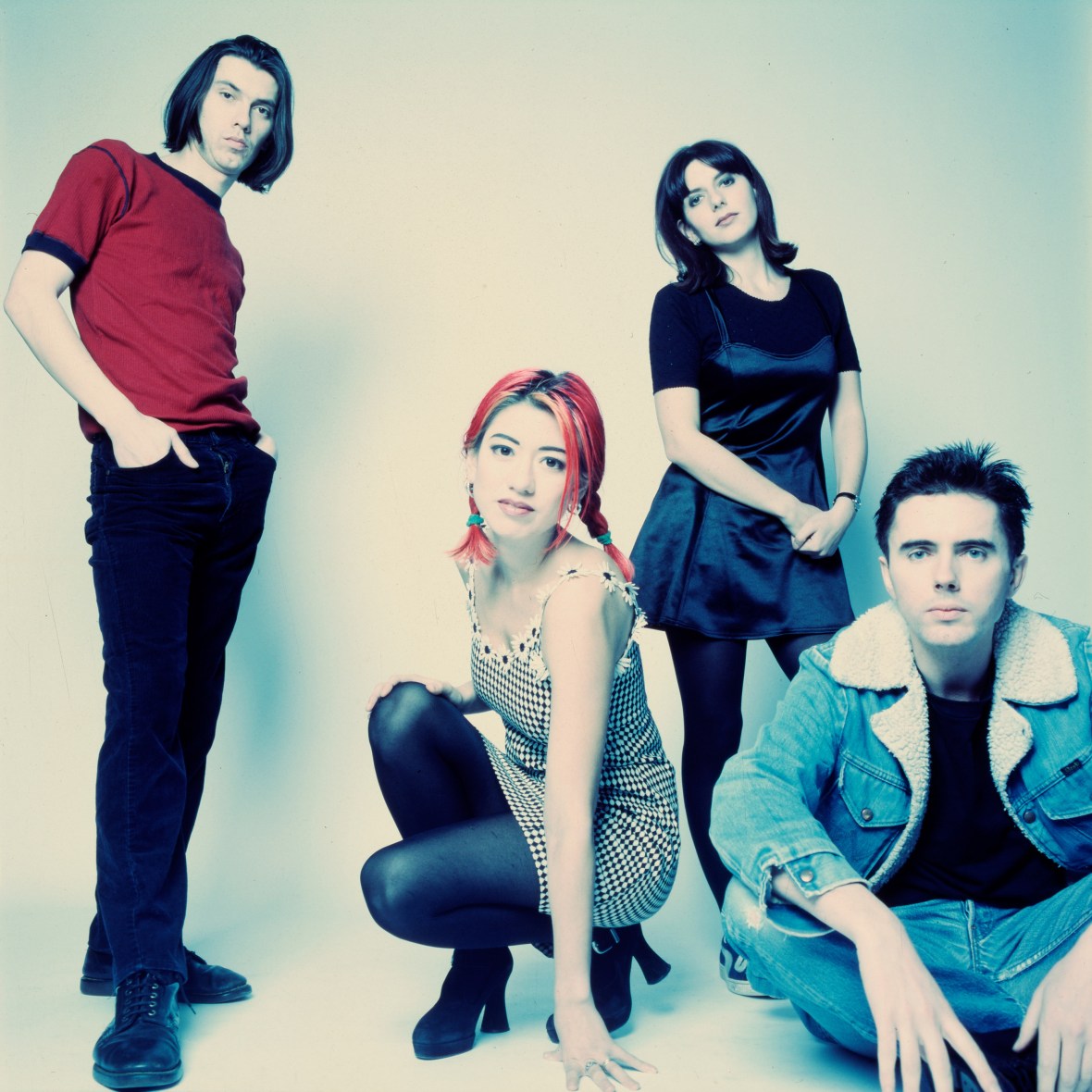
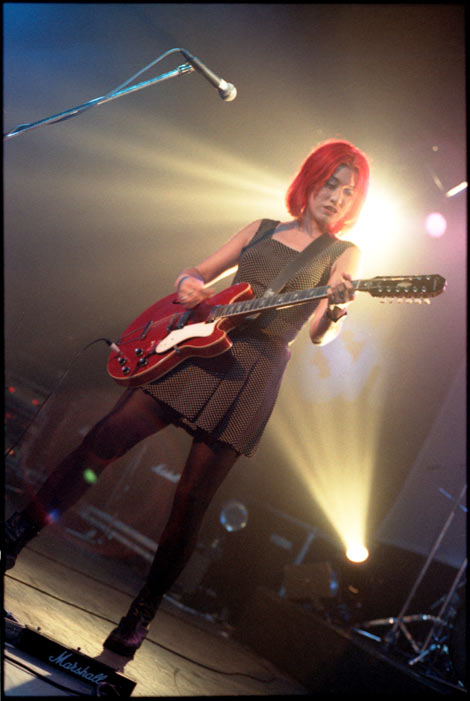
Miki Berenyi is best-known as the focal point of Lush, the perfectly-balanced indie rock quartet from London. With a healthy obsession for phasers, flangers and flame-red hair Miki and her guitar sparring partner Emma Anderson sang ethereal two-part harmonies, usually atop a fantastic swirl of noise, always ably backed by Chris and Steve (and laterally Phil) on drums and bass, the power-packing yin to the girls’ gossamer-light yang. If you were looking for decent music in a post-Smiths/pre Britpop era, Lush may very well have been right up your street. I’m sure mine wasn’t the only quiff that collapsed in horror at the first listen of Morrissey’s Kill Uncle LP, only to fall fortuitously into a heavily-fringed bowlcut in time for Lush and Ride and their ilk to come along.
Signed to 4AD at the tail end of the 80s, their early recordings were produced by Robin Guthrie, the directive force and sonic architect in the Cocteau Twins. Guthrie employed the same studio techniques on Lush as he did on his own band’s recordings and Lush records, moreso the early ones, have more than a hint of the Cocteau’s gothic grandeur. Like all the very best bands, Lush released terrific standalone EPs featuring tracks not available on albums. 12 string guitars chime and feedback continually howls, effect pedals are always turned to 10 and yet, somewhere in the mix you’ll hear Miki and Emma’s vocals floating over the top, a shoegaze Abba for the youth of the day.
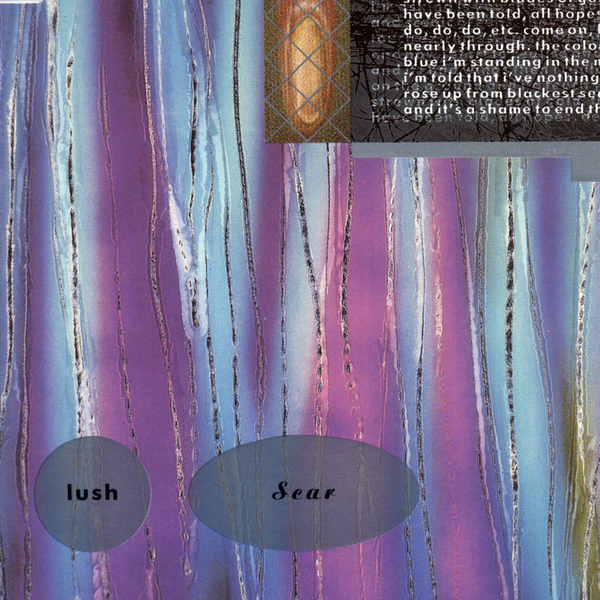
The 6 track Scar EP is a particular favourite in this house. As is the 4 track Mad Love release, which features Downer, the sound of Lush rushing downhill at a thrilling 100 miles an hour. Worth mentioning too is their cover of Wire’s Outdoor Miner on the For Love 10″. Indeed, all those Lush EPs are essential. You really should try and track them down. The early ones were compiled onto the Gala LP, released to promote Lush in the US and Japan, and it wasn’t until 1992 before the band’s debut album Spooky was released. Spooky would reach the dizzy heights of number 7 on yer actual Top 40 charts, no mean feat for a marginal indie act in the early 90s.
By 1996, the band were onto their third album. Buoyed by the (gads) Britpop scene, the last truly commercial era for record companies, Lush went on to score a number of top 40 hits on the singles chart. Most famously, Single Girl took them all the way to number 21 and onto Top Of The Pops and remains probably their best-known tune.
A short-lived reunion a couple of years ago laid the ghost of Lush to bed once and for all. Those records live on though, and they still sound great today; loud, airy, other-worldly and melody-packed, a wonky Abba fuelled by cider and blackcurrant.
Lush, 2016
It was Miki’s Twitter feed that sparked the idea of asking her to contribute a Six Of The Best. It’s a treasure trove of an era long past; pictures of My Bloody Valentine playing to about 6 people in a horribly sterile venue, snaps of various members of Lush lying around in festival backstage areas with assorted pop stars of the day for company, a picture of Miki’s mum snapped alongside Sean Connery in a promo shot for You Only Live Twice… in essence, the sort of stuff that makes you want to find out more.
This slideshow requires JavaScript.
“My daughter is turning 17 this month so with that on my mind, I’m picking six random songs that remind me of being a teenager.
I had no siblings to influence my taste and my dad’s musical contribution stretched to singing What Do You Want by Adam Faith on car journeys and wolf-whistling the women from Baccara on TOTP, so learning about music outside of the top 40 involved random acquisitions from Record and Tape Exchange and the local library. In other words, no I wasn’t listening to Crass when I was 12, but by 15 I was desperately trying to catch up and was open to listening to anything that had an interesting name or cover.”
Here then is Miki Berenyi‘s Six Of The Best
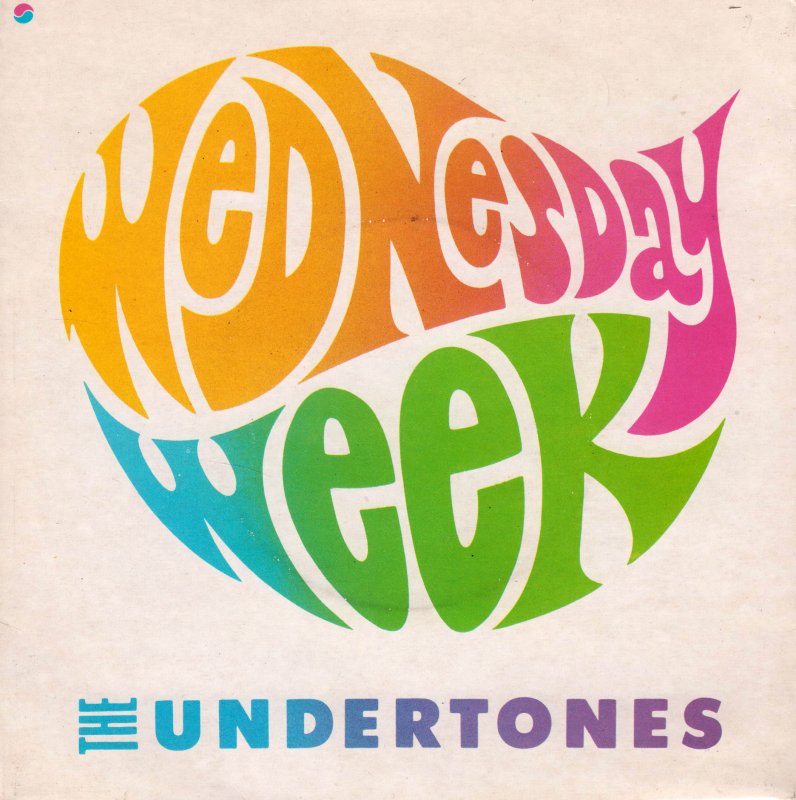
The Undertones – Wednesday Week
Remember that scene in a Fistful of Travellers’ Cheques? “Everybody likes the Eagles!”. Well, I guess everybody likes The Undertones, so I could pick any of many of their tracks that joyfully, yearningly encapsulate teenage preoccupations.
This reminds me of being 13 and getting the tube to school and having a massive crush on a boy who went part of the journey in the same carriage every day, who smiled sweetly and who I was too shy to ever speak to.
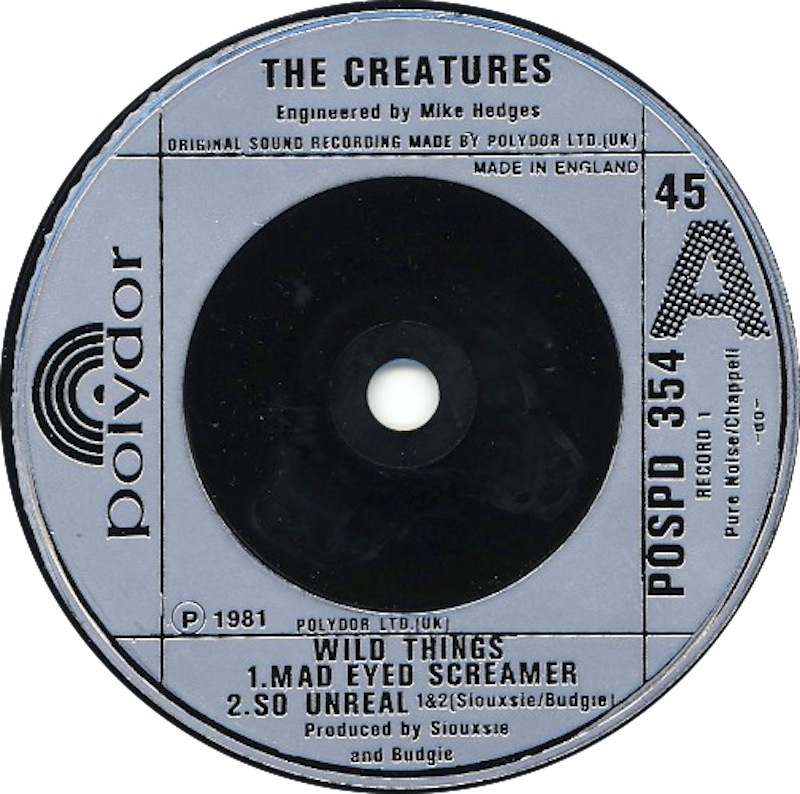
The Creatures – So Unreal
I can still remember Siouxsie and Budgie playing Mad Eyed Screamer (or Mad Ice-creamer as we used to call it) on TOTP and thinking “Fucking wolf-whistle at THAT Dad!!!”
I first saw the Banshees play in 1982, touring Kiss In The Dreamhouse, and still get a rush of my 15-year-old excitement, fighting my way down the front and drinking in every heightened-aware second. Absolutely changed my life!
I met them years later when I was in Lush but I was ridiculously starstruck and could only gush to Budgie how I used to obsessively tap out the drumbeat to this song on my wooden pencil case at school.
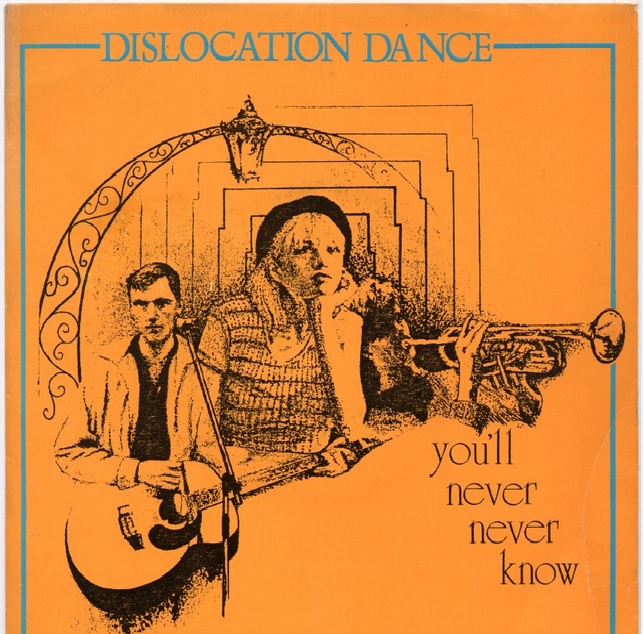
Dislocation Dance – You’ll Never Never Know
I bought this single because I liked the name of the band and that was it – knew absolutely nothing else about it.
Most of the music I listened to at that point was dark and angry or plaintive, so when I first put it on the record player I thought: “Hmmm, this doesn’t fit with the image I’m trying to project” but it’s such a breath of summer air and I couldn’t get the tune out of my head, so it’s become synonymous for me with youthful strolls around London in the sunshine.
Crass – Walls
I remember playing my 7″ of Reality Asylum/Shaved Women by Crass to a girl at school and she was so appalled she didn’t speak to me for a week.
This one she could just about live with, especially as at the time we both misheard the lyrics and thought it was “cider, cider, cider cider”.
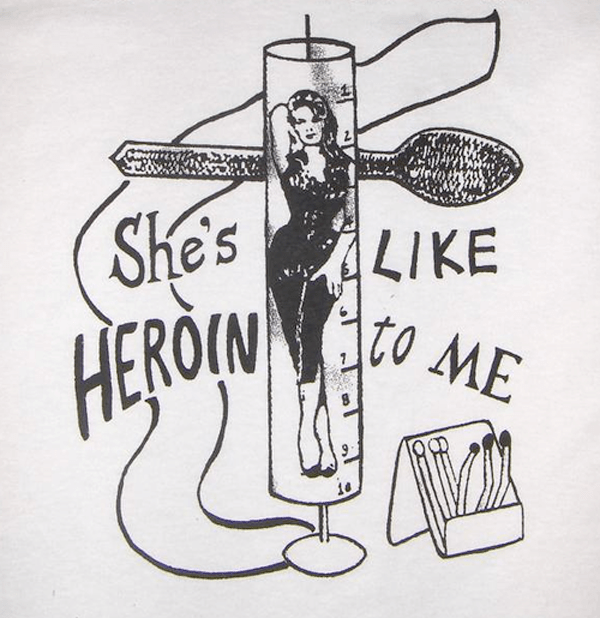
The Gun Club – She’s Like Heroin To Me
I first saw The Gun Club when I was 16 at The Lyceum in 1983, primarily because I was big into The Sisters Of Mercy, who were supporting. Following this gig, I listened to Fire of Love relentlessly and this song in particular.
I’ve never been big into drugs – smack to me as a teenager in London felt scabby and ugly, all piss-stained mattresses and rat-infested squats, but heroin in an American accent sounded AMAZING and, in this song, swirled up with the euphoric rush of love and sex (but still didn’t make me want to take it, I hasten to add!)
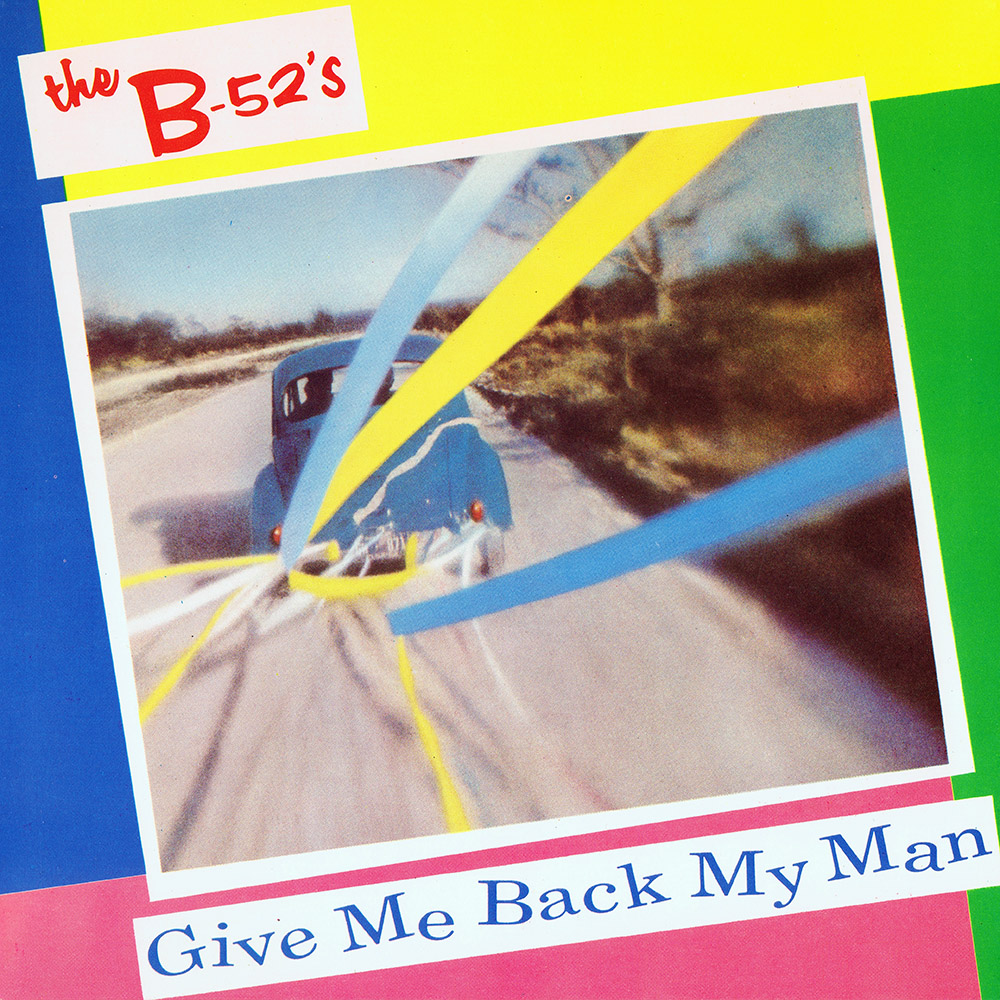
The B52s – Give Me Back My Man
The B52s would often get slung on as a staple at house (and I mean ‘house’ as in ‘home’) parties back in the 80s and I spent many a night jumping around to Rock Lobster and Planet Claire.
I love this song because there’s a wild, cracked, child-like primal demand in the vocals that I only next encountered when I first hear Birthday by the Sugarcubes. Pure feeling and great to drunkenly yell along to when – good or bad – it all gets a bit much.
————————————————————————————————-
A terrific choice of records! Turning the focus on her own band, I asked Miki which Lush track she was most proud of playing on.
“Hmmm… I don’t think I can say I was ever really ‘proud’ of my playing/singing – it was generally rather agonising, and I was always conscious of being sub-par!
That’s not to say I didn’t think the songs, when finished, weren’t great – I remember first hearing a mix of Scarlet in the studio with John Fryer and almost blushing with achievement, thinking “Bloody hell, is that US?!” But if a producer ever said my performance was good, my instinct was to be surprised or to think they were just trying to be kind. It must have been very tiresome!”
Lush – Scarlet (Scar EP)
Lastly, while we’re talking about producers, tell us a story about Robin Guthrie.
“Robin was super patient with me, doing the vocals. Sometimes I sang so quietly the note itself was barely audible and then you’d get a massively loud rasp as I inhaled a breath for the next line – I smoked loads, too, so that must have been fun to edit!
The studio had these banks and banks of effects all lining the walls, it was like a fucking spaceship. You’d be playing the guitar and he’d be sticking the other end of the lead into random sockets and these mad sounds would suddenly emerge. And when he gave you a compliment it felt so fucking great. I remember him picking out this transition in For Love saying “That’s good. I’m gonna nick that” which swelled my heart fully. Actually, that was probably my proudest moment!”
And there ye have it, Miki Berenyi’s Six Of The Best, plus a cracking Lush track flung in for good measure.
Somewhere was written by Leonard Bernstein and Stephen Sondheim and soundtracks arguably the most famous sections of West Side Story. Bernstein based parts of the music on Beethoven’s ‘Emperor‘ Piano Concerto*. Sondheim constructed a lyric that offered hope out of despair. In the musical, the song appears twice, first as a celebration of Tony and Maria’s against-the-odds love for one another and secondly towards the end when Maria sings it – spoiler alert! – as she holds her shot and dying boyfriend in her arms. I’m not a musicals kinda guy, although Grease is indeed the word, but it isn’t hard to appreciate the soaring melancholy of Somewhere. I’ve no idea how the rest of West Side Story is soundtracked, but I suspect it’s not for me. Somewhere though will always be in my ever-changing and expanding list of favourite songs.
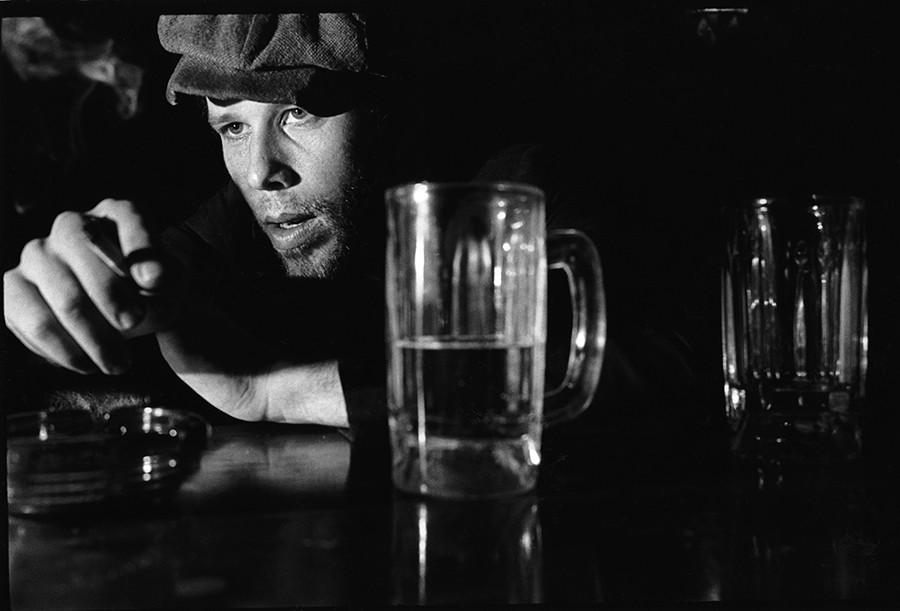
Tom Waits takes the song and makes it crawl in slow motion like a couple of Bowery bums from the grubby and well-thumbed pages of a charity shop Bukowski novel. He’s gargled a gallon of gravel and phlegm, downed a litre of brown paper-wrapped liquor and turned Somewhere into a tear and piss-soaked anthem of hope for down on their luck drinkers everywhere.
Tom Waits – Somewhere
The original’s vision of hope over despair is magnified tenfold in Waits’ version, two drinkers looking for a way out of their sorry existence. Strings swirl with Disney-like flourishes. Waits’ vocal is fantastic, his phrasing and intonation bang on. Is he in character or is it for real? Who knows? There’s no doubt though that he’s singing from the heart. This is soul music, just not as you know it. “We’ll find a new way of living,” he croaks. “We’ll find a way of forgiving.” It’s depressingly sad and sky-scrapingly brilliant all at the same time.
Waits’ version was recorded initially for his Blue Valentine album, an album you really should investigate if it’s unfamiliar to you. He’s a bit of a genius is our Tom, although I suspect you knew that already.
In sharp contrast, Pet Shop Boys reclaim Somewhere as a day-glo gay anthem to rival that of their own take on Go West. If it’s near-11 minute dance remixes y’r after, look no further than the full-length treatment afforded to it.
Pet Shop Boys – Somewhere (full length 10.54 version)
A bit of random Chris Lowe chatter, a sprinkling of West Side Story’s I Feel Pretty and a date-defining trip hop shuffle eventually give way to the thump, thump, thump!!! as Pet Shop Boys’ disco machine shifts slickly through the gears towards the track’s conclusion. Fairlights crash and synthetic strings sweep in trademark PSB fashion. The Smiths you can dance to, as they famously quipped.
“We’ll find a new way of living,” announces Neil Tennant in that slightly smug, slightly knowing way of his. “We’ll find a way of forgiving.” By the end, doubts have been cast aside, bags have been packed and we’re all in line, “Hold my hand and I’ll take you there,” following Tennant and Lowe, marching to the beat of their 808 to a wondrous new place.
*As I typed this article I listened to all 43 minutes of Beethoven’s Concerto No5: Emperor (complete) and I must be honest, to these philistine rockist ears, I failed to spot where Bernstein borrowed the music. Maybe your ears are more refined. It’s here if y’fancy it.
Glasgow 3-piece Dead Hope is something of an enigma. A proper underground band, you can Google them all you want but you’ll find little in the way of a band promo shot, official video, logo or any of the regular stuff that, for almost all other bands, is as much a part of the machine as the music itself. Google them though and you will find a link to their Bandcamp page where you can listen to/download/buy their debut album Songs From the Second Floor. It’s a terrific album packed full of short, sharp and angry blasts, Husker Du by way of Sonic Youth over 10 songs in just over half an hour. If you’re a regular here you may remember I’ve written about it before. Googling Dead Hope will also throw up a handful of links to reviews of their live shows. The piece that follows will hopefully be another for the Google analytics bots to link to.
Scott McLuskey of Dead Hope (c) Kerrin Carr
Dead Hope played the tiny Harbour Arts Centre in Irvine on Friday night. It’s a seated venue, with seats on three sides of a floor space where the band plays. There’s not a stage in sight. The only people standing are the musicians. As a venue it’s perfect for acoustic nights and travelling theatre groups. It’s not a room normally conducive to hosting noisy post-punk acts, yet Dead Hope made it their own.
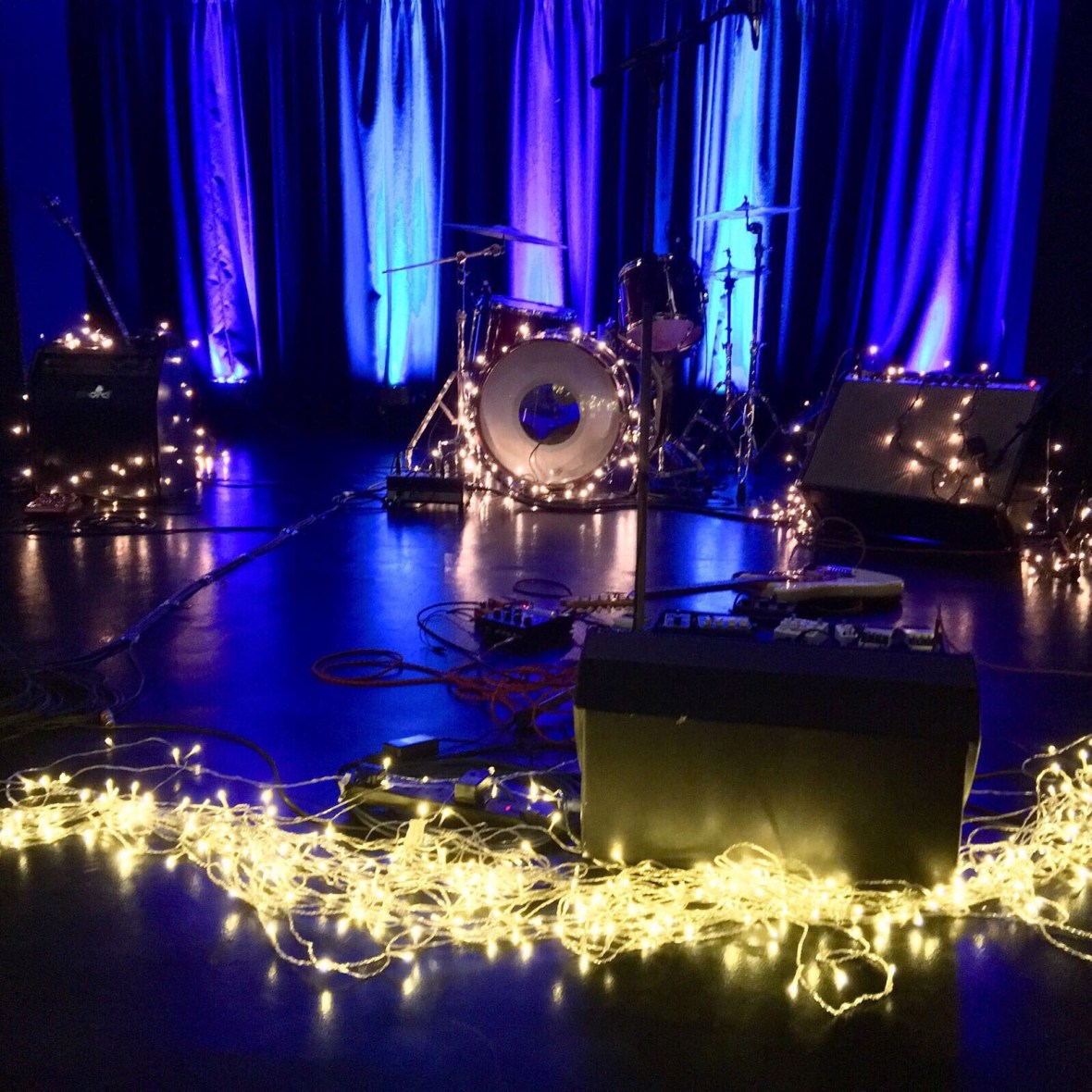
As befits a band with little in the way of self-promotion, they requested no lights other than the down lighters behind the drums. Previous gigs in the venue (I’m part of the team that puts them on) have seen any number of acts demand all manner of spotlights here, uplighters there, blue washes in the third number etc etc. Not Dead Hope. “No lights, please.” As the last notes of the support act had faded to a feedbacking hiss, Dead Hope vocalist Scott McLuskey quietly draped the amps, the drumkit, the mic stand, effect pedals and the floor with ropes of twinkling fairy lights. “The Devil is in the detail,” as they sing on album opener Pigs.
Picture of stage set ‘borrowed’ from Scott McKluskey’s Twitter feed
It was ethereal. Womb-like, even. Certainly, when the band took to the ‘stage’, you felt as if you were inside their wee world, audience and band as one. It was a perfect set-up. When they started playing, it was even better.
Dead Hope at the HAC, Irvine 6.4.18 (c) Paul Camlin
Dead Hope sound like a Panzer attack coming over the hill. Brutal, relentless and unforgiving, they make an almighty noise for a trio. The signs are there on the album of course, but played live, the songs leap off the fretboards like sparks from a welder’s blowtorch. Driven by Keith Martin’s machine-like drumming (think Stephen Morris at the wheel of Joy Division) and Andy Crone’s bulldog chewing a wasp bass, it’s up to Scott McLuskey to provide the vocals, the melody and the colour. It’s his guitar that sets Dead Hope apart from all others. Dead Hope love reverb. They love distortion. They love whacked-out echoes and dubby codas. McLuskey’s guitar (a vintage ’62 Fender Jag, I believe) provides these glorious textures.
Scott McLuskey of Dead Hope (c) Paul Camlin
Like all the best bands, and by this I mean the truly great bands who really matter (yer Clash and yer Joy Division and yer ‘Du and the likes), Dead Hope’s tracks blend seamlessly into one another. The album material – Pigs, Swordz, Thieves & Vultures and Landslide being the pick of the bunch – plus the one or two new tracks they played stretches the set to around 45 minutes, but it’s a breathless rush, over and out in what seems like 5 minutes. As you watch McLuskey hunched and leaning as he screams into the mic, cardigan and stripey t-shirt hanging loosely behind his battered Jag, you can picture Kurt Cobain. Andy Crone, standing stock still ‘stage’ left, staring into the middle distance with his legs shoulder width apart (“I couldn’t see what I was doing!” he explains later) and the metronomic Martin behind his kit provide the solid balance.
Scott McLuskey of Dead Hope (c) Paul Camlin
As I type, one prominent indie label has expressed an interest in re-releasing Songs From The Second Floor and giving it the platform it deserves. In a world of poseurs and pretenders, it’s the least anyone could do. There’s no pretence with Dead Hope. They’ll place substance over style every time. Dead Hope don’t play live that often, so it’s all the more important that you go and see them when they do. They play every show with a ferocity and honesty that suggests it might be the last show they ever play. Don’t miss out.
Dead Hope – Landslide
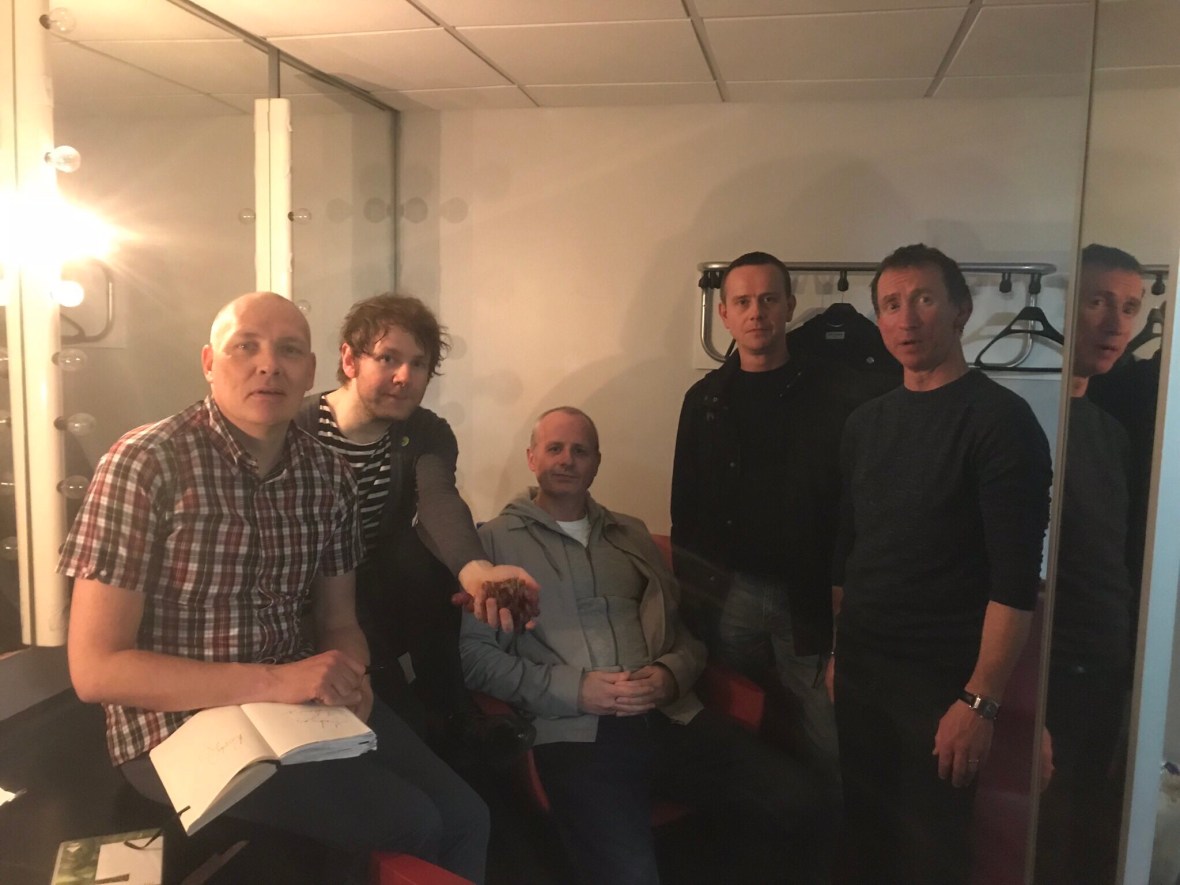
Dead Hope plus road crew photographed superbly by this author. Borrowed from Scott McLuskey’s Twitter feed.














 Plain Or Pan
