Hard-to-find

Six Of The Best – Miki Berenyi (Lush)

Six Of The Best is a semi-regular feature that pokes, prods and persuades your favourite bands, bards and barometers of hip opinion to tell us six of the best tracks they’ve ever heard. The tracks could be mainstream million-sellers or they could be obfuscatingly obscure, it doesn’t matter. The only criteria set is that, aye, they must be Six of the Best. Think of it like a mini, groovier version of Desert Island Discs…

Number 27 in a series:

miki berenyi

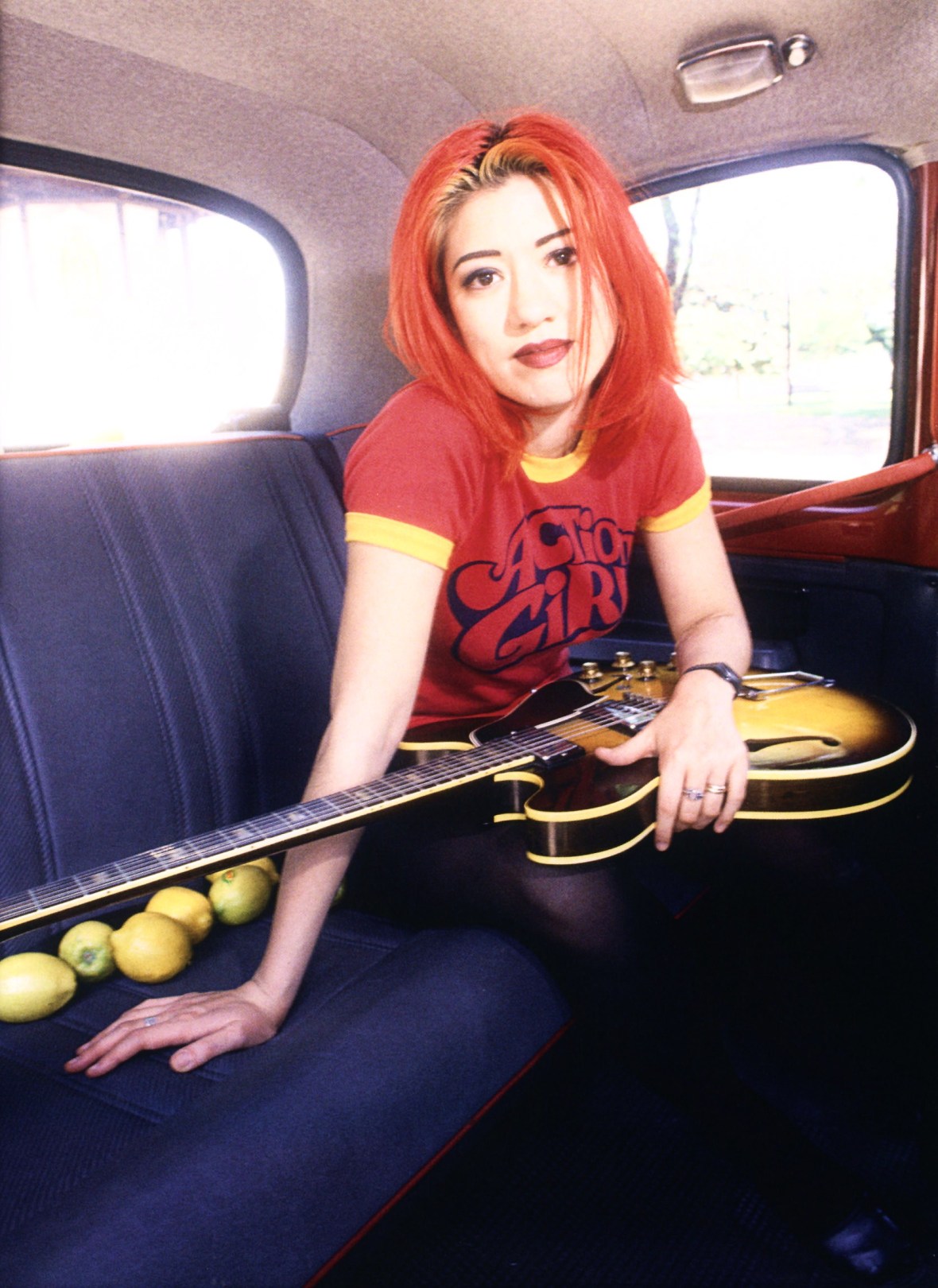
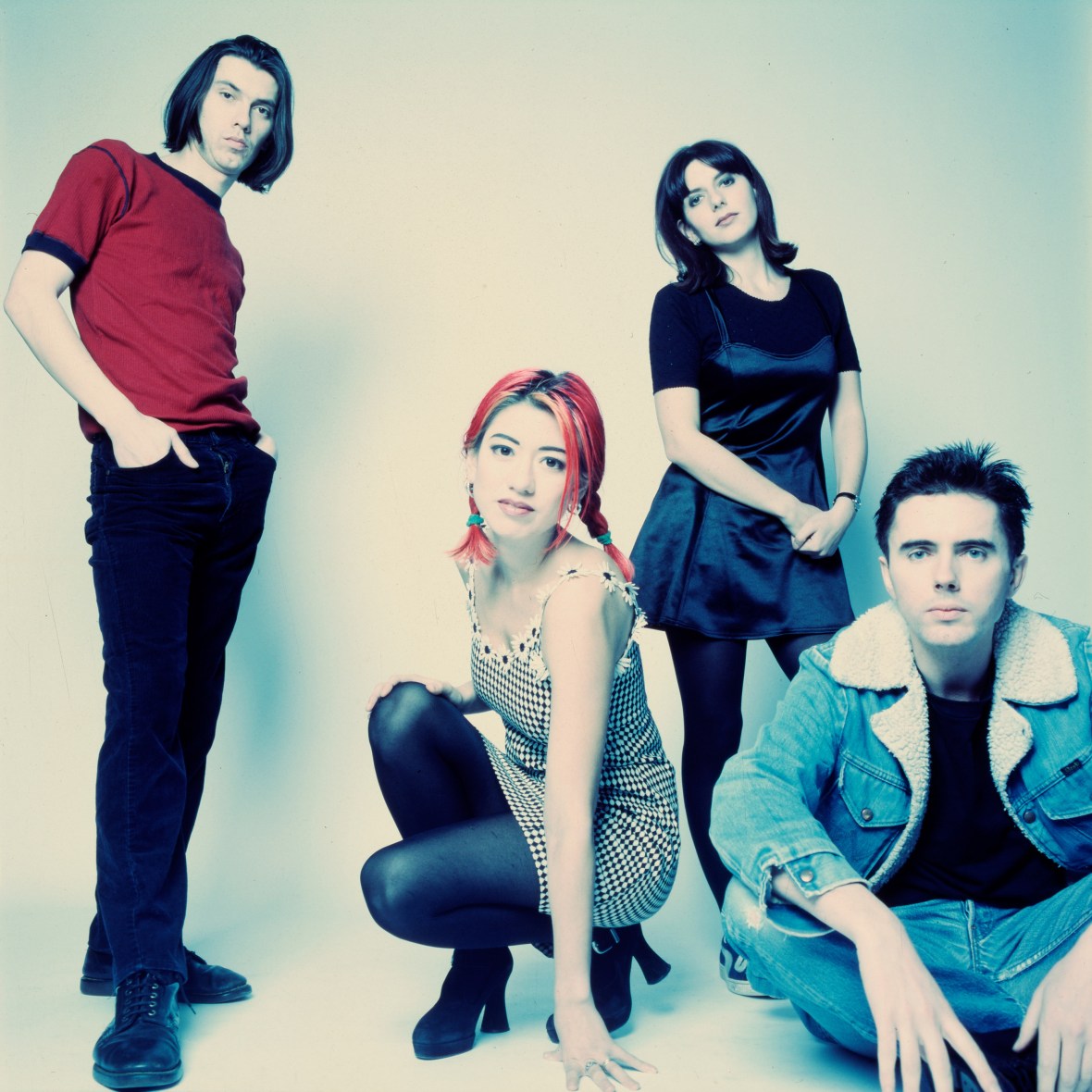
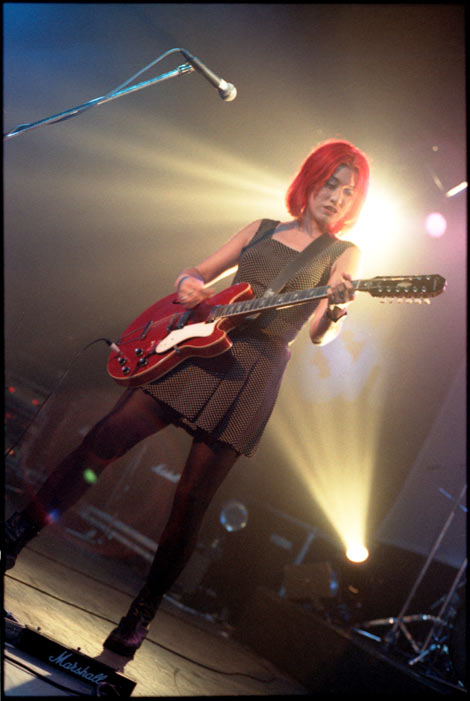
Miki Berenyi is best-known as the focal point of Lush, the perfectly-balanced indie rock quartet from London. With a healthy obsession for phasers, flangers and flame-red hair Miki and her guitar sparring partner Emma Anderson sang ethereal two-part harmonies, usually atop a fantastic swirl of noise, always ably backed by Chris and Steve (and laterally Phil) on drums and bass, the power-packing yin to the girls’ gossamer-light yang. If you were looking for decent music in a post-Smiths/pre Britpop era, Lush may very well have been right up your street. I’m sure mine wasn’t the only quiff that collapsed in horror at the first listen of Morrissey’s Kill Uncle LP, only to fall fortuitously into a heavily-fringed bowlcut in time for Lush and Ride and their ilk to come along.

Signed to 4AD at the tail end of the 80s, their early recordings were produced by Robin Guthrie, the directive force and sonic architect in the Cocteau Twins. Guthrie employed the same studio techniques on Lush as he did on his own band’s recordings and Lush records, moreso the early ones, have more than a hint of the Cocteau’s gothic grandeur. Like all the very best bands, Lush released terrific standalone EPs featuring tracks not available on albums. 12 string guitars chime and feedback continually howls, effect pedals are always turned to 10 and yet, somewhere in the mix you’ll hear Miki and Emma’s vocals floating over the top, a shoegaze Abba for the youth of the day.

lush band

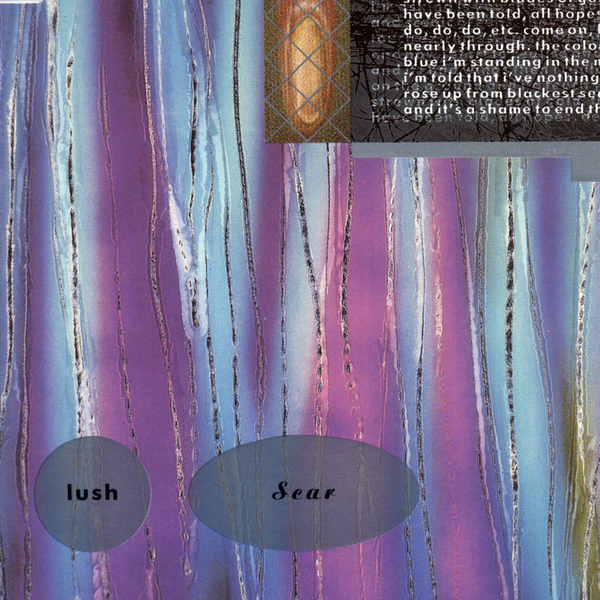
The 6 track Scar EP is a particular favourite in this house. As is the 4 track Mad Love release, which features Downer, the sound of Lush rushing downhill at a thrilling 100 miles an hour. Worth mentioning too is their cover of Wire’s Outdoor Miner on the For Love 10″. Indeed, all those Lush EPs are essential. You really should try and track them down. The early ones were compiled onto the Gala LP, released to promote Lush in the US and Japan, and it wasn’t until 1992 before the band’s debut album Spooky was released. Spooky would reach the dizzy heights of number 7 on yer actual Top 40 charts, no mean feat for a marginal indie act in the early 90s.

miki live

By 1996, the band were onto their third album. Buoyed by the (gads) Britpop scene, the last truly commercial era for record companies, Lush went on to score a number of top 40 hits on the singles chart. Most famously, Single Girl took them all the way to number 21 and onto Top Of The Pops and remains probably their best-known tune.

A short-lived reunion a couple of years ago laid the ghost of Lush to bed once and for all. Those records live on though, and they still sound great today; loud, airy, other-worldly and melody-packed, a wonky Abba fuelled by cider and blackcurrant.

Lush, 2016

It was Miki’s Twitter feed that sparked the idea of asking her to contribute a Six Of The Best. It’s a treasure trove of an era long past; pictures of My Bloody Valentine playing to about 6 people in a horribly sterile venue, snaps of various members of Lush lying around in festival backstage areas with assorted pop stars of the day for company, a picture of Miki’s mum snapped alongside Sean Connery in a promo shot for You Only Live Twice… in essence, the sort of stuff that makes you want to find out more.


This slideshow requires JavaScript.


“My daughter is turning 17 this month so with that on my mind, I’m picking six random songs that remind me of being a teenager.

I had no siblings to influence my taste and my dad’s musical contribution stretched to singing What Do You Want by Adam Faith on car journeys and wolf-whistling the women from Baccara on TOTP, so learning about music outside of the top 40 involved random acquisitions from Record and Tape Exchange and the local library. In other words, no I wasn’t listening to Crass when I was 12, but by 15 I was desperately trying to catch up and was open to listening to anything that had an interesting name or cover.”

Here then is Miki Berenyi‘s Six Of The Best

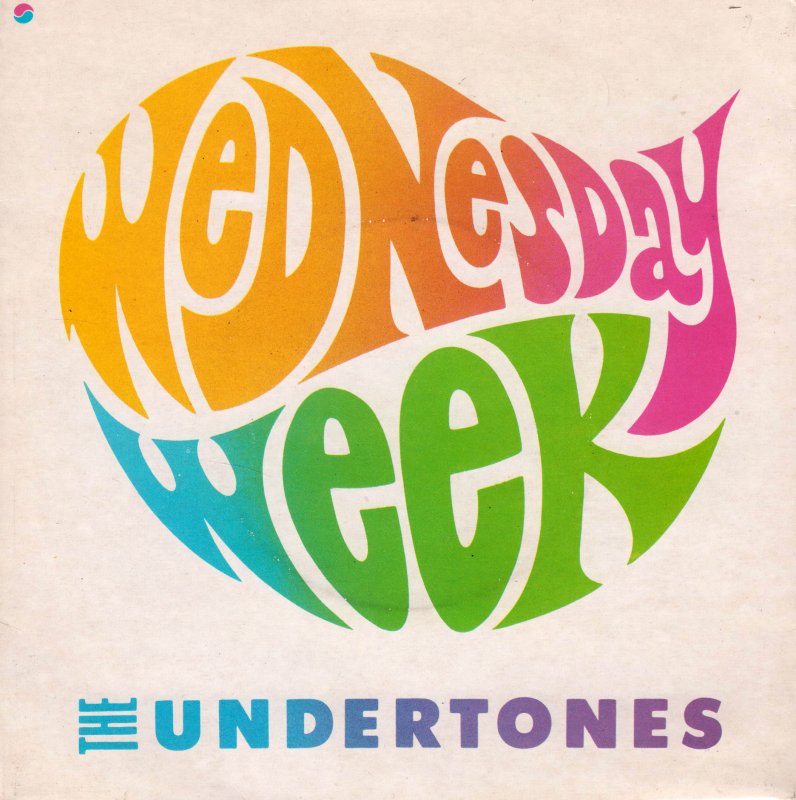
wed week

The Undertones Wednesday Week

Remember that scene in a Fistful of Travellers’ Cheques? “Everybody likes the Eagles!”. Well, I guess everybody likes The Undertones, so I could pick any of many of their tracks that joyfully, yearningly encapsulate teenage preoccupations.

This reminds me of being 13 and getting the tube to school and having a massive crush on a boy who went part of the journey in the same carriage every day, who smiled sweetly and who I was too shy to ever speak to.

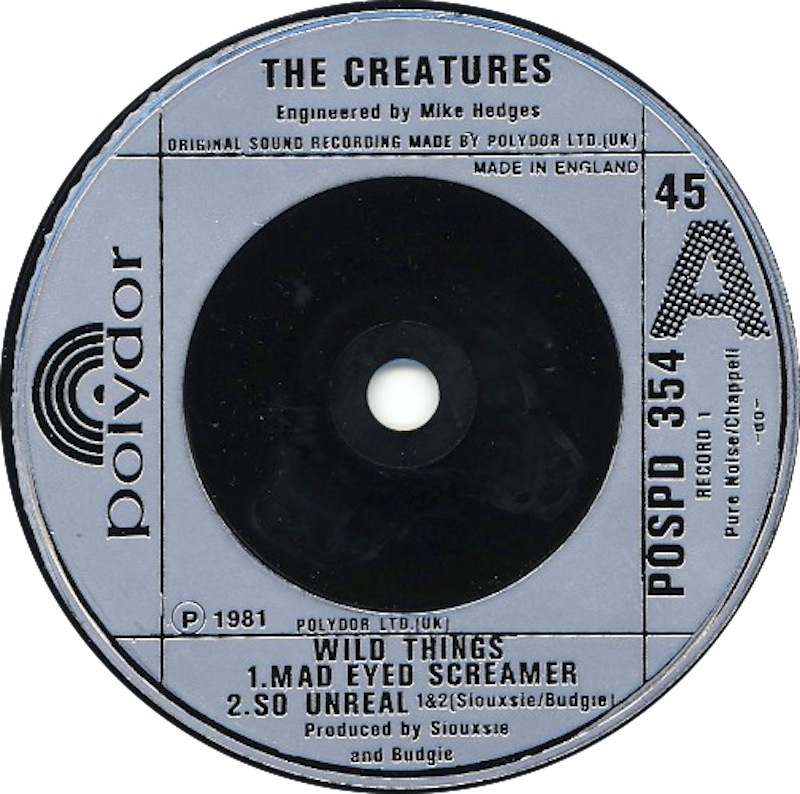
the-creatures-mad-eyed-screamer-1981-4
The Creatures – So Unreal

I can still remember Siouxsie and Budgie playing Mad Eyed Screamer (or Mad Ice-creamer as we used to call it) on TOTP and thinking “Fucking wolf-whistle at THAT Dad!!!”

I first saw the Banshees play in 1982, touring Kiss In The Dreamhouse, and still get a rush of my 15-year-old excitement, fighting my way down the front and drinking in every heightened-aware second. Absolutely changed my life!

I met them years later when I was in Lush but I was ridiculously starstruck and could only gush to Budgie how I used to obsessively tap out the drumbeat to this song on my wooden pencil case at school. 


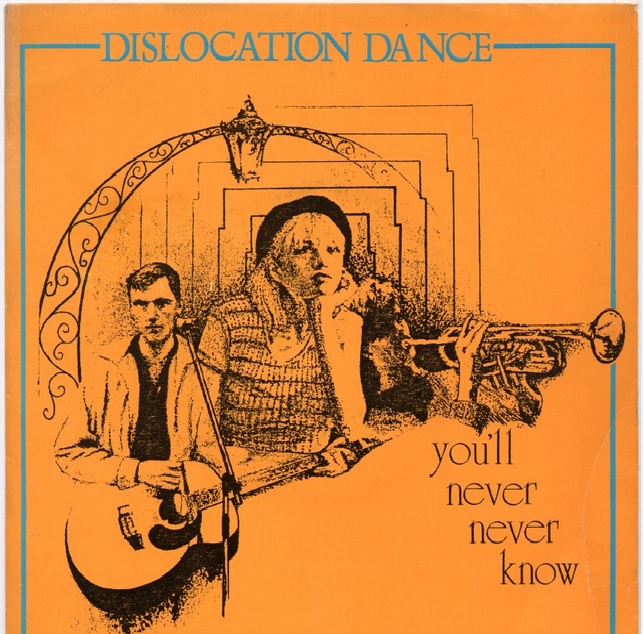
Dislocation Dance – You’ll Never Never Know
I bought this single because I liked the name of the band and that was it – knew absolutely nothing else about it.
Most of the music I listened to at that point was dark and angry or plaintive, so when I first put it on the record player I thought: “Hmmm, this doesn’t fit with the image I’m trying to project” but it’s such a breath of summer air and I couldn’t get the tune out of my head, so it’s become synonymous for me with youthful strolls around London in the sunshine.


crass

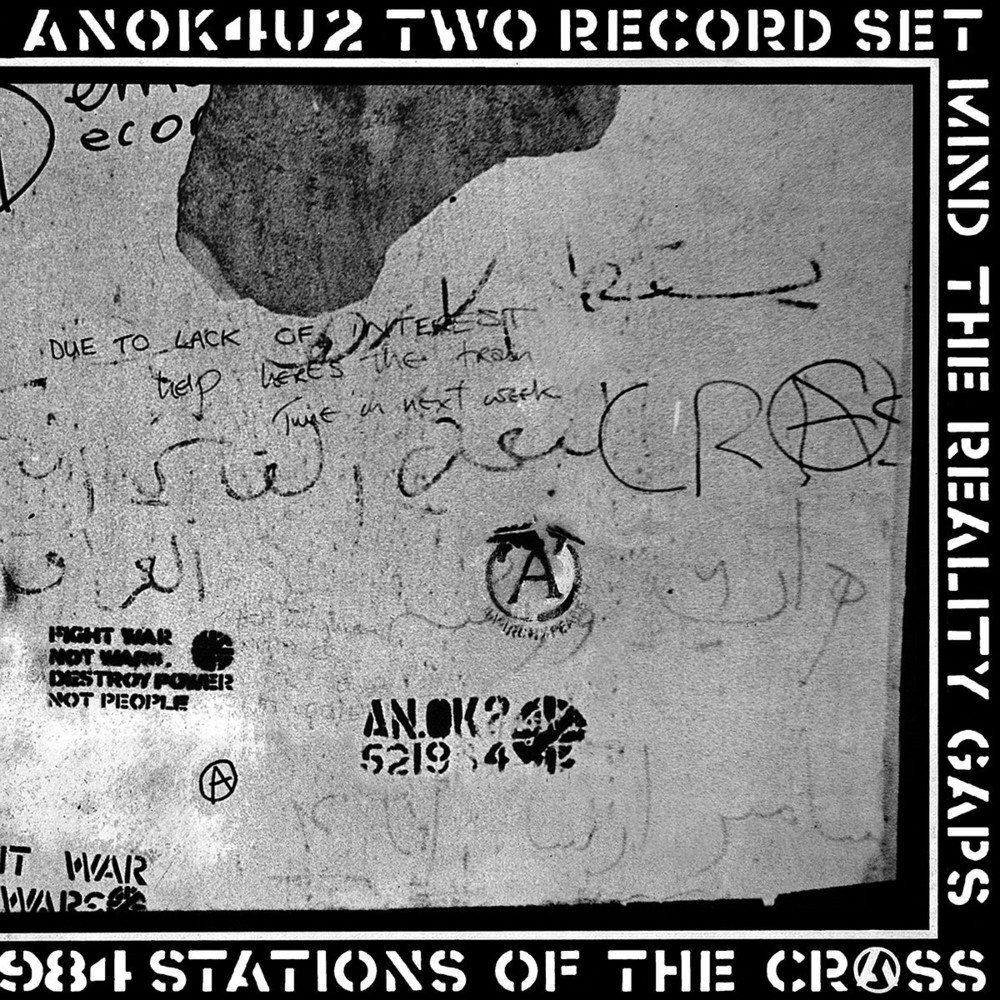
Crass – Walls

I remember playing my 7″ of Reality Asylum/Shaved Women by Crass to a girl at school and she was so appalled she didn’t speak to me for a week.

This one she could just about live with, especially as at the time we both misheard the lyrics and thought it was “cider, cider, cider cider”.
gun club heroin
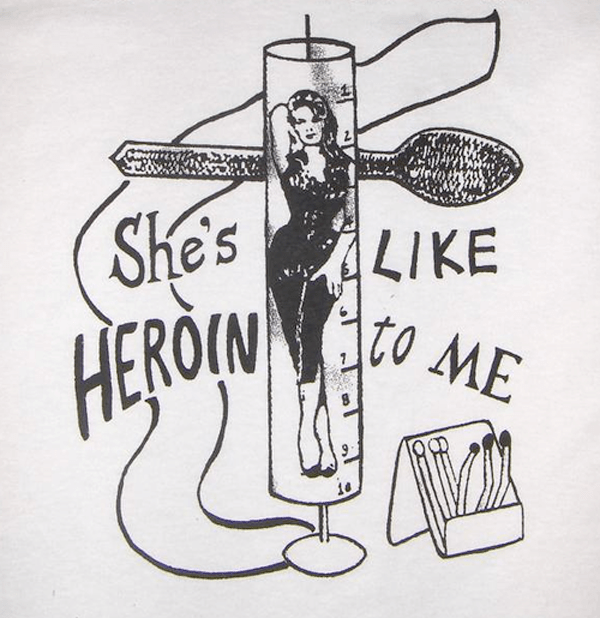
The Gun Club – She’s Like Heroin To Me

I first saw The Gun Club when I was 16 at The Lyceum in 1983, primarily because I was big into The Sisters Of Mercy, who were supporting. Following this gig, I listened to Fire of Love relentlessly and this song in particular.

I’ve never been big into drugs – smack to me as a teenager in London felt scabby and ugly, all piss-stained mattresses and rat-infested squats, but heroin in an American accent sounded AMAZING and, in this song, swirled up with the euphoric rush of love and sex (but still didn’t make me want to take it, I hasten to add!)

b52s
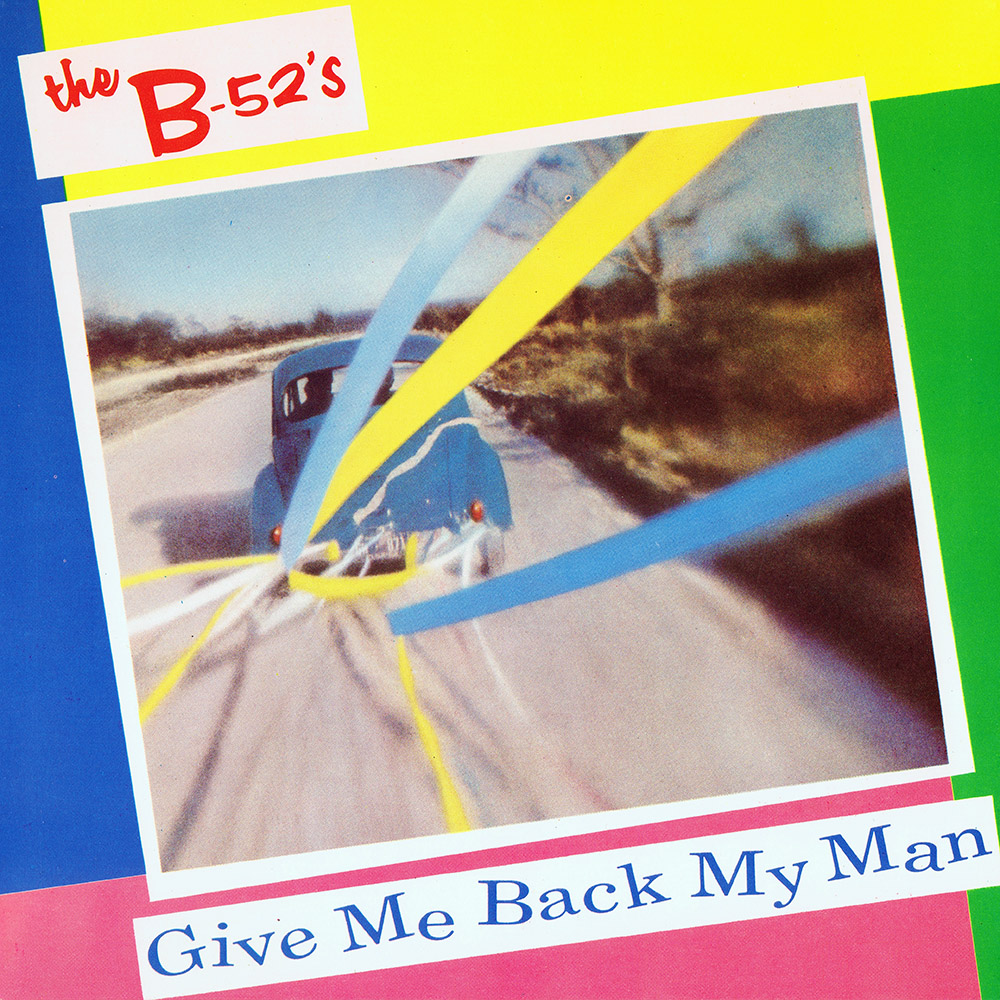
The B52s – Give Me Back My Man

The B52s would often get slung on as a staple at house (and I mean ‘house’ as in ‘home’) parties back in the 80s and I spent many a night jumping around to Rock Lobster and Planet Claire.

I love this song because there’s a wild, cracked, child-like primal demand in the vocals that I only next encountered when I first hear Birthday by the Sugarcubes. Pure feeling and great to drunkenly yell along to when – good or bad – it all gets a bit much.

————————————————————————————————-

A terrific choice of records! Turning the focus on her own band, I asked Miki which Lush track she was most proud of playing on.

“Hmmm… I don’t think I can say I was ever really ‘proud’ of my playing/singing – it was generally rather agonising, and I was always conscious of being sub-par!

That’s not to say I didn’t think the songs, when finished, weren’t great – I remember first hearing a mix of Scarlet in the studio with John Fryer and almost blushing with achievement, thinking “Bloody hell, is that US?!” But if a producer ever said my performance was good, my instinct was to be surprised or to think they were just trying to be kind. It must have been very tiresome!”

LushScarlet (Scar EP)
Lastly, while we’re talking about producers, tell us a story about Robin Guthrie.


“Robin was super patient with me, doing the vocals. Sometimes I sang so quietly the note itself was barely audible and then you’d get a massively loud rasp as I inhaled a breath for the next line – I smoked loads, too, so that must have been fun to edit!

The studio had these banks and banks of effects all lining the walls, it was like a fucking spaceship. You’d be playing the guitar and he’d be sticking the other end of the lead into random sockets and these mad sounds would suddenly emerge. And when he gave you a compliment it felt so fucking great. I remember him picking out this transition in For Love saying “That’s good. I’m gonna nick that” which swelled my heart fully. Actually, that was probably my proudest moment!”

And there ye have it, Miki Berenyi’s Six Of The Best, plus a cracking Lush track flung in for good measure.
Hard-to-find

Peace And Quiet And Open Air

Somewhere was written by Leonard Bernstein and Stephen Sondheim and soundtracks arguably the most famous sections of West Side Story. Bernstein based parts of the music on Beethoven’s ‘Emperor‘ Piano Concerto*. Sondheim constructed a lyric that offered hope out of despair. In the musical, the song appears twice, first as a celebration of Tony and Maria’s against-the-odds love for one another and secondly towards the end when Maria sings it – spoiler alert! – as she holds her shot and dying boyfriend in her arms. I’m not a musicals kinda guy, although Grease is indeed the word, but it isn’t hard to appreciate the soaring melancholy of Somewhere. I’ve no idea how the rest of West Side Story is soundtracked, but I suspect it’s not for me. Somewhere though will always be in my ever-changing and expanding list of favourite songs.

Tom Waits takes the song and makes it crawl in slow motion like a couple of Bowery bums from the grubby and well-thumbed pages of a charity shop Bukowski novel. He’s gargled a gallon of gravel and phlegm, downed a litre of brown paper-wrapped liquor and turned Somewhere into a tear and piss-soaked anthem of hope for down on their luck drinkers everywhere.

Tom WaitsSomewhere

The original’s vision of hope over despair is magnified tenfold in Waits’ version, two drinkers looking for a way out of their sorry existence. Strings swirl with Disney-like flourishes. Waits’ vocal is fantastic, his phrasing and intonation bang on. Is he in character or is it for real? Who knows? There’s no doubt though that he’s singing from the heart. This is soul music, just not as you know it. “We’ll find a new way of living,” he croaks. “We’ll find a way of forgiving.”  It’s depressingly sad and sky-scrapingly brilliant all at the same time.

Waits’ version was recorded initially for his Blue Valentine album, an album you really should investigate if it’s unfamiliar to you. He’s a bit of a genius is our Tom, although I suspect you knew that already.

In sharp contrast, Pet Shop Boys reclaim Somewhere as a day-glo gay anthem to rival that of their own take on Go West. If it’s near-11 minute dance remixes y’r after, look no further than the full-length treatment afforded to it.

Pet Shop BoysSomewhere (full length 10.54 version)

A bit of random Chris Lowe chatter, a sprinkling of West Side Story’s I Feel Pretty and a date-defining trip hop shuffle eventually give way to the thump, thump, thump!!! as Pet Shop Boys’ disco machine shifts slickly through the gears towards the track’s conclusion. Fairlights crash and synthetic strings sweep in trademark PSB fashion. The Smiths you can dance to, as they famously quipped.

We’ll find a new way of living,” announces Neil Tennant in that slightly smug, slightly knowing way of his. “We’ll find a way of forgiving.” By the end, doubts have been cast aside, bags have been packed and we’re all in line, “Hold my hand and I’ll take you there,” following Tennant and Lowe, marching to the beat of their 808 to a wondrous new place.


*As I typed this article I listened to all 43 minutes of Beethoven’s Concerto No5: Emperor (complete) and I must be honest, to these philistine rockist ears, I failed to spot where Bernstein borrowed the music. Maybe your ears are more refined. It’s here if y’fancy it.

Hard-to-find

Hope Springs Eternal

Glasgow 3-piece Dead Hope is something of an enigma. A proper underground band, you can Google them all you want but you’ll find little in the way of a band promo shot, official video, logo or any of the regular stuff that, for almost all other bands, is as much a part of the machine as the music itself. Google them though and you will find a link to their Bandcamp page where you can listen to/download/buy their debut album Songs From the Second Floor. It’s a terrific album packed full of short, sharp and angry blasts, Husker Du by way of Sonic Youth over 10 songs in just over half an hour. If you’re a regular here you may remember I’ve written about it before. Googling Dead Hope will also throw up a handful of links to reviews of their live shows. The piece that follows will hopefully be another for the Google analytics bots to link to.

Scott McLuskey of Dead Hope (c) Kerrin Carr

Dead Hope played the tiny Harbour Arts Centre in Irvine on Friday night. It’s a seated venue, with seats on three sides of a floor space where the band plays. There’s not a stage in sight. The only people standing are the musicians. As a venue it’s perfect for acoustic nights and travelling theatre groups. It’s not a room normally conducive to hosting noisy post-punk acts, yet Dead Hope made it their own.

As befits a band with little in the way of self-promotion, they requested no lights other than the down lighters behind the drums. Previous gigs in the venue (I’m part of the team that puts them on) have seen any number of acts demand all manner of spotlights here, uplighters there, blue washes in the third number etc etc. Not Dead Hope. “No lights, please.” As the last notes of the support act had faded to a feedbacking hiss, Dead Hope vocalist Scott McLuskey quietly draped the amps, the drumkit, the mic stand, effect pedals and the floor with ropes of twinkling fairy lights. “The Devil is in the detail,” as they sing on album opener Pigs.

Picture of stage set ‘borrowed’ from Scott McKluskey’s Twitter feed

It was ethereal. Womb-like, even. Certainly, when the band took to the ‘stage’, you felt as if you were inside their wee world, audience and band as one. It was a perfect set-up. When they started playing, it was even better.

Dead Hope at the HAC, Irvine 6.4.18 (c) Paul Camlin

Dead Hope sound like a Panzer attack coming over the hill. Brutal, relentless and unforgiving, they make an almighty noise for a trio. The signs are there on the album of course, but played live, the songs leap off the fretboards like sparks from a welder’s blowtorch. Driven by Keith Martin’s machine-like drumming (think Stephen Morris at the wheel of Joy Division) and Andy Crone’s bulldog chewing a wasp bass, it’s up to Scott McLuskey to provide the vocals, the melody and the colour. It’s his guitar that sets Dead Hope apart from all others. Dead Hope love reverb. They love distortion. They love whacked-out echoes and dubby codas. McLuskey’s guitar (a vintage ’62 Fender Jag, I believe) provides these glorious textures.

Scott McLuskey of Dead Hope (c) Paul Camlin

Like all the best bands, and by this I mean the truly great bands who really matter (yer Clash and yer Joy Division and yer ‘Du and the likes), Dead Hope’s tracks blend seamlessly into one another. The album material  – Pigs, Swordz, Thieves & Vultures and Landslide being the pick of the bunch – plus the one or two new tracks they played stretches the set to around 45 minutes, but it’s a breathless rush, over and out in what seems like 5 minutes. As you watch McLuskey hunched and leaning as he screams into the mic, cardigan and stripey t-shirt hanging loosely behind his battered Jag, you can picture Kurt Cobain. Andy Crone, standing stock still ‘stage’ left, staring into the middle distance with his legs shoulder width apart (“I couldn’t see what I was doing!” he explains later) and the metronomic Martin behind his kit provide the solid balance.

Scott McLuskey of Dead Hope (c) Paul Camlin

As I type, one prominent indie label has expressed an interest in re-releasing Songs From The Second Floor and giving it the platform it deserves. In a world of poseurs and pretenders, it’s the least anyone could do. There’s no pretence with Dead Hope. They’ll place substance over style every time. Dead Hope don’t play live that often, so it’s all the more important that you go and see them when they do. They play every show with a ferocity and honesty that suggests it might be the last show they ever play. Don’t miss out.

Dead HopeLandslide

Dead Hope plus road crew photographed superbly by this author. Borrowed from Scott McLuskey’s Twitter feed.

Find Dead Hope and follow them on social media.

Hard-to-find

Hit Record

Little Eva, she of The Locomotion and other bubblegum pop hits used to babysit for master songwriters Gerry Goffin and Carole King. One night she turned up covered in brusies and disclosed that she received regular beatings from her boyfriend. When Goffin and King asked why on earth she stayed with him, Eva told them in total sincerity that her boyfriend’s beatings were done out of *love for her. Shocked, they sat down and penned an uncomfortable classic.

He Hit Me (And It Felt Like A Kiss) was like nothing else the songwriting team had written. Goffin and King’s subject matter tended to focus on the highs and lows of teenage relationships; make-up songs (The Best Part Of Breaking Up Is When We’re Making Up), break-up songs (Take Good Care Of My Baby) and ‘what if’ songs (Will You Still Love Me Tomorrow?) but never the delicate matter of domestic abuse. To take that subject and stick it in a pop song for Phil Spector to throw the kitchen sink at was very….well, what, exactly?

Can you imagine 80s hit makers Stock, Aitken and Waterman following up Kylie’s version of The Locomotion with a production line hit record cataloguing domestic abuse? Or one of Simon Cowell’s pop charges power ballading their way through similar themes, key changes, sweeping strings ‘n all? It’s unthinkable, but that’s the modern day equivalent, which is why Goffin & King’s decision to write the song and Phil Spector’s decision to record the song was nothing short of revolutionary. And a little bit stupid.

He Hit Me (And It Felt Like A Kiss) was given to The Crystals to record. Presumably, Phil felt he couldn’t give it to The Ronettes or he’d have had all sorts of accusatory fingers pointing at him. Quite ironic really, given how he treated Ronnie (or where he currently resides).

The CrystalsHe Hit Me (And It Felt Like A Kiss)

Spector treated this song with (for him) a rare understatement. There are still reverberating walls of shimmering strings (when they see-saw their way in at the start of the second verse it’s unnervingly fantastic) and there’s multitracked female choirs in the background every other line, but (only after Spector had her do take after take to get the requisite downtrodden vocal) Barbara Alston’s main vocal line is stark and nervy. The creeping bassline only adds to the sense of unease. By the time the key change has arrived most listeners are well aware they’re listening to something that shouldn’t really be in a pop song, least of all a Spector production, which was until this point the audible equivalent of the American Dream in under 3 minutes.

Almost immediately Spector’s Wall Of Sound was met with a wall of outrage and the record was banned. Radio stations refused to play it, the record was quickly withdrawn and the only way to hear it, if you were brave enough, was on The Crystals’ He’s A Rebel LP.

Time hasn’t been kind to the song. The golden oldies stations that pump out wall-to-wall 60s hits will never play it, yet it’s there like the bad apple that can’t be thrown away. It’s an undeniable part of Spector’s terrific back catalogue but doesn’t appear on (m)any of the hit compilations, although it does find its chronological way onto the Back To Mono box set, the black yin to the sun-kissed golden yang of Spector’s output.

In 2012 Carole King expressed her regret at having a part in it. “I wrote the music to He Hit Me (And It Felt Like A Kiss). Obviously, I’m complicit in having written that song. I kind of wish I hadn’t written any part of that song, but Gerry wrote that lyric. … And I think in some ways – I’m only speculating – that for some women that may be the only manifestation of what they perceive as love. And that’s certainly true for the woman in that song. And you know, that’s all wrong. So, again, that’s one song I kind of wish I hadn’t had any part of writing.”

The song hasn’t quite been swept under the carpet though. Courtney Love and Hole did a particularly caustic version at many live shows for a while, Love ironically introducing it as a feminist anthem. Amy Winehouse, no stranger to disfunction and domestic abuse has often cited He Hit Me… as her favourite-ever song. And Spiritualized, never ones to miss a 60’s-influenced druggy reference point recorded She Kissed Me (It Felt Like A Hit) on their 2003 album Amazing Grace. It’s far more Iggy than Phil though, but you probably knew that already.

SpiritualizedShe Kissed Me (It Felt Like A Hit)

*As an aside, Little Eva married that same boyfriend.

Hard-to-find

Lane Changer

Debris by The Faces is the band at their loosest yet least louche. It was written by Ronnie Lane, Faces’ bass player and, as would become apparent, the one Face capable of writing a song that didn’t celebrate their shallow, rock starry approach to life. Stay With Me,Cindy Incidentally et al are magic tracks, ideal for getting dressed to go out on a Saturday night or for a drive on the motorway if you’re feeling the need to creep beyond the speed limit, but Debris will bring you right back down to earth with a swell in your heart and a tear in your eye. A real Lane changer in every sense.

It’s the saddest song in the Faces’ livin’ and lovin’ back catalogue.

The following input us from the ever-reliable Marc Wishart.

Sorry, Craig, he says, but you’ve totally misread the song….

Written by Ronnie for his much-loved Dad, Stan, it’s a song about gaining a different perspective on life as you grow older. The titular Debris was the name of the local rag market.

(Thanks to Marc Wishart for the factual input.)

But I left you on the debris
Now we both know you got no money
And I wonder what you would have done
Without me hanging around

The FacesDebris

Longer than the combined lengths of Ronnie Wood’s and Rod Stewart’s not insignificant hooters, it meanders beautifully on a bed of open-tuned, loosely-scrubbed acoustic guitar that allows Wood’s electric lead to wander all over the top at will. It’s this guitar playing that would see Ronnie confirm his transfer to the Stones where he still plays the perfect foil for Keith Richard’s five-string riffing. Indeed, with it’s early 70s, live in the studio, one-take feel, Debris could easily be a long-lost Stones classic.

It just about hangs together thanks to the glue created by Ronnie Lane and Rod Stewart’s terrifically layered twin vocal; Lane’s on lamenting lead, all effortless introspection, with Rod jumping in and out on the chorus with his perfectly-pitched gravelly harmonies. You might go so far as to say that Rod gives one of his best-ever vocal performances. The addition of his voice lifts an already-great track into a whole other level of brilliance. Of course, a decade later he’d be prancing around in leopard skin lycra and a yellow sun visor, putting ill-advised fashion and production before The Song, so you’d be best to appreciate Rod this way. If ever a vocalist betrayed his God-given talent, it’s good old Rod. I suspect you knew that already though.

Hard-to-find

Soul Stealers

Regi-regi. It’s a Jamaican phrase used to describe someone’s ragged clothes. By the end of the 1960s, when ska and bluebeat were in full flow, the phrase had morphed in to the singular reggae, used to describe the ragged, rough ‘round the edges music that was being created hourly in the studios around Kingston before blasting from all corners of Orange Street the same day. It might have been a wee bit rough around the edges, but there’s little in the way of pretence in reggae. It’s straightforward, honest and soulful, politically-charged dance music.

Unlike other musical genres, reggae in all its guises is a relatively young form of music. There were recording studios in Jamaica as far back as the 1950s, recording the local folk and calypso groups, but the ska and bluebeat sounds that would come to define the island’s musical heritage were still a decade or so away. When New Orleans jazz started to filter south to Jamaica, the locals began playing their own version, taking their cue from the freeform trumpet lines and sliding trombones of their North American counterparts. A new sound – ska –was created. The word ‘ska’ was taken from the sound the hi-hat made as it was played with frantic abandon on the off-beat – ‘ska-ska-ska-ska’. Seemingly overnight, Jamaicans had their own form of music.

It wasn’t until the locals started picking up American radio stations that things began to get a bit more interesting. The mid 60s soul scene transferred particularly well to the islands and, like a million other songwriters before and since, the local musicians were dab (or should that be ‘dub’?) hands at appropriating the best parts of the records they liked before turning them into tunes of their own. I’ve written before about this on Plain Or Pan, but to keep things on the one page, contrast and compare Aretha Franklin‘s loose ‘n funky Rocksteady with The Marvels track of the same name. Then listen to Sound Dimension‘s lightly toasted, fully roasted Granny Scratch Scratch. Talent borrows, genius steals, as I’m sure Noel Gallagher has said.

Aretha FranklinRocksteady

The MarvelsRocksteady

Sound DimensionGranny Scratch Scratch

Bucking the trend somewhat were the Staple Singers. They looked across the Caribbean at what was happening and decided to steal a riff for their own good.

Harry J AllstarsLiquidator

Nowadays, Liquidator is ubiquitous at football stadiums the length and breadth of the UK as a run-out tune for winners and losers from every division. Back at the end of the 60s, it was a quirky instrumental track, recorded by local producer Harry Johnson at his studio and played by the assorted musicians who happened to be around at the moment. Little did they know that back then, they’d be creating the sound of sunshine itself. It’s lilting melancholy never sounds anything less than fresh.

Over in the States, in a rare example of gamekeeper turned poacher, the Staple Singers lifted Liquidator‘s opening bass line and blast of brass wholesale before extending it into one of their most endearing tracks.

Eschewing the classic shimmer ‘n twang of Pop Staples’ heavily-reverend Fender Jazzmaster, they turned in a gospel-rich pop/soul classic. I suspect you know this already though.

Hard-to-find

Baby, You’re A Fool To Buy

So the Stones are Rolling out another world tour, a global corporation charging eye watering prices for the privilege of seeing them up close and personal.

The more affluent of ticket buyers, lucky them, might have the honour of watching the band from the same postcode as the stage.

The really affluent will populate some sort of Golden Circle where, for the price of a scabby semi in Saltcoats they’ll get to press the wrinkled flesh of some of our greatest rock stars after they’ve wheezed themselves off the stage.

The rest of the ticket-buying public will need to watch from afar, rockin’ their socks in the knowledge that they’ve ‘seen’ the Stones, albeit from one of the massive Jumbotrons that’ll be scattered a couple of kilometres either side of the stage. I Can’t Get No Satisfaction indeed.

This picture was doing the rounds amongst friends on social media over the weekend.

That’s just ridiculous. Look at the booking fee alone. It’s obscene. For that kinda money I’d be expecting a shot of Keith’s guitar. Maybe even an invitation to pop up on stage and crank out the riff to Start Me Up on his trusty old 5-string Tele. Perhaps even get to count jumpin’ Jagger in for the opening line. But to stand in the middle (if you’re lucky) of a rugby stadium with thousands of other light of pocket Stones fans, that’s just not on. It’s a real-life beggar’s banquet. Baby, you’re a fool to buy. Don’t do it, you’ll only encourage them.

It’s a tricky one though, isn’t it? The Stones are a proper, genuine heritage act, one of those bucket list acts that you need to tick off before it’s too late. We’ve lost Bowie and Prince in recent years, yet Keef, the riff that keeps on riffin’, keeps keepin’ on.

In 1990, my pal and I went to see them on the Urban Jungle tour at Hampden, “before (ho ho) it’s too late“. They were great ‘n all, romping their way through a set kissed with the greatest of Rolled Gold; Start Me Up, Satisfaction, Gimme Shelter, Tumbling Dice, Sympathy For The Devil. Everything you wanted to hear, in other words. If you’d told me though that the band would still have been a going concern 28 years later, I’d have laughed in your face.

I’d have given anything to have seen the Stones in their swaggering, shaggering prime. But on the Stones timeline of greatness I was barely out of nappies when they were in their pomp and at their peak. The first chance I had to see the Stones was in 1990. In 1990, 1972 and Exile On Main Street was less than 20 years prior. Yet at the time it was a whole other lifetime ago. “Oh, it must’ve been great to have seen the Stones 20 years ago“, we slevvered obliviously. I remember at the Stone Roses Alexandra Palace show in 1989, dancing giddily before the band came on to Sympathy For The Devil, the whole place doing the ‘whoo-whoos’ in some mass communion. “The old songs are the best!” we agreed, the way a late teen might rave these days about Loaded or Cigarettes & Alcohol. In comparison, I think I really did see the Stones in (almost) their first flush of youth.

When did gig tickets become so expensive? The Stones’ 1990 Hampden show was £20 (including vat, as you can see). My ticket was bought in person from the old Virgin Megastore on Union Street, and I’m pretty sure I wasn’t conned into paying any sort of booking/admin/licence-to-print-free-money fee. By comparison, that Stone Roses show at Alexandra Palace was just £8.50. U2 on the Joshua Tree tour a couple of years before was a part-time job killing £10. So £20 would’ve been a dear ticket in 1990, but in the scheme of things, not that expensive.

The argument’s there about touring being the only reliable source of income for bands these days but the Stones are taking the piss. Or are they? If the shows sell out, which they probably already are, are they pricing based on supply and demand? Or are they being greedy?

At some point down the line the No Filter tour will be celebrated as the highest grossing tour ever, outdoing yer U2s and yer Police and yer last Rolling Stones tour….It doesn’t make it right though.

Here’s Mick and co asking you the only question they need to know the answer to…

The Rolling StonesYou Got The Silver

Hard-to-find

Snow Can Do

The Beast From The East. Sounds like an Iron Maiden, Live In Japan album. It’s not the sort of name you would ordinarily give to a snowstorm, albeit one that has caused the fluid infrastructure of our country to career to a wobbly halt like a teenage band trying to end a song at their first rehearsal. Scenes of chaos unfold on the telly; cars in ditches, greyed-out motorways at a standstill, an AA man telling you not to travel. A vox pop-stopped random Glasgow bam on Buchanan Street informs us that “Canada can cope with far worse so why are my weans being sent home from school?” – all the usual stuff, really.

There’s a sound to snow falling; eerie and wooly yet comforting and cocooning. If it’s snowed through the night, you’ll know it even before you’ve pulled the curtain aside to confirm it. There might be a bright, white glare reflecting from the ground, creeping through the gap in the curtains giving the most fleeting of false impressions that you’ve awakened to a bright and sunny summer’s day. But you know. Call it a sixth sense, but you can feel it. And when you check, sure enough. There’s a fat, car-shaped snowy mould in place of the actual car you parked last night. The grass has been replaced by a blanket of rich, thick white. And the path! A footstep-free path is a beautiful thing. You don’t want to see it spoiled, but you’re sure as hell going to be the first to do just that.

The best records about snow sound like their subject matter.

Like Trashcan Sinatras‘ take on Randy Newman’s Snow. It has that eerie and wooly, comforting and cocooning sound. Listening to it, you’re taken to the safe haven of somewhere indoors, watching from a window while a leaden sky dumps its silent, heavy load on all below. Time takes on a whole new metre. You’re living inside a slow motion replay as softly descending basslines and gently beaten floor toms smother you, electric piano and a slide-into-the-ether wah-wah’d guitar giving you the wings that carry you up, up and away from suffocation. If Fleetwood Mac’s Albatross is the beating heart of summer, the Trashcans’ Snow is the womb of winter.

Trashcan Sinatras Snow

I have a super-rare Japanese 7″ of this, an artefact that’s just about as beautuful as the sound that lies in the grooves therein. Just about.

On equal par with the Trashcans is The Leisure Society‘s The Last Of The Melting Snow. By happy coincidence it soundtracked the slow, determined commute to work this morning when it popped up quite unexpectedly on 6 Music. It’s a piano and string-led ode to leaving someone/somewhere for something new. Or, to be more to the point, it’s an ode about being dumped. That’s an unintentional snow reference right there. The Leisure Society’s Nick Hemming wrote the song after meeting up at Christmas with his long-term girlfriend whom he’d recently split from.

I came back to Burton-on-Trent to see her, thinking we’d get back together, but she was getting ready to tell me she had a new boyfriend. I went back to London to find everyone had gone away for Christmas. So I spent New Year’s Eve sitting on the floor with a bottle of vodka, writing ‘The Last of the Melting Snow.’

And the days fade away. In no doubt, as I leave this town, I will not return.

The Leisure SocietyThe Last Of The Melting Snow

Jeez! It’s a heartbreaker alright. And with it’s waltz-time piano and plaintive voice, it even shares loose DNA with Neil Young’s Only Love Can Break Your Heart. Somewhat brilliantly, the song won Hemming an Ivor Novello nomination. The band and Hemming didn’t even have a record deal at the time, making Hemming the first unsigned nominee at the Novellos. Just for the record, he lost out to Elbow’s One Day Like This. For what it’s worth, I think the judges just about got that one wrong.

The Beast From The East. It’s a stupid name for a snowstorm really. Unlike Thundersnow. You know what you’re getting with that. Even if Thundersnow sounds like the title of a long-forgotten early 80’s live Ozzy Osbourne album.

Hard-to-find

Hooklines And Thinkers

In the first wave of punk’s angry snarl, I can only imagine Buzzcocks were a breath of fresh air. Not for them the stare-down-the-lens-of-the-camera Lydon sneer or the guttural, phlegmy Strummer howl. Instead, Pete Shelley stuck to his Mancunian roots and inflected/infected his vocal with a camp twist, one eyebrow permanently arched while stealing side-long glances at the camera like a not-that-hard-to-get Saturday night tease down the Wheeltappers And Shunters.

If The Undertones were The Ramones on happy pills, Buzzcocks were the punk Beatles. Most punk acts played a ham-fisted, snot-encrusted take on Chuck Berry’s 12 bar blues. ‘This is a chord. This is another. Now form a band‘, to paraphrase the famous slogan. With a Buzzcocks’ record though, you’re never far away from a weird and wonky chord or an unusual time signature or a proggy sound effect. Buzzcocks mattered.

Overarchingly, Buzzcocks were all about the three minute thrill of the pop rush. I challenge you to pick a Buzzcocks’ track that’s not a few seconds away from a brilliant hookline, be it a singable guitar riff, a perfectly-placed drum fill or a wobbly backing vocal. Buzzcocks really knew the value of a melody. It might’ve been hidden behind a same-sex symphony and the happy clatter of twin guitars, but it was always there.

These Promises (ah-ah)…

Reality’s a dream (ooh, ooh, ooh)…”

I just want a lover like any other, What Do I Get? (clang clang)…

BuzzcocksWhat Do I Get?


The whole of What Do I Get is basically Punk Go The Beatles, from the fade in and giddy rush of the verses via the triple vocals in the chorus and middle 8 down to the “tricky guitar solo!” in the middle. By the breakdown at the end, the whole band have come in on flat backing vocals, Shelley’s off and ad-libbing his “at all at all at all at all” vocals and the whole 2 minutes and 57 seconds comes to a perfect end with a none-more-Beatles “you-ooo!” and major 7th chord. It don’t get much better than that, if y’ask me.

BuzzcocksNoise Annoys

Buzzcocks ability to make melody matter (even on the baiting Noise Annoys) is why Singles Going Steady still sounds fantastic 40 years later. It’s basically The Beatles in flares and M&S v-necks.

In the serious world of discussing records, it’s not really the done thing to champion a Greatest Hits compilation, but drop the pretence for a minute. Singles Going Steady should be in every record collection. As, for that matter, should Complete Madness, Snap! By The Jam, Blondie’s Greatest Hits and maybe even The Best Of The Beatles (copyright Alan Partridge). But you knew that already, eh?


(C) Kevin Cummins

(C) Kevin Cummins

Hard-to-find

Rain Mates Forever

The Blue Nile‘s A Walk Across The Rooftops is, as you know already, a landmark album. Made possible by the boundary-free, anything-goes attitude of post-punk, it eschewed the era’s preference for jagged, scratchy guitars and political posturing and took the unfashionable route of grown-up, adult-orientated sophisto pop, where sleeves were rolled up to just below the elbows and bass guitars were worn just that little bit too high. No style then, but all substance.

Equally influenced by and an influence on other single-minded furrow ploughers such as Kate Bush, Talk Talk and Peter Gabriel, A Walk Across The Rooftops is literate, arty and perfectly self-indulgent. 35 years later, it still sounds timeless; not of today’s musical landscape, bereft of fad or fashion, forever out of step with the rest of music.


The Blue Nile had recorded one self-financed single which brought them to the attention of Linn, the high-end hi-fi manufacturer who were (and still are, I think) based on an area of prime green belt on the outskirts of Glasgow, close enough to the city should they need to be, yet far enough away from any noise pollution that might prevent their audio technicians from creating the superior equipment they’ve built their reputation on.

Linn set up a record label purely for the basis of showcasing their turntables, amplifiers and new-fangled CD players and asked The Blue Nile to record an album that would suitably bring to life the sonic qualities of the Linn palette. Over the course of 7 tracks, the band managed all this and more. Their combination of standard band instruments with the cutting edge Linn synth drum and electronic keyboards (similar in set-up to New Order, but a million miles from execution) created the ideal audio spectrum for which to hear Linn products in all their high-end glory.

If all this sounds a little too clinical, a little too contrived and corporate, a million miles away from the attitude afforded by post-punk, well, maybe that’s just what The Blue Nile were/are. In the early 80s, Glasgow was a grubby, scabby-kneed runt of a place, still desperately shaking off the ‘No Mean City’ image of the 60s and 70s and looking towards its eventual European City of Culture status in 1990. The Blue Nile looked beyond the horizon and recorded a cultured, European record long-before any fancy-pants titles landed at the City Chambers. Nowadays, Glasgow is a metropolitan tourist destination, a city of West End delis and pavement cafe culture, with an arms-open-wide embracing attitude. For The Blue Nile, it always has been.


It’s an album full of great, meandering songs, all ebb and flow rather than 3 minute bluster. Signature track Tinseltown In the Rain is the big one. It’s a strange song in a way. Lacking in ‘standard’ structure, there’s no verse/chorus/middle 8/ solo but, like all the best songs; Bowie’s Where Are We Now? perhaps, or Sad Eyed Lady Of The Lowlands, it burrows deep within, implants itself and slowly unravels.

The Blue NileTinseltown In The Rain

Guitar strings ring as tight and taut as a spinster’s bed springs. The backing, all free-flowing bending bass and gated snare is retro-futuristic. Real strings fight for ear space with synthetic keyboard washes. It runs and runs and never ever outstays its welcome. At one point the band drop out and leave a squeaky Chic-y guitar, itchy and scratchy Glasgow grit before being swallowed whole by the swell of the strings. Paul Buchanan’s voice, forever on the edge of stifling a yawn, is Scottish Sinatra, baring his soul on an eyes half-shut, half-crooned love song to someone or some place. Perhaps even Glasgow itself. Tinseltown In The Rain. Even the title conjures up poetic images in the mind’s eye, as anyone who’s ever walked the city in the middle of a drizzle will tell you.


* That terrific landscape picture at the top was taken by Stuart Brown. You can visit his stall in the Merchant City Square every weekend. His pictures are really brilliant.

* the one above of Donald Dewar contemplating Buchanan Street in yer actual Tinseltown in the rain was stolen from online. I’m happy to remove if it’s your shot, although it does complement the text perfectly. Please get in touch.