Hard-to-find, Six Of The Best, studio outtakes

Six Of The Best – Craig Gannon

Six Of The Best is a semi-regular feature that pokes, prods and persuades your favourite bands, bards and barometers of hip opinion to tell us six of the best tracks they’ve ever heard. The tracks could be mainstream million-sellers or they could be obfuscatingly obscure, it doesn’t matter. The only criteria set is that, aye, they must be Six of the Best. Think of it like a mini, groovier version of Desert Island Discs…

Number 9 in a series:

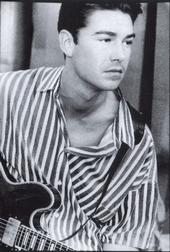
Craig Gannon is, to use that much clichéd phrase, a musicians’ musician. Any band looking for some understated yet majestic, melodic guitar playing could do worse than turn to Craig for inspiration. His CV reads like a Who’s Who of left-of-centre British rock acts since the mid 80’s – he’s been the perfect foil for Aztec Camera and Roddy Frame, The Bluebells, The Adult Net, The Colourfield and much of Terry Hall’s ‘solo’ material.

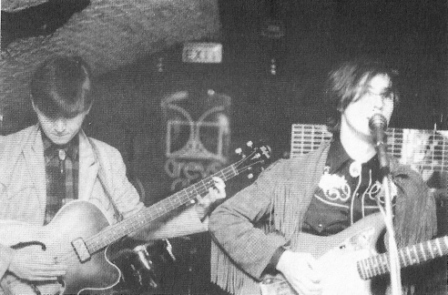
He’s perhaps most famous for being (briefly) the fifth Smith, hired when Andy Rourke’s drug problems led to him being ousted from the band and, on his return, being given the role of 2nd guitar. Craig played on much of The Smiths’ vital output from 1986 – the Panic and Ask singles, London, Half A Person, You Just Haven’t Earned It Yet Baby (the best Smiths non-single ever, surely?) and although asked to leave The Smiths in confusing circumstances, was considered vital enough to be asked back into the Morrissey fold, playing Last Of The Famous International Playboys on Top Of The Pops and as part of a pseudo-Smiths line-up when the old nipple flasher played his first solo show in Wolverhampton at the end of 1988. All this was happening whilst behind the scenes legal proceedings were underway to sue Morrissey and Marr for unpaid royalties relating to the afore-mentioned tracks. For a while it looked like Morrissey was considering him as his main writing partner, but being a man of principle, Craig wouldn’t drop the court case and, well, that was the end of that.

This was very much Terry Hall’s gain. Craig worked extensively with Hall throughout much of the 90’s and his guitar work on Hall’s solo albums Home and Laugh manages the trick of being both uplifting yet melancholic, with added fancy pants chords to boot. To these ears, both albums have the air of the undiscovered classic, and still hold up to repeated plays today. If you’re unfamiliar with them have a listen to the Forever J single, from Home. You’d like it. Craig has fond memories of working on these albums.

“The track I’m most proud of having played on would probably be a song called Take It Forever on Terry Hall’s second solo album which myself and Terry co – wrote. I rarely listen to records I’ve played on over the years but I still like the guitars on that. An obviously higher profile track would be Panic by The Smiths as I’m proud of my guitar playing on that.”

These days you can still hear Craig playing, though you might not realise it. His subtle playing is perfect soundtrack material for a whole host of TV and cinema productions – incidental music on Eastenders and A Question Of Sport amongst many others, and he doesn’t appear to miss the thrill of what you or I might refer to as ‘the music scene‘.

“I now make my living as a composer rather than a guitarist which is exactly how I like it and at the moment I’m just in the middle of writing the score for a film called R/Evolution which looks at the revolution in human consciousness. It includes contributions from Forest Whitaker amongst others and is narrated by Richard Olivier. The film was been shot around the world over most of this year and I’m writing a contemporary orchestral score which incorporates various ethnic and world music styles.”

Craig’s Six Of The Best is, I think, one of the best we’ve had yet and a good indication of the influences that seep into his guitar playing:

Walk On ByBurt Bacharach.

One of Bacharach’s most simple songs which in this case proves that simple can be good, although that’s not always the case. I first got into Burt Bacharach when I was about 14 and it was probably this song that started it. A great intimate feel and a never bettered vocal by Dionne Warwick this also has trademark Bacharach flugelhorn phrases. The Stranglers did a great cover of this track which I also love but this is perfect.

Alone Again OrLove

I first got into Love in 1983 through Roddy Frame who used to play this all the time. This song is off one of my all time favourite albums ‘Forever Changes’ and was written by Bryan Maclean rather than the usual Love songwriter Arthur Lee. It’s probably the most accessible track on an album which includes some pretty weird late 60’s psychedelia. It starts with a great acoustic guitar arpeggio pattern joined by strings and then into an inspired mariachi style trumpet solo. Love also did some rubbish but ‘Forever Changes’ is one of the best albums of all time in my opinion.

The Long And Winding RoadThe Beatles.

Growing up in the seventies I was always listening to The Beatles and I’m still amazed at how brilliant they often were and they had everything including two brilliant songwriters, great image, personality and chemistry etc. I could have picked loads of favourite Beatles songs but this is just one example of what an incredible songwriter McCartney was. Great chords, a poignant melody and a hugely emotional vocal. John Lennon played the bass on this and you can hear him fluffing all over the place but that doesn’t take anything away from it. The originally released version has choir and orchestra overdubbed by Phil Spector which apparently McCartney hated. One of many fantastic songs from the best band the world has ever seen.

Theme from Once Upon a Time In AmericaEnnio Morricone.

Written by one of my all time favourite film composers this is one of many works of genius he composed and it never fails to get me choked up every time I hear it. Knowing it so well from the film originally it evokes feelings of innocence, lost friendship and nostalgia. About a year after I first saw the film I was lay on the beach in St Petersburg Florida in the same spot De Niro and James Woods filmed one of the scenes in the film and I listened to the score on headphones…..the whole score is amazing.

Let Him Run WildBeach Boys.

I got into the Beach Boys quite late really, probably in my mid – twenties as before that whenever I heard the name ‘Beach Boys’ I always thought of ‘Surfin USA’ etc until I heard the album ‘Summer Days and Summer Nights’ and the masterpiece ‘Pet Sounds’. ‘Let Him Run Wild’ has everything you expect from Brian Wilson including great harmonies, catchy bass line and the best part for me Brian’s beautiful lead vocal, he had such a fantastic voice. This song was a taste of things to come with ‘Pet Sounds’.

The Girl With The Sun In Her HairJohn Barry

Loads of times in the Seventies I’d be watching TV and hear a great TV or film theme and a lot of the time it turned out to be by John Barry. Growing up on the Sean Connery Bond films I always loved the music although John Barry has written loads of great music for non – Bond films. ‘The Girl With The Sun In Her Hair’ was actually written for a Sunsilk advert in the late Sixties and you can hear that unmistakeable Barry sound, it could almost have been another Bond theme. Every composer ‘borrows’ occasionally and it sounds like John Barry ‘borrowed’ from Ravel’s ‘Introduction & Allegro’ for this piece.
Now, that’s what I call music! Every Six Of the Best compilation comes in a handy RAR download file. Get Craig Gannon’s here.

*Bonus Track!

Here‘s The Long And Winding Road, stripped of Spector’s syrupy strings and all its Mantovani mush. Essentially a McCartney demo and all the better for it.

Coming next in this series –

Six Of the Best from a worldwide singing sensation (TBC)

Gone but not forgotten, Hard-to-find, Studio master tapes

The Kids Are Alright

When is it that the arrogance of youth takes flight, mortality strikes and reality bites? Some folk get depressed over milestone birthdays – the 21st, the 30th. Many of my friends are currently agonising over turning 40. That wasn’t a problem to me. The day I turned 27 was my biggy. That was the day I realised I’d never play football for Scotland. Truth be told, I knew from the age of 14 12 10 eh, make that 8 that I’d never play for Scotland, but We Have A Dream and all that.

(statisticians note, not my card!)

I had boxes and folders and albums stuffed full of football cards. Like many of my peers my hero was Kenny Dalglish, the swashbuckling, freescoring King of The Kop. I wasn’t a Liverpool supporter, but Kenny played for Scotland more times than anyone else and he was my idol. We even celebrated his birthday in my house (March 4th, if you want to know). A few years ago when moving house I found all those cards again and amongst them was the celebrated King Kenny card, both arms aloft in victory salute, red socks rolled to the ankles, the boyish smile atop the dark blue of Scotland with a rainy Hampden Park in the background. Aye. Boyish smile. Turning the card over broke me into a cold sweat. Kenny Dalglish. Age 27. Clubs: Celtic, Liverpool. Scottish appearances: 59. International goals: 20. Age 27. 27! He’d done all this by the age of 27! I hadn’t. Nor was I likely to.

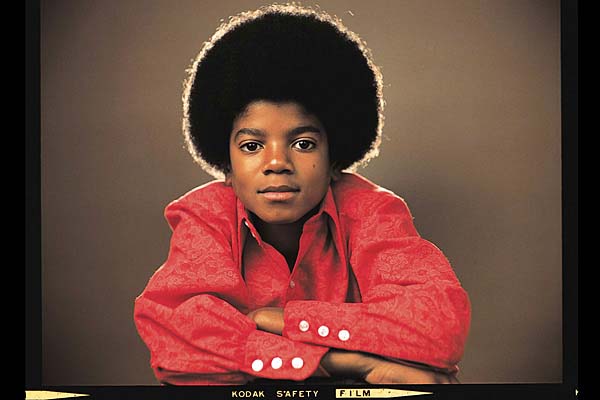
It’s the same with music. Actually, it’s probably worse (or better, depending on how you view these things when considering your own contribution to the world.) Johnny Marr had done it all with The Smiths and split them up by the time he’d reached the ripe old age of 24. And when written down like that, I realise he isn’t that much older than me. Booker T Jones was only 17 when he recorded Green Onions with the MGs. 17! Seven-teen! The Boy Wonder himself, Sir Roddy of Frame turned up at a recording studio not far from where I’m currently typing at the age of 15 and, as the engineer himself told me a few years later, “blew everyone away, the wee fucker.”  ‘Little’ Stevie Wonder was practically a veteran of the Motown studios by the time he’d reached double figures. You could say the same about Michael Jackson, with his dance moves copped from James Brown and his wee unbroken vocal yelps the icing to his big brothers’ sugar sweet soul.

There are tons more….a 20 year old Steve Winwood vamping on Voodoo Chile with Jimi Hendrix, 19 year old Paul Weller releasing In The City, George Harrison being sent home from the Hamburg-era Beatles for being too young. Feel free to add to the list here…

It’s no’ fair, eh? Listen and weep old folks, listen and weep….

Michael Jackson‘s isolated vocal track on I Want You Back. Released when Michael was 11 years old.

Stevie Wonder‘s isolated vocal track on Uptight (Everything’s Alright). Released when Stevie was 16 years old.

Aztec Camera‘s debut single on Postcard Records (of course!) – A) Just Like Gold B) We Could Send Letters, released when Roddy was 16 years old. The wee fucker indeed.

The Sound of Young, young, Scotland.

Campbell Owens ‘n Roddy Frame ‘n Aztec Camera in 1983

Hard-to-find

Salford Fads Club

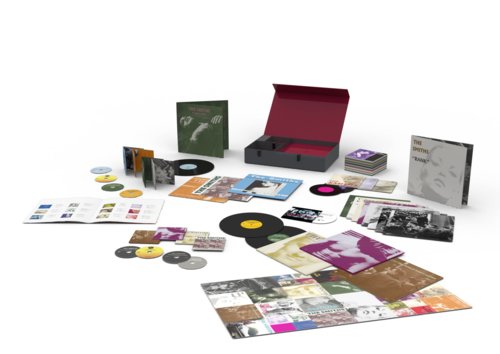
Next week sees Rhino’s much anticipated release of The Smiths‘ back catalogue, tantalisingly remastered by Johnny Marr and available in any number of combinations, including a lottery winner’s wet dream of a vinyl ‘n CD box set. Old Morrissey’s disowned them already, but what does he know? You really should start sweetening up your other half. Tell them they’ve lost weight, or that that new haircut really takes the years off or…..you get the idea…..if you want one of these babies, you’re gonna have to do a lot of grovelling.

In preparation for my much more recession-friendly purchase arriving (and the fact that Craig Gannon is dropping by any day now with his Six of the Best), The Smiths have been on something of a heavy rotation round here. While The Queen Is Dead usually steals the headlines in any ‘Best Smiths Albums‘ polls, most folk would put the smart money on that particular accolade going to Strangeways, Here We Come, the band’s swansong recorded in (and on) good spirits while Smithdom collapsed around all 4 members like a quiff in the rain.

John Peel said something at the start of The Smiths perfectly-formed lifespan akin to the fact that you couldn’t tell who The Smiths had been listening to. There were no obvious Velvet Underground/Beatles/Van der Graaf Generator influences, that The Smiths arrived fully formed with a sound of their own. This may have been true on their first couple of records, but by the time they’d hit their stride, any number of influences were creeping in. Terrific as it is, you need only listen to the first 30 glam-stomping seconds of Panic back-to-back with T Rex‘s Metal Guru to recognise the chord progression, slide guitar and general hysterical rush to appreciate what Morrissey and Marr were listening to that particular day. (The ‘Hang The DJ‘ refrain came about after Steve Wright In The Afternoon, In The Afternoon! played Wham’s I’m Your Man straight after the news broke about the Chernobyl nuclear disaster. But I digress…)

There’s so much buried in the past to steal from, one’s resources are limitless.” (Morrissey, interviewed in The Face, 1984).

By the time of Strangeways…., The Smiths’ influences had become much subtler. Johnny wanted to write a classic album in the vein of The Beatles’ The Beatles (“The White Album” dontchaknow), an album that was instantly recognisable as being by The Beatles, yet not in an obvious way. While Lennon, McCartney and especially Harrison broke free from what they felt were the constraints of Beatledom via a combination of pastoral fingerpickings and essentially solo recordings, Johnny Marr took the much more daring (and ultimately more rewarding) route of composing songs on instruments other than guitar. Across the album you’ll find autoharp, saxophone, traces of synthesized strings and that most anti of Smiths instruments, the drum machine. Listen closely and you’ll spot them all. Opening track A Rush And A Push And The Land Is Ours is a terrific piano-led stomper, augmented by vibesy percussion and the sort of arrangement that would have Chas Smash doing the nutty dance at the drop of a pork pie hat. And not a guitar in sight! Which brings us to Reparata & The Delrons 1975 obscurity ‘Shoes‘, which sounds like the sort of bazouki-led Greek goose-step that would’ve been foisted upon us during an era when Eurovision still meant something. All staccato rhythms and slightly stilted foreign accents, it was a huge favourite of Morrissey’s and Marr’s during the recording of Strangeways. Not surprising really once you’ve played it back-to-back with that jaunty opening track…….

And another thing…

To be fair, Johnny makes no secret of his love for Metal Guru, including it on his Dansette Delights compilation here.

This was Morrissey’s preferred image for the cover of Strangeways, until Harvey Keitel refused permission.

Man, The Smiths were just about perfect, eh?

Cover Versions, Hard-to-find, Peel Sessions

Notebooks Out, Plagiarists!

The Wisdom of MES #1:

He told me I didn’t understand, that we were from the bleak industrial wastes of North England, or something, and that we didn’t understand the Internet. I told him Fall fans invented the Internet. They were on there in 1982.

The Fall. Two short words. One long career. They’re a bit like whisky. You’ve been told it’s good and you want to like it, but on the first coupla tries it doesn’t go down well, sticks in the throat, comes back on you with a vengeance. Then, a wee bit older, more wordly-wise and mature and you realise, hey! This stuff’s great! It’s for every occasion, much better after dark, much better alone than shared. Ease your way into it gently then go for it. If you’re new to it, there’s a lot of catching up to be done. It’s been 35 years and 28 LPs or something like that. 28 LPs! And that’s not counting the multitude of ex label cash ins, compilations and crappy semi official bootlegs. Those 28 studio LPs, they can’t all be good though, eh? Yeah, some of them are better than that. Excellent you might even say. This Nation’s Saving Grace. Live At The Witch Trials. Hex Induction Hour. I could go on, but you know them all and you’ll all have your own personal favourites. (Extricate, since you’re askin’). Band members play on a seemingly shoogly, constantly moving conveyor belt. In The Fall, yer number can be up at any moment. Mark E Smith changes rhythm sections the way most of us change our socks. Play Dead Beat Descendent the wrong way and it’s curtains-ah! Play Dead Beat Descendent the right way and it’s curtains-ah! But you knew that already.

The Wisdom of MES #2:

If it’s me and your granny on bongos, it’s The Fall.

Check the record, check the record, check the guy’s track record!

I’ve always liked The Fall for having the gumption to tackle other folks material, regardless of how hip or otherwise it may appear to those watching from the outside. A quick poke about the internet will reward you with an excellent compilation of assorted cover versions that they’ve tackled in their own rattlin’, shoutin’ way. Lee Perry. The Kinks. Sister Sledge. The Searchers. Any number of garage band and rockabilly ramalamas. It doesn’t matter who’s being covered, they all end up sounding like The Fall. Which got me thinking. Can anyone ‘do’ The Fall? The Fall do loads of other bands, but have any bands done The Fall. Well…………Apparently not. There are precious few attempts at covering Fall songs. However….

Sonic Youth, pre-conceived too-cool-for-school detuned pretentious art-rockers that they are did a whole Peel Session of Fall tracks in 1988, and their version of Rowche Rumble is bloody marvellous. A right wiry tub-thumper, it keeps those ‘Ksch Ksch‘ vocals in and dresses the whole thing up in a wall of  skronking Jazzmaster guitar. (Adopts noo yoik accent) It’s like art, but it’s like, rock at the same time.

The Wisdom of MES #3:

When they start saying they like the Fall, it’s usually that they’ve run out of ideas. You remember Wet Wet Wet saying that, you know, ‘we wanna concentrate on doing our own stuff, a bit like The Fall’. It’s like, ‘shut the fuck up!’, you know.

Enter Pavement. They based most of their career sounding like The Fall, at least they did for those first coupla albums. Total rip off? Cute fanboy homage? It’s hard to tell. Anyway you look at it, they even had the nerve to do The Fall in a Peel Session, tackling The Classical with reserved jangle and polite (polite!) Hey There Fuckface vocals ‘n all. Sadly, nothing much like the pummeling, frantic original at all.

The Wisdom of MES #4:

Listening to Pavement, it’s just The Fall in 1985, isn’t it? They haven’t got an original idea in their heads.

*Bonus Tracks!

Contrast and compare with the original and best:

The FallRowche Rumble

The FallThe Classical

It’s really Roche Rumble. But you knew that already.

Cover Versions, Hard-to-find, studio outtakes

Les Coups Différents Pour Les Gens Différents

Ahem. Excusé moi…….

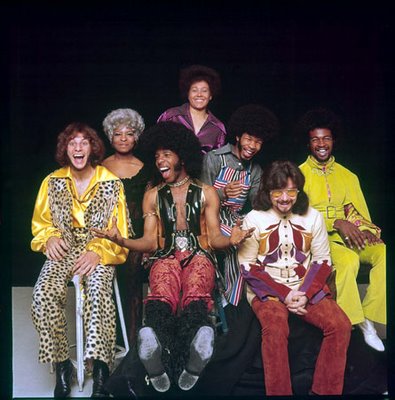
C’est Sly! Le Chat de Hep d’années soixante-dix mettre au point d’âme de banlieue son produit dans le studio tout comme la Famille Pierre partait. Vous reconnaîtrez que quatre au battement de tambour de plancher, la basse de duvet de frugtastic et ces super-glissant psychédélique remplissent sur la guitare. Vous pouvez reconnaître même l’air. Ce n’est que la Danse A La Musique, mes frères et mes soeurs ! En français ! La Famille « dum-duh, dum-dum-duh duh » les choeurs sont juste aussi indignes que la coiffure afro sur la tête de la Soeur Rose, l’air tout comme l’anneau-un-ding sauvage comme les 22″ fonds de cloche sur les jambes de Freddie. Enregistré comme French Fries au lieu de Sly et la Famille Pierre, il pose dans les coffre-forts pour les âges, non aimés, non découverts et incroyablement branchés. La face b est appelée Small Fries, le genre de r › la frousse-âme avec ces tromperie de studio de fausset fausse vocale qui a fait Prince s’assied sur et écoute quand il enregistrait If I Was Your Girlfriend.Vous creuse ?

La Musique:

Danse A La Musique

Small Fries

La traduction ici. Les excuses énormes à tous mes amis français pour tenter d’écrire dans français d’écolier! Il n’arrivera jamais encore!

Fin


Cover Versions, Hard-to-find, studio outtakes

People Do Rock Steady

Rocksteady is a style of music that originated in Jamaica around the end of the 60s. Slower than ska, faster than reggae, you’ll recognise rocksteady by its beat – 1 and 2 and 3 and 4 and 1 and 2 and 3 and so on and so on. Alton Ellis. Toots and The Maytals. Hopeton Lewis. The Cables. Names you may not be familiar with (though Toots, surely?), but all are purveyors of the finest rocksteady available. You should seek them out, you’d like them.

Rock Steady is a 1971 single by Aretha Franklin, appearing on her Young, Gifted and Black LP. It‘s a classic piece of call and response Atlantic soul, all hi-hat, one chord chicken-scratch guitar and outrageously funky organ fills. The bit when everything drops out save Aretha’s “Rock!…….Steady!……Rock!…….Steady!” vocals is hairs-on-the-neck material. But you knew that already. That wee section alone has been sampled by every hip-hop act you care to mention, from Afrika Bambaataa to Young Bleed. Public Enemy have sampled the exact same part 3 times! I’ve often thought that Talking Heads based their white boy funk of  Burning Down The House on Aretha’s Rock Steady groove, whether consciously or not. EPMD certainly did. Their 1988 single I’m Housin’ is built around the track. Still stands up today, for what it’s worth. You should play it in the car, bass boomin’ as you’re gangster leanin’ out the window. And if you can carry that move off in this particular part of the world, I’ll buy you a pint.

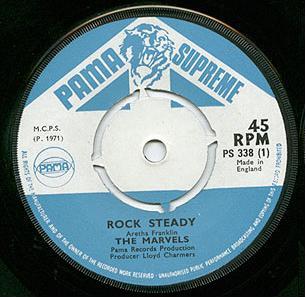
Jamaican artists were heavily influenced by the sounds they could pick up on the airwaves. Being an island, few if any travelling musicians toured there, so Jamaicans were left to come up with their own music. As the sounds of soul drifted across the Caribbean, the musicians would take what they liked and add their own laid back twist to it. Many early ska and rocksteady records are covers of soul tracks. When an artist wrote his own song, it was often in essence a barely disguised soul record with new lyrics on top. The Brentford All-Stars Greedy G is basically a James Brown record with extra keyboard stabs and some dubby drums. Nothing wrong with that, eh? The Marvels heard Aretha’s Rock Steady and as quick as that light bulb could ping in their collective minds they’d re-jigged it into a rocksteady groove, chicken-scratch guitar, ourageously funky organ fills and all. Just a bit slower than the original, but then, the original was made in Muscle Shoals, Alabama. The Marvels cooked up their version in the burning hot temperatures of Jamaica. Sound Dimension were also taken by Rock Steady. Their instrumental Granny Scratch Scratch is clearly based on the Aretha record. Pure rocksteady (count the beat as you listen), it‘s a terrific head-nodder of a track.

*Bonus Tracks!

Here‘s an alternate mix of Aretha Franklin‘s version. It’s looser and longer than the version you’re familiar with.

Here‘s The Jackson Sisters frantic funk version.

Here‘s Rocksteady by Byron Lee & The Dragonaires. It has nothing to do with any of the above records.

Here‘s People Do Rocksteady by The Bodysnatchers. Again, nthing to do with any of the above records.

Now treat yourself and go and buy the Soul Jazz ‘Dynamite‘ series. 100% Dynamite is the best place to start. At the last count, six volumes to collect. All killer no filler ‘n that.

Effortlessly cool, even with the wee vocal slip at 2.28.

Hard-to-find

Double Barrelled Objects Of Desire

Pop music, especially the early stuff when the concept of the teenager had just been invented has always been awash with songs sung by hormonally imbalanced adolescent boys about seemingly unattainable girls. The helium high of The Hollies Hey! Carrie Anne (what’s your game and can anybody play?), Buddy Holly‘s uh pretty-pretty-pretty-pretty Peggy Sue, the Beach Boys‘ mock party jam version of ah-ba ba ba ba Barbara Ann (ah-ba ba ba ba Barbara Ann, ta-ake my ha-a-and). I bet you’re singing Al Jardine’s ridiculous falsetto right now. Every one of them a gazillion plays radio standard. Every one of them a teenage ode to an unattainable double barrelled object of desire.

I bet you couldn’t sing this though: Pamela Jean by The Survivors.

Pamela Jean is a terrific slice of early 60s Dionesque doo-wop pop, all hand claps, honkin’ sax and Spectorish tumbling drum rolls. It also happens to feature the unmistakable vocals of Brian Wilson. The vocal arrangement of Pamela Jean is totally Brian. From the bottom end bass to the harmonies and the high-high-highs,  Pamela Jean is the sound of Sta-Press ‘n Pendletones ‘n Brylcreem flicks – the Beach Boys Sound of Endless Summer.

Pamela Jean isn’t actually a Beach Boys record but if you didn’t read the small print you’d never know. It could easily slot right there inbetween Little Deuce Coupe and Don’t Worry Baby; 50% pop and 50% pathos. Only thing is, other than Brian, no Beach Boys appeared on it. The Survivors were Brian and three friends, Bob Norberg, Dave Nowlen and Rich Alarian. Alarian had helped Brian write some of the early Beach Boys songs, but rather than Brian give his pal a writing credit, they agreed that Brian would produce a record for him. Pamela Jean was the result. Tremendous as it clearly is, the record failed to even scrape the outer edges of the chart. Perhaps poor old Rich would’ve been better off insisting on those writing credits after all.

*Trainspotter Fact #1

Any Beach Boys obsessive worth his salt (note his, not their – the tendency to focus on the minutae and detail is surely a male thing, aye?) would recognise that the melody for Pamela Jean was taken wholly from Car Crazy Cutie, from the Beach Boys Little Deuce Coupe LP. Pamela Jean just sounds better though, eh? And I bet you can sing it now too.

“Brian Wilson is not a good looking human being, yet his music is beautiful. Look at Nat King Cole–he looked like a real piece of shit but he had a beautiful voice. Look at Aretha Franklin–she would scare me in a dark room, yet her voice is fantastic. Roy Orbison too. The thing I listen too is the music.”
-Dennis Wilson, 1976

Cover Versions, Hard-to-find, Peel Sessions

Hope I Die Before I Get Old

(and I’m talkin’ about my g-g-g-generation)

It’s 1989 and I’m sitting in my bedroom, pleased as punch that I’ve managed to de-press ‘pause‘ on the tape deck of my music centre at the exact moment The Wedding Present launch into their final song in yet another brilliant Peel Session. It’s a rattlin’, clatterin’ version of Altered Images’ perennial classic Happy Birthday (hear it here), and during a breakdown in the middle section David Gedge gleefully shouts, “Status Quo, 25 years in the biz-ness!” and the band “Yay!” back at him with hardly disguised irony. Old farts still churning out the same 3 chord nonsense to the same set of hairier, older fans. Roll over lay down grandad and let the young team through.

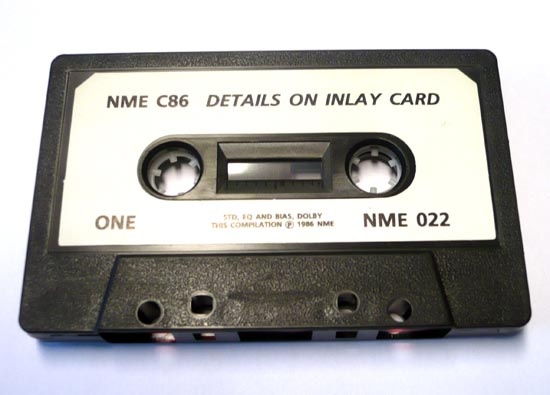
It’s 2011 and I’m sitting at my computer, pleased as punch that I’ve managed to get this blog somewhat back on track after a couple of months of having more important stuff to do. I’m researching some things for possible inclusion when I stumble upon the fact that 25 years ago this month (July 1986), the New Musical Express released C86, the now seminal cassette that featured a compilation of tracks by 22 staunchly independent bands du jour. Released being the key word here – despite 3 weekly music papers, no-one felt the need to give anything away for free. C86 could only be bought by mail order, whic thousands of alternative music fans did. Although I didn’t. I paid 50p for mine at a record fair in Kilmarnock a few years later. I still have the tape somewhere and after a bit of poking around I turn it up.

And whadayaknow? Track 1, side1? It’s only Primal Scream, still going strong after all these years. Last track, side 2? Why, it’s only little David Gedge with his Wedding Present, also still going strong after all these years – Yay! Twenty five years in the biz-ness indeed.  Aye, so Primal Scream have seamlessly tripped their way through just about every sub-genre known to even the most trainspottery of musicologists, but there is still a band called Primal Scream who release records today, much like the Primal Scream who recorded Velocity Girl all those years ago (did the Stone Roses really rip it off for Made Of Stone? You decide). And The Wedding Present nowadays is a very different proposition to the band of George Best and all that jazz. Indeed, with the exception of the boy Gedge, the current line-up look like they’d have been playing pin the tail on the donkey at a jelly and ice-cream birthday party around the time C86 was made, but nonetheless The Wedding Present are still going strong. They even recently toured the Bizarro album again. What was that about old farts still churning out the same 3 chord nonsense to the same set of hairier, older fans? I love them, though. But you knew that already.

Most of the bands on C86 didn’t last a quarter of a century. Half Man Half Biscuit are still around – Yay! and Stephen Pastel can often be spotted still sporting the same dufflecoat, no matter the weather,  in whatever part of Glasgow is deemed to be hippest that week. Thankfully the others could spot a shelf life when they saw one –  in perhaps the same way that Spitfire and Shed 7 would be considered ‘important’ to musical heritage a decade later (ie, not at all important), Stump and Bogshed were maybe just about alright for the times and didn’t hang around too long afterwards. C86 became a lazy adjective for Steve Lamacq to use when describing under-achieving bands with bowl cuts, beads and a Byrdsian bent to their guitars. Which is more than a bit unfair, as to these ears, C86 had no actual defining sound. D’you know that smell you get when you walk past a group of 18/19 year old boys, all done up in their smart/casual gear and off to the local nitespot? A heady mix of Diesel, Dior and Davidoff that smells nothing like the sum of its parts? C86 is a bit like that. Aye, there’s floppy fringes and feyness ahoy, but there’s also experimentalism, big beats and the sort of music that was impossible to pigeonhole in 1986. The aesthetic of C86 was very much “we do this for ourselves and if anyone else likes it it’s a bonus“.

It was a movement, perhaps the twee-est, tamest of all youth movements, that was more about acne than anarchy, eczema than ecstasy, but it was a generation’s calling card, played out in the wastelands betwixt and between punk and house music, filling the void until the next proper movement arrived. We could do with that now. A proper musical movement to tease us, please us, invigorate and inspire.  Or maybe we have.  Is it Mumford & Sons & assorted pals pseudo folkest posho raggle taggle? Is it the skinny-jeaned and pointy-boots brigade from East London? Is it ‘mon the Biffy? I dunno. Maybe I’m one of the old farts. Actually, I know I am. Roll over lay down and all that, the young team are coming through….

In the meantime, dig out yer pipe and slippers, settle down in the rocking chair and crank up the old music centre. Here‘s C86 in all it’s itchy ‘n scratchy, low-fi, badly produced glory:

Side one

  1. Primal Scream – “Velocity Girl”
  2. The Mighty Lemon Drops – “Happy Head”
  3. The Soup Dragons – “Pleasantly Surprised”
  4. The Wolfhounds – “Feeling So Strange Again”
  5. The Bodines – “Therese”
  6. Mighty Mighty – “Law”
  7. Stump – “Buffalo”
  8. Bogshed – “Run to the Temple”
  9. A Witness – “Sharpened Sticks”
  10. The Pastels – “Breaking Lines”
  11. Age of Chance – “From Now On, This Will Be Your God”

Side two

  1. The Shop Assistants – “It’s Up to You”
  2. Close Lobsters – “Firestation Towers”
  3. Miaow – “Sport Most Royal”
  4. Half Man Half Biscuit – “I Hate Nerys Hughes (From The Heart)”
  5. The Servants – “Transparent”
  6. The Mackenzies – “Big Jim (There’s no pubs in Heaven)”
  7. Big Flame – “New Way (Quick Wash And Brush Up With Liberation Theology)”
  8. Fuzzbox – “Console Me”
  9. McCarthy – “Celestial City”
  10. The Shrubs – “Bullfighter’s Bones”
  11. The Wedding Present – “This Boy Can Wait”

*Bonus Tracks!

Musical karma chameleons Primal Scream have been through more changes than a (insert your own metaphor here).

Here‘s their stompin’ version of the Small Faces’ Understanding, featuring yer actual PP Arnold on vocals. And here‘s the Weatherall remix of Uptown, all 9 and a half minutes of struttin’ 70s dub disco and Chicago house – Hey, there’s about 3 movements right there in the one record! Beat that, kids.

*Extra Reading!

There was a good article here in The Quietus from a few months ago about the genesis of C86. Worth 5 minute of anyone’s time.

Hard-to-find, New! Now!, Sampled

Cult Heroes

It’s midway through the year and round about now the movers, shakers and self-appointed hipsters in the music press like to sort out the wheat from the chaff in an early attempt to predict what will become the all important ‘Album of the Year‘, just so they can say “told you so!” in December. It’s ridiculous to even try and suggest such a  thing – one man’s meat is another’s poison and all that, and who really cares anyway?, but for what it’s worth,  if you were to ask me, an early contender for such a title would surely go to solo Super Furry Gruff Rhys for his Hotel Shampoo LP.

Had it been released under the Super Furry Animals banner it would have been frothed over by superlative-filled foaming-mouthed sychophants falling over themselves in praise of yet another Super Furry masterpiece, but I can’t help thinking that it somewhat crept under the radar. Investigate it now – here‘s the opening track Shark Ridden Waters. Seagull noises and bursts of foreign TV shows doused with a liberal sprinkling of Gruff Rhys melody, all underpinned by the most fruggable bassline since Peter, Bjorn & John’s Young Folks.  Good, eh? And that wee fade out at the end, the ‘there’s no use cryin’, no use tellin’ me how much you’ve changed‘  part gets me every time. Sounds like it’s been sampled from something too, but I can’t place it. Any ideas? Oh, and talking of samples…….

Super Furry Animals’ The Man Don’t Give A Fuck takes the sweary part from Steely Dan‘s Showbiz Kids, loops it over 50 times and creates a fantastic record full of fuzz guitars, sleigh bells, Beach Boys-style doo-wop backing vocals and Glitter Band stomping drums that builds and builds and builds until it falls spectacularly in on itself. But you knew that already. You may also know that it was recorded at the same sessions that produced the bulk of debut LP Fuzzy Logic and was earmarked as a b-side (only a b-side!!) to If You Don’t Want Me To Destroy You. Failing to get sample clearance in time put the kybosh on that idea, however, but thankfully the SFA persevered until Steely Dan gave them the OK to release it as a standalone single – in return for 95% of the track’s royalties, an arrangement Gruff Rhys was more than happy with, given that a record featuring such nonchalant use of the ‘f-word would hardly trouble the playlists of the nation’s radio stations. And just in case it did somehow set the charts alight, the band deleted the single one week after its release, making it instantly collectable to those (like me) who care about such trivialities.

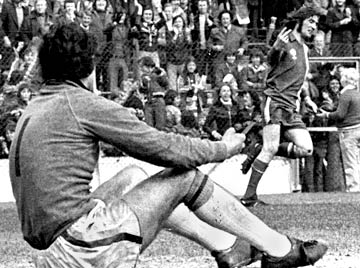
The sleeve of The Man Don’t Give A Fuck featured a picture of Cardiff City’s Robin Friday flicking the V’s to the Luton Town goalie of the day (see full picture below). Friday seems to have been cut from the same cloth as George Best – at his peak in the mid ’70s Friday was a free-scoring player both on and off the pitch, and was just as famous for his smoking, drinking and drugging exploits as he was for his womanising. A bit like any number of modern day players really, but without the kiss-and-tells in the News Of The World. Or, in Rio Ferdinand’s case, the free-scoring on the pitch part. Allegedly.

As Paolo Hewitt and Guigsy (from Oasis) wrote in the single’s  sleevenotes…

Robin Friday was a nonconformist and lived every second of his life with an intensity that burned for all to see. Friday not only flicked V signs at goalies who stood no chance against his prowess but he flicked V signs at anyone who tried to tame him. He was the superstar of the suburbs, the one who made George Best look like a lightweight.

Indeed. He once kicked Mark Lawrenson in the face, something that many of you here would no doubt jump at the chance of doing too. Perhaps that’s why Lawrenson now speaks in that ridiculous singsong school girly voice? Who knows, but surely after reading the sleevenotes above, the question on everyone’s minds is now, “How much of that did Guigsy write?”

*Bonus Track!

No bonus tracks as such. The 2 additional remixes on the MDGAF single were rather lacklustre beats ‘n bangs ‘n clatters mixes that just about survived one whole play before being filed away for 15 years. I’ve just played them for the 2nd time ever whilst writing this and honestly, you never need to hear them. But I’ve featured loads of Super Furry Animals before –  I’m particularly proud of the hidden tracks article I wrote a couple of years ago. For anything else, use the ‘Search‘ facility!

Get This!, Hard-to-find

Stoned Love. On and on and on and on.

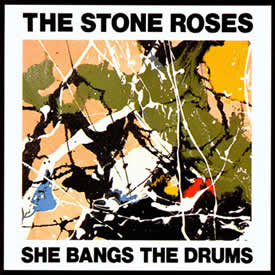
Sometimes it’s not about the hard-to-find, the rare, the obscure, the long-forgotten must-have on that uber-hip label. Nope. Sometimes it’s the simple things. The sun comes out, a smile breaks out and you need to state the bloody obvious – She Bangs The Drums by The Stone Roses is magic. And so were the b-sides.

The Stone Roses were the soundtrack to my summer of 1989, but if you’ve been here before you’ll know that already. She Bangs The Drums was released right at the height of the baking hot summer (if memory serves me correctly) and in discography terms is the middle cog in a great run of 1! 2! 3! singles, sandwiched between the band’s first great single, Made Of Stone and the band’s last great single, Fools Gold. She Bangs The Drums is unashamed pure pop, guitar-driven and saccharine sweet with a great pay -off line in the vocals.

Kiss me where the sun don’t shine. The past is yours but the future’s mine…you’re all out of time.

Aye, The Stone Roses came from Manchester, but they despised the city’s musical legacy. They hated The Smiths and they would never have dreamed of signing for Factory. So what if their youthful arrogant streak wore off on certain other monobrowed bands of the locality, at that moment in time The Stone Roses were the greatest thing on the planet. They were my Beatles and my Stones and by the time of Fools Gold they were my Family Stone too.


She Bangs The Drums was released at a time when vinyl was king (“I can feel the earth begin to move, I feel my needle hit the groove” and all that), when bands thought carefully about what to put on the b-sides and is a perfect summation of all The Stone Roses stood for at that time. Guitar riffs, fantastic drumming, those whispered vocals (thankfully not as out of tune as they usually were in the live setting). The other tracks are just as good.

Mersey Paradise with its see-sawing 12 string chiming guitars, tambourines on hi-hats and a terrific “oh yeah..!” whispered vocal break in the last chorus would’ve made a great single in itself, but clearly the self-belief in the band at this time was such that they could stick a song like Mersey Paradise on a b-side. Plus, they were working up to Fools Gold which is much better.

Standing Here took up all of the second side of the 12″. It was pure proto-Hendrix, all squealing guitars, feedback and riffs! riffs! riffs! before falling apart into a coda that ebbed and flowed like the California surf itself. For a while it was my party piece. My crappy electric guitar would feedback brilliantly whenever I held a particular note on the 13th fret and I could replicate the intro pretty faithfully. I never did master the wee incidental riffs behind the vocals though.

Simone was the extra track on the CD single. It’s one of those backwards sound collage thingys that John Squire was fond of putting together, where he takes a standard Stone Roses track, plays it backwards through the mixing desk and adds all manner of stuff on top. Simone takes the backing track for the relatively obscure Where Angels Play (released on the Australian version of the I Wanna Be Adored single) and builds it into something of an ambient oddity. The pinnacle of this aproach is, of course, Don’t Stop, the backwards version of Waterfall that’s on the debut album. All the rage for listening to whilst on whatever you were on in the second summer of love.

Bonus track!

Something I’ve meant to do for ages! I took Simone, reversed it using Audacity, et voila! The instrumental version of Where Angels Play, with added whoosing noises and general pseudo-psychedelic tomfoolery. Who needs John Leckie?