In 1963, civil rights activist and singing jazzman Oscar Brown Jr wrote and recorded The Snake, a finger clickin’, stand-up bass poppin’ bossa nova, free from unnecessary jazz frill but full of electric piano stabs and fluid electric guitar riffs. It‘s a cracker.
Borrowing heavily from one of Aesops’ fables, Brown’s track was a metaphorical parable about trust – a woman is conned by a seemingly in need of help half-frozen snake who by the end of the song has bitten her with poisoned tongue.
“Oh shut up silly woman!” said the reptile with a grin. “You knew darn well I was a snake before you took me in!”
You might know The Snake better as a northern soul belter. Half a decade after the original, Al Wilson took the tune by the scruff of the neck and turned it into something that, by 1975 (No. 41 on the UK charts), would be a talcum-dusted Mecca floor-filling monster.
Propelled by a properly frugging four-to-the-floor soul bassline, brass stabs build and build with each increasingly frenetic key-changing verse, Hal Blaine’s drum fills tumble like acrobats atop oil cans and the kitschest of hissing female vocals (Yesssssss! Come on in!) carry the chorus.
Without a doubt it‘s guaranteed to get me dancing like the rhythmically-challenged Ayrshireman I am.
You might be surprised to learn that neither Al Wilson’s version nor the more unknown original were the first versions of The Snake I heard. Nope, it was second division indie also-rans Dodgy who first brought The Snake to my attention in 1994, including it on the b-side of their “double E-sided” Melod-EP.
Sticking with Al Wilson’s as their blueprint, the Dodgy version is a rush. It’s faster, fatter and has added mariachi trumpets in the tripping-over-itself finale. I love it. They’re still going, you know….
Plain Or Pan began back in January 2007. December 2013 saw the 7th full year of the blog. The end of the year makes me come across all misty eyed and giddy at the thought of this blog being not only still in existence but in rather rude health. At some point recently, the one-and-a-half millionth visitor crossed the threshold to read all about James Brown or Lou Reed or some forgotten Teenage Fanclub b-side. Facebook followers are in abundance, Twitter sends its fair share of readers in this direction and if you read that wee panel on the right, you’ll notice visitors from as far afield as Buenos Aires, Berlin and Ayr. Thank you one and all!
What better way to celebrate 7 years of typos, titbits and factual inaccuracies than with the annual Plain Or PanBest of the Year CD*.
This slideshow requires JavaScript.
*I’ll provide the tunes. You make the CD.
Our team of stat monkeys works double shifts over the festive period before presenting me with documented proof of the most listened to and downloaded tracks from Plain Or Pan throughout the year and I compile them into a handy CD-length album, complete with artwork, that can be added straight to your iTunes or wherever and onto your iPod to listen to during that new-fangled jogging craze you’ll ditch by February. Alternatively, it could be burnt off to listen to, old-skool style, on a couple of shiny discs in the car.
Tracks included:
Pixies – River Euphrates (Gigantic ep version)
Victoria Wood – 14 Again
The Smiths – Rusholme Ruffians (demo)
James Brown – (Hot) I Need To Be Loved
Supergrass – Caught By The Fuzz (acoustic)
The Cramps – I Wanna Get In Your Pants
The House of Love – Destroy The Heart (demo)
Neil Young – Birds (Mono single version)
Elizabeth Archer & the Equators – Feel Like Makin’ Dub
Beak> – Mono
Dave Edmunds – Born To Be With You
The Clique – Superman
Ike Turner – Bold Soul Sister
Can – I’m So Green
Wilco – Impossible Germany
The Mamas and Papas – Somebody Groovy
Santo & Johnny –Sleepwalk
Dee Clark – Baby What You Want Me To Do
The Specials – Too Much Too Young (LP version)
Barry Adamson – Set The Controls For The Heart Of The Pelvis
Neu – Hallogallo
Mogwai – The Sun Smells Too Loud
Trash Can Sinatras – Little Things That Keep Us Together
It’s the annual, token Plain Or Pan Christmas posting. And this year it’s a cracker. Boom, boom!
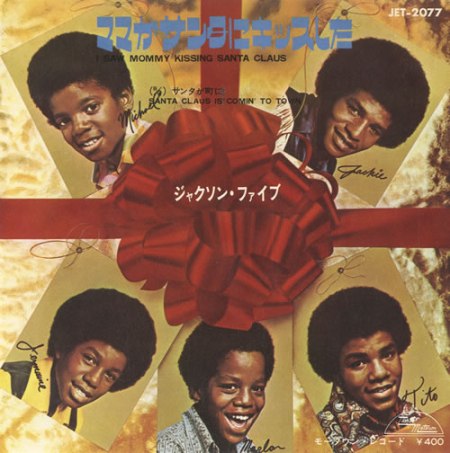
At the televised Michael Jackson funeral/tribute on the telly after his death there was a piece of slo-mo footage that was absolutely dynamite, and it’s stuck with me ever since. I can’t seem to find it on the You Tube (copyright, Rob Bryden) so you’ll need to make do with my 3 4 and a half year old memories.
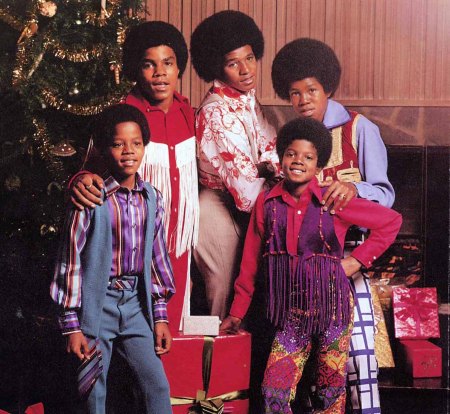
In it, a barely into double figures Michael, wearing an eye-poppingly bright tank top and very pointy collared shirt, body pops up and down, left and right, back to front, with all the carefree abandon of someone so young and foolish and happy. Watching it was almost tear-inducing, to see what he once was like when faced with the grim reality of what he had become. His wee tailored checked flares flap around the top of his cuban heeled boots in time to his and his elder brothers choreographed moves, their afros bobbing up an down in funky unison. Yeah, the brothers played the music and laid down the groove, but all eyes were on Michael. Without him, they were nothing. Ten years old and he owned the stage, looking right down the lens of the camera and into the homes of millions when he was singing, desperate for the musical interlude to arrive when he could break out the shackles and into his total, uninhibited dance as though his life depended on it. That his bastard of a father was probably standing just out of shot with brows furrowed and fists clenched makes the piece of film all the more amazing.
We all know how he turned out, but for a few moments at least, remember Michael Jackson as the wee boy who lit up the stage.
It’s worth listening to the voice too. I mean, really listening to the voice. You know he can dance. And you know he can sing. But strip the music away, isolate the vocals and what do you have? Perfection, that’s what. I Saw Mommy Kissing Santa Claus is not a track I’ll freely run to when I need to hear the Jackson 5. Who does? But listen to this – the vocal-only track.
The control in his voice. The sheer joy he sings it with. The range of notes he can reach. That last note he hits, and holds, right at the end, is sensational. Anyone who tells you they can sing should be made to listen to this then asked to reassess their position on the matter forthwith.
And here‘s wee Michael giving Santa Claus is Coming To Town the same sort of high-octane, helium-voiced treatment. A pocketful o’ dynamite!
*Bonus Track!
Here‘s that vocal-only track of Michael singing the Jackson 5′s I Want You Back – One of Plain Or Pan’s most popular downloads ever. If you’ve never heard it before it’ll blow your mind…
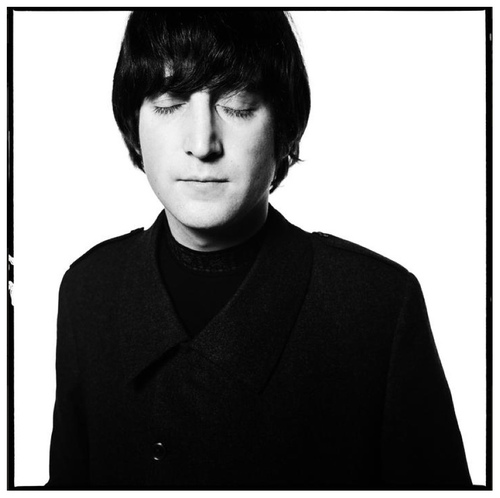
33 years ago today, John Lennon was shot dead outside his New York home.
When he died he was younger than I am now.
By the time I’d decided at the ripe old age of 32 that teaching might be the vocation for providing for my family, John Lennon had already lived a colourful life in Hamburg, formed the Beatles, split the Beatles, was one of the most recognisable faces on the planet and half-way through a solo career. Not bad going when you stop to think about it.
On the day he died, I came home from school to find my mum cleaning out the kitchen cupboards and crying. I shuffled about awkwardly, trying to be invisible while looking for the chocolate biscuits that weren’t in their usual place. Imagine seemed to soundtrack that whole era, Lennon’s unofficial national anthem for the world playing on every radio station across the globe.
Here’s the first take of Imagine, that other gun-wielding maniac Phil Spector at the controls and recorded at John’s house in Ascot. See when the honey-thick warm strings come in at the start with the piano……..s’beautiful, man!
And here’s a live version from 1971. Just John and his acoustic guitar in front of a politely reserved audience. Imagine wouldn’t be the song it was until Lennon’s death. Who knew?
Here’s the demo of Real Love. Lennon gives birth to Elliott Smith whilst sketching out a minor keyed spidery piano part that would never see the light of day during his lifetime.
And here’s the Jeff Lynne-produced shiny, polished-up Threetles version, released to promote the mid 90s Anthology series. Packed full of George’s slide guitar and some warm Beatles harmonies, it is (to paraphrase Alan Partridge) the band ELO could’ve been.
A few years ago, we visited New York. Just across the road from the Dakota Building in Central Park we came across Strawberry Fields. Once we’d managed to squeeze ourselves in between the hordes of quietly determined Japanese tourists hell-bent on not letting us through (Give Peace A Chance, my arse), much like that December day in my kitchen in 1980, we looked in slightly self-conscious silence at the wee tiled memorial.
I could post a picture of it, but it looks exactly the same as any one you choose to Google, although my picture has a random scattering of Autumn Central Park leaves on top of the black and white tiles, rather than the candles of eternity that were somewhat ironically missing that day.
*Bonus Schmonus!
Tis the season to be jolly ‘n all that. Here’s the rough version of Happy Xmas (War Is Over). Written and recorded in the space of a day, as was Lennon’s wont at the time, the record company failed to act quickly enough, and it missed out on being that year’s Christmas single. As with Imagine, it’s only since his death that Happy Xmas became truly popular.
Lennon autographs a copy of his Double Fantasy LP for the man who would return to kill him six hours later.
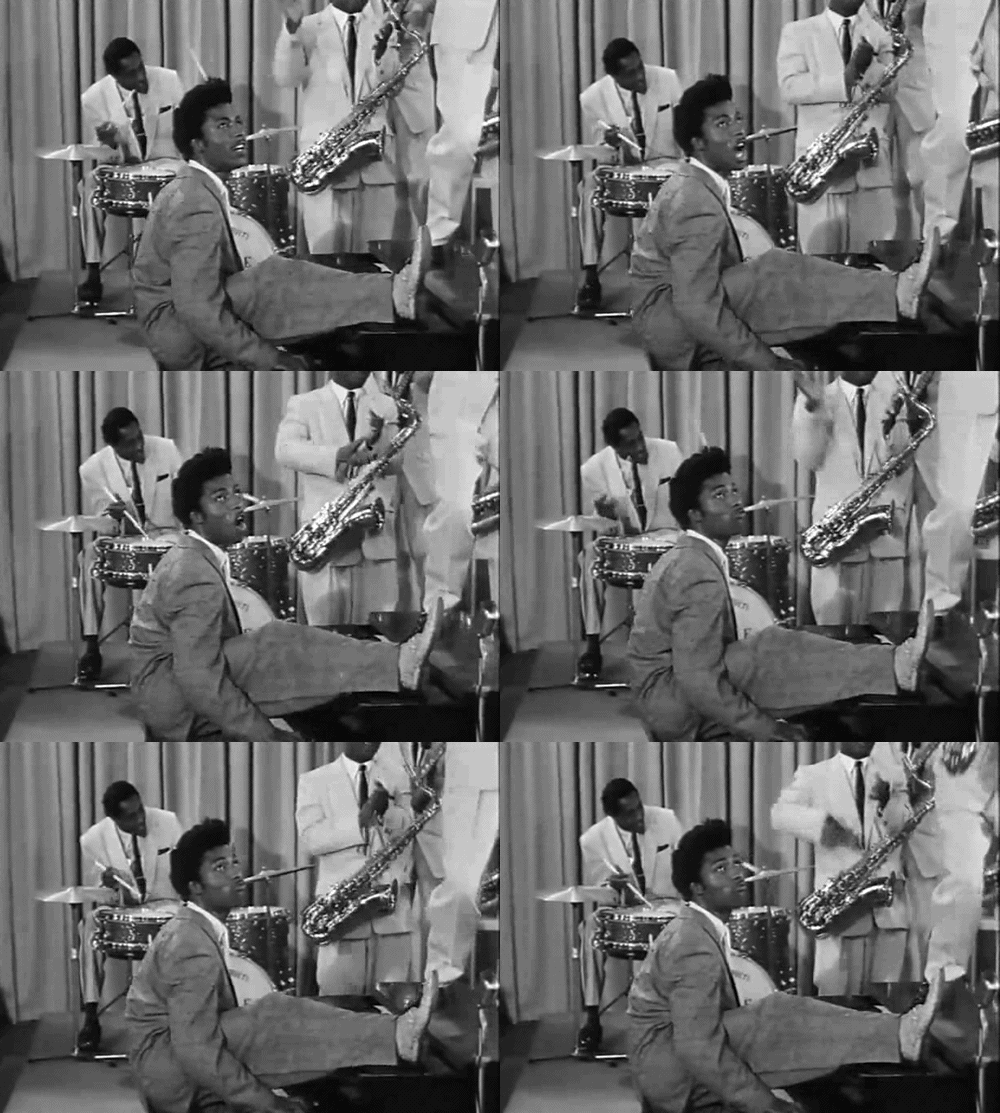
Elvis may have been the King, but Little Richard was certainly the Queen. He’s terrific, isn’t he? The high priest of camp; his pompadoured hair like a Texan oil slick, sticky and stationary above those mad, popping eyes and perfectly plucked brows, the occasional dog-bothering ‘whoooo!’ while his hands pound away on the pianer with all the frenzied dexterity of a teenage boy with unlimited broadband and a lock on his bedroom door. Tee-riffic.
Slippin’ And Slidin’. Tutti Frutti. Lucille. Good Golly Miss Molly. Rip It Up. Long Tall Sally. Every one a throat-ripping, stone cold classic……..the building blocks of rock and roll and all that was to follow. But you knew that already.
‘Before Elvis, there was nothing‘, said John Lennon, but The Beatles owed Richard Penniman a huge debt or two. McCartney for one modelled his whole voice on Richard’s every single time his group broke free from the shackles of balladry and ruffled their rugs to the delight of the watching world – from the backing vocals on The Beatles’ own version of I Wanna Be Your Man right through to the White Album’s Why Don’t We Do It In The Road, the spirit of Little Richard was never far away.
Here’s one you might not’ve heard before:
The Most I Can Offer (Just My Heart) is superb. Released on his 3rd album The Fabulous Little Richard by a slightly twitchy record company after he’d indicated a preference for thumping the bible rather than the thumping boogie woogie of yore, The Most I Can Offer is a mid-paced soul-shaking break-up ballad (of course!), all rasping tenor sax and ding-ding-ding minor 7ths on the keys. It throws me every time. Why? Because it sounds like a duet between a high, quavering falsetto’d voice and a southern souler. Imagine if William Bell had sung with the black cleaner lady who appears from the waist down in every Tom And Jerry cartoon. Except The Most I Can Offer seems to be Richard and Richard alone, his voice alternating between broken-hearted blues mama and a down-on-his-knees tear-soaked gospel bawler. The version I’ve given you is Take 4. Which sounds exactly like takes 1, 2 and 3 and no doubt the master version too. If you have but an ounce of soul you’ll want to play this again and again and again.
And here’s another:
Hey Hey Hey Hey, as reprised on the Beatles For Sale LP by those self-same Little Richard fans mentioned earlier. An out-and-out rocker, this features Richard at his most extreme, extravagant and extraordinary, pompadour bouncing while the piano pumps out primal jive ‘n wail. You can almost see the whites of his eyes on this recording.
And if you think the original’s good, you should have a listen to the Jim Jones Revue‘s outstanding needles-in-the-red version;
Proof, if any were needed, that Little Richard is as relevant today for any musician seeking the mother lode of rock ‘n roll.
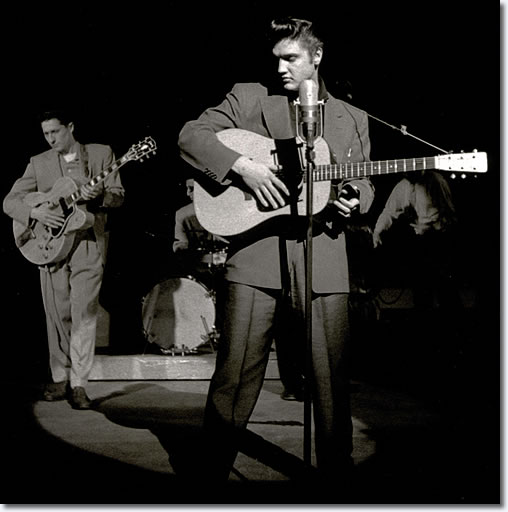
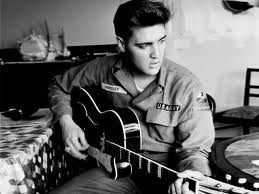
The story goes that Elvis’ domineering manager Colonel Tom Parker was a Dutch illegal immigrant to the States and that, once/if the authorities ever found out, he’d be extradited straight back to where he’d come from (“you can leave that phony made-up ‘Colonel’ title at the door, thank you very much, and you better get used to folk calling you Andreas Cornelis van Kuijk once again”). Consequently, poor Elvis never got to tour the world as a recording artist, the paranoid Colonel convinced that somewhere along the way his illegal alien status would be uncovered and the land of the brave and the home of the free wouldn’t let him back in. The only time Elvis saw anywhere other than the States was during his time in the US army based in Germany. But you knew that already.
Here in Ayrshire, any mention of Elvis is met with a slightly smug response. Prestwick Airport, just up the road from where I’m typing, is the *only British soil ever graced by the feet of The King, as he dropped past for a quick wave to his fans while his plane stopped to refuel between Germany and the US, and the folks of Ayrshire have quite rightly been dining out on this pop nugget ever since. For a long time, the airport was a tacky shrine to all things of a Presley persuasion, with his face/image/signature filling up much of the available wall space with all the faded glamour of a 1980’s Butlin’s burger bar. Disgraceland might’ve been a more apt name for it had they not de-Presley’d it slightly during a re-branding programme a few years ago.
*only British soil? Tommy Steele claims to have spent a day with Elvis in 1958, showing him the sights and sounds of the city of London. But, unlike the picture above, there’s no photographic proof that this ever occured, so here in Ayrshire we tend to gloss over the possibility. It ruins a perfect story. And it would be another costly re-branding exercise for our pokey wee airport.
Last weekend you may have caught the show on the telly featuring the nation’s favourite Elvis tracks. No surprises by any stretch of the imagination, but this got me thinking about those Elvis tracks that never get their time in the spotlight. For such a prolific recording artist, Elvis seems to have had his discography squashed and squeezed into an assortment of handy 20 track all-you-need compilations. Well, no. He’s never recorded the classic album, much of his output in the 60s was flowery soundtrack fodder and filler and his 70s material is almost considered a white jump-suited parody, but there’s more to Elvis’ music than you might think.
Who better to ask than pop scholar, member of St Etienne and author of Yeah Yeah Yeah (The Story of Modern Pop), Bob Stanley. I suppose this makes this feature a Six Of The Best of sorts….with Tupelo trainspotter Bob picking 10 rare-ish Elvis tracks and giving each one the briefest of moments in the spotlight. It’s by no means a definitive guide to the backwaters of Elvis (I’d have included Pocketful Of Rainbows and Stranger In This Town. You probably have others of your own,) but it’s a good springboard if you fancy diving into the murky depths of the Presley canon.
1. Blue Moon
Released in 1956, standard ballad Blue Moon was one of Elvis’ first recordings after leaving Sam Phillips and Sun Records for RCA.
Neither rock nor roll, country nor western, its eerie, distant, ghostly vocal and hillbilly clip-clopping rhythm sounds like some extra-terrestrial broadcast from a by-gone era. The fragile yin to Heartbreak Hotel‘s ferocious yang, Blue Moon is Elvis at his most unselfconscious and tender.
2. Crawfish
Elvis and his movies have always been a bit of a standing joke amongst ‘serious’ music fans who never really recovered from seeing their idol misdirected for a good decade or more through Colonel Tom’s none-too-subtle capitalistic urges in the chase for cold hard cash.
A shame, as there are some stone cold Elvis classics waiting to be discovered amongst the dusty grooves;
1958’s hit ‘n miss King Creole soundtrack included Crawfish, a southern gumbo of a duet between Elvis and Kitty White. Elvis and Kitty might sound like a pair of light opera singers high on hooch ‘n moonshine, but the sparse backing music is not a million miles away from anything Lux Interior would’ve been proud to add his name to. Crawfish also happens to be one of Joe Strummer’s favourite Elvis tracks.
3. Doin’ The Best I Can
Another from a movie, 1960’s GI Blues, Doin’ The Best I Can is perfect Elvis – the waltzing lilt, Scotty Moore’s subtle guitar picking, the brushed drums and The Jordanaires ethereal gospel doo-wop all coating the track in magic dust. The last track on GI Blues, it deserves a wider audience. Play it, love it as you will and pass it on.
4. Animal Instinct
Elvis released three (!) films each and every year in the 60s and Harum Scarum was one of 1965’s offering. Consider the pop landscape for a second – The Beatles were ingesting marjuana for breakfast and on the verge of becoming studio auteurs. Motown was in full four-to-the-floor swing. Elvis was out of touch releasing hokey films accompanied by what many consider to be his poorest musical output.
Harum Scarum (along with the previous year’s Roustabout) suffered the indignity of being ‘promoted’ without the release of an accompanying single. Animal Instinct was recorded for Harum Scarum and although it featured on the soundtrack LP, wasn’t actually used in the film instead. The track itself is a loungecore/exotica/rhumba hybrid, with a moody, kohl-eyed Elvis laying bare his sexual desires in none-too-dressed-up animalistic metaphors. 5. Please Don’t Stop Loving Me
From 1966’s Frankie And Johnny soundtrack.
Look out! Here come The Jordanaires and their measured pitch-perfect harmonies once again. The best sound in music, would you agree?
There’s a tinkling piano in the background and a ‘My Way‘ feel to the guitar riff (I think by Scotty Moore again) as Elvis gets down to full-on ballad mode and gives birth to a gazillion impersonators in the process. You were born… just to be…. in my arms…. in my arms…..your lips were made…just to be… kissed by me….kissed by me. Not a dry seat in the house, I’d wager. 6. Edge of Reality
From the soundtrack to 68’s Live A Little, Love A Little, Edge Of Reality was recorded at the same sessions as A Little Less Conversation. Whereas the latter’s throwaway lounge funk was designed solely for the displaying of the Elvis pelvis, Edge Of Reality showcases an Elvis vocal that verges on the edge of parody, all softly rolled ‘rs’ and a rich baritone croon that channels his inner Scott Walker. Edge Of Reality eventually found its way onto the b-side of If I Can Dream, although the loose-limbed Hal Blaine drum track and orchestral brass section wouldn’t sound out of place on an Isaac Hayes LP. Ain’t nothin’ like Hound Dog, that’s for sure.
7. I’m Leavin’
I’m Leavin’ is a little-known track from 1971. Released as a stand-alone single, you won’t find it on many of the more bog-standard compilations. As such, it’s something of an Elvis obscurity, not helped by it reaching the lowly chart position of 36 on its release. I’m Leavin’ is a masterful Elvis performance. No hysterics, no histrionics, for once he actually sings almost behind the musicians, showcasing his crack band of Nashville sessioneers for what they are. As the title implies, this is Elvis singing about love gone wrong, something he was experiencing in his own life at the time. Indeed, many of the tracks recorded around this era were as autobiographical as Elvis could get, considering he didn’t actually write them…… 8. Patch It Up
Patch It Up is terrific – a staple of his early 70s Vegas shows (see That’s The Way It Is and it’s essential accompanying soundtrack), it’s a riot of fuzz bass, stinging James Burton guitar licks and warm Stax brass. This is larynx-loosening guttural grunt Elvis in full-on remorse mode. He’s wandered, he’s strayed and now he’s back telling the object of his affections that he loves her. Somewhat mirroring his home life with Priscilla at the time, this wouldn’t be the only time Elvis laid his soul bare for all to see, doing it to more dramatic effect on Suspicious Minds. Although, if you watched the telly at the weekend, you’ll know that already.
Trivial fact – One of those roof-raisin’ female voices in the background of Patch It Up is Darlene Love, who’d previously found success recording with Phil Spector. 9. True Love Travels On A Gravel Road
Recorded in Memphis at the duck-tail end of the 60s, True Love Travels On A Gravel Road was also a staple of the Elvis Vegas set. An RnB/country/southern soul hybrid, with a healthy sprinkling of female gospel singers, it’s one of the last great Elvis tracks. The record benefits from a terrific production and Elvis is restrained, soulful and passionate, the complete opposite to the bloated, huffing and puffing performer he could sometimes be at the time. Spare your ears, but I seem to recall a Shakin’ Stevens version doing the rounds sometime in the 80s. 10. Good Time Charlie’s Got The Blues
In 1973, Elvis found himself recording at the world-famous Stax Records studio. Known as the home of southern soul, Stax gave birth to many great artists and tunes – Booker T, Otis Redding, Rufus & Carla Thomas, The Staple Singers….many of the artists that pop up regularly on this blog…..I could go on, but you’ll know them all yourself. A good few duds were recorded in his time at Stax, but Good Time Charlie.. isn’t one of them. An easy listening croon atop a backing that’s fluid and meandering and nothing at all like the Elvis of old, it was perhaps not surprising when it was considered flim flam by the record buying public at the time. However, the appreciation for Good Time Charlie has, like the Elvis girth of the day, grown to generous proportions.
An impressive list. Track them down and you’ve got yourself a good wee alternative Elvis compilation. Add the afore-mentioned Stranger In This Town and Pocketful Of Rainbows and you’ll have a cracker. And if you can add the full-on gospel rockin’ and God-fearin’ Milky White Way…..
…..you might just have yourself Now That’s What I Call The Best, Least-Heard Elvis Tracks In The World…Ever. Uh-huh.
Bob Stanley is currently out and about promoting his book. He might be coming to a town near you. You can check all things Bob-related here.
You can buy Yeah Yeah Yeahhere, plus at all the other usual places. An ideal addition to your Christmas list.
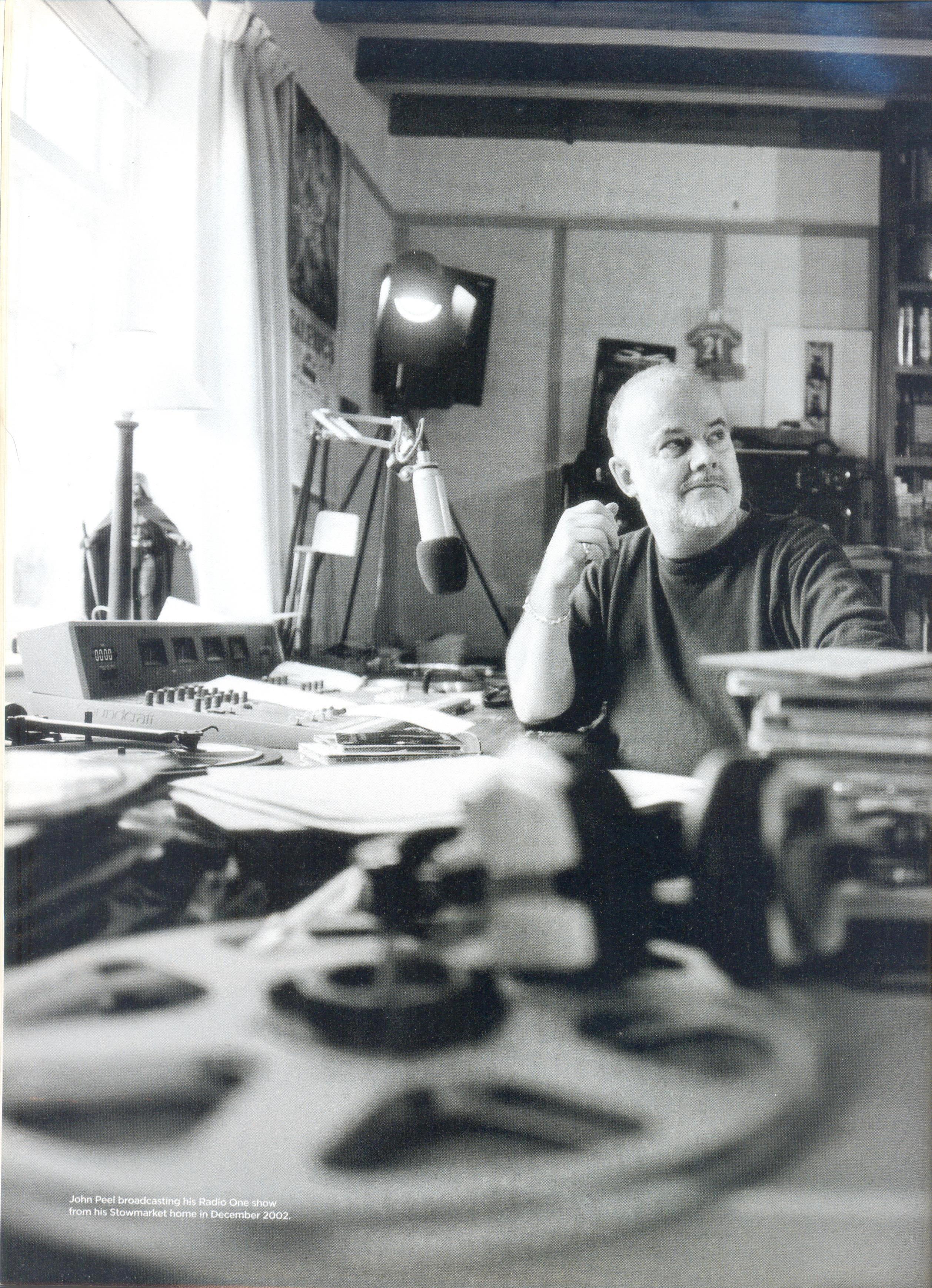
Keeping It Peel is the brainchild of Webbie, who writes the excellent and informative Football And Music blog. An annual celebration of all things Peel, it’s purpose is to remind everyone just how crucial John Peel was to expanding and informing listening tastes up and down the country. Be it demo, flexi, 7″, 10″, 12″, EP, LP, 8 track cartridge, wax cylinder or reel to reel field recording, the great man famously listened to everything ever sent his way, and if it was in anyway decent he played it on his show. Sometimes, he played the more obscure records at the correct speed. Sometimes he didn’t. And sometimes, no-one noticed. John Peel is the reason my musical tastes expanded beyond the left-field avant-garde edginess of Hipsway and Love And Money and the reason why my mum stopped singing her own version of whatever it was I was playing (“Take a ri-ide on the Suga Trayne!”) and started asking me to “turn that racket down” whenever she passed my teenage bedroom door. Thank you, John.
This year’s Peel Session selection features Roxy Music from February 1972. It’s a cracker……..
But first, a history lesson.
1972 was a pivotal year in music. The number of influential/classic albums released in those 12 months is nothing short of staggering (I’d like to say “off the top of my head“, but Google is a handy wee tool now and again).
Take a deep breath and off we go; Neil Young‘s Harvest (and the unreleased Journey Through The Past), Nick Drake‘s Pink Moon, Pink Floyd‘s Dark Side Of The Moon (hey – I’d never spotted that before – Pink and Moon…anyway…), The Spotlight Kid and Clear Spot, both by Captain Beefheart (2 albums in one year, nae bother), Todd Rundgren‘s Something/Anything, Talking Book AND Music Of My Mind by Stevie Wonder (2 albums in one year, nae bother), T Rex‘s Bolan Boogie and The Slider (2 albums, one year…), Big Star‘s #1 Record, The Stones’Exile On Main Street, Bowie‘s Ziggy Stardust, the soundtracks to Superfly and The Harder They Come (Curtis Mayfield and Jimmy Cliff), Black Sabbath4, Steely Dan‘s Can’t Buy a Thrill, Greetings from LA by Tim Buckley, Can‘s Ege Bamyasi,Transformer by Lou Reed, Marvin Gaye‘s Trouble Man, and the debut eponymously titled LP from Roxy Music. Crikey! That’s almost a classic album a fortnight! And there’s a ton more I haven’t even mentioned! Oh to have been a teenager with a disposable income in the early 70s……
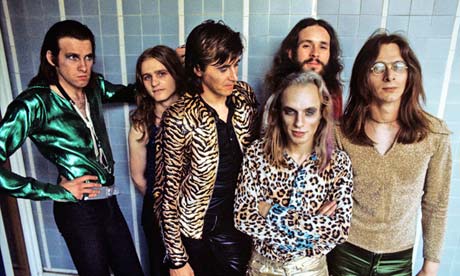
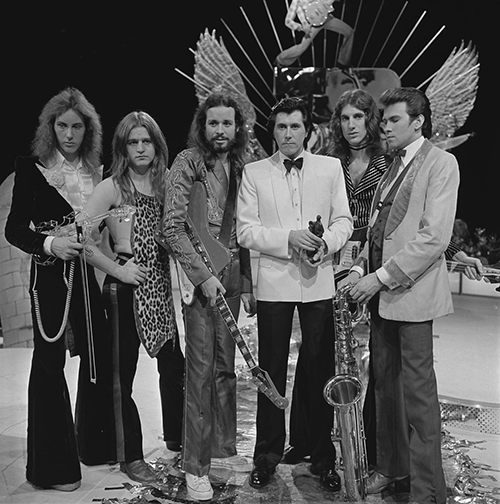
Roxy Music looked as if they’d been beamed down from the first spaceship from Mars and sounded just as other-worldly. Dressed in a clash of tiger print and tinfoil, faux fur and flares, and with a sound giving as much space to the clarinet and oboe as to yer more traditional rock instruments (and we haven’t even mentioned Brian Eno’s synthesiser), they were so out of step with the fashion of the day (compare them to the list above), it’s easy to see why John Peel would champion them. Between January 1972 and March 1973, they recorded 5 thrilling John Peel sessions. Their session recorded in February 1972 (although not broadcast until 1st August – anyone know why?) is particularly brilliant, featuring the yin and the yang of Roxy Music in two tracks.
The Yin
A full six months (a light year in 1972 musical terms) before being released as their debut single, Virginia Plain was recorded as part of that February session. Over a minute longer than the released version, the Peel version is a proto-punk glam slam, overloaded with fizzbomb guitars and a seemingly improvised solo, all whammy bar and feedback sturm und drang. Hogging the limelight, Phil Manzanera made sure there was no room for the single’s twangy bass solo here.
Virginia Plain Peel Session, 18 Feb 72
Years later he would indeed be flying down to Rio! but, when he wasn’t purloining other bands’ equipment, I’m sure sticky-fingered street urchin and future Sex Pistol Steve Jones was cribbing notes on Manzanera’s guitar sound during this transmission. A verse sung over 2 open chords….. stray wafts of controlled feedback….. a fantastic, fluid and free-form guitar solo….. a four-to-the-floor jackboot stomp. A full 4 years before UK punk was ‘invented’, Roxy Music were doing it, maaaaan. If this version of Virginia Plain doesn’t make you want to go and learn a couple of chords and start a band in a desperate middle-aged attempt at hipster cool, nothing will.
The Yang
On the debut album you’ll find If There Is Something, a countryish clip-clopping slide guitar and piano-led song in (prog alert!!!) three distinct parts. According to that bastion of trusted information Wikipedia, it ‘s been said that the first part of the song is a youth wondering about love, the second part adults in the heat of passion and the third part the singer in old age thinking about their past love. Gads. Whatever you think, in length and libido it manages to invent both prog rock and Pulp. Heavily-effected saxophones waft in and out, guitars get fuzzier and quieter as the track progresses and the ending is bathed in synthesised melancholic heaven, Ferry crooning in his collapsed quiff like a pub singer after half a dozen Guinesses.
If There Is Something Peel Session, 18 Feb 72
The Peel Session version is free from slide guitar and twice as long as the released version, clocking in at over 12 meandering minutes, the track ebbing and flowing like the champagne at one of Bryan Ferry’s socialite soirees. A few short years later they’d be making syrupy cocktail dross like Avalon. Remember Roxy from 72; weird, wonky and wonderful, unparalleled and untouchable.
*Bonus Track!
No Roxy Music feature is complete without the funniest bit of telly ever. Johnny Vegas as Eno? Oh aye!
I haven’t ever quite gotBruce Springsteen. I can appreciate the appeal, and I can rattle off a list of his tunes I quite like, but that’s just it – tunes I quite like. There’s nothing there I love. Not even Tenth Avenue Freeze Out. Or Hungry Heart. Or Cadillac Ranch. Or Born To Run. I like ’em. But I don’t love ’em. I don’t feel the need to re-spin them as soon as they’ve faded out in the same way I do with many other musical sacred cows. What’s the difference between Born To Run and most of Meat Loaf’s outpourings over the last 30 years? Very little, if y’ask me. And Meat Loaf is a pantomime figure to be laughed at and poked with a big shitty stick. So why not Bruce?
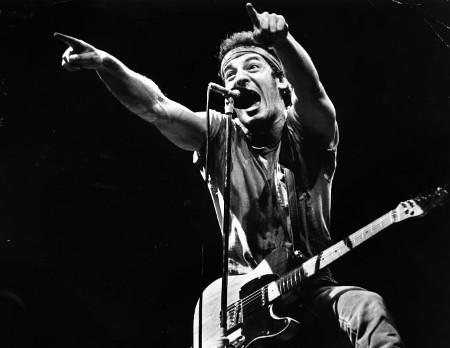
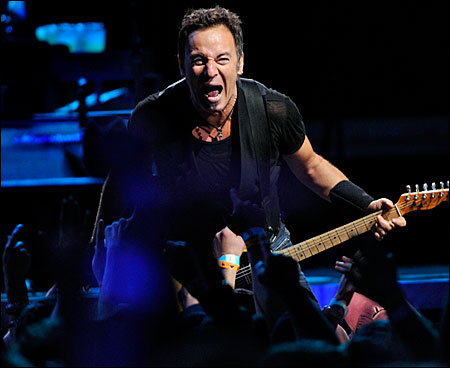
Bruce’s schtick is all just a wee bit forced, I think. Everything’s done through gritted teeth and clenched fist, his furrowed brow and earnest intentions dressed up in last year’s Levis for maximum ‘man of the people’ effect. Four hour live shows? Come on! Even if Paul McCartney turned up in my back garden and ask me to accompany him on fat-fingered guitar to play a four hour greatest hits show, that would still be about two hours too long. Possibly. And all that huffing and puffing and biker-booted blue collar bluster – pffft! – even his ballads sound as if they’re wrapped in layers of testosterone, desperate to escape their confines, but bundled up as tightly as his upper arms underneath the sweat-stained cut-off denim shirt. Look at him! He can’t even play that famous Tele of his properly due to the constrictions. That, in part, explains the gritted teeth I suppose.
Here’s the crux though – Bruce writes a good song. I know he does. But his versions just don’t hit the spot the way the cover versions do.
Because The Night – Bruce version
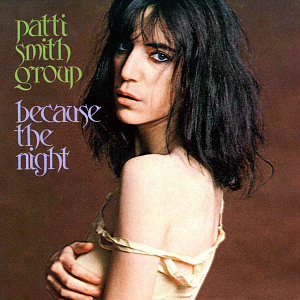
Written during the Darkness On The Edge Of Town album sessions, he dashed off Because The Night, discarded it almost immediately and gave it to Patti Smith, who was in the studio next door recording what would become the Easter LP. She got herself a writing credit as she changed some of the words and added her own. But you knew that already. Her version is better. In fact, hers is the definitive of the 18 covers (and counting) to date. PJ Harvey certainly thinks so……..she based much of her mid-career on it. But you knew that already too.
Because The Night – Patti version
Along with Gerry Rafferty’s Baker Street, Patti’s Because The Night reminds me of French toast. I have a vivid memory of listening to the ‘Hit Parade’ countdown one sunny Summer night on a wee portable radio in the back garden and hearing both records while my dad made French toast in the kitchen, the sizzle and smell making its way back to me sitting with my back against the roughcast on the garage wall. Patti’s record eventually got to number 5, though I’m too scared to Google the rest of this fact as it’s very likely both records didn’t ever appear in the same chart. Don’t check. Or if you do, don’t tell me if I’m wrong. It’ll ruin what has been a 35+ years memory.
Huff….pufff…wheeze….
Inspired by a lyric in Elvis’ Let’s Play House (“You may have a pink Cadillac but don’t you be nobody’s fool”), Bruce wrote Pink Cadillac as a car-as-sexual-metaphor bluesy gruntalong. Written at the turn of the 80s but kept it in his vaults until 1984, Bruce stuck it on the b-side of Dancing In The Dark.
Pink Cadillac – Bruce version
The year previously, Bette Midler had asked to record it, presumably to add her own high camp gloss to an already suggestive lyric.
“I love you for your Pink Cadillac….crushed velvet seats….riding in the back…oozing down the street.”
‘Pink Cadillac is not a girls’ song‘, vetoed Bruce.
And that was that, until Natalie Cole somehow got the go ahead to record her version and take it all the way to number 5 (just like Patti) in March 1988. Bruce calling it Pink Cadillac was a bit more glamorous and rock ‘n roll sounding than, say, Pink Camel Toe, that’s for sure. But we all know what he was getting at, eh? Nudge, nudge, wink wink and all that. It’s quite spectacular that someone so straight-laced as Natalie ‘daughter of Nat King’ Cole should be allowed to record it. Maybe she thought she was singing about a car.
Pink Cadillac – Natalie version.
Barring the none-more-80s glossy feel (or, to be more accurate, because of the none-more-80s glossy feel) it could almost be Aretha Franklin as recorded by Prince, couldn’t it?
*Bonus Track!
Ever one for spotting a trend and putting an arty spin on it, here’s David Bowie doing It’s Hard To Be A Saint In The City. Recorded in 1974 in the middle of his white-powdered Young Americans phase, it’s a tune that divides Bowie fans. For what it’s worth, I think it’s a brilliant version. I bet those check-shirted good ol’ boys over the Atlantic hate it though.
Nothing at all like the Brooce original. Poor man’s Dylan, no?
By now, of course, there’ll be people I know, friends even, who are rattling off tut-tut-tut emails to me, pointing out the errors of my ways. Waaaaaghh! Here….have a Bruce face in reply….
Slightly recycled from Plain Or Pan’s back pages, this article is adapted from one that first appeared 5 years ago…
Autumn. The nights are drawing in and the curtains are drawing shut. The heating comes on a bit earlier than normal and stays on that wee bit longer. You can smell winter coming in the air. The leaves are turning red and yellow. Conkers are on the ground and in the playground. Kids are off to the medical room for a good dose of TCP and a telling off.
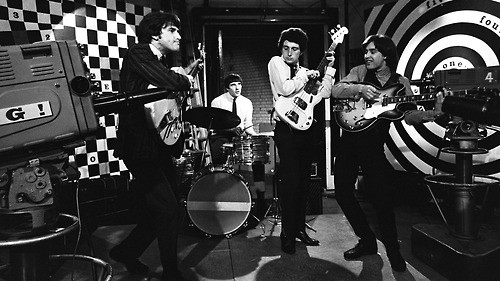
It’s round about now that I like to dig out ‘Autumn Almanac’ by The Kinks, a song that so perfectly sums up this time of year. You don’t even have to be quintessentially English to appreciate lines such as, “I like my football on a Saturday, roast beef on Sundays, alright! I go to Blackpool for my holidays, sit in the open sunlight.”
No doubt about it, it’s one of my all-time top 5 favourite songs ever. Just ahead of ‘Ally’s Tartan Army’ by Scotland’s 1978 World Cup Squad, though just behind ‘There She Goes’ by The La’s.
Lee Mavers once lectured me on the brilliance of Autumn Almanac for a good 10 minutes. “From the dew-soaked hedge creeps a crawly caterpill-ah!” he offered, in his sing-song Mersey twang. “How good a line is that, La!?! ‘Friday evening, people get together…hiding from the weather…’ The chords, the feel, the melancholy…….it’s not as good as Waterloo Sunset, though, is it?”
The single version of Autumn Almanac was recorded in September 67 and released 3 weeks later. No great strategic marketing campaign with focus groups, target audiences and avoidance of any other big act’s single being released at the same time. Get in the studio, cut the record, release the record. Times being simpler then, Autumn Almanac climbed to either number 3 or number 5 on the charts, depending on which music paper you were reading.
Recorded for Top Gear just a few weeks after, on October 25th 1967 at the BBC’s Maida Vale Studio 4 and broadcast 4 days later, the above track is taken from a well-known Kinks bootleg* called ‘The Songs We Sang For Auntie’, a 3 CD set that compiles most of (or all?) the unreleased BBC session stuff from 1964-1994. A must-have for any fan of a band who were matched surely only by The Beatles in terms of high quality output.
Ask anyone to name 3 Kinks singles and they’ll give you all the usual suspects, but I bet it’d be unlikely Autumn Almanac would feature in too many lists. It’s an under appreciated classic, that’s for certain. Just ask Lee Mavers.
*Since writing this article, there’s been an official Kinks BBC release. But you probably knew that already.
3 archaic, chiefly Scottish fated to die or at the point of death.
Orange Juice were the feyest of the fey. Their Velvets-by-Chic approach to music was terrifically exciting; a ramshackle beauty forever teetering on the fringes of falling apart. They remind me of teaching my kids how to ride their bikes. One minute you’re bent double and holding on to a wobbly stabiliser-free frame to stop them bothering the tarmac, the next you’re running behind them silently willing them to not turn round in amazement at what they’ve already managed, but to focus on the road ahead and zig-zag safely to a stop.
Pick any song at random from the early Orange Juice catalogue and you’ll find the sonic equivalent. At any given moment, things might unravel and the whole thing could come stuttering to an ungracious ending. On some of those records, you can practically see the 4 band members give one another excited nods of encouragement as they play their way out of the first chorus and back to the verse. (If you’ve ever had the good fortune to play in a ‘promising local band‘ (copyright Irvine Times, July 1989), you’ll know exactly what I mean). Not for OJ the mask of distortion that many a youthful band will use to cover up all manner of mistakes. Their almost-to-the-point-of-being-in-tune cheesewire-thin guitars rattling off fancy-pants major 7ths and suspended 4ths were played to sound just as Leo Fender and Friedrich Gretsch intended – clean and ringing and with a nice touch of reverb. For Orange Juice, it was always about the angle of the jangle. But you knew that already.
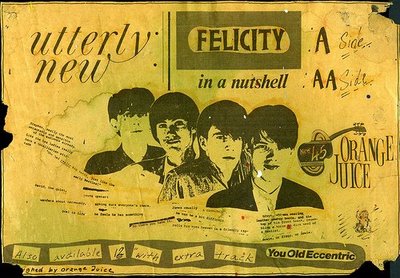
One of the very finest in a fine, fine back catalogue is (To Put It) In A Nutshell. You’ll find it closing out the end of their debut LP, You Can’t Hide Your Love Forever. A perfect set-closer from an imperfect album, In A Nutshell was Edwyn Collins’ first (first!) attempt at a ballad. Another that sounds like it’s about to come undone at the seams, it was originally conceived as a duet with Nico. Shame it never quite came to fruition. Her rounded, one dimensional Germanic chamber folk vocals would’ve sounded terrific. “I looked deep within my pockets“, “You’re a heartless mercenary“, “Can I pay you in kind?” etc etc. I bet you’re singing them in faux German right now. Even the sh-sh-sh-shoo-doo bits.
I empathise with Edwyn – that ‘promising local band‘ once wrote a letter to Michael Stipe asking if he’d like to contribute backing vocals to one of our non-smash non-singles. What the fuck were we thinking? You won’t be surprised to learn he never wrote back, but ever since the demise of REM, I’ve often wondered if he’d still be up for it, 24 years later.
Anyway, back to Orange Juice.
Here’s the earlier Postcard Records version of In A Nutshell:
And here’s a rare instrumental version. Put on a German accent and go all Nico for a few minutes. So audacious, jah?:














 Plain Or Pan