Cover Versions, Dylanish, Gone but not forgotten, Live!

Everyone Wants A Pop Star But I Am A Protest Singer

I feel that having a No. 1 record derailed my career. It seems to me that being a pop star is almost like being in a type of prison. You have to be a good girl. The media was making me out to be crazy because I wasn’t acting like a pop star was supposed to act.

My tearing the photo put me back on the right track.”

I thought about not posting this. There’s been a flood of Sinéad O’Connor posts since the middle of last week, and the internet probably doesn’t need another one. But her sudden death had me scrambling back to Rememberings, her fascinating and brilliantly-written autobiography, and, by association, to some of her greatest music; the time-stopping Thank You For Hearing Me, the Thatcher-baiting Black Boys On Mopeds, the dubby majesty of her collaboration with Jah Wobble on Visions Of You. Social media threw up many others – deep cuts, as they say nowadays – that shone new light on under-appreciated songs sung by an under-appreciated artist. Morrissey, so often the bigmouth who strikes again, seemingly got it right with the statement he released the following day. I could have picked any of those tunes and pulled together a decent blog post, but the book had me scurrying around for unforgotten yet buried video footage that, coupled with Sinead’s written account of the events became the only thing worthy of my words.

As she notes in Rememberings, there were two Sinéad O’Connors. The almond-eyed suedehead who cried real-time tears in the video for her definitive version of Prince’s Nothing Compares 2 U and the one who came after that; the misunderstood protestor who fought a tough war against the wrongs of the world and was condemned to hell for it.

It’s 1992 and down near the Bowery, where New York’s Avenue A meets St Mark’s Place, O’Connor frequents a ‘juice bar’ and has befriended its Rasta owner. Over time they become close enough friends that the night before Sinéad will be filming for an appearance on Saturday Night Live, he confides in her that his life will end abruptly and soon. He’s been running guns and drugs, using school kids as mules and moved his young couriers into a rival’s patch. Sinéad is horrified. “The fucking treacherous bastard,” she seethes. She draws parallels with Pope John Paul II, a far more prominenent figurehead than her Rasta pal, but one who also appears to condone the abuse of children. She thinks back to Bob Geldof ripping the poster of John Travolta and Olivia Newton-John live on Top of the Pops when the Boomtown Rats finally topple their reign with Rat Trap, and how she has always intended carrying out the same act with her mother’s photo of the pope, a photo that’s hung in the family home since John Paul’s visit to Ireland in 1982.

“(The photo) represented lies and liars and abuse. The type of people who keep these things were devils like my mother. I never knew when or where I would destroy it, but destroy it I would when the right moment came.”

For her Saturday Night Live performance, she’s wearing a dress that once belonged to Sade. It hangs ladylike, “a dress for women to behave badly in.” She hasn’t told anyone, but she’s going to change the words to Bob Marley’s War, dropping some of the lines – taken from a United Nations speech given by Haile Selassie – and replacing them with some lines of her own.

It would be a declaration of war against child abuse. Because I’m pissed at Terry (her Rasta friend) for what he told me last night. I’m pissed he’s been using kids to run drugs. And I’m pissed he’s gonna be dead on Monday. I’m also pissed that I’ve been finding brief articles buried in the back pages of Irish newspapers about children being ravaged by priests but whose stories are not believed by the police or the bishops their parents report it to. So I’ve been thinking even more of destroying my mother’s photo of John Paul II.

And I decide tonight is the night. I bring the photo to the NBC studio and hide it in the dressing room. At the rehearsal, when I finish singing ‘War’, I hold up a photo of a Brazilian street kid who was killed by cops. I ask the cameraman to zoom in on the photo during the actual show. I don’t tell him what I have in mind for later on. Everyone’s happy. A dead child far away is no one’s problem.”

Maybe now you can appreciate what was firing through her mind in the run up to the show. Clever and calculated and willfully confrontational, this wasn’t a spontaneous act. This was years of built-up rage – rage at the Catholic church, at her own mother, at authority who ignored the cold truth – and she was using her status to highlight it.

I know if I do this there’ll be war. But I don’t care.”

Afterwards: “Total stunned silence in the audience. And when I walk backstage, literally not a human being is in sight. All doors have closed. Everyone has vanished. Including my own manager, who locks himself in his room for three days and unplugs his phone. Everyone wants a pop star, see? But I am a protest singer.”

Two weeks later, Sinéad is booked to appear at New York’s Madison Square Garden, just one singer in a dazzling array of stars who will be gathered to celebrate her hero Bob Dylan’s 30 years in music. This time, she’s wearing a dress that she hates (‘bouffant, shoulder pads, Dynasty…I look ridiculous and underweight.‘) Introduced by Kris Kristofferson, the crowd turns an ugly shade of redneck, booing her from the moment her name is announced.

I actually think it’s the outfit, because in my excitement at being part of the show, I’ve forgotten about the pope-photo incident on SNL.

Then the other half of the audience begins cheering to fight off the booers. And there ensues a noise the likes of which I have never heard and can’t describe other than to say it’s like a thunderclap that never ends. The loudest noise I’ve ever heard. Like a sonic riot, as if the sky is ripping apart. It makes me feel nauseous and almost bursts my eardrums. And for a minute or two I’m not sure the audience members aren’t going to actually riot. They’re clashing so badly already with their voices. How do I know what else might happen?

She’d planned to sing an arrangement of Dylan’s I Believe In You – a song that means the world to her and on more than one occasion, her band (assorted Booker T/MGs) attempts to strike up the opening notes and lead her into it, but the ferocity of the ugly crowd in front of her has forced Sinéad to stare them out defiantly instead, arms by her side, doe eyes blinking into the vast arena, a waif-like David against the ugly Goliath of the Garden masses.

I look at Booker T’s beautiful face. He’s mouthing the words ‘Sing the song’, but I don’t. I pace awhile onstage. I realise that if I start the song, I’m fucked, because the vocal is so whispered, both sides of the audience’s battle are going to drown me out. And I can’t afford not to be heard; the booers will take it as victory.

Kris Kristofferson arrives by her side. He’s been told to get her off the stage, but looking at the film of it, you wouldn’t know. “I don’t need a man to rescue me, thanks.” As he returns empty handed, Sinéad gets her instruction instead from God. With her voice wavering then settling into something strong and powerful, she yanks out her in-ear monitors and rages once again – “the biggest rage I can muster“- into an aggressive and impassioned version of War, emphasising her own fingerpointing lines about child abuse.

She leaves, only after the briefest of defiant, eyeballing glances at the audience, her sharp exit a metaphor for what would follow, Stateside at least. It’s an astonishing, powerful, uncomfortable event, captured forever on this outtake from the official film of the concert. Outtake? There was no way this was going on the official release.

Afterwards, her father (he’d been in the audience) suggests she rethink her career prospects as she’s just destroyed the one she has. And she feels let down by Dylan. It should have been him, not Kristofferson, she reasons, who came out and told the audience to let her sing. So she gives Bob the evil eye as he sits in the wings. Bob stares back, baffled and handsome. Sinéad calls it ‘the weirdest thirty seconds of my life.’ Quite the claim in a life packed with incidents and accidents, rage and regret.

Now go and read the book. It’s fantastic.

Sinéad O’Connor. A true one-off.

Cover Versions, demo, Gone but not forgotten

Moz ‘n Rockers

The Hand The Rocks The Cradle was the first track Morrissey and Marr composed together, not long after Johnny “with my hair like a loaf of French bread” knocked on Morrissey’s door and suggested they try and write some songs. What the legend doesn’t say is that Johnny was accompanied by a pal to keep him company on his walk across Stretford, but three’s a crowd in romantic stories, and so Johnny’s pal was quickly written out of the fairy tale.

Anyway.

Johnny presented Morrissey with a looping instrumental motif with shaky origins in Patti Smith’s Kimberly and the singer surprised the guitarist by producing a set of fully formed lyrics and mumbling quietly to himself while the mercurial Marr sketched out the basis of what would become one of the key tracks on The Smiths’ debut album, still a twinkle in its fathers’ eyes and a good 17 months from its February ’84 release. Those words of Morrissey’s had been written a couple of years previously, biding their time until fate intervened and a delighted Morrissey twisted his initial melody to fit Johnny’s guitar part – a move that would prove to be something of a feature throughout The Smiths.

The version of the track which closes the first side of that debut album sparkles with woven multilayers of spring rain guitar and overdubbed acoustics, the track chrome-polished, light and airy and at odds with the heaviness of the lyric. The version you really want to hear though is this early John Porter mix from October 1983.

The SmithsThe Hand The Rocks The Cradle (John Porter monitor mix, 1983)

It’s dense and atmospheric, Marr’s 12 string Rickenbacker rarely straying from the 5th fret, his arpeggiated A chord and ringing open-strings splashing occasional light on the otherwise gothic ambience. Andy Rourke, playing foil on the bass guitar, has the space to move the root notes through the chords with typical melodic aplomb, playing his trademark hiccupping half notes between the beat yet keeping the groove steady and in time to Mike Joyce’s heavily reverbed snare drum. It takes real discipline to keep this up for nearly five minutes and resist the urge to break out a solo or rest for a bar to change the dynamics. On this track, the three musicians are locked in and playing tightly for one another, an early signpost of how great The Smiths would become.

The first thing you notice about the John Porter version above though is, unlike 99% of The Smiths’ catalogue, not the usual dazzling array of guitars but the voice. Lone and mournful yet confidently soulful, it’s the sound of Morrissey coming out of his shell with a sympathetic producer on coaxing duties. He’s great here, is Morrissey. There’s no chorus, no melodic hook, no repeated refrain, yet he draws you in, has you zooming in on those words he carefully sculpted as a teenage bedroom hermit, the group almost (almost) not mattering for the moment. Heavy on poetic cadence and alliteration – ‘a piano plays in an empty room‘, ‘ceiling shadows shimmy by‘, ‘tease, torment, tantalize‘ – the song’s title was the initial working name for the debut LP, dropped possibly only after the song’s message of protective fatherhood and adult/child relationship was open to skewed accusations of paedophilia. All nonsense of course. Much has been said of Morrissey in recent times, but not even he is capable of such horrific ideas.

*Bonus Track

Sinead O’ConnorThe Hand The Rocks The Cradle (venue, date unknown)

As this piece went to (cough) press, the death of Sinead O’Connor began to filter through. In the aftermath of The Smiths, Rourke and Joyce provided Sinead with a rhythm section for a handful of shows, where they played a nice arrangement of The Hand The Rocks The Cradle in the encores, closing the show with Sinead’s favourite Smiths track. Typically, I can’t track down a version with Rourke and Joyce backing Sinead, but I did find this solo version, Sinead playing straightforward open chords to give the whole thing the feel of some ancient Irish folk song, something I imagine The Smiths, with strong familial roots in Ireland, would approve of.

Cover Versions, Live!

McAlooney Tunes

Interview with Martin McAloon, 14th July 2023

The birds aren’t too loud for you, are they?Martin McAloon, bass guitarist in Prefab Sprout and brother of Paddy, the band’s lauded writer and leader, is sitting in his garden pondering the notion of taking the Prefab Sprout catalogue the length and breadth of the UK in a one-man tour.

It’s nice out here. It’s peaceful. Gives me time to think. To ponder and contemplate. Like, what am I doing? Whose mad idea was it to take these songs – great, great songs with complex chords and clever arrangements and present them in a one-man acoustic show? I said to my brother, ‘I’m thinking of going on tour with our songs.’ And he said, ‘…but who’s going to sing them?’ ‘Well, I am!’, I said…I’ve got big balls, y’see.”

Those cojones are needed. Since Prefab Sprout ceased touring 23 years ago due to Paddy’s ongoing battles with Ménière’s disease – an incurable illness that has left him with vertigo, constant tinnitus and loss of hearing, the Sprout catalogue has lain pretty much untouched. Loved by many but boxed up and out of the limelight, it was destined to play only via the grooves of the records and never again in front of an audience. Ever since a burst of spontaneity at a friend’s art gallery in Hexham though, where Martin played a couple of Prefabs’ songs on an acoustic guitar, he’s had the burning itch to pack his van – “I’m great at logistics and I’m my own road crew!” – and get back out there and play the songs once more. Songs that many fans thought they might never hear performed live again will now be given an unexpected but very welcome reprise.

“I haven’t played live since 2000. Back then I was merely the bass player and had very little in the way of concerns. Keeping an eye on Neil the drummer’s foot pedal was about the height of it. Making sure the shirt I was wearing was clean. But now it’s completely different. I’ve never been in the spotlight before.

No one really knows that I play guitar, but that’s how I learnt all the songs in the first place. Paddy would present them to us fully formed. He’d be away, working in the garage and eventually come back with a new song. The first thing I’d do would be to sit there and watch his hands. I’d then copy what he was playing on an acoustic guitar, giving him a foil to go off and do solos or work on harmonies. They were usually all awkward chords. And we didn’t know the names of them. We just knew what they looked like. Even to this day, I know chords due to their shape rather than their name.

I don’t listen to our records. I don’t need to. I’ve got all the root material lodged in my brain. When I want to hear the songs, I don’t need to stick on a Prefab Sprout album – they play in my head, sounding exactly as they were when Paddy showed me them in the garage all those years ago. I started playing guitar in 1969 when I was seven and Paddy started writing songs shortly after that. I’ve been playing those songs ever since. That’s really all I’ve known. While people were learning Jimmy Page chops on the guitar, I was learning Paddy’s Prefab Sprout songs.”

Prefab SproutWhen Love Breaks Down

“It was the time of Fairlights and synths and the Pet Shop Boys and what have ye…”

“There are a lot of songs to go through and you can never second guess the audience. There’ll be the obvious ones that I’m expected to play and there’ll maybe be one or two unexpected additions. There might be songs that people don’t like. Those that grew up on Swoon perhaps don’t like the later records so much. Steve McQueen fans are particularly keen on the first side of that record, but I like playing Blueberry Pies. It’s buried away on the second side and perhaps doesn’t get the attention it deserves, yet it’s one of my favourite lyrical and musical compositions. Underneath the structure of the lush production lies a really great song. They’re all really great songs though. And with 10 albums to pick from, there’ll be people coming to the shows who’ll be hoping for some of the more underrepresented ones.

To gauge reaction, I’ve played a few songs for friends in my rehearsal studio. The effect these songs have had on people’s lives – it’s quite shocking to see their reactions. They can’t quite grasp it, in a way. It’s amazing, the thrill you get being the catalyst that transports people back to a time and place. I can’t wait to get out there to the venues and have that same effect on a larger audience.

It’s not like I’m scrambling around for material to pad out my show. I’ve rehearsed probably 50 songs for a 25-song set, so I’m still in discussions with myself over which of them to leave out. I keep changing my mind. It’s a nice dilemma to have. It’s like being the manager of a football team and trying to pick the starting eleven, knowing there’ll be players left disappointed on the bench. If you don’t give them a run out, they’ll eventually fall out with you. I can imagine the set being quite changeable as the tour progresses.”

Prefab SproutCars And Girls

Hey Bruce, there’s more to life than cars ‘n girls

“It’s all I think about, this tour. It’s in my head every day as soon as I wake up. Setlists. Additions. Changes. New things to try. A song I might have discounted yesterday will appear again today and I’ll need to add it in. Then I’ll think, ‘Could I do it like that? The best version of If You Don’t Love Me is not our version, it’s Kylie’s cover. She turned it into a great, sparse piano and vocal version and that’s the way I’ll be doing it. If she fancies turning up at some point on the tour, she could jump right in and sing it.”

KylieIf You Don’t Love Me

“Songs I never thought I’d be interested in playing – things that I’ve vowed I’d never play – I’ve started to imagine them played differently and then I think, ‘That’ll be great in the set.’ Could I do a waltz version of Johnny Johnny? I’m certainly tempted to try it. Maybe I’ll keep that for the next tour.”

Martin McAloon’s tour begins in Irvine on 28th July. Check feliksculpa.com for details.

Cover Versions, demo, Hard-to-find

How Come I Love Them More?

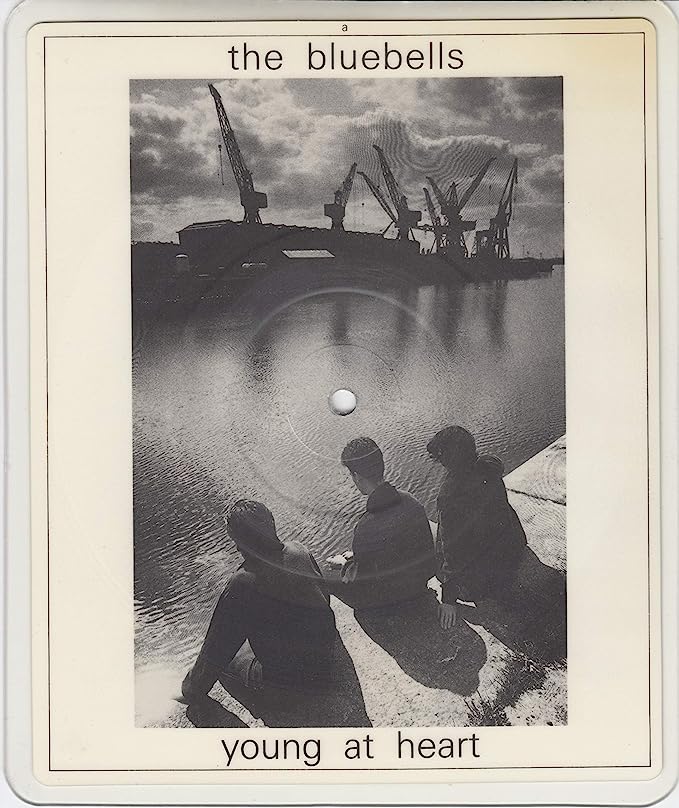
Some songs are just there, like staircases and steering wheels and stainless steel sinks, as much a part of the fabric of life as to be ubiquitous and ever-present, unnoticed or unthought of and maybe even taken for granted. Blue Monday might be one. Come On Eileen certainly is. To this list I’d add The Bluebells’ Young At Heart.

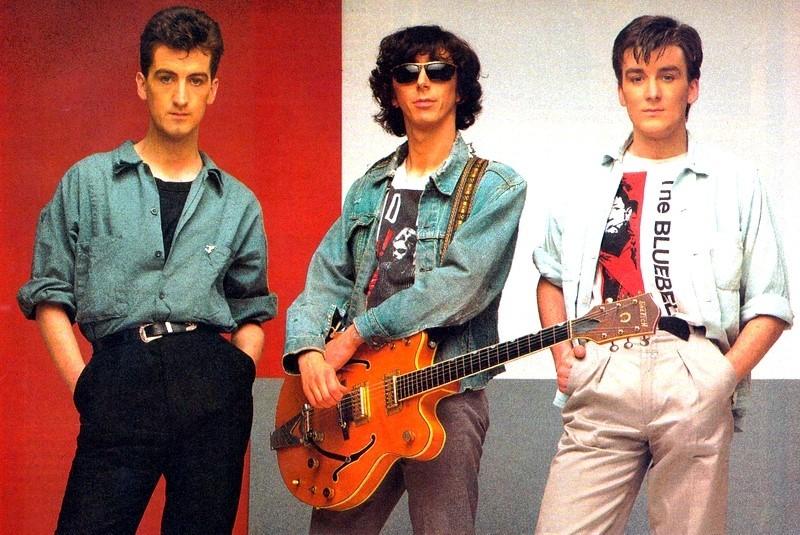
The Bluebells  – Young At Heart

You’ve heard Young At Heart, what, a hundred and seventeen times? A thousand and twenty four times? Seventeen million times in your life already? It’s just always been there, playing on an endless 40 year loop across the airwaves, a ‘hits station’ producer’s golden gift from the musical gods. Show in a slump and needing a toe-tapping lift? Reach for Young At Heart and its melancholic countrified hoedown will retain the listenership and have them baking tin bashing or dashboard beating all the way to the news and travel.

Young At Heart might seem overplayed to you. Or even stale. And you, yeah you, ya cloth-eared weirdo, you might never have liked it in the first place. You might never want to hear it ever again. But trust me though. You do.

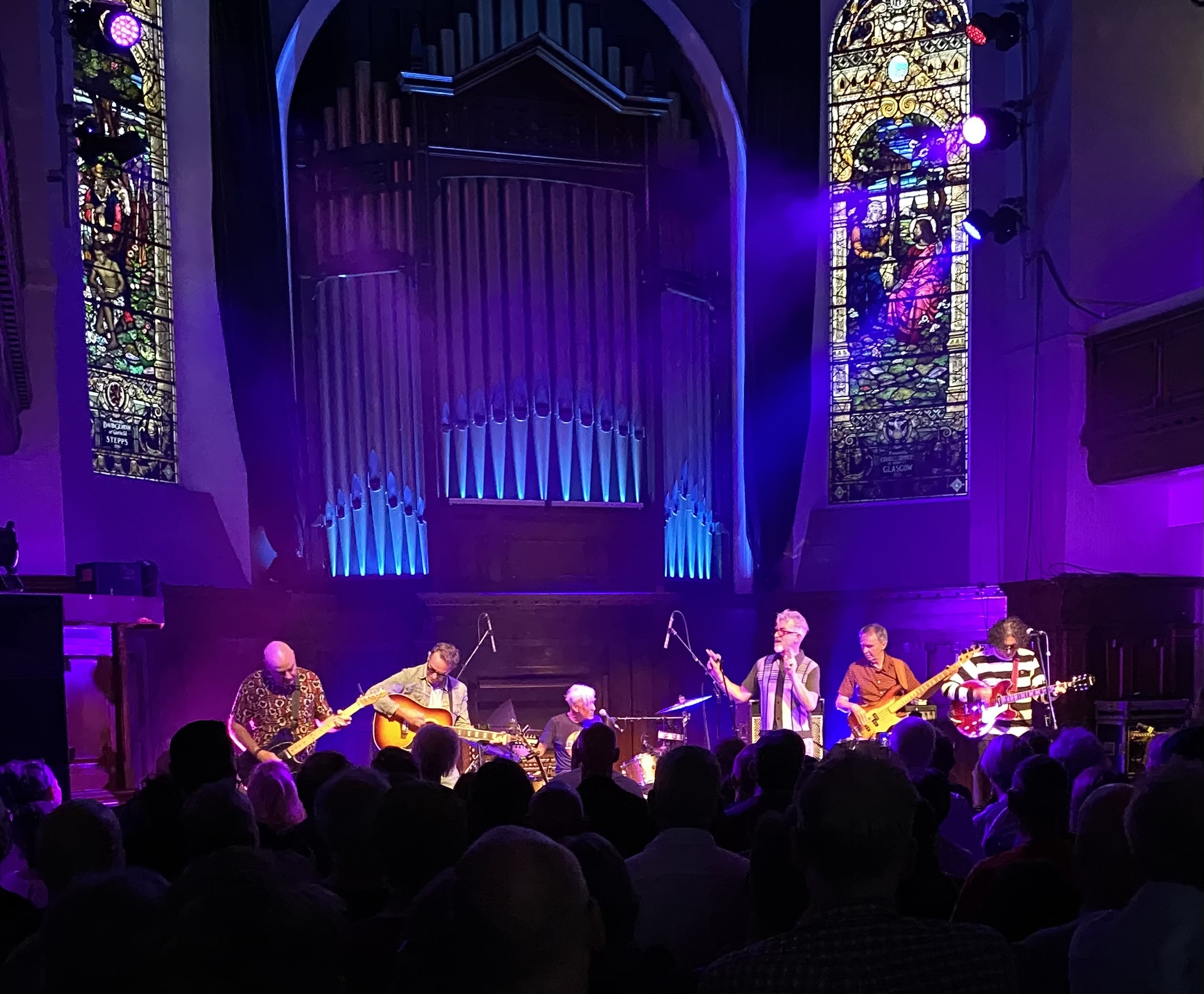
I’ve been floating since Sunday night when, at St Luke’s in Glasgow, The Bluebells encored their album launch show with it. Well, of course they did. We may all have been there to hear the bulk of The Bluebells In The 21st Century played out live, with an extended Bluebells featuring the cream of Scottish musicianship – Mick Slaven! Douglas McIntyre! Campbell Owens! John McCusker! – but there was no way Bobby or the McLuskey brothers were going to deny their audience an airing of Young At Heart. Or I’m Falling. Or Everybody’s Somebody’s Fool. Or a soul-stirring Cath. That ‘Cath/You led me up the garden path‘ line has thrilled me since it first leapt from the grooves of the well-thumbed copy of Sisters I borrowed from Irvine library sometime in the mid ’80s and I was waiting expectantly for it to be delivered on Sunday night. It didn’t disappoint.

Young At Heart though. Ken, David and Bobby acknowledge its place in their history. With the band’s name spoken on the airwaves with every passing play and still in the collective conscience of an increasingly attention-span ravaged nation, it’s perhaps the reason The Bluebells are even still making records.

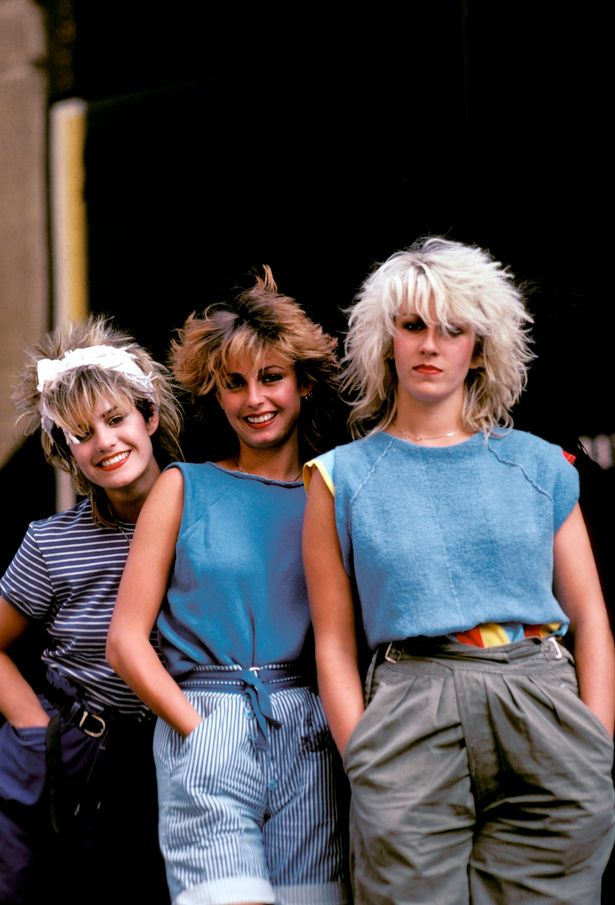
Young At Heart is a song that’s been very kind to its writers. Maybe not ‘Sting owns a vineyard in Italy’-levels of kindness, but I’d wager that Bobby Bluebell and Bananarama’s Siobhan Fahey, London Records’ golden couple at the time of its writing (and latterly Bobby Valentino, the player who provides the song’s signature violin motif and whose session fee was substantially upgraded years later to a writing credit) have done fairly well from it’s continual presence.

Bananarama  – Young At Heart

Bananarama’s version was the first to be released, a deep cut in the parlance of nowadays, and one that you’ll find on their debut album Deep Sea Skiving. It follows the blueprint of the original Bluebells’ demo; slightly reserved chorus, one dimensional verse, a bit flatly produced even, but whereas Bananarama half-heartedly do their best Supremes’ impression and don’t really know where to go with it, The Bluebells original version is a totally realised slice of pop/soul – and, as it turns out, a bit of an undiscovered beauty.

The Bluebells  – Young At Heart (demo)

It’s got that talc-dusted northern backbeat. Soaking wet slapback funk guitars. There are squelches of Rip It Up electro-synth woven between the words. Live, it was sometimes performed (like many bands of the time) with a stabbing brassy rash of Jam Trans Global Express horns. The whole thing is speed-freak Dexys hacked into the Wigan Casino’s electrical circuit and spat out in Glasgow’s West End. Essential listening, it goes without saying, and almost as thrilling as the masterpiece they eventually released.

Imagine writing a song that still resonates with anyone who hears it over 40 years later. Imagine! There’s not a songwriter on the planet who wouldn’t kill for a song like Young At Heart. Cherish it.


Cover Versions, Get This!

It’s A Funny Little Thing When It Dawns Upon Ya*

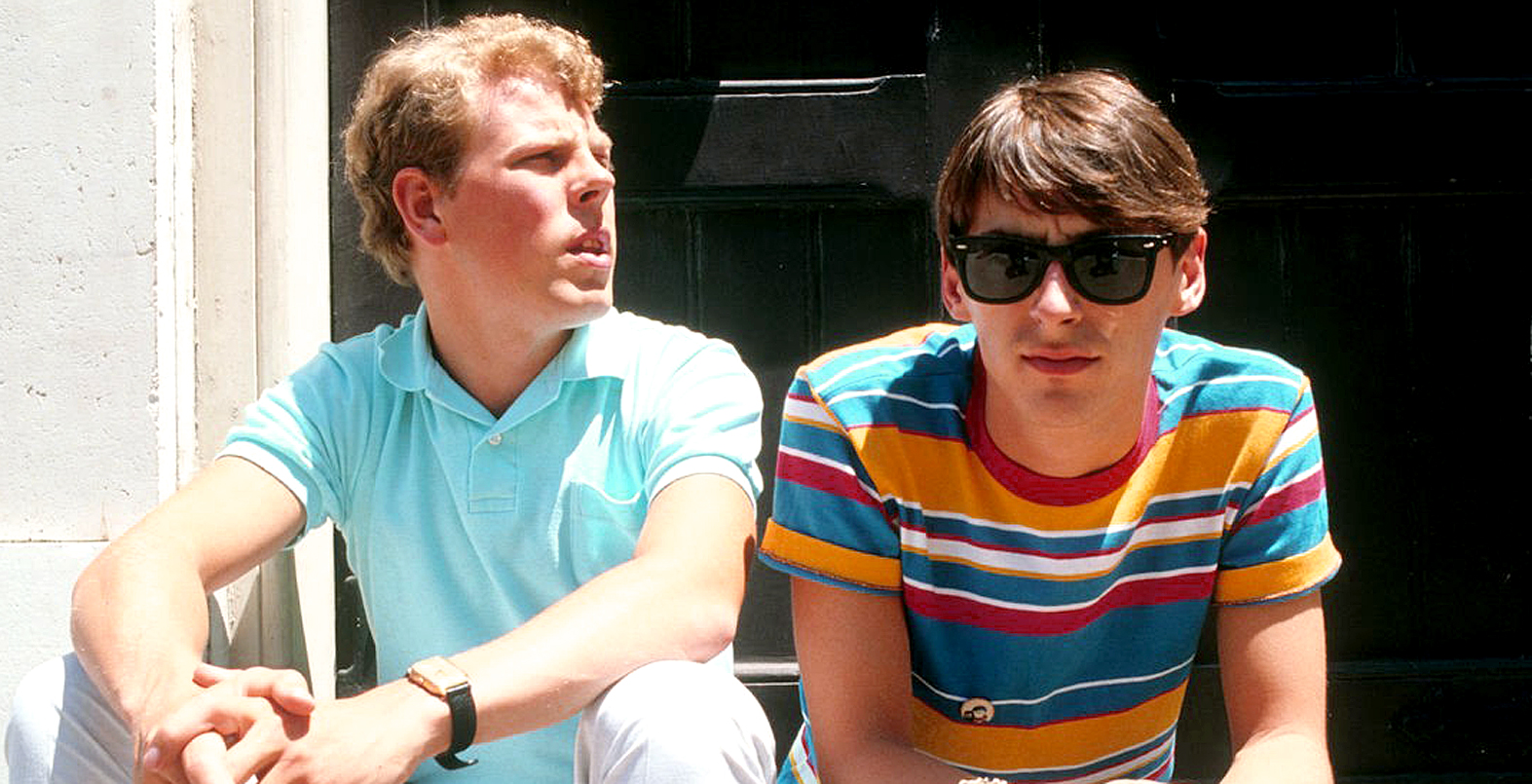
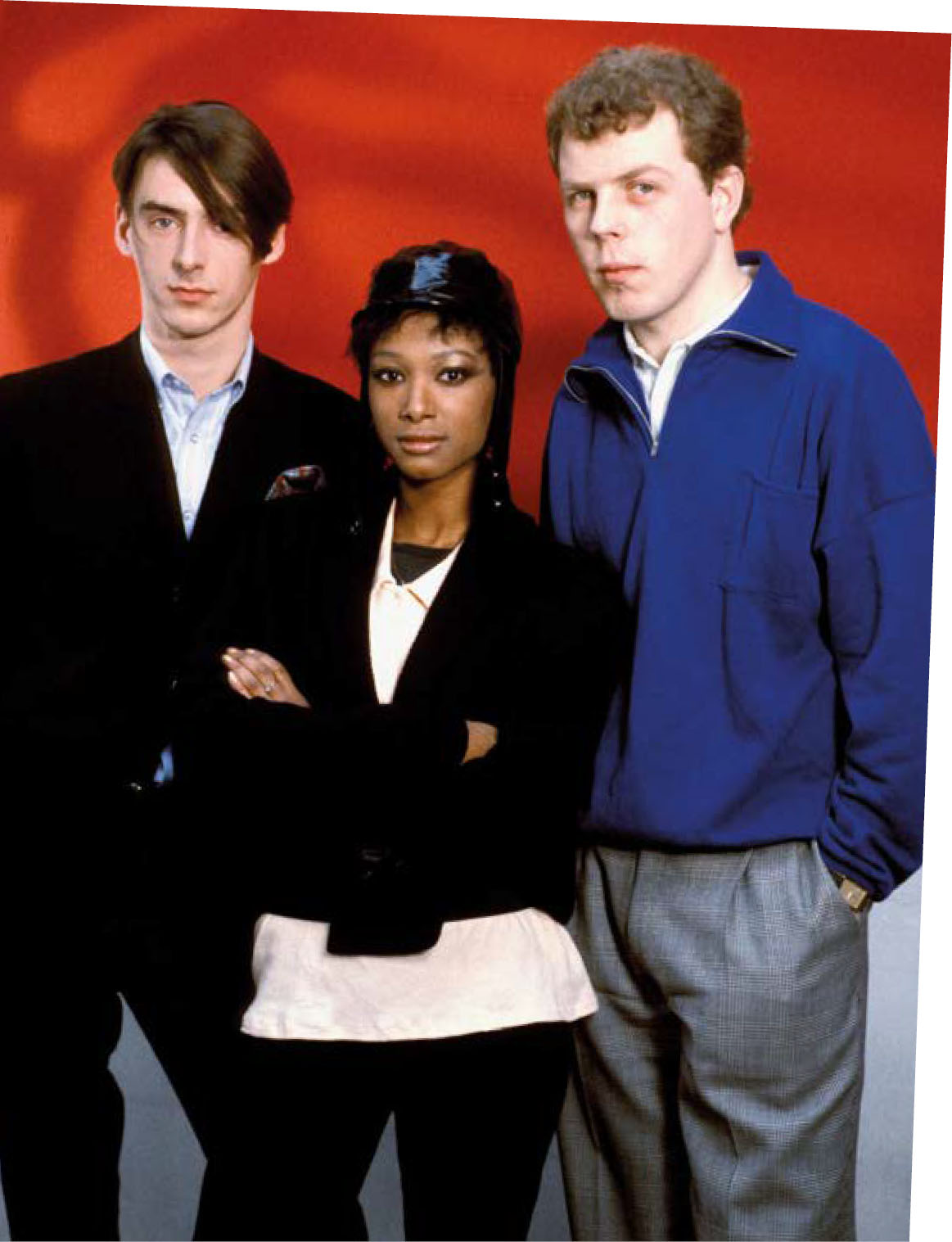
The Style Council’s Shout To The Top is the bright ‘n breezy signifier of a summer just around the corner. A groove of loose piano and stabbing guitar, it’s a string swept beauty that endures to this day.

If you’ve caught Paul Weller on any recent tour, there’s a good chance he’ll have slotted it in mid-set, a major 7th audience perker-upper after one new track too many. It still has the ability to raise a smile and just a smidgen of Proustian angst, of being glued to Top Of The Pops in the hope that it might make it to that week’s show. A frothy and enduring number, it reached number 7 and was, serendipitously, single number 7 for The Style Council as well. One of its writer’s very best, for sure.

The Style CouncilShout To The Top

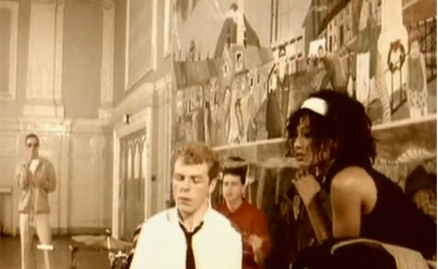
It’s got a stylish video too, all four group members in its spotlight with Weller happy to fade to the back when he feels like it. Weller is understated cool, the gum-chewing singer in carefully chosen penny loafers and well-cut ankle hugging trousers, the missus alongside him in a sleeveless halter neck and hair band, tight fighting capri pants and bee stung lips, looking fantastic and dredging up all sorts of forgotten teenage fantasies. YouTube is your pal, old man, YouTube is your pal.

Weller glides the soles of his loafers across the floor, almost northern soul shuffling, hanging on to that era-defining skinny mic for all its worth, his swept back and centre-parted hair looking distinctly European and modernist.

By the time The Style Council were playing it live, Weller’s fringe had fallen as long as the silly faces on all those old Jam fans who still pined for a clanging Rickenbacker and an angry vocal delivery. Imagine having to pretend you didn’t like Shout To The Top. Life’s too short for that sort of idiocy, man. Embrace the new and, yeah, shout to the top.

There’s a magic, discofied club version out there. Loleatta Holloway takes over from Weller, giving it the full soaring house diva approach, Philly strings, Italo piano and a four-to-the-floor disco beat replacing much of The Style Council’s idiosyncratic nuances, taking it home in a riot gold hot pants and over the topness.

Originally released in 1998 with dance production team Fire Island, the track was reworked into a thumping, filling-loosening club classic by Hifi Sean a year or two ago. Stretched out and funked up, you need it in your life.

Fire Island ft. Loleatta Holloway Shout To The Top (Hifi Sean mix)

* I know that’s not the line that Weller sings in the bridge, but it’s what I’ve always sung. It’s a funny little thing when it dawns upon ya right enough.

Cover Versions, Get This!

Coronation Treat

As we hurtle downhill without the brakes on towards a weekend of jingoistic flag waving…and making Britain Great again…and wall-to-wall TV coverage…and stupid folk camping out, Blitz spirit style, to secure a spot on The Mall…and the same stupid folk participating in a mass swearing of allegiance to our newly minted monarch, my social media timelines have become increasingly filled with anti-Royal rhetoric. Much of it is eloquently put. Most of it is blunt in its dislike – hatred, even – of our Royal Family.

Privileged rich guy wearing a crown of stolen jewels parades through the austerity-hit streets in a golden carriage to wave at the less fortunate seems to be the cut of the anti-monarchists’ jib. And it’s a fair point.

Not many folk in my social circles, it seems, will be sitting down to view Saturday’s proceedings, and if they are, they’re keeping schtum about it.

There are over 6000 streets in Glasgow and not one has applied for a street party licence. Quite the turnaround from 1977 when the entire Scottish landscape was littered in wilting Union Jack bunting, brittle novelty crowns and broken pasting tables for months afterwards. It appears that the Royals, from the echo chamber of my Scottish social media feed at least, are antiquated and irrelevant, a relic from a bygone era that might only make some sort of sense on the pages of a history book.

I’m not a Royal hater as such – I’m a lover, not a fighter, as someone once said – but while I might sneak a peak at the plastic pomp and daft ceremony of it all (as I did when the Queen’s funeral was televised. History, innit?) I can’t really be doing with a figurehead who represents a family steeped in theft, crime, racism and bigotry, hush-ups, cover-ups, adultery and paedophilia, by both association and the inference suggested via multi-million pound pay-offs and the keeping of a low profile. That’s yr best of British, right there, ma’am. Imagine being born into all of that, and condoning it – benefitting from it, even – through a closing of Royal ranks and mouths.

I believe they do some good, somewhere (and so they should for the bulging purses and estates they receive for their pleasure) and by all accounts, Charles is a thoroughly decent bloke, ya, when it comes to small talk and pleasantries, but what use are they? Maybe Johnny Rotten was right when he pointed out that they need saving because, well, tourrrists are mu-neee. That would seem to be it.

Spare a thought for auld Charles though. That crown, rich in Empire-pilfered bijouterie is heavier than your last energy bill. Just as well he has the jug ears to keep it from slipping.

Here’s McCarthy with their shambling, jangling, rattling and rolling anti-Royal ranting Charles Windsor. I doubt Radio 2 have included this on their Coronation Celebration playlist. Or maybe they have, on account of its title alone. Some poor researcher might end up at the guillotine…

McCarthyCharles Windsor

And here’s Manic Street Preachers spitting punkish vitriol and bile in their (far superior) version. To tha guillo-tine! Chop chop chop off your head indeed.

Manic Street PreachersCharles Windsor

Alternative Version, Cover Versions, Peel Sessions

Book Makers

If ever there was a short-lived group with an ego overload as wide as the Mersey, it’d be The Crucial Three. Birthed in Liverpool, the not ironically-named at all trio was the fertile product of Julian Cope, Ian McCulloch and Pete Wylie, students in the city and punk rock foot soldiers with the battle scars from Eric’s and Probe Records to prove it. Destined to meet and create and disband in a whirl of uncontainable ideas, The Crucial Three lasted no longer than six weeks, burnt out on a combined love of New York punk and the inevitability that each group member couldn’t be boxed and compromised within its confines.

In his book Head On – essential reading, if y’didn’t know – Cope is both catty and complimentary towards McCulloch. He’s already been nicknamed Duke after Bowie’s Thin White persona by the time they meet, and the nickname provides Cope with much bitchy ammunition, but St Julian has nothing but praise for McCulloch once he dares to peek beyond the fringe and start to sing. Cope bands about McCulloch’s name in the same breath as Lou ‘n Iggy and he genuinely means it.

Amongst the nonsensical jams and Velvets rip-offs that constituted The Crucial Three’s flimsy ouvre –  one song about zits and one about drugs that was a great Cope-y title in need of an actual song (I’m Bloody Sure You’re On Dope), Cope and McCulloch (or ‘Duke McCool‘, as Julian has now christened him after mishearing the shortened McCull) dragged out an actual, bona fide post-punk classic.

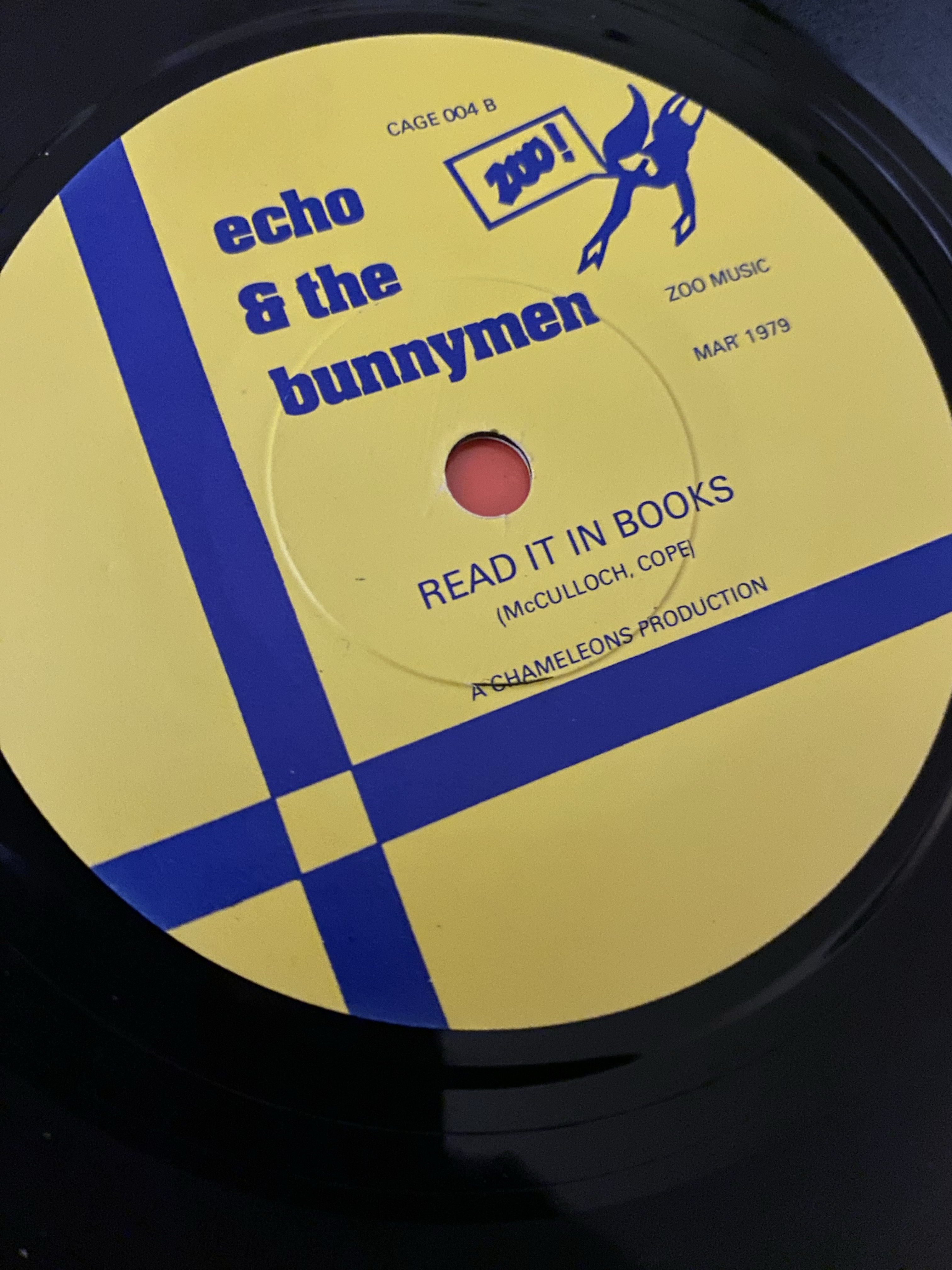
Read It In Books surfs along on a cyclical riff very reminiscent of Patti Smith’s Dancing Barefoot, the product of one of the trio’s living room sessions where someone would stumble on a set of chords and the others would fall in and see if something stuck. If you’ve ever played in a shambling and under-rehearsed band, you’ll recognise this scenario immediately. In this instance something did indeed stick. Cope claims McCulloch was playing the chords to The Fall’s Stepping Out (it also has, in the main, two chords and is a bit shouty, but these ears can’t really find the similarity – which is good, I suppose), but by the time the band had reconvened for their next session, McCulloch had a set of lyrics to go with it – including a cheap steal from The Impressions – and before they knew it, The Crucial Three had a song of their own. People get ready, there’s a train a-comin’… and it’s a beauty.

Read It In Books was credited as a Cope/McCulloch co-write, and both artists would go on to record versions with the bands with whom they found success.

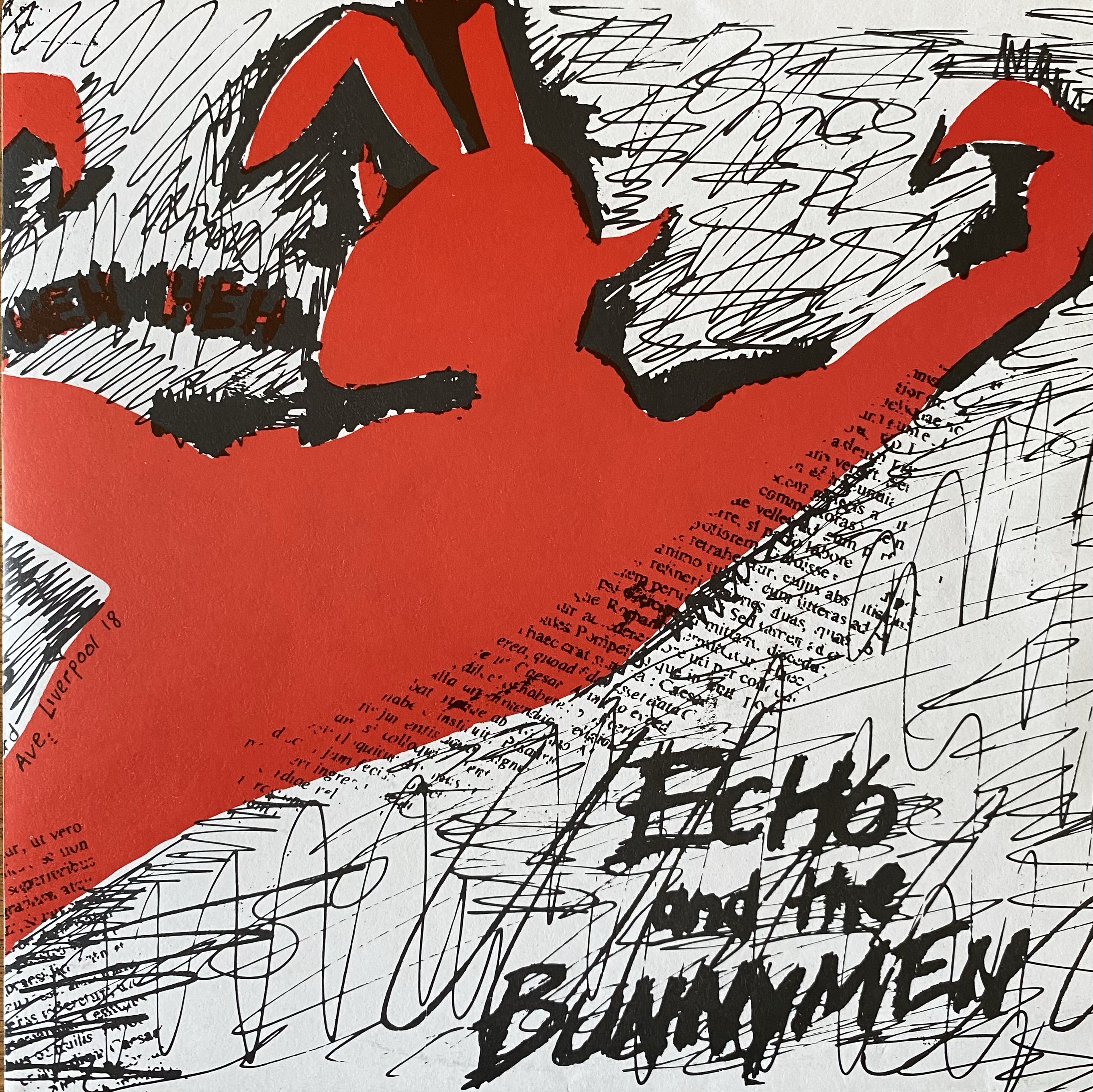
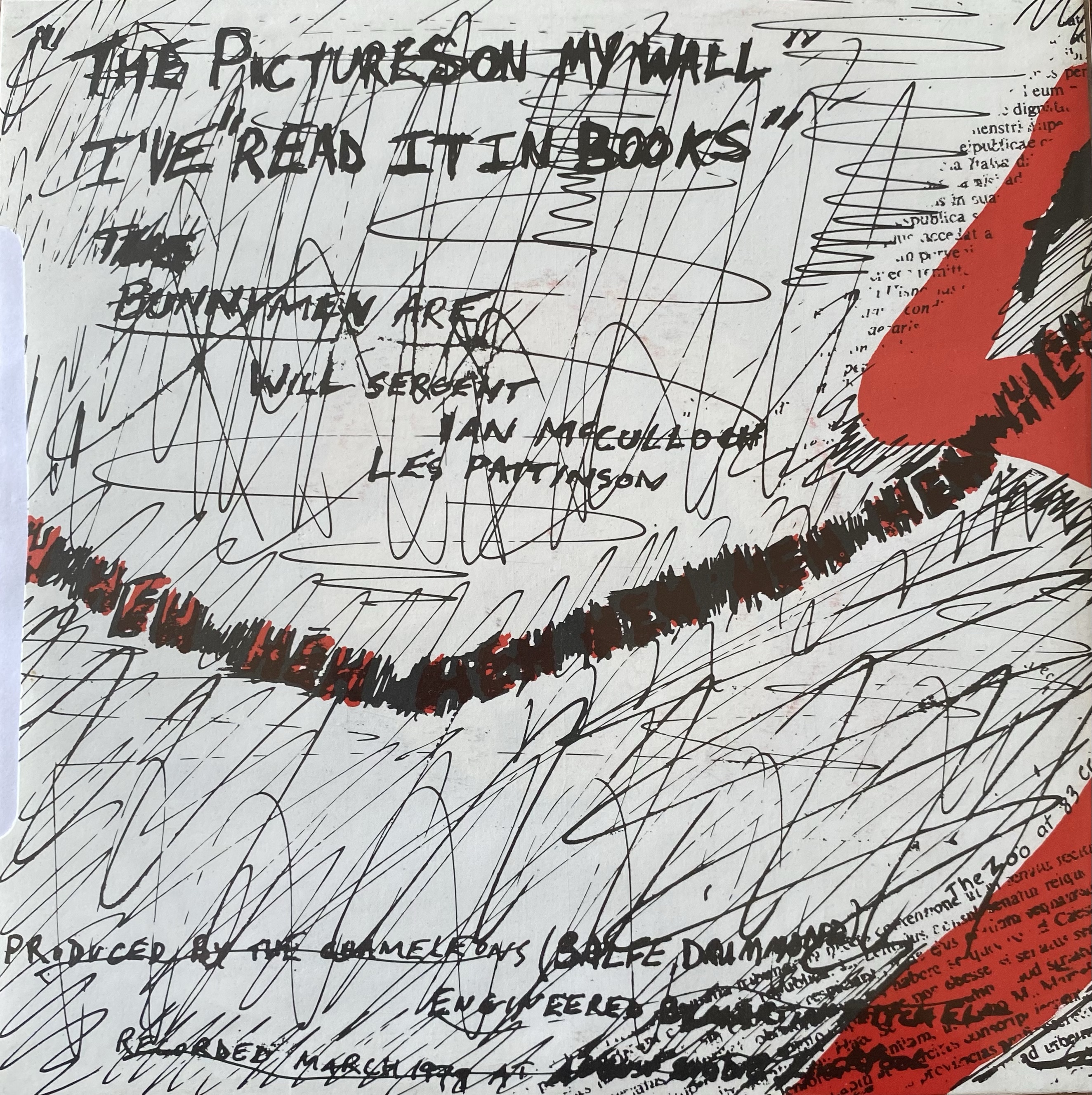
Echo & The Bunnymen‘s version appeared as the b-side to their debut single The Pictures On My Wall (credited to McCulloch, Cope, of course).

Echo & The BunnymenRead It In Books


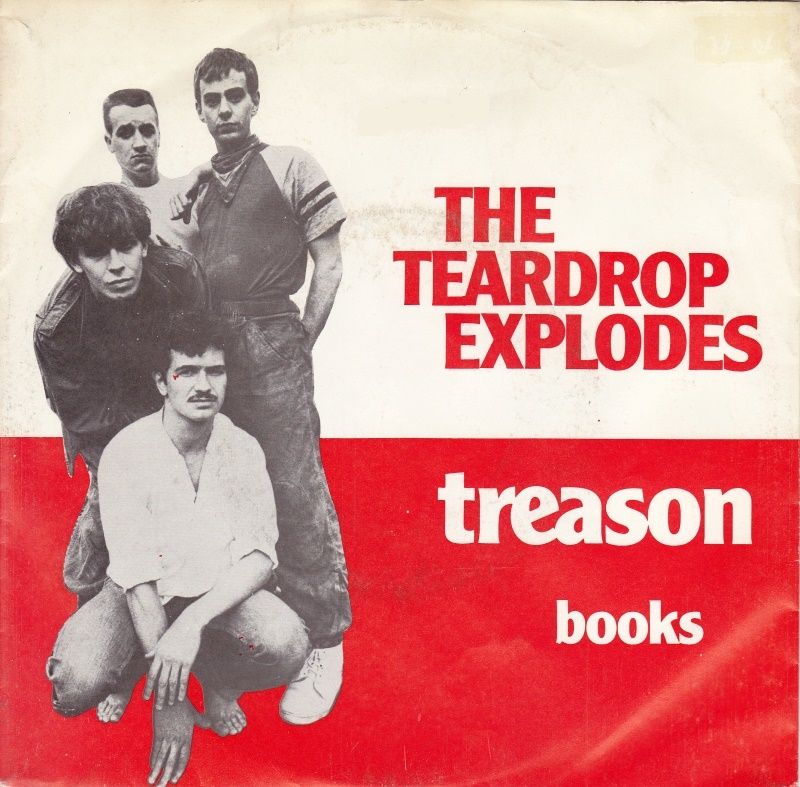
Cope’s Teardrop Explodes would record it for the b-side of their third single Treason.

You don’t need to dig too deep below the surface of the internet to find multiple versions of the song but, for me, the best version of all of them is the Bunnymen’s imperial take that they recorded for the John Peel show in 1979, watery guitar solos, incessant drum machine rhythm, McCulloch’s restrained croon ‘n all. Within a few years their sound would evolve, with skyscraping, effect-rich guitars and a towering symphonic backing adding gravitas and state to the McCulloch vocal, but that early Bunnymen sound – man, I’ll never tire of this.

Echo & The BunnymenRead It In Books (Peel Session 15th August 1979)

The Teardrops’ version is fairly similar, acknowledging that both writers created the structure and arrangement. Guitars clang, drums are pummelled, a stabbing organ shimmers in and out like the ghost of Ray Manzarek moonlighting in The Seeds and the whole thing rattles its way to garage band heaven. Add some sleigh bells to its nagging piano background and it could almost be The Stooges’ I Wanna Be Your Dog. Perhaps an obvious, leather-trousered step too far for the Iggy-headed Julian.

Teardrop Explodes – Read It In Books

This one is credited, naturally, to Cope, McCulloch.

The ego had well and truly landed.

Cover Versions, Gone but not forgotten, Hard-to-find

Sisters

It’s not the first time Chris Bell‘s I Am The Cosmos has been mentioned round here, but it’s the first time (surely not!) that I’ve shone the spotlight on the single’s flip side, You And Your Sister.

The only solo material released in his lifetime, the 7″ is the perfect distillation of Bell’s loose and melancholic approach to his music. On one side, the imperial I Am The Cosmos, a sky scraping anthem dressed to kill in revved up ringing guitars and double tracked harmonies. You don’t need me to point out that it would prove to be something of a lightning rod for many ambitious bands around the Glasgow area.

Chris BellI Am The Cosmos

On the other side, the naked and raw You And Your Sister, teenage angst set against highly strung and gently picked acoustics, sighing cellos and voice-cracked harmonies. Sadness in a bottle and sold back to the heartbroken with a keen ear to the musical underground.

Chris BellYou And Your Sister

If this is your kinda thing – hi, Norman! Hi Gerry! Hi Raymond! – you could do worse than track down I Am The Cosmos, the album that was pieced together posthumously from Bell’s scattered demos and rough recordings. Most of I Am The Cosmos is frazzled and low-slung, packed full of beaten riffs played on beaten guitars and very much in the acoustic/electric vein of the single…or indeed Bell’s previous band, Big Star, a teasing glimpse into what coulda/shoulda been had the artist not crashed his car and died.

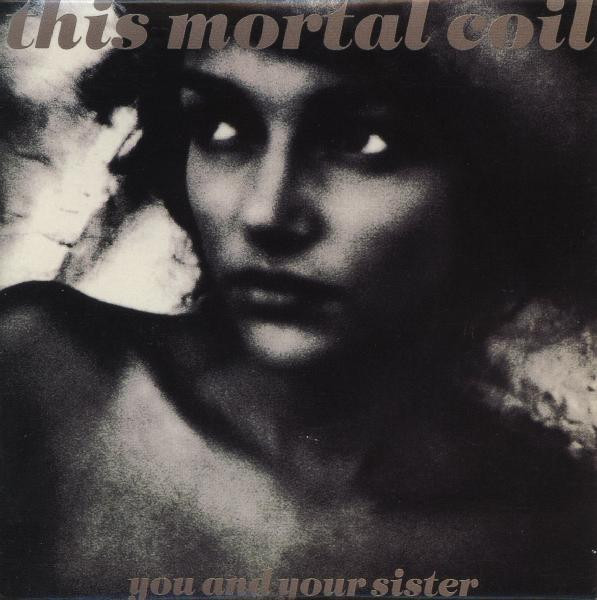
I’ve been playing the record a lot recently, coming to it on the back of This Mortal Coil‘s contentiously superior version, a track that jumped back into my conscience after a misheard acoustic guitar strum on an advert had me convinced the advertisers had borrowed it. They hadn’t, thankfully.

This Mortal CoilYou And Your Sister

With knee-weakening vocals from Kim Deal and Tanya Donnelly, This Mortal Coil’s take is something of a breathy cry from the heart and fairly leaps out against the arty, Euro-goth torch songs that make up much of Blood, the album from which it is taken.

With intertwined voices and fingerpicked acoustics blending into one stop-for-a-moment recording, it’s plaintive and pastoral and pretty much the definitve version. Sung from the female perspective, the ‘your sister says that I’m no good‘ line takes on a whole new slightly sinsiter perspective when you hear it. I’m sure there are whole Guardian pieces on such things. For now though, enjoy a great version of a great song.

Cover Versions, Live!

Two Johns

It’s required listening, at least once a year, to submerge yourself in all things Nuggets. The Lenny Kaye-curated double album that became a box set and a franchise (and ended up an ever-decreasing dilution of the original) should be mandatory in every record collection. Kaye’s crate digging (to coin a now-cliched phrase) ensured the low hits and no hits of the day were immortalised alongside their rattlin’, rollin’, fuzz-friendly peers forever.

Without Nuggets, most of us would never have heard the giddy rush of The Knickerbockers‘ totally Beatles Lies or Mouse & The Traps thin wild Dylanisms, or fallen off their chairs at the sheer cheek of David Bowie nicking the Shadows Of Knight‘s Oh Yeah for the glam slam of ‘his own’ Jean Genie. Nuggets is jam packed full of, eh, nuggets; enough riffs and beats and organ motifs to keep most garage-influenced bands in material for the entirety of their career.

The PremiersFarmer John

Farmer John by The Premiers is classic Nuggets. It’s built around a simple lyric and three stomping chords that fall somewhere between Louie Louie and Wayne Fontana’s Game Of Love; a ramalama of clanging guitars, tub thumping drums and double-time handclaps. The live-in-the-studio feel, with its ad-libbed count-in and hoots ‘n hollers ‘n screams ‘n shouts between the lines has the whole thing sounding like some sorority house frat boy party.

Has anybody seen Kosher Pickle Harry?” asks the host. “Tell him that Herbert is looking for him.” And the band fall in and hit their stride. You can imagine them in matching cardigans and side sheds, Mighty White mile-wide smiles, instruments all held up at the same 30 degree angle, a crowd of bobbysoxers in front of them jerking and jiving to the head-bobbing teenbeat being played out.

Farmer John,’ they sing. ‘I’m in love with your daughter.’

Woah-woh,’ goes the backing, as innocent and wholesome and American as apple pie.

When Neil Young got a hold of the song, he ground its gears until it was slow and slothlike, a sludgefest played by old men with heavy guitars and heavier worldly problems. The antithesis of The Premiers’ version, Neil Young’s plays up somewhat to his alliteratively descriptive Godfather Of Grunge moniker and sucks all the joy from it in the process. In fact, Neil’s version is mildly threatening.

Neil Young & Crazy HorseFarmer John

Chug-thump-chang-clump, wham-djam-flam-flump, jack-hammer-smack-bammer, thwack-crack-flack-nyack, whine-grind-whine-grind, woah-woh.

I love the way she wiggles when she walks,” smirks old Shakey, done up in his best clean dungarees, his crosseyed gang of knuckle-trailing village idiots lurking goofily behind him. Uh-hur-hur-hur.

If I was Farmer John and Neil and his plaid-bedecked backing band showed up telling me that they were in love with my daughter, I’d be reaching for the ol’ double barrel and my best ‘You best git goin’ mister, we don’t want no trouble ’round here‘ line. At least The Premiers, for all their inferred frat boy up-to-no-goodness had the good grace to look Mr Farmer in the eye and give him the impression that she’d be in safe hands.

It’s no concidence that you could chop an axe in time to that slow ‘n steady Crazy Horse rhythm. You might be chopping logs. Or firewood. Or Farmer John’s daughter’s head, her champagne eyes finally giving up their sparkle just as the turned up to ten Les Pauls give up their howling feedback to the night.


Cover Versions, Gone but not forgotten, New! Now!

Reel Around The Fontaines

New! Now! is Fontaines DC‘s fantastically idiosyncratic take on Nick Drake’s wispy and ethereal ‘Cello Song. The Dubliners (DC = Dublin City, see?) grab Nick Drake’s original by its sullen, woollen coattails and pour a bucketful of distortion over a pounding, punishing backbeat and reimagine the song as a shit-kicking gutterpunk bruiser of a tune. It’s quite fantastic; unique, original and exactly how every band should approach attempting to cover the uncoverable.

Fontaines DC – ‘Cello Song

A lone cello creeps in, sounding like a ghost ship’s foghorn out in some woebegone ocean or other, clattering percussion rustles and rattles its way into an unforgiving hucklebuck beat, a caterwauling string section drags its heels across the soundscape and haunting/haunted aah-ah-ah vocals entwine themselves around the call and response guitar riffs to magic up an unholy and thrilling racket. Nick Drake does this bit too, but whereas his is otherworldly and mysterious, Fontaines DC give off seriously heavy don’t-look-’em-in-the-eyes vibes. Truly terrifying.

The vocals proper arrive, Grian’s Irish brogue undiluted and unforgiving and all the more powerful for it. The guitars, sounding like up-the-dial radio static turned up to 10, whip up a frenzy of controlled feedback and electric twang, menacing and panther-like, somewhere between the electrified slink of Hendrix’s Third Stone From The Sun and gentle sleep of Kevin Shields at his woozy, somnambulistic best; head music and just as effective as a mood-altering stimulant. Throughout it all, the titular cello. Those jarring, jagged strings scratch and scrape at scabrous skin, John Cale in the Velvets, if the Velvets had been born in Dublin 30 years later to Nick Drake-loving parents.

Taken from The Endless Coloured Ways, a forthcoming reimagining of Nick Drake’s back catalogue by all manner of contemporary artists (Philip Selway, Craig Armstrong & Self Esteem, Karine Polwart & Kris Drever) Fontaines DC’s thrilling cover has set the mark by which all other cover versions – Drake’s or otherwise – will now be measured.

Ignore the original recording of Nick’s, and reinvent the song in your own unique style,’ the bands were briefed. Fontaines DC have passed the test with flying colours. Turn the volume up and stick it on repeat.

Here’s Nick Drake’s original. Kinda meh now, isn’t it?!

Nick Drake ‘Cello Song