Alternative Version, Cover Versions, Peel Sessions

Book Makers

If ever there was a short-lived group with an ego overload as wide as the Mersey, it’d be The Crucial Three. Birthed in Liverpool, the not ironically-named at all trio was the fertile product of Julian Cope, Ian McCulloch and Pete Wylie, students in the city and punk rock foot soldiers with the battle scars from Eric’s and Probe Records to prove it. Destined to meet and create and disband in a whirl of uncontainable ideas, The Crucial Three lasted no longer than six weeks, burnt out on a combined love of New York punk and the inevitability that each group member couldn’t be boxed and compromised within its confines.

In his book Head On – essential reading, if y’didn’t know – Cope is both catty and complimentary towards McCulloch. He’s already been nicknamed Duke after Bowie’s Thin White persona by the time they meet, and the nickname provides Cope with much bitchy ammunition, but St Julian has nothing but praise for McCulloch once he dares to peek beyond the fringe and start to sing. Cope bands about McCulloch’s name in the same breath as Lou ‘n Iggy and he genuinely means it.

Amongst the nonsensical jams and Velvets rip-offs that constituted The Crucial Three’s flimsy ouvre –  one song about zits and one about drugs that was a great Cope-y title in need of an actual song (I’m Bloody Sure You’re On Dope), Cope and McCulloch (or ‘Duke McCool‘, as Julian has now christened him after mishearing the shortened McCull) dragged out an actual, bona fide post-punk classic.

Read It In Books surfs along on a cyclical riff very reminiscent of Patti Smith’s Dancing Barefoot, the product of one of the trio’s living room sessions where someone would stumble on a set of chords and the others would fall in and see if something stuck. If you’ve ever played in a shambling and under-rehearsed band, you’ll recognise this scenario immediately. In this instance something did indeed stick. Cope claims McCulloch was playing the chords to The Fall’s Stepping Out (it also has, in the main, two chords and is a bit shouty, but these ears can’t really find the similarity – which is good, I suppose), but by the time the band had reconvened for their next session, McCulloch had a set of lyrics to go with it – including a cheap steal from The Impressions – and before they knew it, The Crucial Three had a song of their own. People get ready, there’s a train a-comin’… and it’s a beauty.

Read It In Books was credited as a Cope/McCulloch co-write, and both artists would go on to record versions with the bands with whom they found success.

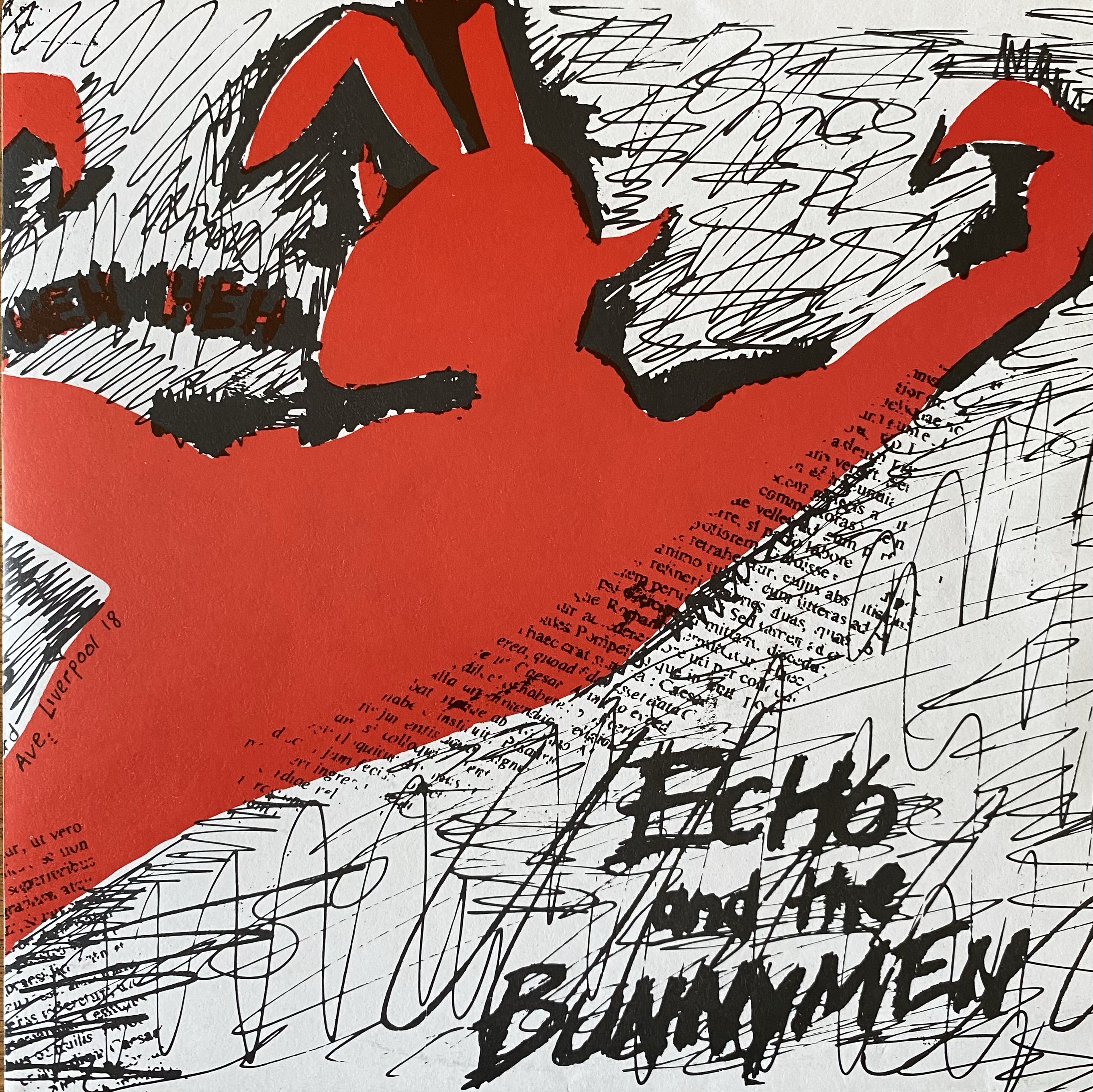
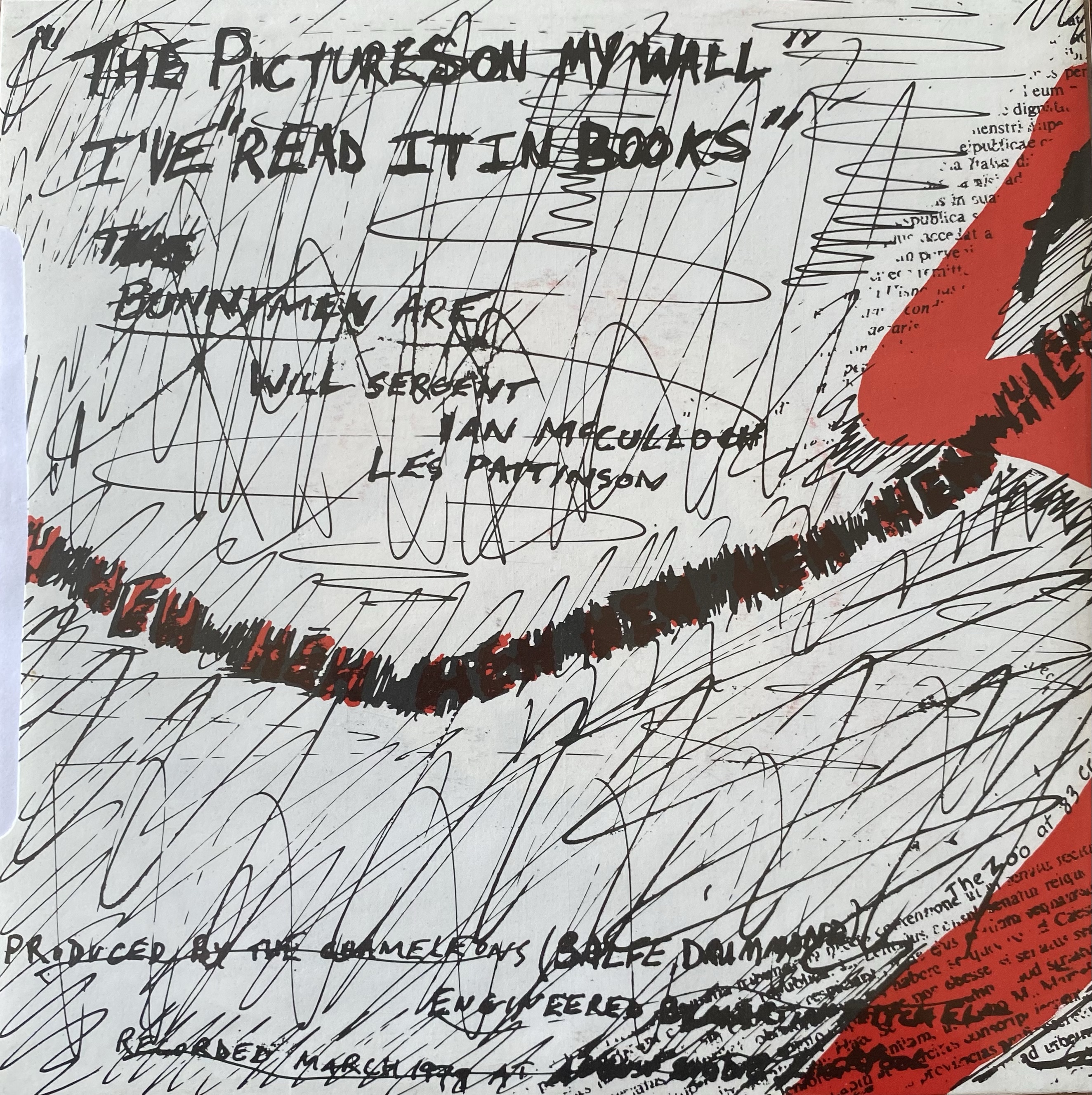
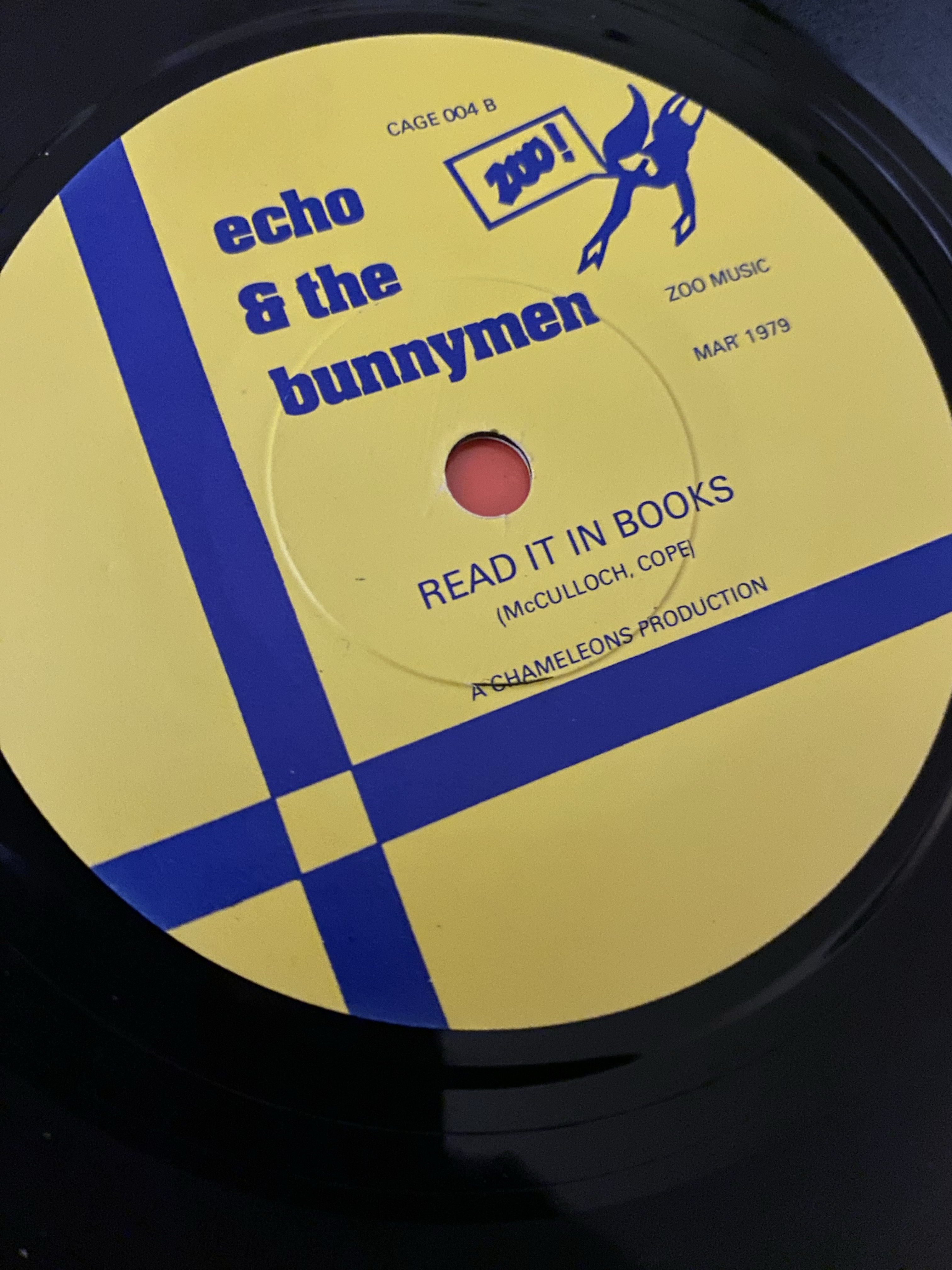
Echo & The Bunnymen‘s version appeared as the b-side to their debut single The Pictures On My Wall (credited to McCulloch, Cope, of course).

Echo & The BunnymenRead It In Books


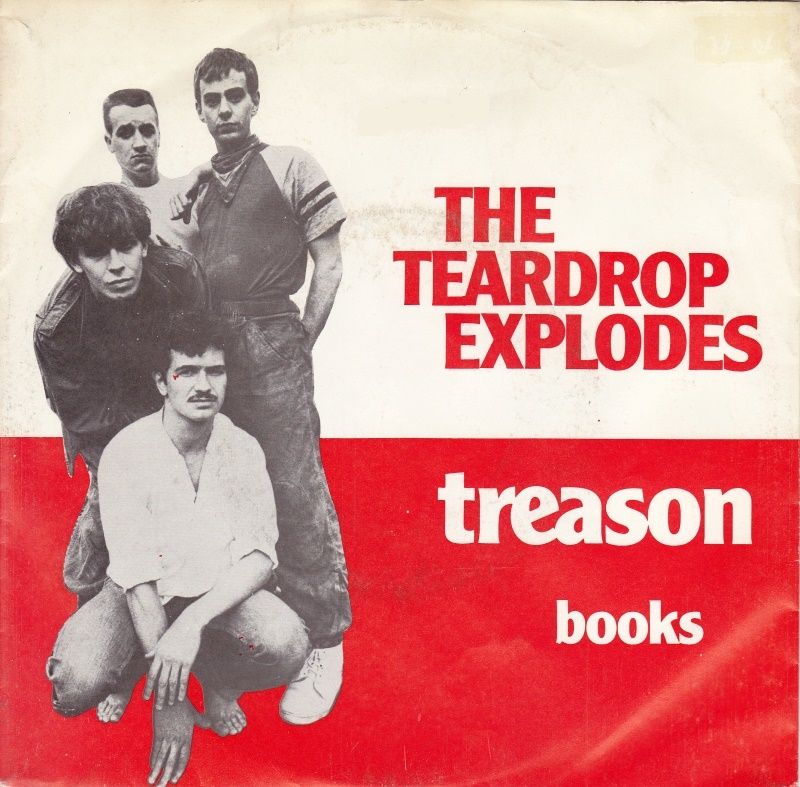
Cope’s Teardrop Explodes would record it for the b-side of their third single Treason.

You don’t need to dig too deep below the surface of the internet to find multiple versions of the song but, for me, the best version of all of them is the Bunnymen’s imperial take that they recorded for the John Peel show in 1979, watery guitar solos, incessant drum machine rhythm, McCulloch’s restrained croon ‘n all. Within a few years their sound would evolve, with skyscraping, effect-rich guitars and a towering symphonic backing adding gravitas and state to the McCulloch vocal, but that early Bunnymen sound – man, I’ll never tire of this.

Echo & The BunnymenRead It In Books (Peel Session 15th August 1979)

The Teardrops’ version is fairly similar, acknowledging that both writers created the structure and arrangement. Guitars clang, drums are pummelled, a stabbing organ shimmers in and out like the ghost of Ray Manzarek moonlighting in The Seeds and the whole thing rattles its way to garage band heaven. Add some sleigh bells to its nagging piano background and it could almost be The Stooges’ I Wanna Be Your Dog. Perhaps an obvious, leather-trousered step too far for the Iggy-headed Julian.

Teardrop Explodes – Read It In Books

This one is credited, naturally, to Cope, McCulloch.

The ego had well and truly landed.

Cover Versions, Gone but not forgotten, Hard-to-find

Sisters

It’s not the first time Chris Bell‘s I Am The Cosmos has been mentioned round here, but it’s the first time (surely not!) that I’ve shone the spotlight on the single’s flip side, You And Your Sister.

The only solo material released in his lifetime, the 7″ is the perfect distillation of Bell’s loose and melancholic approach to his music. On one side, the imperial I Am The Cosmos, a sky scraping anthem dressed to kill in revved up ringing guitars and double tracked harmonies. You don’t need me to point out that it would prove to be something of a lightning rod for many ambitious bands around the Glasgow area.

Chris BellI Am The Cosmos

On the other side, the naked and raw You And Your Sister, teenage angst set against highly strung and gently picked acoustics, sighing cellos and voice-cracked harmonies. Sadness in a bottle and sold back to the heartbroken with a keen ear to the musical underground.

Chris BellYou And Your Sister

If this is your kinda thing – hi, Norman! Hi Gerry! Hi Raymond! – you could do worse than track down I Am The Cosmos, the album that was pieced together posthumously from Bell’s scattered demos and rough recordings. Most of I Am The Cosmos is frazzled and low-slung, packed full of beaten riffs played on beaten guitars and very much in the acoustic/electric vein of the single…or indeed Bell’s previous band, Big Star, a teasing glimpse into what coulda/shoulda been had the artist not crashed his car and died.

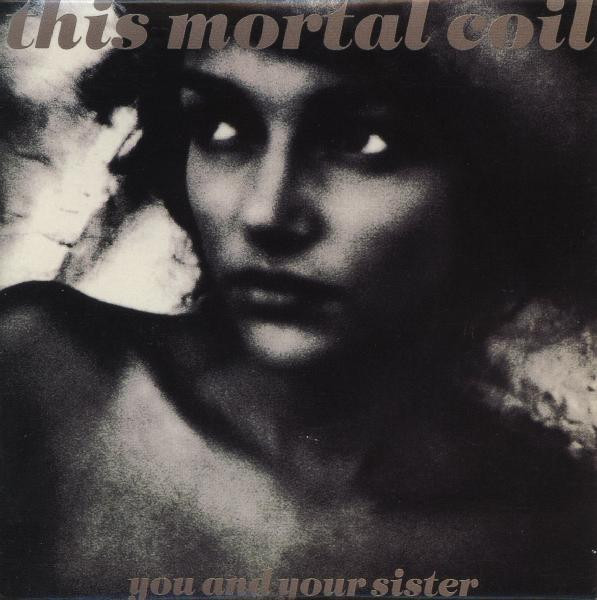
I’ve been playing the record a lot recently, coming to it on the back of This Mortal Coil‘s contentiously superior version, a track that jumped back into my conscience after a misheard acoustic guitar strum on an advert had me convinced the advertisers had borrowed it. They hadn’t, thankfully.

This Mortal CoilYou And Your Sister

With knee-weakening vocals from Kim Deal and Tanya Donnelly, This Mortal Coil’s take is something of a breathy cry from the heart and fairly leaps out against the arty, Euro-goth torch songs that make up much of Blood, the album from which it is taken.

With intertwined voices and fingerpicked acoustics blending into one stop-for-a-moment recording, it’s plaintive and pastoral and pretty much the definitve version. Sung from the female perspective, the ‘your sister says that I’m no good‘ line takes on a whole new slightly sinsiter perspective when you hear it. I’m sure there are whole Guardian pieces on such things. For now though, enjoy a great version of a great song.

Cover Versions, Live!

Two Johns

It’s required listening, at least once a year, to submerge yourself in all things Nuggets. The Lenny Kaye-curated double album that became a box set and a franchise (and ended up an ever-decreasing dilution of the original) should be mandatory in every record collection. Kaye’s crate digging (to coin a now-cliched phrase) ensured the low hits and no hits of the day were immortalised alongside their rattlin’, rollin’, fuzz-friendly peers forever.

Without Nuggets, most of us would never have heard the giddy rush of The Knickerbockers‘ totally Beatles Lies or Mouse & The Traps thin wild Dylanisms, or fallen off their chairs at the sheer cheek of David Bowie nicking the Shadows Of Knight‘s Oh Yeah for the glam slam of ‘his own’ Jean Genie. Nuggets is jam packed full of, eh, nuggets; enough riffs and beats and organ motifs to keep most garage-influenced bands in material for the entirety of their career.

The PremiersFarmer John

Farmer John by The Premiers is classic Nuggets. It’s built around a simple lyric and three stomping chords that fall somewhere between Louie Louie and Wayne Fontana’s Game Of Love; a ramalama of clanging guitars, tub thumping drums and double-time handclaps. The live-in-the-studio feel, with its ad-libbed count-in and hoots ‘n hollers ‘n screams ‘n shouts between the lines has the whole thing sounding like some sorority house frat boy party.

Has anybody seen Kosher Pickle Harry?” asks the host. “Tell him that Herbert is looking for him.” And the band fall in and hit their stride. You can imagine them in matching cardigans and side sheds, Mighty White mile-wide smiles, instruments all held up at the same 30 degree angle, a crowd of bobbysoxers in front of them jerking and jiving to the head-bobbing teenbeat being played out.

Farmer John,’ they sing. ‘I’m in love with your daughter.’

Woah-woh,’ goes the backing, as innocent and wholesome and American as apple pie.

When Neil Young got a hold of the song, he ground its gears until it was slow and slothlike, a sludgefest played by old men with heavy guitars and heavier worldly problems. The antithesis of The Premiers’ version, Neil Young’s plays up somewhat to his alliteratively descriptive Godfather Of Grunge moniker and sucks all the joy from it in the process. In fact, Neil’s version is mildly threatening.

Neil Young & Crazy HorseFarmer John

Chug-thump-chang-clump, wham-djam-flam-flump, jack-hammer-smack-bammer, thwack-crack-flack-nyack, whine-grind-whine-grind, woah-woh.

I love the way she wiggles when she walks,” smirks old Shakey, done up in his best clean dungarees, his crosseyed gang of knuckle-trailing village idiots lurking goofily behind him. Uh-hur-hur-hur.

If I was Farmer John and Neil and his plaid-bedecked backing band showed up telling me that they were in love with my daughter, I’d be reaching for the ol’ double barrel and my best ‘You best git goin’ mister, we don’t want no trouble ’round here‘ line. At least The Premiers, for all their inferred frat boy up-to-no-goodness had the good grace to look Mr Farmer in the eye and give him the impression that she’d be in safe hands.

It’s no concidence that you could chop an axe in time to that slow ‘n steady Crazy Horse rhythm. You might be chopping logs. Or firewood. Or Farmer John’s daughter’s head, her champagne eyes finally giving up their sparkle just as the turned up to ten Les Pauls give up their howling feedback to the night.


Cover Versions, Gone but not forgotten, New! Now!

Reel Around The Fontaines

New! Now! is Fontaines DC‘s fantastically idiosyncratic take on Nick Drake’s wispy and ethereal ‘Cello Song. The Dubliners (DC = Dublin City, see?) grab Nick Drake’s original by its sullen, woollen coattails and pour a bucketful of distortion over a pounding, punishing backbeat and reimagine the song as a shit-kicking gutterpunk bruiser of a tune. It’s quite fantastic; unique, original and exactly how every band should approach attempting to cover the uncoverable.

Fontaines DC – ‘Cello Song

A lone cello creeps in, sounding like a ghost ship’s foghorn out in some woebegone ocean or other, clattering percussion rustles and rattles its way into an unforgiving hucklebuck beat, a caterwauling string section drags its heels across the soundscape and haunting/haunted aah-ah-ah vocals entwine themselves around the call and response guitar riffs to magic up an unholy and thrilling racket. Nick Drake does this bit too, but whereas his is otherworldly and mysterious, Fontaines DC give off seriously heavy don’t-look-’em-in-the-eyes vibes. Truly terrifying.

The vocals proper arrive, Grian’s Irish brogue undiluted and unforgiving and all the more powerful for it. The guitars, sounding like up-the-dial radio static turned up to 10, whip up a frenzy of controlled feedback and electric twang, menacing and panther-like, somewhere between the electrified slink of Hendrix’s Third Stone From The Sun and gentle sleep of Kevin Shields at his woozy, somnambulistic best; head music and just as effective as a mood-altering stimulant. Throughout it all, the titular cello. Those jarring, jagged strings scratch and scrape at scabrous skin, John Cale in the Velvets, if the Velvets had been born in Dublin 30 years later to Nick Drake-loving parents.

Taken from The Endless Coloured Ways, a forthcoming reimagining of Nick Drake’s back catalogue by all manner of contemporary artists (Philip Selway, Craig Armstrong & Self Esteem, Karine Polwart & Kris Drever) Fontaines DC’s thrilling cover has set the mark by which all other cover versions – Drake’s or otherwise – will now be measured.

Ignore the original recording of Nick’s, and reinvent the song in your own unique style,’ the bands were briefed. Fontaines DC have passed the test with flying colours. Turn the volume up and stick it on repeat.

Here’s Nick Drake’s original. Kinda meh now, isn’t it?!

Nick Drake ‘Cello Song

Cover Versions, Gone but not forgotten, Sampled

Travellin’…

at the speed of love.

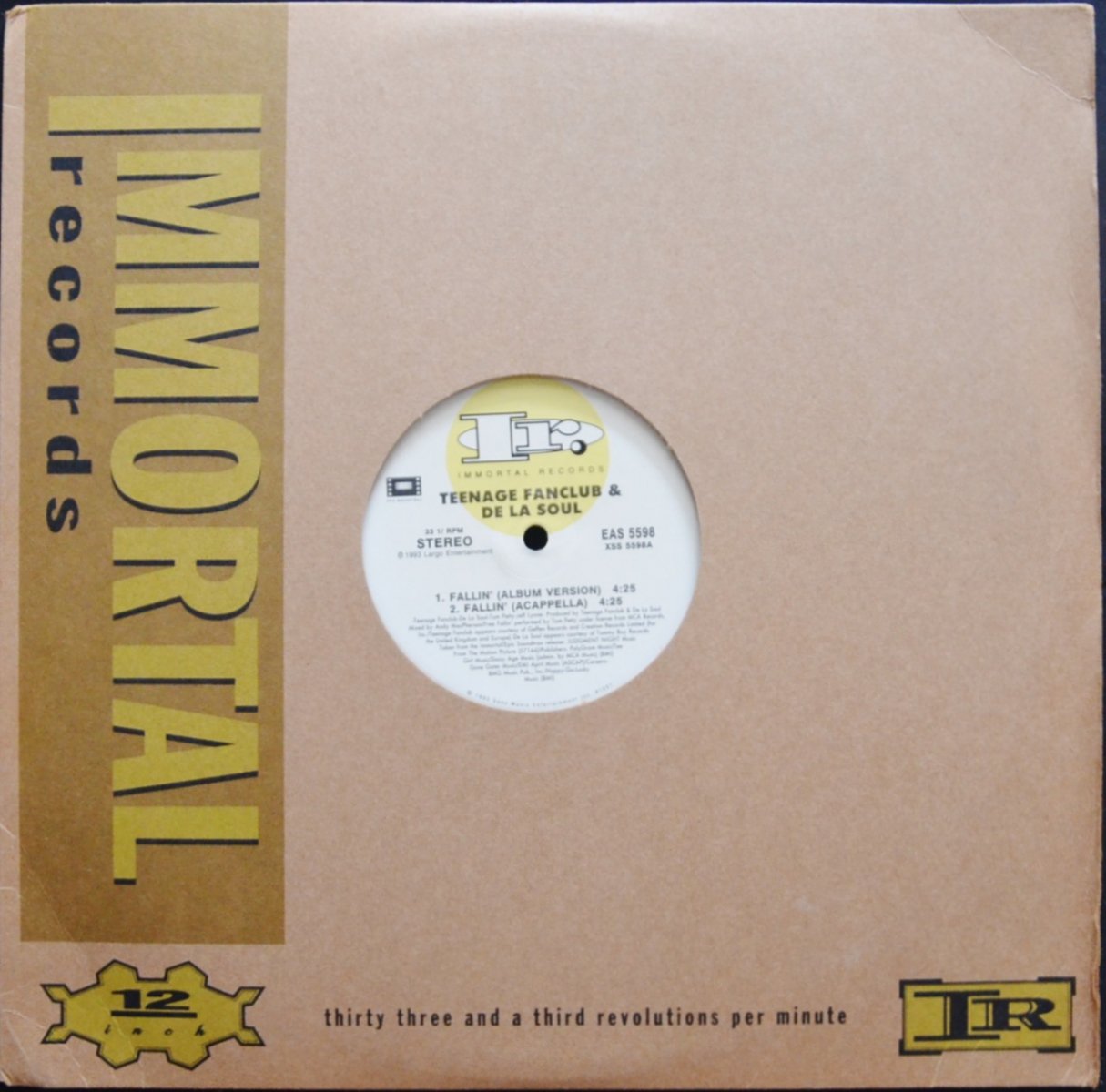
That’s the stall-setting opening gambit on Fallin’, the unlikely yet inspired collaboration between De La Soul and Teenage Fanclub, a marriage made in heaven that was strictly at odds with the hell of the rap/rock crossover that soundtracked 1993’s Judgement Night movie. Amidst a hotchpotch of hideousness – Helmet & House Of Pain, Biohazard & Onyx, Slayer & Ice T – and the odd briefly inspired moment – Dinosaur Jnr & Del The Funky Homosapien’s choppy and groovy Missing Link, Sonic Youth & Cypress Hill’s dark and, er, dope hymn to smoking (I Love You Mary Jane), De La Soul’s daisy age hip hop beats melded with TFC’s Bellshill beat and created the album’s best track that, 30 years later (!!!) sounds fresher than ever.

With De La Soul being in the news this week on the back of the death of Dave Jolicoeur (Trugoy the Dove), I’ve taken to playing many of the group’s early sample-savvy singles and debut album at a decent volume. The track I keep returning to though is Fallin’. It’s been played at every available opportunity; in the car, doing the dishes, sorting the washing, brushing my teeth, boiling the kettle, texting my pals… it’s a real beauty of a track. Stick a microphone in front of me and I reckon I could bust out a pretty faithful recreation of the opening verse’s rap. But don’t. I’m a white guy from the west of Scotland and we’re not known for our flowability skills on the mic.

Teenage Fanclub & De La SoulFallin’

Teenage Fanclub are, as you are well aware, four white guys from the west of Scotland too and, while they wisely left the rapping to the masters of the art, they do contribute some soulful ‘doo-doo-do-do‘ adlibs in the background – possibly aping, or just plain stolen from Biz Markie or the Steve Miller Band, as you might spot later.

The track is built around a sample of Tom Petty’s Free Fallin’, a widescreen open road of a record, as American as truckstops and Telecasters, with references to Elvis, Jesus, Ventura Boulevard, Mulholland Drive and endless freeways, sung in Fanclubesque multi-harmony atop a bed of rich acoustic and clean chimin’ electric guitars. There’s a rumour, unsubstantiated, that it plays at maximum volume whenever white American men of a certain age cash in their one-way ticket for that final trip along life’s highway and park the Cadillac outside the pearly gates. I guess I’ll never know.

It’s something of a surprise, then, to find out that the idea for building the track came, not from the four guitar-crazy Scottish musos who may well have played along to a Tom Petty record or two in their time, but from the magpie mind of De La Soul’s Posdnuos. More of that in a bit though. Firstly, how on earth did this heaven-sent collaboration come to be?

Gerry Love, bass player with Teenage Fanclub at the time, alongside Brendan O’Hare, former TFC drummer and inspired catchphrase merchant very kindly offered to cast their surprisingly clear minds back three decades and reminisce exclusively for Plain Or Pan.

Gerry: De La Soul came over to Cheadle Hulme, Cheshire – we were mixing Thirteen at Revolution Studios in the town. Originally we were approached via our American label DGC (Geffen) to ask if we fancied collaborating with PM Dawn. As we were weighing up the offer we were updated with the news than PM Dawn couldn’t make it after all and would we like to work with De La Soul? It took us less than a second to say yes. Like most people of our generation we were big fans of their work. Three Feet High and Rising was a massively important record.

Brendan: De La Soul (and their weed…and their preconceived ideas of us) came over to the studio. I think they thought we were Tom Petty, which we weren’t. They were hilarious once they realised we were equally hilarious.

Speaking to LA Weekly in 2009, De La Soul’s Posdnuos explained further.

Posdnuos: They (the Judgement Night people) started pairing up different artists. We could’ve been paired up with familiar names, but we didn’t know who Teenage Fanclub were at the time, so we picked them.

Brendan: The track sorta happened when they muscled a drumbeat out of our Alesis SR16.

Gerry: I remember the session started with a drum beat programmed by Maseo. I put down a bass line, Raymond put down a guitar line and then Posdnous and Trugoy started working on the lyric while at the same time going through a box of records they had brought looking for something to sample. It was really impressive to see how they worked. In a matter of hours they had recorded the vocal. We all put down some harmony vocals.

Posdnuos: We were taking a break from brainstorming ideas. We happened to be sitting in a little reception area outside the studio, and Tom Petty’s Free Fallin’ video came on. I’ve always been the person in the group, who when he hears certain words, I take them and apply them to a certain thing. It started as a joke – ‘Hey, let’s make a song based off a Tom Petty video!’ Then Dave (Trugoy The Dove) said, ‘let’s spin it about us falling off as a rappers.’ So we went to the store, bought the Tom Petty CD, and based it around the song.

Then we got a bassline from (Biz Markie’s) Nobody Beats The Biz, the Steve Miller sample (listen carefully and you might spot a morsel of more ‘doo-doo-do-dos’ from Fly Like An Eagle), and a snippet of Petty’s voice and it came together pretty fast.”

Gerry: I saw that Posdnous say that they got the bass from a sample. That’s complete nonsense! For the record: it’s my part, I came up with it. The bass line doesn’t feature anywhere on that Biz Markie track.

They did add the Tom Petty sample at the end though, and then that was it – all done and dusted in a few days.

Spot the samples…

Tom Petty & The HeartbreakersFree Fallin’

Biz Markie Nobody Beats The Biz

Steve Miller BandFly Like An Eagle

What began as something of a throwaway track to fill space on a compilation album ended up a fully fledged De La Soul track, so much so that Tommy Boy, De La Soul’s label, wanted to include it on Buhloone Mindstate. The band nixed that idea though, and so the group’s third album’s loss was most definitely Judgement Night‘s gain.

Gerry; A few months later we flew out to Chicago to make a promo video with them.

Brendan: The recording of the video is one of my favourite memories.

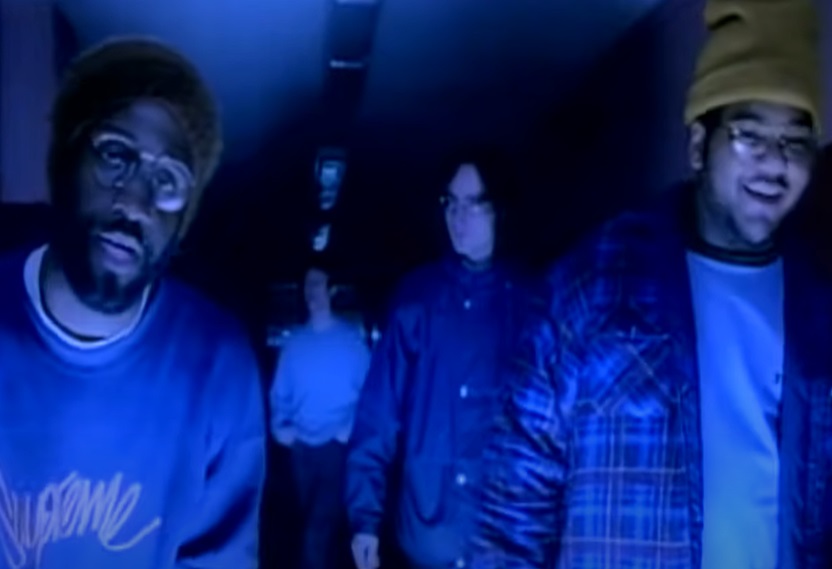
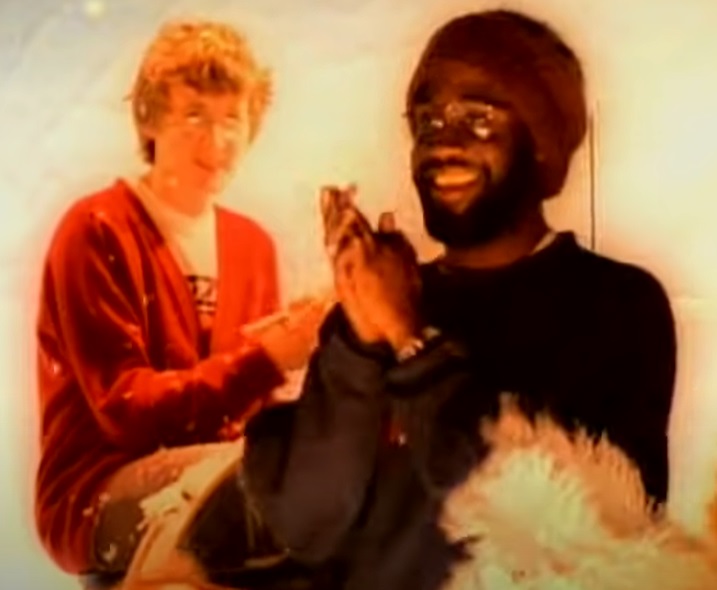
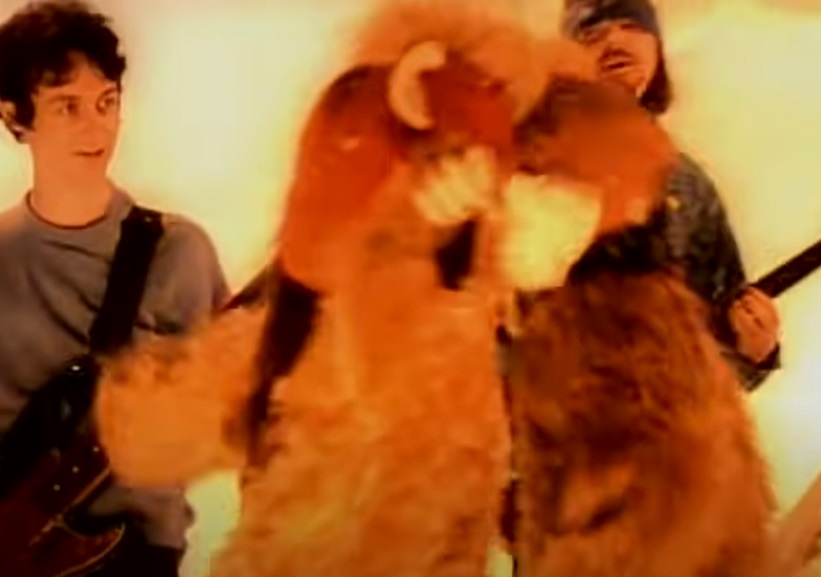
The video is great, both groups coming together to goof around in an American high school classroom. De La Soul are the academics, TFC the class goons. Gerry spends his time sleeping in the back row alongside a bored Brendan, with an equally bored-looking Norman in front of him. Swotty goody two shoes Raymond sits up straight at the front with Maseo and Posdnuos the ‘teacher’.

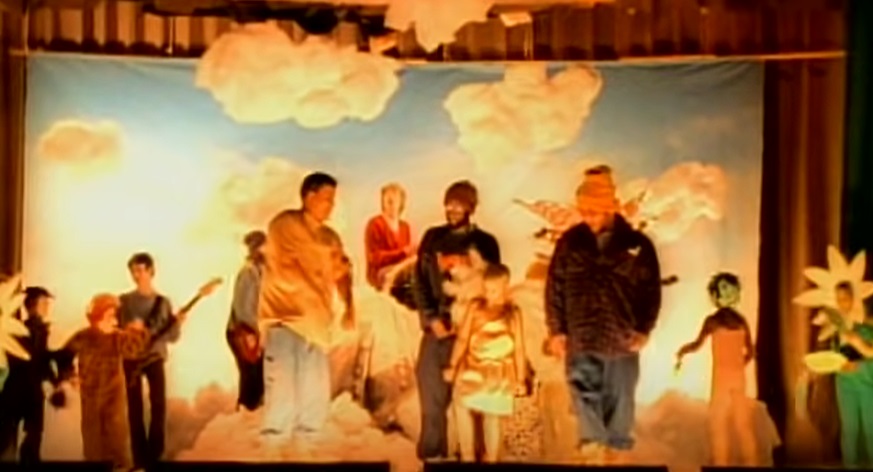
When the video cuts to a school drama production, we see the two acts sharing the stage, De La Soul rapping in triplicate as a clearly tickled Teenage Fanclub play out the tune, a collection of acting kids weaving in and out of the happy stew.

Gerry: De La Soul were just really friendly guys. The whole thing was one of the most unexpected things that ever happened in my time in Teenage Fanclub and one of the most rewarding. As a track, I think it still sounds pretty good.

Brendan: It was sad news about Trugoy. He was lovely and keen on yoghurt.


Cover Versions, Gone but not forgotten, Sampled

It’s Funk, Jah, But Not As We Know It

This record will be 50 years old this year…half a century young and still sounding like nothing that’s been before or since. Well, to a point…

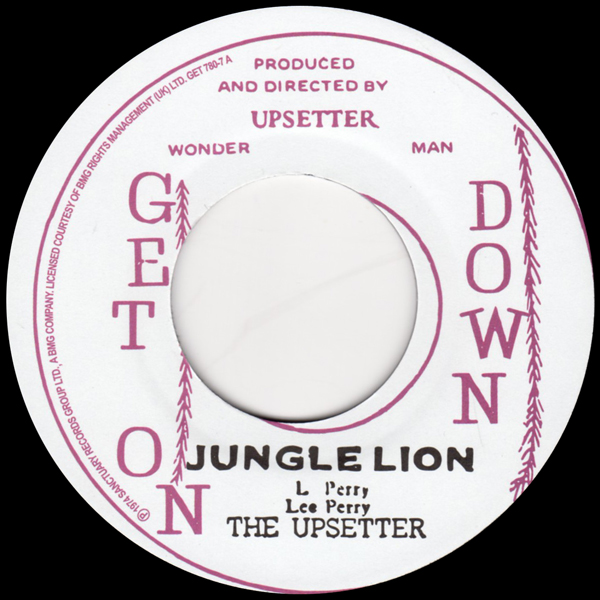
Lee Perry‘s Jungle Lion is vintage Perry, from the stoned, lion roaring madman-isms at the beginning to the sun-baked skank as the record’s groove kicks in, to the echoing brass refrain that lifts the recording up and out to the moon and back, the hook that keeps the whole acid-fried masterpiece from falling apart.

Lee PerryJungle Lion (7″ mix)

The production on Jungle Lion is insane. The band is locked in and tight, bass and drums laying the groundwork, that wet slap of chicka-chicka guitar adding the scratchy colour like a toddler with a crayon dragged across a piece of paper; messy, unique and creative. Perry toasts over the top in his own freeform fashion, the needles of the mixing desk accelerating far to the right and stuck in the red as he ‘Ughs’ and ‘Aows’ and ‘ch-ch-chs’ his way across the top. ‘Dan-dee-layon! Jung-gal layon! Fay-ah!‘ It’s funk, Jah, but not as we know it.

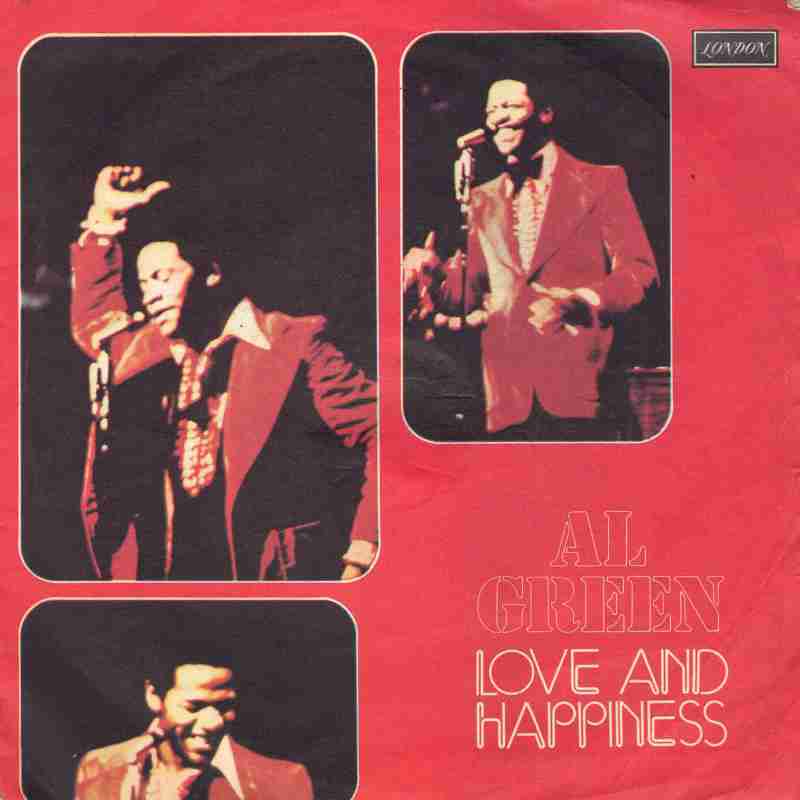
That brass refrain. The hook. You’ll definitely have heard that elsewhere. The keener scholars around these parts will point to Al Green‘s Love And Happiness and take the bonus round for 15 points, please, Jeremy.

Al GreenLove And Happiness

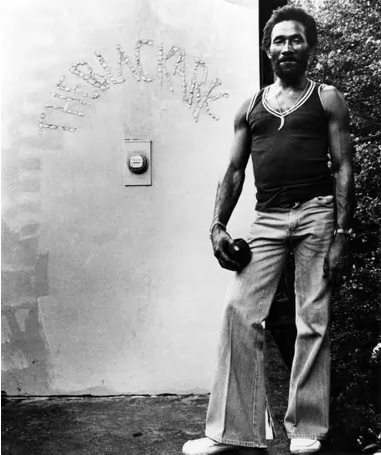
Now, I don’t know quite what wizardry The Upsetter was capable of manifesting inside Black Ark, but it seems to me – and I may be well off the mark here – that Perry sampled, yet didn’t sample, the horn refrain from Al Green. What I mean is, the refrain on Perry’s track is the same music, not merely a version played by Perry’s horn section, but sampling wasn’t a thing in 1973…or was it? Exactly what technology was available to maverick studio heads with no boundaries and serious creativity overload?

My thinking is that Perry simply played Al Green’s track and, using a studio microphone set up next to the speaker where Love And Happiness blasted forth, recorded what came out. Remember how, back in the days before ghetto blasters with in-built radios, you used to tape the charts? Yeah, exactly like that.

So Perry takes Green’s track – the delicious guitar riff in the intro as well as the horn refrain – and builds his own warped and inventive take on a soul classic. Nothing new in this of course – most reggae tracks began life as sun-baked covers of the soul music that crackled and crept across the US services airwaves and onto the Caribbean – but Lee Perry’s masterstroke is in the direct lifting rather than the direct copying that his peers would do.

Al Green’s original is such a great track. Stately yet understated, quietly assured and coasting on a slow fever bed of warm hammond and honeyed brass, the perfect foil for the Reverend’s measured, restrained vocal.

He always surrounded himself with great musicians, did Al, from the Rhodes sisters on backing vocals, to the slow ‘n steady Al Jackson Jnr on drums and Leroy Hodges on bass, to his guitar player and sometime-co-writer (and brother of Leroy) Teenie Hodges. I’ve written about Teenie before, a relative unknown in the guitar world but, for me, a guitarist whio appeals to me far more than some of the usual names who appear on those ‘Best Guitarists Ever’ lists. He’s such a fluid player, Hodges, clean and clear, with the most delicate of touches. Those fingers can hover an inch above the frets and his guitar will sing, clean and chiming, bluesy and soulful. No wonder Lee Perry was keen to employ him in whichever manner he could get away with.

One great horn refrain, two outstanding records.


Cover Versions, Hard-to-find, Sampled

Cavernous

Housed in a sleeve that suggests free movement, fluidity and motion; the gentle, undulating swirls, the band name written on two contrasting axes, Liquid Liquid‘s Optimo EP is a product of New York’s imperial post-punk phase, a fertile, ‘anything goes’ period that encouraged – demanded, even – individualism and originality. For extra homework, you might want to check out ESG, The Contortions or Bush Tetras. For now though, find your feet with Liquid Liquid.

With its pots ‘n pans poly tempo, the lead track Optimo borrows the feel of its window-rattling rhythm from Booker T’s Soul Limbo, before firing off in brave new directions; jittery, staccato lead vocals, bass-as-lead-instument, the piston pattern of steaming hi-hats, the sum of its mish-mash of musical styles old and yet to come making something that’s altogether inherently brand new. It’s no coincidence that the multi-genre embracing ’90s club night at Glasgow’s Sub Club was named after the track.

Liquid LiquidOptimo

The EP is most interesting and celebrated, perhaps, for the track Cavern. It’s the bass line, obviously, that pricks the ears. It leaps, flying off the record to skelp you round the chops with a ‘wherehaveyouheardmebefore,eh?‘ smack of familiarity. A chrome-covered aerodynamic pulse, its cave-like sound, moving-ever forward and flowing was, for all I know, an influence on both the band’s name and their best-known track. It was certainly an influence on hip-hop, that bassline, although more of that later.

Liquid LiquidCavern *

The drums, shuffling, sparse and fat-free, showed that the most powerful music doesn’t always need an earthquake of percussion to propel it forwards. There’s some lovely shaker action all the way through, keeping it less rock and just on the right side of funky. I’d imagine Reni of the Stone Roses would enjoy playing along to this. The vocals, sparse and infrequent, almost an afterthought to the groove, throw up little melodic phrases and half-lines that, funny this!, were also an influence on the hip-hop community. Indeed, if you can’t hear the recognisable melodies and key words (and musical interludes and tempo and general vibe) that form the vocal for Grandmaster Flash‘s White Lines, where have you been all this time?

Yes, not content with copying – not sampling – the bassline, Flash took a liberal dose of the vocal’s style and phrasing and – ooh-whu-ite – created a version of Crystal that was far more reaching than anyone could ever have anticipated.

Initially, Liquid Liquid were flattered. Hearing White Lines adopt their bassline (and vocal inflections…and melodic interludes…) and have it boom from the subway-shocking soundsytems in Manhattan’s clubs – higher baby! – hearing their vocals aped and added to – higher baby!! – hearing their track get an epoch-defining makeover, replete with a boxfresh rap and more hooks than an Ali 15-rounder – higher baby!!! – was quite the thrill, until – don’t ever come down! – the thorny issue of copyright and plagiarism reared its dollar-happy head. Slip in and out of phenomena, indeed.

Grandmaster FlashWhite Lines

There’s only ever one winner in this type of fight, and it tends not to be the creators who benefit, Both Liquid Liquid and Sugarhill Records, the label who’d issued White Lines, were ordered to pay legal costs that ultimately led to both parties winding down, citing lack of funds as the reason.

Full Time from the City of New York:

Finance 2 – 0 Culture


* there are two versions of Cavern on this one sound file. I’ve no idea how I did this or how to fix it. So enjoy Cavern Cavern by Liquid Liquid Liquid Liquid.

Cover Versions, demo

Flow Motion

What’s not to like about this! It’s A Certain Ratio, covering Talking Heads, on a track intended for Grace Jones, that features a guide vocal from the band’s Jez Kerr that ended up being on the released version. Mined from the band’s archives a couple of years ago and represented in new light on their all-encompassing 40-year anniversary box set, Houses In Motion bears all the hallmarks of classic ACR.

A Certain RatioHouses In Motion

(Mute Records/Kevin Cummins)

It’s the bassline that hits you first. A fluid and chrome monster, it falls halfway between the mercurial slink of the O’Jays’ For The Love Of Money and an on-the-one makeover of the theme to Cheggers Plays Pop. The vocal, deadpan and spoken, apes David Byrne’s original, a hollowed-out shell of existential pondering and angst. Caught in the eye of his own storm, Kerr seems nonplussed as his band knock several shades of post-punk funk from the track.

(Mute Records/Kevin Cummins)

Rattling, metronomic, beatbox percussion keeps the beat slow and steady before the guitars, scratchy and metallic, creep their way into the mix, dropping out and in again at the end of the lines, filling in the vocal-free sections. Echoing trumpets, heavily filtered through the mixing desk help to date the track – think Pigbag and Teardrop Explodes, even the Jam… any band from the era that saw out the ’70s and saw in the ’80s with an ‘anything goes’ approach to instrumentation. Off it flies, the brass section heralding the intent to take the track upwards and skywards. I’m glad ACR discovered they had it during that archival archaeological dig of theirs.

Talking Heads‘ original is, of course, also a beauty.

Talking HeadsHouses In Motion

It’s total claustrophobic funk that, with its bubbling bass and car horn keyboards, brings to mind Prince’s ridiculously pervy Lady Cab Driver. It’s more out there in places than ACR’s cover – those scatter-gunning, free-flowing trumpets, for example – and Byrne’s call-and-response vocals that almost fall into Slippery People‘s ‘Whats a-matter witchu?‘ hook; no bad thing, clearly…like the rest of Remain In Light, the track’s parent album. But you knew that already.

Cover Versions, Gone but not forgotten, Sampled

Knuckles Rapped

There was a terrible version of You’ve Got The Love a few years ago, a windswept and earnest cover that was drama school in delivery and hive-inducing in reception. Florence & The Machine had chosen to close their festival slots with it and there were enough enthralled and taste-free people giving thumbs up around the band that their record company rush-released a version. It was all over the radio like a rash in need of antihistamine, its Asda-priced Kate Bushisms making me almost crash the car more than once. Sting. King.

The source (aye!) of Florence’s version was the deep throb of The Source‘s track, recorded with finger clickin’ soul survivor Candi Staton on vocals.

The Source feat. Candi StatonYou’ve Got The Love

Taking her vocal line from the motivating commentary on a keep fit video – ‘sometimes I feel like throwing my hands up in the air…sometimes it feels the going is just too rough…I know I can count on you‘ – Staton’s delivery ensured something of classic cut status for the track.

Many people wouldn’t have realised the record was essentially a cover. Indeed, for most chart music-buying folks, the record’s 5-note bassline and viralish, ear-worming keyboard motif would be their first unknown introduction to Frankie Knuckles.

Waaaay back in the years when house music was first thumping and throbbing its way from the sweaty basements of Chicago to the switched-on fringes of the mainstream, New Yorker Knuckles teamed up with Chicago soul singer Jamie Principle and hotwired his original soulful vocal to a tune that was at once progressive, deep, emotional and zeitgeist-riding.

In an era when (Stateside especially) hair metal was the mainstream’s thing, when The Smiths were putting out The Queen Is Dead and every other guitar band in the country was hanging on to their jangling coat tails, Knuckles was busy programming sequencers and drum machines – MC80s, 303s, 707s and 808s – to create a record that still resonates today. If How Soon Is Now is, as was said, the indie Stairway To Heaven, Frankie Knuckles’ Your Love is dance music’s She Loves You.

Frankie KnucklesYour Love

The record kicked doors down. It gatecrashed the notion of what ‘dance music’ was, and what it was not. It wasn’t a hundred mile an hour electro pogo. It wasn’t base and derivative. It wasn’t (always) an anonymous guy hiding behind a rack of technology while a lip-synching beauty mimed her way atop the caterwaulings of a session singer. This particular brand of dance music was forward-thinking, cerebral and deeply soulful. As it turned out, it was pretty much timeless too.

Your Love‘s rattling, reverberating snare must’ve sounded wonderful clattering off the walls of the Hacienda, even on a half-empty Wednesday night in February. Me? I wouldn’t know. I was too busy twisting my fingers into Smiths riffs and worrying about the length of the sleeves on my cardigan. I caught up in time though.

The sequenced keyboard line that formed the melodic hook of The Source’s cover is, at source (ha, again) hypnotising and trance-inducing, the Jungle Book’s Kaa and his spiralling snake eyes set to music. Its bassline is massive; instantly recognisable and capable of inducing Proustian rushes in even the most pasty-faced of guitar band-lovers when heard unexpectedly. It builds beautifully, from sparse electro through keyboard swells and man/woman gospelish harmonising to deep-breathing backing vocals, tasteful foreplay to the wham-bam of Lil’ Louis’ French Kiss, if you will.

I can’t let go’, sings Principle, as the song builds to its steamy-windowed climax, a notion that I wholeheartedly subscribe to. Your Love is a great record, propulsive and soulful house in the vein of Promised Land, both Joe Smooth’s original and the Style Council’s faithful reworking. I can’t let go indeed.

Cover Versions, Get This!

You’re Not Looking Forward And You Are Not Looking Back

Girls At Our Best!  – that exclamation mark is important – were the product of a fertile Yorkshire post-punk scene. The Leeds band bore all the hallmarks of the era; individuality, style, self-administered haircuts, socialist tendencies, scratchy guitars and articulate lyrics that when sung teetered on the edge of being in tune. In an ‘anything goes’ era, GAOB! grabbed it and ran, half a pace behind front runners Slits, but easily keeping up with the likes of Au Pairs and Delta 5.

Fiercely independent, their self-financed debut single is arguably their best known. 1980’s Getting Nowhere Fast is a riot of fizzing guitars, shouty refrains and sudden endings. 

Girls At Our Best!  – Getting Nowhere Fast

Metronome tight, the guitar shoots angry sparks, the bass bounces up and down the octaves – that repeating, descending and divebombing run is a beauty – and the drums punctuate the end of every verse with a window rattling rat-a-tat military precision. I bet this sounded absolutely brilliant in a wee room with a low ceiling and a couple of pints swilling about inside the stomach. Being 10 going on 11 at the time of its release, I can only imagine.

I first discovered Getting Nowhere Fast via fellow Leeds band The Wedding Present. Their Anyone Can Mistake A Mistake single had a version on the b-side and although I’d worked out it was a cover, in a pre-internet era it would be a long time before I would track down the original. By default, The Wedding Present’s version – slightly throwaway but honest – was long-considered the definitive one, even if I’ve come to really like GAOB!’s more disciplined approach.  

The Wedding PresentGetting Nowhere Fast

Eschewing the original’s solid and steady mid-paced chug for something altogether more immediate and frantic, Wedding Present attack the track with everything they have  “Quick lads!” shouts the tape op. “We’ve got two minutes of tape left…see what you can do.” And off they fly, shaving a full 20 seconds off the original’s already brief running time.

All Wedding Present markers are in place; rattling, chattering electric guitars that by the middle eight are being played by knackered wrists and bleeding, raw knuckles, a bassline as solid and gnarly as an old tree, drums that sound like they might be falling down three flights of tenement stairs, the meat ‘n potatoes delivery…If you didn’t know it was a cover you’d swear it was one of David Gedge’s very best, although he really missed a trick by not renaming this version Getting Nowhere Faster