Gone but not forgotten, Sampled

Tension Is Rebuilding. Something’s Got To Give.

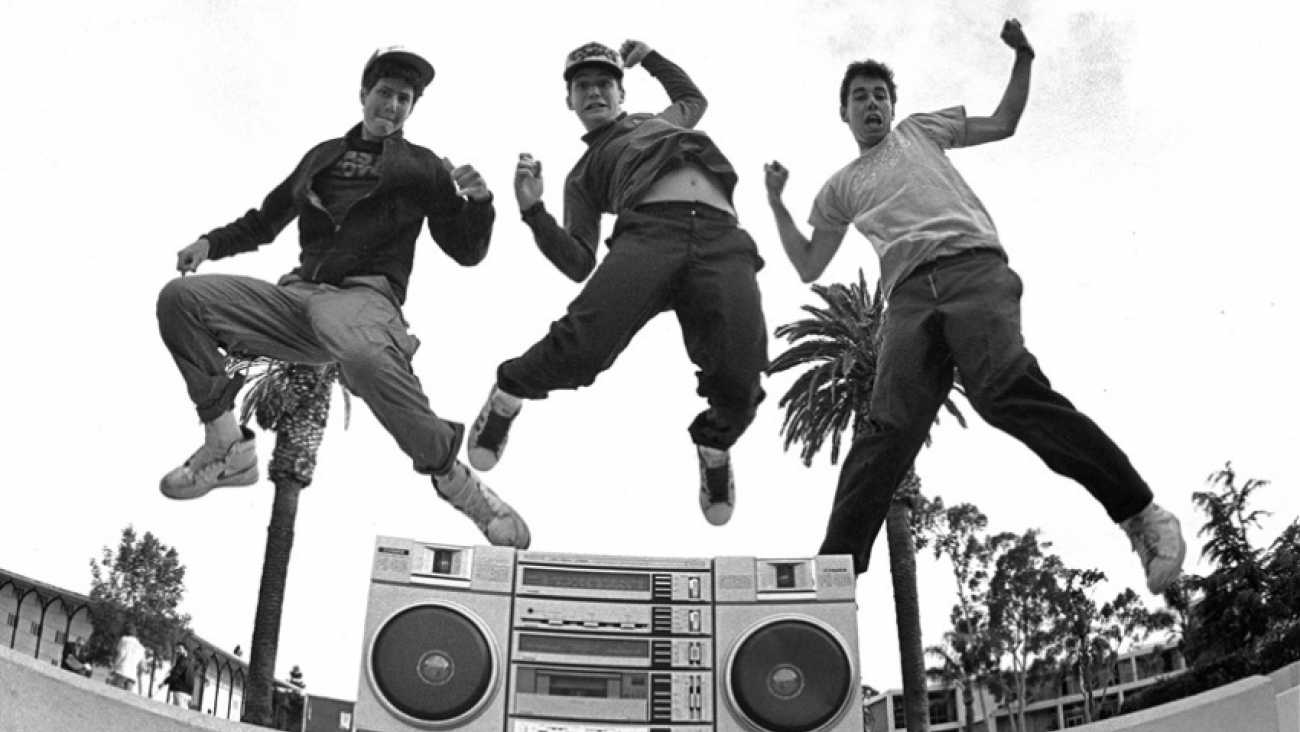
When the Beastie Boys first appeared, a burping and belching frat boy’s idea of fun (and, KIIIICCCKKK IT!, it was fun when you were 15, let’s not kid ourselves), all backwards baseball caps and crotch grabs and stuck-on sneers, you could’ve been forgiven for presuming they’d have 3, 4 hits at most on the back of one album before disappearing with diminishing returns down the very Noo Yoik sewer from whence they’d crawled. But something happened.

MCA, the gravel-throated tall one, better known to his ma an’ pa as Adam Yauch, found inner peace. Through Buddhism he left behind the rapper’s trappings of guns, girls and glorified violence and guided his fellow band mates onto the path of righteous being. The Beastie Boys were always a cartoon version of the staple diet of rap to begin with. They had far more wit and wisdom than your average angry boy from the ‘hood to ever truly mean it. To coin a well-worn cliche, he, MCA became a lover, not a fighter and the band gradually dropped the more base stuff in favour of a sophisticated worldly approach.

The signs were there on Paul’s Boutique, the cut ‘n paste meisterwork that is considered by many to be the Beasties’ greatest moment. On the album’s Year And A Day, MCA reports that, “my body and soul and mind are pure.” By the time of 1992’s Check Your Head (the Beasties’ true greatest moment) MCA had written Something’s Got To Give, a call to unite the world as one.

Beastie BoysSomething’s Got To Give

It’s a real turn-up for anyone who thinks of the Beasties as ‘just’ three white boy rappers. Returning to their hardcore punk roots, to a time when the band played as a band, drums, bass, guitars ‘n all, the trio wanted to show the world there was more to them than sexist raps and songs jigsawed from the best bits of other people’s records. The cover of Something’s Got To Give‘s parent album Check Your Head featured the band sitting at a roadside carefully guarding their instrument cases and band ephemera. “We’re a real band,” they’re saying. “We can play our instruments.” And boy, can they!

Something’s Got To Give is a terrific slab of slow-burning rock/rap. And if that has you breaking out in a Chili Pepper-sized rash of disgust, listen to the playing. It’s echoey, live and loose. Built from a tape of the band jamming live in the studio, there’s so much depth and space and separation between the instruments it could almost be a Lee Perry production. There’s great hi-hat action. There’s some spot-on clavinova from 4th Beastie Money Mark who seems to be living out his mid 70s Stevie Wonder fantasies. And there’s that constantly na-na-na-nagging refrain that runs through it like the Lincoln Tunnel under the Hudson, taking you from beginning to middle to end. Every time I hear it, I hear a subtle new thing; maybe a stray piece of percussion or an Ad Rock adlib, that surely marks Something’s Got To Give down as a great track.

With trigger finger-happy Presidents here and itchy warhead owners there and a growing sense of right wing bully boy tactics over the UK’s stubborn and stupid stance on Europe, we could all do worse than listen to its message. And then jump over a ghetto blaster with giddy abandon, y’all.


Hard-to-find

Massive Respect

They’re not a ‘group’ in the traditional sense; there’s no lead singer, no egotistical frontperson, no focal point and certainly no lead guitarist, yet despite this, (because of this?) Massive Attack are one of our most important groups.

From Bristol, they’re a multicultural melting pot of accents, ideas and vision. Robert Del Naja, better known as 3D has his roots in Italy’s Naples. Grant ‘Daddy G’ Marshall is a Bristolian, born to West Indian parents. Andrew ‘Mushroom’ Vowles brought his talents as a soundsystem DJ. Tricky, known to his mum as Adrian Thaws, has his own parallel career as as a solo performer. Combine their backgrounds and musical tastes and you have a pigeonholer’s nightmare; they blend elements of hip hop, dub and soul, post-punk, ragga and cinematic score to ceate their own unique music.

Massive AttackSly

Sly in name and sly in nature, Sly was created from an uncredited Sly Stone sample (Africa Talks To You, on There’s A Riot Goin’ On). In keeping with Massive Attack’s multicultured and open policy approach to music-making, it features a magical vocal from Nicolette Suwoton, a Scottish-Nigerian living in London. Nicolette sings elsewhere on the Protection album, but, for me, this just shades her other efforts.

Often sample-led, though not in the obvious way, Massive Attack’s music tends to be low on BPM, high on wide open space and spoken word verses and wrapped in rich production. Some of the low-end bass sounds on their first couple of albums are astonishing. By the time of 3rd album Mezzanine, they were sampling Siouxsie Sioux and had added a creeeping sense of impending doom to some of their material. Stick some earphones in and go for a walk with Mezzanine playing. You’ll find yourself in your own movie. Try it with the Velvets and Wire-sampling Risingson (and see if you can spot the less-than-obvious samples)

Massive AttackRisingson

Always moving forwards, always seeking new ideas, the key to their success is in no small way due to their choice of vocal collaborators. With no lead singer, they’ve worked with a succession of inspirational vocalists. Soul belter Shara Nelson takes the lead on a few debut album tracks, most memorably on Unfinished Sympathy, their first biggy, the band’s signature tune and arguably their best track. Tracey Thorn adds down-at-the-mouth bedist disco queen vocals to Protection, the title track of their second album. Liz Fraser pops up in Teardrop, an astonishing record that eschews her usual Cocteau Twin’s gibberish for a straightforward native-tongued love song. Love, love is a  verb, love is a doing word. I don’t know who wrote that lyric, but it’s perfect; poetic yet straightforward, straightforward yet poetic. For what it’s worth, I’ve read somewhere that it’s Madonna’s favourite record.

For what it’s also worth, here’s my (current) favourite Massive Attack tune. In the spirit of Plain Or Pan it’s a less-than-obvious choice. Euro Zero Zero found itself on the CD single of Teardrop. It’s a remix of Eurochild from the Protection LP and features each member of the group taking a verse each. Tricky nicks some of the lyrics from The Specials’ Blank Expression for his part. It’s terrific.

Massive AttackEuro Zero Zero

‘Genre’ menas nothing to Massive Attack. If the voice fits, they use it. Look elsewhere throughgout their rich and varied discography and you’ll find the undisputed vocal talents of reggae legend Horace Andy, Elbow’s Guy Garvey, Mazzy Star’s Hope Sandoval, TV On The Radio’s Tunde Adebimpe, Sinead O’Connor, Damon Albarn…..it’s an endless list, really. They’ve also allowed their music to be remixed by Underworld, Paul Oakenfold, Primal Scream, Tim Simenon, Mad Professor, Brian Eno, U.N.K.L.E., Manic Street Preachers and Blur. An embarrassement of riches and a huge ‘fuck you’ to people like me who prefer their music neatly categorised. If your interest in Massive Attack waned after the second or third album, you’re missing out on a whole load of brilliant music. If you’ve kept up with Massive Attack, you will, as the saying goes ’round here, know that already.


This slideshow requires JavaScript.

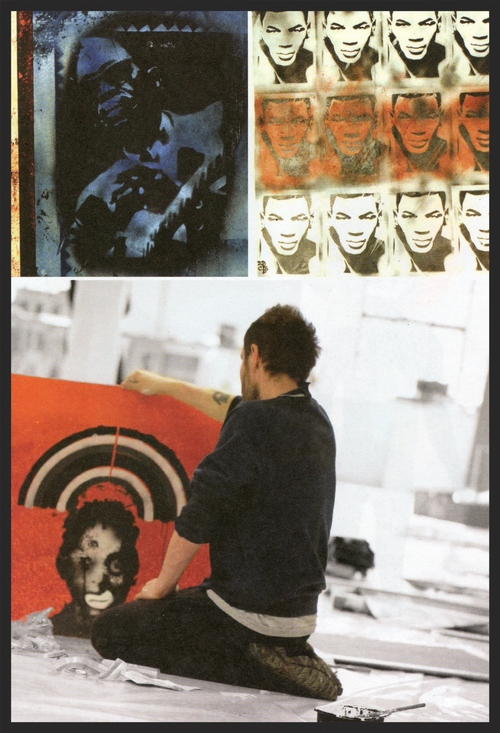
Is 3D really Banksy? There’s plenty of evidence to suggest he may well be. As well as being happy to show off his skills at producing very stylised stencilled art, there’s the theory that a new Banksy pops up wherever Massive Attack are on tour. Only 3D can answer that question. And I kinda hope he never does.

*Bonus Track!

Here‘s the evergreeen, forever-rolling Perfecto remix of the Billy Cobham-sampling Safe From Harm. It’s a cracker.


Alternative Version, demo, Gone but not forgotten, Sampled

Factory Record

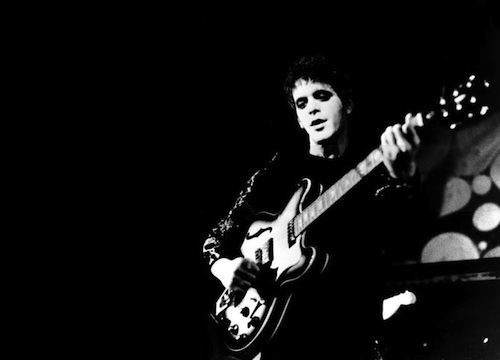
Walk On The Wild Side is perhaps Lou Reed‘s best-known song.

Lou ReedWalk On The Wild Side

Its languid vocal and lazy shuffle conjurs up images of stifling summer New York heat; sticky tarmac on pavements (or should that be sidewalks?), teenage girls singing with carefree abandon on street corners, a loose-limbed groove that never outstays its welcome. Listen closely though and you’ll hear a tale of the New York underbelly, the New York that was off the beaten track yet a daily experience if you were part of the Warhol ‘Factory’ set; Hustlers hustling. Drugs and dealers. Pimps and prostitutes. Females who were shemales. This is girls who are boys who like boys to be girls long before it was a Britpop soundbite. Not for nothing was its parent album called ‘Transformer‘.

Here’s an early version, with very different lyrics and Lou pointing out the girls’ parts….

The released version is a radically re-written homage to the Factory set; the scenesters and teensters who orbited around Andy Warhol’s Manhattan Studio. There were actually 3 Factories, but that’s another story for another day.

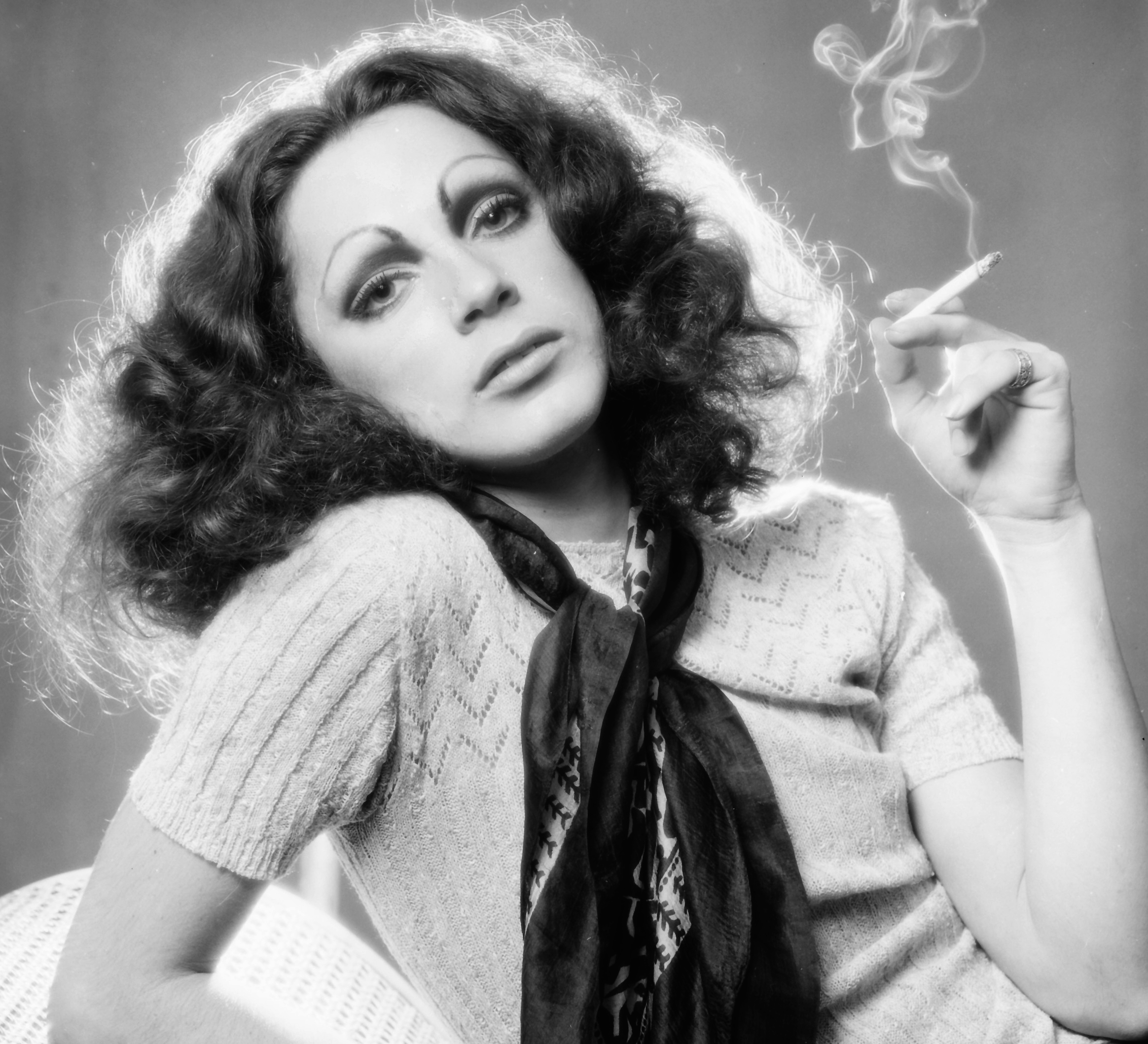
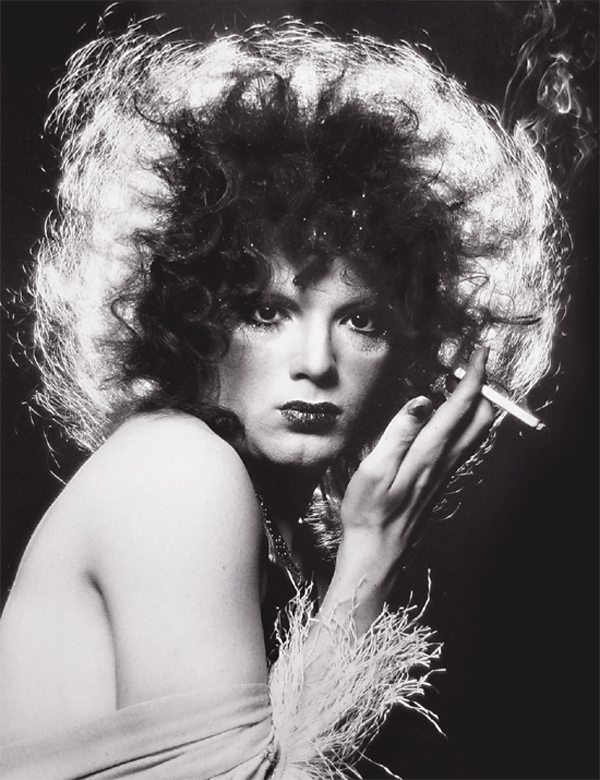
Holly who shaved her legs was Holly Woodlawn, a transgender actress who ran away from home in Florida at the age of 15 and by the act of shaving her legs on the way literally changed from man to woman.

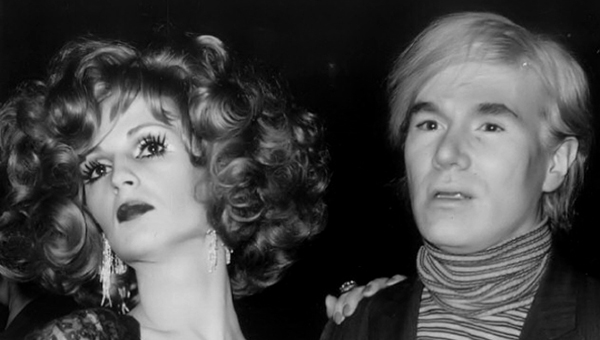
Candy was Candy Darling, also a transgender actress. The subject of the Velvets’ Candy Says, she grew up in Long Island – the island – and was known to perform favours in the back room of Max’s Kansas City, the hipper than hip venue/hangout that was central to the scene. That’s Candy (above) with Andy. It’s her face who’s on the cover of Sheila Take A Bow, The Smiths’ 14th single. But you knew that already.

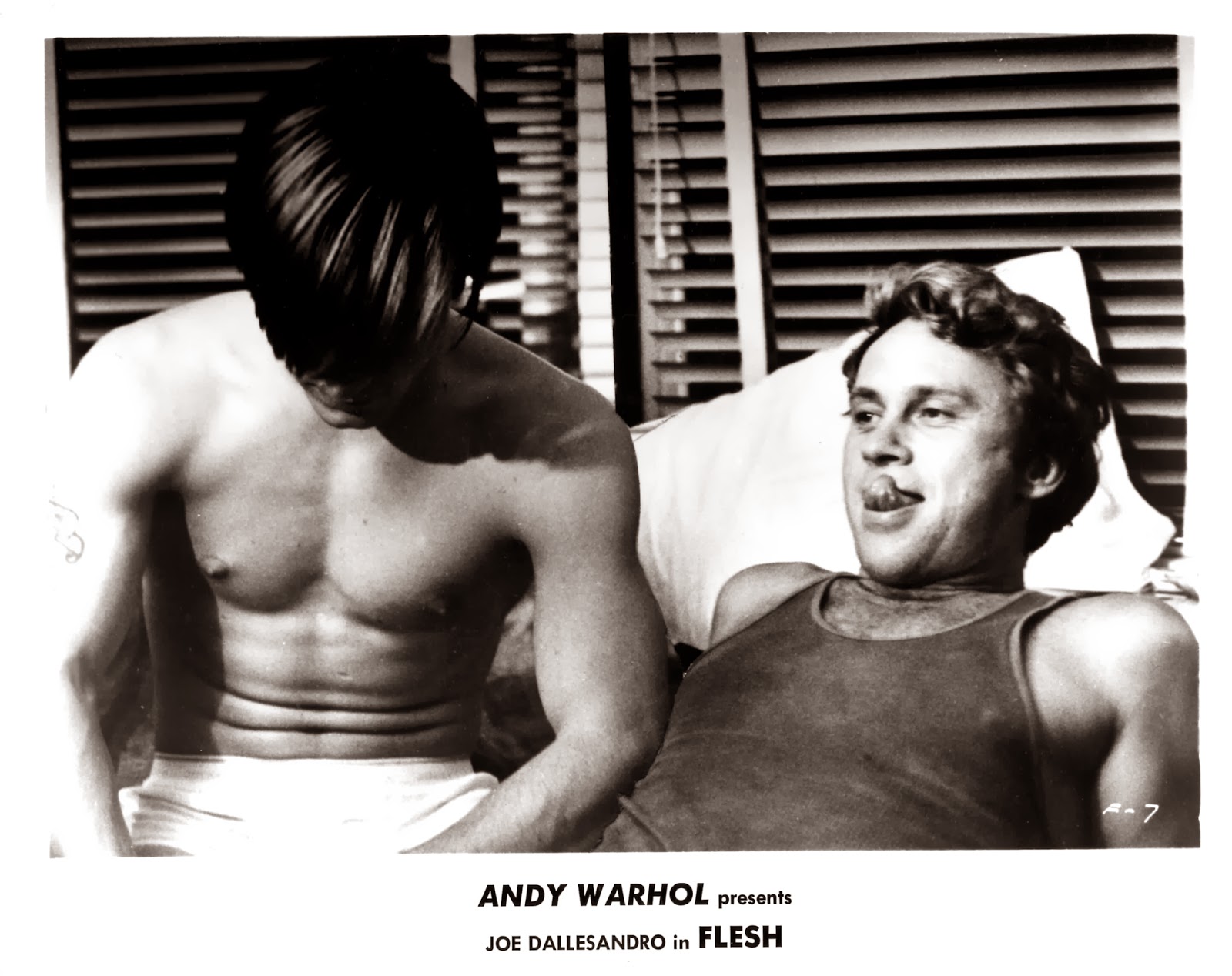
Little Joe was Joe Dallesandro, Warhol actor best known for his role in Flesh, where he played a teenage hustler. Coincidentally, that’s Joe on the cover of The Smiths’ debut album. But you knew that already too.

The Sugar Plum Fairy was another Flesh reference, this time to the name of a drug-dealing character in the film.

Jackie was Jackie Curtis. To say the least, an interesting person, she performed bizarre cabaret dressed sometimes as a woman and sometimes in drag. With overdone glitter, big lipstick, heavily kholed eyes, brightly dyed hair and ripped stockings, Jackie’s combination of trash and glamour was considered the catalyst for the glam rock movement. Certainly, she wouldn’t have looked out of place in the New York Dolls. At one time, Curtis was mooted to play James Dean in a biopic of Dean’s life. This never came to fruition, hence the thought she was James Dean for a day line. So now you know.

Perhaps not surprisingly, such a parade of characters and subject matter fell foul of the US censors. On the released single, they removed the references to the colored girls and giving head and the record peaked inside the Top 20. In the UK, the lyrics remained as Lou had intended and Walk On The Wild Side peaked at number 10. Make of that what you will.

Walk On The Wild Side was put together by Lou alongside co-producers David Bowie and Mick Ronson.

Walk On The Wild Side – hissy outtake with David Bowie on backing vocals

It’s said that Bowie plays guitar on WOTWS, although no credits exist to back this up. Considering at this point in time (August ’72) Bowie was spreading himself between Ziggy tours, Mott The Hoople handouts and Lou Reed production duties, given his propensity to eschew all form of food for music-related activity, it’s not unlikely to suggest he did play on it. It was quite an era for Bowie when you stop to think about it.

One person who definitely did play on WOTWS was seasoned sessioneer Herbie Flowers. Later to find fame in 70s instrumental prog/jazz group Sky, the fly Flowers played two bass lines on the song, thus ensuring himself twice the fee. He played that great defining slinky rubber band bassline and double tracked it with a more traditional Fender bass part, doubling his fee from the industry standard $17 to a more eye-watering $34. Quite how he must feel these days, now that the record is a radio standard and that his part is instantly recognisable, not to mention that the bassline was liberally sampled to form the hook on A Tribe Called Quest’s Can I Kick It? is anyone’s guess, but I bet he wishes he’d gambled on taking the royalties instead of the session fee.