Alternative Version, Dylanish

The Blond Waltz

Bob Dylan‘s Sad Eyed Lady Of The Lowlands is one of his very best. And with a canon of songs as rich and impressive as the one that he has casually amassed over the last 50 years, that’s really saying something. Bob Bob Shoobeedoo Wob.

Bob DylanSad Eyed Lady Of The Lowlands (Mono version)

dylan blonde outtake

It’s a love song, of course, waltzing in on a breeze of liquid organ, trademark wheezing harmonica and that thin, wild mercury sound that the Zim was eager to perfect around this time. A musical onion, it’s multi-layered, shrouded in mystery and code and jam-packed full of words and phrases I won’t even begin to pretend I understand.

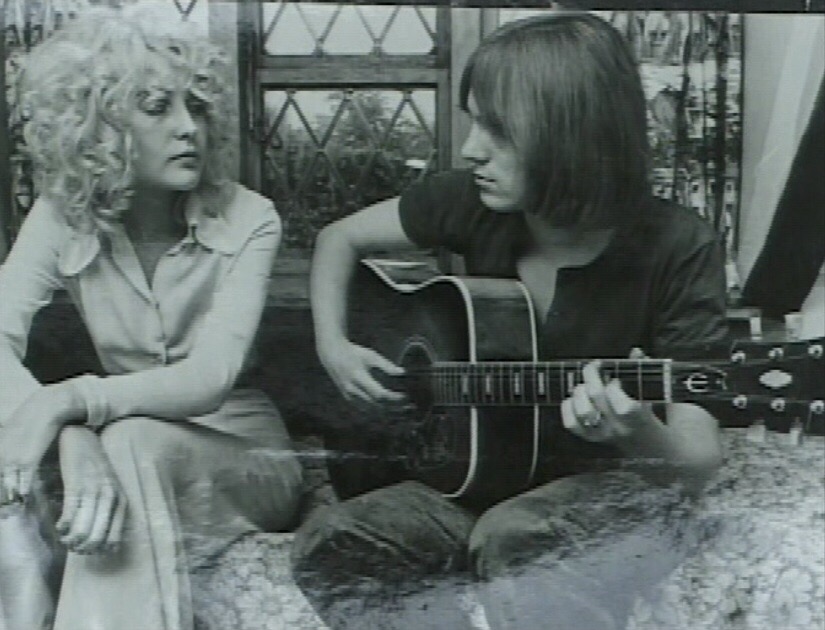
It’s a straightforward paen to Sara Lowndes (Lowndes/Lowlands look quite similar, dontchathink?) who, at the time of writing it was Dylan’s wife of 6 months. If you listen to the self-explanatory ‘Sara‘ on the decade later Desire, Dylan admits that much;

Stayin’ up for days in the Chelsea Hotel

Writin’ ‘Sad Eyed Lady Of The Lowlands’ for you.”

Even this is coated in very Dylanesque ambiguities and contradictions though.

Some accounts have Bob writing the song in the studio in Nashville while his crack team of expensive sessioneers played cards and twiddled their thumbs in an adjacent room, patiently waiting for their boss to tell them the song was complete and ready to be committed to tape.

Others have insisted that the song arrived fully formed in the Chelsea Hotel and ripe for recording by the time of the Blonde On Blonde sessions.

Gonzoid speed freak Lester Bangs claims to have it on good authority that Dylan wrote the song whilst wired out of his nut on some cocktail of amphetamines or other, but then, he would say that, wouldn’t he?

Two or three half-truths don’t make the whole truth, but I’d wager the real story is an amalgamation of those accounts. What can’t be denied though is that the finished track is sprawling, majestic and epic (it fills the entire 4th side of Blonde On Blonde) and is the result of a one-take recording at 4 in the morning, Dylan’s dawn chorus for the dreamers and the doomed.
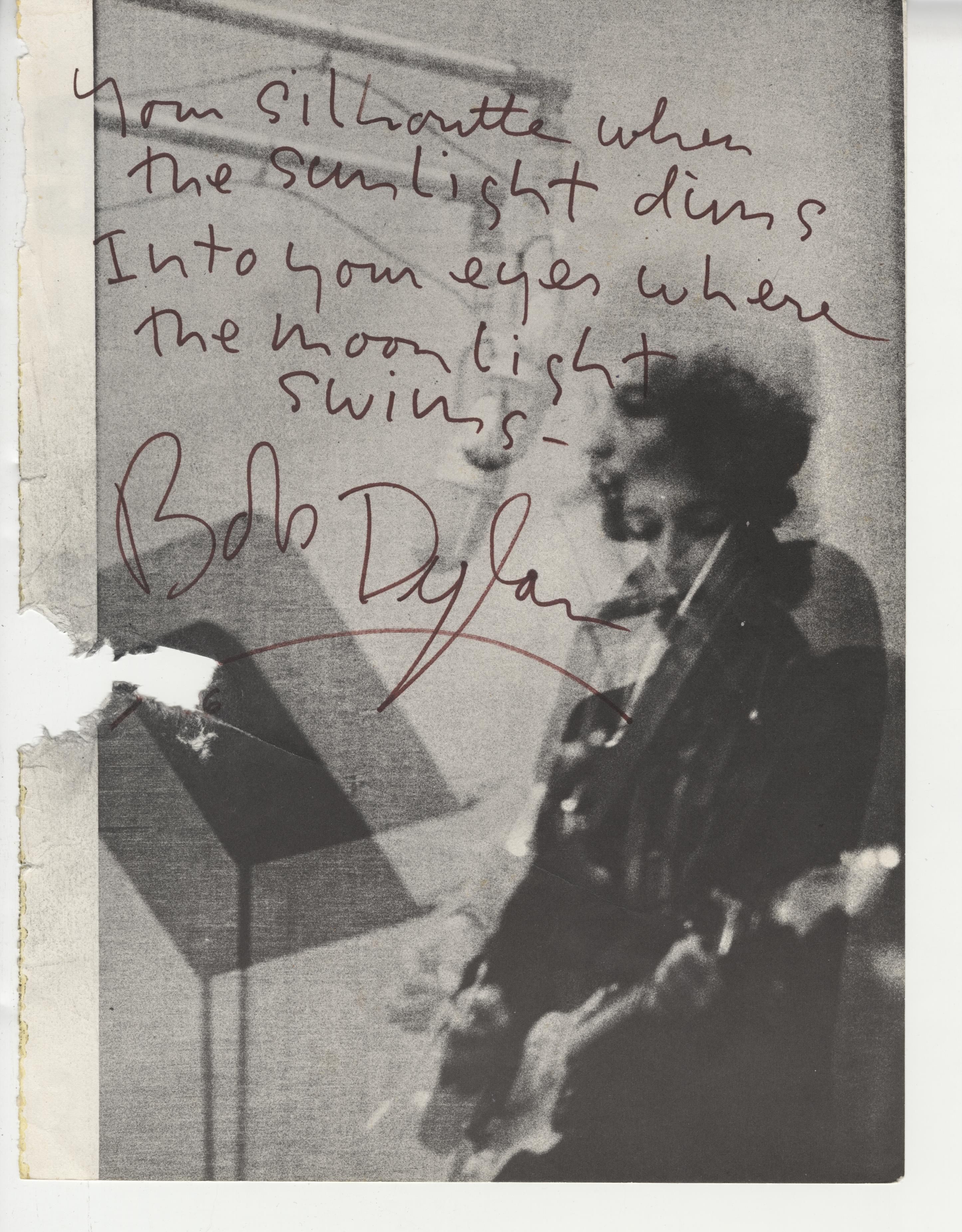
dylan sad eyed lyrics

Sad Eyed Lady Of the Lowlands has that late night/early morning feel, understated and creeping around on tip toe, as if the band are scared to hit the strings too hard and are playing quietly so as not to disturb the neighbours, with some of the chord changes coming in slightly behind the beat a result of the band listening carefully to Dylan or watching him for their cue to change.

The musicians (including Al Kooper on keys and Charlie McCoy on guitar) didn’t really know what they were in for. They hadn’t actually heard the finished song and so were understandably rather surprised to find the song clocking in at over 11 and a half minutes. With the unspoken telepathy that comes from playing with the very best of musicians, they joined the song on its journey, climaxing when the chorus came in, only to find themselves faced with verse after verse of meandering beat prose and harmonica breaks. By the 6 minute mark most were assuming the song was nearly over, which is why it builds to a crescendo on more than one occasion. Dylan must’ve had a right laugh at their expense.

dylan saraBob ‘n Sara, 1966-ish

Postscript

George Harrison was a big fan of Sad Eyed Lady… Its lilting waltz was a defining influence on The Beatles‘ under-apppreciated but eternally groovy I Me Mine……

Alternative Version, Cover Versions, demo, Gone but not forgotten, Live!

Sound Affects

The Small Faces were the perfect group; a pint-sized pocket dynamo of r’n’b and soul, windmilling guitars and swirling Hammond. They dressed the same, sported the same haircuts and were a walking, talking, living and breathing advert for Carnaby Street and Swinging London. None of the four of them stood taller than 5′ 6″ (it was the 60s, therefore imperial units of measurement counted) and were mod to the core. In the street parlance of the day, a ‘face’ was the most respected, sharpest looking mod about town. The band name wrote itself. 

small faces

With disparate roots in American blues and soul and cockney music hall (thanks in part to Steve Marriott’s training at the Italia Conti stage school), The Small Faces cooked up an original brew of heady mod pop.

As the sixties progressed and trouser legs widened, The Small Faces’ sound drifted away from the cor blimey Pearly stomp of the mid phase Faces to a more pastoral, whimsical and expansive psychedelic sound, but by 1968 the band were brought back to terra firma when Marriott penned Tin Soldier.

tin soldier 7

Small Faces  – Tin Soldier

Tin Soldier was a no quibbles return to their r’n’b roots – an off-mic count-in gives way to piano and Hammond before Marriott’s stinging electric guitar and rallying cry of “Come on!” lead into the verses. It builds and drops before building again into a wonderful crescendo of tumbling toms, grinding riffs, gritty soul adlibs and a hysterical female (PP Arnold) hell bent on raising the roof. If The Small Faces are the perfect group, this is the perfect record. If you listen really carefully, you’ll hear a little scratching noise in the background – that’s Paul Weller writing his crib notes.

Sound affects, indeed.

Jenny RylanceJenny Rylance. Whatever did Rod Stewart see in her?

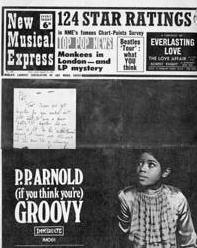
Steve Marriott wrote Tin Soldier for the beautiful yet unattainable Jenny Rylance, a leggy model who was at the time Rod Stewart’s girlfriend. He intended to give the song to his current beau PP Arnold, but on completion, realising he’d created such a brilliant track, he gave Arnold If You Think You’re Groovy instead and kept Tin Soldier for The Small Faces. A wise move, as it turned out. When Randy Rod finished with Rylance, Marriott ended up wooing her and married her a year later. Like the Artful Dodger he once played on stage,  Marriott ended up with both the song and the girl. The perfect ending.

I usually steer clear of sticking YouTube clips in posts, but this is fantastic – a top of their game Small Faces on French telly, live vocals, mimed instruments and with a little help from a somewhat sparkled PP Arnold. Check the eyes! Oh to have seen them in concert.


* Bonus Track 1!

Here‘s a live version of Tin Soldier from Newcastle City Hall in November 1968.

I get the impression the screaming and incidental crowd noise has been mixed in afterwards to create a more ‘live’ sound, though I may be wrong. Either way it sounds like The Small Faces are playing in a cave to 20,000 appreciative ace faces, and not the sweaty box bedroom-sized r’n’b club you might’ve expected. (Newcastle City Hall being neither, as it turns out.)

* Bonus Track 2!

Here‘s PP Arnold doing If You Think You’re Groovy

pp arnold nme

Alternative Version, Get This!, Hard-to-find, Sampled

Anti Dance Music / Intae Dance Music

Back at the start of the 90s I was anti ‘dance’ music. It almost goes without saying that I liked Chic, Sly Stone, James Brown…all that kinda stuff, and I was fond of doing my rhythmically-challenged thang to In Yer Face and Voodoo Ray when no-one was watching. But on the whole, dance music, the one real alternative to indie music and chart music, the one true genre of music guaranteed to annoy parents and anyone over the age of 25 did nothing for me. Which is somewhat ironic given I was neither a parent nor a quarter centurion.

rave

Thump thump thump thump thump. Soulless and repetitive, it was a four-to-the-floor car crash with all the sex appeal of a just-landed trout from the River Irvine. Given the option, I much preferred repeat-playing the b-side of the latest Chapterhouse or 5.30 single than give in to anything of a dance bent. Quite a ridiculous choice in hindsight. But in those days, if you wanted to stay out late, it was dance music that inevitably soundtracked your night. To go home early and potentially miss out on whatever I might be missing out on, I tended to stick it out, tolerating rather than enjoying the tunes.

And then I heard this.

FSOL-PapuaNewGuinea-UK-12-Label-A

The Future Sound Of LondonPapua New Guinea

What a fantastic record! It was Future Sound Of London’s debut single and, as it turned out, one they would never better.

Here‘s a shortened version, taken from a Hacienda compilation that I like to stick on now and again while I’m cycling.

Papua New Guinea is that rare thing – an electronic dance record that’s synthetic yet soulful. It’s not just Lisa Gerrard’s skyscraping vocals (sampled from Dead Can Dance‘s ‘Dawn Of The Iconoclast‘, with thos oo-ah-oh vocals coming lock, stock and barrel from a dance track called ‘Shelter‘ by the mysterious Circuit) that go straight to the heart and it’s not just the staccato bass (sampled from Meat Beat Manifesto’s Radio Babylon, much to their displeasure) that goes straight to the feet, it’s the whole thing; the clattering breakbeat drums, the wee keyboard pings and dings, the swooshes and whooshes and the way it all drops out before revving into gear again, lead always by the ubiquitous bass and vocals.

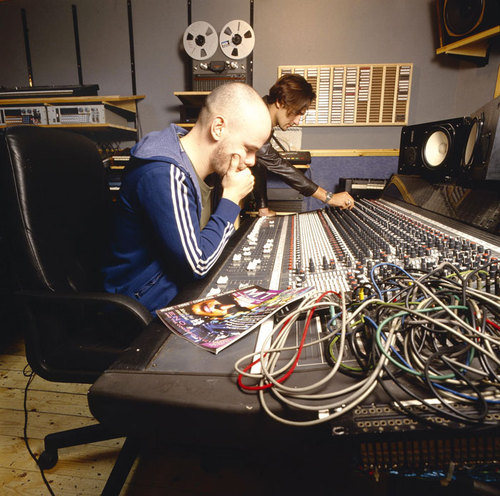
Papua New Guinea was put together by a couple of stereotypical studio boffins (the bald one and the ponytailed one) that most folk would fail to recognise as the creators of one of the best records ever.

fsol

Everything about this record is perfect. Even Lee Mavers, the bowl-cut skiffle king of 1989 rates it as one of his most favourite records. And I bet he never cared much for what constituted ‘dance’ music much either.

Here are those constituent drum parts, sampled from Fuzzy HaskinsThe Fuzz And Da Boog and Bobby Byrd‘s Hot Pants and stuck together with invisible ambient breakbeat glue:

Fuzzy Haskins The Fuzz And Da Boog


Bobby ByrdHot Pants

A truly groundbreaking record, like most of its contemporaries it came in a multitude of re-releases and remixes. In fact, by the end of 2013, Papua New Guinea had been re-pressed and re-released over 30 times. Maybe you could download those tracks above and have a go at doing it yourself, though you’ll be hard pushed to better the original.

*Bonus Track!

Here‘s a longer, more ambient version, illegally remixed and released by Ozgur Ozkan.