Cover Versions, Hard-to-find, Studio master tapes

House Champion

There’s a decent case to be argued for Paul Weller being England’s equivalent to Neil Young. Both started young and both found instant success with their first real bands – Buffalo Springfield in Young’s case and The Jam in Weller’s (like you didn’t know already). Both these bands released era-defining tracks and tapped in to the consciousness of youth. And just as Young left Buffalo Springfield to forge a solo career packed full of instantly-regarded classic albums, side steps peppered with choice collaborations and sudden left turns towards new and unexpected musical directions (the ‘Ditch Trilogy‘, Trans), Weller too defiantly broke new ground, alienating some fans, richly rewarding others, side stepping his exquisitely-shod feet through the decades with interesting and quirky one-off collaborations and the odd soundtrack thrown in for good measure. Weller, like Young, lives, breathes and drinks music. He creates seemingly every day, tours regularly and (unlike Young nowadays) releases albums with a high quality control and impressive frequency that suggests if he doesn’t get them all out of his system as and when they’re ripe for recording, he’ll wither and die. Prolific? Paul Weller is the very definition of the word.

In 1989, the Style Council was coming to an end. The law of diminishing returns coupled with a changing musical climate saw to it that only Weller’s most enthusiastic fans were still with him. The pop charts may have been filled mainly with total rubbish (Jive Bunny, New Kids On The Block, Jason Donovan) but the underground was bubbling up nicely. Happy Mondays and Stone Roses were a Joe Bloggs flare flap away from ubiquity. Effect-heavy guitar bands were filling a post-Smiths void. Acid house and electronic dance music was soundtracking sweatboxes and switched-on clubs, yet still to be sanitised for the mainstream.

Weller, ever willing to embrace the new and the now, and with a perma-finger totally on the pulse of the zeitgeist, was heavily into Chicago house music. He’d heard and loved Joe Smooth’s Promised Land and recorded a faithful reworking of it before even Joe Smooth’s original had a UK release date (eventually releasing it on the same day). A song of unity and hope, it’s no different in sentiment to, say, Walls Come Tumbling Down, but whereas that was a Hammond heavy gatecrashing crie de guerre, Promised Land rode the crest of an E-kissed rolling and tumbling 808 wave. Blind loyalty pushed it to number 27 in the charts, but beyond that it failed to grasp the imagination. Hindsight of course has shown it to be a terrific mark in time.

Style CouncilPromised Land

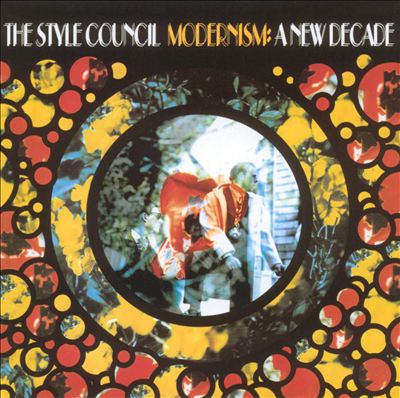
It was almost inevitable that when the Style Council presented Modernism: A New Decade to Polydor, the label would baulk at its hit-free content. There was no angry and spitting politico Weller, no Euro-continental jazz to soften the edges, none of the classic songwriting they’d come to expect from their talented young charge (Weller being just 30 at this point). Modernism: A New Decade was a pure house album, filtered through English notions and sensibilities, but a pure house album all the same. It favoured programmed rhythms and sequenced electro basslines over, y’know, actual bass and drums. It flung the guitars away and replaced them with weaving and shimmering synth lines. It was long and meandering with chants and shouts in place of a more traditional approach. Toundly rejected by Polydor, it would remain in the vaults for 20 years, only seeing the light of day when the all-encompassing, warts ‘n all Style Council Box Set was released at the end of the millennium.

And yet…

Modernism: A New Decade has its moments. Hindsight will show that its creator was frustratingly ahead of his time, that eventually Joe Public could and would groove to machine-driven, guitar-free music. Hindsight will show too that he really meant it, maaan. Just as he’d tackled the spiky Funeral Pyre with bile and aggression beforehand, and just as he’d go on to knock seven shades of shit from his guitar on Peacock Suit, Weller approached Modernism with nothing less than 100% of his cock-sure conviction.

Love Of The World‘s morse code intro and gospelish diva on backing duties…Sure Is Sure with its Italo house piano and Rotary Connection stacked vocals…a nascent That Spiritual Feeling, a track Weller would re-record as a solo artist – and a track that still finds a place in his live set to this day, usually as a refrain to the whacked-out and slightly psychedelic version of Into Tomorrow that normally closes his set, the proof – if it were needed – that its writer holds the material in high regard and that we, the listener, just need more time to appreciate it all.

The World Must Come Together is the perfect example.

Style CouncilThe World Must Come Together 

Its message of unity and hope could’ve been written specifically for the times we currently live in, and Weller’s high and soulful vocal goes a long way to conveying its idea. Channelling his inner Marvin Gaye, he chants the title in the chorus, slipping into falsetto in the verses. Synthesised strings sweep across its clattering and steam-powered rhythm. Electro hand claps punctuate the end of lines. Sampled spoken word pops up in the gaps. A jangling Roy Ayers-ish vibraphone provides the break, but we’re soon back to the titular refrain, a parping, recurring hookline coming and going as the textured cadence of the beat rolls ever forward. It’s a bit of a slow burner, but I’d suggest that, if this were to appear as a new track on a Weller solo album next week, it would be roundly applauded.



Cover Versions, Get This!

It’s A Funny Little Thing When It Dawns Upon Ya*

The Style Council’s Shout To The Top is the bright ‘n breezy signifier of a summer just around the corner. A groove of loose piano and stabbing guitar, it’s a string swept beauty that endures to this day.

If you’ve caught Paul Weller on any recent tour, there’s a good chance he’ll have slotted it in mid-set, a major 7th audience perker-upper after one new track too many. It still has the ability to raise a smile and just a smidgen of Proustian angst, of being glued to Top Of The Pops in the hope that it might make it to that week’s show. A frothy and enduring number, it reached number 7 and was, serendipitously, single number 7 for The Style Council as well. One of its writer’s very best, for sure.

The Style CouncilShout To The Top

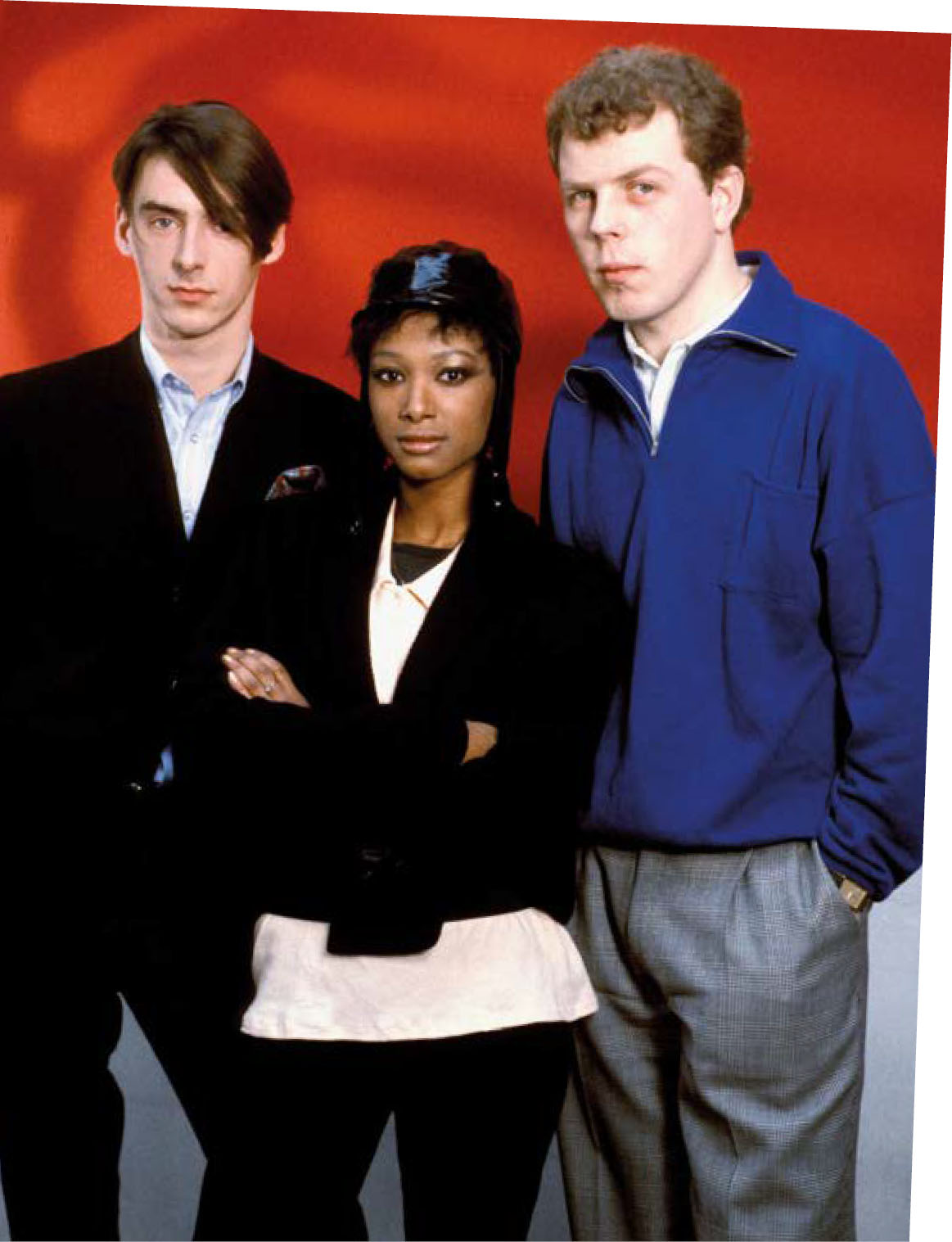
It’s got a stylish video too, all four group members in its spotlight with Weller happy to fade to the back when he feels like it. Weller is understated cool, the gum-chewing singer in carefully chosen penny loafers and well-cut ankle hugging trousers, the missus alongside him in a sleeveless halter neck and hair band, tight fighting capri pants and bee stung lips, looking fantastic and dredging up all sorts of forgotten teenage fantasies. YouTube is your pal, old man, YouTube is your pal.

Weller glides the soles of his loafers across the floor, almost northern soul shuffling, hanging on to that era-defining skinny mic for all its worth, his swept back and centre-parted hair looking distinctly European and modernist.

By the time The Style Council were playing it live, Weller’s fringe had fallen as long as the silly faces on all those old Jam fans who still pined for a clanging Rickenbacker and an angry vocal delivery. Imagine having to pretend you didn’t like Shout To The Top. Life’s too short for that sort of idiocy, man. Embrace the new and, yeah, shout to the top.

There’s a magic, discofied club version out there. Loleatta Holloway takes over from Weller, giving it the full soaring house diva approach, Philly strings, Italo piano and a four-to-the-floor disco beat replacing much of The Style Council’s idiosyncratic nuances, taking it home in a riot gold hot pants and over the topness.

Originally released in 1998 with dance production team Fire Island, the track was reworked into a thumping, filling-loosening club classic by Hifi Sean a year or two ago. Stretched out and funked up, you need it in your life.

Fire Island ft. Loleatta Holloway Shout To The Top (Hifi Sean mix)

* I know that’s not the line that Weller sings in the bridge, but it’s what I’ve always sung. It’s a funny little thing when it dawns upon ya right enough.

Cover Versions, Get This!, Gone but not forgotten

Sledgehammers

There are many great sounds in music; that jazz-inflected major 6th “Yeah!” at the tail end of The Beatles’ She Loves You for one. The vibrating air as Miles Davis leans into So What on Kind Of Blue. Johnny Greenwood’s stuttering pre-chorus crunch as he tries to mess with Creep. John Lydon’s phlegmy Fagin-by-way-of-Steptoe “‘Allo? ‘Allo! ‘Allo!! Heurgh-heurgh-heurgh!” announcement on PIL’s eponymous debut single. The eerie slide guitar that punctuates the juddering How Soon Is Now?…the Cuban-heeled stomp of London Calling… Adam & the Ants Burundi beat…Clarence’ Clemons’ honey-coated sax….. You’ll have your own no doubt, hearing them in your head right now as you read this. Those sounds are what separates you, me and the rest of us from other people who consider music no more than background colour, something that happens to be on as the dishes are washed or the ironing tackled. Obsessives like us listen to music and revel in the small stuff. The minutae. The little bits that you miss when the iron is hissing steam at you while you press next week’s workwear. The important stuff.

Just about my favourite sound in music is the sound of Nile Rodgers‘ guitar interlocking with Bernard Edwards‘ bass. When they hit their stride and find the groove, they’re unbeatable. Like a pair of old ladies clacking away at the bingo, the combined sound is instantly recognisable, totally danceable and, while often copied, it’s a sound that’s never been bettered. When Nile and Bernard formed Chic, the idea was to write songs for different groups. Chic themselves were modelled on Roxy Music’s basic vision of style; smart dress and street-smart females, elements that were to them as important as the songs they were selling.

Chic employed female vocalists and had success on their own terms – you know all the hits – but as the Chic Organization, Bernard and Nile penned hits for others. Diana Ross, Sister Sledge, Carly Simon, Madonna, Bowie….all benefitted, and all came gift-wrapped in the same smoothly-clattering funk that coloured Chic’s biggest hits. Bowie’s Let’s Dance was a 12 string skifflish blues until Nile added those familiar massive rattling chords. Like A Virgin, with its keyboard and up the neck guitar stabs could’ve been a Chic hit rather than the smash that elevated Madonna into the conscience of half the world.

I’ve always had a thing for Carly Simon‘s Why. Hearing it out of context on Ibiza as an impressionable 18 year old perhaps helped. Here, it was no longer AOR radio fodder, it was late night/early morning comedown music, long, loping and lightly toasted reggae. In the right context, it made a whole lotta sense.

It’s what Nile and Bernard did for Sister Sledge on Thinking Of You that tops the lot. The chord progression is fantastic, an itchy and scratchy four chord progression from minor 7th to major 7th and back again, played between the 10th and 5th frets while the bassline bounces with fluid funk below. The staccato riffing as Kathy Sledge sings, “Everybody, let me tell you ’bout my love…” (the perfect opening line for the song, by the way – it really sets it up the anticipation for what’s to follow) “...brought to you by an angel from above,” is god-like. Nile takes the basic chords, ignores his bass strings then builds hook upon hook upon hook with just the top 3 strings. Your man-in-the-street’s idea of what might constitute a Guitar ‘Great’ could never comprehend why Nile is such a brilliant player. He’s the perfect example of less is more, a fat-free, lean and mustard-keen guitarist.

Behind all of this the strings sweep and swell. Brass parps in all the right places. Unfussy drums maintain the beat. And that’s about it. You can identify every instrument on Thinking Of You. The perfect example, again, of less is more.

Sister SledgeThinking Of You (Dimitri From Paris mix)

Dimitri From Paris took the original and, unsurprisingly, saw the beauty in what was already there and stayed faithful to it. No need for this remixer to strip a good song of its basic components and twist it out of all recognition. Dimitri’s mix is twice as long, allowing space for the breathy vocals to take centre stage before giving way to Rodgers’ incessant Strat, until he drops out and Edwards’ bassline is allowed to buckle and bend in the middle of the track. It’s a showcase not for Dimitri but for Chic, six and a half minutes long and not a moment wasted.

In 2004 Paul Weller took his stripped back, tastefully scrubbed acoustic version of Thinking Of You into the charts, proof, if it were needed, that Rodgers and Edwards songs transfer to all styles. It’s not a patch on the original, but the newly in love Weller’s vocal is pretty soulful and genuine and, given he was spare of decent self-penned material at the time, it was the perfect song to tide him over until his next visit from the song gods.

Paul WellerThinking Of You