demo, Gone but not forgotten, Hard-to-find

You’re Breaking My Heart

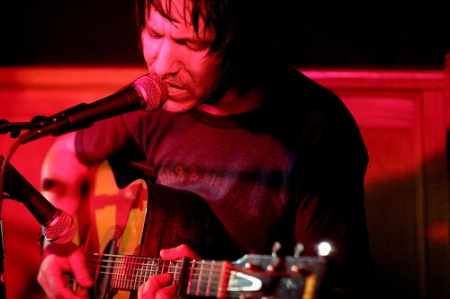
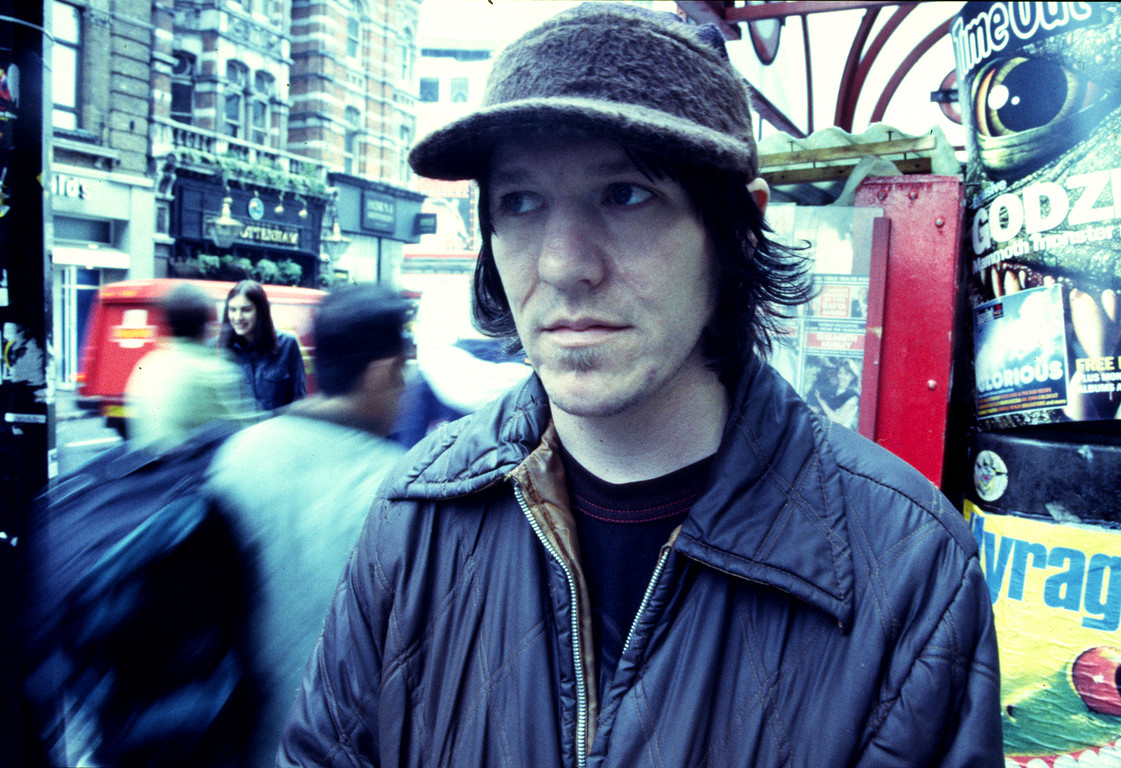
When Elliott Smith was making records, his output shot off in a rapid and upward curve of brilliance. From lo-fi scratchy beginnings to Beatles-great, full bhoona productions, his six albums in five years dazzle with deft fingerpicking and unusual chords, unravelling melodies and unwavering lyricism, every one of his great, great songs double-tracked and knee deep in melancholy and, often, total and utter sadness. And sad music is, as you know already, the best kind of music.
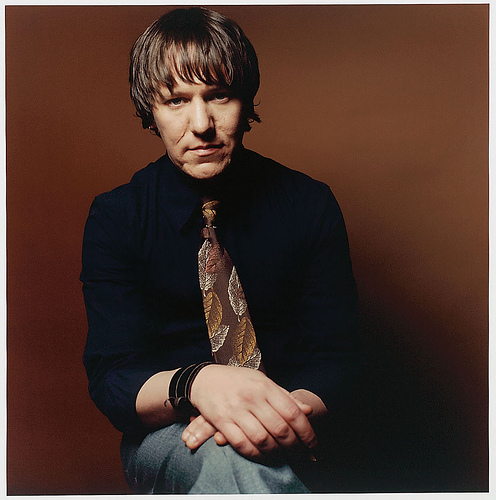
The posthumous world of Elliott Smith though? Bar a couple of noise-for-noise’s-sake thrashers and half-arsed unfinished sketches, it’s a proper treasure chest of rarely-heard/never intended to be heard nuggets. Often these are the equal of, and sometimes even better than, the songs released during Elliott’s lifetime.

The couple of official post-death releases in his discography have uncovered some real gems; New Moon‘s Looking Over My Shoulder and Whatever (Folk Song In ‘C’) are the picks in a ragbag full of alt versions and unreleased session tracks from across his earlier years. From A Basement On A Hill collates material from his later era major label recordings; better recorded, better produced, often overdubbed with multiple guitars, a rhythm section and, as has been said already, Beatles-level vocal arrangements. Twilight. Let’s Get Lost. A Fond Farewell. Look them up…but wallow first in the depths of Pretty (Ugly Before). It’s a real beauty.

Elliott SmithPretty (Ugly Before)

It begins with a wobbly keyboard droning the song’s melody behind a chiming, inverted Gmaj7 chord, it’s openness hinting at widescreen Elliott rather than introverted Elliott…

Sunshine. Keeping me up for days, sings Elliott in that breathy, gossamer-light voice of his.

Ah shite,” you realise. “Elliott is back on the heroin. This can’t end well.” Yep. References to getting high, destruction, no nighttime – only a passing phase, confirm what you think.

The song unfolds with a gentle drum roll into a piano-backed mid-paced ballad, all chugging electrics and deft bass runs, unexpected chord changes and piano trills. By the end of the second chorus, Elliott has found the key to unlocking the track’s true potential. There’s a minor chord, a tightly jangling and country twangin’ 12 string that mimics his vocal melody (how very George), some politely slashing chords, a splash of cymbals and, on the turn of a 7th chord, the resolve. In the angle of Elliott’s exquisite jangle we have lift-off. When his singing returns, he’s double-tracked (how very John) and harmonising with himself, stretching out some very John and Paul backing vocals – ‘Ug-lee-bee-fore‘ – until the song fades its way into the sunset on a squiggle of backwards tape and wonky noise. How very brilliant. And how very Beatles. Such a great tune for a ballad about being a helpless junkie.

There is, far deeper down the Elliott rabbit hole, a bootleg album called From A White Basement On The Hill (Beatleish nod ahoy!) A reimagined fan-compiled album, its setlist is culled from poring over interviews with Elliott, discussions on fan forums, interactions with Elliott’s closest musical collaborators… a real and honest labour of love by all concerned. Dancing On The Highway. Memory Lane. Strung Out Again. Look them up…but wallow first in the depths of Cecilia-Amanda. Like Pretty (Ugly Before) above, it too is a real beauty.

Elliott SmithCecilia-Amanda

It’s another drug song, inevitably, with a heart-breaking pay-off in the final verse.

Elliott plays a great liquid mercury acoustic guitar riff at the start – grab a cheapish guitar, tune down half a step and replicate it if you can – the snare rat-a-tats the group into action and from outta nowhere comes the greatest lurching and woozy keyboard motif this side of the seventies. Unexpected and totally hooky, it sounds like drugs. The wrong kinda drugs though.

Black and blue from passing around…I don’t want to see you like you got before…dancing on a permanent scratch…. Elliott, man . Why d’you have to get involved with all of that? What a waste.

Elliott eases into the bridge, his voice reaches for the high notes, his snare drummer rattling him along. Big bassy piano notes anchor it all together before Elliott brings forth that great acoustic riff (and that woozy, lysergic keyboard) and he leads us into the final verse’s heartbreaking line;

You got a little baby, I don’t want to see you round here no more.”

Elliott’s mastery of his voice and his instrument, his arrangement and his ear for a tune are never more apparent than on songs like the two featured above. If you’re new to Elliott, start somewhere in the middle – Either/Or was the album where he became less lo-fi and more produced, XO the album after was his major label debut and a spectacular one at that. There’s a lifetime of great songs just a-waitin’ to be discovered.

demo, Gone but not forgotten

Go Figure

I was flicking through Discogs, as you do, checking out the current resale values of some of the records in my collection. Not cos I’m selling them. I just wanted to feel good about having records that currently sit for sale at silly, over-inflated prices.

Husker Du’s Flip Your Wig at almost £40? Man! A first press Surfer Rosa now nudging £50?! Oh my golly, as the song goes. Live At The Witch Trials? That’s £60 all day long. It makes the £5 I paid for it all the more jammy. That first press of Definitely Maybe that Alan McGee later signed for me? That’ll be £250, thank you very much. Go figure. What a mad, record-buying world we currently live in.

The reissue of Elliott Smith‘s Either/Or album is a near £70 record these days. Released in 2017 for the album’s twentieth anniversary, it came beautifully packaged with extensive sleeve-notes, a Japanese-style obi strip (who doesn’t love an obi strip?) and a second LP of era-specific live cuts, demos and unreleased stuff. Normally the unreleased stuff on these sort of reissues was originally unreleased for very good reasons, but Elliott Smith could seemingly throw out incredible song after incredible song on a daily basis, far quicker than he could properly record them and commit them to release. His vault, as it has become clear, lies stuffed with stone cold, major to minor tearjerkers, coated in Beatles melodies and wistful melancholy, the likes of which I can’t seem to get enough of.

The Either/Or reissue contains two such beauties. I Don’t Think I’m Ever Gonna Figure It Out skiffs along on a Dylanish finger-picking pattern, a hundred miles an hour blur of first, second and third fingers coaxing a folky melody from the six strings below them, Elliott sounding (as always) like he’s playing two guitars at once, his voice close-miked and whispered then double tracked on the titular refrain. It’s lo-fi, campfire indie and all the more magic for it. You should seek it out.

The real treasure is what follows.

I Figured You Out arrives on a snippet of studio chatter before a mournful harmonium accompanies Elliott’s acoustic guitar, scratching out a very Elliott chord progression as a rhythm section falls in and an electric guitar picks out the melodic hooks. Elliott’s gossamer-light voice sounds sad and resigned, delicate and fragile throughout…but utterly incredible. His tone, his control, his ability to make you tear up when he harmonises with himself…he’s terrific. I’ve always been a sucker for a recorded vocal where you can hear the singer draw breath. I Figured You Out is full of that. There’s a wee bridge when he cheers up a bit, goes a bit pop, even, with some subtle whammy bar action, before he falls back into the main song again.

Elliott was a singer who didn’t need to look far to find his demons or subject matter and on I Figured You Out, he seems to be lamenting success-hungry fame hounds.

You’re every kind of collar
There ain’t nothing that you won’t claim
Your ambition and promise
And your addiction to fame

A ‘stupid pop song that I wrote in about a minute‘ (oh man!) Elliott oft compared I Figured You Out to something The Eagles might have recorded – the ultimate self-inflicted insult – and so gave it to his friend Mary Lou Lord to record and release instead. Elliott’s version though remains the definitive version, whether he lived to realise that or not. I could listen to it all day long.

Alternative Version, Cover Versions, demo, elliott smith, Gone but not forgotten

Just A Shooting Star

There’s a wee bit of a media-fixated Beatles renaissance going just now, what with Sgt Pepper turning 50 and fortnightly reissues of their back catalogue racked up in the Spar alongside Tank Commander Monthly and Build Your Own Millenium Falcon Weekly. It’s a great time to be discovering them for the first time. Who cares if someone’s first exposure to Hey Bulldog is via De Agostini publishing?

Fast track back to the mid 90s and arguably the first flourish of serious Beatles reappraisal since the demise of the band. With their self-proclaimed monobrowed monopoly on all things Fab you could be forgiven for thinking that Oasis had cornered the market in Beatles-influenced music. Just because they shouted louder and played louder and just were louder in every sense didn’t mean they were the only ones with a fevered fascination for the Fab Four. The louder the gob, the bigger the knob ‘n all that. If you listen closely to their music these days, is it even possible to spot The Beatles’ references? Is it? Well, aye, it is. A wee bit. Some of their less-ballsy records have the ‘feel’ of late-era Beatles – All Around The World‘s universal message sounds like the sort of song a lazy advertiser might come up with if tasked with creating a Beatley tune in an afternoon, and Liam is awfully fond of doing his best Lennon sneer atop a grandly played piano. Many of their harmonies are quite clearly direct second cousins of the real deal, but after that, I’m stumped. There are far better bands who’ve dipped deep into the best back catalogue in popular music and pulled out their own skewed version of Fabness. You’ll have your own favourites.


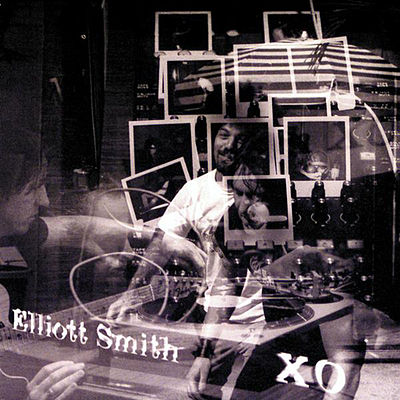
And so to Elliott Smith. If you’ve been visiting Plain Or Pan since the glory days of 2007, you’ll know he’s a big favourite round here. He still is. Indeed, his 4th album, 1998’s XO is currently spinning for ther umpteenth time this week. After years of being out of print on vinyl, it finally made it back onto wax a couple of weeks ago. My eye was off the ball when initial copies went on sale and I missed out on the very limited (500 copies, I think) marbled vinyl version, so I had to settle for the standard black 180 gram edition instead. No big deal really. Really. No, really! I’ve lived with the CD since the day of release, discovered when I was working on the counter of Our Price where it was a ‘Recommended Release‘ that week. I played it three times straight through that afternoon in a fairly empty shop, each subsequent play making my jaw drop a notch closer to the sticky carpet. His voice! Gossamer-light and as fragile as fuck. His playing! Beautifully picked arpeggios one moment, brightly ringing fancy chords the next, no solos but lead breaks that aped the vocal melody – just like Paul McCartney. His arrangements! Double-tracked and beautifully harmonised vocal effects, weird ‘n wonkily off-key pianos, little melodic runs up and down the fretboards and keys….. total Beatles! While the Mancunian magpies were belching loudly about their love for The Beatles, here was Elliott Smith very quietly and unassumingly wearing his obvious love for them, not only on his sleeve, but in the grooves inside the sleeve.

XO is a fantastic album. It was Elliott’s major label debut and followed hot on the heels of Either/Or, the undisputed ace in his back catalogue up until then. Either/Or is also packed full of introspective, whispered songs. Alameda. The Ballad Of Big Nothing. Say Yes. Between The Bars. Angeles. All are what you might loosely call ‘Greatest Hits’, had Elliott been fortunate enough to have had such things. All feature the signature double-tracked vocal (like Lennon), the melody-chasing guitar (like McCartney) and the unassuming resignation of George Harrison; always the bridesmaid, never the bride. Even at the Oscars, when a crumpled and bemused Elliott performed after the Good Will Hunting soundtrack received a nomination, he was the outsider. Celine Dion might’ve beat him to the gong, but who in their right mind would want to play that Titanic song 20 years later? Conversely, Elliott’s music endures.

What Either/Or lacks is clarity and sheen. It’s very lo-fi and indie. Coffee house music for misfits who’ve fallen on hard times and hard drugs. XO has a bright and shiny polish to it, reflected (gettit?) in the fact that much of it was recorded in California and LA.

Opener Sweet Adeline was the clincher for me. Just Elliott and his guitar, with descending riff and wonky chord included, the clouds part at the first chorus and sunlight bursts in in the form of glorious harmonies and barrelhouse piano, the drum sound not a million miles away from something Ringo might’ve strived for around 1967.

Elliott SmithSweet Adeline

I knew there and then that this was an album I was going to love. By the breakdown at the end, the whole thing sounds a wee bit like the breakdown from Sgt Pepper’s Lovely Rita. This is immediately followed by Tomorrow Tomorrow, Elliott singing counter melodies to himself while he plays the most amazing ringing guitar – a 12 string with 4 strings missing, closely miked and double-tracked (again) to sound like a whole orchestra of guitars. The songs that follow on are stellar. Waltz #2 was the album’s near hit; a piano and acoustic guitar fighting for top billing, lilting and waltzing (aye) to a cinematic end with sweeping, swooping strings. And did he really sing about ‘Cathy’s Clown‘ in the first verse? Yes! This was confirmed on the 2nd listen.

Elliott SmithWaltz #2

The only Everly’s reference I’d ever heard in song was McCartney’s ‘Let ‘Em In‘ and here was another. It was a sign. Three songs in and I had discovered an album that remains to this day an essential album, one of my very own Recommended Releases. To paraphrase Brian Clough, I wouldn’t say XO is the best album ever written, but it’s in the top one.

There’s plenty more Beatleisms throughout; Bottle Up And Explode has an ending that George Martin would’ve loved putting together, layer upon layer of vocals and guitars and strings and weird effects and kitchen sinks. It’s very Fab.

Elliott SmithBottle Up And Explode

As is Everybody Cares, Everybody Understands, a song that sounds as if it’s going nowhere until Elliott drops a clanger of a swear word and the whole thing ramps up a gear on the back of it. The ending has a great clash of sighing cellos, sighing backing vocals and a crescendo half-way between The Smiths’ Death Of  A Disco Dancer and a DIY Day In The Life.

Elliott SmithEverybody Cares, Everybody Understands

Bled White is another. Ringing guitars, electric organ and a fantastic (fabstastic?) call and response vocal. This is music made in the studio, deliberately written to sound as good as possible in recorded form.

Elliott SmithBled White

Many acts go for the feel of the music, the spontaneity that a live performance brings. Elliott live was by all accounts a very hit and miss live act, and going by the numerous bootlegs I’ve listened to over the years, this would seem true. No stranger to stopping songs midway through if he wasn’t feeling it, he’d half-heartedly and quite possibly deliberately lead his band through a lumpen car crash of a song one night then play a spellbinding acoustic version the next. Tracks like Bled White could never sound great live. But recorded for posterity on XO, they sparkle immortally.


Elsewhere, you’ll find the bedsit Beach Boys harmonies on Oh Well, Okay have the potential to induce real tears. The wee cello swell after a minute or so is your starter for ten.

Elliott SmithOh Well, Okay

Album closer I Didn’t Understand wafts in on a raft of a-cappella vocals, just like Because on Abbey Road – a track Elliott would go on to cover on the aforementioned Good Will Hunting soundtrack, funnily enough.  I could go on and on. Suffice to say, XO is well worth investing in if you’ve never had the pleasure.

To finish, here‘s Elliott doing The Beatles. Reverential and respectful.

Elliott SmithIf I Fell


Cover Versions, Gone but not forgotten, Hard-to-find, studio outtakes

Great Cover

beatles for sale

Beatles For Sale wouldn’t be many people’s choice of favourite Beatles album, but it’s by far my favourite Beatles album cover. You can marvel at the druggy, warped close-up that heralds Rubber Soul, and  Klaus Voormann’s pen and ink collage on the front of Revolver, and it’s hard not to appreciate the vision behind Peter Blake’s Sgt Pepper concept,  but no album cover then or since probably froze the zeitgeist of a precise moment in time quite like the Robert Freeman shot for Beatles For Sale. Taken in London’s late Autumn Hyde Park, it cryogenically captures the band in the clothes they turned up in, battered, brusied and bloodied by Beatlemania, baggy-eyed and bored of it all, desperate for their beds and a bit of peace and quiet. Great hair though.

Beatles For Sale was the 4th Beatles album in 21 months. That’s four LPs. In less than two years. Coming hot on the heels of the phenomenal A Hard Day’s Night LP (their first to feature all-original material), Beatles For Sale represented something of a dip in quality for the band. And, as outlined above and below, no wonder why…

In late 1964, Beatles found themsleves in the unenviable position of requiring material to release in time for the lucrative Christmas market. EMI suddenly owned the biggest, fattest cash cow of them all and, what with this pop music lark being a short-lived affair and whatnot, were keen to milk it for all it was worth. Recording started only one month after A Hard Day’s Night was released and many of the songs were written in the studio and recorded there and then during any free days between shows.  All associated with The Beatles (including the band themselves) knew they were being somewhat exploited.

George Martin: “They were rather war-weary during Beatles for Sale. One must remember that they’d been battered like mad throughout ’64, and much of ’63. Success is a wonderful thing, but it is very, very tiring.”

Paul McCartney: “We would normally be rung a couple of weeks before the recording session and they’d say, ‘We’re recording in a month’s time and you’ve got a week off before the recordings to write some stuff.

Neil Aspinall: “No band today would come off a long US tour at the end of September, go into the studio and start a new album, still writing songs, and then go on a UK tour, finish the album in five weeks, still touring, and have the album out in time for Christmas. But that’s what the Beatles did at the end of 1964. A lot of it was down to naivety, thinking that this was the way things were done. If the record company needs another album, you go and make one.

And to think Prince had the cheek to scrawl ‘Slave‘ on his face in protest at how Warner Music treated him.

beatles i feel fine promo

Stuck for material, the band resorted to Cavern Club cover versions of yore. Indeed, almost half the LP (6 out of 14 songs) is made up of twanging country rockers and raucous rockabilly re-hashes. Not bad, all the same, just not the great leap forward you might’ve expected following A Hard Day’s Night. Of the original material, Lennon is in full-on Dylan mode (he met him around the same time in New York), harmonica wheezing like an asthmatic tramp, acoustic guitar high in the mix, and McCartney treads water slightly, looking for the inspiration to guide him towards Help and Rubber Soul. In the UK, no singles were taken from the LP, although I Feel Fine (written when Lennon riffed along to a playback of Eight Days A Week) and She’s A Woman, recorded at the same Beatles For Sale sessions were released on the one single, which duly rocketed to the toppermost of the poppermost just before Christmas. Despite the mood surrounding The Beatles at this time, I Feel Fine remains a defiant high point of early-mid period Fabness.

Ever since I heard it (and bought it) on that terrible, none-more-eighties Stars On 45 single, I’ve always had a something of a soft spot for No Reply. Maybe it’s because it reminds of BB discos when, loaded up on Kwenchy Kups and cheap maize-based crisps, I’d slide across the church hall floor from one end to the other while the ‘DJ’ played all 15 minutes of the terrible non-stop pumping Beatles karaoke just to annoy all of us who wanted Baggy Trousers and Stand & Deliver.

Contrast and Compare:

No Reply (Mono)

No Reply (Stereo)

Anyway. No Reply.  As done by The Beatles. I like how Lennon starts it straight away, before breaking into the hysterical “I nearly died!” section. And I like McCartney’s bridge, with its rush of handclaps and Little Richardisms in the backing vocals.  Over and done with in little over 2 minutes, it’s a muted melancholy masterpiece.

*Bonus Track(s)!

 Elliott Smith I’ll Be Back

Here‘s Elliott Smith‘s terrific version of A Hard Day’s Night‘s I’ll Be Back, all double-tracked vocals and sparkling electric guitar. Nice nod to John, Paul, George and Ringo at the end. Super-rare, I’ve featured it before. But it’s worth giving it the space again. And for entirely different reasons, a great cover too.

elliot-smith

Och, go on then…

(Stars on 45, all 15 minutes of it. Download available only on request. You don’t need it.)

Not such a great cover.