Get This!

Dig Mac

Born long after you or I, Mac DeMarco began releasing records in the strange, unclassifiable wilderness years of the 2010s. Unlike the ’70s (disco, punk) or the ’80s (new wave, electronic creativity), or the ’90s (grunge to begin with, Britpop mid-decade and a million genres afterwards) or the ’00s with its Strokes/Arctic Monkeys fixation the yin to reality TV’s yang, the 2010s were a bit all over the place. Fractured and cast to the wind, the music of the times formed less of a cohesive scene and more of a seeping splurge of internet-powered musical hopefuls, delivered like sewage directly to the listener via algorithms and targeted playlists whether you wanted them or not. And it’s mainly been like that ever since. There’s a lot to get through before you find the good stuff…and who’s got time for that these days?

You rely on tip-offs. A clued-in pal. A decent radio show such as Riley and Coe. A right time, right place support act. The cream rises slowly but surely.

Neon Waltz, a band I thought might really make it – whatever that is these days – turned me on to Mac DeMarco. In a local paper interview with them a good few years ago, their vocalist Jordan Shearer mentioned that I, with my fondness for a well-played twanging guitar, should look him up. Good advice, as it turned out.

Ode To ViceroyMac DeMarco

No one does lazy, hazy, somnolent guitar quite like Mac DeMarco. Cleanly picked and beautifully amped, his guitar oozes and woozes, tripped out and discombobulated, wobbbbbling and bending the notes right around the fretboard and back again; Kevin Shields without the fuzzbox. DeMarco utilises chorus and vibrato and rides a floating tremelo arm the way you or I might row a boat or attempt to use a chopstick on a chunk of Chinese chicken; up, down, in, out, fast, slow, seemingly rudimentary (but definitely not) and highly effective. It’s called style. Knopfler has that clean-picked glassy solo sound. Marr has the excitable arpeggiating riffage. DeMarco has an amalgamation of the two, jigsawed to drunk whammy bar action through a Roland Jazz Chorus amp. Unique and individual, it’s lovely stuff.

Ode To Viceroy is a song about the simple pleasure of smoking. Millennials, I thought, were health-conscious, gym-going, body image-conscious pictures of health. Not DeMarco. And it suits him. He sings with a yawn. He scratches his nether regions as he does so. Drags his hands through unkempt hair before reaching for his headwear. Pulls on his battered Converse. Might even tie them. The most important thing for Mac first thing in the morning is a good long drag on a Viceroy cigarette. Who’s going to begrudge him that?

Lo-fi and flirting with the idea of being in tune, DeMarco might come across as some sort of skip cap-wearing slacker dude, but he knows his way around an amp setting and a fretboard. That little descending run he plays in the outro is terrific, something that, with slightly different effect settings, John Squire might’ve got decent mileage from. His chosen sound is both signature and soulful, and if I had been born maybe 20 years later, I might have gone totally nuts for him in a way that this tired old cynic hasn’t. I could see myself trying to ape that sound and style – a sound and style, like all the best original guitar players, that is tantalisingly out of reach of mere copycats and wannabees such as myself.

He’s worth investigating, is Mac DeMarco. You don’t need a tailored playlist or an aggressive algorithm to tell you that, trust me. In something of a role-reversal, I’m now off to skim through my daughter’s records and borrow the DeMarco album that I know is nestled somewhere in there.


Cover Versions

S’a Twin Axe Attack!

There’s a Trashcan Sinatras video clip from many years ago that at least one member of the group would like to make disappear, so in the interests of maintaining a healthy friendship I’ll refrain from uploading it here. Google and YouTube is your friend though. The video is filmed at Japan’s 2009 Fuji Rock festival and features Paul and John from the band being asked their ideal festival line-up. The pair of them have evidently been enjoying the relaxing qualities of every musicians’ favourite – the jazz cigarette – and, grinning pleasantly and enunciating in a subtitle-necessary Ayrshire brogue, they reel off a list of cool and not so cool bands that would make for the ideal festival. “We would have King Crimson. Super Furry Animals. Supertramp! Sex Pistols…Radiohead…The Fall. The Band! We would huv The Band! Bob Dylan! And us!” It’s a very funny minute or so and you should definitely go and seek it out. Your week will be better because of it.

Of all those bands listed, it was Supertramp who popped up in my social feed this week, bizarrely enough.

We’ve recently put on a gig with Nerina Pallot. You might remember Everybody’s Gone To War, her one bona fide Top 20 smash hit from 2006? Nerina regularly fills places like the London Palladium and certainly doesn’t need to be putting a band together to play one-off gigs for 100 people in Irvine, but there she was. Needless to say, she was devastatingly brilliant, switching from electric guitar to acoustic to keys and back again, the stories between the songs just as entertaining as the music she played. I watched one man in the audience sit gape-mouthed for the entirety of her show, pinching himself that he was 10 feet from his favourite-ever artist…in our living room-sized venue…in his home town. Quite a thrill for all of us.

But back to Supertramp.

Over the Easter weekend there, Nerina shared one of those multi-cam videos of her playing all the parts to Supertramp’s Take The Long Way Home. From first clanging gothic piano chord and tension-building strings via the sweeping, sighing melody and none-more-seventies FM rock guitar solo on the vintage SG to the whispered ending, it’s a terrific version of a song I’ve (shhhh!) long held affection for.

In a world of Smiths and Bunnymen (and even Hipsway and Love and Money), you just couldn’t admit to liking Supertramp. That Breakfast In America album, ubiquitous and airbrushed and gazillion-selling as it was was just far too polished for a quiff-topped bedroom guitar player who was far more concerned with the angle of the jangle than, y’know, the art of crafting a song. The singer’s helium-coated voice was plain weird and didn’t do much to convince anyone I knew to listen closely, and the proggy/AOR stylings of the group were the very antithesis if what it meant to be a teenager in the mid ’80s…yet there they were, hanging around the album charts, selling gazillions of records and getting globally successful. Though no one would admit to liking them.

You could take a chance on Supertramp via Irvine Library, and take a chance I did. I probably asked my mum to bring Breakfast In America home after work one night (she worked there) lest I be seen with something as unhip and middle of the road on the long walk home (long way home?) through Irvine Mall. Take The Long Way Home was the one that got me. Not The Logical Song. Not the title track. And not Dreamer or the irritating It’s Raining Again (not on the same album, I know, I know…) Take The Long Way Home just stuck. Swathed in melody and tuneage, it sounded like a heady marriage of solo Lennon and solo McCartney, getting together for one last hurrah, the song’s descending/ascending tour de force of melody and melancholy the equal of Abba at their peak. The verses are hopeful, the choruses resigned, the production supreme. To these ears, it is, like Gerry Rafferty’s Baker Street and Right Down The Line, a humbly accepted stone cold AOR/FM classic. (See also Rooms On Fire and Edge Of Seventeen by Stevie Nicks…Kim Carnes’ Bette Davis Eyes…Carly Simon’s You’re So Vain...AOR clearly has its moments.) The singer from Supertramp though. That voice just won’t do…

…which is why Nerina’s version is so goddam essential. She breathes new life into a song that’s lived inside of her since the days of mix tapes and spongey orange headphones attached to the Walkman and replicates the entire thing with the sort of elan that only she can muster; majestic piano, head-swirling Wurlitzer, mellifluous bass, gorgeous multi-stacked vocals…and a twin axe attack of sorts. I do believe you’ll like it.

Watch out too for Supertramp headlining when the Trashcans get to curate Meltdown.

Meltdown indeed.

Football, Gone but not forgotten

Full Time After Time Added On

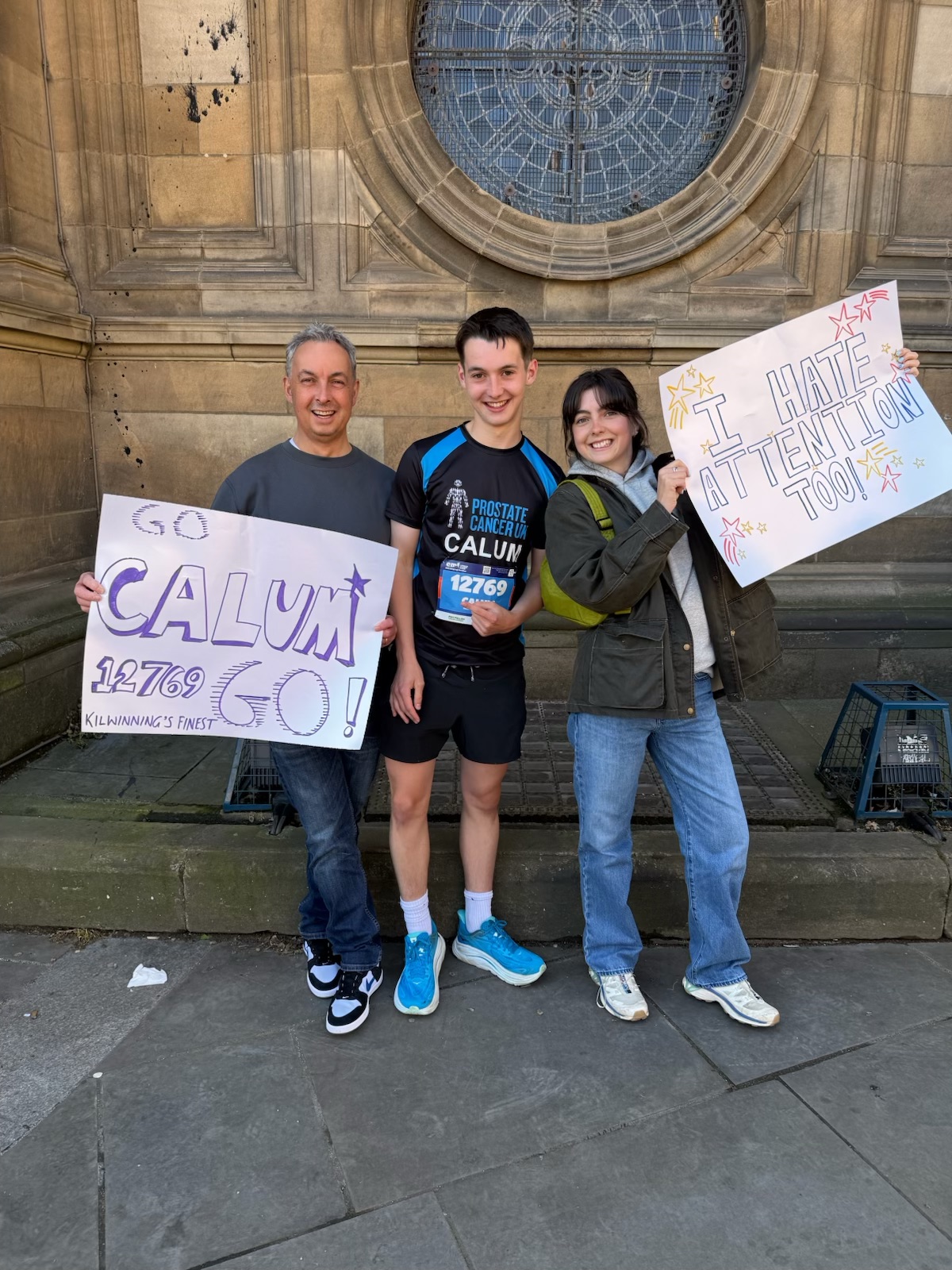
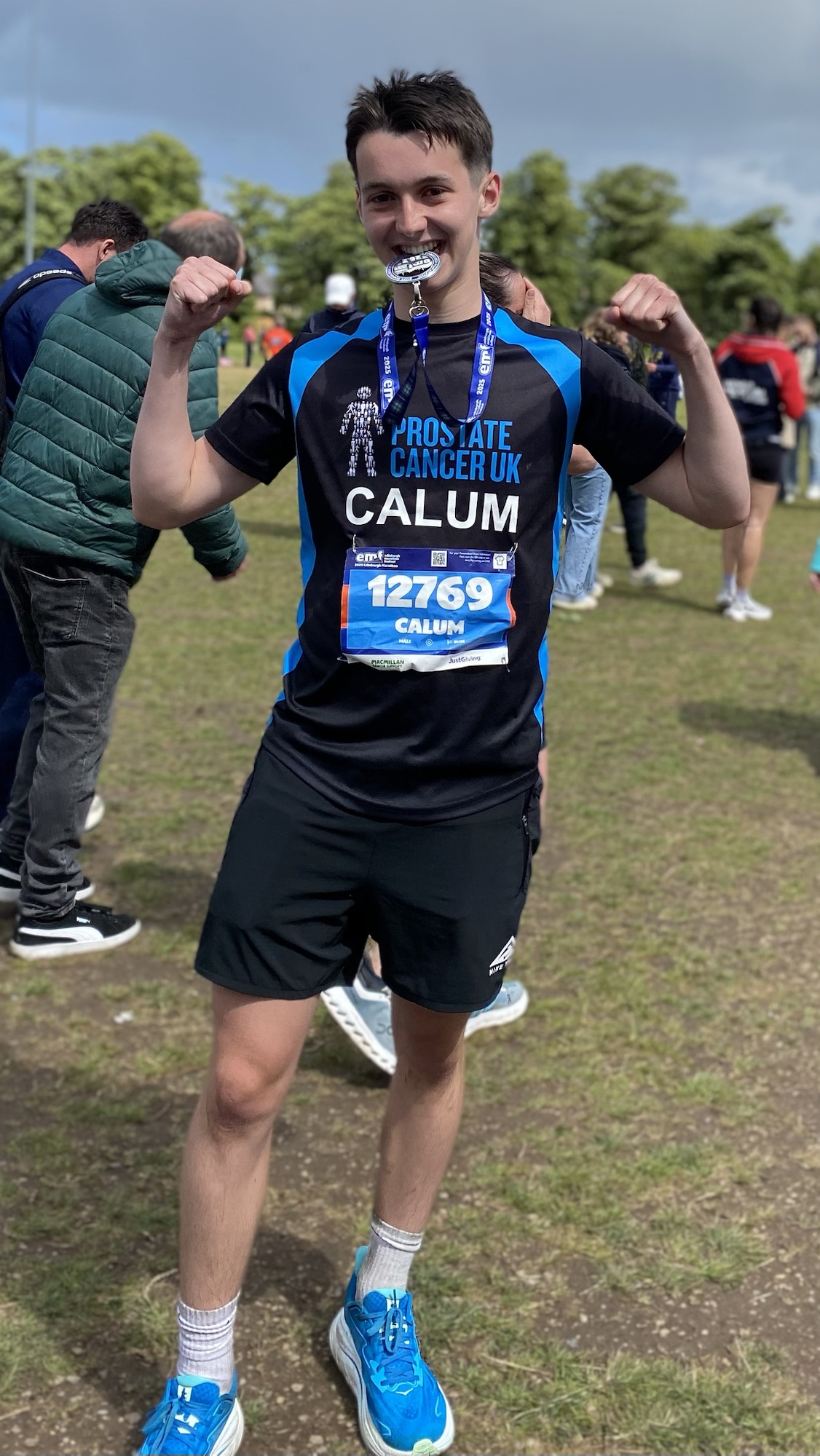
A seismic occasion occurred today with the breaking up of the boy’s football goals. A present for his 7th birthday, they’re being dismantled and gotten rid of after the best part of a dozen well-worn years. Or should that be seasons? They’ve been a feature of the back garden almost as much as the cluster of plant pots on the wall (sorry, shy line) and the shrubs that have since grown into trees. I haven’t felt this resigned and melancholy since the day we gave his big sister’s dolls house away to friends with younger girls. Like Andy in Toy Story 3, this seems momentous yet inevitable; the literal breaking up of childhood, the boy now a young man with a full driving licence and miles of foreign travel on his passport and miles of Edinburgh Marathon training in his legs and a place on a desirable course at Glasgow University and a healthy indulgence of the social life that goes with it…what does he want with a set of football goals these days?

It wasn’t always like this. I remember building them on a freezing cold November Sunday. My parents had taken the kids away for the afternoon and we had a couple of hours window in which to construct them in secret. I had, at best, one and a half built, with no nets yet attached, when I heard my dad arrive with the kids. The half-built goals were quickly and roughly shoved to the wall, just under the kitchen window and not finished, under torchlight, until the boy was in bed. The desired surprise effect the next morning was immediate and thrilling. Throwing open his curtains, the boy was out in his pyjamas and dressing gown before the kettle had fully boiled, booting his ball goalwards with an enthusiasm and determination that barely let up for a decade.

He’d pester me to play. “One more game! Just one more game!” Spring. Summer. Autumn. Winter. It didn’t matter. “Your tea’s out!” That didn’t matter either. It’d be dusk, then dark, then pitch black and he would still be reeling off excitable and breathy high-pitched commentary of imaginative matches where he, the wee guy, overcame the odds to defeat me, the big guy. “It’s through the legs…he leaves him dizzy…he rounds the keeper…it must be……GOAL!!!” and he’d run away, arms aloft like a million wee kids before him and since.

His pals would be round. Half a dozen wee boys getting torn into a properly competitive game. Yellow cards, defensive walls at free kicks, the lot. If I was lucky, there’d be an odd number and I’d be called into action like some ageing and doughy super-sub to make up the numbers. We had balls lost to the railway line over the fence. Balls lost to neighbours on both sides. Burst balls. Burst nets. Broken plant pots. Broken fences. Broken wrists. Broken hearts when it was bedtime.

He was football daft. He joined a team. He trained one night a week with them, and the other six nights he’d play with me; passing drills, turning and shooting, shielding the ball, tackling. Everyone  – everyone – was bigger than him (not now) and this informal training helped him to develop his game. It’s only in the last year or so that he’s stopped playing, by which time he was the best passer of the ball in the team, the designated corner taker where more often than not his crosses would be met full-on by the head of an aggressive team mate, and the most industrious and hard-working player in the squad, his envied and much talked-about close-control skills honed over hours on his wee pitch out the back door.

He still is football daft. We go to games together (Kilmarnock and Scotland) and I hope this never ends. I’m sure he’d like to travel with his pals to more games than he has done already, but there’s an unspoken rule that the football is our thing and our thing alone, and that’s just fine with me.

Before the breaking up of the goals, we had just one more game. The pitch (let’s not be pretentious any more, it’s a few metres of astroturf) suddenly seemed much smaller than before. The acres of space down both wings has been somewhat reduced. The ease it which both of us could turn one another inside out has greatly diminished (for one of us, at any rate). And don’t even think about scoring. Now I see what he’s seen for all those years – a big giant between the posts with nary an inch on either side to try and squeeze the ball into. No wonder he got good at the trick stuff, regularly wrong-footing me before wheeling away to celebrate with his mum at the kitchen window (sorry, the fans in the Directors’ Box).

“Replicate your goal celebration,” said Killie, “and we’ll make you the poster boy for the season ticket campaign.”


I’d like to tell you I let him win that final game. That’s what dads do, after all. But, in something of a role-reversal, he went easy on me. He’s bigger, stronger, more skilful. And smart-arsed with it too. So he rainbow flicked and nutmegged and stepped-over and wrong-footed me until I was dizzy. Then, as he momentarily slept at his front post, the pair of us bent double with laughter, I slotted a fly back heel in for the winner. Competitive dad to the very end.

Penalties!” I suggested, eking out the very last of this last match. I beat him 3-2 on that front too. So, I’m the winner…but more importantly, I’m the winner. Who wouldn’t want to still be kicking a ball about with their children when they’re 18?

After full time, with extra time added on, it’s game over for the goalposts. But not the father/son thing. That’s got many more years still to go.

Here’s Roy Harper’s wistful and ultra-melancholic When An Old Cricketer Leaves The Crease. Maybe it’s Harper’s resigned voice. Maybe its the stately brass band that carries him home. Or maybe it’s the realisation that I’ll never kick a ball with the boy in the same way again. Either way, I appear to have something in my eye.

Roy Harper –  When An Old Cricketer Leaves The Crease

It’s Good Friday. Maybe by Sunday these’ll be resurrected and back in place.


Get This!

It’s Never Too Late For The Earlies

When that Beta Band comeback was announced a few weeks back, my initial thought (much as I love that band) was to think about The Earlies. Like most ‘scenes’, when you have a leading act, you need secondary acts to create that scene and The Earlies were The Hollies to the Beta Band’s Beatles.

Anglo-American (I think), The Earlies were very much an early ’00s band. They merged tradition with technology to create the sort of beat-driven laptop folk that was precisely the product of musicians eschewing old-fashioned 4-track TEAC demos in favour of Apple-powered multi-track home recording. Their debut album, 2005’s These Were The Earlies features this slice of machine-driven psychedelic folk. If you’ve never heard it before, prepare to be dazzled.

The EarliesMorning Wonder

Looping in on a head-nodding, sampled and twisted Jew’s harp, it might remind you of Lemon Jelly or one of those other progressive dance music acts of the time, but a tight ‘n taut Telecaster riff twangs its way to the fore, its snapping single coils sending any notions of ‘dance’ into the ether. The beat is human heart slow and steady, the twang relentless, the tune unspooling and hypnotic. A cut ‘n pasted keyboard riff becomes a recurring motif, a high up the frets woody riff plays on the guitar, a gliding G-funk refrain wheezes the whole thing skywards and then…

…the most glorious of woozy Beatle-ish harmonies – proper John and Paul and George and Ringo on Revolver harmonies, y’know, the best sort – fill the space. A high lead vocal sings about Mother Mary (Beatles again, yeah yeah yeah) before giving way to a repeated “It’s alright, bay-bee” vocal which is eventually overlapped with a “Take me home” refrain that carries us until the song’s conclusion. Before all that though, it ebbs and flows, rises and falls, aural sunshine bursting through the quiet parts, the fade-out in the vocals drawing your attention to that relentless and free-flowing backing track. It’s a bit Beach Boys, a bit Tuung, a bit smart-arsed and scratchy beard…but a whole lot of great.

Morning Wonder is music as patchwork quilt – a little bit of this, a little bit of that, sewn together, melded and welded and presented as a jigsawed collage of sound. It’s quite possible that at the track’s conclusion, you’ll take it straight back to the start for a second listen. I know I did, and still do. There’s a lot going on here and repeated plays reward the most keen of listeners. I should know, it’s played in the background all week.

As far as repetitive, earwormy and extremely Beatles-ish tracks go, Morning Wonder is right up there. Not for The Earlies the hair or the clothes or the riffs or the stance… they’ve taken that most singular of Beatles references – the Fabs’ vocal stylings – and twisted them into something uniquely their own. As much as I’m looking forward to seeing the Beta Band later this year, I’d really love to hear this played live.


Gone but not forgotten

Bury, Chuck

Comin’ outta the traps at 100mph, I Want You was the rich fruit of the unlikely pairing of Mark E Smith and Inspiral Carpets.

I Want YouInspiral Carpets feat. Mark E Smith

It’s a brilliant racket, Mark’s gub full o’ gum filtered through a megaphone vocals the snarly yin to Tom Hingley’s look ma, I made the school choir bellowy yang. It’s very Fall-like, a clattering slab of snarky garage punk that might’ve peeled itself from the caustic grooves of Extricate or Shift Work, with Mark coming in, as is his wont, half-way through the second bar, the group behing him revving up slabs of power chords, propelled breathlessly by a rifling snare drum that sounds as if Craig Gill himself toppled backwards from the top of the mountain marked ‘indie-dance’, broke his drum kit but somehow kept it together enough for the length of the track. Essentially, the song is a three minute snare solo with shouting.

The Inspiral Carpets provide the pop edge, both Tim Hingley and Clint Boon wrapping their Oldham vocal chords around the melody to provide some good old-fashioned call and response backing vocals like some lost in space ’60s beat combo. Hingley takes the second verse. Mark spits his replies. The hefty chunk of basic barre chords and concrete slab bass maintain the urgency. And still the snare drum rattles. There’s some sort of warped duet by the third verse, Hingley’s baritone allowing Smith to freeform and riff around the melody. There’s nary a hint of Boon’s trademark wheezy Farfisa nor the hippity skippity shuffling beat that made early Inspirals so goddam infectious, garagey and danceable. Indeed, ol’ Mark E goes out of his way to blast any silly notions like that clean outta the Lancashire air. He drawls, he shouts, he coughs, he yelps…and he’s totally, totally into it. Driven on by their master, the Inspirals find new sounds in this brave new world of theirs. The record is billed as ‘Inspiral Carpets featuring Mark E Smith’, yet if it was billed as ‘Mark E Smith featuring Inspiral Carpets’, no one could question it.

I think you should remember whose side you are-ah on-ah, as he states on I Want You. “I love the Inspirals,” he said at the time. “Pure pop, innit?

Released in 1994, just as the UK was waking up to the hot new sounds created by a former Inspiral Carpets roadie and the promise of a new musical movement just around the corner, it’s a real pity that neither Smith or the Inspirals thought to eke out an album’s worth of tunes. Perhaps the Inspirals had desires on recreating their late ’80s/early ’90s success with an audience tuned in to all things ’60s, or perhaps they realised the game was up. Their record compnay certainly did – Mute dropped them four months later. The Fall would turn up as support act on the last Inspirals’ tour. Mark would continue to kick against the pricks, releasing a pair of patchy mid ’90s Fall albums – Middle Class Revolt and Cerebral Caustic – that never veered far from the Fall blueprint, whether the public at large liked ’em or not. And he kept rollin’ on regardless.


The charting of the single meant going on Top Of The Pops, something that Mark E Smith hadn’t experienced at this point. He was – expectedly – awkward and contrarian and managed to offend 2 Unlimited, Eastenders’ Gillian Taylforth, the sainted Elvis Costello and most of the TOTP team. By the time the band was due to film, it had been put to the Inspirals’ manangement that they might be better going on without him…but no one was brave enough to confront the guest vocalist.

Here’s the brilliant Mark-enhanced Top Of The Pops appearance that found its way into living rooms up and down the country, the Inspirals bowl-cutted and rockin’ out (and Martyn perma-fiddling with the tuning pegs of his bass guitar – how very Fall), Mark with one hand in the pocket of his leather blouson, occassionally freeing it to read the song’s lyrics from a scribbled piece of paper. It’s a darkly-lit studio, there’s a lightning war of strobes to accompany the Stooges thunder on the stage and the front couple of rows in the audience are shakin’ loose and gettin’ down to it. A properly great piece of pop telly.

Get This!

Everything Is Possible

The BAFTA-nominated Lee Stuart Evans is a comedy writer of some repute. You’ve probably laughed at his jokes as they’ve been delivered to devastating effect on Harry Hill’s TV Burp, or by Frank Skinner, Julie Walters or any number of celebrity faces you’ll care to recognise on the multitude of comedy panel shows that fill the night time slots. He’s even had the honour of one of his jokes being read aloud in Parliament. A full time writer for over 20 years, Lee’s second novel Pleasantly Disturbed was published last year.

It was following a post I’d written about Themes For Great Cities, Graeme Thomson’s excellent Simple Minds biography, that Lee got in touch. Would I like to review Pleasantly Disturbed, a novel that had Simple Minds at its core?

Lee’s book arrived, along with a kind note from him, and I sat it on my ‘to read’ pile – you know that ever-growing tower of books on the bedside table? And there it sat for ages. And ages.

And ages.

And eventually I started to read it.

Then I dived head-first into a work-related Open University course which was extremely reading-heavy….and Lee’s book went back to the ‘to read’ pile again.

But this week, off work but now well enough to function on basic tasks, I picked up Pleasantly Disturbed, slightly ashamed at myself for neglecting it for as long as I had, and restarted from the beginning. I tore through it in two days. It was, to quote the Trashcan Sinatras, an easy read. The review that follows is my attempt at one of those 200-word Mojo/Uncut/Q reviews from the back of the magazine – this ain’t music, per se, they suggest, but it has music as a central theme and with you being of a particular demographic, it’s something you might enjoy reading.

Pleasantly Disturbed by Lee Stuart Evans

There’s more to life than cars and girls, as someone once sang. But not much for our protagonist Robin. Only Simple Minds gets the better of them in the holy hierarchy of life’s staples, yet all three are intertwined in a story that takes in organised crime, reality TV and the foibles of the equestrian set.

Set in the English Midlands, it finds late teen Robin Manvers (and possibly our author himself) dreaming of being Jim Kerr. ‘Divorced’ from his dad and living with his mum and sister in a shabby house, Robin needs a way out. Knowing that even the most kohl-eyed and esoteric of rock stars have to start somewhere, malleable Robin takes on an apprenticeship at a local garage. This gives him the necessary funds to buy clothes, records and tickets to Simple Minds Mandela 70th Birthday show at Wembley, a show he plans to take in with girlfriend Fliss.

Fliss comes from the other side of the tracks; she’s horsey, she comes from an extremely wealthy family and she has a Kate Bush obsession the equal of Robin’s hero worship of Jim Kerr. It turns out too that Fliss has a buried musical talent not heard since Wuthering Heights first fluttered its way into the nation’s collective consciousness – a talent that everyone but Fliss herself can see, but a talent that, should the stars align, might well take her all the places Robin can only dream of.

Fliss’s father, a golf clubbing Rotarian happens to be friends with Robin’s boss at the garage…they are similar people…they have similar business interests…a shared interest in cars… and gathering pace quicker than you can shout “Speed your love to me!”, the storyline unspools, shoots off in unexpected directions and gathers together again neatly at the end.

All the correct cultural reference points are here; the allure of Susannah Hoffs, Minder, nods to up and coming bands, the unspoken kinship with Gregory’s Girl and the films of John Hughes, and the story is told with the same fast-paced humour that Evans has developed across his numerous TV scripts. I particularly liked how the final chapter time-jumped to the present day, so we found out how everyone’s lives turned out.

If you’re looking for a page turner to while away the Easter holidays or read and re-read until Simple Minds hit their run of UK summer shows, you might want to find a copy of Pleasantly Disturbed.

You can Pleasantly Disturbed by Lee Stuart Evans in all the usual places, but especially from here.

Get This!

TV Eye

Diggin’ through the debris of daytime TV so you don’t have to.

I’ve been unwell and off work last week and this, and I’ve lacked a real oomph to do anything other than sit on the couch and watch TV. At the prospect of this, lots of folk in my situation might rub their hands together, fire up a Netflix series and settle in for the duration, but I’ve not had the mental scope to involve myself in anything quite as cerebral. Up and down the channels my attention span and I have gone, from the glossy national networks – apparently the retirement home for old pop stars and athletes with a neat line in self-reinvention – and where, for £2 plus standard network charges, you can text in and maybe win yourself a £6 million super-home in the Cotswolds, to the up-the-numbers, non-HD, +1 channels that spit out their drivel in between frequent ad breaks for animal charities, JML multi-purpose tools that you can’t buy in shops and actual lift (as in elevator) systems for the home. I doubt even your most hardened of daytime TV watcher knows this sort of stuff exists. It’s a real carnival of nonsense when you venture through the cathode glass.

You can break your daytime TV schedule into four handy genres:

  1. Upcycling and recycling of old tat for profit, sometimes charitable profit, but never profit of more than a few pounds. Whether it’s the well-spoken lady who waits by the recycling centre then asks if she can rummage through the boot of your car for anything interesting, or it’s a posh old classic car-driving English guy with pink chinos and mustard teeth zig-zagging his way across middle England’s antique shops, or it’s a former soap star turned DIY expert, the concept is the same. A bit of spit ‘n polish and the auction house will help you shift this shiny new old tat to its next gullible owner who, in 10 years or so, will turn up at the recycling centre with the same old piece of crap. It’s the circle of life, as Elton once sang.
  2. Home shows. These fall into two categories; fixer uppers/mover on-ers or secondary homes in the country (can’t do Spain anymore, mate, Brexit innit?!) for Home Counties twonks (also often in pink chinos) with more money than they know what to do with. “Yah. We’ve a budget of two hundred and forty-two, but we can p’raps stretch to two fifty for the right place.” Oh, fuck off.
  3. Human interest shows. Neighbourly disputes, people who’ve overcome the odds to get on in life, ordinary people ripped off by bogus tradesmen, relationships that cross boundaries, borders and age gaps, menopausal women discussing their sex lives. It seems we’re a nation of nosey so and sos, eager to find out the gossip whatever it may be.
  4. Quiz shows. Loads of them. I don’t mind a good quiz show….but in the middle of the day, a good quiz show is hard to find (Countdown excepted). Wooden presenters and stupid contestants do not good telly make. Have you seen Tenable? Or Lingo? Or that Ross Kemp one? Oh boy! And yet…the thicker the contestants, the better the prize money. Mind boggling.

I don’t actually mind some of the upcycling shows either – the posher the host, the brighter the chinos, the wonkier the teeth, the more outrageous the combo of hat and cravat the better the show, but I’ve learned very quickly to draw a thick and divisive line at Storage Hunters UK.

As the title suggests, this is a franchise show, brought in this instance from America, with a rude US presenter who switches to a ridiculous rrrrrapid fi-rrrre vocal style when he hits the auction sections of the show. The premise, if you don’t know – and why would you, you’re all highly intelligent people, possibly in full-time employment, who wouldn’t ever consider watching such trashy telly – is simple; Our American host gets access to a storage unit where the previous renter has defaulted on payments to the point where the container’s contents can be sold at auction. A merry band of modern-day pirates and hawkers follow the US host around as his muscled-up heavies break locks, allow the potential bidders a minute or so to look inside – No touching! No removing of covers! – and then put the contents up for auction there and then as a job lot. If you think the host is rude, that’s nothing compared to the Cock-uh-knee wide boys and resting bitch-faced wimmin and aggressively-stanced baying motley crew who make up the show’s regular ‘cast’ who, with barely a glimpse of the leg of a potential Queen Anne chair, or the sight of the corner of a stuffed pigeon, or a milk float, or a hint of arcade machine behind a mountain bike, or a dumb bell sticking out an old box can instantly tell that there’s money – pwopah wodge – to be made in this ‘bin’. It’s all scripted of course, but the bidders all hate one another and often provoke an adversary into dropping out or – even better – bidding waaay over the odds for a storage unit of shit. After sitting through six episodes over three days in a row last week, I gained the courage to go for a long-needed shower. Never again.

I hit rock bottom this morning, the absolute peak of the nadir, when I stumbled on, then downloaded to watch from the start, an episode of Undercover Boss USA. You know the score with this, right? The self-made CEO of a mid-west burger franchise chain or similar goes back to the ground floor as a new employee to find out what makes his company click and what makes his company clunk. Between sweeping floors and flipping burgers he’ll encounter bully bosses, hard working staff with multitudes of personal problems (but they just gotsta keep workin’ for ya), faulty machinery that makes the job three times as difficult, at every turn meeting a real cross-section of the people who represent his company. By the end of it, the bullies are told they don’t demonstrate the family values of the company and are removed, the temperamental machinery is fixed and the teary-eyed hard workers who’ve just been told who the ‘new guy’ really is are rewarded with promotion and/or cold hard cash and/or a school fund and/or a new car and/or a fully-paid holiday. Like Storage Hunters, it’s heavily scripted. Unlike Storage Hunters, it’s highly watchable.

Today’s episode was a break from the norm. Billed as Celebrity Undercover Boss USA, it featured the singer Seal incognito with wig, facial hair and a flimsy story about making a film about the music business with three struggling artists. Seal calls himself Victor and visits the three artists in turn; New York, Chicago and L.A., hearing stories of broken vans, broken lives, working multiple jobs, getting multiple rejections, yet all still with a burning desire to turn dreams of singing for a living into a reality. Seal, of course, sees a piece of himself in each of these hopefuls, torturing himself with the notion that he can’t yet break his cover and help them. He plays guitar for one of the unsuspecting singers at one point – “Hey! You pretty good, Victuh!” and it’s only after he brings the three singers together for a show as part of his ‘documentary’ finale that he reveals his true self. Do 20-something Americans even know who Seal is? Apparently they do.

Hey Victuh!” calls one of the girls at the show. “We wanna hear you sing first!

With a shrug of calculated bashfulness he instructs the assembled band – there just so happens to be an assembled band – to fall in as he plays Kiss From A Rose, his Billboard Hot 100 number 1 record that featured on a Batman movie and won multiple Grammy awards. The camera pans the small crowd and films as Seal hits the high notes in the chorus. Bay-bee! His three starlets eye-pop in amazement at their documentary maker’s previously unknown vocal skills. Should I compare you to a kiss from a rose…? You can see it dawning on most people by the end and, after rapturous applause, game old Victor rips the wig off his head and the prosthetics from his face to reveal yr actual Seal, exactly as he’s known to the world.

It’s box office telly. You really should look for it.

I really need to get back to work.


Wild, feral, hot-wired punk blooze, TV Eye is the real jolt you need to get back to normality after falling into the trap of daytime TV.

Seek out that Seal show though…!

Get This!, Gone but not forgotten

Trailer Swift

I’ve fallen out with BBC 6 Music in the morning. It’s all gone a bit too Radio 1 for me; no Lauren Laverne + 1 very sterile playlist x Nick “yawlraight?” Grimshaw ≠ a good start to the day. Since the turn of the year I’ve been using the daily commute to catch up with Guy Garvey’s Sunday afternoon show. Depending on the traffic and if I’m able to fast forward through days’-old news bulletins whilst driving, I can listen to the I’m Guy Garvey From Elbow Show in 8 or 9 chunks – almost a perfect week of soundtracked commuting. Guy Garvey From Elbow plays a decent mix of old and new, from the unheard and unknown to the overplayed and overblown, but there’s usually something every three or four records that really piques the interest – and that’s a high kite mark and very good personal ‘hit’ ratio by any show’s standards.

A couple of shows ago, Guy Garvey, the Elbow singer, played this. I was instantly grabbed.

Richard SwiftLooking Back I Should Have Been Home More

What a tune! From its opening clip-clopping barroom piano via its sunstroke cymbal splashes and Swift’s gear-shifting vocal in the chorus, right to the bit at the end when the wind instruments swirl and dance around the melody in a none-more-Beatles way and the backing singers go, “Woo-ah-ooh-ah-oo-oo!” until the fade out has been, gone and vanished, I knew this was a track that I’d be playing on repeat for the rest of the journey…and the rest of the next week, as it came to it.

Repeated immersion in the song revealed some lovely touches; little piano trills and triplets at the end of occasional lines…a horizontal drummer (very probably Swift himself) with exactly the right wee small hours feel… a drop out and a build up… a great chord change in the ‘hold on…’ section of the chorus…but most of all the greatest of all unravelling melodies, delivered in the basking warmth of the singer’s homely tone – breathy and reedy in the main but with requisite crack and crumble for the many sad parts (the title is the great giveaway here). It’s just about the greatest song I’ve heard this year, and it’s taken from an album that was released 20 years ago.

I don’t know how I missed out on Richard Swift until now. Looking Back… ambles along like some of those great Ed Harcourt / Cherry Ghost tracks from 20+ years ago, tracks I formed a mild obsession with at the time and I’m certain Guy Garvey From Elbow will have played Richard Swift in the past. I guess my antennae hadn’t been fully receptive until now. It turns out that (of course) Guy Garvey, the Voice of Elbow, is great friends with Richard Swift.

Or, rather, was friends with him.

In a sad twist of affairs, it turns out that back in 2018, Richard Swift was an alcoholic who very slowly and very methodically and, it seems, somewhat deliberately, drank himself to death.

A musicians’ musician, he was a touring member of The Shins and The Black Keys, a foil and touring support act for Jeff Tweedy and Wilco, someone equally at home blasting out southern-fried Strokes with the Kings Of Leon as he was when putting together his own bible belt southern soul gospel-tinged records. A studio obsessive since his early teens, he famously had a trailer in his back yard where he maintained a cluttered but inspirational studio that he modelled on the creative chaos of Lee Perry’s Black Ark space and called National Freedom. It was here that Swift summoned the magic that went into his songs and onto record. He’s got a whole catalogue out there, most of it conceived in National Freedom, and I’m looking forward to jumping in head (and ears) first. Better late than never.

Coincidentally, I saw David Hepworth on Instagram tonight talking about his record collection – “or rather an accumulation of records…records that followed me home over the years and got filed away,” and how he’d picked out a 45 year-old Brian Eno album that he’d never listened to until this week that he now can’t get enough of. “Don’t pursue the music,” he advised. “The music will find you at the time when you’re ready to hear it. Sometimes it can take 45 years…and that doesn’t matter.” Good advice, that. And spot on too. Guy Garvey From Elbow’s show on BBC 6 Music is proof of that.

Just search for The Guy Garvey From Elbow Show and you’ll find it all in one click.

You can find Richard Swift’s music on Bandcamp and Secretly Canadian.

Hard-to-find, Kraut-y

Ill-Thought-Out

Ill Wind by Radiohead is, to use the parlance of the day, a particularly deep cut. Recorded during the sessions for what would make up the last Radiohead LP, A Moon Shaped Pool, it was ultimately shelved and saw the light only as a fleece-the-fans cash-grab bonus track on the album’s deluxe edition.

RadioheadIll Wind

It’s a pity that, out with a fervent fan base, Ill Wind isn’t wider known. Being a late-era Radiohead track, it bounces along on the jazziest Fender Rhodes ‘n Fender Tele groove this side of the Krautrock-heavy ’70s and has, in its rolling and tumbling paradiddles, a particularly spectacular and free-form drum pattern. Eerie Star Trek-y keys (or is it Ed on ambient space guitar?) and sequenced bleeps begin to to lift the whole thing skywards, Jonny’s tapestry of vintage synths fizzing to a crescendo midway through before eventually falling by the wayside as Thom’s super-falsetto maunders its way back to the fore. The Radiohead rhythm section is doing all the heavy lifting here, wee Colin wrestling with his bass and gnarling his way up and down those wide and woody frets, Phil’s drums ka-bamming and ker-planting like a stone skillfully skiffing across still waters. Great stuff.

In a statement of equity and uniformity, the tracks on A Moon Shaped Pool were, as I’m sure you know, sequenced alphabetically. Ill Wind could’ve easily slotted its way on there between the glitchy Identikit and the unspooling The Numbers without upsetting the balance or flow of an album which has, over time, slowly grown to be a far more substantive record than these ears perhaps first gave it credit for. Time for reappraisal, I think.

As if proof were needed that the Radiohead vaults harbour many of the band’s greatest tracks, here’s another session track that only saw the light of day as a, yes!, fleece-the-fans cash-grab bonus track on the album’s deluxe edition.

RadioheadIf You Say The Word

If You Say The Word was recorded in the sessions that brought the two-album wham-bam of Kid A and Amnesiac to unsuspecting masses but only appeared on 2021’s Kid A Mnesia set. Hindsight has been kinder to these albums than many of the critics at the time, but back then both records left many fans high and, er, dry at the unexpected embracing of jazz and electronica and uneasy listening effect of it all. I know this to be true as I was a foot soldier on the counter of Our Price at the time and Kid A especially saw record returns – no pun intended (it was all CD sales back then) from quizzical fans looking for yr more anthemic guitar anthem version of the ‘Head. By the time of Amnesiac, Radiohead’s audience had shrunk to the hardcore and the more open-minded of folks and those people were, of course, rewarded with some fairly spectacular music; challenging at times, hard to wrap your head around at first, but interesting in a soundscapey and proggy way and with great tunes that eventually showed themselves after a few listens. Pay yr dues as a listener and you’ll be rewarded ten-fold. Today’s instant world of skip, delete, next… would find this era of Radiohead a real challenge were it to be newly released in 2025.

I don’t know if If You Say The Word would’ve been more appealing or not to those who never bought into Kid A, but it shows itself to be a fantastic piece of Radiohead mood music. Lush, melancholic, ambient and jazzy (there’s the ‘j’ word again) it slowly envelopes itself around the lugs, worming its way in there after a few plays like all the best tracks do. And it’s a track, not a song in the traditional sense. Thom Yorke’s voice, coated in reverb and echo and sounding like it’s being sung from high and right down a wind tunnel, is an instrument here in the same way that the percussion and the strings and the ambient electronica are constituent instrumental parts of the track; understated in the verses, soaring and stretching in the chorus, wandering free and taking you to new places.

There’s a Radiohead immersion coming my way. Can’t stop it. Wouldn’t want to anyway.

Get This!, New! Now!

Tailoring Swift

18 years in and I’m going to have to change that tagline at the top. Outdated Music For Outdated People, it apologises, a phrase heavy in inference and suggestibility; if you’re an old and set in your ways sort who seeks comfort in the familiar, this might just be the place for you. If however, you came here to find the latest in box-fresh new sounds, you might leave disappointed.

Not today though.

In the words of the perennial Billy Sloan, I can exclusively reveal that Fellow Mortals have a debut album on the way…an album that for its originality and uniqueness, sonic qualities and unfurling melodies will quickly become one of your favourites of the year. And Plain Or Pan is the only place on this planet where you can hear it for now.

Fellow whit? Fellow who? Fellow huh?

Hang on, hang on. We’ll come to that in a minute.

Albums, as you well know, come in all varieties. There are those that are rush-released on the back of a surprise hit single, a hastily put-together studio version of the group’s live set then sold as the hot new thing. Yeah, Wet Leg, I’m looking at you (wherever you are these days).

There are those that arrive from nowhere, so fully realised and still perfect all these years down the line. Hello, The Stone Roses. Take a bow, Blue Lines.

There are those that come as complete packages, spinning, like life, with ebbs and flows and ups and downs, each play pulling the mask back and pulling the listener in. That’s you, OK Computer. And you too, Rumours. These are the albums that tend to stick. ‘Classic albums’, to use a well-worn phrase. With real depth and substance (and substance misuse in some cases), they have proper gravitas.

Then there are the albums that hang teasingly in the air, slow-burning beauties waiting to be discovered by generations of switched-on ears long after conception and release. Talk Talk’s The Colour Of Spring would be one of those records. John Grant’s Pale Green Ghosts another. Midlake’s Van Occupanther album… Ultramarine’s Every Man And Woman Is A Star… XTC’s Skylarking… brilliantly cohesive records from start to finish. Organic, proggy, and conceptual in vision and execution, these too are albums with depth, substance and gravitas; modern-day classics to all in the know.

Fellow Mortals take their cue from such records, as well they should. Conceived aeons ago before even lockdown was the year-zero thing by which we mark our lives, and tectonically jigsawed together through transatlantic file sharing, that forthcoming album of theirs, ‘Stella’s Birth-day‘, thrums with electronica, hums with melody and comes, like all the best albums before it, as a complete package (in every sense).

Born in the busy mind of Noonday Underground’s Simon Dine, Stella’s Birth-day takes its inspiration from a series of poems written by Jonathan Swift 300 years ago. The poems map out the relationship between the poet and Stella, his muse many years his junior – a loving relationship certainly, perhaps bordering on clandestine and romantic…or even marriage (it’s a grey area that’s kept Swiftly scholars debating for years). For seven years, from 1719 until her death in 1727, Swift would write Stella a poem and send it to her on her birthday. The album focuses on the final two poems.

Swift would write to Stella of her intellect and astuteness, her qualities as a human being. He confides his innermost thoughts and worries in her. And this he does with a sharp Anglo-Irish wit that’s prevalent, from Behan and Beckett to Wilde and Morrissey, in many corners of Irish-bred literature to this day. As he and Stella age, the tone of Swift’s writing changes. The poet looks back on times gone by, becoming more reflective with each passing stanza, one eye trained on the horizon and looking towards the inevitability of death.

Not your usual sort of source material for an album, then. You don’t need me to tell you that musicians have often drawn on literature for stimulus – there’s Wuthering Heights, for starters. Bowie’s 1984. Venus In Furs. Much of Morrissey, obviously. There’re plenty more when you stop and think about it (even more if you cheat and Google), but what sets Stella’s Birth-day apart is the way in which Swift’s poetry is used.

Focusing on those poems from 1725-1726, Swift’s words are sonically brought to life through the voice of Francis Reader, a long-term collaborator of Dine and most likely known to you as the vocalist in the Trashcan Sinatras. Reader has a terrific voice; part croon, part swoon, and he delivers his lines with total respect to Swift’s words. The poetry is lifted, line by line, stanza by stanza and tailored to form the songs’ verses and choruses. It’s quite the skill to twist and shape someone else’s ancient and studied words into new forms…and Fellow Mortals have done this brilliantly.

The album flows across 14 short ‘n sweet tracks; tracks that flash past in the time it takes you to read the poems, yet tracks that are rich in melody and idea and sheer scope. The voice and the words are centre stage, but all sorts of wizardry is happening in the background. There are nods, perhaps, to the string work on some of Scott Walker’s ’60s material. There are soft shoe waltz-time heartbreakers. There are rippling harps and fairground melodies and never-ending tapestries of rich instrumental backing. There are even electric guitar-furnished pop songs of the sort that would have your average Trashcans fan foaming at the mouth.

Indeed, released today, March 13th, (on what would’ve been Stella’s 344th birthday – how’s that for slick marketing?!), the first teaser for the album, A Better State, features Trashcan guitarist Paul Livingston to great effect. All shimmer ‘n twang, looping piano and synthetic, shuffling backbeat, it’s a very good signifier of what to expect from the album in full. I think you’ll like it.

Fellow MortalsA Better State


Another single will follow in May, by which time Stella’s Birth-day will be available for pre-order. As befits such a project, initial pressings will see a 10″ record bound by a book of the poetry. This, if you didn’t know, is the version you’ll want.

Arcane and archaic in source, yet modern and now in execution, the album package promises to be a sort of grown-up Disney read-while-you-listen page turner for the more discerning and cultured listener out there – Updated Poetry For Outdated People, even.