demo, Get This!

And Now, A Word From Our Sponsors

What follows is the result of a blatant and barefaced attempt at getting something cool for free…and succeeding.
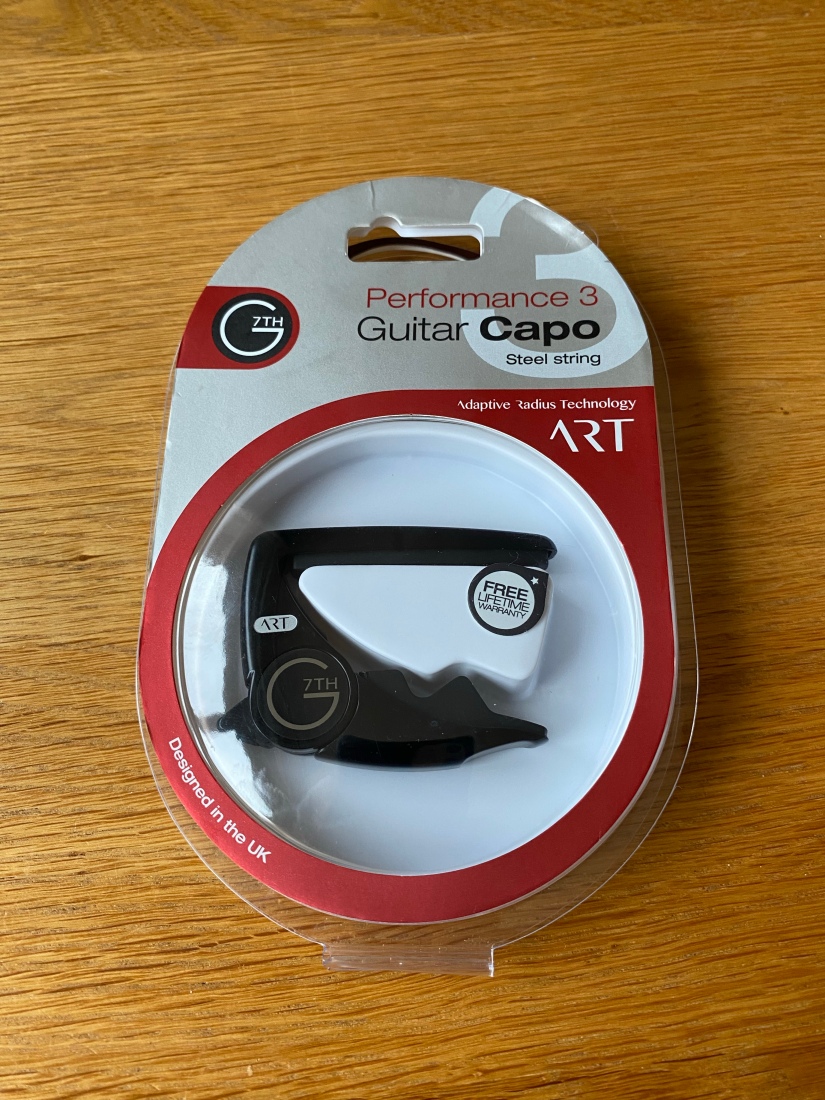
I’d noticed on Instagram that one or two musicians I follow seemed to endorse G7th Capos (the finest capos around, dontchaknow) so I speculatively suggested to the good folks who make them that if I were perhaps to reveal the finer details of the capo trick I showed to yr actual Johnny Marr a few years ago, I too might be worthy of such endorsement. Johnny himself is a G7th Capo user – he favours the Gen 1 model – and was genuinely tickled with my capo trick, so it stands to reason that I should be in receipt of a spanking new G7th Performance 3 capo should I share the secret.

The good people at G7th Capos not only concurred with the idea, they went as far as personalising a sleek satin black capo, just for me.
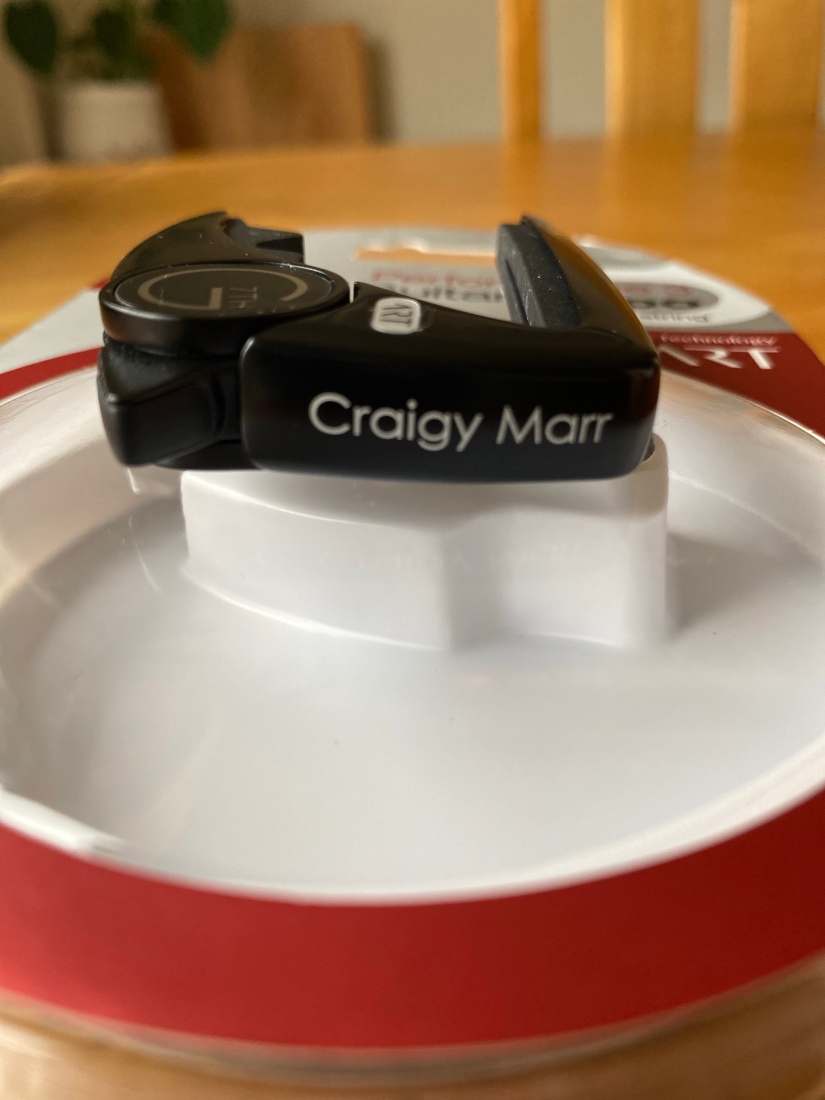
Magic!

The capo itself is solid and chunky yet light enough that you won’t even notice its weight when you’ve attached it to your guitar (acoustic or electric, it will work on either). Due to its unique Adaptive Radius Technology, there’s none of the string buzz or muted notes you might get from your current capo. You’ll not need to fine tune any of the strings. It’s designed to ensure fidgeting with it is kept to an absolute minimum – there are no screws to turn and adjust at the back. Through research and wizardry, the rubber pad cleverly distributes even pressure across all strings. Basically, clip it on, play immediately and you’ll sound clean, clear and in tune. That tapping you might hear in the background is the sound of sexy people at your window wanting to see who’s playing this beautiful capo’d music. Really, every guitar player should have one.

The G7th Performance 3 features a super-cool mechanism that allows the capo to be slid single-handedly by the player, even mid-song should the need arise. If you’ve ever seen Teenage Fanclub perform I Don’t Want Control Of You in concert, you’ll notice that Norman Blake performs a similar sleight of hand with his capo when the song’s key change kicks in. Years of playing the song live has enabled Norman to do this smoothly and almost unnoticed, unless, like me, you’re a geek for this sort of thing. So, yeah, I’m sure after a couple of hours experimenting with it, a G7th Capo should let you do this effortlessly too.

I wish I’d had one all those years ago when I stumbled upon the move – my signature move, if I may be so bold – while I was playing around with different tunings and looking for interesting open notes and how they rung out.

Here’s the trick. Make sure your guitar is in standard tuning then grab yr capo – a G7th Capo is clearly the preferred capo of choice – and do as follows:

Attach the capo to the 4th fret, but…

…attach it only across the bottom 5 strings so that the top E (the thinnest string) is still open. If you’re not a lucky G7th Performance 3 owner, sorry, but you may need to put your old capo on upside down and fidget about with the screw to make it fit better.

Next, play a standard C chord, but also place your pinky on the relative 3rd fret of the top string. Practise between pinky on and pinky off. It’s got a nice ring to it, hasn’t it? That’ll be due to the open E string playing alongside the ‘C’ chord which, when played at the 4th fret is technically an E chord. But enough of the hokey theory…you knew that already;

Mastered the pinky on/off strumming pattern with the C shape? Course you have. Now replicate that pattern, 3rd fret pinky included, by playing an A minor instead of the C. Once you’ve got the hang of that, begin playing a pattern between the 2 chords. Sounding good so far?

Let’s change it up a bit. Go to a standard open G chord. Strum it, then intersperse those strums by moving your finger (possibly your pinky, maybe your ring finger, depending on how you play a G) from top string, 3rd fret to 2nd string, 3rd fret. That open top E you’ll get when you remove your pinky now rings out loud and clear, the finger on the 3rd fret of the 2nd string helping to add a previously hard to get pleasing harmonic chime to the riffage.

Resolve your chord sequence by going back to the C chord, still with pinky on top string, 3rd fret.

At this point in our telephone conversation, yr actual Johnny Marr said, “Oh! Right! Run that past me again…C chord with pinky? A minor? G plus open E? I’m off to try that. Bigmouth and There Is A Light are played in that position. That trick might add something to them. Cheers!”

I suggested to Johnny that he throw in the odd D minor or E minor for extra colour. “You’ll get a good tune out of all of that,” I ventured. He said he’d have a play around with it, and for the moment, that was the end of that.

You can imagine the thrill, then, when a month or so later, we’re standing side by side having a chat after a triumphant show at Kilmarnock’s Grand Hall. By this point, Johnny’s met the fans, heard the stories, signed whatever’s been put in front of him, packed the tour bus and is in the process of saying goodbye. “Bye guys! Great show!” And off he goes. Then he turns, looks at me and with a glint in his eye says, “Oh yeah – neat capo trick, by the way! I’m gonna use that on something!”

And now you should too. Get yourself a G7th Capo and change your playing for the better.

Here’s Johnny’s demo of Some Girls Are Bigger Than Others. No capo required, unless you’re playing along to the live version from Brixton Academy. Same picking pattern, only you’ll need your capo on  the 4th fret for that version.

The Smiths – Some Girls Are Bigger Then Others (demo)


G7th Capos can be found here.

The Performance 3 Capo can be found here.

Check out their socials in all the usual places.

Check out Hope For Justice, the charity supported by Gth Capos.

Gone but not forgotten, Live!

Gabba Gold

Wunchewfreefo’! I listened to my 38 year old copy of Ramones‘ It’s Alive today and it reminded me just how much of a force the live Ramones were. From the first wunchewfreefo’! onwards, they blast forth from the stage a tidal wave of lightning-quick chord changes and precision drum breaks and concrete slabs of bass, the strange and unique voice of Joey – kinda strangled in some parts, grizzled in others, Queens-heavy accent ever-present – riding the musical surf and hanging on to its leather-jacketed coattails for dear life. To face Ramones in full flight was akin to standing in front of the biggest, loudest hairdryer in existence and letting it blast you full on. It’s Alive captures this over four sides of loud-cut vinyl that should be required listening at least once a year.

Wunchewfreefo’! Recorded in London’s Rainbow Theatre as 1977 rolled into 1978 (with crowd noise flown in from the Glasgow Apollo show 12 days earlier) it captures the group at a very early peak. Still just a band and not yet a brand, It’s Alive gathers the songs – all of them, I think…every last one – from their opening trilogy of albums (Ramones, Leave Home, Rocket To Russia) and adds a handful of Ramonesified ’60s radio standards to take the set closer to the hour and a half mark they were expected to play.

Wunchewfreefo’! Punk’s strike quick before anyone notices attitude saw to it that Ramones would release their first three records in a heady 20 month spell between April ’76 and November ’77. That’s a strike rate of one album every 27 weeks…and every one a greatly influential record at that. By the time they were touring the UK in December ’77, Ramones knew those songs better than they knew the backstreets of the Bowery and had honed a live set that was loud and fast, breathless and relentless, yet as choreographed – in hair and costume as much as movement – as anything Legs ‘n Co might’ve put together for Top of the Pops.

Wunchewfreefo’! Johnny and Dee Dee step forward in the verse, right foot first. Step back in the chorus, left foot first. Crossover here. Head-down boogie there. And they never miss a beat or drop a note or fluff it up. Ah, they say, but that’s cos what they’re playing is easy. Simple. Dumb. Dumb songs with dumb chords and dumb delivery. Anyone can do that.

Wunchewfreefo’! No they can’t. It’s hard being dumb in music, trust me. If you’ve ever played in bands you’ll know what I mean. Even the worst of bands can’t sound dumb. There’s always one flash Harry in the group who wants to be heard that wee bit longer, that wee bit louder than the others. Spoiler alert: it’s usually the guitar player. Any guitarist knows their way round a couple of barre chords, but no guitarist is happy churning out barre chords on stage for half an hour. Even Bonehead felt the need to fling in a teeny tiny wee widdly bit somewhere, and he got nosebleeds whenever he ventured beyond the bottom three strings. Ramones were genius. Bass plays this part, guitar plays the same. The exact same. Disciplined and regimented, they come at you like a denim and leather tank. Brutal and unforgiving. For every song. It’s Alive is the perfect distillation of all that was great about them.

Ramones – Surfin’ Bird

Weeeelll! Ev’rybudyzHurdAbatThaBurd’! I’m a total sucker for Ramones’ take on The Trashmen’s Surfin’ Bird. A bona fide garage band classic, Ramones take the bucket punk of the original and hotwire it with a blowtorch scorch, a pummelling A chord hammered relentlessly to the face of the listener with nary a change in the song’s first minute. Thunka-thunka-thunka-thunka-thunka-thunka-thunka-thunka. Ba-ba-bird, bird iz tha wurd, ba-ba-bird, bird iz tha wurd. Over and over and over and over. Until the breakdown.

Sur-fin-baaaard! A ba-ba-ba-ba-ba-ba-ba-ba-ba-ba...A mam-mam, ba-ba…mam-a-mam.

Terrifically goofy stuff.

Wunchewfreefo’! Now do yourself a favour and block off half an hour of your time to watch the surviving footage of the Rainbow gig. As much a social history document as a film of a gig, look out for parka-wearing schoolboys in the front row, balding proggers in cheesecloth and beards and clenched-fist pumping bucket-hat-wearing pogoers…all youth tribes present and correct and getting off on the uncontrollable electricity flying from the stage. Not many girls, you’ll note.

Get This!, Live!

Monkey Business

Imagine the music. Skittering, pistol shot Axelrod drum breaks. Staccato Fender bass. Thelonious Monk piano trills. Elegant woodwind and sweeping strings that swoop to an unresolved Bacharach chord and hang motionless in expectant dead air.

Now picture a scene sound-tracked by the music above. A private jet at high altitude. Only two passengers and a pilot. One of the passengers is greying at the temples. His sandpaper stubble is silvery against his Mediterranean complexion. He has a laptop open and is logged in to an official-looking government intranet. His much younger companion leans in to take a closer look at the data on the screen, perhaps even to afford him a peck on the cheek. In one swift move – and as the music moves up a subtle gear – she injects him with a poison, sees that he’s immediately dead and copies the laptop’s information onto a memory stick. Before the pilot knows what’s happened, she’s kicked open the jet’s emergency exit and – as that Bacharach chord hovers around the emptiness – jumped, her parachute billowing out high above a sparkling ocean and a waiting yacht far below. As a pair of tripleted musical stabs jar the senses, the camera cuts back to the inside of the jet, first to the passenger, a trickle of blood coursing thinly from his mouth and around a dimple on his square jaw, then to the pilot caught in the terror of knowing he has a dead VIP and no door on the side of his jet.

The music levels out and the singing begins.

“Don’t get emotional, that ain’t like you…”

The camera is back on the female assassin, now on board the yacht, shaking her hair free and embracing another man – similar age, similar ethnic origin to the man she’s just murdered – as the jet lazily spirals out of the background sky and straight into the ocean, a discarded silken parachute the only sign that anything might be amiss.

Back in the mid ’90s, at the height of the easy listening fad, any group who could name you two Andy Williams’ numbers was busy lobbying the Bond franchise in the hope that they’d be asked to provide the next Bond theme. Pulp, St Etienne and Blur were just three of the acts of the time who embraced strings, clever arrangements and space for the brass to breathe and recorded Bond-esque songs, clearly with an eye on the prize. The tracks though would ultimately end up on b-sides, the none-less-Bondish Sheryl Crow coming up on the outside as the rank outsider to take the spoils. Now, I don’t know if someone has tipped Arctic Monkeys the nod that the Bond people might be looking for submissions, but you’ve got to think that Alex Turner and co had Bond (and Bowie – a lot of Bowie) on their collective minds when Arctic Monkeys recorded There’d Better Be A Mirrorball and released it as the, eh, trailer for their current album The Car.

Here, listen again…

Arctic Monkeys – There’d Better Be A Mirrorball

“You’re getting cynical and that won’t do…”

Arctic Monkeys took a whole load of flack over the weekend for having the nerve to fill most of their Glastonbury headline set with music from their two most recent records, records oozing with melodies that spool slowly outwards from the backing music as freely as the loose threads on the designer suits they’ve taken to wearing nowadays. Records jam-packed with AOR sophistication and adult arrangements, nuance and nods to grown-up influence: Bowie’s Station To Station, Serge Gainsbourg, Scott Walker, the aforementioned David Axelrod. Records that will still provide fresh listening experience a year, three years, ten years from now. But records nonetheless that have outgrown the thrashed out rock riffs and knee-trembling rhythms married to rapid-fire observational lyrics of the band of yore.

Brilliant as those records and that band was, Arctic Monkeys have gone and grown up, and many of their fans – the casual fans, you’d have to say, the ones who like the debut album and a couple of singles and were looking forward to seeing them for the first time – just didn’t get it. And nor did some of the ‘real music fans’ online who only the day previously had been applauding brave Peter Gabriel for filling half of his current live set with brand new material. You can debate the ‘correct’ way to headline Glastonbury but I for one am delighted that Arctic Monkeys have chosen to self-indulgently plough their own rich furrow with nary a thought for their doubters. Where to next?

Get This!, Kraut-y

Dancing With Myself

The watusi was a brief dance craze of the early ’60s, popularised through surfing music. To dance the watusi, you didn’t need a partner. You planted your feet firmly on the ground as if standing carefully yet confidently on your surfboard and then, with arms outstretched and palms facing down, flailed those upper limbs as if drowning in time to the beat of the music. The more carefree watusi dancer might also bob their head or even shake their hair as the beat continues. If you’re hearing “Wwwwwwipe-out!!!” and picturing half a dozen enthusiastic teenagers windmilling wildly on a palm-tree lined beach, you’ve got the idea.

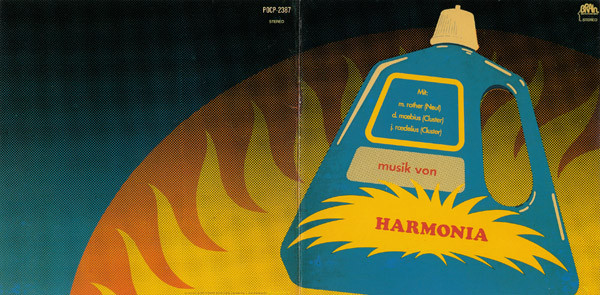
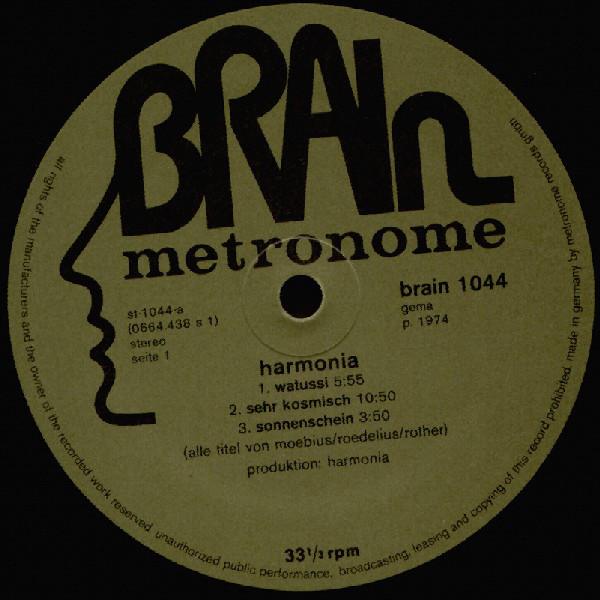
Watussi (with 2 Ss) is also the name of the opening track on Harmonia‘s Musik Von Harmonia. Quite how you’d dance to it though is anyone’s guess.

Harmonia – Watussi

Like most experimental German music of the era (1974), Watussi ploughs a distinctly non-conformist six minute ambient path. It fades in on a looping soundbed of early pioneering synths and fuzz-heavy electric guitar, its ping-ponging melodies and skeletal processed drum beat making for a longform, hypnotic and repetitive track. In Krautrocksampler, his bible of the times, Julian Cope highlights the track’s flat-footed drum machine and otherworldly qualities as markers of true progressive spirit and derring-do.

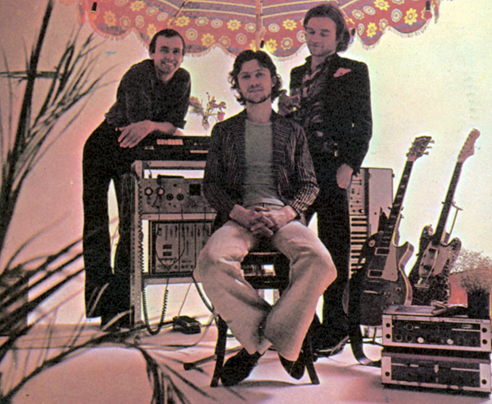
Watussi is a track you can easily get lost in, a definite marker of what is to follow on the rest of the record,  Disciplined to the max, the three musicians responsible for its woozy and otherworldly soundscape play only for one another, intuitively locked in to its steady, broken pulse. Not bad at all for a collective whom Neu’s Michael Rother pulled together with a view purely to flesh out the live sound of his band. One session in and Rother realised he had created something unique and worth pursuing.

Listen once and you may be confused. Underwhelmed even. Listen more than once and Watussi begins to make sense. You might find yourself immersed in its bubbling, propulsive bass for a bit, or the 5 note motif that loops continually while the soundbed shapeshifts disorientatingly below, or its occasional long-noted electric guitar that fades in and out between the huge washes of fuzz synth that envelope everything in a white noise fug.

In 1974’s musical landscape of Wings, Wombles and Candle In The Wind, Harmonia‘s Watussi floats alone and dances with itself; out-there rock for out-there people. A clear influence on groups such as Boards Of Canada and Stereolab, My Bloody Valentine and GLOK, it’s a near-50 year old track that sounds even now like it may have been beamed in from a far more cerebral and kosmische future. Dive in!


Get This!

Hi, My Name Is Stereo Mike

Vancouver, September 1997. We’re there on honeymoon, living in a downtown hotel with a revolving restaurant at the top, our midpoint between 5 days in Toronto and 3 nights at a log cabin/hotel combo in the up and coming resort of Whistler. Not quite yet the destination for rich spring breakers or the Winter Olympics committee, our cabin is right on the side of Blackcomb Mountain, exactly where the Olympic downhill skiing will be a few years later. Everything is untouched, pristine and brand new. Everything is shrinkwrapped – the sheets, the board games, the kettle, even the ‘Bears Roam In This Area‘ sign. The only things not clinging in film are the chipmunks who dart around looking for crumbs as soon as the doors are open (briefly – the bears!) to air the place. I’d like to go back again someday.

Anyway, back to Vancouver. We frequent this small deli every morning for bagels and coffee. Vancouver FM or whatever plays continually in the background, and each day when we’re there I hear a familiar song, a current and local ‘hot hit’. I’d heard it plenty of times that year, but something about the balmy late summer/early autumn weather and the fresh coffee and the cool, rounded Vancouverite accent of the hip waitress shines new light on a track that I always thought was good…good, but not great. Or maybe kinda great, but not grrrreat.

By the time we’re home from Canada, though, I think Bran Van 3000‘s Drinking In L.A. is just about the grrreatest track that year. 1997, remember, was the year of Bittersweet Symphony and Never Ever, of Lovefool and Mmm Bop, so it’s not to be taken lightly. You’re all scholars of pop, so you don’t need me to point out that Drinking In L.A. – like at least one of those tracks mentioned above – is one of the greatest little one hit wonders around.

Bran Van 3000 – Drinking In L.A.

Give us a ring-a-ding-ding, it’s a beautiful day…

It’s four minutes of jam-packed freshness with an awful lot going on, a magpied gathering of multiple mid ’90s genres, fed into the machine and recreated as quirky and hummable pop music. The crackling backbeat and distorted mic of the male vocal is pure slacker hip hop, Beck’s Loser replayed in the blazing sunshine of Venice Beach. The Snoop Dogg-borrowing lines – “Laaaid back! With ma mind on ma money and ma money on maaa mind! Blarin’ out the G-Funk, sippin’ on gin and juice!” – serve only to enhance this. But there’s also fuzz guitar. And fake radio phone ins. And gorgeously woozy woo-ah-ooh vocals. A lot, repeat, A LOT! going on.

Behind the female vocal – a vocal that might’ve fallen straight offa non more a ’90s signifier than Jagged Little Pill – there are subtle exotica tinges and catcall and response lines. We did nuthin’, absolutely buttkiss that day, “Get your ass out of bed!” he said I’ll explain it on the way, You could catch ’em all bitchin’ at the bar, I got the fever for the nectar know the payback will be later…

There’s a proper tale of looming existential angst unfolding somewhere between the punny lyrics – Hell-A, Hell-Hell-A and the the on-trend beats and on-the-one bass. Then there’s the song’s hooky chorus? Bridge? Resolution? What the hell am I doin’ drinkin’ in L.A. at 26? Who knows what you call it, but I bet you’re singing it right now.

Gone but not forgotten, Live!

Fab Fortress

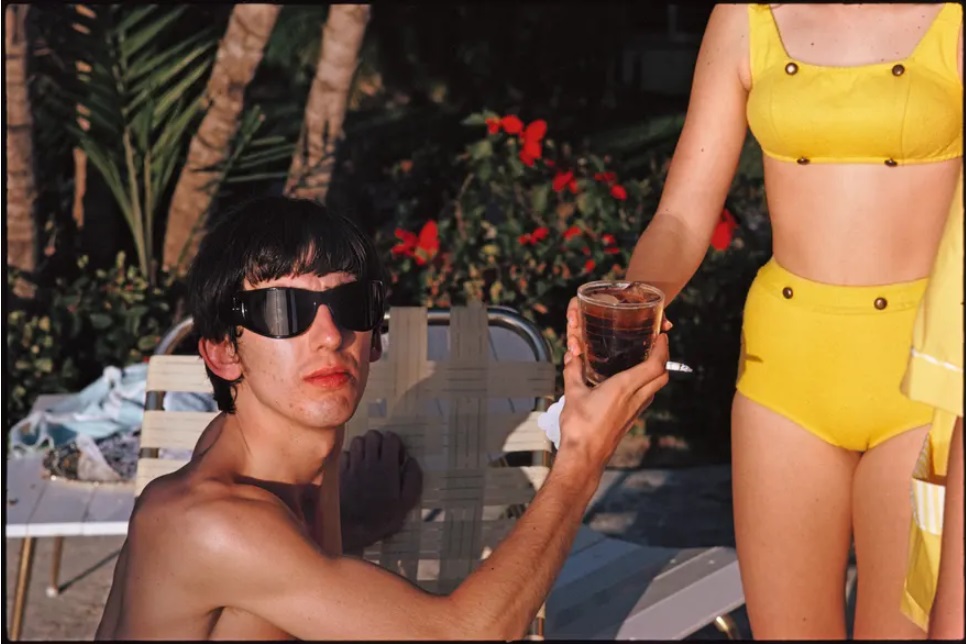
This photo of George Harrison appeared last week, initiating from Paul McCartney’s private collection and whizzed onto the internet, never to be private again.

It comes from an unseen collection of Beatles photographs, lost and found and gathered together in a new book – and later in the year, to be an exhibition at the National Portrait Gallery – all taken by McCartney over a 3 month period as Beatlemania took hold in Liverpool, London, Paris and during their life-changing US tour in ‘64; the limousine chases, the Ed Sullivan Show, the girls outside the hotels, all of that.

McCartney calls it a Beatles’-eye view of the world and it certainly places the viewer in the epicentre of what must’ve been a fucking great time for four virile and desired young men with the entire planet orbiting around them.

The picture of George was taken in the Miami sunshine. The use of colour film is no mistake, McCartney wanting to impress just how welcome the Florida sun was on the back of the harsh and monochrome New York winter. The composition too is deliberate, George’s female companion framed from the neck down, perhaps to protect her identity, but more to shine the spotlight on George.

Even in his shades and bare chest and surrounded by palm trees, George is still very much a Beatle. He might’ve shorn the Douglas Milling Beatle suit but the hair and enigmatic expression remains. Being a Beatle is a full time job, it says, even when mysterious young bikini-wearing women are bringing you generous measures of scotch and cola as you smoke yourself silly.

Is it any surprise that Paul would later write about flying in from Miami Beach, BOAC and not getting to bed last night? In Paul’s photo, George has a slightly self-aware ‘I can’t believe I’m getting away with this’ look on his young face. I bet he quickly got used to it.

The shot of the cameramen in Central Park is interesting, McCartney the hunted turning hunter to capture two of the press guys who’ve chased him and his three pals around New York City non-stop since they landed.

I love poring over period-defining photos of New York. Since being there last October, I’ve had a bit of a thing for bleached out and grainy Polaroids of Greenwich and Brooklyn in the ‘70s and ‘80s. From the buildings in the background, I can tell that the photo of the press above is taken next to the Central Park pond at the East 59th Street entrance. It’s a famous photo shoot stop-off location. Both Dylan and Mick Jagger have had their pictures taken here. Coincidentally too, it’s not far from the Dakota Building where Lennon would live out his final years.

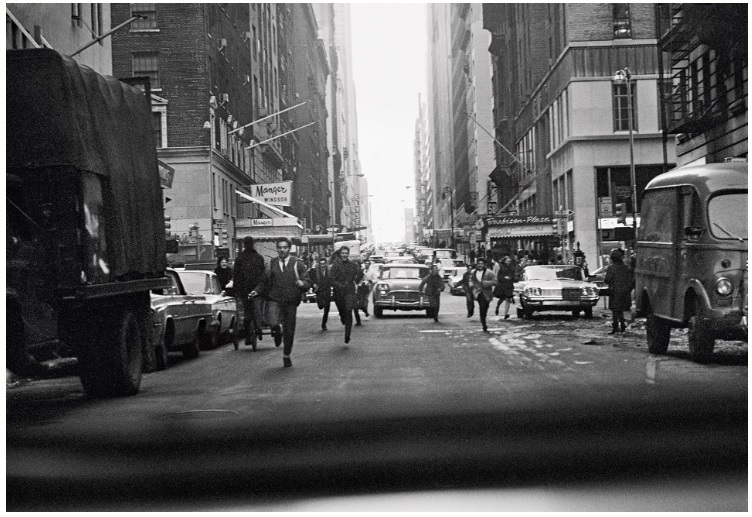
I’ve found myself somewhat obsessed over the photo taken out of the back window of The Beatles’ limousine, a photo snapped from literally inside the Eye of the Storm, as the book is called. It shows the Beatles chased by a handful of determined fans as they speed away from the Plaza Hotel on New York’s Fifty-Eight Street, cutting across 6th Avenue, just a stone’s throw from that Central Park photo shoot.

Chased by winter coat-wearing youngsters, all mile-wide smiles and mad intent, The Beatles zip away, up a slight incline and never to be glimpsed in the flesh by these admirers again. Looking back over his shoulder at the scene The Beatles have somehow found themselves involved in, McCartney clicks the shutter on his camera. A great photo. The wide-grilled and chromed cars are a portal to a time gone by, the purpose of the buildings they drive past now different – trust me, I’ve checked. ‘I’ve been there!’ I think, and straight away I’m Google-mapping the exact location. ‘I wonder if I’ve stepped on the exact spot where that Beatles car was?’ Anything to align you in anyway at all with the Fabs, y’know? Turns out I haven’t. Next time I’m in New York I must try and remedy that.

The Beatles – All My Loving (Ed Sullivan Show, 9th Feb 1964)

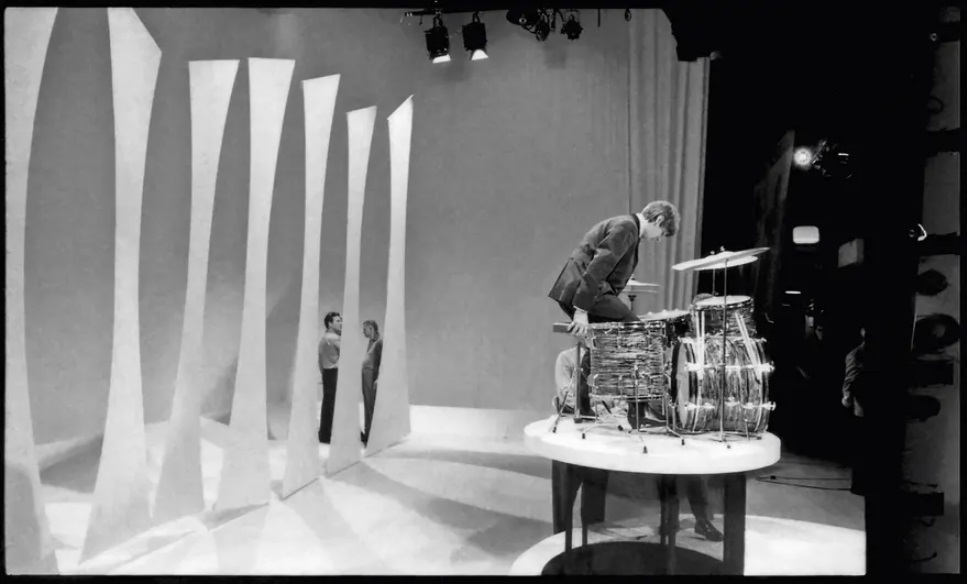
Ringo sets up on the Ed Sullivan show, Feb 9th 1964. Photo by Paul.

McCartney counts us in with a “One, Two, Three, Four, Five!” and off we go, 73 million Americans hearing – seeing! – The Beatles for the first time. Despite the hysterical screams anytime the three front Beatles step up to sing in close harmony, there’s a spectacular melding of voices around the 1.16 mark, just after rockin’ George’s twanging guitar break. Two voices (Paul and George), one golden moment, the protagonists not distracted in the slightest by the madness unfolding around them.

Buy the book, support the artist.

Cover Versions, demo, Hard-to-find

How Come I Love Them More?

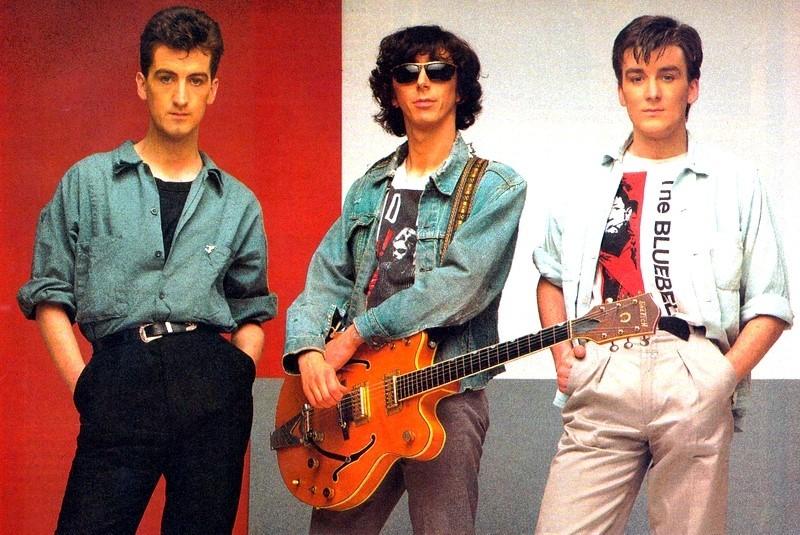
Some songs are just there, like staircases and steering wheels and stainless steel sinks, as much a part of the fabric of life as to be ubiquitous and ever-present, unnoticed or unthought of and maybe even taken for granted. Blue Monday might be one. Come On Eileen certainly is. To this list I’d add The Bluebells’ Young At Heart.

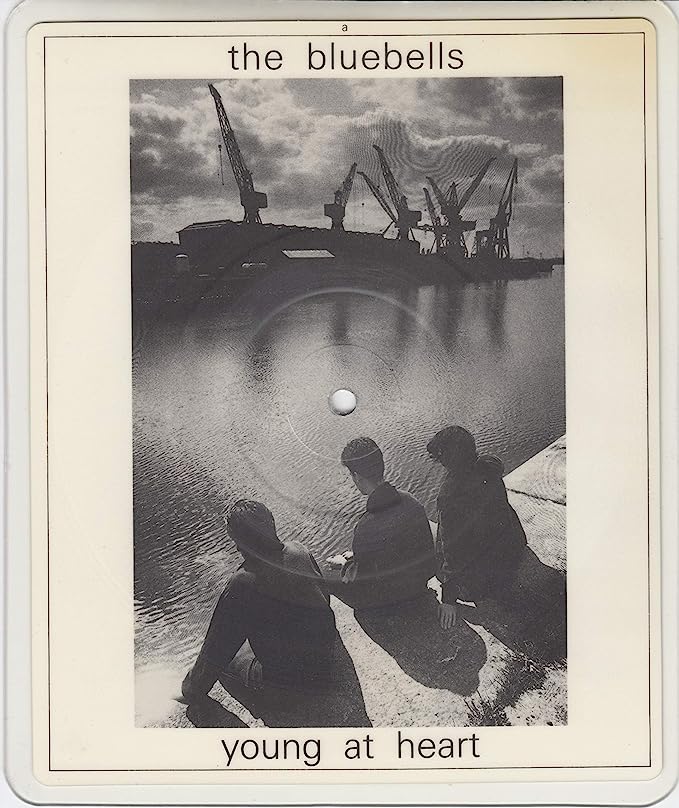
The Bluebells  – Young At Heart

You’ve heard Young At Heart, what, a hundred and seventeen times? A thousand and twenty four times? Seventeen million times in your life already? It’s just always been there, playing on an endless 40 year loop across the airwaves, a ‘hits station’ producer’s golden gift from the musical gods. Show in a slump and needing a toe-tapping lift? Reach for Young At Heart and its melancholic countrified hoedown will retain the listenership and have them baking tin bashing or dashboard beating all the way to the news and travel.

Young At Heart might seem overplayed to you. Or even stale. And you, yeah you, ya cloth-eared weirdo, you might never have liked it in the first place. You might never want to hear it ever again. But trust me though. You do.

I’ve been floating since Sunday night when, at St Luke’s in Glasgow, The Bluebells encored their album launch show with it. Well, of course they did. We may all have been there to hear the bulk of The Bluebells In The 21st Century played out live, with an extended Bluebells featuring the cream of Scottish musicianship – Mick Slaven! Douglas McIntyre! Campbell Owens! John McCusker! – but there was no way Bobby or the McLuskey brothers were going to deny their audience an airing of Young At Heart. Or I’m Falling. Or Everybody’s Somebody’s Fool. Or a soul-stirring Cath. That ‘Cath/You led me up the garden path‘ line has thrilled me since it first leapt from the grooves of the well-thumbed copy of Sisters I borrowed from Irvine library sometime in the mid ’80s and I was waiting expectantly for it to be delivered on Sunday night. It didn’t disappoint.

Young At Heart though. Ken, David and Bobby acknowledge its place in their history. With the band’s name spoken on the airwaves with every passing play and still in the collective conscience of an increasingly attention-span ravaged nation, it’s perhaps the reason The Bluebells are even still making records.

Young At Heart is a song that’s been very kind to its writers. Maybe not ‘Sting owns a vineyard in Italy’-levels of kindness, but I’d wager that Bobby Bluebell and Bananarama’s Siobhan Fahey, London Records’ golden couple at the time of its writing (and latterly Bobby Valentino, the player who provides the song’s signature violin motif and whose session fee was substantially upgraded years later to a writing credit) have done fairly well from it’s continual presence.

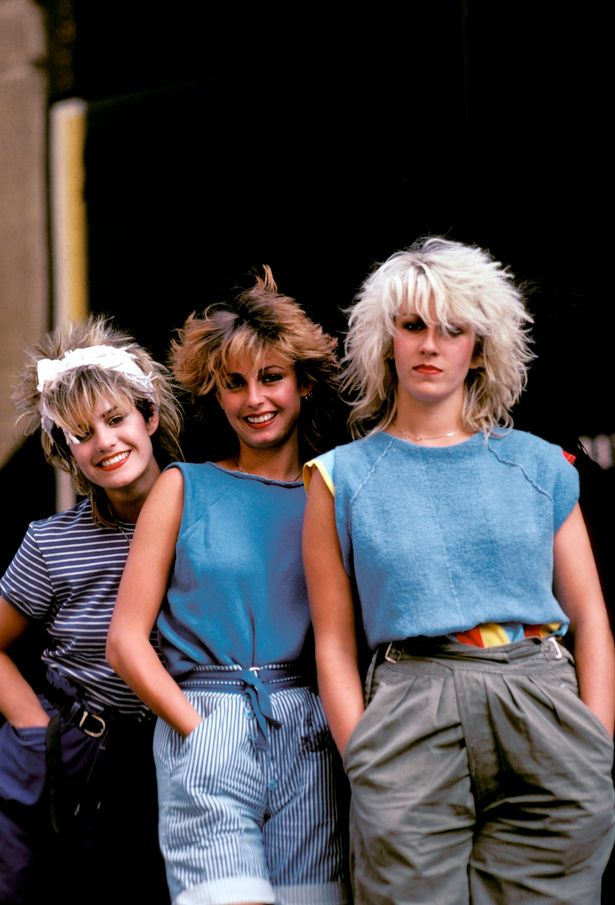
Bananarama  – Young At Heart

Bananarama’s version was the first to be released, a deep cut in the parlance of nowadays, and one that you’ll find on their debut album Deep Sea Skiving. It follows the blueprint of the original Bluebells’ demo; slightly reserved chorus, one dimensional verse, a bit flatly produced even, but whereas Bananarama half-heartedly do their best Supremes’ impression and don’t really know where to go with it, The Bluebells original version is a totally realised slice of pop/soul – and, as it turns out, a bit of an undiscovered beauty.

The Bluebells  – Young At Heart (demo)

It’s got that talc-dusted northern backbeat. Soaking wet slapback funk guitars. There are squelches of Rip It Up electro-synth woven between the words. Live, it was sometimes performed (like many bands of the time) with a stabbing brassy rash of Jam Trans Global Express horns. The whole thing is speed-freak Dexys hacked into the Wigan Casino’s electrical circuit and spat out in Glasgow’s West End. Essential listening, it goes without saying, and almost as thrilling as the masterpiece they eventually released.

Imagine writing a song that still resonates with anyone who hears it over 40 years later. Imagine! There’s not a songwriter on the planet who wouldn’t kill for a song like Young At Heart. Cherish it.


Cover Versions, Get This!

It’s A Funny Little Thing When It Dawns Upon Ya*

The Style Council’s Shout To The Top is the bright ‘n breezy signifier of a summer just around the corner. A groove of loose piano and stabbing guitar, it’s a string swept beauty that endures to this day.

If you’ve caught Paul Weller on any recent tour, there’s a good chance he’ll have slotted it in mid-set, a major 7th audience perker-upper after one new track too many. It still has the ability to raise a smile and just a smidgen of Proustian angst, of being glued to Top Of The Pops in the hope that it might make it to that week’s show. A frothy and enduring number, it reached number 7 and was, serendipitously, single number 7 for The Style Council as well. One of its writer’s very best, for sure.

The Style Council – Shout To The Top

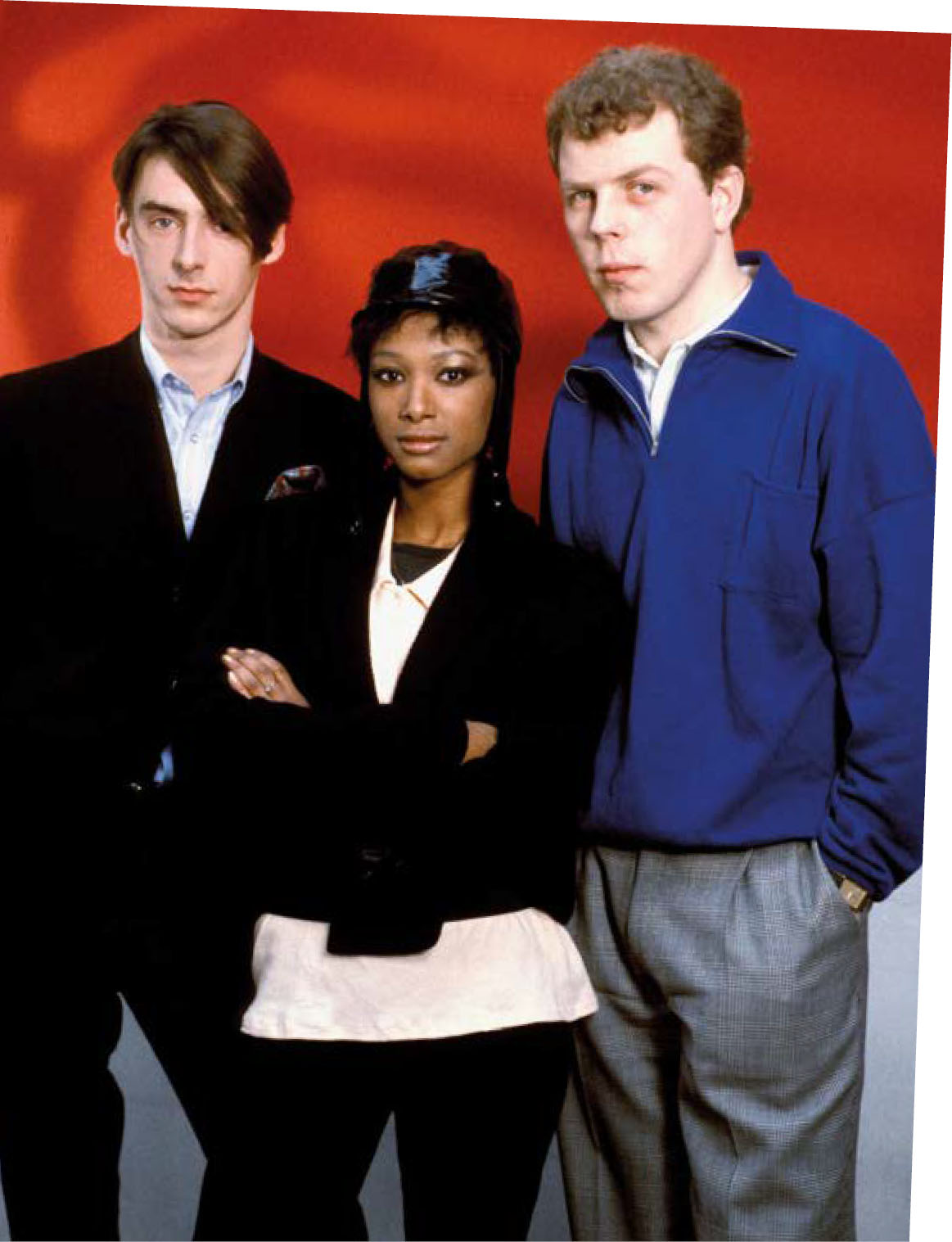
It’s got a stylish video too, all four group members in its spotlight with Weller happy to fade to the back when he feels like it. Weller is understated cool, the gum-chewing singer in carefully chosen penny loafers and well-cut ankle hugging trousers, the missus alongside him in a sleeveless halter neck and hair band, tight fighting capri pants and bee stung lips, looking fantastic and dredging up all sorts of forgotten teenage fantasies. YouTube is your pal, old man, YouTube is your pal.

Weller glides the soles of his loafers across the floor, almost northern soul shuffling, hanging on to that era-defining skinny mic for all its worth, his swept back and centre-parted hair looking distinctly European and modernist.

By the time The Style Council were playing it live, Weller’s fringe had fallen as long as the silly faces on all those old Jam fans who still pined for a clanging Rickenbacker and an angry vocal delivery. Imagine having to pretend you didn’t like Shout To The Top. Life’s too short for that sort of idiocy, man. Embrace the new and, yeah, shout to the top.

There’s a magic, discofied club version out there. Loleatta Holloway takes over from Weller, giving it the full soaring house diva approach, Philly strings, Italo piano and a four-to-the-floor disco beat replacing much of The Style Council’s idiosyncratic nuances, taking it home in a riot gold hot pants and over the topness.

Originally released in 1998 with dance production team Fire Island, the track was reworked into a thumping, filling-loosening club classic by Hifi Sean a year or two ago. Stretched out and funked up, you need it in your life.

Fire Island ft. Loleatta Holloway – Shout To The Top (Hifi Sean mix)

* I know that’s not the line that Weller sings in the bridge, but it’s what I’ve always sung. It’s a funny little thing when it dawns upon ya right enough.

Hard-to-find

Dad, d’you like Aphex Twin?

Not the first question I was expecting last week. My 16 year-old and myself were in the car and, in a rare change from discussing the misfortunes of football (both our team – Kilmarnock – and the local U17 team he plays for), the chat turned to music. Future Sound Of London’s Papua New Guinea was playing, all rattling breakbeats, throbbing bass and ghostly samples, but despite my enthusing over it, he remained unconvinced. Nothing new there, to be honest. I can point out a dozen great songs during any car journey and he’ll shrug, unconvinced (unwilling more likely) to admit to liking his dad’s taste in music. The electronic sheen of FSOL’s track endured though, and it clearly set off a synaptic sequence in his brain. And then he came out with it. “Dad, d’you like Aphex Twin?”

He’d already blindsided me a few months ago by unselfconsciously humming I’ll Be Your Mirror as we passed on the stairs. When I stopped, turned and asked if that was The Velvet Underground he was singing, he shrugged nonplussed as though it was the most natural thing in the world. “D’you know it, like?” he threw back, not even stopping for confirmation. Of course I did, and of course he knew I did, and of course he knew that I had a copy (3 actually) of “the banana album that it’s on.”

“How d’you know about the Velvet Underground?” I asked.

“I dunno. I just heard them somewhere and liked them. I like Beginning To See The Light too. And Can’t Stand It. And Pale Blue Eyes…(thinks)…There She Goes Again…’Ah’m waitin’ fawr ma ma-yan’…”

Jeez. Turns out he knows them all and can do a passable Lou Reed into the bargain.

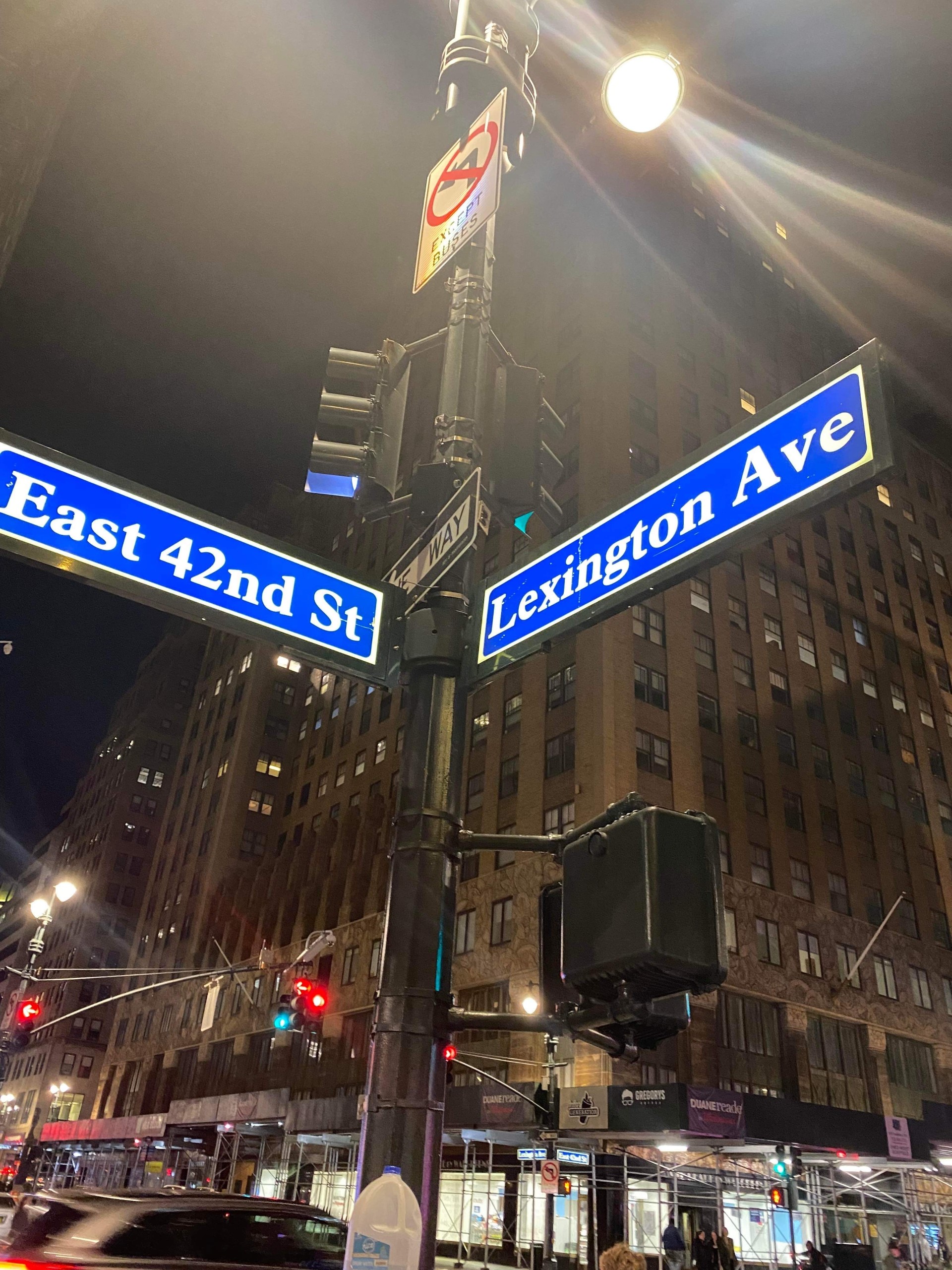
“D’you remember when we were in New York last year, and I stopped to take a picture of the street sign near our hotel and you all laughed at me? Maybe you’ll get the reference now...”

“Oh…yeah!…”

When I was his age, I spent the time properly denying my parents’ record collection. Apart from Dylan’s Bringing It All Back Home there was nothing much in there to shout about, although I did investigate it when no-one was looking, retaining some of the more interesting ones in the interests of cross-generational research purposes. He’s denying mine too, I think, but he knows far more of it than I’d ever have imagined. As teenagers, we had to dig deep, swap tales and stories and sometimes actual TDKs to gain access to the good stuff. Rake the record shops, sift through the shelves in the library, maybe occasionally get the loan of an album on promise of death if it was returned in less than the condition it was given to you in. Now, it seems, social media analytics throw all sorts of stuff in your direction. Act on any of its suggestions and a hundred more threads and recommendations will unravel, and all just for your ears only.

From the Velvets, he discovered The Strokes. Most teenagers love The Strokes, it turns out. Any aspiring local guitar stranglers look to them in the same way that we looked to the music of 20 years previously when we first started out. Watch out for the big Strokes renaissance when a wee local band breaks out and rides the crest of a scuzzy New York wave. It’s just around the corner.

Aphex Twin though. He’s so low profile, so uncompromising, so esoteric in a way that The Strokes and (nowadays) the Velvet Underground just aren’t. “How on earth did you find out about him?” I ask. “Tik Tok? Spotify? A video game? Somewhere else?”

“I dunno. He’s great music to study to. It’s longform and in the background and doesn’t distract you from what you’re trying to learn. It’s a bit like Minecraft music, just better. All the songs have strange titles…just numbers sometimes. I don’t know the names of the tracks I like. But I like what I’ve heard.”

Aphex Twin – Xtal

If it helps with the studying, no parent is going to complain about that, which is why, on Thursday night, our house was filled for an hour with the DIY ambience and womblike pulses of Selected Ambient Works Vol. 1, the pair of us headnodding around the living room, me the uncool dad playing him this new music that he thought was ‘his’, he the teenager, mortified at the thought of liking the same music as his dad.

Next week – “Dad, which Throbbing Gristle album should I buy first?”

(Answer: I dunno. He’ll probably be able to tell me.)

Gone but not forgotten, Hard-to-find, Studio master tapes

When Pop Stars Die

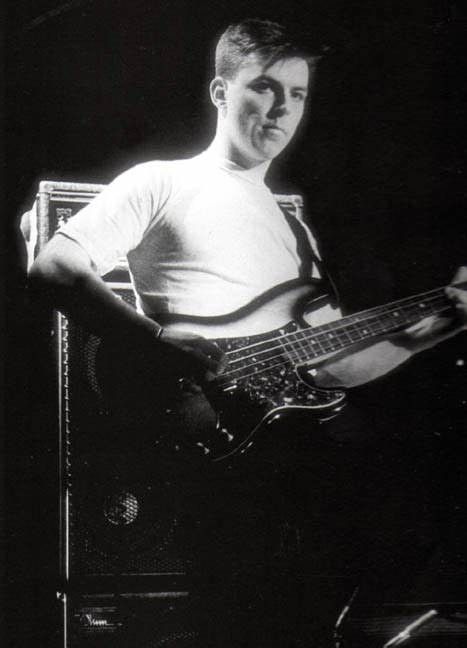
The unexpected news of the death of Andy Rourke from cancer flooded my social timelines this morning. From his old pal Johnny’s numb statement onwards, the outpouring was long and plenty. Lauren Laverne was playing William… as I pulled into the car park at work and despite having heard its 2 min 12 seconds of pathos and sparkle a million times, I stayed put until it had played out, paying particular attention to Andy’s trebly, melodic bass runs because, well, that’s what everyone tuned to 6 Music at that point was doing. After work, catching up with the minutiae of life on my phone, the roll call of people paying tribute – fellow musicians, pals, strangers – was never ending. No one had a bad word to say, not even Morrissey, whose well-worded tribute seemed genuine and sincere and a million miles from the sneering auld grump he’s become.

It’s quite amazing that someone who was only a quarter part of a group who burned brightly but briefly for roughly just 6 years should leave such an indelible mark, but that’s the power of the formative years for you.

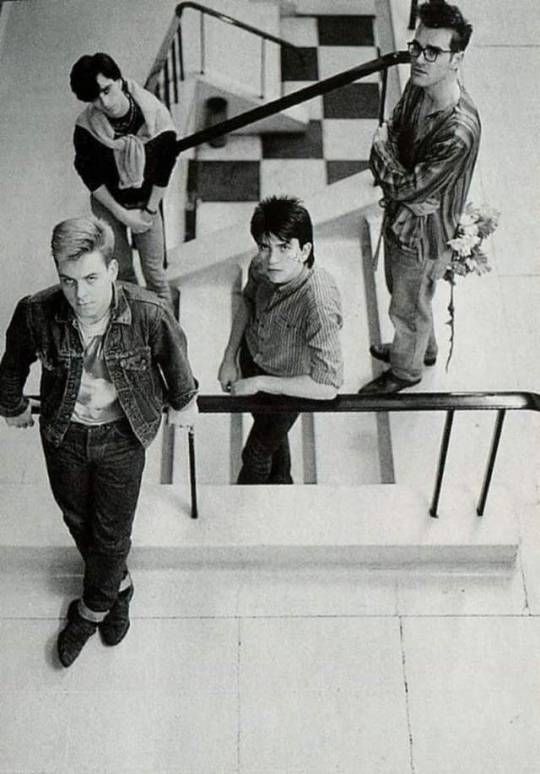
The Smiths meant the world to many, me included, and were a lighthouse on the rocky shores of mid ‘80s music. I wasn’t disenfranchised or marginalised or trying to find myself or any of those clichés. I just needed a break from bad hair and bad productions and jaggy guitars and what was being sold to me and my peers as essential listening. The Smiths, with their pint-sized and elfin guitar wizard and singer with funny – that’s funny, not depressing – lyrics came along at the right time. They jangled, yeah, and they wailed, but there was far more to them than that, as you well know. There was a proper toughness to their sound, driving and thuggish and tough as nails – see Handsome Devil and Hand In Glove as evidence, but there was a proper tenderness too. A real musicality. Listen to This Night Has Opened My Eyes or later tracks such as I Won’t Share You for proof. Much of this is down to Johnny’s mercurial way with an augmented chord and a hellbent mission to overdub everything with tracks and tracks of smirry, smartarsed guitar, but the bedrock for Johnny’s free form colouring comes from Andy’s solid and steady playing, a duo playing in simpatico as only old pals can. A band ain’t nuthin’ without their rhythm section and The Smiths were blessed to have Andy pinning it all to the floor.

Many today have spotlit Andy’s magnificently trampolining workout on Barbarism Begins At Home, an early Smiths track so packed with Chicisms and the funk, so out of step with their material that it took until album two before they’d release a recording of it, as proof of Andy’s greatness. And they’d be correct. But look, there’s not a bassline on any Smiths track that isn’t considered, clever, unique and so obviously Andy. Whether he was dripping in elasticated funk or slapping out rockabilly or meandering like McCartney around the melody, he left a mark as distinguishable as the haircut he kept for all those years. Johnny today pointed to Andy’s contribution to The Queen Is Dead’s title track, saying that as Andy recorded it, he knew it was a moment he’d remember forever. Rock solid, reliable, dead centre, a bass player who could play in the background yet step out as lead instrument when required.

Check out the Motown-by-way-of-Moss Side twang of his isolated bass runs on This Charming Man. Rubber bandy Andy.

This Charming Man – Andy’s Isolated Bass

When the news of any pop star’s passing is announced, it’s perfectly natural to feel something, especially if you’re a fan of their work. When Andy’s news gatecrashed my newsfeed this morning, a little bit of me, a little bit of every fan of The Smiths, died too. Memories of times soundtracked by The Smiths came blazing straight into sharp focus, along with the sudden realisation that while the memories remain, the principal player in creating those memories is gone. 59. No age at all, as they say.

God only knows what it’ll feel like when Johnny himself or, brace yourself, McCartney goes.