Get This!

Playin’ Jain

Everyone’s a singer/songwriter these days. Get yrself a laptop, a looper and a whole lotta misplaced self-belief and you too could be the next big breakout act. It makes sense to a degree; travel as a one-person show with low overheads and you’re the ideal support act – a plug in and play band in a box – and the promoter can get away with paying you much less than they might’ve done had they booked a 5-piece indie rock band to warm the crowd up.

The downside? Well, every bedroom musician sounds the same, don’t they? Don’t they?

Tap-tap-tap-tap goes the foot. Scratch-scratch-scratch-scratch goes the guitar. “1 and 2 and 3 and 4” mumbles the singer inwardly, and they fiddle with something at their feet, silence a rogue guitar line then start again. Second, maybe third time lucky and we’re off. That KT Tunstall has a lot to answer for.

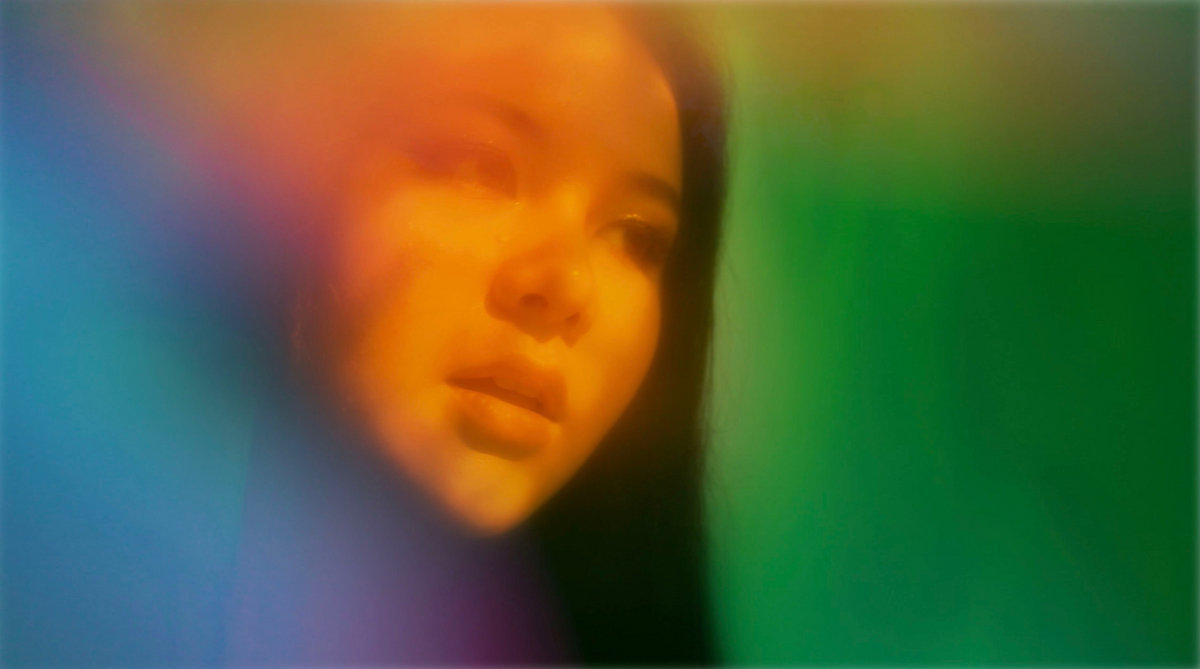
Thankfully, Cathy Jain broke the mould of what it means to be a bedroom musician. Recorded in Autumn 2021, her Artificial EP features the under the radar shimmer of Green Screen.

It’s a great track. Recorded in her bedroom, it shimmers like an Indian summer, all lazy, hazy, laptop psychedelia and slo-mo melodies.

The synths veer from heart of the sun fuzz and Stylophone buzz to filmic and creeping John Barry melancholy. The langorous drum ‘beat’ is forever on the verge of falling asleep, geed up by a climbing chord progression and lovely, spaced out guitar pings. Them, and a fantastic unravelling melody that’s delivered in an exquisite vocal which falls somewhere between a sulky Lana Del Ray and a sultry Phoebe Bridgers. That first chorus, aroud the 45 second mark, where her voice swoops and overlaps itself as it swandives southwards again…I’ll never tire of that.

Cathy Jain was 16 when she recorded this. 16! Who are you, Cathy?! And where are you, Cathy? We need you back.

Live!

Ghostdancing

Roaming Roots Revue 2024

Barrowland Ballroon, Glasgow, 20.1.24
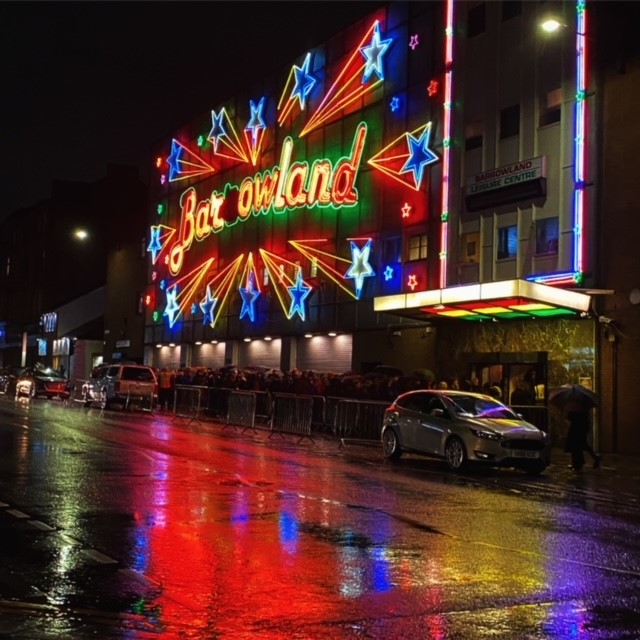
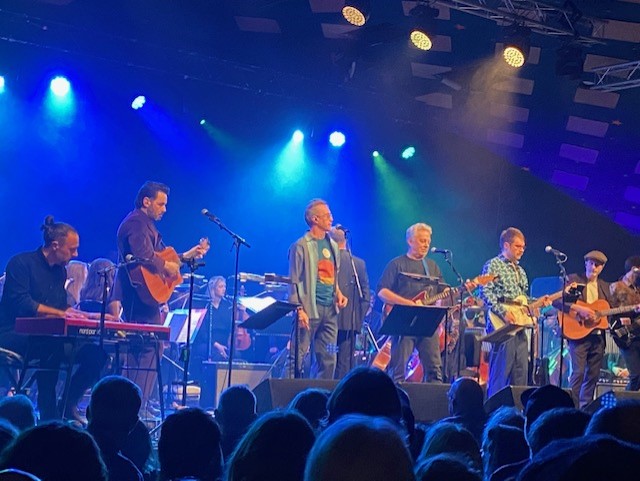
The Barrowland Ballroom is full of ghosts. The next time you’re there, let your mind wander mid-set, look vaguely into the middle distance and they’ll come to you; a transparent, milky-white film of Shane ‘n Kirsty perhaps, slow waltzing as Eddi Reader, profiled in jawline and gladrags, reaches for the highest notes in an atmospheric take on King Creosote’s Something To Believe In. A static flicker of Joe Strummer maybe, his left leg a-pumping to the furious beat of The Pogues harum scarum demolition of London Calling at that same show, exactly in the spot where Hamish Hawk is now leading the Lonesome Fire plus 50-piece orchestra through a celebratory version of his own Google-friendly The Mauritian Badminton Doubles Champion, 1973. You’ll possibly spot Joey Ramone, flickering in from the past, legs akimbo and hanging off the microphone stand like a hairy anglepoise lamp while Emma Pollock places herself in the middle of a swirling orchestral storm, her fantastic take on Gerry Rafferty’s Night Owl wowing the capacity crowd. There’s Bob Dylan on his keyboard, sweat dripping from the brim of his hat…here’s a skirling dervish Morrissey whipping his microphone lead with all the dexterity of a Billy Smart ringmaster…Michael Stipe…Lux Interior…Terry Hall stage centre and static as the other Specials flail and skank as if there’s no tomorrow…PJ Harvey in pink feather boa and not much else… The Barrowland Ballroom is full of ghosts, imprinted on the memory and ready for recall at any opportunity.

But what exactly is going on? The Roaming Roots Revue is now a staple of the Celtic Connections festival. The brainchild of Roddy Hart, he, along with his 5-piece backing band The Lonesome Fire, has assembled a 50-piece orchestra and invited along a host of his pals to celebrate (this year) the great Scottish songbook. The premise is that each act plays one of their own songs and then a cover of an accepted modern Scottish classic pop hit, all accompanied by Roddy and his band and the orchestra. And that’s what we get.

A tambourine-totin’ Tracyanne Campbell does a stomping French Navy. Eddi Reader pops back on and does an intense version of In A Big Country and there’s no one, artist or audience, who isn’t grinning widely. Admiral Fallow do a beautiful Dead Against Smoking – it sounds fantastic with live strings and brass and wood and what have ye – “you’re like gas-o-line, you’re like the wil-low tree” – before struggling a wee bit with Party Fears Two. It’s a brave person who attempts to sing like Billy Mackenzie and while they may be, eh, Admirable Fellows for having a go, they’re no substitute for the real thing.

As it all plays out, something hits me. It’s not just the groups that are ghosts. It turns out their songs are too. I can ‘see’ Stuart Adamson in his wee pilot boots and high waisted trousers cranking out those bagpipe riffs on his Yamaha electric, right there where Eddi is singing about lovers voices firing the mountainsides right now. And look! We’re now back in an encore in 1988 and here’s a floppy haired Roddy Frame being worn expertly by his oversized Gibson ES 295. He’s handsome and cool and leading a mass, communal Somewhere In My Heart, front and centre and total focal point, just where the young upstart Brownbear is currently doing that self same thing 36 years later. And talking of mass communion (and redemption), Admiral Fallow do their damndest to bring the famous old house down with their reverential – and utterly fantastic – Scottish gospel approach (“In the key of G major“) to Sunshine On Leith. Show me someone who says they don’t like that song and I’ll show you a liar. It has, as you well know, been known to make even a Hearts fan with a glass eye shed a tear. A modern Scottish classic if ever there was one.
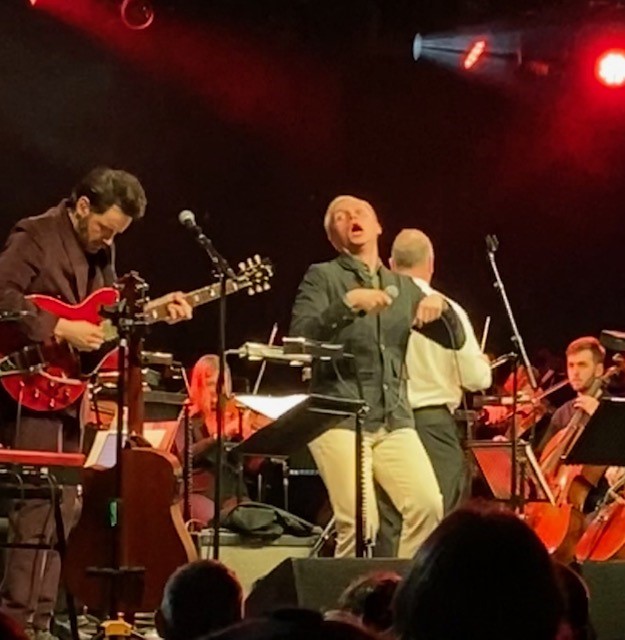
The other highlights? It’s hard to see past a staring, beady eyed Hamish Hawk and his nervous, twitchy Ian Curtisisms, punching the steam-powered mechanical beat to Franz Ferdinand’s Take Me Out like it was he who wrote it, before he bravely and unexpectedly launches with gusto into Frightened Rabbit’s dirty and sweary Keep Yourself Warm. He means it, man. The guy has star quality written all over him and you really must check him out. The reliable Roddy and Rod from Idlewild do a great You Held The World In Your Arms, all crashing chords and sweeping orchestral flourishes. In the absence of yr actual Paul Buchanan, Roddy Hart and his band do a sterling and faithful reworking of Tinseltown In The Rain, all scratch guitars and moody ambience. Justin Currie dispenses his shonky, temperamental acoustic for a brooding and menacing dive into Del Amitri’s uncharted (quite literally) back catalogue, one leg up on the monitor, dripping his luscious, conditioned fringe over his crowd at the front. The last time I saw Justin in here, he did that whole Spinal Tap, foot on the monitor thing during one of the band’s more boogie-orientated numbers and I couldn’t help but notice the extent to which his dark jeans had frayed to a threadbare grey/white at the crotch. I wasn’t close enough to see if he’d since invested in a new pair of Levis, but I’m hoping, for the sake of those poor front row souls, he has.

But it’s Frank and John from the Trashcans that I’m looking forward to the most and they don’t disappoint. Taking liberties with the notion of what constitutes a ‘modern’ Scottish classic, they and the assembled masses fall into the near 50-year old Year Of The Cat, Al Stewart’s long and winding tale of exotic, on the road romance. It’s a very Trashcans song, you realise, its Patti Smith by way of Harvest For The World opening giving way to a lovely unravelling chord progression, all major to minor to major 7ths and back again. A mid paced groover, it rolls along for 8 exquisite minutes and more, gentle on the mind and just as gentle on the feet. The Trashcans’ own Weightlifting gets the full orchestral treatment, slow and stately from its Elis & Tom bossanova opening to the heavenly horns in the swirling coda. I’ve heard Weightlifting done by the Trashcans countless times, more recently stripped back to its acoustic core by a solo John on more than one occasion, and now with the muscle of the orchestra behind it. It doesn’t matter how it’s presented. Serve the song and it’ll serve you well.

To send us home, we get a full-on Live Aid style encore of Whole Of The Moon, half a dozen or so of tonight’s big hitters taking turns to sing the lines, shoulder to shoulder with some of the finest talent our country has produced, a Last Waltz for the 50-somethings of the west of Scotland. An incredible show.

Get This!, Gone but not forgotten

Replacement Service

That politely twanging guitar that heralds the start of the track is, by the angle of its jangle, pure early era R.E.M. Or maybe the Go-Betweens. Maybe even the Hoodoo Gurus. There’s certainly enough blend of country rockin’ low notes and clean chiming chords to suggest it. As it falls into its mid-paced, head nodding plod and the vocal appears, all gargled gravel and forced out phlegm, you could be forgiven for thinking you’ve landed feet-first in some mid-west bar, the overpowering sight of wall-to-wall plaid shirts and faded denim just about drowning out the the clack of balls on the pool table as the singer strains above it all to deliver lines worthy of a low-budget Hollywood movie. ‘Jesus rides beside me, he never buys any smokes,‘ he goes, all resigned and stretching himself above the free-roaming lead guitarist with his hot shot fancy pants riffs just below him in the mix.

As if this isn’t enough, the honeyed tones of the Memphis Horns – yr actual Stax house band, responsible for those hooks and riffs on all those great Otis records…and Al Green’s Let’s Stay Together…and Elvis’s Suspicious Minds – comes breezing in like the warm and rasping ghost of Exile On Main Street to stamp its brassy rash all over the proceedings.

And then you discover that the guitar player is none other than Alex Chilton, himself the titular subject of a track on the very same album where this track resides. A Replacement service indeed. It don’t get much better than that.

Yes, you’re listening to Can’t Hardly Wait by The Replacements – maybe even as it shuffles up randomly while you pound your sorry state around January’s unforgiving streets – and the world is alright.

The Replacements – Can’t Hardly Wait 

I was never that sure about The Replacements. I’m still not, to be honest. To me, I think they’re viewed over here the way a band like Teenage Fanclub might be viewed in the States. They’ll have an enthusiastic, fervent fanbase who can’t see past them and everything they do, but the more you move away from the parochial appeal, the less they’ll matter. Unlike, say, Tom Petty, whose widescreen jangling Americana has universal appeal, and certainly not like R.E.M., who changed course and conquered the world, The Replacements just seem like you have to be American to fully appreciate them. They bring to mind teenagers driving noisy gas-guzzler first cars, hopped up high school kids chugging beer, college sophomores getting blasted at frat parties, all that sort of cliched Hollywood America.

Can’t Hardly Wait though. Great players + great points of reference = grrreat track. No arguments here.


Get This!

Pick A Card, Any Card

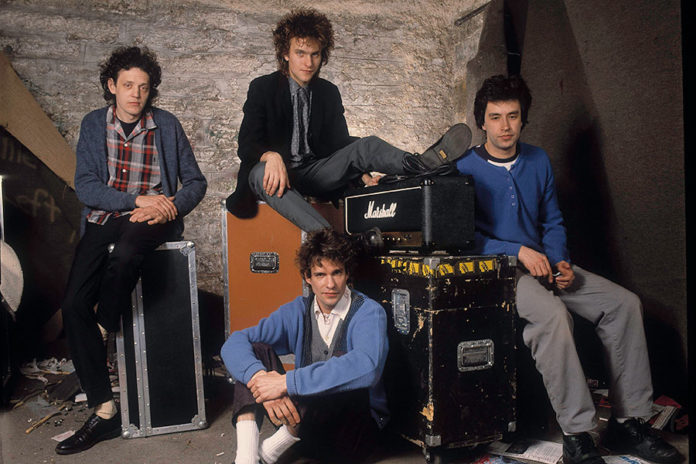
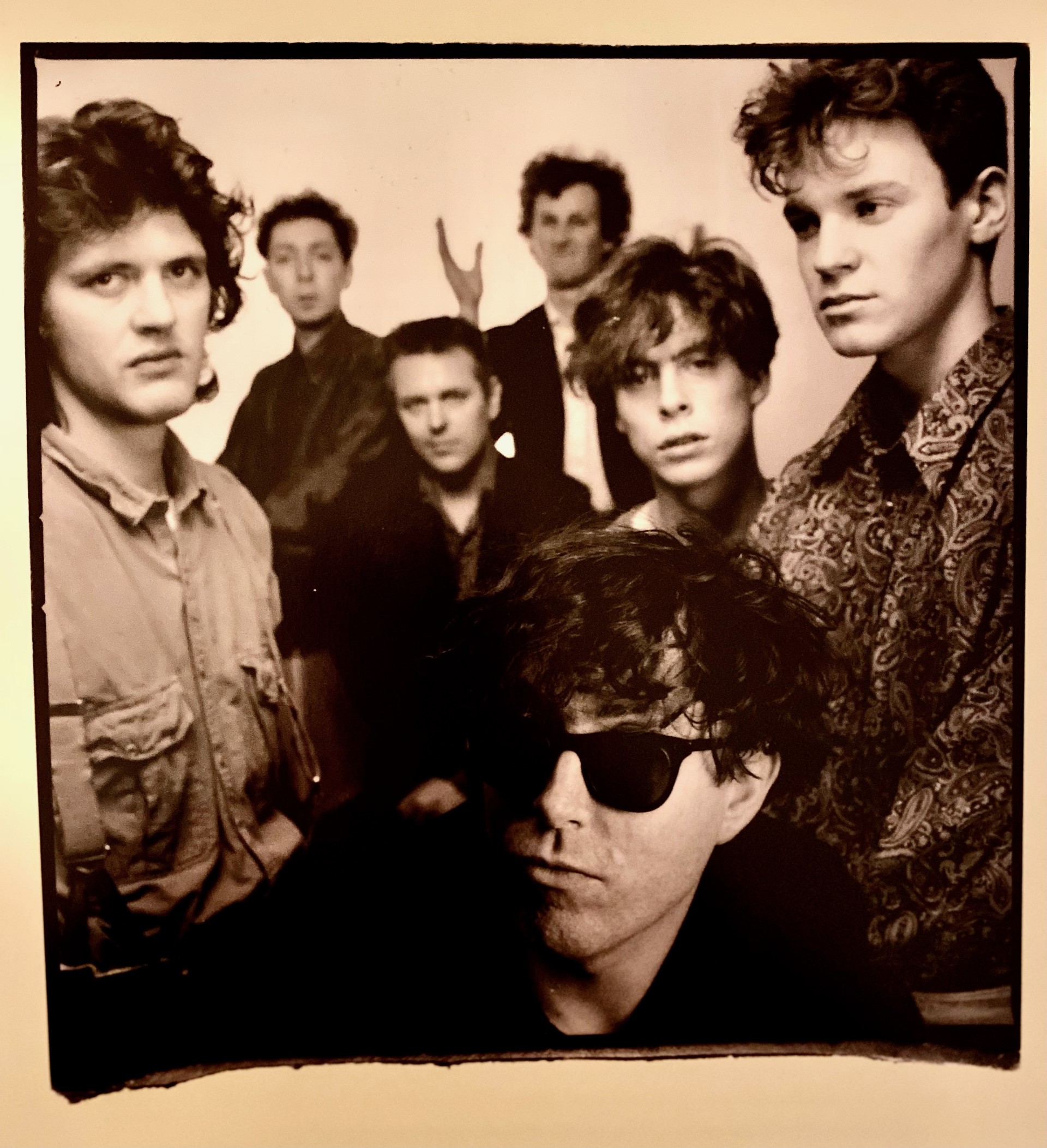
If you were lucky enough to see R.E.M. on their Green tour in 1989, there’s a good chance you saw The Blue Aeroplanes in their capacity as support act. Talk about lucky – The Blue Aeroplanes were booked, so the story goes, by a hapless UK tour agent who’d been instructed to book the Canadian country rockin’ Blue Rodeo but, thinking R.E.M.’s management had got the name wrong, booked the rising Bristolians instead.

They made a great sight and sound on those big stages, The Blue Aeroplanes, a football team-sized collective of guitar players and singers and guitar players and keyboardists and guitar players and more guitar players, stretched out in front of the headline act’s backline in a semi-circular curve, the singer hanging off the microphone in shades and the beginnings of a Dylan ’66 ‘fro. They even had a dancer – and this was before every group employed a dancer – who twisted and turned and threw shapes in the shadows as the band got on with the task of rattling out their stewing jangle, all open chords and feedback-soaked lead riffs, harmonising counter melodies played high up the frets and low in the mix. They were a good band who required more than one listen before you had the measure of them.

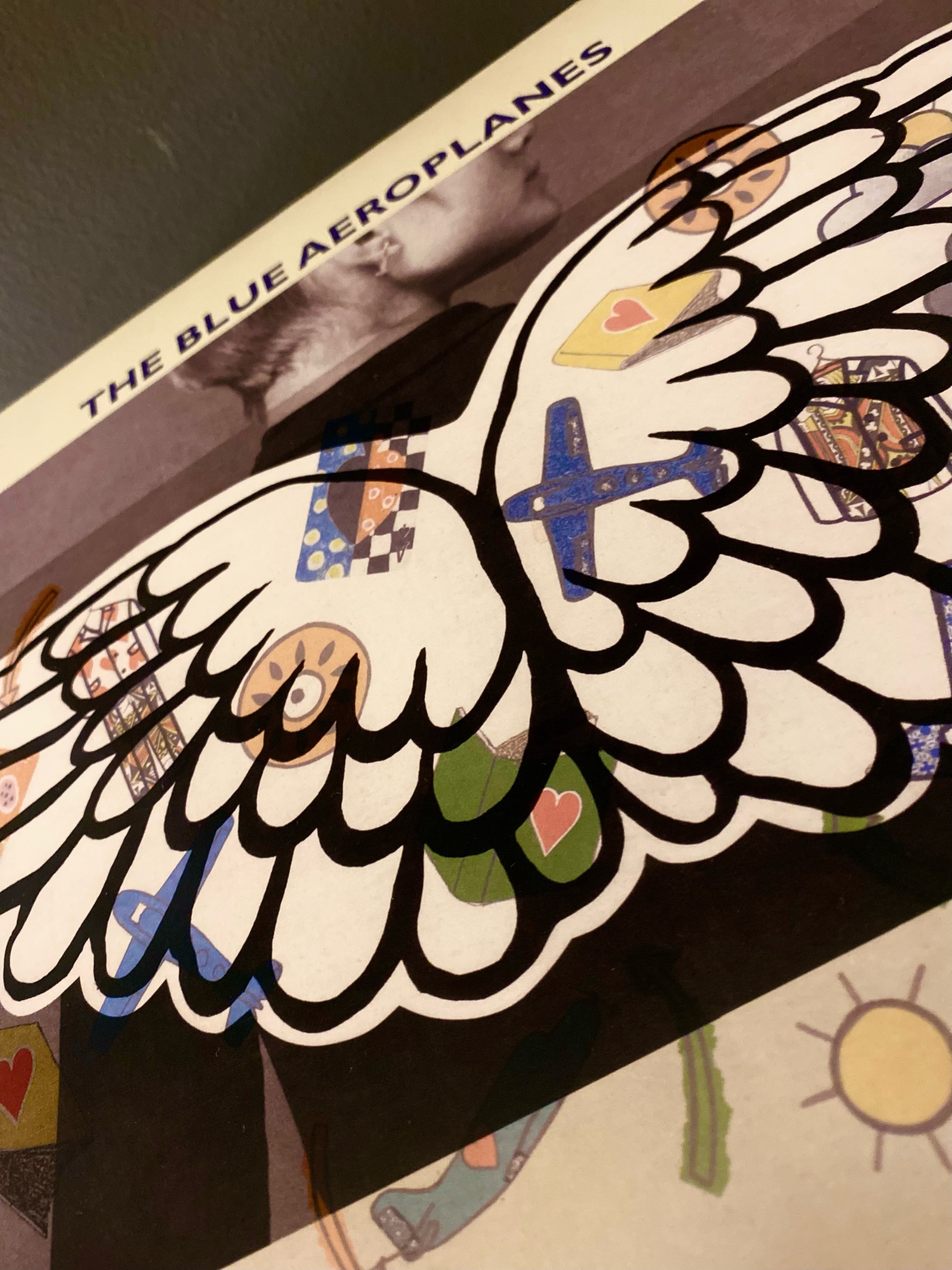
Thankfully for new converts post ’89, their major label debut Swagger was just around the corner. The opening track Jacket Hangs is a good distillation of that live sound that so impressed both R.E.M. and their audiences on the Green tour.

The Blue AeroplanesJacket Hangs

‘Pick a card, any card,’ goes vocalist Gerard Langley, and the band is off and riffing. Jacket Hangs benefits from the group’s multiple guitarists. It’s a chorus pedal-thick gumbo of Rickenbackered low twangs and hanging chords, chattering fret rundowns and swirling arena-sized major chords. The solo in the middle rides the coattails of feedback, searing and soaring out into the great beyond and all the way to number 72 in the charts. Have we no taste, people? February 1990 might’ve found Sinead O’Connor at number 1 with Nothing Compares 2 U, and even The House Of Love had cracked the top 20 with their 93rd re-release of Shine On, but number 72?! Jacket Hangs indeed. (Full disclosure, as they say these days – I never bought it either).

The pace, the spoken vocal delivery, the ‘ohs’ as the verse climbs to the chorus (and again, the high-harmonied ‘oh‘ in the chorus that’s very Mike Mills)…it fairly brings to mind R.E.M.’s E-Bow The Letter if you stop to consider it. I’m wondering now if Peter Buck watched stage-side each night, mentally erasing the unlucky Blue Rodeo from his mind and falling for The Blue Aeroplanes in a big way. Who’s to know?

The next single from the album would fare better, but only by 9 more places.

The Blue Aeroplanes…And Stones

…And Stones takes its lead from the solo in Jacket Hangs, adds a busily echoing morse code guitar riff and sets the controls for the heart of the sun. Building a proper groove around it – a bassline that, aye, swaggers and a bed of percussion that’s ever so slightly ahead of the game, …And Stones (perhaps in a photo-finish with That Petrol Emotion) subconsciously creates that most lamentable of genres, indie dance. Within months, Flowered Up would base most of their sound on ...And Stones. My Bloody Valentine would borrow its ambience when jigsawing together Soon. Even The Wonder Stuff, yeah, those chancers, would start getting percussive with their Black Country raggle taggle. …And Stones did it all first, and best.

Unsurprisingly, …And Stones came in a variety of remixes. The guitar-heavy Lovers All Around mix bridged the gap between classic indie rock and dance music at a time when the leap into melody-free bangs and crashes was perhaps just too much for the stripy t-shirt wearing floppy hairs from the satellite towns. And I include myself in that. You’ll need to find that online though. Gremlins are refusing to upload it here.

You can get yourself a recent reissue of Swagger at Last Night From Glasgow.

Get This!, Gone but not forgotten

Seventeen

On the 5th of January, Plain Or Pan will turn 17. In preparation, the L plates have been looked out, the insurance has been eye-wateringly hiked and the old banger I’ve been saving for the occasion will finally get a run-out.  

I never for a moment expected to still be doing this all these years later, but here we are. Adam over at Bagging Area rationalised it best a few days ago when he said that blogging is a habit that sticks. It really is, plus Plain Or Pan has led to all sorts of unexpected opportunities in recent years…reason enough to keep going still, I think.

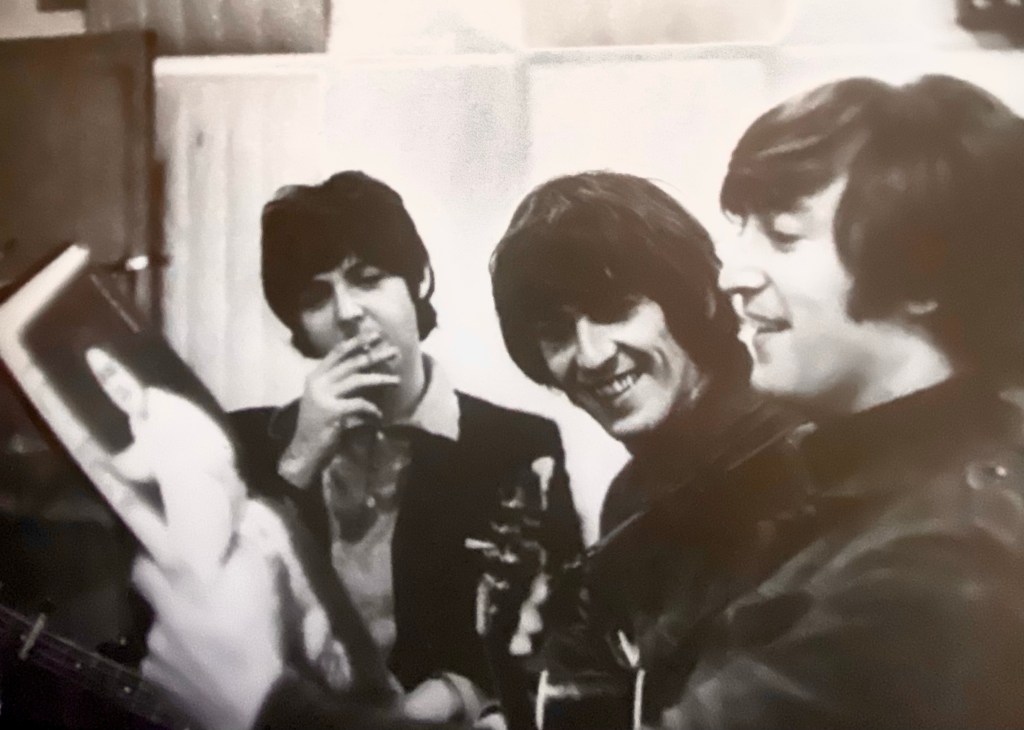
I’m a sucker for a studio outtake and Anthology 2 features the between-takes chatter of The Beatles as they rip their way through the first couple of goes of I’m Down, the track that would eventually find a home on the b-side of the Help! single. “It’s plastic soul, man…plastic soul,” belittles Paul McCartney, a nod to black America’s scathing opinion of Mick Jagger at the time. Considering McCartney’s vocal on I’m Down was full-on Little Richard, it’s a bit of an ironic throwaway line, but tucked away for future use, the phrase would soon turn up in more punning form as the title of The Beatles’ next record. 

The second of two albums written, recorded and released by The Beatles in 1965, Rubber Soul would be the bridging link in a run of albums that saw them transition from the pure pop of Help! to the studio-driven Revolver. It’s a pace of change and progress that is unparalleled. Two albums plus assorted singles plucked out the ether and sent into millions of homes before the new year bells? Plus touring, sustaining family commitments and enjoying life as young 20-something Beatles? That’s laughably unthinkable nowadays.

Rubber Soul was put together in little over a month, with recording beginning on the 12th October and its 14 tracks mastered for both stereo and mono on the 15th November. That’s four and a half weeks from the initial writing sessions, via the recording and overdubbing, to the finished article. There are groups these days who take longer perfecting the filter on their Instagram posts. Once mastered, the album was sent to the pressing plants to be in the shops by Christmas. It was. Released on 3rd December along with the group’s first double A-side, the non-album pairing of We Can Work It Out and Day Tripper, Rubber Soul ensured a fab Christmas for all.

The BeatlesDrive My Car

Drive My Car, the album’s opening track, endures as one of the group’s very best. A McCartney-presented idea, Lennon helped shape and polish the lyrics, encouraging the pay-off double entendre (‘You can do something in-between‘) before Paul took it to the others as a track worth working on. Take 4 was the one they were happiest with and that’s the version that the world got to hear.

McCartney sings it like it’s the last song he’ll ever sing on earth, tearing his way through each line like Otis Redding on Otis Blue, John double-tracked and harmonising and hanging on for dear life behind him. That ‘beep beep ‘n beep beep, yeah! is total adlibbed genius nonsense, another hook in the vein of yeah yeah yeah! or I can’t hide! Such a little thing, but such a big part of the song. 

The Beatles, knowing a good thing when they hear it, go full tilt on a (plastic?) soul stomper that still thrills in McCartney shows today. With a nod and a half to Aretha’s version of Respect, George copies Paul’s frugging bassline on his fuzzed-up Strat and it’s those two instruments that give the backing track its groove. Ringo is immense as the anchor. His snare takes a proper beating. His fills on the final line of each verse are inventive and varied and he’s nothing less than metronomic throughout.

It’s the clever overdubs that elevate the track even further; there’s a cowbell playing in time (and very high in the stereo mix) to Ringo’s snare, and a rattling pair of tambourines that vary in pattern between verse and chorus. Paul overdubs that loose ‘n funky piano on the chorus – the essential ingredient – and you have a Beatles track that could never be anything other than an album opener. Quite the statement. 

It’s hard to believe that Drive My Car first found its way into my orbit through that thumping, discofied and hideous Stars On 45 record all those years ago, but there y’are. It’s also hard to believe that there are people in the world who have yet to find The Beatles. What a journey they are in for. I’m already aware that January 2024 is going to be Beatles month in this house. They’re always there, in the background, in the hard drive of the mind, waiting to be called down like patient little angels, but shining the spotlight on them always makes me hyper-fixated for long spells. Looks like it’s Rubber Soul‘s turn again.