Get This!, New! Now!

Finn de siècle

I’d lost my way with Crowded House sometime ago. That wee imperial run they went on, from Temple Of Low Men via Woodface and Together Alone to their Greatest Hits compilation, would have been enough to sate the keenest of appetites for most things Finn. Add in the eponymously-titled album(s?) released by Neil and Tim in the late ’90s plus Neil’s solo material and the Seven Worlds Collide project in the noughties and suddenly you’d be knee deep in wafting, rolling melodies and jetstream harmonies wrapped around gently scuffed acoustic guitars and chiming, jangling electric six strings sent down from the musical gods above. There’s never ever enough time in the day to get through it all and so these ears wandered off in search of new bands and new sounds when they hadn’t fully soaked in the Finn brothers’ stuff that was already right in front of me. Which was, in hindsight, a bit daft. They’ll never be hip, but where the Finn name is attached, there’s usually something happening.

I took a chance last week on Crowded House’s latest album, Dreamers Are Waiting. I say ‘latest’, but it’s been out a year already. Not for nothing do I have ‘Outdated Music For Outdated People’ at the top of this blog. So, I’m slow to catch up, but for just £6 via the devil’s online supermarket (next day delivery, a mountain of packaging) I couldn’t pass it up, no matter how many independent shops it may close or rainforests it may fell or zero hours contracts it took to get it to me. Yeah. When it comes to the price of music, I have pretty lousy double standards.

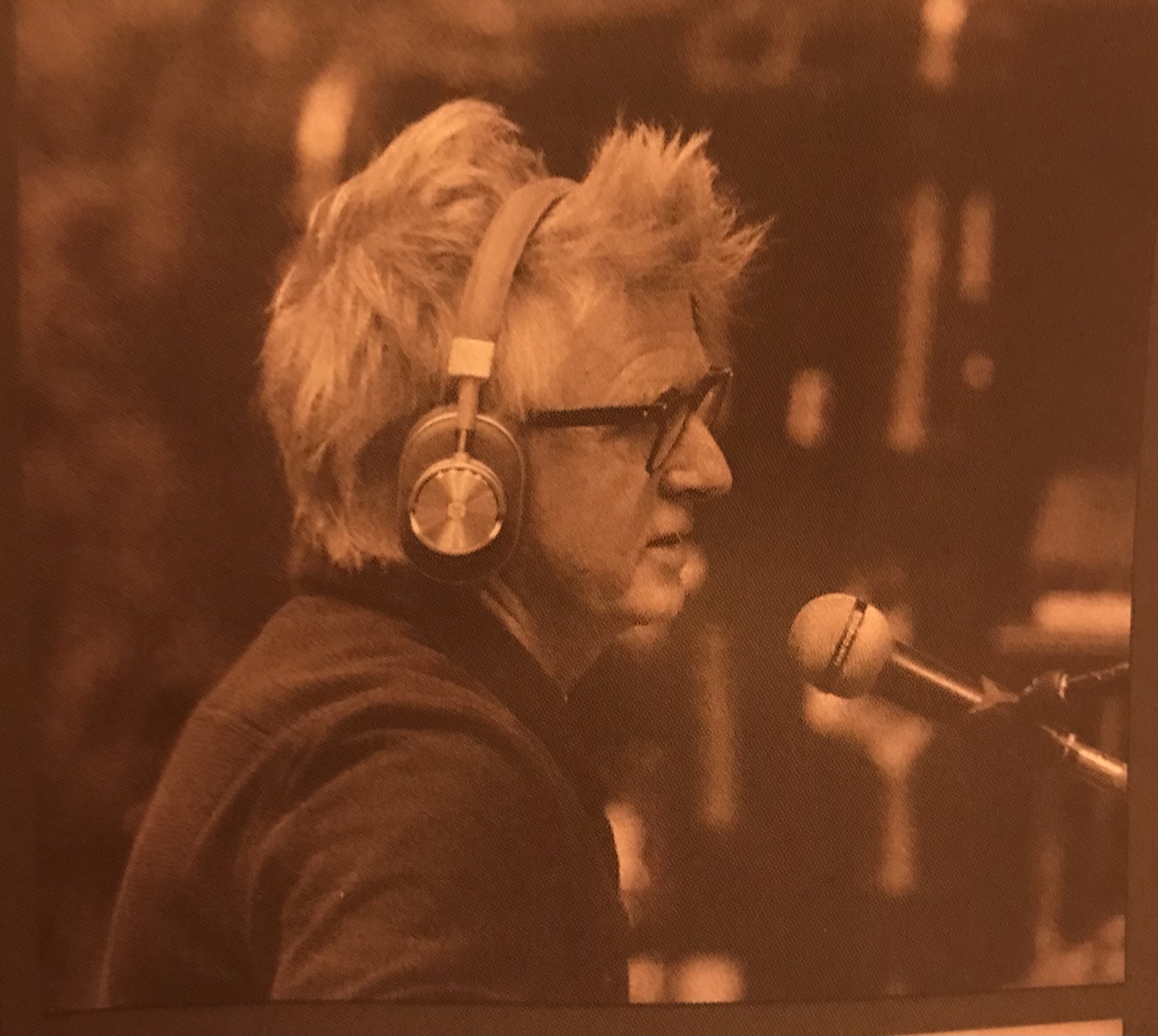
Crowded House is a real family affair these days. There’s no Tim Finn, but ever-present bass player Nick Seymour is still involved, alongside Neil and his two sons Liam and Elroy, augmented now and again by Neil’s wife Sharon and the well-travelled Mitchell Froom. The songs on Dreamers Are Waiting are well crafted and carefully considered, the production rich and vivid. It’s a good album.

The opening track is a real beauty, a real scene-setter of what promises to follow. It’s not a wham-bam opener, over and out in a breathless rush of flailing cymbals and crashing feedback. Crowded House don’t go for that. What they do go for though is control and restraint. Bad Times Good is a quietly confident, gently unravelling masterpiece.

Crowded HouseBad Times Good

With breathy Californian harmonies wafted in from Neil Finn’s stint in Fleetwood Mac and a heavy borrowing of Don’t Fear The Reaper’s multi-tracked, multi-stacked backing vocals, the album opener has all the hallmarks of soft rock greatness. It’s absolutely vintage Crowded House; from the understated acoustic opening and muted percussion to its gently tumbling piano/guitar arpeggios and close-miked vocals – and it has you hooked from the off.

Neil Finn is a tease though. He has unlimited melody the way some of us listeners might have limited patience, but still, he doesn’t give it all up at once. We’ll discuss the music in a second, but first we must acknowledge one of the finest voices in popular music. There’s an unexplainable tone to his voice that gets me right there. Very few vocalists have this impact on me – most of my favourites don’t – but Neil Finn is one of them. An undeniably brilliant vocalist. And melodicist. And writer.

The music that carries Bad Times Good threatens to fly off on a couple of well-placed chiming chords midway through the first verse –  ‘Make a good time last/Before we choose a path, let’s spend the night at Los Campaneros please,’ – but Finn pulls it back – ‘through the doorways of the past‘ – you’re not ready for it yet, he thinks, and the tune settles in again. Those chiming, not-quite-expected chords, sometimes the harbingers of deadly night, other times the chink of light in a door half ajar are, it dawns, something of a Finn trademark. Not The Girl You Think You AreNails In My FeetInto Temptation...Distant Sun (great performance from the Tonight Show here) all benefit through the principal songwriter’s way with a well-chosen chord that provides the stepping stone to melodies to die for.
Hey! Everybody wants to make a bad time good.’

Something is nagging at me by the second verse. It’s the vocals! They’re wonderful! And wonderfully close to Gerry Love’s more pastoral deliveries on those late-era Teenage Fanclub albums. No bad thing, obviously, and when married to those hazy, lazy Blue Oyster Cult heeeeyyys gives us a track that anyone with an addiction to ’60s-influenced sunshine pop and an unravelling melody should enjoy playing multiple times in a row and never tire from. Trust me on that.

As the second verse winds its way to an end, and the bass player begins a frugging run up the frets, the reins come off and we’re suddenly soaring. ‘It’s a challenge for the impresario,’ sings Neil, and the band behind him climbs upwards and outwards on a beautiful chord progression, led by understated and underscored strings – where did they come from?!? – subtle and keening, leading us to the key moment that opens the song into technicolour.

When they hit the sunshine chord – ‘Whether sunlight or shadow falls on me‘ – and the tune opens as wide as the Clyde- ‘You won’t come out….’ – aw man! It doesn’t get better than this! Neil Finn’s vocals are now flirting with that falsetto that he can do – the one you’ve tried and failed at since first hearing Weather With You – and a song that once showed real promise now really delivers and then some.

There’s an acoustic drop out, before perfectly executed ‘Heeeeyyy!‘ AOR vocals breathe their way back in, blowing the track to its slow-winding, meandering end. The rest of the album has a lot to live up to. It doesn’t quite get there, to be honest, but as far as opening tracks go, you’ll not hear a better one this year.

Get This!, Live!

(Mc)Nabbed In The Act

Hifff y’wanna have hhhittt zhingelzzz ‘n sell a tonna rekids,” Keith Richards once said to me, “you need’t’add a chick’s name to the song title. Th’chicksss go mad f’rit and their owld fellazzz have t’buy them…hur hur hur!

Ian McNabb does more than a passable Keef impression. He’s midway through his second set at Irvine’s small but perfect Harbour Arts Centre and introducing Understanding Jane, the breakneck bar room thrash that first pricked these ears to the scorched beauty of The Icicle Works when I was a Tesco part-timer with £9 a week to blow on music.

Of course,” says McNabb self deprecatingly. “Evangeline…Jane…Melanie…It never worked for me.”

The solo acoustic version of Understanding Jane that follows is a rootsy, 12 string country romp that would sit neatly between your Gram Parsons and Waterboys records, McNabb’s guitar sounding full fat and thrumming, his wheezy harmonica stirring up the dusty ghosts of yore as his scuffed boot heels (actually, make that comfy Sketchers) stomp the beat.

Ian McNabb, soundcheck, Harbour Arts Centre, Irvine 18.6.22

I’m worried this one sounds a bit too much like Neil Young,” he’d winked at me at the soundcheck earlier, before embarking on a very Neil-ish harmonica-enhanced and fingerpicked downhome beauty. For good effect, and to test this listener I suspect, he throws in the odd line that keen and eagle-eared Young watchers the world over will spot from those old bootlegs now being dusted down and released with regular, wallet-emptying frequency as part of his Archives series. “I’m happy that y’all came down!” he says with a mile-wide toothy grin.

I’m happy that McNabb came down too – he’s on fine form in our wee Arts Centre and, with a vast back catalogue to draw from, he’s chosen to forego any support act in favour of playing two full-length sets the likes of which Broooce and ol’ whiny Neil himself might baulk at the length of. Indeed, a Springsteen show might appear as short and sharp as a mid ’70s Ramones run-through by comparison. McNabb has set his stall out with a selection of variously-tuned guitars and a keyboard that’s set to stun and it’s clear from the off that we’re here for the long run.

Much of the material in the first half draws from recent album Our Future In Space and the lockdown-recorded Utopian. Highlight for me was the misty-eyed Makin’ Silver Sing, played at the keyboard with lovely elongated synth pulses and hanging-in-the-air majesty.

Many of the bands that come through our venue feature jobbing musicians; the guitar player from band x also plays in band y and happens to play in a ceilidh band at the weekend when he’s not laying down the groove to I’ve got a feelin’ that tonight’s gonna be a good night in the bill-paying wedding band that keeps him in petrol and plectrums. We once had a support act turn up after driving 5 hours from the very north of Scotland, play a half hour set to a disinterested and half-empty room and turn back around again to make the long drive straight home because both the singer and drummer were starting the early shift in the local tourist trap hotel at half six the next morning.

That notion, folks, of four guys against the world went out the window long before U2 started depositing their rubbish records on your iPhones while you slept. On Makin’ Silver Sing, Ian McNabb captures it perfectly. It’s a brilliant and underheard beauty, with the bonus of a great video. Do the right thing and listen…maybe even buy it. It’ll keep the songwriter in petrol and plectrums – he favours Roger Waters-branded picks as it so happens.

The second set is jam-packed with the big ones – Birds Fly, Hollow Horse, When It All Comes Down – before finishing, of course, on a raucous and well-received Love Is A Wonderful Colour. McNabb is very funny throughout, singling out individual audience members for a dose of rapier Scouse wit, breaking into spontaneous snippets of Live And Let Die (“‘appy Birthday, Sir Paul!“) and the Neil Young aping Horse With No Name whenever it occurs to him to do so. Take your eyes and ears off him and you’ll miss something funny, I tell you.

As much as the big hits are pleasing on the ears, it is though, another keyboard-led track that further blows me away. New track Harry Dean Stanton is jaw-dropping in execution; a swirl of room-filling electric piano and enough reverb and echo on the crystal clear vocal-ocal-ocals to drown a (Crazy) horse. Wonderful stuff.

Ian McNabb plays Leaf in Liverpool this coming weekend. You know what to do.


Gone but not forgotten

Rock Goes To Collage

This song is a beauty. It begins with a four to the floor bass drum ‘n boot-heeled stomp; urgent and glam, exactly the sort of beat that would reduce lesser frontmen to demand the audience showed him their hands in above-the-head crass communion.

BuzzcocksFiction Romance

Not Pete Shelley though. A guitar line follows, waspish and chugging, two notes playing in unison with the kick drum. Zhung-zhung-zhung-zhung-zhung zha-zhung, zhung-zhung-zhung-zhung-zhung zha-zhung. A second guitar falls into line. Same riff, different effect. Chorus? Flange? Both? It’s as shiny and metallic as the record sleeve that houses the album upon which it can be found and it’s full of the promise of what might follow. The drum roll that clatters in exactly where you expect it to wakes the bass payer from his slumber and the band, Buzzcocks, now playing as one, is a fraction faster, a fraction keener.

Shelley is straight into the vocal. A fiction romance, I love this love story, he goes, and you’re lured into a false sense of what the song is about. The chords shift from F to A – an unusual change from a band who made a bit of a trademark of playing unexpected chord changes – and, just as the guitar playing suggests trouble ahead, the vocal turns sour. That never seems to happen in my life. Ah. So it’s another unlucky in love love song from a band who made a bit of a trademark of writing and playing unlucky in love love songs. Not just any old unlucky in love love songs, though. Buzzcocks played them with a whip-smart ferocity while Shelley delivered them with a knowing coquettishness. Unpretentious and everyman, Buzzcocks were and are remain entirely peerless. You knew that already though.

Here comes the chorus? Bridge? Refrain? I dunno, but it’s perfect. Those F-shapes are slid up the frets and back down again, changing the gears, dropping the speed until we’re back to The Riff and Buzzcocks are off and galloping once more. By the time we’ve breathlessly pogoed our way to the outro, the band is locked in as one to the flow of the music – headnodding Stooges sludge played by effete Boltonians. Fiction roma-aaance! Fiction roma-aaance! they repeat and repeat, underlining once and for all that this love thing is a work of fiction entirely, then, just when you least expect it, they switch gear into another riff for the entirety of the last whole minute, ending on a vocal-less Beatles For Sale aping I don’t get you-ooh. A band that references itself! How arch! It’s outrageous and groovy and one that most bands would happily swap their vintage Les Paul jnrs for.

There’s a swirl to the music, a floaty air of proggish punk/punkish prog wrapped in stomped-on effect pedals and Martin Rushent’s complementary production. Not for Buzzcocks the glam tourettes of Sex Pistols nor the biscuit tin production of the first Clash album. They knew what they were after from the off and captured it perfectly. They sound timeless…which they are. If y’don’t like Buzzcocks, y’don’t like life.

Buzzcocks’ debut album Another Music In A Different Kitchen was so-titled after the band borrowed and butchered a line used by Howard Devoto to describe one of Linder Sterling’s collages. As essential to punk as the artwork of Jamie Reid, Linder’s collages largely featured pin-ups and topless models torn from top shelf magazines and relocated to domestic subservience. Their heads and faces were usually replaced by steaming kettles or hissing irons and they’d be placed on top of a sideboard, perhaps, or maybe a kitchen worktop. Chaotic art that allows for discourse and social commentary. Subversive and smart. Like the band wot embraced it.

Live!

Nothing Ever Happens…In Irvine

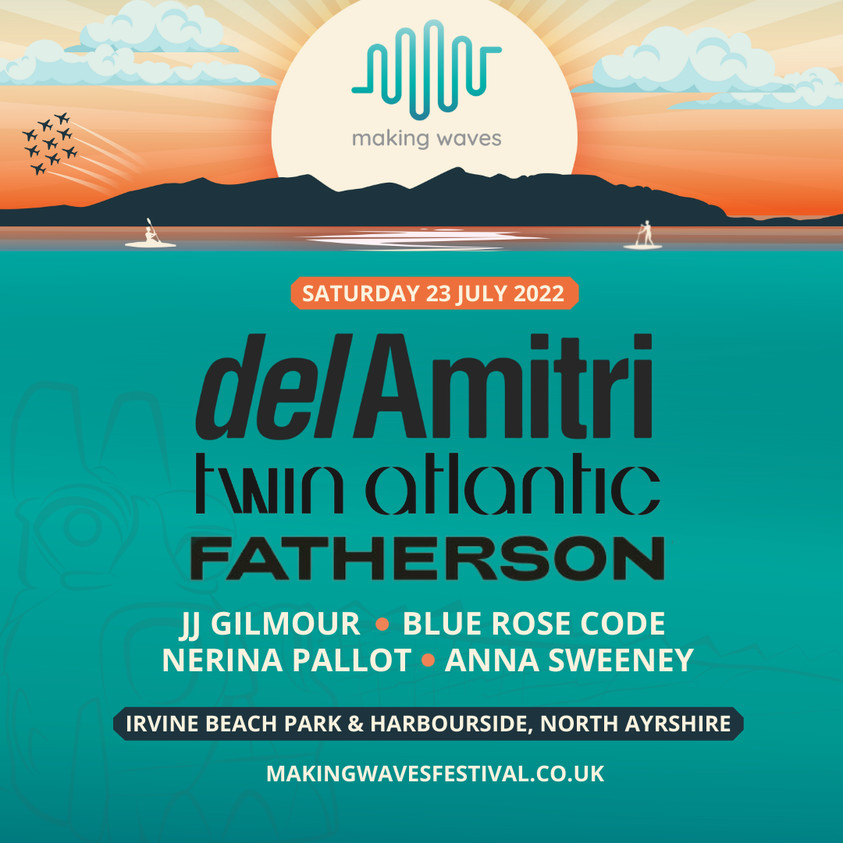
I’m involved in the organisation and what-not of a new music festival in my hometown of Irvine this summer. Irvine, a town so often a regular stop-off for the big touring acts of the day – The Jam, Madness, The Clash, The Smiths, Human League, Oasis, Bjork – has been long-starved of big events for the last quarter of a century and now the Making Waves Festival is the first step to reversing that trend.

Headlining the Saturday night is Del Amitri. I interviewed Justin Currie a couple of weeks ago and this week the Irvine Herald ran a version of the article in my semi-regular Off The Freckord column. A second, alternative article was syndicated to different newspaper groups, including one or two nationals, so there’s a chance you may have seen it pop up somewhere in the past few days. What follows here is a jigsawing of the two independent articles into the one bigger piece. Think of it as an exclusive for Plain Or Pan readers.

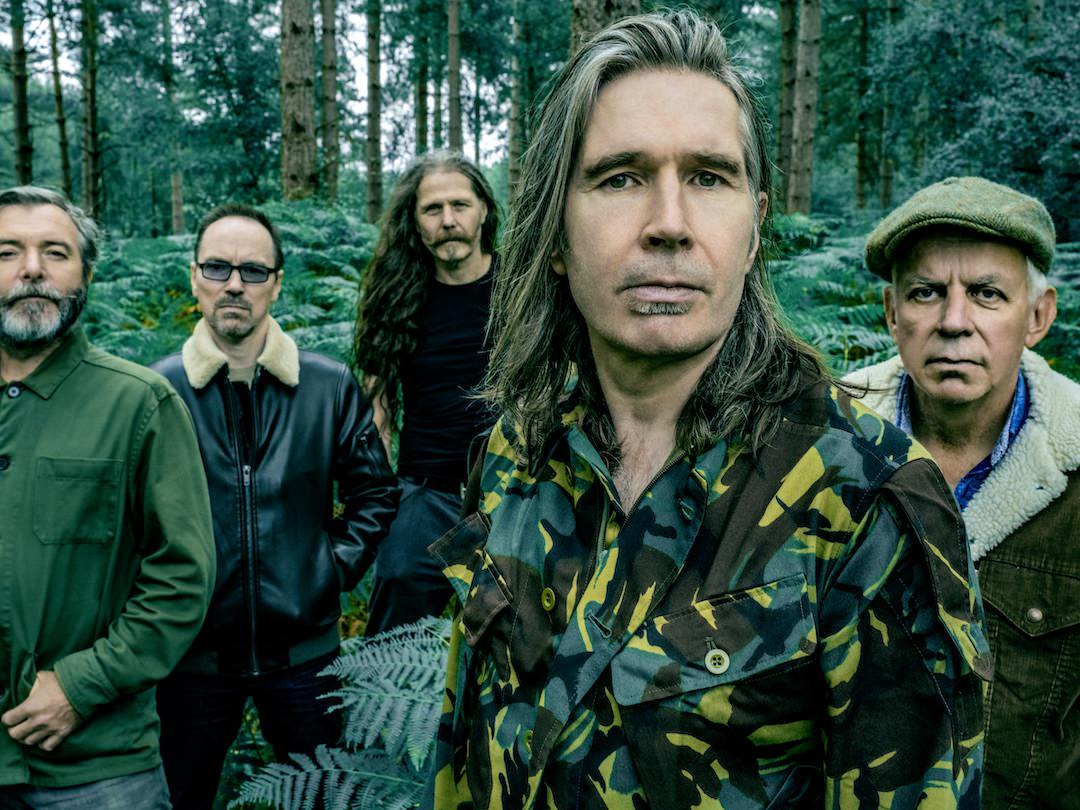
Headlining Making Waves Festival at the Beach Park on 23rd July is Del Amitri. The Glasgow band, formed, believe it or not, almost 40 years ago, have released seven studio albums to date and tasted chart success with 1992’s Nothing Ever Happens, the straight-in-at-number-13 smash Always The Last To Know and Don’t Come Home Too Soon, the official song that would go on to soundtrack the national football team’s ubiquitous early exit from the World Cup in France, 1998. Top of the Pops appearances, Glastonbury slots, prestigious support tours… Del Amitri has given singer and focal point Justin Currie a full and interesting life. Ahead of Making Waves, Justin took the time to chat to Off The Freckord about lockdowns, live shows and longevity.

“Lockdown was surreal, wasn’t it? There was this strange anxiety everywhere, especially during that first one. ‘Am I going to die of it? Will I kill my friends if we meet up?’ There was a collective nervous breakdown, I think. Amongst musicians there was a real worry that we’d never play again. I’m sure artists like Bob Dylan and Van Morrison had those conversations inside their heads. I really missed performing. It was the first time since I’d been 14 years old when I hadn’t played live music somewhere. My whole life until lockdown had been structured around live music – other bands as well as my own – but the need to rehearse, work up new songs, continue the process that encourages you as a musician to keep going was suddenly and cruelly taken away. Unlike many others, I chose to do nothing in lockdown. Nu-thing. I watched the telly. I read books. I would see people out running and think, ‘Nah. That’s not for me.’ I’m a musician, so I dabbled in live streams for a bit. I didn’t like doing them though. The disconnect made it feel sterile and a bit naff. I stopped doing them quite quickly. I’m a songwriter, so I then tried to write songs… about lockdown. It was all contrived rubbish. Songs should be personal, but appeal universally, not be universal in flimsy subject matter. They were all quickly binned.

It’s great to be back with the promise of playing live in front of people again. We’re gearing up for a small run of shows, most of which have been rescheduled three or four times in the past couple of years. It’s strange, rehearsing. It’s not hard to play all those big hits…but it’s difficult to play them well. We’re all rusty and out of the way of playing them, so we’ve been working hard, oiling the Del Amitri gears and making them slick and professional-sounding. By the time we’ve completed these shows, we’ll be hitting the summer festival trail and we’ll be sounding great, that I can promise. We’re not what you’d consider a festival band, but I enjoy playing those smaller ones with an eclectic line-up and an audience who are all there for the music rather than the lifestyle. Festivals where you can see a reggae band on a small stage, or a folk band in a tent, alongside the big names on the main stage are always good fun. Making Waves seems like the ideal boutique festival in which to see Del Amitri. It should be good fun.

I feel really lucky to still be doing this. When I formed Del Amitri I was incredibly fortunate. We were signed quite quickly. We were championed by people like John Peel – a hero to me – and we found ourselves in the charts on a few occasions. We’d ran out of steam a wee bit by the early 2000s, but a few years later we were offered good money to go back on the road and play the hits. Why deny yourself the opportunity of doing something that you’re good at?! Luckily – again – we had an audience who were keen to come out and see us. We appeal to people, I think, because we’re a melodic band with reasonably intelligent lyrics. Good songs are good songs, regardless of the musical fashions of the time. It’ll be good to dust them off and give them a right good airing at the Beach Park!”

Best Festival Experience?

“Del Amitri has been lucky to have been asked to play some of the biggest and best festivals out there. We’ve played Roskilde in Denmark, T in the Park, Woodstock ’94, Glastonbury… Sometimes, at the bigger festivals there can be a bit of a disconnect between band and audience. Everyone is so remote and far away. The gap between stage and audience is sometimes larger than the venues we’d ordinarily appear in! I always enjoy playing them though. There’s nothing better as a musician than hearing your own songs sung back at you from an audience full of people who know every word.

Whenever Del Amitri played at T in the Park, I made the conscious decision to drive so that I could run from stage to stage and see as many bands as possible without needing to rush away after our set. I’ve seen some great bands over the years this way. Pulp playing Common People to a field full of up-for-it punters at a mid ‘90s T in the Park will live long in the memory, the soundtrack of the era played out for all who were there.”

Worst Festival Experience?

“When I was 15, my pal and I went to Leeds for the Futurama 2 post-punk festival. There was a great line-up and, this being our first festival, we marked the occasion by downing his dad’s stolen whisky on the train on the way to Leeds. I lost my wallet, my train tickets and my ticket for the gig. The woman on the door felt sorry for me and let me in. Midway through a brilliant set by Soft Cell, my whisky hangover started to kick in. I actually fell asleep and missed the rest of that day’s music. The next day, the person on the door was not so forgiving. They wouldn’t let me in without a ticket, so I spent a day wandering Leeds until it was time to go home again. At the train station I had to beg them to let me travel back to Glasgow and they did so by forwarding a bill for my ticket to my mum and dad. Memories, yes, but not a great festival experience.

Del Amitri played Glastonbury in 1990 and we were billed to go on after James. James! One of the greatest singles bands – every track in their set at the time was a solid gold hit and every other person in the audience was wearing one of those baggy James t-shirts. No way were we going on after them! I suggested Del Amitri went on before James – that was the sensible thing to do – but our management at the time seemed keen to keep the billing as it was and, after numerous arguments, James did indeed play before us. Hit after hit after hit…they just kept coming. We then took to the stage and by the third or fourth song, the audience had deserted us. It was a long slog to the end of our set, I can tell you that. So, Twin Atlantic – I believe you’ll be on immediately before Del Amitri at Making Waves. I know you’ll be good…just don’t be that good, will you?!”

What Makes The Perfect Festival?

“Obviously in Scotland the weather is key. It poured it down at Wickerman one year. Two weeks of glorious sunshine and then, just as Del Amitri were about to go on, down it came. Anything other than rain is what you hope for, isn’t it?

Variety at a festival is important. A varied and interesting line-up with an act or two that I’ve heard of but haven’t yet heard is always good. I’m a music fan as much as everyone else. I get just as much a buzz from seeing a great new band as you do.

A nice pint is always welcome too. Watching a great band with a beer is one of life’s pleasures, isn’t it!”

Justin Currie’s Ideal Festival Line-Up

“Let’s see. Making Waves has seven bands playing, so let’s go for a magnificent seven. Obviously, you need the funk, the soul, the ingredients that’ll get you moving, so without hesitation I’d need Sly & The Family Stone, Prince and James Brown as triple-headliners. The Beatles, obviously, another band with an amazing bass-playing singer (!) and, for the filth and the fury, the Sex Pistols too. On the smaller stages I’d have Culture in the reggae tent and I’d definitely need to find a space for Pharoah Sanders in the jazz/chillout/comedown area. Oh, and Cat Power too. She’s a great vocalist. She should play at every festival there is. That’s eight? I’m sure we can squeeze them all in!

Del Amitri headline Making Waves on Saturday 23rd July alongside Twin Atlantic, Fatherson, JJ Gilmour, Blue Rose Code, Nerina Pallot and Anna Sweeney. Tickets can be bought here. It’d be great to see you there.

*Oh! The Music!

Del AmitriNot Where It’s At

I once read a savage line about Teenage Fanclub being the Del Amitri it was OK to like, the inference being that Del Amitri and TFC aren’t miles apart in sound yet light years away from one another in terms of credibility. Who was it that said the music business was a cruel and shallow place?

Not Where It’s At is prime-time Dels; chiming, 12 string Tom Petty-ish guitar lines, crashing chords, honeyed harmonies, minor chord middle eights and enough melody packed into its three and a half minutes to keep you whistling until the cows come home. The Teenage Fanclub fan in your life would very much appreciate it, I think.

Get This!, New! Now!

Ceci n’est pas un article de blog

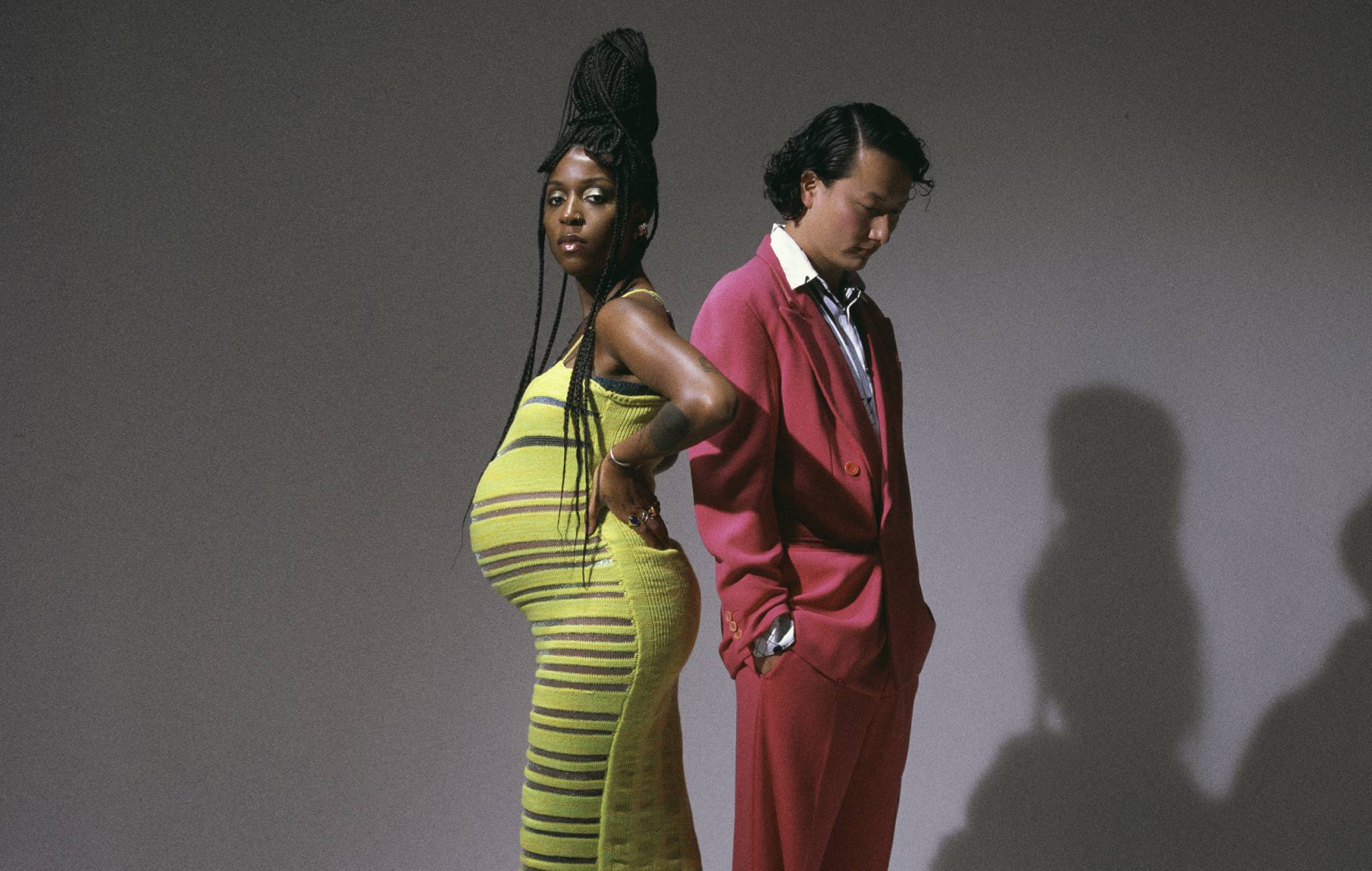
Betwixt and between the hotchpotch of raggedy-arsed guitar stranglers and expensively-suited slick blues musos, world music groovers and torch song balladeers, you might have spotted Belgian funk/pop act Charlotte Adigéry & Bolis Pupul on Later the other week there. They wouldn’t have been too difficult to spot, dressed as they were from expertly coiffed head to carefully-considered toe in banana yellow and, as Jools Holland swept his arm by way of nasal introduction, began playing the sort of effervescent funk that makes rhythmically-challenged non-dancers the world over twitch a toe in admiration.


A Soulwax production, Ceci n’est pas un cliché is propelled by the sort of tight snapping bass line that any self-respecting breakdance crew could make excellent use of. Snap-snap-slide…snap-snap-grrrrowl. Great stuff. Retro ’80s pitter pattering rhythms keep the flow in motion, shocking pink-varnished fingersnaps, electro bloops and off-beat splashing hi-hats add the colour. On the Later appearance, there’s a great airy whoosh near the end – that same production technique employed by John Leckie in the middle of Made Of Stone – and, after the duo countdown from 7 to zero, it drop outs completely before recommencing the funk exactly and precisely on the one.

You’re a cold as icccce, goes Charlotte. I wanna make you feel real nice. It’s daft and it’ll possibly prove to be as irritating as that Wet Leg single, but for now it’s the sound of my early summer.

Ceci n’est pas un cliché takes its title from fellow Belgian René Magritte’s Ceci n’est pas une pipe, a perfect example of his surrealist humour-inflected art. This is not a pipe, he says, eyebrow arched and metaphorical question mark floating above his head. …or is it?

Charlotte and Bolis fill the lyric of their track entirely with cliched lines borrowed from songs that have gone before. I woke up this morning, I throw my hands up in the air, wave ’em like I just don’t care, my heart is beating like a drum, down on my knees, begging please…etc etc. Either it’s a lazy, quick-fire way to add a lyric to a track already completed or it’s a genius commentary on the banality of pop music. Like all art, the answer to that lies in the beholder. Me, I’m erring towards the latter.

I think the album – there’s a great earwormy track called, knowingly, Making Sense Stop – will be worth investigating too.