
Jimmy Smith is the bridge between jazz and soul, a colossus of his chosen instrument who had one well-tailored foot firmly planted in the camp marked ‘strictly no sell out’ and the other in the camp marked ‘unfortunately I’ve got bills to pay.’ A master of the Hammond B-3 organ, his playing was a deep influence on Deep Purple’s Jon Lord, The Charlatans’ Rob Collins and Mick Talbot in The Style Council (et al), to name but three great players who understood the value of the B3’s flavour to their particular sonic stew.
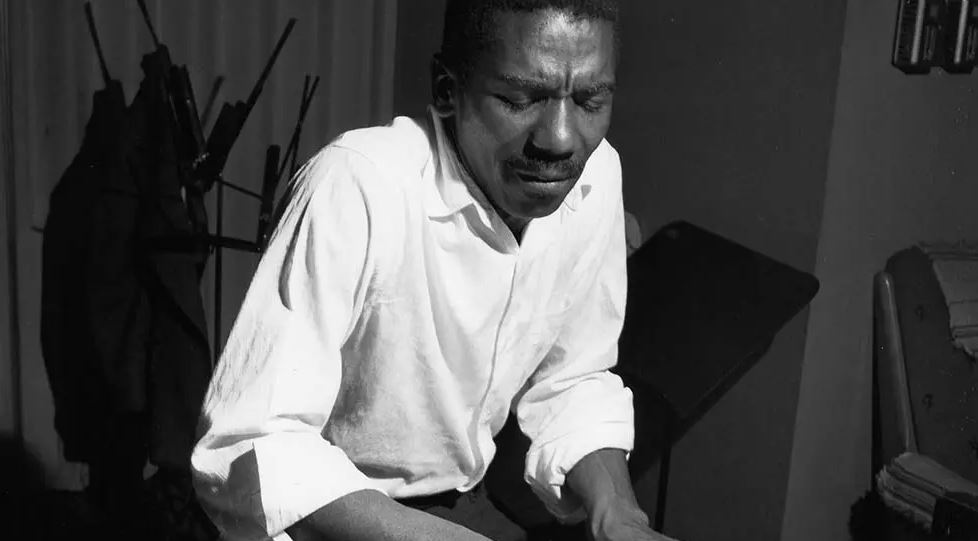
Sampled by all manner of switched-on creatives from the Beastie Boys to DJ Shadow to The Orb, Smith’s indelible organ grind appears in the least likeliest of places at the most unexpected times. Would the Beasties’ Root Down be quite as funky without that requisite sample? Could Andrew Weatherall have borrowed from anyone other than Smith when twisting The Orb’s Perpetual Dawn inside out and upside down? Ask yr average music fan to compile a list of the ten most influential players in music and it’s unlikely that Jimmy Smith’s name would make that short list, but his influence lives long and large.
A few years ago, in the midst of a particularly heavy jazz phase, I noticed on leaving a Glasgow record shop a Japanese import of Jimmy Smith’s Back At The Chicken Shack album. A Blue Note original. A super duper Japanese pressing. And, given the pressing and its particular desirability, one that was relatively affordable. It was up high, so I couldn’t lift it down to look at it, but I wanted it. Problem was, I was properly spent out, and if I’d asked the guy at the counter to get it down for me, I’d have felt compelled to buy it with money I didn’t have. I hummed. I hawed. I left without it…but ten minutes later I’d done a U-turn down Argyle Street, flames burning from the heels of my desert boots as I hot-footed it back to the shop with the sole intention of bringing that record home with me. Of course, by the time I’d returned, some other unbelievably lucky jazz head had got there before me. We all know what buyer’s remorse is. This was not-buying remorse. Which, as you know full well, is very often worse. It’s undoubtedly good to be impulsive sometimes.
Back At The Chicken Shack is a terrific album, a proper heads-down, chin stroking melding of walking basslines, lazy drum shuffles and Smith’s smoky, croaky Hammond sound.
Jimmy Smith – Back At The Chicken Shack
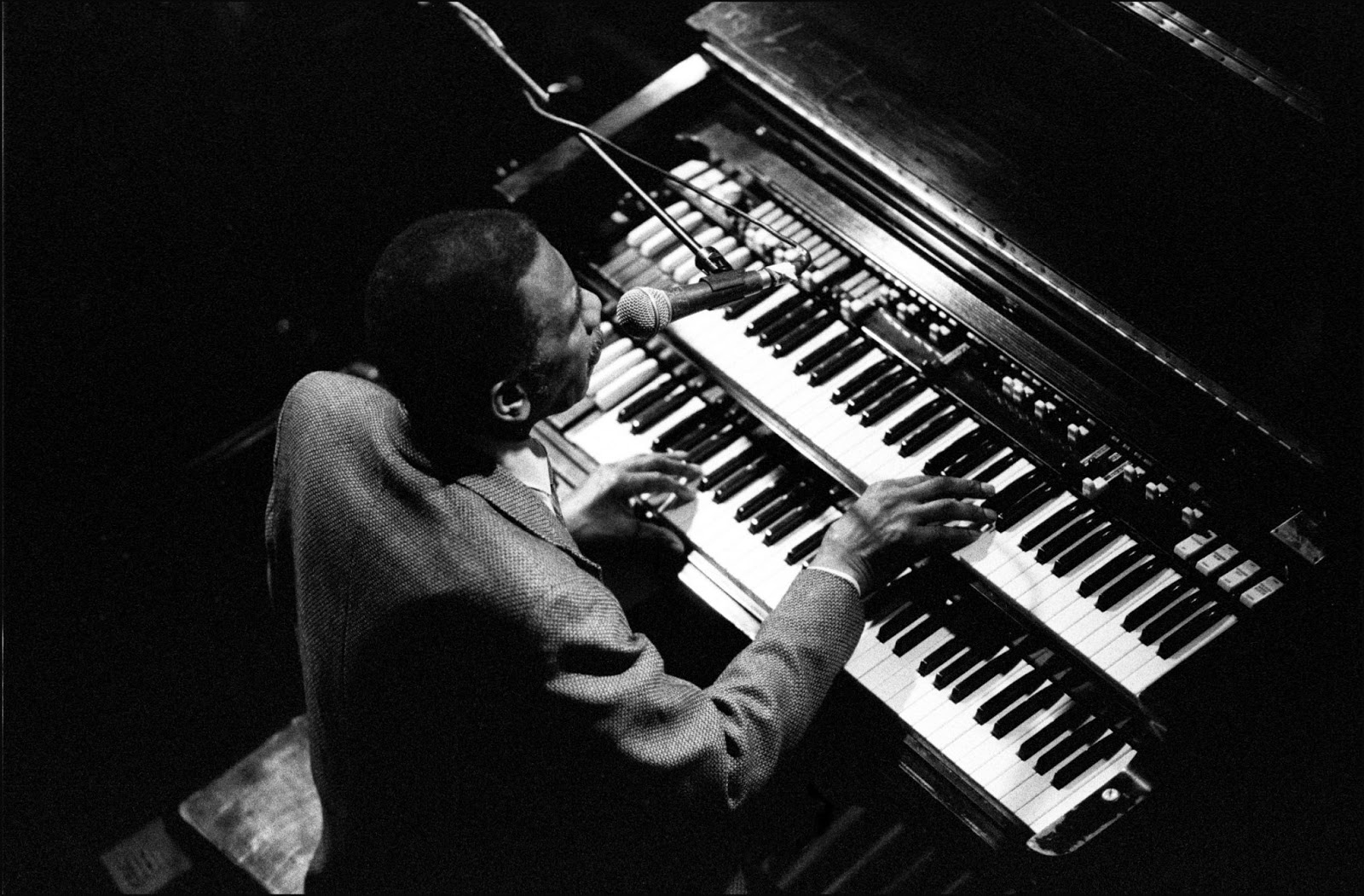
The title track is a heady amalgamation of early ’60s cool, finger-clickin’ jazz. There are just four musicians on board, and the quartet contributes to a positively swingin’ affair that, if possible, is even greater than the sum of its groovy parts. Chicken Shack is brought in on a ringing, trembling bed of Smith’s organ, but no sooner have you settled in than Blue Note’s tenor sax for hire Stanley Turrentine wafts his signature rasp across the top line. Kenny Burrell’s guitar vamps quietly in the background, biding it’s time, waiting for the opportunity to break free, the swinging cymbal splash of Donald Bailey’s drums keeping everything in place and orientating the listener.
As the track meanders, unwinds and eventually pulls itself back together over the course of eight heady minutes, Smith takes centre stage; he ripples here, hits heavy chords there, goes low and bassy in this part, flies high and reedy in that. He walks his fingers up, off and out into orbit before eventually stepping aside to allow Kenny Burrell the opportunity to showcase his exquisite guitar skills; bends, double stops, soulful scales up, down and (crucially) between the frets, playing on pure instinct with his fingers going to places in the merest of nanoseconds before his brain has thought of doing likewise. Turrentine blows a cool breeze in the catch-a-breath gaps left behind, freeform yet within the structure of the track – playing riffs really, as the rock fraternity would recognise them. There’s nothing too skronky or head-melting here, just good, honest music cooked up by good, honest jazz cats playing for no-one but themselves and anyone else with an ounce of rhythm and blues in their soul.
If it’s single-button, tonic suited mod jazz yr after, look no further than Back At The Chicken Shack, daddy-o.
 Plain Or Pan