
*Warning. Jazz.
Turn off your mind, relax, float downstream. From Trump to the Trongate, the world right now seems hellbent on willful annihilation and pointless self-destruction. Instead of firing missiles into Iran or flares into the away end at Ibrox, we should be bombarding the antagonists with this;
Peace Piece by Bill Evans
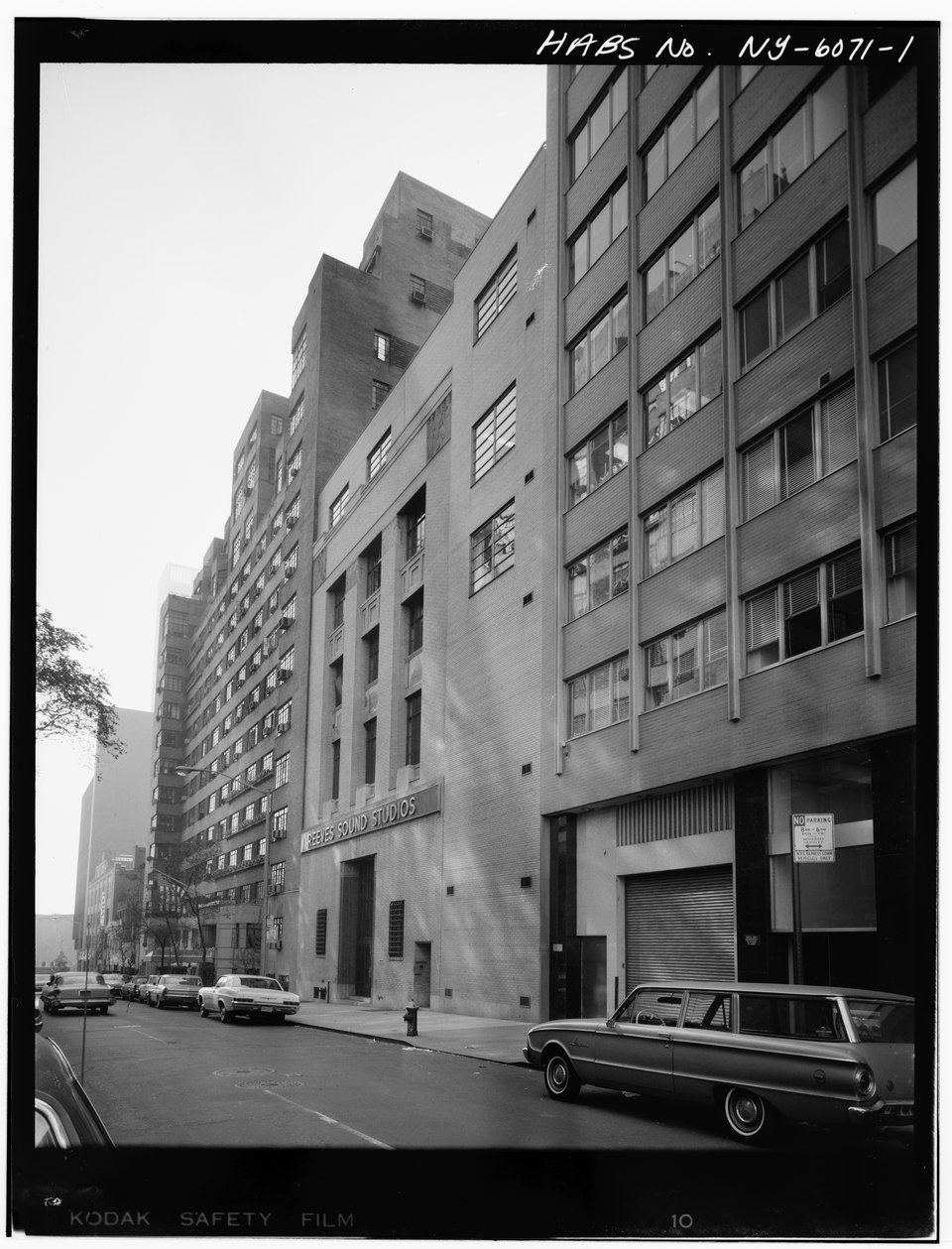
Recorded in December 1958 at Reeves Sound on New York’s East 44th Street – a coincidental hop, wop and skippity bop away from the hotel I stayed in the last time we were in the greatest city on the planet, daddy-o – it is the contemplative sound of Bill Evans winding down at the end of a recording session, under the impression that the engineer has stopped the tapes rolling on another day towards completion of Everybody Digs Bill Evans, the modestly-titled album that would cement his place in the pantheon of jazz greats.
Riffing around the sort of chord structure that Johnny Marr might make terrific use of – a Cmaj7 to G9sus4 and back again – (and sounding not unlike the opening notes on Gabriel Yared’s C’est le vent, Betty from the Betty Blue soundtrack), Peace Piece has the normally upbeat and innovative Evans in reflective, meditative, filmic mood. You can imagine the harsh New York winter outside, Christmas creeping up on the city, the sidewalks slow-moving with hatted men and hair-done women leaning into the cutting chill from the East River like doubled-up figures in an LS Lowry painting, goose feathers of snow falling from the gunmetal grey skies as the urban Manhattanites slip and slide their way about their business. And inside the studio, peace.
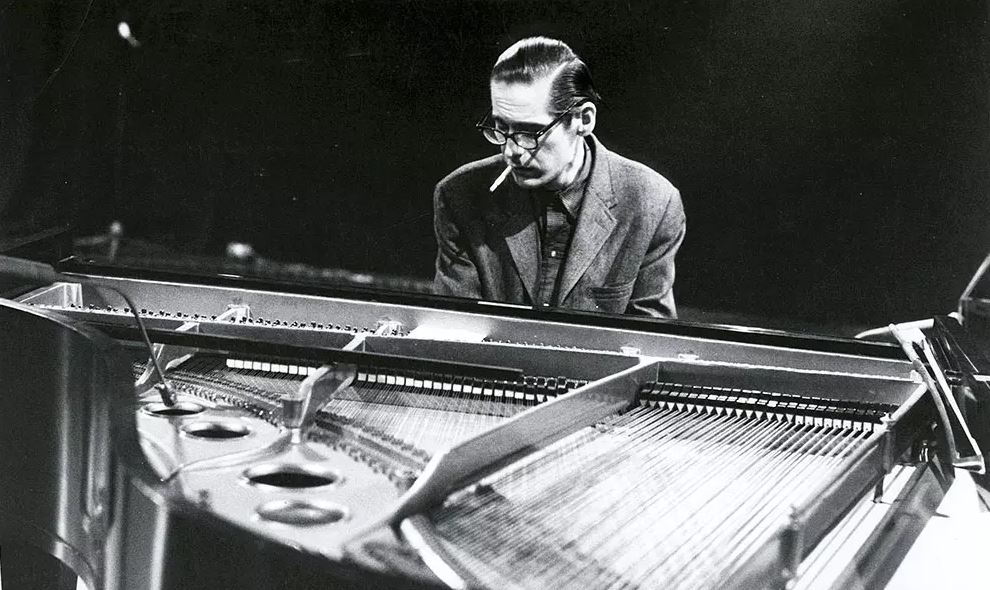
Evans, sleeves rolled back from the wrists, is hunched over the keyboard and letting his fingers go where they want and do what they will. A blue curl of smoke from a smouldering Chesterfield hanging at right angles from an over-flowing ashtray atop his piano vanishes into the yellow beam of the solitary studio light that washes the room in an ochre haze.
His bandmates have long packed up and are off for the night, and Evans, alone save the engineer and the red ‘recording’ light, stretches out beyond the two chords and trills suddenly at the top end of the piano, slightly discordant notes against the simple comfort of the left-handed melody. But he always comes back to the signature motif; calming, serene, a peace piece.
A long, low note fades out for a good twenty seconds at the end, the listener unsure on first listen if Evans will come back in. But no, he’s gone, and for six minutes at least, the world seems a better place.
Believing that regular playing would reduce its impact, Evans would play Peace Piece only once in concert, before retiring it like your favourite European superteam’s number 9 shirt. Not even Miles Davis could convince Evans to make it a regular part of his set, although he did get him to reprise a section of it less than a year later for Kind Of Blue‘s Flamenco Sketches.
‘He plays the piano the way it should be played,’ said Miles Davis on the cover of Everybody Digs Bill Evans. He wasn’t wrong.
 Plain Or Pan