Alternative Version, demo, Hard-to-find

Christmas Rapping

This was timed to go out a couple of days ago, then hastily postponed to make way for the Terry Hall stuff. By comparison it seems trivial now, but I can’t save it for the new year, so on with the show, as they say.

Yule dig this…

Remember Flexipop!? Back at the start of the ’80s, when the freshest of music was borne from a creative and punkish, DIY attitude, a couple of disillusioned Record Mirror writers started Flexipop! magazine. Adopting a maverick approach to publishing that was similar to the bands of the music it would feature, Flexipop! flouted the rules of their game and, in a blaze of cut ‘n paste ‘n Letraset ‘n day-glo fonts gave Smash Hits, Number 1 and even the hallowed trio of inkies a run for their money. Their star would burn briefly – 37 issues (one issue a month for three years) – but brightly.

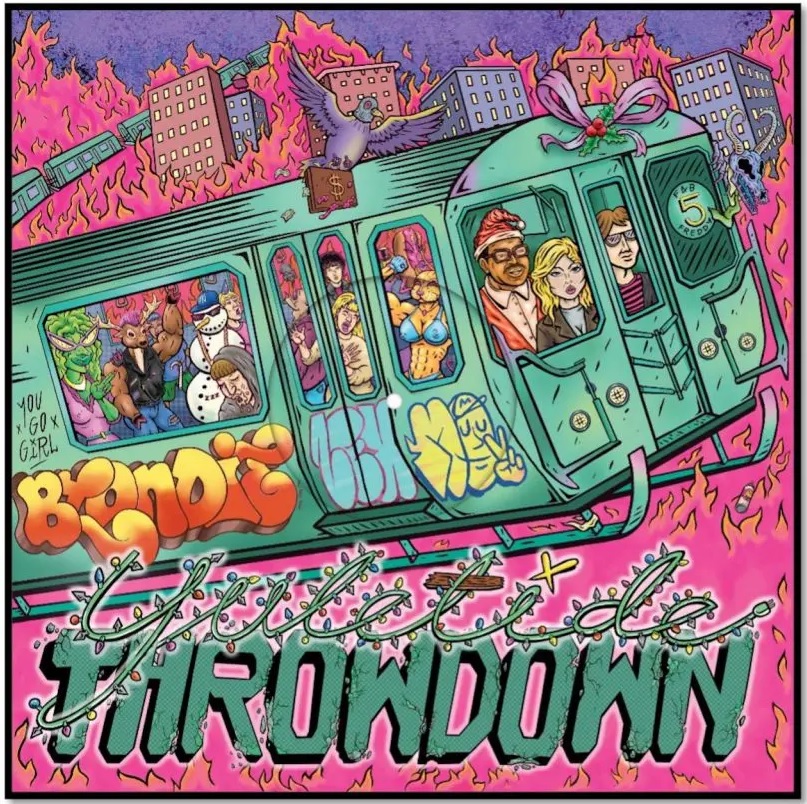
Their USP? Every issue of Flexipop had a free 7″ flexidisc stuck to the cover. Sometimes single-sided, sometimes double, and sometimes even a 4-track EP, each flexi contained a unique, can’t-be-found anywhere else recording of that issue’s cover star; The Jam‘s Pop Art Poem on see-through yellow plastic, for example, or a luminous, Fanta-orange pressing of The Pretenders Stop Your Sobbin‘ (demo, of course), even a 23 second recording of Altered Images wishing you a happy new year, and this… Blondie and Fab 5 Freddy riffing and rapping, some of it loosely Christmas-related, across the top of the demo to Rapture.

Blondie & Fab 5 FreddyYuletide Throwdown

Ice-cool Debbie: Hey – you don’ look like Santa t’me. I never saw a Santa  Claus wearin’ sunglasses!

Freddy: Cool out, without a doubt!

Ice-cool Debbie: Merry Christmas, ho ho ho!

And off they go, Freddy telling the listener where he grew up, Debbie pre-empting Run DMC and the Beastie Boys by double tracking him on the line ends, referencing guns, disco and ‘the nicest snow’ – which is possibly not a reference to the inclement weather. 
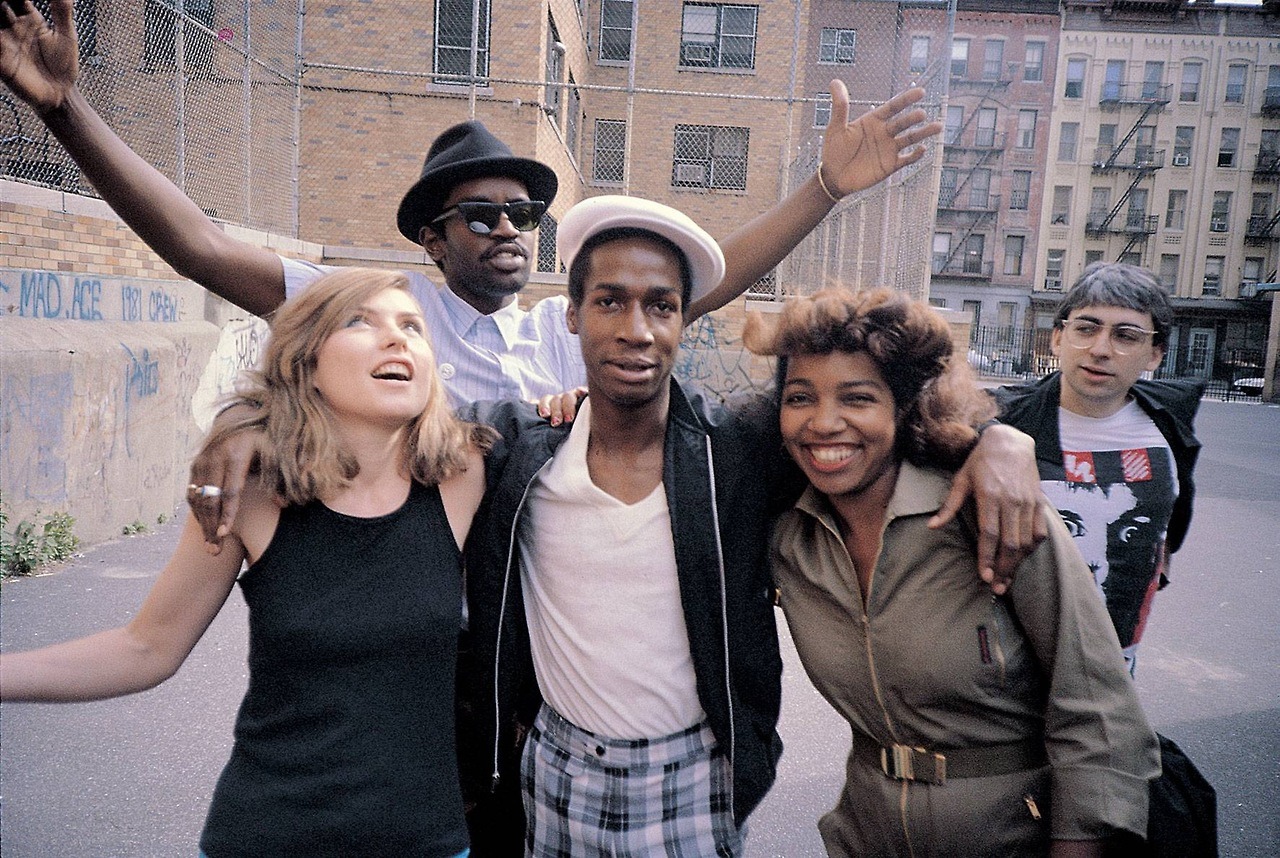
Debbie Harry, Fab 5 Freddy, Grandmaster Flash, Tracy Wormworth (bass, The Waitresses), Chris Stein

Christmas duets come in all shapes and sizes; Bowie ‘n Bing, Shane ‘n Kirsty and now Debbie ‘n Freddy. Lost to the archives, Blondie re-discovered Yuletide Throwdown a year ago while pulling together the material that would make up their catch-all box set.

It’s an interesting peek into their creative process, the version here replete with those descending chimes and rinky-dink funk guitar, the horn motif and Debbie’s ‘Ra-ah-pt-yoor!‘ refrain, yet sluggish and sludgy…and pretty good as a result. I don’t know why they chose to speed it up before release.

“When we first recorded Rapture, it was slower. This was the first version,” Stein said. “We decided to make it faster. The slower tape was just bass, drums and guitar doubling the bass, I don’t think much else. I took the tape to my home studio and added stuff, then Debbie and Fred did their vocals.”
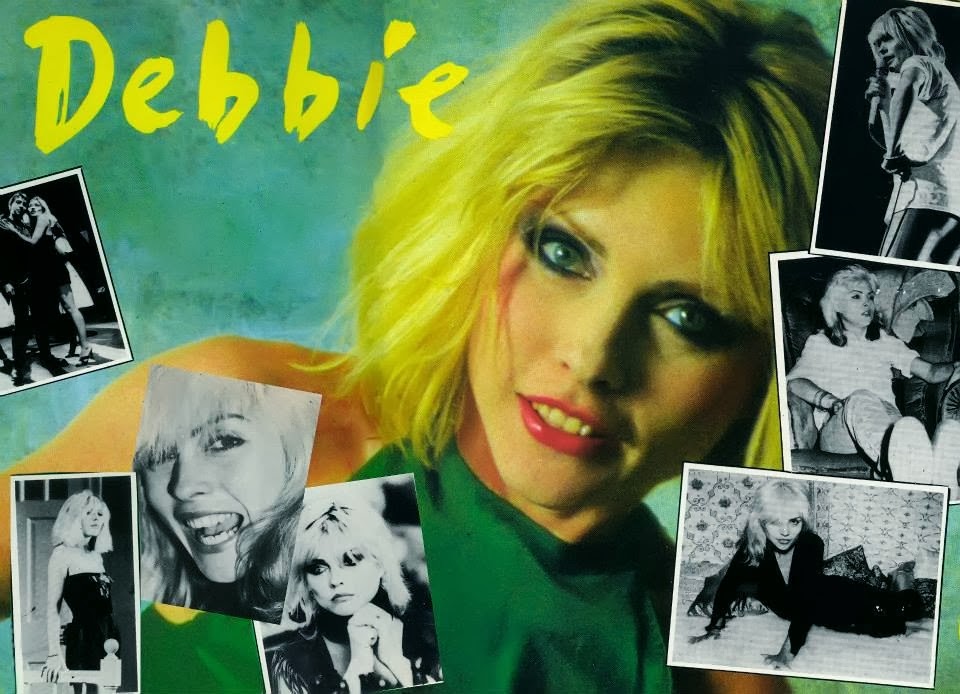
I’m a sucker for a demo or an alt. version, and this version of Rapture certainly falls into that category. Play once, and once only at this time of year, file it in the section of your brain that’ll serve you well come the toughest of music quizzes and then forget all about it until next December.

*Interestingly, the b-side of the Blondie/Fab 5 Freddy single sounds like it might be totally magic. Credited to mystery band The Brattles, it turns out they were a band of pre-pubescent punk rockers aged between 8 and 12: Werner, 12 (Guitar), Dagin, 8 (Drums), Jason, 9 (Vocals), Emerson, 9 (Bass) and Branch, 10 (keyboard). Makes Musical Youth look like the Grateful Dead.

The record shows that The Brattles opened for the Clash twice, shared a rehearsal room with the New York Dolls and we were produced by Chris Stein of Blondie. Ah, so there’s the connection. I suspect Bartholomew Carruthers, if he’s reading, will be able to give me the full rundown. Until then, must investigate…


Cover Versions, Hard-to-find, Sampled

Cavernous

Housed in a sleeve that suggests free movement, fluidity and motion; the gentle, undulating swirls, the band name written on two contrasting axes, Liquid Liquid‘s Optimo EP is a product of New York’s imperial post-punk phase, a fertile, ‘anything goes’ period that encouraged – demanded, even – individualism and originality. For extra homework, you might want to check out ESG, The Contortions or Bush Tetras. For now though, find your feet with Liquid Liquid.

With its pots ‘n pans poly tempo, the lead track Optimo borrows the feel of its window-rattling rhythm from Booker T’s Soul Limbo, before firing off in brave new directions; jittery, staccato lead vocals, bass-as-lead-instument, the piston pattern of steaming hi-hats, the sum of its mish-mash of musical styles old and yet to come making something that’s altogether inherently brand new. It’s no coincidence that the multi-genre embracing ’90s club night at Glasgow’s Sub Club was named after the track.

Liquid LiquidOptimo

The EP is most interesting and celebrated, perhaps, for the track Cavern. It’s the bass line, obviously, that pricks the ears. It leaps, flying off the record to skelp you round the chops with a ‘wherehaveyouheardmebefore,eh?‘ smack of familiarity. A chrome-covered aerodynamic pulse, its cave-like sound, moving-ever forward and flowing was, for all I know, an influence on both the band’s name and their best-known track. It was certainly an influence on hip-hop, that bassline, although more of that later.

Liquid LiquidCavern *

The drums, shuffling, sparse and fat-free, showed that the most powerful music doesn’t always need an earthquake of percussion to propel it forwards. There’s some lovely shaker action all the way through, keeping it less rock and just on the right side of funky. I’d imagine Reni of the Stone Roses would enjoy playing along to this. The vocals, sparse and infrequent, almost an afterthought to the groove, throw up little melodic phrases and half-lines that, funny this!, were also an influence on the hip-hop community. Indeed, if you can’t hear the recognisable melodies and key words (and musical interludes and tempo and general vibe) that form the vocal for Grandmaster Flash‘s White Lines, where have you been all this time?

Yes, not content with copying – not sampling – the bassline, Flash took a liberal dose of the vocal’s style and phrasing and – ooh-whu-ite – created a version of Crystal that was far more reaching than anyone could ever have anticipated.

Initially, Liquid Liquid were flattered. Hearing White Lines adopt their bassline (and vocal inflections…and melodic interludes…) and have it boom from the subway-shocking soundsytems in Manhattan’s clubs – higher baby! – hearing their vocals aped and added to – higher baby!! – hearing their track get an epoch-defining makeover, replete with a boxfresh rap and more hooks than an Ali 15-rounder – higher baby!!! – was quite the thrill, until – don’t ever come down! – the thorny issue of copyright and plagiarism reared its dollar-happy head. Slip in and out of phenomena, indeed.

Grandmaster FlashWhite Lines

There’s only ever one winner in this type of fight, and it tends not to be the creators who benefit, Both Liquid Liquid and Sugarhill Records, the label who’d issued White Lines, were ordered to pay legal costs that ultimately led to both parties winding down, citing lack of funds as the reason.

Full Time from the City of New York:

Finance 2 – 0 Culture


* there are two versions of Cavern on this one sound file. I’ve no idea how I did this or how to fix it. So enjoy Cavern Cavern by Liquid Liquid Liquid Liquid.

Alternative Version, Hard-to-find

Johnny Cash And I Spent Some Time In The Joint Together.

It’s the time of the year when the world falls into two camps: those who like to dress up in fright wigs, cake their face in plaster of Paris and smudge some tomato sauce around their dad’s old ripped shirt to wander the street for sweets from strangers…and those who think it’s all a load of nonsense.

I’m firmly in the second camp. I hated Hallowe’en as a child and I hate it just as much as a parent. Our kids are older now and they wouldn’t be seen dead (no pun intended) in a skeleton costume or a zombie outfit, yet we still persevere with entertaining doorsteppers and (euch!) ‘trick or treaters’ – like Hallowe’en itself, an Americanism too far- because, as my selfless wife points out, our kids benefited from the neighbours when they were younger, whether those neighbours had young children or not. Fair enough, I suppose.

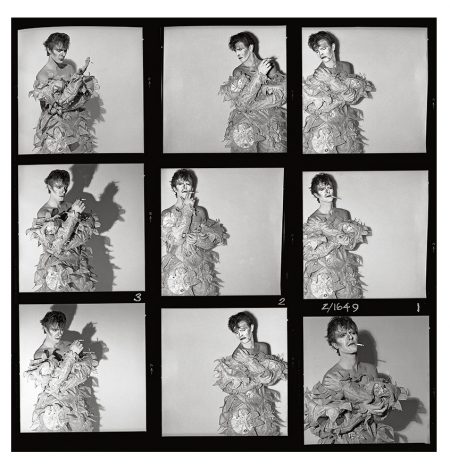
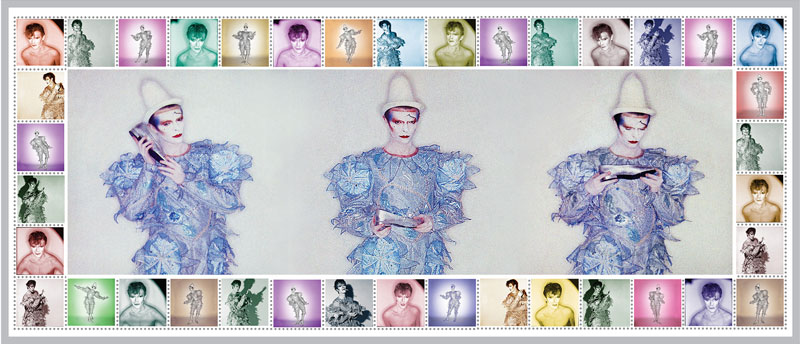
Someone who loved dressing up, who made a whole 40+ year career of it, was David Bowie. After he died, everyone I know went on some sort of back catalogue pilgrimage, reappraising the seemingly ‘weak’ records and finding previously disgarded or misunderstood gems within their grooves. One such album was Scary Monsters (And Super Creeps). One step on from his holy ‘Berlin’ trilogy, Scary Monsters… found the magpie-ish Bowie stepping into the ’80s and embracing the nascent New Romantic scene, taking the most interesting parts and presenting them as his own. Everything on the record, from the clown costume on the front cover to the synthetic squall and squeal of Robert Fripps’s wandering guitar parts deals in artifice and pretence.

David BowieScary Monsters

Interestingly, the title track got its name from the blurb on a Corn Flakes advert. ‘Scary Monsters and Super Heroes‘ were the novelty toys of the time and the singer, forever switched on, adapted it for his own needs. It’s a beauty, Bowie in full-on Anthony Newley, his cockernee vocalisms cutting through the racket of the band, hellbent on bashing out their own take on post-punk and sounding not a million miles away from some of those more straightforward Joy Division records. The drums, repetitive, clattering and full of interesting fills, sound like they could’ve been played by Stephen Morris himself. And the pedal-stomping Fripp is all over the track like a free-riffing rash; outrageous and discordant, the grit in the groove. Violent, aggressive, and straight-up avant garde rock, I doubt the track would’ve been half as colourful or interesting without him.

You can compare it to this 1996 bootleg version, recorded in Atlanta.

David BowieScary Monsters (acoustic)

Stripped back and acoustic, it’s presented in a no-frills blues arrangement, Bowie introducing it with very tall tales of his time spent with Johnny Cash, a subtle nod to Rick Rubin perhaps, to get in touch and make Bowie his next unplugged vanity project. Mere speculation, of course. And something we’ll never know.

 

Hard-to-find

Keep Off The Grass

We’re in New York. We’ve been before, for my 40th – just the two of us – and the kids were apoplectic to say the least that we’d chosen to leave them behind with the grandparents while we hot-footed it across the Atlantic like the pair of goggle-eyed tourists we were. This year has seen/will see a number of family milestones – 50ths, 21sts, big anniversaries and the likes, and the kids weren’t letting us away with it this time. So here we are.

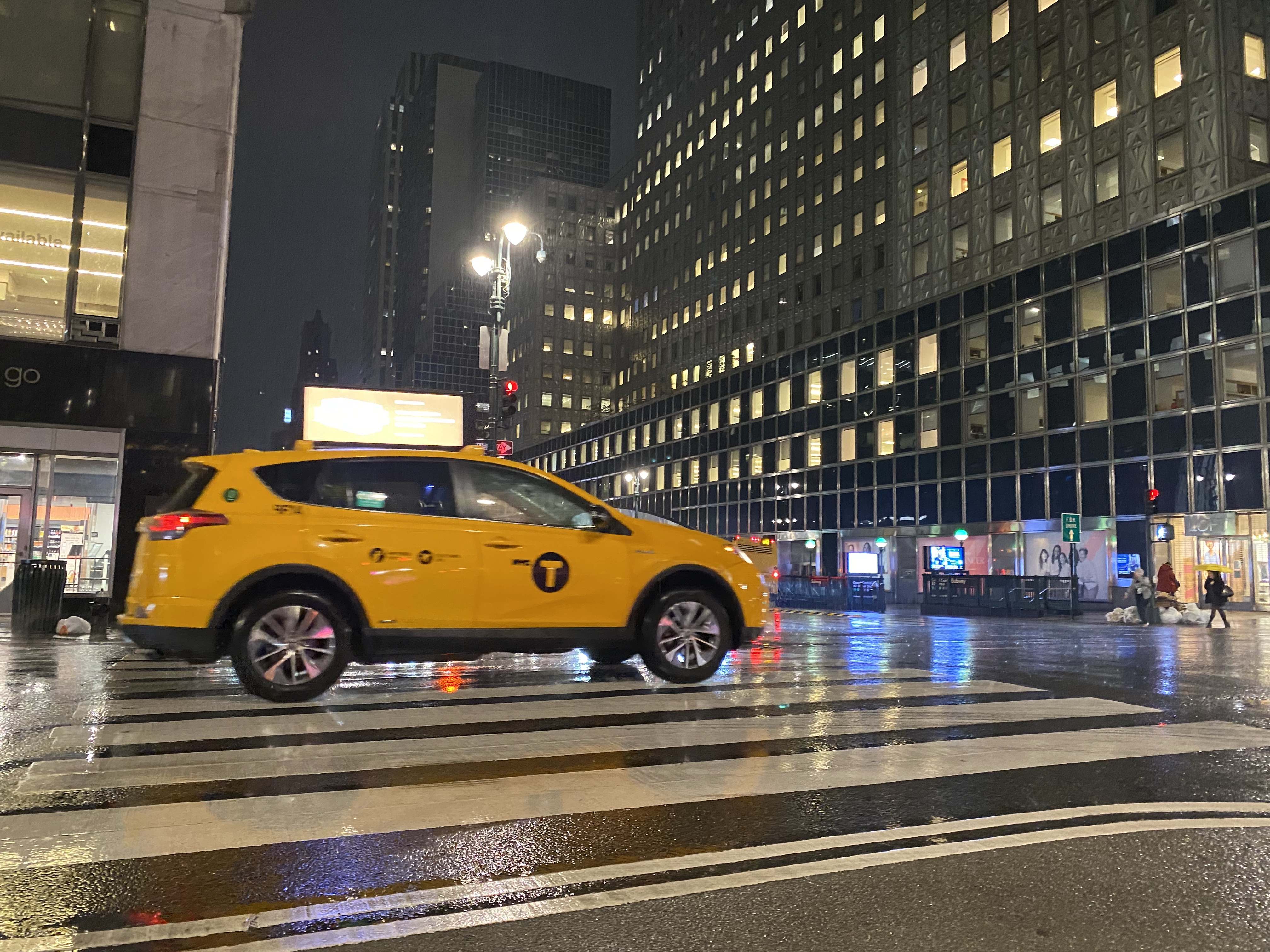
The first thing you notice in New York these days is the sickly sweet smell of weed. Now decriminalised (legal?) in NYC, its omnipresent smell overpowers even the heady wafts from the street food sellers that line the streets. The yellow cab driver that delivered us shaken and slightly stirred from JFK was reeking of it, his low-pulled hoody blanketed in a thick fug of the stuff.

“I’ll have you in Midtown in no time, man,” he smiled through glassy eyes, one hand on the wheel, the other scrolling through the satnav on the phone wedged between his knees, and true to his word, he put the foot down the moment we were on the Van Wyck expressway.

“Asshole!” he shouted indiscriminately. “Goddam she-it!” Fingers flipped, lanes were cut, horns were honked and, after he’d cheerfully told us that he’d been “up in front of the goddam judge for two traffic misdemeanours this week – speeding, and maaan, I wasn’t goin’ that fast! – and dangerous drivin’ – that’s fair ’nuff. Two fifty penalty later and I’m back on the roads. Shit! There’s the cops…” (and so on and so forth), the Manhattan skyline gracefully swept into view and, like the boggle-eyed tourists we were, Ramon’s cartoonish patter faded into the background.

On our first full day, we walked 35,000 steps, spent eye-watering amounts of money on (admittedly good food) in diners and pizza joints that, back home would’ve taken us by golden chariot to our favourite ‘fancy’ restaurant and left us enough change for a night in the Crown to wash it all down. You gotsta eat, though, as they say ’round these parts.

The view from the Empire State Building at night was spectacular, a movie scene come to life right in front of us. All the neon lights are bright on Broadway, indeed.

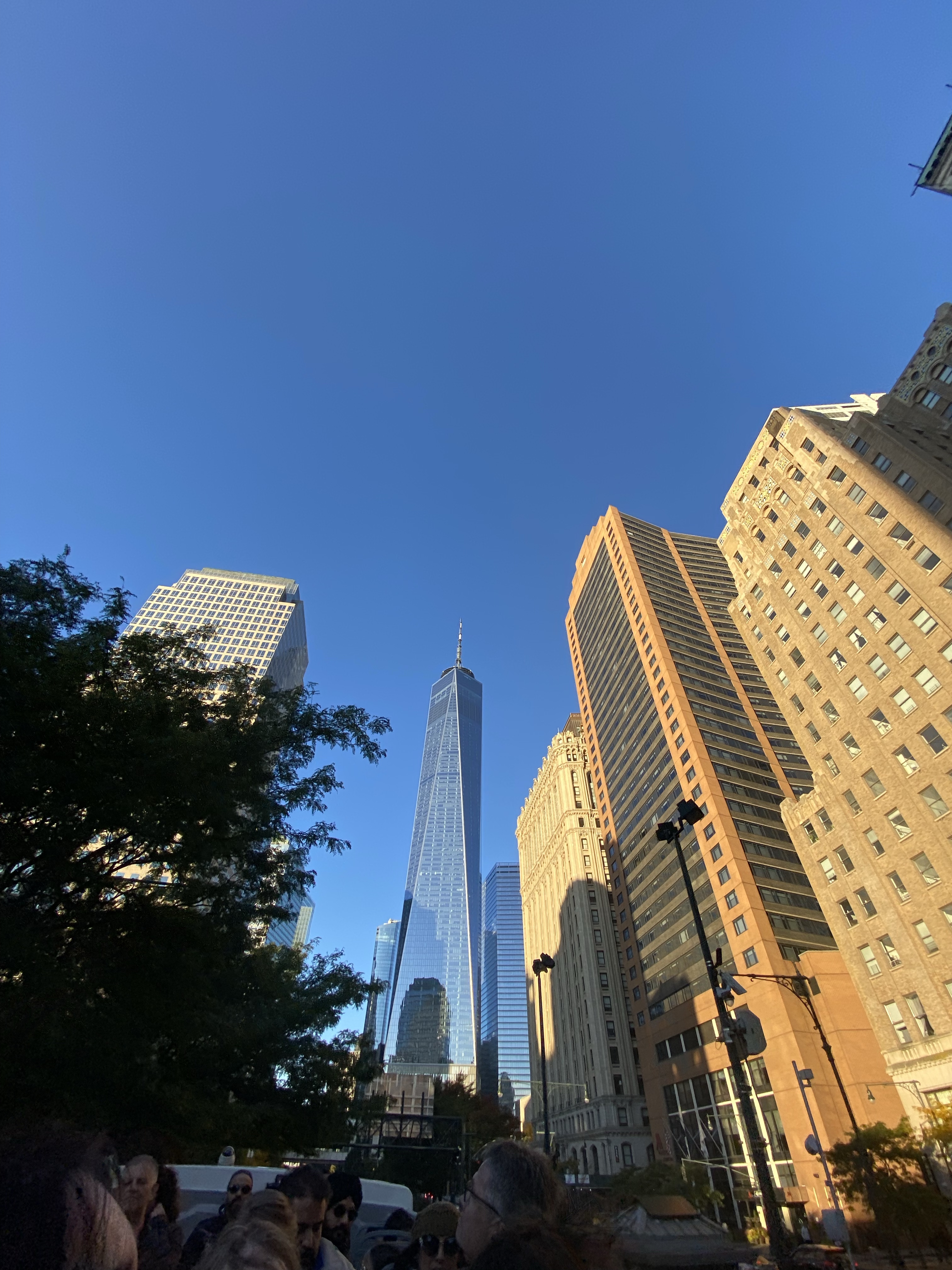
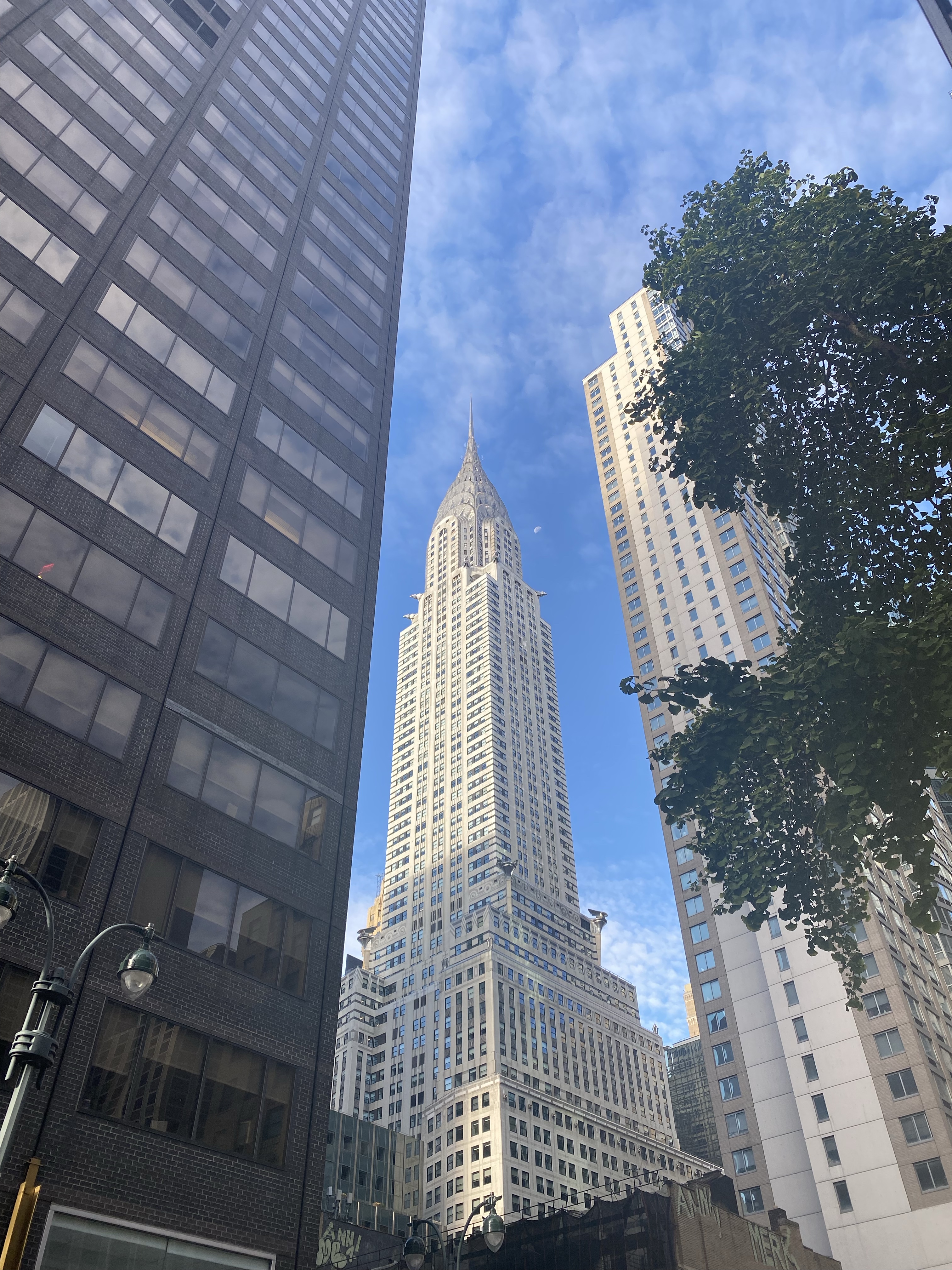
The endless walking…the people-watching…the snippets of conversation overheard as they bullet their way around the streets in expensive trainers and mismatching clothes because, frankly, they don’t give a rat’s ass what anyone thinks of them…the endless walking… the scene-seeing bus tour…the stiff necks from looking up, down, all around…the endless walking…the Staten Island ferry – just about the only thing in NYC that’s totally free – with its close-up views of the Statue of Liberty and Manhattan’s iconic photo-friendly skyline kept everyone snap-happy and excitable.

Today we chose to brush aside Ramon’s advice about the subway – full of loonies, with frequent muggings and people-pushing seemingly the latest craze, he warned – and survived to negotiated the complexities of the city’s underground system and make our way downtown. Overshooting our stop (of course) meant a 15 minute amble back to our intended destination at the 9/11 memorial, its long queues forgotten about once inside. It’s a fascinating exhibition and one which brought memories of watching it unfold on TV 21 years ago, with our two-week old daughter being sick on our laps.

This afternoon into tonight we really enjoyed a walk back along the Hudson Park walkway and then on the appropriately-named High Line after eating in Chelsea Market. Sadly, for me, we never found the famous Chelsea Hotel though. On the High Line, a reclaimed railway track that snakes it’s way above street level and between warehouses, commercial units and some spectacular apartments, I was, given how lightly toasted much of Manhattan seems to be, particularly tickled by the ‘Keep Off The Grass’ signs every few metres.

Next stops will be Central Park, a boat trip around lower Manhattan, a visit to latest high-rise tourist trap The Edge, a walk over the Hudson to Brooklyn and later that night a visit to the Brooklyn Nets’ season opener against New Orleans Pelicans (“Go Nets!” as we likely won’t be saying). With luck, I’ll maybe find some spare time (and money) to smoke out the record shops and musical landmarks of Greenwich Village. Pictures no doubt will follow.

Here’s NYC’s Beastie Boys with So What’cha Want; a stroppy and thumping, squeaky-organed racket where each of the 3 Beasties takes their turn on the mic; Yauch gruff, MCA whiny and Ad Rock the epitome of a NYC don’t-give-a-damn cool.

Beastie BoysSo What’cha Want

Alternative Version, Cover Versions, demo, Hard-to-find

Double Dekker

It miek‘ is Jamaican patois for ‘told you so‘ or ‘serves you right‘. You get caught doing something you’ve been told not to do? It miek, man. It miek.

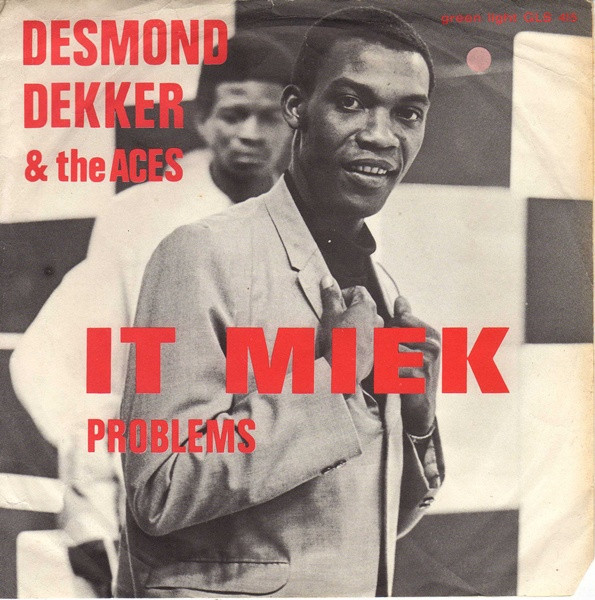
Desmond Dekker took the phrase and used it as both title and hook for his summer of ’69 smash hit. A proper slice of lilting rudeboy reggae, It Miek is aural sunshine for the start of September. Summer over? Not round here, mate.

Desmond Dekker & The AcesIt Miek

I’ve always wondered about the wee vocal precursor that opens the track. Stone me if it ain’t a sweet ‘n soulful, adlibbing vocal warm-up of Ave Maria, nudged gently aside when the skanking beat comes in, driven by rootsy bass and rocksteady drums. By the time Desmond has started his vocal proper, the guitars are doing the chicken scratch on the off-beat, a clanging bar-room piano is bashing out the chords and, most thrilling of all, honeyed horns from heaven burst their way in and herald the vocal refrain.

If y’listen carefully, you might notice the bit where it’s almost impossible to tell where the trombone slide ends and the vocal slide begins. If y’listen really carefully, you might hear a young Kevin Rowland scribbling notes and plotting his future. As I type, a little bit of bare wood floor has been worn away and polished as my feet do a soft shoe shuffle in time to the infectious rhythm. If y’don’t like this, y’don’t like anything.

Desmond Dekker was a clear influence on that late ’60s mod scene. The close crop, the three button mohair suits, the attention to detail in both sound and vision, he’s an embodiment of Mod’s ‘clean living under difficult circumstances’ mantra.

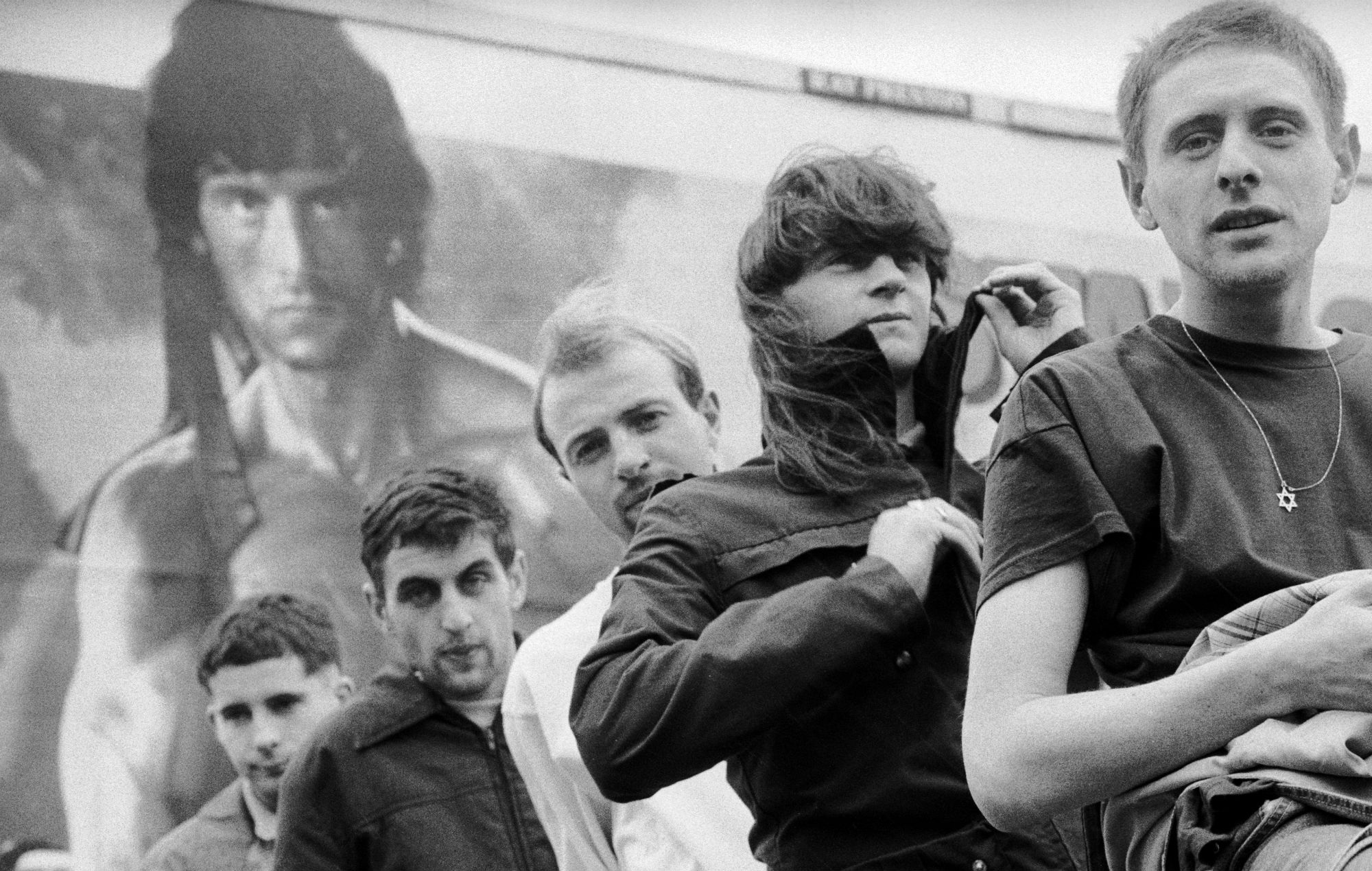
Over in mid ’80s Manchester, another gang of music obsessed clothes horses with an eye for the minutiae were doing their best to steal without anyone noticing. Shaun Ryder, magpie-eyed thief-in-chief of Happy Mondays liberally went about strangulating some of the melody from The Beatles’ Ob-La-Di, Ob-La-Da – itself a skanking reggae tune, as you know, where McCartney namechecks ‘Desmond’ – and, with the help of that clattering industrial funk that HM do so well, turned it into a new Happy Mondays’ tune called, unashamedly, Desmond.

Happy MondaysDesmond

I mean, it’s not really Ob-La-Di… is it? Maybe if Shaun had sung the first couple of lines in tune it’d have been more apparent, but that lolloping, elastic band bassline and incessant, chirping guitar steers it far from the mouth of the Mersey and deeper towards a whole new sound that was brewing at the time.

Nonetheless, Michael Jackson, who at the time owned the rights to The Beatles’ catalogue, sent his lawyers straight round and quicker than you could yelp ‘Beat It!‘ the Mondays were forced to withdraw their debut album from sale, delete the offending Desmond and replace it with another tune. It miek, Shaun. It miek.

That other tune though would be Twenty Four Hour Party People and would propel Happy Mondays onto the more discerning turntables around the country, with fame and infamy not much further away than the width of a Joe Bloggs hem. A lucky break.

*Bonus Track!

Here’s a fantastic light and sparkling, piano-free run through of The Beatles doing Ob-La-Di, Ob-La-Da from one of those Anthology albums from yesteryear. Jigsawed together from a couple of takes, this joyful and carefree outfake gives the offically released version a decent run for its money, sprightly scrubbed acoustic guitars and lightly toasted ‘la-la-la-la-la-la‘ backing vocals vying for earspace between the skronking sax and occasional ‘chick-a-boom‘ interludes. McCartney’s woody, thunking bassline is a beauty too. Get on it!

The BeatlesOb-La-Di, Ob-La-Da (Anthology version)

Hard-to-find

Definitive Article

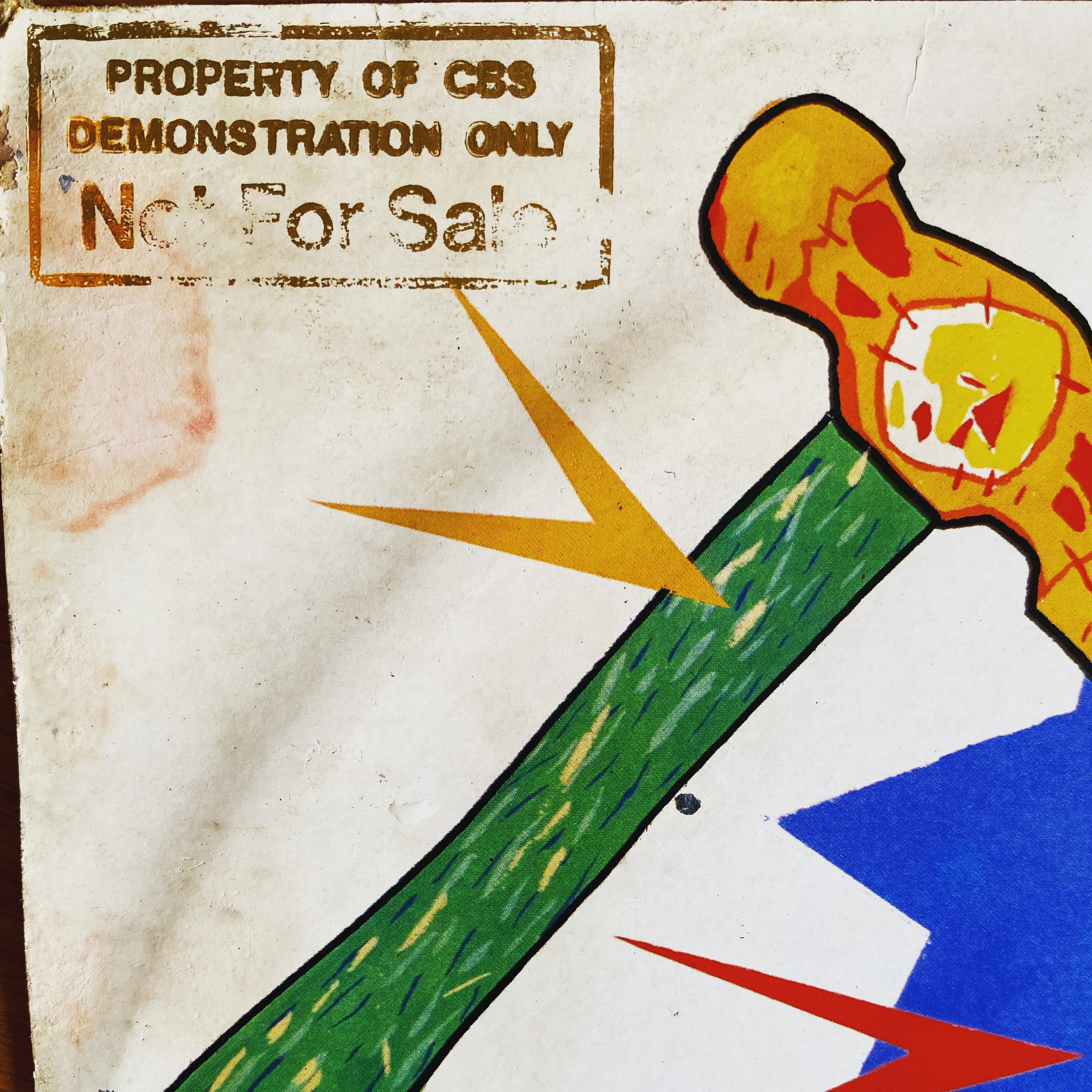
Every few years I immerse myself in Soul Mining, the debut album by The The. It’s been with me in various forms over the years – taped from the record borrowed from Irvine library, bought on cassette (since lost) for £1.25 from the back of Boots in Irvine Mall, upgraded to CD in the early ’90s and, more recently on vinyl, dug out from between the Kenneth McKellar and Marty Robbins albums in a Kilmarnock charity shop for a couple of pounds, the gold-stamped ‘Property Of CBS. Demonstration Only. Not For Sale.’ message on the back the icing on this particularly jammy cake. Re-sult, as they say.

It’s sobering to think that next year it’ll be 40 years young, its themes of existential crisis, mental state of mind and anti-government stance very much relevant to the times we currently live in. ‘I’m just a symptom of the moral decay that’s gnawing at the heart of the country,’ Matt Johnson states on side one’s The Sinking Feeling.

It’s a record that comes wrapped in claustrophobia, paranoia and fear, compounded by relentless, crashing drum machines, snaking, electrified guitars and inventive technology that dates the record, maybe almost as much as the slap/synth bass that thwacks its way in and out of the grooves, but there’s not a band currently working who is as inventive and focused and visionary as Matt Johnson/The The was at this moment in time.

Much like his better-known contemporaries, Matt Johnson is neither as productive as Kate Bush nor as revered perhaps as Mark Hollis, but is every bit as much the auteur, driven by the sonic vision in his busy head. This is a man for whom music is a slow, deliberate process, sculpture rather than slap-dashed expressionism, and we’re all the richer for it.

This Is The Day might have been the obvious first choice of single from the record – gorgeous, lilting French café music with a Biblical metaphor running through it – but Uncertain Smile is the one that I return to time and time again.

The TheUncertain Smile

It’s a song in two halves. In the first, Johnson delivers a crooned, close-miked vocal, all deep breaths and slightly wobbly intonation. In an era of chart-bound bands fronted by preening and pouting poseurs for whom the actual vocals were secondary to, y’know, what mascara went with the pantaloons or whatever, Johnson’s approach can be seen as both unique and brave.

Undeniably keeping a keen ear on proceedings was a pre-debut album Lloyd Cole, who would adopt the same approach when he came to record his vocals on Rattlesnakes. It’s not even up for debate. Contrast and compare Lloyd’s grinning, gulping vocal on his album’s title track with Johnson’s delivery on Uncertain Smile and see/hear for yourself.

But enough of the finger-pointing.

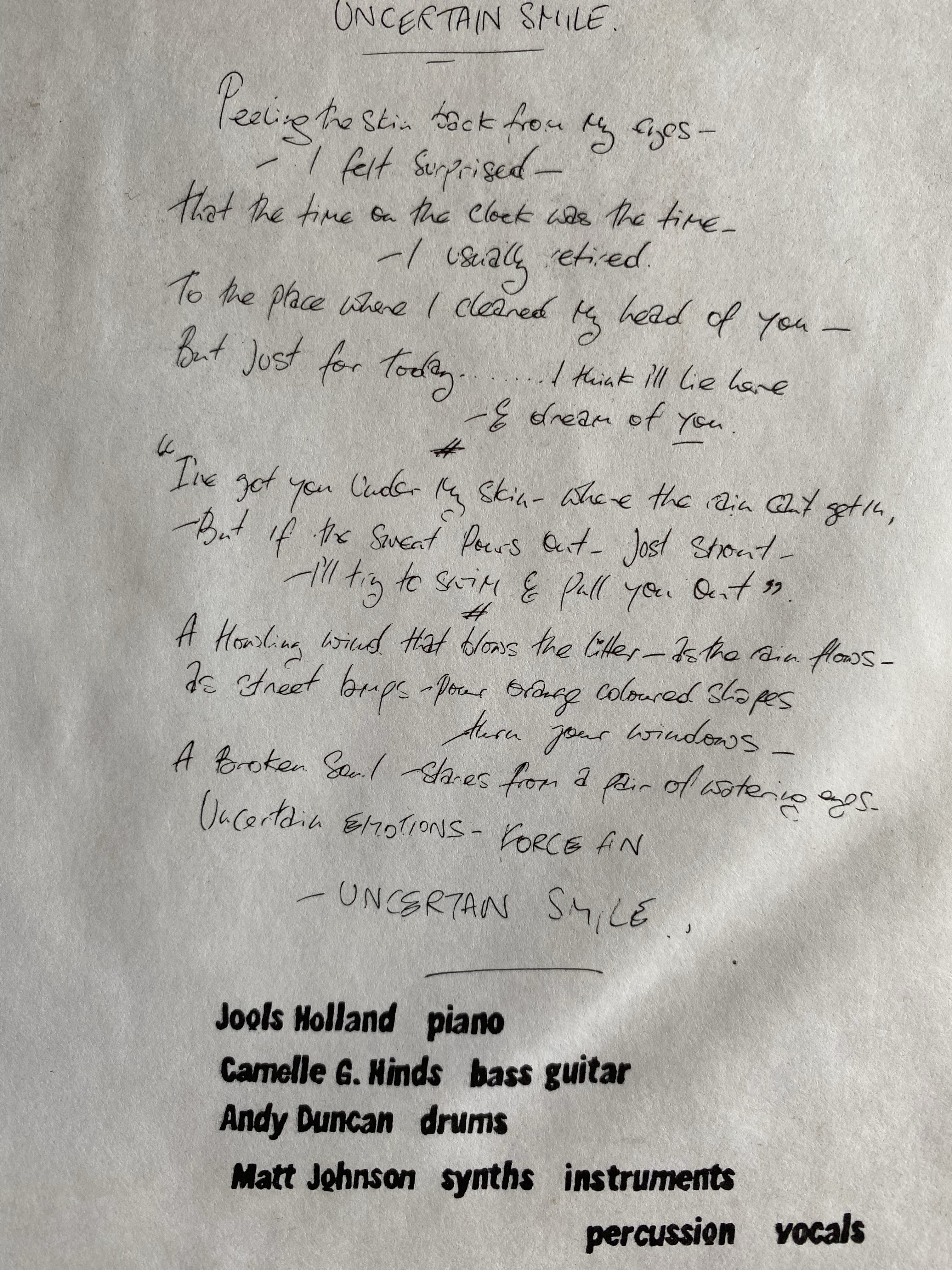
Uncertain Smile is a beauty. An ear-friendly acoustic guitar strums a chord pattern, swells of synth colour the melody and Johnson plunders the Big Book of Existential Angst to deliver a well-considered lyric.

And then it all takes off. A moonlighting Jools Holland, turning up at the studio on his motorbike and still in his leathers, hears the demo once, jumps on the studio piano and lays down a masterful solo.

Holland (unjustly if y’ask me) gets lots of flack for his supposed adding of The Boogie Woogie to everything he touches, but on Uncertain Smile he freeforms over the top of it like Mike Garson riffing on Aladdin Sane; jarring notes that veer on the edge of Les Dawson but pull back just in time, clanging chords that rattle the bones, trilling high notes that cascade down to bluesy bass notes and then back again, dextrous and masterful, Holland’s knowledge of jazz being put to good use. His playing transforms the track from an interesting slice of angst to a proper work of art that’s Bowie-level great.

Holland was surprised to find his contribution used as the big statement in the outro. He’d assumed that Johnson would drop his part into the middle of the track to create a piano interlude. Instead, Holland’s playing stretches the track all the way to the end of a breath-taking side one. Sometimes I never make it to side two, preferring instead to drop the needle on Uncertain Smile for just one more time…

*Bonus Track!

Here‘s the near 10 minute New York Extended Mix. Jools-free and pitched percussion crazy.

Hard-to-find, Peel Sessions

Boiling Point, Top League

I interviewed Martyn Ware once. It was 5 days after Paul McCartney’s show at Hampden Park, should you wish to date it, and I was still flying high, buzzing on seeing a two and a half hour benchmark set of hit after hit after hit, faithfully and loudly reproduced to within an inch of the songs’ original sound and feel.

Yeah, to us, The Beatles were shit,” he sniffed in his mellow Yorkshire accent. In the mouth open, dead air gasp of disbelieving shock that followed, he continued. “They meant nothing to my generation of musicians. Nu-thing. We looked to Germany, to Kraftwerk and beyond, for our inspirations. Guitars were dead to us, even with the influx of punk groups that were springing up everywhere. To us, the guitar stood for excess and Led Zeppelin and private jets and symbols of phallic insecurity. Not all of The Beatles music was rubbish, but I wasn’t a fan and they certainly weren’t year zero for any of the people I was making music with. Punk, and the possibilities it threw up, was our point of reference. In Sheffield especially, we chose keyboards over guitars…and I think we all made a pretty good go of it.”

Had this conversation been carried out on Zoom – still a twinkle in some Silicon Valley digital developer’s eye – I’d have seen the wry, upturned smile that followed. Ware and his pals certainly made more than a good go of it. His DIY, learn-as-you-go aesthetic, first with the Human League and then with Heaven 17 and later with BEF, saw him involved in the production of some of his generation’s most well-known yet decidedly idiosyncratic tunes.

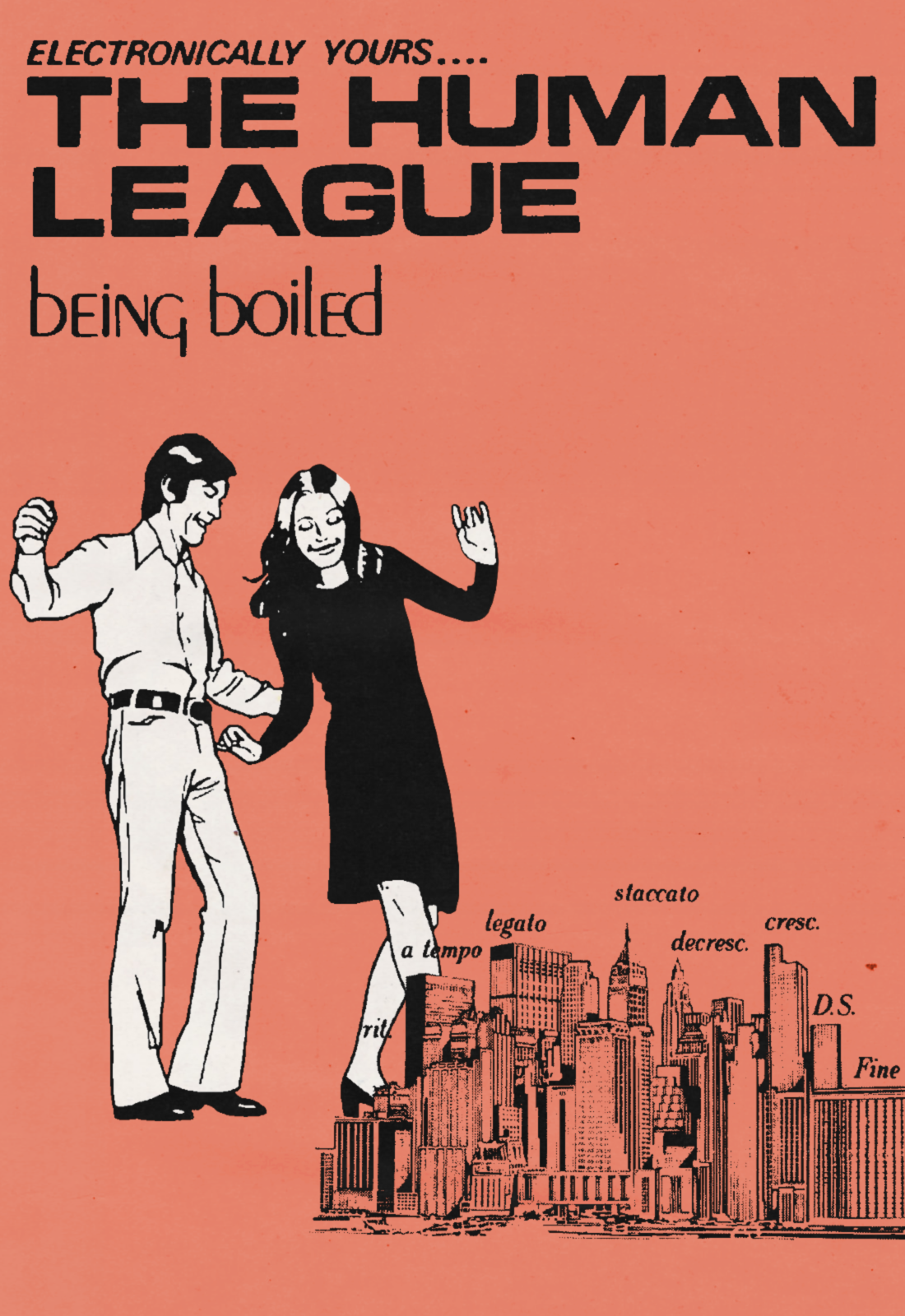
The Human League’s first single, released way back in 1978, is a case in point.

The Human LeagueBeing Boiled

It’s futuristic sounding, even now. A hissing, spitting, fizzing, electronic groove, all metronomic synthesised hi-hat and piston-powered forward propulsion that’s as industrial-sounding as the city from whence it came. Its rubberised electro bassline, part Bootsy Collins, part Larry Graham, adds requisite pop charm, offset somewhat by Phil Oakey’s monotoned vocal.

Listen to the voice of Buddha‘ he deadpans, while the rest of the band make music from anything they can plug in. Morse code dots and dashes of synth ping pong and teleprompt their way across the electrified airspace. The clickety-click of computerised clockwork maintains the tempo – slow and steady, never speeding up, never slowing down – while gently popping bubbles of Prophet and Korg and Moog coalesce nicely in the ether, the ghosts of Kraftwerk and side 2 of Bowie’s Low hanging heavy in the analogue fug. It’s a brilliant debut single, some would say never bettered, by a band who, with a different approach and new line up, would go on to ubiquity and massive chart success.

Being Boiled has long-been a favourite of mine, right up there with the nothing-like-it-at-all Mirror Man and its Supremes-ish ‘Ooh-ooh – ee-oohs’ that take me right back to a time and place. If I was a betting man, I’d wager that Steve Strange was a big fan of Being Boiled too. There is, obviously, in Visage’s Fade To Grey, more than a whiff of similarity in those vibrating, humming chord changes.

*Bonus Track!

For maximum hard boiled analogue thump, you need the Peel Session version from August ’78. It’s, like, out there!

The Human LeagueBeing Boiled (Peel Session 8.8.78)


By the way, never trust anyone who says they don’t like The Beatles. It’s all for show. Whether it’s the throwaway Yellow Submarine or the avant gardisms of Revolution 9, The Beatles have a tune for everyone. You knew that already though.

Get This!, Hard-to-find

Jumpy Record

Feel Like Jumping by Marcia Griffiths is a perfect slab of baked in the sun pop-reggae. In 1968, a few years before she was one of the I Threes, providing backing for Bob Marley and The Wailers during his imperial, ubiquitous phase, she was a young hopeful, given the chance to make her own mark on Jamaican music. Signed to the mighty Studio One and produced by Coxsone Dodd, Feel Like Jumping was written by Griffiths’ partner Bob Andy, so prolific a writer that you might call him the Lieber AND Stoller of that early reggae scene.

Marcia GriffithsFeel Like Jumping

Breezing along on a wave of jaunty, rasping brass and Motown-ish ‘woo-hoo-hoos’, Feel Like Jumping has the same great 1, 2, 1-2-3 bassline that first appeared on The Ethiopians Train To Skaville, powered Toots and the Maytals’ 54-46 Was My Number and, 20 years later, would pop up again, sampled and looped by Double Trouble to form the bedrock upon which the Rebel MC proved just how Street Tuff he was. I’m sure Paul Simonon was more than familiar with the rhythm and feel of its ten note pattern as well. Sped up, it wouldn’t sound out of place on any of The Clash’s more caustic ramalamas. Slowed down, it makes the ideal anchor for dub.

Griffiths does a brilliant call-and-response vocal with her backing singers, la-la-laing and woo-hoo-hooing her way throughout the record as the band plays head-noddingly and disciplined behind. Clipped guitars, barely-tickled hi-hat, that joyful vocal loud and centre. If music had facial features, Feel Like Jumping would be a big, round, smiley face.

Griffiths’ backing band was effectively a version of The Skatalites, known by 1968 as Sound Dimension, Studio One’s in-house version of The Wrecking Crew or The Funk Brothers. In their own right, Sound Dimension cut some brilliant instrumental records, like the whacked-out dub of Granny Scratch Scratch

Sound DimensionGranny Scratch Scratch

If Talking Heads hadn’t been listening to this before coming up with Slippery People I’ll eat my oversized white suit in shame. C’mon Byrne, ‘fess up.

As much as they were a crack unit worthy of their own album release, the musicians in Sound Dimension were encouraged more to provide the backing tracks for Studio One’s solo stars – Marcia, John Holt, Ken Boothe, Dennis Brown and others. Any of those artists’ records from 1967 onwards – Young, Gifted And Black, Ali Baba, Everything I Own, Money In My Pocket – songs that you will know, love and play on repeat – feature the combined, tight ‘n taut talents of Sound Dimension.

I go through phases of playing reggae and ska non-stop (usually at the first sign of sunlight) then sicken myself to the point where I send it all back into hibernation again. It’s always the perennial Feel Like Jumping that pulls me back in and has me turning the bass notch on my amp clockwise an extra notch or two. Here we go again.

Get This!, Hard-to-find

Purified Soul

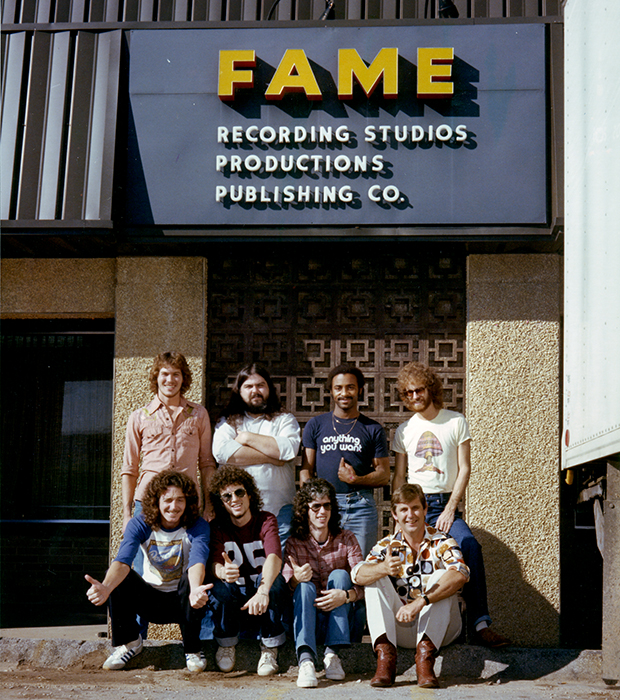
If Motown was hit factory-produced street-smart pop and Stax was its rougher round the edges punkish southern soul sister, then Fame was the mongrel hybrid of both. A studio with a hit-making pop sensibility that retained its southern fried Muscle Shoals identity, Fame was responsible for recording some of the greatest under-the-radar soul music in recorded history.

At this point, musical trainspotters and soul aficionados will roll their eyes and reel off a list of 20 essential Fame tracks that everyone should know immediately, but as a label, Fame is relatively undervalued; the Hollies to the Beatles and the Stones, the Inspiral Carpets to the Roses and the Mondays. Great, yet overshadowed by more greatness.

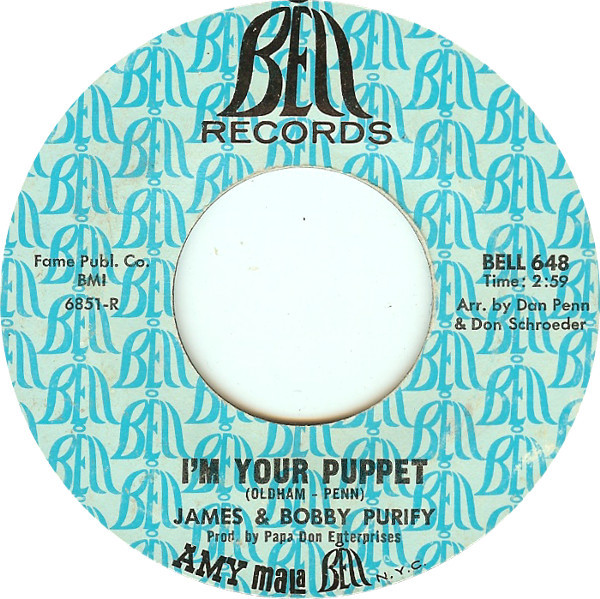
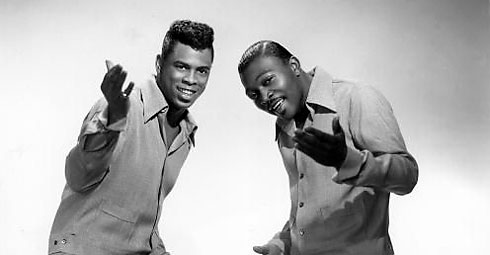
Released on Bell Records in 1966, I’m Your Puppet was written by the gigantic combined talents of Dan Penn and Spooner Oldham (the pair of songwriters responsible, as you know, for such titans of popular song as The Dark End Of The Street and I Never Loved A Man (The Way I Love You)). Penn’s version was released first, but it was the version by James & Bobby Purify that really connected with radio stations, and ultimately record buyers.

I’m Your Puppet – James & Bobby Purify

It’s a wonderful song, with a lyric of helpless puppy-dogged affection that will ring true with anyone who’s ever fallen hard for someone else. And that’s everyone, right?

Pull the string and I’ll wink at you…

Snap your fingers and I’ll turn you some flips…

I’ll be wonderful, just do what I’m told…

Treat me good and I’ll do anything…

I’m yours to have and to hold…darlin’, you’ve got full control of your puppet

In a handful of verses, it runs the whole gamut of what soul music is; a universal theme welded to four chords of gently lilting musical accompaniment, all tinkling pitched percusssion and clipped guitar, slightly out of tune piano runs and honeyed sax for added emphasis, always, always just a notch lower in volume than the vocal sung sincerely and with requisite tear-jerking pathos and emotion. Then there’s the major to minor key change in the bridge, the call and response section, the parts where James and Bobby trip over one another to get their own vocal adlibs in… the very definition of what soul music is.

Oft covered, it’s exactly the sort of track that Alex Chilton could’ve mastered with Teenage Fanclub back in the early ’90s when they briefly showed up as his backing band, Norman and Gerry providing the close-knit harmonies atop Chilton’s choppy guitar riffage and world-weary delivery. For a couple of reasons, this will forever remain an unfulfilled wish.

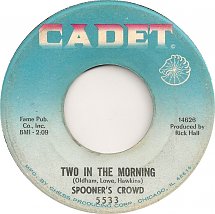
Another underheard Fame beauty is Two In The Morning by Spooner’s Crowd.

Two In The MorningSpooner’s Crowd

Cut live in the studio, Two In The Morning is, as the label suggests, the Fame house band led by Spooner Oldham grinding their way through a mod/soul/r’n’b groover that owes a great deal to Green Onions and any number of those great swinging mid ’60s finger-clickers.

Cut to sound like the listener is entering some nudge-nudge, wink-wink members’ only club or other, it’s a proper full-on strut of a record, big loose ‘n funky bass notes on the piano playing just off the beat, primitive fuzz organ supplying the melody and a “say, honey…wild!” spoken word interlude straight outta the Cotton Club or Peppermint Lounge for added bona fide authenticity.

Ideal music for kick-starting a late night on lively tunes….and, just like the studio from where it was born, sufficiently unknown as to be underplayed and under appreciated.

Get This!, Hard-to-find

Cullen Card

We asked 100 people to name a musical duo from Scotland.”

With a TV audience of millions watching and a five or six-figure jackpot prize hanging on your answer, the chances of a clued-in contestant offering up Boards Of Canada, let alone finding them in the list of Family Fortunes‘ half a dozen top answers would be slim to non-existent.

The Proclaimers!” Ding!

The Alexander Brothers?” Ding!

Eh… Arab??… eh… Strap??” Ding!

But not, never, Boards Of Canada. !Klax-on!

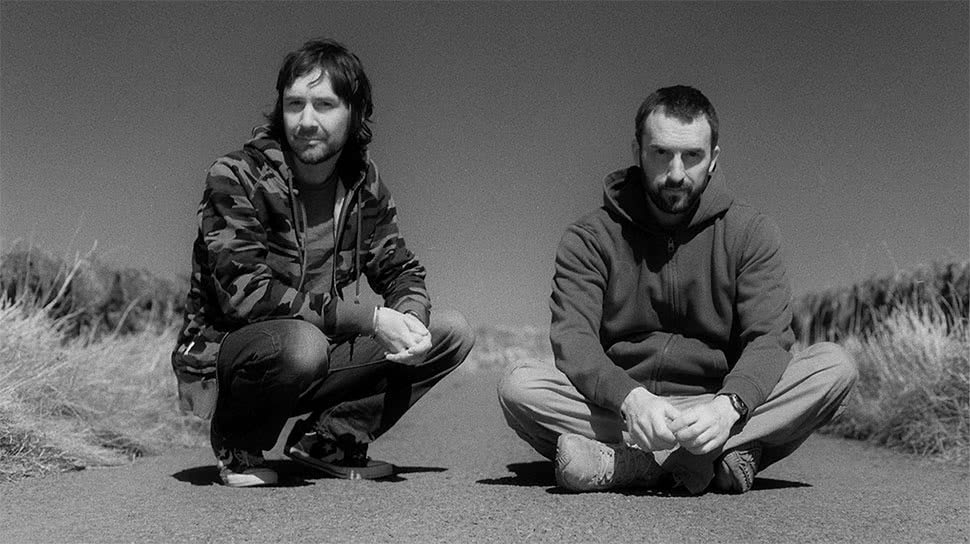
Boards Of Canada rarely make videos. Hardly ever (and possibly never) do press. Haven’t played live in over 20 years. The likelihood of them popping up between Phil and Ally to provide an alternative, modern-thinking, left-of-centre soundtrack while Jackie Bird brings in the bells from Edinburgh Castle is about as likely as a statue of Margaret Thatcher being erected in Auchinleck town centre. They are low-lying to the point of anonymity, and I suspect that’s the way, uh-huh uh-huh, they like it.

Formed in 1995 by brothers Mike and Marcus Sandison in the north east seaside town of Cullen, their music has given the world four albums and a handful of EPs. All are different yet all are fairly recognisable as the work of a band steeped in analogue production, vintage synths and the use of unfashionable and outdated technology as a means to produce warm, ambient electronic music that boils and bubbles with all the warm blooded soul of a beating human heart.

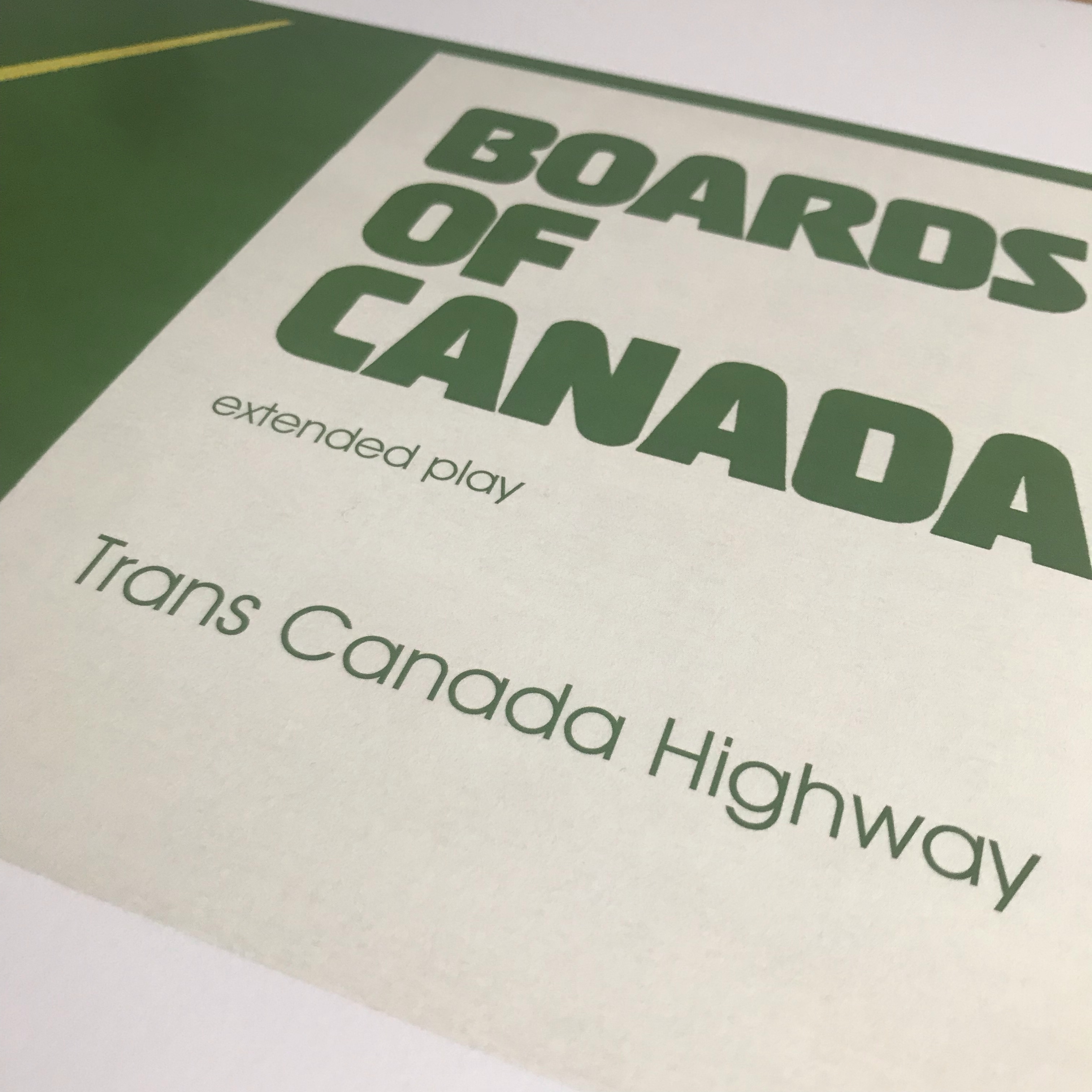
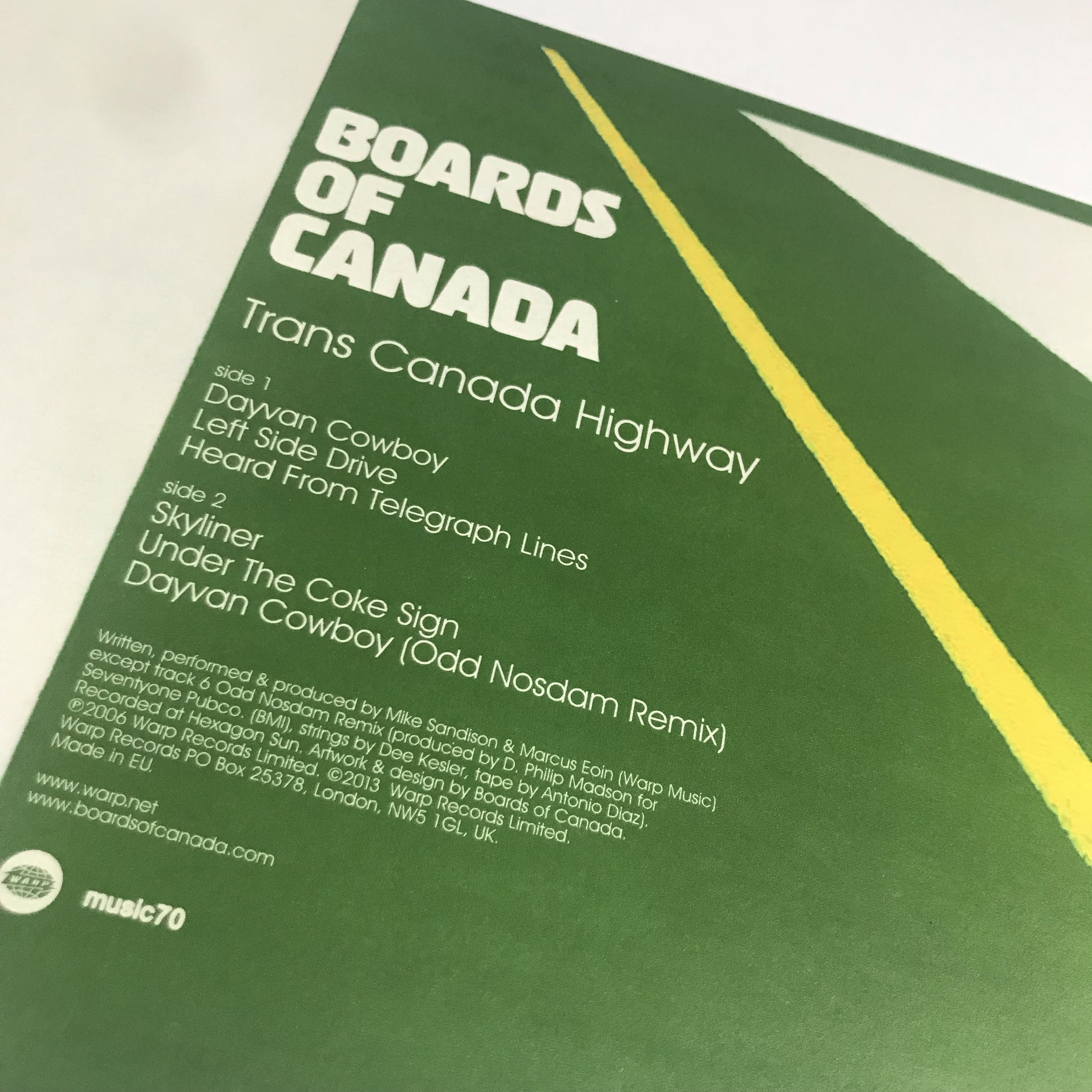
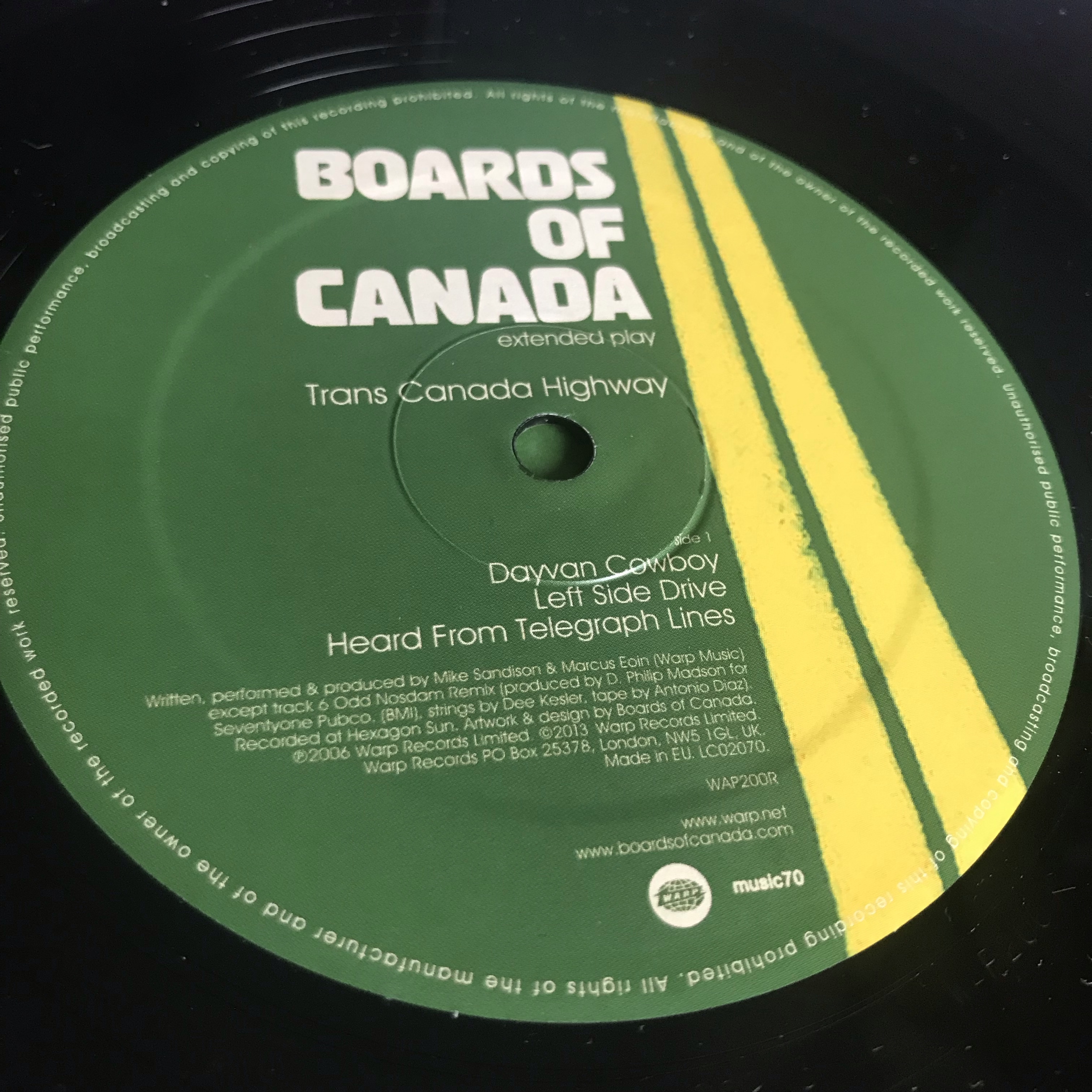
2006’s Trans Canada Highway EP may well be the missing link between Radiohead’s more adventurous excursions in electronica and My Bloody Valentine’s self-indulgent guitar manipulation.

Dayvan CowboyBoards Of Canada

Opening track Dayvan Cowboy is the band in miniature, its looping whitewash of fuzzed guitars, skeletal percussion and layered windrush of synths nestling murkily inside your head before the musical clouds part and, two minutes and seven seconds in, a bright light of aural sunshine sweeps the room. In dance terms, you would call this ‘the drop’. In Dayvan Cowboy, it’s the drop in reverse, the equivalent of coming up for air after a deep sea dive, a gasp of clean oxygen at the end of a journey living on borrowed air.

Gently broken hip hop beats rattle and ricochet, synthesised strings sweep across the ambient electronica, more rushing wind, more tinkling percussion, lovely wee doorbell-like chimes every now and then; head music for the soul as it peters out to its untimely multi-layered end. Someone should make one of those ultra slowed-down 3-hour versions and stick it on the internet for full-on effect. I suspect it would be just as brilliant.

All in, it’s lovely stuff and it makes even more sense in (slightly edited) video form:

Elsehwere on the EP you’ll find Left Side Drive – (LSD?) – yet more ear-burrowing, creeping electronica that features a borrowed rhythm that may well be a processed version of the beats in Massive Attack’s Karmacoma melded to slo-mo flotation tank music that very possibly was recorded in a dimly-lit bedroom or basement, with a couple of lava lamps and a copy of Pink Floyd’s Meddle for company, perhaps even the fragrant fug of Morocco’s finest curling tantalisingly around the nostrils.

Left Side DriveBoards Of Canada

Interestingly, or incredulously even, Solange Knowles – Beyonce’s wee sister – recorded a totally unofficial track that features her breathy soulful vocals floating across Left Side Drive‘s wafty ambience. It’s not the best track you’ll hear this week, but nor is it the worst. Chances are, given that it first surfaced in 2011, you’ve heard it before.

So there y’go; a track that links pop R’n’B superstar Beyonce to Scotland’s under the radar electronica pioneers Boards Of Canada. Who knew?!