Hard-to-find

Bjorn To Boogie

Where popular music leads, others quickly follow. After Oasis came galloping into existence like the twin-headed horse of the apocalypse, labels quickly snapped up any old ham-fisted cock-sure oiks with a couple of Adidas tracksuit tops and a recently-purchased copy of The Beatles’ Blue album between them, stuck them in a studio, created a scene and flung the tepid results out for the gullible to swallow. TFI Friday was awash with one word groups grabbing hold of the Gallagher’s corduroy coat tails and seizing the opportunity before the world woke up to the fact that, beyond one and a half albums, they weren’t any good. It’s always been this way; Elvis then Cliff. The Beatles then The Hollies. Zeppelin/Sabbath/Purple. Happy Mondays/Flowered Up. Imitation is the greatest form of flattery, etc, etc, etc. It still goes on today with Yard Act/Deadletter, Idles/Shame and a million others, all of whom stole something – an idea, a shouty vocal line, a guitar tone – from someone further back on the timeline and managed to find some sort of success of their own.

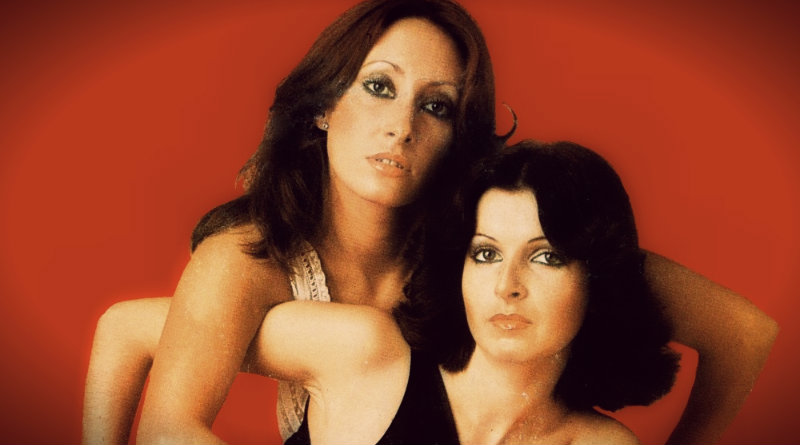
Baccara  – Yes Sir, I Can Boogie

Yes Sir, I Can Boogie is nowadays a Tartan Army party tune, propelled into a collective Caledonian consciousness thanks to dressing room footage of the Scottish football team celebrating qualifying for the last Euros in 2020 (played in ’21, as it would turn out) by congaing their daft selves into a giddy and hysteric state as it rattled its tinny rapture through an iPhone. It’s belted out on trains, murdered in foreign fountains, sung in mass communion following Hampden wins. We’re now at the stage where the song is ubiquitous and synonymous with the Scottish football team. It wasn’t always thus.

The tune came out in 1977 when the Eurovision demographic was mad for Abba and you can hear, in its twin female vocal and string swept disco beat, that its writers took the Swedish blueprint and ran with it like a set of DIY flatpack instructions from Ikea all the way to Fuerteventura to kidnap a couple of local flamenco dancers before bundling them into the nearest recording studio, doors locked until they had a hit in the can.

That sultry, whispered and very European verse line, all hand on hip wiggle and sensuous promise of what might follow – “Mee-ster, your eyes are full of hezi-tay-zhun” – is pure Agnetha and Anni-Frid. That hi-hat, all discofied aerosol shine and four to the floor groove is George McCrae’s Rock Your Baby times ten, itself the key to the beating heart, admit Bjorn and Benny, of Abba’s mighty Dancing Queen. The chorus, when its double-tracked vocal soars out of the verse in direct proportion to the climbing string section is uplifting melancholy and deliriously magic and Abba to the max. It’s fairly easy to understand the correlation between the euphoria of a three goal victory and the song’s super soaraway chorus. That it’s also defiant in defeat is quite handy if you’re a Scottish football supporter these days.

Then there’s the breakdown where the girls ooh and coo and a clavinet line squiggles away like a mid 70s Stevie Wonder himself. And the guitar, especially at the start, which shoots wee lightning bolts of disco funk out into the ether. And a bassline that bubbles away like Bernard Edwards with a bottle of Matey in each hand. There’s a lot going on in Yes Sir..., and although in recent years it’s been kinda cool in an ironic way to like Baccara’s one big hit, I’m transported back to more innocent times whenever I hear it, when Abba, and by association Baccara, soundtracked my childhood with no pretence or embarrassment whatsoever.

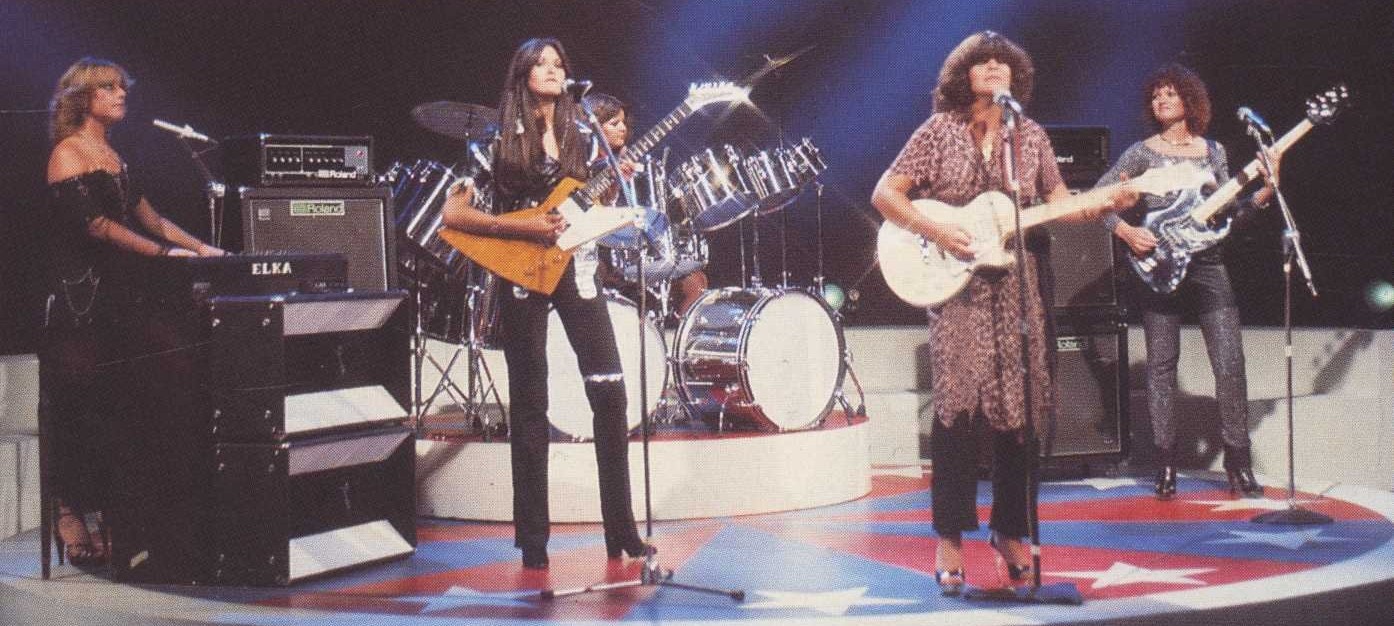
Another track heavily influenced by Abba would be 1978’s Substitute by all-girl South Africans Clout.

All the ingredients are there; the understated verse with low-key vocals, the restrained hysterics that you, the listener, know are going to slide up and out into the stratosphere very shortly…

CloutSubstitute

…and there they go. From pre-chorus into chorus, backed by brilliantly produced drums and piano trills, the vocals move through the gears with overlapping Beatles harmonies – “If she doesn’t come back…if she doesn’t come BACK!” – a wee falsetto woah-woah hook between chorus lines for good measure… Substitute is pure Abba and another unashamed favourite from my past.

It was only years later that I discovered, interestingly, that Substitute was a radically-altered cover of an old Righteous Brothers ballad, written by none other than Willie Nelson. What?! Yeah! What, right? Listen here:

The Righteous Brothers sound like they’re wading through ten feet of treacle by comparison, a 45 at 33 rpm, but amongst the slo-mo despair you can hear Wille Nelson, there in spirit through the Brothers’ (but not brothers) countrified phrased twang in their arrangement. Not a patch on Clout’s full-on, late ’70s Abba approximation though. No Substitute, in fact.

Hard-to-find

I Mean, Good Manners Don’t Cost Much, Do They?

There’s an adjective used to describe music of a certain ilk. If it’s lengthy, self-indulgent, meandering and sounds great in the middle of the night with a massive doobie wedged between your yellowing fingertips…if it’s carried along by slow-swelling synths and fringed by hints of electronica…if the guitars are massive and clean and reverberating one moment then fragile and tiny and weeping the next…if the vocals are half-sung, half-sighed and rounded in posh middle England burr…if side one of the record is 17 and a half minutes of the one track…or comprised of a suite of interlinked songs where there are no discernible beginnings and endings…if a female backing vocalist coos and aahs at significant moments…if the whole thing seems to lift itself straight offa the grooves and out into orbit…it’s Floydian, man.

There are two Pink Floyds. There’s The Pink Floyd, the definitive article spearheaded by Syd and his off-kilter melodies and subject matter. And there’s the Floyd, man. Long of hair and longer of solo, sonic architects and soundscapers more than straightforward songwriters, album chart squatters throughout the seventies and mainstays in seemingly every record collection from Accrington to Arkansas. Johnny Rotten may well have declared his distaste of the band through the medium of t-shirt, (and Mrs Pan, rather more vocally when I was playing Dark Side Of The Moon recently) but me? In a quiet sort of way, I kinda dig the Floyd, man.

These days, it’s Dark Side’s Us And Them that’s continually floatin’ my boat.

Pink FloydUs And Them

Lengthy and self indulgent? Yep. Meandering? Aye. Slow-swelling synths? Well, it’s Hammond in this case. The bedrock of many a great record, the Hammond organ. Massive, clean, beautifully played guitars? You better believe it. That arpeggiated riff that plays throughout is a beauty. Half-sung vocals that teeter on the verge of somnambulism? ‘Us (us…us…us…us) and Them (them…them…them…them)…‘ There they are! Skyscraping female backing vocalists? Here they come! Meandering and epic, out there yet melodic, Us And Them is Floydian to the absolute max.

With a Roger Waters lyric that decries the senseless nature of war and an increasingly consumer-led, materialistic society – yeah, even back in ’73 we were discussing such things – Us And Them is the centrepiece of DSOTM’s second side, placed straight after Money (and that’s no coincidence, eh, Roger?) before segueing itself seamlessly into the rambling and hippy Any Colour You Like, Roger the Hat (Pink Floyd’s roadie) leading us there with some spoken word mumbo jumbo.

The sax solo that blows its way between the cracks of consumerism and commerciality is a lovely and understated thing, at odds with Floyd’s more overblown sections, yet totally in simpatico with the delicate nature of the track. With freedom to roam, its honeyed notes seep everywhere, always warm, always welcome, an essential ingredient to one of Pink Floyd’s best tracks.

Some typically slow-paced footage here:


It’s a sound that seems to have found its way to Air’s Playground Love, a track so long and meandering and delicate and intense and Floydian, yeah, Floydian, as anything that might appear on Dark Side Of The Moon itself. Recorded after their groundbreaking Moon Safari album, Playground Love was used as the theme music for Sofia Coppola’s The Virgin Suicides.

AirPlayground Love

Sleepwalking Fender bass atop a beautiful chord progression…stoned and luscious groove…hypnotic slo-mo vibraphones…breathy, half-asleep vocals, lethargic saxophone given freedom to roam from the middle onwards…totally Floydian, man.

Hard-to-find

Magazine Article

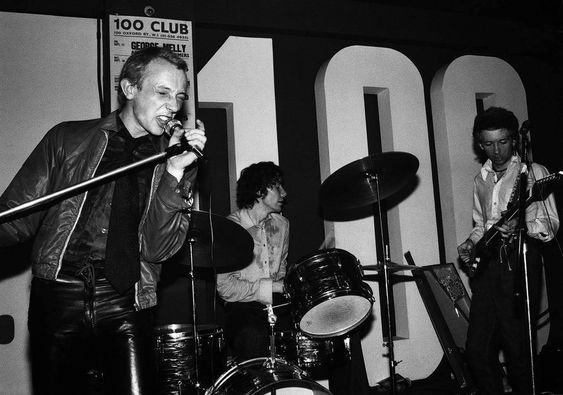
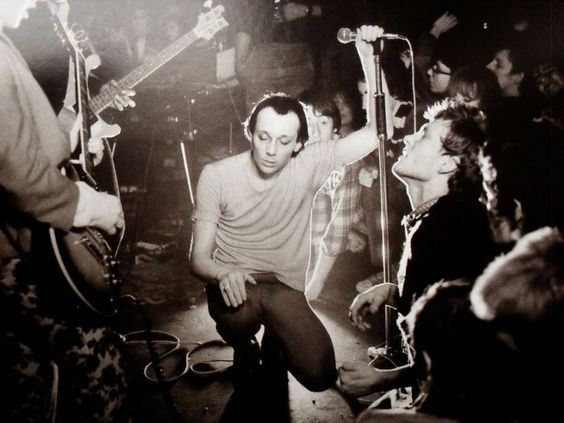
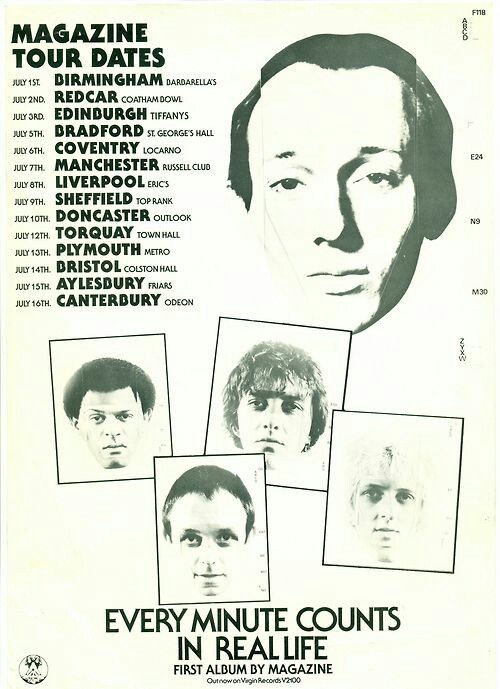
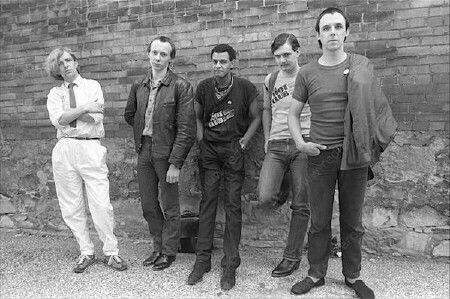
Howard Devoto was one forward-thinking guy. He gets the Sex Pistols up to Manchester for two shows. Is responsible for turning the whole of the city onto punk and, by default, is the catalyst for creating all the most important Mancunian acts in history  – every one of ’em. As leader of Buzzcocks, he creates and releases possibly the first-ever DIY single (Spiral Scratch, of course) and then, at the sharp razor’s edge of punk, calls time on his position in Buzzcocks and leaves to form Magazine, his Wings to Buzzcocks Beatles, the first post-punk act on the planet. Nowadays ‘post-punk’ is a term thrown at any old band post ’79 with a tinny guitar and a clever lyric, but without Howard having the foresight to leave Buzzcocks at such an early stage – in 1978! – when he could already see where punk was heading (Buzzcocks notwithstanding) – we might never have had the term ‘post-punk’ in the first place.

Anyway, Magazine. In Magazine, Howard pulled aside the ramalama of punk’s guitar attack and gave us a peek at what was hiding behind the scars; music that was arty, cerebral, clever. They’re a good band, Magazine. Quite possibly a great band. Those records – the first three especially – hold up strongly against anything released then or since.

Is there a better track out there than first album Real Life‘s The Light Pours Out Of Me? I think not. As much as I’ve been long-familiar with its buzzsaw riff and keyboard sheen, I heard the track at the weekend there as part of the warm-up music for the little-known Caezar – an anthemic Scots act with a neat line in soundscaping guitars and electro-throb bass – and, played loud in an empty room, it knocked the socks clean off me.

The sound engineer was playing around with the band’s intro playlist before doors opened – some Bowie (A New Career In A New Town), some early Talking Heads – and he happened to prick my ears by alighting briefly on the Magazine track. When he’d finished balancing sound levels, the room now empty of both engineer and, as yet, ticket holders, I jumped back on to the mixing desk to cue up and play The Light Pours Out Of Me, in full, with no interruptions…at ear splitting volume. It sounded glorious.

MagazineThe Light Pours Out Of Me

It’s a masterclass in studied repetition. Opened by a simple military two-step drum beat that never wavers or strays until almost – count ’em – the third minute, it’s joined by a strutting bass line, all sleek black cat purr and prowling menace, John McGeoch’s signature six note creeping riff surfing atop. With the group locked tightly together and playing the same thing over and over, we’re only then introduced to singer Devoto. High of fringe and high of ideal, he half sneers, half camps his vocal line, enunciating each lyric straight down the barrel of the mic.

Time flies…time crawls

Like an insect…up and down the walls

The light…pours out…of me

A chink in the repeating blackness of the riff, McGeoch switches to sliding barre chords then back to The Riff. That’ll be yr tension and release (and tension again). The jackboot stomp of the bass continues to mangle all who gets in its way. The drummer drums that same pattern, solid and steady, eyes front and focused. He could choose to scattergun the odd Moonism or two, of course he could – they all did that in the punk days, after all…but this is post-punk. Repetition is discipline, to quote another Mancunian trailblazer. The group soldiers on relentless and regardless.

The conspiracy…of silence ought

To revolutionise…my thought patterns

The light…pours out…of me

There’s another verse. Another two line chorus and then RAT-A-TAT-A-TAT the drummer rattles into action, McGeoch glides up the frets for some alterantive riffage, Barry Adamson switches his bass from sleek black cat to concrete block and briefly, the track soars, powered by glistening keyboards and Devoto’s wide-open imagination.
You’ll want to find yourself somewhere that you can blast this for all it’s worth. The Light Pours Out Of Me is a good track through a phone. A great track on record. An absolute killer through a proper P.A. With Magazine (McGeoch, Adamson et al), volume is king. Turn it up and play it loud.


Hard-to-find

Lou Read

It’s a fact that, at the age of 54 and a half and having lived half my life (or two thirds of it, most likely…) I find myself getting increasingly nostalgic, and especially for the ’70s. I have no particular affiliation with the ’70s other than I lived the most carefree years of my life in that period. I genuinely had no worries whatsoever other than would I ever have that elusive Teófilo Cubillas sticker that would complete my Argentina ’78 sticker book. (I did…and it eventually went in a skip when I moved house in 2006. Regrets, I’ve had a few, as someone once sang). It’s a decade I remember only with fondness; endless summers of tree-splitting sunshine, track-suited pals and balls and bikes and Jimmy Hoolis, the actual bona fide Johnny Ramone bowl-cut New Yorker cousin of a neighbour who showed up mid-decade in his tube socks ‘n satin shorts ‘n skateboard to loudly rename me Craigee Baybee for the duration of his vacation before tipping his oversized baseball cap in my direction one last time and disappearing out of my sheltered Irvine life forever. What a whirlwind! I wonder where Jimmy is now.

Nostalgia hits hard.

Whenever I hear Gerry Rafferty’s Baker Street, I’m back in the garden of the old house, my dad frying French toast in the kitchen as the Hit Parade forces its way through the sizzling cloud of airborne fat and into my ears by the carrot patch.

Whenever I hear Walk On The Wild Side, I’m straight back in my ‘aunt’ Susan’s battered 2CV, squashed in with apparently 17 other kids as we barrel our way downhill to a bout of hayfever in Eglinton Park.

Whenever I hear an Abba track or a quiet and sensitive singer songwriter – Melanie, maybe, or Joni Mitchell – I have a vision of my ‘aunt’ Eveline in a floaty orange and brown Biba dress and large tan-tinted sunglasses leading us out of Mr Hynd’s corner shop with a handful of chocolate tools for my brother and Graeme and I (my sister would’ve been too wee) and a couple of Fry’s Turkish Delights for her and my mum – the added extras to go with the picnic my mum was rustling up in the kitchen on a particularly spontaneous mid ’70s summer day.

Gimme Big Yellow Taxi and tell me to close my eyes and I’m right back there. Except that both my dad and Eveline are no longer with us. Nor, as it goes, is Gerry Rafferty or Melanie. Or Lou. Lou Reed? Deid, as they say in Ayrshire. Joni? She’s just about hanging in there by all accounts.

Slap bang in the middle of the decade, Lou released Coney Island Baby. Do yourself a favour (or favor, as Lou would have said) and look it up. If you’ve gone no further than the Velvet Underground and Transformer (and maybe Berlin if you’re feeling dangerously outré), treat yourself and be surprised.

Coney Island Baby is a really great record. In that most fertile of decades, when hair grew longer in direct proportion to the guitar solos and keyboard suites of the rock stars of the day, Lou surrounded himself with some of the era’s finest players and rattled off a straight-up soft rock album; no left turns, no arty edginess, no atonal cheesegrater guitars or disturbing lyrical content. Given that ol’ Lou was the godfather of punk and that the CBGB’s scene was already in full effect, it’s possibly the most punk thing he could’ve done.

From the album cover onwards – Lou in camply-tilted bowler hat and bow tie – you get the idea that Lou is more than comfortable in the skin he’s in. It’s an album of love songs birthed from his relationship with his transvestite romantic partner Rachel Humphreys. Nostalgia packed, in lyrical content as well as musical style, it’s Reed’s most straight-up record.

Hot on the heels of the baffling (make that unlistenable) Metal Machine Music, you can’t help thinking that Lou was having real fun at the expense of his exasperated audience. Anyone who’d stuck by Lou though was richly rewarded.

Wheezing, countryish slide guitars ease their way off the grooves like the Eagles themselves. Floaty Beach Boys arrangements pepper the most melodic sections. Brooklyn stoop doo-wop arrangements waft across the choicest parts. One chord grooves and chugging, meandering Velvets guitars pop up at the end of side 1. No candy floss indeed.

I’m just a gift to the women of this world,” he croons modestly at the start of A Gift, the track that opens the second side.

Lou ReedA Gift

It’s a doe-eyed, soporific beauty. With its ringing guitars and lazy, relaxed groove, it’s proto-Pavement or Mac DeMarco, out of step slacker rock in a world not yet fully conversant in speed freak punk. Reed half sings, half talks – Gift rapped? – slowly enunciating and phrasing the words as only he can, and the whole thing wanders to a lovely ending.

The faint noise you can hear behind its steady beat and sprinkling of ocarina (or is it flute?) is that of New York’s punk scene rushing up to boot its sepia-tinted nostalgia rudely into touch. Lucky for me, I can find myself back in the mid ’70s just by looking at this record. Seek it out.


Hard-to-find

Key Margo

I don’t know if Margo Guryan ever appeared as a branch on one of those intricately-detailed Rock Family Tree illustrations of Pete Frame, but if she did, you’d find her interconnected (if a wee bit tangled) between Laura Nyro, Bobbie Gentry and Glen Campbell, the Wrecking Crew, Ornette Coleman, Don Cherry and the hepcat jazz musicians of late ’50s New York and the symphonic soul of Brian Wilson’s restless mind.

A native New Yorker, she grew up in an open-minded household, surrounded by the music of the day and encouraged by her parents to play and create. She studied jazz at Boston University until her mind was blown wide open by God Only Knows. She soon found herself recording demos for Atlantic with Tom Dowd and Ahmet Ertegun and became a staff writer at the label. She had some success – her song Sunday Mornin’ was recorded by a handful of artists and charted several times, but success as a singer in her own right seemed to elude her. In a world of strong female vocalists, Margo Guryan simply failed to stand out.

And yet…

Her track California Shake is a mid-late ’60s beauty that – particularly in the Age of Aquarius – should’ve had its turn in the spotlight…especially when you realise that the track was only ever considered a work-in-progress demo! Woah! There’ll be people out there, proper scholars of pop who will know this song inside out – Bob Stanley and Pete Wiggs, I’d imagine, Duglas T Stewart very probably, but if you’ve never had the pleasure, brace yourself for a real treat.

Margo GuryanCalifornia Shake

Coasting in on a frugging groove and a rich tapestry of interlocking, sunshine-blues acoustic guitars – listen to the interplay! – her voice breathes gentle melancholic air across a love letter to the American west coast.

The chords twist and turn, frazzled electric guitars creep between the cracks, Margo’s voice rises up as the tune resolves on the titular refrain and then we’re off again, clip-clopping rhythms, more fancy-pants guitar licks and everyone – yeah, even you – is doing the California Shake, California Shay-ee-ake! I could listen to this record all day and never get bored of it…

…and while the sun’s out on this particular west coast, I just might.

Margo GuryanSunday Mornin’

Here’s Margo’s own version of Sunday Mornin’, recorded and charted by (amongst others) Julie London, Spanky And Our Gang and, as a duet between Bobbie Gentry and Glen Campbell. It’s very much of its time and place and would fit perfectly between, oh, I dunno, Porpoise Song and Stoned Soul Picnic, The End Of The World and Straight Shooter, Orange Skies and Darlin’ Be Home Soon… I can feel a playlist being built.

Hard-to-find

Homeboys

An electric guitar motif, lightly jazzy, hammered-on and partially chorded, plays over and over. A flute flutters in. There’s some ambient noise in the background, a sniff from an actor, as it turns out. A spoken word dialogue comes in; filmic and scene-setting, alliteratively criminal in nature – ‘pimps, pushahs, prostitoots‘. The jazz refrain continues, the flute freestyling above it.

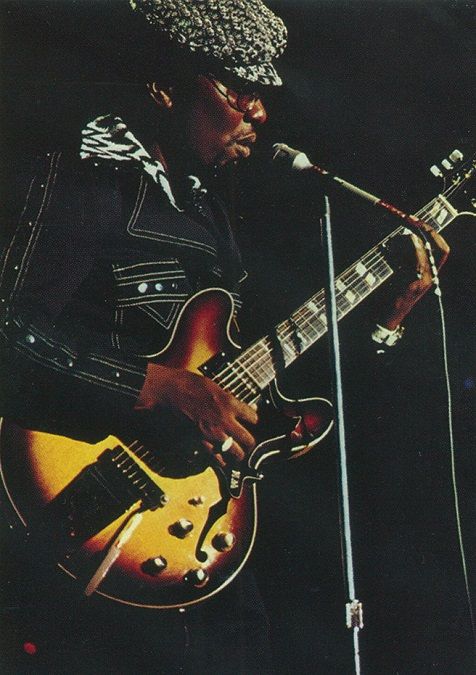
Willie HutchBrothers Gonna Work It Out

A girl sashays her way in. “Brothers gonna work it out,” she suggests, offering her observations to the dilemma of those two conversing actors. The flute replies sweetly to her melody. We’re two minutes in before the tempo kicks in. A descending harp glissando, a sharp sweep of strings, then a paradiddle of tribal drums. The “Brothers gonna work it out” refrain returns, call and response this time between male and female voices, as a ubiquitous wah-wah struts the rhythm underneath a splashing hi-hat. We have lift off.

Brothers Gonna Work It Out is widescreen sociofunk, cut from the same loose-fitting cloth as Curtis Mayfield, as hard-hitting as an Ali right hook but as danceable as disco. Cut for the soundtrack to mid-’70s blaxploitation film The Mack, it brought its creator out from behind the scenes (he’d been a Motown staffer, writing lyrics for the Jackson 5 amongst others) and slapped him bang in the middle of a musical movement that was smoothing at the edges as it transitioned from uptown to midtown, from Harlem’s Apollo to Manhattan’s Studio 54.

Brothers Gonna Work It Out straddles that dividing line effortlessly and coolly. It’s a groove, as they say.

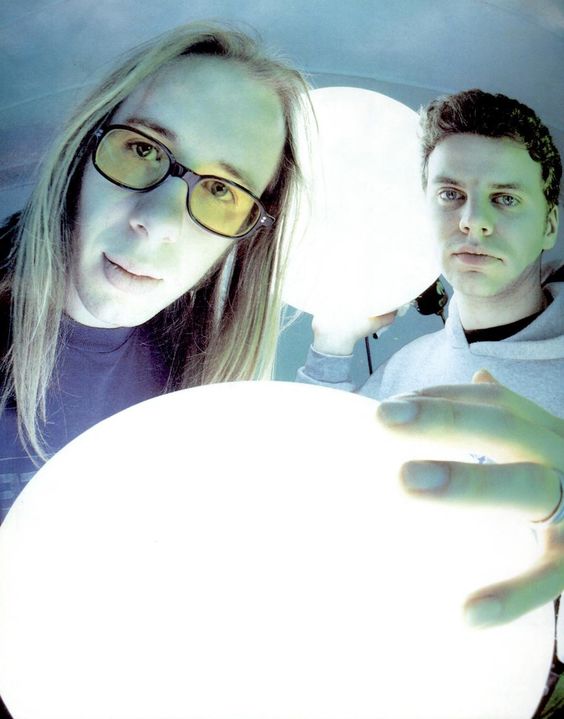
The Chemical Brothers know a good line when they hear it. They took the ‘brothers gonna work it out‘ refrain and recast it as something of a manifesto – Dust Brothers to Chemical Brothers – for their first release to promote debut album Exit Planet Dust.

Chemical BrothersLeave Home

Leave Home is a stall-setting cris de guerre. ‘The brothers gonna work it out‘ hookline is in your face straight away. So too is a snaking bassline and a window-rattling snare. It’s relentless and full on, full of squelchy 303s and rat-a-tat-tatting 808s. A four-to-the-floor big beat headthumper, it has, for good measure, divebombing electronic whooshes, random voices and breakdowns that lead inevitably to The Drop, when it all picks back up and comes in twice as furious as before.

Leave Home also has the dirtiest bassline this side of Bomb The Bass’s Bug Powder Dust, a real key ingredient which in parts sounds like a motorbike grinding through the gears as it overtakes you at 108mph, or 108 bpm if you’re being smart. Elsewhere it provides head-nodding grooveability, the concrete flooring upon which the ‘Brothers go about their business of working it out. Young folk these days might call this a banger. A Tom ‘n Ed Banger, even.


Hard-to-find

‘Life On Mars’ Ain’t Just A Song

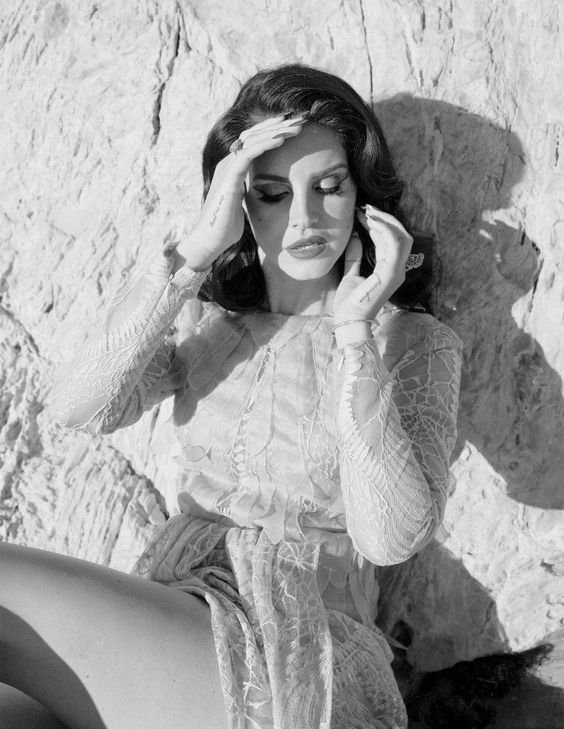
Beatles or Stones? Bowie or Bolan? Taylor or Lana?

Yeah – Taylor or Lana, man?

Street-smart Swift clearly takes all the press these days (and all of the world’s money, it would seem) but gimme Lana any day.

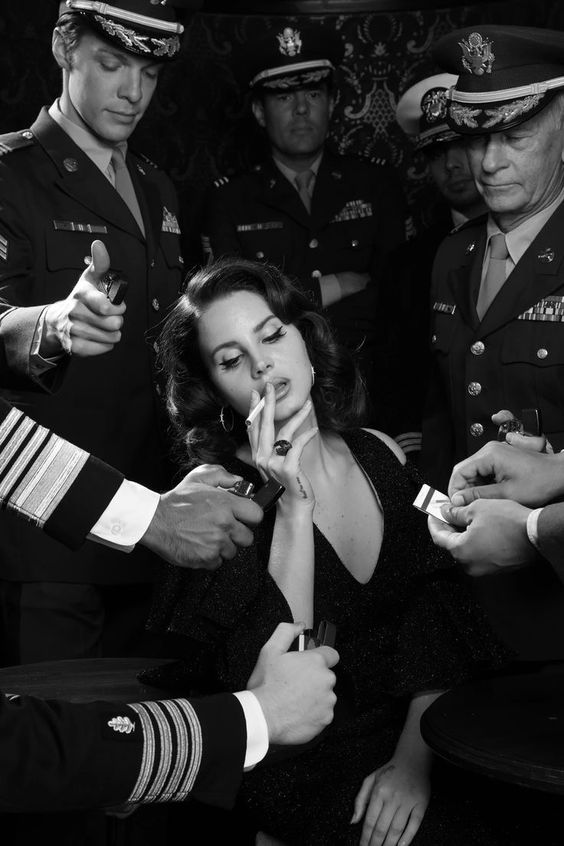
Elizabeth Woolridge Grant (her eloquent and grand name by birth) may well conjure up images of a windswept, colonial America and tightly-strained, Gone With The Wind bodices, but despite giving herself an extraneous stage name, Lana has managed to maintain an element of that same dramatic and vampish elegance of yesteryear.

Blue Jeans. High By The Beach. Video Games. Brooklyn Baby. Say Yes To Heaven. Every one of ’em a silver-screened slo-mo unravelling of pathos and regret, old school forties Hollywood set to a music steeped firmly in the girl groups of the sixties; three majors and a minor, overlapping, crashing, crushing melodies, with the merest hint of a twanging surf guitar and a trilling doo-wop piano, a broken heart and the odd f-bomb never far from the stew.

You don’t need to watch her videos to see the tumbling hair and scarlet lips, the tear-soaked pillows and empty rooms. If you watched them though, you’d also see the freeways and the free spirit, the goofing around with her girlfriends, the rolling around with her boyfriends. As urban American as James Ellroy’s stylised noir, she may be rooted, music-wise, in the past but that’s juxtaposed with all the signifiers of contemporary L.A.; the hip-hop and helicopters, the Converse and Corvettes. She’s so modern, as someone once sang.

At some point this year Lana will release her 10th album which, if my mental maths is up to scratch, is an album every 16 months since 2010’s self-titled debut. She’s certainly prolific – as prolific as Swift, as it goes, although she’s not needed to re-record any of her old records – and the quality control she has sees to it that there are no clunkers out there. Everything with her name on it is a grade A mini masterpiece that benefits from repeated plays, possibly in the small hours with minimal lighting and a glass of something decent to accompany it. The strings! The arrangements! The sultry undertones to her voice! She’s magic.

Lana Del ReyThe Greatest

The Greatest‘ from 2019’s Norman Fucking Rockwell! is quite possibly the finest melody to by-pass Paul McCartney and land fortuitously in someone else’s lap. It’s pure late-era Fabs, the melancholic brass ceding the air space to a gently caressed baby grand, all rising chords and spine tingling expectation. There are Beach Boys references, guitar swells, drop outs and build ups to a killer chorus – “I’m way-ay-ay-ay-ay-aysted!” – where Lana harmonises with herself as the melody unspools into a George Harrison-by-way-of-L.A. guitar refrain. At this point there are still three more minutes to go, three minutes of sparse and delicate music where you can smell the Pacific Ocean salt spray, three minutes of melodrama and horns as fuggy as the late summer Californian air, three minutes of music as bleached out and atmospheric as a roll of seventies Kodachrome film.

Three minutes where you’re already thinking, ‘I don’t want this to end’.

Introspective, reflective and melancholic to the max, it ain’t called The Greatest for nuthin’. Now, go and listen to it again without any distractions and tell me it ain’t the best ‘new’ thing you’ve heard this year.


Hard-to-find

Bangers

Son of a gun is an ancient turn of phrase that can be applied in both the positive and negative. “Why, you old son of a gun, you!” they’ll say in Westerns and Hollywood golden-era classics, a phrase of surprise to indicate that one of the protagonists has gosh darned gone and done it, whatever that may be. “You son of a gun,” one character might snarl to another, an indication that they’ve really said, “son of a bitch,” but the writer or vocaliser (or studio) has thought this too crass to say aloud. Centuries ago, in nineteen hundred and eighty-six, I can remember using that self same phrase in my Higher English exam, stopping short of using the word ‘bitch’ but hopeful that whoever was marking it would read between the lines. I got an A, so I’m thinking they did.

It’s a phrase that dates back 300 years and more, to the time of sea-faring clippers and naval gunships, to an era when it was standard practice to allow married couples to be together at sea. When the women invariably fell pregnant, they’d be forced to give birth in the space between the cannons on the ship, the widest space available. Being in this space allowed the naval men to go about their business of firing at the enemy or hauling away or scrubbing the deck without the unnecessary distraction of falling in or sliding around afterbirth. Subsequently, boys born in this manner were known as sons of guns. I’m assuming they drowned the girls, or had them working in the galley by the time they could walk. Happy to be proven otherwise though.

Son Of A Gun opens The La’s only album. A record that isn’t anything as shite as Lee Mavers would have you believe, it nonetheless would’ve benefited from the inclusion of some of the multiples of session tracks that have subsequently crept out, rather than the odd flat take or two that made up the official tracklisting. To get The La’s, Jim, you’ve got to magnetise them in the first take or two. That’s where the magic happens, when the song is still cooking and the band is still feeling their way around the melody and vibe of it all.

The La’sSon Of A Gun (Take 2)

Their second recorded take of Son Of A Gun is proof. Long before Steve Lillywhite was drafted in to jigsaw Mavers’ abandoned album together, Jeremy Allom was tasked with manning those ’60s dust-covered faders. The group responds, rattling out a skifflish and rootsy version, full of air and life and that mystical, non-descript ingredient that makes The La’s unique.

The downtuned guitar picks out a clip-clopping rhythm, all bite in the high notes and snapping twang in the low. Mavers’ sing-songy voice floats across the melody, his sidekick John Power harmonising those ‘run rabbit run‘ lines in the chorus. A lovely wee guitar run plays behind the chorus, up and down the scales and back out of consciousness by the time Mavers has begun harmonising with himself. That’ll be double-tracking, Lee. We’ll not be having much more of that nonsense.

Anyway.

The sun is currently out here in North Ayrshire and, as is tradition in this house when that happens, the Trojan reggae gets blasted. Presently Trojan’s Tighten Up Volume 2 is making the heavily scarred wooden flooring vibrate, causing ripple effects in my daughter’s mug of tea and thudding its easy skanking bass off and out through the patio doors and into the back garden, maybe even entertaining the neighbours as it floats its way across the railway tracks to be vapourised by the ball of fire in the sky.

Rudy MillsJohn Jones

What I know about Rudy Mills would easily fit into the 1 cm run out groove of this late 60s beauty, and the internet can’t tell me much more. What I can tell you is that John Jones is a fine example of rocksteady.

A mid-paced groover, it has all necessary ingredients for a rockin’ good time; squeaky organ, repeating four chord riddim, slightly wobbly backing vocals and a soulful, honest delivery that leaves you in doubt of its authenticity as a bona fide roots reggae classic. Not as well known, perhaps, as other tunes and artists from the era, it’s one that belongs in your ears, for today at least. Oh yeah – and it features a ‘son of a gun‘ lyric too, as it should for a song about a low down, lying, woman-stealing ne’erdowell.

Get down on it.


Hard-to-find

Hats Off, Swift

At midnight on Thursday going into Friday there, Taylor Swift released – or dropped, as they say nowadays – a new album (or albums, plural, given the cash-grab of multiple formats that is becoming more the norm these days too) and the internet this side of the border went into a bit of a mild frenzy over the inclusion of – as you will be sick of hearing by now – a Blue Nile-referencing lyric.

Drowning in the Blue Nile, he sent me Downtown Lights, I hadn’t heard it in a while…‘ are lines that bookend the mid-paced and breathy Guilty As Sin?, a synthy, processed track with a building chorus that doesn’t instantly hit – and why would it, I’m a 54 year-old man – but one which I suspect I’ll hear multiple times around the house and in the car until I know every word and nuance back to front. Such is the appeal of Swift round these parts. And around the globe a trillion times over. What a talent, undoubtedly.

The Blue Nile, on the other hand, I get, I understand, I fit the demographic. I love everything about them; the tectonic pace at which they work(ed), the shroud of mystery and intrigue around them, Paul Buchanan’s languid and resigned voice, the songs.

The songs! I must confess, they took a while (like Taylor Swift might) to work their magic on me. When the Blue Nile first appeared from out of the Glasgow rain, all chinos and swept back curls and faint sophistication, their stylised and expertly-produced coffee table symphonies were not to my palate. I liked my singers to bark and shout. Off mic and even off key was fine to these ears. Close-miked, enunciated crooning was for old folk over 30. I liked my guitars scuzzy and fuzzed up or jangling away at a window-rattlin’ volume for two, three minutes at a push. Politely played guitars that crept slowly beyond the five, six minute mark belonged on Dire Straits records and not in my record collection. Keyboards and drum machines? That was strictly Level 42 territory, man.

But one day, I got it. A Walk Across The Rooftops reeled me in with its slow-burning, twisting, turning and unspooling melodies and I was hooked. Then the group found hats. And then, I found Hats.

The Downtown Lights, the track that gets Taylor all a-teary, appears second song in. Taking many of its cues from the signifiers on that first album, it glides on a bed of politely pattering electronic Linn drums and long-breathing keyboards, gently pulsing electro bass and stabbing strings. Cascading percussion permeates in all the right places as Buchanan’s voice lets loose a gorgeous tumbling melody that forms the centre piece of the track.

Nobody loves you this way!” he emotes, artificial strings swelling in time to the break of hearts, even Taylor’s. Paul Buchanan’s voice, his phrasing, his controlled delivery… it wouldn’t sound out of place at all on Station To Station or any number of those Bowie studio records from the era.

The Blue NileThe Downtown Lights

The Downtown Lights forms part of a record that is required to be listened to as a whole, something that in the scroll, like, delete, swipe world we now live in seems almost archaic. It’s pretty much the perfect record, a record that is initially so somnolent and atmospheric that it might make more sense listening to it in deep space, or, if it’s more practical, a flotation tank.

I can totally see why Taylor Swift might dig The Blue Nile. And I totally expect The Blue Nile to chart at some point in the next week. Taylor has enough followers that, if even half a percent took a curious interest in the track and played it on Spotify, The Downtown Lights could yet end up The Blue Nile’s best-known song. Move over Tinseltown, there’s a new kid in town. Who saw that coming?

Hard-to-find

Rhythm And Wooze

It begins with a rat-a-tat of rattling, ricocheting far-off processed beats then melts itself into a woozy, hazy, two chord guitar riff. A nagging, incessant keyboard riff (or is it effect-heavy flute? Or another guitar track filtered through a dozen stomp boxes?) follows. A proper headnodder of a groove builds around the disparate tracks. A bassline, rubbery and dependable nails the whole thing to 4/4 time and then…lurch! A divebombing tremelo wobbles six strings wonkily downwards, seasick and stoned, and suddenly you’re disorientated. Only momentarily, mind, as here come the vocals. A girl? A boy? A duet? And what are they singing? They’re more vocalising than singing really, as any number of Netflix subtitles will tell you these days, the voice(s) trippy and overlaid and harmonising in an out-of-body way that’ll have you humming along from this point on. Here’s that flute again. And the rat-a-tat. And the shape-shifting lurch. And those inter-woven harmonies. And the flute again. And the monster bassline. And another lurch, just as you’re getting the hang of the discombobulation of it all. And so it goes, for nearly 7 minutes, My Bloody Valentine‘s greatest studio moment – Soon.

My Bloody ValentineSoon

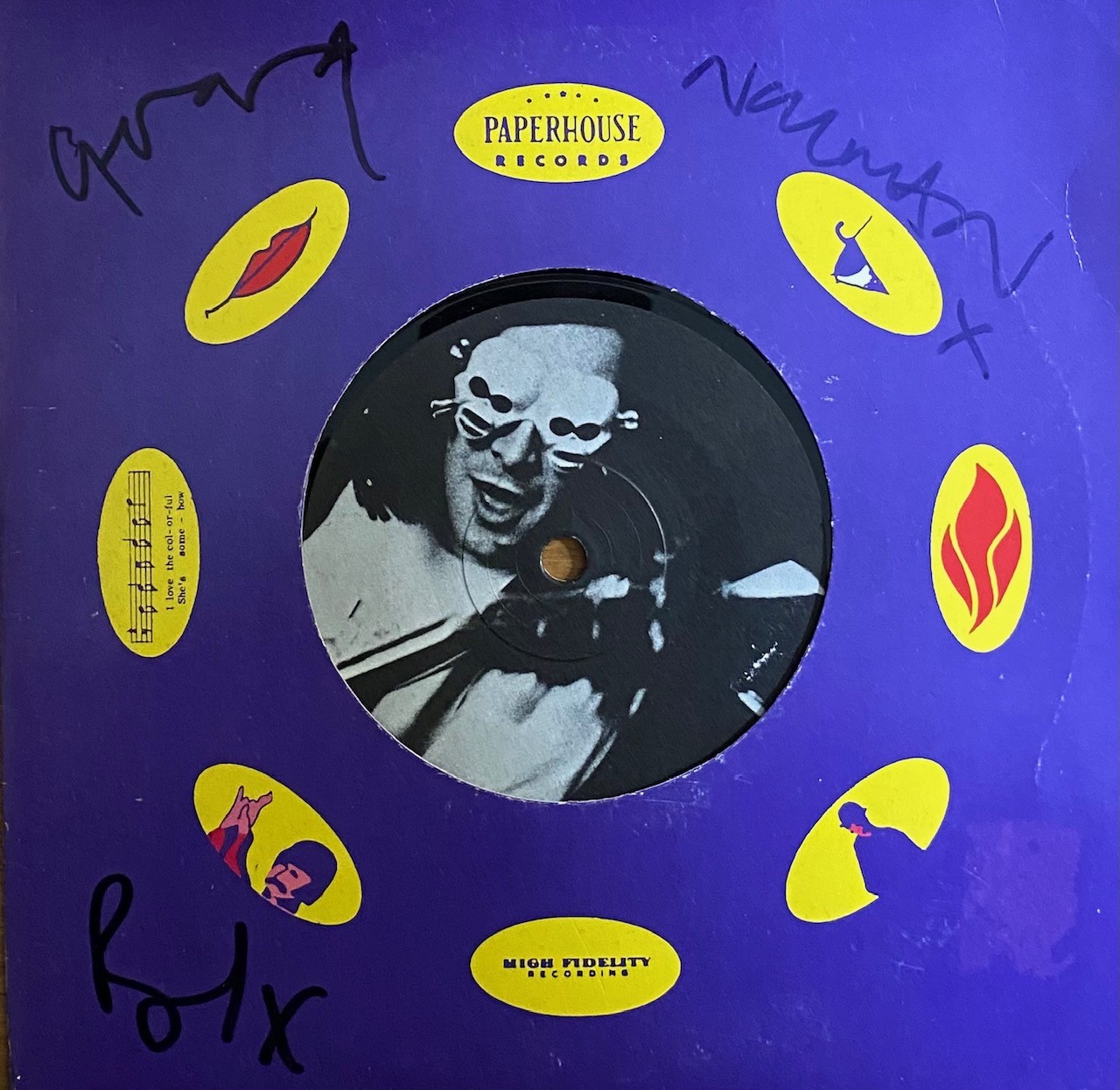
My 7″, signed by McGee no less.

It has actual lyrics. You can look them up if you don’t believe me. They’re not what Kevin Shields wrote though. The stubborn artist – and with Soon and the rest of the Glider EP (and the Tremelo EP and Loveless), he is far more of an artist – studio auteur, even, than mere musician – wouldn’t give them to the label. He’d present Creation with the completed recordings and their titles and some poor office girl would have to sit and decipher everything through the fuggy haze on record and, very possibly, within the office itself. Naturally, many of the real lyrics are lost forever, the ‘official’ words actually the work of the Creation intern. That’s pop art for ye.

Soon isn’t necessarily a word you’d associate with My Bloody Valentine. A band so determined – so bloody-minded, even –  it took them 21 years between records and then nothing since, it remains my favourite piece of music by them. It’s an astonishing piece of art still, even after 34 years. The product of hours and hours and breakdowns and missteps in the recording studio, it was painstakingly created by Kevin Shields, hunched over spooling tapes and faders and offset Fender Jazzmasters, tremelo arm nestled in his fingers and ready to glide. Just as Johnny has the jangle and Jimi has the fuzz, Shields has glide guitar as his signature. Detune your guitar to some far-out open tuning, hold a chord shape with the left hand and, as you strum, lean gently but firmly onto and into that tremelo arm. The floating bridge will reduce the tension on the strings, leaving you with that trademark sighing, tone bending, shape-shifting guitar sound. Just add a mission control-sized pedal board and a decent vintage amp or two to the chain for maximum push and pull effect.

I bet he went through a gazillion strings perfecting it.

Soon was released at an interesting intersection in indie music. My Bloody Valentine, a group synonymous with guitars and Docs and shapeless black jumpers found themselves influenced, knowingly or otherwise, by the rhythm-focused music comin’ atcha from Manchester.

That ‘Funky Drummer’ beat that propelled Fools Gold? The military two step that implored a million bucket-hatted eejits to twist their melons? Here it all was – the mellower cousin of Public Enemy’s fierce sampled beats – chopped, cut and pasted and stuck together again to provide the back beat for a track that no band, not even MBV themselves, could replicate live. Those repetitive Italo house hooklines that ear wormed their way from Happy Mondays’ back catalogue and caused van drivers to whistle while they worked? The same hooklines that had been born from Detroit techno and adopted as their own by the magpie-like Ryder clan? Here they were too, in flute form, but still there, popping up regularly enough to provide both hook and anchor for a track that might’ve been lost at sea without it.

It’s that little motif that plants Soon firmly into the future – even still in 2024 – and maintains the group’s legacy as forward-thinking studio pioneers. They’ve released other material since, of course. Not much though…and nothing with the heart and soul and (despite what I’ve just said above) originality of Soon. It’s a weird, warped beauty. Nocturnal. Otherworldly. Perfect. And peerless.

Great Weatherall remix too, of course.