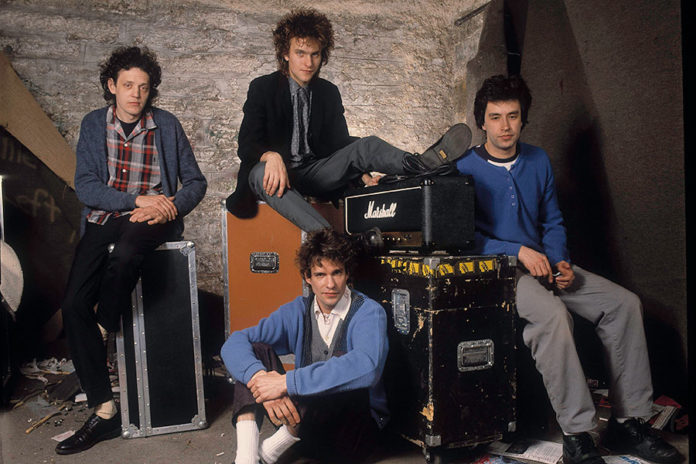
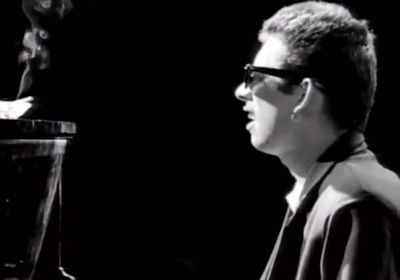
That politely twanging guitar that heralds the start of the track is, by the angle of its jangle, pure early era R.E.M. Or maybe the Go-Betweens. Maybe even the Hoodoo Gurus. There’s certainly enough blend of country rockin’ low notes and clean chiming chords to suggest it. As it falls into its mid-paced, head nodding plod and the vocal appears, all gargled gravel and forced out phlegm, you could be forgiven for thinking you’ve landed feet-first in some mid-west bar, the overpowering sight of wall-to-wall plaid shirts and faded denim just about drowning out the the clack of balls on the pool table as the singer strains above it all to deliver lines worthy of a low-budget Hollywood movie. ‘Jesus rides beside me, he never buys any smokes,‘ he goes, all resigned and stretching himself above the free-roaming lead guitarist with his hot shot fancy pants riffs just below him in the mix.
As if this isn’t enough, the honeyed tones of the Memphis Horns – yr actual Stax house band, responsible for those hooks and riffs on all those great Otis records…and Al Green’s Let’s Stay Together…and Elvis’s Suspicious Minds – comes breezing in like the warm and rasping ghost of Exile On Main Street to stamp its brassy rash all over the proceedings.
And then you discover that the guitar player is none other than Alex Chilton, himself the titular subject of a track on the very same album where this track resides. A Replacement service indeed. It don’t get much better than that.
Yes, you’re listening to Can’t Hardly Wait by The Replacements – maybe even as it shuffles up randomly while you pound your sorry state around January’s unforgiving streets – and the world is alright.
The Replacements – Can’t Hardly Wait
I was never that sure about The Replacements. I’m still not, to be honest. To me, I think they’re viewed over here the way a band like Teenage Fanclub might be viewed in the States. They’ll have an enthusiastic, fervent fanbase who can’t see past them and everything they do, but the more you move away from the parochial appeal, the less they’ll matter. Unlike, say, Tom Petty, whose widescreen jangling Americana has universal appeal, and certainly not like R.E.M., who changed course and conquered the world, The Replacements just seem like you have to be American to fully appreciate them. They bring to mind teenagers driving noisy gas-guzzler first cars, hopped up high school kids chugging beer, college sophomores getting blasted at frat parties, all that sort of cliched Hollywood America.
Can’t Hardly Wait though. Great players + great points of reference = grrreat track. No arguments here.
On the 5th of January, Plain Or Pan will turn 17. In preparation, the L plates have been looked out, the insurance has been eye-wateringly hiked and the old banger I’ve been saving for the occasion will finally get a run-out.
I never for a moment expected to still be doing this all these years later, but here we are. Adam over at Bagging Area rationalised it best a few days ago when he said that blogging is a habit that sticks. It really is, plus Plain Or Pan has led to all sorts of unexpected opportunities in recent years…reason enough to keep going still, I think.
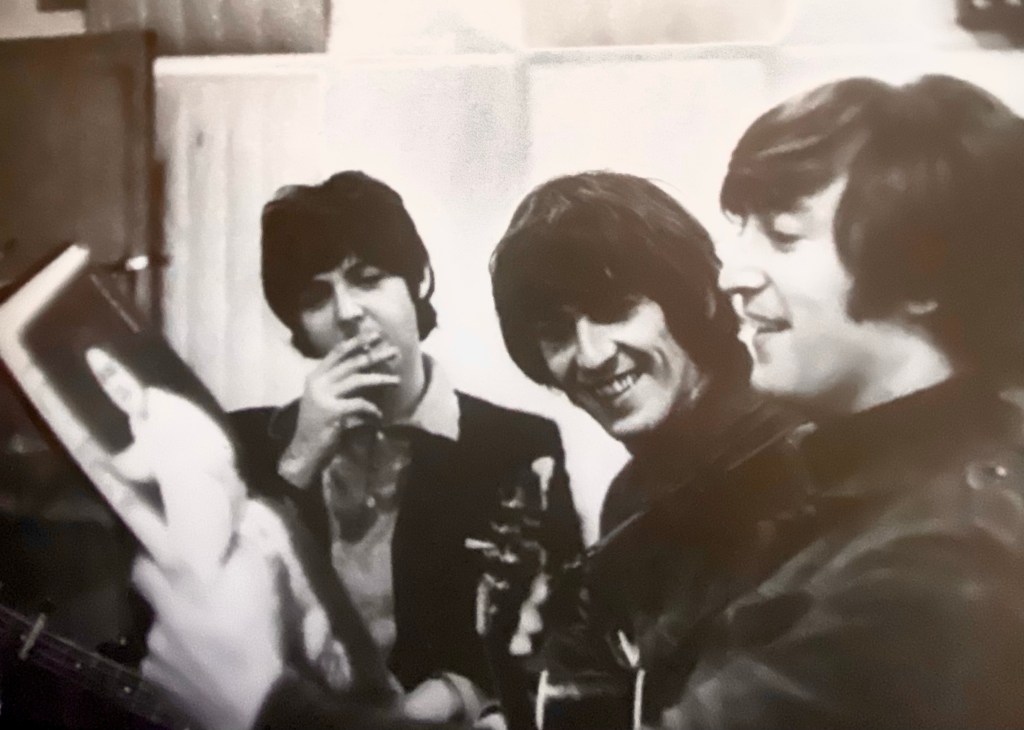
I’m a sucker for a studio outtake and Anthology 2 features the between-takes chatter of The Beatles as they rip their way through the first couple of goes of I’m Down, the track that would eventually find a home on the b-side of the Help! single. “It’s plastic soul, man…plastic soul,” belittles Paul McCartney, a nod to black America’s scathing opinion of Mick Jagger at the time. Considering McCartney’s vocal on I’m Down was full-on Little Richard, it’s a bit of an ironic throwaway line, but tucked away for future use, the phrase would soon turn up in more punning form as the title of The Beatles’ next record.
The second of two albums written, recorded and released by The Beatles in 1965, Rubber Soul would be the bridging link in a run of albums that saw them transition from the pure pop of Help! to the studio-driven Revolver. It’s a pace of change and progress that is unparalleled. Two albums plus assorted singles plucked out the ether and sent into millions of homes before the new year bells? Plus touring, sustaining family commitments and enjoying life as young 20-something Beatles? That’s laughably unthinkable nowadays.
Rubber Soul was put together in little over a month, with recording beginning on the 12th October and its 14 tracks mastered for both stereo and mono on the 15th November. That’s four and a half weeks from the initial writing sessions, via the recording and overdubbing, to the finished article. There are groups these days who take longer perfecting the filter on their Instagram posts. Once mastered, the album was sent to the pressing plants to be in the shops by Christmas. It was. Released on 3rd December along with the group’s first double A-side, the non-album pairing of We Can Work It Out and Day Tripper, Rubber Soul ensured a fab Christmas for all.
The Beatles – Drive My Car
Drive My Car, the album’s opening track, endures as one of the group’s very best. A McCartney-presented idea, Lennon helped shape and polish the lyrics, encouraging the pay-off double entendre (‘You can do something in-between‘) before Paul took it to the others as a track worth working on. Take 4 was the one they were happiest with and that’s the version that the world got to hear.
McCartney sings it like it’s the last song he’ll ever sing on earth, tearing his way through each line like Otis Redding on Otis Blue, John double-tracked and harmonising and hanging on for dear life behind him. That ‘beep beep ‘n beep beep, yeah! is total adlibbed genius nonsense, another hook in the vein of yeah yeah yeah! or I can’t hide! Such a little thing, but such a big part of the song.
The Beatles, knowing a good thing when they hear it, go full tilt on a (plastic?) soul stomper that still thrills in McCartney shows today. With a nod and a half to Aretha’s version of Respect, George copies Paul’s frugging bassline on his fuzzed-up Strat and it’s those two instruments that give the backing track its groove. Ringo is immense as the anchor. His snare takes a proper beating. His fills on the final line of each verse are inventive and varied and he’s nothing less than metronomic throughout.
It’s the clever overdubs that elevate the track even further; there’s a cowbell playing in time (and very high in the stereo mix) to Ringo’s snare, and a rattling pair of tambourines that vary in pattern between verse and chorus. Paul overdubs that loose ‘n funky piano on the chorus – the essential ingredient – and you have a Beatles track that could never be anything other than an album opener. Quite the statement.
It’s hard to believe that Drive My Car first found its way into my orbit through that thumping, discofied and hideous Stars On 45 record all those years ago, but there y’are. It’s also hard to believe that there are people in the world who have yet to find The Beatles. What a journey they are in for. I’m already aware that January 2024 is going to be Beatles month in this house. They’re always there, in the background, in the hard drive of the mind, waiting to be called down like patient little angels, but shining the spotlight on them always makes me hyper-fixated for long spells. Looks like it’s Rubber Soul‘s turn again.
We had big snow here a couple of weeks ago, the proper Hallmark/Hollywood cotton wool stuff. Great for a day or two then a treacherous pest for the rest of the week, it was just too early for Christmas. Snowed in with a classic film and a houseful of food and drink is not a bad place to be. Getting to and from work when your street is an ice rink and it’s barely light in either direction not so much. We’re now back to rain, torrential today, and the sort of wind that can whip your car door straight outta your hands if you’re not expecting it. (It did, I wasn’t. The car parked beside me seemed scarless afterwards though. Quick! Run!)
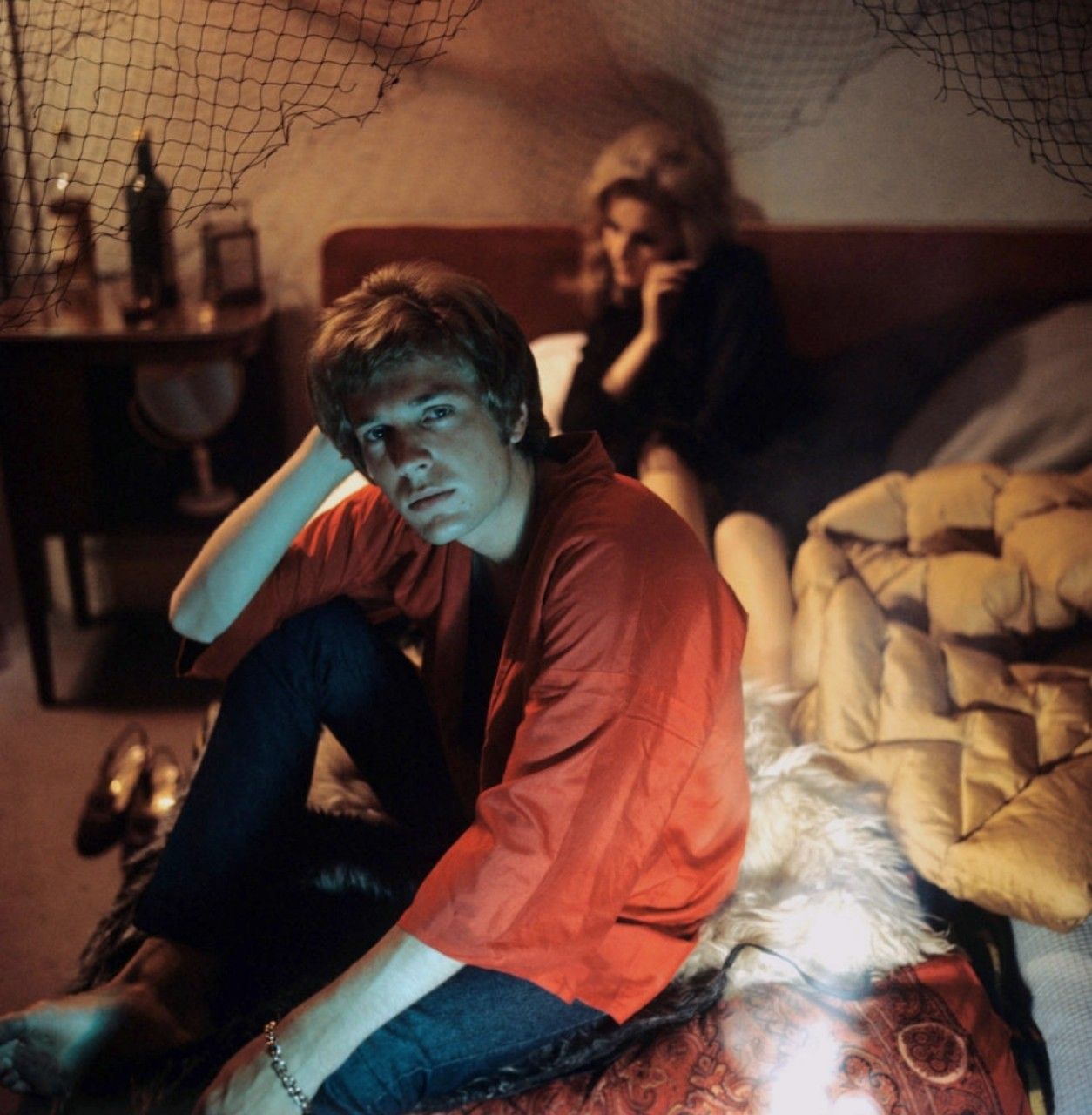
It’s at least half a week too early for Christmas music on here, so as the days creep ever-shorter to Friday’s Winter Equinox, there’s no better time to blow the dust off of Scott 3 and let it play, softly and gently, as the weather conditions – which they haven’t yet personified with a daft human name – swirl madly outside. Scott 3, Scott Walker‘s third album, funnily enough, is stately and grandiose and packed full of Ivor Raymonde’s searing and soaring string scores, practised on Dusty and perfected deftly with each subsequent Walker Brothers and Scott solo release. If you’ve never experienced it, you must do. If only for the cover art at least, I think you’d love it.
Scott Walker – It’s Raining Today
Eye Tunes
It’s Raining Today is the album’s opener, perfect for our current winter weather and a handy stall-setter for what follows on the rest of the record. It begins with the eerie scrape of high pitched, disconcerting strings – exactly the sort of strings that Jonny Greenwood has taken to employing across The Smile’s and Radiohead’s more outré work – before a pulsing two note electric bass and classically-strummed nylon acoustic offset the jarring with a bit of colour. There is too, you notice, a subtle foreshadowing cascade of icicle percussion, spiking the brain, preparing you for Walker’s tale to unfold. ‘It’s raining today,’ he croons almost immediately, ‘and I’m just about to forget…the train window girl…that wonderful day we met…she smiles through the smoke from my cigarette…‘
The melody rises and falls, ebbs and flows with Scott’s perfect delivery – smooth, slow, almost somnolent – providing a real cinematic cocoon to the world outside. You can wrap yourself right up in It’s Raining Today. Stick it on and you, the listener, are safely sheltered from the storm of life, metaphorical as well as physical.
Then…don’t get too comfy…the strings take a sudden dischordant and unnerving tumble and Walker is lost in a fog of nostalgia and regret, the song’s melody creeping like the coming of winter’s equinox itself, the fingers-down-the-blackboard strings now slow-bowed and majestic, sliding down the scales to the lowest notes possible. They’re the only instruments in the mix until right at the end, when a ripple of piano and the familiar refrain of percussion and edgy strings leads us back to another verse, the titular refrain leading us to cellophane streets and street corner girls and cold trembling leaves. Great imagery.
A few short years before this, Walker and his Brothers were headlining a wonky package bill that included Cat Stevens and the Jimi Hendrix Experience, one of three mis-cast teen idols desperate to cut the puppet strings and call their own shots. By Scott 1, Walker was. By Scott 3 he was deep in the throes of auteurship. Magic stuff.
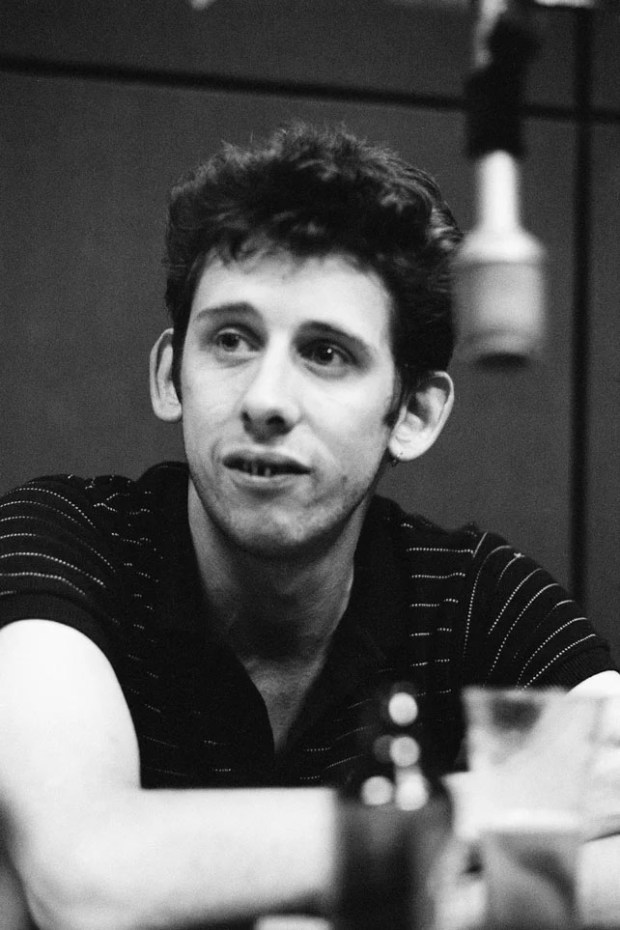
Ach. Shane MacGowan. The literate libertarian and rabble-rousing romantic has drunk and sunk his last pint. Drink up, shut up, last orders. Time gentlemen, please.
When those pictures appeared a week or so ago showing a frail Shane propped up in bed, visited by pals and barely able to smile for the camera, it reminded me of the last days of my dad’s life, of his pals dropping in to say their final, unsaid goodbyes, of big grown men leaving the house in tears. To be honest, the pictures of Shane made me feel uncomfortable, unnecessarily voyeuristic, but for anyone who’s watched a loved one slip away, those candid snaps were an obvious foreshadow of what finally arrived at the end of the week just gone.
Like many, I’ve binged myself on The Pogues since the news of his death broke.
I first heard of The Pogues in 1985, and only because I turned up to participate in a Bible quiz being held in an upper room of Kilmarnock’s Grand Hall. (That story has been told on here before.) It wouldn’t be long until I properly heard the MacGowan voice, that very same night, as it goes, bellowing up in fluent MacGowanese from the floor below, in-between the stuffy quizmaster’s boring questions.
“In which book of the Bible did…”
“ahve been ssspat on, ssshat on raypedandabyooozed…“
By the end of that week I owned Poguetry In Motion and never looked back.
The Pogues’ Christmas Barrowlands shows, especially the one with Joe Strummer joining them for Clash songs, were some of my favourite-ever gigs. After the Strummer one, I nearly fainted through heat exhaustion from non-stop jumping about in a very crushed and over-sold crowd. A medic made me sit against the wall of the stairs on the way out until I’d recovered, necessitating in a mad sprint back down the Trongate and Argyle Street for the last train. By the time we’d made it, my old suit jacket was stiff from frosty dried sweat. Thawed out on the train home and back at my house, it was a stinky, soggy, shapeless mess. I hung it in the shower to dry until the next morning, when I shook out not only Joe Strummer’s actual plectrum but enough crystalised sweat to keep Mama’s chip shop in salt until the next Pogues show. Memories, as the song goes, are made of this.
By chance last night I stumbled across Julian Temple’s fantastically revealing ‘Crock Of Gold’, a two hour documentary on the life of Shane MacGowan. Culled from old interviews, both film and audio, with archive footage of Irish life and additional filmed segments from three or four years ago, it’s an absolutely essential watch and a key insight into the life and psyche of MacGowan.
Shane’s ability to romanticise the unromantic is there right from the start. Reminiscing about his early years in Tipperray, he talks about the “sepia-brown farmhouse where they pissed out the front door and shat in the field out the back….” In a series of torn and frayed photographs, the MacGowan clan is shown to be tight-knit and stern faced, the wire-thin men in flat caps, faces lined like cartographic maps of rural Ireland, the handsome-faced women with arms folded over necessary pinafores.
His upbringing was equal part prayer and profanity. “Fuck is the most-used word in the Irish dictionary,” he says. His uncle educated him on Irish history and its peoples’ continual fight, a subject that would permeate much of his songwriting. His auntie Nora too was a major influence on him, introducing him to stout and snout at the age of 5 or 6, just before the family would move to England. By the time Shane had been integrated into the English school system, he was a two bottles of stout a night veteran of the stuff.
The family hated England. Despite his dad’s decent job, they were bog Irish. Thick Paddies. Outsiders. Shane rebelled. In the film, his dad notes with disdain the very moment Shane went properly off the rails.
“It was that Creedence Clearwater Revival,” he spits quite unexpectedly, in a tone normally reserved for discussing who might’ve nicked that morning’s milk from the doorstep and ran away.
Youthful dabbling in substances followed, expulsion from school not long after, with psychiatric electro-therapy just around the corner. Forever the troubled outsider, Shane found his calling in the filth and fury of punk. “I was the face of ’77!” he quips, before lamenting the movement’s inability to truly change the world. “All that we had left at the end,” he laments, “were brothel creepers, a few bottles of Crazy Colour and the dole.”
He’d discovered what a life in music might offer though, and set out to change the way Irish music was viewed. “Everyone was listening to ethnic music, so I thought, ‘Why not my ethnic music?’” The Pogues were born and the songs, poetic and proud, educating and enlightening, soon had an enthusiastic following. When asked how he goes about writing a song – “Can you write sober?” asks an interviewer at one point – Shane states that the songs are floating in the air – “that’s why they’re called airs,” he reasons, and that he reaches out to grab them “before Paul Simon does.”
The Pogues – A Rainy Night In Soho
Could Paul Simon have written a song as sweeping and grand as A Rainy Night In Soho? Or The Broad Majestic Shannon? A song as political and hard-hitting as Birmingham Six or Thousands Are Sailing? A song as simple and melancholic as Summer In Siam or Misty Morning, Albert Bridge? A song as joyful and carefree as The Body Of An American or Sally MacLennane or Sick Bed Of Cuchulainn or Streams Of Whiskey? Of course he couldn’t. No one could write songs like these ‘cept MacGowan. From waltz-time bawlers to night time weepies, he covered all bases.
You’ll hear Fairytale Of New York – “Our Bohemian Rhapsody” a lot in the coming weeks. Nowt wrong with that, of course, but I’d like to direct you to an essential source of one of its ingredients.
Ennio Morricone – Deborah’s Theme (Overture)
Ennio Morricone’s Deborah’s Theme, from Once Upon A Time In America, is slow and stately, majestic and magnificent. Shane thought so too, making good use of the motif that he’d write – ‘It was Christmas Eve, babe/And then we sang a song/God, I’m the lucky one‘ – across the top of. A powerful, beautiful piece of soul-stirring music that gave rise to another.
Shane Patrick Lysaght MacGowan (25 December 1957 – 30 November 2023)
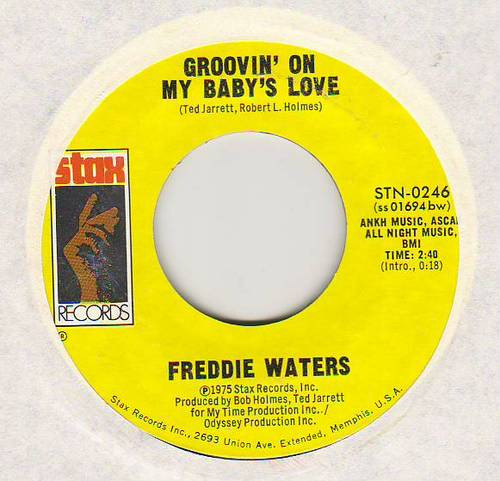
I spent some time in the company of Dodgy’s Nigel Clark at the end of last week. He was up doing a one-man show – all the Dodgy hits, a few of his own solo songs, a smattering of carefully-chosen covers (Tom Waits, Frankie Valli, a spontaneous run-through of the new Beatles single), all interspersed with off-kilter chat and rueful observations on life in 21st century Britain. He’s a massive soul music fan – that would explain the cover of ‘The Night‘ that he ended with, and the various soul covers that constitute those early Dodgy b-sides – and thrillingly, he played a version of a fantastic Stax track from 1975 that was totally new to me. The song found a home in my ear and, after many YouTube plays and before I’d gone to bed in the wee hours of Saturday morning, I’d found a copy of the 7″ online and bought it. I think you’ll like it…
Freddie Waters – Groovin’ On My Baby’s Love
Tinkling Fender Rhodes, descending chords playing against up-sweeping strings, a slow ‘n steady groove of snare ‘n kick drum, a cooing female backing vocalist going against the grain of Waters’ gravelly soul man voice in the chorus…there’s no chicken-scratch guitar or tasteful Cropper-esque blue notes, nor nary a whiff of honeyed brass, yet it has all the necessary ingredients, as Ray Charles one said, in a recipe for soul.
The bridge –‘some people worry ’bout simple things‘ – is pure grits ‘n gravy Memphis soul. In the hands of an Otis Redding or a William Bell or a, yes! Al Green, Groovin’ On My Baby’s Love might’ve bothered the pop charts. And maybe it did, but apparently, very little has been written about either Freddie Waters or Groovin’ On My Baby’s Love so I don’t know about that. I’m certain some switched-on soul brother or sister here will keep me right though. Typically, the track alone should have both singer and song held in far higher regard than the world seems to afford them.
There will, of course, be hundreds of songs like this, floating out in the ether, waiting for the record collector’s butterfly net to catch them as they flutter past. By way of payment, I sent a suitably gobsmacked Nigel a link to Darondo‘s Didn’t I. Featured here a few years back on the recommendation of Gerry Love – another soul-loving beat group employee, as it goes – it deserves another shining of the Plain Or Pan spotlight.
Darondo – Didn’t I
Obscure-ish mid ’70s soul recommendations most welcome. Add them in the comments below.
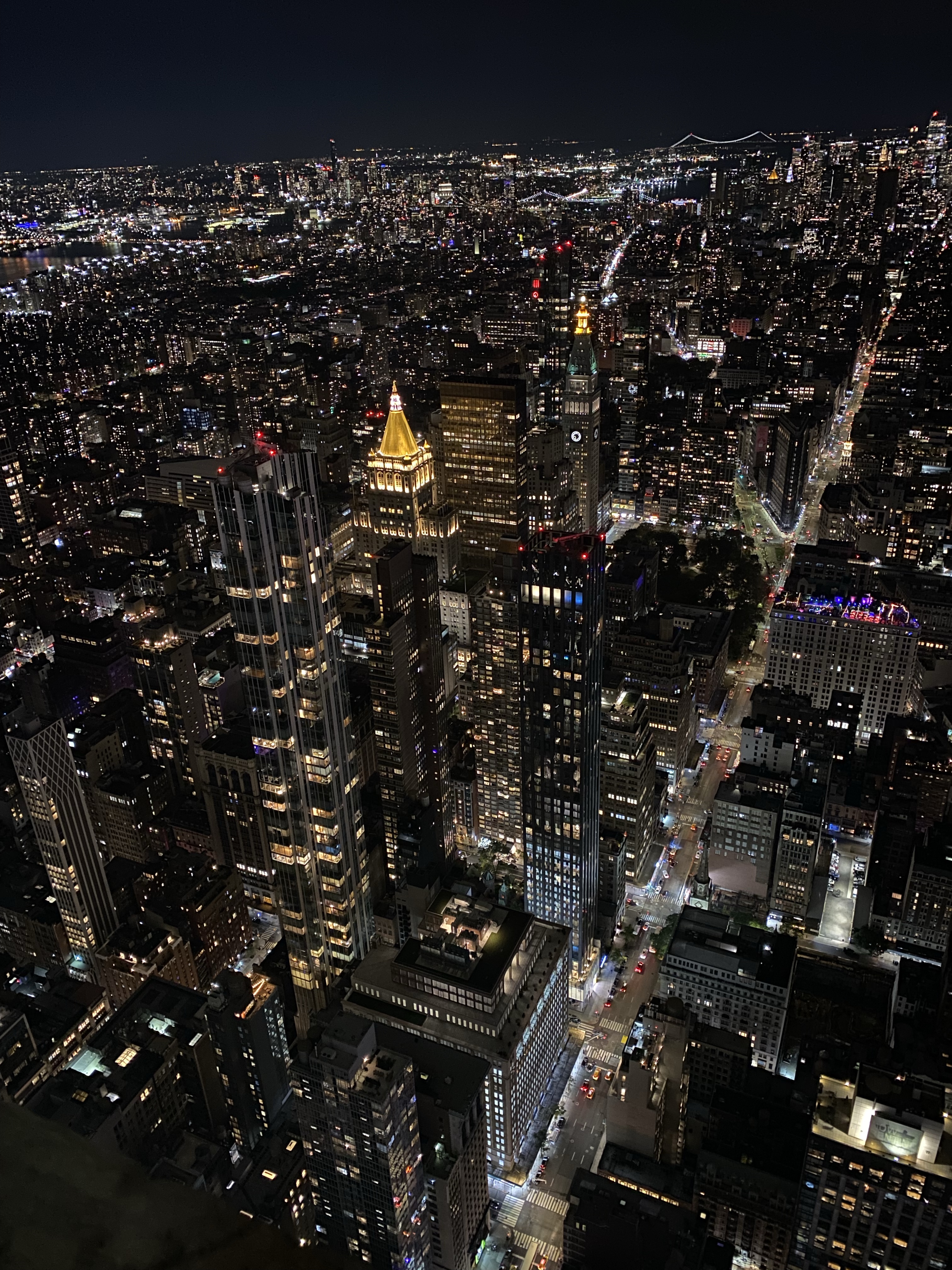
It’s been a year since I was last in New York City.
52 weeks since I last allowed myself to be happily ripped off in an off-Times Square pizza joint – “Seventy bucks for four slices of greasy, cheesy pizza and four cans of Coke? Tip that up to eighty and take my money ma man.”
365 days since I last had a stiff neck from looking up, down, all around at the buildings and bridges and people and possibilities of the greatest city on the planet, listening surreptitiously to the natives as they passed, deep in loud conversation, loud in deep conversation. “I used t’be afraid of the Bronx…I heard chow chows are adorable…My social life is a gawd-damned diz-ass-tuh…and he was buh-leeding awl ovah the apartment…I dunno, John, it cawsts a lotta dough…Then he jumped on the window display and pretended to be a mannequin! Hur hur hur!!!…”
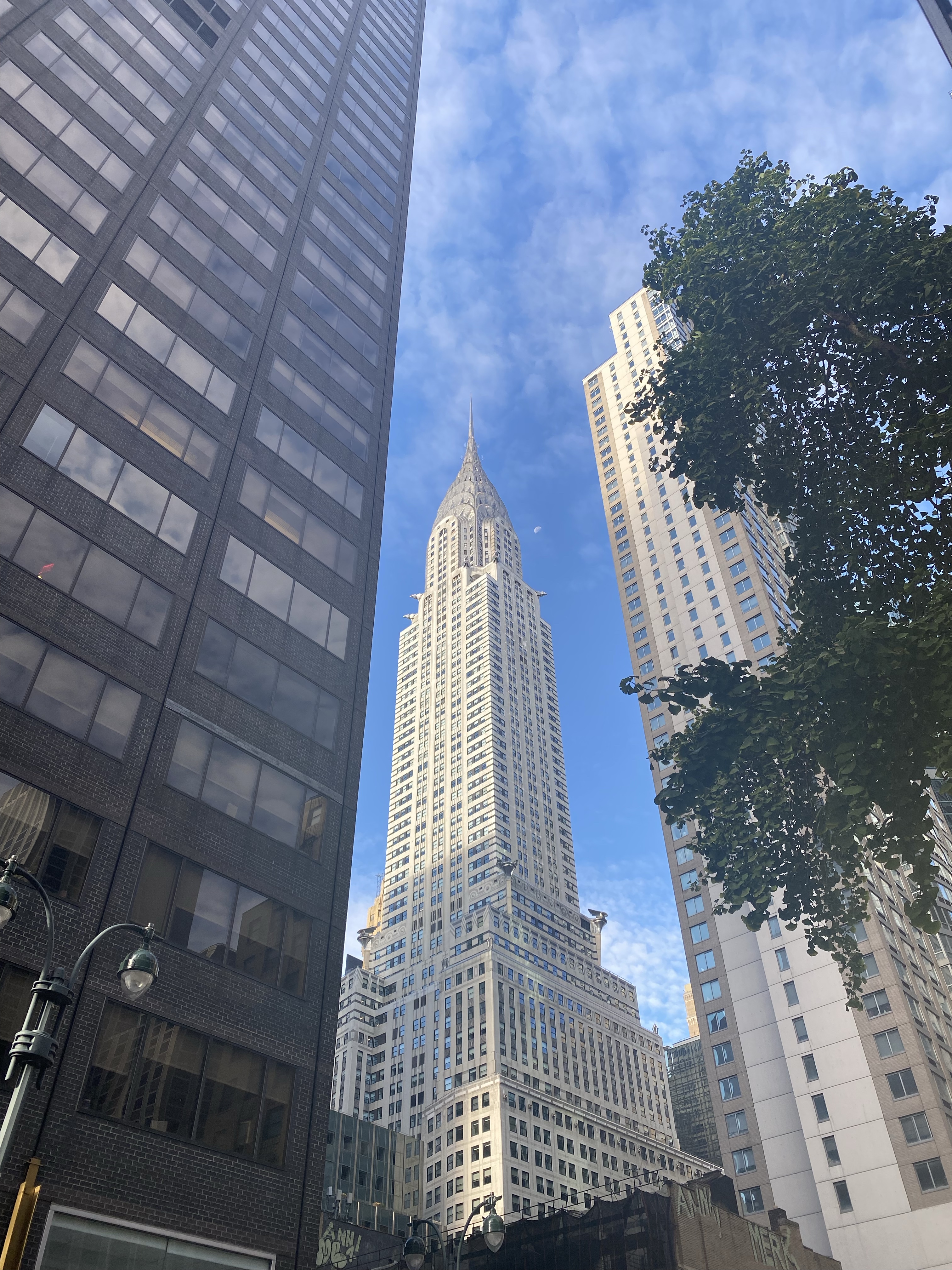
That’ll be 8760 hours since I last walked upwards of 35,000 steps each day in search of musical reference points the length and breadth of Manhattan, got passively high in Times Square, rode the subway from 42nd Street, listened to a great, soulful Beatles busker at the Lennon memorial spot in Central Park, admired the art deco wonder that is the Chrysler Building, got an hour to myself to shop for records, recreated Bob Dylan’s Freewheelin’ album cover in the wrong freakin’ street, looked into tiny but expensive apartment windows and took arty photographs atop the High Line, internally sang songs at every other street sign (Lexington Avenue, 10th Avenue etc etc), imagined seeing the singer Beck near the Empire State Building, jumped at the unexpected wail of a cop car siren, drank Brooklyn Pilsner and ate the greatest pizza in Juliana’s, sat on a brownstone stoop (should’ve broken into some doo-woo – missed opportunity) and generally had the most fulfilling experience possible.
I’m absolutely not kidding when I say that, outside of regular thoughts about family and work and what we’ll have for dinner that night and can I squeeze in a wheezy run while the boy is at the football training, the city of New York is an ever-present, permanent fixture in my head. Analytics being what they are, it’s there too in every other post in my social media feeds, and I ain’t complaining. Until I return – whenever the cost-of-living crisis hell that may be – it’s just about the next best thing.
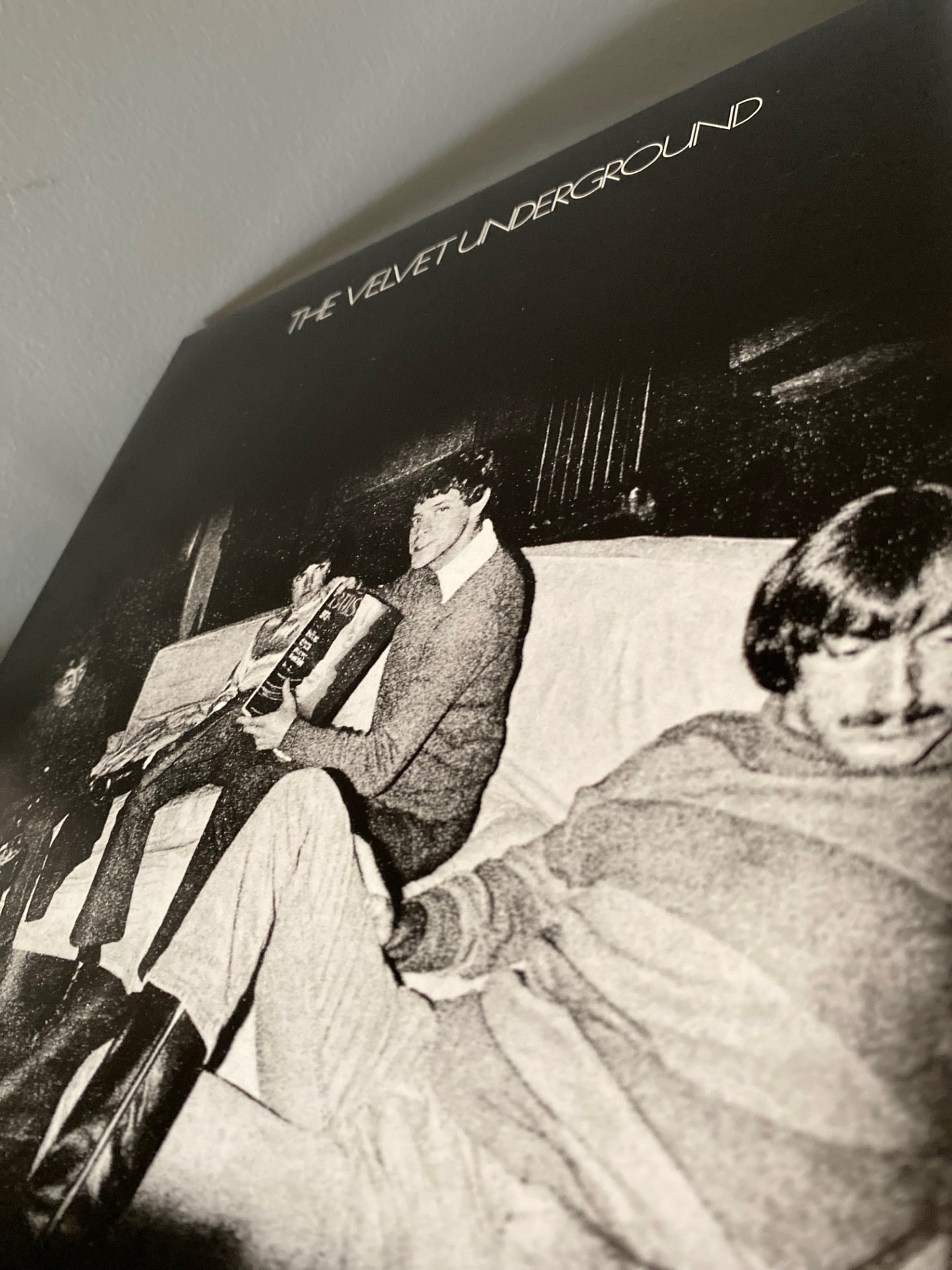
That most New York of bands, The Velvet Underground, decamped to L.A. for their third album, 1969’s eponymously-titled release. Following the white-hot, white light/white heat abrasiveness of its predecessor, the third album is gentle, rich in melody and only occasionally rips into cacophonous rackets of the knuckle bleeding overstrumming that’s come to define them (maybe just side 2’s Murder Mystery – and that’s pushing it.) The gossamer-light Candy Says sets the scene. The soporific Pale Blue Eyes, with its woozy, almost out of tune guitar lines and Moe Tucker’s steady tambourine rattle closes side 1 perfectly. Beginning To See The Light‘s chugging acoustic guitars and ‘here we go again‘ breakdown continues the mood into side 2, before the whole thing closes perfectly on After Hours, Moe Tucker’s surprising and wobbly lead vocal sending the whole thing off to bed.
The story – the legend- goes that the band had a whole bundle of gear stolen at some point in its journey through JFK Airport, hence the lack of distortion and discord, but Lou Reed has since debunked that by saying he simply wanted to play more melodically. Not having John Cale in the band by this point might have helped too.
I’ve been obsessing this week over Some Kind Of Love, all double twang and asthmatic slide, hypnotic and groovy and never-ending. It’s really great.
Some Kind Of Love – The Velvet Underground
The lyrics are ambiguous but, naturellement, saucy, salacious and just a little perverse. “I don’t know just what it’s all about, but just, uh, put on your red pyjamas and find out,” croons ol’ Lou at the end, smiling at his smutty little self as he does so. They tell me that New York is somewhat cleaned up these days. Lou’s mind, seemingly, was as filthy as the streets that birthed his band. Lucky for us.
Sunday morning coming down. I was thinking about War Memorials; how every town and city the length and breadth of the country has one and that each name on every monument has a story to tell. The greatest thing I’ve ever done in my day job was enabling a class of young learners to research the local war memorial as a way of uncovering the stories behind the names chiselled into the sandstone and marble. The kids cracked open a wide seam of local social and historical significance. Underage conscripts, entire families of infantrymen who failed to return from France and Belgium, a soldier that had – incredibly! – once lived in the same house as one of the pupils, entire streets and streets and streets in the town named after its fallen sons… At the project’s conclusion I was invited to chat to various community and church groups to talk about what we’d uncovered. I’d always end my talk with the line that this was just one wee war memorial in one wee town – lest we forget that every town in the county had their own war memorials, no doubt containing similar as yet undiscovered stories just below the surface of brass and stone, waiting for the nosy and curious of the town to scratch beneath the surface one day to expose them.
I’d used the war memorials story as an analogy to a pal on Saturday night. We were out in Irvine, my hometown, to hear local boy made good, the writer Andrew O’Hagan chat to local girl made good, former First Minister Nicola Sturgeon about Mayflies, the novel that has propelled Andrew from the relative margins to the slap-bang-in-the-middle mainstream, with TV adaptations and translations into over 30 languages cementing just how good, just how essential the novel is. Modern classic? I’d say so. There won’t be many here who haven’t read it. Those who as yet haven’t will want to rectify that.
Andrew O’Hagan is a great speaker; educated, philosophical, funny, self-deprecating and eloquent. “Eloquent as fuck!” as I quipped later on. He’s been all around the globe at all manner of high fallutin’ literary events, but back in Irvine he slips easily into the Ayrshire dialect of his youth, talking about how we in the west of Scotland use the ‘f’ word as punctuation and how some of the actors casting for the TV adaptation didn’t quite get the proper handle on the emphasis of the book’s incidental swearing.
Nicola Sturgeon has spent a lifetime in politics and as such can talk on any given subject. Indeed, she too is funny, self-deprecating and eloquent. Back in her hometown, she also slips back into a local dialect that has never really abandoned her, aligning her teenage years to that of Andrew’s through shared experiences at political meetings in the Volunteer Rooms (different parties, different rooms, but a shared loathing for the Conservative government) and in the Magnum, the oasis of the Irvine teenager in those awkward pre-pub days. She has real presence and charisma and when the talk inevitably turns political (the book’s background is political, after all), she speaks not in political soundbites but in plain and common, non-patronising terms. I liked her already, but I like her even more after this. As a duo, O’Hagan and Sturgeon would brighten the sofas of any chat show looking for fresh ideas.
Nicola Sturgeon with a book about an Irvine band by another Irvine writer
Mayflies, as the clued-in amongst you know, centres around the friendship between a group of politically-charged, music-obsessed teenagers in 1980s Irvine, growing up against a backdrop of mass local unemployment, the Thatcher government’s relentless decimation of dignity in the working class and their determination to break free of the pre-determined mould that their lives seem cast in. The pages zing with brilliantly chosen words, viciously delicious conversational patter and multiple references to The Smiths and New Order and The Fall and The Shop Assistants, until the real crux of the story is revealed; one of the group, Tully, is terminally ill and wants his best pal Noodles to help him in his final months and weeks.
Mayflies is purely autobiographical. O’Hagan is Noodles. Tully is Keith Martin. And Keith, like Tully in the book, had cancer. In his dying days he asked Andrew to write about him, write about them; their strong friendship, the stuff and nonsense they got up to with their gang of like-minded, socially-conscious music nuts. The gigs, the girls, the gang mentality of a group still tight-knit to this day.
Everyone in Irvine knew Martian. Everyone. He was funny, kind, inquisitive, interested in you and what you had to offer, yet with a ferocious rapier wit that you didn’t want to be on the wrong end of.
At the bar in the snug of The Turf one night, Keith made a beeline for where the 17-year old me was standing. I pretended not to see him while he mentally sized up the double denim I’d dared to dress myself in. “Shift up, Shaky, and let me in,” he said as he elbowed his way into the bar. Hardly harsh by Martian’s standards, but a first-hand experience of his pop culture-referencing sense of humour. For the next few months, an unfortunate but accurate nickname came my way. Keith would never pass without an, “Awright, Shaky?”
I watched from a safe periphery as O’Hagan and Martian and their gang held court, a rabble of loud opinions, leather jackets and, to use a line that I believe Andrew appropriated from a previous post on these very pages, a riot of considered hair. Sculpted, Brylcreemed Simonon quiffs, elegant and pop starrish and effortlessly just right. I didn’t yet know anyone that might play in a band, but these guys exuded exactly that.
The Big Gun – Heard About Love
Keith and co did indeed constitute a band, the Peel-spun Big Gun. The handsome Keith was the group’s guitar-playing, lead singing focal point. This being the ’80s, O’Hagan was the band’s crucial tambourine player. Effervescent in a Buzzcocks meets Orange Juice fashion, The Big Gun promised much in an era when guitar bands were where it was at. The fantastic Heard About Love single would prove to be their lasting legacy though, a fizzing, climbing chord progression with a neat, nagging hook line – exactly the sort of track that should have seen the band become more well known beyond late night radio and the jukebox in The Turf.
That noisy group of agitators in The Turf contained not only apprentice popstars from multiple original and exciting bands. There were painters and artists and textile students and designers too. Real creative sorts that would go on to carve out interesting lines of paid employment. Andrew O’Hagan would soon swap the rattle of the tambourine for the rattle of the typewriter, decamped outside Fred and Rose West’s house to report on every gruesome going on, prolific and punchy with his prose, alternating easily between fact and fiction for each subsequent essay or article or novel. The acerbic John Niven, himself no stranger to the business end of an electric guitar, would weave his way through the music business of the early 90s before he too picked up a pen to put his outlandish and hedonistic experiences down on paper. If you’ve read Mayflies and you’re looking for a companion piece, John’s latest novel, ‘O Brother‘ and its memory triggers for life growing up in Irvine can’t come recommended highly enough.
Something was in the air of that pub. Or maybe it was in the beer. But for a small town, Irvine had a high proportion of creative minds, eager to make their mark by producing great work from straight outta the thin and clear seaside air.
History shows that this is nothing new. The political novelist John Galt was born in Irvine in 1779, his words ringing the wrongs of the Industrial Revolution. Two years after Galt’s birth, Robert Burns found himself a job in (and setting fire to) the town’s heckling shop. It was his friendship with local sea captain Richard Brown that stopped Burns from giving up a career in writing. Brown encouraged Burns to keep at it, and a National Bard was born. That particular story is told in song in I Hung My Harp Upon The Willows by, yes, the Irvine band Trashcan Sinatras. Even Edgar Allan Poe’s 19th century gothic horror has roots in the town, his The Pit And The Pendulum inspired, they say, by the grand old clock that kept time in Irvine Royal Academy’s main hall. Irvine, it seems, has always been – and always will be – a hotbed of unique creativity.
I like to think that the scene that unfolded every Friday and Saturday night in that 1980s Turf was every bit as fertile as the Beat scene in New York, with Kerouac, Ginsberg and Burroughs holding court in the bars around Columbia University, or ‘20s Paris, with Dali, Matisse and Picasso the universe around which all Parisienne creativity orbited. But I also wonder if every wee provincial town, close to the city, but not so close as to be consumed by it, had the same creative noise as Irvine. Was there a pub in Elgin that was the equivalent? Or Hamilton? Or Stranraer, Kirkcaldy or Denny? Is it just that no-one has thought to join the dots of the goings-on in these places? Am I making too much of the Irvine scene, or is it that I’m the only person who’s chosen to shout about it? We Scots aren’t known for bullishness and self-promotion after all. Just as every town has a war memorial, does every town also have a Keith and Andrew, a Tully and Noodles, and a whirlwind of artistic possibility ricocheting around them like a jittery Alex Higgins break? I’m not so sure. Irvine, as it turns out, seems to have been quite the remarkable wee town in this respect.
There’s the clip in Spinal Tap when Nigel Tufnel, all Jeff Beck hair and street punk gum snap, is showing off his collection of vintage guitars. He holds up a Les Paul (of course) – “s’a ’59” (of course) – and, as the interviewer asks him the value of the guitar (of course), Tufnel butts in and implores the interviewer to be quiet and listen to the sustain of his unplugged guitar.
“Just listen…the sustayn…just listen to it…it’s faymous for its sustayn…eeaaaaaaahh…”
It’s ridiculous and smart and very funny, with Christopher Guest playing it straight and just on the right side of dumb but rich Londoner, and with much of Spinal Tap being cribbed from stories involving real-life musicians, you wouldn’t bet against this being a true story too.
Is it a myth that old guitars sound better? Apparently not. Or maybe that should be apparently knot. Old guitars sing with the release of being played again. It’s a fact. Scientific too.
The science of it all (usually a subject that has me passed out and horizontal in under a minute) decrees that as wood ages, the sap in the wood dries out. So the more the guitar is played, the more the wood vibrates, y’see, and it’s those vibrations that help to speed up the drying out process. It stands to reason that an old guitar that’s been well played – a ’59 Les Paul, say, or my own ’78 Telecaster (most definitely well played rather than played well) – will indeed have a more cultured and refined tone than one that’s just straight from the luthier’s workshop.
Acoustic guitars tend to have a more noticeable improvement with age. There’s no pick-ups for starters, so the sound is made at the source rather than via amplification, and the instrument’s hollow body helps that sound to resonate. The wood the guitar is made from (and that could be alder, mahogany, ash, elder, a combination of some or all…) and the tension of strings used and how regularly it’s been played will all affect its overall tone.
When my dad passed away I inherited his Lag acoustic guitar. It wasn’t a particularly expensive guitar and it wasn’t that old when I fell heir to it, ten years maybe, but the old folkie (and that’s a story in itself) had treated it well and played it regularly enough (at gigs – I told you there was a story) that playing it is a proper joy. The action is low and smooth. There is no fret buzz. The bass notes are rich and reverberating. It handles the capo at the highest of frets, happily stays in tune and it responds really well to Keith Richards open G tuning. Best of all, what I’ve found if I tune it a whole step down, is that it sounds bassy and bluesy and bendy and exactly the sort of pitch and frequency that might have someone like Lee Mavers getting a whole set of songs from.
I’ve kept it in this tuning for over a year and there’s rarely a night when I don’t pick it up for a bit – anything from a few minutes to a few hours – and play it, the dusty ghosts of my dad’s fingers, just below my own, spidering up and down the fretboard and dancing across its six strings as I get to grips with a tricky Johnny Marr passage or a pastoral McCartney number or, this week, The La’s Son Of A Gun. Down-tuned and loose and funky, there’s enough give on the strings to give it soul, enough open strings in the picked verses to ring out naturally between the rhythmic off beats played by the right hand’s finger nails on the scratchplate and enough bass to make the strummed chorus full of fat and full of flavour. Unsurprisingly, The La’s version is also played in this tuning; the tuning of humming fridges and ’60s dust and the Merseyssippi and single bloody mindedness. Look long enough around this blog and you’ll probably find it.
Another guitarist more known for his skewed Telecaster playing than anything else is Blur’s Graham Coxon. He’s a great player too, happily chopping out punkish riffs and wiry leads and art-pop, rule-breaking bridges, employing two Rat distortion boxes simultaneously to devastating effect. What’s perhaps less-well known is that he’s also a fantastically accomplished acoustic player.
Graham Coxon – Sorrow’s Army
Sorrow’s Army from his 2009 Spinning Top solo album conjures up the spirit of Davy Graham and rattles its way out of the traps like Mrs Robinson on speed, strings snapping tautly – he favours skinny ones, a 9 gauge after some advice from Bert Jansch, every finger on his right hand employed in blurry syncopation, left hand shifting through 7ths and minors with dextrous ease, the squeaks and scrapes of flesh and nail against the strings adding fireside warmth. It’s not Girls & Boys or Popscene or Beetlebum, but when the song’s clattering Magic Bus rhythm announces itself around the minute mark, it all falls into place. The accompanying album is worth investigating too, should this be your kinda thing.
Old guitars, handed down, played forever. Now there’s your sustain-ability. Just listen.
You can hear sound in pictures, can’t you? The slick, spitting whoosh of a car’s tyres on a wet road, the rush of wind in the ears as a hawk circles the sky. I can hear sound and music when I look at art. A far-off accordion on a Parisian arrondissement when I look at Van Gogh’s Starry Night. The gentle chirping, breezy sound of the Italian countryside in the background of the Mona Lisa. Low level muttered chatter, barely audible, when studying Hopper’s Nighthawks. Even if the current Banksy exhibition in Glasgow wasn’t soundtracked by background beats, I’d expect to hear fragmented hip hop, cut-up DJ Shadow-type rhythms as I observed Banksy’s highly intelligent mish-mash of politically-charged street art.
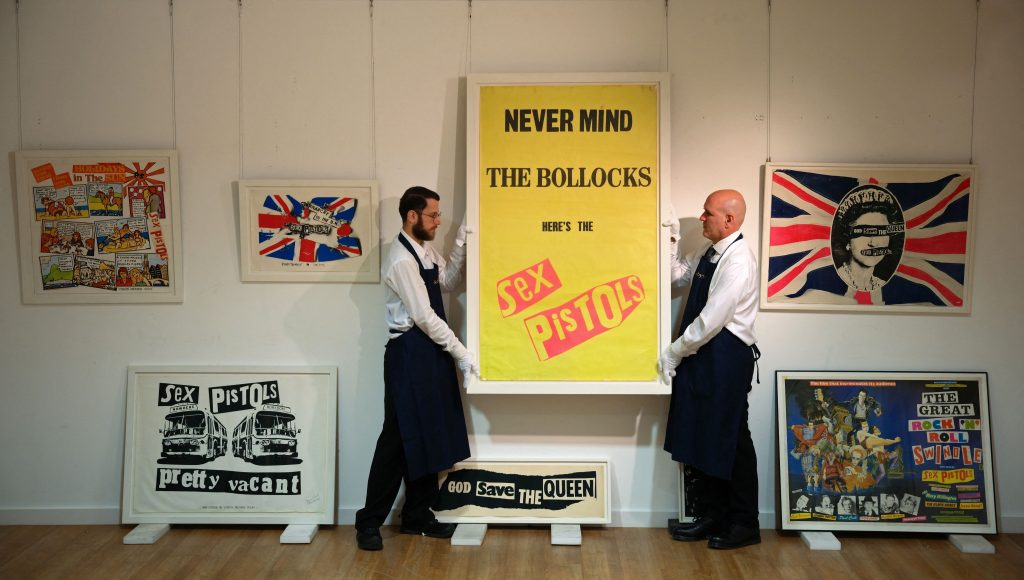
Jamie Reid’s art that went hand in hand with punk screams loudly at you. Ransom notes cut out from newspapers, laid off line with no regard for placement of capital letters was the perfect encapsulation of a scene at odds with the conventions of society. The ultimate statement – sticking a safety pin through the top lip of the Queen during Jubilee year – was perhaps his – and punk’s – defining moment.
If you’ve never heard a Sex Pistols’ record, I can imagine that Jamie Reid’s art tells you all you need to know about the noise that’ll fly off the grooves. Loud, in your face, unconventional, provocative, new, exciting…all these things relate to both the Pistols’ output and the artwork that it came wrapped in.
Sex Pistols – God Save The Queen
Other artists and labels have formed perfect marriages of visual to audio – the Factory Records catalogue, that run of unmatchable Smiths singles, Vaughan Oliver’s metaphorical interpretations of Pixies’ unholy racket, but without Jamie Reid’s redefining of what sleeve art could be, these bands’ and labels’ releases might have looked very different. Other than Prog, which had Hypgnosis and Roger Dean creating grand, sweeping and highly stylised visions of far-off lands and fantastical creatures that mirrored the widescreen and grandiose ideas of the music within, much music up until punk came wrapped in company sleeves or bog-standard band photos. I’m not sure, pre punk, bands had such things as logos. No band since punk would be seen without one.
With Malcolm McLaren dead and, more recently, Vivienne Westwood, Jamie Reid’s death has seen the end of punk’s holy triumvirate, its trio of agitators and prrrovocateurs now gone forever. Their art, their style, their influence lives on. No future? I don’t think so.
“I feel that having a No. 1 record derailed my career. It seems to me that being a pop star is almost like being in a type of prison. You have to be a good girl. The media was making me out to be crazy because I wasn’t acting like a pop star was supposed to act.
My tearing the photo put me back on the right track.”
I thought about not posting this. There’s been a flood of Sinéad O’Connor posts since the middle of last week, and the internet probably doesn’t need another one. But her sudden death had me scrambling back to Rememberings, her fascinating and brilliantly-written autobiography, and, by association, to some of her greatest music; the time-stopping Thank You For Hearing Me, the Thatcher-baiting Black Boys On Mopeds, the dubby majesty of her collaboration with Jah Wobble on Visions Of You. Social media threw up many others – deep cuts, as they say nowadays – that shone new light on under-appreciated songs sung by an under-appreciated artist. Morrissey, so often the bigmouth who strikes again, seemingly got it right with the statement he released the following day. I could have picked any of those tunes and pulled together a decent blog post, but the book had me scurrying around for unforgotten yet buried video footage that, coupled with Sinead’s written account of the events became the only thing worthy of my words.
As she notes in Rememberings, there were two Sinéad O’Connors. The almond-eyed suedehead who cried real-time tears in the video for her definitive version of Prince’s Nothing Compares 2 U and the one who came after that; the misunderstood protestor who fought a tough war against the wrongs of the world and was condemned to hell for it.
It’s 1992 and down near the Bowery, where New York’s Avenue A meets St Mark’s Place, O’Connor frequents a ‘juice bar’ and has befriended its Rasta owner. Over time they become close enough friends that the night before Sinéad will be filming for an appearance on Saturday Night Live, he confides in her that his life will end abruptly and soon. He’s been running guns and drugs, using school kids as mules and moved his young couriers into a rival’s patch. Sinéad is horrified. “The fucking treacherous bastard,” she seethes. She draws parallels with Pope John Paul II, a far more prominenent figurehead than her Rasta pal, but one who also appears to condone the abuse of children. She thinks back to Bob Geldof ripping the poster of John Travolta and Olivia Newton-John live on Top of the Pops when the Boomtown Rats finally topple their reign with Rat Trap, and how she has always intended carrying out the same act with her mother’s photo of the pope, a photo that’s hung in the family home since John Paul’s visit to Ireland in 1982.
“(The photo) represented lies and liars and abuse. The type of people who keep these things were devils like my mother. I never knew when or where I would destroy it, but destroy it I would when the right moment came.”
For her Saturday Night Live performance, she’s wearing a dress that once belonged to Sade. It hangs ladylike, “a dress for women to behave badly in.” She hasn’t told anyone, but she’s going to change the words to Bob Marley’s War, dropping some of the lines – taken from a United Nations speech given by Haile Selassie – and replacing them with some lines of her own.
“It would be a declaration of war against child abuse. Because I’m pissed at Terry (her Rasta friend) for what he told me last night. I’m pissed he’s been using kids to run drugs. And I’m pissed he’s gonna be dead on Monday. I’m also pissed that I’ve been finding brief articles buried in the back pages of Irish newspapers about children being ravaged by priests but whose stories are not believed by the police or the bishops their parents report it to. So I’ve been thinking even more of destroying my mother’s photo of John Paul II.
And I decide tonight is the night. I bring the photo to the NBC studio and hide it in the dressing room. At the rehearsal, when I finish singing ‘War’, I hold up a photo of a Brazilian street kid who was killed by cops. I ask the cameraman to zoom in on the photo during the actual show. I don’t tell him what I have in mind for later on. Everyone’s happy. A dead child far away is no one’s problem.”
Maybe now you can appreciate what was firing through her mind in the run up to the show. Clever and calculated and willfully confrontational, this wasn’t a spontaneous act. This was years of built-up rage – rage at the Catholic church, at her own mother, at authority who ignored the cold truth – and she was using her status to highlight it.
“I know if I do this there’ll be war. But I don’t care.”
Afterwards: “Total stunned silence in the audience. And when I walk backstage, literally not a human being is in sight. All doors have closed. Everyone has vanished. Including my own manager, who locks himself in his room for three days and unplugs his phone. Everyone wants a pop star, see? But I am a protest singer.”
Two weeks later, Sinéad is booked to appear at New York’s Madison Square Garden, just one singer in a dazzling array of stars who will be gathered to celebrate her hero Bob Dylan’s 30 years in music. This time, she’s wearing a dress that she hates (‘bouffant, shoulder pads, Dynasty…I look ridiculous and underweight.‘) Introduced by Kris Kristofferson, the crowd turns an ugly shade of redneck, booing her from the moment her name is announced.
“I actually think it’s the outfit, because in my excitement at being part of the show, I’ve forgotten about the pope-photo incident on SNL.
Then the other half of the audience begins cheering to fight off the booers. And there ensues a noise the likes of which I have never heard and can’t describe other than to say it’s like a thunderclap that never ends. The loudest noise I’ve ever heard. Like a sonic riot, as if the sky is ripping apart. It makes me feel nauseous and almost bursts my eardrums. And for a minute or two I’m not sure the audience members aren’t going to actually riot. They’re clashing so badly already with their voices. How do I know what else might happen?”
She’d planned to sing an arrangement of Dylan’s I Believe In You – a song that means the world to her – and on more than one occasion, her band (assorted Booker T/MGs) attempts to strike up the opening notes and lead her into it, but the ferocity of the ugly crowd in front of her has forced Sinéad to stare them out defiantly instead, arms by her side, doe eyes blinking into the vast arena, a waif-like David against the ugly Goliath of the Garden masses.
“I look at Booker T’s beautiful face. He’s mouthing the words ‘Sing the song’, but I don’t. I pace awhile onstage. I realise that if I start the song, I’m fucked, because the vocal is so whispered, both sides of the audience’s battle are going to drown me out. And I can’t afford not to be heard; the booers will take it as victory.”
Kris Kristofferson arrives by her side. He’s been told to get her off the stage, but looking at the film of it, you wouldn’t know. “I don’t need a man to rescue me, thanks.” As he returns empty handed, Sinéad gets her instruction instead from God. With her voice wavering then settling into something strong and powerful, she yanks out her in-ear monitors and rages once again – “the biggest rage I can muster“- into an aggressive and impassioned version of War, emphasising her own fingerpointing lines about child abuse.
She leaves, only after the briefest of defiant, eyeballing glances at the audience, her sharp exit a metaphor for what would follow, Stateside at least. It’s an astonishing, powerful, uncomfortable event, captured forever on this outtake from the official film of the concert. Outtake? There was no way this was going on the official release.
Afterwards, her father (he’d been in the audience) suggests she rethink her career prospects as she’s just destroyed the one she has. And she feels let down by Dylan. It should have been him, not Kristofferson, she reasons, who came out and told the audience to let her sing. So she gives Bob the evil eye as he sits in the wings. Bob stares back, baffled and handsome. Sinéad calls it ‘the weirdest thirty seconds of my life.’ Quite the claim in a life packed with incidents and accidents, rage and regret.