It’s not the first time Chris Bell‘s I Am The Cosmos has been mentioned round here, but it’s the first time (surely not!) that I’ve shone the spotlight on the single’s flip side, You And Your Sister.
The only solo material released in his lifetime, the 7″ is the perfect distillation of Bell’s loose and melancholic approach to his music. On one side, the imperial I Am The Cosmos, a sky scraping anthem dressed to kill in revved up ringing guitars and double tracked harmonies. You don’t need me to point out that it would prove to be something of a lightning rod for many ambitious bands around the Glasgow area.
Chris Bell – I Am The Cosmos
On the other side, the naked and raw You And Your Sister, teenage angst set against highly strung and gently picked acoustics, sighing cellos and voice-cracked harmonies. Sadness in a bottle and sold back to the heartbroken with a keen ear to the musical underground.
Chris Bell – You And Your Sister
If this is your kinda thing – hi, Norman! Hi Gerry! Hi Raymond! – you could do worse than track down I Am The Cosmos, the album that was pieced together posthumously from Bell’s scattered demos and rough recordings. Most of I Am The Cosmos is frazzled and low-slung, packed full of beaten riffs played on beaten guitars and very much in the acoustic/electric vein of the single…or indeed Bell’s previous band, Big Star, a teasing glimpse into what coulda/shoulda been had the artist not crashed his car and died.
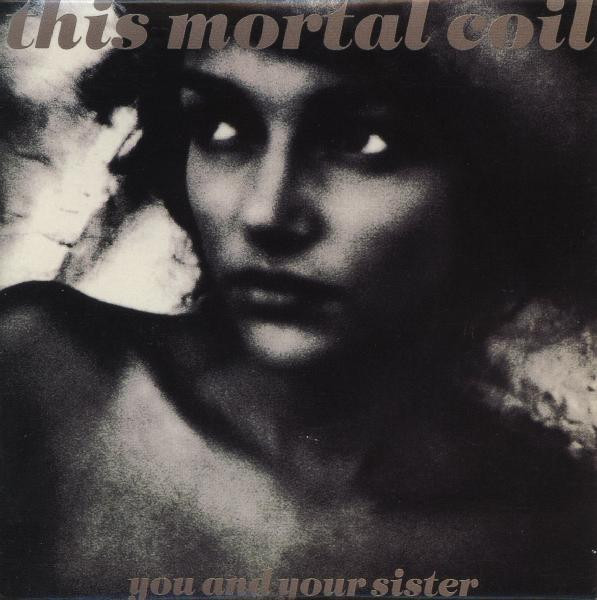
I’ve been playing the record a lot recently, coming to it on the back of This Mortal Coil‘s contentiously superior version, a track that jumped back into my conscience after a misheard acoustic guitar strum on an advert had me convinced the advertisers had borrowed it. They hadn’t, thankfully.
This Mortal Coil – You And Your Sister
With knee-weakening vocals from Kim Deal and Tanya Donnelly, This Mortal Coil’s take is something of a breathy cry from the heart and fairly leaps out against the arty, Euro-goth torch songs that make up much of Blood, the album from which it is taken.
With intertwined voices and fingerpicked acoustics blending into one stop-for-a-moment recording, it’s plaintive and pastoral and pretty much the definitve version. Sung from the female perspective, the ‘your sister says that I’m no good‘ line takes on a whole new slightly sinsiter perspective when you hear it. I’m sure there are whole Guardian pieces on such things. For now though, enjoy a great version of a great song.
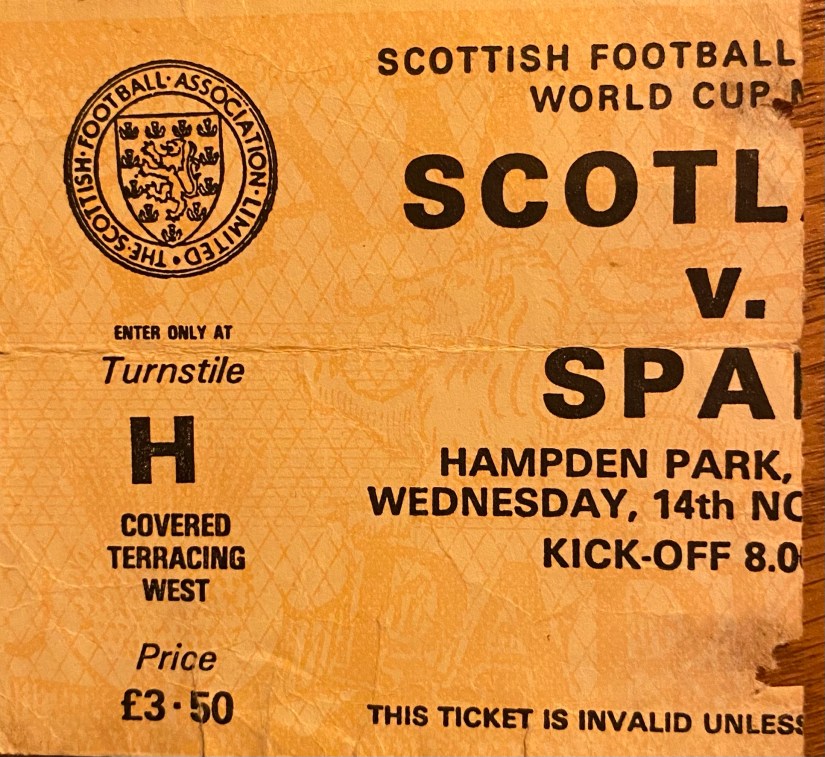
In the build-up to Scotland’s historic win over Spain the other night, I caught myself watching old YouTube clips of the same fixture from 1984. Grainy but preserved digitally forever, they opened a portal to a phase when, as history has proven, the Scottish team was in the middle of a golden phase in football. Leighton, Miller, McLeish, Davie Cooper, Souness and, of course, Kenny Dalglish were all in that match’s starting line-up. As too was the contentious Maurice Johnston. Watching the first of his two mullet-powered headers cross the line, a full-length diving effort from around the six yard box, I was immediately back at the game.
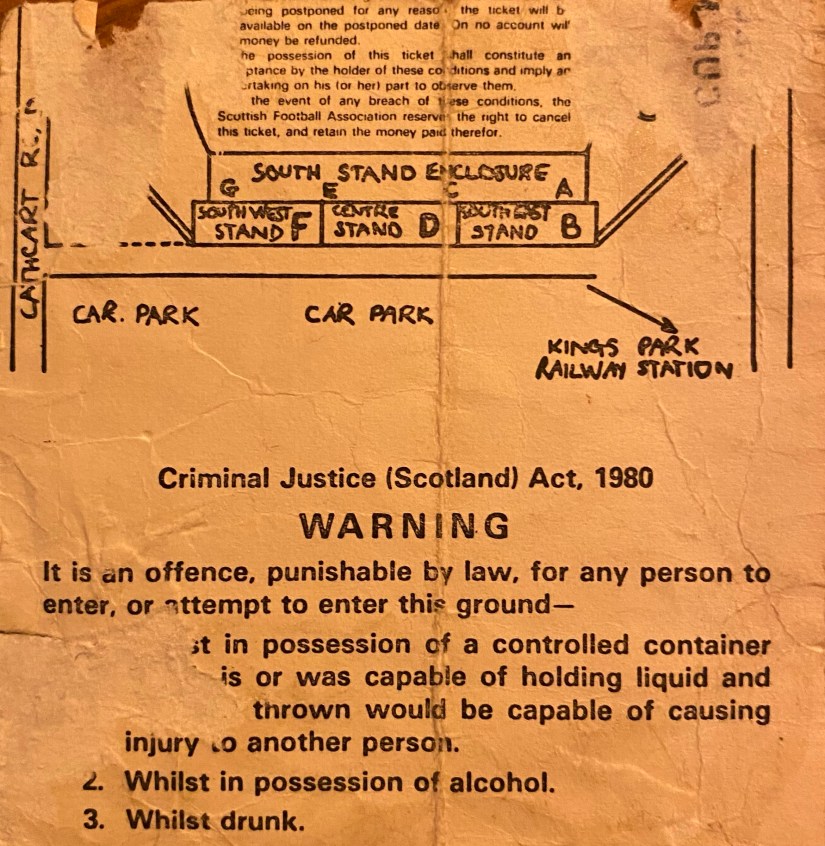
Fourteen years old, my feet never once touched Hampden’s West Stand asphalt and my dad kept a tight grip of my elbow right from kick-off as the packed crowd swelled and swirled up and down and across the terracing. Thrilling and terrifying all at once, when that first goal went in at our end, right in front of us, I was lifted into orbit, metaphorically and literally. The only thing stopping me taking off properly was my dad pulling on my jacket, anchoring me to him and he to me.
Near half time, Jim Bett broke free of the Spanish defence down the right hand side, and even before he had crossed the ball I felt my dad’s arm grab me tightly around the waist. He had just about pulled me in to him when Maurice Johnston leapt high above the static defence and connected his golden mullet to the ball once again, aiming the ball past the goalie and into the corner of the net. Two-nil. Scenes. The crowd pulled us apart. I was five, six, maybe seven rows below where I had stood seconds before. In the split instant before the swell of the crowd once again changed direction, whisky-breathed men kissed me on the head and lifted me further up. “Yaaas, wee man!” I’ve no idea where my dad was, yet somehow as the Spanish spotted the ball and kicked off again, the settle of the crowd brought us back together. We were a good few yards to the right of where we’d been and a stanchion kindly appeared for us to lean on and catch our breath and one another.
“‘scuse me,” says my dad to a group of men. “You’re standing on my boy’s flag.” I hadn’t brought a flag, but by half time I was the owner of a dirty yellow Lion Rampant covered in bootprints and beer. Too big to hold and minus the pole to wave it with, I put it on like a wrap-around skirt for the remainder of the game. I had it for years after. Not sure where it ended up.
The best was yet to come though. Spain pulled a goal back in the second half but riotous and free-flowing Scotland simply moved up a gear. Spain might’ve been thrown a cheap lifeline, but there was no way this Scottish team would let them back in. In the 71st minute, Glasgow’s wintery night sky was again punctuated by the Hampden roar as Kenny Dalglish put the game to bed with what will always be my favourite Scotland goal.
A throw in near the corner flag on the right-hand side finds Davie Cooper deep inside the box and, tightly marked, he lays it off to Dalglish who twists and turns his way past one, two, three defenders and takes one, two, three steps before letting fly with his left foot. Even as I type, I don’t need YouTube to see the delicious arc of the ball as it bends outwards and upwards and downwards into the top corner and, through a tangled forest of West Stand bottles and beards and limbs and Glengarries, Kenny Dalglish, arms aloft and turning towards Jock Stein on the touchline to celebrate. I’ve seen plenty of great goals, many of them scored by a Scotland player, but no goal was ever sweeter than that.
A funny thing happened as I watched those highlights. Despite the Spanish commentary and the near-40 intervening years, I found myself crying. Big, proper, from out of nowhere tears. My dad is no longer with us and somehow, suddenly, the emotion of seeing that Kenny goal again was a trigger for all sorts of happy memories. I couldn’t stop, but I’m not sure I really wanted to. There’s something comforting about a good cry now and again. I had just about pulled myself together by the time my wife and daughter returned home.
“What’s wrong with you?” asked my wife. “You look like you’re in a bad mood.”
“Not at all,” I said. And promptly burst into tears once more as I told her what had happened. Football, bloody hell, as the quote goes.
And then…
The next morning.
I was running myself and daughter to our respective places of work. Lauren Laverne’s BBC 6 music show, as always, was playing. Deee-Lite‘s Groove Is In The Heart comes on and immediately – immediately – my mind is flooded with a memory of dear Derek Reid, with his stupid grin and dimples and stubble, and he’s dancing his finger pointy dance to the song in the Attic. We’re on the cramped dancefloor and he’s in double denim, but that’s OK because we all were, and his hair, long by this point, is over the shoulder of his jacket, giving him the appearance of some hipster Francis Rossi and he’s doing the ‘ah-ah-ah-ah‘ bit – ‘Groove is in the hea-art, ah-ah-ah-ah!‘ and flicking his hair and we’re laughing and living and off our heads with the thrill of being carefree and young and alive. And once again it sets me off.
Deee-lite – Groove Is In The Heart
“I’m in the Attic and it’s 1990,” I say to my daughter as my voice cracks. I can’t look at her. “Derek Reid’s dancing. I can see him right now.” And then I can say no more. I drive through thickly glazed eyes. The chills that you spill up my back, keep me filled. Sad. Happy. Emotional. Pondering on what the future holds.
Bloody music and its bloody triggers. It wasn’t the first time and it won’t be the last. Thank God Lauren didn’t follow it up by playing True Faith. I’ve told that story before though.
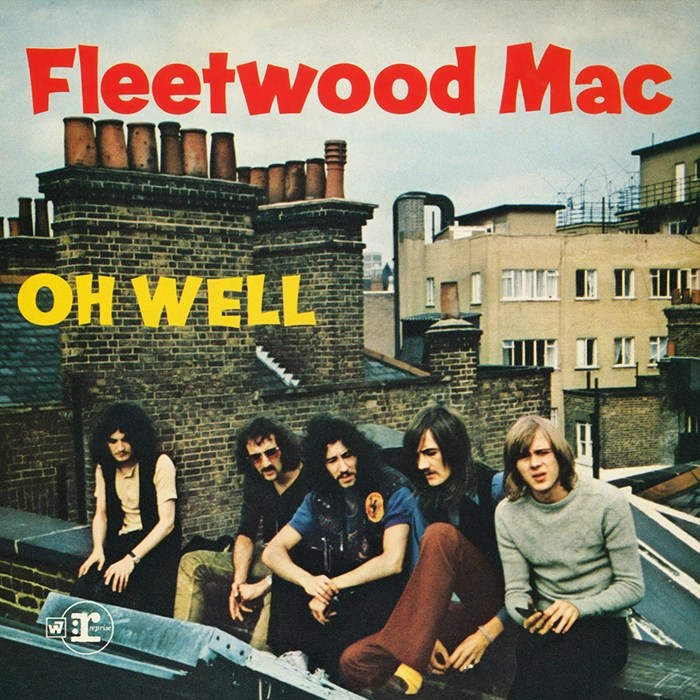
Just as there are two Pink Floyds – the Syd-era Pink Floyd and the Syd-less, stadium straddlin’ “Floyd, man”, there are two Fleetwood Macs.
Before their ‘70s metamorphosis into a coke-dusted, partner-swapping omnipresent global phenomenon with Rumours repeatedly rotating across much of the planet on an hourly basis, ‘The Mac’ was a blues-infused single-sex beat combo more used to the claustrophobic stage of the Marquee in London’s West End than the widescreen enormodomes of the American Midwest. Lead by the soulful playing of Peter Green, their inward-looking 12 bar jams are a gazillion miles and a gazillion sales away from what they would become…and in many ways, far more exciting for it.
I’ve always had a thing for the battered and feral Oh Well.
Fleetwood Mac – Oh Well
I know it’s an almost hackneyed and cliched tune nowadays, all blazing Les Pauls and up the frets fireworks, but I love it. Low-slung and slinky, it’s a proper groove of a tune, helped in no small way by the loose and funky acoustic riff, the cowbell punctuation marks and the Bo Diddley-isms of the off-beat maracas.
The electric guitar on top, playing the same riff as the acoustic, with occasional forays into harmonies – Thin Lizzy must’ve loved Oh Well – is, well, electrifying. With fingers as long as his corkscrew hair, Peter Green curls his digits into the six strings, teases lightning rods of hot-wired blooze from the fretboard and lets fly. He would later call the riff ‘throwaway‘. Pffft. Yeah.
This version from 1969’s Monster Music Mash on the BBC is where it’s at.
There’s no hierarchical posing here, no shunting of the drummer to obscurity behind the lead singer. Just four guys, equal status, equally responsible for the sound to be made. The toms are a riot of pre-Pollocked home design and are justly tubthumped into the ground. There are three guitarists, none of whom is playing bass, one of whom ignores the gorgeous tobacco-coloured Strat around his neck in favour of being Brian Jones on the maracas for a couple of minutes, and another who is clearly so into the intricacies of playing The Riff, a blur of fringe and guitar face, he’s lost in the heady racket that his band mates are cooking up.
I bet Lee Mavers used this clip when planning out The La’s particular mode of sonic attack. I bet they’d have done justice to a version of Oh Well too. I doubt we’ll ever find out. Mavers, as Peter Green was, is, as you well-know, one of music’s enigmas.
I was delivering a series of lessons recently on Rosa Parks, the black American who in 1955 refused to give up her seat to a white woman on the bus; an action that began the stirrings of the black community to seek, demand and fight for equal rights. I say ‘community’ as if there were ‘only’ a few thousand affected people here. By the mid 1950s, America had a population of around 150 million people, 15 million of which was black. So, 10% of the population was denied the right to sit where they wanted on the bus, go to their preferred church, drink in a bar, use a public toilet, sit in the doctor’s waiting room and naturally go about their daily lives as they would have liked to.
The learners in my class were switched on and interested in this. Despite being typical west of Scotland young people living in an area with little diversity, they knew the rights and wrongs of it. Someone pointed out the parallels between Rosa’s story and that of the refugees coming into Britain by boat only to be deported to Rwanda, how they were denied their basic rights and were treated differently. This led to a conversation about Ukrainian and Syrian refugees, some of whom are in the local school community. Regardless of the complexities of these issues, the kids recognised one thing – no one should be treated differently because of where they’re from or due to they way they look, act or talk. In my experience, young folk are quick to speak up on unfairness. They’ll quickly recognise when something is unjust and often be very vocal about it. Their stance on racism and tolerance of others was a small beacon of light in a United Kingdom that is becoming hideously right wing and intolerant, (mis)lead and governed by a party that is verging on the fascistic. These young learners might just offer us a way out.
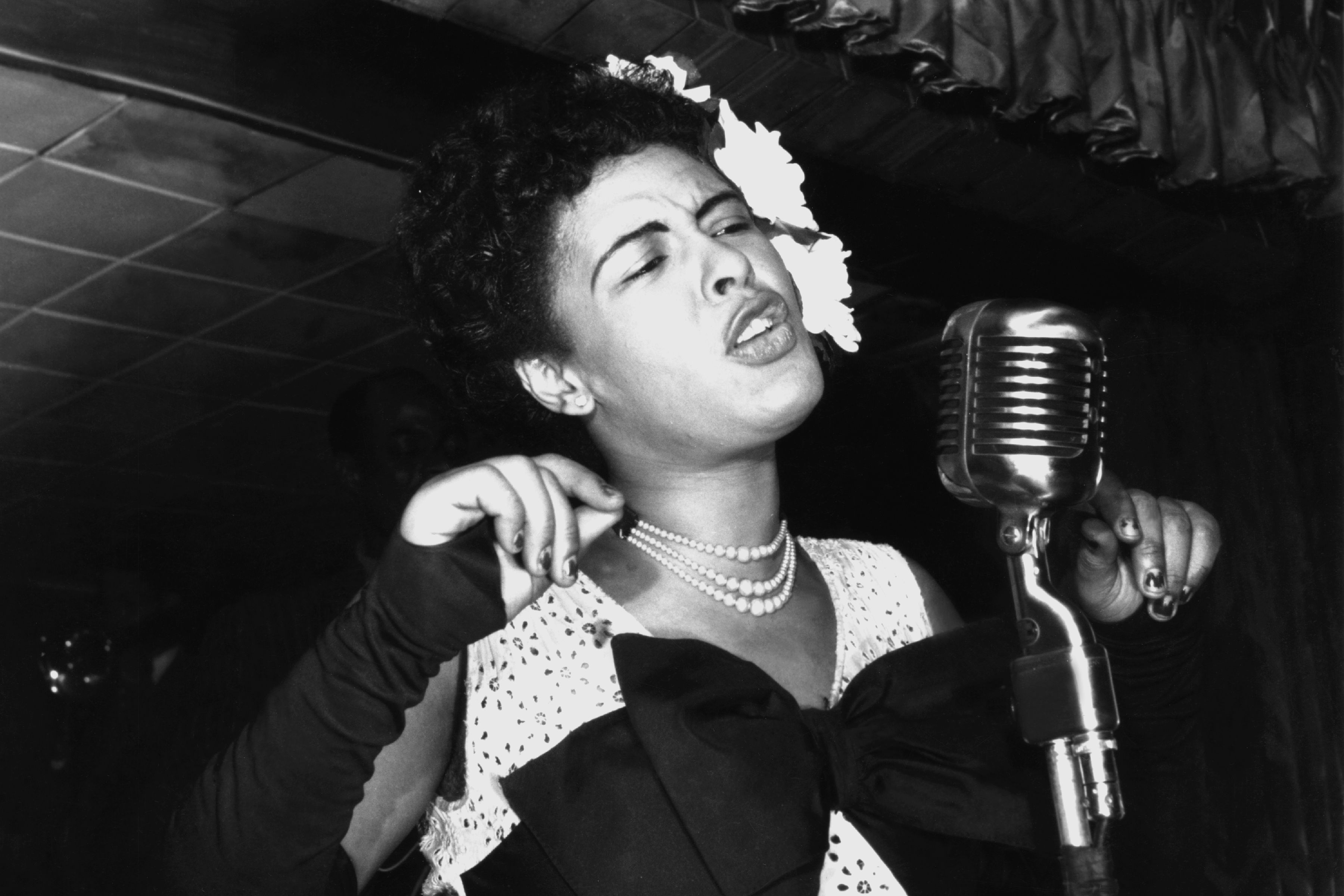
I really wanted to point my learners towards Billie Holiday‘s Strange Fruit, but I had reservations about the song’s subject matter. Usually when your conscience speaks to you as a teacher, you listen to it. Experience has taught me that the last thing you want or need is an angry parent demanding to know why their 10 year old brought up the subject of mass race lynchings over the dinner table. So, as much as I wanted to, I didn’t.
Billie Holiday – Strange Fruit
Strange Fruit is a powerful song, grotesque even once you know the subject matter. The lyrics, drawn from a 1937 poem (Bitter Fruit by Abel Meeropol), are a juxtaposition of the natural heaven and the human horrors of the Deep South; the pastoral scenes and bodies swinging in the breeze, the intoxicating smell of magnolia and the bulging eyes and twisted mouths of the lynching victims.
Can you imagine hearing it for the first time, those lines about the bulging eyes and burning flesh jumping out of the grooves and smacking you square on the cheek? Fruit for the crows to pluck? For the sun to rot? Oh! So she’s not singing about normal fruit? Jeez. There’s no way I could’ve played this to primary school children, no matter how mature and switched on they may have been.
Holiday’s eerie and otherworldly voice squeezes its way through the smoky ether of muted trumpet and vampish piano, a night club voice bereft of its usual sass or swing. Her delivery, unsurprisingly, is stately and precise yet understated and ghostly, full of restrained rage at the world in which she lives. Nowadays, it sounds like an ancient artefact beamed in from history, from the time of monochrome and gramophone, of prohibition and inhibition. That hollow-bodied jazz guitar that makes itself known right at the end adds perfect period definition to create a powerful piece of American art.
Holiday was scared to sing it initially. Afraid of what might happen when it was performed, she drew power from the death of her own father (he died of mustard gas poisoning at the end of the first World War, refused treatment due to being black). ‘I have to keep singing it,’ she wrote in her autobiography. ‘Not only because people ask for it, but because twenty years after Pop died the things that killed him are still happening in the South.’
The power of the song was such that during live performances, waiter service was halted at the tables and the room was set in darkness, save one solitary spotlight on Holiday as she sang. It was always her last song of the night. Sometimes the end of the song was met with rapturous applause. At other times, Holiday would be verbally abused for daring to sing it. Some audience members would walk out in protest mid song. What did they have to protest about? Holiday holding a mirror up to society? Promoters asked her not to sing it. Billie’s contract stated that she had the final say on that. Her label, Columbia, wouldn’t handle it. They deemed the song too controversial to release. Unperturbed, Holiday’s manager took it to a small independent label, Commodore, who pressed it and released the song. It garnered little to no airplay, ending up on the blacklist. Blacklisted. There’s some sort of irony there, yet here we are, 84 years later, still discussing its power.
Strange Fruit has lost none of its weight or ability to shock. It’s arguably the first in a rich lineage of protest songs that runs from the pre-rock ‘n roll jazz era to the dust bowl socialism of Woody Guthrie, past Bob Dylan in the ’60s and Stevie Wonder’s socio-political discourse of the ’70s and through Public Enemy to contemporary groups like Sault who are equally as angry about the world in which they live. Always vocal, never silent, calling out unfairness when it arises. Just like those young kids at school.
Southern trees bear a strange fruit
Blood on the leaves and blood at the root
Black bodies swingin’ in the Southern breeze
Strange fruit hangin’ from the poplar trees
Pastoral scene of the gallant South
The bulgin’ eyes and the twisted mouth
Scent of magnolias sweet and fresh
Then the sudden smell of burnin’ flesh
Here is a fruit for the crows to pluck
For the rain to gather
For the wind to suck
For the sun to rot
For the tree to drop
Here is a strange and bitter crop
New! Now! is Fontaines DC‘s fantastically idiosyncratic take on Nick Drake’s wispy and ethereal ‘Cello Song. The Dubliners (DC = Dublin City, see?) grab Nick Drake’s original by its sullen, woollen coattails and pour a bucketful of distortion over a pounding, punishing backbeat and reimagine the song as a shit-kicking gutterpunk bruiser of a tune. It’s quite fantastic; unique, original and exactly how every band should approach attempting to cover the uncoverable.
Fontaines DC – ‘Cello Song
A lone cello creeps in, sounding like a ghost ship’s foghorn out in some woebegone ocean or other, clattering percussion rustles and rattles its way into an unforgiving hucklebuck beat, a caterwauling string section drags its heels across the soundscape and haunting/haunted aah-ah-ah vocals entwine themselves around the call and response guitar riffs to magic up an unholy and thrilling racket. Nick Drake does this bit too, but whereas his is otherworldly and mysterious, Fontaines DC give off seriously heavy don’t-look-’em-in-the-eyes vibes. Truly terrifying.
The vocals proper arrive, Grian’s Irish brogue undiluted and unforgiving and all the more powerful for it. The guitars, sounding like up-the-dial radio static turned up to 10, whip up a frenzy of controlled feedback and electric twang, menacing and panther-like, somewhere between the electrified slink of Hendrix’s Third Stone From The Sun and gentle sleep of Kevin Shields at his woozy, somnambulistic best; head music and just as effective as a mood-altering stimulant. Throughout it all, the titular cello. Those jarring, jagged strings scratch and scrape at scabrous skin, John Cale in the Velvets, if the Velvets had been born in Dublin 30 years later to Nick Drake-loving parents.
Taken from The Endless Coloured Ways, a forthcoming reimagining of Nick Drake’s back catalogue by all manner of contemporary artists (Philip Selway, Craig Armstrong & Self Esteem, Karine Polwart & Kris Drever) Fontaines DC’s thrilling cover has set the mark by which all other cover versions – Drake’s or otherwise – will now be measured.
‘Ignore the original recording of Nick’s, and reinvent the song in your own unique style,’ the bands were briefed. Fontaines DC have passed the test with flying colours. Turn the volume up and stick it on repeat.
Here’s Nick Drake’s original. Kinda meh now, isn’t it?!
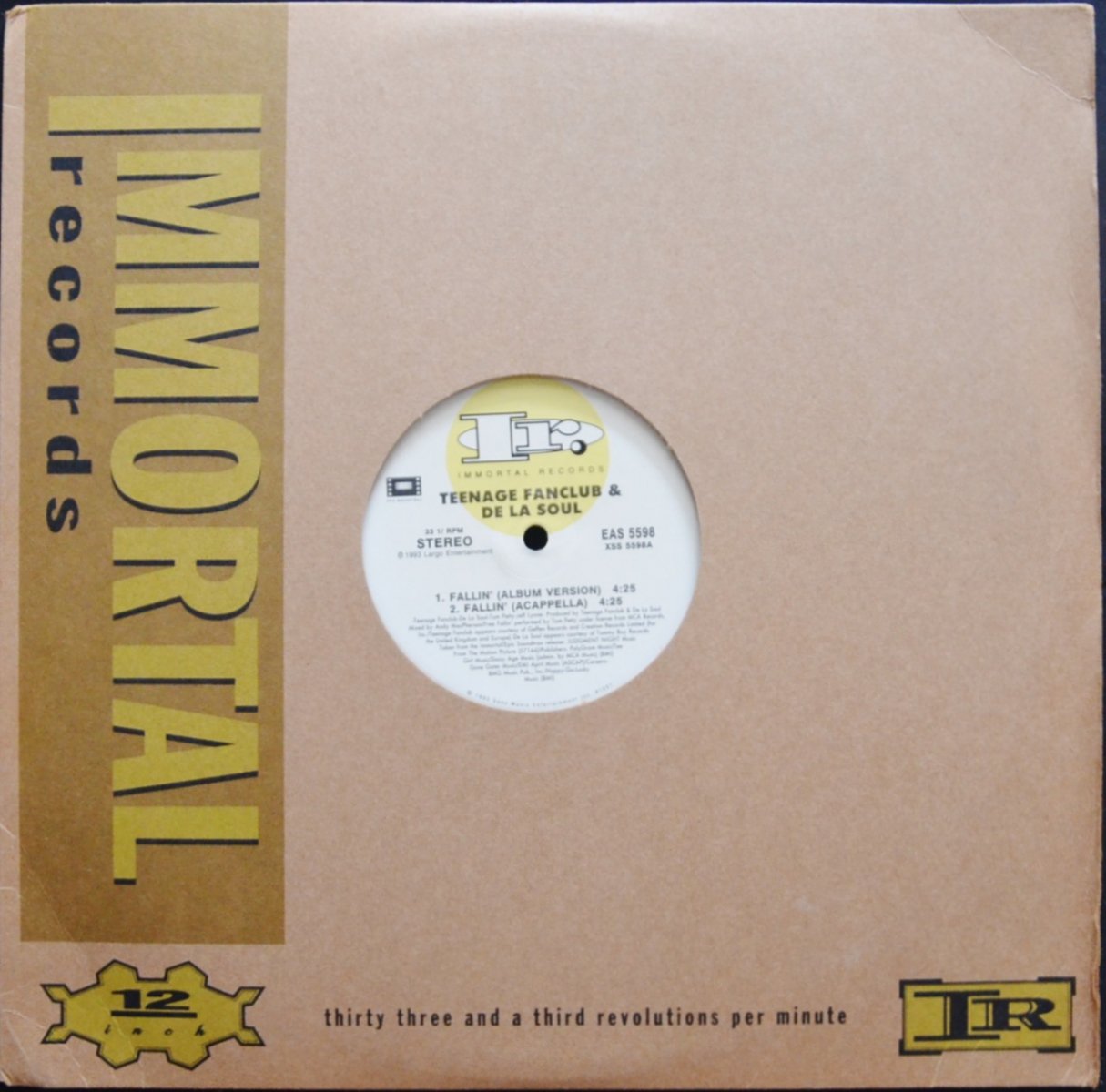
That’s the stall-setting opening gambit on Fallin’, the unlikely yet inspired collaboration between De La Soul and Teenage Fanclub, a marriage made in heaven that was strictly at odds with the hell of the rap/rock crossover that soundtracked 1993’s Judgement Night movie. Amidst a hotchpotch of hideousness – Helmet & House Of Pain, Biohazard & Onyx, Slayer & Ice T – and the odd briefly inspired moment – Dinosaur Jnr & Del The Funky Homosapien’s choppy and groovy Missing Link, Sonic Youth & Cypress Hill’s dark and, er, dope hymn to smoking (I Love You Mary Jane), De La Soul’s daisy age hip hop beats melded with TFC’s Bellshill beat and created the album’s best track that, 30 years later (!!!) sounds fresher than ever.
With De La Soul being in the news this week on the back of the death of Dave Jolicoeur (Trugoy the Dove), I’ve taken to playing many of the group’s early sample-savvy singles and debut album at a decent volume. The track I keep returning to though is Fallin’. It’s been played at every available opportunity; in the car, doing the dishes, sorting the washing, brushing my teeth, boiling the kettle, texting my pals… it’s a real beauty of a track. Stick a microphone in front of me and I reckon I could bust out a pretty faithful recreation of the opening verse’s rap. But don’t. I’m a white guy from the west of Scotland and we’re not known for our flowability skills on the mic.
Teenage Fanclub & De La Soul – Fallin’
Teenage Fanclub are, as you are well aware, four white guys from the west of Scotland too and, while they wisely left the rapping to the masters of the art, they do contribute some soulful ‘doo-doo-do-do‘ adlibs in the background – possibly aping, or just plain stolen from Biz Markie or the Steve Miller Band, as you might spot later.
The track is built around a sample of Tom Petty’s Free Fallin’, a widescreen open road of a record, as American as truckstops and Telecasters, with references to Elvis, Jesus, Ventura Boulevard, Mulholland Drive and endless freeways, sung in Fanclubesque multi-harmony atop a bed of rich acoustic and clean chimin’ electric guitars. There’s a rumour, unsubstantiated, that it plays at maximum volume whenever white American men of a certain age cash in their one-way ticket for that final trip along life’s highway and park the Cadillac outside the pearly gates. I guess I’ll never know.
It’s something of a surprise, then, to find out that the idea for building the track came, not from the four guitar-crazy Scottish musos who may well have played along to a Tom Petty record or two in their time, but from the magpie mind of De La Soul’s Posdnuos. More of that in a bit though. Firstly, how on earth did this heaven-sent collaboration come to be?
Gerry Love, bass player with Teenage Fanclub at the time, alongside Brendan O’Hare, former TFC drummer and inspired catchphrase merchant very kindly offered to cast their surprisingly clear minds back three decades and reminisce exclusively for Plain Or Pan.
Gerry: De La Soul came over to Cheadle Hulme, Cheshire – we were mixing Thirteen at Revolution Studios in the town. Originally we were approached via our American label DGC (Geffen) to ask if we fancied collaborating with PM Dawn. As we were weighing up the offer we were updated with the news than PM Dawn couldn’t make it after all and would we like to work with De La Soul? It took us less than a second to say yes. Like most people of our generation we were big fans of their work. Three Feet High and Rising was a massively important record.
Brendan: De La Soul (and their weed…and their preconceived ideas of us) came over to the studio. I think they thought we were Tom Petty, which we weren’t. They were hilarious once they realised we were equally hilarious.
Speaking to LA Weekly in 2009, De La Soul’s Posdnuos explained further.
Posdnuos: They (the Judgement Night people) started pairing up different artists. We could’ve been paired up with familiar names, but we didn’t know who Teenage Fanclub were at the time, so we picked them.
Brendan: The track sorta happened when they muscled a drumbeat out of our Alesis SR16.
Gerry: I remember the session started with a drum beat programmed by Maseo. I put down a bass line, Raymond put down a guitar line and then Posdnous and Trugoy started working on the lyric while at the same time going through a box of records they had brought looking for something to sample. It was really impressive to see how they worked. In a matter of hours they had recorded the vocal. We all put down some harmony vocals.
Posdnuos: We were taking a break from brainstorming ideas. We happened to be sitting in a little reception area outside the studio, and Tom Petty’s Free Fallin’ video came on. I’ve always been the person in the group, who when he hears certain words, I take them and apply them to a certain thing. It started as a joke – ‘Hey, let’s make a song based off a Tom Petty video!’ Then Dave (Trugoy The Dove) said, ‘let’s spin it about us falling off as a rappers.’ So we went to the store, bought the Tom Petty CD, and based it around the song.
Then we got a bassline from (Biz Markie’s) Nobody Beats The Biz, the Steve Miller sample (listen carefully and you might spot a morsel of more ‘doo-doo-do-dos’ from Fly Like An Eagle), and a snippet of Petty’s voice and it came together pretty fast.”
Gerry: I saw that Posdnous say that they got the bass from a sample. That’s complete nonsense! For the record: it’s my part, I came up with it. The bass line doesn’t feature anywhere on that Biz Markie track.
They did add the Tom Petty sample at the end though, and then that was it – all done and dusted in a few days.
Spot the samples…
Tom Petty & The Heartbreakers – Free Fallin’
Biz Markie – Nobody Beats The Biz
Steve Miller Band – Fly Like An Eagle
What began as something of a throwaway track to fill space on a compilation album ended up a fully fledged De La Soul track, so much so that Tommy Boy, De La Soul’s label, wanted to include it on Buhloone Mindstate. The band nixed that idea though, and so the group’s third album’s loss was most definitely Judgement Night‘s gain.
Gerry; A few months later we flew out to Chicago to make a promo video with them.
Brendan: The recording of the video is one of my favourite memories.
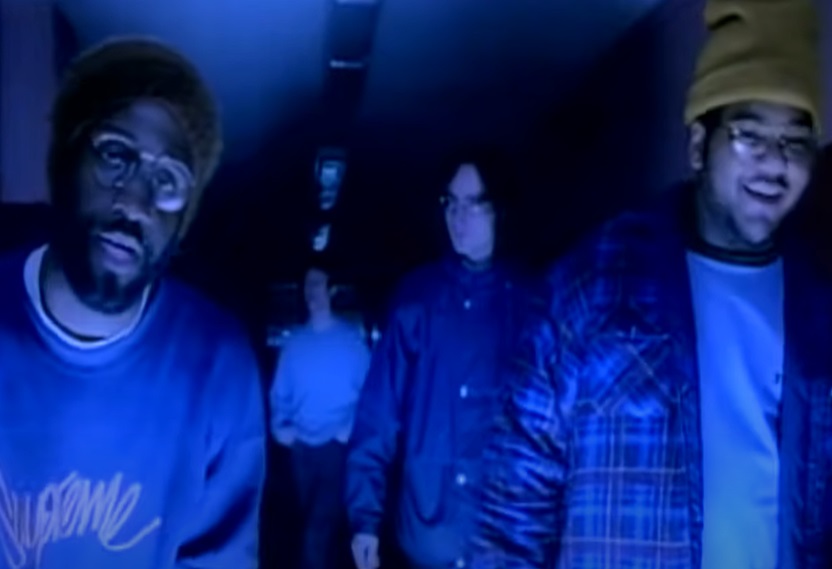
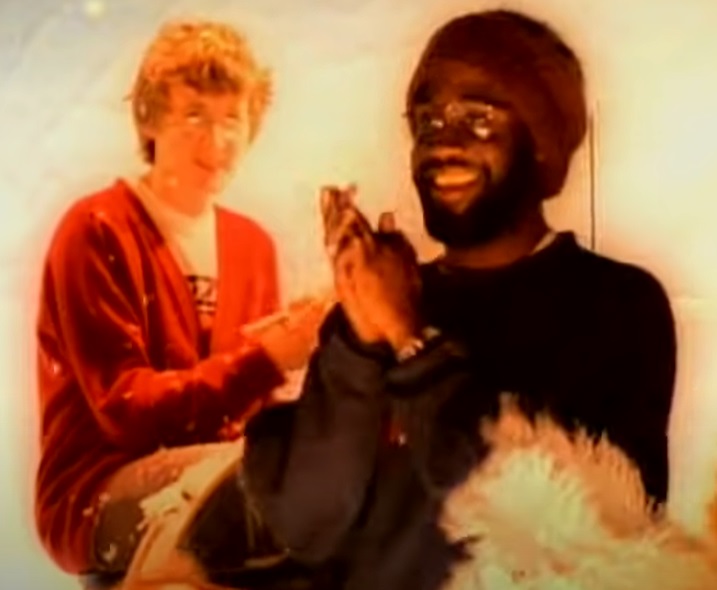
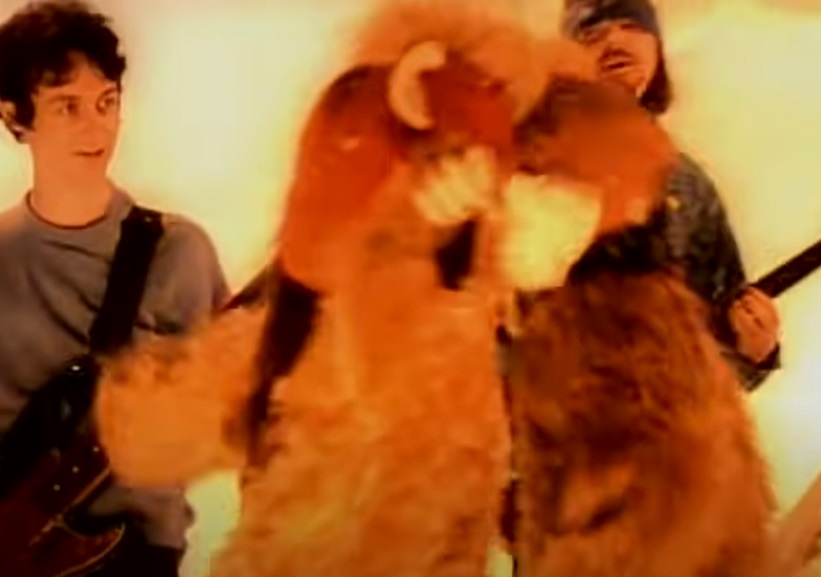
The video is great, both groups coming together to goof around in an American high school classroom. De La Soul are the academics, TFC the class goons. Gerry spends his time sleeping in the back row alongside a bored Brendan, with an equally bored-looking Norman in front of him. Swotty goody two shoes Raymond sits up straight at the front with Maseo and Posdnuos the ‘teacher’.
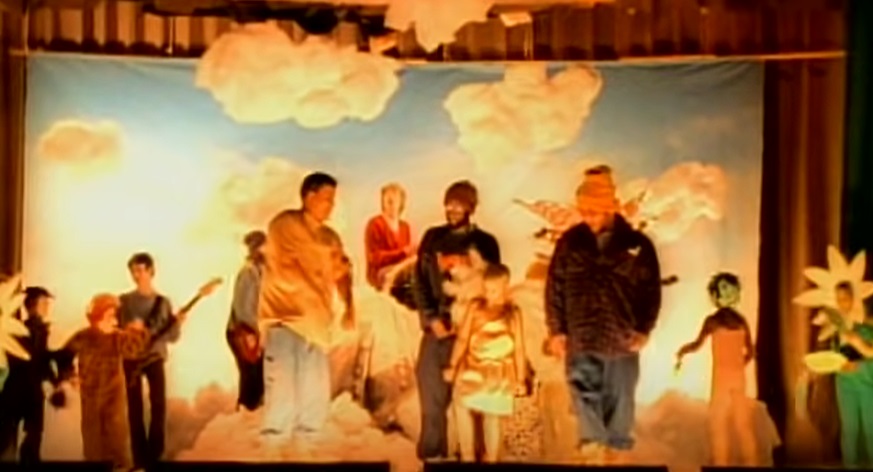
When the video cuts to a school drama production, we see the two acts sharing the stage, De La Soul rapping in triplicate as a clearly tickled Teenage Fanclub play out the tune, a collection of acting kids weaving in and out of the happy stew.
Gerry: De La Soul were just really friendly guys. The whole thing was one of the most unexpected things that ever happened in my time in Teenage Fanclub and one of the most rewarding. As a track, I think it still sounds pretty good.
Brendan: It was sad news about Trugoy. He was lovely and keen on yoghurt.
There was a brief period at the tail end of the ’80s when two music cultures collided to create an exciting new sub-genre. Partly brought on by Happy Mondays’ in-print enthusing of Detroit techno and partly by the Stone Roses’ approach of playing dance music before they took to the stage, a movement of youth who’d lapped up their own Stones and Beatles dared to cross the divide between guitars and grooves and, arms aloft and flying high, wholeheartedly embraced the best of both scenes. In Irvine’s Attic, you could dance yourself dizzy to Pacific State and State Of The Nation in the same thrilling ten minute sequenced spell, our own Saturday night fever soundtrack that was absolutely replicated in provincial towns up and down the country.
The bands that sprung up around this ideal took the cross-pollination of clashing cultures and ran with it, for as long as the record companies were happy to throw their money northwards in the vain hope they’d land themselves another Mondays or Roses. Some of the acts – The Charlatans, obviously, broke out in their own right. Some of the others had one or two good songs, one great song, even – The High’s Box Set Go, Mock Turtles’ Can You Dig It – and some of the acts might even have managed to squeeze out a decent album – World Of Twist’s kaleidoscopic and swirling Quality Street springs to mind, but many of them burned briefly then fizzled out, shrinking back to the suburbs as the dirty exhaust fumes of American grunge spewed forth in Nirvana’s Converse-trod trail. ‘Baggy’ or ‘Madchester’ (eugh) or ‘Indie Dance’ was, then, a placeholder in time…but those great songs live on.
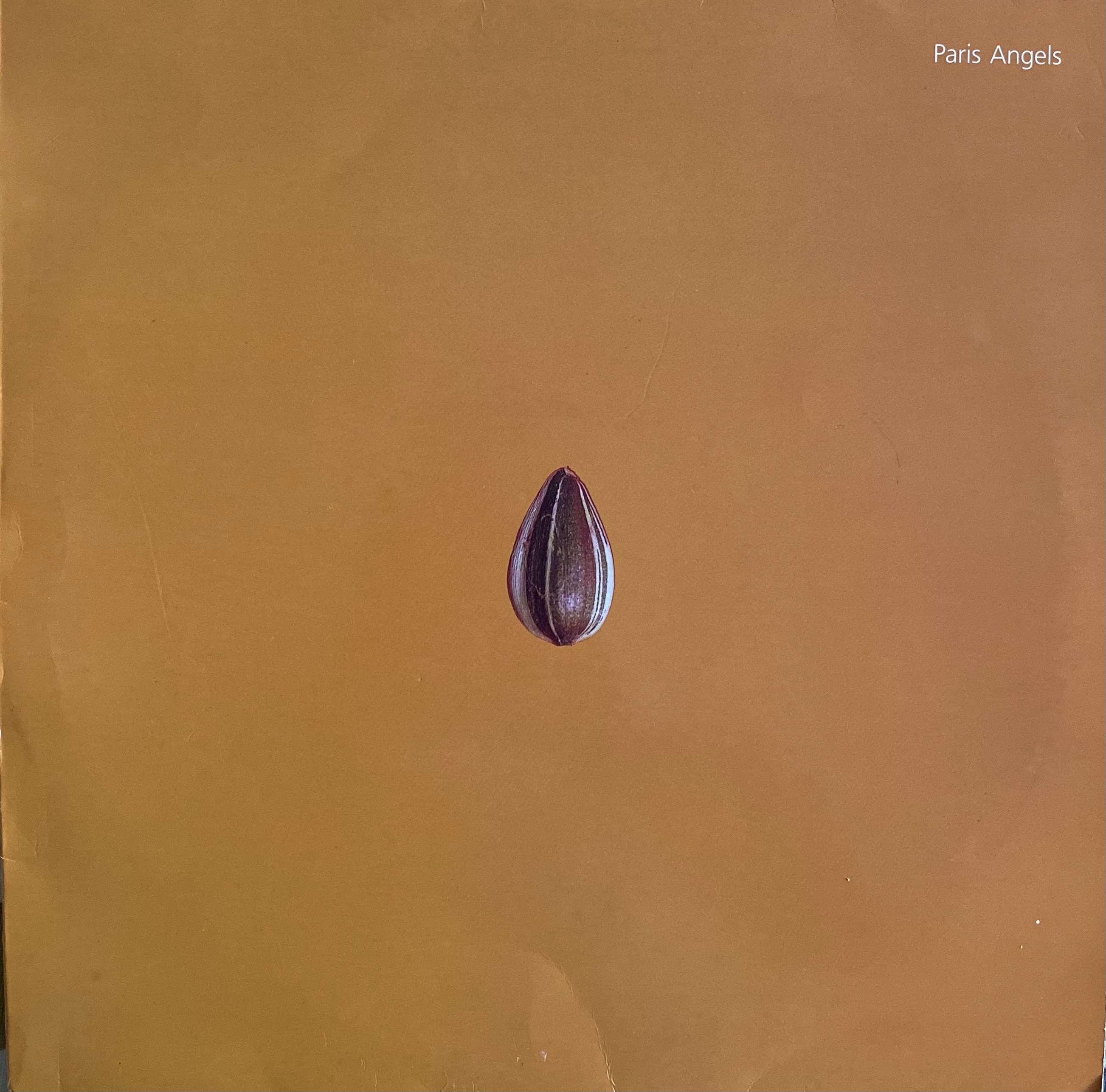
The best of all is arguably Paris Angels‘ All On You (perfume). A track, I think, rather than a song, it magpies the best of everything into one era-defining single that still thrills over 30 years later. Take a monochromed Curtis-ish vocal and team it with the sort of girlish adlib that’s floated straight off an anonymous house stomper. Stick them atop some chiming, Marr-esque guitars. Throw some sequenced acidy squelches across it and then polish the whole thing to a see-your-face-in-it brilliance; All On You (perfume) is a proper rush.
Paris Angels – All On You (perfume) – with added John Peel at the end.
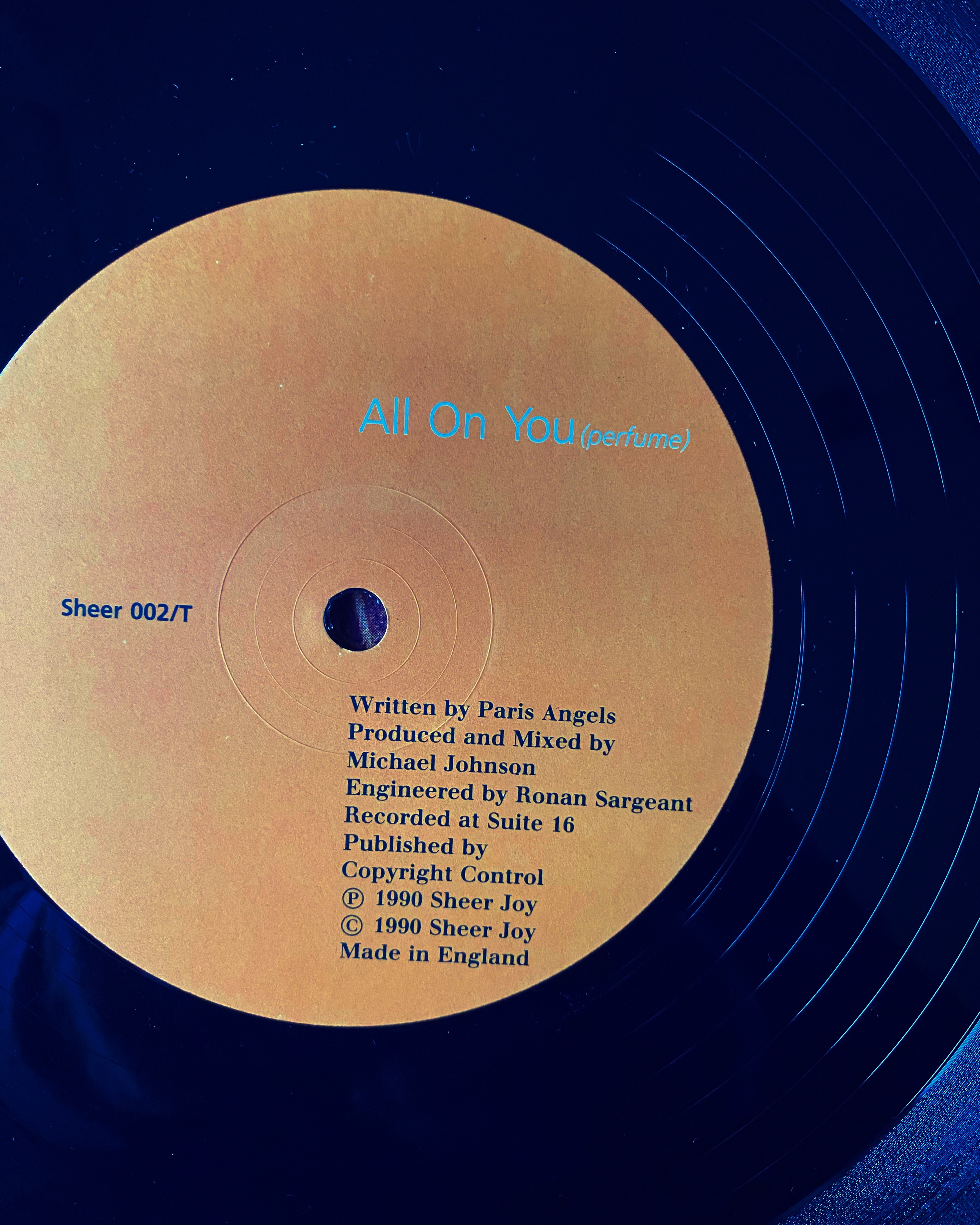
Quite how they managed to sow the shiny seeds of All On You from the unholy clatter that represented the band’s sound at the time must be down to the producer, so kudos to Michael Johnson (engineer on no less than Blue Monday) for coaxing such an airbrushed sound from the band’s grizzled indie.
The band’s roots are easy to identify from the swirling slab of industrial Mancunian twist and shout below. Very of its time, it rattles and ricochets like a stretching out ACR or Happy Mondays at their esoteric best. Dark, dense and serious, with the tentacles of the baggy beat and a wandering electric guitar – all bent 3rd strings and chorus pedal – creeping through its cracks, it’s a signpost of where they’d come from and where they’d briefly be going…
Paris Angels – Stay (Peel Session)
Should such things matter to you (and of course they do), it’ll have you double-checking the label on the record for a Factory logo or catalogue number that isn’t there. Yes, despite all necessary Factory ingredients being present; a clattering, enthusiastic rhythm, hot-wired chicken scratch guitar, a shouty Mancunian frontman oozing oodles of effort over ability – all housed in a subtle and arty sleeve, considered typeface ‘n all – Perfume was released on the perfectly-named Sheer Joy label. All bands have one great song to their name. Perfume (All On You) was Paris Angels’.
On my trip to New York last year, I was dead set on returning with a specific record. A modern repress was no good – you can get them anywhere after all – it had to be an original ‘70s pressing of an album recorded in the city, by a group from the city, with the grime and grind of lower Manhattan embedded deep within its grooves for added, authentic punkish effect. A ‘pre-loved’ and battered sleeve could only add to the funk of it all and I wouldn’t rest until I had tracked one down.
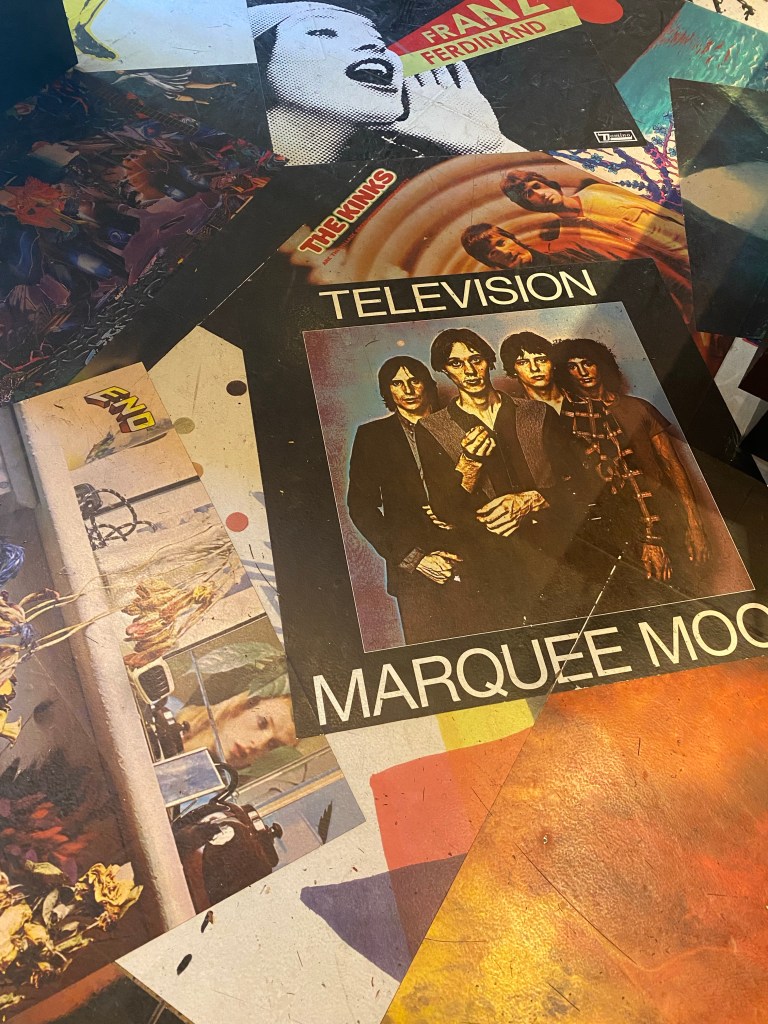
D’you know how hard it turned out to be, to find a decent record shop in Manhattan, let alone find one that had that one copy of Television’s Marquee Moon sitting idly and unloved at the back of its racks, waiting for the day when I’d show up with twenty bucks to rescue it from forgotten-ness for ever?
Dead hard to impossible, that’s how hard.
At the bottom of the High Line near the entrance to Chelsea Food Market was a wee artisan boutique where various local artists sold their wares. And right in the corner was an old disinterested guy selling records. They were packed in torn and ripped cardboard boxes, handwritten labels denoting the music genres within. Damn! Two guys were digging deep in the ‘Punk/Noo Wave’ box. And they weren’t moving anytime soon. I ignored the ‘Rawk/Hard Rawk’ selection, found the ‘Funk/Soul/Disco/‘70s Shit’ box and, with one eye on the two guys who, I was convinced, would unearth a Rocket To Russia or Plastic Letters or, no!, a Marquee Moon any second now, began rifling through a box of records that had seen better days.
I pulled loose a copy of Isaac Hayes’ Hot Buttered Soul, horrified first at the price – $50 – and then at the state of the thing. A well-worn sleeve suggests a life well-lived, the untold stories of get downs and skin-ups that were soundtracked by the record within. I don’t mind a tatty sleeve at all – you should see the state of the mouse-nibbled copy of Sandinista! I found in Liverpool a few years ago – but this record…all these records here…were wrecked to the point of uselessness. If I’d found this copy for £1 in the British Heart Foundation shop at Irvine Cross, I’d have swithered over the pros and cons of parting with my money. Fifty bucks?! Get real! Those two guys making their way through the box I really wanted to explore weren’t going anywhere fast, and by now the family had caught up with me, eager to move on. I’ll never know what was in that box, or what New York prices were being asked…but it still eats away at me that I’ll never find out.
We weren’t in New York, Craig, to spend hours looking for and then browsing through record shops, but I managed to syphon off some me time to spend scouring the Rough Trade that’s next to Radio City. Right at the back was a second-hand section. No Marquee Moon here either, but in amongst the overpriced jazz reissues and (bizarrely) Gerry Rafferty’s back catalogue, I fell upon an original ‘76 press of Dylan’s Desire, replete with its original 1970s price sticker, for a mere $8. Re-sult, as the crate diggers say.
On the way to the counter was a display of ‘Classic NYC Albums’ – I’ll let you work out which records were displayed – and, in an impulsive move, emboldened by the original Dylan and happy that I’d finally found a New York-ish record that met my stringent criteria, I picked up a minty fresh and shrink wrapped copy of Marquee Moon to complete my purchase.
“Cool rekkid,” said the counter girl through her dyed black fringe and piercings. “Great guitar playin’ awl ovah it.”
“I know,” I smiled. “When in New York…”
“You gotta,” she finished for me, giving nary an acknowledgment to the Bob record she was ringing up. “Have a great day!”
I was delighted. Not particularly with the Marquee Moon which I’d had forever anyway – it was one of the first CDs I bought, but with the Dylan record which, after a quick Google while sitting on the wall opposite Rough Trade, I discovered was originally sold in Jordan Marsh, an NYC chainstore with its own record department. Not the New York record I had my heart set on, but a New York record all the same.
Unfortunately then, my vinyl copy of Marquee Moon comes not with the essence of the Bowery engrained in it, nor the mucky fingerprints of some speed-damaged old punk rocker across it, but still with the greatest free-form guitar playing that sets it out as the most individualised trailblazing record in an era chock-full of individualised trailblazers.
The band Television first entered my teenage orbit on the back of The Family Cat’s forever support-band sounding ‘Tom Verlaine’. Who was the titular Tom that had this loud and caterwauling indie rock track named after him? I soon found out.
The sound Television made was, especially when you consider the mid ‘70s, the sound of the future. Think how many of your favourite bands have replicated Tom Verlaine’s guitar playing since; spidery thin then creamy thick, loose and ragged then fat-free but flashy all at once. Will Sergeant… John McGeoch… the entire alumni of Scots’ post-punk six string alchemists… you can perhaps trace a direct line from the hot wired fretboard of Verlaine’s Fender Jaguar or Jazzmaster to any number of single coiled, solid bodied fetishists the world over, but you won’t find any other examples of the guitarist’s initials mirroring the band in which he plays. A happy accident, for TV and Television for sure.
Television – Friction
I’ve always loved Tom Verlaine’s playing on Television’s Friction; the jerky riffing, the unexpected notes in the solos that are always strictly non-blues, but especially the little electrified sound effects he coaxes from the wound strings as the, ‘my eyes are like telescopes’ line creeps out. You can ‘see’ those eyes, pirouetting out on little stalks as the music matches the vocal.
‘EFF, ARR, EYE, SEE, T-I-O-ENN!’ it goes, wired and paranoid, a thousand bedroom guitar players tuning in intently. Not all guitar players would match Verlaine – few ever will – but that free-flowing metallic sound will ring forever, whether it’s from an old and battered copy of Marquee Moon or a bog standard original that’s straight from an Eastern European pressing plant. Great rekkid, with great guitar playin’ awl ovah it. Shine on, Tom Verlaine.
This record will be 50 years old this year…half a century young and still sounding like nothing that’s been before or since. Well, to a point…
Lee Perry‘s Jungle Lion is vintage Perry, from the stoned, lion roaring madman-isms at the beginning to the sun-baked skank as the record’s groove kicks in, to the echoing brass refrain that lifts the recording up and out to the moon and back, the hook that keeps the whole acid-fried masterpiece from falling apart.
Lee Perry – Jungle Lion (7″ mix)
The production on Jungle Lion is insane. The band is locked in and tight, bass and drums laying the groundwork, that wet slap of chicka-chicka guitar adding the scratchy colour like a toddler with a crayon dragged across a piece of paper; messy, unique and creative. Perry toasts over the top in his own freeform fashion, the needles of the mixing desk accelerating far to the right and stuck in the red as he ‘Ughs’ and ‘Aows’ and ‘ch-ch-chs’ his way across the top. ‘Dan-dee-layon! Jung-gal layon! Fay-ah!‘ It’s funk, Jah, but not as we know it.
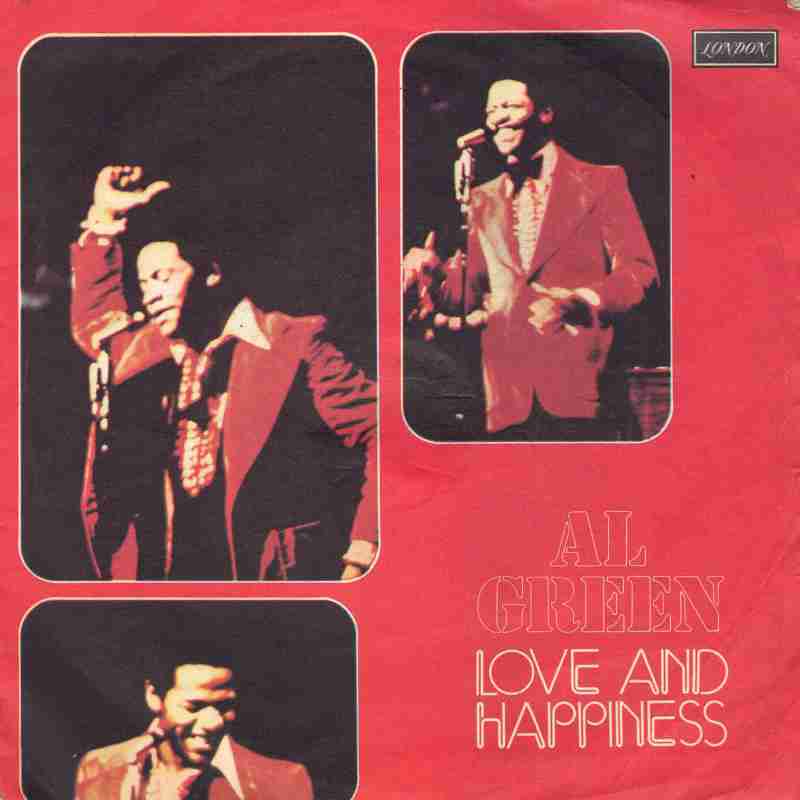
That brass refrain. The hook. You’ll definitely have heard that elsewhere. The keener scholars around these parts will point to Al Green‘s Love And Happiness and take the bonus round for 15 points, please, Jeremy.
Al Green – Love And Happiness
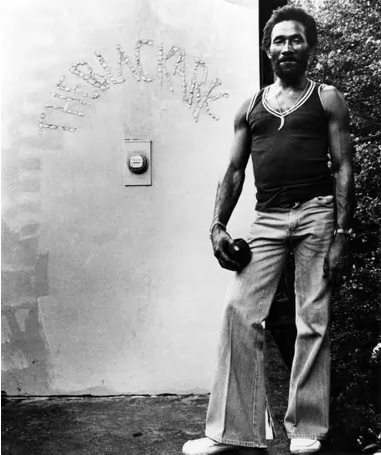
Now, I don’t know quite what wizardry The Upsetter was capable of manifesting inside Black Ark, but it seems to me – and I may be well off the mark here – that Perry sampled, yet didn’t sample, the horn refrain from Al Green. What I mean is, the refrain on Perry’s track is the same music, not merely a version played by Perry’s horn section, but sampling wasn’t a thing in 1973…or was it? Exactly what technology was available to maverick studio heads with no boundaries and serious creativity overload?
My thinking is that Perry simply played Al Green’s track and, using a studio microphone set up next to the speaker where Love And Happiness blasted forth, recorded what came out. Remember how, back in the days before ghetto blasters with in-built radios, you used to tape the charts? Yeah, exactly like that.
So Perry takes Green’s track – the delicious guitar riff in the intro as well as the horn refrain – and builds his own warped and inventive take on a soul classic. Nothing new in this of course – most reggae tracks began life as sun-baked covers of the soul music that crackled and crept across the US services airwaves and onto the Caribbean – but Lee Perry’s masterstroke is in the direct lifting rather than the direct copying that his peers would do.
Al Green’s original is such a great track. Stately yet understated, quietly assured and coasting on a slow fever bed of warm hammond and honeyed brass, the perfect foil for the Reverend’s measured, restrained vocal.
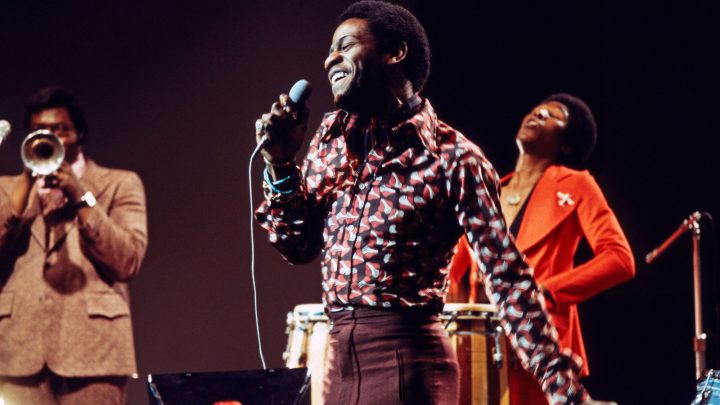
He always surrounded himself with great musicians, did Al, from the Rhodes sisters on backing vocals, to the slow ‘n steady Al Jackson Jnr on drums and Leroy Hodges on bass, to his guitar player and sometime-co-writer (and brother of Leroy) Teenie Hodges. I’ve written about Teenie before, a relative unknown in the guitar world but, for me, a guitarist whio appeals to me far more than some of the usual names who appear on those ‘Best Guitarists Ever’ lists. He’s such a fluid player, Hodges, clean and clear, with the most delicate of touches. Those fingers can hover an inch above the frets and his guitar will sing, clean and chiming, bluesy and soulful. No wonder Lee Perry was keen to employ him in whichever manner he could get away with.
The Specials were one of the very first groups I truly loved. Later life would open my eyes and ears to their stance, but as a 10 year old I had no idea they were in any way political, or that by even lining up in that defiantly multicultural manner they were flicking a two-fingered salute to the dangerous undercurrent of right-wing extremism that was simmering just below the surface of Thatcher’s Britain. Friendly antagonists, they fought back through well chosen words and haircuts and clothes. Me? I just liked jumping around Mark Richmond’s room to Do The Dog and Rat Race, Nite Klub and his single of Too Much Too Young. “Ain’t you heard of con-tra-cep-shun!” we’d shout, oblivious to what that actually was, our tasselled loafers ripping our heels to bits as we clacked the segs off his mum’s kitchen floor. Far too young for the 2 Tone tour of ’79 when it made its final stop in the rundown seaside town of Ayr, just down the coast from my house, it wouldn’t be until The Specials reformed in the early 2010s that I’d finally catch them in full flight. I’m glad I did. They were dynamite from start to finish.
Terry Hall, Barrowland Ballroom 2013
Terry Hall was the unlikeliest of frontmen. Despite being the King of the suedeheads, he never seemed like he was very much into it. He always looked fed up, disinterested at times, perhaps depressed at others. Hangdog and emotionless, he’d hang from his mic stand like Eeyore, down in the mouth, staring at the floor, as his bandmates whipped up a not-so-quiet riot around him. Of course he was into it though. The music would occasionally spark a jolt of electricity through him and he’d pull himself tight, knuckles whitened around the mic, shoulders up and into his ears and he’d fly off in a whirl of suit-jacketed skanking, turning to face Neville or Lynval to lose himself in the punkish ramalama before the brief musical interlude ended and he was pulled magnetically back to his real job as downbeat frontman in one of our greatest and most accurately-named groups.
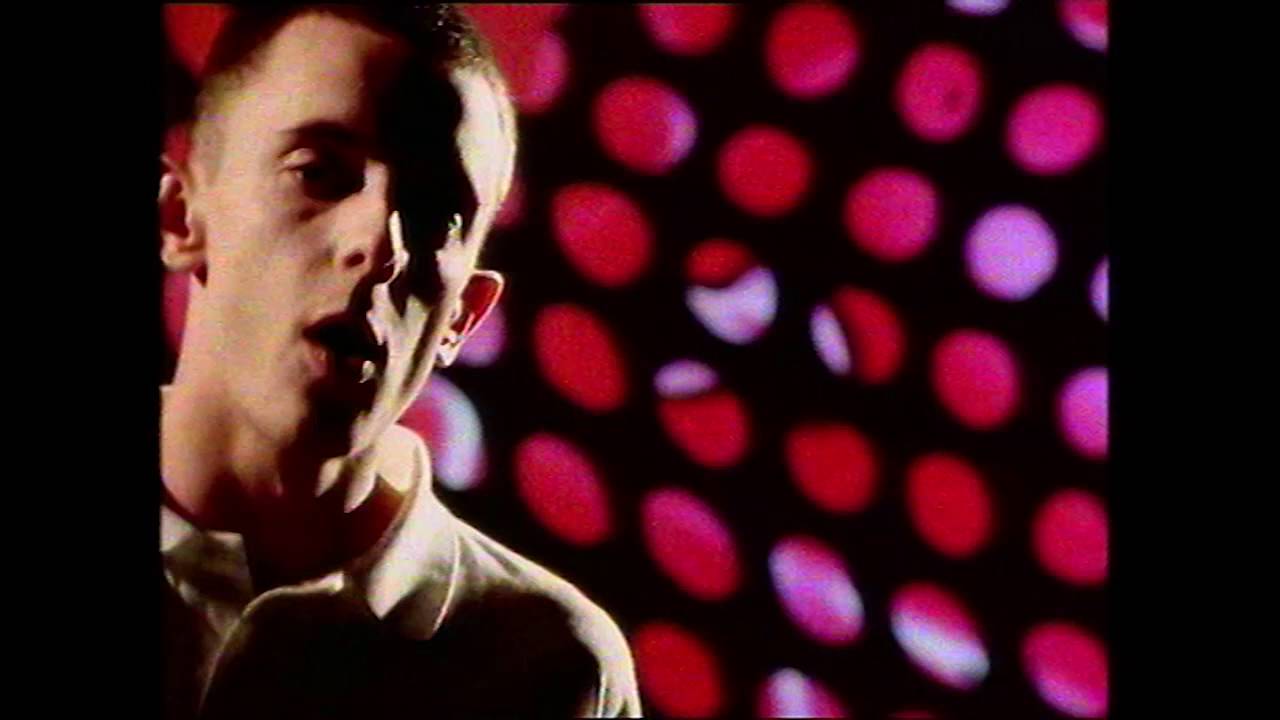
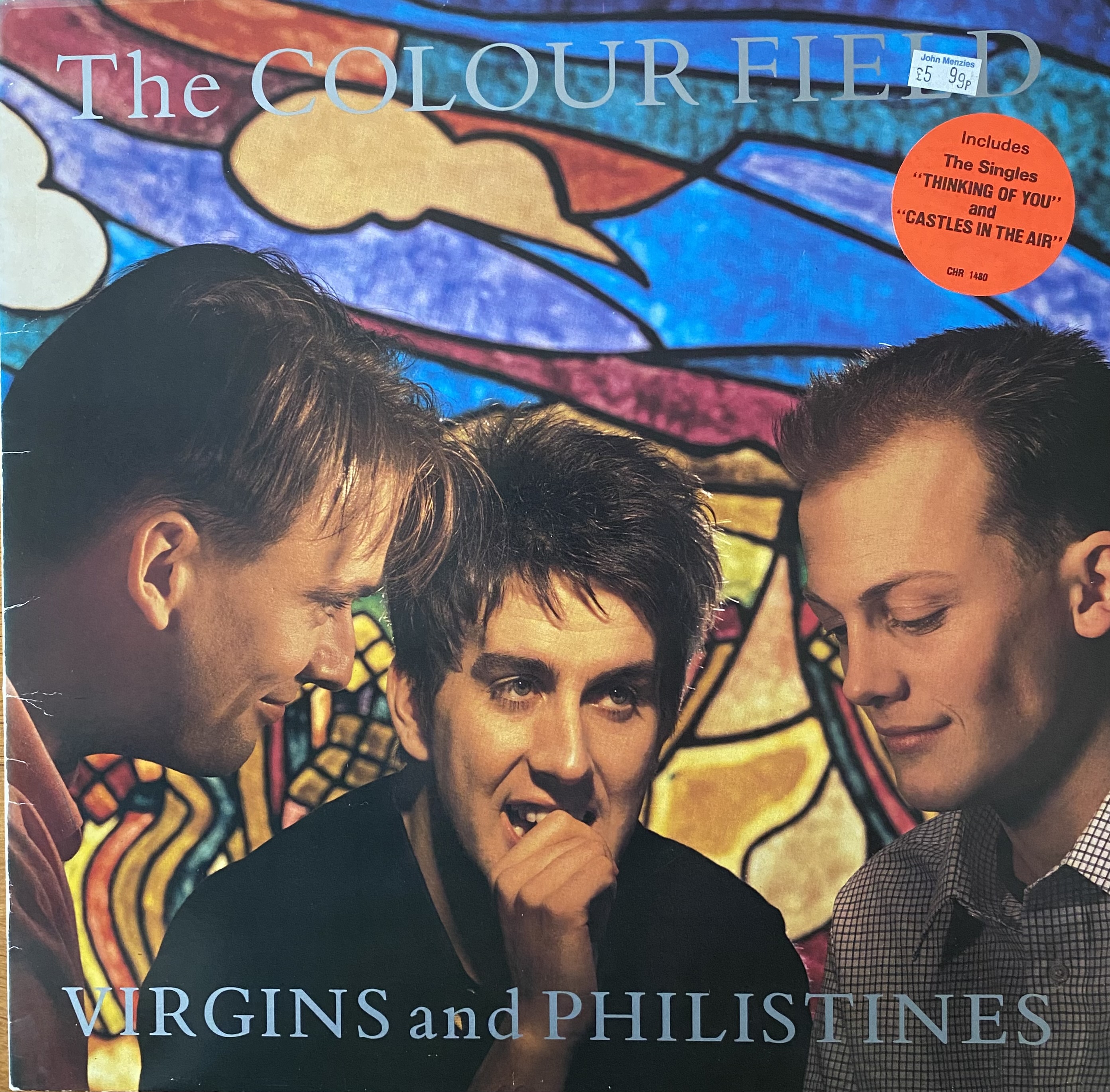
The news of Terry Hall’s sudden death has hit me far harder than I could have anticipated. I’m working from home just now, putting together stuff that should be turned in before Friday, but I can’t properly concentrate. I’m listening, not to The Specials – they’re night-time music – but to Virgins and Philistines, the album he made with/as The Colourfield in the mid ’80s. It’s rich and inventive and packed full of unravelling melodies, as well as bona fide classics; it opens with Thinking Of You, and its rich mix of Spanish guitars, plucked strings and groovy acoustic bass runs has almost set me off, its upbeat melancholy taking on a whole new meaning. Powerful thing, music. I’m not sure I can handle Forever J just now. I’ll save that particular beauty for tomorrow, maybe.
The Colourfield – Thinking Of You
A funny thing happens when popstars die. You don’t know them…and yet, you do. They pop round far more often than yr old Auntie Margaret, for starters. You know them, and they know you far better than anyone else. They get you. They instantly uplift. Immediately heal and soothe. Always in tune with your feelings, they never disappoint (well…Morrissey, but…) Pull them out of that alphabetised collection of yours and they’re right with you in the room, familiar old friends reigniting old memories of the past, shooting to the surface like lava from a volcano and spilling out in unstoppable order.
As my own years roll on, and friends and heroes die, I find myself getting increasingly nostalgic for a past that surely couldn’t have been as idyllic as I remember. One whiff of Gangsters and I’m right back in Mark’s mum’s kitchen, an orange rolling from the top of the fruit bowl and onto the floor as our uncoordinated earth-quaking and enthusiastic skank tips first the fruit and then his mum over the edge. Mark is also no longer with us, so the music of Terry Hall, and especially The Specials, has all sort of meaning suddenly attached to it.
I’m back in the living room of our old house as my mum pulls out the catalogue and asks if I want peg legs or flares for school trousers. Thank you, whoever you might be up there, who prompted me to ask for peg legs just as 2 Tone was filtering its way to Bank Street Primary School. I’m back in the playground, half a dozen of us shooting bright yellow sparks from our segs.
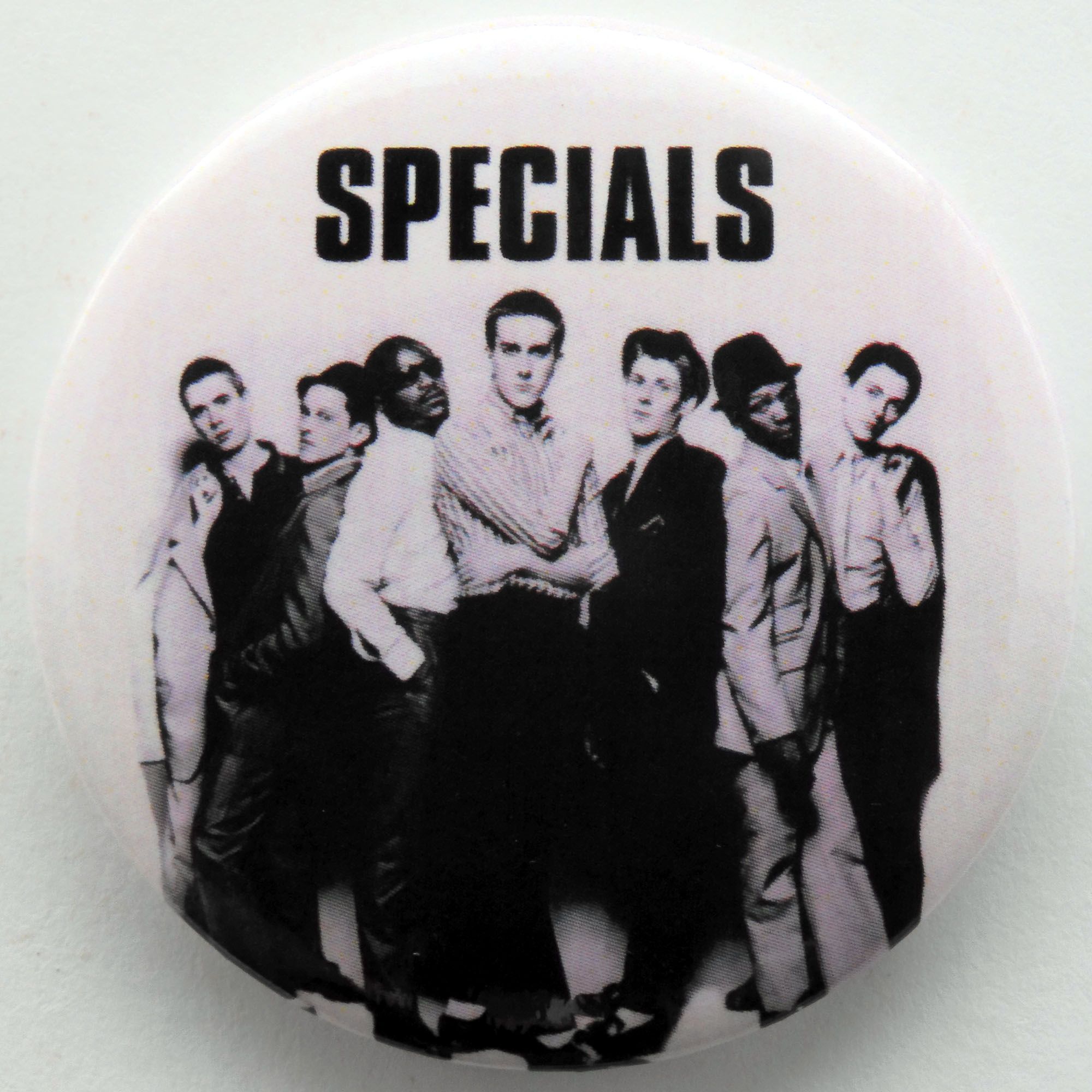
And I’m in the wee shop in Irvine High Street agonising over which of the badges my 15p will go on this time. A Specials badge, the group scowling in miniature? A Madness logo? My original one was lost somewhere in or near the Magnum and I’m still annoyed about that. That spray-painted Jam logo, maybe? Nah. I’ll go for The Police this time. Just, as always, on the wrong side of cool. When you’re that age, music is just music. Leaving aside the Y cardigans and the burgundy Sta-Prest and those painfully cutting loafers, tribal identity wasn’t so important at primary school. So there the badges were; The Beat, The Selecter, Adam and the Ants, The Police. And Status Quo. Fight me.














 Plain Or Pan