Over two million visitors since Jan 07. The material on Plain Or Pan has been downloaded, digested and discussed by every knowing hipster throughout Europe, North America, South America, Australia, Asia and Africa - truly Plain Or Pan-Global! One and a half million thanks to each and every one of you!
As autumn snaps itself sharply into winter and the early curtains of dusk draw their way across the gun metal grey skies on the commute home, the music being listened to in the car becomes equally as insular, wrapped tightly around itself for protection from the cold being blasted in by the westerly winds. As the windscreen wipers bump and squeak to the scraping of a Nick Drake cello or a Talk Talk bass glissando, as the indicators’ gentle ticking matches Sufjan Stevens’ gentle picking, as the sudden splash of a puddle matches the subtle crash of a jazz/folk paradiddle, it dawns on me that my music taste is seasonal.
Ska is for that first hint of summer, when it’s still technically early spring but folk are already waist deep in the filthy Firth of Clyde at Irvine beach. The reggae is reserved for the summer proper, although occasionally they clash by happy accident as playlists collide mid-barbecue. Dub? It sounds best on those rare days when even the sun can’t be arsed doing anything other than sit there and sweat. The twin colossuses (colossusi?) of Teenage Fanclub and Trashcan Sinatras work best in autumn, two groups who’ve travelled more than a few miles around the sun and, while being still recording and infrequently gigging concerns, are themselves in their autumnal years, with more miles in the rear-view mirror than what may still stretch ahead of them. Now there’s a sobering thought.
The new artists? They’re best kept for January when you can kid yourself on that this year will be the year when you embrace the new and unheard, before cracking mid-March for your annual Beatles/Clash/Smiths/Dylan/Bowie/Radiohead intake and the inevitable ‘why even bother with anyone else?’ thoughts. The yearly rotation of groups and songs and favourite albums is, to paraphrase Elton, the (song) circle of life. And I’m just fine with that, by the way.
I’m getting serious late-autumn Elliott Smith vibes from this – When The Sky Darkens Down by White Magic For Lovers. I think you’ll really like it.
White Magic For Lovers – When The Sky Darkens Down
It’s windswept, mystical, close-miked and deftly picked. The finger scrapes on metal, the tumbling and ringing arpeggios that fall from six strings, the creeping chord changes and the whispered, late night vocal delivery all point to the church of Elliott. It’s uber melodic, steeped in melancholy and, with those low-in-the-mix syncopated bleeps and bloops that caterpillar their way through the background, something you’ll want to stick on repeat until the long, dark nights begin stretching free again. Lovely stuff.
Listeners of Guy Garvey’s BBC 6 Music show will be no strangers to White Magic For Lovers. He’s played them frequently for the past year or so, when tracks from When The Sky Darkens‘ parent album ‘Book Of Lies‘ first crept out. With musical roots stretching as far back as the Electric Soft Parade, the duo have decent pedigree…and a lovely way with an unravelling melody. You could do worse than investigate them. Start with Book Of Lies and its looping and somnolent lead track Axelrod, maybe, and work your way back from there. It’s a rewarding journey.
I’m a sucker for a music biography (heck, I’ve written at least one) and so found myself at the Mike Joyce book event in Glasgow last week. The most bizarre thing happened before it had even started.
A couple of guys came in and sat in the empty seats beside me. With nothing happening on the stage as yet, they did as we all do – they took out their phones and began scrolling through social media. Five minutes later, the guy next to me started Googling ‘Mike Joyce’ (I wasn’t really being nosy; being of a certain vintage, the text on his screen was massive – there’s a guy who sits about three rows in front of me at the football and half the crowd can read the texts his wife sends at full-time too – it’s clearly a common thing if you fall within a certain demographic.)
Very soon my neighbour alighted on the interview I did with Mike eight or so years ago, where I asked him to chat about his favourite Smiths tracks. I watched side-eye as the stranger beside me read the lot, desperate to say something to him, but too timid to acknowledge it. I then did as any self-respecting ‘like’-hungry social media user would do, and stealthily updated my Facebook status with my phone held very close to my still-thumping chest as I typed. Weird and strange, but pretty cool.
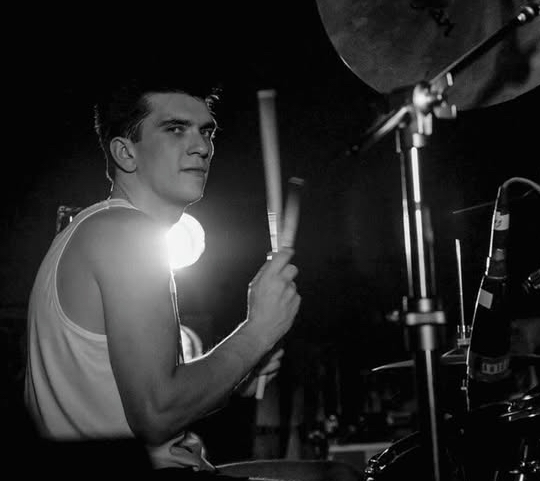
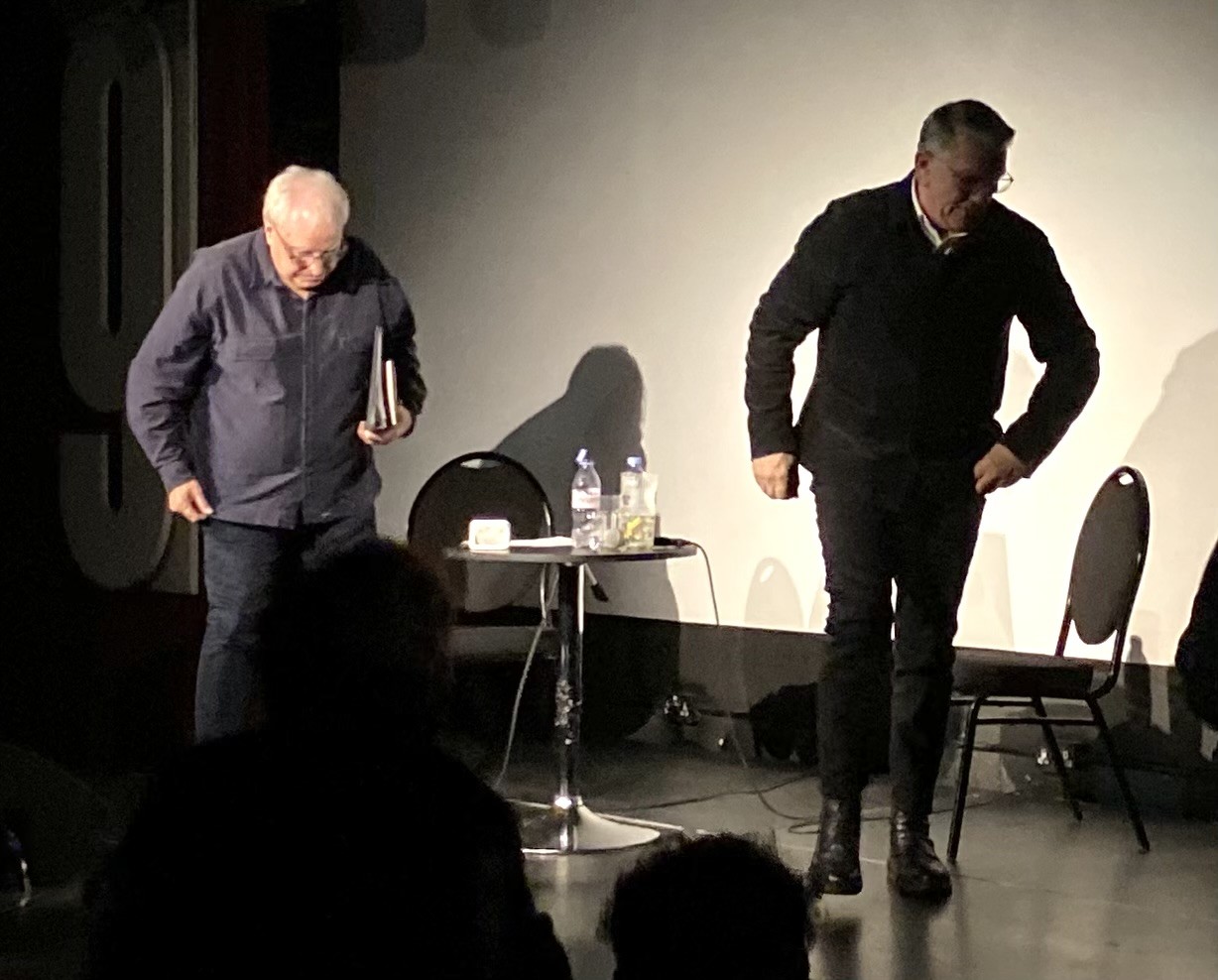
Held in the Glee Club, the event was, as it turned out, the perfect fit for a venue more in tune with comedy events than music or literature. Interviewed onstage by Scottish radio legend Billy Sloan, Mike Joyce was funny, engaging and extremely lucid, singing drum parts and guitar riffs and offering up tasty morsels of Smithsian trivia – direct despatches from a constituent part who’d fought the good fight from those unique and idiosyncratic trenches.
With a mixture of significant and less consequential events from the pop landscape of 40 and more years ago pouring rapidly and freely from the affable drummer, many being told for the first time, he offered a unique insight into the deft workings of the Morrissey and Marr song-machine. Over two halves of a night, he had a quietly rapt audience, and even when the questions from the floor at the end turned serious – he weeps softly when talking about Andy Rourke – and then tediously obvious – ‘Will The Smiths ever reform?‘ (puh-lease?) – he answered them all with gracious dignity and a sense of humour that stopped it all getting a bit silly.
Mike, as it turns out, is the biggest Smiths fan of them all. ‘What’s it like selling out the Albert Hall?’ he asks himself in the intro to his story. ‘It’s unfathomable’, he answers simply. He can’t quite believe the things that happened to him, from hearing the first mind-blowing Smiths recordings, to playing Top of the Pops, to having Mick Jagger dancing side-stage in New York, he and Johnny mid-song and gape-mouthed at the ridiculousness of it all. Mike’s Smiths years were a blur of ‘pinch me’ moments that, even nowadays, he can scarcely fathom. He spent little more than half a decade in The Smiths, yet Mike’s entire life since has been defined by those years. And now, it seems, is the time to tell his story.
Joyce, as you may know, divides opinion in the Smiths community. On the one hand, he’s a quarter of one of our most individual and exciting groups. On the other, he’s the bandmate who refused to settle for ten percent, the traitor who took the group’s principal members to court for a greater share of what he felt he was owed. It’s all a bit murky and eugh, really.
But yet, while he briefly/bravely refers to this, Mike prefers instead to focus on what made The Smiths so great; the ridiculously high watermark of consistent quality across their catalogue, the riotous gigs, the in-band humour and the tight-knit ‘us v them’ stance that got them through it all. The Drums, he says, should be approached as a celebration of the times rather than a warts ‘n all story. It is. I’m halfway through and it’s a very easy and rapid read. I think you’d like it.
To bookend the show, something else happens.
At the show’s mid-point, Billy Sloan had spotted me from the side of the stage and had come over. ‘Don’t leave at the end,’ he implored. ‘Wait here.’ (I know Billy a wee bit, it’s not as if he has a habit of picking random strangers out of a healthy crowd). At the end, he’s back over. ‘Did you buy a book? D’you want it signed? You’re not waiting in that queue – look at the length of it…‘ and he points to a couple of hundred folk snaking their way up the side of the venue and up to the mezzanine where the signing table is set up. ‘Follow me. Quick!‘
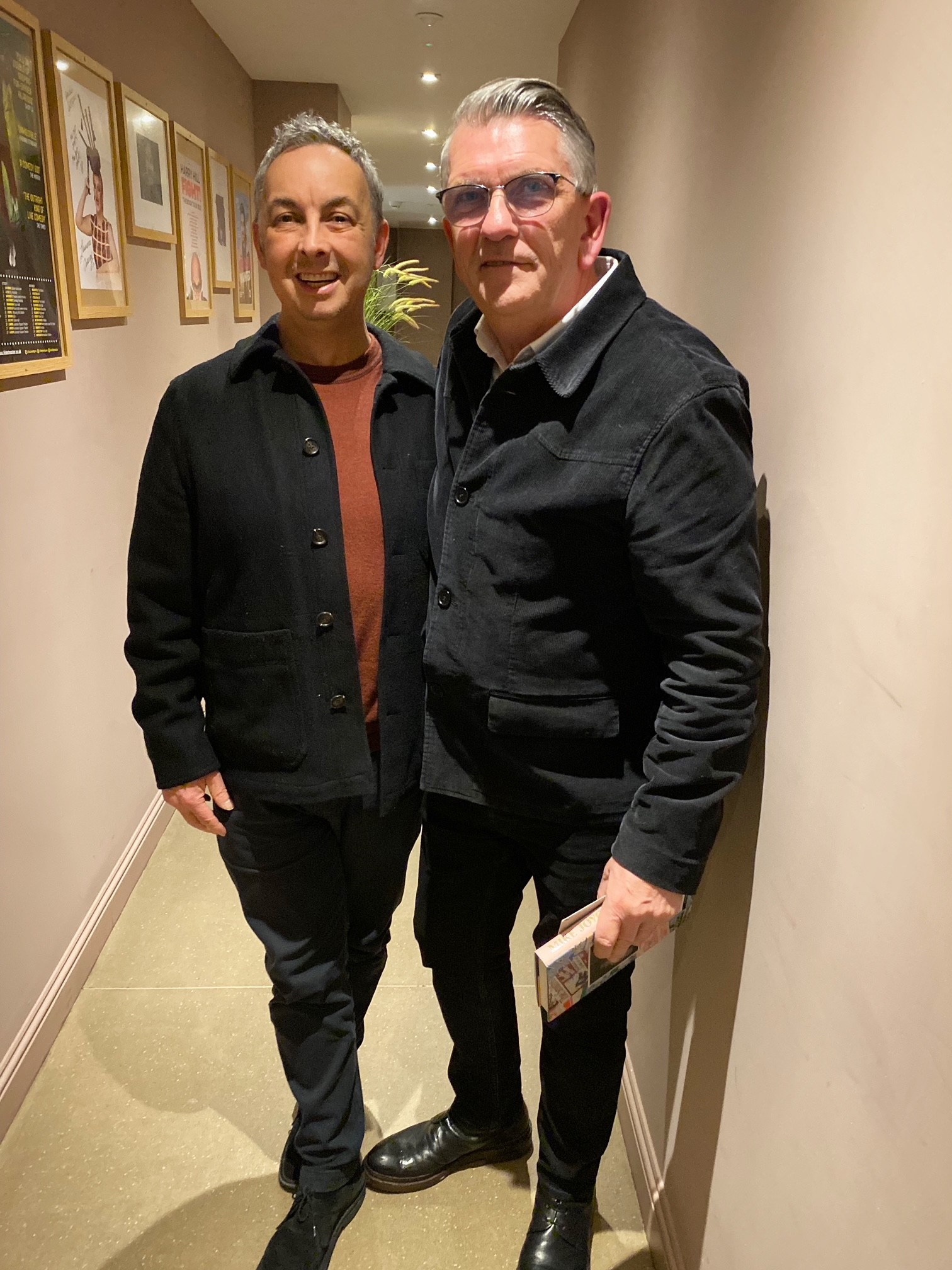
We’re backstage, Billy fussing over my bag. ‘Get your book ready, take the record out of its sleeve, d’you have a pen?‘ And then… a classic Sloanism. ‘Mike! This is my good personal friend, Craig, He’s a great writer and you should meet him.’ And Mike Joyce is there. He’s easy to chat to, but all the things you might want to say, he’s heard them all a thousand times. I don’t even think to mention I’d interviewed him in the past (and I actually think that interview played a small part in this book being birthed.) Instead, I play it cool.
“Thanks for the music, Mike. It’ll play forever.”
“I know it will,” he winks.
He signs my book, he signs my 7″ of Hand In Glove, drawing a wee snare drum above the place where Johnny signed it a decade ago and we chat, of all things, about how shite it is to lose musical allies and friends to cruel and unforgiving illnesses.
Not yr average Wednesday night.
The Smiths – This Night Has Opened My Eyes (demo)
Mike Joyce ‘The Drums‘ is published by New Modern and is out now.
It begins with a riff as rickety as the Coney Island Cyclone, a clattering, knuckle-dusted, steel-wound nickel on wood bone-shaking rattle. Lou Reed sounds like he’s just about made it to the mic on time for those first coupla words, like he’s been so transfixed by his own instantaneous riffing that he’s momentarily tuned out of anything else and hastily ran up to it marginally late for his cue. Most other bands would clatter to a sudden halt, shout ‘Take Two!’ and fall into action again. This though, being the Velvet Underground, can be passed off as art; you noticed, yeah? Yeah! It’s deliberate and obtuse and deliberately obtuse, so what, huh? To Lou, mistakes are for lesser groups who worry too much about what their audience thinks of them. ‘You know it’ll be alright,’ as he sings in the chorus
The Velvet Underground – What Goes On
An organ drone wheezily fades its way in at the start of the second verse, subtle to begin with, vamping the simple chord changes, then a bit more prominent in the mix as the angle of Lou ‘n Sterling’s highly-strummed agit-jangle takes proper hold.
There’s a fab! u! lous! feedbacking twin guitar break – of course there is, this is the Velvet Underground – that rises from the beat group clatter like Scotch mist and surfs its way across the continuing stramash below, landing itself like a set of bagpipes being trampled to death in a crowded Turkish souq bazaar. I’m sure that’s exactly the sound the Velvets were chasing, as they say.
Elongated mid notes meld between high and low counter notes, Lou ‘n Sterling’s floating frequencies weaving as one for longer than most groups of the time would dare, but still not nearly long enough here. It’s a trippy and hypnotic garage band tour de force, What Goes On. It really is.
Then we’re back to the chorus, the easy, woozy harmonies adding late era Beatlish warmth to the ice-cool New York art rock. From then on in, it’s a no nonsense, heads down boogie between guitars and organ drone. The twin guitars are high in the mix, trebly and piercing, rattling away like a Warhol hopeful behind the bins at the Factory. The organ is simple and slo-mo, a relaxing counterpoint and very much the antithesis to the manic, never-ending jangle out front.
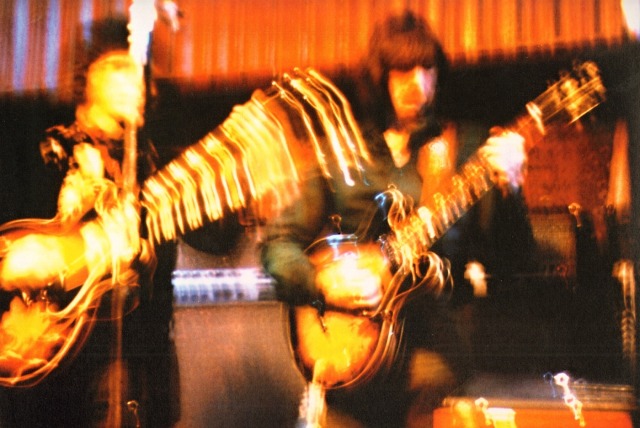
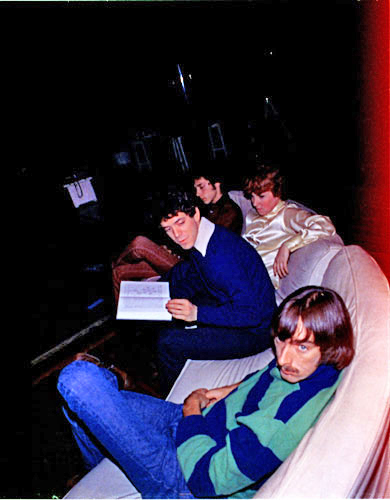
VU outtake pic by Billy Name
Somewhere, amongst all of this heady art-rock splendour, must be bass and drums. They must be there, right? If you listen closely – really closely – you might hear them, but you’ll need to tune out of that other strange noise in the background – that’ll be the frantically scratching pencils, as Collins ‘n Kirk and a handful of other magpie-minded guitar stranglers make sense of this motherlode of all blueprints and run with it all the way to 1980 and the land known as indie.
Influential…and then some.
Post-Script
Interesting Point 1: There’s an internet theory that the organ on Talking Heads’ Once In A Lifetime is directly lifted, if not actually sampled, from What Goes On. When you listen to both songs, there’s a compelling case for it, but I’ll leave it to you to play them back to back.)
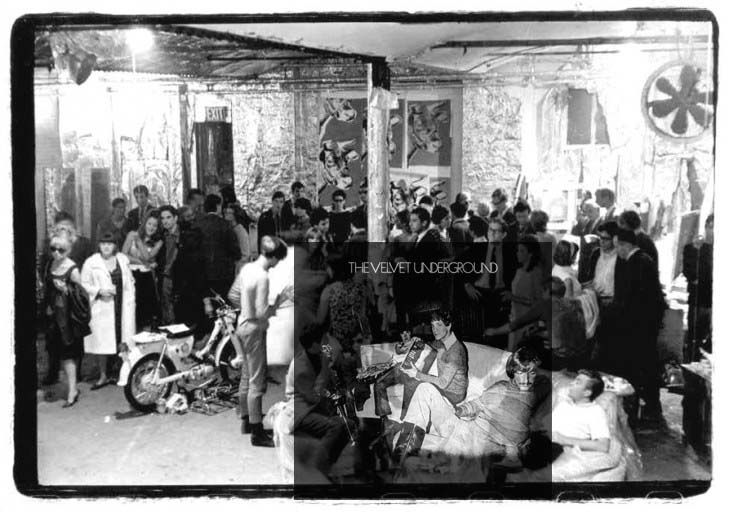
Interesting Point 2: PopSpots, that essential guide to placing your old band shots of yesterday onto the NYC streets of today has a whole section on Lou/Andy/VU’s New York. That couch that appears on the sleeve of What Goes On‘s parent album, the self-titled VU’s third, was seemingly a feature of Warhol’s factory as much as the Velvets themselves.
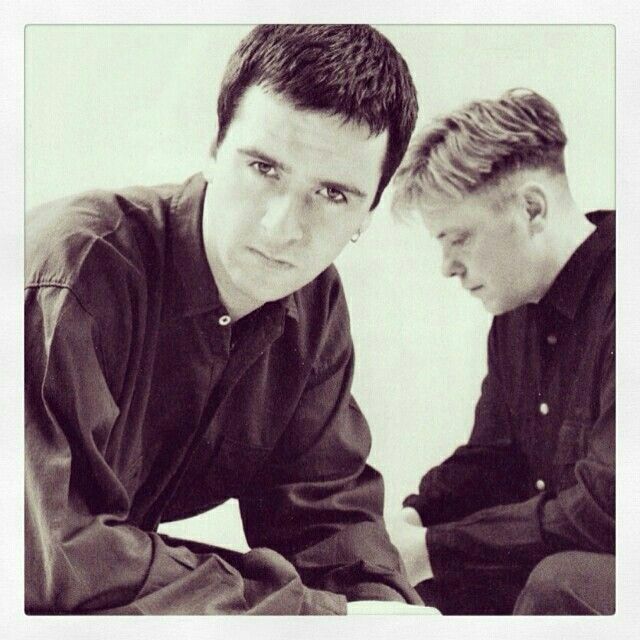
It’s an accepted truth that Electronic was very much a bit-part project, an occasional coming-together of alternative music royalty in the gaps of downtime between their respective day jobs; Bernard and New Order, Johnny and The The…and The Healers…and The Cribs… and whoever else was looking for a six-string gunslinger for hire. The reality is much different.
Although conceived by the duo of Sumner and Marr as a collaborative and ever-shifting line-up of guest musicians and vocalists, Electronic was an active and going concern for almost every year of the ’90s. The self-titled debut album was worked on quietly in the background for months at a time before seeing the light of day in 1991. The follow-up, Raise The Pressure, took two years to put together. 1999’s Twisted Tenderness, the third and presumably final album in Electronic’s discography took a similar time to conceive. Johnny has oft-debunked the notion that he and his pals reconvened for a couple of weeks now and again to throw an album together; a studio head since the earliest days of The Smiths, to him, being part of a group is a 24-hour thing. Bernard, with his patience and dedication to programming and getting the most out of ever-changing technology, is cut from a similarly dedicated cloth.
1996’s Raise The Pressure was written during interesting times. Conceived in 1994, it began life just as Noel Gallagher was borrowing guitars from Johnny to use on the first Oasis recordings (look on the cover of Supersonic and you’ll spot Johnny’s famous black and white Rickenbacker) and was released just as Noel’s band (and Johnny’s Les Paul) were getting ready to headline Knebworth. For one of these acts (and it ain’t Electronic), that’s quite a trajectory.
Raise The Pressure was a product of the last great fertile period for UK guitar bands, yet it never quite made its mark. Here’s an album recorded by two of music’s leading lights, one of whom at least, with his moddish hair and Clarks shoes – and uncanny ability to wring seven shades of melody from six strings – could be considered the uber-cool uncle of the entire movement…and no-one is all that bothered about it.
Lead single Forbidden City is a much under-appreciated track. Despite coming gift-wrapped in New Order melancholy and ever-evolving Marr riffage, it clunked its way to number 14 before vanishing for good. Just what was wrong with the record-buying public?!
Electronic – Forbidden City
The track runs the whole range of Johnny’s guitar styles; layers of sparkling electrics sprinkled across a bed of ringing acoustics…open chorded majors in the verse…barre chorded minors in the refrain…lovely complementary run downs between vocal lines in the third verse…the up the frets dazzling stuff during the choruses…the groaning, multi-layered (and sometimes backwards) feedback solo in the middle… Forbidden City really has it all. In an era of retro bores who were happily rehashing their way into the charts and getting folk to part with their money in Our Price seven days a week, thanks to their Who and Stones and freakin’ Herman’s Hermits rip-offs, (Hello Power! Hello Ashcroft! Hello Fowler ‘n Cradock!) Forbidden City deserved so much more.
Even an appearance on prime time telly couldn’t really help it.
On TFI Friday, Bernard ‘n Johnny are backed by Doves’ Jimi Goodwin on bass, with Black Grape’s Ged Lynch keeping Karl Bartos’ drum stool warm. Bernard is a ball of on the spot sprung energy, punching the air between lines, doing his trademark whoops when he needs to take a breath, gurning indiscriminately at an audience equally hopped up on the good vibes of the times. By the looks of it, Johnny hasn’t yet discovered running and is in the midst of his fat Elvis phase. Unruly hair, jawline as loose as the jeans he’s wearing and dressed in some sort of fleece/fur overcoat, he chews gum while stomping on and off his pedal board, giving, as he always does, good camera. There’s more than a whiff of chemical enhancement to the whole thing – it is the mid 90s after all – and it’s all rather fantastic.
A chart smash though? A definitive track of its era? A firm favourite amongst the masses? There’s not a hope, as the song goes.
Almost a couple of years ago I met with a publisher with a view to getting the best of Plain Or Pan onto the printed page, which is, as you well know, the only print that really matters. You don’t need to ask a musician if they prefer mp3 to vinyl. It’s no different for folk who spend time agonising over words and rhythm and metre. There’s vindication in seeing your words in physical print. It means someone else has thought them worthy of sharing with others. Anyone can pick them up, flick through them, go back and forth, even highlight parts if they happen to be some sort of book masochist, but until they’re printed, the digital word lacks gravitas and acceptance. Any idiot with a keyboard and access to the internet can do this – the idiot writing this, for example – so, for me, the printed word is king.
Our meeting went well, I thought, and at the end it was agreed that I’d select the best of Plain Or Pan’s hundreds of articles and compile them into a book with a cohesively-running theme. I’d do some fact checking, tweak a few words here and there, have it proofread and have it all ready for publication. I set to work immediately.
I trawled the blog from the early days to the most recent, discounting articles on account of being too short, too similar, not good enough, just plain embarrassing – as a writer it’s really not hard to find fault in your choice of words. But a good many of the articles still held up. I’d tell you I was surprised at this, if only not to sound like a raving egomaniac, but I knew I had a way with words and phrases, so when long-forgotten articles were re-read in the cold light of a decade and more later, it was thrilling to find many of them were genuinely still exciting. “I’d forgotten about that!” “What a turn of phrase!” “An unexpectedly perfect metaphor!” Shucks, reader, I positively glowed with pride!
I knew I had a decent book in the making. It’d be split into three distinct sections; Life, Death and Music and could be read from page 1 to the end or dipped in and out of as the reader saw fit.
I secured permission from Roddy Doyle and Happy Mondays to use their words/lyrics in a couple of articles. Wayne Coyne from yr actual Flaming Lips, when asked if I could use Do You Realize? as the central theme to an article, took one read of it and said, “Go right ahead, brother!” It was game on. All the best articles would be in there.
After much detective work, I secured permission from a German exchange student to use an image they’d shot in my hometown of Irvine some 40 years previously for the book’s cover. I had everything I needed; it really was game on.
Once compiled, I used slightly hooky ‘found’ software to transfer the whole thing to my Kindle and I read chunks of it every night, making notes where changes had to be made. There weren’t many changes, in all honesty; everything that I’d selected flowed with a rhythm and pace that would make the whole book a page-turner and unputdownable object of desire.
The final job was the proofreading, a thankless task, and something my sister gamefully tackled with eagle-eyed enthusiasm. After tidying up a few stray words, lost commas and the occasional typo, it was ‘bound’ together in Word; the German exchange student’s eye-catching and very apt cover, an actual (and beautiful) foreword from a well-known writer pal of mine, a contents page and the three big sections. Watch out world, ‘POP Record‘ is coming.
It was sent to the publisher.
‘Yeah…I’m having second thoughts here…sales potential…publishing is struggling at the moment…I’ve other books ahead of yours in the queue…‘
It was one muttered and mumbled excuse after another.
It was not to be.
The whole thing currently rests in a folder on my computer. It just needs a publisher who’ll take a chance on it. Believe me, I’ve tried. And tried. And tried. It’s good to go, man. Just press print and it’ll be ready. You think it’d be easy, huh? I mean, I could go the whole self-publishing route, but that strikes me as kinda phoney. I’ve not totally dismissed the idea, but, a bit like musicians, anyone can release a home-grown CD…it’s another thing entirely to have someone release it for you. There’s that vindication word again.
I was telling this to author Andrew O’Hagan last night. He was in Glasgow promoting ‘On Friendship’, a collection of his essays on, eh, friendship and he’d asked me afterwards if I was working on any writing at the moment. *Two things, I said, and opened with the Plain Or Pan story above.
“Fuck ’em,” came Andrew’s succinct reply. “It deserves to be out there and you deserve a publisher that’ll treat it accordingly. I wonder if I can help?”
It turns out though that he needs some help of his own.
Andrew O’Hagan, the writer who at the age of 24 received a letter from Norman Mailer praising his writing style, the writer who spent time with William Burroughs, who travelled Ireland and Scotland with Seamus Heaney, who sat on the steps of the building opposite Fred and Rose West’s house and documented the whole grisly tale, who was editor-in-chief at the London Review of Books, who worked closely with Julian Assange and the WikiLeaks team to expose a corrupt world, the ambassador for UNICEF who wrote the modern classic Mayflies and watched on as it made the leap from page to screen must also, it appears, kick against the pricks.
Currently, he’s locked in discussion with Netflix over the $50 million production of his most-recent novel Caledonian Road. Should it be three seasons or five? Should he be involved in adapting his novel for the screen, or is that the job of Netflix’s screenwriting team? Not for Andrew the goal of having his wee blog posts published on recycled paper for posterity, but – here’s the thing! – writers at every level still face opposition, friction and rejection.
You can be a blogger firing out pop-culture missives to a few thousand folk a week or a best-selling and highly respected author, but we’re both just well-oiled yet different-sized cogs in the same gritty machine. And I can draw some sort of comfort from that.
Here’s Fairport Convention‘s suitably melancholic and sepia-tinted Book Song. Waltz time and folky, it’s a song about what might have beens and features a terrific electric guitar part (Richard Thompson, I’m assuming) and a lovely duetting male/female vocal (Iain Matthews/Sandy Denny). It’s from What We Did On Our Holidays which is very much an album you should strive to hear if you never have.
Fairport Convention – Book Song
*The other thing I’m working on?
“I’d LOVE to read that!” enthused O’Hagan. Vindication, again. So while ‘POP Record‘ languishes in the ‘what mighta been’ pile, my attentions will turn to something entirely different.
Drop in again in a year or so when I’ll be back to bemoan the difficulties I face in securing that particular sure-fire Sunday Times best seller.
What is it with bands who need to look across the Atlantic for belonging and acceptance? That clattering Velvety/Stoogey feedback ‘n twang racket that the Jesus And Mary Chain committed to tape in 1988 wasn’t called Sidewalking for nuthin’. The out of step and forever out of tune Californian slacker rock collective formed by Stephen Malkmus a year later wasn’t called Pavement for nuthin’ either. A Scottish band in thrall to the United States…an American band who held their Anglophile obsession sky high for all to see (especially with regards to The Fall – themselves a northern English group named after the American term for Autumn (maybe if Mark had named them The Autumn purely for the American market, The Fall would’ve been huge…). The other side of the world always seems more glamorous, I guess.
Loads of great songs and lines have been written about this time of year. There’s something about summer’s long and warm days shrinking in the rear-view mirror while the slow-creeping twilight and morning frost arrives head-on that prompts a melancholic pastoral and reflective creativity in our favourite songwriters. Ray Davies’ Autumn Almanac may well be the pinnacle of this, but discount Steve Marriott’s Autumn Stone and the Trashcan Sinatras’ widescreen and windswept Autumn at your peril. Add in Bill Evan’s highly evocative Autumn Leaves and Nick Drake’s Pink Moon and you have yourself a playlist to listen to as you stack your newly-chopped logs beside the woodburning stove that is soon to be the bane of your neighbours’ lives.
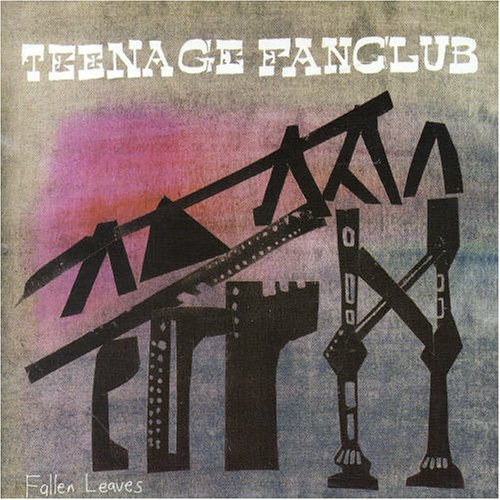
History may yet prove that Man Made, Teenage Fanclub’s 9th album, ushered in the group’s autumnal years. One of the last to feature the holy triumvirate of Blake, McGinley and Love on writing duties, it’s an album that comes dusted in reflective lyrics (Cells, Flowing), uplifting melancholy (Time Stops) and at least one blazing Love-authored and Love (the band)-inspired stomper (Born Under A Good Sign). It also features this slow-cooking, Gerry-created Fanclub classic:
Teenage Fanclub – Fallen Leaves
Although written in the biting cold of a Chicago winter (Chicago L Train-inspired artwork above), Fallen Leaves’ imagery of ‘empty train carriages, sinking suns, sparks and flames, useless dust‘ makes it a perfect addition to that canon of autumnal songs that sound perfect when the trees begin to shed their clothes and settle in for the winter. Play it repeatedly through a pair of headphones as you crunch and kick the leaves across Kelvingrove Park in this week’s October break and it’ll make more sense than it ever did before.
It’s a wistful, Love-only vocal. Gerry sighs and longs in the verses, and although he double tracks himself for a bit here and there, there’s none of that throw open the windows wide aural sunshine you’d get if the others joined in on the chorus harmonies. Stubbornly autumnal from title down, the song is something of a Fanclub outlier, and possibly better for it.
Gerry has a brilliant way with an arrangement – the fizzing guitars that repeat the song’s hooky refrain, the echoing and churchy ’60s-flavoured keyboard, the whammy bar action on the high chords, the froth of vintage synth that accompanies it all…it’s a really well put together pop song; simple and hooky and interesting…and something that the Love-free TFC has struggled to do since. But we’ll leave that there.
Isaac Hayes created plenty of great music. The Black Moses album…Ike’s Rap…his reinterpretations of By The Time I Get To Phoenix and Never Can Say Goodbye to name just some, but his signature tune is undeniably Theme From Shaft, 1971’s hi-hat ‘n high groove exercise in funk. Damn right it is.
It’s generally accepted too that Curtis Mayfield’s Superfly is one of his greatest albums. A groovy stew of stabbing brass, skulking street panther bass and wah-soaked guitar lines that add musicality and danceability to hard-hitting socio-political lyrics, it followed hot on the strutting cuban heels of Shaft and reset the bar for musicians soundtracking films.
And then came Marvin Gaye.
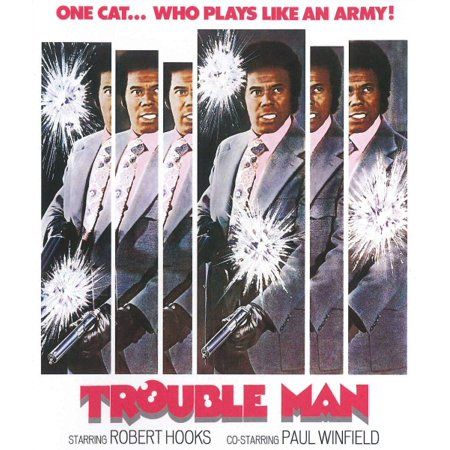
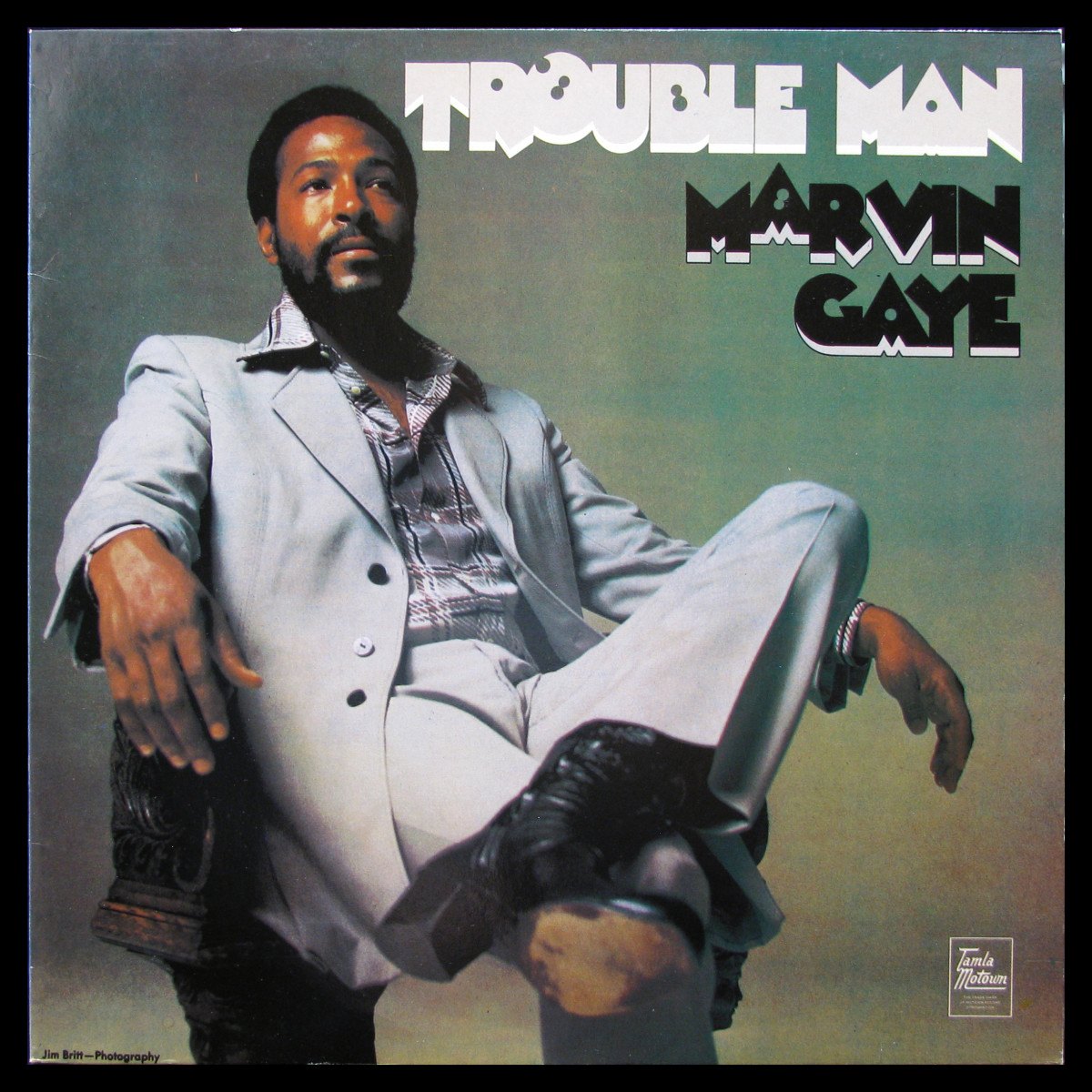
Emerging from the success of What’s Going On, with credit in the bank and a new Motown contract offering him complete editorial control over his work, he was offered the opportunity of scoring blaxploitation flick Trouble Man. The producers had been quick to spot the pros of hitching a movie’s soundtrack to a respected musician and Marvin was equally as excited at the prospect of making exactly the sort of record he wanted to make.
His score for Trouble Man not only builds on his contemporaries’ fantastical funk ‘n soul infused soundtrack work, it also has its own personality, veering left to take itself down interesting roads in jazz-inflected atmospherics. Gaye, with his new-found artistic control, hired the Funk Brothers, Motown’s in-house band and augmented them with the cream of L.A.’s jazz scene. The result was a jigsawing of slick soul guitar riffing and solid ‘n steady on-the-one basslines to whip-smart polyrhythmic drums, nerve jangling piano and rasping brass. Underscoring all of it is hotshot film score arranger Gene Page’s sublimely shimmering string lines. A soundtrack it may be, but it works well as an album in its own right.
Is it a soul album? A funk album? A jazz album? Yes, yes and yes. And, just as Isaac and Curtis had done before him, Marvin rewrites the rule book for scoring films in the 1970s. Would Bernard Herrmann’s exquisitely anxiety-inducing Taxi Driver score be just as jarring, just as dramatic without him having Trouble Man as a reference point? That’s debatable.
Trouble Man – movie trailer voiceover
Trouble Man (the title track) popped up on Guy Garvey’s 6 Music show a week or so ago and, like all the best music, had me replaying and reappraising it for more than a few days.
Marvin Gaye – Trouble Man
It’s a beauty, isn’t it?!
That drum sound! So crisp, so exact. That’s the sound of Stix Hooper (possibly not his real name). The whole track hangs on his airy dynamic clatter… that, and the ominous register of strings… and the clanging piano’s chords of doom…and the anticipatory brass…and ubiquitous vibraphone. And especially Marvin’s killer vocal. You know that cliche about singing the phonebook? Yeah, well Marvin could sing the entire contents of Berry Gordy’s Rolodex and you’d never tire of listening to him.
I come up hard, bay-bee, but now I’m cool I didn’t make it, sugar, playin’ by the rules.
Marvin is double-tracked for much of the song, one vocal in low register, the other offering the high and floaty falsetto that adds lightness to the heaviness of the music. Coupled with the swing of the drums, it creates real finger clickin’ hipness in the verses and high drama in between.
The guitar – played by Ray Parker Jr – mirrors the piano line and grooves on a smooth and sliding repetitive E minor riff. Sure, young Ray could very probably break out a slick jazz break or an augmented chord progression without breaking so much as a bead of sweat, but he’s here to serve the song, not to kill it in unnecessary noodling fluff. He stays well within his lane and the song is better for it.
At the chord changes, muted trumpets get on board, creating tension and dissonance that mirror Marvin’s lyric.
There’s only three things, that’s for sure: Taxes, death and trouble
The trumpets freeform through the heady stew. The strings ramp up the anticipation and the anxiety and then, just as release always follows tension, Marvin’s high and carefree ‘Ye-eah!‘ breaks the spell and we’re back to the groove.
The track swings on.
Marvin breaks into a proto rap:
I know some places And I see some faces I got good connections They dig my directions What people say, that’s okay They don’t bother me.
Stix Hooper continues to do his own thing; a cymbal splash here, a snare fill there, a full kit paradiddle in the funky gaps. The strings and brass continue to induce anxiety. The vibes serve as an aural lightbulb moment, the ‘ah! everything’s ok again!’ moment. The bass playing slides up a notch. The whole thing grooves. Trouble never sounded so goddam danceable and airy and exciting.
And Marvin, cool, street-smart and determinedly ploughing his own unique furrow, brings it all back to a sweet-vocalised close. Astonishing music.
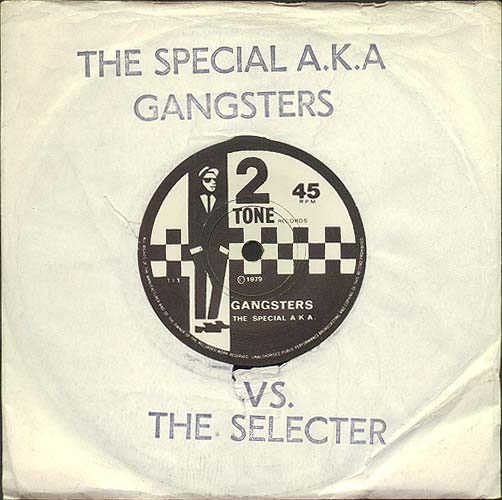
Gangsters by The Specials… (or Special A.K.A., to give them their full original name). It’s just about the most perfect distillation of its times. Punkish and idiosyncratic with a generous nod, in both sound and vision, to what had gone before, it served not only as a stall-setter but a rallying cry for 2-Tone and the many brilliant things that would shortly follow on the label. Specials’ release number one…2-Tone release number one…what an entrance.
The Special A.K.A. – Gangsters
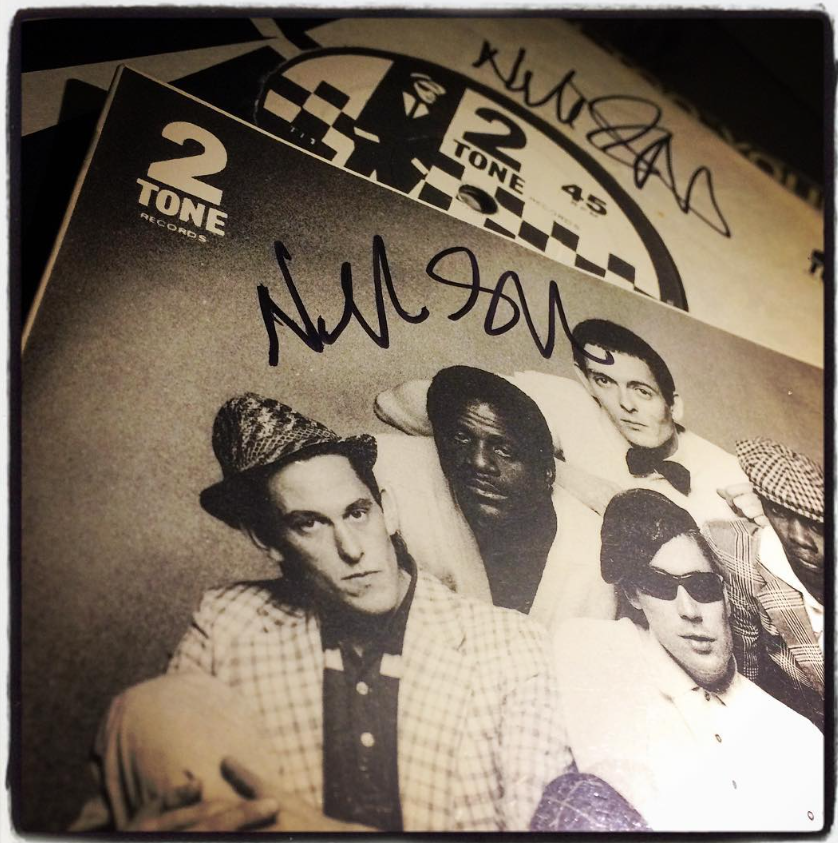
I once asked Neville Staple to sign my copy of Gangsters. My copy isn’t one of those first few thousand hand-stamped ones – of course it’s not, I was only 10 when it was first released and I wasn’t yet in the habit of skanking at 2-Tone shows where I might’ve bought one, but my pocket money stretched to a 7″ single every now and again and in amongst the Madness and Beat releases that I did buy at the time, I somehow also ended up with a copy of Gangsters, housed in the iconic 2-Tone Walt Jabsco sleeve, which no doubt attracted my magpie eyes and fertile young mind when browsing the racks of John Menzies in Irvine Mall.
Anyway, Neville.
He was appearing at Seaside Ska, an annual festival I was involved in the promotion of. I’d asked him pre-show if he wouldn’t mind signing a couple of my Specials singles and he suggested I drop in to his dressing room for a chat at the end of his performance and he’d sign them then.
Post-show, I rapped on his dressing room door.
“Joost a minute, moyte,” came the shout from behind the cheap plywood exterior. And then, almost immediately, ‘S’all roight…joost coom in.”
Neville was standing in a pair of large white Y-fronts and, apart from the pork pie hat atop the dreads and the heavy gold chain around his neck, nothing else.
Where did you get that blank expression on your face, as someone once sang.
At least, I hope I managed to maintain a blank expression. I’ve walked in on musicians doing the pre-gig pray/huddle thing. I’ve walked in on smokers, tokers, sniffers and snorters. I’ve even walked in on tribute bands and their tribute groupies. Oh yes I have. But until Neville, I’d never met one of my favourites in their underwear. Not all heroes wear capes, they say, but I can reveal that some of them wear large, functional and very clean Y-fronts.
Anyway, he signed the records – ‘That’s moi fave,’ he says of Gangsters, then, looking worriedly over my shoulder, asks to the empty corridor behind me, “Where’s all me fans?” As he sauntered off to find them – still in his Y-fronts – I went off to pack my treasured singles safely into the back of my car.
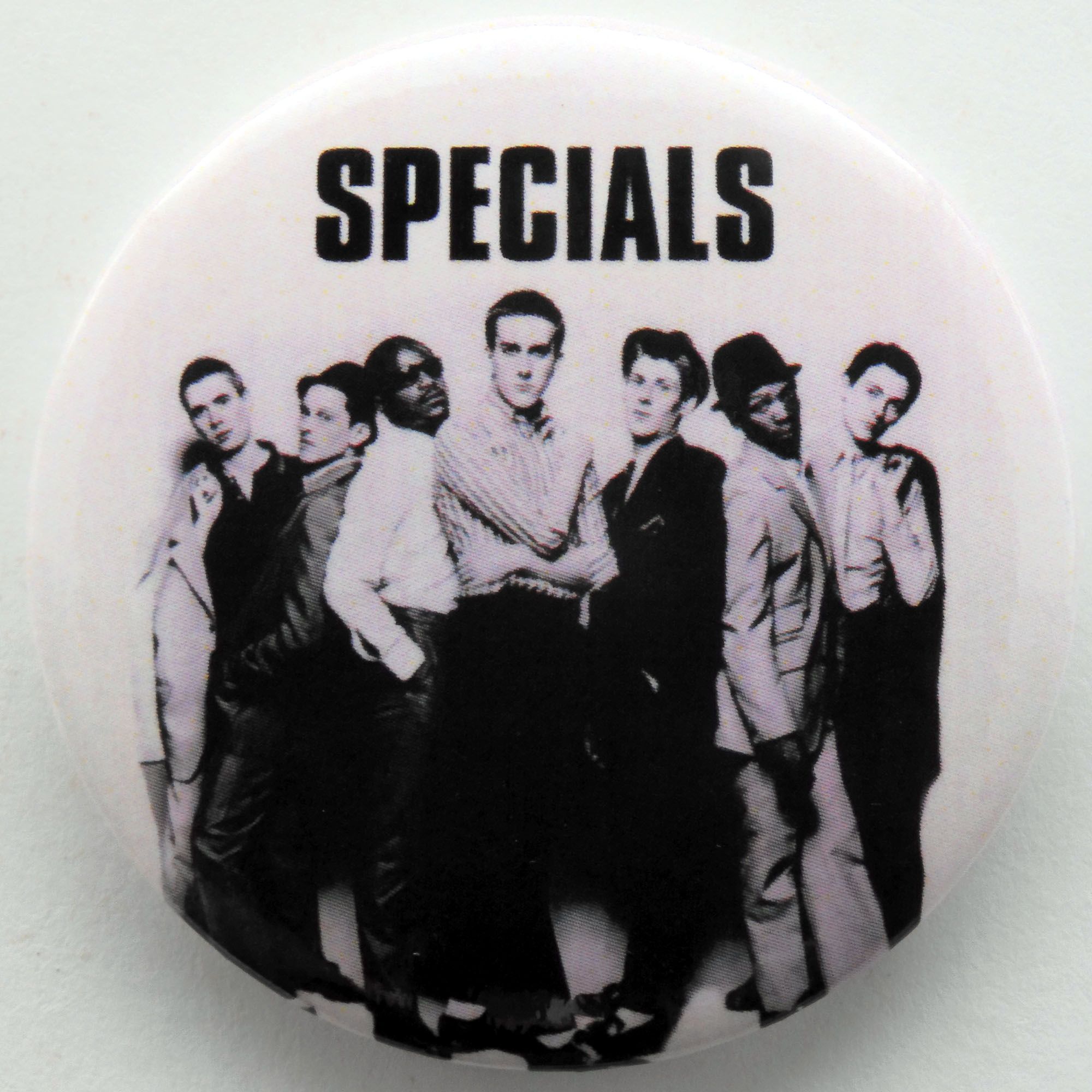
You’ll need to root around for this – Facebook is your best bet – but there’s an absolutely dynamite video performance of Gangsters on American TV that catches The Specials in April 1980, just as they are hitting their stride. Broadcast by Saturday Night Live (hence the block on YouTube and here on WordPress) it shows The Specials in all their jerky elbowed, suedeheaded and suited up youthful glory. From the opening shot of Neville standing on a staircase, barking the ‘Bernie Rhodes’ intro while brandishing a Tommy gun – can you imagine that on the telly nowadays?! – to his train-track-toasting on the microphone and the rest of the group in total syncopation, it’s just about my favourite archive live video. The energy coming from the screen as the band play it just a touch faster, just a touch more frantic than the 7″ release, could power Coventry for a year.
Standing either side of a hyper-animated Terry Hall, Neville and Lynval Golding provide the metaphorical yin and yang of the performance. One black, one white, Roddy on dark guitar, Lynval playing a light-coloured one, his arms making acute angles between elbow and bicep as he chops into the chords, Roddy’s legs forming obtuse angles as he slides them waaay out to rattle off the twanging punk-a-billy solo. To the side of them, Jerry surfs the organ, directing his band with already unnecessary nods and looks. All that practice, all those live shows as the Coventry Automatics has sharpened them up as neatly as the mohair suits they sport. Behind them, Horace manages to maintain both a solid bass line and tireless dance stance. Beside him, keeping it all together is John Bradbury, his clattering kit sounding exactly like a row of garbage cans that Benny and Choo-Choo have knocked over in the alley while escaping Officer Dibble. I tried to upload a version of it here, but it won’t go. Try Facebook if you can. You won’t be disappointed.
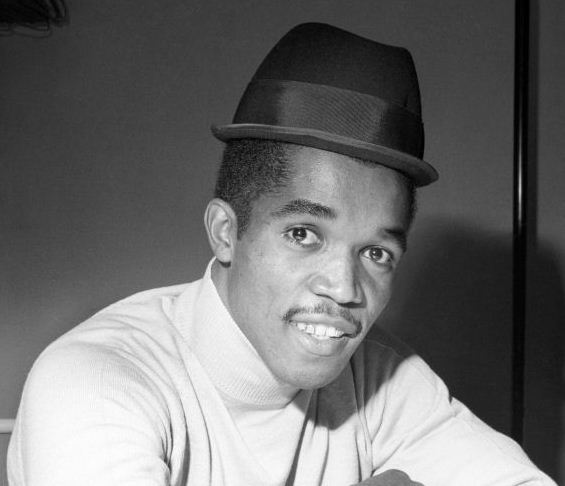
Reggae and ska has a long history of copying, borrowing, twisting and turning tunes, words and styles into brand new things. Gangsters, as you well know, was based on Prince Buster’s Al Capone. From the intro to the toasting, the repeating riff to the sheer excitement emanating from its heavy-set grooves, it’s a modern update on an old classic and something that 2-Tone acts would have a lot of success from. Not that I knew that as a 10-year old.
Plain Or Pan is, and has always been, powered by WordPress. It’s a technically easy to use blogging platform – once logged into my account, I can write something on any internet-capable device I have to hand and upload it to the world as fast as I need it to be there. Not that there are millions, thousands, or even single digits worth of people putting their lives on hold until my next hamfisted attempt at stringing paragraphs together makes its way through the ether to them – I mean, I’m no Sally’s Baking Addiction (8 million hits a month) or Green Living Now (similarly popular, equally as monetised) – but for the odd one or two music obsessives who feel their day is incomplete until another McAllister-penned article on The Smiths or Radiohead or whoever is with them, they can be safe in the knowledge that from germination to completion, my words fairly whizz their way there.
I’ve become obsessed recently with the map feature that’s found within the ‘Stats’ section of my admin dashboard. It’s always interesting to look and see where the traffic to the blog comes from. Unsurprisingly, the vast majority of it comes from the UK – over a quarter of a million discrete addresses, as it happens, with the United States not far behind. Tyrolean hats off to the Germans though, currently providing the third-greatest number of hits to Plain Or Pan. Wunderbar, as someone once sang. To be fair, their ability to read English will be far better than my ability to write in German (Google Translate notwithstanding), but my Teutonic friends seem to like the cut of my jib even more than those readers in Australia, New Zealand and Canada – and I thought ex-pats were supposed to be homesick. Read on and reminisce. Sydney and Perth! Auckland and Wellington! Toronto and Vancouver! Get yr collective fingers out, will you? Here are your memory triggers, you tartan-blooded immigrants.
Last week, I was delighted to find I had visitors from such far-flung places as Peru, Bangladesh and the Faroe Islands alighting on Plain Or Pan. Had they stumbled onto these pages after Googling ‘Bowie, Berlin, Heroes’? Or ‘Edinburgh Festival, Scotland, The Fall, Mark E Smith’? Or had they arrived here only to be disappointed after discovering that ‘Teenage Fanclub’ was in fact a gently rockin’ melodic guitar band from the west of Scotland and not something else entirely? (I wonder if Norman and co ever regretted the name they’ve saddled themselves with?)
Dark blue = much higher traffic.
Playing around with the features of the map stats, I was able to take a snapshot of all the traffic that’s been to Plain Or Pan since it began in January 2007. Amazingly, I reckon there are only half a dozen countries on planet Earth where people haven’t visited from. If you have friends in the Central African Republic or its near neighbour Chad, if you happen to know any music-obsessed nomads out in the Western Sahara or the rainforests of Gabon, if you are pen pal to a villager in the foothills of the Himalayas in land-locked Bhutan or up there in the frozen wilderness of the Arctic Circle, then please spread the word. Let’s get the full set. Currently, there are 195 countries in the world and 189 of them are home to someone who has visited Plain Or Pan at least once.
It’s incredible!
C’est incroyable!
Bu inanilmazdir!
Es ist unglaublich!
Es increible!
Tai bukesiyile!
Es s glybn!
Eto neveroyatno!
Det ar otroligt!
Plain Or Pan? Plain Or Pan-Global, to be more accurate.
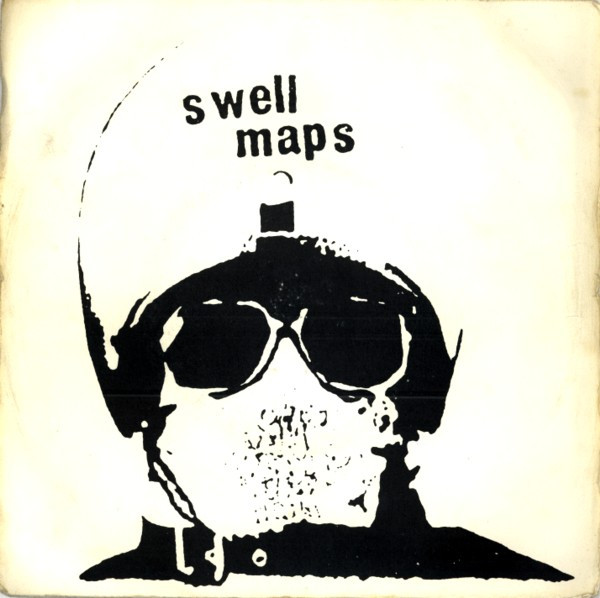
I’d guess – and no science exists that will back me up or discredit me, so let me go with this – that there are less countries in the world where people have knowingly heard an Oasis album, or a Dolly Parton track, or even a Taylor Swift record, than there are countries which are home to someone who’s read the words on these pages. What do the islanders of Palau know about the Gallaghers? Do the female citizens of Burkina Faso soundtrack wild hen parties to the pumping sounds of 9 To 5? Do the inhabitants of Djibouti shake their er, booty, to Shake It Off? Who knows?!? All I do know, and the proof is there above, is that Plain Or Pan is a truly international thing. It’s a swell map indeed.
Ah, Swell Maps.
Swell Maps – Read About Seymour
I’ve always had a thing for Read About Seymour, their fairly pogoing short ‘n sharp DIY punk track from 1977. Tight, taut ‘n choppy electrified zipwire guitar (it’d be called ‘angular’ these days), a clattering yet fantastically rhythmic drum pattern that you can practically sing; hissing hi hats and dubble-ubble tub-thumped toms, a repeating vocal shouted through clenched teeth, a freeform bus crash ‘n broken glass of an ending…it’s over and out in less than a minute and a half yet somehow manages to invent the more raggedy end of Blur’s discography in the process. Don’t try and tell me Damon and Graham have never obsessed over this single in their time! Highly influential, highly enjoyable and still causing ripples all these years later, it’s just like Plain Or Pan really. Ask those turned-on and tuned-in Tajikistanis if y’don’t believe me.
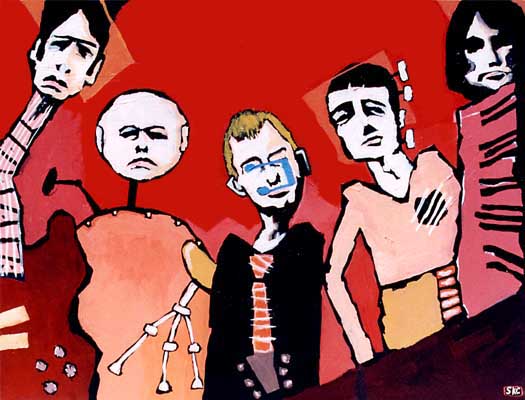
It seems that Radiohead is back, to be spoken of in the present tense once again. Since their last shows a million years ago in 2017, there have been solo albums, side projects, film scores, even, thanks to The Bear‘s use of Let Down in a key scene, tunes trending for the millennials on Tik Tok. Significantly though, there has been no new Radiohead music since A Moon Shaped Pool. But out of the blue, they’re here again. The fanfare-free announcement a week or so ago of a series of live shows across selected European capital cities created high excitement and mild panic amongst their army of fans, and a scurrying for tickets – or for the right to queue for tickets (sheesh) – began, a sort of Oasis-lite feeding frenzy for the No Logo generation…and, as it turns out, their children.
My two made us all sign up for the presale registration, desperate as they were to see the band that their old dad regularly has playing around the house. I was ambivalent about it all. I despise, I mean totally hate, the trend for any and all pre-registration schemes that let the lucky ones elbow others out of the road and out of the queue so that they can maybe, maybe, buy a ticket for a show. I appreciate it’s to minimise touting and all of that, but still. Get back to the days of lining up outside Virgin Argyle Street in the pouring autumn rain, that’s what I say.
And of all the shows they are playing, and that includes Berlin and Copenhagen and what have ye, there’s only one date that I can fit in around work – the Saturday night in London, which is surely the most popular date in the run of shows. So the chances of securing a ticket, let alone 3 or 4, is gotta be slim you’d think.
And I’ve seen Radiohead a handful of times before anyway.
Besides, they’re bound to pencil in more shows for next year, maybe to support a new record that has very possibly been recorded already. Y’never know with Radiohead. It’s quite something in the rumour milling scrolling news feed of the modern age for a band to maintain an element of mystique, yet Radiohead has consistently done so.
But the boy, already coasting through 2025 like a king, gets The Code (of course he does) and so, come the pre-sale date, he and his sister log on while I’m at work, muttering quietly to myself about dynamic pricing and the percentage likelihood of snagging the briefs. They don’t get them, of course. They had them. Four of the little gold dust blighters. They were in the basket, £85 seated tickets inexplicably ramped up to £125 a pop (there’s yr dynamic pricing) and in the split second it took the kids to press ‘Buy’, the website had kicked them out on account of them being bots. This happened three, four, eighteen times until they gave up and admitted defeat. A quick trawl through the Radiohead forums later on unearthed dozens and hundreds of stories exactly the same. It seems the touts and dynamic pricing won the day after all, and now I’m pissed off that I won’t be going to a show that a) I didn’t expect to be at in the first place and 2) would grudge paying over the odds for anyway and 3) would’ve meant me paying Saturday night in London hotel prices for a family of four (2 rooms, thanks) the month before Christmas.
Let Down or Lucky? I dunno.
I’ll wait in keen anticipation for further, and more local, dates in 2026.
Present Tense is one of A Moon Shaped Pool‘s highlights. Ghostly and spectral, it carries itself on a deftly-picked minor key guitar pattern and unusual time signature.
Radiohead – Present Tense
There’s some lovely shuffling percussion in the background, a sandpaper rubbed against guitar strings and looped kinda effect and Thom’s voice harmonises against itself spectacularly. It’s all so intense and pretty, the climbing strings, wordless backing vocals and understated synthetic symphony carrying it gently to its pseudo bossa nova conclusion.
Sandwiched between the sprawling Talk Talk-isms of The Numbers and Tinker Tailor Soldier Sailor etc etc‘s glitchy ambient techno (all the tracks on A Moon Shaped Pool are sequenced alphabetically – but you knew that already), Present Tense might have benefited from being closer to the front of the album. Shoulda called it Aardvark, Radiohead. An opportunity missed, I think. But then, all the best bands have, to use modern parlance, deep cuts that require digging out to be held up like prize root vegetables for an unsuspecting public, and Present Tense is one of Radiohead’s very best.
The late-dusk, campfire version that Thom and Johnny filmed in the Californian desert a few years back is The One. Two men, one in a vest, two guitars, both played with the lightest of touch, a pitter-pattering drum machine and a host of fantastic interplay makes for a great listen, the outcome far greater than the sum of its parts. Treat yr ears to this:




 Plain Or Pan