Cover Versions, Gone but not forgotten

Don’t Argue, Buster!

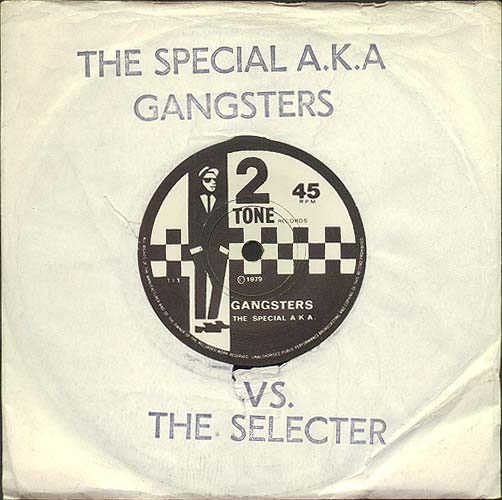
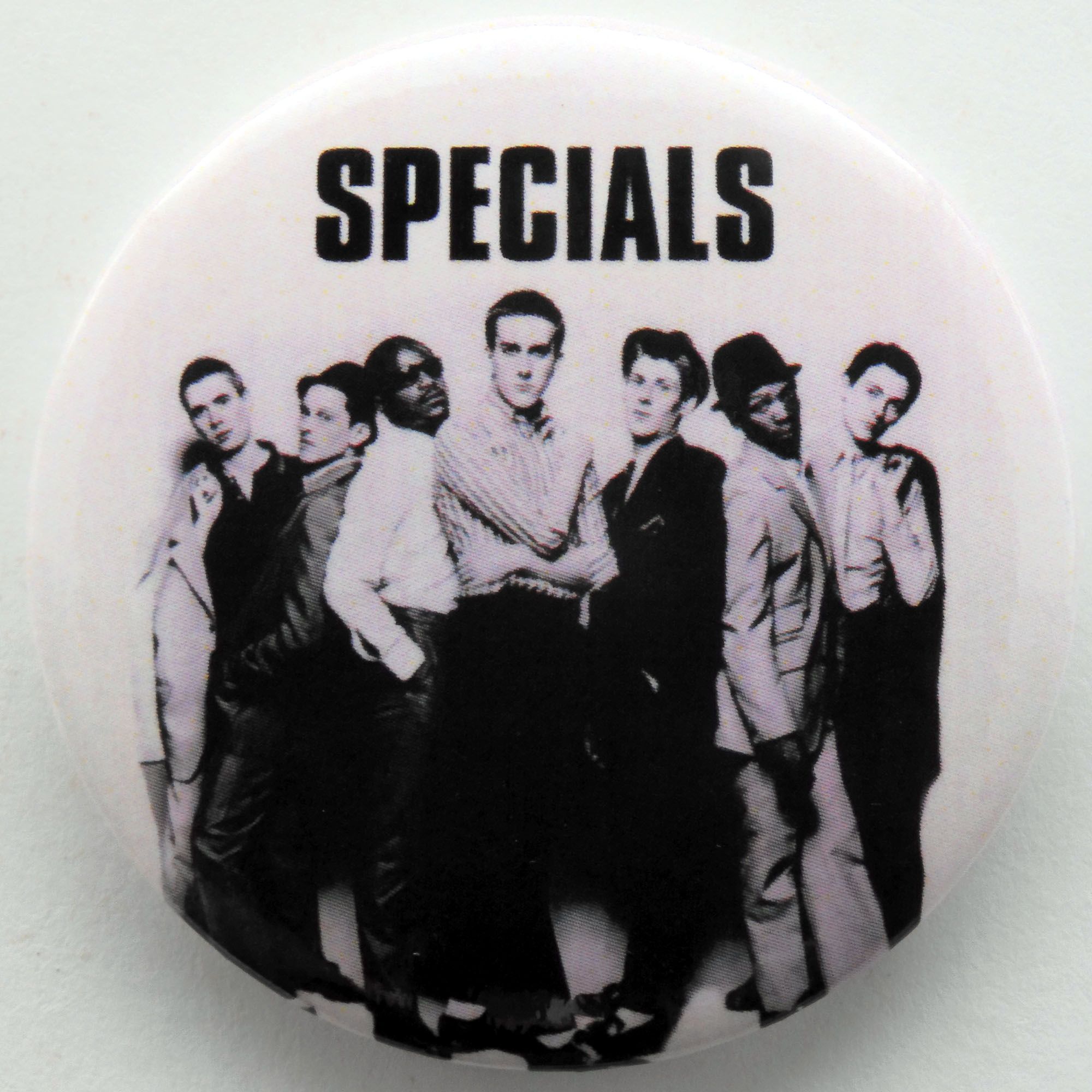
Gangsters by The Specials… (or Special A.K.A., to give them their full original name). It’s just about the most perfect distillation of its times. Punkish and idiosyncratic with a generous nod, in both sound and vision, to what had gone before, it served not only as a stall-setter but a rallying cry for 2-Tone and the many brilliant things that would shortly follow on the label. Specials’ release number one…2-Tone release number one…what an entrance.

The Special A.K.A. Gangsters

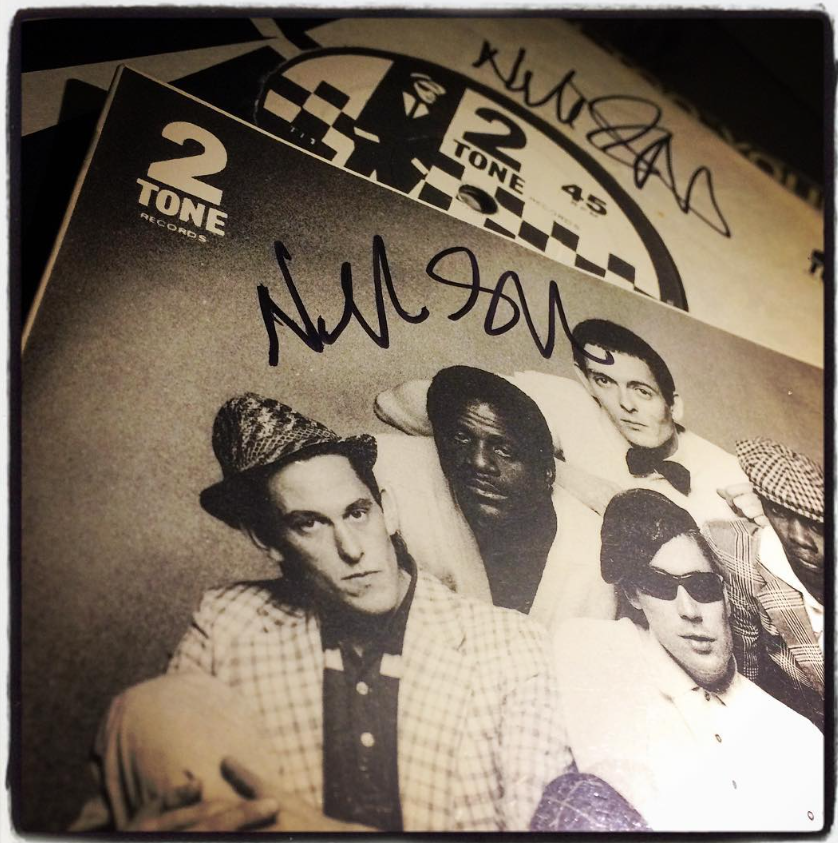
I once asked Neville Staple to sign my copy of Gangsters. My copy isn’t one of those first few thousand hand-stamped ones – of course it’s not, I was only 10 when it was first released and I wasn’t yet in the habit of skanking at 2-Tone shows where I might’ve bought one, but my pocket money stretched to a 7″ single every now and again and in amongst the Madness and Beat releases that I did buy at the time, I somehow also ended up with a copy of Gangsters, housed in the iconic 2-Tone Walt Jabsco sleeve, which no doubt attracted my magpie eyes and fertile young mind when browsing the racks of John Menzies in Irvine Mall.

Anyway, Neville.

He was appearing at Seaside Ska, an annual festival I was involved in the promotion of. I’d asked him pre-show if he wouldn’t mind signing a couple of my Specials singles and he suggested I drop in to his dressing room for a chat at the end of his performance and he’d sign them then.

Post-show, I rapped on his dressing room door.

Joost a minute, moyte,” came the shout from behind the cheap plywood exterior. And then, almost immediately, ‘S’all roight…joost coom in.”

Neville was standing in a pair of large white Y-fronts and, apart from the pork pie hat atop the dreads and the heavy gold chain around his neck, nothing else.

Where did you get that blank expression on your face, as someone once sang.

At least, I hope I managed to maintain a blank expression. I’ve walked in on musicians doing the pre-gig pray/huddle thing. I’ve walked in on smokers, tokers, sniffers and snorters. I’ve even walked in on tribute bands and their tribute groupies. Oh yes I have. But until Neville, I’d never met one of my favourites in their underwear. Not all heroes wear capes, they say, but I can reveal that some of them wear large, functional and very clean Y-fronts.

Anyway, he signed the records – ‘That’s moi fave,’ he says of Gangsters, then, looking worriedly over my shoulder, asks to the empty corridor behind me, “Where’s all me fans?” As he sauntered off to find them – still in his Y-fronts – I went off to pack my treasured singles safely into the back of my car.
You’ll need to root around for this – Facebook is your best bet – but there’s an absolutely dynamite video performance of Gangsters on American TV that catches The Specials in April 1980, just as they are hitting their stride. Broadcast by Saturday Night Live (hence the block on YouTube and here on WordPress) it shows The Specials in all their jerky elbowed, suedeheaded and suited up youthful glory. From the opening shot of Neville standing on a staircase, barking the ‘Bernie Rhodes’ intro while brandishing a Tommy gun – can you imagine that on the telly nowadays?! – to his train-track-toasting on the microphone and the rest of the group in total syncopation, it’s just about my favourite archive live video. The energy coming from the screen as the band play it just a touch faster, just a touch more frantic than the 7″ release, could power Coventry for a year.
Standing either side of a hyper-animated Terry Hall, Neville and Lynval Golding provide the metaphorical yin and yang of the performance. One black, one white, Roddy on dark guitar, Lynval playing a light-coloured one, his arms making acute angles between elbow and bicep as he chops into the chords, Roddy’s legs forming obtuse angles as he slides them waaay out to rattle off the twanging punk-a-billy solo. To the side of them, Jerry surfs the organ, directing his band with already unnecessary nods and looks. All that practice, all those live shows as the Coventry Automatics has sharpened them up as neatly as the mohair suits they sport. Behind them, Horace manages to maintain both a solid bass line and tireless dance stance. Beside him, keeping it all together is John Bradbury, his clattering kit sounding exactly like a row of garbage cans that Benny and Choo-Choo have knocked over in the alley while escaping Officer Dibble. I tried to upload a version of it here, but it won’t go. Try Facebook if you can. You won’t be disappointed.

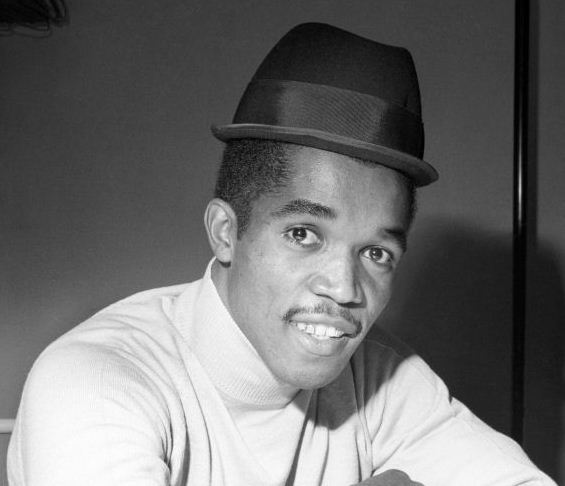
Reggae and ska has a long history of copying, borrowing, twisting and turning tunes, words and styles into brand new things. Gangsters, as you well know, was based on Prince Buster’s Al Capone. From the intro to the toasting, the repeating riff to the sheer excitement emanating from its heavy-set grooves, it’s a modern update on an old classic and something that 2-Tone acts would have a lot of success from. Not that I knew that as a 10-year old.

Prince BusterAl Capone


Plain Or Pan-global

Swell Maps

Plain Or Pan is, and has always been, powered by WordPress. It’s a technically easy to use blogging platform – once logged into my account, I can write something on any internet-capable device I have to hand and upload it to the world as fast as I need it to be there. Not that there are millions, thousands, or even single digits worth of people putting their lives on hold until my next hamfisted attempt at stringing paragraphs together makes its way through the ether to them – I mean, I’m no Sally’s Baking Addiction (8 million hits a month) or Green Living Now (similarly popular, equally as monetised) – but for the odd one or two music obsessives who feel their day is incomplete until another McAllister-penned article on The Smiths or Radiohead or whoever is with them, they can be safe in the knowledge that from germination to completion, my words fairly whizz their way there.

I’ve become obsessed recently with the map feature that’s found within the ‘Stats’ section of my admin dashboard. It’s always interesting to look and see where the traffic to the blog comes from. Unsurprisingly, the vast majority of it comes from the UK – over a quarter of a million discrete addresses, as it happens, with the United States not far behind. Tyrolean hats off to the Germans though, currently providing the third-greatest number of hits to Plain Or Pan. Wunderbar, as someone once sang. To be fair, their ability to read English will be far better than my ability to write in German (Google Translate notwithstanding), but my Teutonic friends seem to like the cut of my jib even more than those readers in Australia, New Zealand and Canada – and I thought ex-pats were supposed to be homesick. Read on and reminisce. Sydney and Perth! Auckland and Wellington! Toronto and Vancouver! Get yr collective fingers out, will you?  Here are your memory triggers, you tartan-blooded immigrants.

Last week, I was delighted to find I had visitors from such far-flung places as Peru, Bangladesh and the Faroe Islands alighting on Plain Or Pan. Had they stumbled onto these pages after Googling ‘Bowie, Berlin, Heroes’? Or ‘Edinburgh Festival, Scotland, The Fall, Mark E Smith’? Or had they arrived here only to be disappointed after discovering that ‘Teenage Fanclub’ was in fact a gently rockin’ melodic guitar band from the west of Scotland and not something else entirely? (I wonder if Norman and co ever regretted the name they’ve saddled themselves with?)

Dark blue = much higher traffic.

Playing around with the features of the map stats, I was able to take a snapshot of all the traffic that’s been to Plain Or Pan since it began in January 2007. Amazingly, I reckon there are only half a dozen countries on planet Earth where people haven’t visited from. If you have friends in the Central African Republic or its near neighbour Chad, if you happen to know any music-obsessed nomads out in the Western Sahara or the rainforests of Gabon, if you are pen pal to a villager in the foothills of the Himalayas in land-locked Bhutan or up there in the frozen wilderness of the Arctic Circle, then please spread the word. Let’s get the full set. Currently, there are 195 countries in the world and 189 of them are home to someone who has visited Plain Or Pan at least once.

It’s incredible!

C’est incroyable!

Bu inanilmazdir!

Es ist unglaublich!

Es increible!

Tai bukesiyile!

Es s glybn!

Eto neveroyatno!

Det ar otroligt!

Plain Or Pan? Plain Or Pan-Global, to be more accurate.

I’d guess – and no science exists that will back me up or discredit me, so let me go with this – that there are less countries in the world where people have knowingly heard an Oasis album, or a Dolly Parton track, or even a Taylor Swift record, than there are countries which are home to someone who’s read the words on these pages. What do the islanders of Palau know about the Gallaghers? Do the female citizens of Burkina Faso soundtrack wild hen parties to the pumping sounds of 9 To 5? Do the inhabitants of Djibouti shake their er, booty, to Shake It Off? Who knows?!? All I do know, and the proof is there above, is that Plain Or Pan is a truly international thing. It’s a swell map indeed.

Ah, Swell Maps.

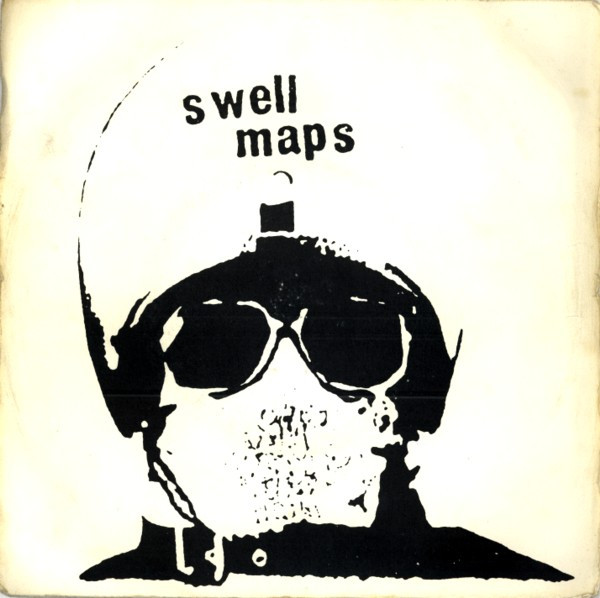
Swell MapsRead About Seymour

I’ve always had a thing for Read About Seymour, their fairly pogoing short ‘n sharp DIY punk track from 1977. Tight, taut ‘n choppy electrified zipwire guitar (it’d be called ‘angular’ these days), a clattering yet fantastically rhythmic drum pattern that you can practically sing; hissing hi hats and dubble-ubble tub-thumped toms, a repeating vocal shouted through clenched teeth, a freeform bus crash ‘n broken glass of an ending…it’s over and out in less than a minute and a half yet somehow manages to invent the more raggedy end of Blur’s discography in the process. Don’t try and tell me Damon and Graham have never obsessed over this single in their time! Highly influential, highly enjoyable and still causing ripples all these years later, it’s just like Plain Or Pan really. Ask those turned-on and tuned-in Tajikistanis if y’don’t believe me.


Alternative Version, Live!

Is Not Was

Now not then.

Are not were.

Is not was.

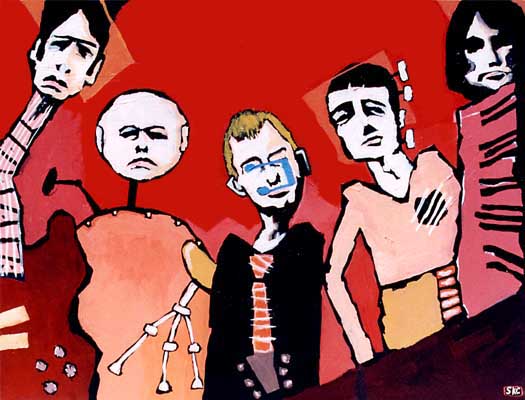
It seems that Radiohead is back, to be spoken of in the present tense once again. Since their last shows a million years ago in 2017, there have been solo albums, side projects, film scores, even, thanks to The Bear‘s use of Let Down in a key scene, tunes trending for the millennials on Tik Tok. Significantly though, there has been no new Radiohead music since A Moon Shaped Pool. But out of the blue, they’re here again. The fanfare-free announcement a week or so ago of a series of live shows across selected European capital cities created high excitement and mild panic amongst their army of fans, and a scurrying for tickets – or for the right to queue for tickets (sheesh) – began, a sort of Oasis-lite feeding frenzy for the No Logo generation…and, as it turns out, their children.

My two made us all sign up for the presale registration, desperate as they were to see the band that their old dad regularly has playing around the house. I was ambivalent about it all. I despise, I mean totally hate, the trend for any and all pre-registration schemes that let the lucky ones elbow others out of the road and out of the queue so that they can maybe, maybe, buy a ticket for a show. I appreciate it’s to minimise touting and all of that, but still. Get back to the days of lining up outside Virgin Argyle Street in the pouring autumn rain, that’s what I say.

And of all the shows they are playing, and that includes Berlin and Copenhagen and what have ye, there’s only one date that I can fit in around work – the Saturday night in London, which is surely the most popular date in the run of shows. So the chances of securing a ticket, let alone 3 or 4, is gotta be slim you’d think.

And I’ve seen Radiohead a handful of times before anyway.

Besides, they’re bound to pencil in more shows for next year, maybe to support a new record that has very possibly been recorded already. Y’never know with Radiohead. It’s quite something in the rumour milling scrolling news feed of the modern age for a band to maintain an element of mystique, yet Radiohead has consistently done so.

But the boy, already coasting through 2025 like a king, gets The Code (of course he does) and so, come the pre-sale date, he and his sister log on while I’m at work, muttering quietly to myself about dynamic pricing and the percentage likelihood of snagging the briefs. They don’t get them, of course. They had them. Four of the little gold dust blighters. They were in the basket, £85 seated tickets inexplicably ramped up to £125 a pop (there’s yr dynamic pricing) and in the split second it took the kids to press ‘Buy’, the website had kicked them out on account of them being bots. This happened three, four, eighteen times until they gave up and admitted defeat. A quick trawl through the Radiohead forums later on unearthed dozens and hundreds of stories exactly the same. It seems the touts and dynamic pricing won the day after all, and now I’m pissed off that I won’t be going to a show that a) I didn’t expect to be at in the first place and 2) would grudge paying over the odds for anyway and 3) would’ve meant me paying Saturday night in London hotel prices for a family of four (2 rooms, thanks) the month before Christmas.

Let Down or Lucky? I dunno.

I’ll wait in keen anticipation for further, and more local, dates in 2026.

Present Tense is one of A Moon Shaped Pool‘s highlights. Ghostly and spectral, it carries itself on a deftly-picked minor key guitar pattern and unusual time signature.

RadioheadPresent Tense

There’s some lovely shuffling percussion in the background, a sandpaper rubbed against guitar strings and looped kinda effect and Thom’s voice harmonises against itself spectacularly. It’s all so intense and pretty, the climbing strings, wordless backing vocals and understated synthetic symphony carrying it gently to its pseudo bossa nova conclusion.

Sandwiched between the sprawling Talk Talk-isms of The Numbers and Tinker Tailor Soldier Sailor etc etc‘s glitchy ambient techno (all the tracks on A Moon Shaped Pool are sequenced alphabetically – but you knew that already), Present Tense might have benefited from being closer to the front of the album. Shoulda called it Aardvark, Radiohead. An opportunity missed, I think. But then, all the best bands have, to use modern parlance, deep cuts that require digging out to be held up like prize root vegetables for an unsuspecting public, and Present Tense is one of Radiohead’s very best.

The late-dusk, campfire version that Thom and Johnny filmed in the Californian desert a few years back is The One. Two men, one in a vest, two guitars, both played with the lightest of touch, a pitter-pattering drum machine and a host of fantastic interplay makes for a great listen, the outcome far greater than the sum of its parts. Treat yr ears to this:

Gone but not forgotten, Kraut-y

Expressionism

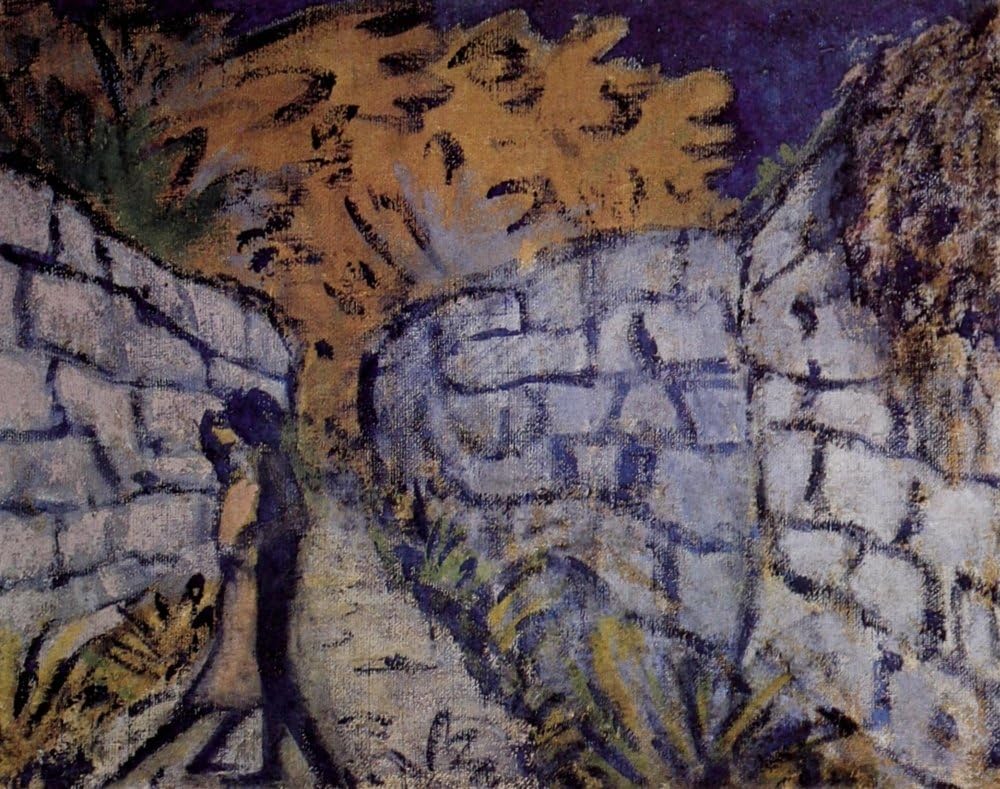
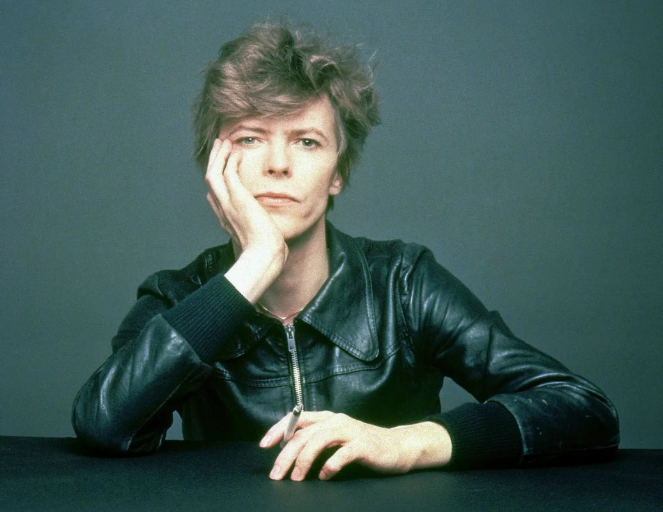
Around May/June 1977, David Bowie and Iggy Pop found themselves free of rural France and in Berlin, doing what any self-respecting culture vultures and gatekeepers of taste would do on the back of two successful (and future classic) albums (Low / The Idiot); they wandered around the city’s Brücke Museum, absorbing the Teutonic culture and getting familiar with the very fabric of Germany. Amongst the largest collection of German Expressionism on the planet, between the Kirchners and the Heckels, the Bleyls and the Schmidt-Rotluffs, they chanced upon Otto Mueller’s 1916 painting Lovers Between Garden Walls. Its loose and flowing watercolours made quite the impression on the magpie-minded Bowie and he returned time and again to soak it in, committing it to memory until a suitable use could be found for it.

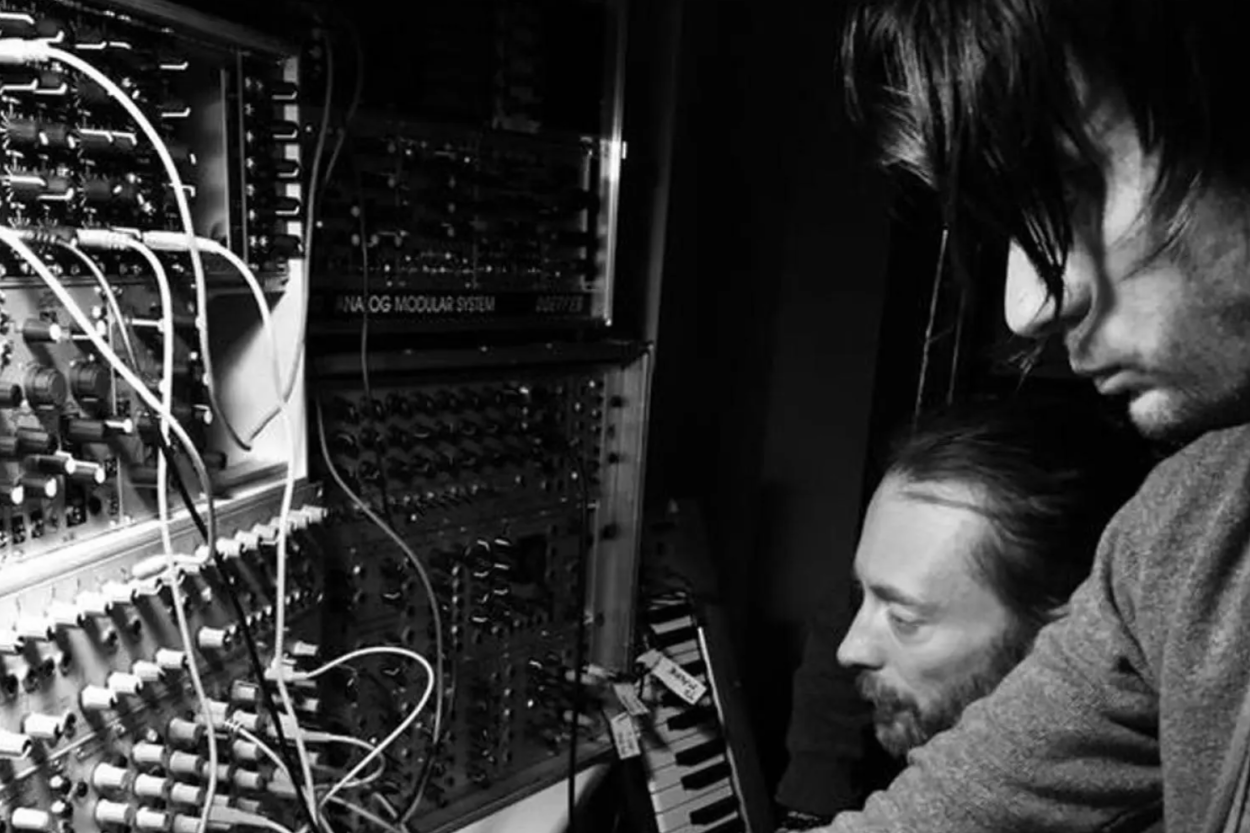
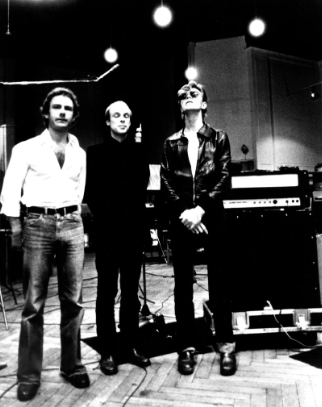
Collaborating with Bowie on the album he’d quickly release to follow Low were Brian Eno and Tony Visconti. Eno was there to add the wacky vibes, an arty farty court jester enabling and encouraging Bowie to draw on oblique strategies upon which he’d create and build his new art. ‘Once the search is in progress, something will be found’, ‘Imagine the music as a moving chain or caterpillar’, ‘Remove specifics and convert to ambiguities’.  Making sense of it all at the controls was Visconti, a level head amongst the highbrow lunacy that Eno championed, and somehow, over the course of five or six weeks, the album ‘Heroes‘ took shape.

One backing track they’d built up – ‘Use exactly five chords’ – was the pick of the bunch but remained vocal-free. It was built upon a repetitive groove, played by Bowie’s Young Americans guitarist, Carlos Alomar, with added thunk from the rhythm section of George Murray (bass) and Dennis Davis (drums).

As a backing track in this state, it was perfectly serviceable, but a fantastic layer of Robert Fripp guitar spread generously across the top of it transformed it into something wild and eerie and utterly sci-fi. Fripp had found all the sweet spots in the studio where his guitar would sing and feedback and marked the spots on the studio floor with tape. As the backing track played in his headphones, Fripp prowled the studio, coaxing elongated textures of harmonic feedback while he flitted from sweet spot to sweet spot, magnetising the results on tape forever. The resultant track had to bubble and stew and ferment before being afforded a lead vocal, but when it arrived, it landed quickly.

The official Bowie story of the time is that he happened to look out of the Hansa Studio window and there, under a gun turret by the Berlin Wall, were two folk wrapped in a romantic embrace. In later years, it emerged that the man in the embrace was Tony Visconti. His marriage was crumbling and he’d found himself entangled (in every sense) with local jazz singer Antonio Maass. Bowie wanted to immortalise the embrace in song; the romantic notion of two people kissing by the Berlin Wall, defiantly against the world around them, seemed too good to ignore. As he wrote the lyrics, his mind cast itself back to the Brücke Museum and Otto Mueller’s painting of two lovers between the garden walls. Visconti and his new girlfriend were playing the picture out in front of him. Give it a word – serendipity. Give it two – beautiful happenstance.

David BowieHelden


It is, like all the best Bowie tracks, from Life On Mars to Absolute Beginners to Where Are We Now? a proper builder, Bowie’s voice rising with each subsequent verse, the high drama unfolding as each chorus gives way to a new part, his voice hoarse and high yet in total control as it gradually plays out. “Heroes” too has that magical groove and swing, it is downbeat yet danceable. Even when sung in German (especially when sung in German?) “Heroes” is an unstoppable force.

Heroes” (those quotations are important, they suggest sarcasm; we could be heroes? Aye, right!) would be the album’s lead single, released towards the end of September, (that’s a mere 48 years ago, young man). It has since become one of Bowie’s statement pieces. Anthemic yet tender, it grew a life of its own. It was sung at Live Aid, its meaning doubling up as a metaphor for all who’d attended and taken part in the event. It blasted out at the opening ceremony of the 2012 Olympic Games in London. It was, in a sweet turn of events, played in Berlin by Bowie after the Wall came down, 15,000 reunited Berliners singing it back to him as he cried unstoppable tears.

It also forms part of a brilliant scene at the end of 2109’s Jojo Rabbit, where the young titular hero dances a very Bowiesque dance on his doorstep with the unattainable girl of his dreams. The film maker (Taikia Waititi) used the German-language version for added authenticity. As an aside, he also scores the start of the film with German-language Beatles hits, played out over fast-cut film of Hitler rallies; Beatlemania recast as Adolf-mania. Very clever stuff. If you’ve never seen it, rectify that at once.

Get This!

I Could Park A Juggernaut In Your Mouth

When the Stone Roses went from midnight telly to ubiquity in that couple of short months over the summer of 1989, they could do no wrong. By mid-July, they’d gone from underground to overground, the nation’s t-shirts were getting looser and everyone’s trouser legs were getting subtly wider, creeping downwards and outwards in direct proportion to the decaying dead ends of the Smiths quiffs their owners had stubbornly held onto until the next important band came along. And here they were, Bloggsed up and baggy, bandy-legged and cocksure with the tunes to match, an aural golden sunrise and then some.

She Bangs The Drums was released on July 17th and there on side 2 (and also side 1 if you have one of the many mis-pressed copies) was the track that we’d been desperate to find since first hearing it a month beforehand when the group played Rooftops in Glasgow. That setlist that Grant Canyon swiped from the edge of the stage, written, as it turned out, in John Squire’s own elegant hand, had it called ‘Standing’, but on record it was given its Sunday name: Standing Here.

Stone RosesStanding Here

Beea-woo! 

That first guitar bend has you sitting straight up.

Bee-ah-ee-ah-ee-aaaoooww!

When that sixth note cracks and breaks into controlled feedback, the hairs on the back of your hands prickle. Spidey senses tingle. This is gonnae be a good one.

Standing Here is peak Stone Roses. It is at once rockin’ and rhythmic, swirling and psychedelic, a proto blast of Hendrixian histrionics deftly played across six strings yet somehow replete with the wobble-headed shuffle beat and groovy, elasticated, tight-but-loose bassline that quickly came to define the group.

A 7th chord crashes, the snare shuffles and Ian Brown, a singer who’s currently on top of the world, sings about standing on a hilltop and surveying what he sees. What he really sees is the prize; best band in the country by a mile. He’s drifting through the city, he’s swinging through the trees, he’s looking through your window, he’s everywhere…and he really is in the summer of 1989. John Squire freeforms his frazzled blues on top of the sugar-coated groove and we’re properly off and running. By the second verse he’s firing off riffs you can whistle, even 35 years later when the song pops randomly into your head.

By the second verse too, there are lovely, low in the mix ‘woo-ooh‘ backing vocals, not noticed back in the day when I was cranking my own ham-fisted version of the lead guitar track atop the heavenly choir, but a vocal line that emerged one day from the heady stew and presented itself like a gift from above, Stone Roses still surprising all these years later.

I don’t think you think like I do, goes Ian, and the group bounces around him before John leans into a guitar break, bluesy and bendy and just on the right side of rockist for all the purists who worship at the altar of indie. Throughout the track, the group instinctively knows when to drop out, when to allow the vocal to shine, or to highlight a stut-stut-stuttering bass part or yet another supreme guitar hook. And throughout it all, Reni shuffles ambidextrously, the head-down, piston-powered engine of the band, the funkiest drummer of them all, elevating his band above all peers with each successive paradiddle or technicolour cymbal splash. He’s the difference. Every time.

Then the ending. There’s not a Stone Roses bootleg on the planet that can make Ian Brown sound passable as a singer, especially over the quieter, contemplative parts, but on record he’s the consummate angel, God’s choirboy taking us home as the band ebbs and flows its way to a gentle end, waves crashing on the sand as they lullaby us back to a regular, standing heartbeat. John Leckie did an awful lot of the heavy lifting in that studio.

All the best bands have great b-sides. Standing Here might not even be the Stone Roses’ best b-side, but it’s quite the b-side all the same. Put the needle back to the start just one more time, will ye?


Live!

Bless Me Father

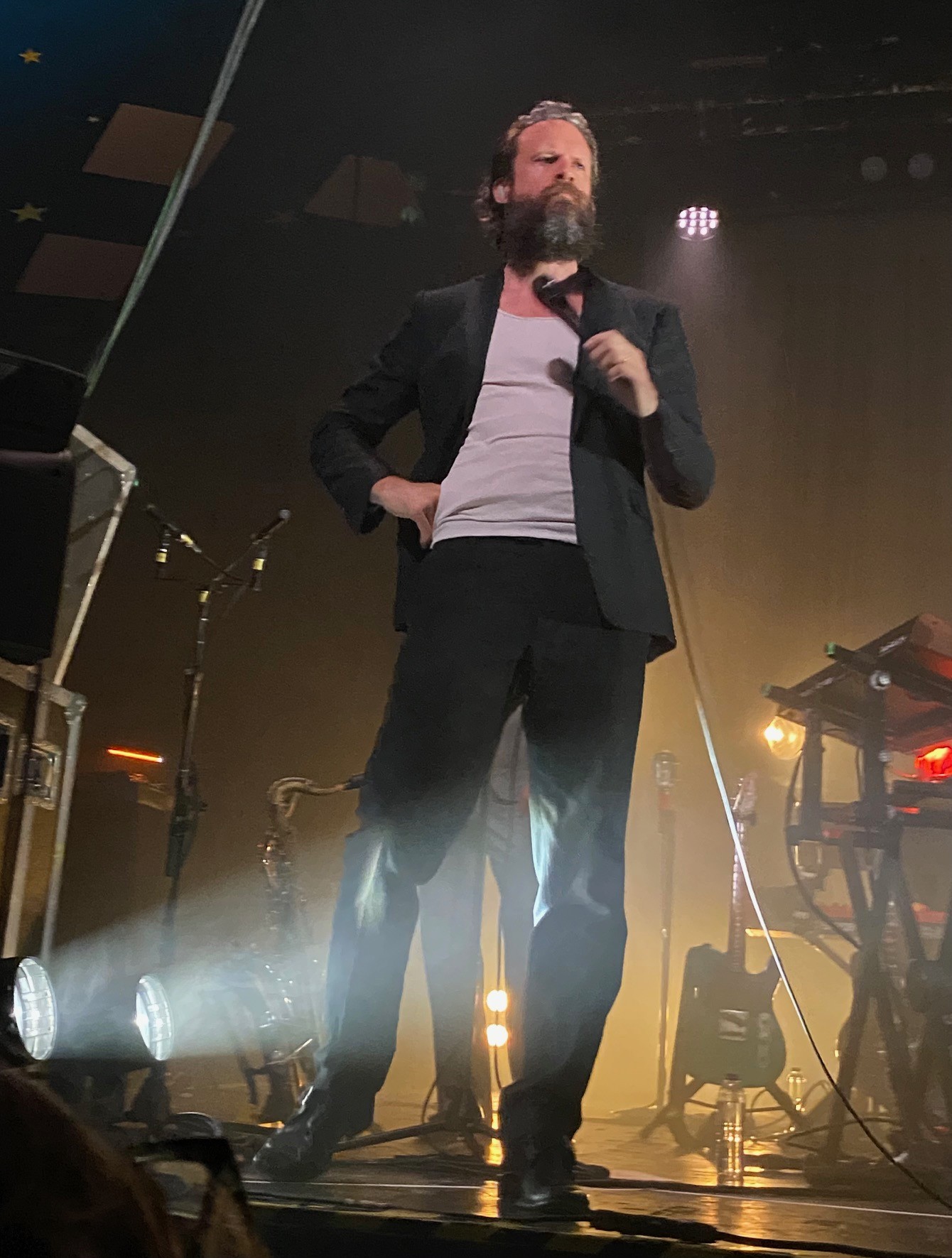
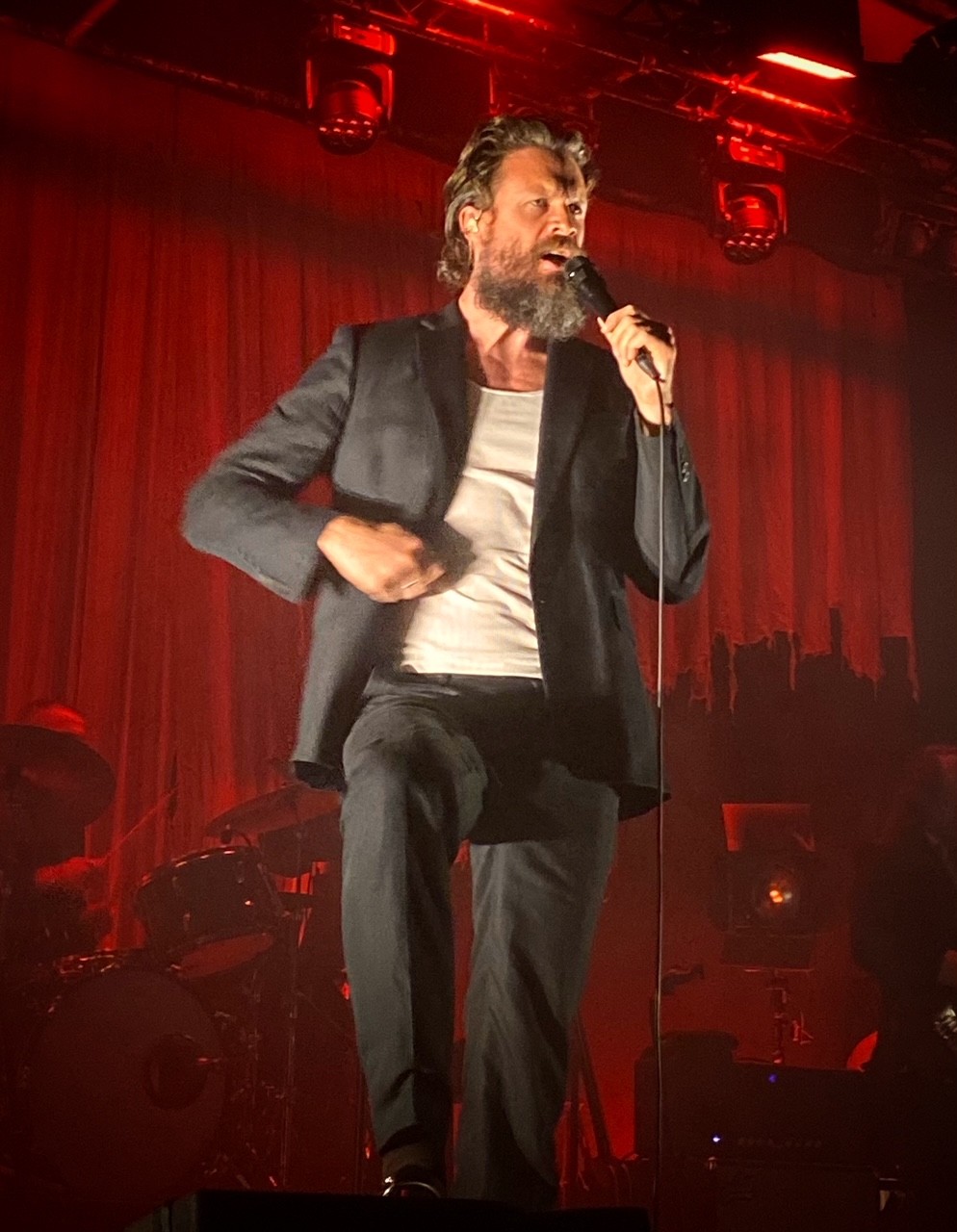
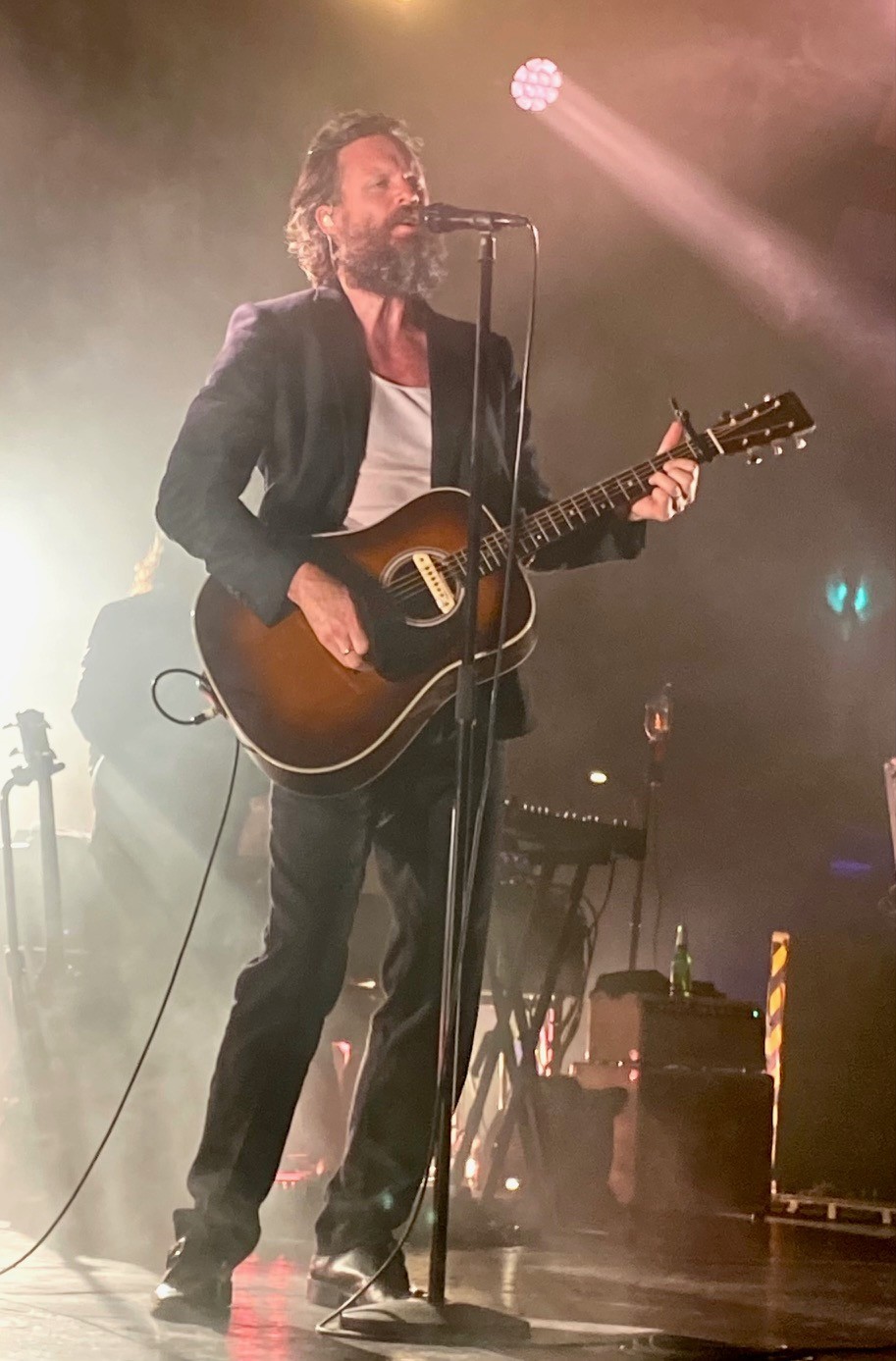
If you could draw a Venn Diagram of idiosyncratic, well-dressed male vocalists, somewhere in the overlap between the menace of Nick Cave, the melody of Rufus Wainwright and the mastery of Scott Walker, you’d find Father John Misty. I went to see him last week at the Barrowlands and I’m fairly confident that come the end of December, I won’t have seen a better gig this year.

I’m meeting my pal Chris and his wife Ann, over from Brooklyn. They’ve built a two week tour of Ireland and Scotland around the FJM Glasgow shows, and while the draw of Dublin, Edinburgh, Skye, Ayrshire and all undoubtedly makes the trip worthwhile, it is night one in Glasgow that they’re really here for. Chris is a super-fan and he and Ann are at the venue before I’ve even finished work. When I get there and find them, they’re hugging the barrier, slightly left of centre, right at the front of the stage. Around us are other super-fans and I feel slightly fraudulent. I like Father John Misty. But I don’t love Father John Misty. Still, there I am.

Marginally late by Barrowlands standards, he saunters on, all 9 feet 3 of him, an imposing figure in dark suit and white shirt, pointy shoes and greased-back lion’s mane hair. His band shamble out of the long shadows behind him looking like Lynyrd Skynyrd’s roadcrew, all dead men’s suits and cuban heels, hair longer and greasier than the solos they’ll play whenever their leader gives them the nod.

They fall into I Guess Time Just Makes Fools Of Us All, its eight and a half-minute Leonard Cohen-does-disco groove the perfect stall setter for the night ahead. Father John Misty detaches the mic from its stand and whips the cord across the stage. He prowls, eyeballing the crowd, sussing out who exactly has come to see him; is this an audience full of folk who only know him from his Tik Tok-trending Real Love Baby, or is it an audience who knows every word of every deep cut from his back catalogue, or is it full of casual, bluffing it, fans like me? As if on cue, his radar tingles and suddenly he’s eyeballing me…like, totally staring me out, a colossus growling down at me from the very edge of the Barrowlands’ well-worn stage. This is awkward. Our eyes continue to lock until finally I break and steal a glance at his saxophone player. By the time I pluck up the courage to see where he is, he’s already at the other end of the stage giving some other unfortunate in the front couple of rows the hard death stare.

He has presence, you might say. And when he sings, man! He’s fantastic. A voice that is pure and rich on record is even better when he’s standing feet from you and letting it out with practised abandon. He has it all, from the boots-up Johnny Cash earthquake shake to a high and floaty, ear-kissing Beach Boys falsetto. You’ll know from the records that his phrasing and enunciation is superb, and it’s exactly like that here too. What you don’t get on record though are the little body pops and shakes and whatchagonnado? shrugs that punctuate the more humorous lines. Part preacher, part musical theatre…take your eyes off him at your peril.

She put on Astral Weeks, said, “I Love jazz” and winked at me.

That’s the opening line on second-song-in, Josh Tillman And The Accidental Dose, a real beauty of a Beck-like track that takes the lurching orchestration from Serge Gainsbourg’s Melodie de Nelson as its jumping-off point and allows the vocals to tell a tale around it – a tale, I really hope, that isn’t as tall as the guy who sings it.

His set rolls on…Goodbye Mr Blue‘s Everybody’s Talkin‘ as sung by Glen Campbell, an exquisite Chateau Lobby #4, a stomping and angry Date Night, the less-than-subtle When You’re Smiling And Astride Me, a pin-drop quiet Summer’s Gone…song by song, this is becoming one of the great Barrowland shows. Highlights? All of it really, but especially that opening one-two, then a rampant Nothing Good Ever Happens At The Goddam Thirsty Crow, a joyful I Love You, Honeybear and, to these ears, the show’s pinnacle, Nancy From Now On. What. A. Song!

Father John MistyNancy From Now On

And what a gig. Slowly and steadily, something happens. I came to the Barrowlands liking Father John Misty. I left loving him. I spent the whole of the next day at work lurking around on Twickets whenever I had the chance in the hope I could pick up a ticket for that night’s show as well. No such luck on that front, sadly. I’m still giddy from Thursday night’s show, believe it or not. It goes without saying I’m already eager for him to return. Haste ye back, FJM.

Gig of 2025 and no mistake. Top that, everyone else.