Cover Versions, demo, Gone but not forgotten

Moz ‘n Rockers

The Hand The Rocks The Cradle was the first track Morrissey and Marr composed together, not long after Johnny “with my hair like a loaf of French bread” knocked on Morrissey’s door and suggested they try and write some songs. What the legend doesn’t say is that Johnny was accompanied by a pal to keep him company on his walk across Stretford, but three’s a crowd in romantic stories, and so Johnny’s pal was quickly written out of the fairy tale.

Anyway.

Johnny presented Morrissey with a looping instrumental motif with shaky origins in Patti Smith’s Kimberly and the singer surprised the guitarist by producing a set of fully formed lyrics and mumbling quietly to himself while the mercurial Marr sketched out the basis of what would become one of the key tracks on The Smiths’ debut album, still a twinkle in its fathers’ eyes and a good 17 months from its February ’84 release. Those words of Morrissey’s had been written a couple of years previously, biding their time until fate intervened and a delighted Morrissey twisted his initial melody to fit Johnny’s guitar part – a move that would prove to be something of a feature throughout The Smiths.

The version of the track which closes the first side of that debut album sparkles with woven multilayers of spring rain guitar and overdubbed acoustics, the track chrome-polished, light and airy and at odds with the heaviness of the lyric. The version you really want to hear though is this early John Porter mix from October 1983.

The SmithsThe Hand The Rocks The Cradle (John Porter monitor mix, 1983)

It’s dense and atmospheric, Marr’s 12 string Rickenbacker rarely straying from the 5th fret, his arpeggiated A chord and ringing open-strings splashing occasional light on the otherwise gothic ambience. Andy Rourke, playing foil on the bass guitar, has the space to move the root notes through the chords with typical melodic aplomb, playing his trademark hiccupping half notes between the beat yet keeping the groove steady and in time to Mike Joyce’s heavily reverbed snare drum. It takes real discipline to keep this up for nearly five minutes and resist the urge to break out a solo or rest for a bar to change the dynamics. On this track, the three musicians are locked in and playing tightly for one another, an early signpost of how great The Smiths would become.

The first thing you notice about the John Porter version above though is, unlike 99% of The Smiths’ catalogue, not the usual dazzling array of guitars but the voice. Lone and mournful yet confidently soulful, it’s the sound of Morrissey coming out of his shell with a sympathetic producer on coaxing duties. He’s great here, is Morrissey. There’s no chorus, no melodic hook, no repeated refrain, yet he draws you in, has you zooming in on those words he carefully sculpted as a teenage bedroom hermit, the group almost (almost) not mattering for the moment. Heavy on poetic cadence and alliteration – ‘a piano plays in an empty room‘, ‘ceiling shadows shimmy by‘, ‘tease, torment, tantalize‘ – the song’s title was the initial working name for the debut LP, dropped possibly only after the song’s message of protective fatherhood and adult/child relationship was open to skewed accusations of paedophilia. All nonsense of course. Much has been said of Morrissey in recent times, but not even he is capable of such horrific ideas.

*Bonus Track

Sinead O’ConnorThe Hand The Rocks The Cradle (venue, date unknown)

As this piece went to (cough) press, the death of Sinead O’Connor began to filter through. In the aftermath of The Smiths, Rourke and Joyce provided Sinead with a rhythm section for a handful of shows, where they played a nice arrangement of The Hand The Rocks The Cradle in the encores, closing the show with Sinead’s favourite Smiths track. Typically, I can’t track down a version with Rourke and Joyce backing Sinead, but I did find this solo version, Sinead playing straightforward open chords to give the whole thing the feel of some ancient Irish folk song, something I imagine The Smiths, with strong familial roots in Ireland, would approve of.

Cover Versions, Live!

McAlooney Tunes

Interview with Martin McAloon, 14th July 2023

The birds aren’t too loud for you, are they?Martin McAloon, bass guitarist in Prefab Sprout and brother of Paddy, the band’s lauded writer and leader, is sitting in his garden pondering the notion of taking the Prefab Sprout catalogue the length and breadth of the UK in a one-man tour.

It’s nice out here. It’s peaceful. Gives me time to think. To ponder and contemplate. Like, what am I doing? Whose mad idea was it to take these songs – great, great songs with complex chords and clever arrangements and present them in a one-man acoustic show? I said to my brother, ‘I’m thinking of going on tour with our songs.’ And he said, ‘…but who’s going to sing them?’ ‘Well, I am!’, I said…I’ve got big balls, y’see.”

Those cojones are needed. Since Prefab Sprout ceased touring 23 years ago due to Paddy’s ongoing battles with Ménière’s disease – an incurable illness that has left him with vertigo, constant tinnitus and loss of hearing, the Sprout catalogue has lain pretty much untouched. Loved by many but boxed up and out of the limelight, it was destined to play only via the grooves of the records and never again in front of an audience. Ever since a burst of spontaneity at a friend’s art gallery in Hexham though, where Martin played a couple of Prefabs’ songs on an acoustic guitar, he’s had the burning itch to pack his van – “I’m great at logistics and I’m my own road crew!” – and get back out there and play the songs once more. Songs that many fans thought they might never hear performed live again will now be given an unexpected but very welcome reprise.

“I haven’t played live since 2000. Back then I was merely the bass player and had very little in the way of concerns. Keeping an eye on Neil the drummer’s foot pedal was about the height of it. Making sure the shirt I was wearing was clean. But now it’s completely different. I’ve never been in the spotlight before.

No one really knows that I play guitar, but that’s how I learnt all the songs in the first place. Paddy would present them to us fully formed. He’d be away, working in the garage and eventually come back with a new song. The first thing I’d do would be to sit there and watch his hands. I’d then copy what he was playing on an acoustic guitar, giving him a foil to go off and do solos or work on harmonies. They were usually all awkward chords. And we didn’t know the names of them. We just knew what they looked like. Even to this day, I know chords due to their shape rather than their name.

I don’t listen to our records. I don’t need to. I’ve got all the root material lodged in my brain. When I want to hear the songs, I don’t need to stick on a Prefab Sprout album – they play in my head, sounding exactly as they were when Paddy showed me them in the garage all those years ago. I started playing guitar in 1969 when I was seven and Paddy started writing songs shortly after that. I’ve been playing those songs ever since. That’s really all I’ve known. While people were learning Jimmy Page chops on the guitar, I was learning Paddy’s Prefab Sprout songs.”

Prefab SproutWhen Love Breaks Down

“It was the time of Fairlights and synths and the Pet Shop Boys and what have ye…”

“There are a lot of songs to go through and you can never second guess the audience. There’ll be the obvious ones that I’m expected to play and there’ll maybe be one or two unexpected additions. There might be songs that people don’t like. Those that grew up on Swoon perhaps don’t like the later records so much. Steve McQueen fans are particularly keen on the first side of that record, but I like playing Blueberry Pies. It’s buried away on the second side and perhaps doesn’t get the attention it deserves, yet it’s one of my favourite lyrical and musical compositions. Underneath the structure of the lush production lies a really great song. They’re all really great songs though. And with 10 albums to pick from, there’ll be people coming to the shows who’ll be hoping for some of the more underrepresented ones.

To gauge reaction, I’ve played a few songs for friends in my rehearsal studio. The effect these songs have had on people’s lives – it’s quite shocking to see their reactions. They can’t quite grasp it, in a way. It’s amazing, the thrill you get being the catalyst that transports people back to a time and place. I can’t wait to get out there to the venues and have that same effect on a larger audience.

It’s not like I’m scrambling around for material to pad out my show. I’ve rehearsed probably 50 songs for a 25-song set, so I’m still in discussions with myself over which of them to leave out. I keep changing my mind. It’s a nice dilemma to have. It’s like being the manager of a football team and trying to pick the starting eleven, knowing there’ll be players left disappointed on the bench. If you don’t give them a run out, they’ll eventually fall out with you. I can imagine the set being quite changeable as the tour progresses.”

Prefab SproutCars And Girls

Hey Bruce, there’s more to life than cars ‘n girls

“It’s all I think about, this tour. It’s in my head every day as soon as I wake up. Setlists. Additions. Changes. New things to try. A song I might have discounted yesterday will appear again today and I’ll need to add it in. Then I’ll think, ‘Could I do it like that? The best version of If You Don’t Love Me is not our version, it’s Kylie’s cover. She turned it into a great, sparse piano and vocal version and that’s the way I’ll be doing it. If she fancies turning up at some point on the tour, she could jump right in and sing it.”

KylieIf You Don’t Love Me

“Songs I never thought I’d be interested in playing – things that I’ve vowed I’d never play – I’ve started to imagine them played differently and then I think, ‘That’ll be great in the set.’ Could I do a waltz version of Johnny Johnny? I’m certainly tempted to try it. Maybe I’ll keep that for the next tour.”

Martin McAloon’s tour begins in Irvine on 28th July. Check feliksculpa.com for details.

Gone but not forgotten

Sweet Jane

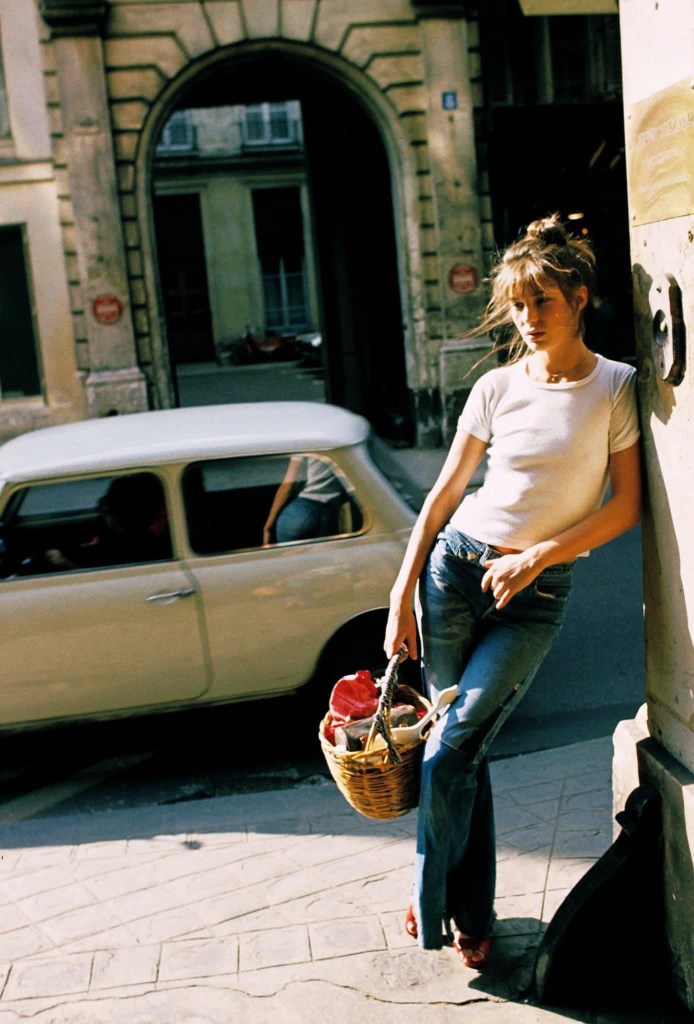
If I’d been born 20 years earlier, or maybe 30…or maybe even 40, if I’d allowed the curling blue smoke of a couple of dozen pre-breakfast Gauloises to lick the nostrils of my beaky turtle nose and embed the fuggy scent into a greasy hair-do that had never met the acquaintance of a comb (yet still looked sensational), if I’d fallen out of bed and into last week’s roll neck and last year’s trousers (‘Underwear? We don’ need no underwear‘), if I’d swallowed daily the equivalent of the English Channel in brandy without spilling a drop on the upholstery of my imported Mini Cooper, if I’d been invited to scuff my Chelsea boots along red carpets and into art house cinema nouvelle vague premiers, if I’d been the genius auteur of psychedelically-tinged native language chansons that proved to be culturally significant to the land of my birth, I reckon there was a fair-to-strong chance that Jane Birkin would’ve gone out with me. I really do. She might even have agreed to join me for some heavy breathing and aural sex on a groovy record I’d been curating, the airy spaces between the woody, staccato bass, and lights-dimmed-low keyboard motifs just perfect for our ménage a deux. Alas, those bastard sliding doors of history proved unkind. Je t’aime, Jane Birkin, je t’aime. Auld bug-eyed, hooked-nosed, garlic-breathed Serge must’ve been tres charismatique, non?

Serge Gainsbourg feat Jane BirkinJe t’aime… Moi non plus


demo, Get This!

Dress Rehearsal

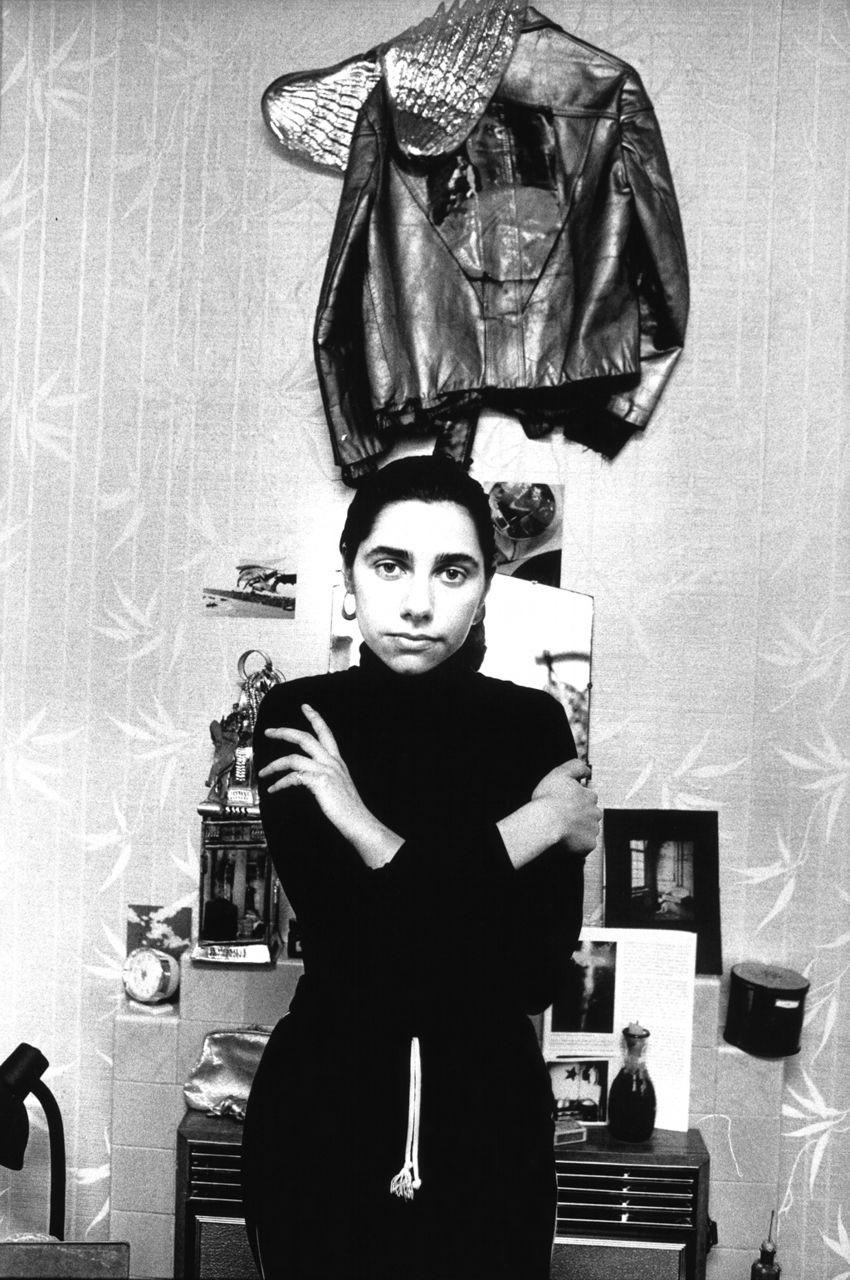
PJ Harvey has a new album just out. Other than one or two tracks from the radio, I’ve not yet heard it, but as I have done with all her records to date, I’ll get to it properly at some point and listen to it from start to finish, uninterrupted by onion chopping or the taxiing of kids, just as PJ would hope for. Ten albums in and Harvey shows no sign of compromise or lack of ideas – the mark of a true original.

She has a whole catalogue worth diving into. From the Patti Smithish Stories From The City to the metallic blooze of Uh Huh Her and the jangling olde worlde and sepia-tinted Let England Shake, Harvey’s output is nothing short of spectacular. Not perhaps instant, not necessarily chart-friendly, not ever the sort of music that’s worried itself with the fads and fashions of the day…and all the more urgent for it.

I’ve always really liked Dry, her debut album. Now 31 years old, it still thrills, its low-slung channelling of the blues sounding primal and sultry, combative and self-assured. Biblical references rub shoulders with filthy thoughts, gothic and strange and unexpected. The whole record is life laid bare, PJ’s life laid bare, to be more accurate. Harvey flung herself into the recording of it, convinced that it would be her one chance at making an album, and man!, it shows. Her first single, Dress, is a foreshadow of what would come on Dry.

PJ HarveyDress

A lone creeping guitar scratches out a rhythm. A snare drum (or possibly a *biscuit tin) dictates the beat. A silvery tambourine rattles haphazardly and the instruments fall into line. A scraping viola tears itself straight outta the grooves of The Velvet Underground And Nico and rips a metre-wide hole in the melody.

PJ sings despairingly about the pitfalls of wearing too-tight dresses, of trying to please the object of her desire even though it’s clear he couldn’t give two hoots about what she’s wearing. A Fall-ish/Pixies-ish one string guitar solo leads us into PJ’s falsetto – there’s not many Harvey tracks where she doesn’t slide up the octaves for dramatic effect – and the whole track now sounds more pressing, more insistent, the viola sawing away at the edges, the jackhammer beat of the rudimentary drum kit pummelling away like Mo Tucker on steroids.

It sounds live, like 3 or 4 musicians playing right in front of you, no fancy Dan production, no vogueish effects, just PJ and her band letting rip before the game is up and she’s ushered out of the studio to make way for another more palatable and chart-friendly artist. Harvey’s longevity would suggest that, thankfully, they knew they were onto something when they let her loose in the studio.

*Bonus Track

Dress Rehearsal!

Here’s the demo of Dress. Just a close-miked Polly and her pheromones, an acoustic guitar for company, occasionally filled out by that same scraping viola and a rough-hewn electric guitar that quite clearly fell off the back of Kurt Cobain’s pick-up truck. Wonderful stuff.

PJ HarveyDress (demo)

* that ‘biscuit tin’ comment was a bit unfair. Rob Ellis, PJ’s drummer of choice at the time, is a fantastic polyrhythmic percussionist and his complex patterns belie the simple structures of those early tunes. There’s not a group who wouldn’t be better if Rob was driving them from the back and that’s the truth.

demo, Get This!

And Now, A Word From Our Sponsors

What follows is the result of a blatant and barefaced attempt at getting something cool for free…and succeeding.

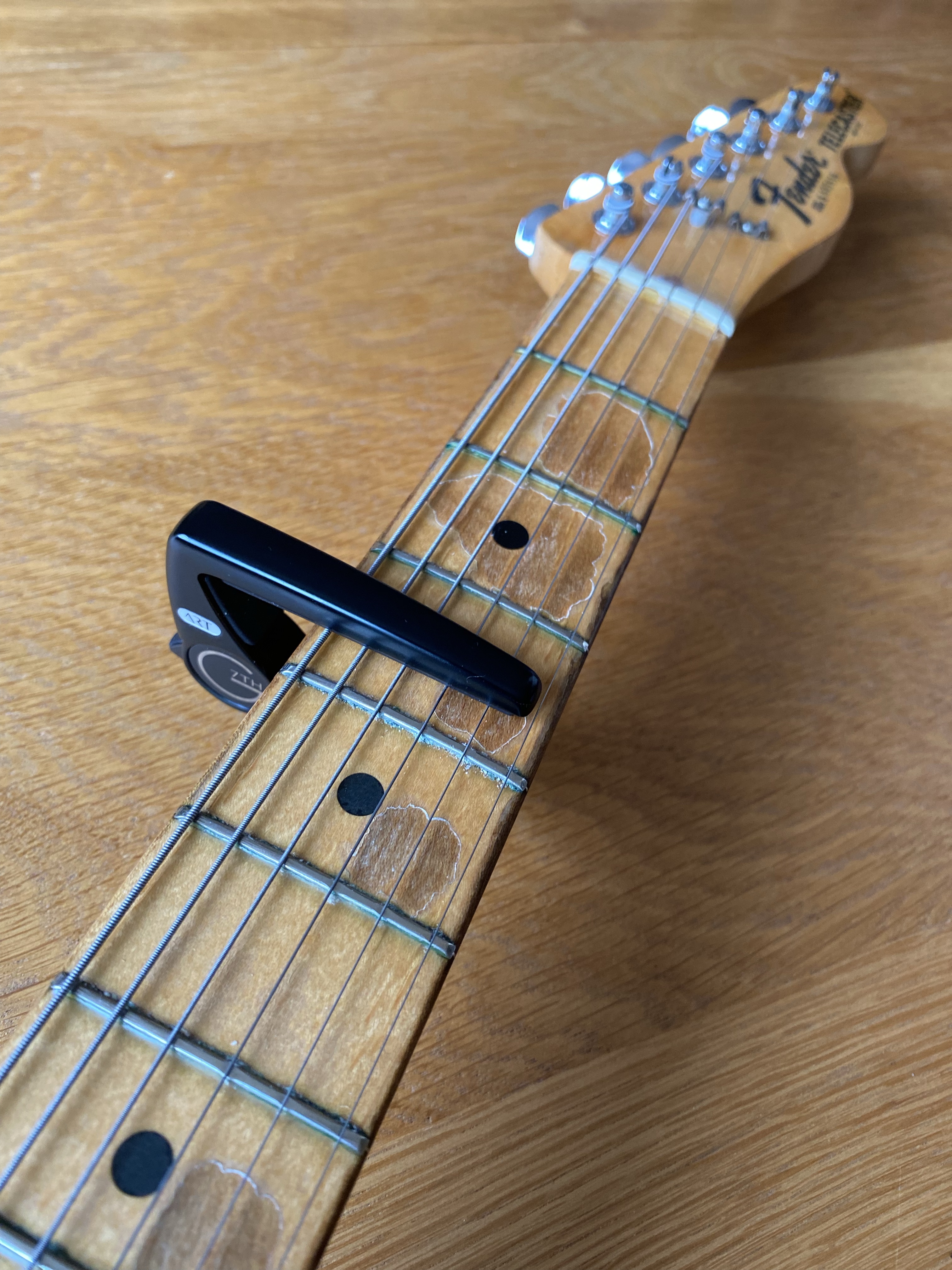
I’d noticed on Instagram that one or two musicians I follow seemed to endorse G7th Capos (the finest capos around, dontchaknow) so I speculatively suggested to the good folks who make them that if I were perhaps to reveal the finer details of the capo trick I showed to yr actual Johnny Marr a few years ago, I too might be worthy of such endorsement. Johnny himself is a G7th Capo user – he favours the Gen 1 model – and was genuinely tickled with my capo trick, so it stands to reason that I should be in receipt of a spanking new G7th Performance 3 capo should I share the secret.

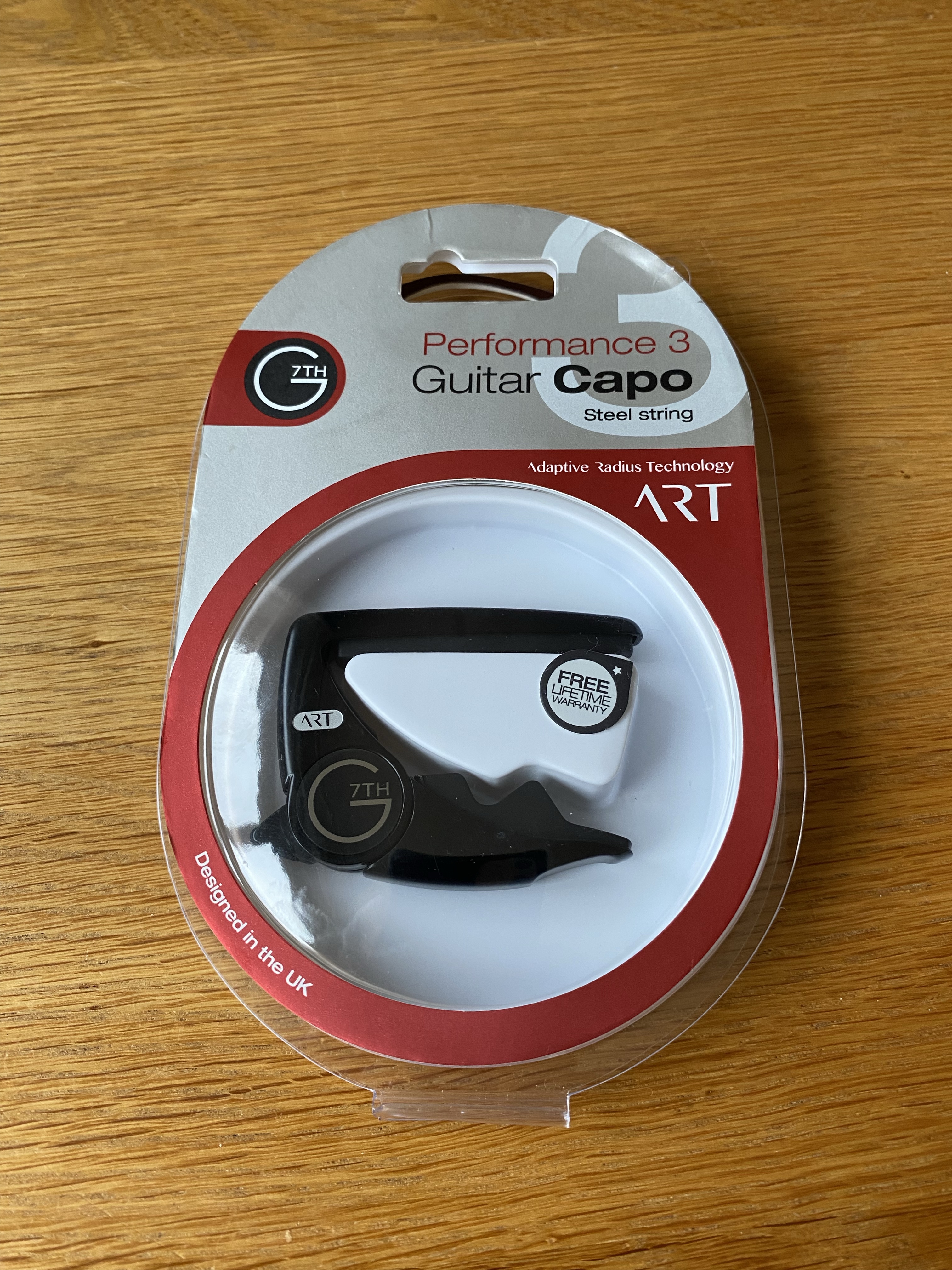
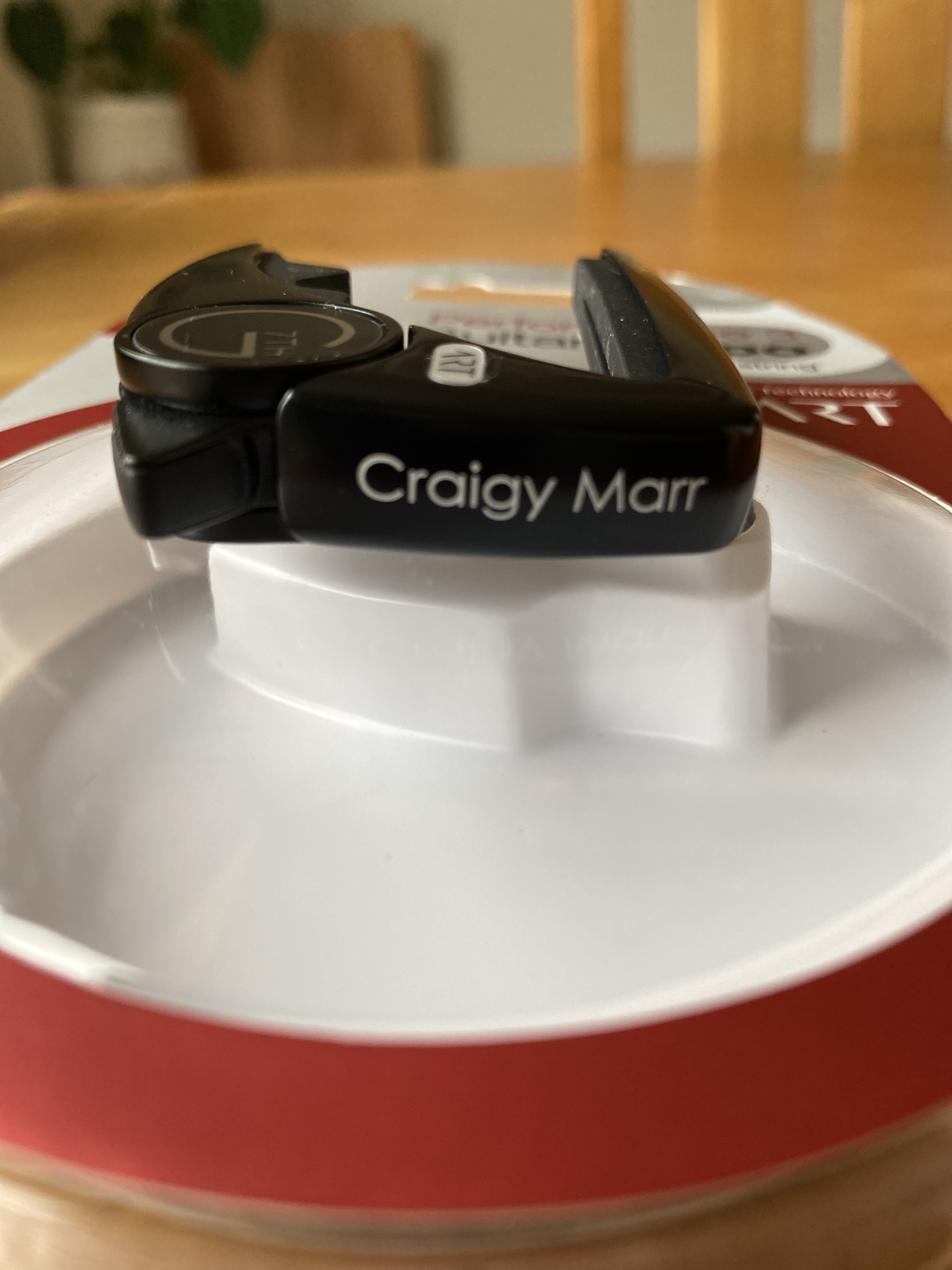
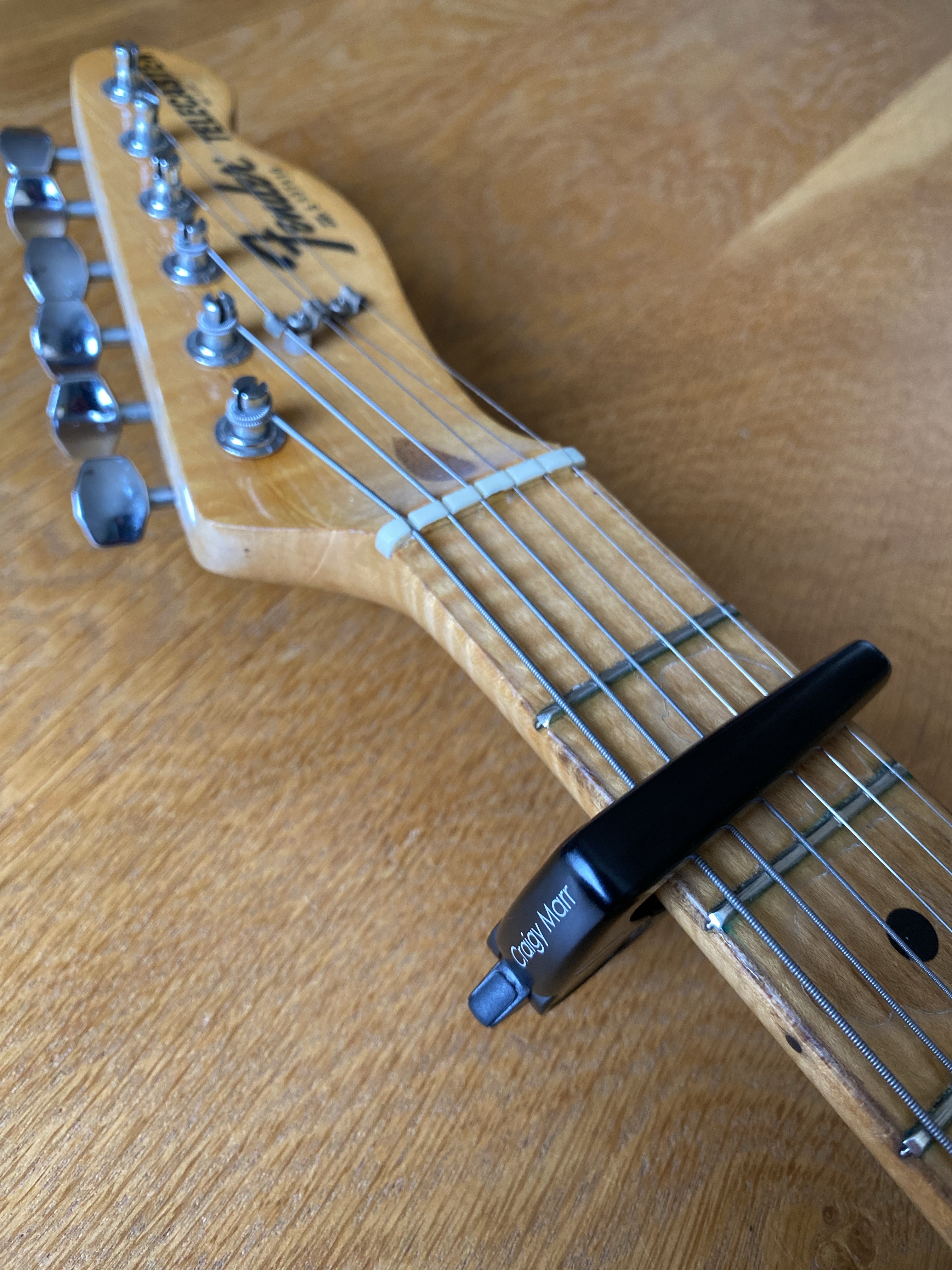
The good people at G7th Capos not only concurred with the idea, they went as far as personalising a sleek satin black capo, just for me.

Magic!

The capo itself is solid and chunky yet light enough that you won’t even notice its weight when you’ve attached it to your guitar (acoustic or electric, it will work on either). Due to its unique Adaptive Radius Technology, there’s none of the string buzz or muted notes you might get from your current capo. You’ll not need to fine tune any of the strings. It’s designed to ensure fidgeting with it is kept to an absolute minimum – there are no screws to turn and adjust at the back. Through research and wizardry, the rubber pad cleverly distributes even pressure across all strings. Basically, clip it on, play immediately and you’ll sound clean, clear and in tune. That tapping you might hear in the background is the sound of sexy people at your window wanting to see who’s playing this beautiful capo’d music. Really, every guitar player should have one.

The G7th Performance 3 features a super-cool mechanism that allows the capo to be slid single-handedly by the player, even mid-song should the need arise. If you’ve ever seen Teenage Fanclub perform I Don’t Want Control Of You in concert, you’ll notice that Norman Blake performs a similar sleight of hand with his capo when the song’s key change kicks in. Years of playing the song live has enabled Norman to do this smoothly and almost unnoticed, unless, like me, you’re a geek for this sort of thing. So, yeah, I’m sure after a couple of hours experimenting with it, a G7th Capo should let you do this effortlessly too.

I wish I’d had one all those years ago when I stumbled upon the move – my signature move, if I may be so bold – while I was playing around with different tunings and looking for interesting open notes and how they rung out.

Here’s the trick. Make sure your guitar is in standard tuning then grab yr capo – a G7th Capo is clearly the preferred capo of choice – and do as follows:

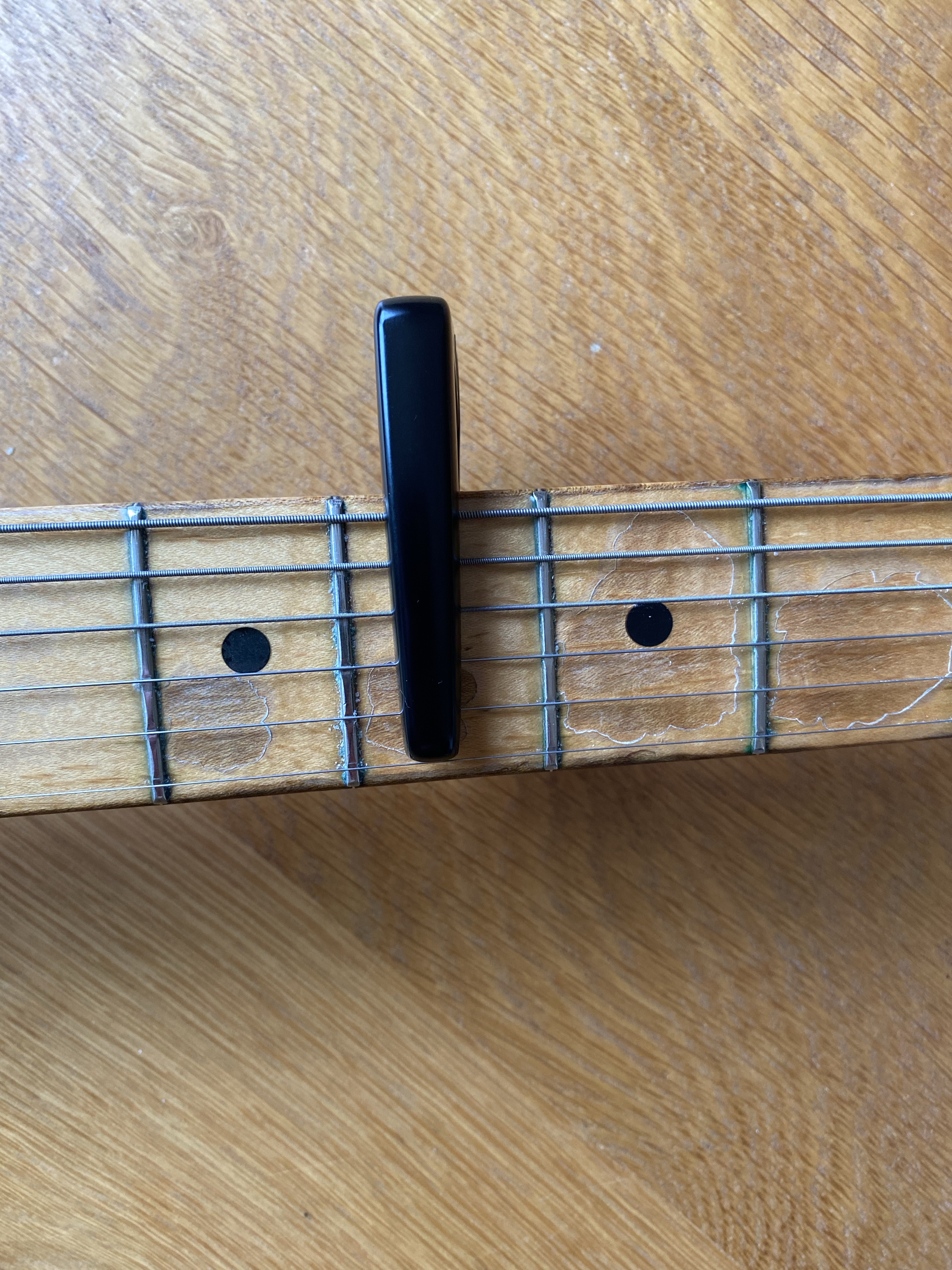
Attach the capo to the 4th fret, but…

…attach it only across the bottom 5 strings so that the top E (the thinnest string) is still open. If you’re not a lucky G7th Performance 3 owner, sorry, but you may need to put your old capo on upside down and fidget about with the screw to make it fit better.

Next, play a standard C chord, but also place your pinky on the relative 3rd fret of the top string. Practise between pinky on and pinky off. It’s got a nice ring to it, hasn’t it? That’ll be due to the open E string playing alongside the ‘C’ chord which, when played at the 4th fret is technically an E chord. But enough of the hokey theory…you knew that already;

Mastered the pinky on/off strumming pattern with the C shape? Course you have. Now replicate that pattern, 3rd fret pinky included, by playing an A minor instead of the C. Once you’ve got the hang of that, begin playing a pattern between the 2 chords. Sounding good so far?

Let’s change it up a bit. Go to a standard open G chord. Strum it, then intersperse those strums by moving your finger (possibly your pinky, maybe your ring finger, depending on how you play a G) from top string, 3rd fret to 2nd string, 3rd fret. That open top E you’ll get when you remove your pinky now rings out loud and clear, the finger on the 3rd fret of the 2nd string helping to add a previously hard to get pleasing harmonic chime to the riffage.

Resolve your chord sequence by going back to the C chord, still with pinky on top string, 3rd fret.

At this point in our telephone conversation, yr actual Johnny Marr said, “Oh! Right! Run that past me again…C chord with pinky? A minor? G plus open E? I’m off to try that. Bigmouth and There Is A Light are played in that position. That trick might add something to them. Cheers!

I suggested to Johnny that he throw in the odd D minor or E minor for extra colour. “You’ll get a good tune out of all of that,” I ventured. He said he’d have a play around with it, and for the moment, that was the end of that.

You can imagine the thrill, then, when a month or so later, we’re standing side by side having a chat after a triumphant show at Kilmarnock’s Grand Hall. By this point, Johnny’s met the fans, heard the stories, signed whatever’s been put in front of him, packed the tour bus and is in the process of saying goodbye. “Bye guys! Great show!” And off he goes. Then he turns, looks at me and with a glint in his eye says, “Oh yeah – neat capo trick, by the way! I’m gonna use that on something!

And now you should too. Get yourself a G7th Capo and change your playing for the better.

Here’s Johnny’s demo of Some Girls Are Bigger Than Others. No capo required, unless you’re playing along to the live version from Brixton Academy. Same picking pattern, only you’ll need your capo on  the 4th fret for that version.

The SmithsSome Girls Are Bigger Then Others (demo)


G7th Capos can be found here.

The Performance 3 Capo can be found here.

Check out their socials in all the usual places.

Check out Hope For Justice, the charity supported by Gth Capos.

Gone but not forgotten, Live!

Gabba Gold

Wunchewfreefo’! I listened to my 38 year old copy of RamonesIt’s Alive today and it reminded me just how much of a force the live Ramones were. From the first wunchewfreefo’! onwards, they blast forth from the stage a tidal wave of lightning-quick chord changes and precision drum breaks and concrete slabs of bass, the strange and unique voice of Joey – kinda strangled in some parts, grizzled in others, Queens-heavy accent ever-present – riding the musical surf and hanging on to its leather-jacketed coattails for dear life. To face Ramones in full flight was akin to standing in front of the biggest, loudest hairdryer in existence and letting it blast you full on. It’s Alive captures this over four sides of loud-cut vinyl that should be required listening at least once a year.

Wunchewfreefo’! Recorded in London’s Rainbow Theatre as 1977 rolled into 1978 (with crowd noise flown in from the Glasgow Apollo show 12 days earlier) it captures the group at a very early peak. Still just a band and not yet a brand, It’s Alive gathers the songs – all of them, I think…every last one – from their opening trilogy of albums (Ramones, Leave Home, Rocket To Russia) and adds a handful of Ramonesified ’60s radio standards to take the set closer to the hour and a half mark they were expected to play.

Wunchewfreefo’! Punk’s strike quick before anyone notices attitude saw to it that Ramones would release their first three records in a heady 20 month spell between April ’76 and November ’77. That’s a strike rate of one album every 27 weeks…and every one a greatly influential record at that. By the time they were touring the UK in December ’77, Ramones knew those songs better than they knew the backstreets of the Bowery and had honed a live set that was loud and fast, breathless and relentless, yet as choreographed – in hair and costume as much as movement – as anything Legs ‘n Co might’ve put together for Top of the Pops.

Wunchewfreefo’! Johnny and Dee Dee step forward in the verse, right foot first. Step back in the chorus, left foot first. Crossover here. Head-down boogie there. And they never miss a beat or drop a note or fluff it up. Ah, they say, but that’s cos what they’re playing is easy. Simple. Dumb. Dumb songs with dumb chords and dumb delivery. Anyone can do that.

Wunchewfreefo’! No they can’t. It’s hard being dumb in music, trust me. If you’ve ever played in bands you’ll know what I mean. Even the worst of bands can’t sound dumb. There’s always one flash Harry in the group who wants to be heard that wee bit longer, that wee bit louder than the others. Spoiler alert: it’s usually the guitar player. Any guitarist knows their way round a couple of barre chords, but no guitarist is happy churning out barre chords on stage for half an hour. Even Bonehead felt the need to fling in a teeny tiny wee widdly bit somewhere, and he got nosebleeds whenever he ventured beyond the bottom three strings. Ramones were genius. Bass plays this part, guitar plays the same. The exact same. Disciplined and regimented, they come at you like a denim and leather tank. Brutal and unforgiving. For every song. It’s Alive is the perfect distillation of all that was great about them.

RamonesSurfin’ Bird

Weeeelll! Ev’rybudyzHurdAbatThaBurd’! I’m a total sucker for Ramones’ take on The Trashmen’s Surfin’ Bird. A bona fide garage band classic, Ramones take the bucket punk of the original and hotwire it with a blowtorch scorch, a pummelling A chord hammered relentlessly to the face of the listener with nary a change in the song’s first minute. Thunka-thunka-thunka-thunka-thunka-thunka-thunka-thunka. Ba-ba-bird, bird iz tha wurd, ba-ba-bird, bird iz tha wurd. Over and over and over and over. Until the breakdown.

Sur-fin-baaaard! A ba-ba-ba-ba-ba-ba-ba-ba-ba-ba...A mam-mam, ba-ba…mam-a-mam.

Terrifically goofy stuff.

Wunchewfreefo’! Now do yourself a favour and block off half an hour of your time to watch the surviving footage of the Rainbow gig. As much a social history document as a film of a gig, look out for parka-wearing schoolboys in the front row, balding proggers in cheesecloth and beards and clenched-fist pumping bucket-hat-wearing pogoers…all youth tribes present and correct and getting off on the uncontrollable electricity flying from the stage. Not many girls, you’ll note.